Turenki Tonefest 2012

Mad Professorin (ja Turenki Recordsin) Harri Koski ja hänen tiiminsä ovat laittaneet meille tänä vuonna entistäkin herkullisemman kattauksen suomalaista soitinrakennustaitoa.

****

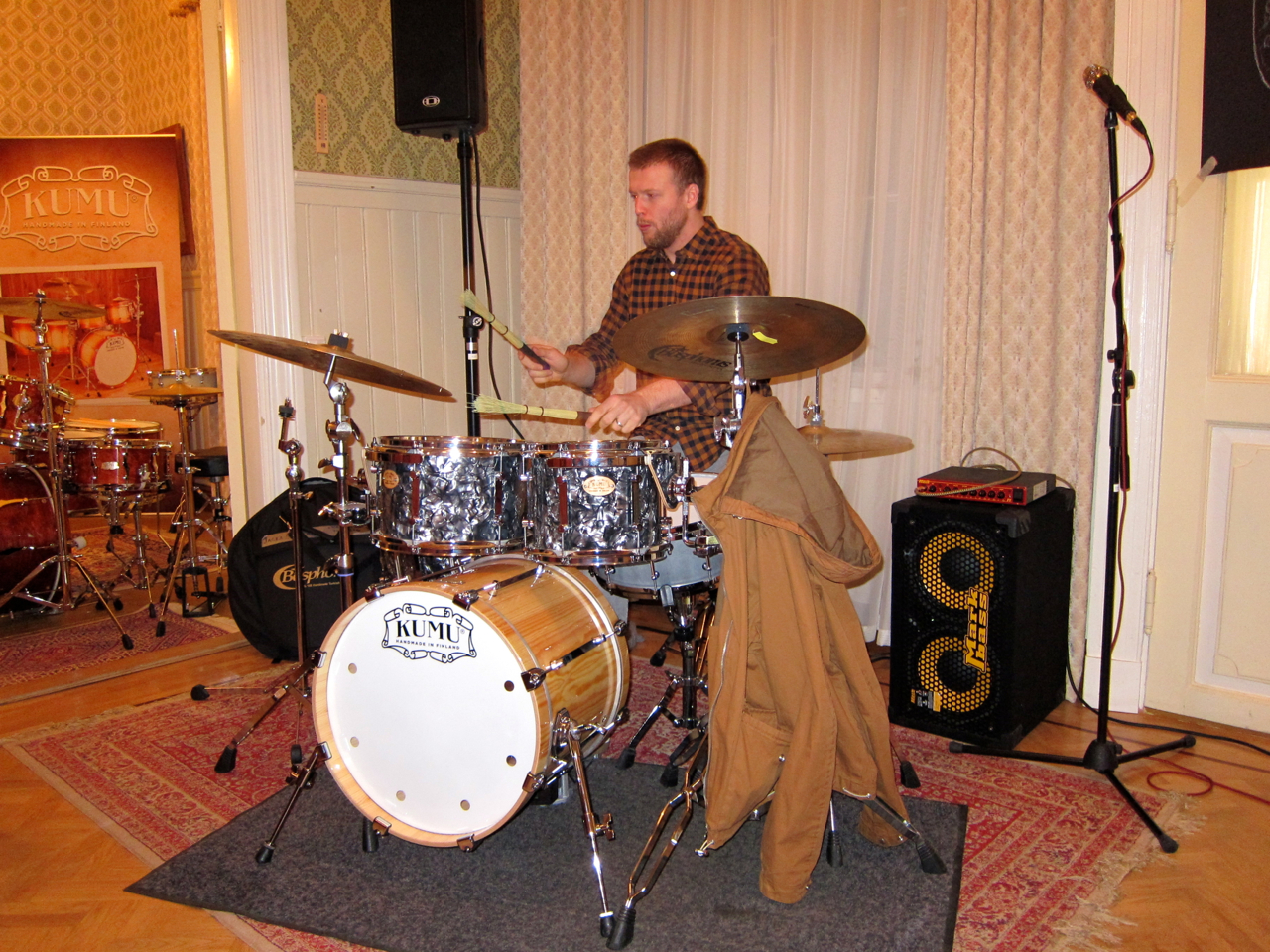
Kumu-rummut ovat esillä kokeiltavaksi ja kuuntelevaksi, esimerkiksi Jaska Lukkarisen soittamana.

****
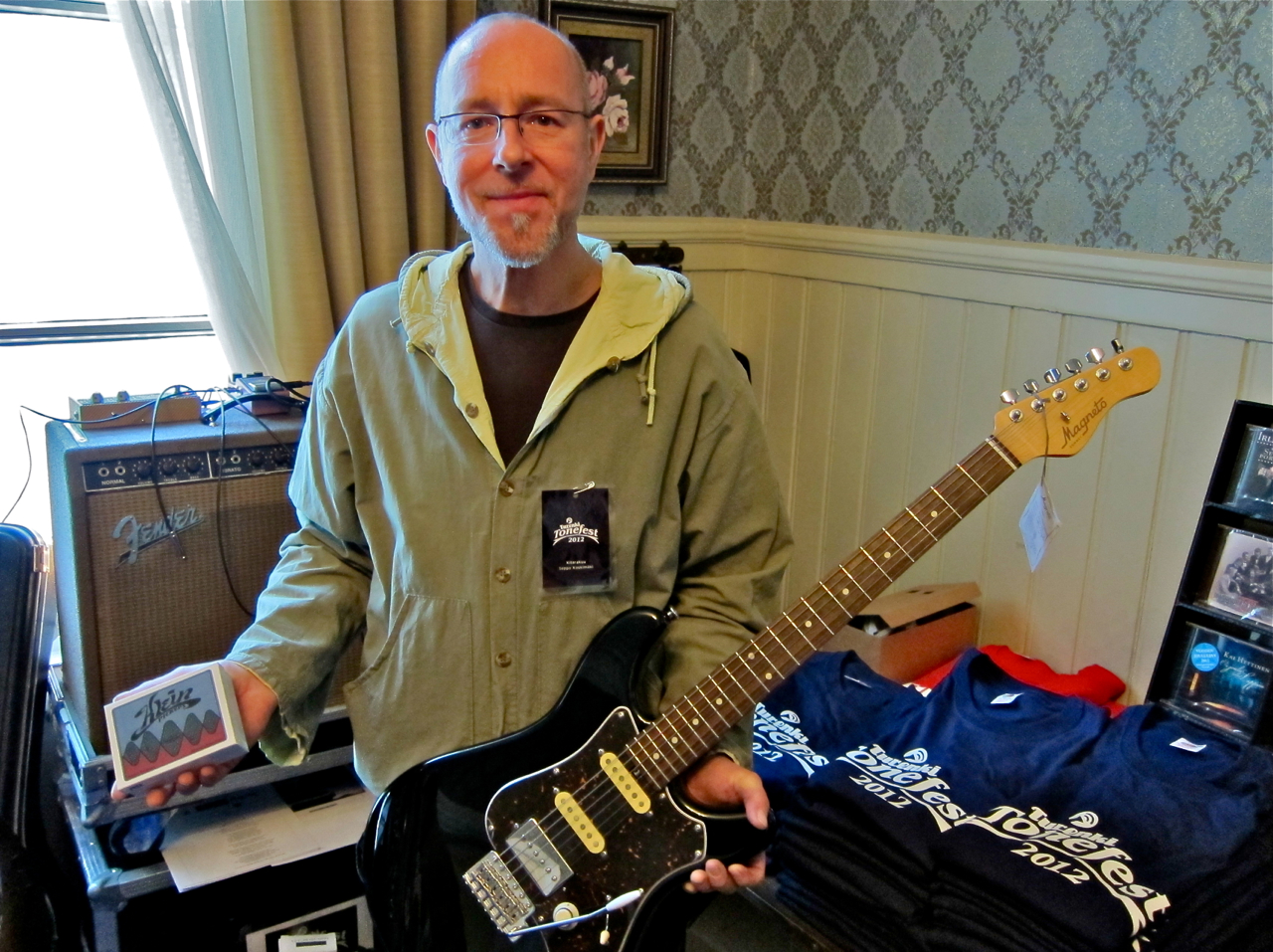
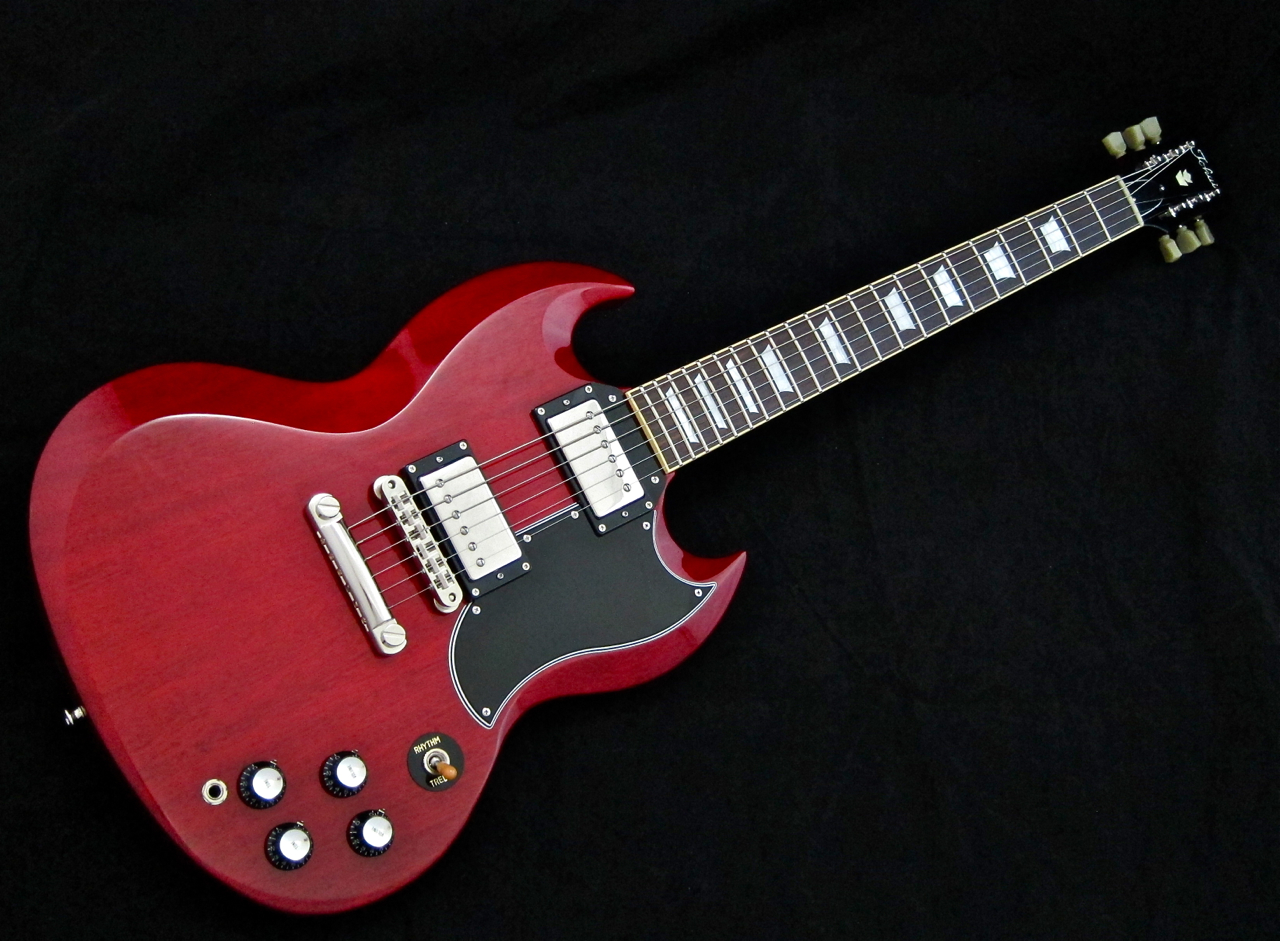
Kitarakuun Seppo Kaskenmäki esittelee mm. firmansa maahantuomia Magneto-kitaroita ja Klein-mikrofoneja.

****

Marko Karhu ja Mad Professorin tuotteita.

****

IKATA:lla on myös oma ständi, jossa voi kokeilla opiskelijoiden kitaroita. Tässä Rainer Lorenz ja hänen itse rakennettu puoliakustinen sähkökitaransa.

****

Tamperelainen Halla Custom Instruments on erikoistunut sähkökitaroihin ja -bassoihin. Ville Mattila on yrityksen luova pää.

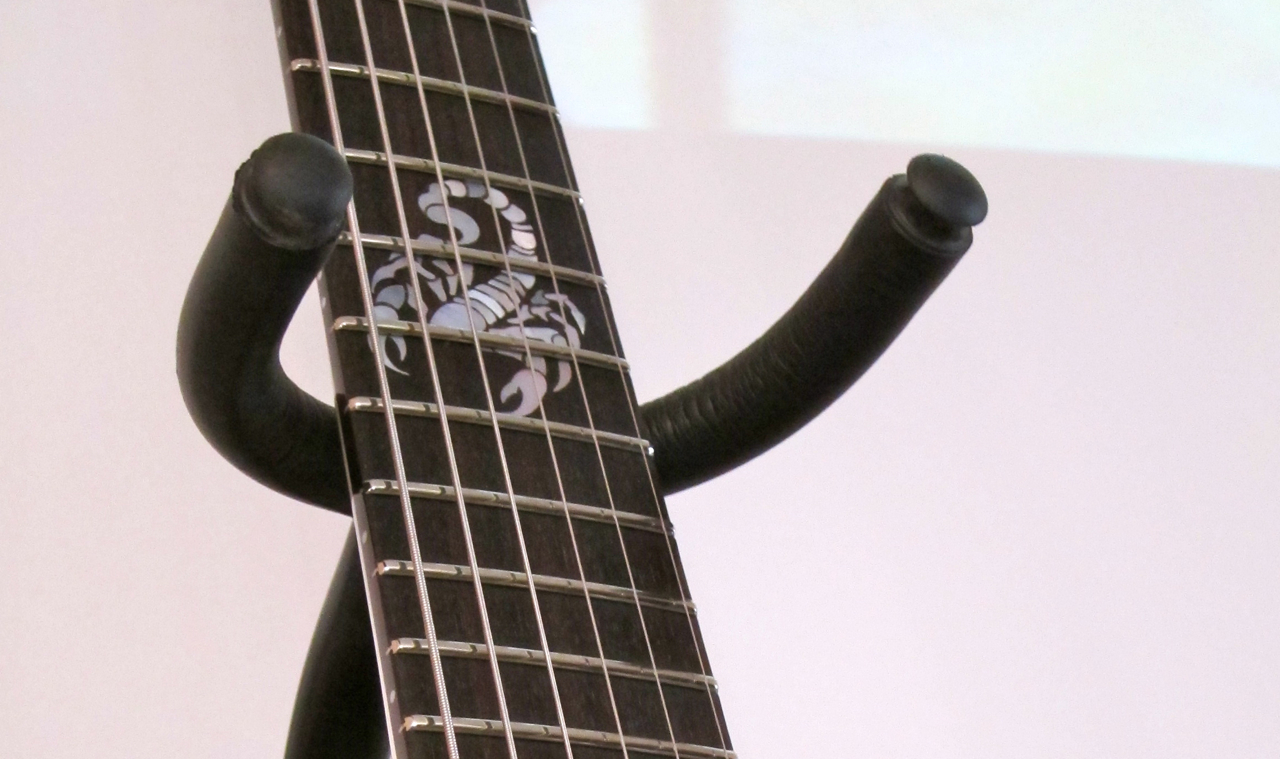
Halla Custom Instruments valmistaa myös omat mikrofonit.

****

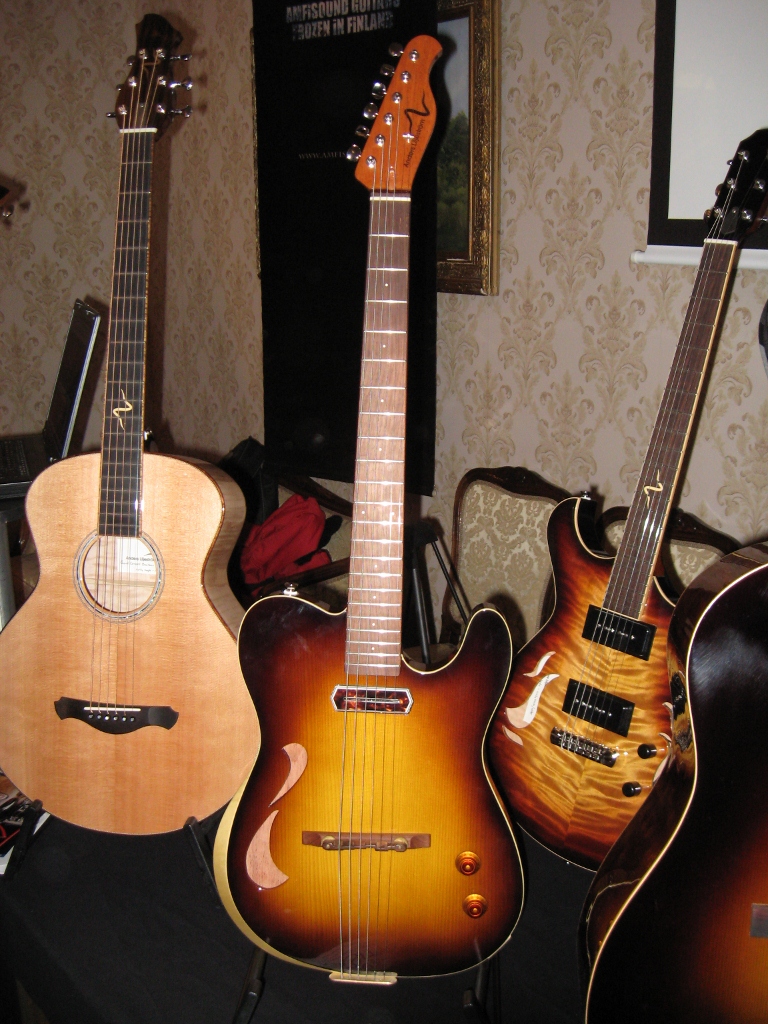
Amfisoundin Sampo Leppävuori ja firman tuotannon äärilaidat – Rock-virtuoosin mehevä lavakitara ja Rockabilly-henkinen kaunotar.

****

Myös virolaiset Romu-vahvistimet voi kokeilla Turengissa.

****

HOS Guitarsin Henry Salo pitää Erja Lyytisen sähköresonaattorikitaraa sylissään.

****
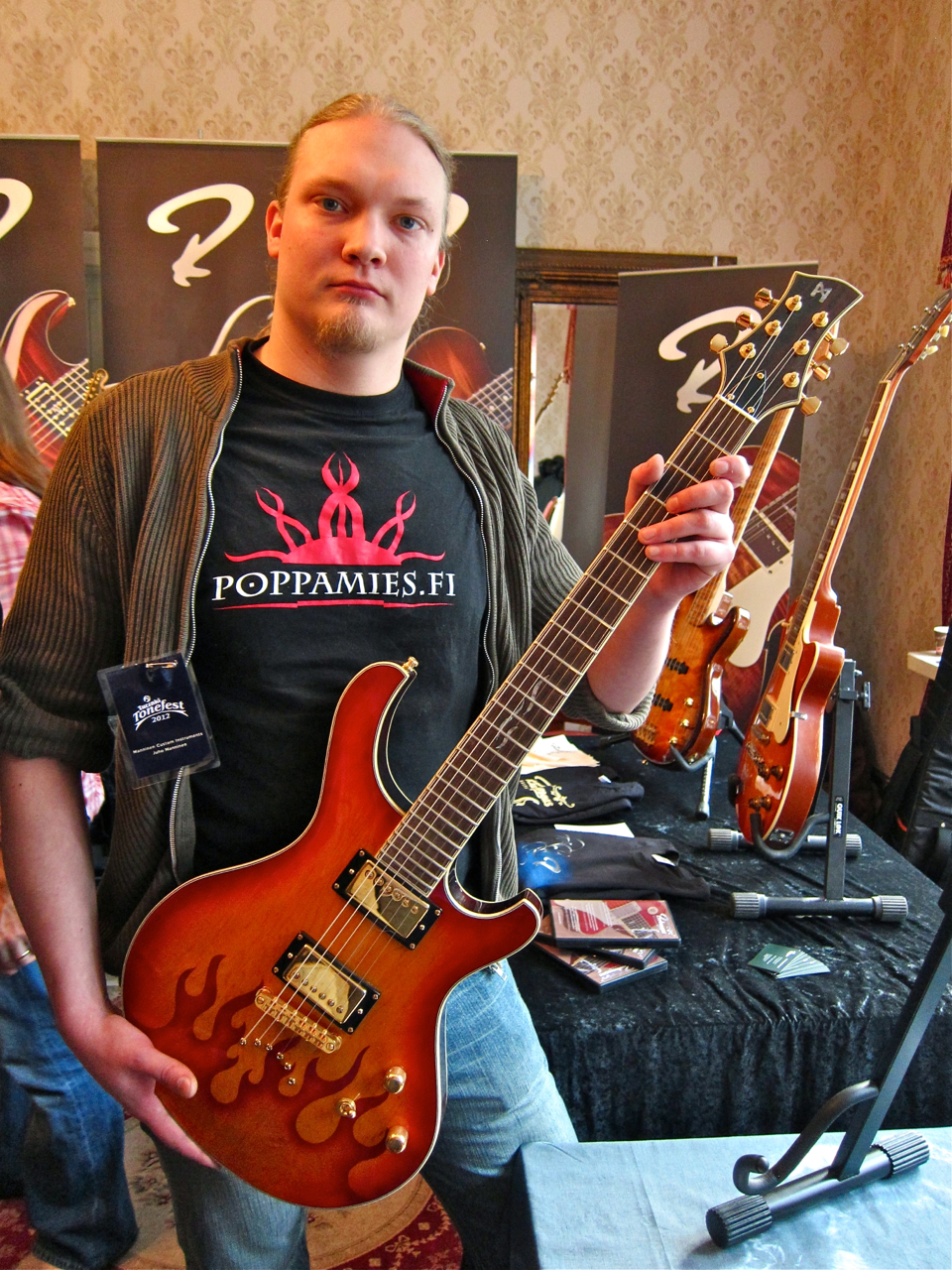
Juho Mannisen Manninen Custom Instruments on uusi tuttavuus Loimaalta.

****
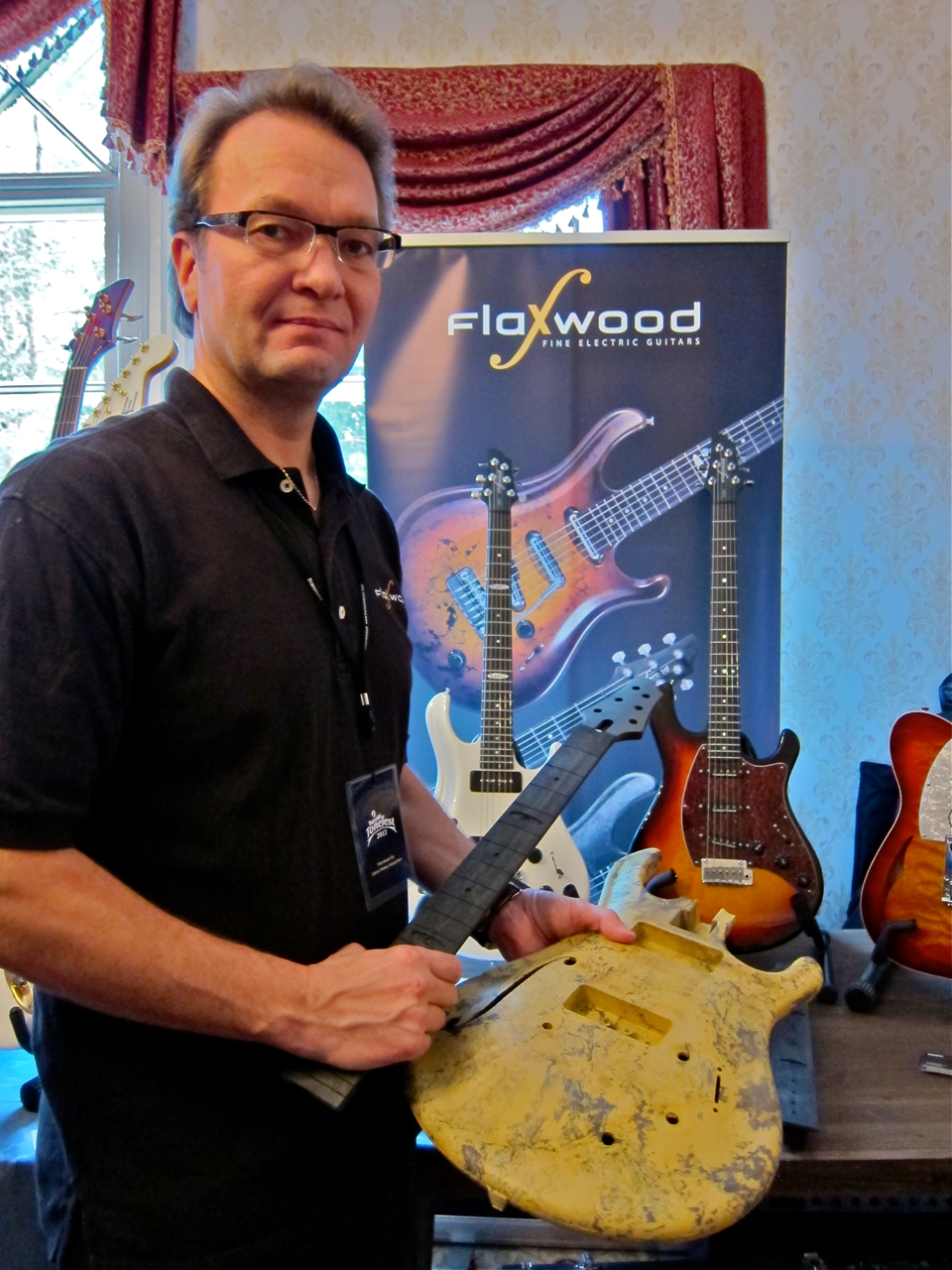
Flaxwood-kitarat saa nyt myös rakennussarjoina.

****

Flaxwoodilta tuttu Veijo Rautia rakentaa jälleen kitaroita ja mikrofonia myös omalla nimellä.

****

Taito-Finlandian tuore voittaja, Juha Ruokangas, on ollut koko lauantaina huomion keskipisteenä.
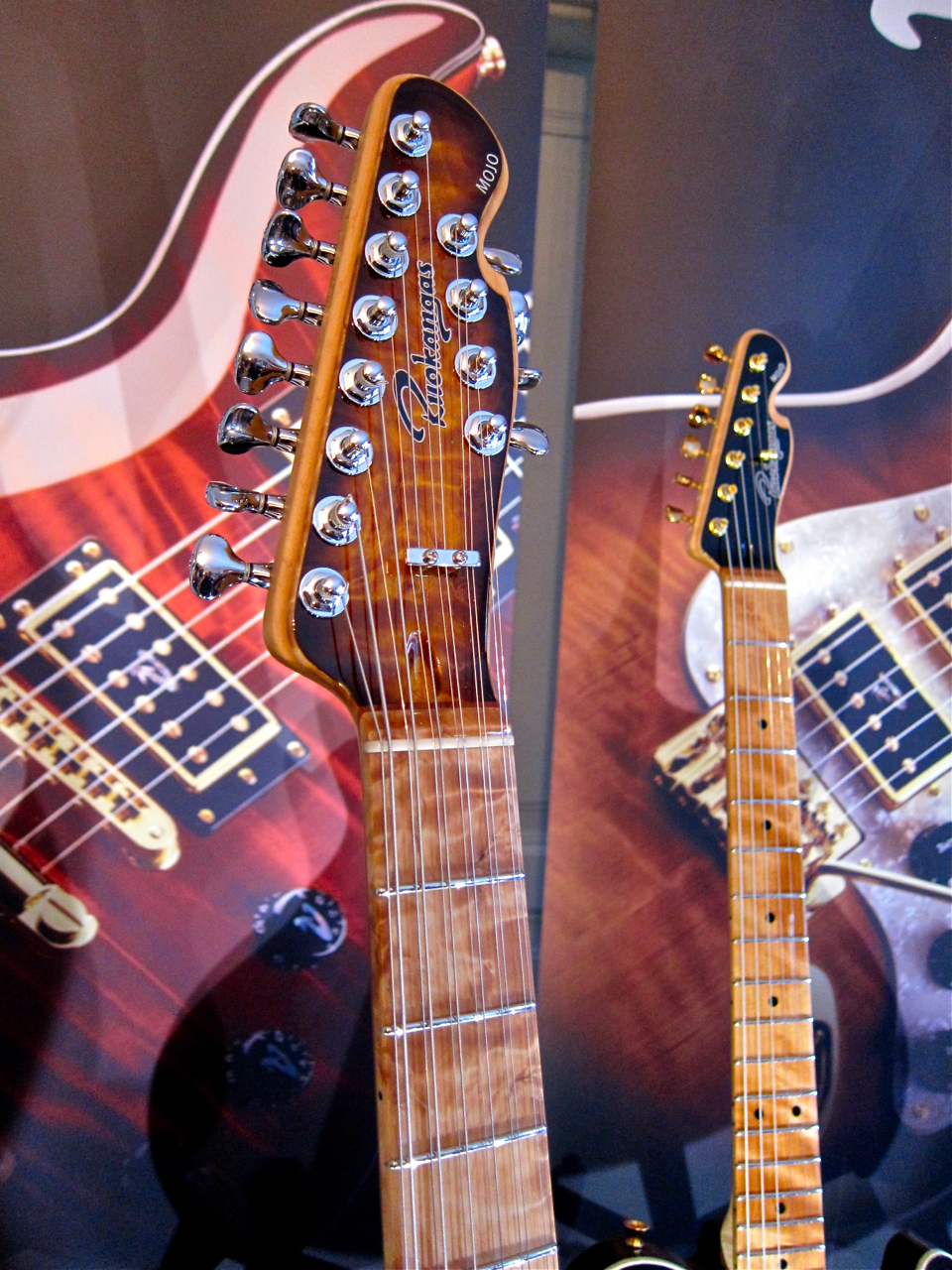
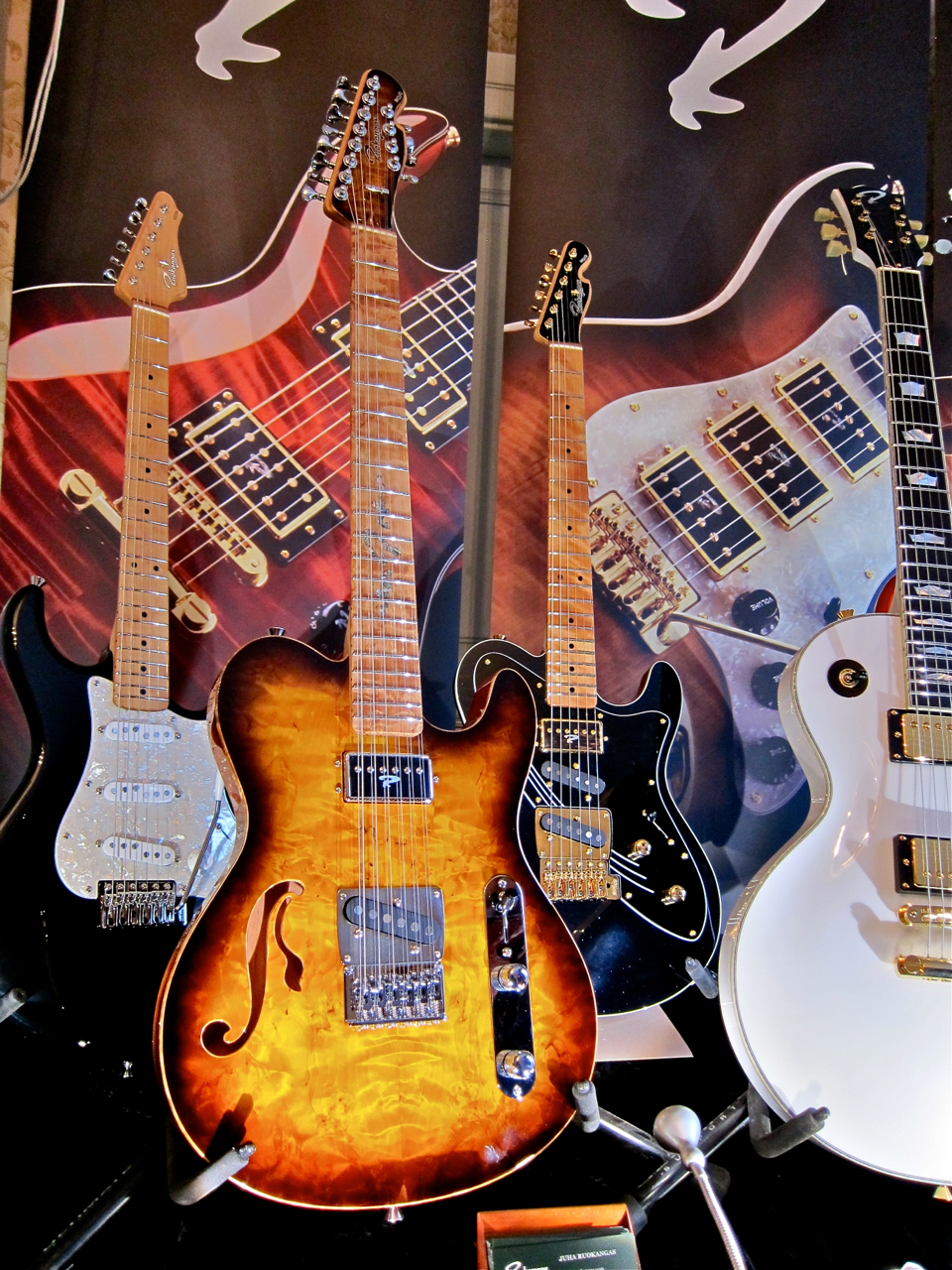
Ruokankaan 12-kielinen Mojo-malli on erittäin tyylikäs tapaus.

****
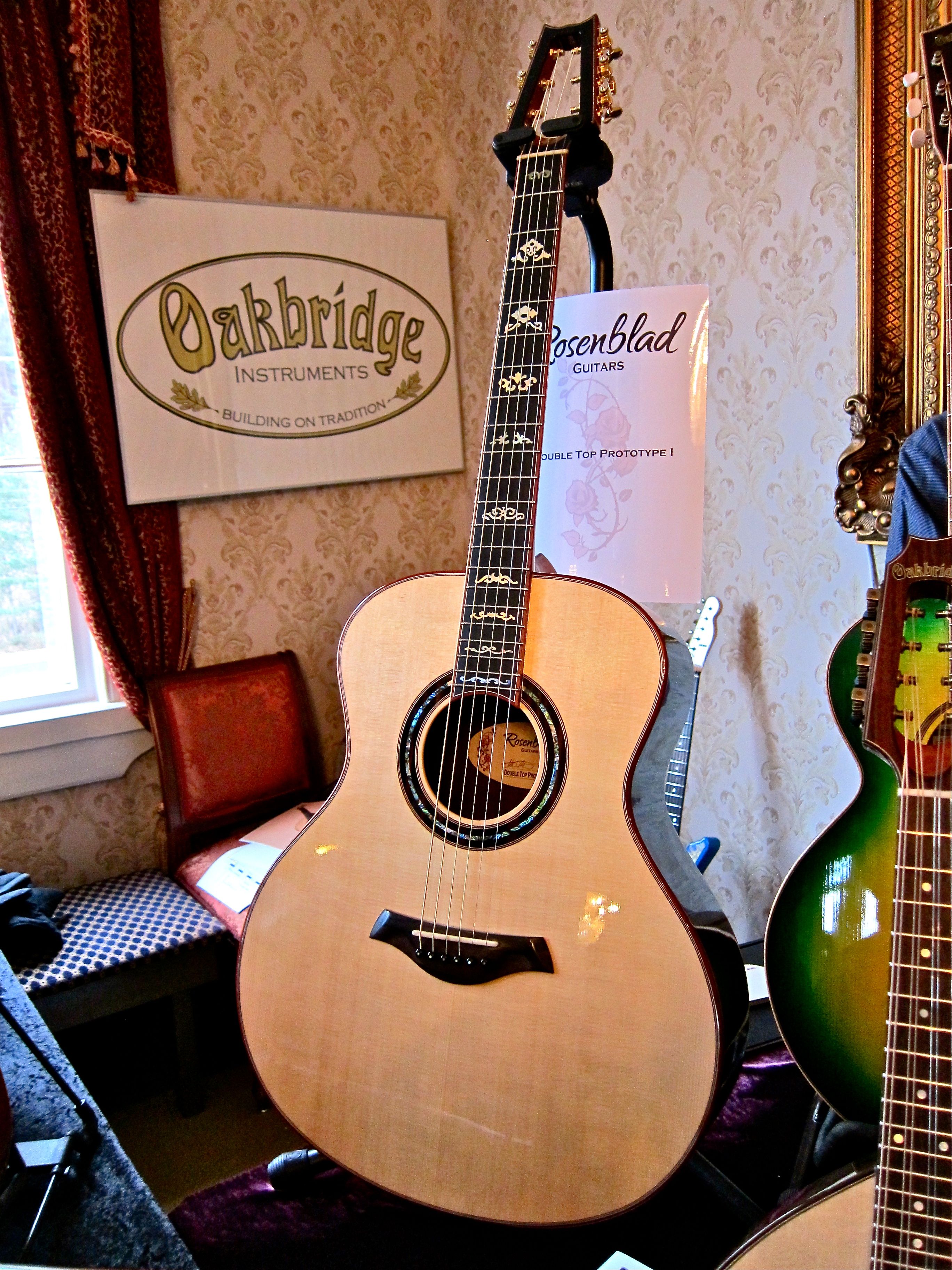
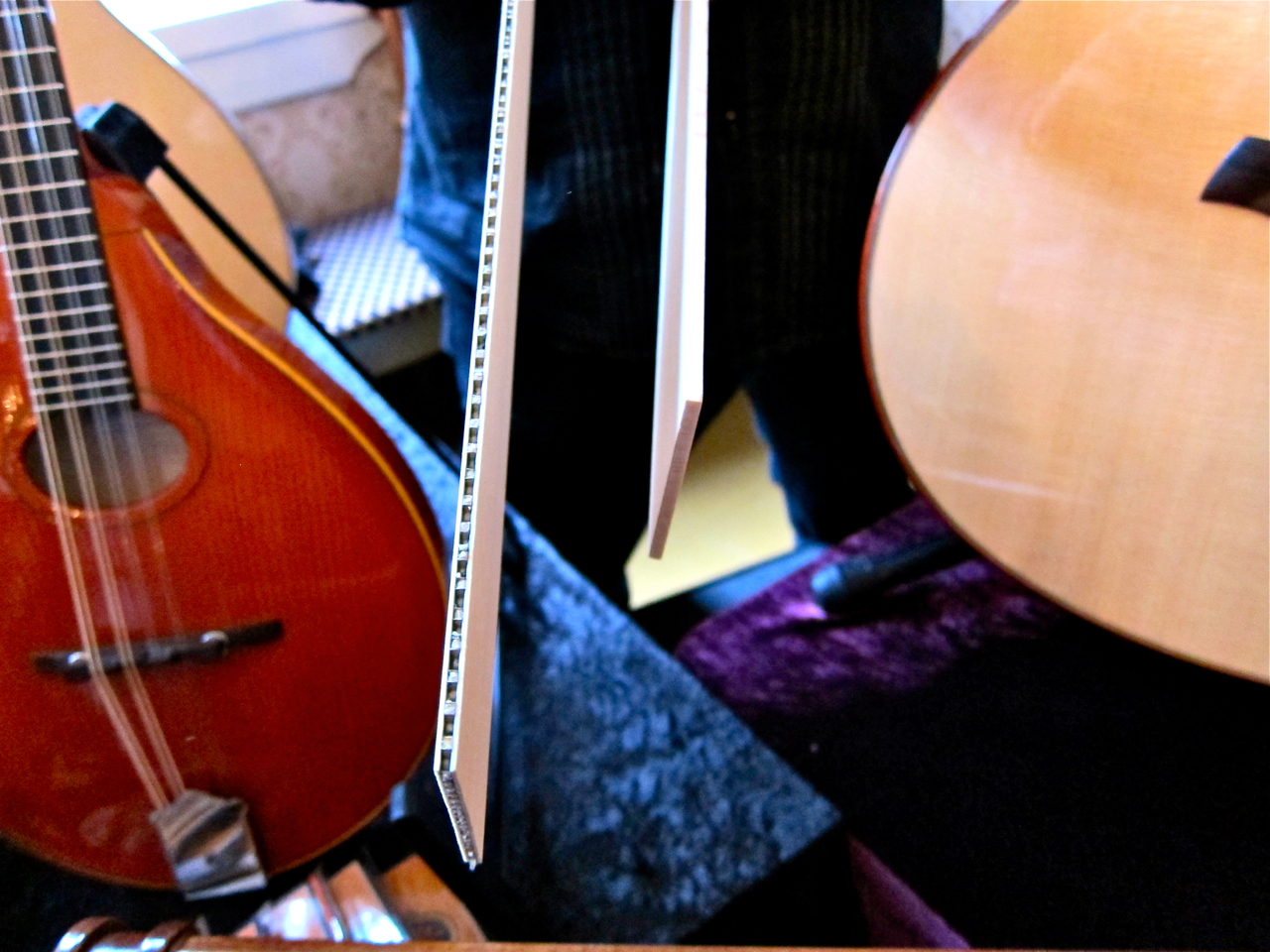
Rosenblad Guitarsin prototyypissä käytetään kennorakenteista tuplakanta.

****

Custom Shopin uudet omistajat – Kimmo Aroluoma ja Jani Marjoniemi – esittelevät mm. firman efektipedaaleja ja kustomoituja efektilautoja.

****
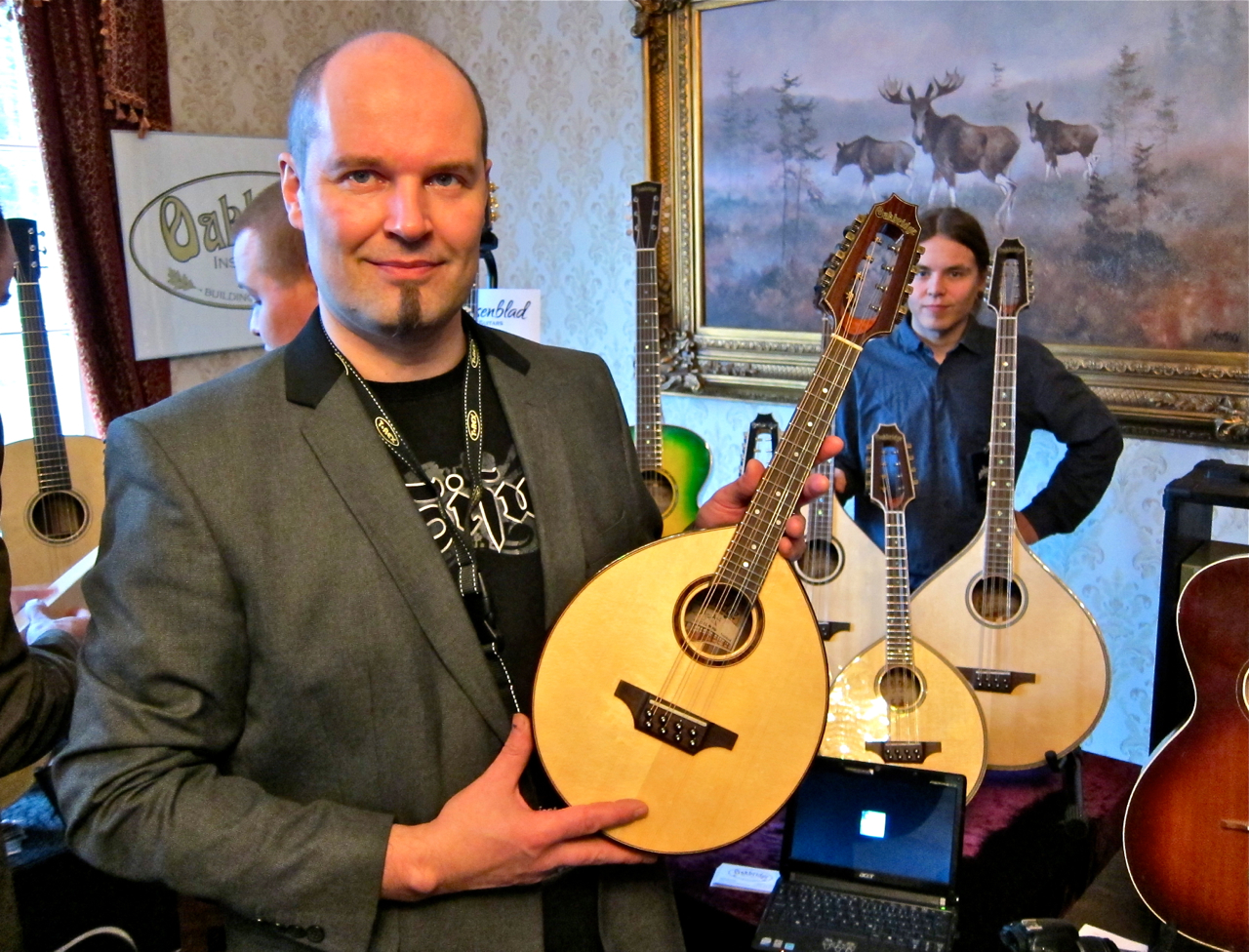
Oakbridgen Jouni Järvinen ja firman kiinteällä tallalla varustettu mandoliinimalli.

****

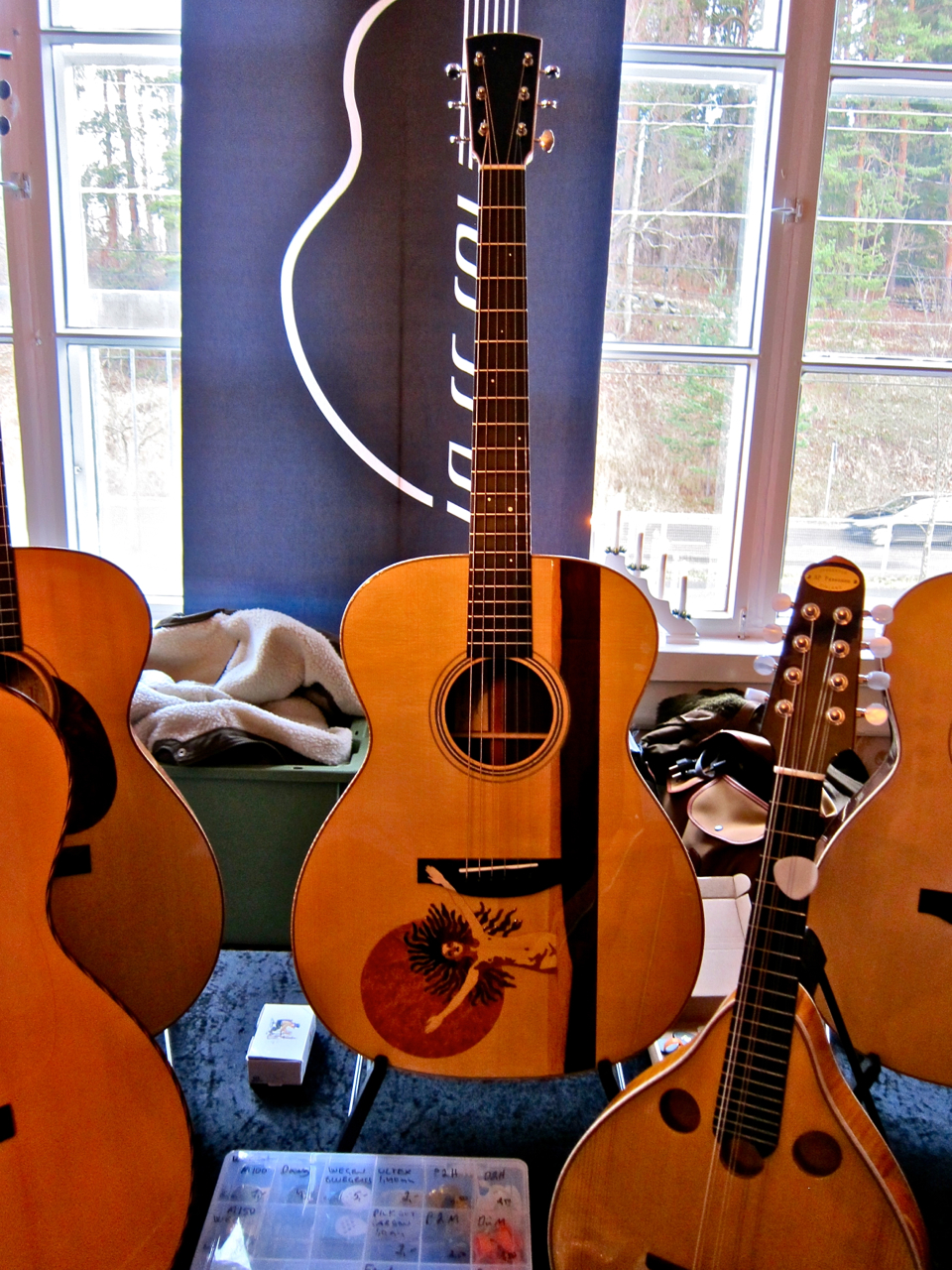
Soitinpaja JaSeSoin Ari-Pekka Paasosella oli jälleen kerran esillä monta upeaa soitinta.
****

Jarno Salo (Salo Pickups) ja puulla päällystetty Rough Boy -mikrofoninsa.

****
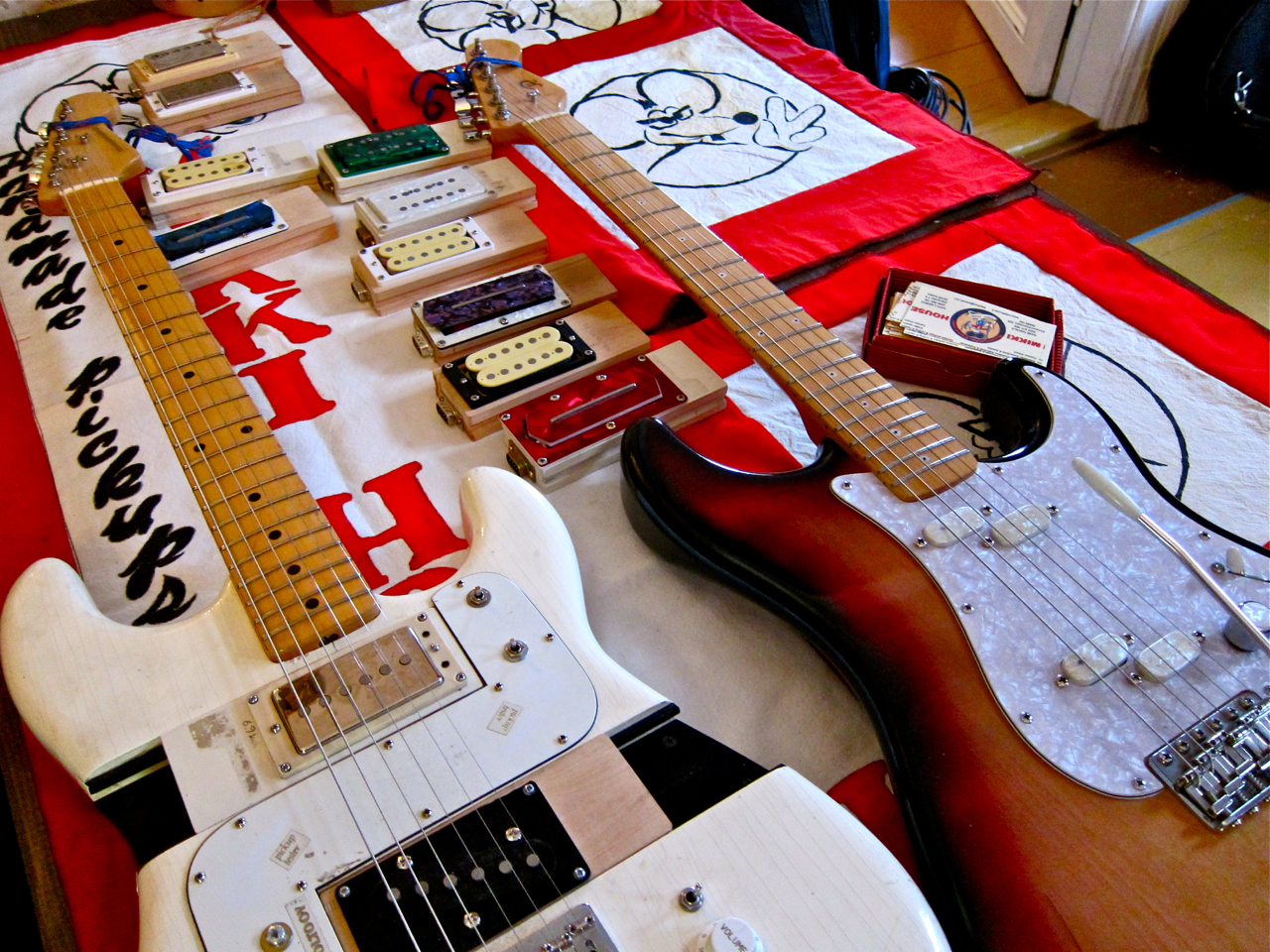
Mikki House-mikrofoneja ja -testisoittimia.

****

Finlandia Instruments Hämeenlinnasta tarjoaa laajan skaalan erilaisia kielisoittimia. Teemu Järvinen esittelee firman lankkuakustista kitaraa.

****

AJL-Guitarisin osastolla soitetiin kuumaa mustalaisjazzia – Hot Club de Finlande feat. Olli Soikkeli.

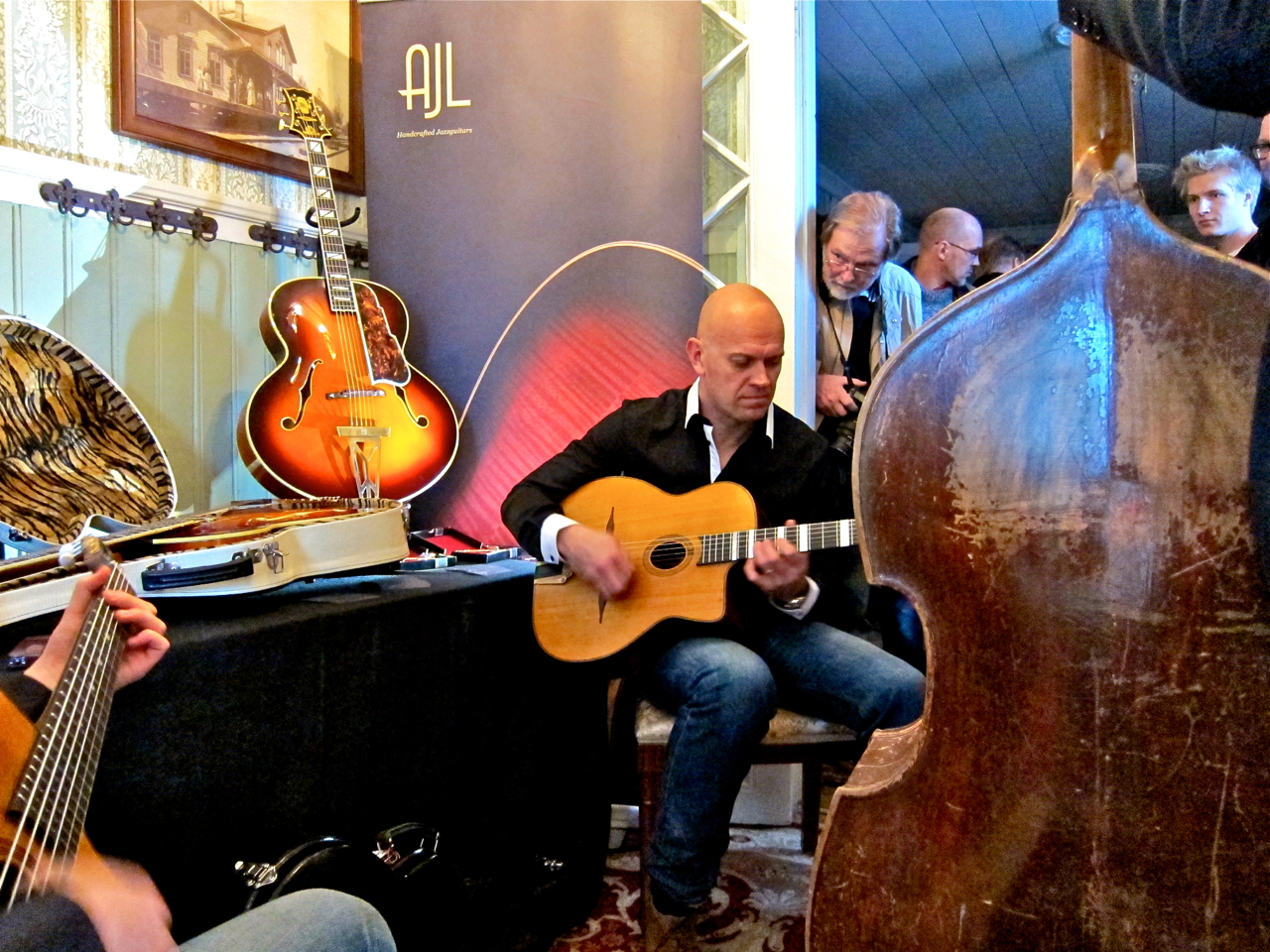
Soitinrakentaja Ari-Jukka Luomaranta on myös loistava kitaristi.

****

Tonefest jatkuu vielä huomenna!

Review: EBS Classic Session 30

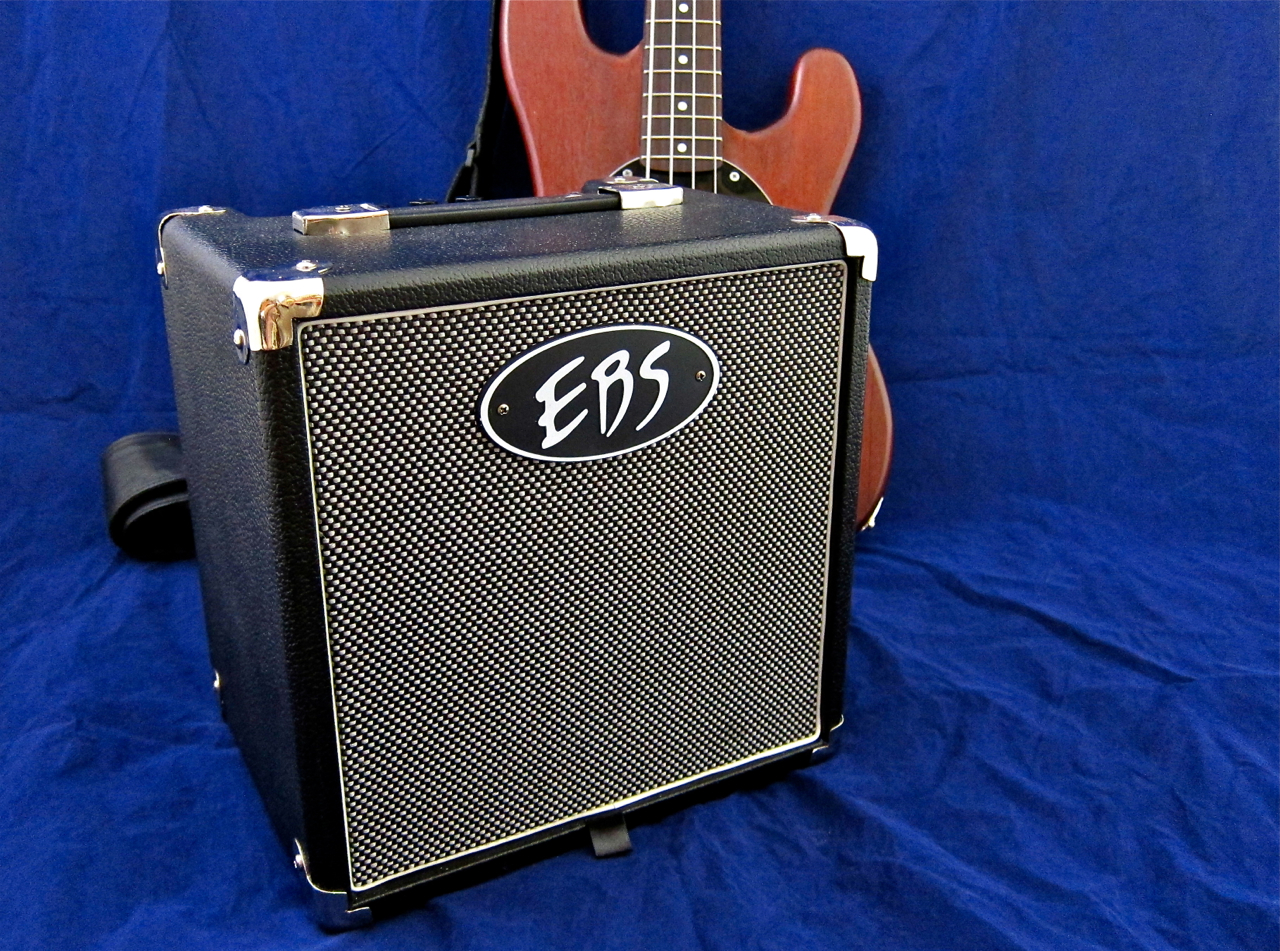
EBS Sweden’s latest product – the Session 30 – is the company’s smallest bass combo to date, and meant for practicing, recording and home use.

****

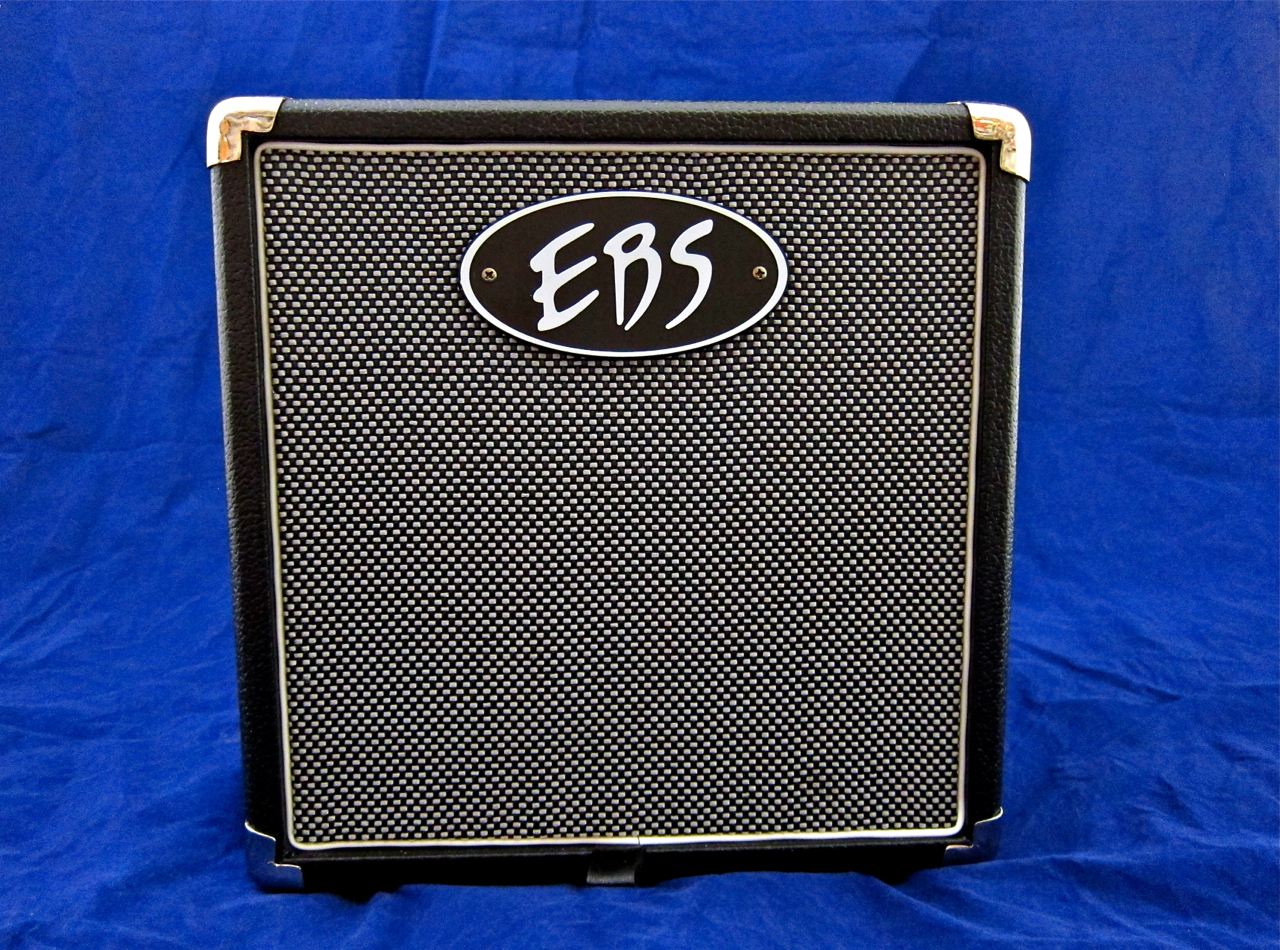
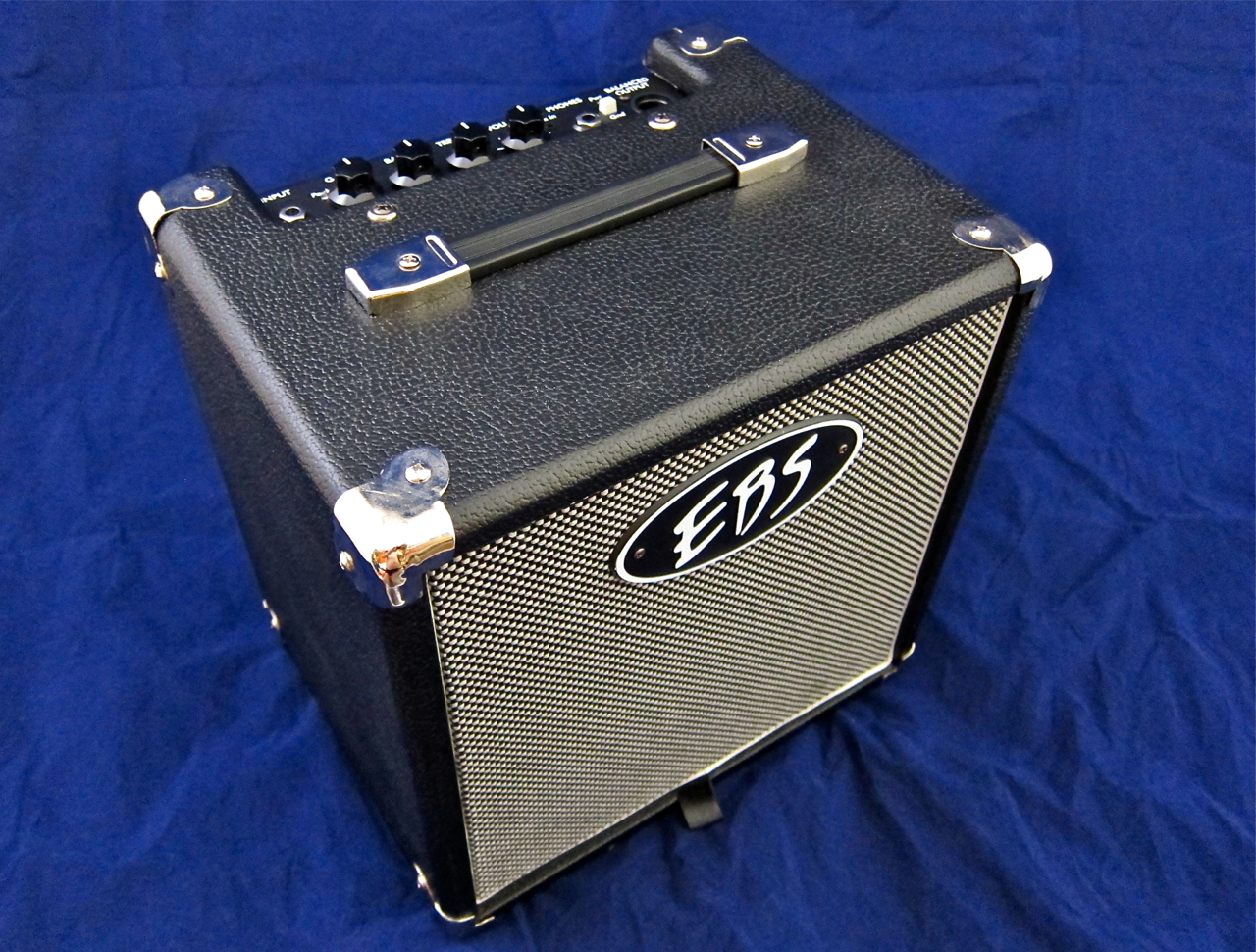
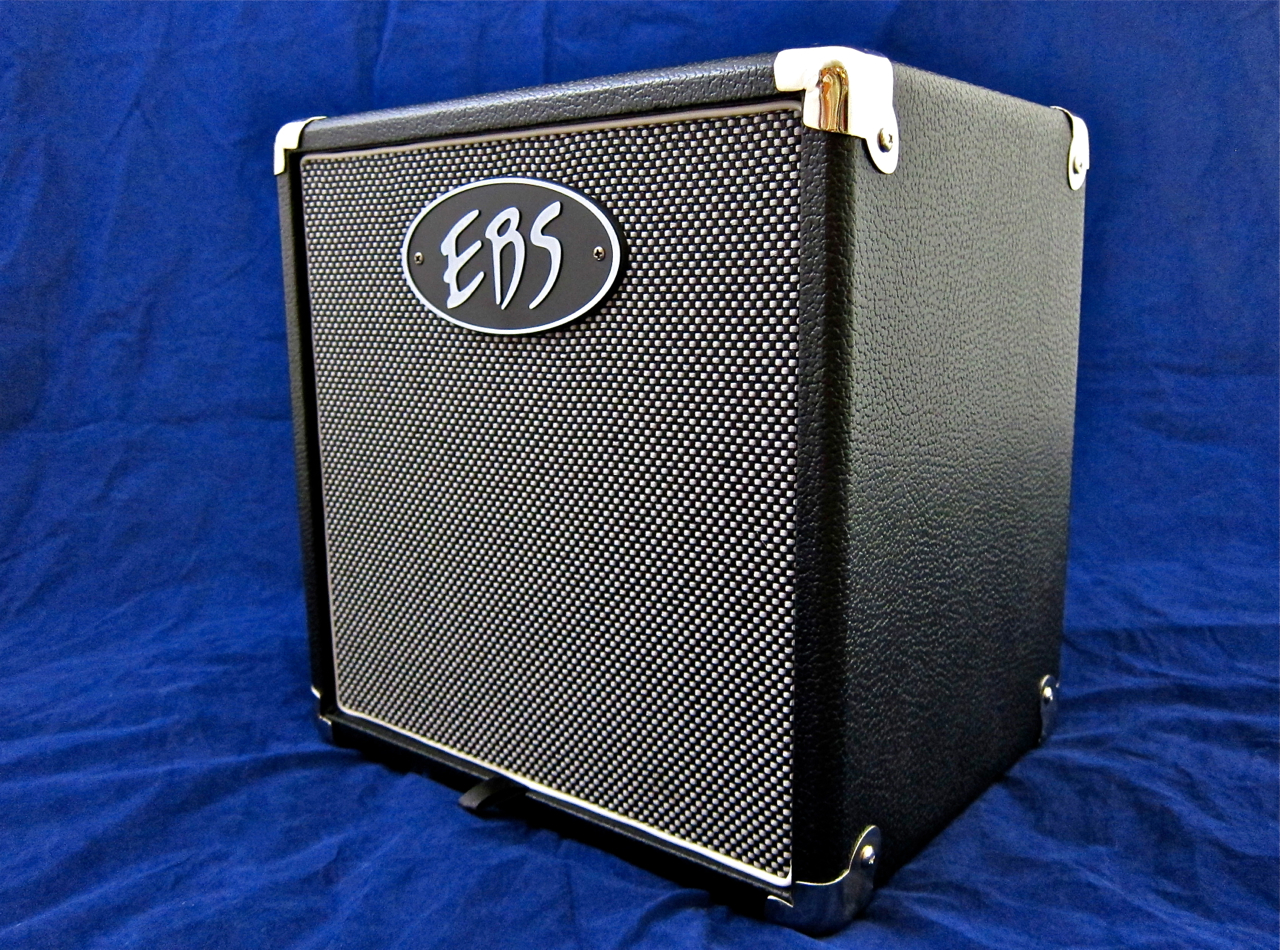
The diminutive and lightweight EBS Classic Session 30 (current price in Finland approx. 169 €) is part of EBS’ Made-in-China Classic-series.

As its name suggests, the Session 30 offers 30 Watts of rms-power.

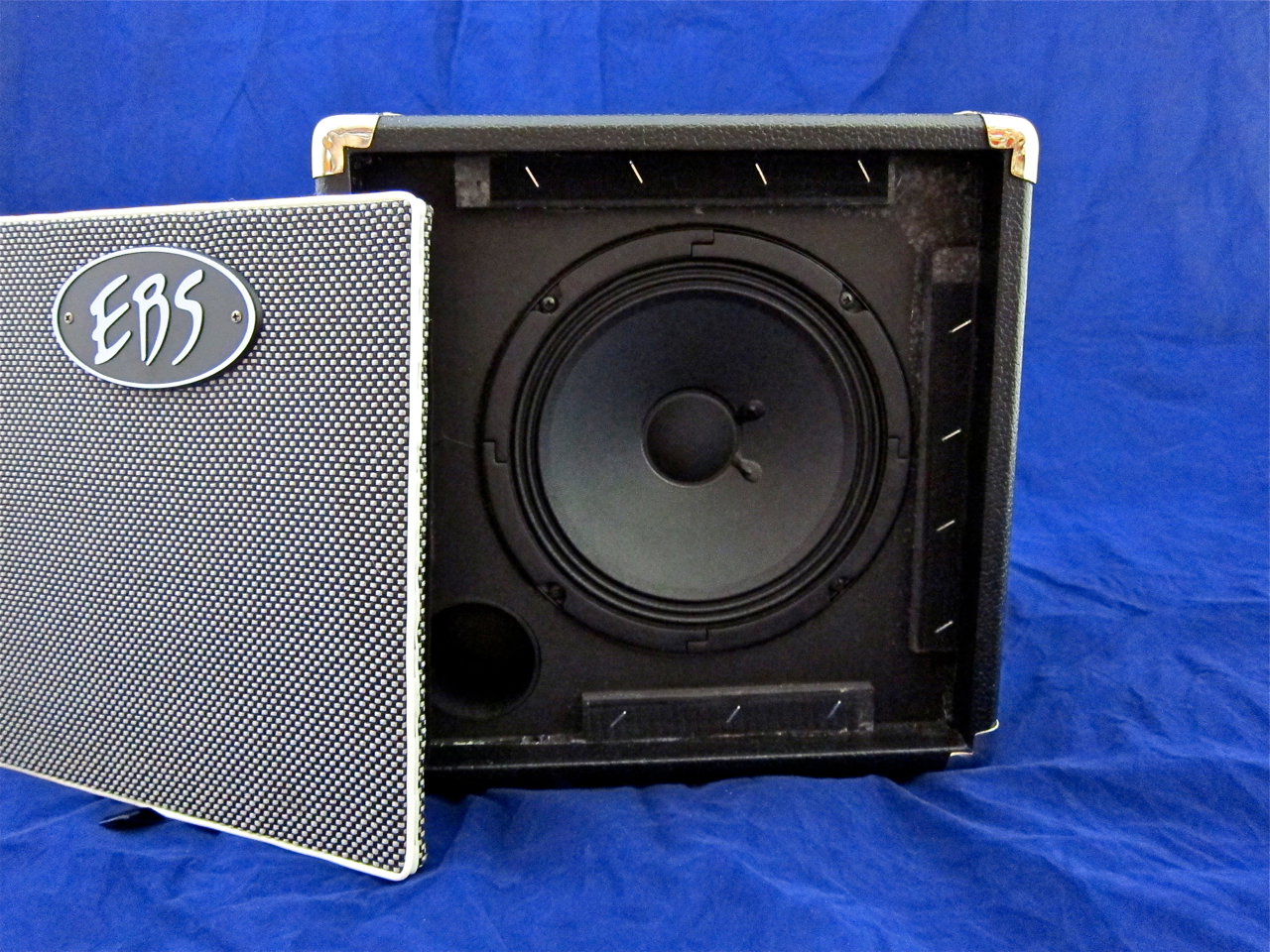
Its eight-inch speaker sits in a front-ported baffle. The stylish grille cloth is attached in a traditional way using velcro.

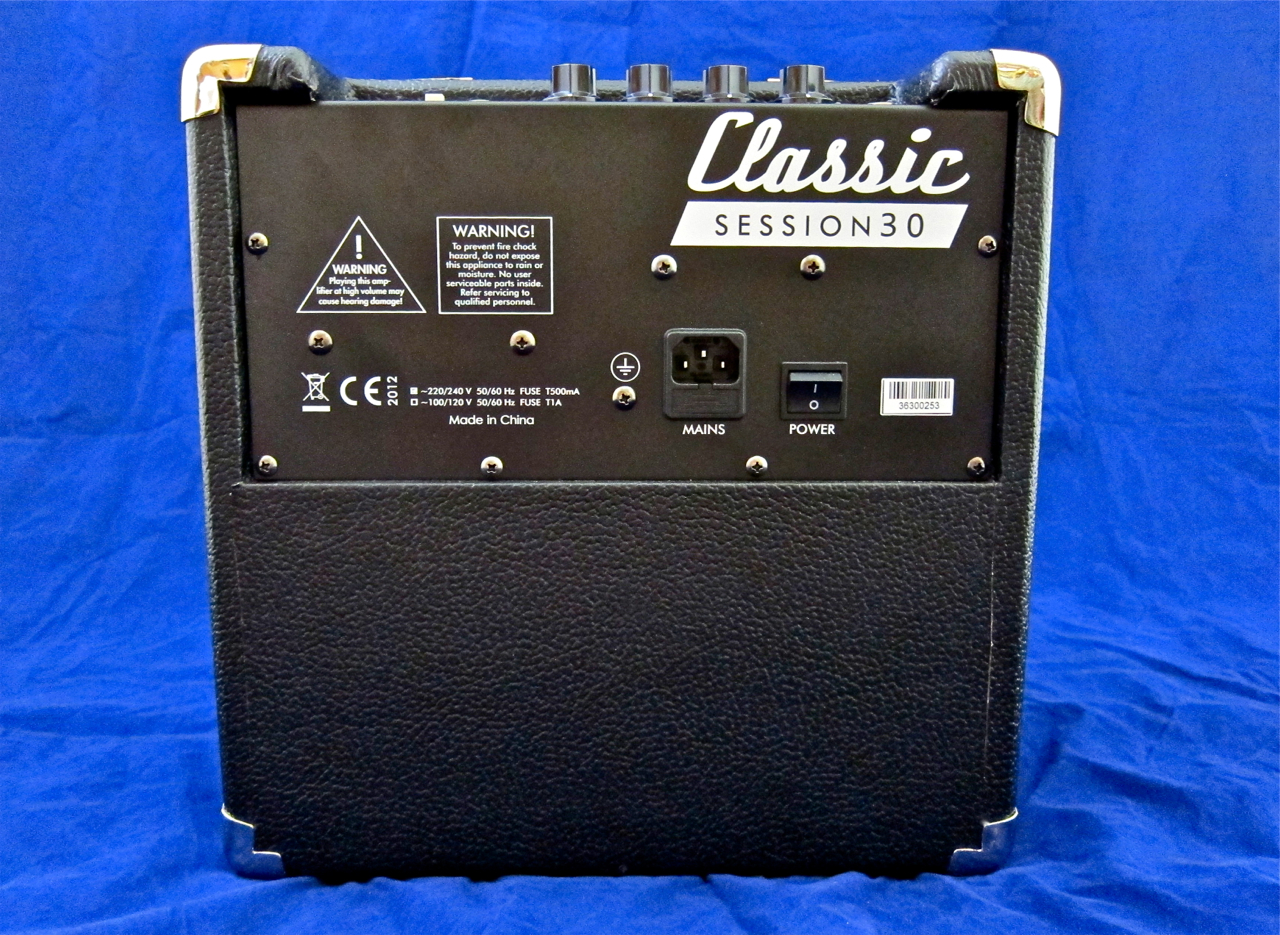
The combo’s back is fully closed. EBS have added a separate grounding point next to the power connector, which may come in handy in the studio for combatting mains hum.

The Session 30 weighs just under nine kilos, so it is very easy to carry around by its top handle.

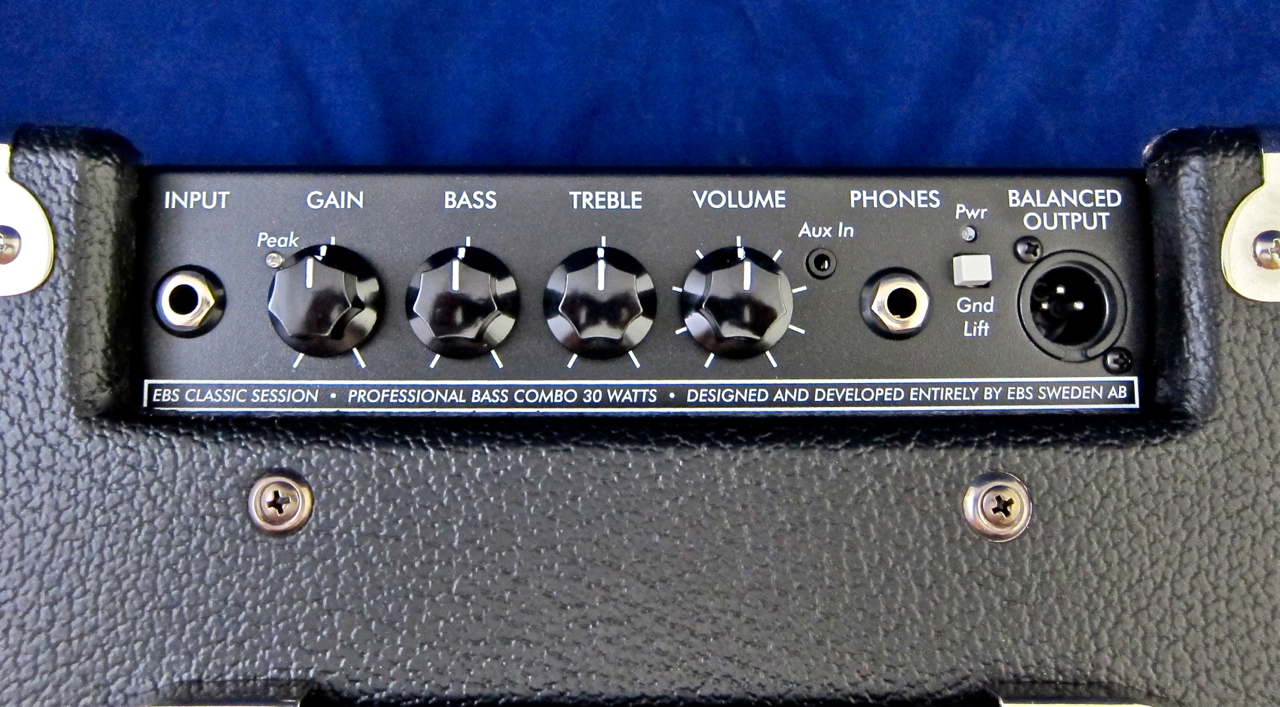
The control panel comprises of four control knobs – with a peak indicator next to the gain control.

For practicing, EBS have added a mini-jack, so you can connect an mp3-player, as well as a full-sized headphones output.

A very rare feature in this price range is the combo’s balanced XLR-output, which makes the Session 30 handy as a studio DI-box with its own monitor. Using the Ground Lift -switch enables you to break possible earth loops safely.

****

It would be completely unrealistic to expect a mighty roar from such a tiny bass combo.

But I must stress that the EBS Classic Session 30 really delivers the good in terms of its sound quality. This isn’t a murky-sounding piece of junk, but a great little tool – regardless of its very fair price.

This little ’un delivers genuine EBS Classic Series -tone at levels fit for tuition and home use. The bass register is warm, the mid-range tone clear, and the top end has a nice, soft silkiness to it.

The eight-inch speaker and small cabinet will show you the white flag, if the combo is taken to its limits, by vibrating and buzzing, but used sensibly, the EBS Session 30 holds its own nicely.

The combo’s XLR-output works great, and sends a healthy, pristine signal to your console or sound-card.

In my opinion, the EBS Classic Session 30 is a fine little practice amp and a handy tool in the small project studio.

****

The sound bites were recorded by mixing the combo’s DI-signal with the sound picked up by a condenser mic placed in front of the speaker:

1985 Squier Jazz Bass

1989 Höfner 500/1

1987 Rickenbacker 4003

****

EBS Classic Session 30

169 €

Finnish distributor: F-Musiikki

****

Pros:

+ value-for-money

+ size

+ weight

+ sound

+ DI-output

****

Review: Zoom Q2HD

****

The Zoom Q2HD (current rrp in Finland: 205 €) is the company’s brand-new lightweight video recorder. Aside from full-HD video recording this new unit also offers MS-stereo.

In MS-stereo two different microphone types are used to create two discrete signals, called Mid and Sides. The advantages of MS are that placement of the two mics in relation to each other isn’t as critical for overall phase coherence as in other techniques, and that you can adjust the amount of room in relation to the mid-signal during mixing.

Classic MS-stereo uses a cardioid microphone for picking up the mid-signal with a bidirectional mic turned 90 degrees (= shooting sideways) to record the side-sound. You will get a stereo sound picture from these two discrete signals by ”decoding” them: The mid-mic’s signal will be sent to the mixing console and panned dead centre. The sides-mic’s signal must be split to two channels, with one being panned hard left, and the other hard right with its polarity switched.

But, luckily, the Zoom Q2HD’s user won’t have to bother with the technical background, because you are only required to set the correct recording level and choose the stereo width you want from one of the five different options (mono to 150 deg) .

Naturally, the Q2HD can also record with Auto Gain (three settings: Concert, Solo and Meeting), and its high-pass filter will keep low end rumbling at bay.

Zoom’s Q2HD records incoming audio as linear wave-files (44,1/48/96 kHz, 16/24-bit) or using AAC-compression (64–320 kbps, 48 kHz). The unit also allows you to record audio-only files.

****

The Q2HD is a typical Zoom video recorder in the sense that it is used with the unit in a vertical position. All inputs, outputs and controls have been placed on the recorder’s sides, while all transport and menu functions are controlled using the buttons below the crisp two-inch display. There’s even a tiny loudspeaker built in for a quick preview of the recorded material.

The camera uses a 3.2-inch CMOS-sensor with five million pixels, and a fixed focus and aperture (1,32 m – ∞, F: 3,2). There are three lighting presets on offer – Auto, Concert Lighting ja Night – a well as a digital zoom (4 x).

The video is processed and stored in H.264/Mpeg-4-format as MOV-files.

****

The Zoom Q2HD is extremely user-friendly: all of its menu-icons fit onto one screen, and the device’s parameters have been kept to a minimum. The unit’s well-made graphics enhance the user-experience nicely.

The Q2HD is powered by two AA-batteries (or rechargeables), giving you approximately two hours of video filming or four hours of audio recording.

****

You can watch recorded video in a slightly larger format using Zoom’s Landscape-feature (see picture above).

Zoom’s Q2HD also lets you perform the most basic of video editing inside the recorder itself , offering Divide- and Trim-operations.

****

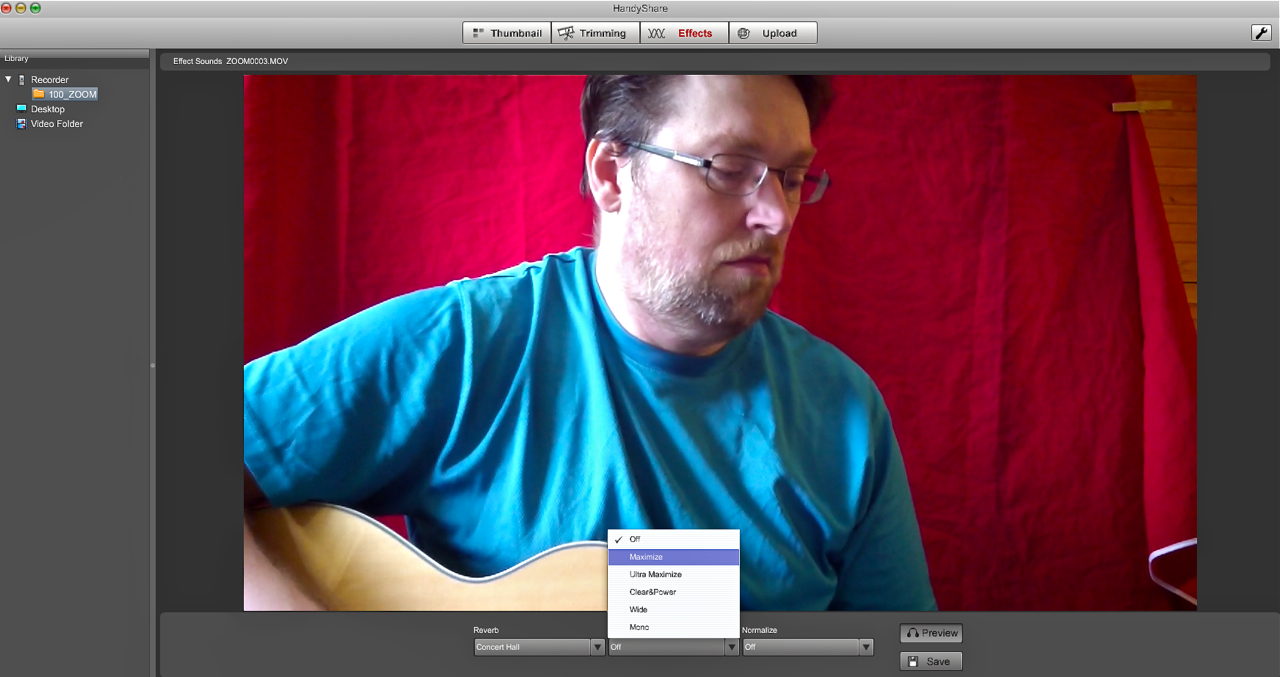
Zoom also supply their basic Handy Share software on the mini-SD-card that comes with the recorder. The software works on both Windows- (XP 32-bit or better) and Mac-run computers (Mac OSX 10.4.6 or better).

Handy Share offers basic video editing…

…as well as audio processing using reverb, compression and normalisation. The audio effects can be previewed before rendering them to the video-file.

Zoom’s Handy Share is quite OK for starters, even though many free video editing programmes, like Windows’ Movie Maker or Apple’s iMovie, will offer a lot more features and larger scope for adjustment.

****

The Zoom Q2HD can also be used as a stereophonic usb-microphone, or as a webcam for chatting or live-streaming (for example via UStream). In streaming mode Zoom’s handy delay-parameter allows you to compensate for audio-video-offsets (bad synchronisation).

****

In my opinion the Zoom Q2HD is a nice little tool for making You Tube -videos.

Although the video quality of some digital still cameras is even better than that of the Zoom, the Q2HD’s far superior audio will swing many buying decisions.

The Zoom Q2HD’s clean and clear audio will enable you to make full-HD net videos you can listen to, as well as watch.

The following audio snippets were recorded to give you an idea of what the different stereo-width settings sound like. The distance between the Q2HD and the acoustic guitar stays the same from clip to clip:

Mono

30 deg

60 deg

90 deg

120 deg

150 deg

****

Zoom Q2HD

205 €

Finnish distributor: Studiotec

Pros:

* HD-video

* quality MS-stereo sound

* easy to use

* lightweight

* can also be used as an MS-stereo usb-microphone

* can be used to stream video

****

Pidä blogia WordPress.comissa.

Ylös ↑