Riffi-lehden numero 3-2026 on ilmestynyt!
Reverend Kingbolt -kitaroiden testi löytyy sivuista 39-41.
****
Aria Pro II SB-1000 -basson testi löytyy sivuista 44-45.
Juttuja kitaroista ja bassoista
Riffi-lehden numero 3-2026 on ilmestynyt!
Reverend Kingbolt -kitaroiden testi löytyy sivuista 39-41.
****
Aria Pro II SB-1000 -basson testi löytyy sivuista 44-45.

****
In the 1970s, a cooperative called Brooklyn Woodworkers operated in Brooklyn, New York, where several smaller carpenters, artisans, and instrument makers shared the premises of a former factory. The advantages of the cooperative include that larger and more expensive machines can be purchased and used together, and that different people can also develop new ideas together.
In 1977, young instrument maker Stuart Spector and industrial designer Ned Steinberger began to design an electric bass that was as ergonomic as possible. Ned Steinberger asked the crucial question: “Why does the body of a solid-body bass have to be straight when the player’s body is curved?”
The pair began to design a body in which the front of the body is convex in cross-section and the back concave. However, the thickness of the body remains more or less the same throughout. The new body was smaller in outline than, for example, Fender basses, but a longer upper horn was added to improve the balance of the instrument.
The fruits of this collaboration were already presented at the end of 1977 – the Spector NS-1 with one pickup, and the Spector NS-2 with two pickups. These first NS series instruments were neck-through-body basses, but a couple of years later versions with a bolt-on neck were also made.
Spector’s NS series instruments were very widely used boutique class basses in the 1980s, thanks to their excellent playability and flexible active bass sound. The most famous user is certainly the British bassist Guy Pratt, who has played a see-through red NS-2 in the late period of Pink Floyd, and as a studio bassist on albums by Madonna (e.g. on the song “Like a Prayer”) and Michael Jackson (“Earth Song”). In the United States, studio legend Chuck Rainey has used Spector basses regularly.
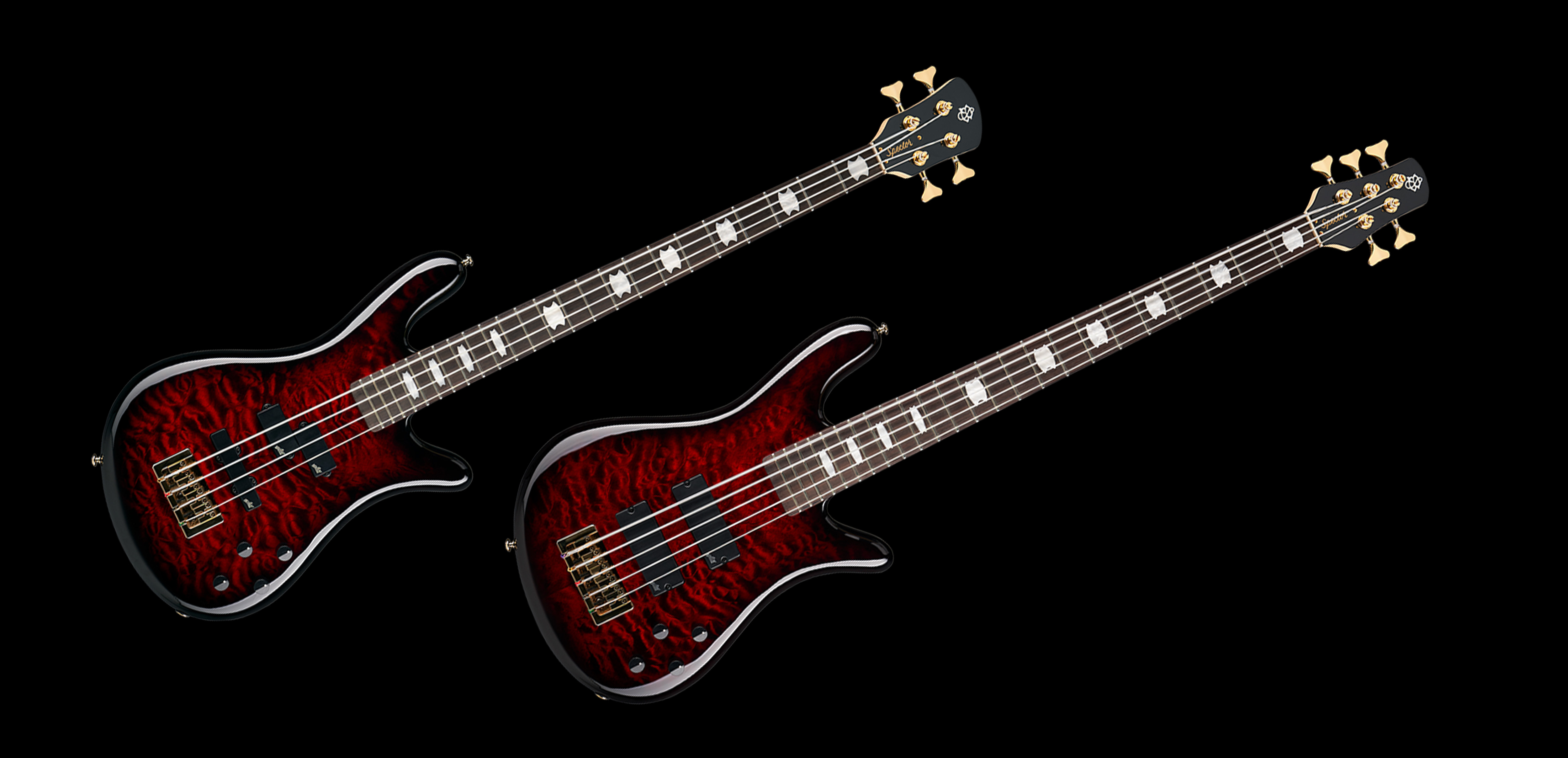
Today, Spector basses are manufactured in different countries and in different price ranges. The new Icon series comes from Indonesia and is the brand’s most affordable collection, which nevertheless remains very faithful to Spector and Steinberger’s original design.
****
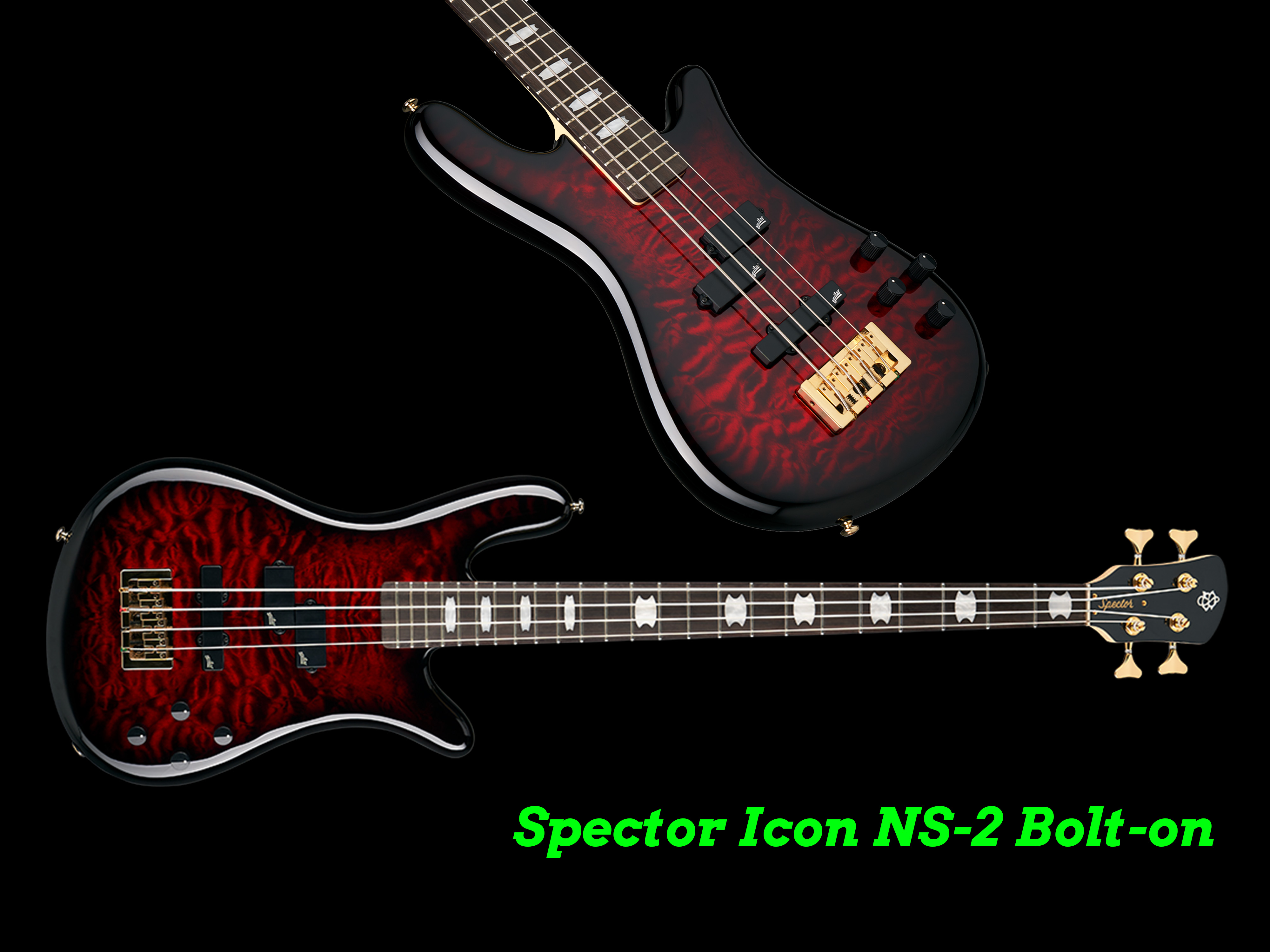
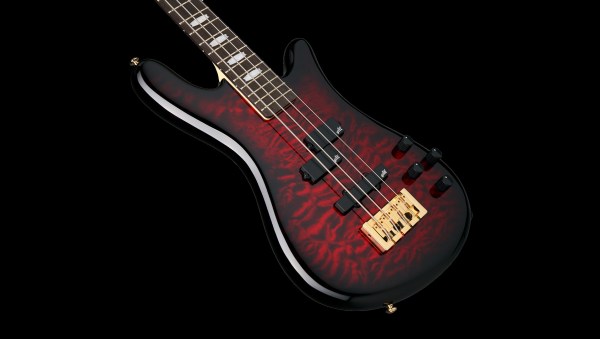
The NS-2 from the Icon series is a four-string active electric bass with a bolt-on neck.
The Icon NS-2’s curved body is carved from alder and has a flamed maple veneer glued to the front. The neck is made of three adjacent pieces of maple, while the fingerboard is made of rosewood. The neck joint is very smooth, and is implemented with four screws with their own washers.
The scale length of the Spector Icon NS-2 bass is 34 inches (i.e.: 86.4 cm). The fingerboard has the company’s large position markers embedded in it. The bass’s 24 jumbo-sized frets have been carefully installed and finished. The instrument has a brass saddle, as well as gold-colored tuners and a bridge. The bridge is Spector’s famous locking design with massive bridge saddles, with the strings anchored to the back wall of the bridge.
The new Icon series features pickups and an active preamp from Aguilar’s high-quality range. In the case of the NS-2, the pickups are the P-sized DCB P (center) and the J-shaped DCB J. The Aguilar OBP-2 preamp offers, in addition to master volume, controls for pickup balance, as well as bass and treble EQs (boost and cut).
The electronics compartment is shielded with graphite paint to prevent external interference, and the plastic cover is lined with aluminum foil. There is a special metal clip in the compartment for the nine-volt battery. The cover is screwed into place with machine screws, for which threaded sleeves are recessed in the body.
****
****
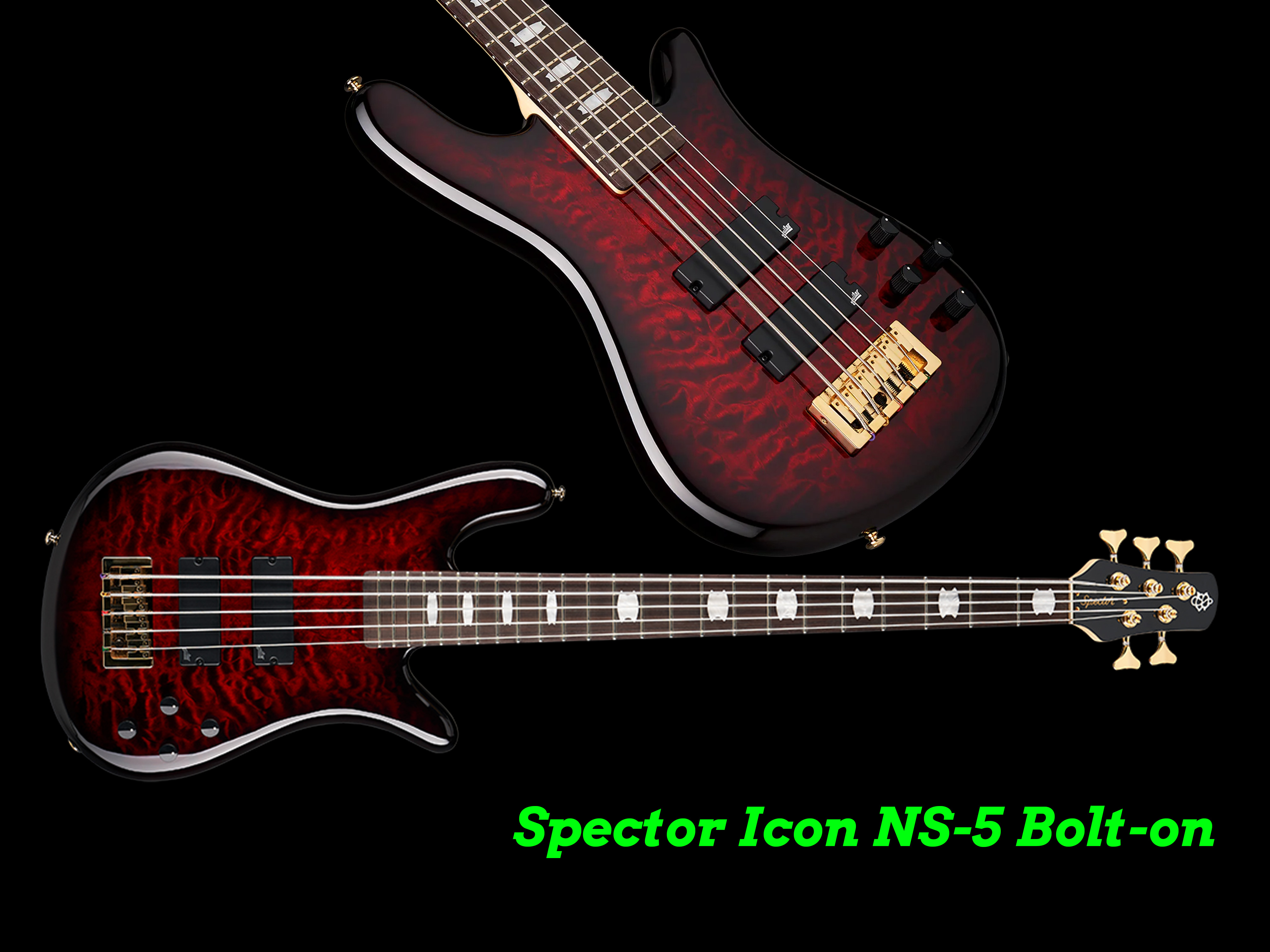
The Spector Icon NS-5 Bolt-on is a five-string version of the NS-2 model. Its main features are the same as those of the four-string bass – an alder body with flame maple veneer, a three-piece bolt-on neck, a smooth neck joint, a rosewood fingerboard with 24 frets, a brass saddle, gold tuners and a very sturdy bridge.
However, there is one crucial difference compared to the NS-2 – the Spector Icon NS-5 has a longer scale length (35 inches/88.9 cm). Thanks to the longer scale length, the low B-string has a more precise response and sound than on a regular 34-inch bass.
In addition to the scale, another difference is found in the pickup selection:
Instead of the NS-2’s PJ combination, the NS-5 has Aguilar DCB Soapbar pickups installed, which have a slightly bigger and more solid basic sound. The pickups are connected to the same Aguilar OBP-2 preamp, and here too the controls are master volume, microphone balance, bass cut/boost and treble cut/boost.
****
I don’t know who Stuart Spector has chosen as his Indonesian subcontractor, but the choice is a bill’s eye. The workmanship on both Icon series NS basses is excellent and super clean, and both feel like genuine Spectors in your hands.
The satin-finished neck of the Spector Icon NS-2 Bolt-on model has a very nice full C-profile, which feels like a slightly thicker Fender Jazz Bass neck. The test unit came with a fantastic setup – low without any extra string rattling.
The neck profile of the five-string Icon NS-5 model is naturally slightly wider and shallower than the four-string instrument. The one-inch difference in scale is only really noticeable when playing larger intervals near the nut. The playing feel of this bass is also very fast and light.
To my ears, the Spector Icon NS-4 Bolt-on sounds a bit fresher and more flexible, while the wider pickups on the NS-5 model produce a slightly darker, fatter sound. Both options are very tasty, and the basic tones can be easily modified with Aguilar’s high-quality preamp.
Based on the review samples, I can only say that Spector’s new Icon series offers genuine Spector ergonomics and sounds at a player-friendly mid-range price.
****
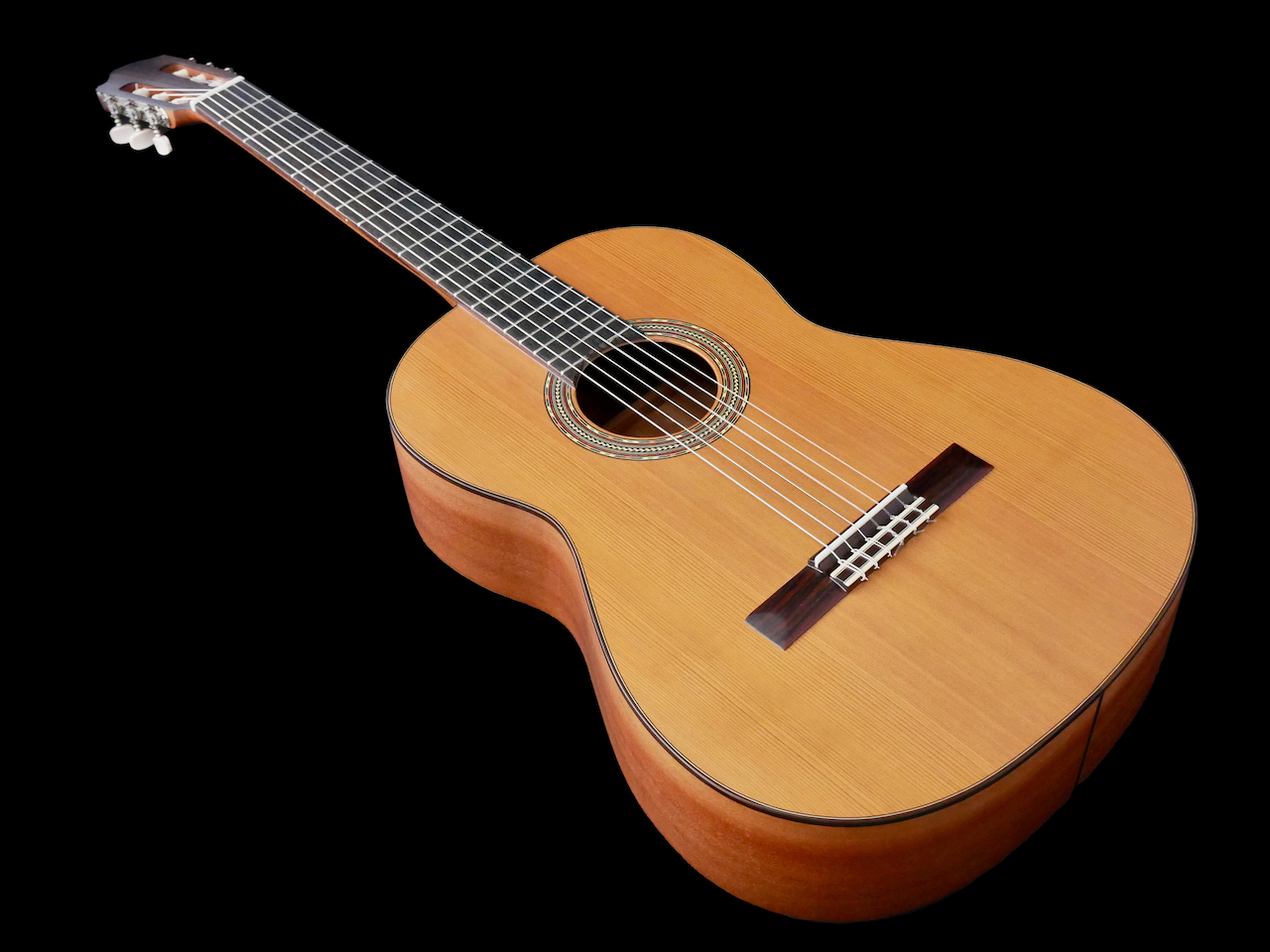
Guitarras Esteve is a traditional Spanish guitar shop near Valencia, offering a wide range of classical and flamenco guitars, as well as more unusual instruments from the guitar family, such as the Requinto or the Cuban Tres.
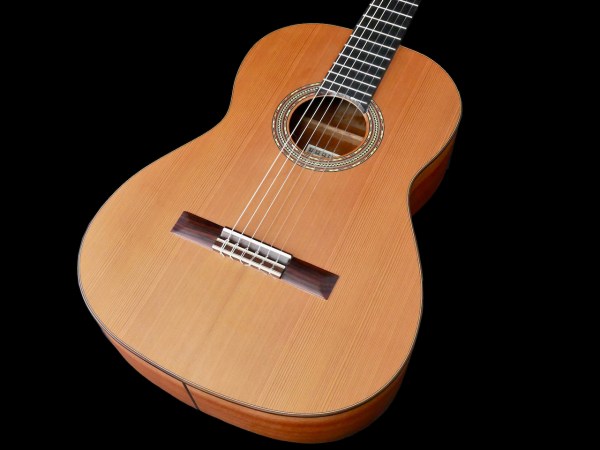
This time, we received a parallel version of the classic Esteve 4ST model with a narrower neck from Esteve’s importer, Vantaan Musiikki. The model is called the Esteve 4ST S48, and its list price is 569 euros.
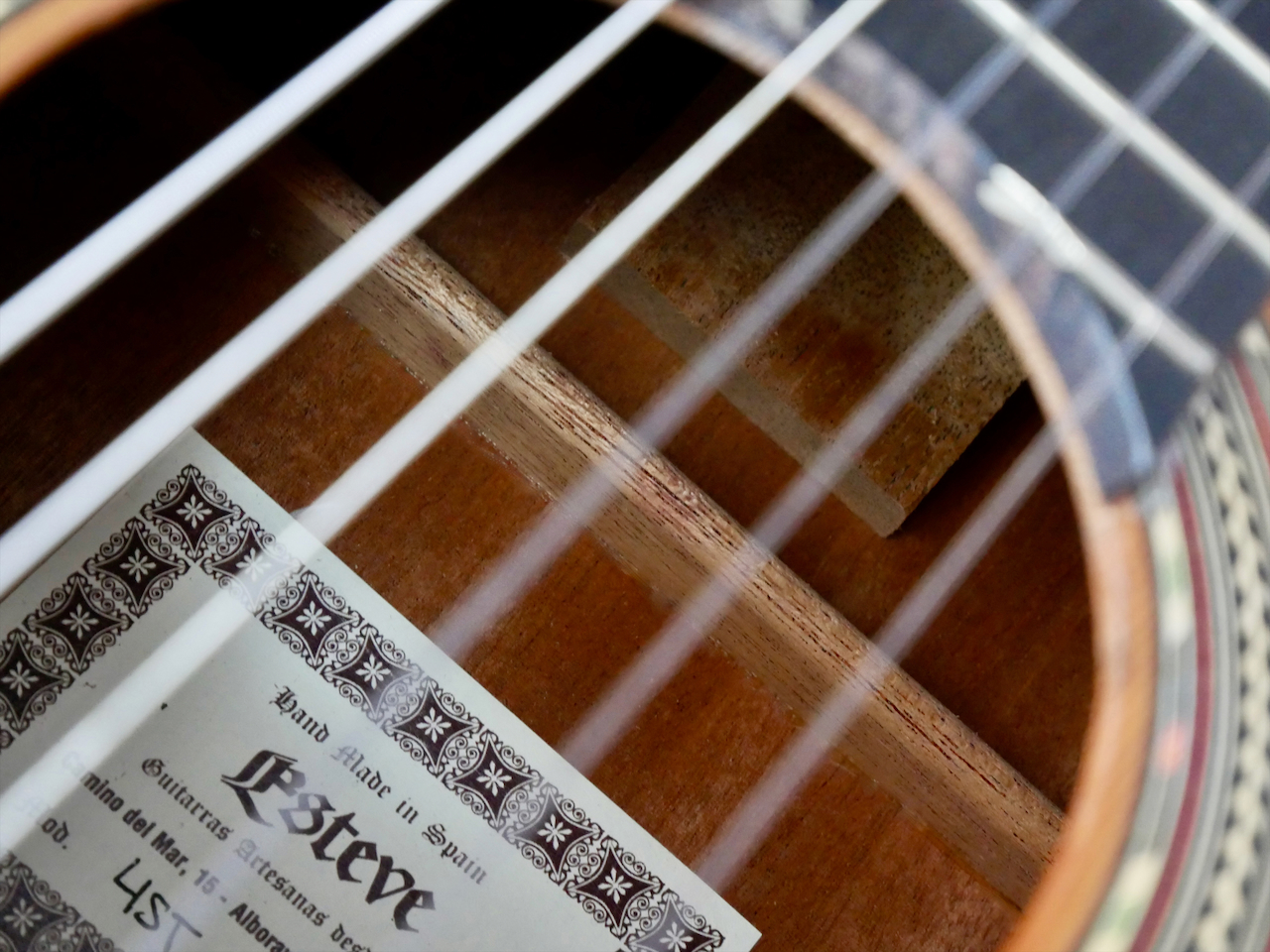
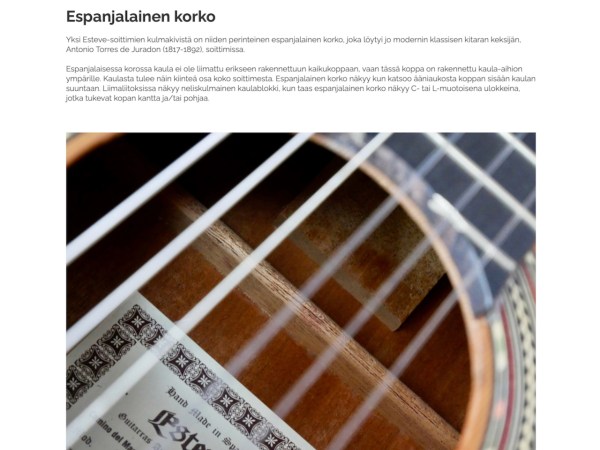
One of the cornerstones of Esteve instruments is their traditional Spanish heel, which was already found in the instruments of the inventor of the modern classical guitar, Antonio Torres de Jurado (1817-1892).
In the Spanish heel, the neck is not glued to a separately built soundbox, but here the body is built around the neck blank. The neck thus becomes an integral part of the entire instrument. The Spanish heel is visible when looking from the soundhole into the shell towards the neck. ”Normal” glued joints show a square neck block, while the Spanish heel is visible as C- or L-shaped protrusions that support the top and/or bottom of the soundbox.
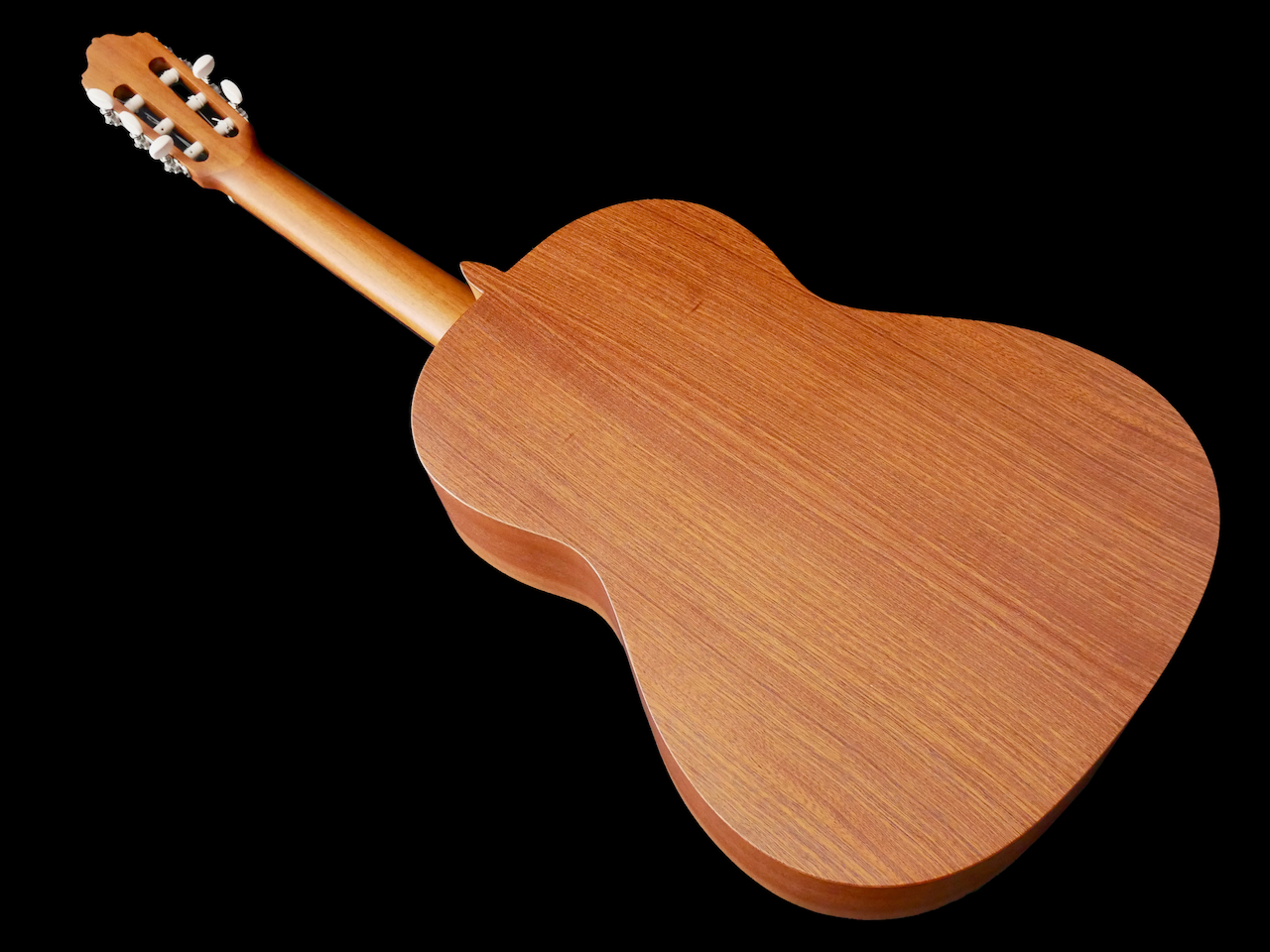
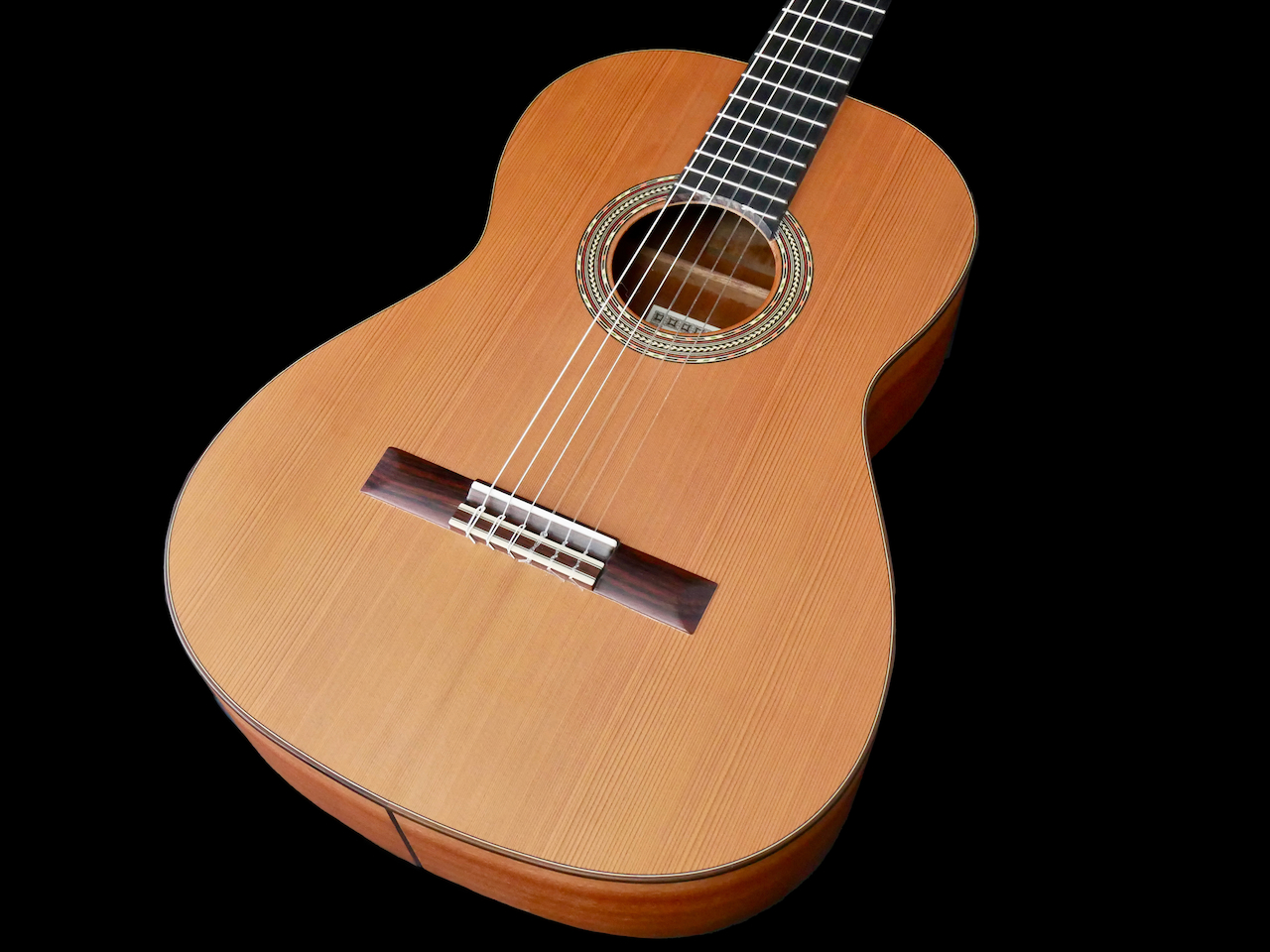
The Esteve 4ST S48 is a beautiful and skillfully built classical guitar. The neck is carved from Gabon mahogany (okoume) and the fingerboard is made of rosewood. The bottom and rims of the soundboard are made of high-quality sapele mahogany plywood. The solid top of the test instrument is carved from very beautiful American red cedar (thuja plicata), but the 4ST S48 is also available with a solid spruce top.
Both the neck and the body have been given a thin layer of beautiful satin varnish, which makes the guitar feel very pleasant in your hands.
The well-functioning machine heads are of the traditional variety. The bridge is made of rosewood, and both the bridge and saddle are made of genuine bovine bone.
The width of a standard steel-string guitar neck at the top nut is around 43-44 mm, while the same point on a classical guitar can be up to 52 mm. In addition, the traditional neck profile of a classical guitar is quite flat and relatively angular.
For a classical guitarist, such a neck is a great playing surface, because the wide fingerboard gives plenty of room even for difficult fingerings. But if you are a beginner guitarist who would like to add a nylon-string guitar to your instrument collection, the angular and wide neck might seem inconvenient.
The Esteve 4ST S48 offers a functional solution to this dilemma. The 48 mm wide neck at the nut gives the instrument enough of a classical guitar feel, while it – and also the more rounded profile of the neck than traditional – increases comfort for the average guitarist. The Esteve 4ST S48 model’s neck profile is also suitable for a young guitarist who can already play a full-size classical guitar, but whose fingers are not quite long enough for a standard-width fretboard.
In terms of playability and sound, this Esteve is – once again – a bull’s eye. High-quality ingredients and careful craftsmanship have created an instrument with a warm, open and – in a nice way – straight-laced sound. The Esteve 4ST S48 is a high-quality Spanish guitar that will surely only improve with time and playing.
****
****
****
****
****
The poor recorder is probably the most-hated educational musical instrument. It was my first instrument, too, as it was mandatory in West Germany in grades three and four, back in the Seventies.
I think, a lot of the recorder’s negative image is due to the fact that in all wind instruments the force of blowing is in direct relation to the instrument’s pitch and the overall sound. With the lowest notes on the recorder you have to blow carefully to prevent the note to jump squealingly into the upper octave. In the middle register too little airflow will make the pitch wobble to flat, while too much air will push the note sharp. The second ocatve, for its sins, is hard to play cleanly and nicely for any beginner. And don’t forget all the nasty ”sound effects” that are caused by sloppily closed finger holes.
The recorder has to put up with being put down as solely a beginner’s instrument, not fit for making any serious music at all. In reality, this is a fallacy, as there is a large body of serious works for recorder that require serious ”chops” to perform.
****
For over a hundred years Germany has been something of a ”promised land” when it comes to recorders. Two of the most famous recorder companies are German – Moeck and Mollenhauer. In the 1970s in West Germany, schools exclusively used recorders manufactured by these two brands, which came up with their own classic school models, the all-maple Moeck Schulflöte and the Mollenhauer Student made from pear wood.
These days most parents choose plastic instruments for their children, because plastic recorders are generally cheaper, don’t need any playing in (read about it at the bottom of this post), and because they are harder to damage than a wooden flute. Yamaha and Autos are probably the most respected brands in plastic recorders.
Even though the sound of plastic recorders is almost on a par with wooden flutes, I still like the feel of a wooden instrument in my hands.
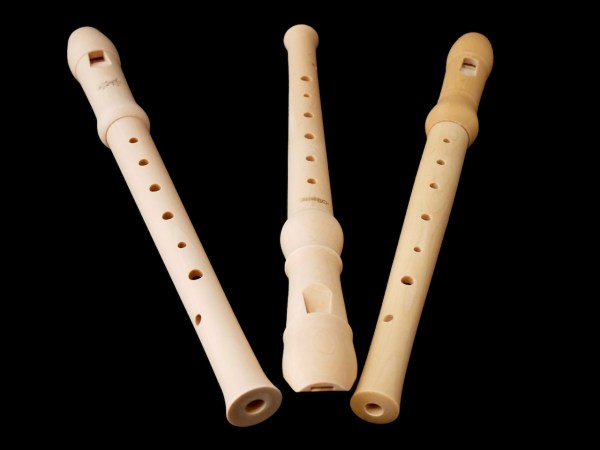
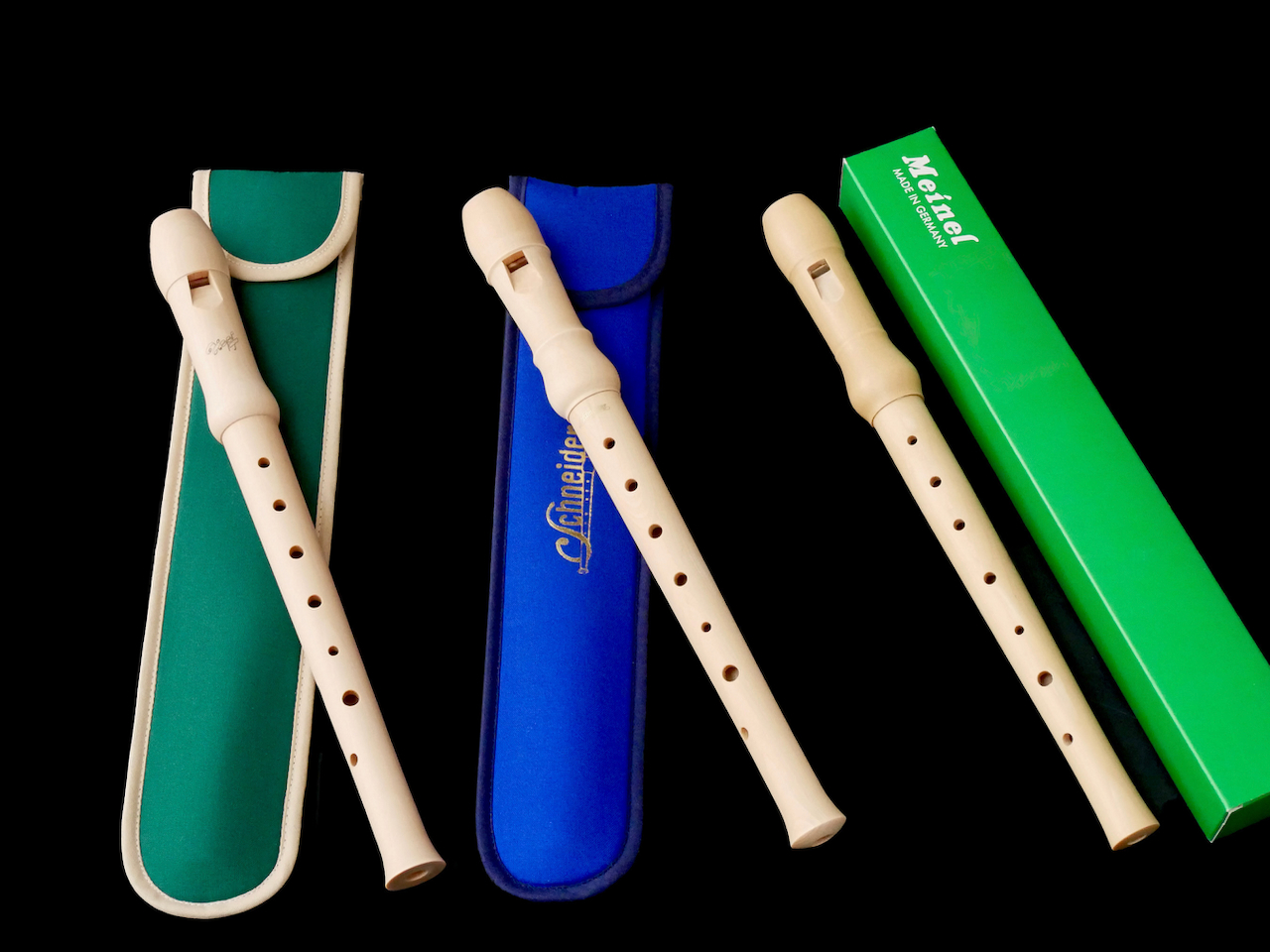
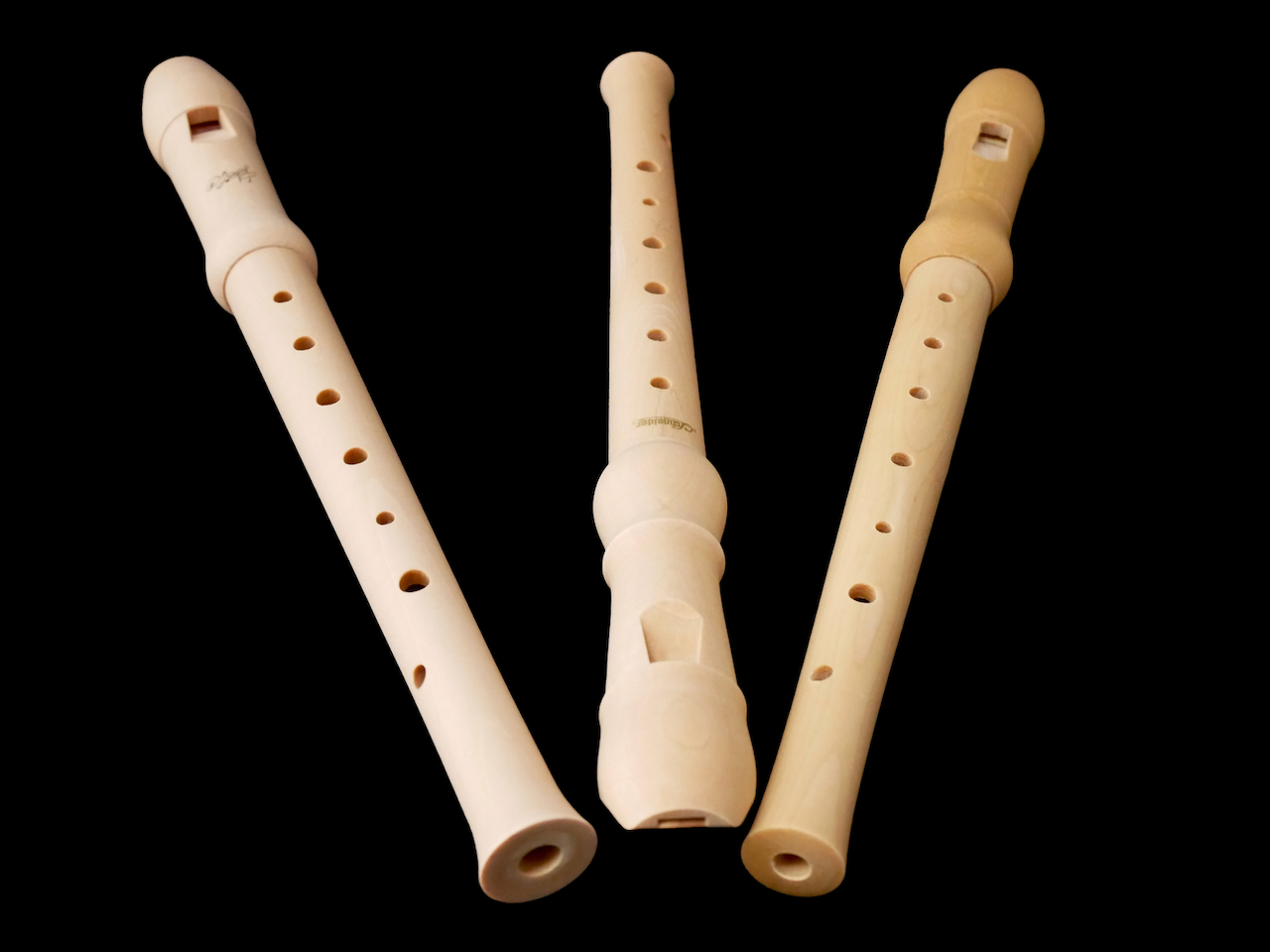
It may be surprising, but there are still small workshops is Germany producing very cost-conscious wooden recorders in small batches. I’ve chosen three soprano (aka descant) recorders for this review – a Meinel 200-1, a Schneider Student and a Hopf 46. All three models are made of maple, all are two-piece instruments (mouthpiece plus body), and all sport German fingering (because that’s what I’ve learned in school back in the day). The ”most expensive” recorder of this trio, the Hopf 46, is sold for only 33 euros in Thomann’s webshop.
Let’s find out whether we’re dealing with real instruments or whether these recorders are merely ”wooden objects pretending to be recorders”.
****
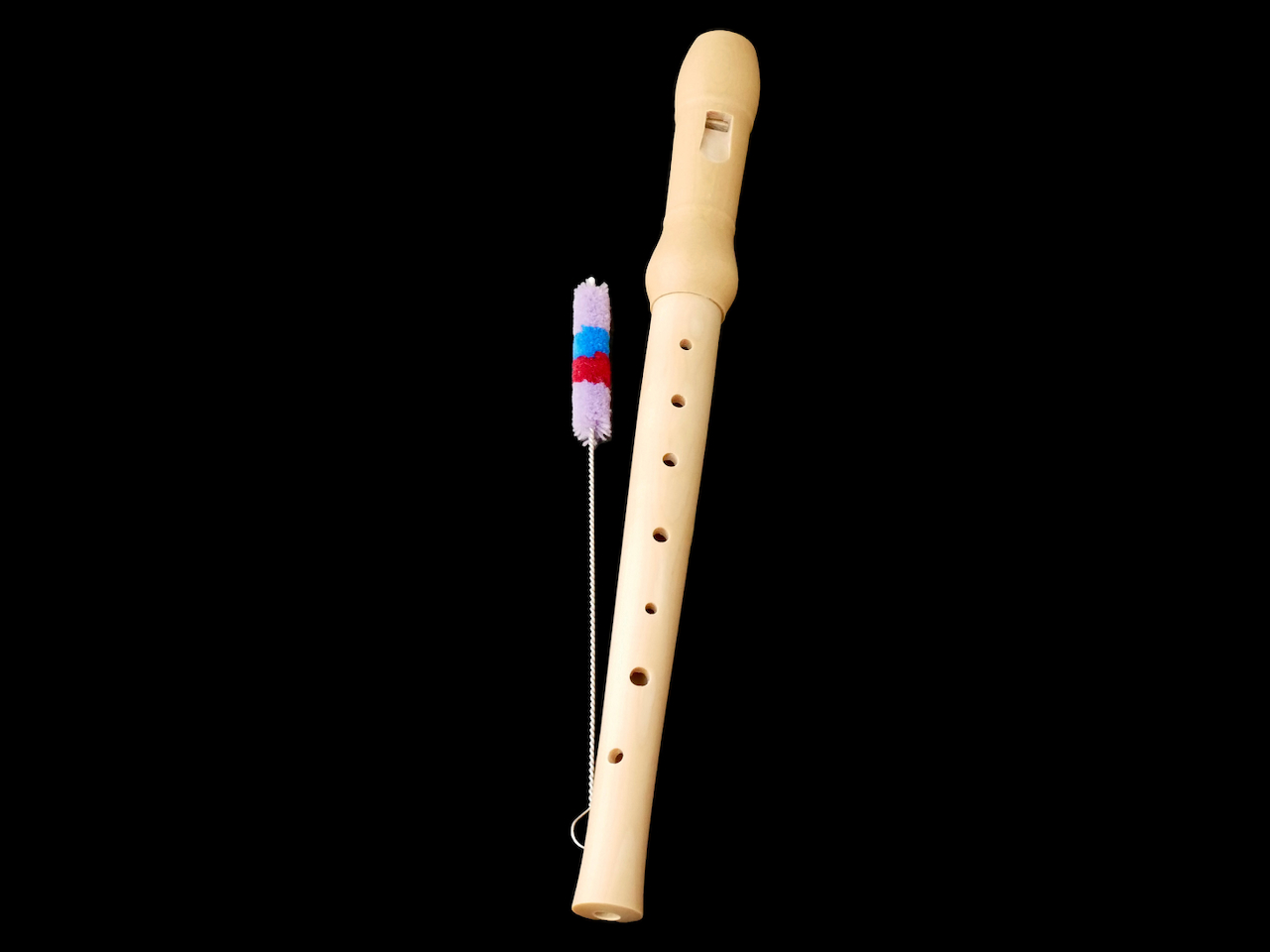
Meinel is a recorder maker with a history of over 100 years. Meinel is situated in the southeastern German region of Vogtland, on the northwestern border of the Czech Republic, a region where instrument making and artisanal wooden products have an extremely long tradition.
The Meinel 200-1 is the cheapest recorder in this review (11 €), which means that this instrument is sold in a mere cardboard box. A fuzzy cleaning brush comes with the recorder.
The Meinel 200-1 recorder displays surprisingly clean workmanship. The only very minor point of criticism in the review instrument comes in the form of a small, paraffin-soaked wood shaving inside the mouthpiece. I had no problem removing the little piece of stray wood using the cleaning brush.
Almost all manufacturers saturate their recorder blanks in a hot paraffin bath, which protects the flute from the moisture in the player’s breath.
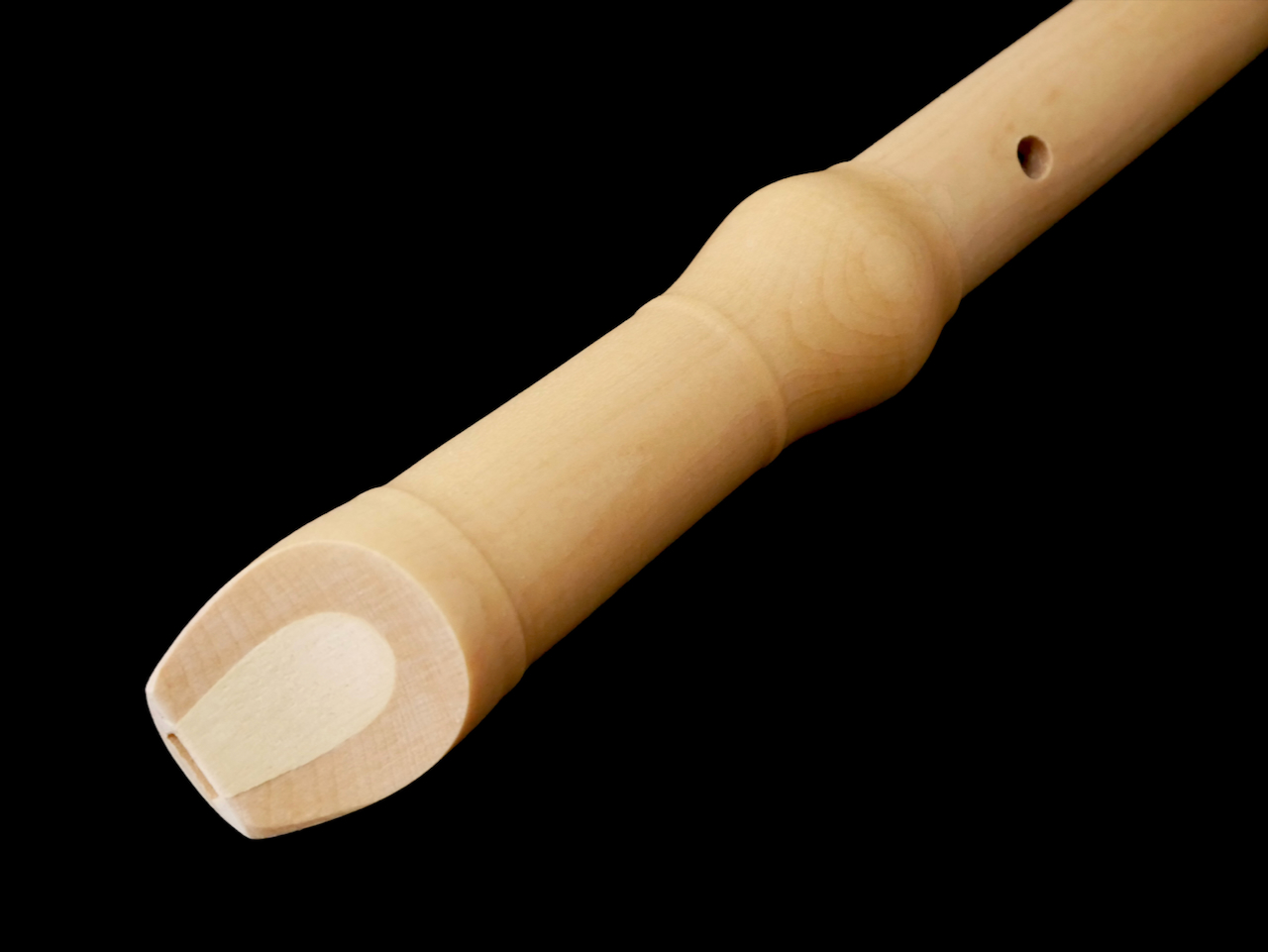
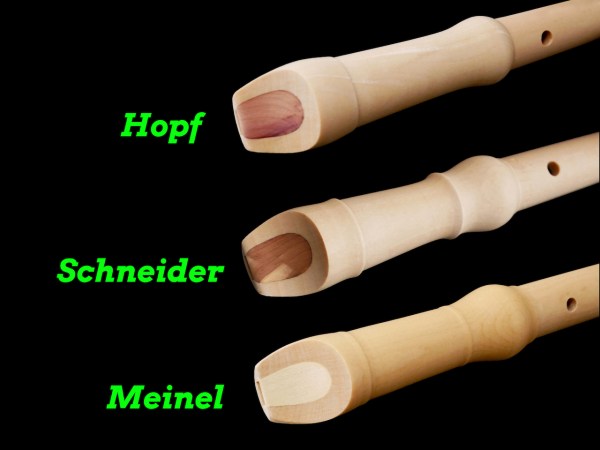
I was surprised by the light-coloured block inside the mouthpiece. Traditionally this block is made from red cedar (which is actually a juniper), because it is quite moisture-resistant and also mildly antiseptic. I decided to phone Meinel’s main man, a very friendly fellow called René Schlegel, to get to the bottom of this.
Meinel has switched from red cedar to obeche (triplochiton scleroxylon) from western Africa for most of models, because red cedar in good quality has gotten harder to find. An abundance of knots in that wood has forced Meinel to discard an ever larger amount of red cedar. Obeche, on the other hand, is easy to find in large quantity with FSC-certificates, it holds up well to moisture, and there are far less knots in the wood.
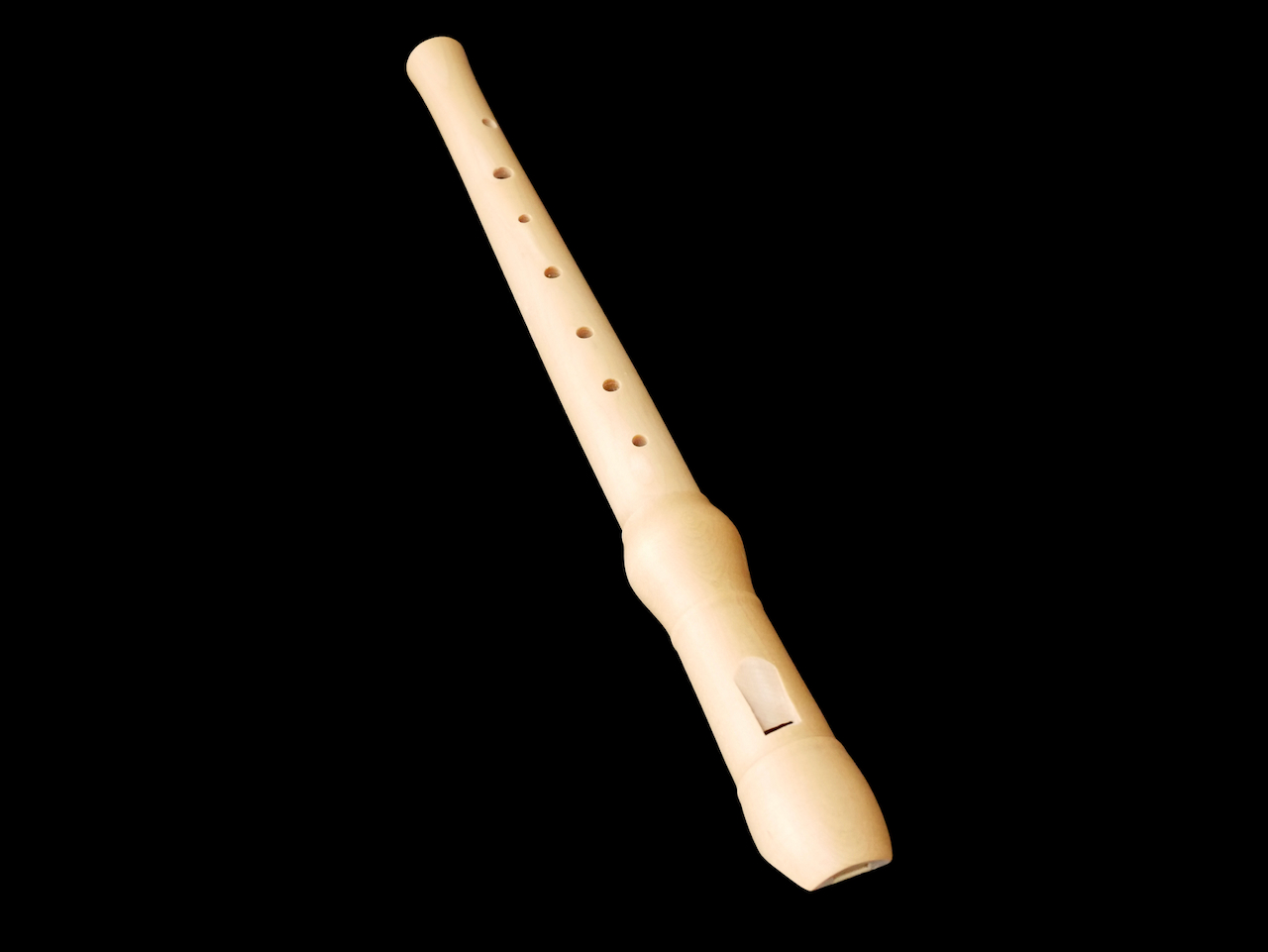
There are some user reviews on the Thomann product page that claim that the Meinel 200-1 is ”not in tune” or that it ”intonates badly”. I don’t know what the people in question have done to their recorders, but my review sample of the Meinel plays in tune beautifully with no problems whatsoever. At least after the required month-long playing in phase (read more at the end of this post).
The Meinel 200-1’s voice is very velvety and beautiful. This recorder is a little more ”breathy” than the other two instruments reviewed here, but at this sensationally low price the Meinel is hard to beat!
****
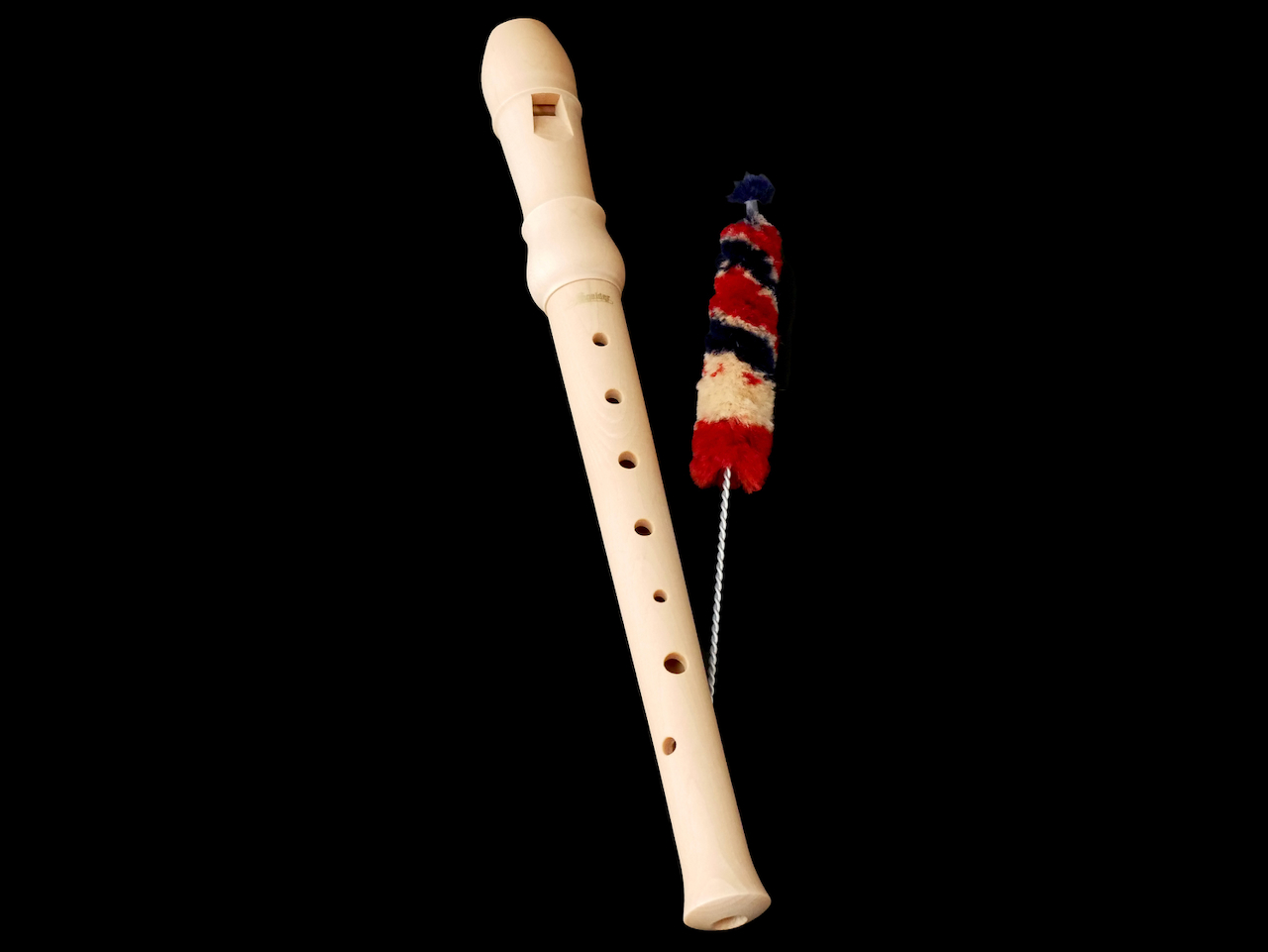
Schneider’s workshop lies in the same Vogtland-region as Meinel’s. Schneider’s history can be traced back to the year 1864, which makes you wonder why this brand is still so relatively little-known.
The Schneider Student is the company’s cheapest descant recorder (23,90 €), and it comes with a fuzzy cleaning brush, as well as a handy padded bag.
Schneider’s Student displays exemplary clean workmanship inside and out.
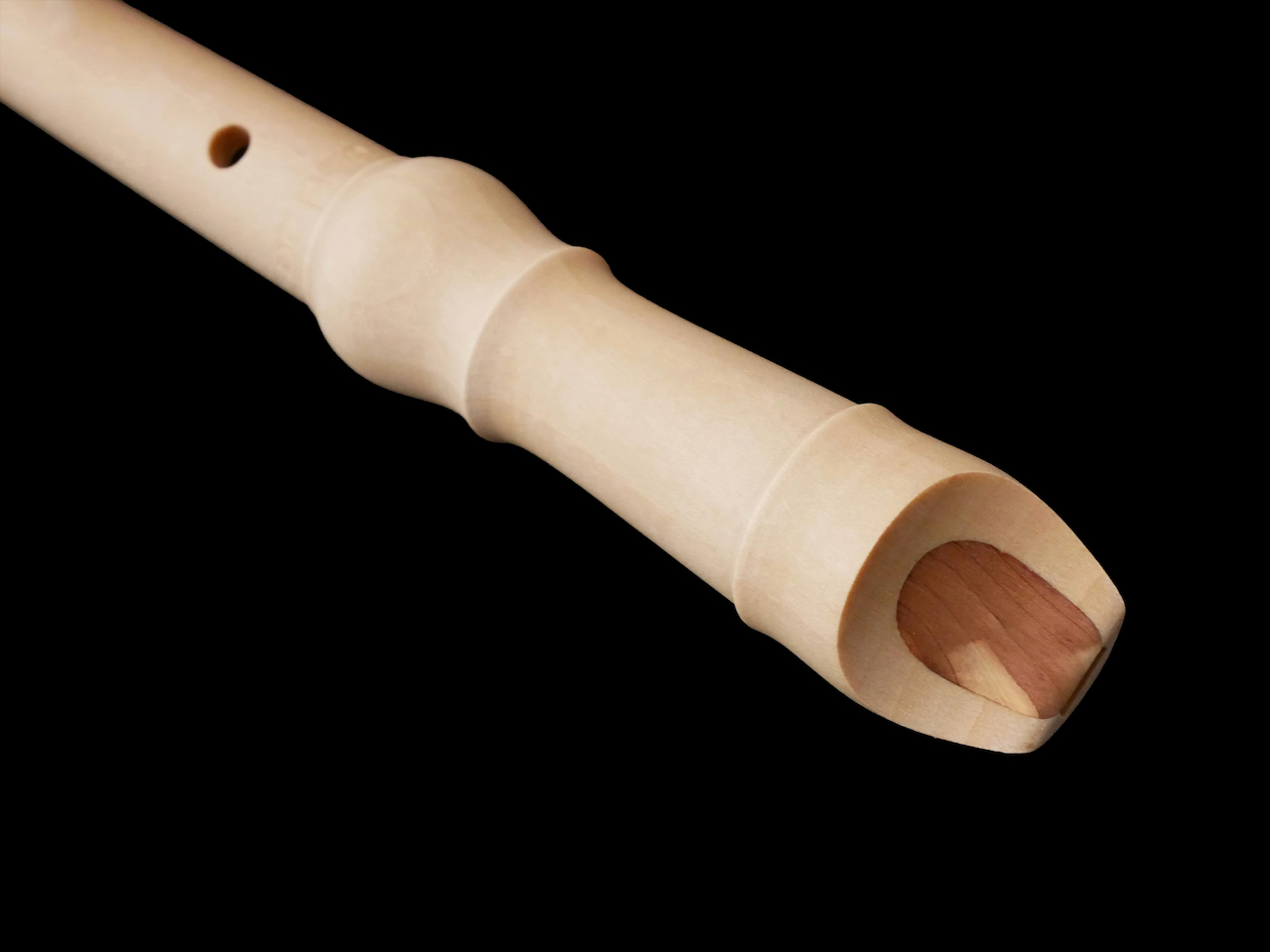
The Student-model sports a block made from red cedar. A ”Made in Germany” inscription is pressed straight into the wood above the thumb hole.
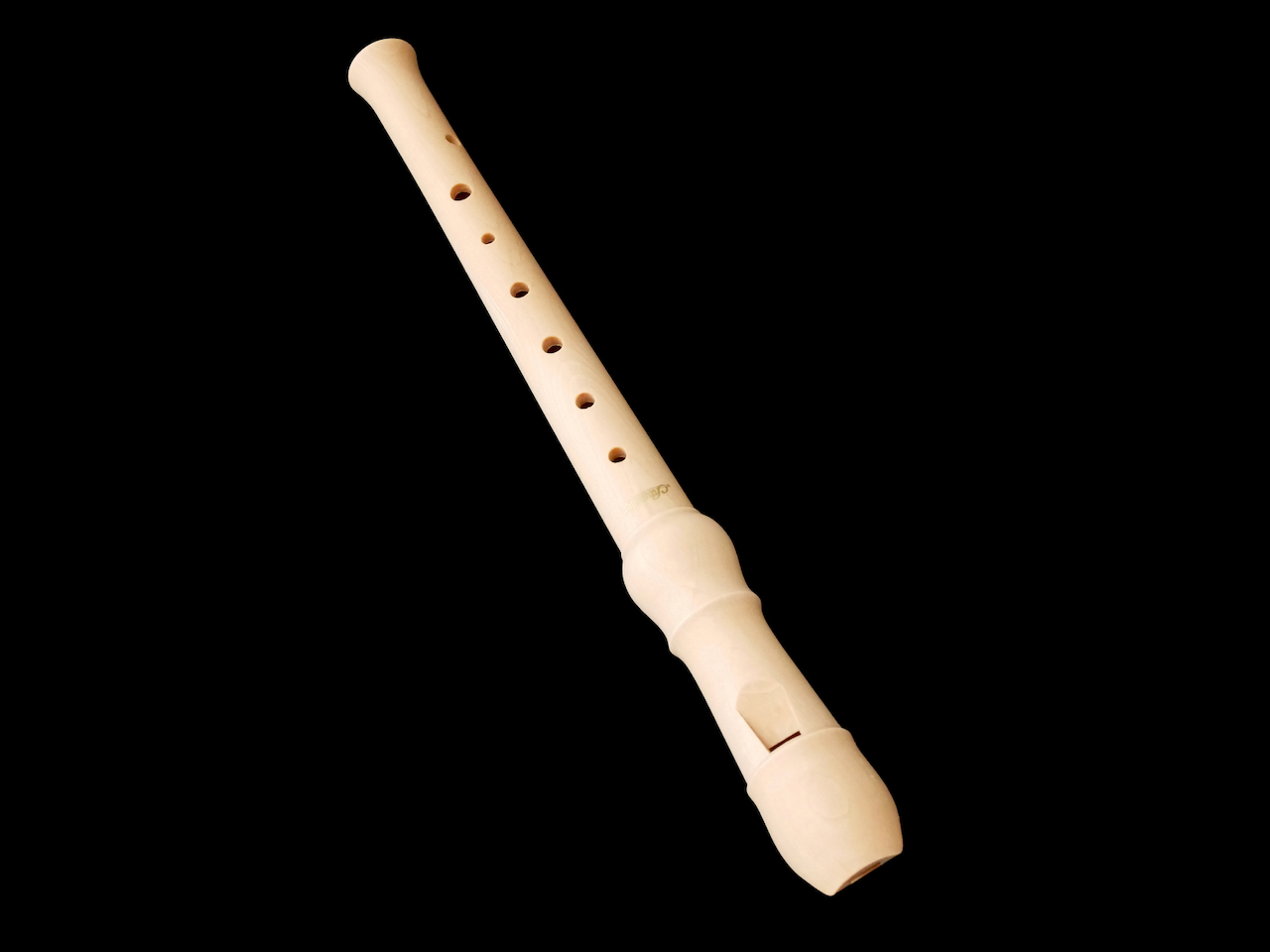
The Schneider Student’s high quality makes you wonder how the company can make a recorder this good at such a user-friendly low price.
Our review sample needed a thorough playing in-phase for the notes in the upper octave to spring to life properly and cleanly. This isn’t a fault, though, as each wooden recorder is an ”individual”. Get more information regarding the playing in of wooden recorders at the end of this review – it is an extremely important step in the life of a new recorder!
The Schneider Student plays beautifully with a bright and clearly defined voice. Its intonation is spot on. The Schneider offers a lot of recorder at a surprisingly small price.
****
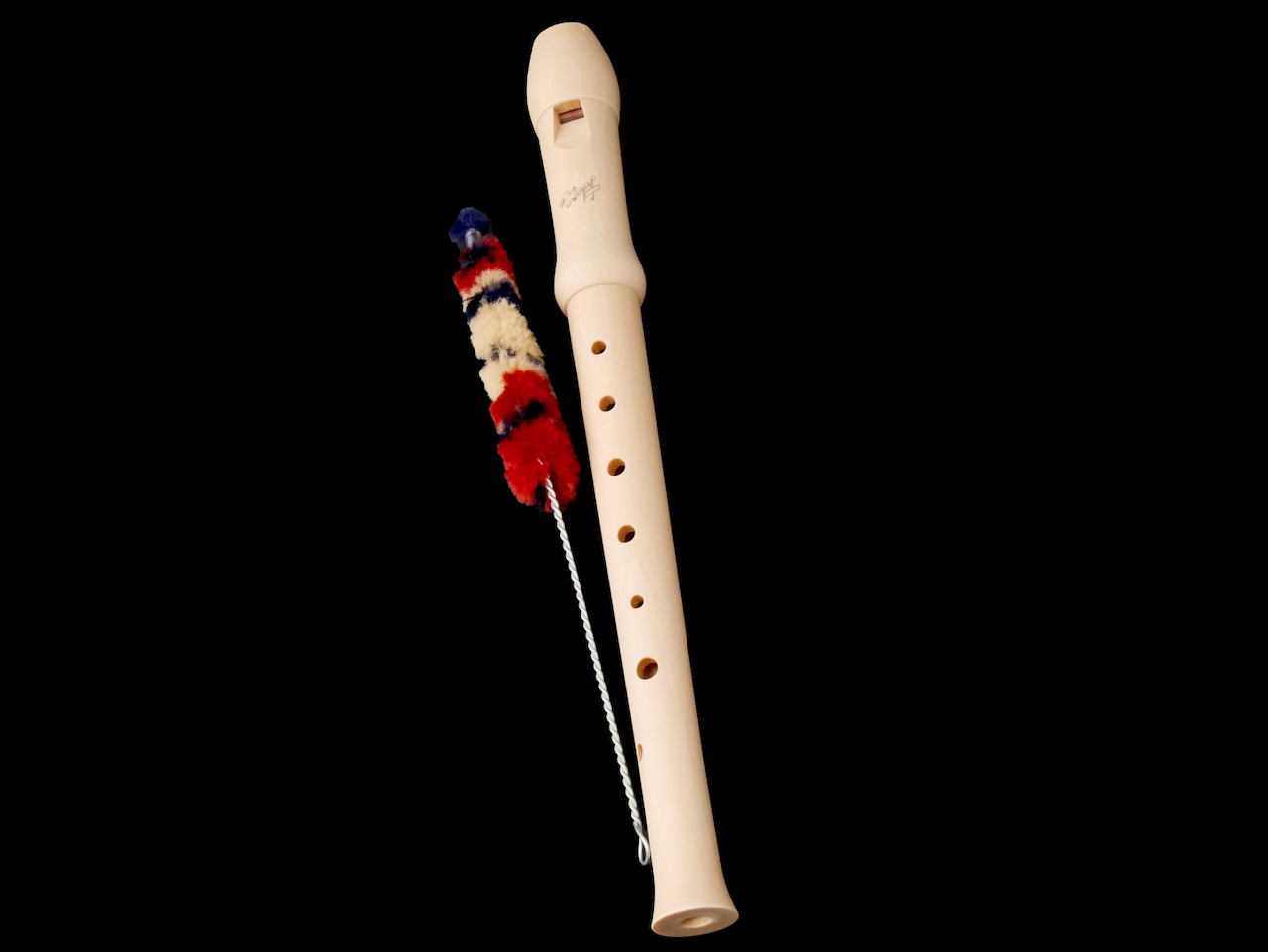
The Hopf family started making stringed instruments already in the late 17th century. For almost 300 years their workshop, too, was situated in the Vogtland, but during WWII the family moved to the town of Taunusstein (West Germany, near Wiesbaden). In 1948 a new Hopf workshop was founded, which concentrates on manufacturing guitars and recorders.
The Hopf 46 is the brand’s cheapest soprano recorder (33 €). It comes with a fuzzy cleaning brush and a nice padded bag.
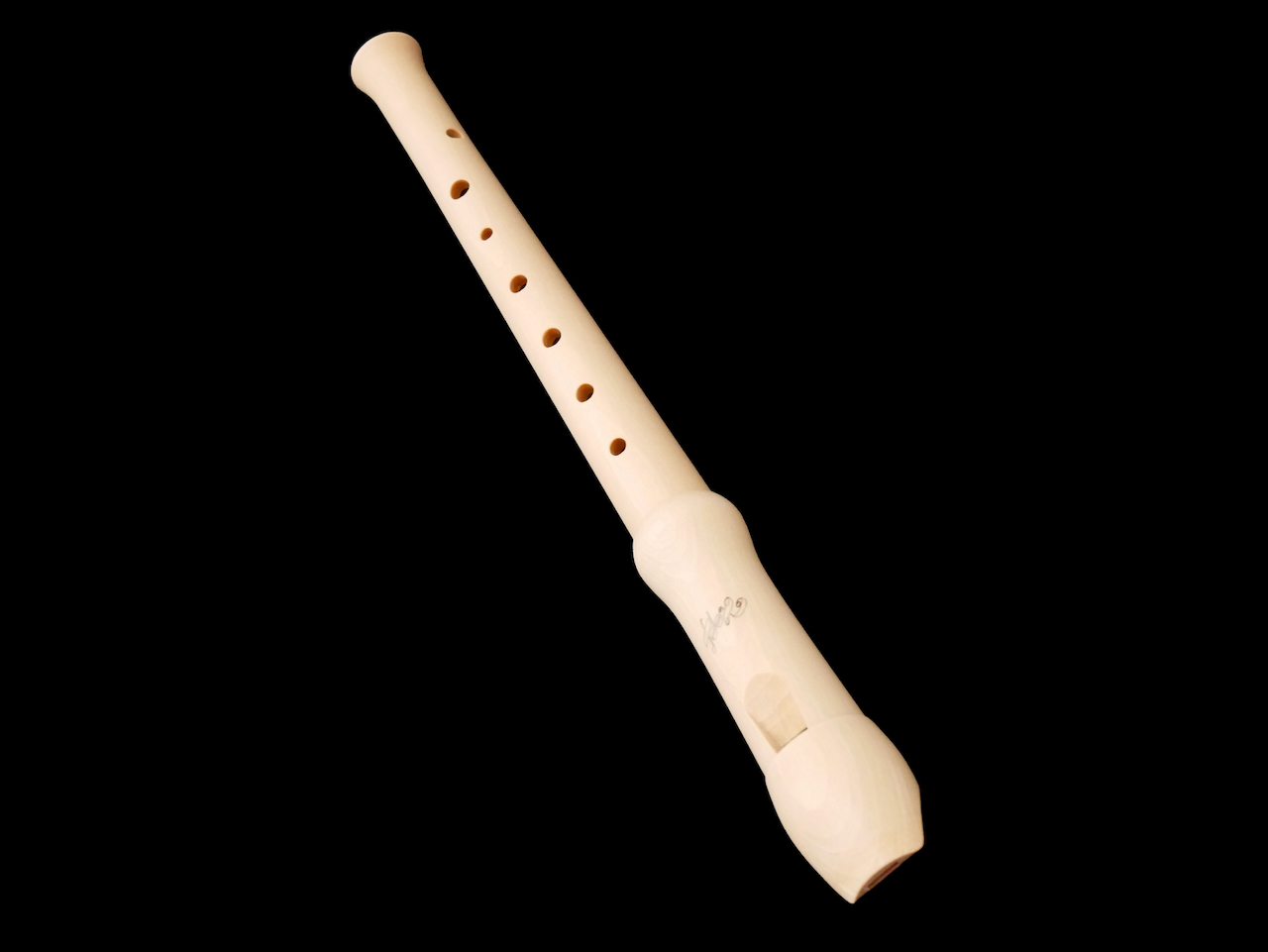
The workmanship of the Hopf 46 is at least on a par with the Schneider Student. The Model 46 looks a lot like Moeck’s classic Schulflöte 1250 recorder, the same instrument that got me started, too.
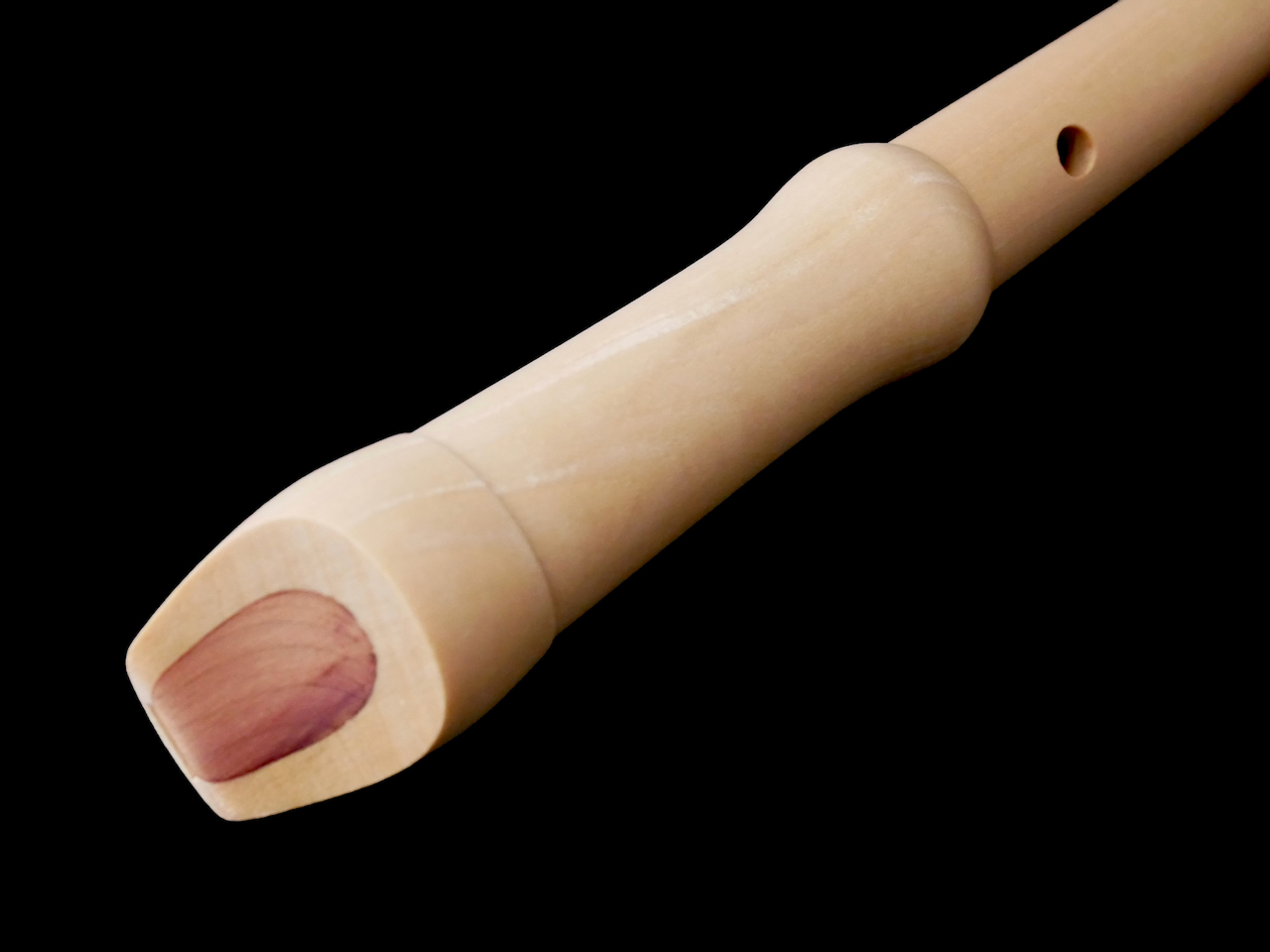
Traditional red cedar wood is used for the Hopf’s block.
The lowest part of the Model 46’s body has a tiny bit of added girth to it, when compared directly to the Meinel and Schneider recorders. The tiny additional thickness doesn’t make a difference in terms of the Hopf’s actual playability, though.
The Hopf 46 raises the same questions as the other two recorders in this review:
How can a German wooden recorder be this cheap? Why would anybody buy a plastic instrument for a beginner?
In terms of its sound, the Hopf 46 isn’t much different to the Schneider Student. The Hopf’s voice shines beautifully with a well-defined attack to each note.
After it was carefuly played in (read more at the end of this review) Hopf’s recorder plays in tune very nicely. At this low price, and with such quaity on offer, the Hopf 46 is an excellent choice as a first proper recorder.
****
****
How to play in a recorder
Even though most manufacturers saturate their recorder blanks with paraffin, a brand-new recorder isn’t ready to be played ”in earnest” right off the bat.
The reason for this lies in the player’s breath, which is both warm and humid. This puts a strain on a new recorder’s wind channel and block, which have to become slowly accustomed to the moisture. Additionally, the moisture starts to cause hoarseness and gurgling in a new recorder’s mouthpiece far more quickly than on a well-played in instrument, despite having been pre-warmed thoroughly (for example with the mouthpiece placed in the armpit).
A brand new recorder – but also an instrument that hasn’t been used for a longer time – has to be played in over a period of four to five weeks. A thorough playing in gives the recorder’s wooden components enough time to acclimatise to being played. The repeated cycle of short playing and long drying phases does reduce the danger of excessive swelling of the recorder’s mouthpiece, and helps to ”harden” the wind channel a bit. The process of playing in will also open up a wooden recorder’s voice.
Most manufacturers give this specific timetable for playing in a new recorder (after the instrument’s been warmed up):
• Week 1: Play the recorder for five to ten minutes each day. Stay in the lower register and play long notes.
• Week 2: Play the flute for fifteen to twenty minutes each day. Start introducing notes from the second octave.
• Weeks 3–4: Play the recorder for 30 to 40 minutes daily.
• After one month: The recorder’s wood should now be used to the moisture introduced by the player’s breath. You can now play the recorder as you wish (note that many professional flautists recommend using a single recorder for no longer than one or two hours).
British-Dutch recorder professor Sarah Jeffery recommends a slightly less rigid approach to playing in a new recorder. She recommeds listening to your instrument’s behaviour. Jeffery recommends adhering to the manufacturers’ instructions during the first week (only short playing times and long, low notes). For the next weeks you should listen to your recorder. If the instrument starts to sound hoarse already after five minutes playing in the second week, it’s probably a good idea to stop playing there and then, and let the recorder dry out completely. But if your instrument still sounds good after twenty minutes, you won’t break the recorder by playing five more minutes. Check out Sarah Jeffery’s excellent YouTube-channel.
Regardless of which approach to playing in your new recorder you choose, there are two extremely important things you should do when you’re finished playing:
Important note: When a new recorder cracks or splits, because it hasn’t been played in properly, it won’t be covered by the manufacturer’s warranty!
****
Nokkahuilu-parka on varmaan vihatuin koulusoitin ikinä. Se oli myös minun ensimmäinen soitin, joka oli länsisaksalaisissa kouluissa pakollinen kolmannella ja neljännellä luokalla 1970-luvulla.
Negatiiviseen maineeseen vaikuttaa varmaan, että kaikissa puhallinsoittimissa puhalluksen voimakkuus vaikuttaa erittäin paljon äänikorkeuteen ja nuotin soundiin. Nokkahuilun matalissa äänissä täytyy olla varovainen, ettei nuotti kippaa vinkuvalla äänellä yläoktaaviin. Keskirekisterissä liian vaisu puhallus jättää nuotin alavireiseksi, kun taas liikkaa voimaa työntää äänen toiseen suuntaan epävireiseksi. Ja toisen oktaavin äänet on suhteellisen vaikea saada ylipäänsä soimaan. Kaiken tämän lisäksi täytyy koko ajan varmistaa, että oikeat reiät on suljettu kunnolla, muuten tästäkin syntyy ei-toivottuja ääniefektejä.
Nokkahuilu on saanut sellaisen maineen, että se on vain koulusoitin, jolla ei pysty tekemään vakavasti otettavaa musiikkia. Tämä on kuitenkin vääryys, sillä taidokkaasti soitettuna se on kauniisti soiva soitin.
****
Saksa on ollut jo yli sata vuotta nokkahuilujen ”luvattu maa”, josta tulevat myös kaksi maailman tunnetuimpia nokkahuilumerkkiä – Moeck ja Mollenhauer. 1970-luvulla länsisaksalaisissa kouluissa käytettiin näiden merkkien klassisia, puisia ”koulumalleja” Moeck Schulflöte vaahterasta tai Mollenhauer Student päärynäpuusta.
Nykyään monet vanhemmat valitsevat lapsilleen muovista tehdyn nokkahuilun, koska ne ovat yleensä edullisempia ja myös hiukan kovaa menoa kestävämpiä vaihtoehtoja. Yamaha ja Aulos ovat varmasti tunnetuimmat muovihuilujen brändit.
Vaikka muoviset nokkahuilut usein soivat melkein yhtä kauniisti kuin puiset vastineet, puisen soittimen tuntuma on ainakin minusta vielä lyömätön.
Yllättävä kyllä, Saksassa on edelleen olemassa muutama pienempi paja, joissa valmistetaan edullisia puisia nokkahuiluja piensarjoissa. Valitsin niistä kolme eri sopraanomallia testattavaksi – Meinel 200-1, Schneider Student ja Hopf 46. Kaikki kolme on tehty vaahterasta yksiosaisella rungolla ja ne ovat saksalaisotteisia (koska opin näitä otteita koulussa). ”Kallein” malli, Hopf 46, maksaa Thomannin nettikaupassa vain 33 euroa.
Katsotaan seuraavaksi onko kyseessä aitoja soittimia tai ainoastaan ”nokkahuilua muistuttavia puuesineitä”.
****
Perinteikäs Meinel on ollut pystyssä jo yli sataa vuotta kaakkois-Saksan Vogtland-alueella, pohjois-Tšekin rajan lähellä. DDR:n aikoihin se oli osa isompaa Migma-soitinyhtyötä, josta on syntynyt 1990-luvulla samanniminen soitinrakentajien osuuskunta.
Meinel 200-1 on katsauksen edullisin soitin (11 €), mikä näkyy siitä, että tätä nokkahuilua myydään ilman kuljetuspussia pelkässä kartonkilaatikossa. Pörröinen puhdistusharja kuuluu hintaan.
Meinel 200-1 -huilun työnjälki on yllättävän siisti. Ainoa pikkuinen miinus tulee pienestä parafiinikyllästetystä puulastusta, jonka poistin puhdistusharjalla huilun suukappaleen uumenista.
Lähes kaikki valmistajat kyllästyvät nokkahuilujensa aihiot kuumassa parafiinikylvyssä, joka suojaa huilun puhallusilman kosteudesta.
Yllätyin suukappaleen blokin vaaleudesta ja syykuvioista. Perinteisesti blokki tehdään punasetristä (jonka oikea nimi on kynäkataja!), koska se kestää kyvin kosteutta ja on lievästi antiseptinen. Soitin Meinel-pajan pomolle, René Schlegelille, ja kysyin häneltä blokin puulajista.
Meinel-nokkahuiluissa käytetään nykyään länsiafrikkalaista apachipuuta (Triplochiton scleroxylon), koska punasetrin laatu on muuttunut viime vuosina yhä vaihtelevammaksi, minkä takia saaduista punasetrilähetyksistä on voitu käyttää vain murto-osan. Apachi – tai obeche – kestää lämpöä ja kosteutta ainakin yhtä hyvin kuin punasetri, sitä saadaan FSC-sertifioituna isommissa erissä, ja se on kynäkatajaa huomattavasti tasalaatuisempi puulaji.
T-kaupan sivustolla voi lukea ostajien joitakin arvosteluja joissa väitetään, että Meinel 200-1 olisi ”epävireinen” nokkahuilu. En tiedä miten nämä ihmiset ovat käyttäneet oman Meinel-huilunsa, mutta huolellisen sisäänsoittamisen jälkeen (hyvin tärkeä toimenpide, joista voi lukea enemmän tämän jutun lopussa) ainakin testikappale soi kauniisti ja puhtaasti.
Meinel 200-1:n ääni on kauniin pehmeä ja samettinen. Tämä soitin päästää aavistuksen verran enemmän puhallusilmaa varsinaiseen sointiin kuin testin muut huilut, mutta tähän hintaan Meinelin hinta-laatu-suhde on kuitenkin ällistyttävä.
****
Schneiderin paja sijoittuu samalla Vogtland-alueella kuin Meinelkin, ja sekin on hyvin perinteikäs (perustettu vuonna 1864), mutta suhteellisen vähän tunnettu valmistaja.
Schneider Student on firman edullisin sopraanomalli (23,90 €) ja pakettiin kuuluu pörröisen puhdistusharjaan lisäksi myös pehmustettu kuljetuspussi.
Schneider Studentin työnjälki on erittäin siisti, sekä ulko- että sisäpuolelta katsottuna.
Suukappaleen blokki on tehty perinteisen tapaan kynäkatajasta (ns. punasetri). Peukaloreiän yläpuolella on suoraan puuhun painettu maininta ”Made in Germany”.
Myös Schneider Student -nokkahuilun kohdalla on aika yllättävä, että pieni yritys pystyy näin korkeaan laatuun näin pienellä hintalapulla.
Testiyksilö tarvitsi huolellista sisäänsoittoa, ennen kuin myös yläoktaavin äänet alkoivat sytyttää siististi. Tämä ei kuitenkaan ole vika, vaan jokainen puusta tehty soitin on yksilö. Lue sisäänsoittamisesta tämän jutun lopussa – se on ratkaiseva vaihe nokkahuilun elämässä!
Schneider Student -mallin ääni on kaunis, kirkas ja tarkka. Soittimen vire on myös kohdallaan. Tässä tarjotaan erittäin paljon hyvin edullisesti!
****
Hopfin perhe aloitti kielisoittimien valmistusta jo 1600-luvun loppupuolella. Alun perin tämäkin yritys sijaitsi Vogtlandissa, mutta toisen maailmansodan jälkeen perhe muutti Länsi-Saksaan Taunussteiniin (Wiesbadenin lähelle). Sinne perustettiin vuonna 1948 uuden Hopf-soitinpajan, jossa valmistetaan sekä kitaroita että nokkahuiluja.
Hopf 46 on firman edullisin sopraanonokkahuilu (33 €) ja pakettiin kuuluu tässäkin pörröisen puhdistusharjaan lisäksi pehmustettu kuljetuspussi.
Hopf 46 -mallin työnjälki on samalla korkealla tasolla kuin Schneiderin nokkahuilussa, ja se muistuttaa ulkonäöltään vahvasti Moeckin klassikkoa Schulflöte 1250, jolla minäkin silloin aloitin.
Hopfin suukappaleen blokki on veistetty punasetristä.
Malli 46:n rungon alaosa on aavistuksen verran paksumpi kuin Meinelissa ja Schneiderissa. Soitettavuuden kannalta se ei kuitenkaan vaikuta käytännössä lainkaan soittotuntumaan, ja tulee esiin ainoastaan suorassa vertailussa.
Myös Hopf 46:n tapauksessa voi kysyä kaksi kysymystä:
Miten näin pieni hintalappu on mahdollista laadukkaassa saksalaisessa nokkahuilussa? Miksi pitäisi valita muovisoitin aloittelijalle?
Soundillisesti Hopfin sopraanonokkahuilu 46 on hyvin samankaltainen kuin Schneiderin Student-malli. Hopfin ääni on hohtava ja kaunis tarkalla atakilla.
Huolellisen sisäänsoiton jälkeen (lue enemmän tämän jutun lopussa) Hopfin nokkahuilu soi kauniissa vireessä. Tällä hinnalla ja laadulla Hopf 46 -malli on erinomainen valinta ensimmäiseksi kunnon nokkahuiluksi.
****
****
Nokkahuilun sisäänsoittaminen
Vaikka nokkahuilun aihioita kyllästytään tavallisesti kuumassa parafiinissa, upouusi huilu ei ole valmis ”oikeaan” soittoon suoraan pakkauksesta otettuna.
Syy tähän on että puhallusilma on lämmin ja hyvin kostea Tämä saa etenkin suukappaleen ilmakanavan ja blokin ns. elämään hiukan. Lisäksi puhallusilman kosteus myös kondensoi vahvemmin suukappaleen ilmakanavaan, vaikka nokkahuilun tavallinen esilämmitys – esimerkiksi soittajan kainalossa – olisi hoidettu.
Uusi nokkahuilu – ja myös pitkään soittamatta jäänyt – tarvitsee noin neljä-viisi viikkoa varovaista ja huolellista sisäänsoittoa. Sisäänsoitto antaa nokkahuilun puulle riittävästi aikaa ”tottua” kosteuteen. Sisäänsoittamisen peräkkäinen lyhyt kostutus ja pitkä kuivaaminen vähentää puun elämistä ja koventaa ilmakanavan pinnat aavistuksen verran. Samalla nokkahuilun ääni alkaa aueta.
Valmistajien nettisivuilla ja käyttöohjeissa käytetään seuraavaa kaavaa sisäänsoittamiselle (tavallisen huilun esilämmittämisen jälkeen):
• Viikko 1: Soita joka päivä 5–10 minuuttia pitkiä nuotteja perusoktaavissa (vältä korkeimpia ääniä).
• Viikko 2: Soita noin 15–20 minuuttia joka päivä. Voit kokeilla myös toisen oktaavin ääniä.
• Viikko 3–4: Voit pidentää soittoaikaa asteittain 30–40 minuuttiin päivässä.
• Kuukauden jälkeen: Huilun puu on yleensä sopeutunut kosteuteen ja voit soittaa sitä normaalisti (tosin ammattilaiset suosittelevat silti maksimissaan 1–2 tunnin päivittäistä soittoaikaa).
Englantilais-hollantilainen nokkahuilun professori Sarah Jeffery suosittelee hieman vähemmän jäykkä lähetystapaa sisäänsoittamiseen, jossa kuunnellaan uuden nokkahuilun käyttäytymistä. Hänen mukaan ensimmäisessä viikossa mennään valmistajien kaavan mukaan, ja soitetaan pitkiä ääniä perusoktaavissa. Seuraavissa viikoissa Jeffery suosittelee, että mennään nokkahuilun käyttäytymisen mukaan. Jos huilu alkaa toisessa viikossa jo viiden minuutin jälkeen kuulostaa kummalliselta (käheä ääni ja huono atakki kondensoivan veden takia), olisi parempi lopettaa soittamista jo tähän, mutta jos huilu soi vielä hyvin 20 minuutin kohdalla, viisi minuuttia lisää soittoa ei tule rikkomaan soitinta. Lisätietoa saa esimerkiksi Sarah Jeffereyn englannikielisestä YouTube-kanavasta.
Lähestymistavasta huolimatta on kaksi tärkeää toimenpidettä, joita täytyy tehdä aina soittamisen jälkeen:
Huomautus: Jos uusi puinen nokkahuilu repii, koska sisäänsoittaminen on jätetty tekemättä, valmistajan takuu yleensä ratkeaa!
****
Miksi tyytyä muoviin, kun Saksasta saa edelleen hyvin edullisia nokkahuiluja puusta?
Why settle for plastic when you can still get very affordable wooden recorders from Germany?
• Hopf 46
****
****
Even though I follow the musical instrument and musical equipment industry quite closely, it can always happen that some new piece of gear, or a new manufacturer, goes unnoticed by me. For this reason, I was very happy when Joni from Vantaan Musiikki recently introduced me to the products of the Maono brand.
Maono is a Chinese company that specializes in podcasting, vlogging and livestreaming products. The brand offers studio microphones, wireless camera mics, podcast/streaming mixers, headphones, and audio interfaces.
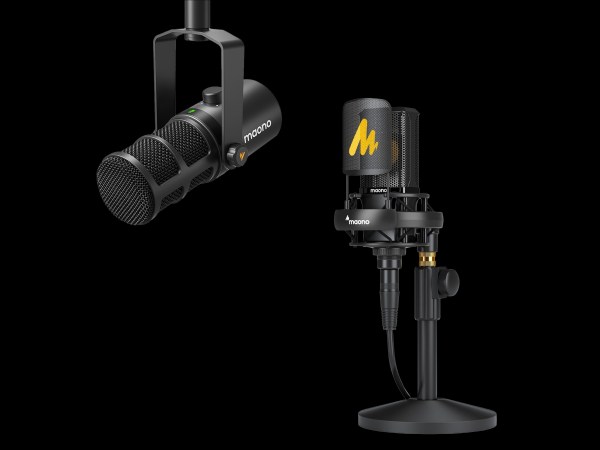
I received two Maono microphones for testing:
The Maono PD400X (145 €) is a dynamic microphone that works both as a stand-alone microphone (via its XLR output) and as a USB microphone (using USB-C) with a richly specced, internal audio interface.
The Maono PM500 (159 €), for its part, is a large-diaphragm condenser mic (34 mm läpimitta).
****
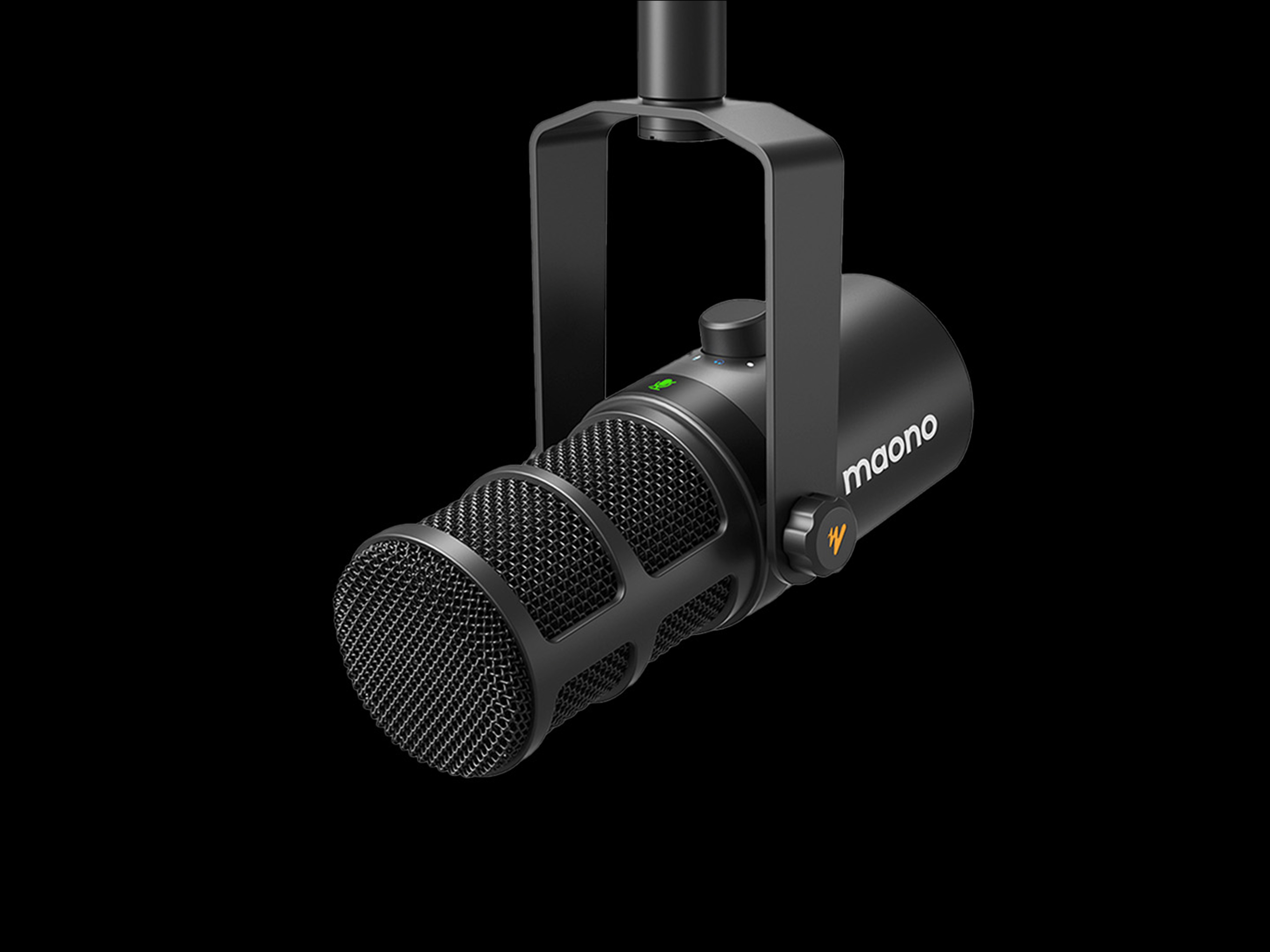
The Maono PD400X microphone’s appearance suggests its intended use as a podcast studio speech microphone. The PD400X is equally suitable for hanging from a suspension stand…
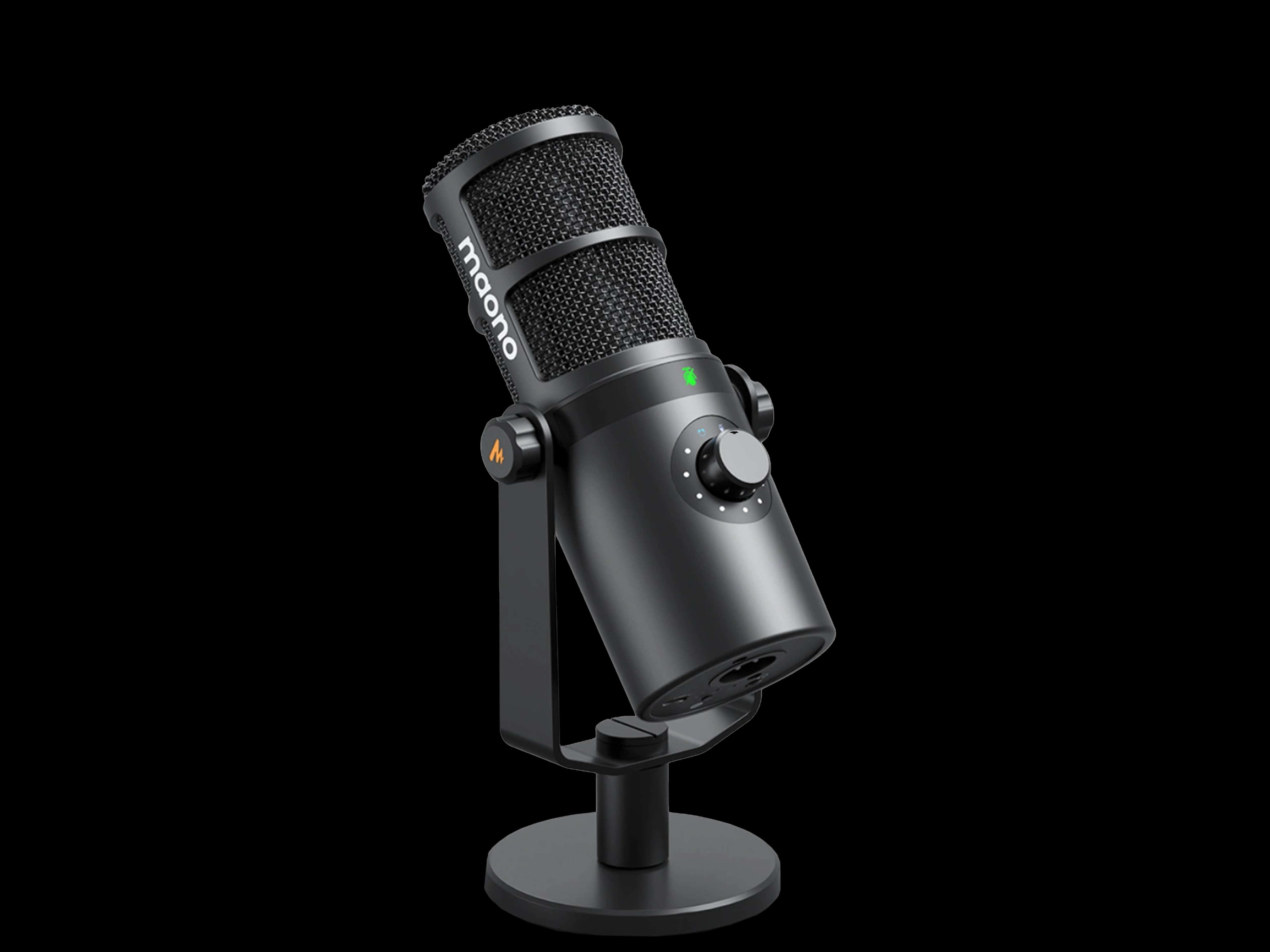
…as it is for use with a table stand.
The package includes the desk stand shown in the picture and a thick foam windscreen, as well as XLR and USB-C cables. The PD400X seems to be solidly made, and the weight of the microphone indicates that it is definitely not some nasty Temu-trash.
With the XLR cable, this Maono is a very straightforward dynamic microphone with an effective cardioid pattern and a very big sound.
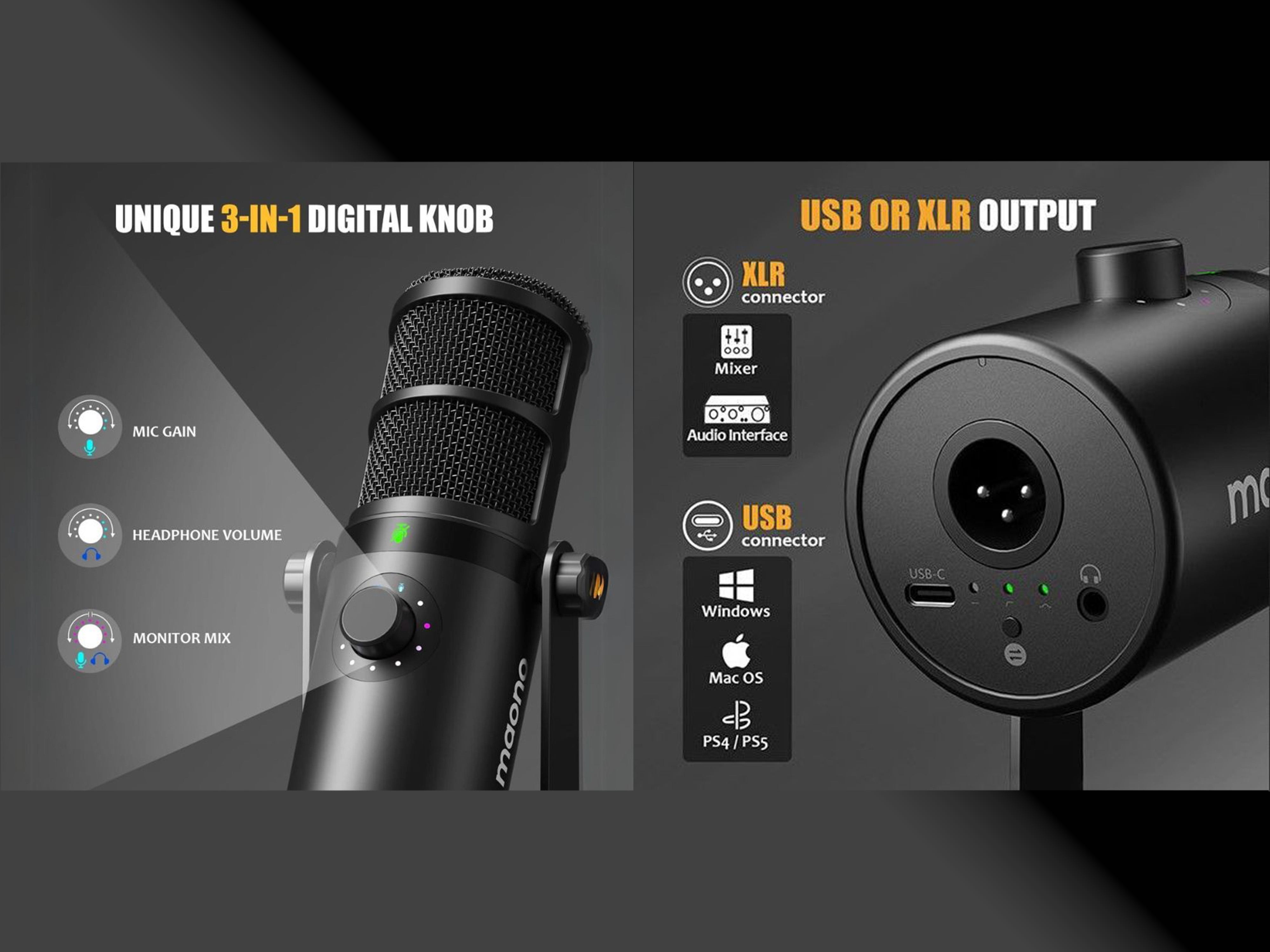
The Maono PD400X’s internal digital sound card (48 kHz/24 bit) is activated via the USB port. At the base of the mic, you’ll find a headphone output and a three-position pre-EQ (bass cut, presence boost, as well as both simultaneously). The microphone’s large control knob works in four different ways – a short press mutes – and unmutes – the PD400X, while a longer push selects one of three control modes (microphone gain, headphone volume, and monitor balance).
The PD400X is directly compatible with Windows and Mac computers via USB, as well as Sony PS4 and PS5 consoles.
If you want to access all the microphone’s cool additional functions, you should definitely download the company’s Maono Link app. With Maono Link, you can, among other things, optimise the sound of the PD400X mic for different distances of the sound source to the microphone, use the internal audio interface’s own compressor and limiter, and adjust the equalisation more precisely.
****
****
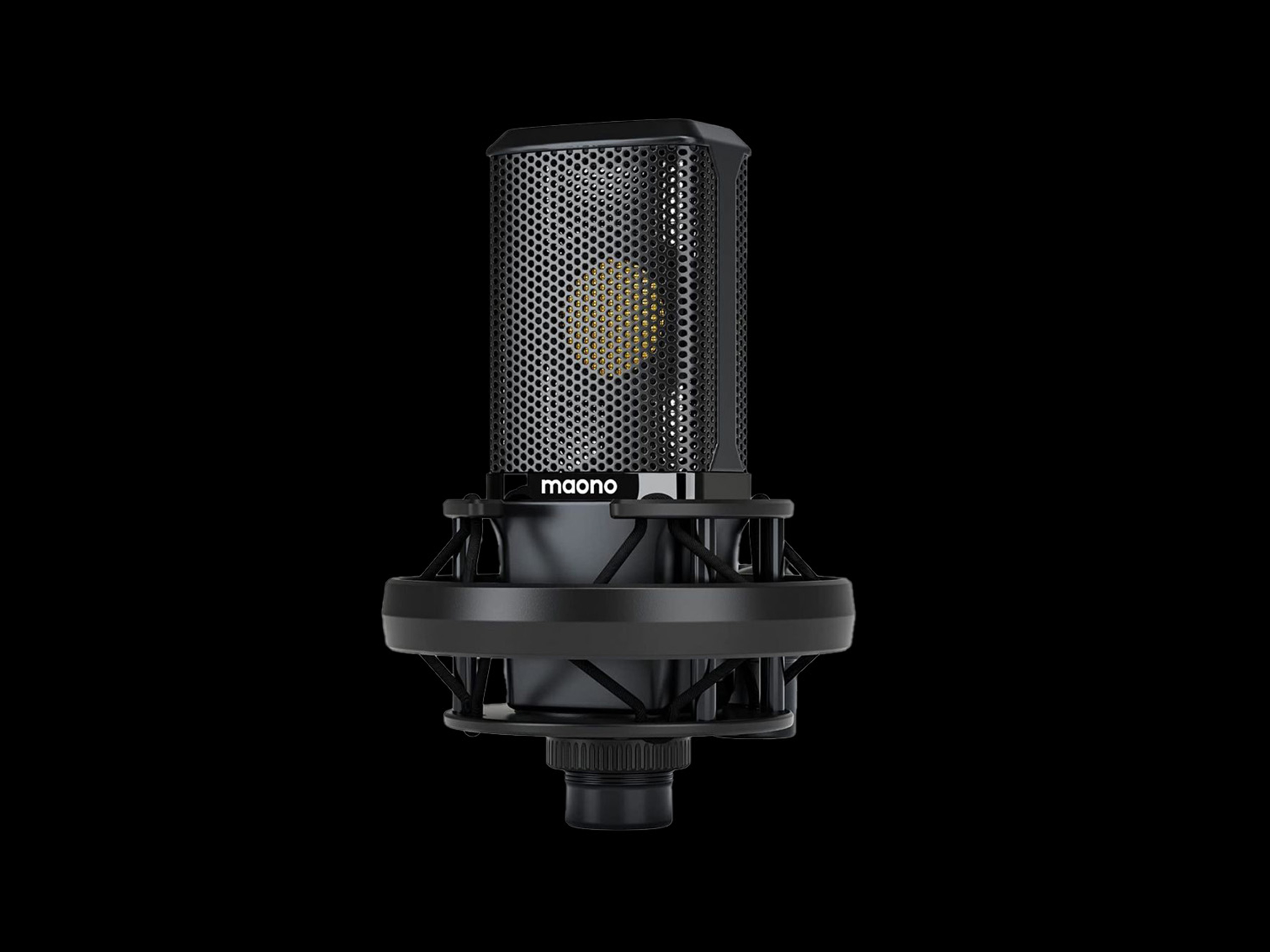
The Maono PM500 is the company’s straightforward, cardioid studio microphone with a large capsule (34 mm). It operates on 48 volts of phantom power.
The PM500’s solid build makes it look and feel much more expensive than it actually is.
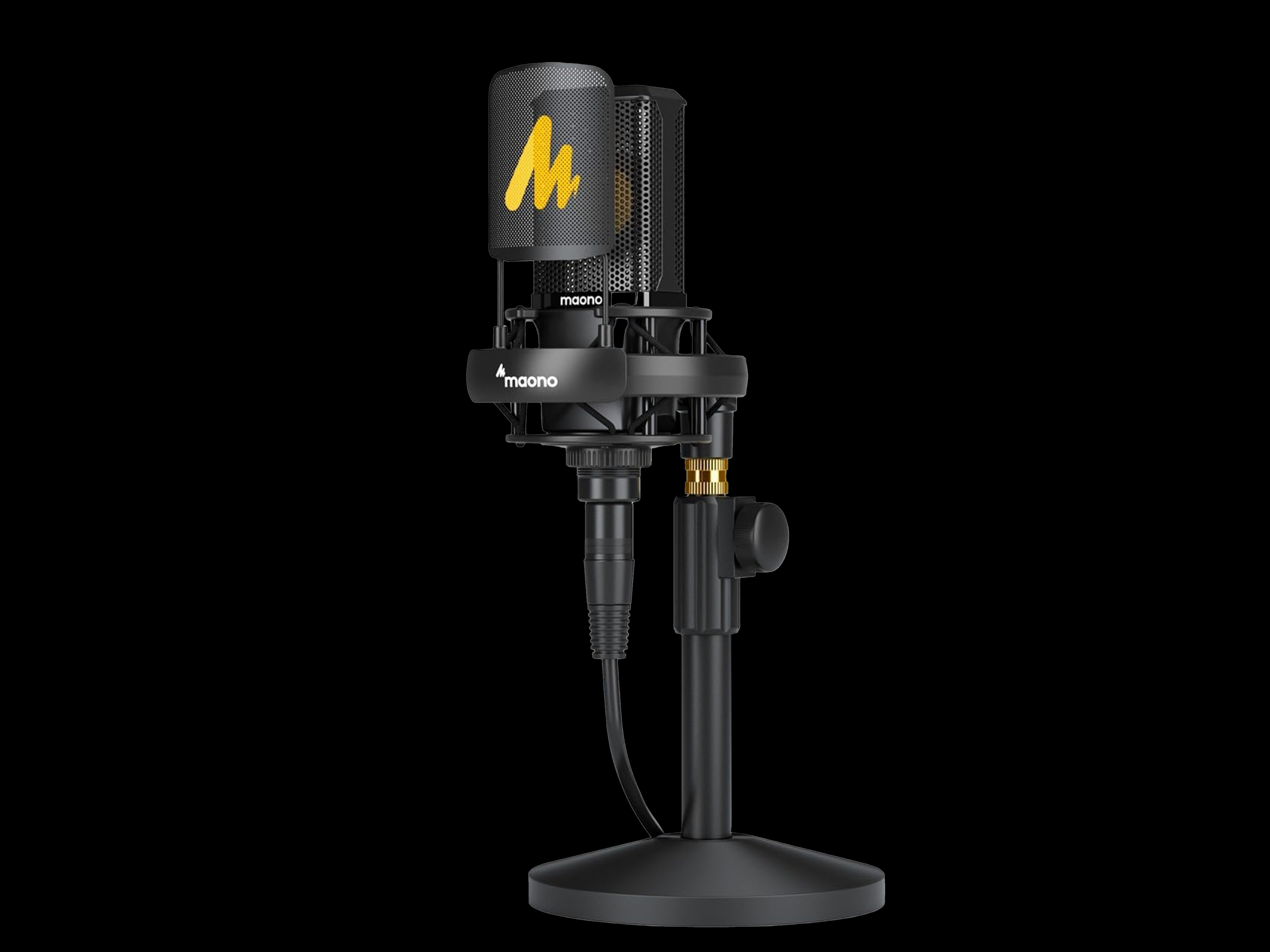
The package includes a high-quality cradle mount, a metal pop filter that easily attaches to the cradle, an XLR cable, and a height-adjustable desk stand.
As you would expect in this price range, the Maono PM500 doesn’t offer any additional on-board features, such as a bass filter. This mic is simply placed in front of the sound source, and that’s it.
****
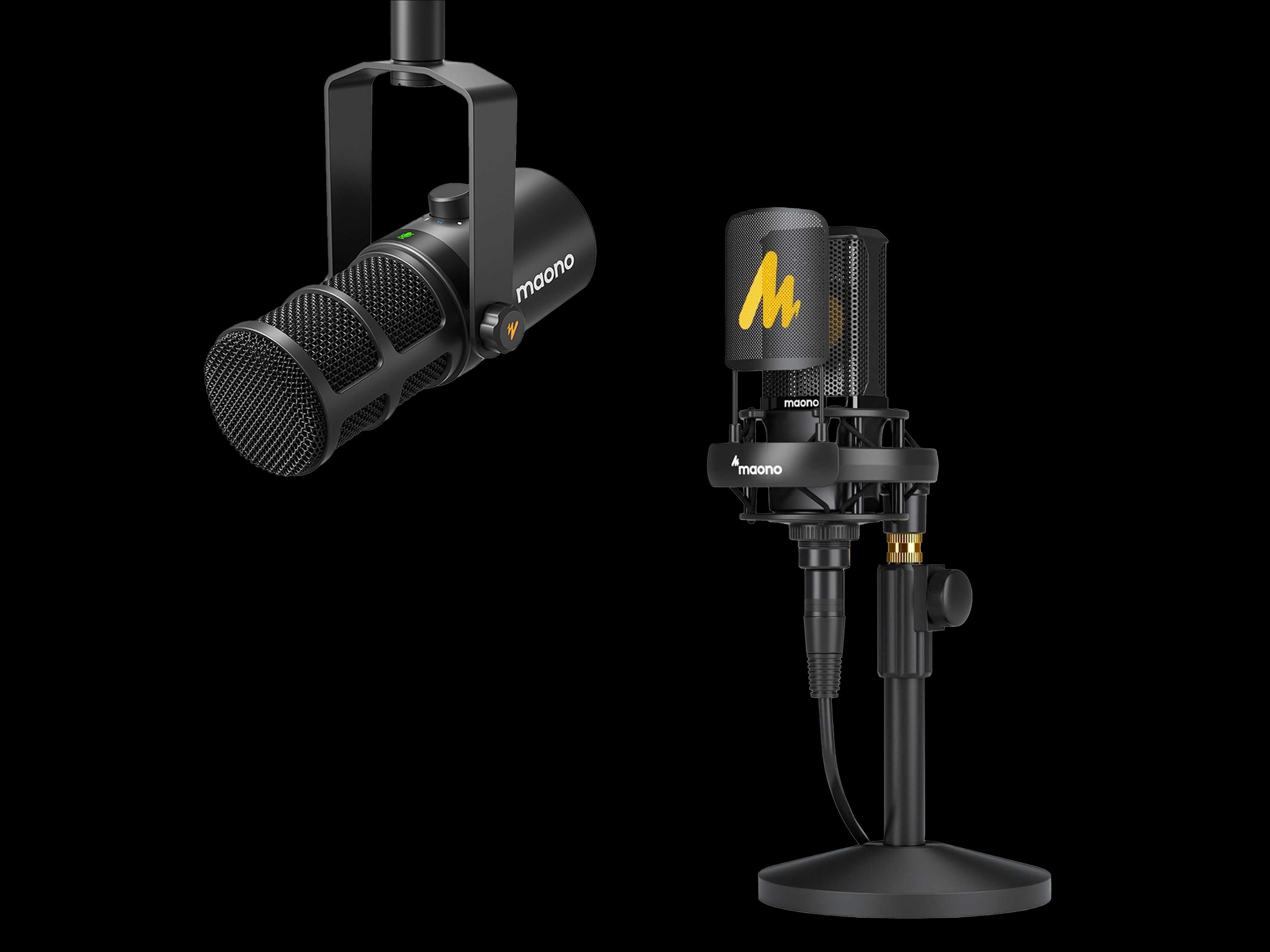
I have to take my proverbial hat off to these Maono microphones. Despite being relative newcomers, they have managed to jump straight into the ranks of well-known quality microphones.
In terms of sound and features, the Maono PD400X is very comparable to, for example, Shure’s MV7 or MV6 microphones. The PD400X already has a big ”radio sound” from the start, to which the mic’s excellent internal audio interface (and Maono Link app) gives a professional touch.
In my opinion, the Maono PM500 plays in the same league as the recently released AKG C104. As with the PD400X, the basic sound of the PM500 is also very healthy. In studio work, the sound of the leakage picked up from the sides and back of the mic is also important, and in this area the quality of the Maono PM500 becomes very obvious.
With these specs at these affordable prices, I think it’s definitely worth checking out Maono microphones in person.
****
Vaikka seuraan soitin- ja soitinlaitealaa melko tiiviisti, aina voi tapahtua että jokin uusi laite tai valmistaja jää minulta huomaamatta. Tästä syystä olin hyvin iloinen, kun Vantaan Musiikin Joni esitteli minulle hiljattain Maono-brändin tuotteita.
Maono on kiinalainen yritys, joka on erikoistunut podcast-, vloggaus- ja livestream-tuotteisiin. Brändiltä saa studiomikrofoneja, langattomia kameramikkejä, podcast-/striimausmiksereitä, kuulokkeita, sekä audio interfaceja.
Sain testattavaksi mukaan kaksi Maono-mikrofonia:
Maono PD400X (145 €) on dynaaminen mikrofoni, joka toimii sekä pelkkänä mikrofonina (XLR-lähdön kautta) että USB-mikrofonina (USB-C) runsaasti speksatulla, sisäisellä audio interfacella.
Maono PM500 (159 €) taas on isolla kapselilla (34 mm läpimitta) varustettu konkkamikki.
****
Maono PD400X -mikin ulkonäkö viittaa sen käyttötarkoitukseen podcast-studion puhemikrofonina. PD400X sopii yhtälailla roikkutettavaksi jousitetulta telineeltä…
…kuin seisovaksi vaikkapa omalla pöytäständillä.
Paketista löytyy kuvassa näkyvä pöytäteline ja paksu vaahtomuovinen tuulisuoja, sekä XLR- ja USB-C-johdot. PD400X vaikuttaa olevan vankkaa tekoa, ja mikrofonin paino kertoo että kyse ei todellakaan ole mistään Temu-krääsästä.
XLR-johdolla tämä Maono on hyvin suoraviivainen dynaaminen mikrofoni tehokkaalla herttakuviolla ja erittäin isolla soundilla.
USB-portin kautta aktivoituu Maono PD400X:n sisäinen digitaalinen äänikortti (48 kHz/24 bit). Mikin tyvessä löytyy silloin kuulokelähtö ja kolmiasentoinen esi-EQ (bassoleikkuri, preesensiboosti, sekä molemmat samanaikaisesti). Mikrofonin isokokoinen säädin toimii neljällä eri tavalla – lyhyt painallus laittaa PD400X:n mutelle, kun taas napin pidempi painaminen valitsee yhden kolmesta säädintilasta (mikrofonin gain, kuulokkeiden volyymi, sekä monitorin balanssi).
USB:n kautta PD400X on suoraan yhteensopiva Windows- ja Mac-tietokoneiden kanssa, sekä Sony PS4- ja PS5 -koneiden kanssa.
Jos haluaa päästä kiinni mikrofonin kaikkiin hienoihin lisätoimintoihin, kannattaa ehdottomasti ladata firman Maono Link -appia. Maono Linkillä pystyy mm. optimoida PD400X-mikin soundia äänilähteen eri etäisyyteen mikrofonista, käyttää sisäisen audio interfacen oman kompressorin ja limitterin, sekä säätää ekvalisoinnin tarkemmin.
****
****
Maono PM500 on firman suoraviivainen, herttakuvioinen studiomikrofoni isolla kapselilla (34 mm). Se toimii 48 voltin phantomisyöttöllä.
PM500 vaikuttaa vankalta olemukseltaan selvästi kalliimmalta kuin mitä se todellisuudessa on.
Paketissa tulee mikin mukana laadukas kehtoripustus, helposti kehtoon kiinnittävä metallinen pop-filtteri, XLR-johto, sekä korkeussäädettävä pöytäständi.
Niin kuin tässä hintaluokassa sopii odottaa, Maono PM500 ei tarjoa lainkaan lisäominaisuuksia, kuten vaikkapa bassofiltterin. Tätä mikkiä yksinkertaisesti pystytetään äänilähteen eteen, ja sillä siisti.
****
Täytyy nostaa kuvitteellista hattuani näiden Maono-mikrofonien edestä. Uusina tulokkaina ne ovat onnistuneet hyppimään heti mukaan laadukkaiden mikrofonien joukkoon.
Soundiltaan ja ominaisuuksiltaan Maono PD400X on hyvinkin verrattavissa esimerkiksi Shure MV7- tai MV6-mikrofoneihin. PD400X:llä on jo lähtökohtaisesti iso ”radiosoundi”, johon mikin erinomainen sisäinen audio interface (ja Maono Link -appi) antaa vielä ammattimaisen silauksen.
Minun mielestäni taas Maono PM500 pelaa samassa liigassa kuin vähän aikaa sitten julkaistu AKG C104. Niin kuin PD400X:n kohdalla, myös PM500:n tapauksessa mikin perussoundi on erittäin terve. Studiotyöskentelyssä tärkeää on myös mikin sivusta ja takana poimittujen vuotoäänien soundi, ja myös tällä alueella Maono PM500:n laatu on hyvin selkeä.
Näillä spekseillä ja näillä edullisilla hinnoilla kannattaa mielestäni ehdottomasti tutustua henkilökohtaisesti Maono-mikrofoneihin.