****
The poor recorder is probably the most-hated educational musical instrument. It was my first instrument, too, as it was mandatory in West Germany in grades three and four, back in the Seventies.
I think, a lot of the recorder’s negative image is due to the fact that in all wind instruments the force of blowing is in direct relation to the instrument’s pitch and the overall sound. With the lowest notes on the recorder you have to blow carefully to prevent the note to jump squealingly into the upper octave. In the middle register too little airflow will make the pitch wobble to flat, while too much air will push the note sharp. The second ocatve, for its sins, is hard to play cleanly and nicely for any beginner. And don’t forget all the nasty ”sound effects” that are caused by sloppily closed finger holes.
The recorder has to put up with being put down as solely a beginner’s instrument, not fit for making any serious music at all. In reality, this is a fallacy, as there is a large body of serious works for recorder that require serious ”chops” to perform.
****
For over a hundred years Germany has been something of a ”promised land” when it comes to recorders. Two of the most famous recorder companies are German – Moeck and Mollenhauer. In the 1970s in West Germany, schools exclusively used recorders manufactured by these two brands, which came up with their own classic school models, the all-maple Moeck Schulflöte and the Mollenhauer Student made from pear wood.
These days most parents choose plastic instruments for their children, because plastic recorders are generally cheaper, don’t need any playing in (read about it at the bottom of this post), and because they are harder to damage than a wooden flute. Yamaha and Autos are probably the most respected brands in plastic recorders.
Even though the sound of plastic recorders is almost on a par with wooden flutes, I still like the feel of a wooden instrument in my hands.
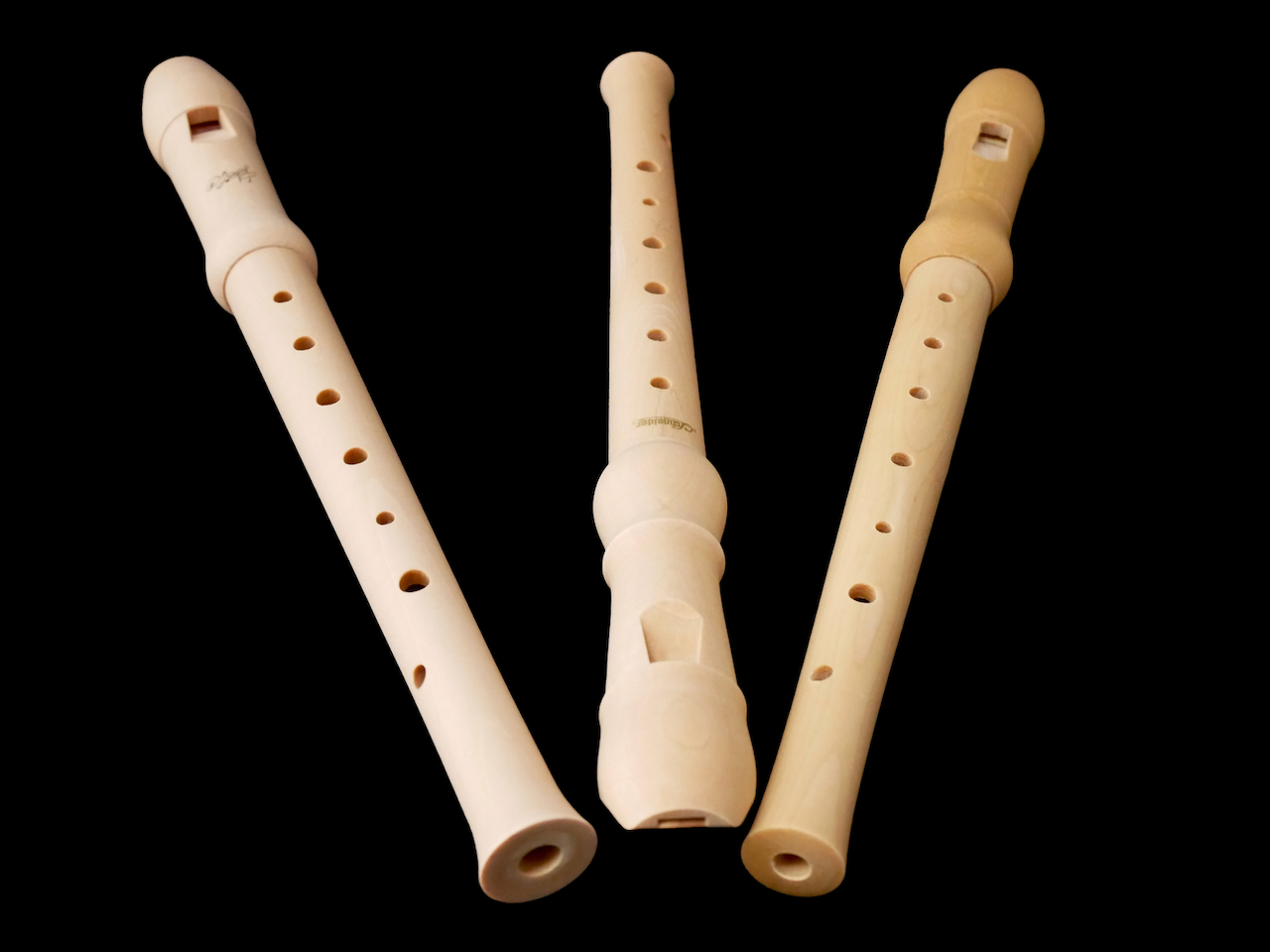
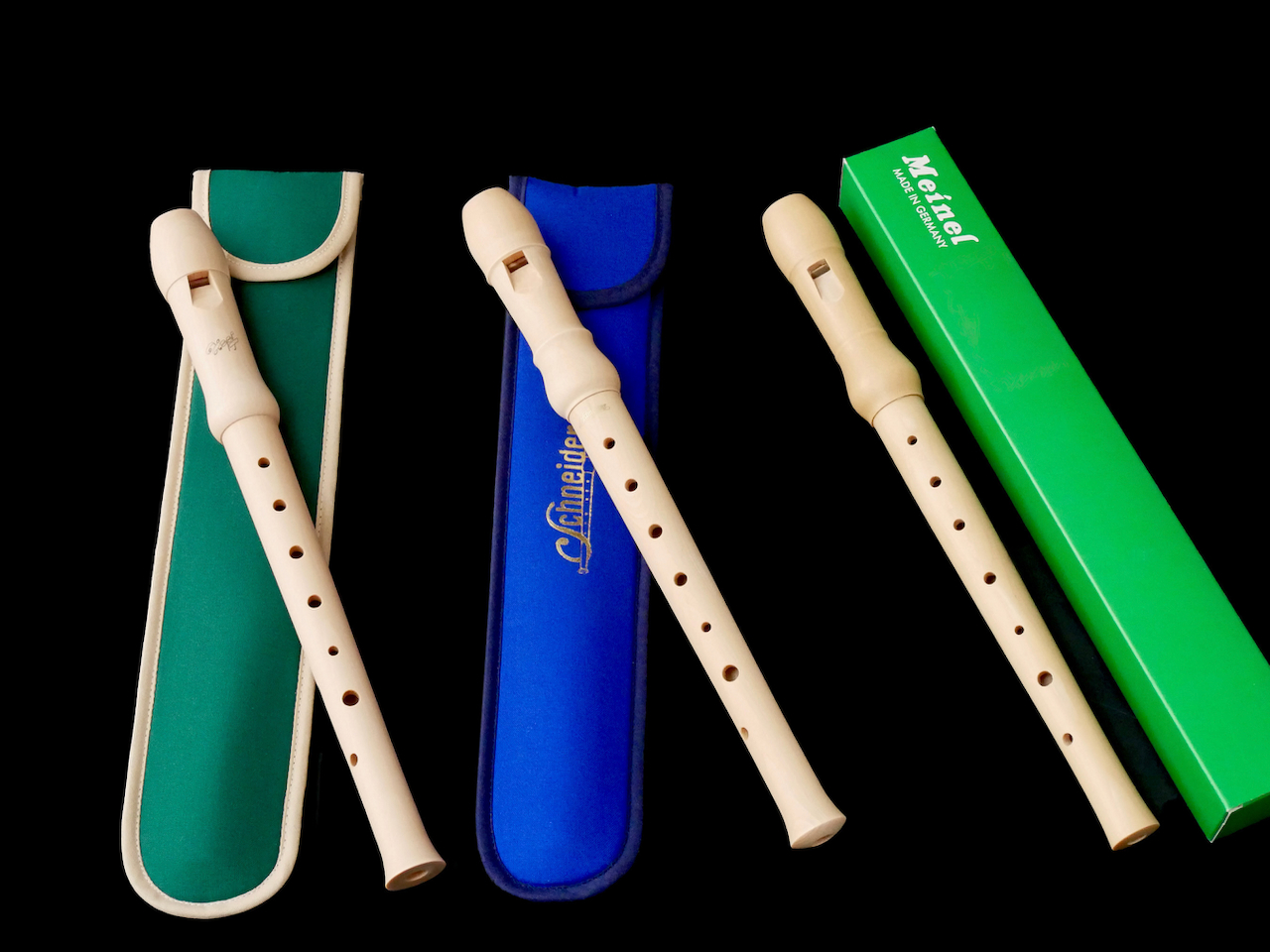
It may be surprising, but there are still small workshops is Germany producing very cost-conscious wooden recorders in small batches. I’ve chosen three soprano (aka descant) recorders for this review – a Meinel 200-1, a Schneider Student and a Hopf 46. All three models are made of maple, all are two-piece instruments (mouthpiece plus body), and all sport German fingering (because that’s what I’ve learned in school back in the day). The ”most expensive” recorder of this trio, the Hopf 46, is sold for only 33 euros in Thomann’s webshop.
Let’s find out whether we’re dealing with real instruments or whether these recorders are merely ”wooden objects pretending to be recorders”.
****
Meinel is a recorder maker with a history of over 100 years. Meinel is situated in the southeastern German region of Vogtland, on the northwestern border of the Czech Republic, a region where instrument making and artisanal wooden products have an extremely long tradition.
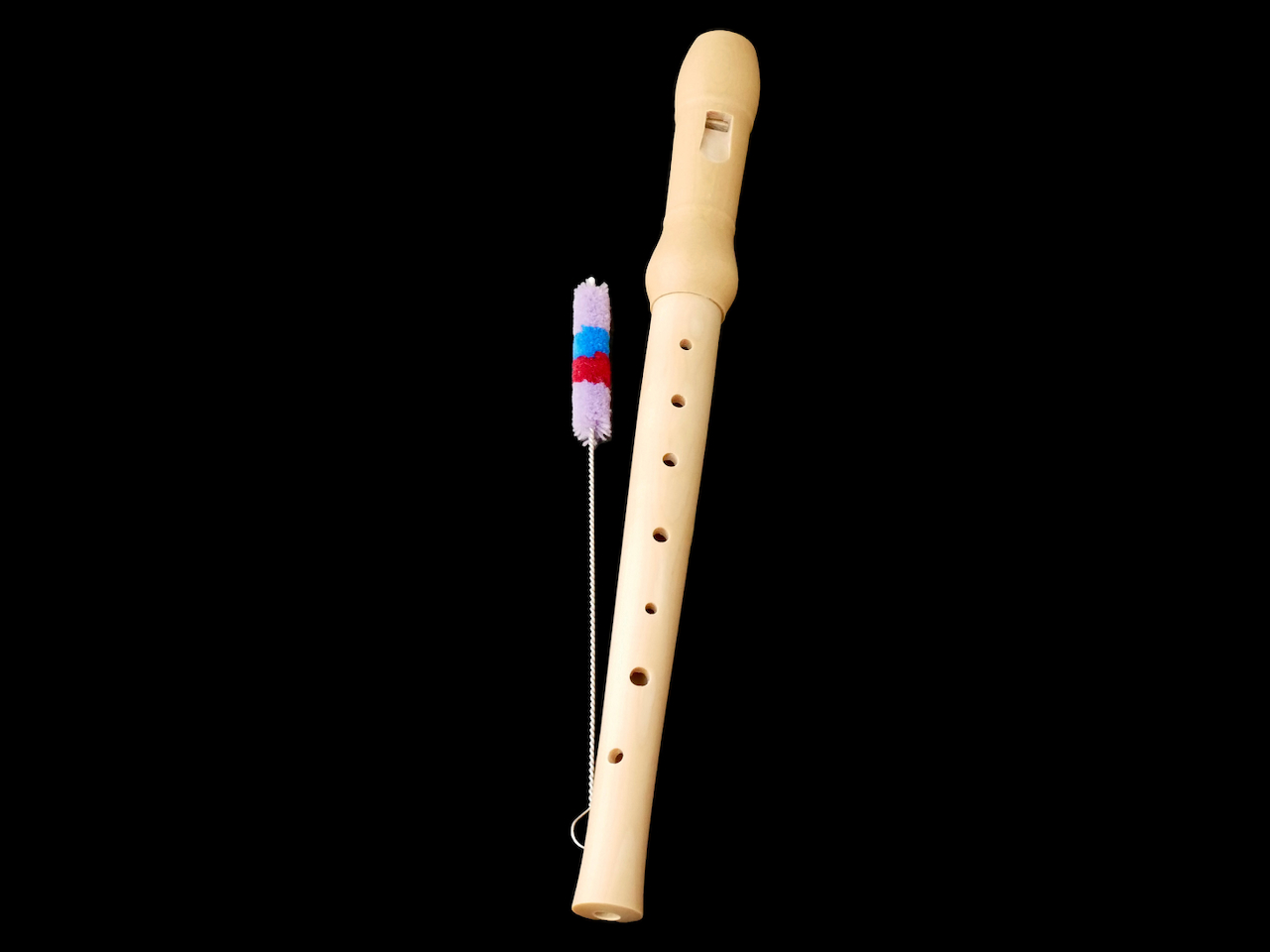
The Meinel 200-1 is the cheapest recorder in this review (11 €), which means that this instrument is sold in a mere cardboard box. A fuzzy cleaning brush comes with the recorder.
The Meinel 200-1 recorder displays surprisingly clean workmanship. The only very minor point of criticism in the review instrument comes in the form of a small, paraffin-soaked wood shaving inside the mouthpiece. I had no problem removing the little piece of stray wood using the cleaning brush.
Almost all manufacturers saturate their recorder blanks in a hot paraffin bath, which protects the flute from the moisture in the player’s breath.
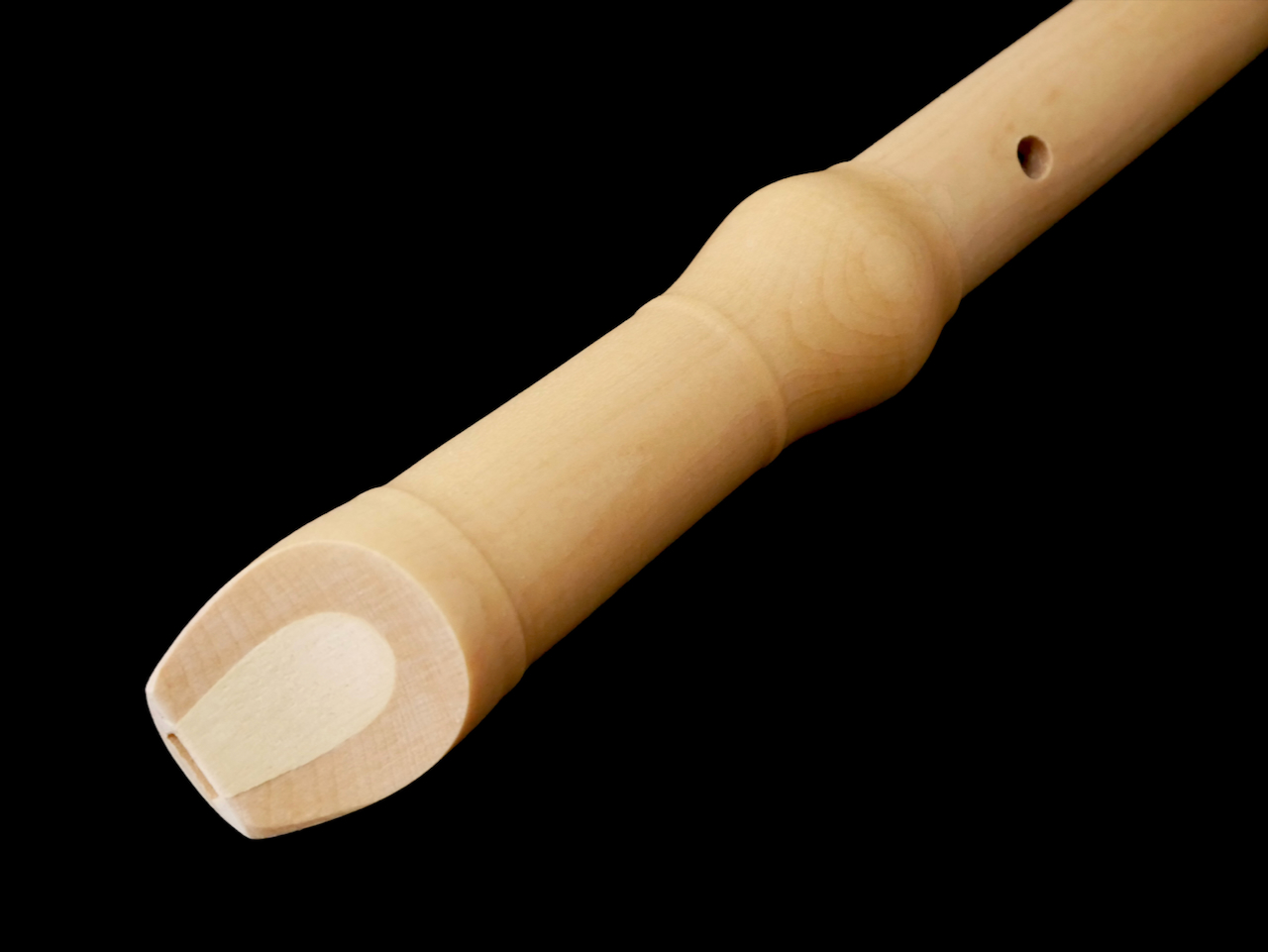
I was surprised by the light-coloured block inside the mouthpiece. Traditionally this block is made from red cedar (which is actually a juniper), because it is quite moisture-resistant and also mildly antiseptic. I decided to phone Meinel’s main man, a very friendly fellow called René Schlegel, to get to the bottom of this.
Meinel has switched from red cedar to obeche (triplochiton scleroxylon) from western Africa for most of models, because red cedar in good quality has gotten harder to find. An abundance of knots in that wood has forced Meinel to discard an ever larger amount of red cedar. Obeche, on the other hand, is easy to find in large quantity with FSC-certificates, it holds up well to moisture, and there are far less knots in the wood.
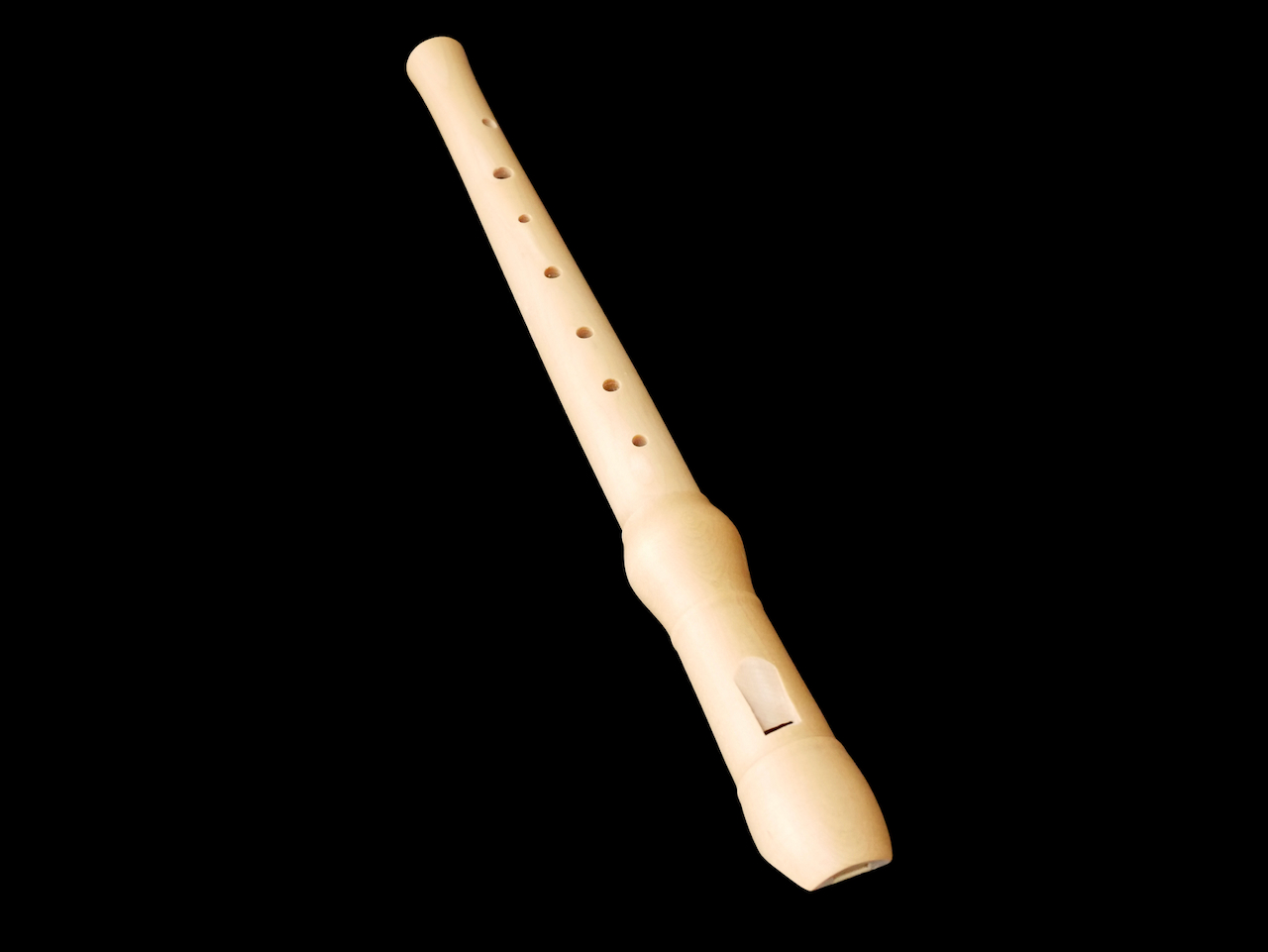
There are some user reviews on the Thomann product page that claim that the Meinel 200-1 is ”not in tune” or that it ”intonates badly”. I don’t know what the people in question have done to their recorders, but my review sample of the Meinel plays in tune beautifully with no problems whatsoever. At least after the required month-long playing in phase (read more at the end of this post).
The Meinel 200-1’s voice is very velvety and beautiful. This recorder is a little more ”breathy” than the other two instruments reviewed here, but at this sensationally low price the Meinel is hard to beat!
****
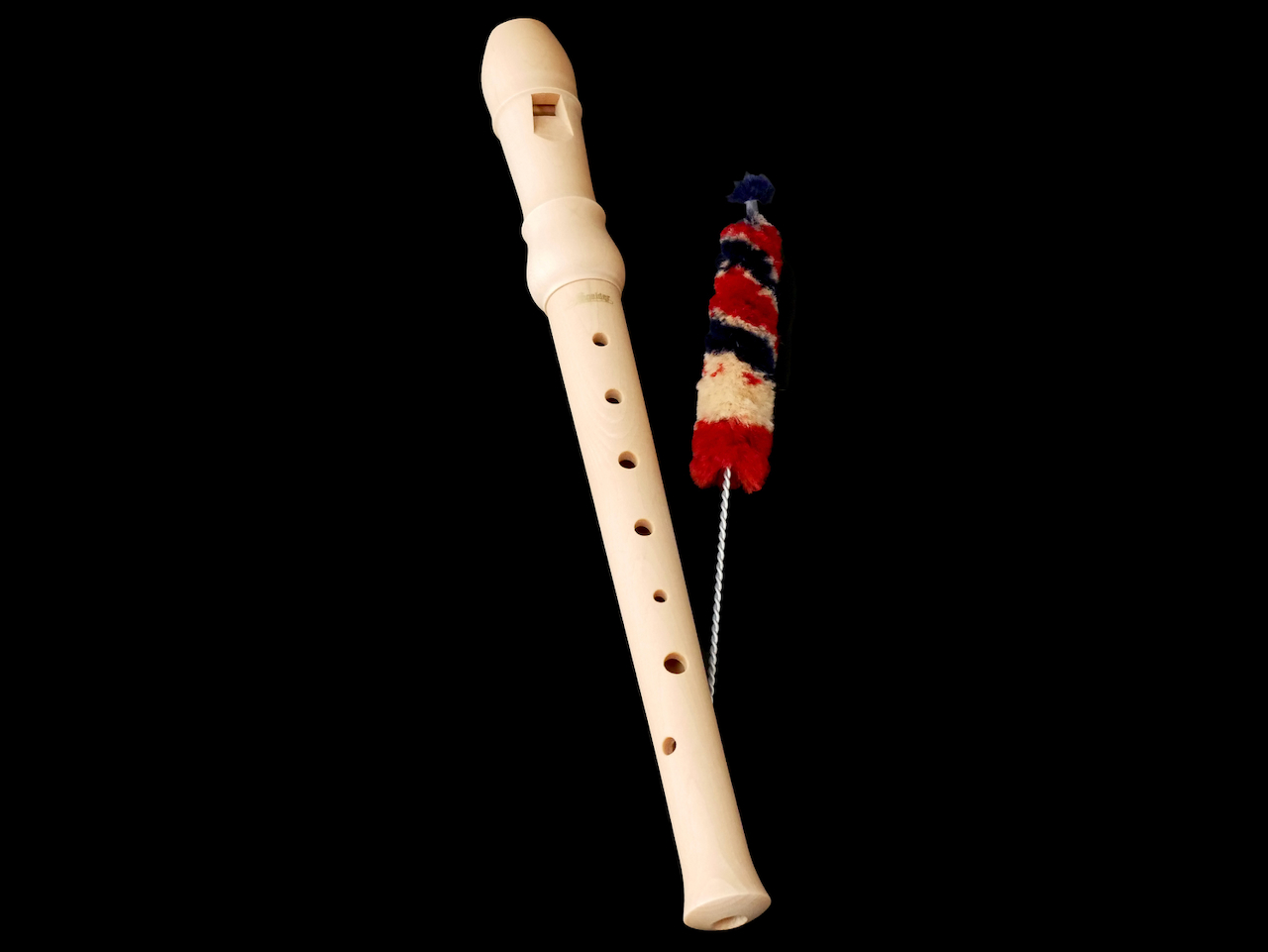
Schneider’s workshop lies in the same Vogtland-region as Meinel’s. Schneider’s history can be traced back to the year 1864, which makes you wonder why this brand is still so relatively little-known.
The Schneider Student is the company’s cheapest descant recorder (23,90 €), and it comes with a fuzzy cleaning brush, as well as a handy padded bag.
Schneider’s Student displays exemplary clean workmanship inside and out.
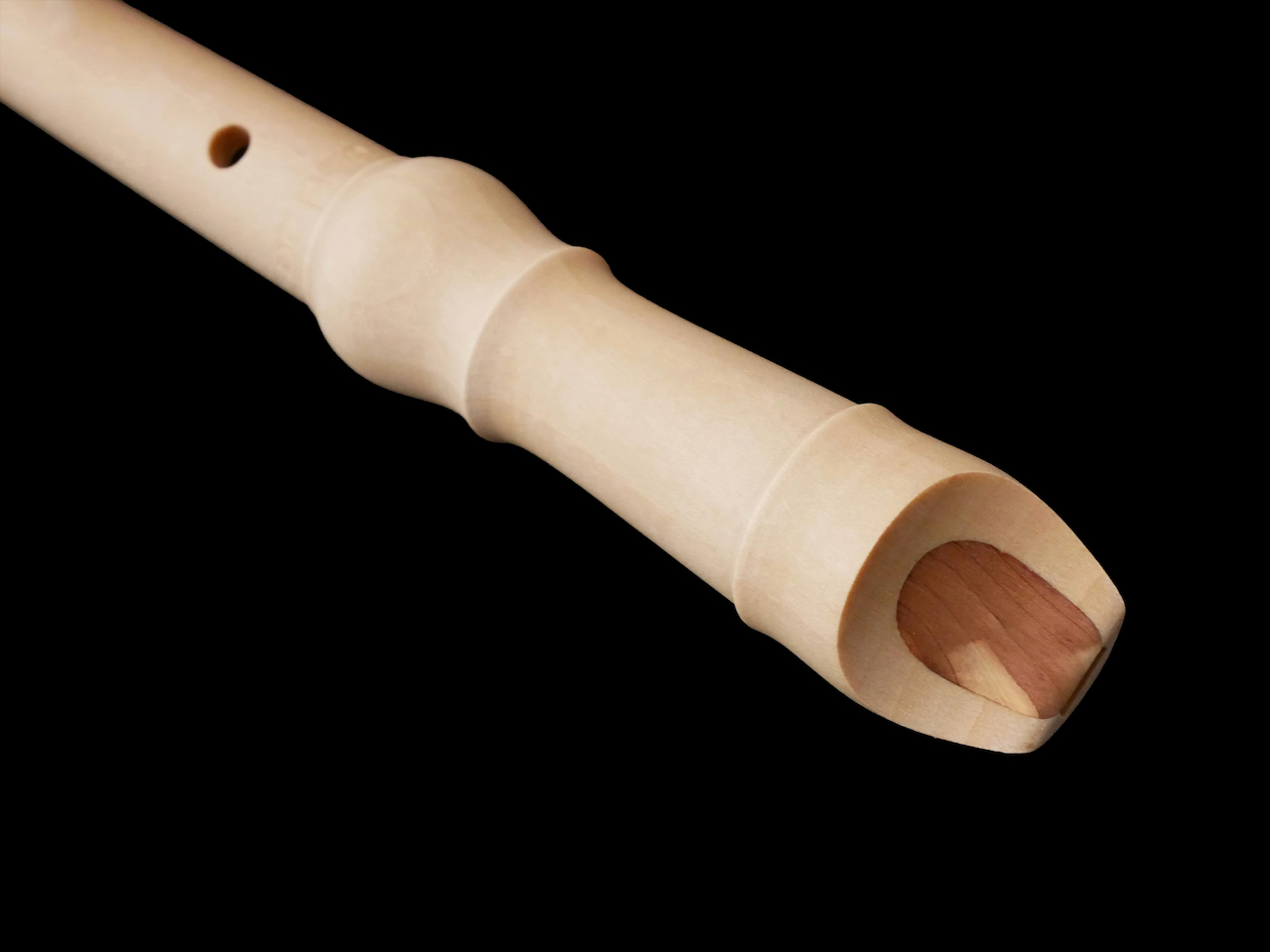
The Student-model sports a block made from red cedar. A ”Made in Germany” inscription is pressed straight into the wood above the thumb hole.
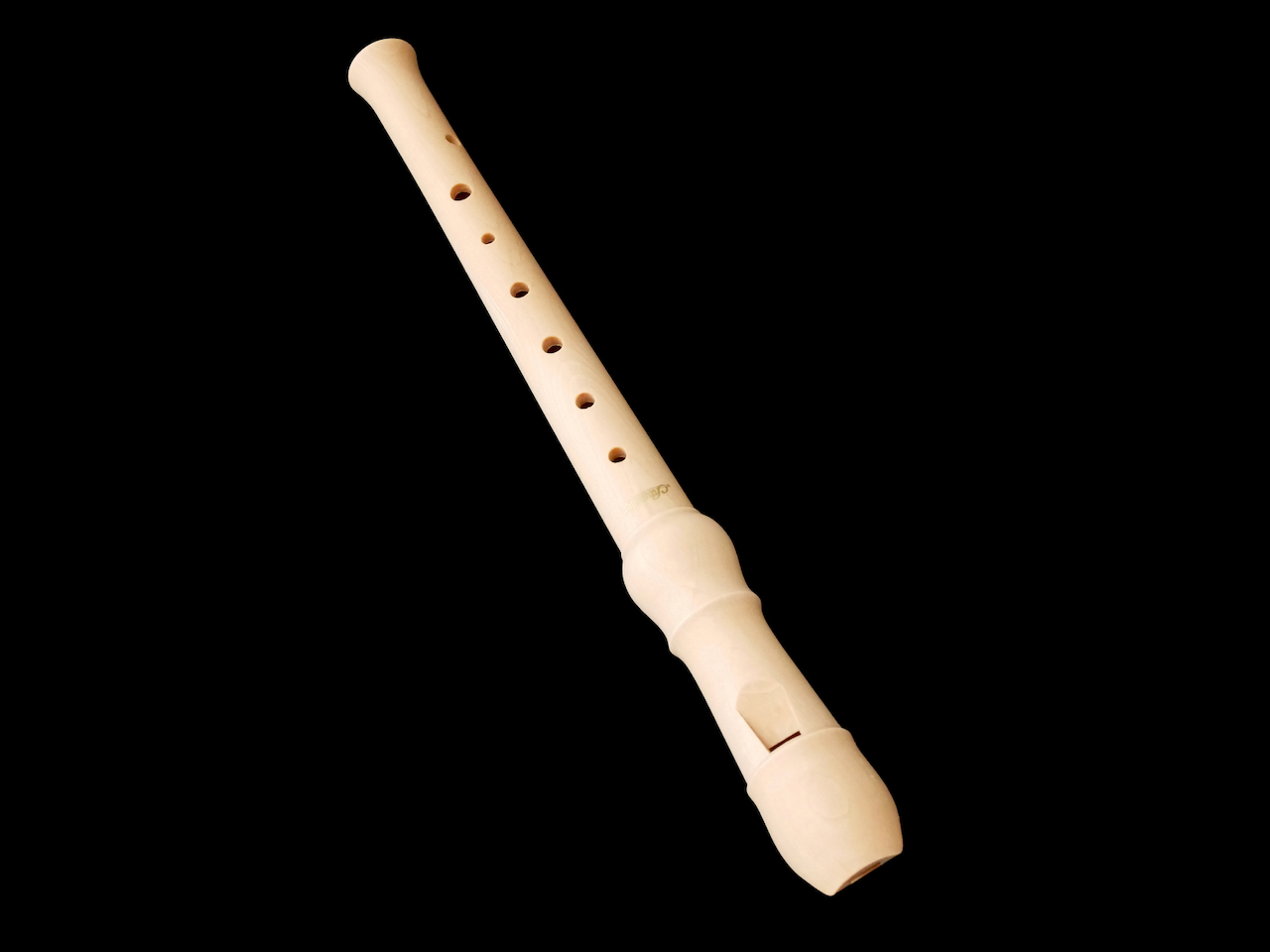
The Schneider Student’s high quality makes you wonder how the company can make a recorder this good at such a user-friendly low price.
Our review sample needed a thorough playing in-phase for the notes in the upper octave to spring to life properly and cleanly. This isn’t a fault, though, as each wooden recorder is an ”individual”. Get more information regarding the playing in of wooden recorders at the end of this review – it is an extremely important step in the life of a new recorder!
The Schneider Student plays beautifully with a bright and clearly defined voice. Its intonation is spot on. The Schneider offers a lot of recorder at a surprisingly small price.
****
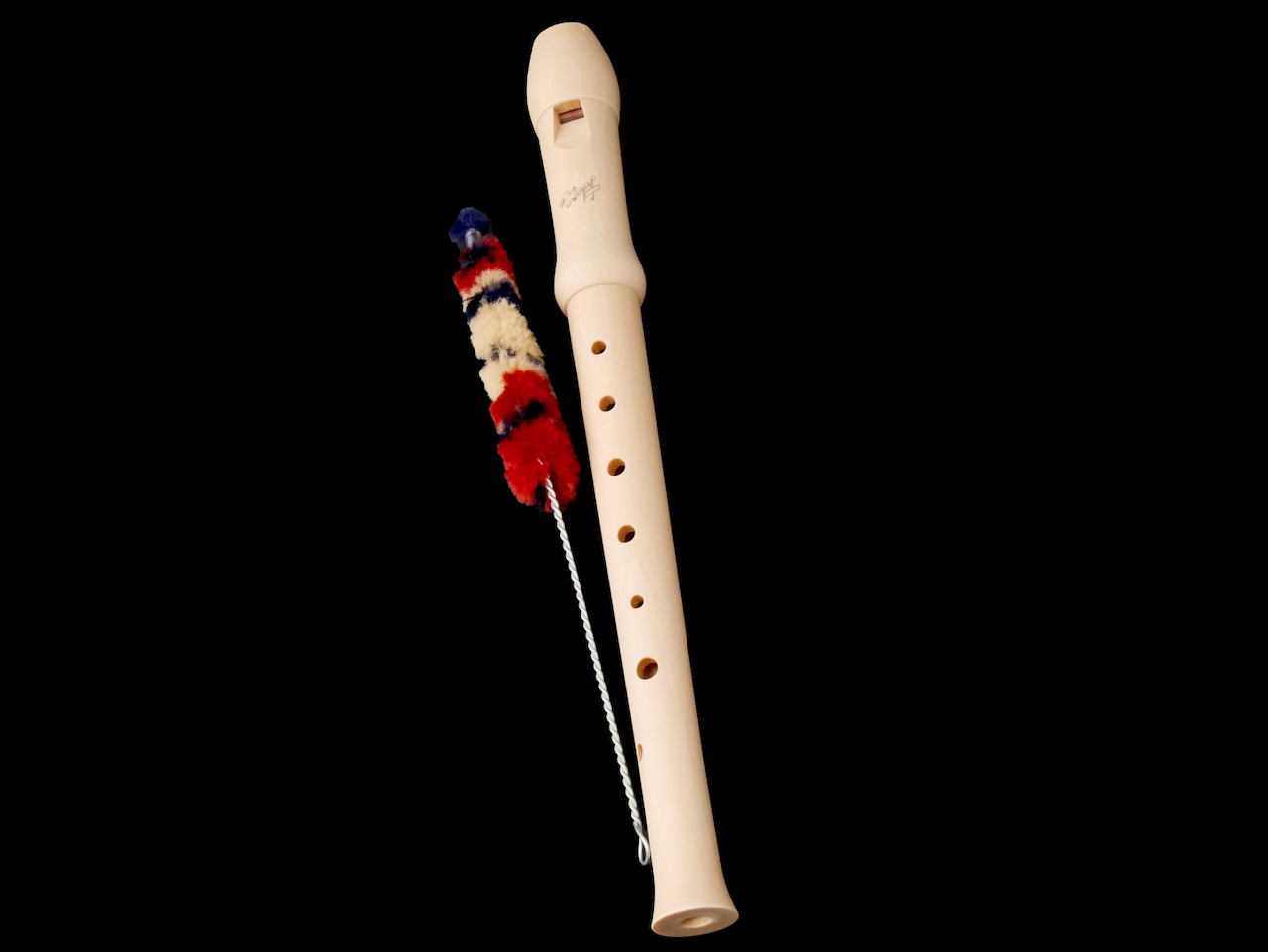
The Hopf family started making stringed instruments already in the late 17th century. For almost 300 years their workshop, too, was situated in the Vogtland, but during WWII the family moved to the town of Taunusstein (West Germany, near Wiesbaden). In 1948 a new Hopf workshop was founded, which concentrates on manufacturing guitars and recorders.
The Hopf 46 is the brand’s cheapest soprano recorder (33 €). It comes with a fuzzy cleaning brush and a nice padded bag.
The workmanship of the Hopf 46 is at least on a par with the Schneider Student. The Model 46 looks a lot like Moeck’s classic Schulflöte 1250 recorder, the same instrument that got me started, too.
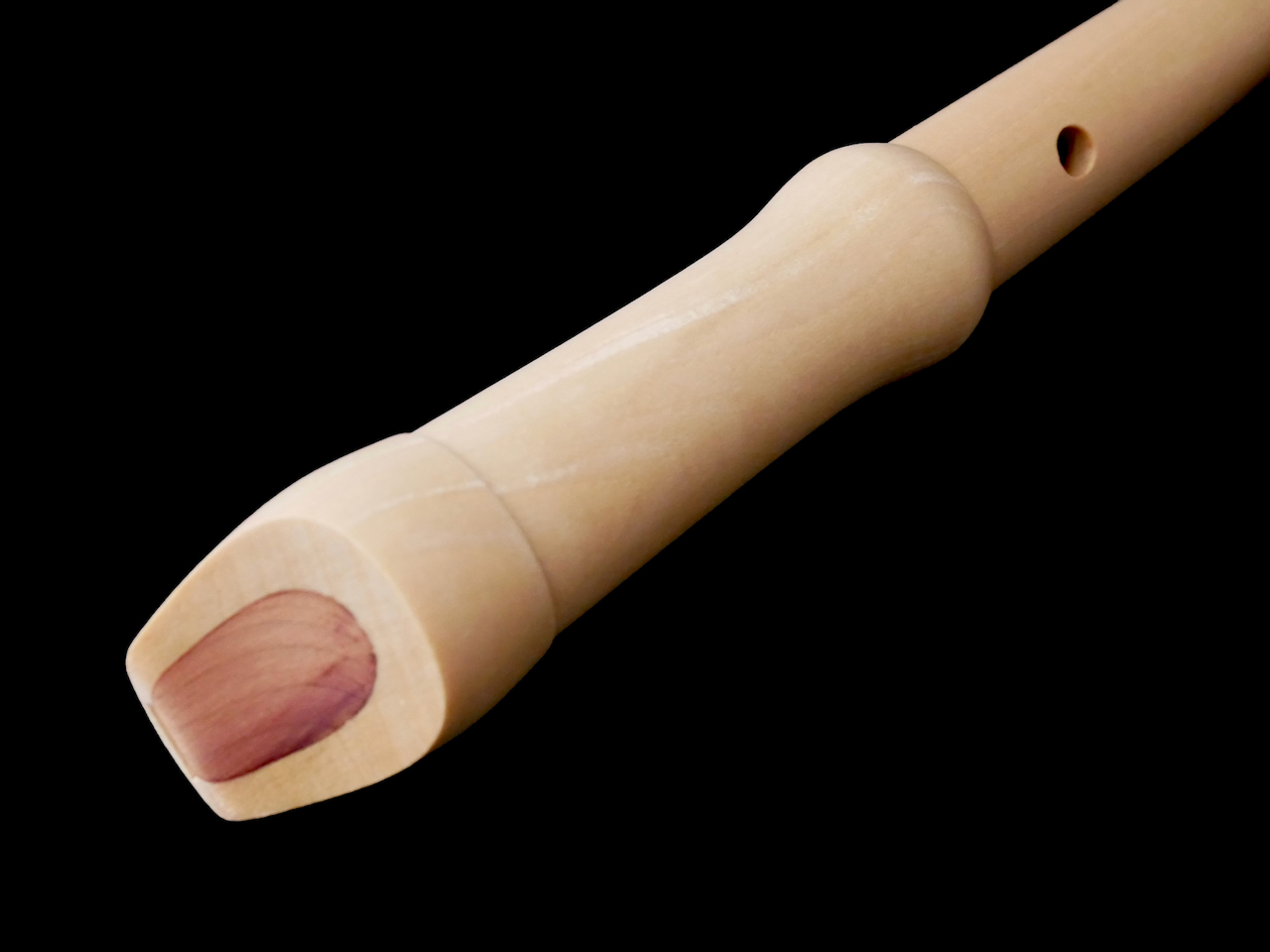
Traditional red cedar wood is used for the Hopf’s block.
The lowest part of the Model 46’s body has a tiny bit of added girth to it, when compared directly to the Meinel and Schneider recorders. The tiny additional thickness doesn’t make a difference in terms of the Hopf’s actual playability, though.
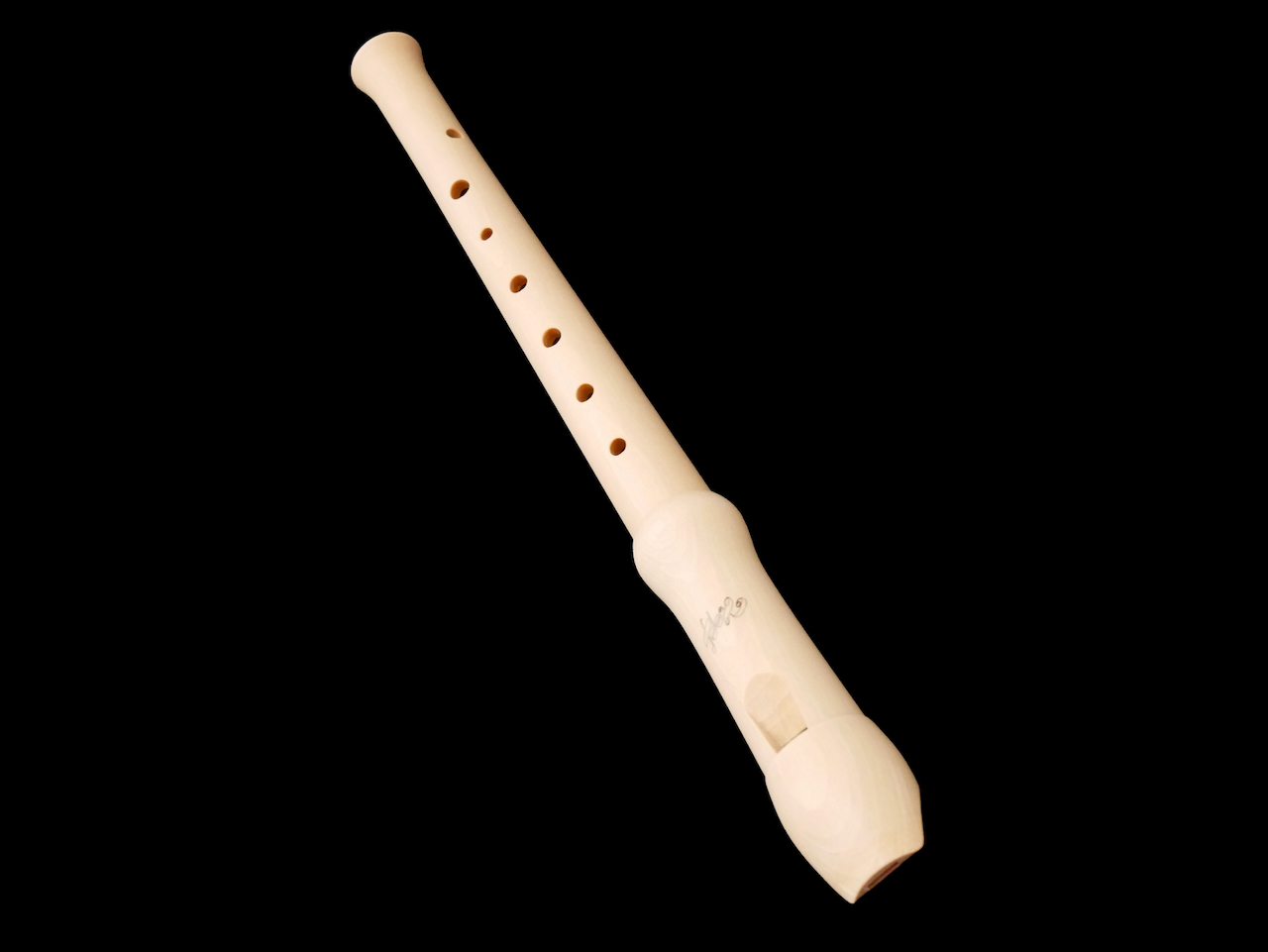
The Hopf 46 raises the same questions as the other two recorders in this review:
How can a German wooden recorder be this cheap? Why would anybody buy a plastic instrument for a beginner?
In terms of its sound, the Hopf 46 isn’t much different to the Schneider Student. The Hopf’s voice shines beautifully with a well-defined attack to each note.
After it was carefuly played in (read more at the end of this review) Hopf’s recorder plays in tune very nicely. At this low price, and with such quaity on offer, the Hopf 46 is an excellent choice as a first proper recorder.
****
****
How to play in a recorder
Even though most manufacturers saturate their recorder blanks with paraffin, a brand-new recorder isn’t ready to be played ”in earnest” right off the bat.
The reason for this lies in the player’s breath, which is both warm and humid. This puts a strain on a new recorder’s wind channel and block, which have to become slowly accustomed to the moisture. Additionally, the moisture starts to cause hoarseness and gurgling in a new recorder’s mouthpiece far more quickly than on a well-played in instrument, despite having been pre-warmed thoroughly (for example with the mouthpiece placed in the armpit).
A brand new recorder – but also an instrument that hasn’t been used for a longer time – has to be played in over a period of four to five weeks. A thorough playing in gives the recorder’s wooden components enough time to acclimatise to being played. The repeated cycle of short playing and long drying phases does reduce the danger of excessive swelling of the recorder’s mouthpiece, and helps to ”harden” the wind channel a bit. The process of playing in will also open up a wooden recorder’s voice.
Most manufacturers give this specific timetable for playing in a new recorder (after the instrument’s been warmed up):
• Week 1: Play the recorder for five to ten minutes each day. Stay in the lower register and play long notes.
• Week 2: Play the flute for fifteen to twenty minutes each day. Start introducing notes from the second octave.
• Weeks 3–4: Play the recorder for 30 to 40 minutes daily.
• After one month: The recorder’s wood should now be used to the moisture introduced by the player’s breath. You can now play the recorder as you wish (note that many professional flautists recommend using a single recorder for no longer than one or two hours).
British-Dutch recorder professor Sarah Jeffery recommends a slightly less rigid approach to playing in a new recorder. She recommeds listening to your instrument’s behaviour. Jeffery recommends adhering to the manufacturers’ instructions during the first week (only short playing times and long, low notes). For the next weeks you should listen to your recorder. If the instrument starts to sound hoarse already after five minutes playing in the second week, it’s probably a good idea to stop playing there and then, and let the recorder dry out completely. But if your instrument still sounds good after twenty minutes, you won’t break the recorder by playing five more minutes. Check out Sarah Jeffery’s excellent YouTube-channel.
Regardless of which approach to playing in your new recorder you choose, there are two extremely important things you should do when you’re finished playing:
- Take off the mouthpiece and blow out any condensed moisture from the wind channel, by closing the mouthpiece’s butt with the palm of one hand, and then blowing two or three times into the front opening. Usually you will then see a few drops of condensed moisture next to the windway opening at the mouthpiece’s tip. Wipe the water off the tip. Always be careful not to touch the labium (the ”ramp” with the sharp front end inside the sound hole)!
- After playing let the recorder dry out properly, preferably with the mouthpiece separated from the body, for at least two to three hours, before you put it away in a plastic (or wooden) closed case. These days, many manufacturers deliver their recorders with padded bags from fabric, which let the flute dry inside the bag. During the playing in phase, the recorder has to dry thoroughly before you take it out for playing the next day.
Important note: When a new recorder cracks or splits, because it hasn’t been played in properly, it won’t be covered by the manufacturer’s warranty!