
Contact: J. Leachim Guitars
Kitarablogi.com – Finland's premier Guitar and Bass blog
Juttuja kitaroista ja bassoista

When guitar synthesisers first came into being (at the beginning of the 1970s) they all were fully analogue and used the actual guitar signal as the raw material of their output. The guitar’s output was fed into a chain of different effects, including distortion, octaving, filters and modulation, to make the sound resemble that of an analogue synth.
Many old guitar synths sound great, but they require a very clean playing technique to track cleanly, and almost all of the devices were purely monophonic (meaning: no chords).
Roland’s GK-pickup – as well as the MIDI standard – changed all that drastically:
Thanks to the GK-pickup it was (and still is) possible to make use of chords, bends and double stops, and incorporate them all in your synth performance. The GK system also makes it easy to trigger rack synths, software synths or samplers using your guitar, turning the instrument into a full-blown orchestra.
The brand-new Boss SY-300 (street price in Finland approx. 720 €) returns to the original idea of the guitar synth, but takes advantage of the huge advances that have been made in digital technology recently. Boss say the SY-300 tracks quickly and accurately, while delivering huge and fat sounds with lots of scope for editing. But the best thing about it is: The synth is polyphonic and works straight off the regular guitar signal.
****
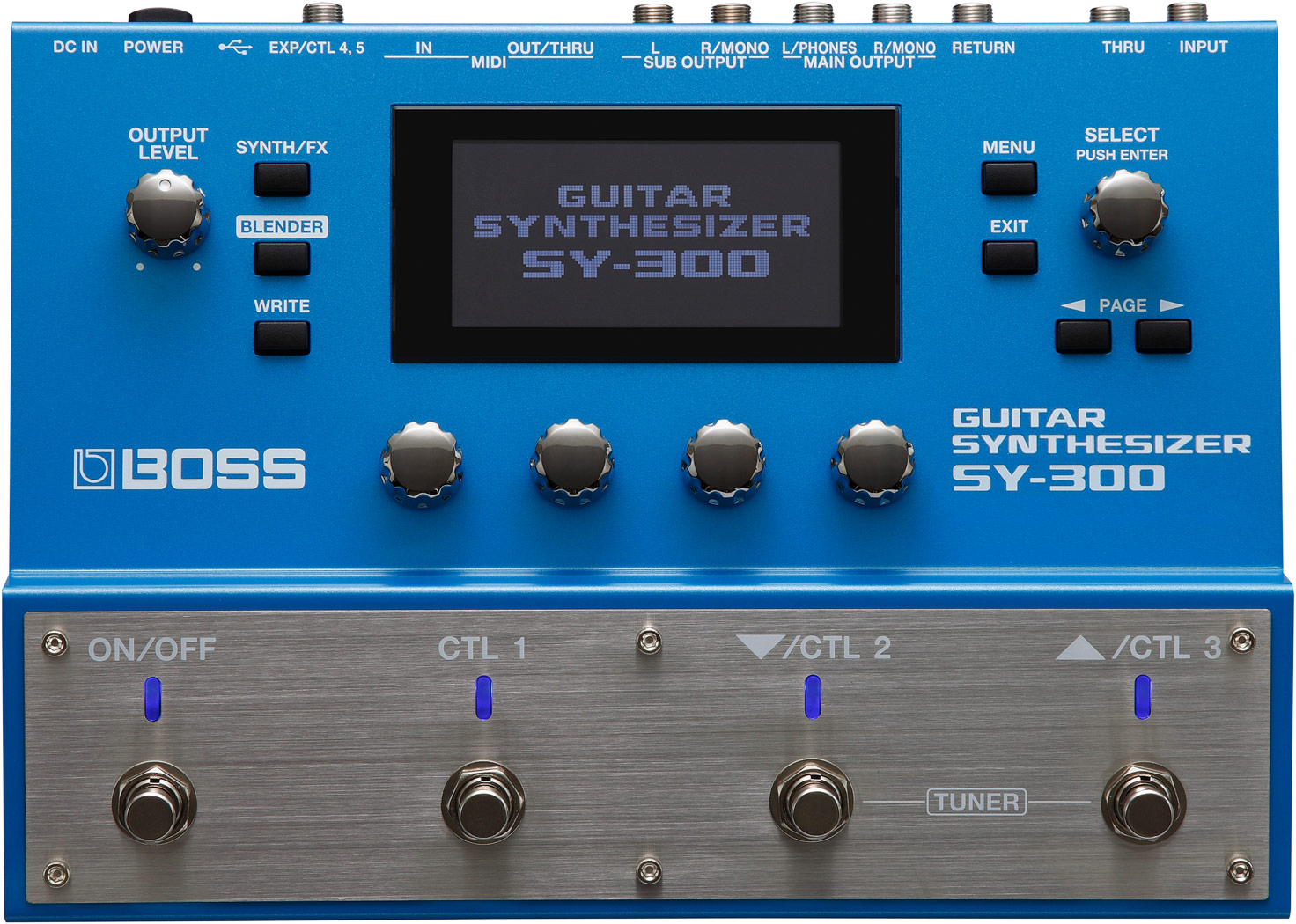
The Boss SY-300 is a chunky piece of gear and looks like a compact multi-effects unit. The external power supply unit is included in the price.
You can assign the synth’s four footswitches to different functions, but in the factory default they work as follows:
The switch on the far left is the On/Off-switch (well, actually the bypass). CTL 1 is used to change a predetermined parameter in the chosen patch (like vibrato or modulation). The last two switches (CTL 2 and CTL 3) take over patch changing duties; step on them both, and you’ll switch on the built-in digital tuner.
As we are talking about a fully featured digital piece of equipment, the amount of editable parameters is quite staggering. Luckily, the graphics-based user interface in the Boss SY-300 is well-designed, making it fairly easy to programme the synthesiser using the controller knobs beneath the display, and the navigation buttons to the right of it.
****

The SY-300’s well-spec’ed back panel will not leave you wanting:
Placed next to the guitar input are the phone jacks for the guitar synth’s external effects loop. The Ground/Lift-switch makes it safe and easy to break any hum-inducing earth loop. Boss even included two sets of stereo outputs in their synth. The Main Output could be sent to your onstage amplifiers, for example, while the Sub Output feed could be connected to the FOH console. The Main Output’s left output also doubles as a headphones jack.
It’s also easy to integrate the Boss guitar synth into any MIDI-setup, thanks to its two MIDI-ports. The jack labelled EXP/CTL 4,5 is for use with additional (optional) footswitches and/or expression pedals. The SY-300 is compatible with EV-5- and FS-7-pedals, as well as the FS-5U- and FS-6-footswitch units.
The Boss SY-300 can also be utilised as a versatile external soundcard, with the synth offer four different USB Audio-modes for just this purpose, like the nifty Re-Synth-mode, which works in the same way as reamping. The unit also sends and receives MIDI-data using USB. You can also edit patches, load new ones or share your settings with other SY-300 users with the free Boss Tone Studio software (Win/Mac OS).
****
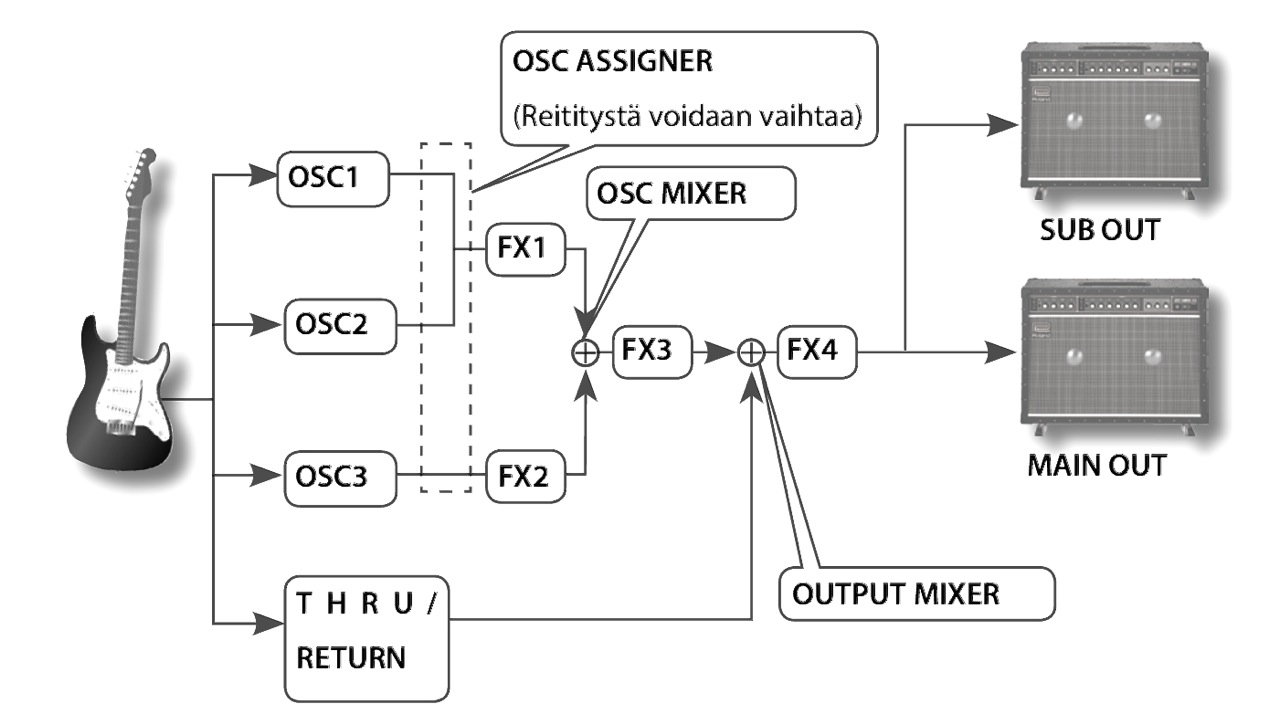
The above graphics show you the internal architecture and the signal path of the Boss SY-300. Each patch (Preset: 70; User: 99) can use up to three oscillators as sound sources (OSC1-OSC3). Each oscillator comes with a number of different waveforms to choose from (from saw to PWM, and beyond), as well as its own set of dedicated filters, LFOs and ADSR-envelope modules. A good indication of the SY-300’s versatility lies in the fact that exact placement of the oscillators in the signal path can be changed. You could have two oscillators running in parallel, with the third one placed behind the pair in series. Furthermore, the Sequencer feature makes it possible to use each oscillator as a 16-step sequencer, turning each note you play into a rhythmic and melodic pattern.
But there’s still more to come:
Boss’ new guitar synth also comes with four FX modules, each offering a very wide selection of different pro-quality effects. Depending on the chosen oscillator routing, the signal routing of the FX modules can also be changed by the user.
****

The new Boss SY-300 is a very user-friendly device, but due to its versatility – as well as the huge amount of editable parameters – you should take some time to read the user manual, before trying to programme your own patches. Especially if you’re new to the subject of synthesis, you shouldn’t be disappointed if it takes a little time, before your creations sound the way you intended.
I’m old enough to have learned synthesiser programming in the age of polyphonic analogue synths and the Yamaha DX7, which meant I felt right at home with the SY-300.
A good test of any user interface is trying to create something completely from scratch. I chose to use the Boss synth to come up with a slightly Eastern-influenced patch, that uses two oscillators in series to produce a sitar-style twangy tone, with the third oscillator assigned to produce shimmering overtones.
The resulting patch sounds like this (a single guitar synth track, plus three tracks of Roland HandSonic-percussion):
This clip gives you some idea of the types of patches included in the factory settings:
I also recorded a demo track that uses the Boss SY-300 for everything, except for the drum tracks:
****

Boss’ new guitar synth is a fantastic piece of gear, if you’re a fan of real synthesiser sounds.
The SY-300 locks on to your guitar signal very well and it tracks like a dream, staying true to both the dynamic, as well as the melodic and harmonic content of your playing.
The SY-300 isn’t meant to replace Roland’s GK-/GR-products – if you’re after realistic-sounding, multitimbral sounds, using a GK-pickup is still the easiest and best option. The Boss SY-300 is meant as a fantastic choice if you’re looking for a genuine guitar synth – in the original sense of the term. You will get huge and fat synthesiser sounds, seasoned with great effects, from the SY-300, not pianos, violins or trumpets.
****
Boss SY-300
Street price in Finland approximately 720 €
Contact: Roland
****
Pros:
+ graphic user interface
+ polyphonic
+ three OSC-modules
+ four FX-modules
+ external effects loop
+ sound
+ USB-soundcard
Demo Track (cover of the guitar solo section from David Bowie’s ”China Girl”)
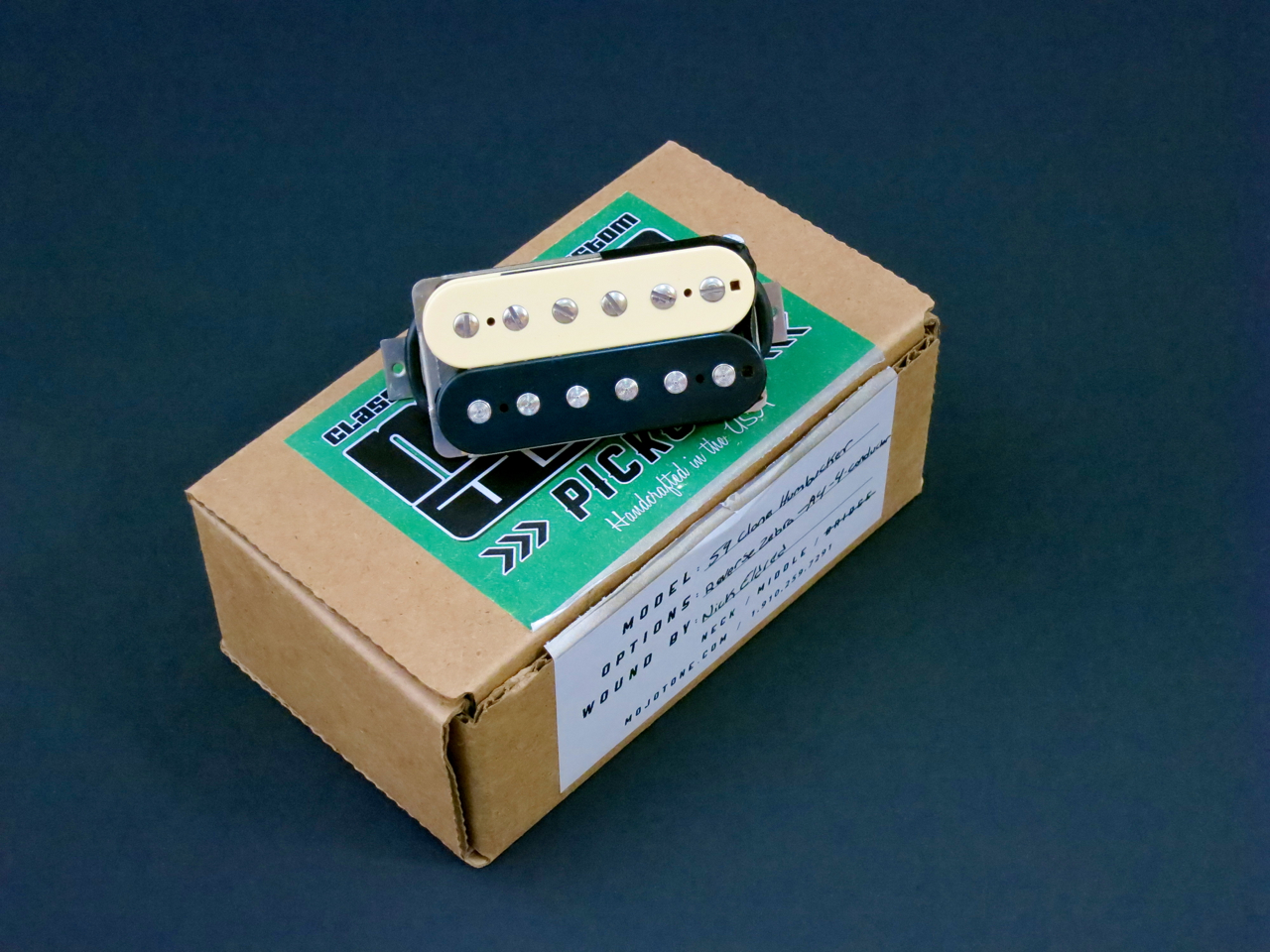
• Bass: Fender Adam Clayton Signature Jazz Bass with Mojotone 70s Clone JB pickups
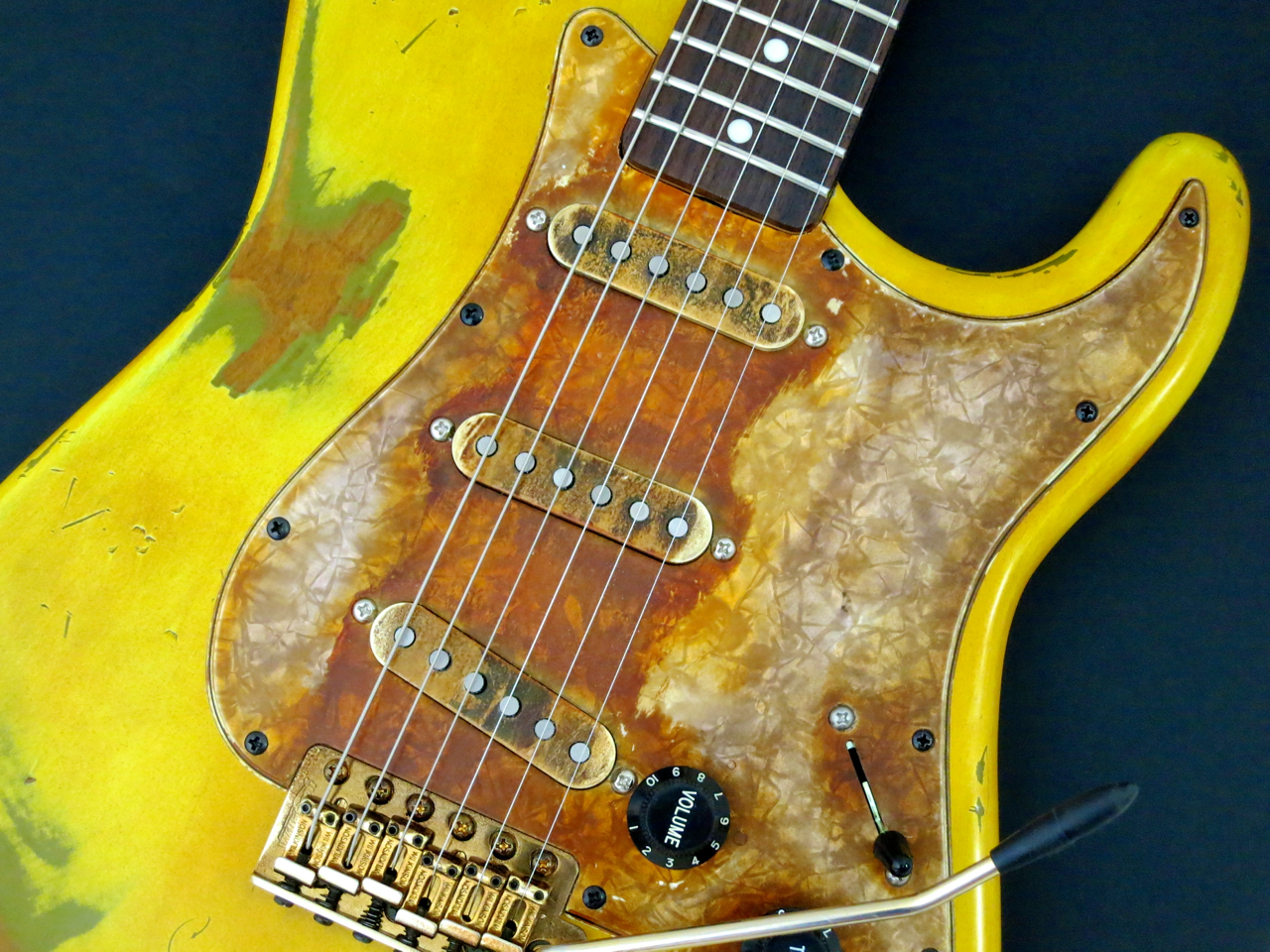
• Guitar: J. Leachim Guitars S-Style with Mojotone René Martinez Texas Strat pickups
• Rhythm guitars – left channel: middle + bridge PUs; right channel: neck + middle PUs
• Lead guitar – neck PU
• Bass recorded using a SansAmp Bass Driver DI
• Guitar amp: Blackstar HT-1R
Contact: J. Leachim Guitars
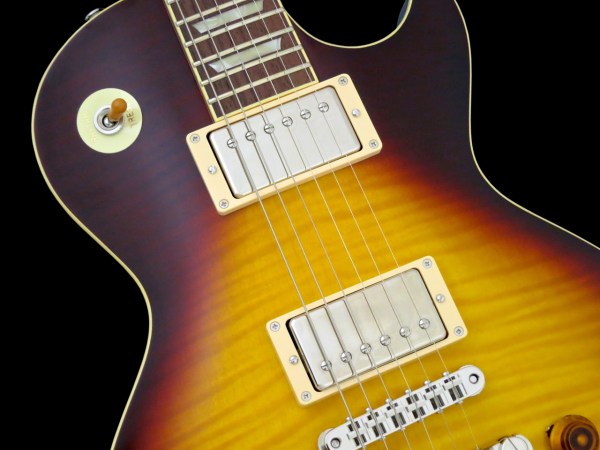

Kitarablogissa uusi vuosi alkoi testien suhteen kolmella herkkupalalla, kun testiin saapuivat kolme Tokai Love Rock -kitaraa malliston kalliimmasta päästä. Tokain legendaarinen maine perustui alun perin juuri tällaisiin, Japanissa käsityöllä valmistettuihin, Les Paul -tyylisiin kitaroihin.
****

Tokai LC-107 (1.219 €) on valmistajan upea versio Les Paul Custom -mallista.
Soittimen kullanväriset metalliosat sopivat hienosti testikitaran kauniisti läpikuultavaan, kiiltävään viininpunaiseen viimeistelyyn.
Tokai LC-107:n rakenne on – useista nyky-Gibsoneista poiketen – hyvin uskollinen alkuperäiseen LP Custom -reseptiin:
Rungon takaosa on veistetty mahongista, ilman että siihen olisi jyrsitty painoa vähentäviä aukkoja. Tokaissa soittimen painoa pidetään maltillisena valitsemalla vain kevyitä mahonkilankkuja kitarantekoon.
Myös LC-107:n kaareva kansi on tehty kokopuisesta mahongista (!), niin kuin 1950-luvun Customeissa oli tapana.
Vain otelaudan suhteen Tokai on muuttanut alkuperäistä reseptiä:
Ekologisista syistä LC:n otelaudassa käytetään ruusupuuta alkuperäisen eebenpuun sijaan.

Rungon monikerroksinen reunalistoitus lisää LC-107-kitaran tyylikyyttä vielä entisestään.

Tokai LS-130F (1.514) on LP Standard -tyylinen malli satiinipintaisella viimeistelyllä.
Mallitunnuksen F-kirjain viittaa LS-130F:n kokopuiseen loimuvaahterakanteen (englanniksi: flame maple).
Testisoittimen liukuväritys on nimeltään Tobacco Sunburst. Viimeistelyn peittävän ruskealta vaikuttavat reunat ovat todellisuudessa tummaa violettia, jonka läpi pystyy näkemään kannen ”liekit”.

LS-130F:n kaula ja rungon takapuoli ovat kirsikanpunaisia.

Vaikka monet kitaristit nykyään luulevat, että kaikissa vuosien 1958-60 LP Standardissa oli loimuvaahterakansi, todellisuudessa huomattava osa tehtiin niin kutsutuilla plain top-kannella.
Tokai LS-160 (1.773 €) on erittäin kaunis versio juuri tällaisesta plain top -kitarasta.
LS-160-malli tarjoaa kaikkien muiden laadukkaiden yksityiskohtien lisäksi vielä aidon nitrolakkauksen 50-luvun hengessä.

Tokai LC-107:n viritinlavassa on runsaasti upotuksia, sekä monikerroksinen reunalistoitus.
Virittimet ovat nykyaikaisia, suljettuja Gotoh-malleja.

LS-130F- ja LS-160-kitaroissa lavan koristelu on hieman hillitympi.
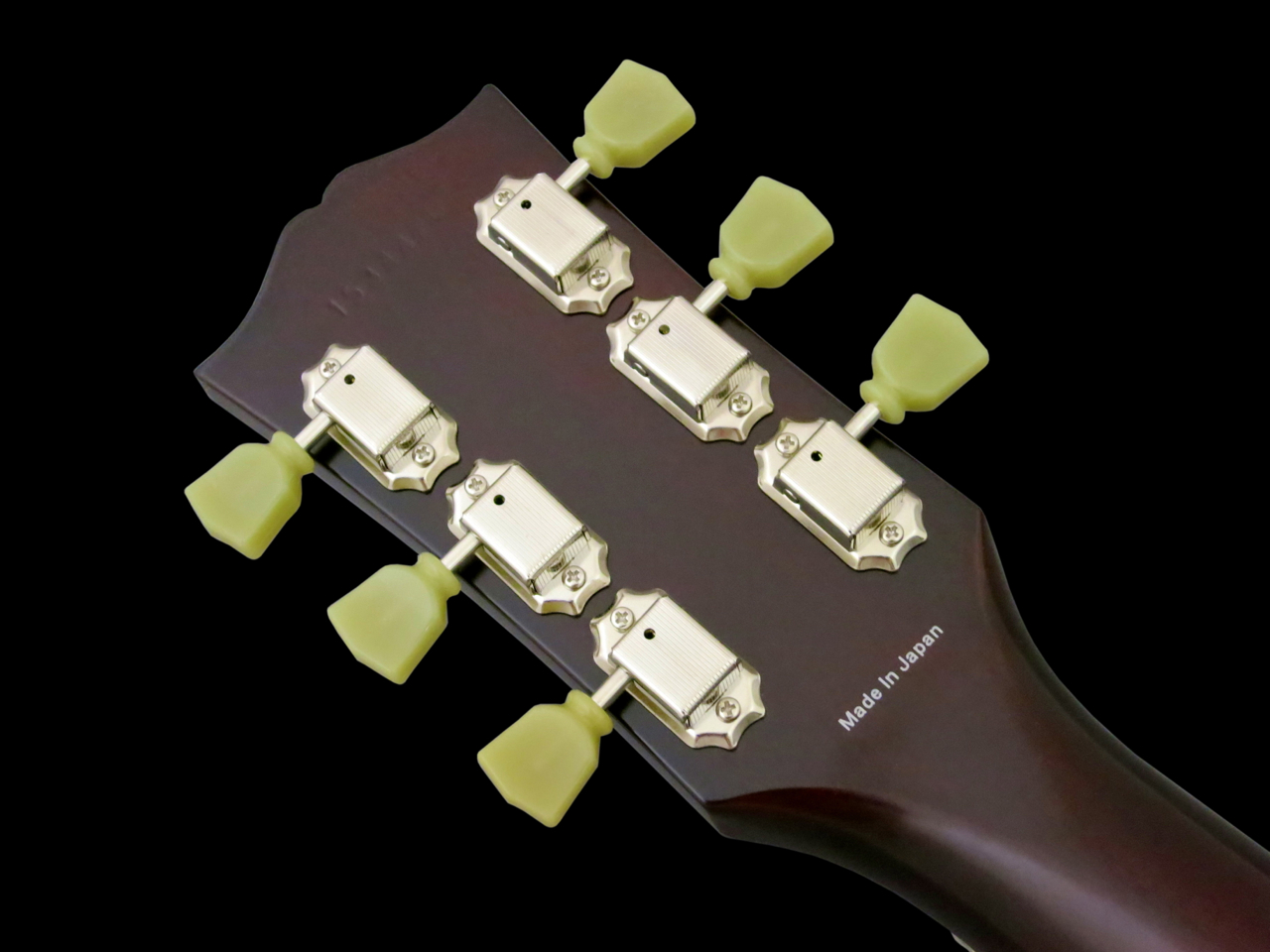
Näissä malleissa on laadukkaita kopioita 1950-luvun Kluson-virittimistä.

Tokai LC:n neliskanttiset otemerkit ovat helmiäismuovista…

…kun taas LS-malleissa on käytössä crown-muotoiset upotukset.
Nauhatyö oli kaikissa kolmessa soittimissa esimerkillinen.

Kolmikossa on myös ns. long tenon -kaulaliitos, jossa kaulan mahonkinen osa jatkuu yhtenäisenä vielä kaulamikrofonin alle.
Monien mielestä tällainen lujempi liitos parantaa kitaran sointia ja sustainea.


Kitarakolmikon tallat ja kieltenpitimet tulevat Gotoh:n laadukkaasta, japanilaisesta mallistosta.

Tokai luottaa omiin PAF Vintage Mark II -humbuckereihin LC-107-mallissaan.

LS-130F- ja LS-160-kitaroihin taas on asennettu Seymour Duncanin laadukkaita PAF-tyylisiä ’59 Model -mikrofoneja.

Takakoloissa on näkyvissä erittäin siistiä työtä, laadukkaita japanilaisia komponentteja, sekä huolellista häiriösuojausta grafiittipitoisella maalilla, sekä alumiinifoliolla vuoratulla muovikannella.
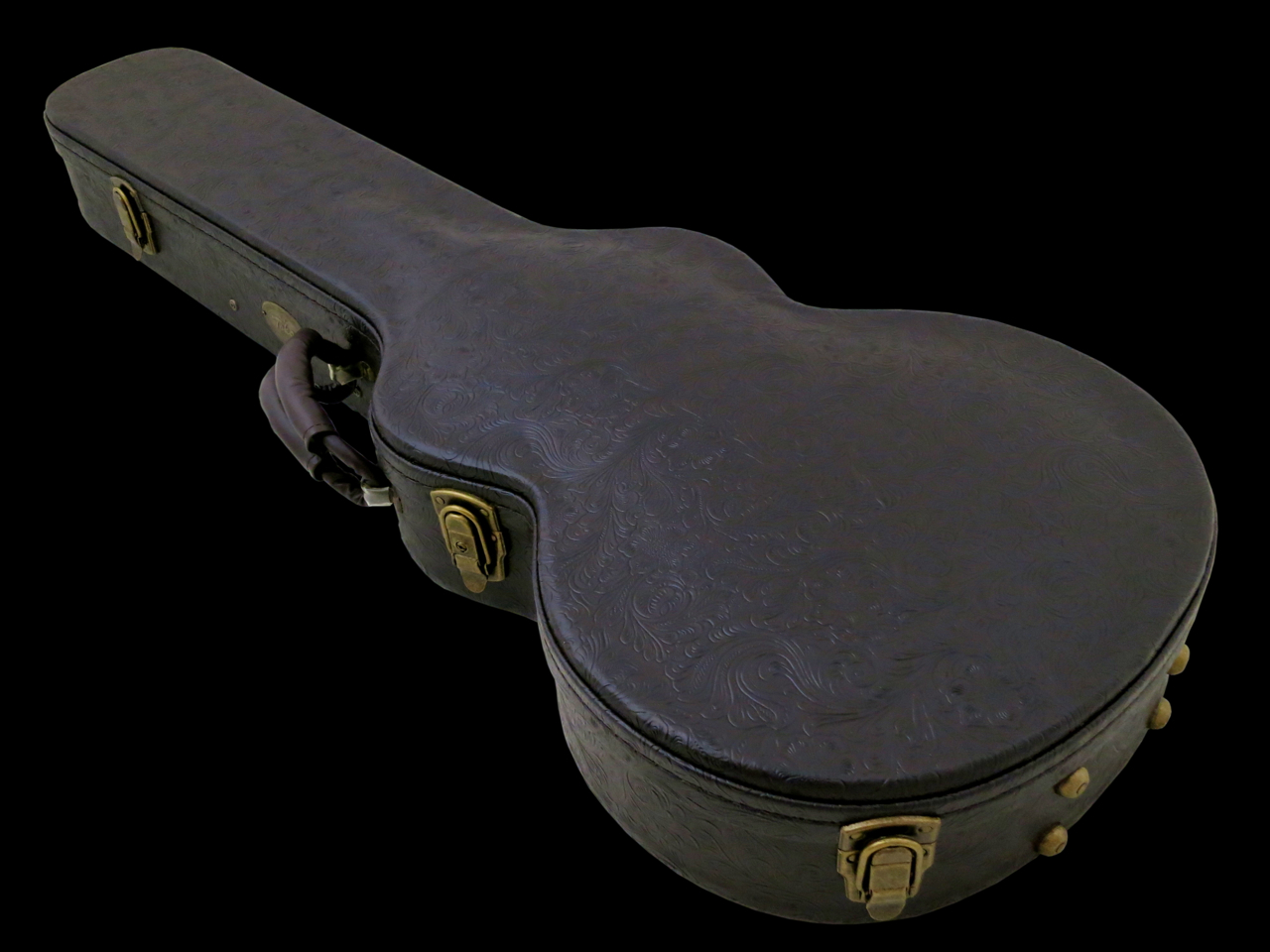
Testikolmikko myydään laadukkaassa Tokai-kotelossa.


LS-160:n nitrolakkauksen lisäsuojaukseksi löytyy tämän kitaran kotelossa vielä erillinen plyysipussi.
****
Soitettavuudeltaan LC-107, LS-130F ja LS-160 ovat hyvin lähellä toisiaan, mutta vertailemalla löytyy kuitenkin todella pieniä eroja kolmikon välillä.

Tokai LC-107:n kaulaprofiiliksi on valittu keskipaksu, tasaisen pyöreä D-muoto. LP-fanit puhuisivat tässä ’59-kaulasta – kaulassa on siis mukavasti ”lihaa luiden päällä”, mutta sen paksuus on vielä maltillinen.
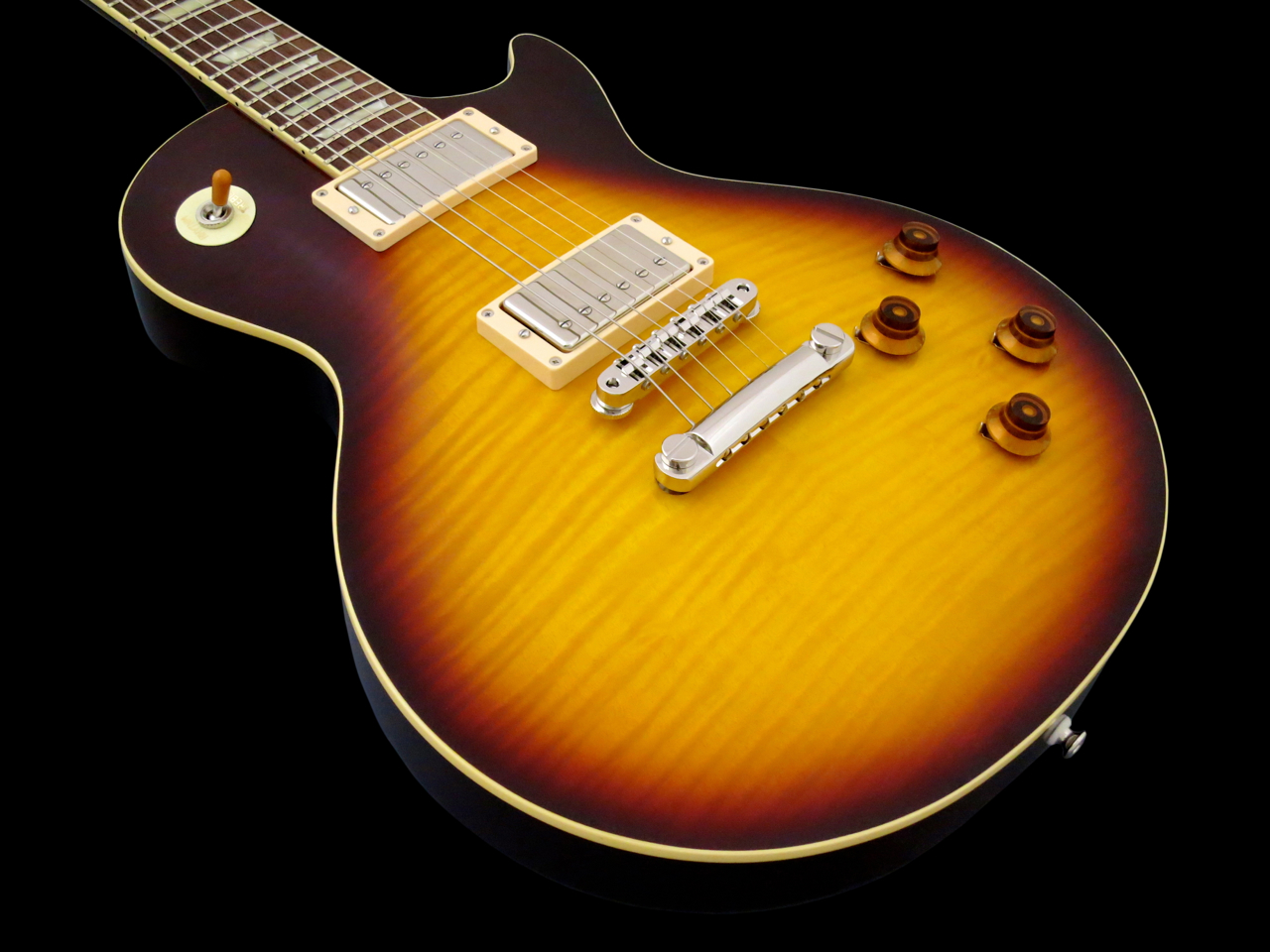
Tokai LS-130F taas tarjoaa kolmikon tuhdimman kaulaprofiilin. Tämän mallin mattaviimeistely tuntuu erittäin mukavalta.
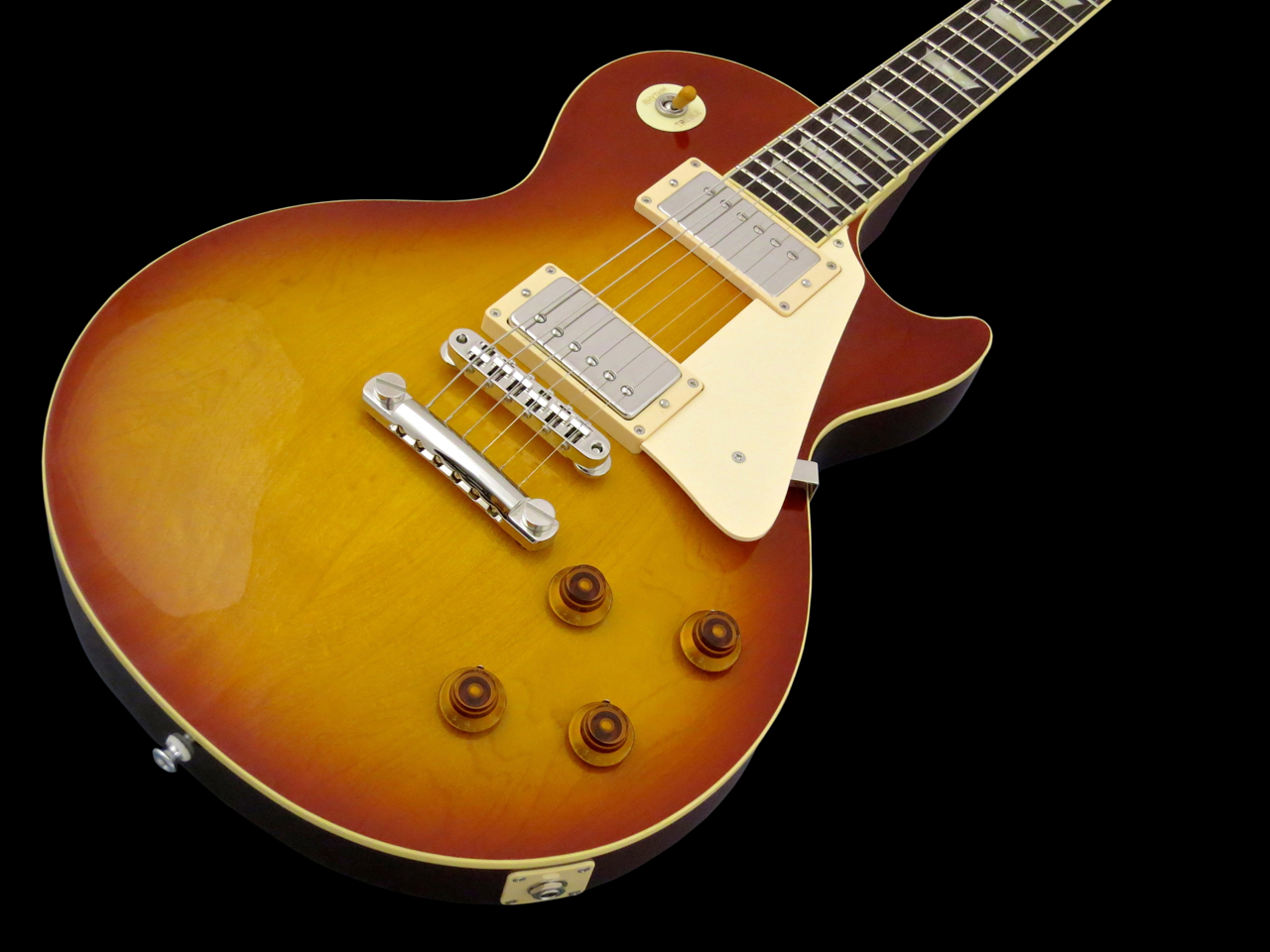
LS-160:n kaulaprofiili menee vuoden 1960 suuntaan, mikä tarkoittaa paksuuden kannalta hieman maltillisemmat mitat.
Vaikka kaikissa kolmessa kitarassa oli 010-satsin kielet ja identtinen kieltenkorkeus 12. nauhalla (basso E: 1,9 mm/diskantti e: 1,6 mm), oli LS-160:n soitettavuus vielä aavistuksen verran kevyempi kuin LC-107- ja LS-130F-malleissa.
****

Akustisesti soitettuna Tokai LC-107:n äänessä oli mukava ripaus kuivuutta ja kauniisti kimmeltävä diskantti, mikä johtuu varmasti täysin mahongista tehdystä rungosta.
Tokain omat PAF Vintage Mark II -mikrofonit ovat laadukkaita uusintapainoksia 50-luvun humbuckereista. Niiden signaaliteho on maltillinen, minkä ansiosta soundi on dynaaminen ja avoin:
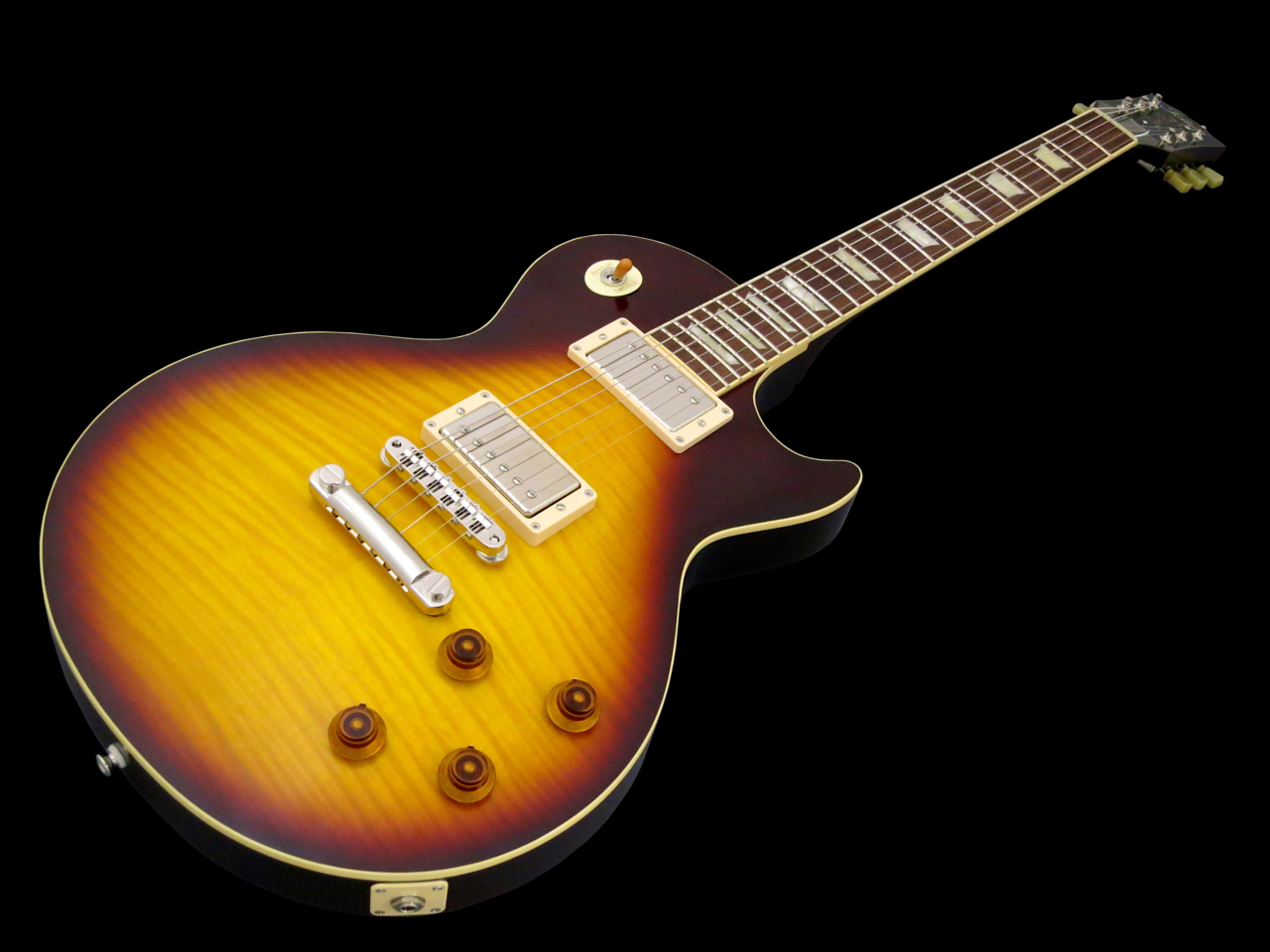
Tokai LS-130F on akustisesti soitettuna selvästi kolmikon kovaäänisin. Akustisesti tässä kitarassa on juuri se kiskoista-suistunut-tavarajuna-joka-lähestyy-kovaa-vauhtia-fiilis, josta niin monet LP-tyylisten kitaroiden soittajat tykkäävät.
Seymour Duncan ’59 Model -mikkien välityksellä LS-130F:n soundissa on hieman enemmän voimaa ja leveyttä kuin LC-107:ssä:

Akustisesti kokeiltuna Tokai LS-160:n ääni on jossain LC-107:n ja LS-130F:n välissä. Se ei ole ihan yhtä äänekäs kuin LS-130F, mutta soundissa löytyy hieman kirkkaampaa preesensiä kuin LC-107-mallissa.
Yllättävää oli kuitenkin, että testikitaroista LS-160 soi vahvistimen kautta selvästi eniten vintage-maisesti, vaikka kitarassa on samat mikrofonit kuin LS-130F:ssä. Kaulamikrofoni soi todella kermaisesti, kun taas tallahumbucker soi kirkkaammin kuin ehkä odottaisi LP-tyylisestä kitarasta. Lopputulos on tämän kolmikon monipuolisin puhdas soundi:
Demobiisissä puhtaat komppikitarat pysyvät muuttumattomina koko biisin ajan (vasemmalta: LC-107; oikealta: LS-160). Riffit ja soolo-osuudet taas on soitettu niin, että ensimmäisessä läpimenossa soi vain LC-107, toisessa vain LS-130F ja kolmannessa taas vain LS-160:
****


Tokai LC-107, LS-130F ja LS-160 tarjoavat huikeaa laatua todella reiluun hintaan. Kaikki kolme kitaraa ovat pro-luokan laatusoittimia erittäin kevyellä tatsilla ja herkullisella soundilla.
LC-107:n pähkinäinen soundi tekee tästä soittimesta oivan valinnan Jazz- ja Fusion-kitaraksi, mutta se toimii todella hyvin myös muissa genreissä.
Tokain LS-130F on kolmikosta se koviten riffaileva ja rokkaava valinta. Sylinterihattu päälle, ja eikun menoksi Paradise Cityyn.
LS-160 taas on pikkutarkka ja herkullinen uusintapainos Bluesbreaker-tyylisestä vintage-LP:stä, joka tarjoaa hyvin dynaamisia humbuckersoundeja.
****
Tokai Love Rock
LC-107 – 1.219 € (laukku kuuluu hintaan)
LS-130F – 1.514 € (laukku kuuluu hintaan)
LS-160 – 1.773 € (laukku kuuluu hintaan)
Plussat:
+ Made in Japan
+ työnjälki
+ soitettavuus
+ soundi
+ laukku kuuluu hintaan
Three LP-style Tokai guitars.
****
Demo Track
• Clean rhythm guitars – LC-107 (left channel, both PUs) & LS-160 (right channel, neck PU)
• Riffs and lead parts sequence LC-107 -> LS-130F -> LS-160
• Riffs – left channel: both PUs; right channel: neck PU
• Lead parts – bridge pickup
****
Amp used: Blackstar HT-1R
Lisätiedot: Musamaailma


 Kitarablogi.com – Finland's premier Guitar and Bass blog