
Lisätiedot: Musamaailma
Kitarablogi.com – Finland's premier Guitar and Bass blog
Juttuja kitaroista ja bassoista


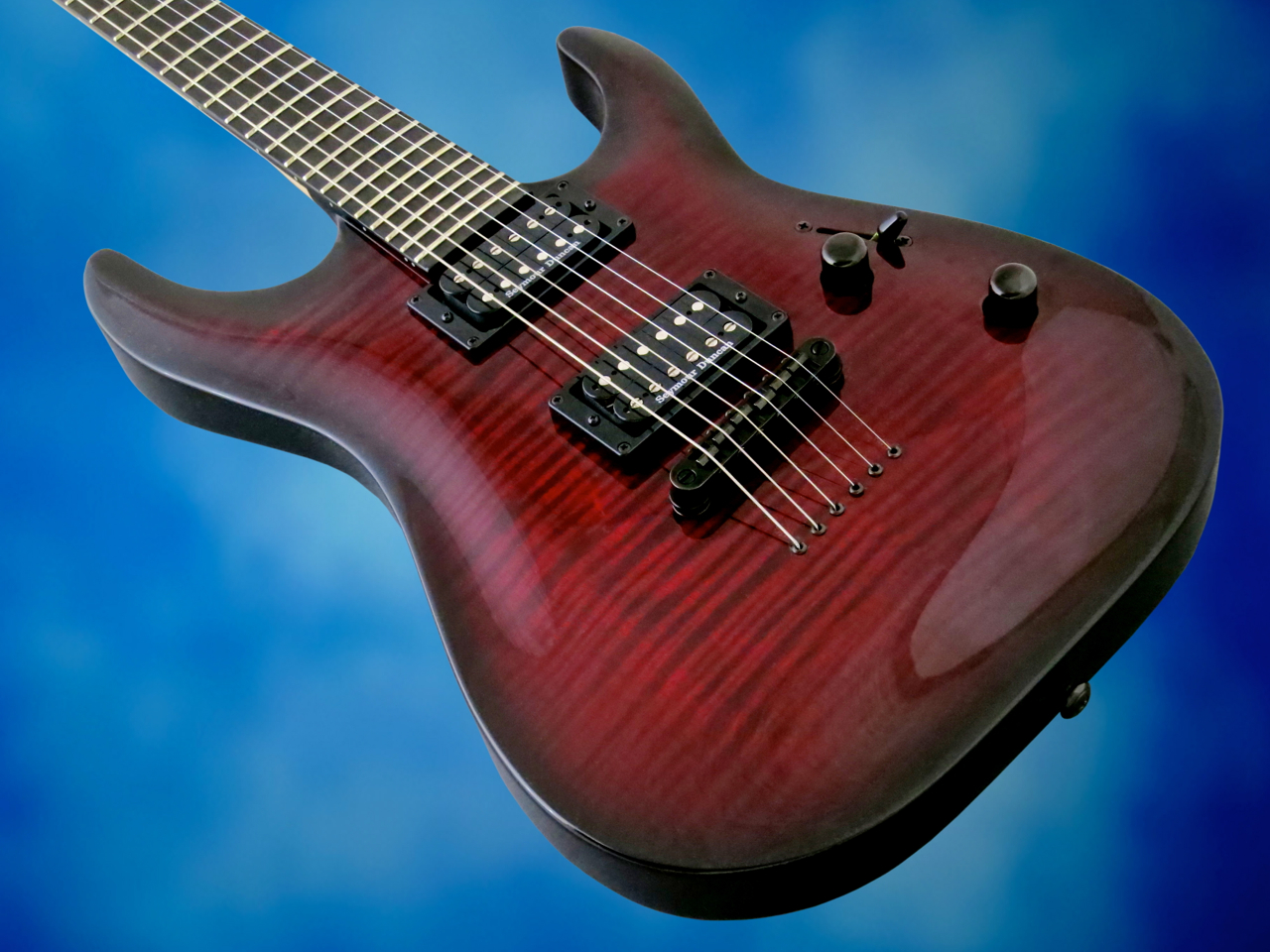
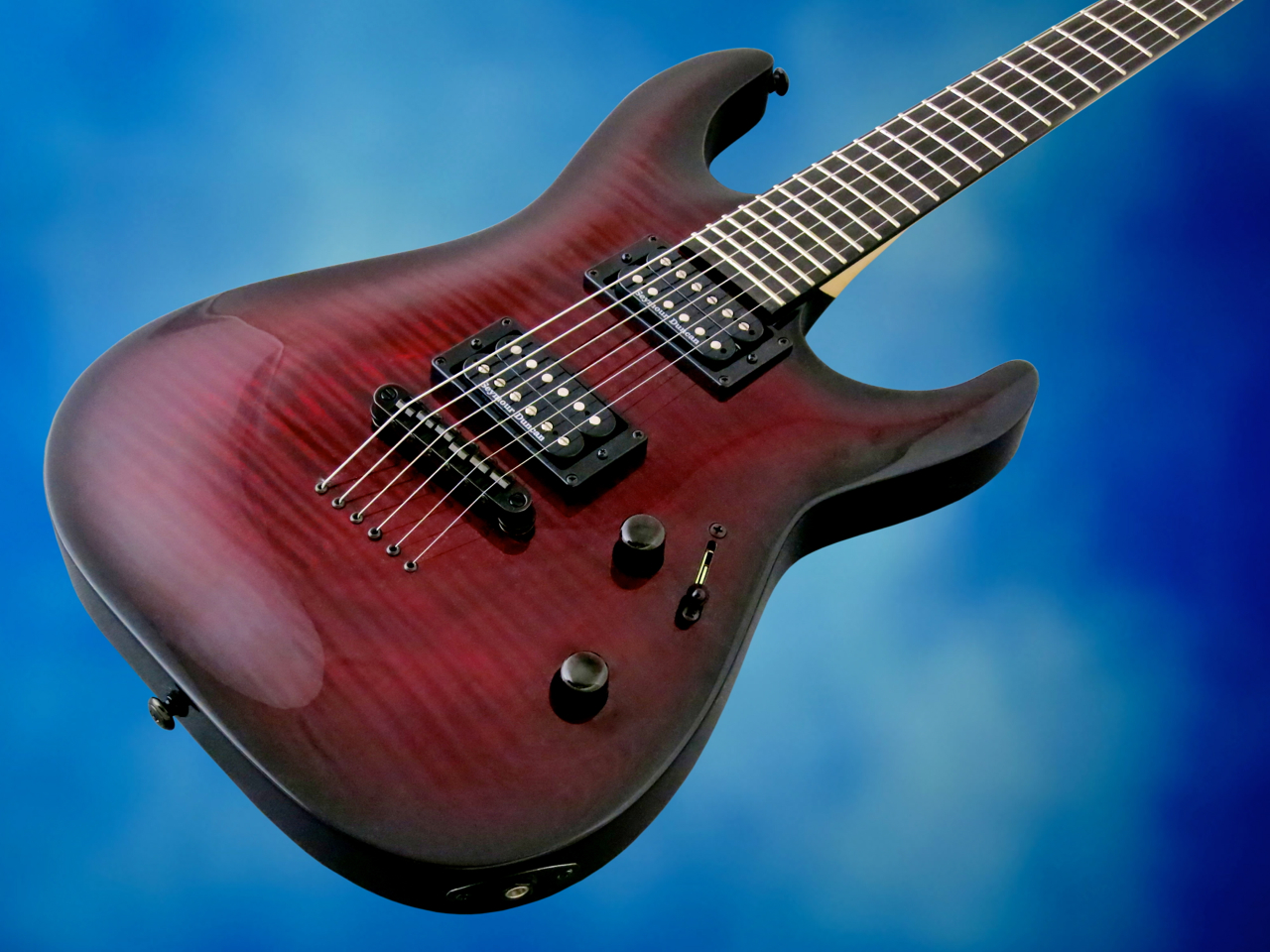
ESP LTD MM-30 on Musamaailman 30-vuotis juhlamalli.


Soitinliikkeenä ja maahantuojana tunnettu Musamaailma juhlii tänä vuonna 30-vuotissynttäriään.
Juhlan kunniaksi ESP Guitars on valmistanut 30 kappaletta LTD MM-30 -juhlamallista. Synttärimallin Kitarablogi-testi on juuri työn alla.
ESP- ja LTD-soittimien lisäksi Musamaailma tuo kitara- ja bassopuolella maahan mm. myös seuraavat merkit: Admira, Blackstar, Bogner, DV Mark, EMG, GJ2 Guitars, Markbass, Mooer, Seymour Duncan, Spector, Tanglewood, Tech 21 NYC, Tokai, Rockbag ja Warwick.


This time Kitarablogi has had the pleasure to review the fruits of a cooperation between two legendary designers:
Custom amp guru Reinhold Bogner…

…and the grand old man of recording studio electronics Rupert Neve have unveiled a line of three Bogner effect pedals (made in the USA), which were designed around Rupert Neve’s famous audio transformers.
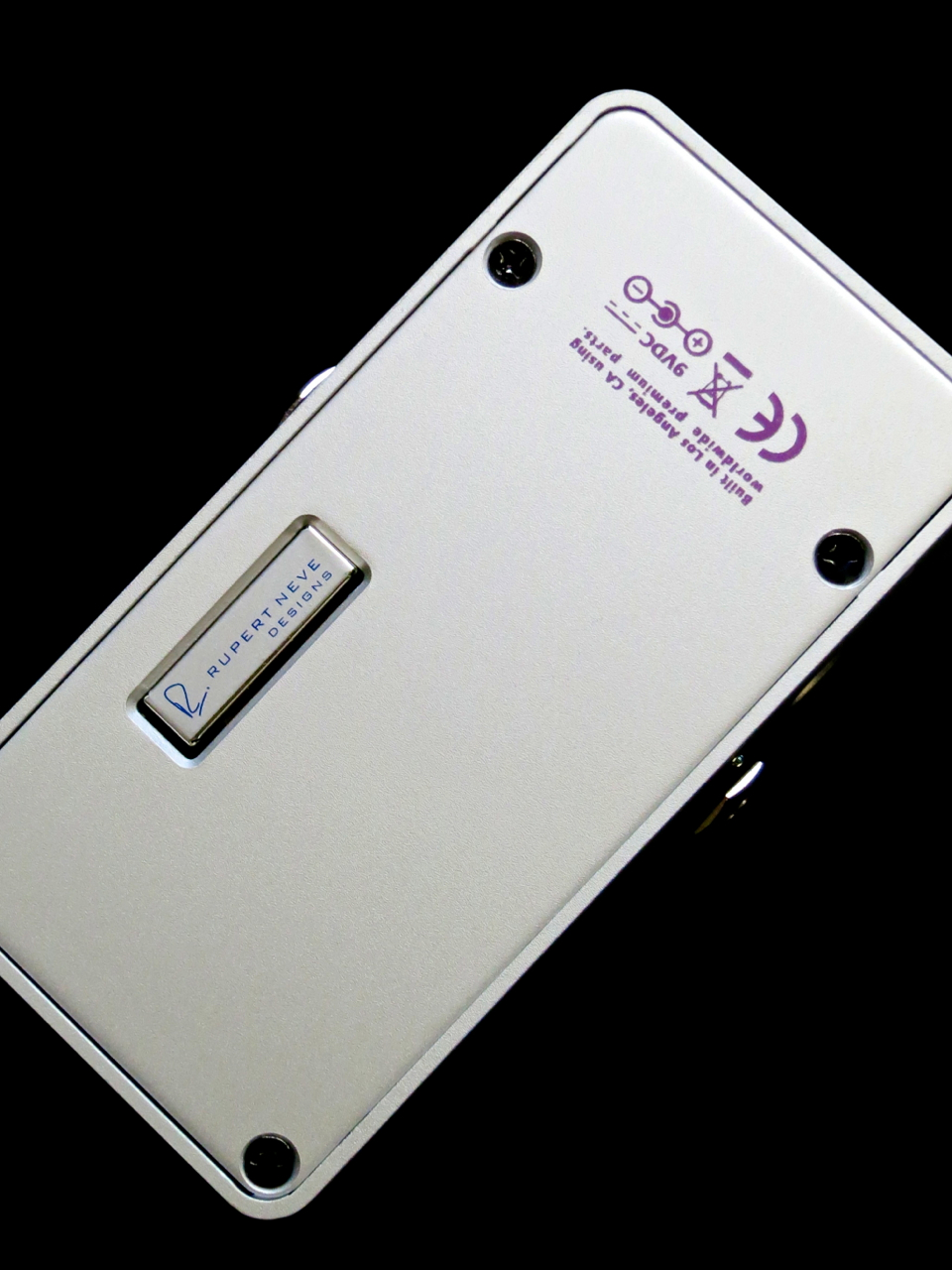
Audio transformers are rarely seen (or mentioned) when it comes to pedal effects, for both reasons of price and mass production.
In valve amplifiers audio transformers play a crucial role, because they are the last stage before the signal reaches the speaker. Audio transformers ”translate” the signal for the speaker, which is why they have a direct impact on the tone and dynamic behaviour of a tube amplifier.

At the moment three different Bogner/Neve-pedals are available – the Harlow booster (current price in Finland: 235 €), the Wessex overdrive (229 €), and the Burnley distortion (235 €).
Each pedal has a glowing ”eye” indicating the current signal strength of the stompbox.
****

The Bogner Harlow gives you two effects in one pedal:
In addition to it’s boost function, the Harlow also incorporates Bogner’s Bloom compression circuit, which promises to give you a very natural, three-dimensional and musical type of compression.
You’ll find three control knobs on the Harlow – a level control for the booster, a Bloom-control for the compressor, and a master tone.

****

Bogner’s Wessex is the overdrive pedal in the Bogner/Neve-family.
In addition to its gain and level controls the Wessex also includes a two-band EQ, as well as a E/N-switch. ”N” stands for ”normal” and this mode will give you a slightly more traditional, mid-range centred sound. Switching to ”E” (for ”enhanced”) there’s more gain on tap, coupled with a fatter, more full-range tone.

****
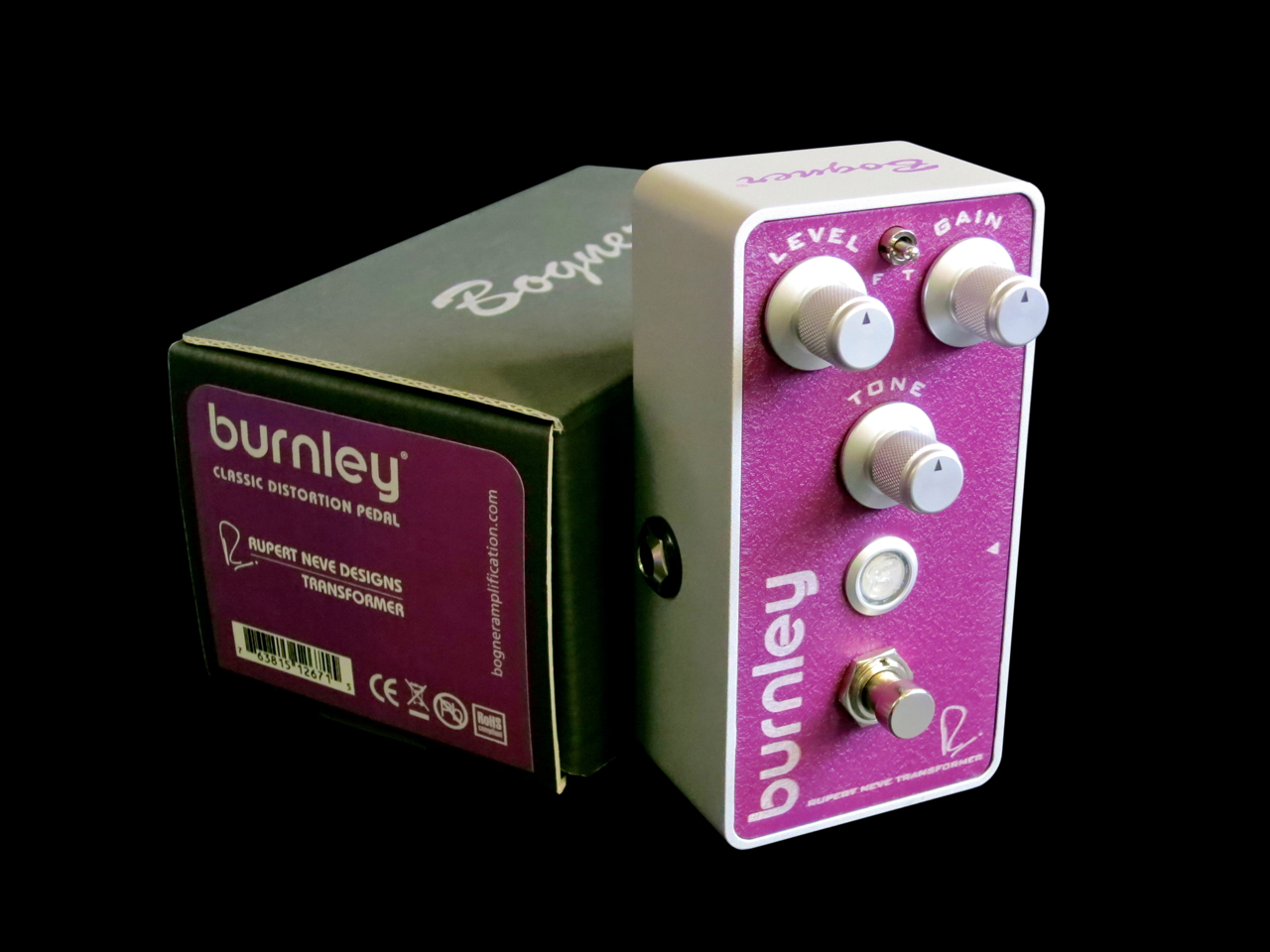
The third pedal, the Bogner Burnley, is a distortion effect.
The Burnley offers three controls – level, gain and tone – plus an F/T-switch. ”T” (for ”tight”) promises you a more aggressive distortion effect than the warmer and fatter ”F” mode.

****

Both Mr Bogner and Mr Neve are known for their uncompromising commitment to both sound and workmanship. This commitment is well represented in this range of pedal effects.
In the Bogner-pedals the circuit board is hidden inside a black plastic box. This is a workable solution weighing the risk of direct backwards engineering against the possible future need for repair or servicing. Components completely covered in black resin (some boutique manufacturers do this) are the bane of any guitar technician!
As you can clearly see in the pictures, all three stompboxes can be run using a nine volt battery or an external PSU (using the Boss-standard).
****

Bogner doesn’t divulge the precise amount of boost that can be had from the Harlow, but let me tell you it will most probably be enough to overdrive even the cleanest of amplifiers.
The Bloom-circuit in the Bogner Harlow sounds deliciously chewy and reacts very musically.
Bogner’s Harlow is the type of pedal you want to leave on the whole time, because any guitar will sound better with this box running. This pedal also reacts very well to changes in your guitar’s volume control setting.
There’s a nice attack click, when played with a Stratocaster:
The Harlow stays clear and clean, even when you play a neck humbucker (I’m using my Hamer USA Studio Custom):

The overdrive and distortion tones of Bogner amplifiers are already the stuff of legend, and the amp guru has managed to pack these sounds into two Bogner/Neve-pedals.
The Bogner Wessex luckily isn’t just another Tubescreamer clone; instead this stompbox gives you Mr Bogner’s vision of the perfect overdrive sound.
Even though there’s a healthy amount of gain on offer in the Wessex, the sound always stays transparent and well-defined. This pedal also keeps the inherent character of your guitar intact.
Wessex’s Enhanced mode will even make your vintage-styled Strat sing:
On the other hand there won’t be any boxiness, or mud, when using humbuckers:

If you’re a Hendrix fan you should definitely try the Burnley’s Fat mode. It will make your Strat sing and growl in Woodstock-fashion, even when played into a clean amp channel at bedroom volume levels:
Bogner’s Burnley, too, is sensitive to guitar volume changes. Using Tight mode and humbuckers will give you a modern distortion tone:

Here’s the audio track off the Youtube video. All guitar parts have been played on a P-90-equipped Gibson Les Paul Junior:
****


Rupert Neve and Reinhold Bogner aren’t men ho do things by half – and these pedals are a fitting testament to this commitment!
The Bogner/Neve-series of guitar effects offers you Bogner’s boutique tones in a very compact guise, and at a very fair price. Try these pedals out – you won’t be disappointed!
****
Bogner Amplification Harlow, Wessex & Burnley
Harlow – 235 €
Wessex – 229 €
Burnley – 235 €
Finnish distributor: Musamaailma
****
Pros:
+ workmanship
+ compact size
+ genuine boutique amp tones


The Fuzz Guitar Show 2015 in Gothenburg (Sweden) runs May 9th and 10th, 2015.
Four Finnish brands garnered considerable interest at the show:

Juha Lottonen and Juha Rinne (Lottonen Guitars) are fast becoming the go-to guys for small-bodied Folk and Blues guitars off the beaten path.
Lottonen Guitars mostly use alder (!) for their necks, as well as birch for many of their backs and sides.

Lottonen employ different bracing patterns and bridge designs to achieve a multitude of different guitar timbres.
Eric Bibb is the most famous Lottonen user.

Fingerstylists and Blues-pickers simply can’t get enough of the Lottonen tone.

Tyyster Guitars’ dynamic duo and their mouth-watering metal-bodied guitars.
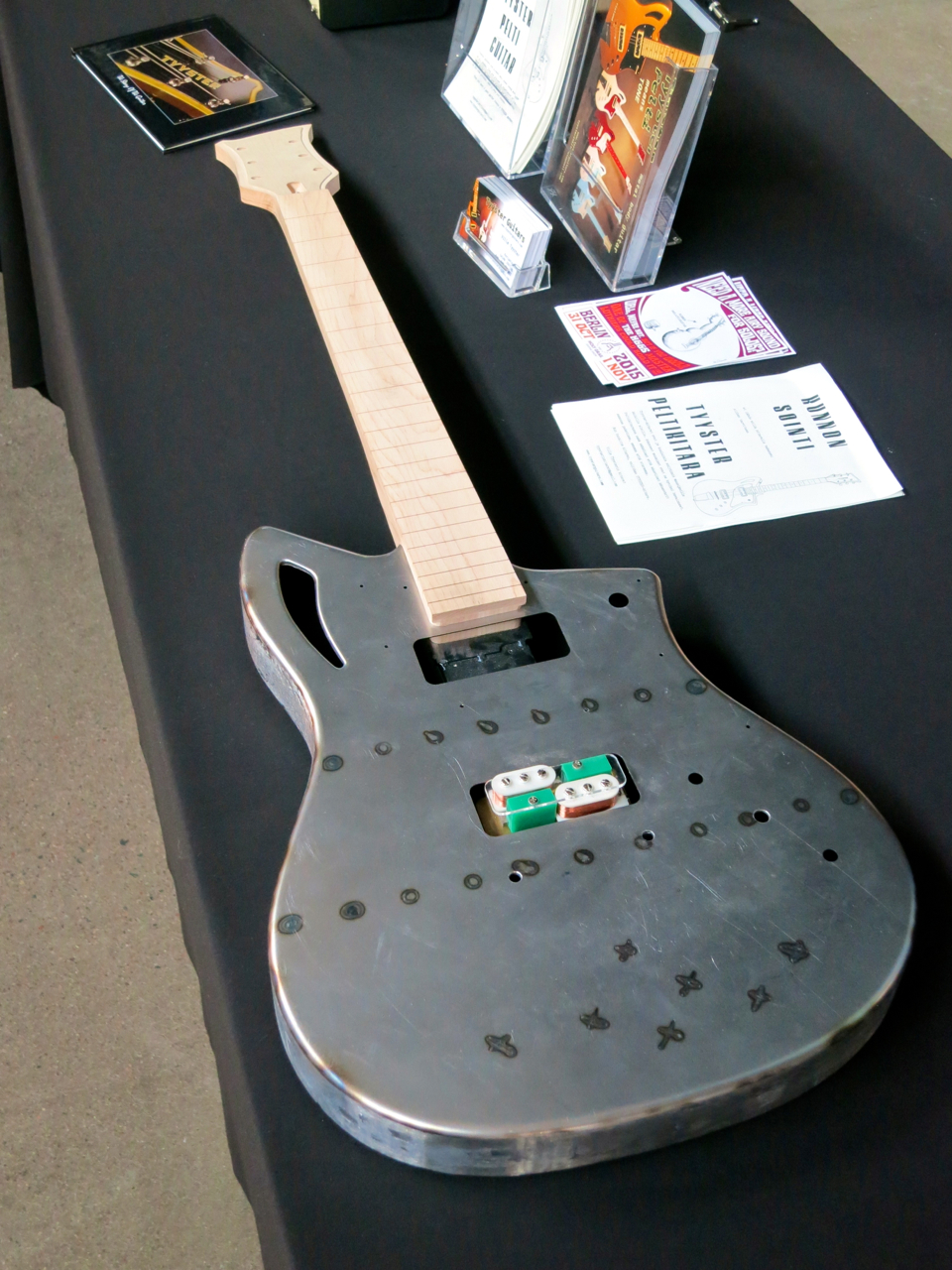
Ville Tyyster brought along an unfinished guitar to give you an idea of what goes into the making of a Tyyster Pelti.
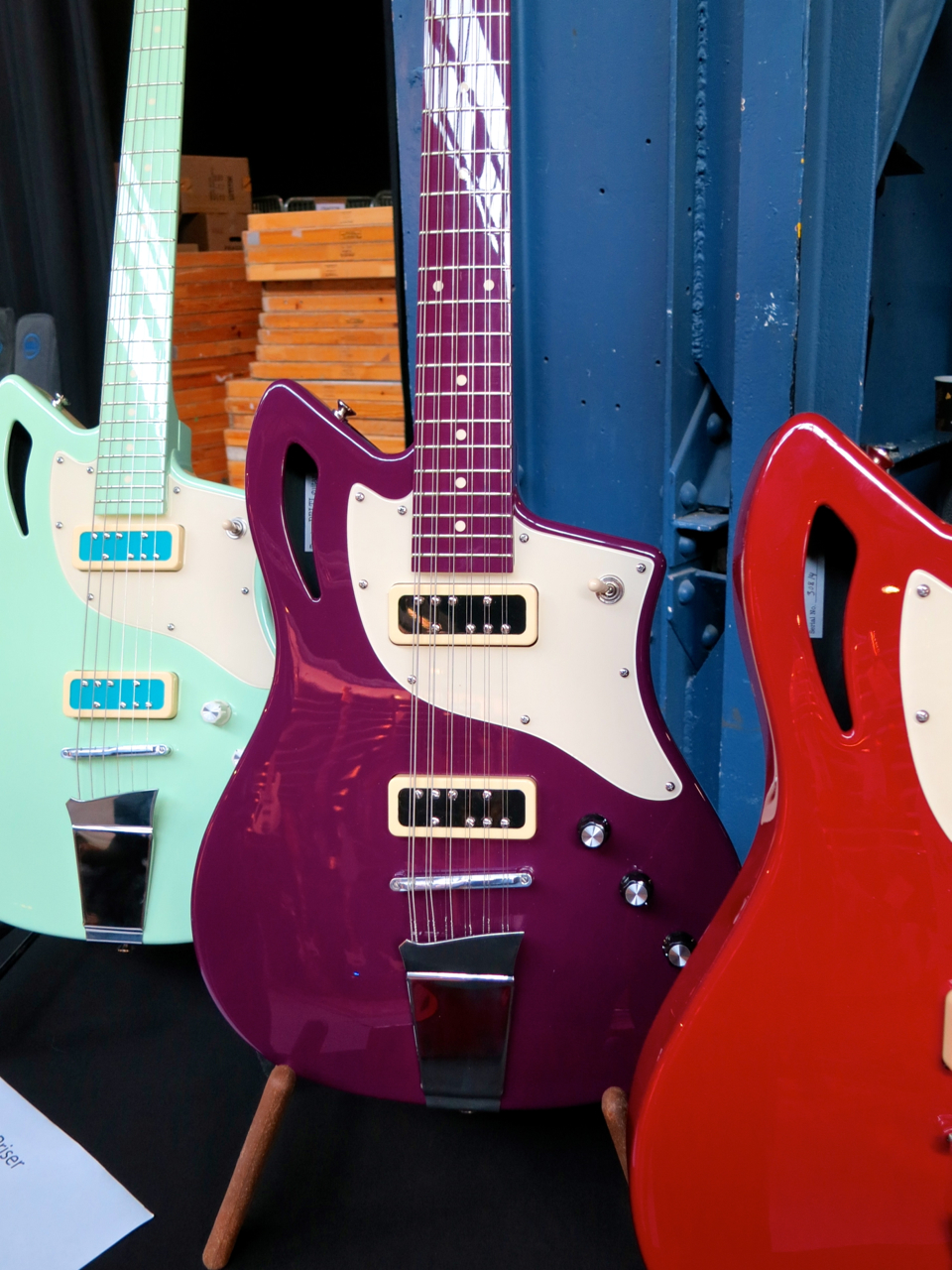
Tyyster’s clear lines and cool colours whet your appetite. Their playability and sound will make you want one!

Kari Nieminen’s tasteful Versoul Instruments have found their way into the hands of many serious guitar collectors and guitar heroes alike (Ron Wood, Billy Gibbons, just to name two in a long list).

This salmon skin-covered 4-watter was definitely one of the show stoppers at this year’s Fuzz.
The all-valve combo can be modified to the user’s requirements by changing the tube types.

…and if you have a salmon-skinned amp, you will need the matching, breathtakingly beautiful Versoul Guitar, too!


Amp and effect specialists Mad Professor were represented at Fuzz by their Swedish distributors.

For more Fuzz Guitar Show pictures visit Kitarablogi’s Fuzz 2015 page.

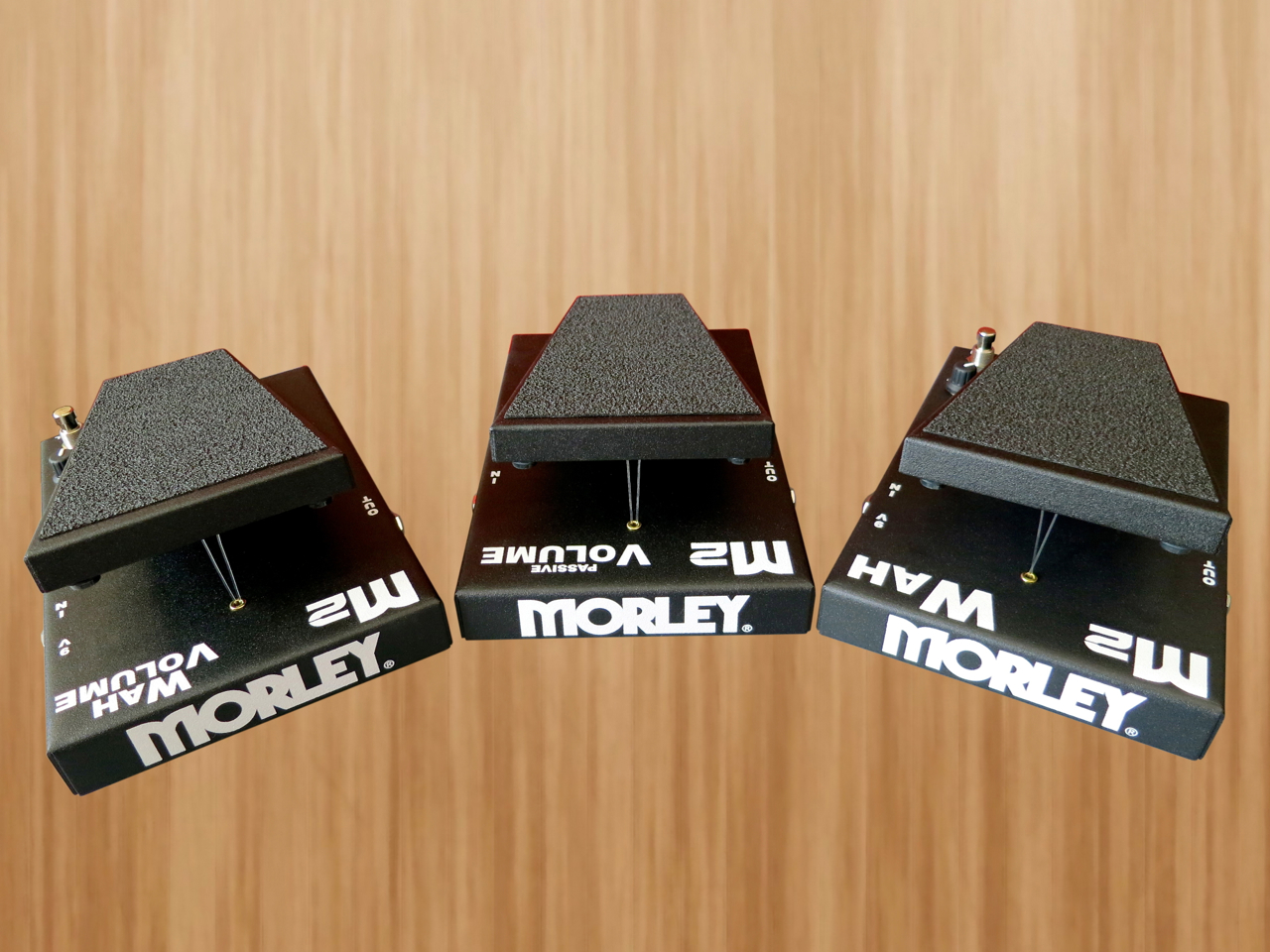
US brand Morley are best known for their pro-quality wahs and volume pedals that many players – like Steve Vai, George Lynch and Mark Tremonti – rely on in their setups. Morley’s original series uses electro-optical electronics, instead of traditional potentiometres. The big advantage in going electro-optical lies in the fact that such a pedal won’t ever become scratchy or intermittent, because there is no mechanical control pot to wear out or become dirty.
There are quite a few guitarists, though, which – for some reason or other – prefer the ”feel” and ”sound” of a mechanically controlled pedal to that of an electro-optical one. Morley’s new M2-series is a nod to the more traditional players.
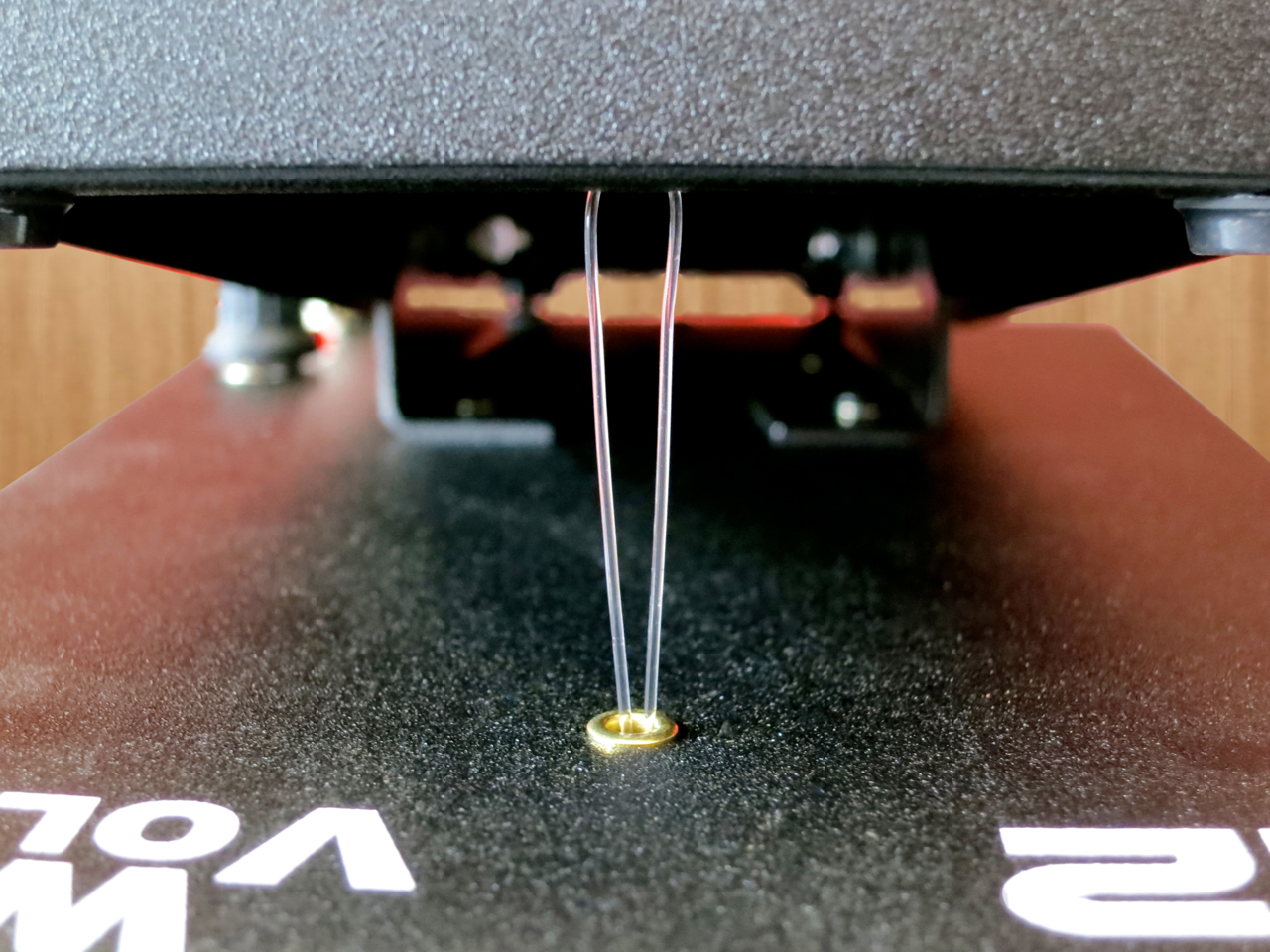
Nevertheless, Morley still like to do things their own way, which is why the company has come up with a different type of mechanical control for their M2-pedals:
Traditional pedals (and their descendants) use a rack, mounted beneath the treadle, to turn the pinion of a large control pot attached to the top of the pedal’s casing. Hanging in this exposed position, the pot is prone to take in dirt, moisture and dust, which in turn shortens its lifespan and affects signal quality. Sooner or later you will have to change the old pot for a brand-new one.
Morley’s M2-pedals use a top grade, sealed fader, tucked away neatly inside the pedal’s casing. The fader is moved by sturdy nylon strings attached to the front and back of the treadle.
****
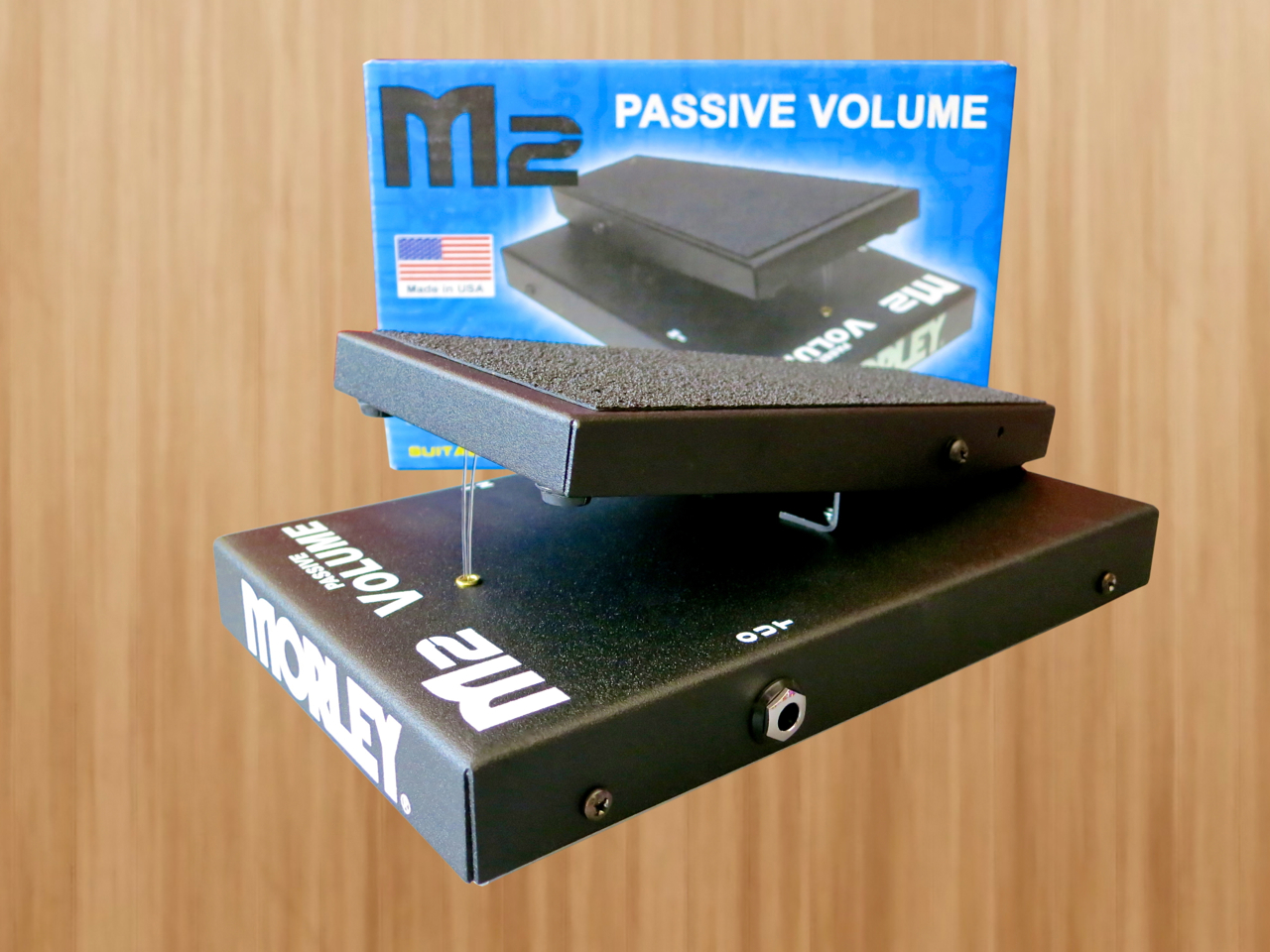
For this review we got three M2 models from Vantaan Musiikki:
The first pedal is the Morley M2 Passive Volume (current price in Finland: 76 €), which works without the need for a battery.
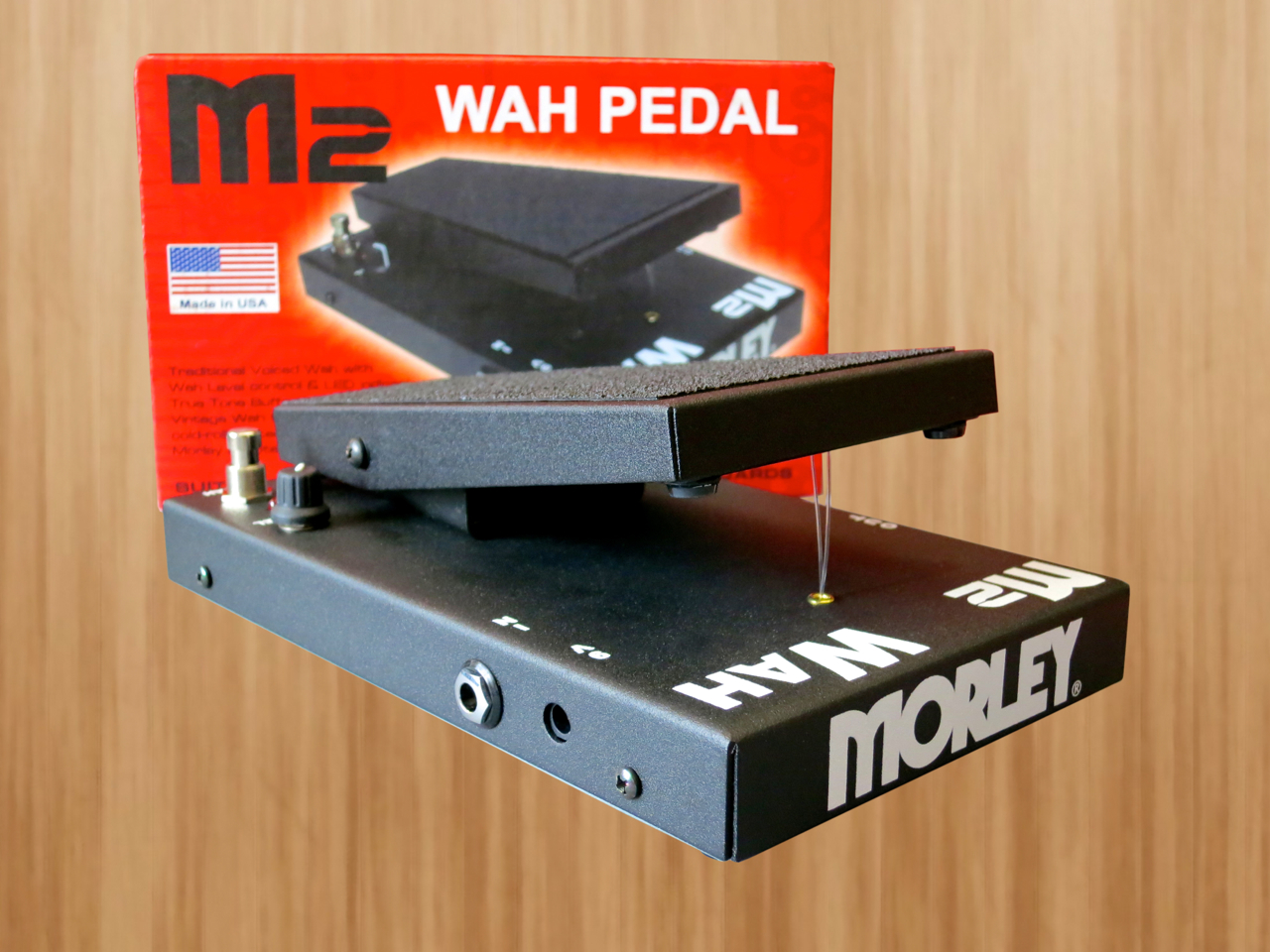
The second model is the Morley M2 Wah (83 €), which promises to deliver vintage-toned wah-goodness.

And, last but not least, there’s a cool twin-mode pedal – the Morley M2 Wah/Volume (94 €).
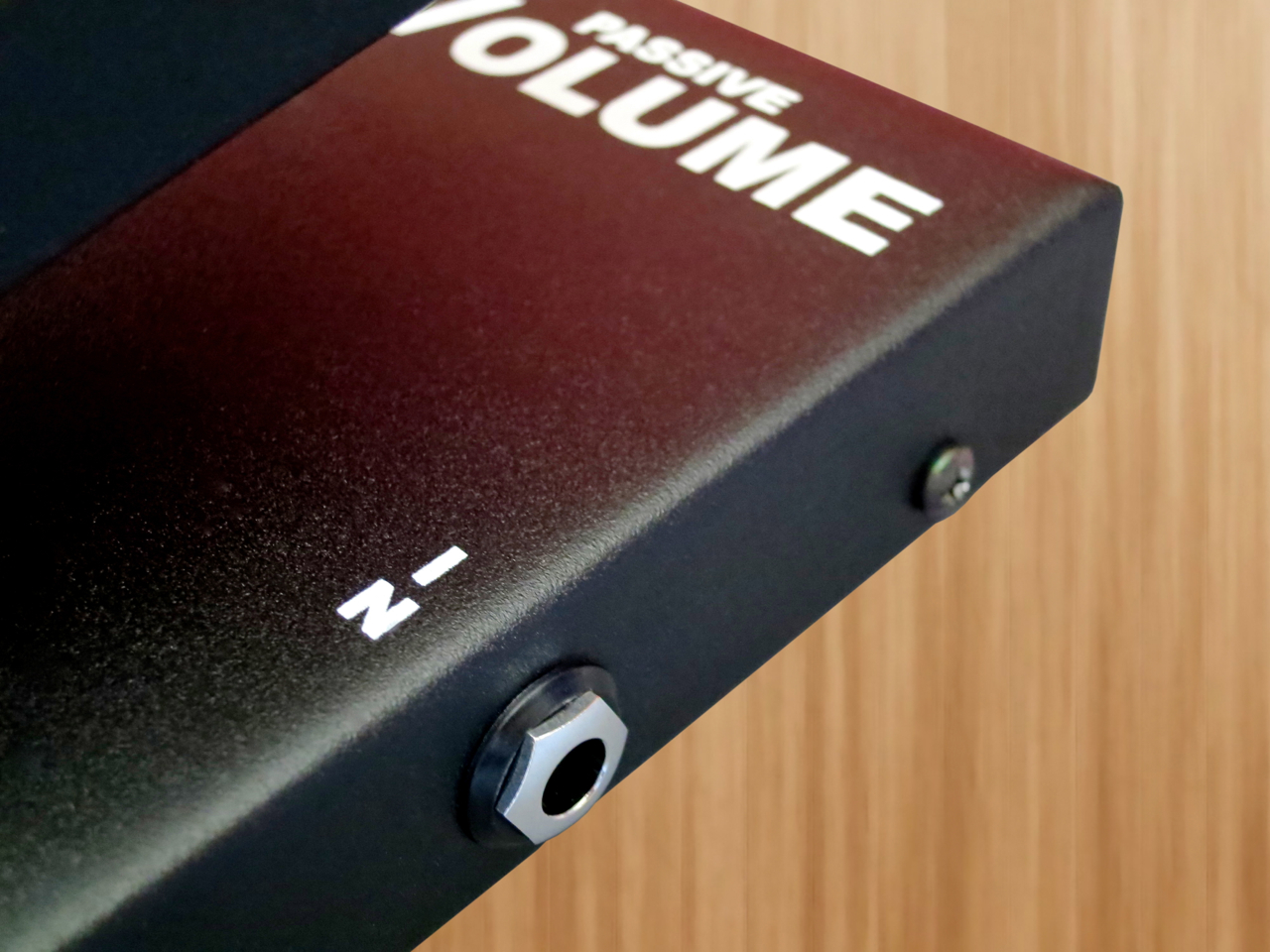
This trio of M2-pedals share the same basic build:
The housing is made from folded, cold-rolled steel, resulting in very sturdy and trustworthy pedals. The treadle sports a thick cover of non-slip material that will keep your foot safely on the pedal, no matter what.
The guitar input is on the Morley’s right flank.
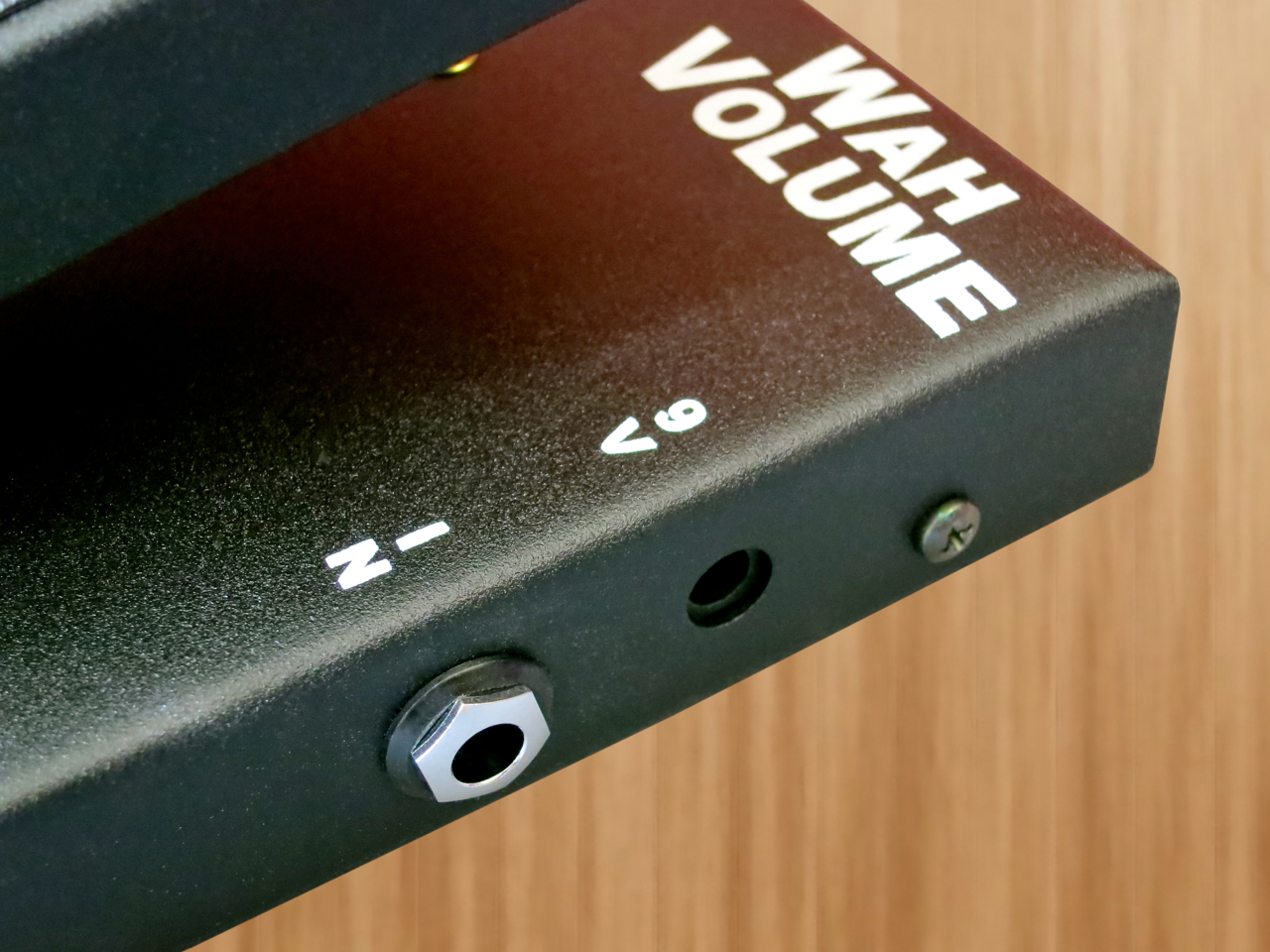
The two active pedals – the M2 Wah and the M2 Wah/Volume – additionally feature a standard 9 Volts DC input.

You can also run the active pedals using a 9 V battery. The battery compartment comes equipped with an easy-to-open quick clip lid.
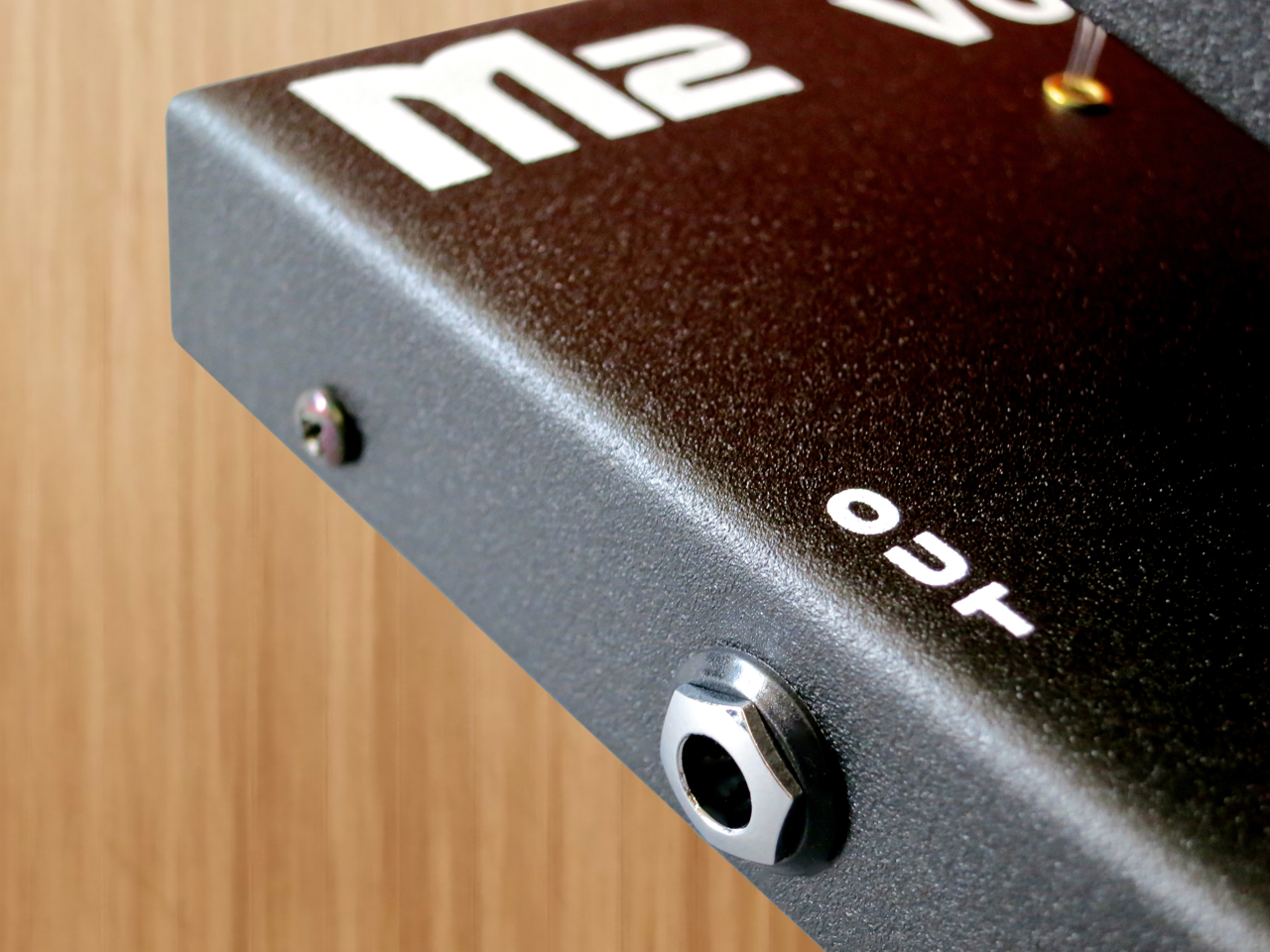
The output has been placed on the left side of the M2-pedals.
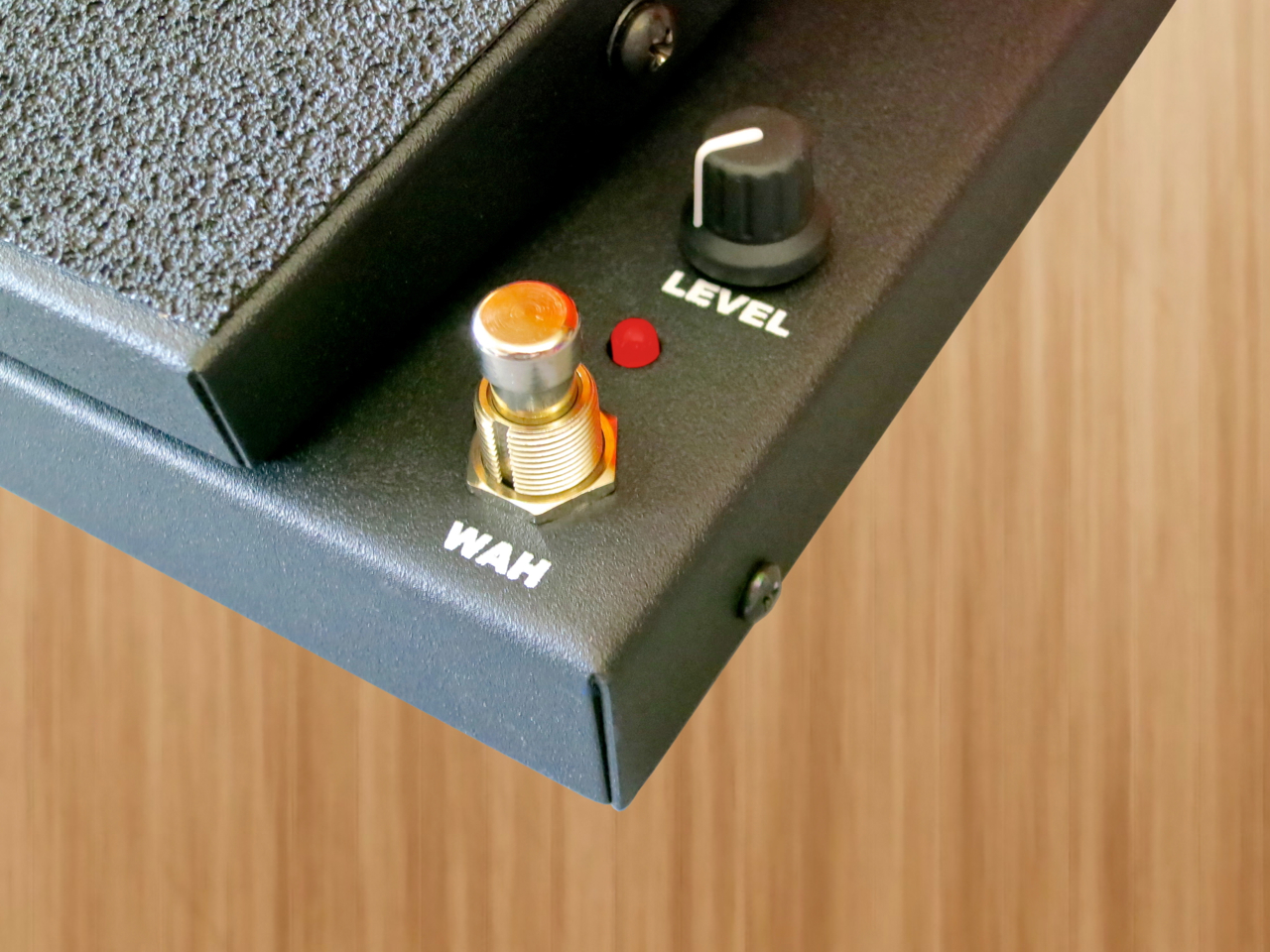
The M2 Wah features an On/Off-switch for the wah-effect (with a red indicator LED), as well as a dedicated level control for the effect signal.

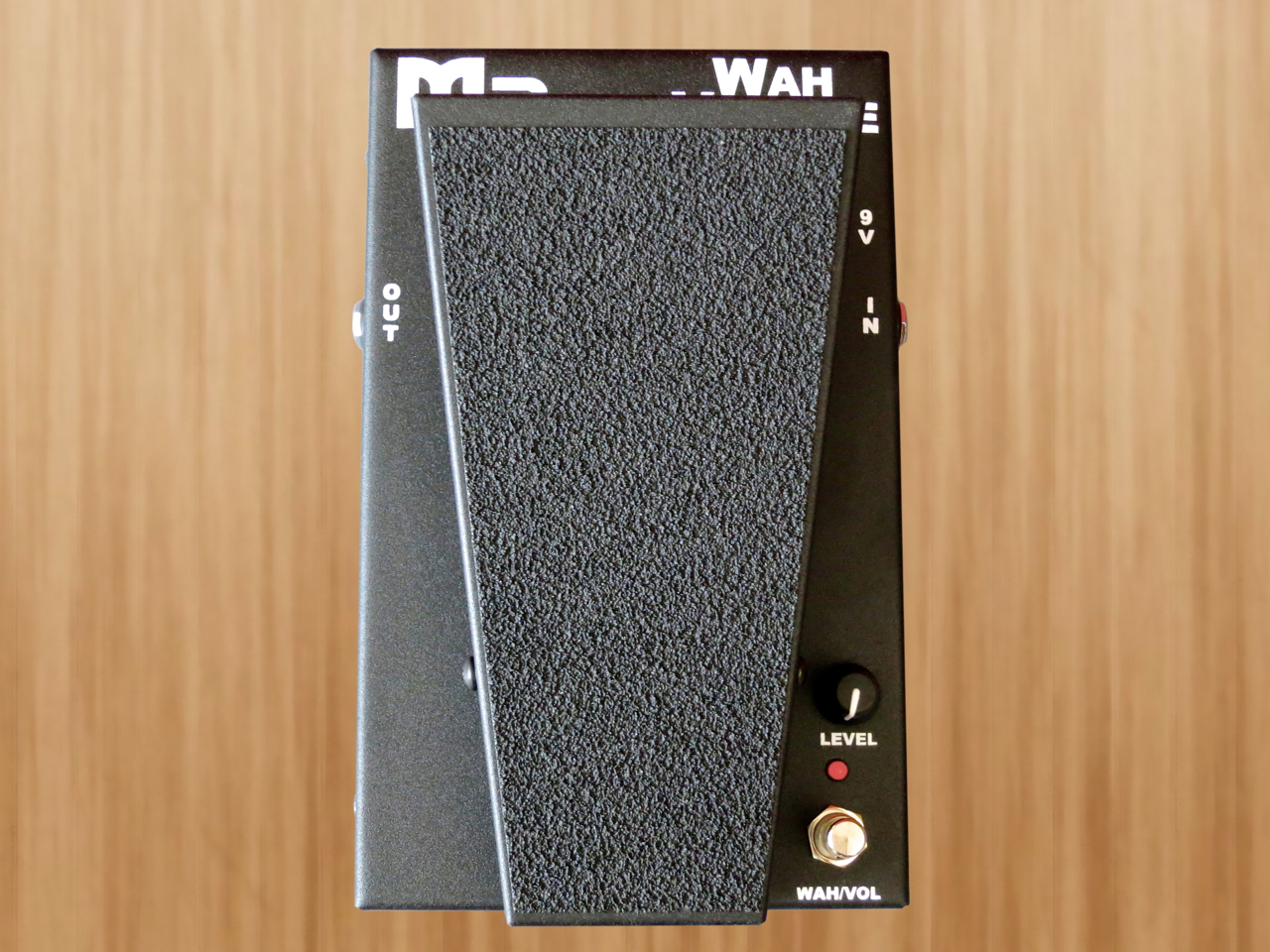
The control setup on the M2 Wah/Volume looks identical, but it functions a bit differently:
The footswitch toggles between volume mode (LED off) and wah mode (LED on). The level knob works only on the wah side of things.
****

Morley’s M2 Passive Volume-pedal works extremely smoothly, evenly and precisely. There are no jumps or wobbles in the volume level, instead the Passive Volume works just as it should, and without having any noticeable effect on your guitar’s inherent tone. The M2 Passive Volume clearly is a pro-quality choice at a very fair price.

****
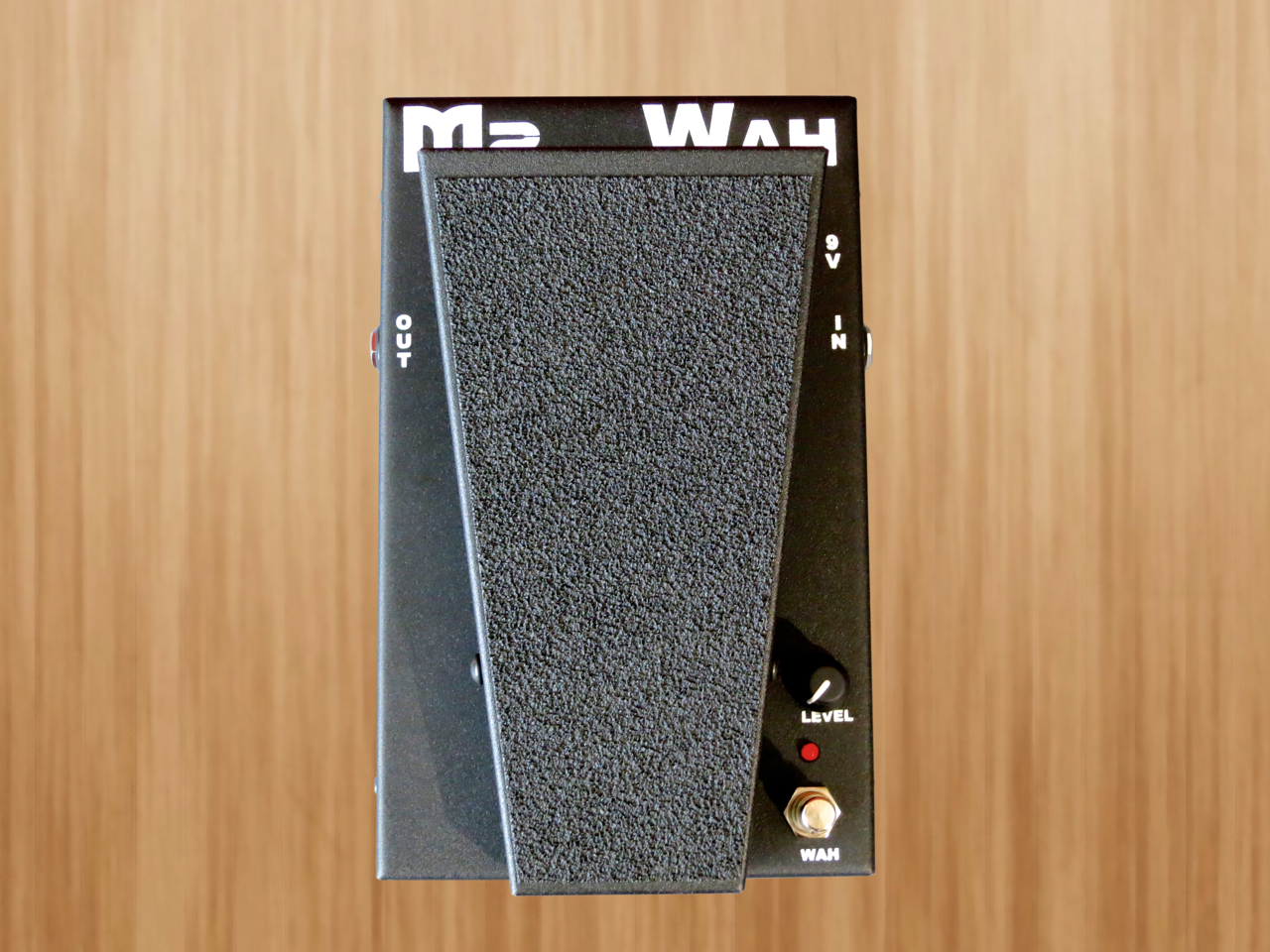
Morley’s M2 Wah comes equipped with an internal active buffer (the Morley True Tone Buffer), which stays on, even with the wah-effect turned off. An active buffer will prevent audible signal deterioration, even if you’re using a long line of (true bypass) effect pedals or a very long cable between you effects and the amp. The only ”drawback” of an active buffer is that the pedal will draw a tiny bit of current, even with the effect turned off.
Oh, boy, Morley’s wah-sound is just what the doctor ordered! The M2 Wah’s filter sounds really juicy, and the pedal works in a very musical and organic way.

****

The M2 Wah/Volume combines both volume control and wah-wah with an active buffer, meaning you do need a battery (or power supply) to run the pedal’s volume side, too.
Morley’s Wah/Volume-pedal manages to combine both effects in an easy-to-use, handy package. This pedal’s volume mode works just as evenly and smoothly as the M2 Passive Volume, while the wah side of things sounds just as tasty as in the stand-alone M2 Wah.
The M2 Wah/Volume was simply too good to let go – I had to buy one!
****

For some reason, I’ve always dug Morley’s straightforward and unsentimental design. The new M2-series, too, has that famous big, black and square ”Morley look”. Morley’s M2-pedals sure don’t look cute, but they more than make up for it when it comes to roadworthiness and reliability.
Many professionals rely on a Morley for their sound. I’m sure that these M2-series pedals will find their way into many a musician’s arsenal.
I’d suggest you go and check them out!

****
Morley M2 -series
M2 Volume – 76 €
M2 Wah – 83 €
M2 Wah/Volume – 94 €
Finnish distributor: Musiikki Silfverberg
Many thanks to Vantaan Musiikki for the loan of the review pedals!
****
Pros:
+ excellent value-for-money
+ made in USA
+ sturdy build
+ work smoothly
+ sound
+ buffered output (M2 Wah and M2 Wah/Volume only)

Amerikkalaisvalmistaja Morley on tunnettu laadukkaista wah- ja volume-pedaaleistaan, jotka kuuluvat esimerkiksi Steve Vain, George Lynchin ja Mark Tremontin vakiotyökaluihin. Alkuperäiset Morley-pedaalit on usein toteutettu optisella tavalla, ilman perinteistä mekaanista potentiometriä polkimen alla.
Joidenkin kitaristien mielestä mekaaninen säädin kuulostaa ja tuntuu kuitenkin – vaikeasti selitettävällä tavalla – ”paremmalta” kuin optisesti toteutettu wah-pedaali, ja juuri heitä varten Morley on kehittänyt uuden M2-sarjansa.
Morley on kuitenkin Morley, ja firma on päättänyt käyttää M2-sarjassa omaa säätömekanismiaan:
Perinnepedaaleissa (ja niiden kopioissa) polkimen etupäähän on kiinnitetty hammastanko, joka kääntää kotelon kanteen asennettua säädintä. Näiden pedaalien iso potikka altistuu pölylle ja lialle, mikä voi johtaa siihen, että signaali alkaa jossain vaiheessa rahista. Silloin on useimmiten edessä potentiometrin vaihto.
Morley M2 -pedaaleissa käytetään military-speksattua, kotelon uumeniin asennettua liukusäädintä, jota säädetään polkimen etu- ja takapuoliin kiinnitetyillä nailonsiimoilla.
****
Saimme Vantaan Musiikilta kolme M2-pedaalia testiin:
Ensimmäinen on ilman paristoa toimiva Morley M2 Passive Volume (76 €).
Toinen pedaali on sarjan klassisia wah-soundeja tarjoava Morley M2 Wah (83 €).
Ja kolmas on todella kätevä yhdistelmäpedaali – Morley M2 Wah/Volume (94 €).
M2-kolmikon perusrakenne on sama:
Pedaalit on rakennettu täysin taitetusta teräksestä, ja lopputulos vaikuttaa erittäin kestävältä ja luotettavalta. Poljin on päällystetty paksusti luistamattomalla materiaalilla, joka pitää kengän pohjan tiukasti ja turvallisesti pedaalilla.
Tulo kitarajohdolle on Morley:ssa pedaalin oikeassa laidassa.
Kolmikon aktiivipedaaleissa – M2 Wah ja M2 Wah/Volume – on kitaratulon lisäksi vielä liitin virtalähteelle.
Näitä kahta pedaalia voi luonnollisesti myös käyttää yhdeksän voltin paristolla, ja paristolokeroon päästään ilman ruuvimeisseliä.
Vasemmasta kyljestä taas löytyy kaikissa M2-pedaaleissa lähtöjakki.
M2 Wahissa on efektille tarkoitettu päälle/pois-jalkakytkin, punainen led-valo, sekä Level-säädin efektin lähtötasolle.
M2 Wah/Volume-pedaalin kattaus näyttää samanlaiselta, mutta yhdistelmäpedaalissa jalkakytkin vaihtaa pedaalin käyttötilaa volumesta (ledi pois päältä) wahiin (valo on päällä) ja takaisin.
****
Morley M2 Passive Volume -pedaali toimii erittäin jouhevasti, sulavasti ja tarkasti. Äänenvoimakkuutta säädettäessä ei esiinny minkäänlaisia kuoppia, eikä hyppelehtimistäkään, vaan volyymimuutokset ovat tasaisia polkimen koko liikeradalla. Pedaali vaikuttaa siis luotettavalta ja oivalta työkalulta.
****
M2 Wah -pedaalissa on aktiivinen bufferi (Morley True Tone Buffer), joka on päällä myös silloin, kun wah-efekti on pois päältä. Bufferivahvistimen ansiosta signaali ei huonone käytännössä lainkaan, vaikka pedaalin jälkeen olisi käytössä tavallista isompi määrä muita efektejä, tai vaikkapa erittäin pitkä johto vahvistimeen. Bufferin ainoa ”huono” puoli on se, että pedaali tarvitsee aina pienen määrän käyttövirtaa.
Morleyn wah-soundi on täysin minun makuuni! M2 Wah:n filtteri kuulostaa erittäin mehevältä ja koko pedaali toimii erittäin orgaanisella ja hyvin musikaalisella tavalla.
****
Erittäin kätevässä M2 Wah/Volume-pedaalissa molemmat puolet käyttävät efektin sisäistä bufferia – siis: tässä pedaalissa myös volume-toiminto tarvitsee toimiakseen pariston (tai virtalähteen).
Morleyn Wah/Volume-pedaali onnistuu yhdistämään hyvin käytännöllisellä tavalla sekä wah-efektin että äänentason säätämistä. Volume-puoli toimii yhtä jouhevasti ja tarkasti kuin Passive Volume -pedaalissa, ja wah-soundi on yhtä herkullinen kuin M2 Wah -polkimessa.
Itse asiassa pidin tästä pedaalista niin paljon, että ostin sen itselleni!
****
Jostain syystä Morleyn suorasukainen ja epäsentimentaalinen muotoilu on aina vedonnut minuun. Myös uusi M2-kolmikko koostuu kolmesta isosta mustista laatikosta. Morley ei ehkä saa koskaan design-palkintoa, mutta M2-pedaalien jämeryys ja kestävyys on vailla vertaa.
Morleyn soundiin luottavat monet ammattimuusikot, ja M2-sarja on selvästi rakennettu kestämään myös rankempaa kiertue-elämää mukisematta.
Kokeilemisen arvoisia polkimia siis!
****
Morley M2 -sarja
M2 Volume – 76 €
M2 Wah – 83 €
M2 Wah/Volume – 94 €
Maahantuoja: Musiikki Silfverberg
Kiitos Vantaan Musiikille testipedaalien lainaamisesta!
****
Plussat:
+ loistava hinta-laatu-suhde
+ valmistettu USA:ssa
+ jämerä rakenne
+ toimivat jouhevasti ja tarkasti
+ soundi
+ bufferoitu lähtö (vain M2 Wah ja M2 Wah/Volume)


 Kitarablogi.com – Finland's premier Guitar and Bass blog