Soundtools on hiljattain laajentanut huomattavasti kitara- ja bassovalikoimansa.
Firman uudet edustukset ovat:

****
****

****
Kitarablogi.com – Finland's premier Guitar and Bass blog
Juttuja kitaroista ja bassoista

Soundtools on hiljattain laajentanut huomattavasti kitara- ja bassovalikoimansa.
Firman uudet edustukset ovat:
****
****
****

****

Are you looking for something off the beaten path of Strat- and Les Paul-clones? One interesting guitar might be the Tokai AJG-88 – an homage to the Fender Jazzmaster, factory-modded for the modern player.
****

The Tokai AJG-88 (current price in Finland: 1,099 €) is a bolt-on-neck instrument with a long scale.

We find a one-piece maple neck fastened to a streamlined alder body, crafted from three side-by-side pieces.
The Tokai comes in an all-gloss finish: The neck has been sprayed with clear lacquer, with the body showing off a sumptuous three-tone sunburst.

One welcome nod to the 21st century is the AJG-88’s truss rod access, which has been moved from the traditional body-facing end of the neck up to the headstock for easy accessibility.

The AJG-88 comes equipped with a nice set of sealed Gotoh tuners.

The chocolate-coloured rosewood fingerboard sports 22 medium-jumbo frets, which have been expertly seated and well polished. That’s full full marks for Tokai’s fretwork!

The classic screw-on neck joint coupled with Japanese workmanship…

Up to this point Tokai’s AJG-88 may have looked like a full-on Jazzmaster-copy, but the pickups, wiring and the choice of bridge make quite clear that this Tokai has its own, more contemporary, thing going.

Original Jazzmasters feature a front-mounted vibrato paired with a rocking bridge, designed to work correctly with the fat string gauges of yore (.012 or bigger). Putting a .009-set on a vintage-type Jazzmaster will lead to all sorts of problems, from rattling bridge saddles to strings not staying in their respective grooves – not good for sustain or tone.
On the Tokai AJG-88 these problems won’t occur, because this model is equipped with a tune-o-matic and stopbar combination (made by Gotoh). As a result the tuning is rock solid regardless of string gauges or tuning preferences. Tuning down for Metal isn’t a problem for the Tokai.

Both the original Jazzmaster, as well as its younger sister the Jaguar, were equipped with singlecoil pickups and rather complicated electronics with a separate rhythm-circuit for their neck pickup.
Instead of a dizzying array of knobs and switches, Tokai offer you two genuine Seymour Duncan humbuckers. The neck pickup is their famous Jazz-model (SH-2N), with the slightly chunkier-than-vintage Jeff Beck-model (SH-4) placed next to the bridge.

A three-way toggle switch and master volume and tone controls – nice and easy does it…
****

I can only recommed giving the Tokai AJG-88 a spin. If you haven’t tried a Jazzmaster-style guitar before, you’ll be surprised at the well-balanced ergonomics that this large-bodied classic holds in store. The feel is different – in a very good way – and the AJG-88 is easy to hold, both standing up and sitting down.
The neck profile is a nice, medium-thickness vintage-style ”D”. Thanks to the excellent fretwork our test sample came with a really low action (low E: 1.6 mm, high e: 1.0 mm), yet was free from fret buzz.
Acoustically Tokai’s AJG-88 sounds open with a tight bottom end, as well as a charming, slightly hollow mid-range.
Played with a clean amp the Tokai’s neck pickup gives you warm and full tones with a nicely rounded top end. As is the case with most two-humbucker guitars, putting the AJG-88’s toggle in the centre position will result in the most useable clean rhythm tones. The sound is open and airy, with a nice helping of plectrum attack. The bridge pickup on its own displays a chunky mid-range colour – quite useable for clean tones, but, naturally, not as biting and wiry as a Fender-type singlecoil.
This Tokai really loves overdriven sounds, with the excellent-sounding humbuckers dishing out the goods aplenty for all your Blues-, Rock- and Metal-needs. This isn’t your granddad’s Jazzmaster – this Tokai really knows how to rock:
Tokai’s AJG-88 is a classy quality-guitar from Japan. I found it to be a very intriguing and well-executed mix of Fenderish looks and playability, coupled with Gibson-style tones, and offered at a fair price.
****
Tokai AJG-88
1,099 €
Finnish distributor: Musamaailma
****
Pros:
+ Made in Japan
+ value for money
+ workmanship
+ playability
+ Seymour Duncan pickups
+ sound
****


****
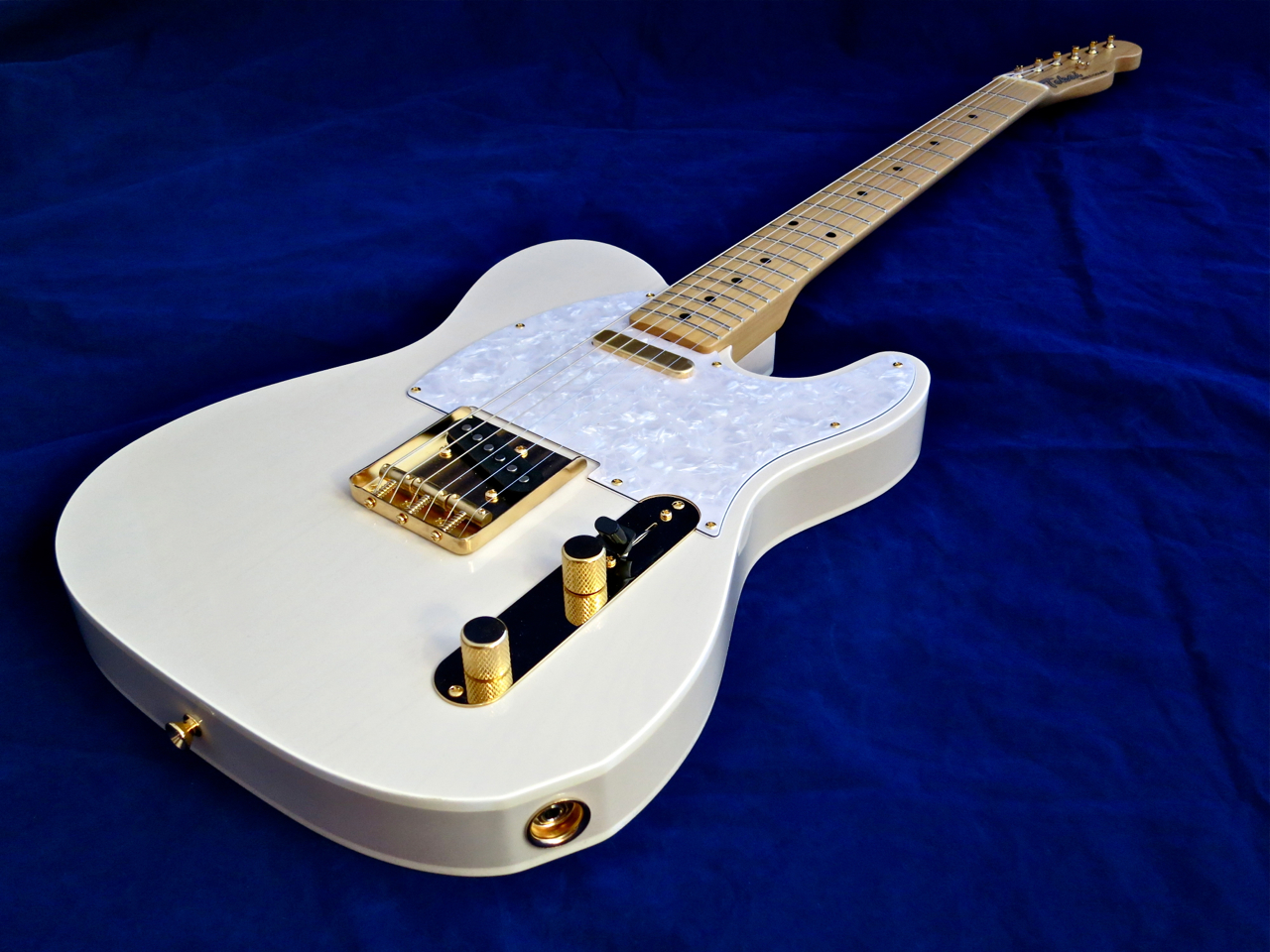
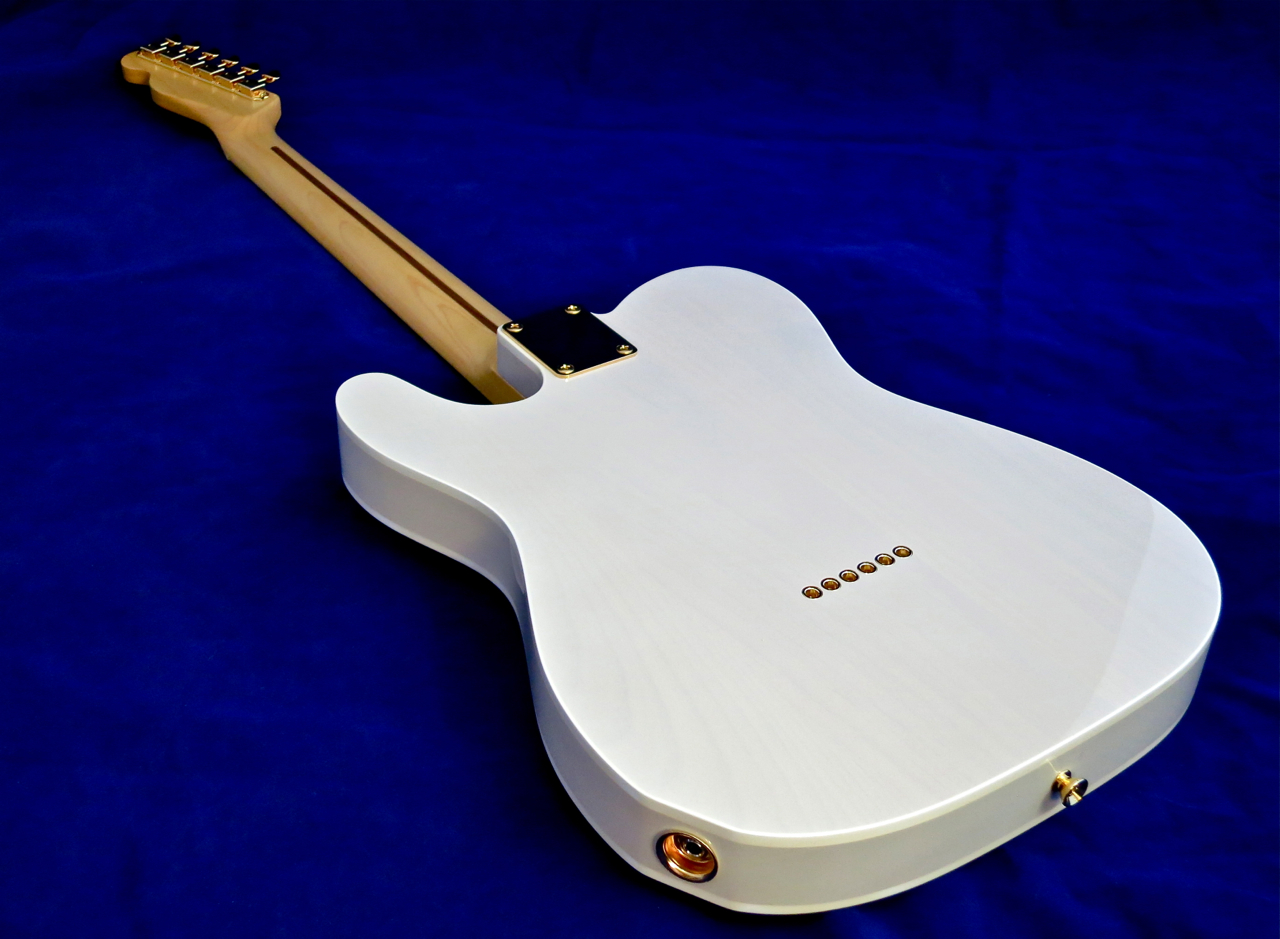
Tokai’s TTE-55 is the company’s newest made-in-Japan Tele-type guitar. The TTE-55 isn’t meant to be a dead-on copy of a Tele from a certain period, but rather something like a Tokai ”best-of-vintage-T” model.
****
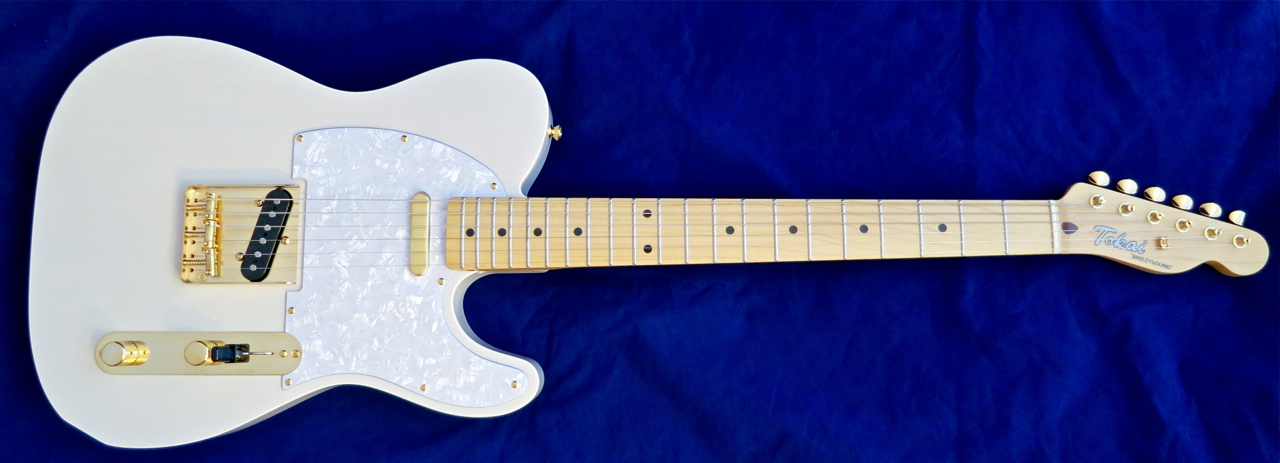
You can get the Tokai TTE-55 (current price in Finland: 848 €) with either a one-piece maple neck – as on our White Blonde review sample – or equipped with a rosewood ’board.
The finish of the hardware is dependent on the body’s colour – in our case here the Tokai sports gold coloured hardware, which embues this Tele with a good dose of Mary Kaye -style panache.
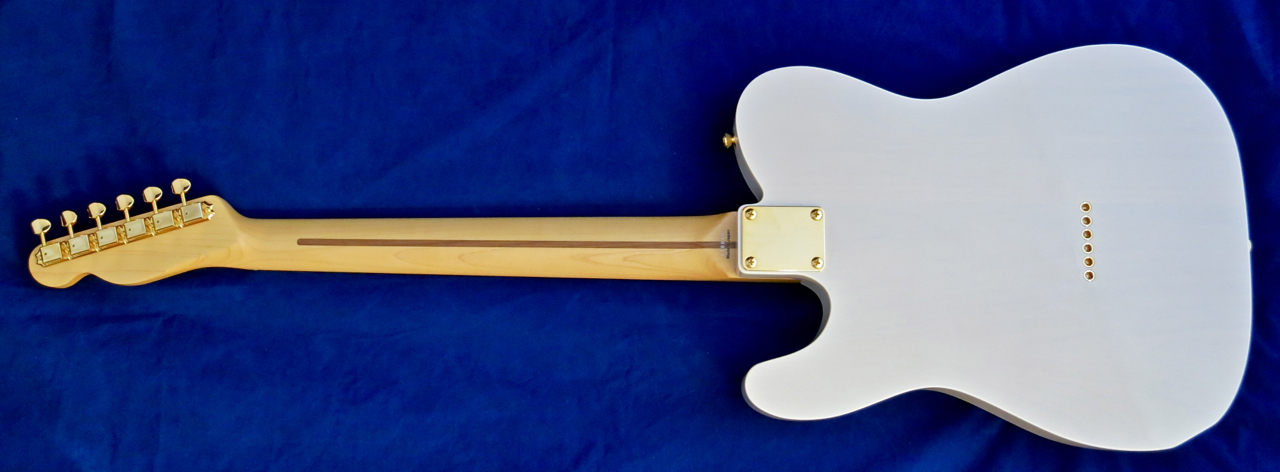
The 1950s-type neck is screwed to a Sixties-type, bound alder body.
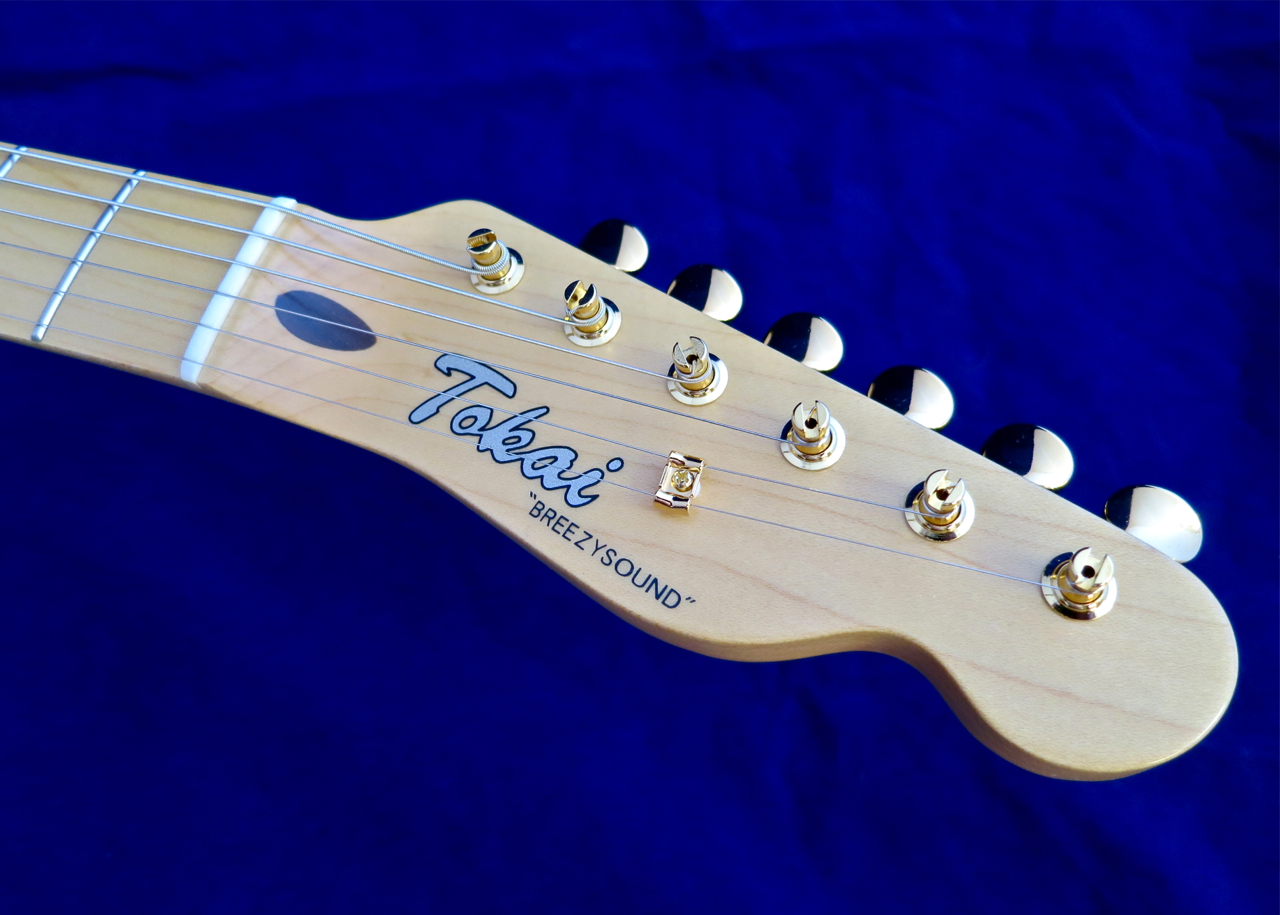
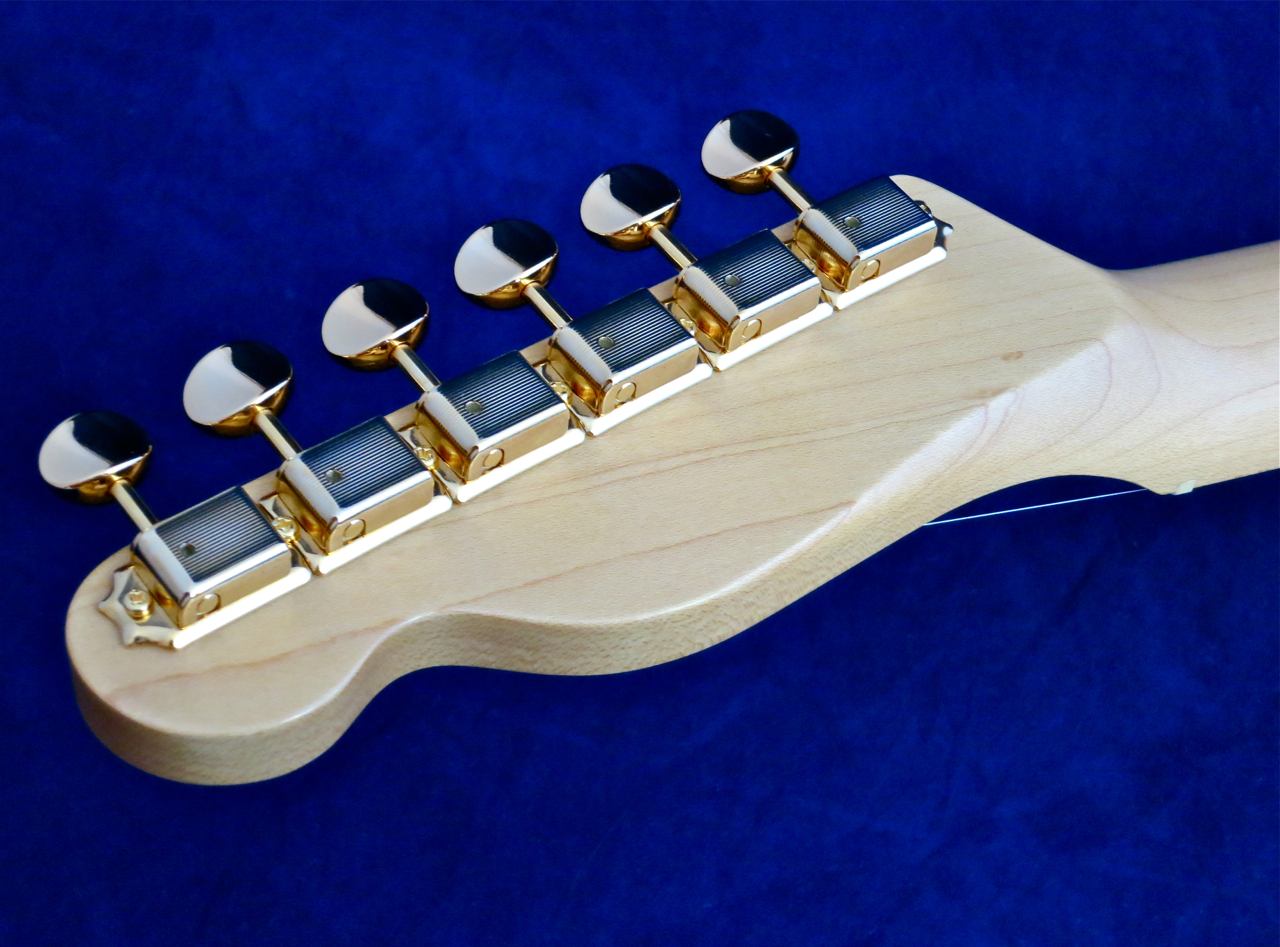
The fine Kluson-copies have one major advantage over more recent designs: The nifty safety posts prevent any sharp string ends from sticking out.
The neck’s silky-smooth satin finish is a much more modern feature, as are the 21 jumbo-sized frets. Top marks to Tokai for the quality of their fretwork!
Timeless beauty – this is a sight I never tire of…
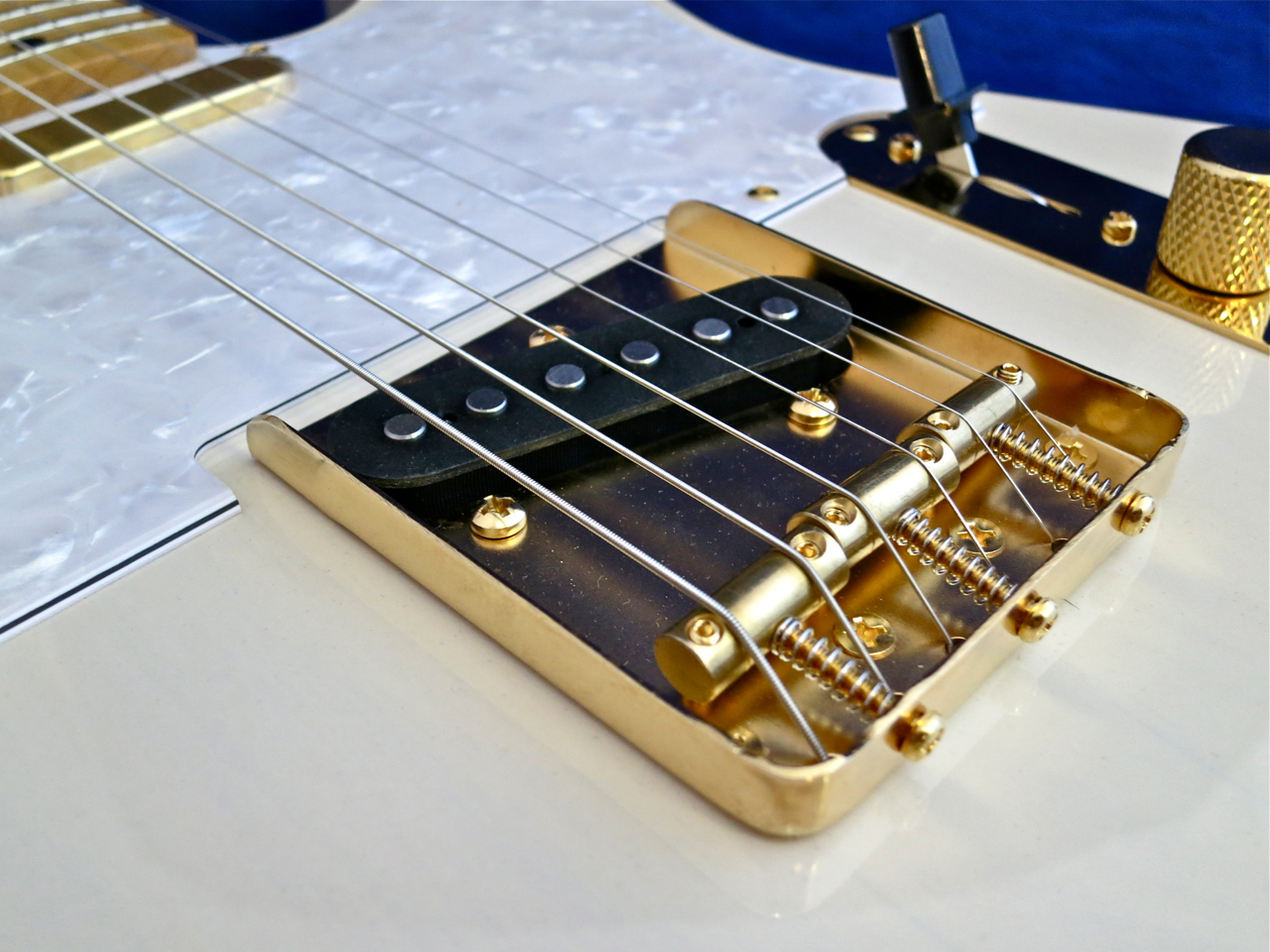
Not all vintage Tele-bridges are the same – the originals went through several different incarnations between the Fifties and now, especially when it comes to the material chosen for the bridge saddles. Tokai’s TTE-55 sports brass saddles, which is the favourite choice for juicy tone among vintage-anoraks.
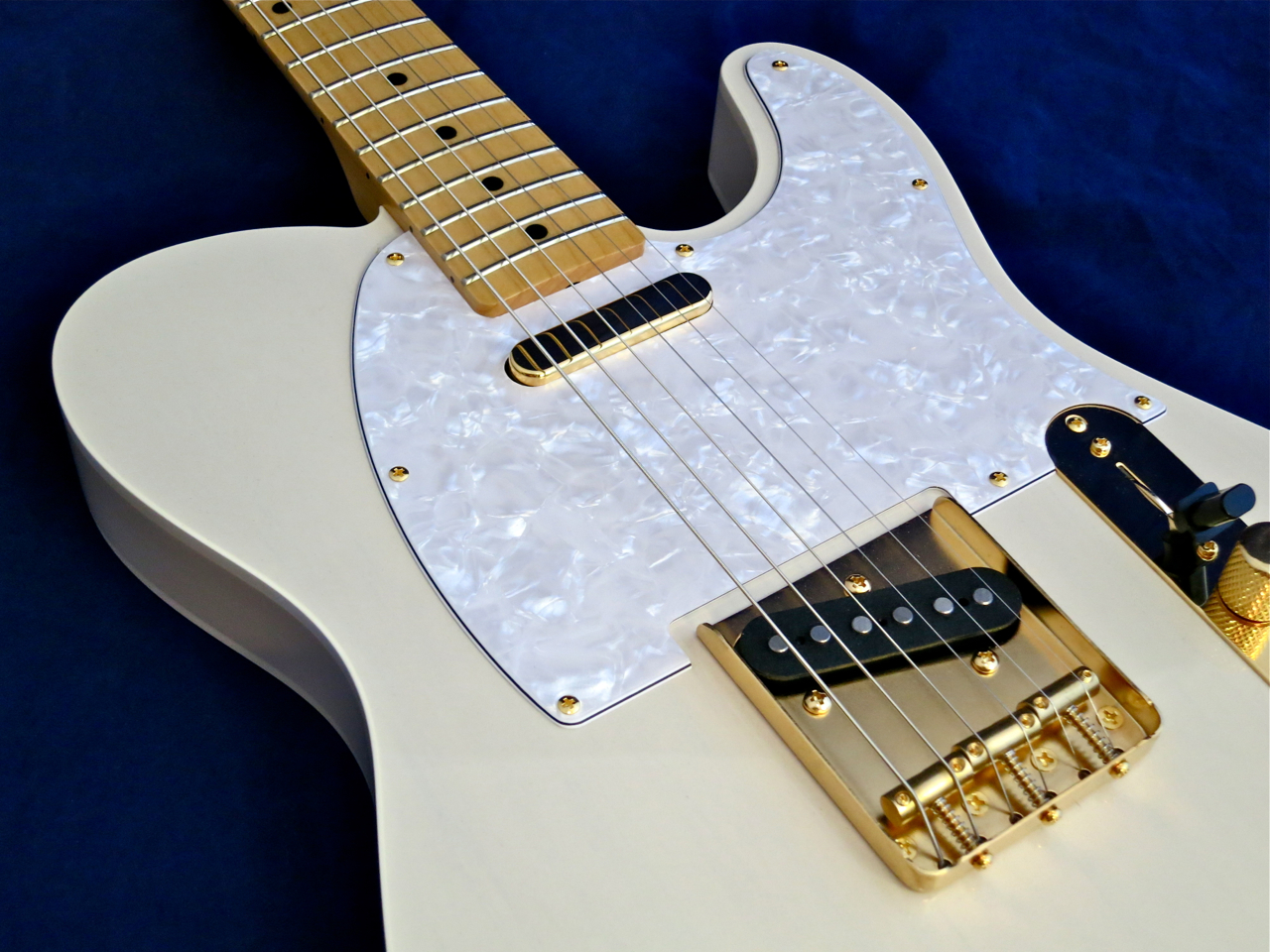
You can’t get more classic than a Tele-type guitar’s pickup combination: The neck pickup is a narrow unit with its own shielding metal cover, while the chunkier bridge pickup hangs suspended from the bridge plate.
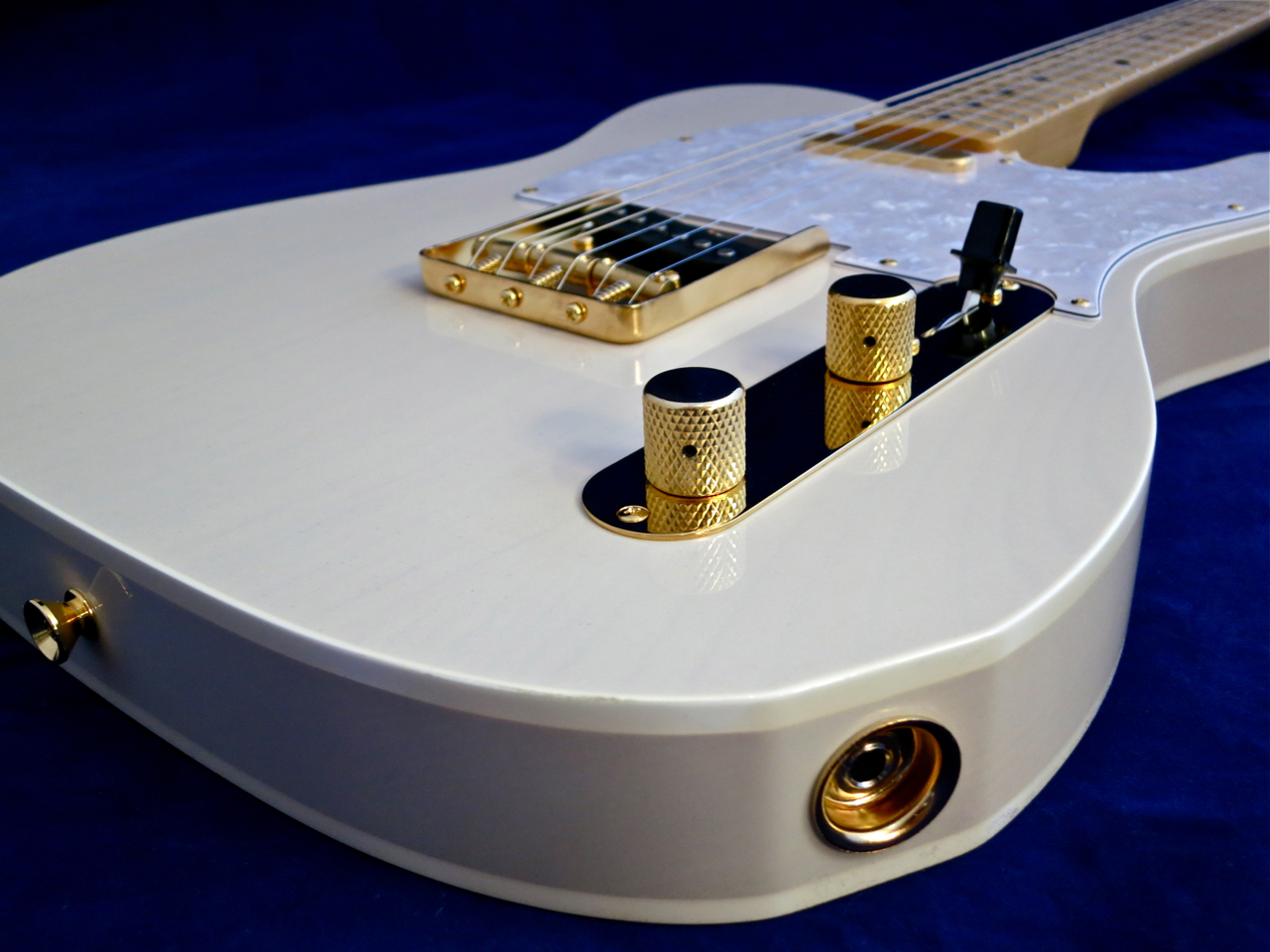
In 1967 the Tele’s switching was changed to the now-classic format of a three-way blade switch for neck/both/bridge-selection, coupled with a master volume and a master tone control.
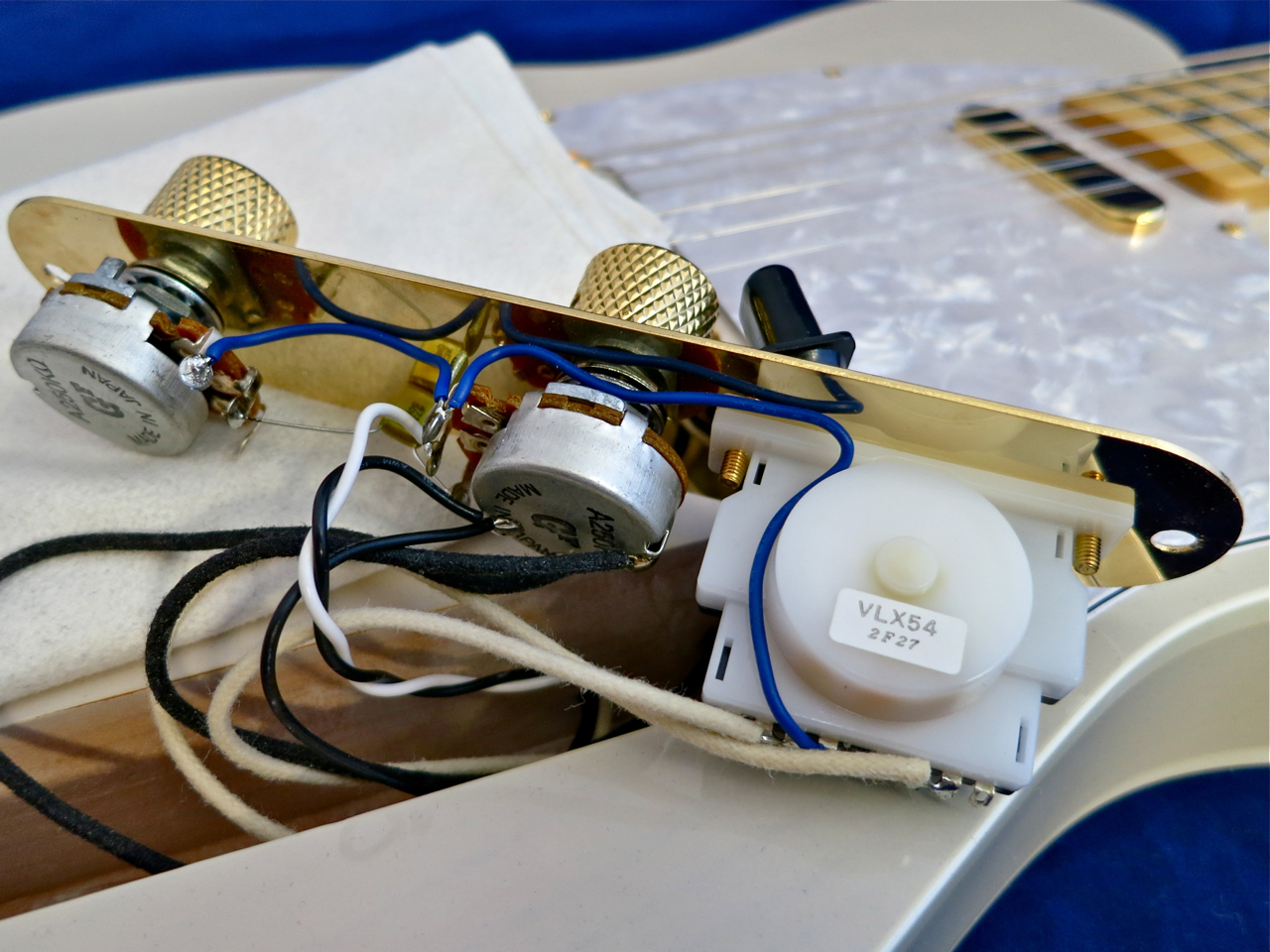
There’s plenty of quality on offer on the inside, too, with a VLX-switch and two GF-potentiometers keeping everything ship-shaped.
Vintage-freaks will dig the cloth-covered pickup leads.
****
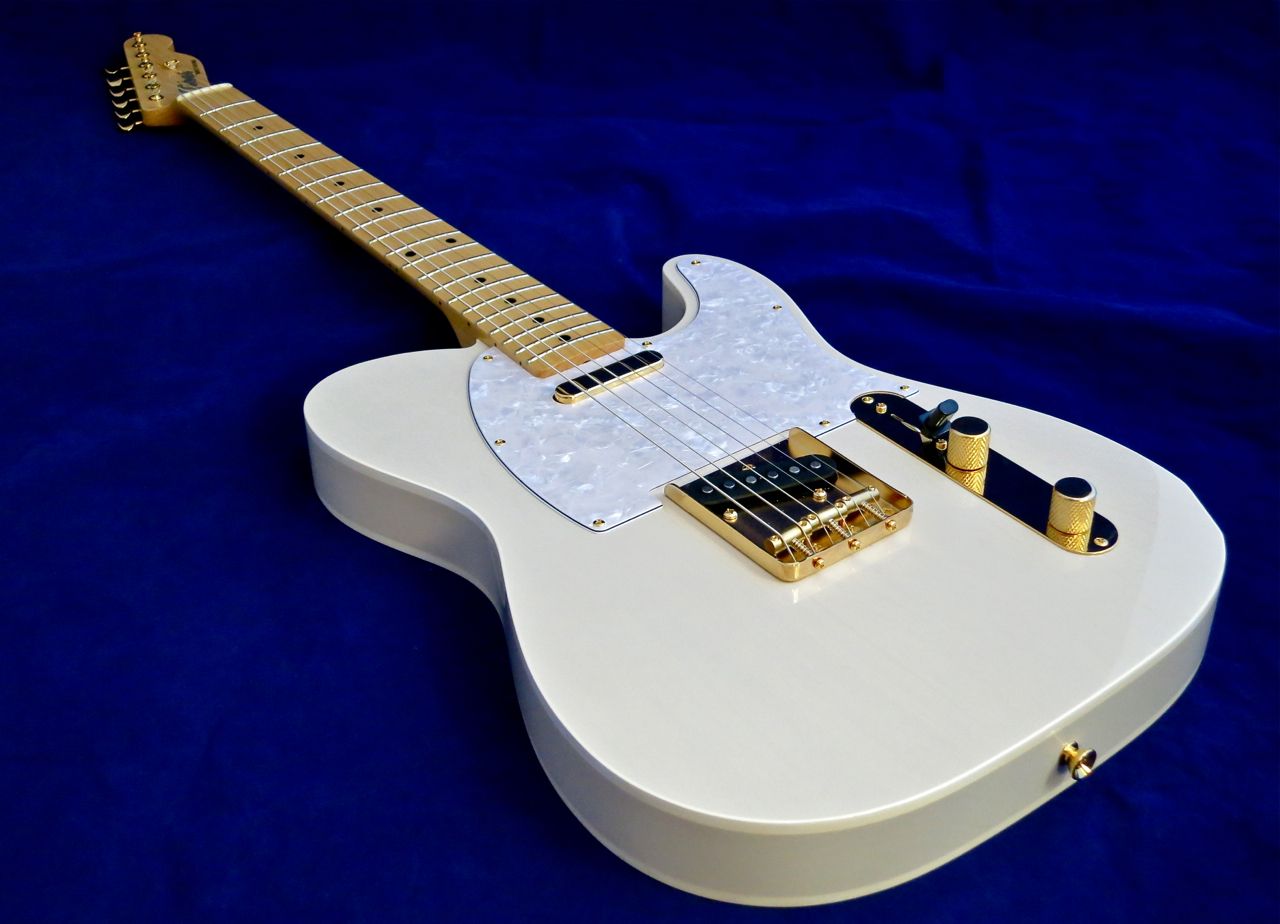
Our test sample is of medium weight – not the lightest Tele ever, but still really comfortable.
The Tokai TTE-55’s neck profile is right down my alley, being a well rounded and full ”D”. There’s enough girth to support your left hand nicely, but not so much as to make the neck feel too fat or hard to play .
The neck’s contemporary finish and the modern fret size result in a very bend-friendly guitar with a great action (E: 1,9 mm/e: 1,7 mm).
There’s always a bit of compromise to deal with, when it comes to a Tele-type guitar’s intonation, due to the shared bridge saddles. But this hasn’t prevented this guitar type to become a true classic – the compromises one can deal with easily.
It’s build like a Tele, it looks like a Tele, and, yes, the Tokai TTE-55 also sounds like a Tele. The neck pickup’s tone is well rounded, with a charming amount of wood to its voice. Put the switch in the middle position, and you’ll be funking with Prince. And the bridge pickup on its own is bang on the money for all your Country-, Rockabilly- and Blues-needs.
Tokai’s TTE-55 is a great choice for virtually any musical genre, with the exception of Hard Rock and Metal.
In light of this review, I can only conclude that the Tokai TTE-55 is a top quality instrument, which offers a whole lot of Tele-goodness at a very moderate price.
****
Tokai TTE-55
848 €
Finnish distributor: Musamaailma
****
Pros:
+ value-for-money
+ workmanship
+ component quality
+ neck profile
+ sound
Cons:
– the traditional Tele-compromise when it comes to exact intonation

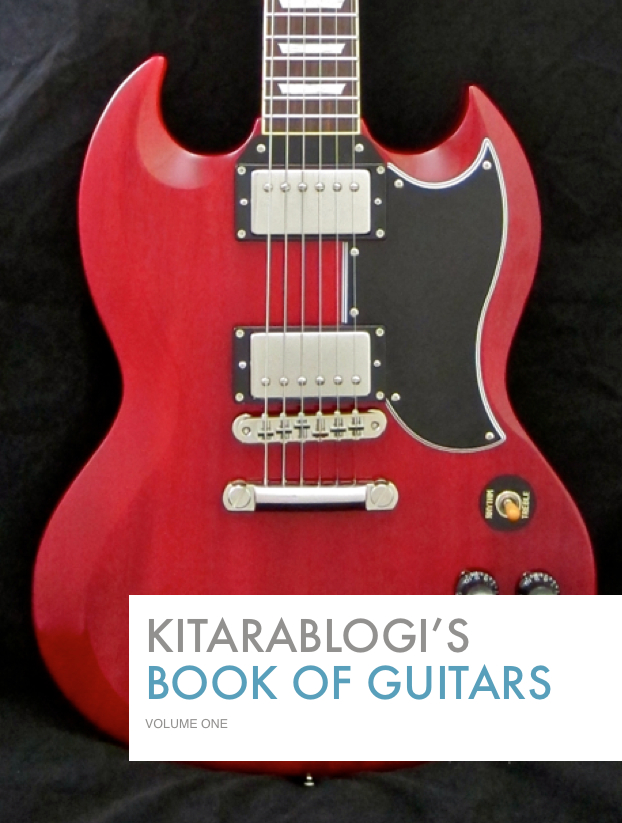
Kitarablogi.comilta on nyt ilmestynyt ilmainen eKirja iPadille – ”Kitarablogi’s Book of Guitars (Volume One)”.
Kitarablogi’s Book of Guitars -kirjassa on yli 100 sivua kitarakuvia, Duesenbergistä ja ESP:stä, PRS:n ja Schecterin kautta Yamahaan. Klikkaamalla kirjan audio-ikoneita saa kuuluville esimerkkisoundeja jokaisesta eKirjaan kuvatuista malleista.
Saat ilmaisen kitarakirjan TÄÄLTÄ tai menemällä iBookstoreen!
Kitarablogi.com have just released their first eBook for iPad, called ”Kitarablogi’s Book of Guitars (Volume One)”.
Kitarablogi’s Book of Guitars features over 100 pages of guitar photography, getting up close with many different models starting with Duesenberg and ESP, and continuing all the way to PRS, Schecter and Yamaha. Click on the audio-icons in the eBook to hear sound samples of all the guitars covered in this interactive tome.
Get your free copy HERE or by visiting your iBookstore!


****
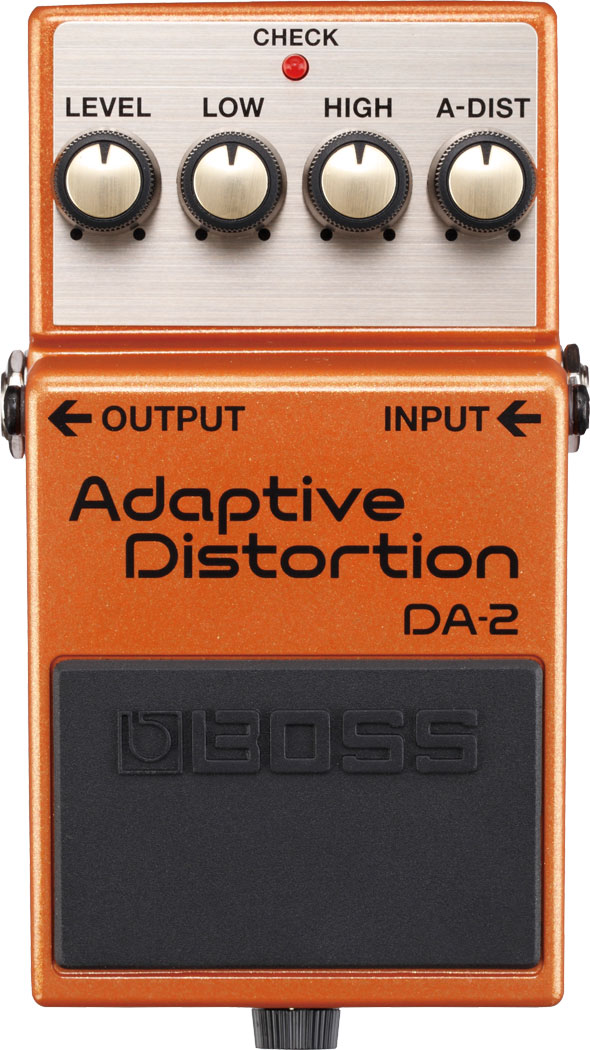
Boss DA-2 Adaptive Distortion (135 €) on firman uusien MDP-efektien (Multi-Dimensional-Processing) säröpedaali, jossa särön soundi muokataan tulosignaalin mukaan. Tässä ei kuitenkaan ole kyse Boss Dyna Drive -kaltaisesta efektistä, jossa soittovoimakkuus vaikuttaa särön runsauteen, vaan DA-2 hienosäätää särön soundia soitetun rekisterin mukaan.
Tätä saavutetaan splittaamalla tulosignaalia eri taajuuskaistoihin, joita prosessoidaan erikseen, aina optimaalista tulosta silmällä pitäen. Pääajatus tässä on, että lopputulos kuulostaisi samalla sekä mehukkaalta että hyvin selkeältä, ilman perinteisillä säröpedaaleilla usein esiintyvää puuroutumista. Ja tämä kaikki riippumatta siitä soitetaanko sooloa, sointuja tai matalia riffejä.

Monimutkaisesta digitaalisesta prosessoinnista DA-2:n sisällä ei onneksi huomaa käytössä mitään, vaan pedaali tuntuu tavalliselta Boss-pedaalilta. Tarjolla on neljä nuppia, joilla säädetään särön määrää, pedaalin kaksikaistaista EQ:ta, sekä lähtösignaalin tasoa.
Käytössä voi ihan ensiksi todeta, että Bossin prosessori on ilmeisesti huipputehokas, koska soittotuntuma on täysin vapaa latency-ilmiöstä. Itseasiassa DA-2:n ”digitaalisuus” ja yleinen toiminta on niin sulava, että ensikokeilulla voi iskeä jopa lievä pettymys, kun efektistä tuntuu puuttuvan se iso ”wau-faktori”.
Huolellisempi tutustuminen tuo kuitenkin selkeästi esiin, että Boss Adaptive Distortion todella onkin erittäin laadukas ja selkeä-ääninen tapaus. Myös runsaalla särön määrällä kielten välinen erottelevuus on ensiluokkaista. Lisäksi DA-2 ei käytännössä kohise lainkaan, mikä on iso plussa etenkin rankan musiikin ystäville. Erittäin mehukas uutuuspedaali siis!
Tässä on esimerkki puhtaan vahvistinkanavan kanssa soitettuna:
…ja tässä lisätään pedaali särökanavan eteen:
****
****
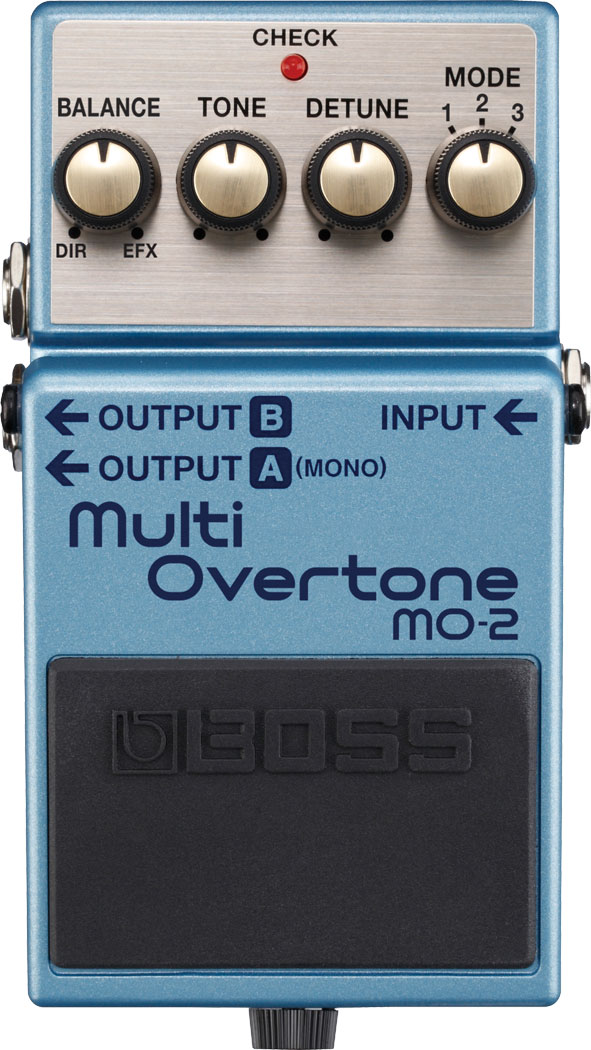
Myönnän – kelvollisia säröpedaaleja voi rakentaa myös täysin analogisesti, mutta MO-2 Multi Overtone -kaltainen, mielenkiintoinen modulaatioefekti saa aikaiseksi ainoastaan käyttämällä uusinta uutta nykyteknologiaa.
Boss MO-2 -pedaalia (155 €) on vaikea lokeroida vanhojen käsitteiden mukaan – efekti toimii nimittäin jossain oktaaverin, pitch shifterin, kitarasynan ja choruksen välimaastossa. Efekti generoi keinotekoisesti ylä- ja/tai alaääniä tulosignaalista, käyttötilasta riippuen (kolmipykäläinen Mode-kytkin), joita voi myös hienovirittää Detune-säätimellä, ja joiden sointiin voi vaikuttaa Tone-säätimellä. Balance-nupilla voi sitten määritellä kuivan signaalin ja ylä-äänien suhdetta.

Bossin MO-2 on melko monipuolinen efekti, jolla saa aikaiseksi monta eri soundia. Tarjolla on sekä tutuntuntuiset vaihtoehdot, kuten esimerkiksi 12-kielisen kitaran matkiminen tai oktaaverilta kuulostavat efektit, että hyvin tiheästi soivat sitar- tai syna-kaltaiset soundit.
Kokeileminen kannattaa todellakin, koska tämän mausterasian tuotokset ovat vaikeita kuvailla pelkillä sanoilla. On mielestäni kuitenkin selvä, että MO-2:sta löytyy monta erilaista käyttötapaa kitaristin työkalupakissa.
Tässä esimerkki ykkösmoodista (alussa efektoimaton soundi):
…ja tässä kolmosmoodi:
****
****

Boss TE-2 Tera Echo (175 €) on firman sadas pikkupedaali! Se on mielestäni erittäin mielenkiintoinen efekti, jolla saa aikaiseksi ihan omalla, houkuttelevalla tavalla pulputtavaa jälkikaikua – jossain moduloidun delayn ja digikaiun ensiheijastuksien väliltä.
S-Time-nupilla (= Spread Time) säädetään kaikuhännän yleistä pituutta ja toistojen nopeutta, kun taas Feedback-säätimellä voi syöttää osan efektoidusta signaalista takaisin uudelleen efektoitavaksi. Tone- ja Effect Level -nuppien tarkoitus lienee selväksi.

Myös Tera Echon soundia on vaikea pukea sanoihin. Voin kuitenkin todeta, että pidän suuresti tämän efektin pehmeästä soundista, joka on selvästi hieman erikoinen, mutta joka samalla ei peitä varsinaista soittoa alleen.
Tässä esimerkki lyhyellä S-Time-asetuksella:
… ja tässä pitkällä S-Time-asetuksella:
TE-2:een on myös lisätty Freeze-toiminta: pitämällä kytkintä alas painettuna voi käyttää pedaalin kaikua myös soundimattona. Freeze-ominaisuuta esitellään tässä tuotevideossa:
****
Uusi MDP-kolmikko on oiva osoitus Bossin väsymättömästä kekseliäisyydestä kitarapedaalien sarakkeella. Boss tarjoaa jälleen kerran hyvin mielenkiintoisia ja soundimaailmaa laajentavia mausterasioita kompaktissa muodossa.
****
Boss DA-2, MO-2 ja TE-2
DA-2: 135 €
MO-2: 155 €
TE-2: 175 €
Maahantuoja: Roland Scandinavia
****
Plussat (kaikki mallit):
+ kompakti koko
+ äänenlaatu
+ helppo käyttää
+ toimii myös 9 V paristolla


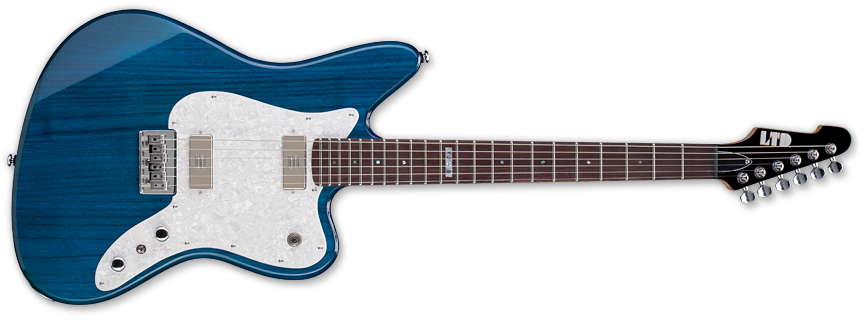
LTD:n erittäin näyttävä uutuusmalli XJ-6 on suorasukkainen ja virtaviivainen sähkökitara.
LTD XJ-6:ssa on suosaarnirunko ja ruuvattu vaahterakaula palisanteriotelaudalla. Uutukaisen mikrofonit tulevat Seymour Duncanilta, ja ne ovat keskivahvoja SM-3-minihumbuckereita. Volume- ja tone-potikoiden väliin on sijoitettu minikytkin mikrofonien puolitukseen.
Lisätiedot: Musamaailma


 Kitarablogi.com – Finland's premier Guitar and Bass blog