
A shot I found on the Les Paul Forum:
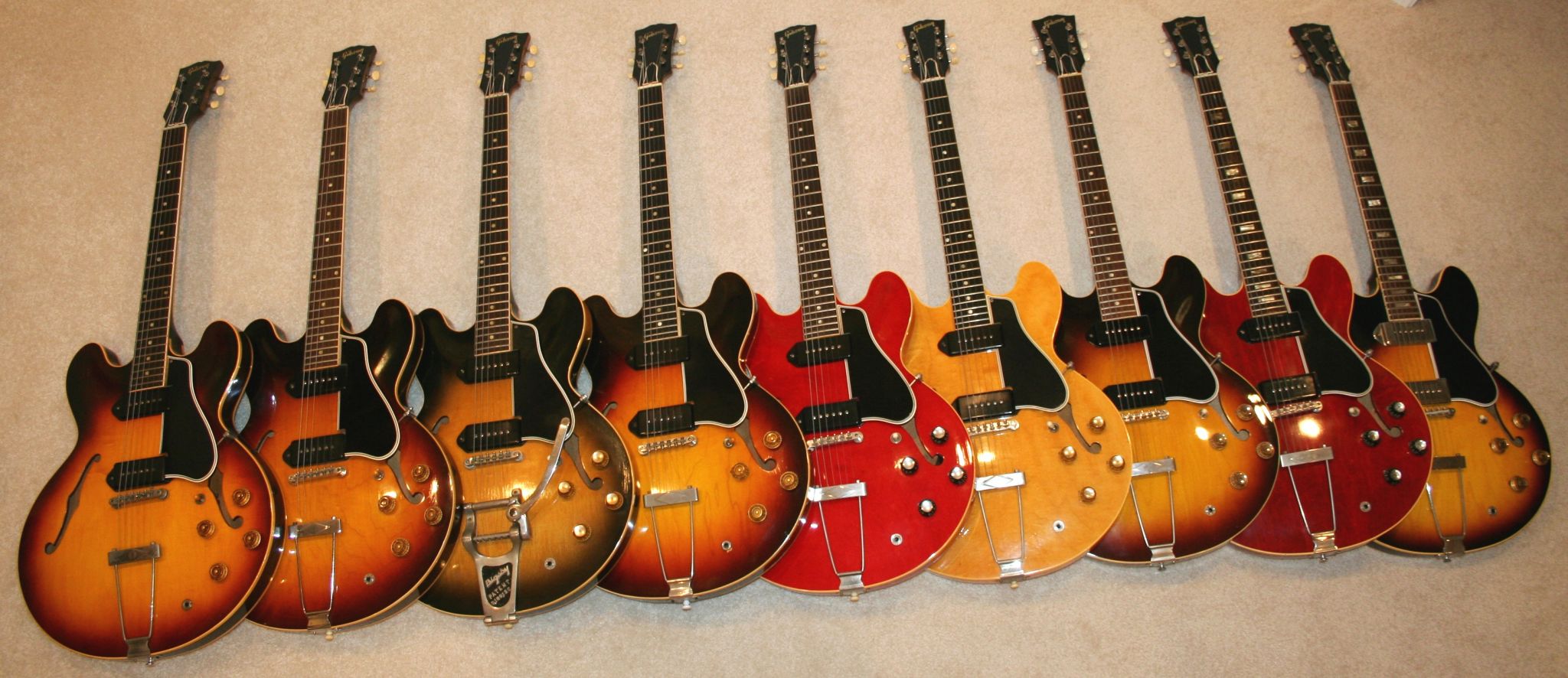
Löysin tämän Les Paul Forumissa.
Kitarablogi.com – Finland's premier Guitar and Bass blog
Juttuja kitaroista ja bassoista

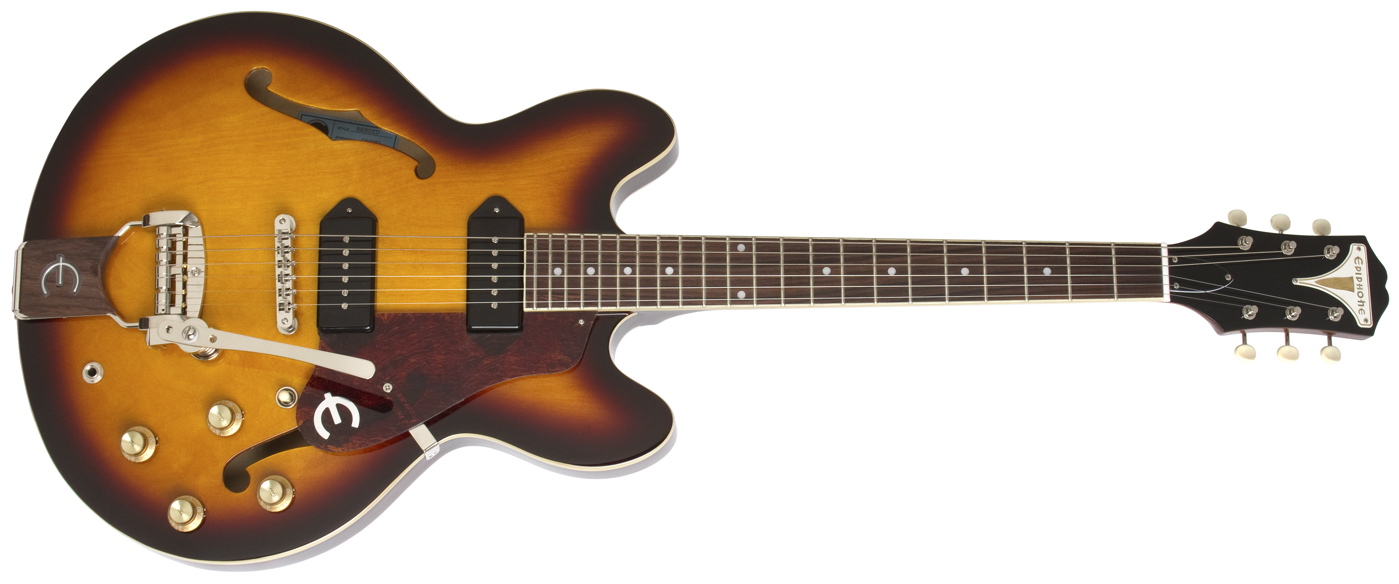
****** Epiphone 2011 Limited Edition ES-355 ******

Runsaasti reunalistoituksia ja kultainen Bigsby – nami!
Lots of binding and a golden Bigsby – mmmh!

One of Fender’s foxiest new models is the Mustang Pawnshop Special. The guitar is based on the original Mustang, but has been ”pre-modded” with a hard-tail bridge, two humbucking pickups as well as a different wiring, which allows for coil-splitting.

****
Epiphone’s new limited edition ”1961 Casino” is a very close remake of my favourite guitar as it was when it was released in 1961. It features P-90s with black plastic covers, a Gibson-type headstock (like on Paul McCartney’s Casino) with a metal logo, as well as a see-through faux-tortoise pickguard. Only 1,961 special edition Casinos will be produced, some with Epiphone’s own ”version” of a Bigsby vibrato, called Tremotone.

Vuonna 1957 Ted McCartyn mitta oli täynnä. Gibsonin toimitusjohtajaa ärsyttivät ainaiset puheet firman vanhanaikaisuudesta ja tylsyydestä muiden valmistajien ja joidenkin kitaristien keskuudessa. Etenkin Fenderin tuomat uudet tuulet kitaroiden valmistuksessa ja markkinoinnissa saivat McCartya uskomaan, että Gibson tarvitsi jotain mullistavan uutta mallistossansa.
Pidettiin kokonainen sarja aivoriihi-istuntoja, jossa yritettiin löytää mahdollisimman omanlaatuisia kitaroita. Pomo itse keksi tällaiset muodot:

Kun ensimmäinen prototyyppi oli valmis, joku nauroi ”Hehee, tämä näyttää lentävältä V-kirjaimelta!”, ja siinä olikin uutukaiselle sopiva nimi.
Kun Flying V näytettiin ensimmäistä kerta NAMMissa (1958, samalla esiteltiin myös Explorer-mallin), varsin erikoinen kitara oli yksi messujen kohokohtista. Kaula ja runko veistettiin korina-puusta ja metalliosat olivat kullattuja.
Ongelma oli vain, että omintakeinen kitara oli aikansa edellä, minkä takia siitä ei tullut myyntimenestys. Alkuperäinen painos (1958–’59) jäi alle 100 kappaletta, ja myös niistä jotkut käytettiin vain mainoskylttinä joidenkin musiikkiliikeiden edessä.
Kuuskytluvun keskivaiheella musiikkimaku oli jo muuttanut sen verran raskaampaan suuntaan, että Gibson päätti yrittää uudestaan. Uusi Flying V oli mahongista, ja sillä oli perinteinen Gibson-kieltenpidin. Myös säätimet oli hieman eri järjestyksessä tässä uusintapainoksessa (katso alle).

Jimi Hendrix käytti juuri sellaista 60-luvun mallia, aina kun halusi Stratoa paksumpia soundeja.
Mutta vasta 1970-luvulla, kun Hard Rock ja Metal keksittiin, tuli Veestä muodikas lavakitara, sekä lavakarismansa että Gibson-soundinsa ansiosta.
Ja se lentää yhä vain eteenpäin; juuri tällä hetkellä Gibson tarjoaa upouuden seitsenkielisen Veen aktiivimikityksellä rankkaan riffitykseen.

Myös uudesta, laajennetusta Melody Maker -sarjasta löytyy Flying V – Flying V Melody Maker – jolla on mahonkikaula, vaahterarunko, tallahumbucker omalla volume-säätimellä sekä yksinkertainen wraparound-talla – that’s it.
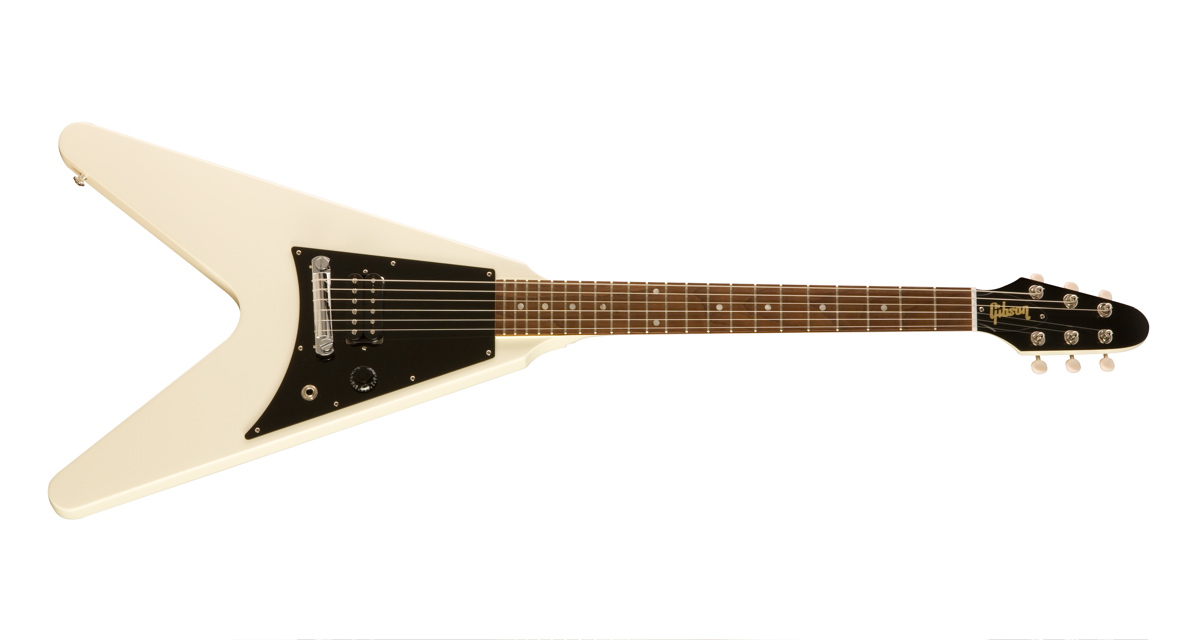
Flying V:n ainoa huono ominaisuus on, ettei mallia voi soittaa istuen. Toisaalta, kukahan moshaa istuen?
😉
In 1957 Gibson’s then president, Ted McCarty, grew tired of the company being slagged off as ”boring old farts” by some of its competitors. Especially the fresh touch brought to guitar-making (and marketing) by young upstarts Fender, made McCarty determined that something had to be done to put the ”stuffy” image behind them.
They held a series of brain-storming sessions with a view to coming up with the most outrageous designs imaginable. Ted McCarty himself came up with this:
When the first prototype was built somebody said (laughing, no doubt): ”Hey, this thing looks like a flying Vee!”, and the name stuck.
When the Flying V was first shown at the Winter NAMM show in 1958 – along with its sister model the Explorer – it sure was the show-stopper McCarty had hoped for, with its radical shape, korina neck and body and gold parts.
The problem was the model was way ahead of its time, and didn’t really sell well in its original form. Less than 100 Flying V’s were shipped to dealers during 1958-9, with some ending up as shop signs (!) to draw in customers.
In the mid-60s times had changed, though, and heavier music was becoming en vogue, so Gibson decided to reissue the Flying V, albeit with a standard stop-tailpiece, a different control layout and the company’s customary mahogany used for the body and neck.
It was this version that Jimi Hendrix used whenever he needed a fatter sound than his Stratocaster could provide him with.
But it was really only with the advent of Hard Rock and Metal in the 1970s that the Vee really took off as a fashionable guitar, as it offered both cool looks and fat Gibson-tone in the right proportions.
Since then the Flying V has never really left us; right now, for example, Gibson are offering an EMG-equipped, active 7-string version for ultra-brutal riffing.
And brand-new is a budget version of the Vee, called the Flying V Melody Maker, which gives you the essence of what the Vee’s about in a nutshell: a mahogany neck glued to a maple body, one powerful humbucker, a single volume control and a simple wraparound bridge topping it all off – that’s it.
The Flying V only has one single drawback – you can’t play the model sitting down. But then again, headbanging doesn’t really work sitting down…
😉


”Braaaaaaannnng!!!”
The opening chord to the Beatles’ classic ”A Hard Day’s Night” says it all; this is what Rickenbacker-guitars are all about: clarity, jangle and a piano-like attack.
Rickenbacker’s most successful models are the 300-series, especially the models 330 and 360.
In 1958 the Californian company introduced its brand-new Capri-range – 12 semiacoustic models designed by German luthier Roger Rossmeisl. The whole range featured bodies that started out as a solid slab of wood, into which large hollow pockets were carved. The glued-in neck was made from maple or a combination of maple and walnut.
The model designations started with 310, with the lower numbers indicating a short-scale model – just like John Lennon’s 325 (= short scale, three pickups, vibrato).
Full-scale guitars carried higher model numbers, with 360 and above being Deluxe-versions featuring bound necks and bodies, as well as large triangular pearloid inlays in their fingerboards.
Between ’58 and ’64 all models had a rather angular body shape with pointed horns and sharp edges. In 1964 Rickenbacker switched the Deluxe models to a more rounded shape with a softly radiused top, which is why these versions only carry body binding on the back.

Famous users of the edgier, early versions were John Lennon (325) and George Harrison (a 12-string 360/12) as well as Pete Townshend, who used and smashed a whole load of the 370’s ”Export” version (called the ”1998” by British importer Rosetti), which featured traditionally shaped f-holes in place of Rickenbacker’s own scimitar-shaped openings.

Roger McGuinn (The Byrds) and REM’s Peter Buck are known for using Ricks with the newer body design.
In addition to a Rickenbacker’s idiosyncratic sound, relatively narrow necks are also typical of the company, as is the Rick-O-Sound stereo output option (only on the Deluxe guitars).

Here are three soundbites I recorded for you of three different P-90 bridge pickups on three different guitars:
• the Epiphone Casino has Göldo pickups with metal covers
• the Vintage VS6 Mick Abrahams has Wilkinson soapbars with plastic covers
• the Gibson Les Paul Junior comes with a Gibson P-90 and a plastic dog-ear cover
All guitars were played through a clean Fender-type amp model with a Boss SD-1 in front.
Tässä ovat kolme soundiesimerkkiä kolmesta kitaroista ja niiden P-90 tallamikrofoneista:
• Epiphone Casinossa on Göldo-mikit, joilla on metallikansi
• Vintage VS Mick Abrahams -nimikkomallissa on Wilkinson-mikit muovikansilla (saippuapalat)
• Gibson Les Paul Juniorissa on firman oma P-90 muovikannella
Kaikki kitarat soitettiin puhtaan Fender-tyylisen mallinnuksen ja Boss SD-1 pedaalin läpi.


________________

Vintage Ibanez -guitars
Vanhoja Ibanezeja
______________________

New Ibanez Talman
Uusi Ibanez Talman
__________________
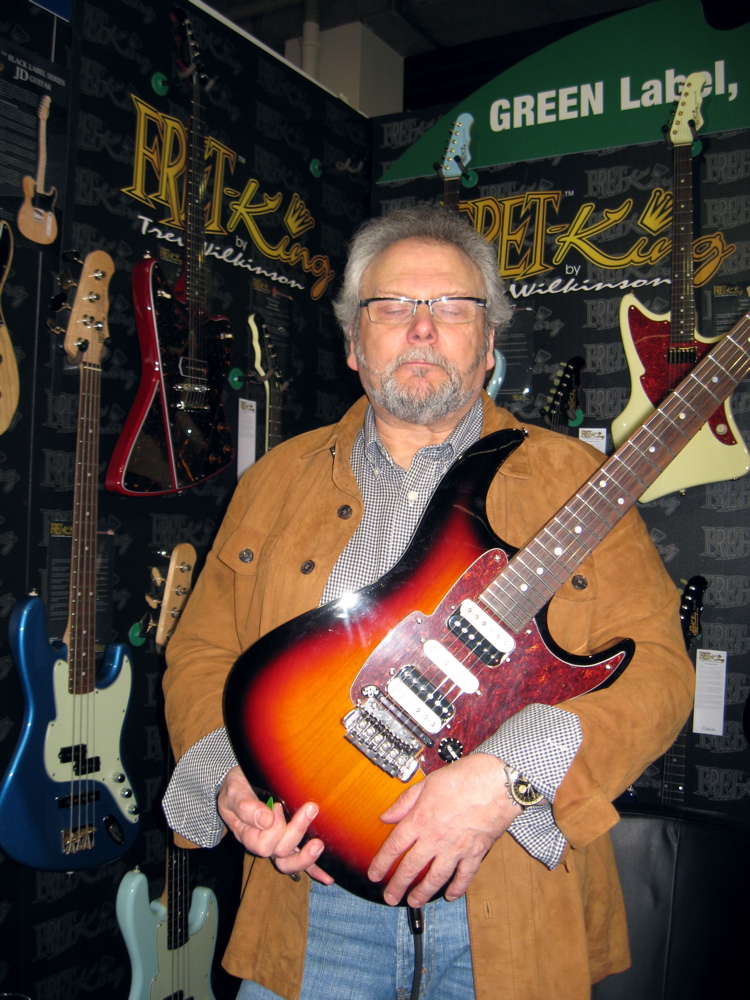
Trev Wilkinson and his self-tuning Supermatic model; one of the friendliest guys in the business!
Trev Wilkinson ja Supermatic-kitara (talla virittää omatoimisesti); erittäin ystävällinen ja lämminhenkinen britti-legenda!
______________________
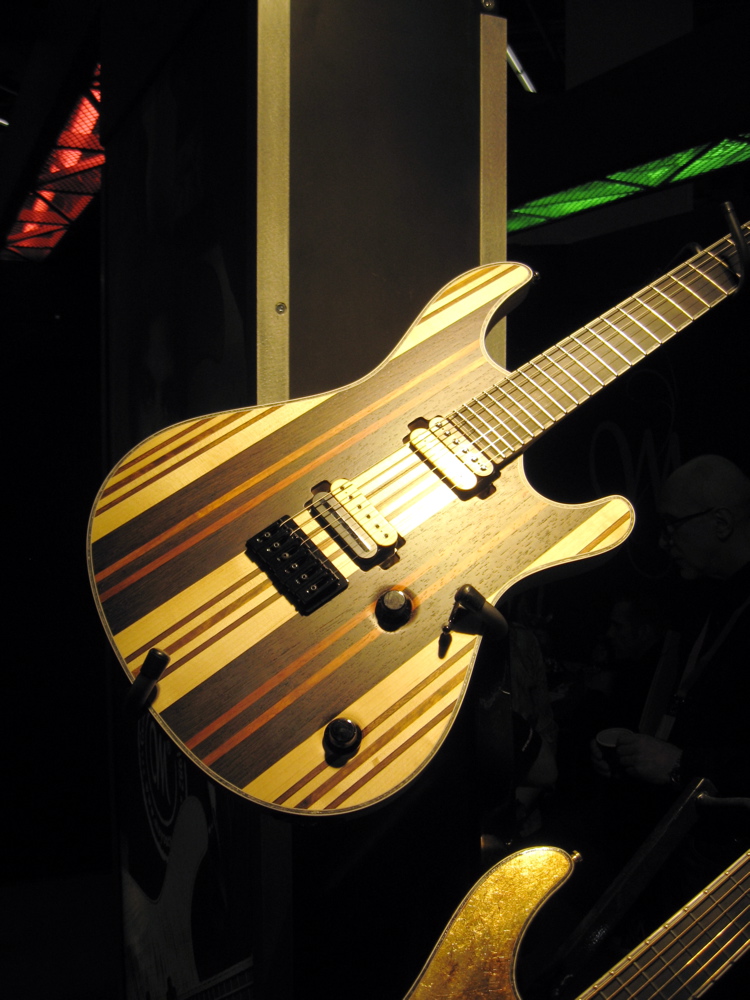
A beautifully finished Mayones guitar
Mayones-kitara kauniilla erikoisviimeistelyllä

Tomasz from Mayones with a guitar finished with genuine leaves
Tomasz Mayonesilta ja puulehdillä koristettu malli
_____________________
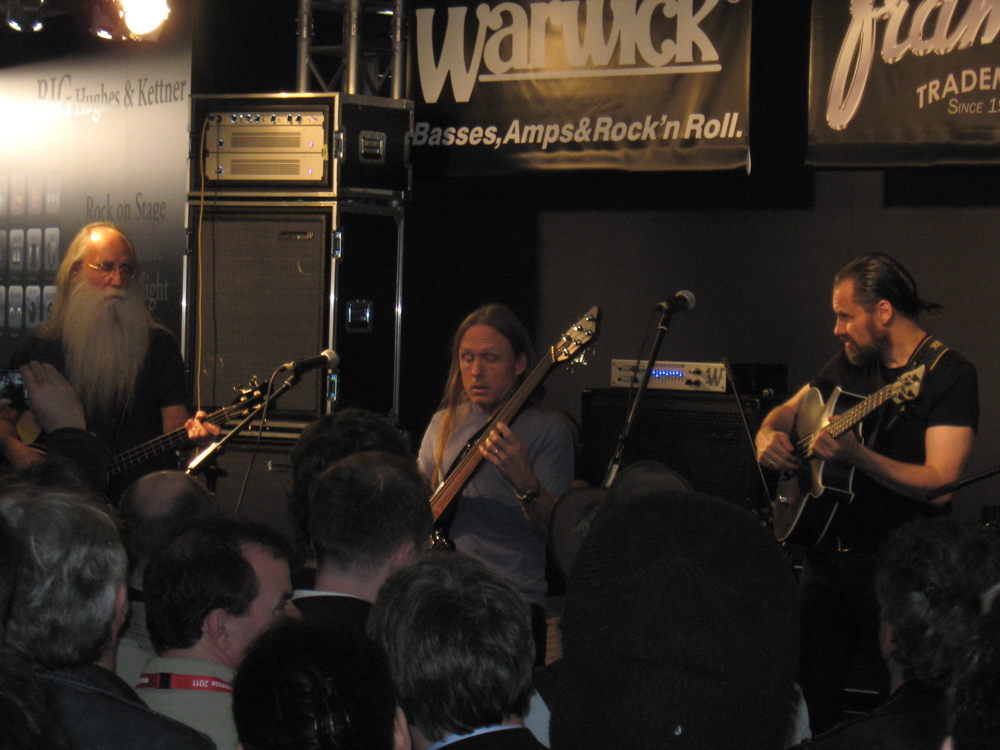
Lee Sklar, Steve Bailey & Jonas Hellborg
_________________________

A beautiful ESP-guitar
Kaunis ESP-kitara
_____________________________


Colourful Fender Custom Shop Jazz Basses and cost-conscious Ovations
Raikkaita värejä Fender Custom Shopin Jazz-bassoissa sekä edullisissa Ovationeissa
______________________________
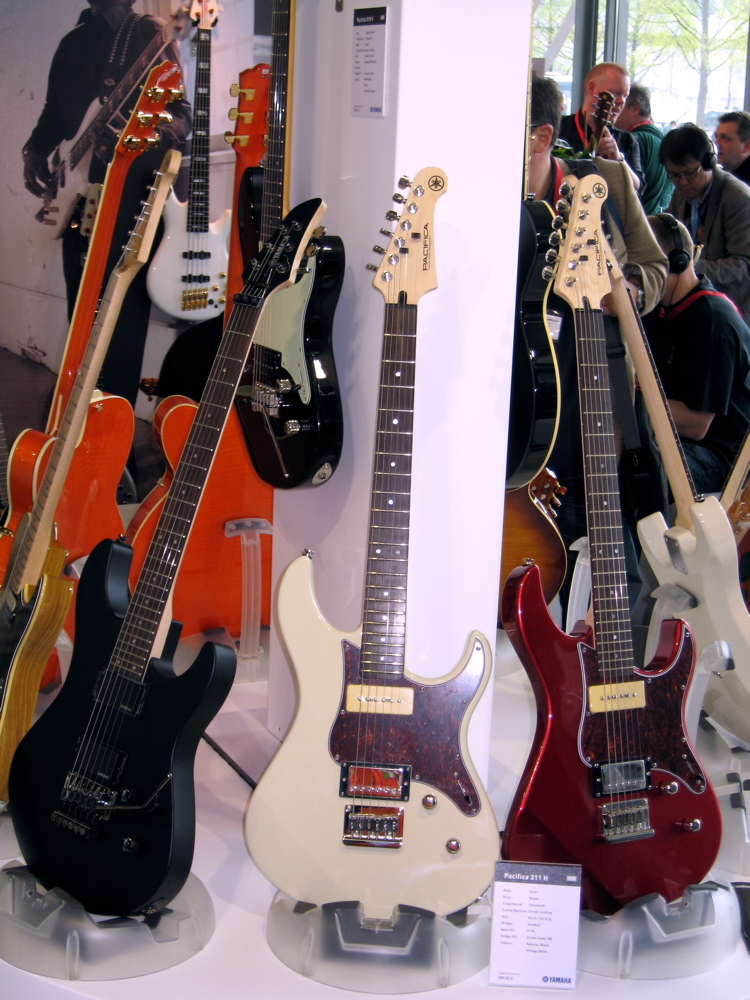
New Yamaha Pacificas
Uudet Yamaha Pacificat
___________________________
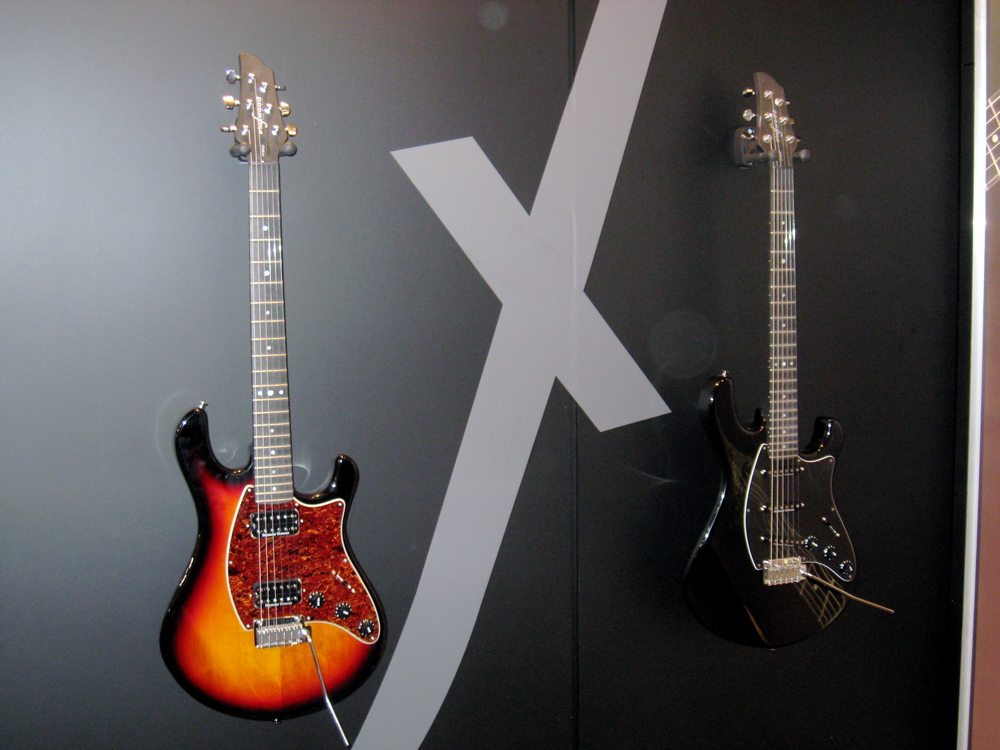
Flaxwood Hybrid
____________________________


Sampo and Tomi from Amfisound; pieces of art for the discerning shredder
Amfisoundin Sampo ja Tomi; kitarataidetta kitarasankareille
_______________________

Petteri Sariola plays his brand-new custom-made Ruokangas
Petteri Sariola soittaa uudella Ruokangas custom-mallilla

Markus Setzer plays the new Ruokangas Steambass
Ruokankaan uusi Steambass-malli ja Markus Setzer
______________
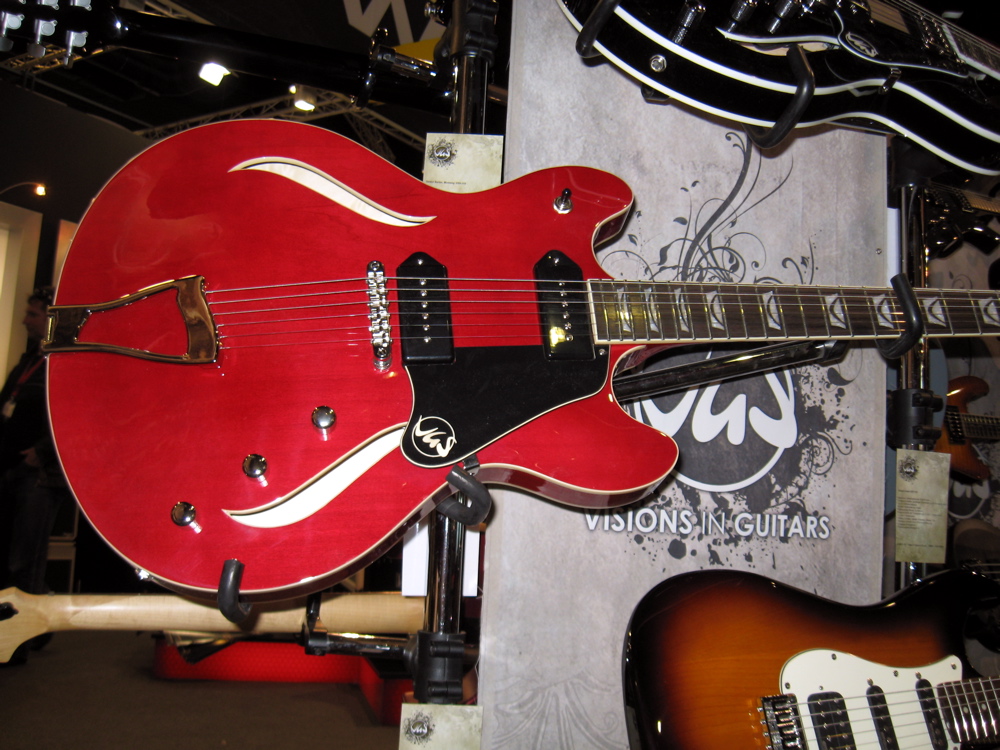

VGS Guitars is a new marque by GEWA
GEWAn uudet VGS-kitarat saadaan pian myös Suomeen
___________________________________


Bob Taylor, a legend, who is deeply passionate about his work, very knowledgeable in environmental issues and who turned out to be extremely generous with his time. Thank you, sir!
Bob Taylor on legenda, ja hän selvästi rakastaa työhönsä. Hän on hyvin perillä luonnonsuojeluasioista ja hän antoi minulle spontaanisti yllättävän pitkän haastattelun. Kiitos!
__________________________________________
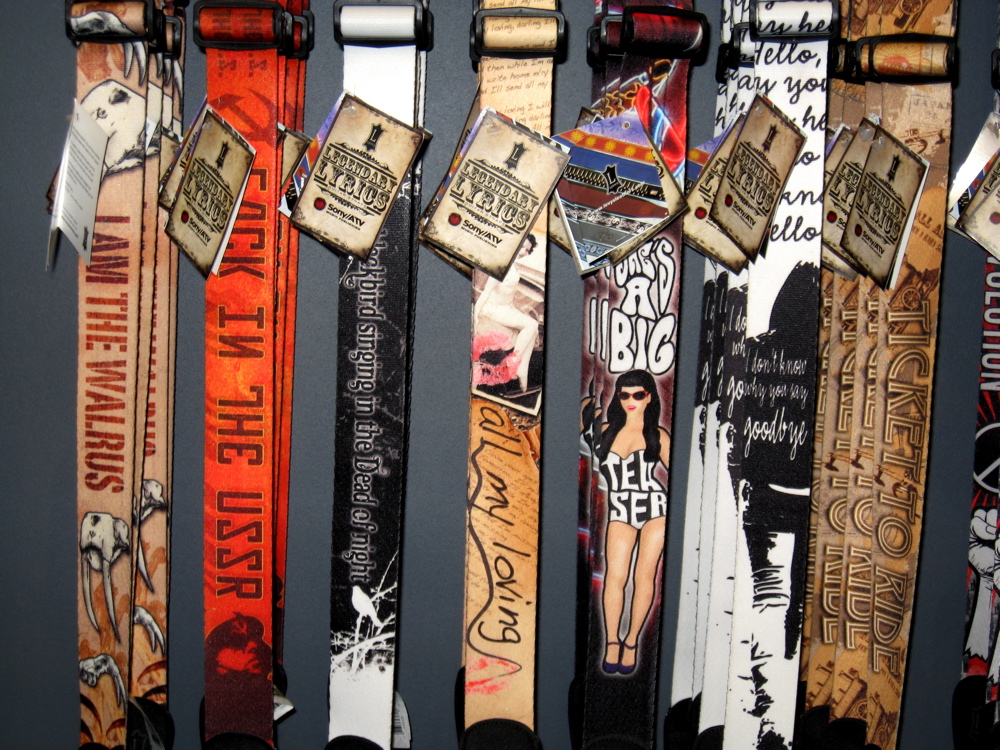
Levy-straps with Beatles-lyrics
Beatles-aiheisia Levy-kitarahihnoja
__________________________________________

Neon-coloured bass strings
Bassokielet kaikissa väreissä
_________________________________
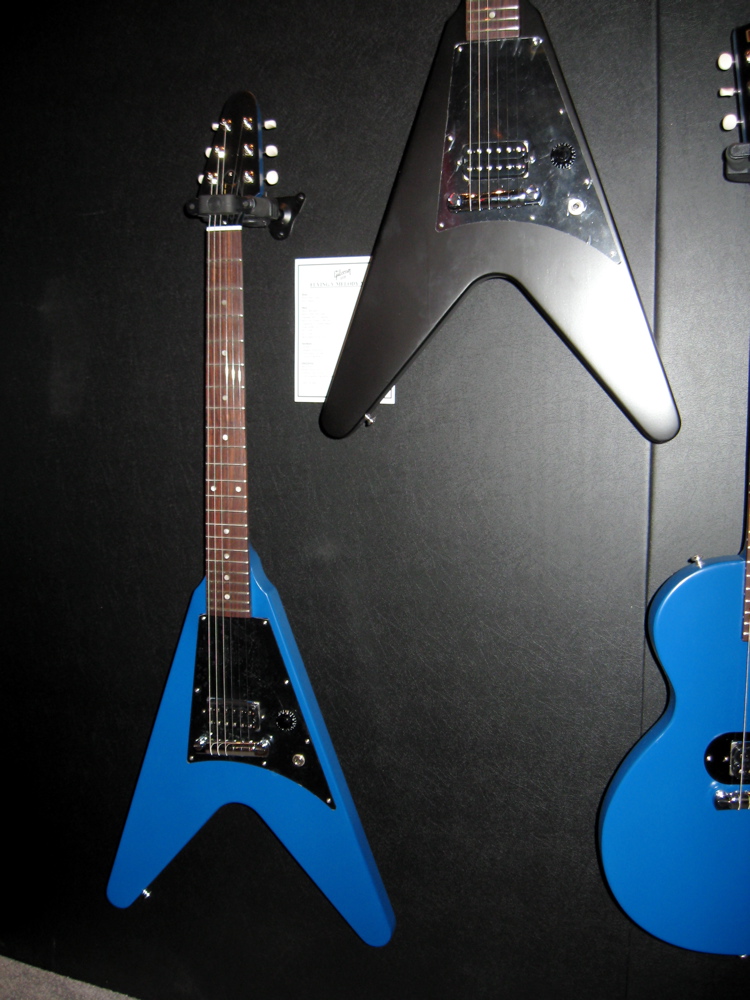
New Gibson Melody Makers
Uusia Melody Maker -malleja Gibsonilta
___________________________

OK – here’s a picture for you drummers out there 😉
Tässä yksi kuva rumpaleille 😉
______________________________________


Gazing at you I get the heat… 😉
Joskus on pakko ottaa vähän työtä kotiin 😀
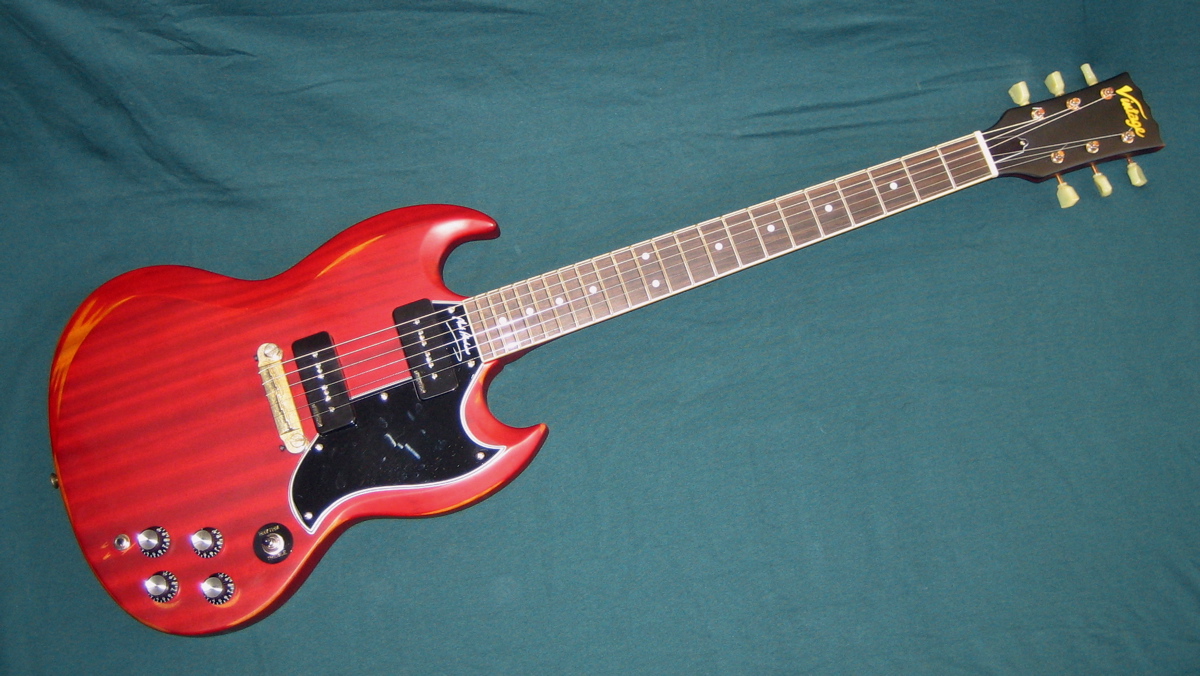

Vintage Icon VS6 Mick Abrahams Signature
Riffi-testi on juuri työn alla…
”Brääääääännng!!!”
Beatles-kappalleen ”A Hard Day’s Nightin” alkusointu sanoo niin hyvin, mistä Rickenbacker-kitaroissa on oikein kyse: jäntevyys, avoimuus, ja helisevä perusolemus.
Tärkeimmässä asemassa Rickenbackerin kitaramallistossa on firman 300-sarja, etenkin mallit 330 ja 360.
Vuonna 1958 Rickenbacker esitteli uuden Capri-mallistonsa – 12 puoliakustista kitaraa, jotka olivat saksalaisen kitararakentajan Roger Rossmeislin kehittämiä. Kaikilla oli yhteistä kokopuusta (vaahtera) kaiverrettu runko ja vaahterasta (tai vaahterasta ja pähkinäpuusta) valmistettu, liimattu kaula.
Mallitunnukset alkoivat numerosta 310, ja pienemmät numerot olivat lyhyellä mensuurilla varustettuja kitaroita – niin kuin John Lennonin 325 (= lyhyt mensuuri, kolme mikrofonia, ja vibrato).
Isommat numerot olivat täydellä mensuurilla varustettuja malleja, joista mallitunnukset 360:sta ylöspäin tarkoittivat Deluxe-malleja, joilla oli reunalistoitetu kaula ja runko, sekä isokokoiset kolmio-/hai-eväs-otemerkit otelaudassa.
Kaikissa malleissa oli vuosina 1958-64 sama runkomuoto, joissa on melko terävät sarvet. Vuonna 1964 Rickenbacker muutti Deluxe-mallien runkoja pyöreämmäksi, minkä takia etupuolen reunalistoituksesta luovuttiin.
Ensimmäisen runkoversion tunnetuimmat käyttäjät olivat John Lennon (325), George Harrison (12-kielinen 360/12) ja Pete Townshend, joka käytti (ja murskasi!) The Whon alkuvuosina 370-mallin Export-version (malli 1998), jossa Rickenbackerin oman turkkilaisen sapelin muotoisen kaikuaukon sijaan käytetään perinteistä f-aukkoa.
The Byrds-yhtyeen Roger McGuinn ja REMin Peter Buck ovat uudemman runkomuodon uskolliset Rickenbacker-soittajat.
Omanleimaisen soundin ohella tärkeämmät Rickenbacker-ominaisuudet ovat Deluxe-mallien stereo-valmius, sekä suhteellisen ohut ja kapea kaula.
 Kitarablogi.com – Finland's premier Guitar and Bass blog
