

****
****
Lisätiedot: Musamaailma
Kitarablogi.com – Finland's premier Guitar and Bass blog
Juttuja kitaroista ja bassoista

****
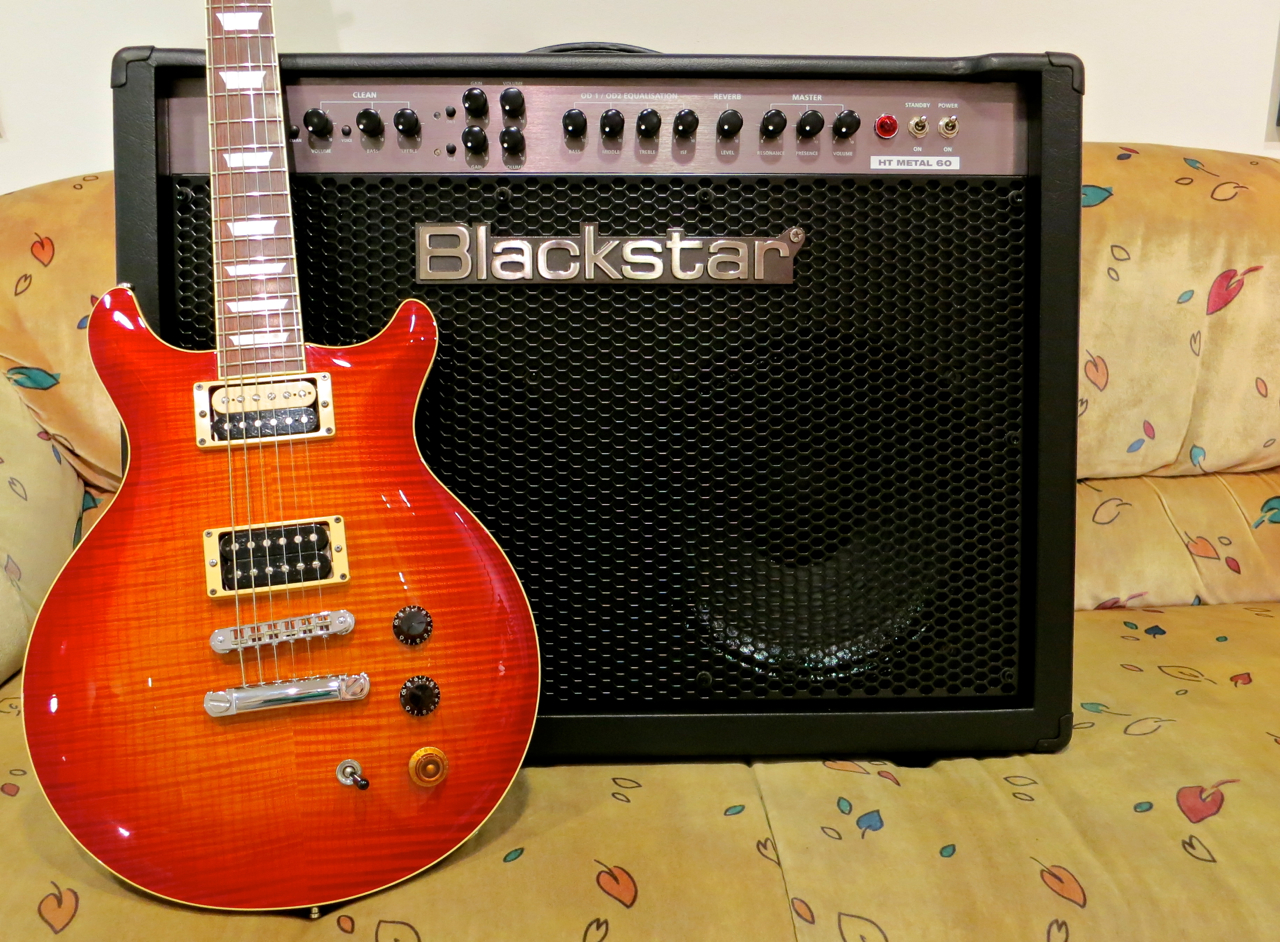
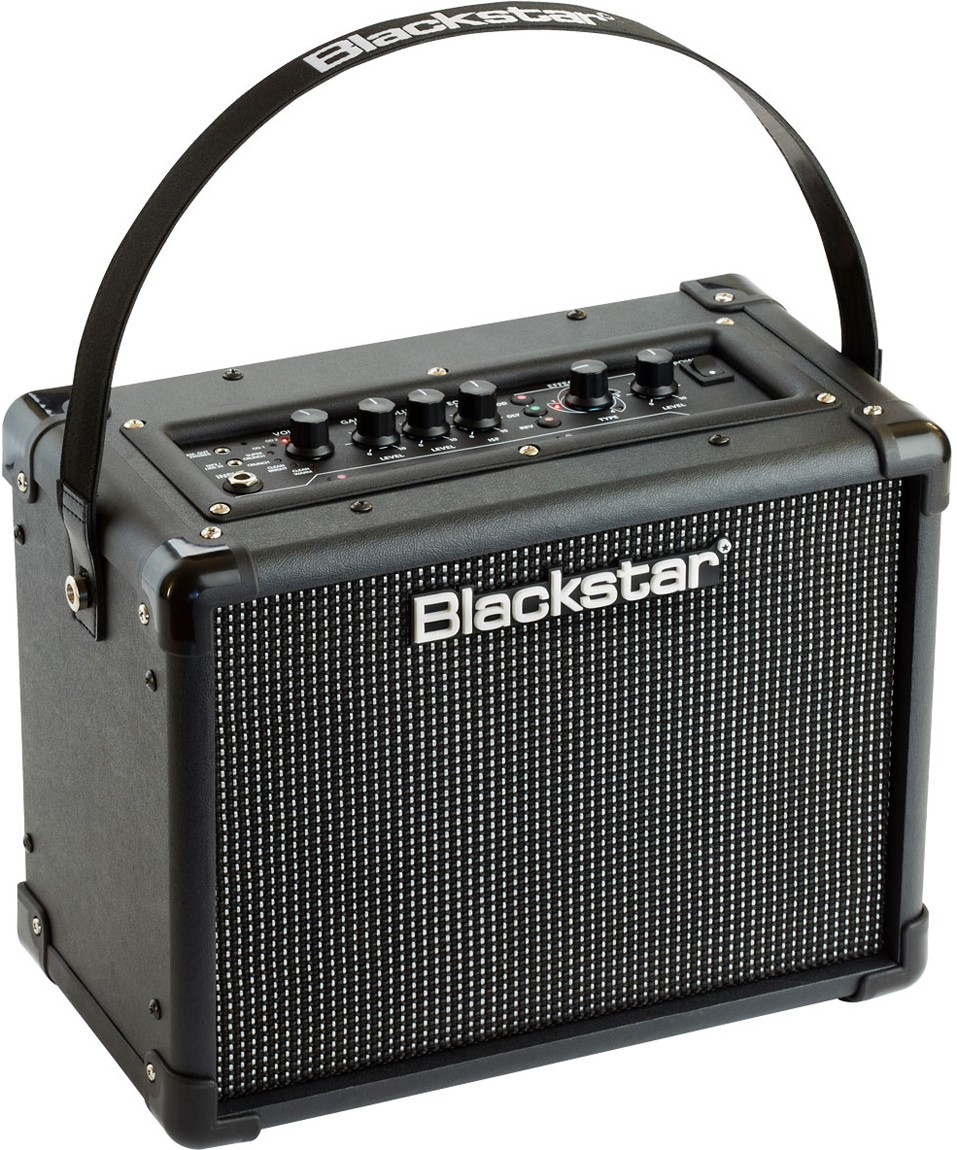
Blackstar Amplification’s new, affordable ID:Core Amplifier Series features the core attributes of Blackstar’s original ID:Series.
These programmable, wide-stereo guitar combo amps are small in size, but they deliver huge tone.
Well-suited for personal practice or bedroom jamming along with a CD or MP3 player, they’re available in 10-, 20- and 40-watt configurations. Additional features include six onboard voices, effects and INSIDER GUI software for creating, storing and sharing patches.


****

Suomalainen Bluetone on vielä melko uusi nimi vahvistinmaailmassa. Harry Knecktin ja Matti Vauhkosen käsintehdyillä putkivahvistimilla on kuitenkin jo monta ystävää, ja sana on leviämässä yhä laajemmin.
Helsinkiläinen Custom Sounds on nyt ottanut Bluetone-vahvistimia tuotevalikoimaansa, ja sieltä Kitarablogi sai testattavaksi Bluetone Princeton Reverb -kombon.
****

Bluetone Princeton Reverb (1.600 €) on firman laadukas käsinjuotettu – ja lempeällä kädellä päivitetty – näkemys 1960-luvun Fender Princeton Reverb -styrkkarista (AA1164-versio). Bluetonen tärkeimmät parannukset ovat vaihekääntäjän jälkeinen master volume -säädin (PPIMV), isompi kaiutin, sekä helpompi biasointi erillisillä biasointipisteellä. Kombon lähtötaso on 15 wattia.
Bluetonen Princetonia saa erilaisilla viimeistelyillä ja kaiuttimilla. Kitarablogin testiyksilö on varhaistuotannosta peräisin oleva kermanvaalealla tolexilla päällystetty perusversio, jolla on kuitenkin Tayden Smooth Alnico -kaiuttimen sijaan 12-tuumainen WGS Black Hawk Alnico -ämyri.

Bluetone rakentaa kotelonsa tavallisesti 15 milliä paksusta, suomalaisesta koivuvanerista, joka on kestävä, mutta kuitenkin suhteellisen kevyt materiaali.
Princeton Reverbin viimeistely ei todellakaan jätä pienintäkään moittimisen varaa – kombo edustaa ehtaa boutique-luokkaa!

Kotelo on Fender-tyylisesti takana avoin.

Bluetone Princetonissa käytetään esikuvan mukaan etuvahvistimessa kolme 12AX7-putkea ja yksi malli 12AT7.
Tasasuuntajaksi on valittu yksi 5AR4-putki, kun taas päätevahvistin toimii kahdella 6V6-mallilla.
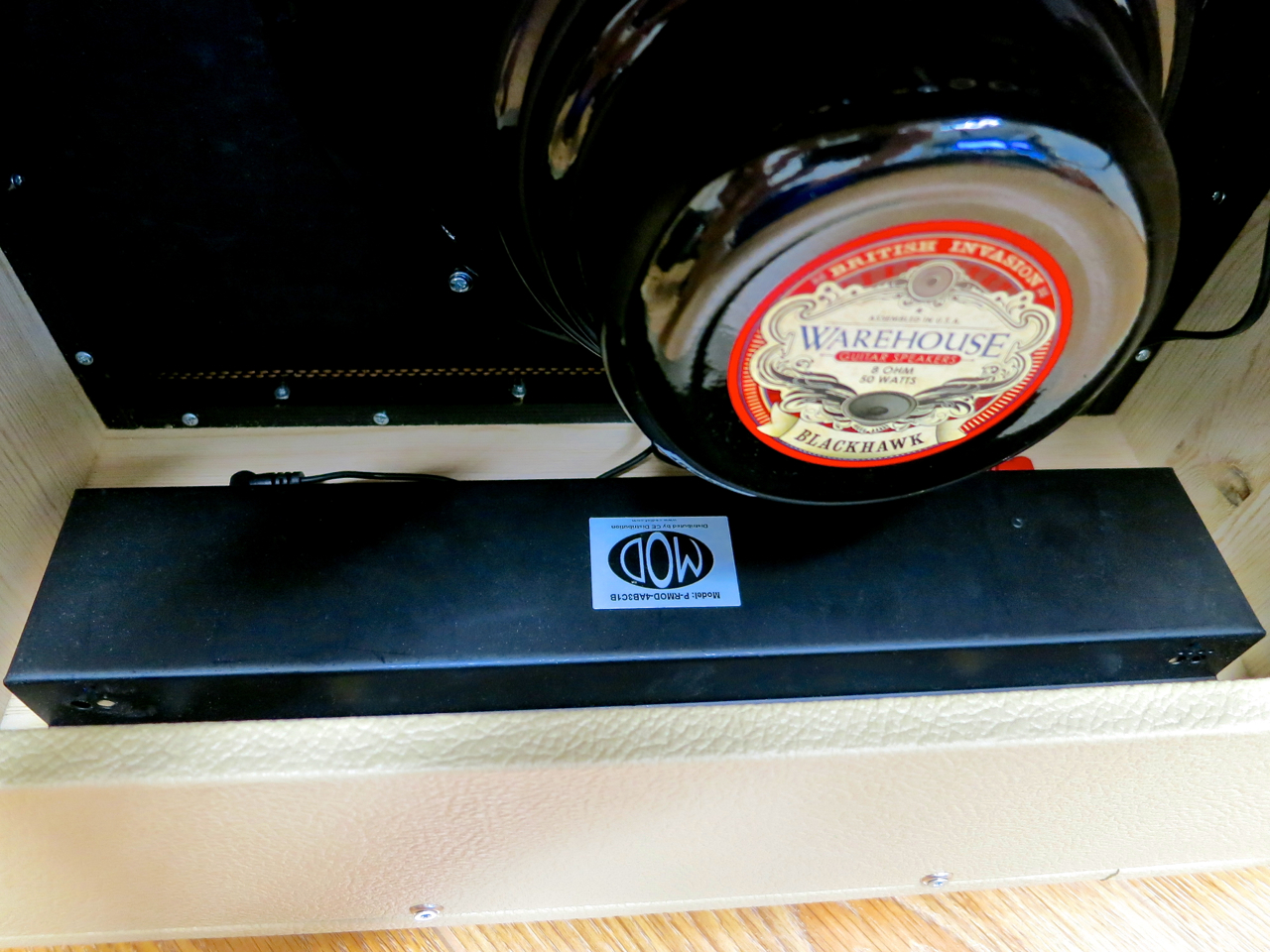
Täyspitkä jousikaiku tulee MOD Kitsiltä.

WGS:n 50-wattinen Black Hawk on periaatteessa suunniteltu Vox AC30:n kaiuttimeksi, ja siten mielenkiintoinen valinta pieneen Fender-tyyliseen komboon.
****

Bluetone on yksikanavainen kombo kolmikaistaisella taajuskorjainosastolla, kaiulla ja tremololla. Master volumen ansiosta etuasteen säröä voi käyttää myös maltillisella volyymitasolla.
Lopullisessa sarjatuotannossa etupaneelin teksti löytyy muuten nyt säätimien alta, mikä helpottaa tuntuvasti oikean nupin löytämistä.

Takapaneeli tarjoaa kaksi kaiutinlähtöä, sekä liittimen jalkakytkimellä.

Tämä jämäkkä tuplakytkin kuuluu hintaan, ja sillä voi kytkeä sekä tremoloefektin että jousikaiun päälle tai pois.
****
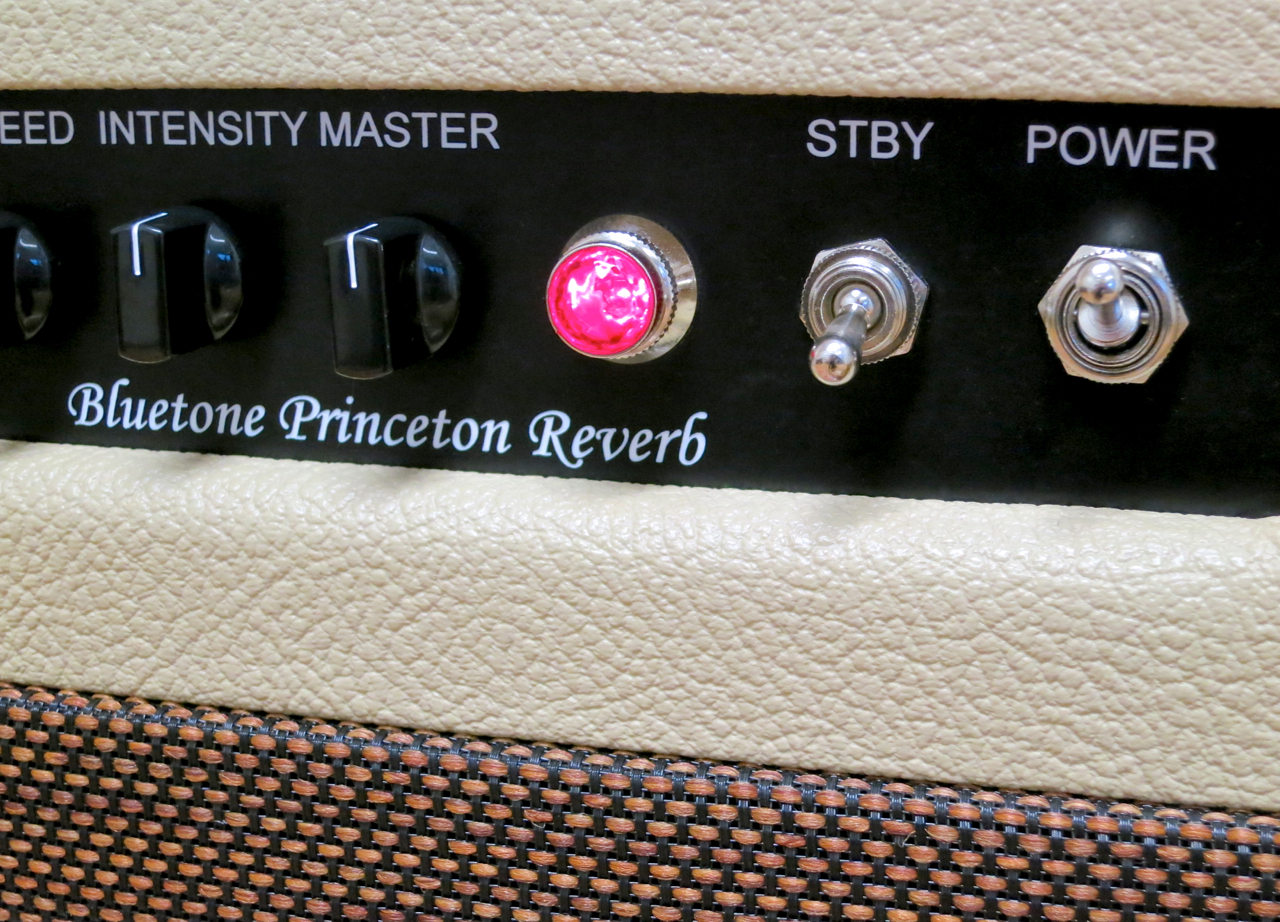
Putkivahvistimeksi keskikokoinen Bluetone Princeton Reverb -kombo on hyvin kevyt, mutta samalla kestävänoloinen.
Käytössä huomaa ensimmäiseksi Bluetone-vahvistimen hiljaisuutta ei-toivottujen sivuäänien kannalta. Tämä kombo ei humise eikä hurise, ja myös sen omakohina on hyvin maltillisella tasolla – loistohomma!
Monia vanhoja musta- ja hopeanaamaisia Fender Princeton -vahvistimia on modattu isommalla kaiuttimella – vanha Jensen kuulostaa sinänsä hyvältä, mutta on monille kuitenkin hieman liian ohut soundiltaan.
Bluetone Princetonilla kuulostaa – 12-tuumaisen kaiuttimen ansiosta – heti kättelyssä hieman isommalta.
Tältä kuulostaa Fender Telecaster, kun Bluetonessa on puhtaat asetukset:
Bluetonen tremolo on hyvin maukas tapaus:
Low-tuloa käyttäessä Princeton Reverbin headroomia riittää mainiosti myös puhtaille humbucker-soundeille (käytössä Hamer Studio Custom -kitara):
Pikkustyrkkarilla on kuitenkin myös kunnon hampaat, kun vaan lisätään gainea. Särön luonne on juuri sellainen kuin voi odottaa pieneltä, vintage-tyyliseltä ja Fender-pohjaiselta kombolta. Purevuutta ja kompressiota löytyy sopivasti ja keskialueen sointi pysyy suhteellisen avoimena. Erittäin kermaisia, keskialuevoittoisia särösoundeja on tällaisesta kombosta turha hakea, mutta 1960-luvun ja varhaisen 70-luvun Blues- ja Rock-meininkiin Bluetonen Princeton Reverbin ääni sopii kuin nakutettu.
Telecaster (High-tuloon kytkettynä) täysillä gainilla kuulostaa tällaiselta:
Tuplahumbucker-Hamerilla (Low-tuloon kytkettynä) sain tällaiset soundit aikaiseksi:
Bluetone-kombo reagoi erittäin hyvin kitaran volume-säätimeen, mikä mahdollistaa särösoundin siistimistä ilman muita apuvälineitä:

****

Bluetone Princeton Reverb tarjoaa mielestäni parasta kotimaista boutique-laatua kilpailukykyiseen hintaan. Bluetonen työnjälki on ensiluokkainen ja kombon soundi erinomainen. Bluetone Princeton Reverb on kuin taivaan lahja laadukkaan Blackface-soundin ystäville.
****
Bluetone Amps Princeton Reverb
1.600 € (Bluetone-suojahuppu: 50 €)
Lisätiedot: Custom Sounds Finland
****
Plussat:
+ aitoa custom shop -laatua
+ point-to-point-rakenne
+ Master Volume -säädin
+ laadukas 12-tuumainen kaiutin
+ kaiun ja tremolon soundi
+ jalkakytkin kuuluu hintaan



Ari-Jukka Luomaranta and a pair of AJL-Guitars’ XO-models.
****
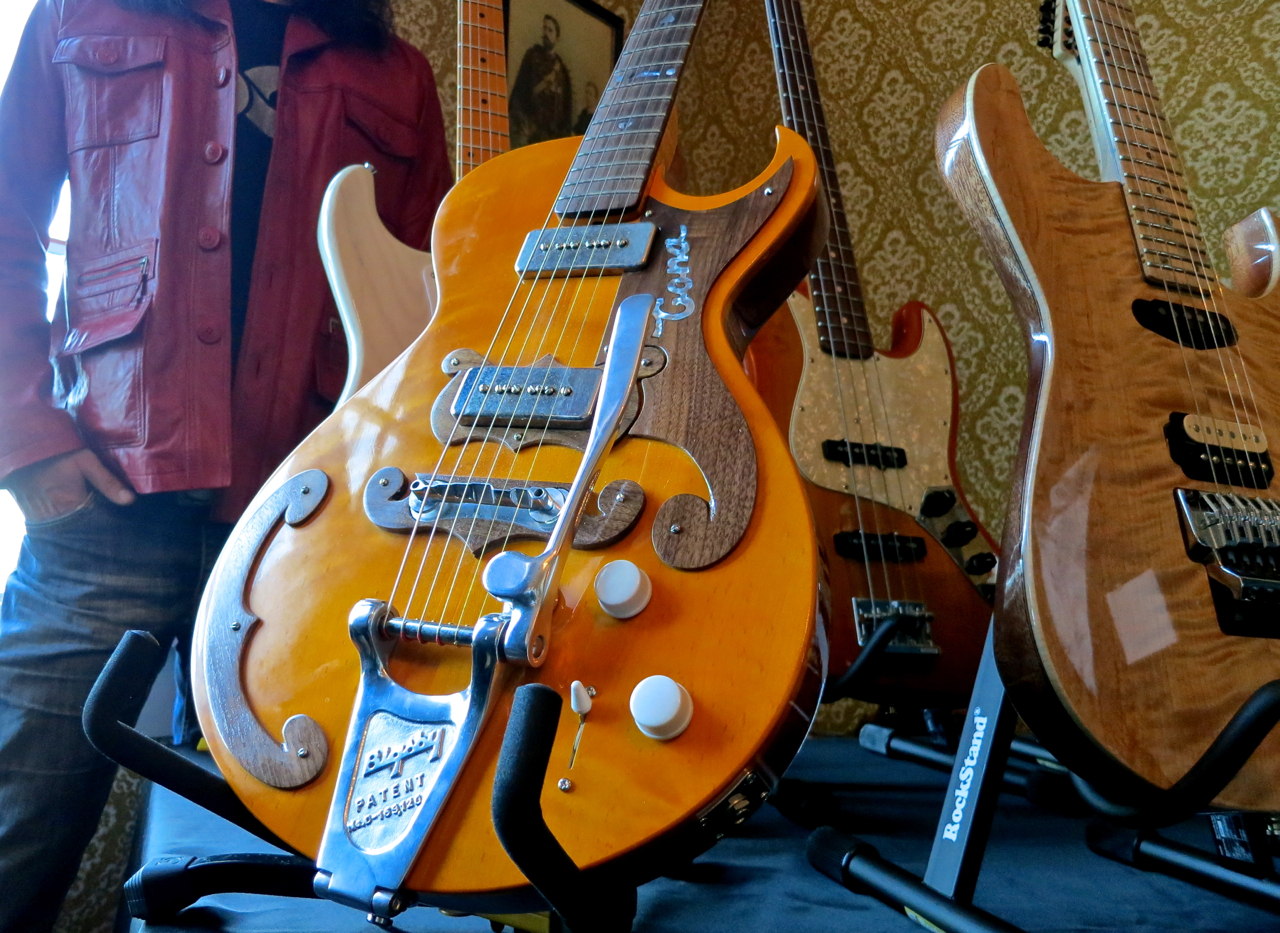
Aurora Guitars, and their slant on the famous Bigsby solidbody.
****

A tasty Bluetone Amps tweed combo.
****

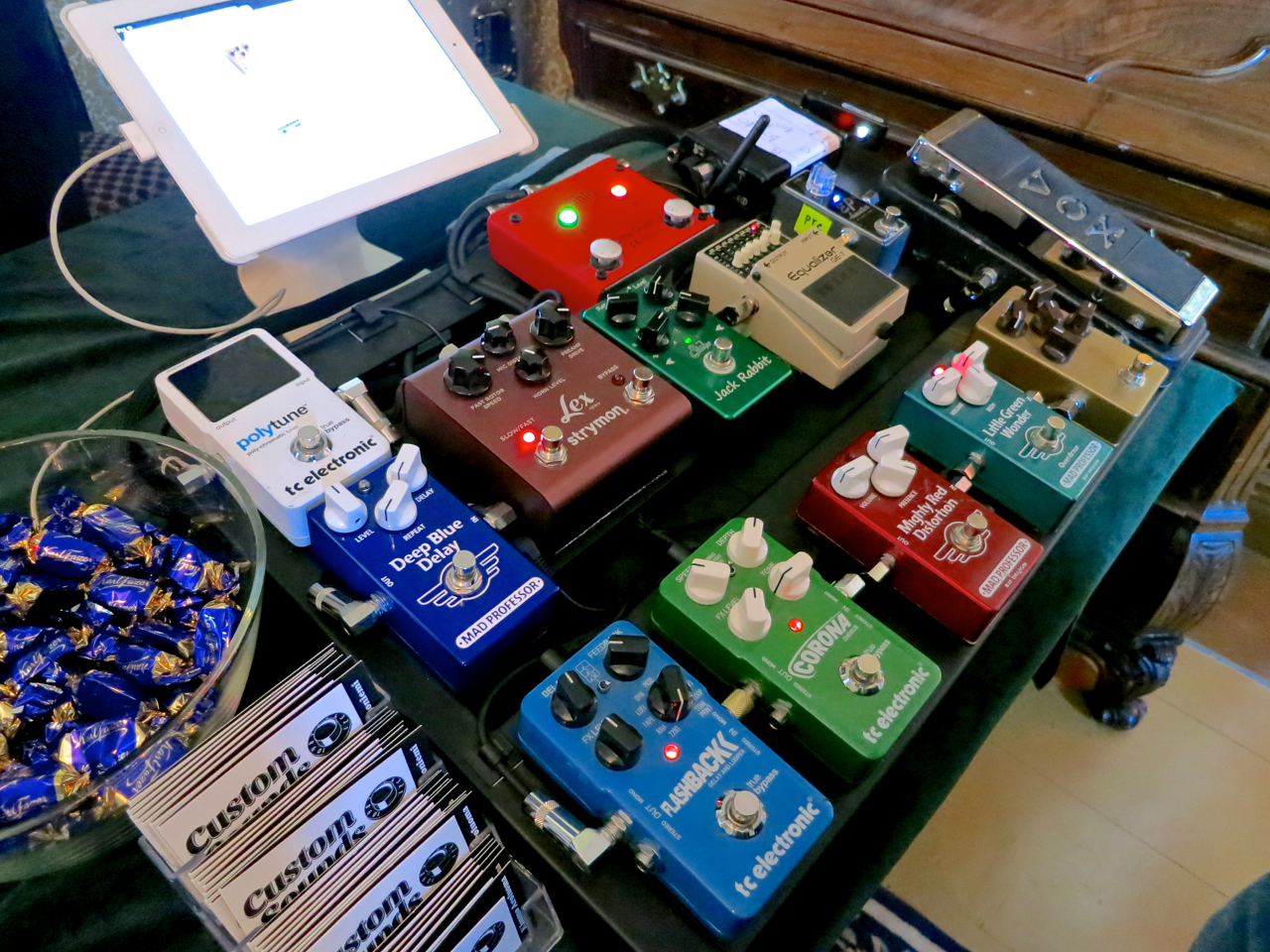
Custom Sounds display some of their custom-made pedalboards.
****

Finlandia Instruments’ Costellobird (on the right) is based on an old JAK model.
****
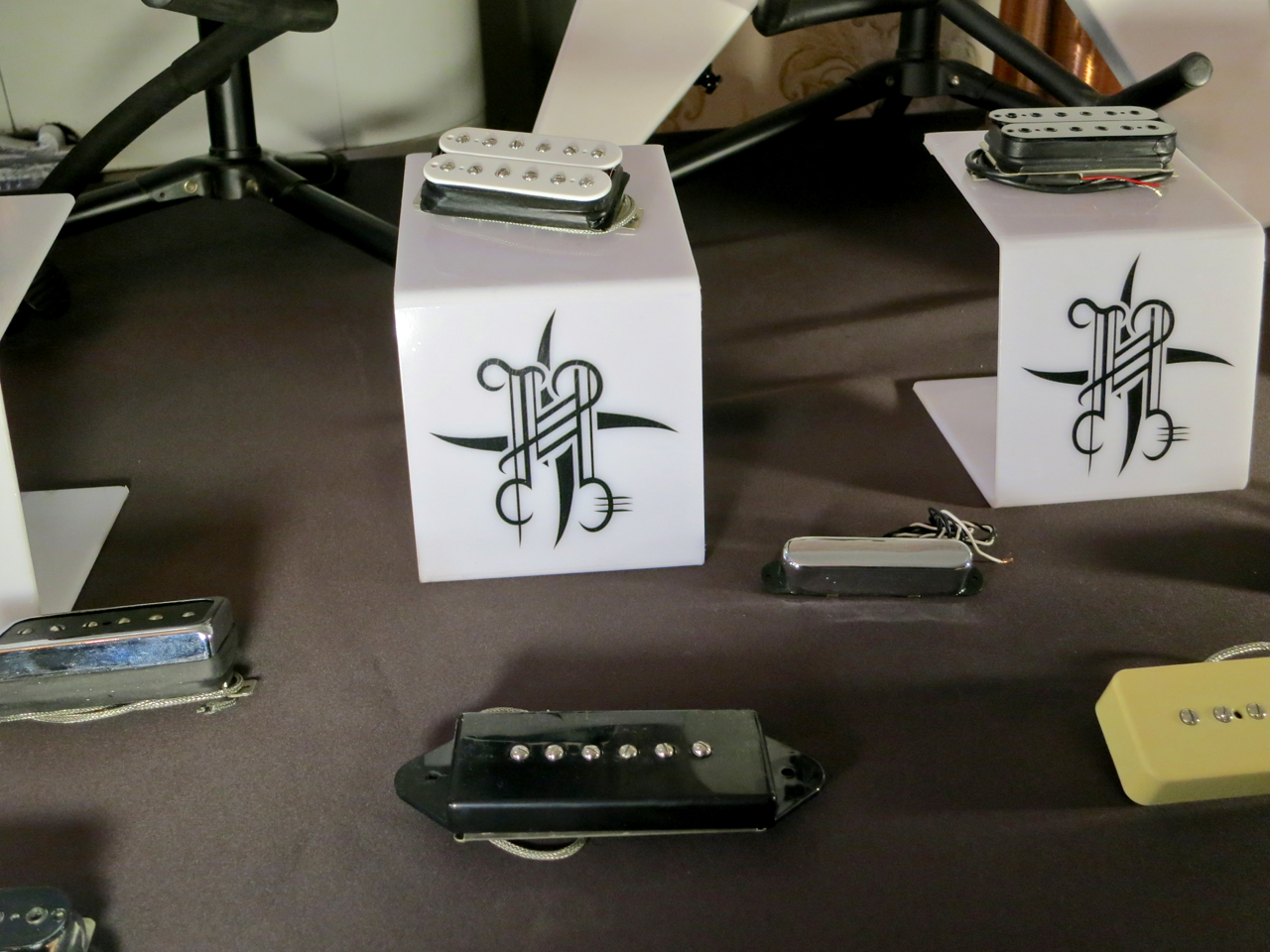

A real eye-catcher from Halla Custom Instruments – a guitar with a body made from very rustic alder.
****
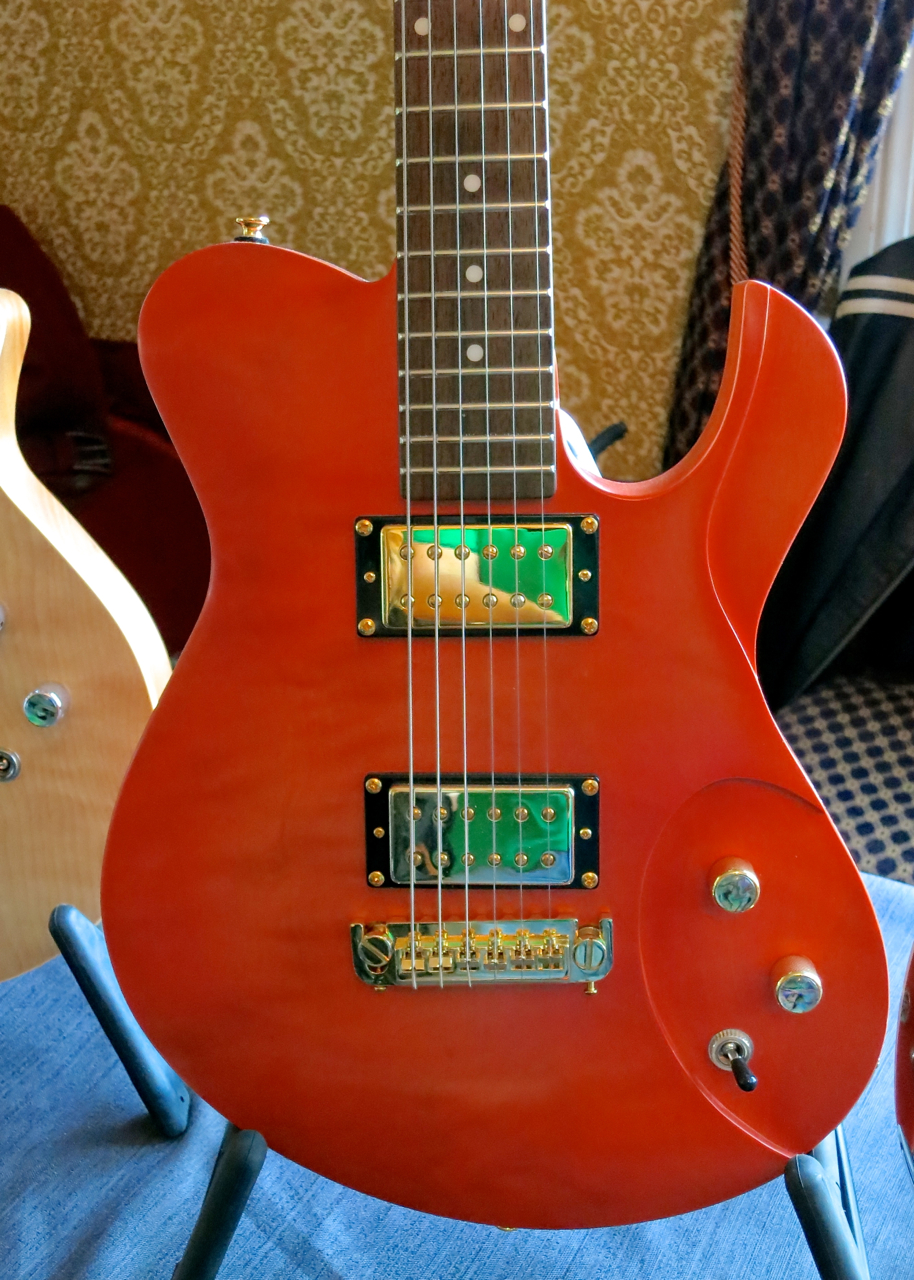
A futuristic-looking HOS Guitars model.
****
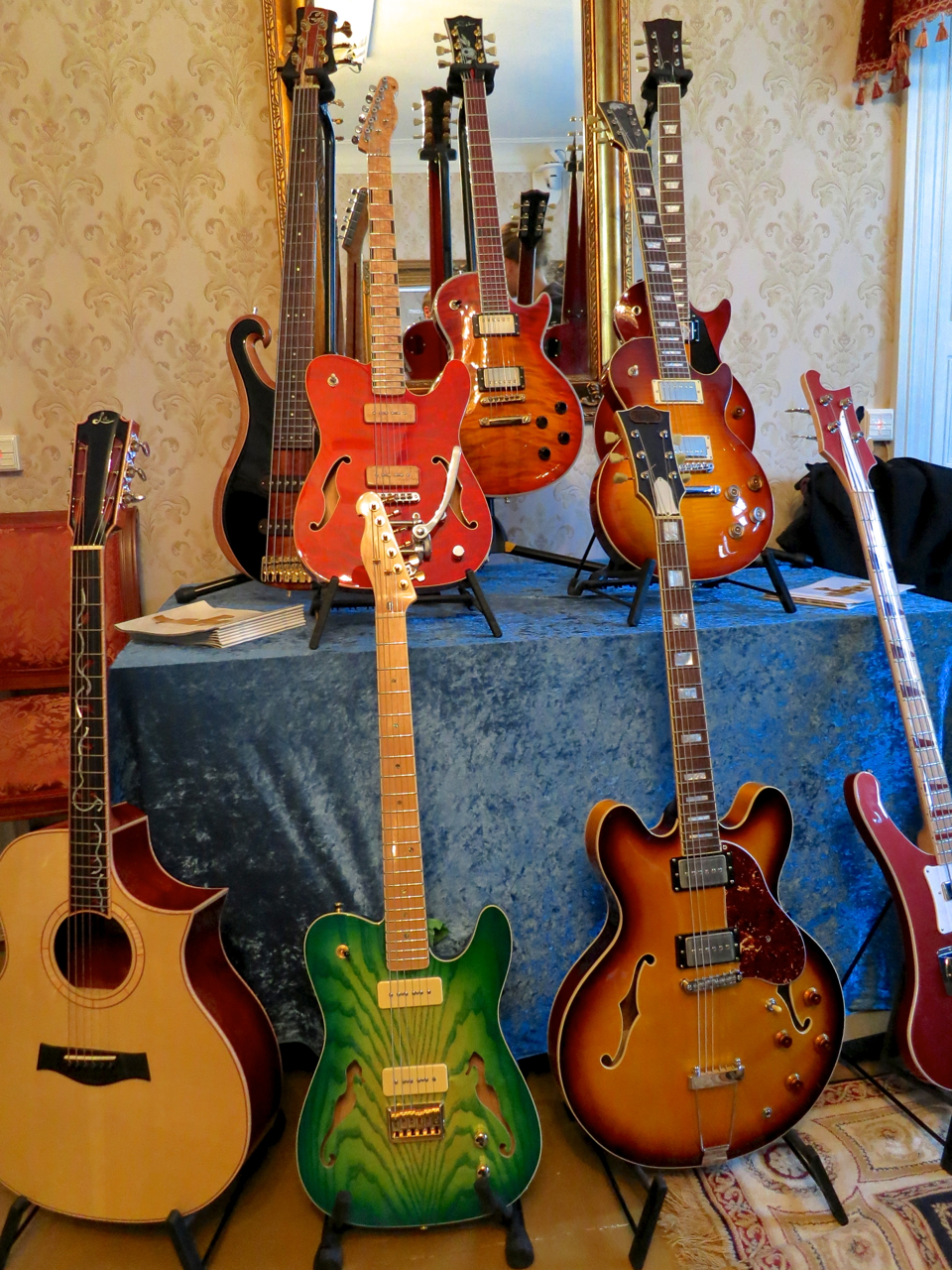

These instruments were made by luthiery students at IKATA.
****
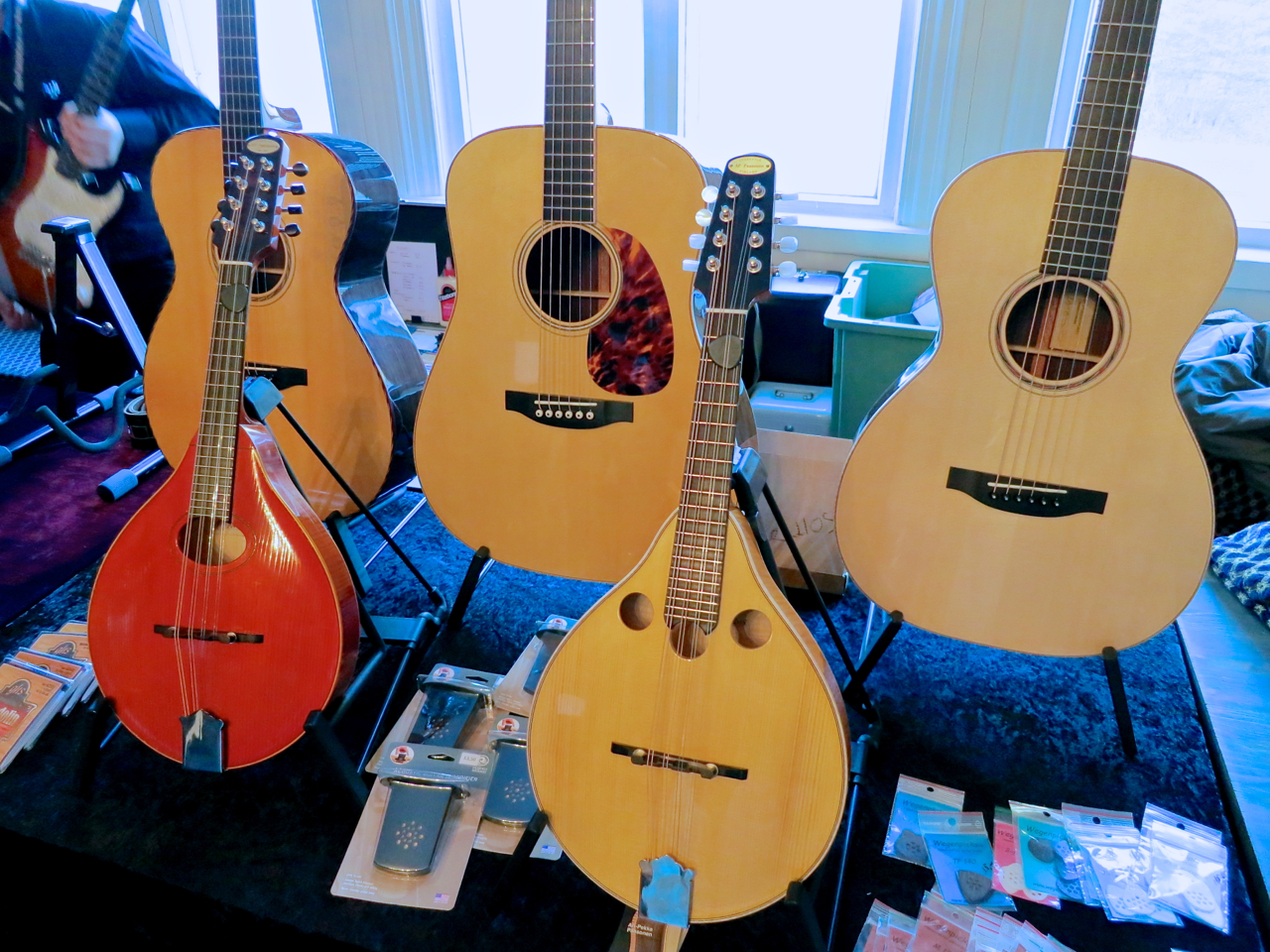
Some of Soitinpaja JaSeSoi’s acoustic models.
****

Kalluste Guitars from Estonia.
****

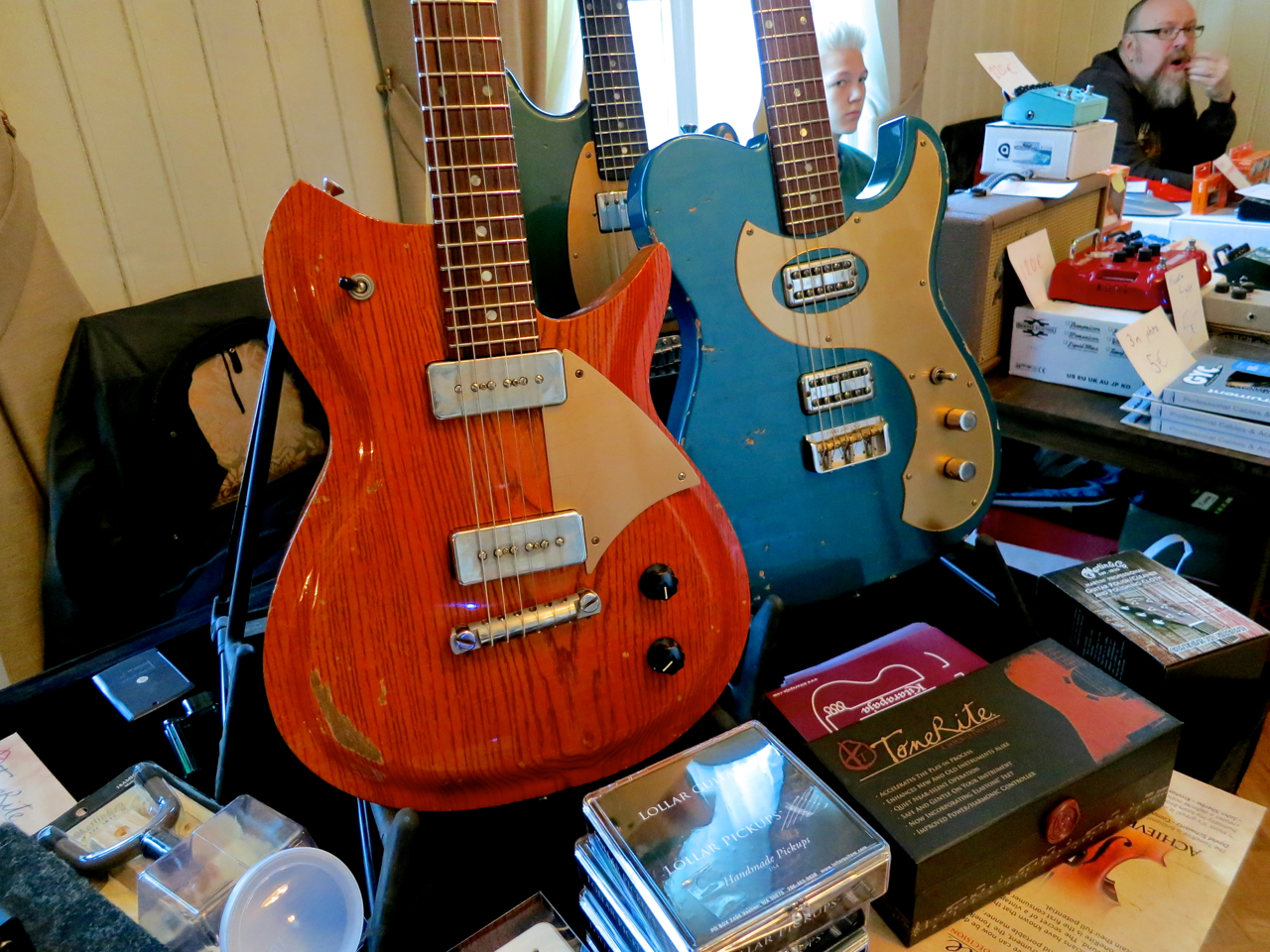
Swart amps and Fano guitars are among the brands displayed by Kitarapaja.
****

Koivisto Guitars with two electric models and an interesting lute-type design.
****


Monster Custom Amps and Visual Clone Guitars – the cool factor is built-in.
****


Oakbridge Instruments specialise in acoustic instruments.
****



Veijo Rautia gives you lots of electric mojo with his custom guitars and pickups.
****

Romu Amps from Estonia
****

German master bassist Markus Setzer digs the new fretless version of the Ruokangas Steambass.
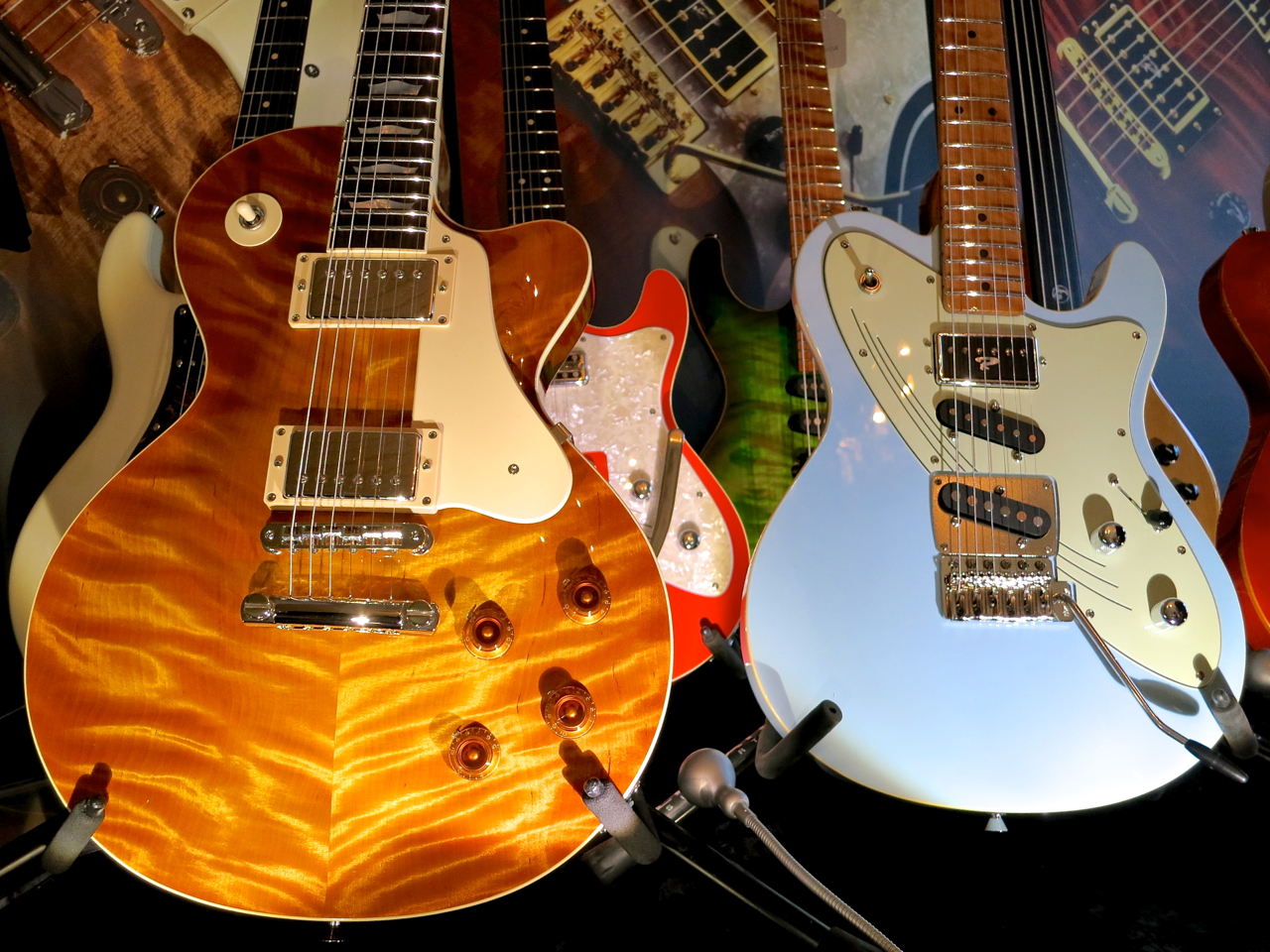


Antti Paranko and Markus Setzer in action with their Ruokangas instruments.
****
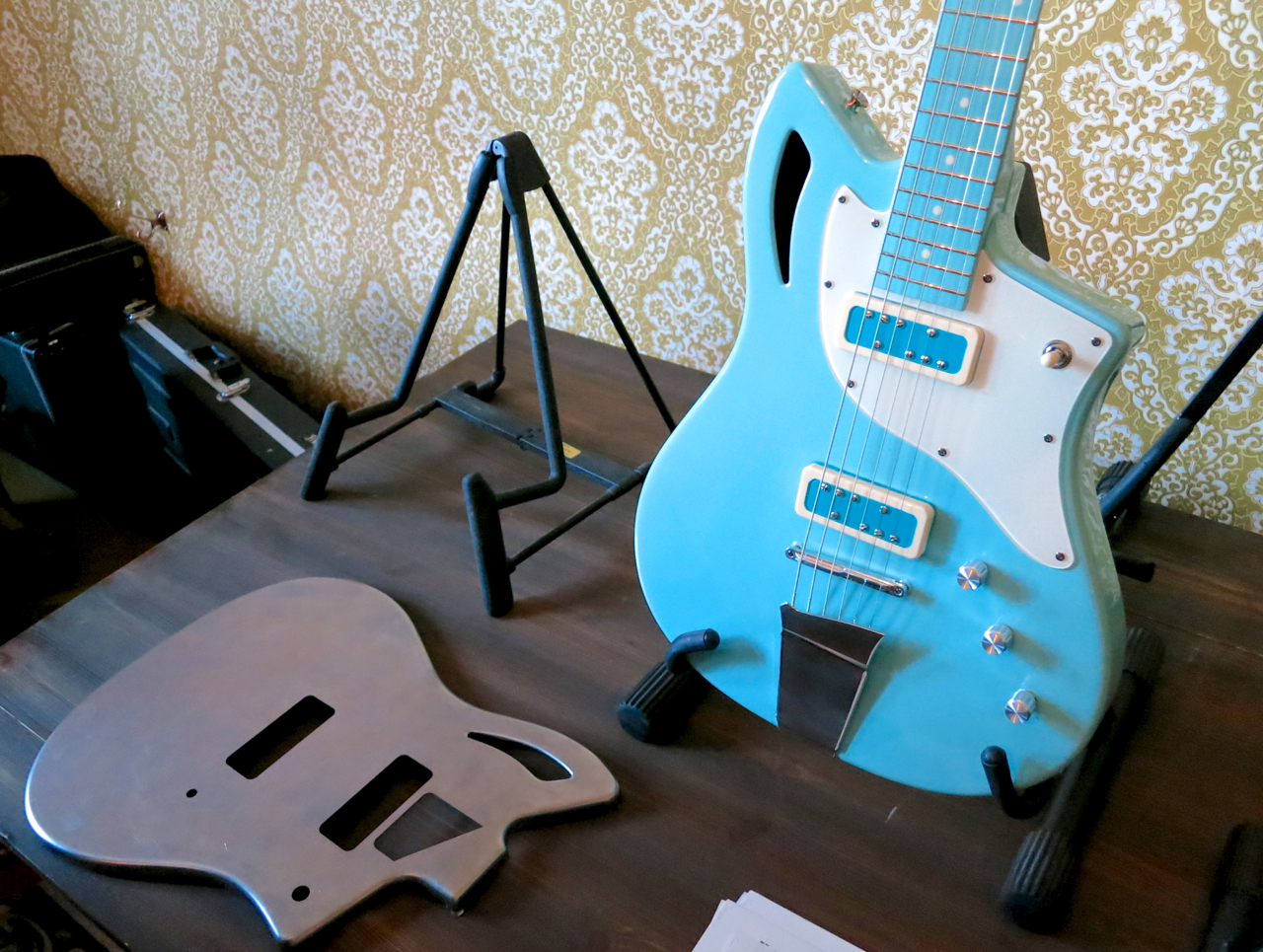
Tyyster gives you plenty of rootsy tone and cool retro looks from metal topped guitars.
****

Saturday saw lots of live action from Pauli Halme’s record release gig…

…to Anssi Kela and Tuomas Wäinölä.
****
Turenki Tonefest 2013 (16. + 17.11.2013)


Roland’s popular Cube-series of COSM-combos has recently been updated.
The new Cube GX-amps boast some new features, like the iCube Link (first seen in the Cube Lite), which allows you to use the guitar combo as a soundcard with Apple iOS devices.
****

The Roland Micro Cube GX (current price in Finland 134 €) is the newest version of one of the most successful battery-powered practice amps ever.
At first glance the GX-version looks very similar to the Micro Cube’s previous incarnation, with only the large Cube logo on the metal grille hinting at the combo’s updated status.
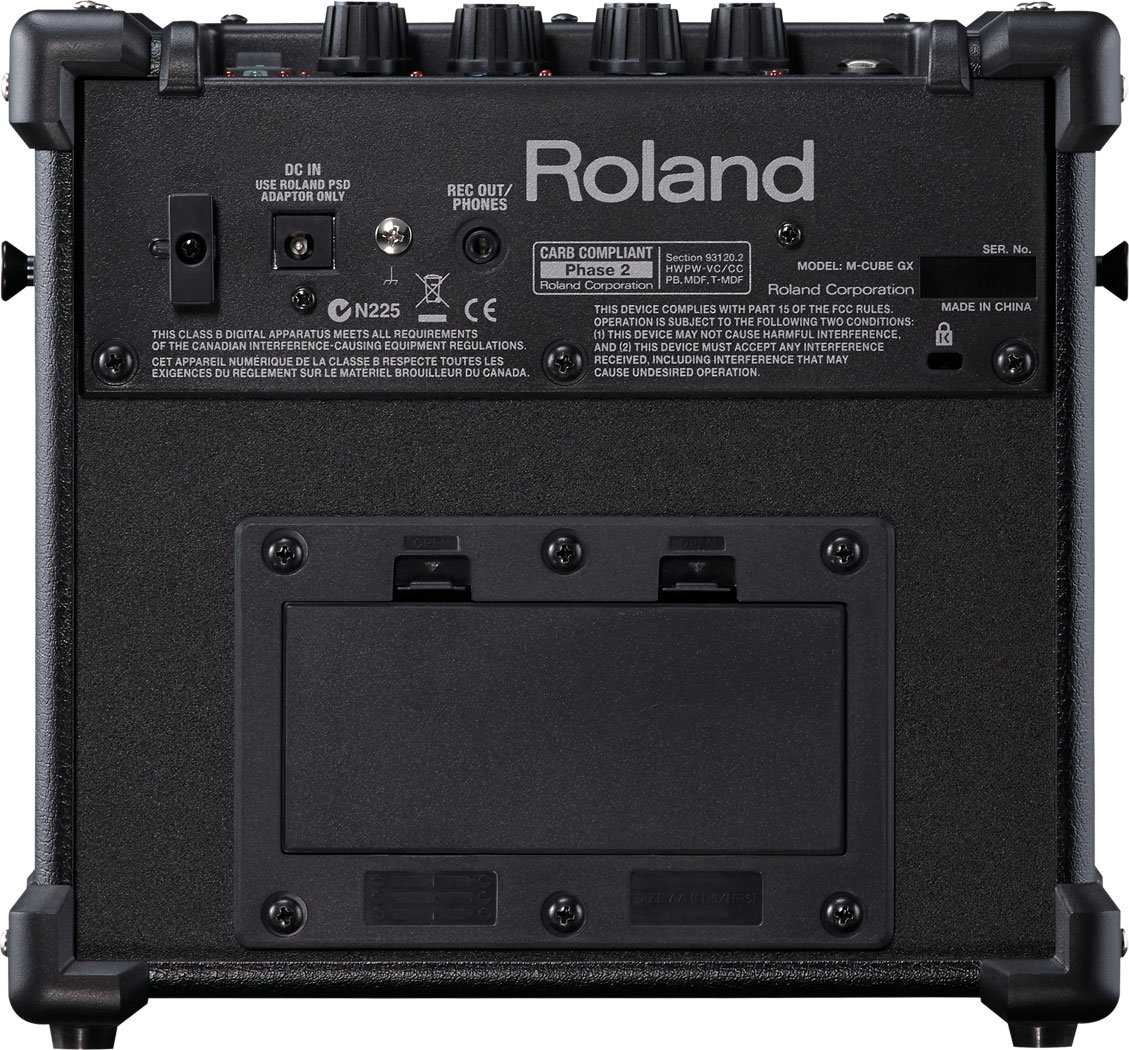
The Micro Cube GX’ back panel is a good deal smaller than on the last version.
The new combo sports mini-sized headphone and line-level outputs.

The GX still runs on six AA-batteries, but the new battery compartment is much easier to use.
A power supply can be found in the box.

The front panel has gotten a serious overhaul:
Above the guitar input you can find the i-Cube Link connector, which allows you to hook up you iPad or iPhone to the combo using the supplied cable. Thanks to the i-Cube Link you can use the GX-amp as the iDevice’s sound-card, as well as record and practice using Roland’s free Cube Jam-app. You can get more info on the Cube Jam-app in Kitarablogi’s Cube Lite review.
Another important new feature of the Micro Cube GX is the Memory-function, which offers you one memory slot per COSM Amp Type. Memory stores all settings of the chosen Amp Type, namely the settings of the Gain-, Volume-, EFX- and Delay-controls.
The tuner section has also received an overhaul. The old Micro Cube came with an electronic tuning fork on-board, giving you an ”a” (or Ab or Abb) to tune to. The brand-new Micro Cube GX comes equipped with a genuine digital tuner. The default setting for the tuner is chromatic, but it can also be set to A-only, which comes in handy when changing strings.
****
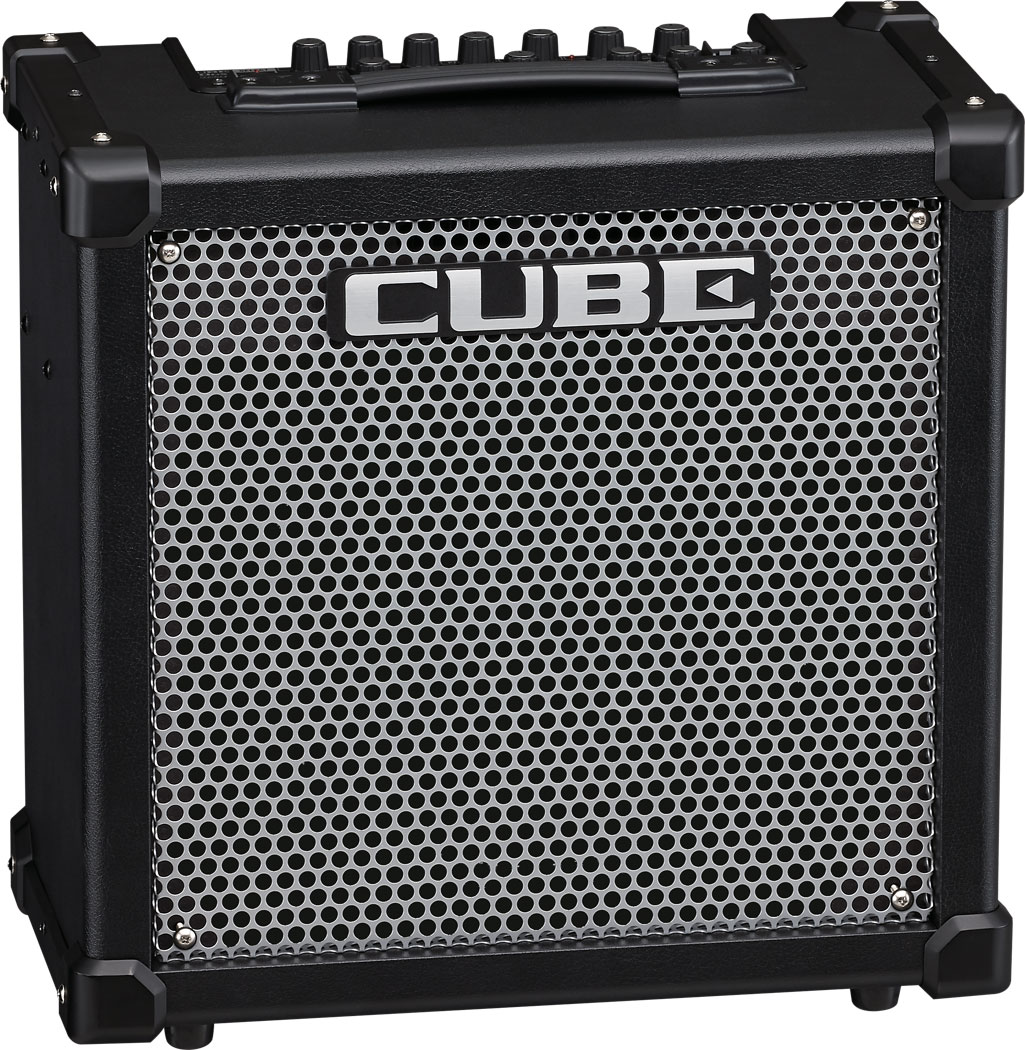
The Roland Cube-80 GX (current price in Finland 384 €) is the current top model in the GX-series, offering you 80 Watts of output power through a single 12-inch speaker.
The clearest difference between the predecessor – the Cube-80 XL – and the GX-version is the addition of the i-Cube Link in favour of the old model’s built-in looper.

Also new is the GA-FC-connector on the amp’s back panel, which allows you to use Roland’s guitar amp foot-controller the GA-FC (optional) with the Cube-80 GX.

This is what the foot-controller looks like. When used with the GX, you can switch amp channels and turn the combo’s EFX-, Delay- and Reverb-sections on/off separately. You can also connect two expression pedals to the GA-FC, if you want to adjust input and output levels on the fly. The Cube-80 GX comes supplied with a special overlay for the foot-controller, so you can change the GA-FC’s labelling to match the correct functions.
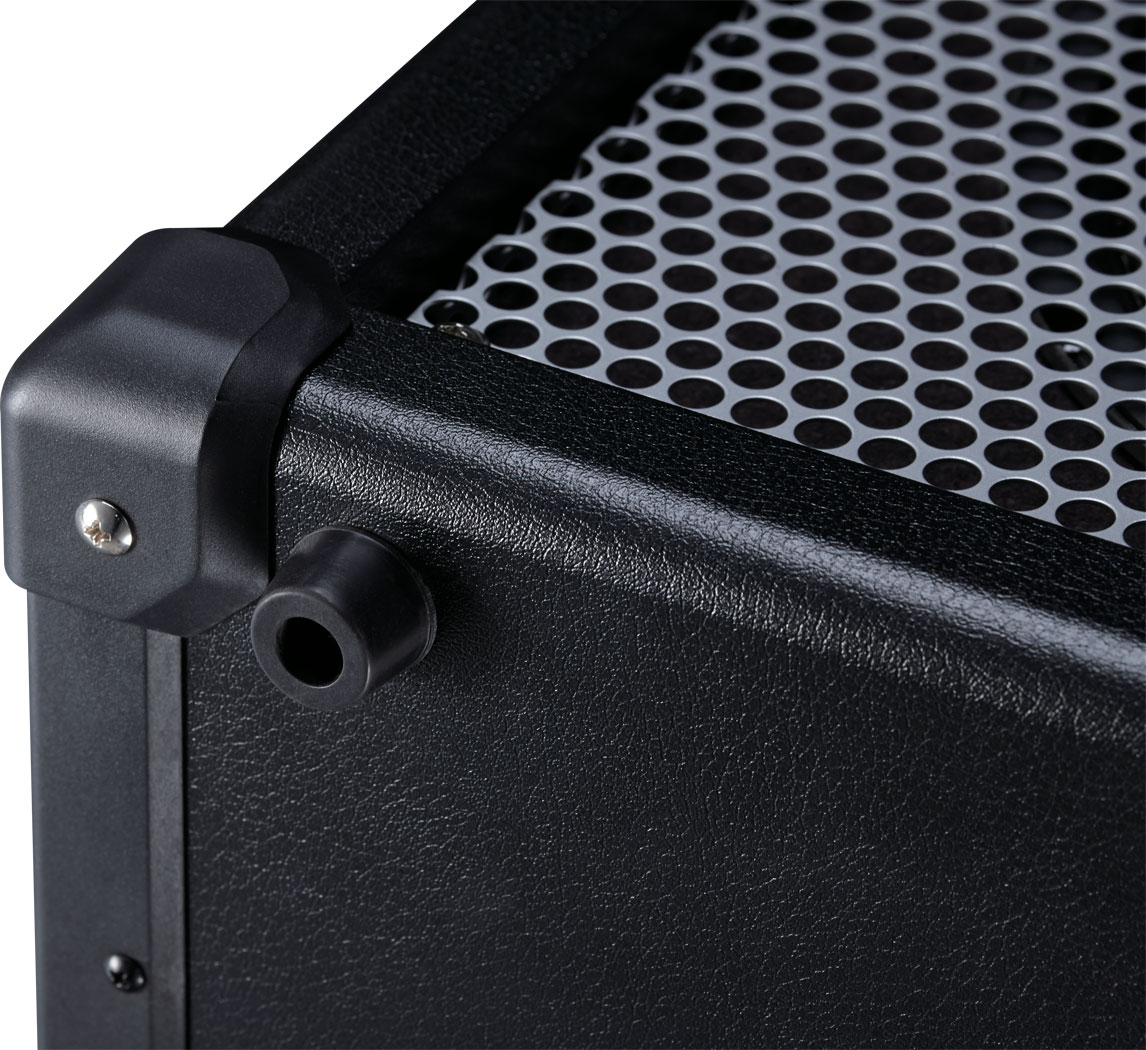
Some things have stayed the same, though, like the rugged design of the Cube-series.

The Cube-80 GX is a three-channel guitar amplifier:
The JC Clean-channel is reserved for ultra-clean tones in the style of Roland’s legendary Jazz Chorus-combo. The Lead-channel, on the other hand, offers you nine different COSM-models, as well as an acoustic simulator for your occasional steel-string needs.
The third channel is the so-called Solo-channel. I say ”so-called”, because actually the Solo-channel is the Cube-80 GX’ memory slot, which you can fill with any amp setting you wish, regardless of whether it is a setting for soloing or not. The crucial difference between the Solo-channel and the other two channels is the fact that the Solo-channel uses its own (stored) settings for the EQ-, EFX-, Delay- and Reverb-sections, while JC Clean- and Lead-channels have to share the current control settings.
Apart from the i-Cube Link, the Cube-80 GX’ features list is very similar to the Cube-80 XL-version. You can get more info on the i-Cube Link and Roland’s free Cube Jam-app in Kitarablogi’s Cube Lite review.
****

Roland’s brand-new Micro Cube GX offers you even more than its already legendary predecessor. The built-in tuner makes life much easier, and the new i-Cube Link/Cube Jam functionality genuinely adds value to this diminutive powerhouse. If you own an iDevice you will have your own practice set-up up and running in no time.
The little GX-combo also gives you three new sounds – the fantastically über-Metal amp type called Extreme, a fine polyphonic octaver effect, as well as a spring reverb model. The Micro Cube GX’ spring reverb simulation sounds good, but very small area designated for it on the Reverb-control doesn’t allow for much in terms of tailoring the spring reverb. It’s more of an on/off affair.
Overall the GX sounds better than the original Micro Cube, with more realistic amp simulations and clearly less hiss in the effect section.
These four clips have been recorded using a dynamic mic in front of the combo, and playing a Fender Stratocaster:
****

Roland’s new Cube-80 GX is a compact, yet powerful guitar combo for the gigging guitarist.
The sounds on offer cover all bases, and the amp types and effects all sound great. Depending on your guitar of choice there can be a very slight tendency toward a crowded lower-midrange – especially with clean sounds – but this can be easily kept in check with the amp’s nice EQ-section.
I feel that if you want to use the Cube-80 GX live, buying the GA-FC-controller is almost compulsory, as it is the only way you can fully control all the combo’s functions on the fly. 100 euros seems a bit steep in relation to the Cube’s own price tag, but from a practical standpoint the additional outlay makes a whole lot of sense.
Be that as it may, Roland’s Cube-80 GX is a cool amp for both gigging and studio use.
These four examples have been recorded with the same set-up are the Micro Cube GX-clips:
****

Roland’s Cube GX-series is a good choice if you want a wide variety of different amp tones and effect sounds to choose from. For teaching and/or practising purposes the iOS-compatibility and Roland’s own Cube Jam-app add a lot of value to an already very enticing package.
****
Roland Cube GX-series
Micro Cube GX – 134 €
Cube-80 GX – 384 €
Finnish distributor: Roland Scandinavia
****
Pros:
+ value for money
+ i-Cube Link
+ Micro Cube GX: new Memory-feature
+ Cube-80 GX: GA-FC-compatibility
+ sound
+ rugged build
Cons:
– Micro Cube GX: spring reverb effect hard to adjust
– Cube-80 GX: price of GA-FC-controller

****
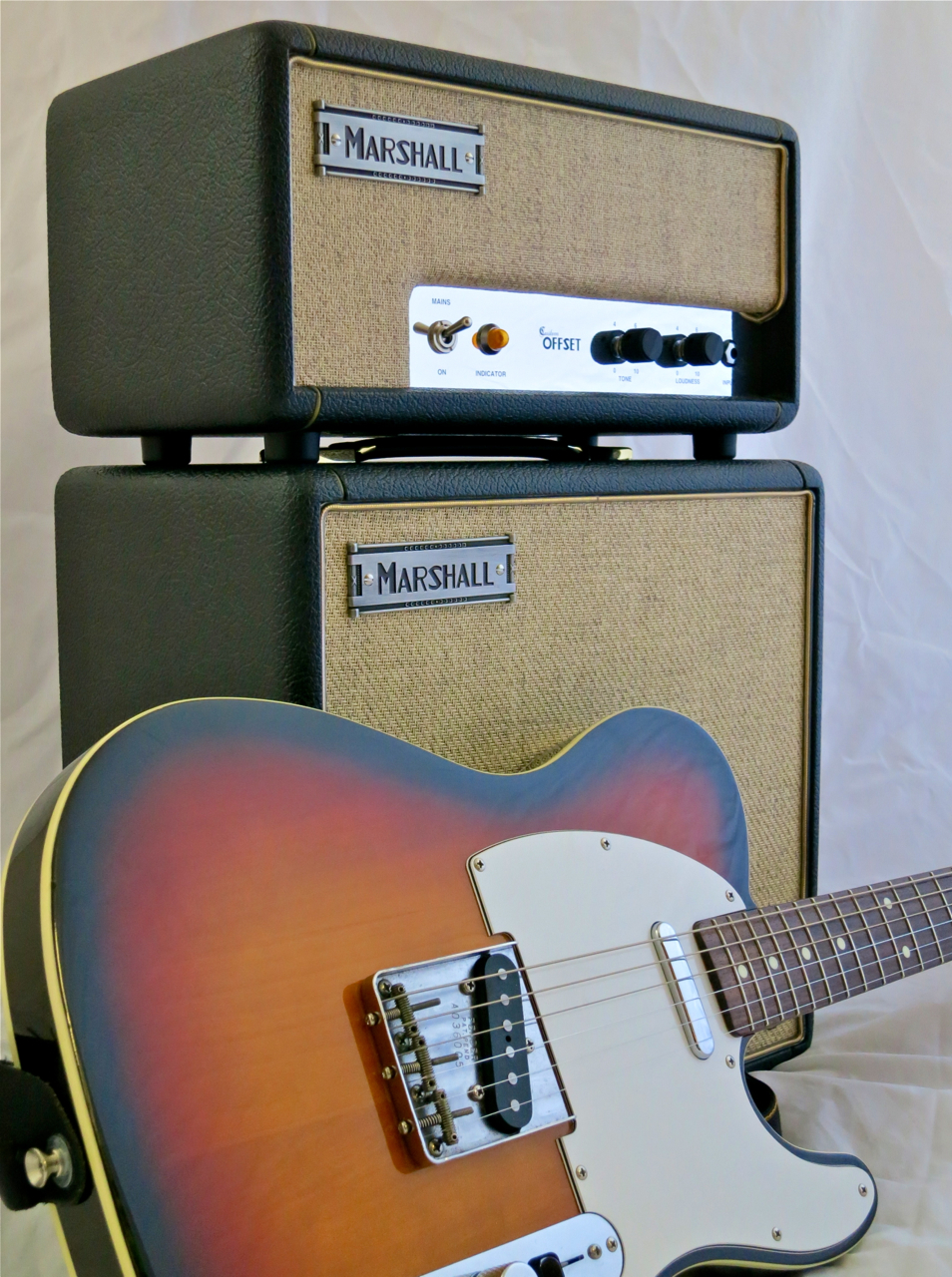
Last year Marshall celebrated their 50th anniversary by releasing a whole range of limited-edition one-watt combos and half-stacks.
Now we’re in for a cool reprise, as Marshall announced a limited edition of 1,111 of a Custom Offset half-stack in Frankfurt earlier this year. The Custom Offset is based on their JTM1 50th Anniversary amp.
A couple of these rare amps even made it to Finland. Kitarablogi.com managed to get hold of one half-stack for a quick review.
****
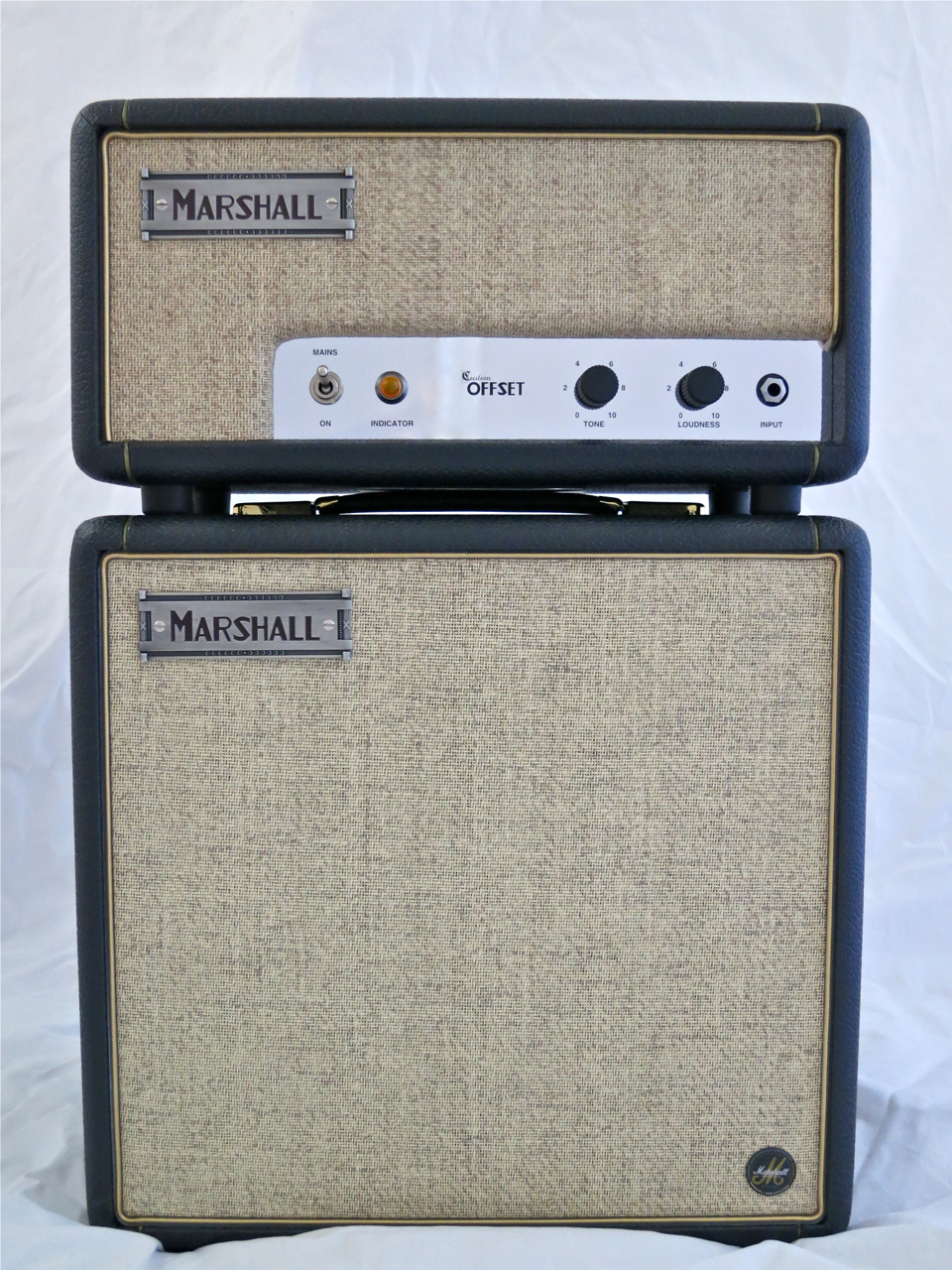
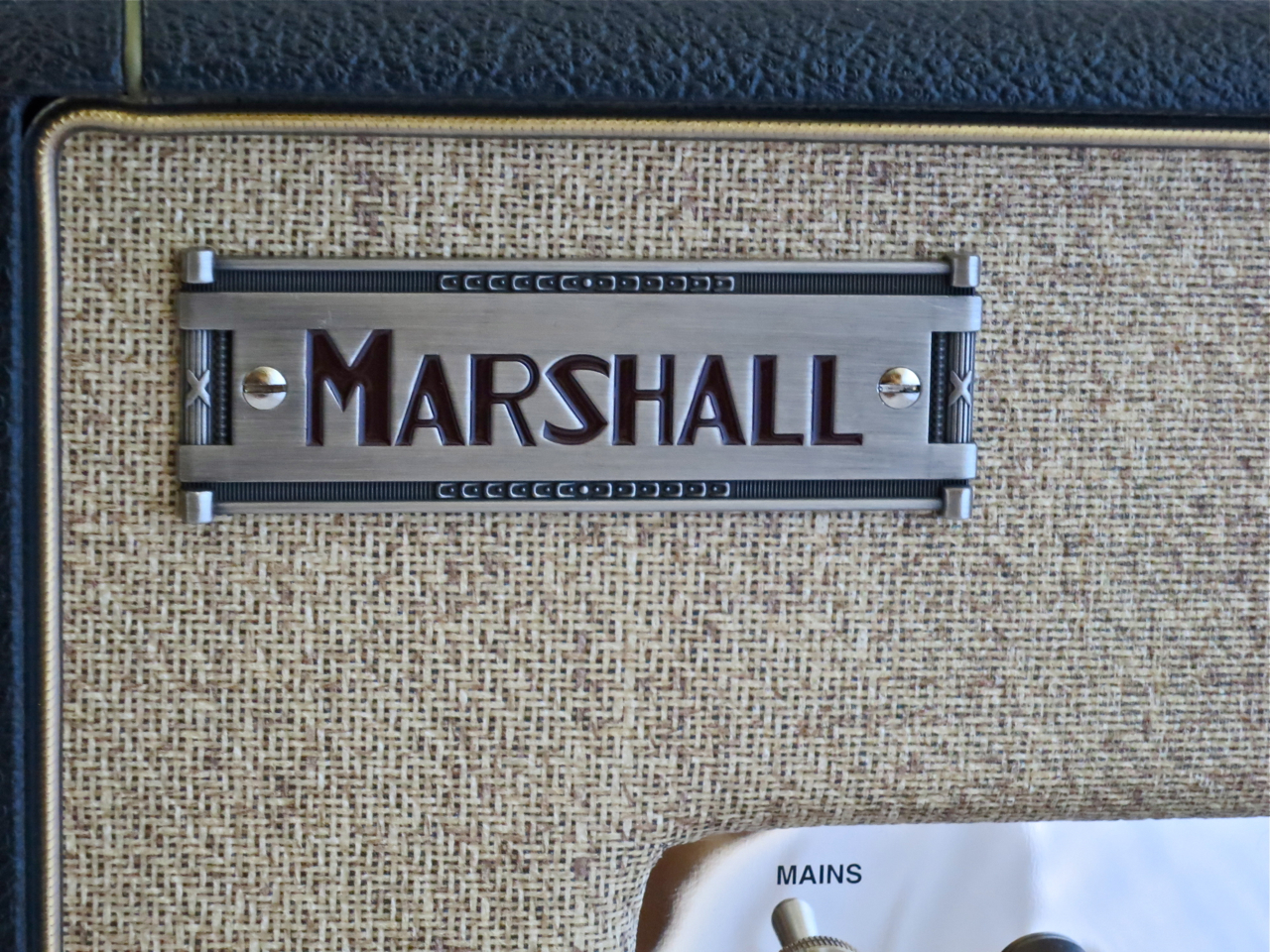
The Marshall Custom JTM1 Offset (price in Finland approx 1,000 €) takes the JTM1 as its starting point, but takes the concept even further down the vintage road to give the Custom Offset the look the company’s first batch of JTM45 models. There’s the famous light grey/beige grille cloth, and the offset control panel, which has given this amp its name.

As can be expected at this price point, the overall workmanship is of a very high standard, indeed.

The head’s gleaming, chrome-plated front panel, as well as the two black metal control knobs, are clear hints at this amp’s exalted limited edition status.
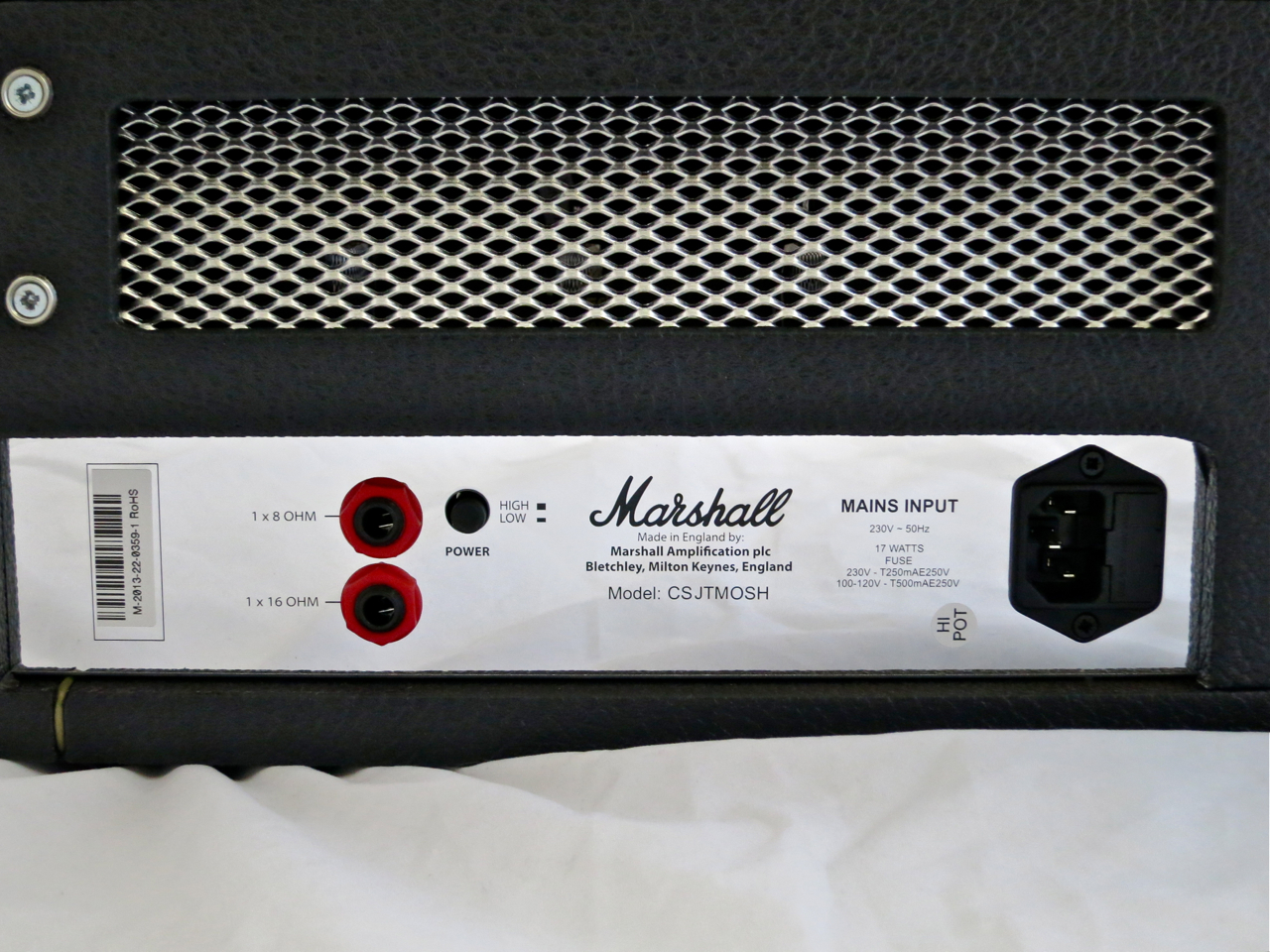
On the chromed back panel you will find the same Power-switch as on last year’s anniversary models. It drops the amp’s output from one Watt down to one-tenth of a Watt.
The Custom JTM1 Offset’s matching cabinet has an impedance of 16 Ohms, but you can also connect 8 Ohm speaker loads via the second output jack.

The Custom head is build around the same valve types as the JTM1 head – we find two ECC83/12AX7-valves, as well as a model ECC82/12AU7.
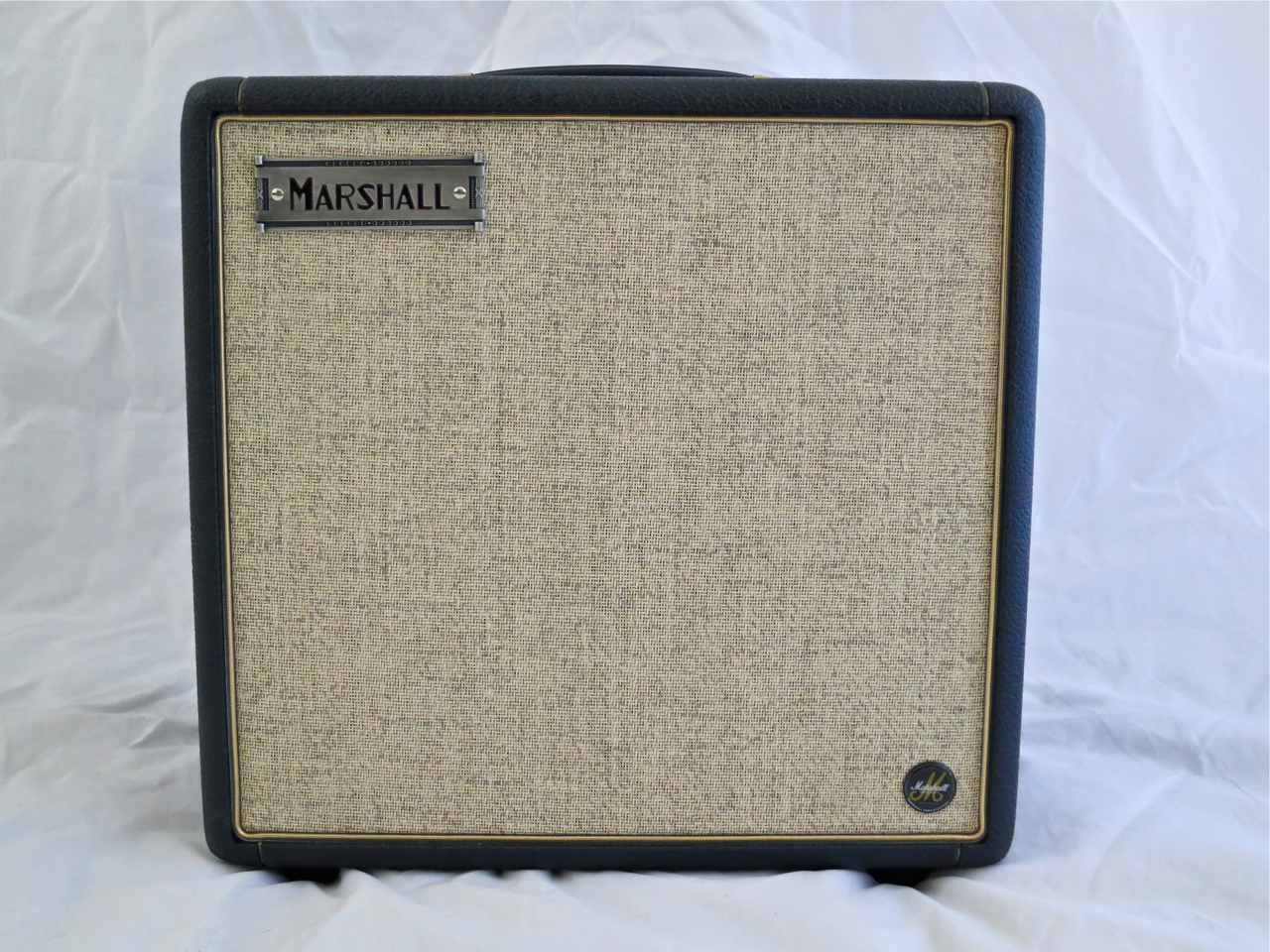
The closed-type Marshall cab holds a single Celestion G10F-15 10-inch speaker.
****

What kinds of sounds do we usually associate with a vintage-style Marshall? Probably clean tones with a dry character and not very much headroom. On the overdriven and distorted side of things we’d definitely look for creamy compression with a good sprinkling of mid-range grunt and presence bite .
…and these are exactly the types of tones the Marshallin Offset dishes out in a very tasty manner!
A vintage-reissue Fender Telecaster stays fairly clean at the beginning of the Custom Offset’s gain range, but the British type of dryness is clearly present:
The higher output of my Gibson Les Paul Junior’s P-90 clearly drives the preamp more, which results in a nice bit of added graininess at the same settings, especially in the attack phase of each note:
A double-humbucker’d Hamer USA Studio Custom finally pushes this Marshall into real break-up territory – fantastic for old-school Blues. For completely clean tones with humbuckers you will have to turn down your guitar’s volume control:
****
Turning up the Marshall’s Loudness-control adds more gain to preceedings, but also raises volume levels considerably. The Custom JTM1 Offset is quite a belter for a one-watter, meaning it’s too loud to be played at full-tilt in most apartment buildings.
Luckily for us, there’s the nifty Power-switch on the back panel, which drops the volume down to neighbour-friendly levels. A nice side effect of going oh-point-one Watts is that it also adds another wallop of overdrive into the mix, which is why you can even get some decent Hard ’n’ Heavy-tones out of this tiny rig.
Here’s a taste of what I got at 0.1 Watts and Loudness turned all the way up.
First the Tele…
…next up the Junior…
…and last, but not least, the Hamer:
****

In my view the Marshall Custom JTM1 Offset is a great-sounding little bugger of a half-stack, giving you most of the classic Marshall tones.
Yes, I know that 1,000 euros is a lot of money for such a tiny amp. If you’re purely on the look-out for a very small valve amp for your living-room or project studio, you will probably get more features (and Watts) for your money from other makes or models.
But the Custom Offset clearly isn’t only about being a small amp; instead there’s a great deal of added prestige in such a well-made, limited edition amp build in England by a company of such standing. The Marshall Custom JTM1 Offset is a boutique-class amp for collectors and purists, and seen in this light the price seems rather fair.
If you’re interested I’d recommend speedy action, though, because the availability is, indeed, very limited!
****
Marshall Custom JTM1 Offset
Finnish distributor: EM Nordic
Thanks to DLX Music Helsinki for the loan of the review sample!
****
Pros:
+ quality of workmanship
+ sound
+ Power-switch
+ small size
+ collectability
****


 Kitarablogi.com – Finland's premier Guitar and Bass blog