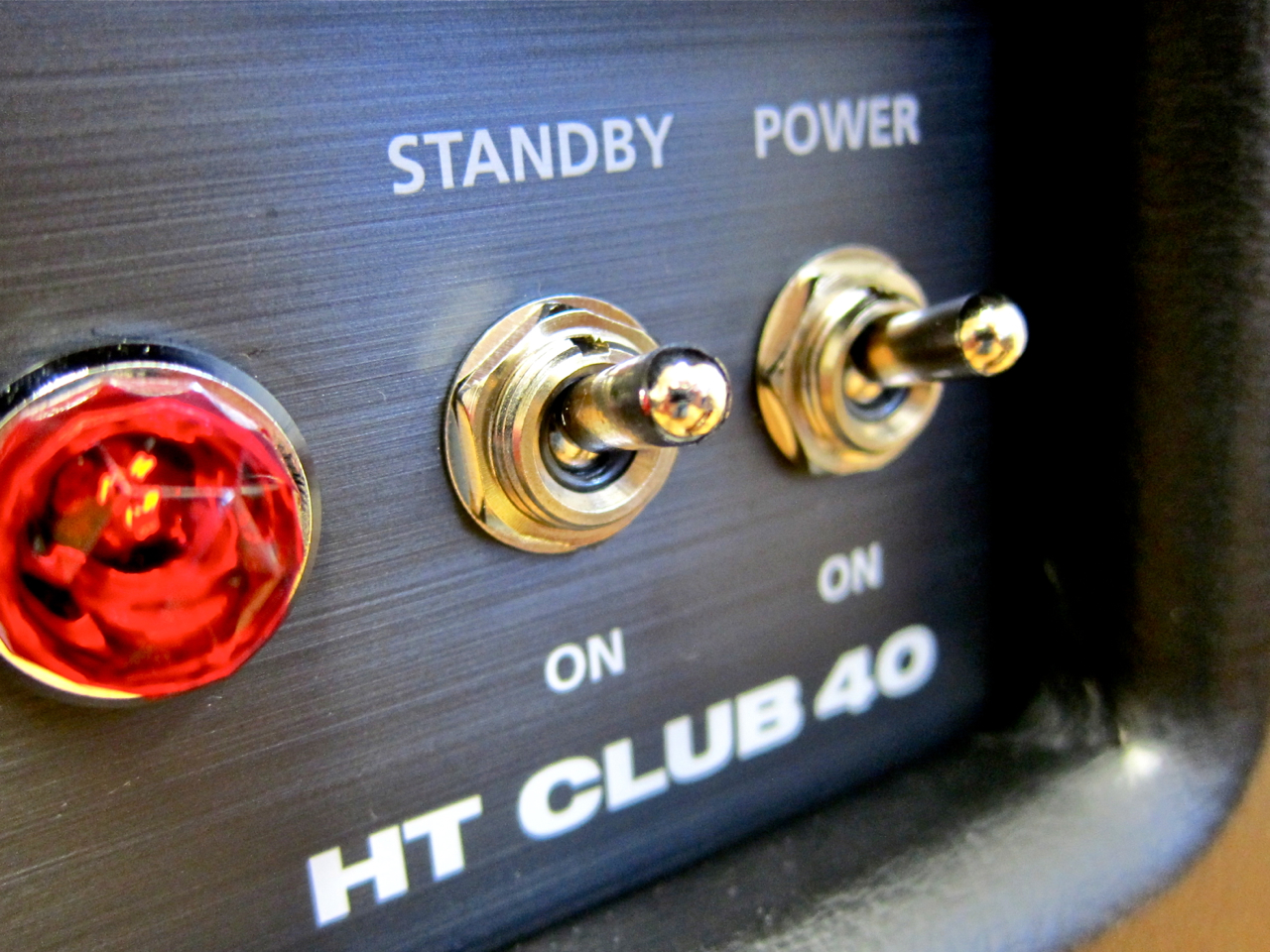
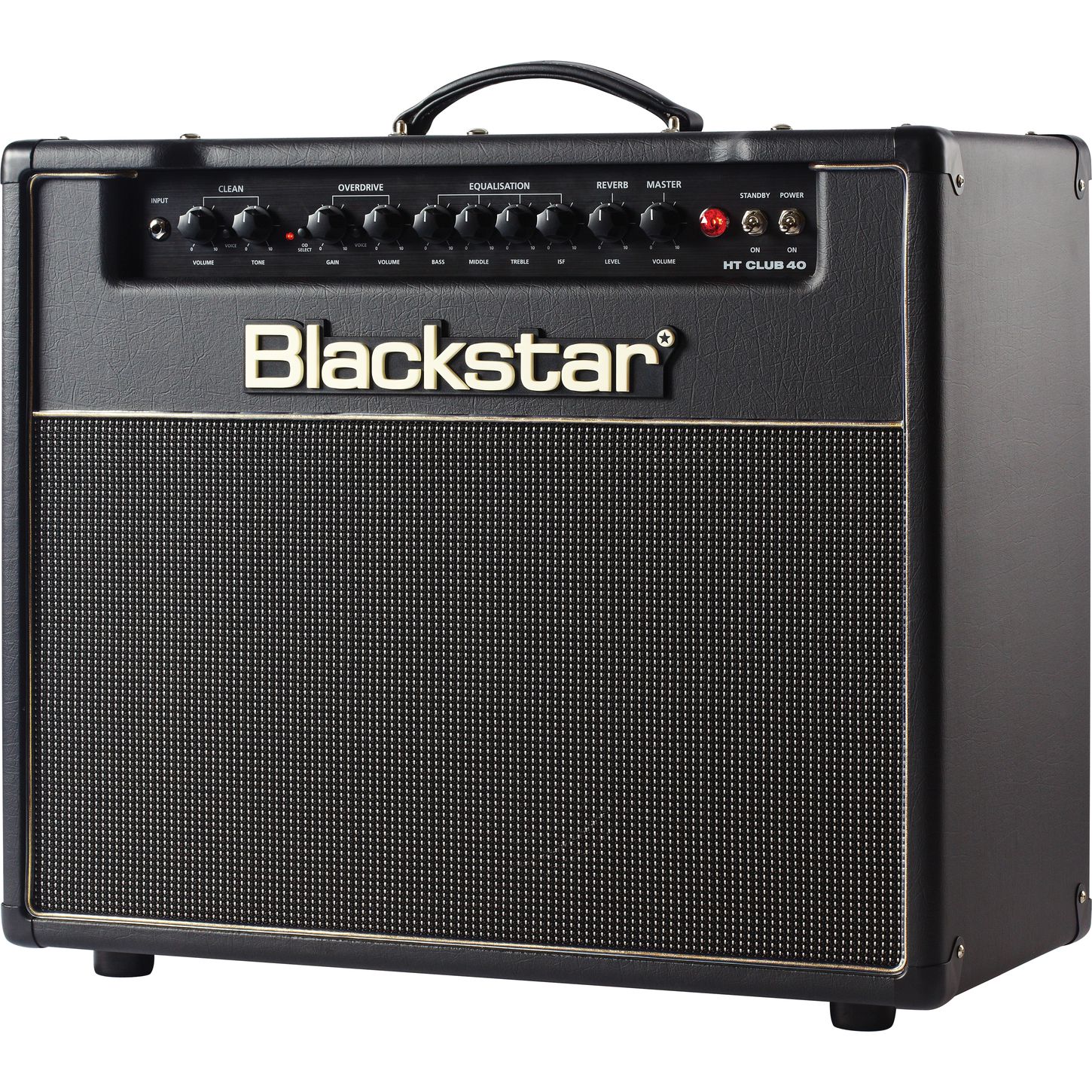
Blackstar HT Club 40 – The Youtube video

Kitarablogi.com – Finland's premier Guitar and Bass blog
Juttuja kitaroista ja bassoista

Mad Professorin (ja Turenki Recordsin) Harri Koski ja hänen tiiminsä ovat laittaneet meille tänä vuonna entistäkin herkullisemman kattauksen suomalaista soitinrakennustaitoa.
****

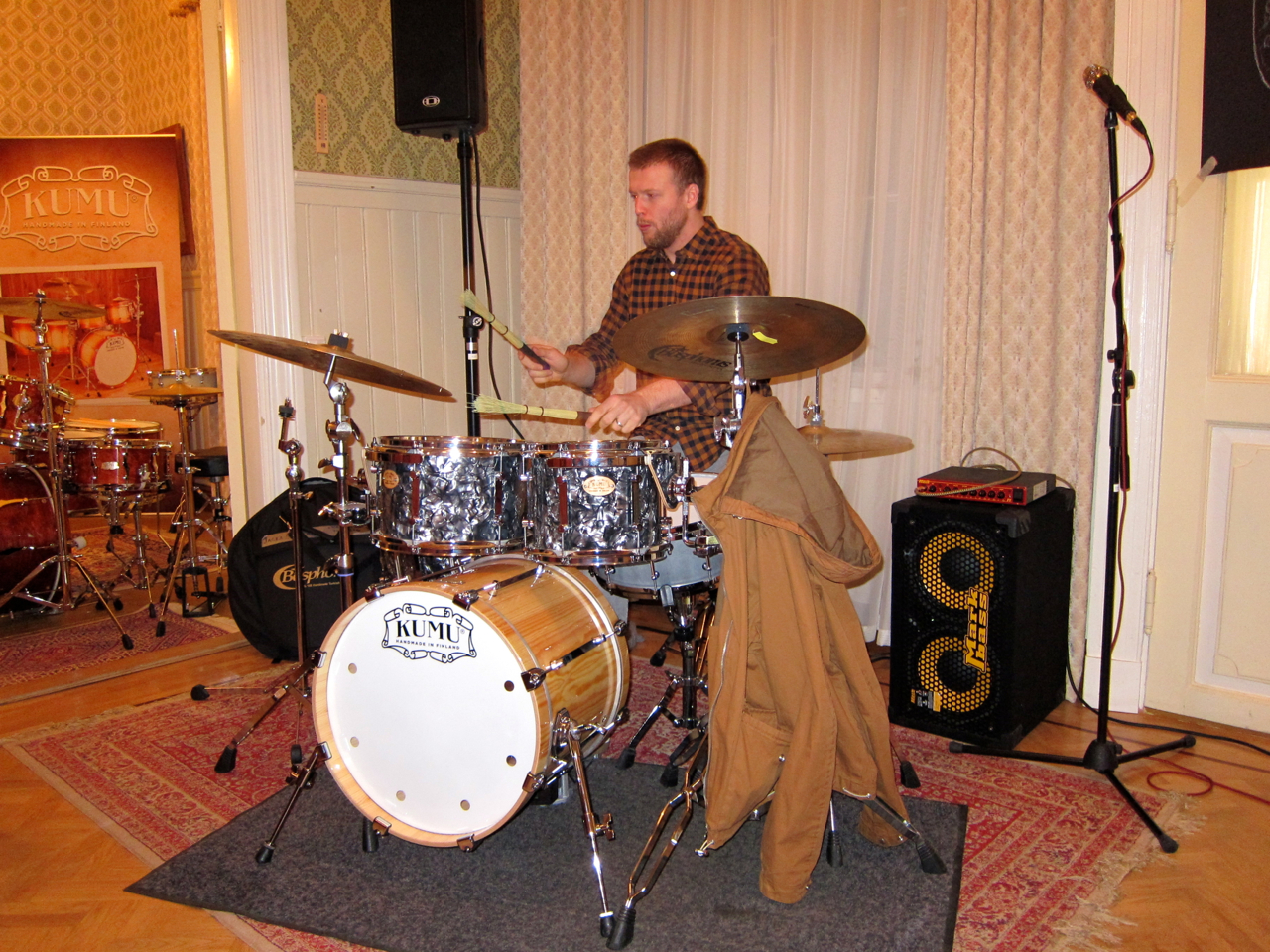
Kumu-rummut ovat esillä kokeiltavaksi ja kuuntelevaksi, esimerkiksi Jaska Lukkarisen soittamana.
****

Kitarakuun Seppo Kaskenmäki esittelee mm. firmansa maahantuomia Magneto-kitaroita ja Klein-mikrofoneja.
****

Marko Karhu ja Mad Professorin tuotteita.
****

IKATA:lla on myös oma ständi, jossa voi kokeilla opiskelijoiden kitaroita. Tässä Rainer Lorenz ja hänen itse rakennettu puoliakustinen sähkökitaransa.
****

Tamperelainen Halla Custom Instruments on erikoistunut sähkökitaroihin ja -bassoihin. Ville Mattila on yrityksen luova pää.

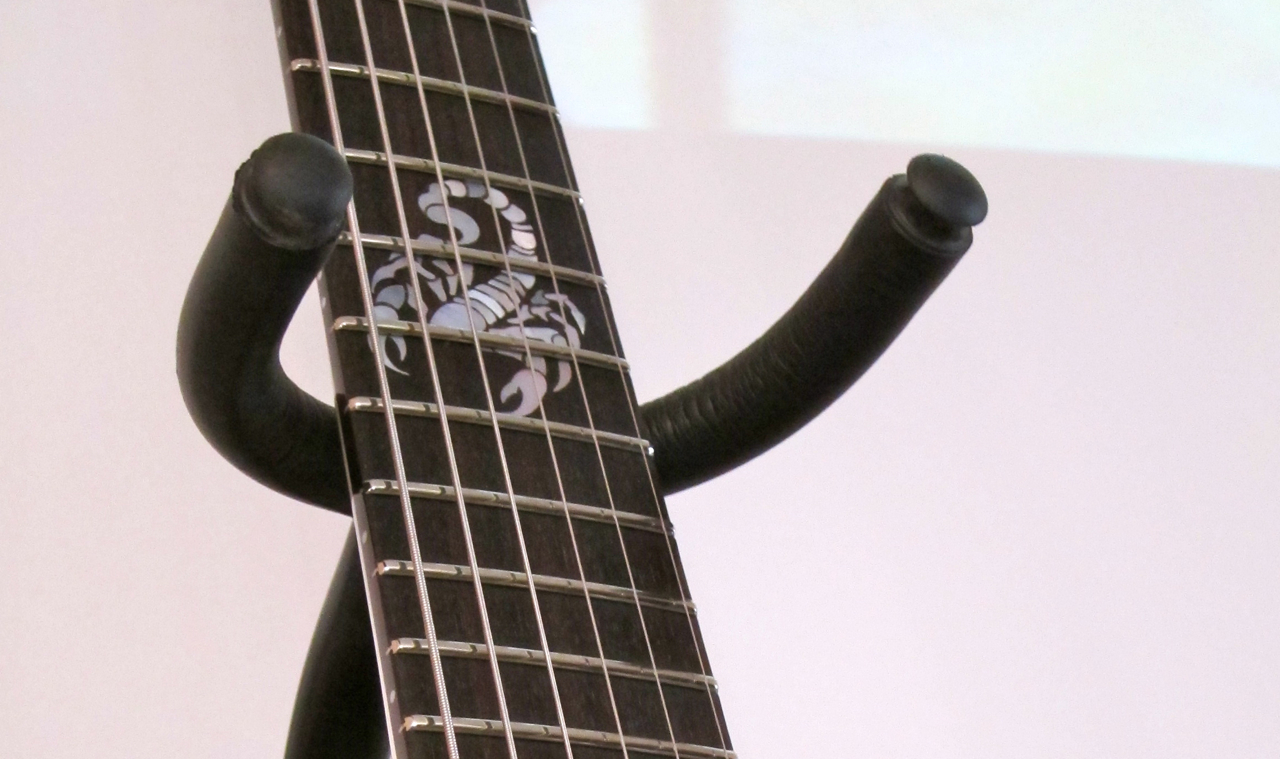

Halla Custom Instruments valmistaa myös omat mikrofonit.
****

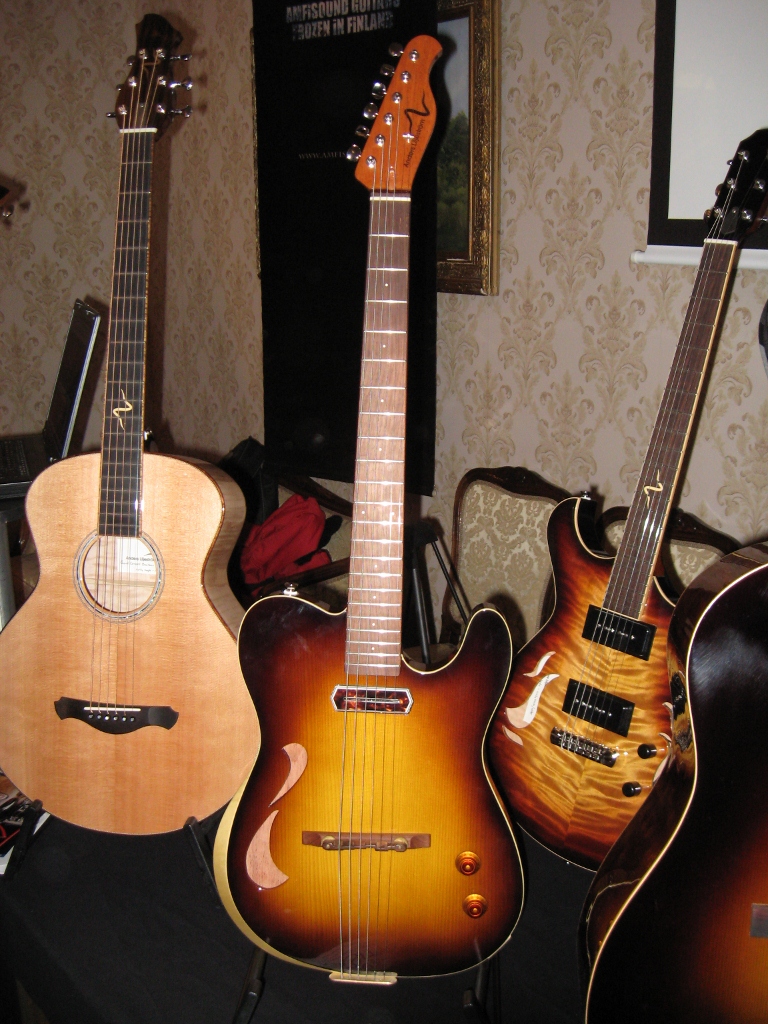
Amfisoundin Sampo Leppävuori ja firman tuotannon äärilaidat – Rock-virtuoosin mehevä lavakitara ja Rockabilly-henkinen kaunotar.


****

Myös virolaiset Romu-vahvistimet voi kokeilla Turengissa.
****
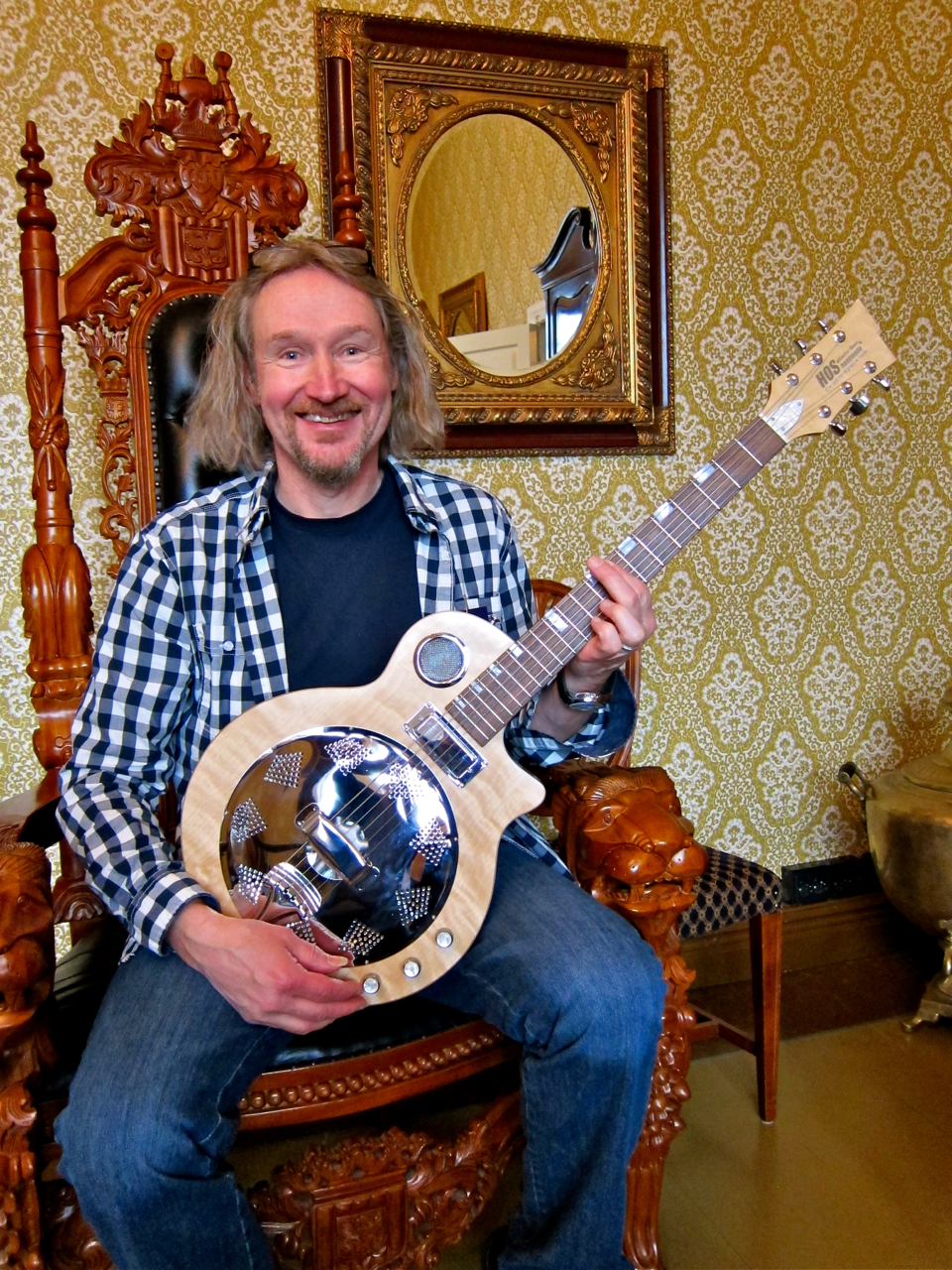
HOS Guitarsin Henry Salo pitää Erja Lyytisen sähköresonaattorikitaraa sylissään.

****

Juho Mannisen Manninen Custom Instruments on uusi tuttavuus Loimaalta.

****
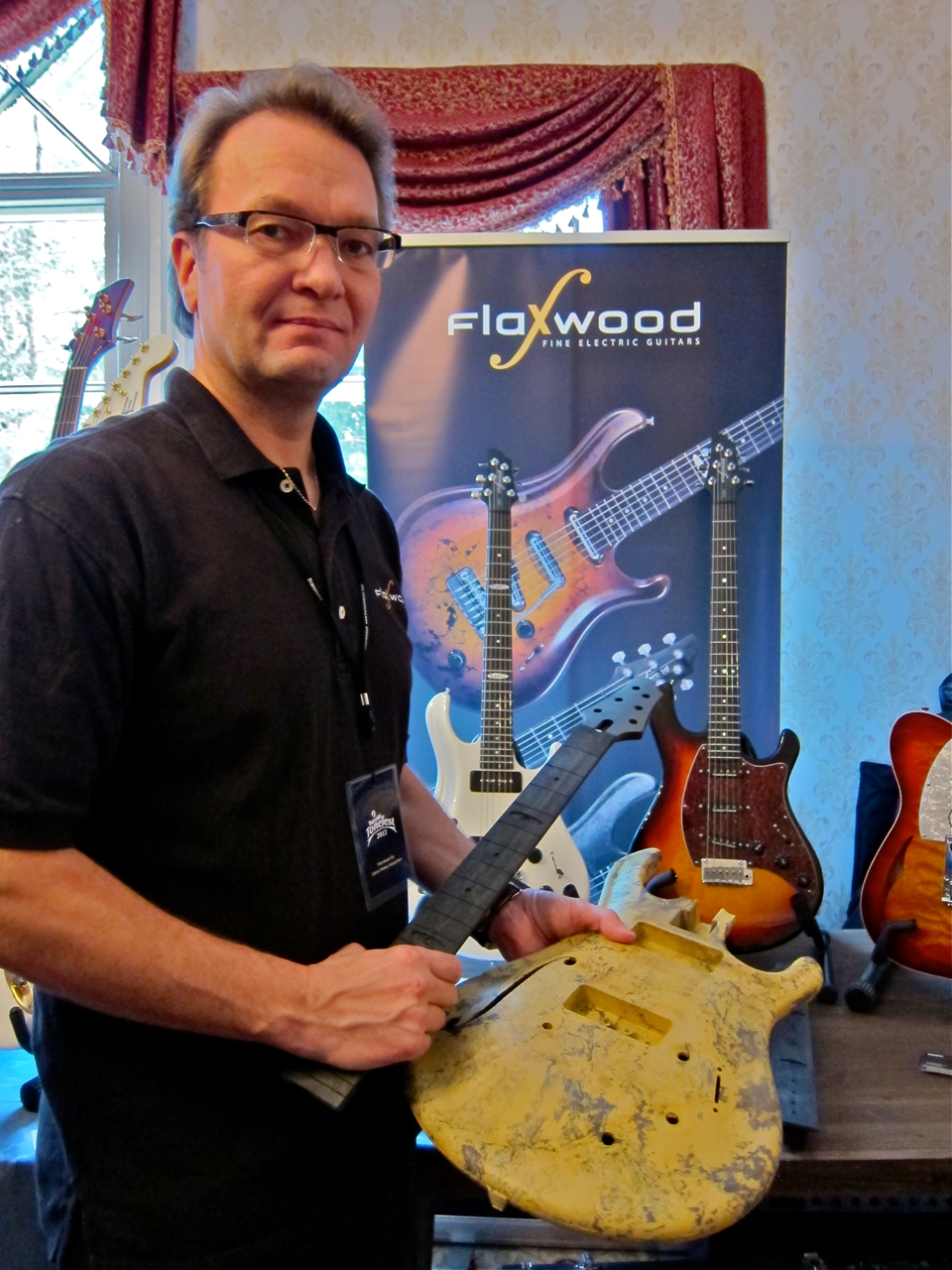
Flaxwood-kitarat saa nyt myös rakennussarjoina.
****

Flaxwoodilta tuttu Veijo Rautia rakentaa jälleen kitaroita ja mikrofonia myös omalla nimellä.

****

Taito-Finlandian tuore voittaja, Juha Ruokangas, on ollut koko lauantaina huomion keskipisteenä.
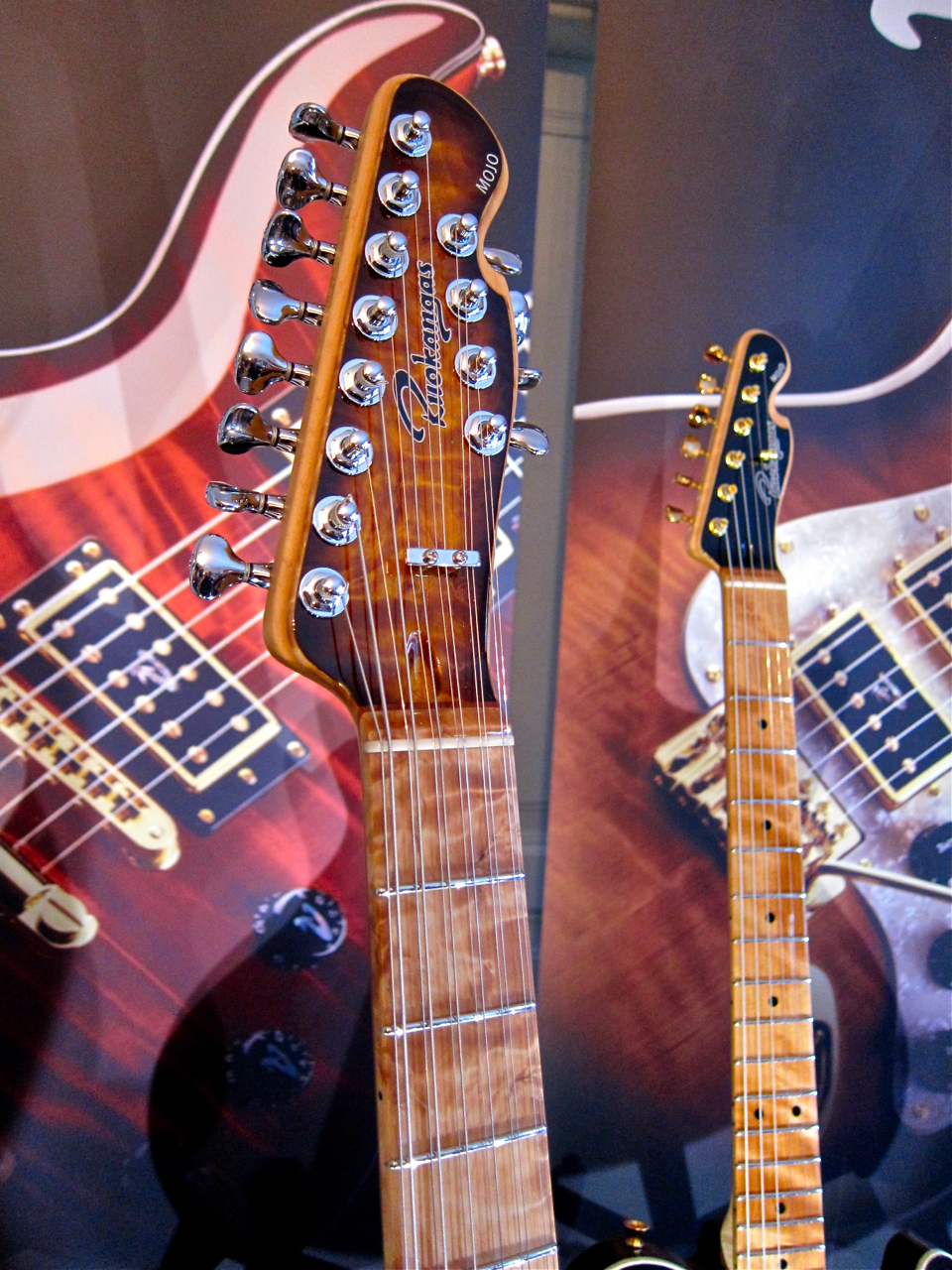
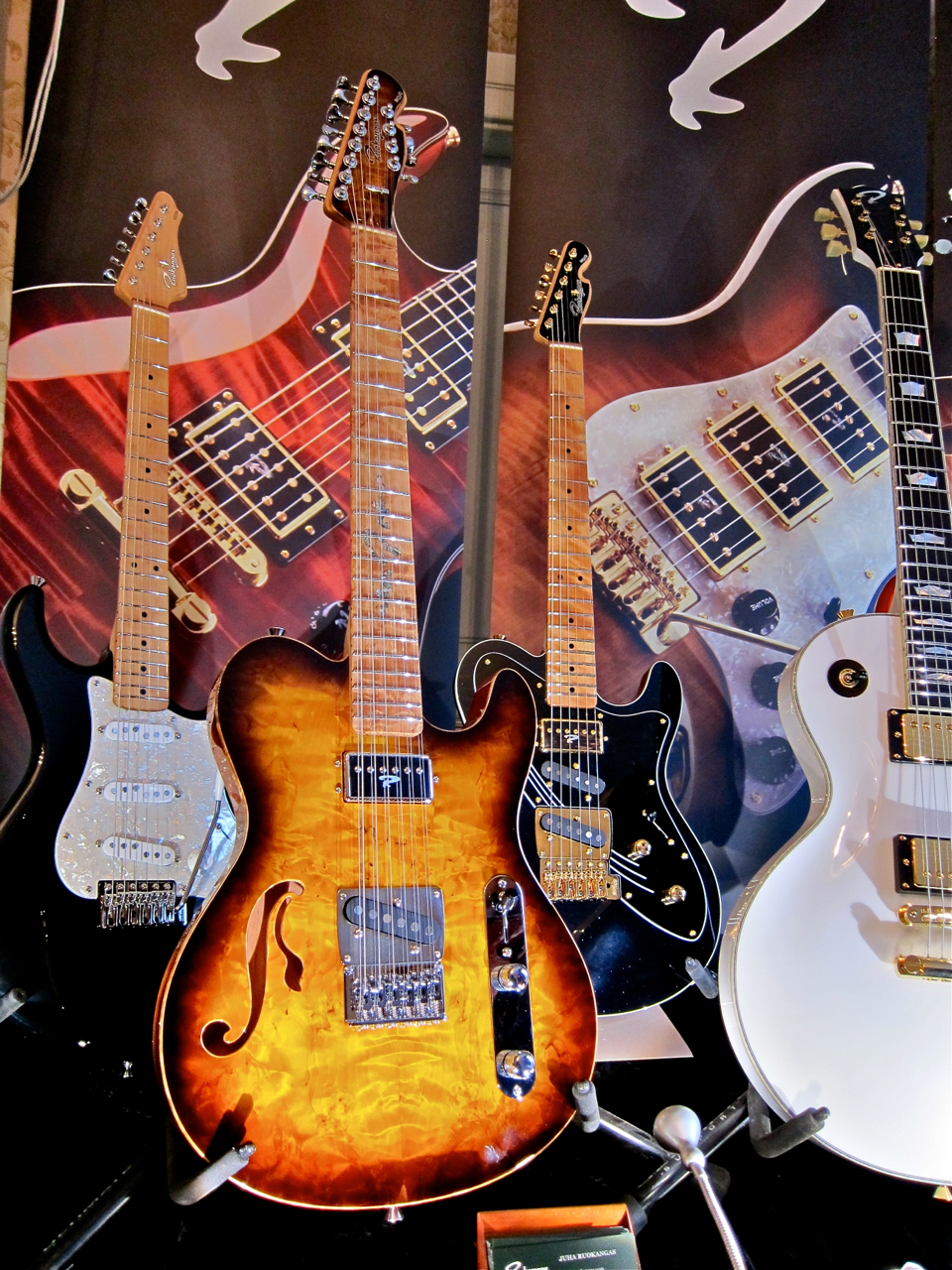
Ruokankaan 12-kielinen Mojo-malli on erittäin tyylikäs tapaus.
****
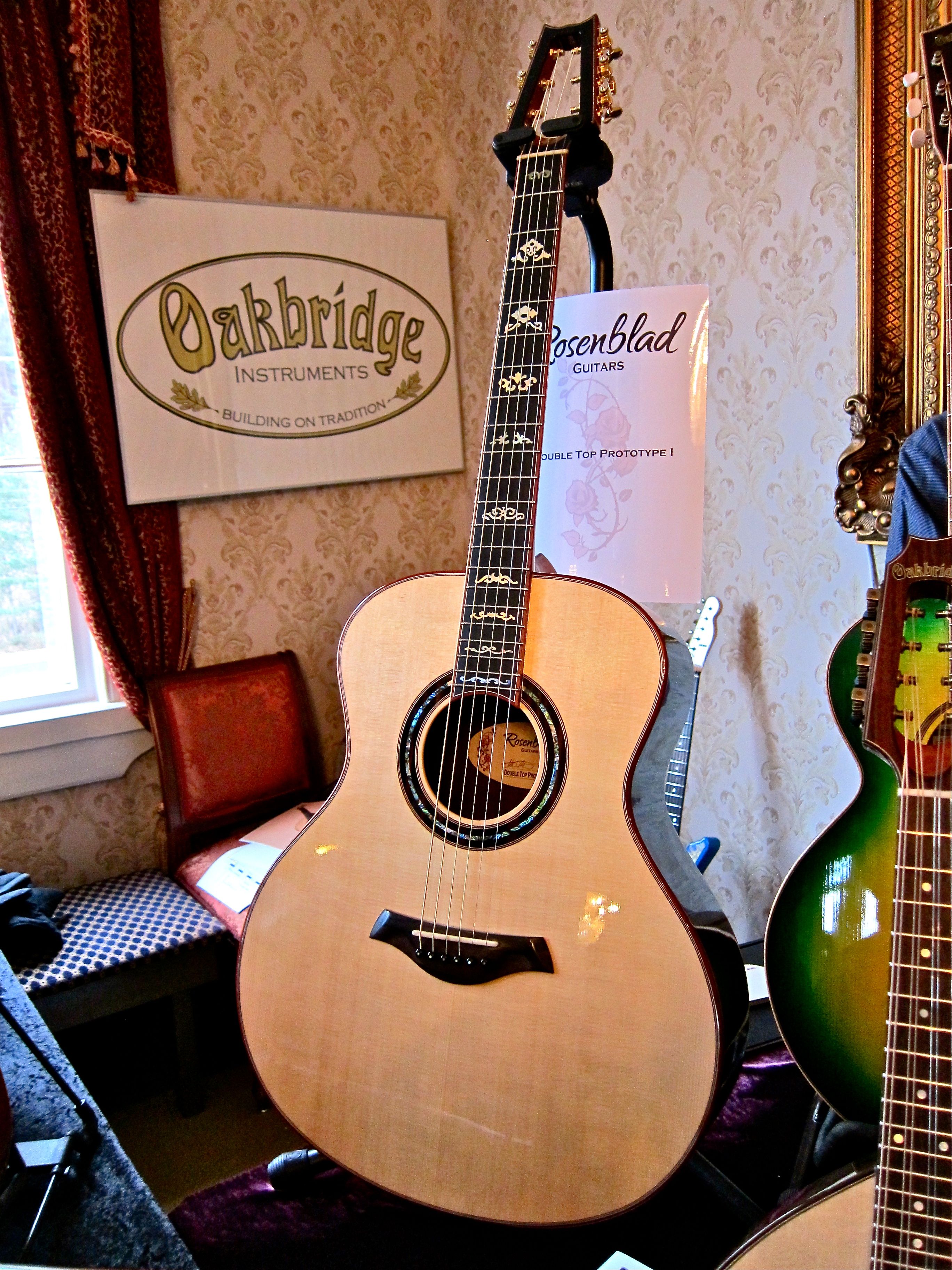
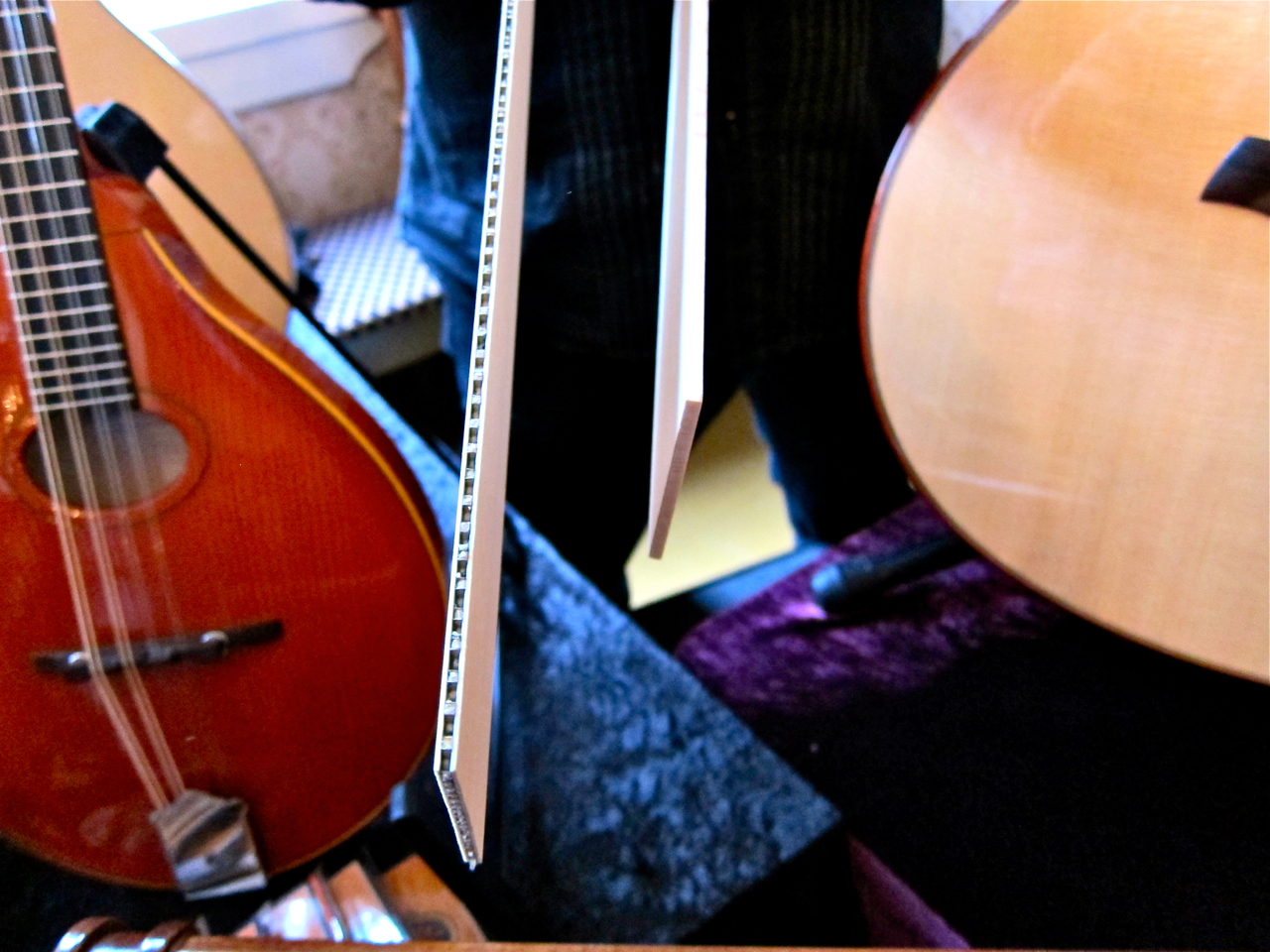
Rosenblad Guitarsin prototyypissä käytetään kennorakenteista tuplakanta.
****


Custom Shopin uudet omistajat – Kimmo Aroluoma ja Jani Marjoniemi – esittelevät mm. firman efektipedaaleja ja kustomoituja efektilautoja.
****

Oakbridgen Jouni Järvinen ja firman kiinteällä tallalla varustettu mandoliinimalli.

****

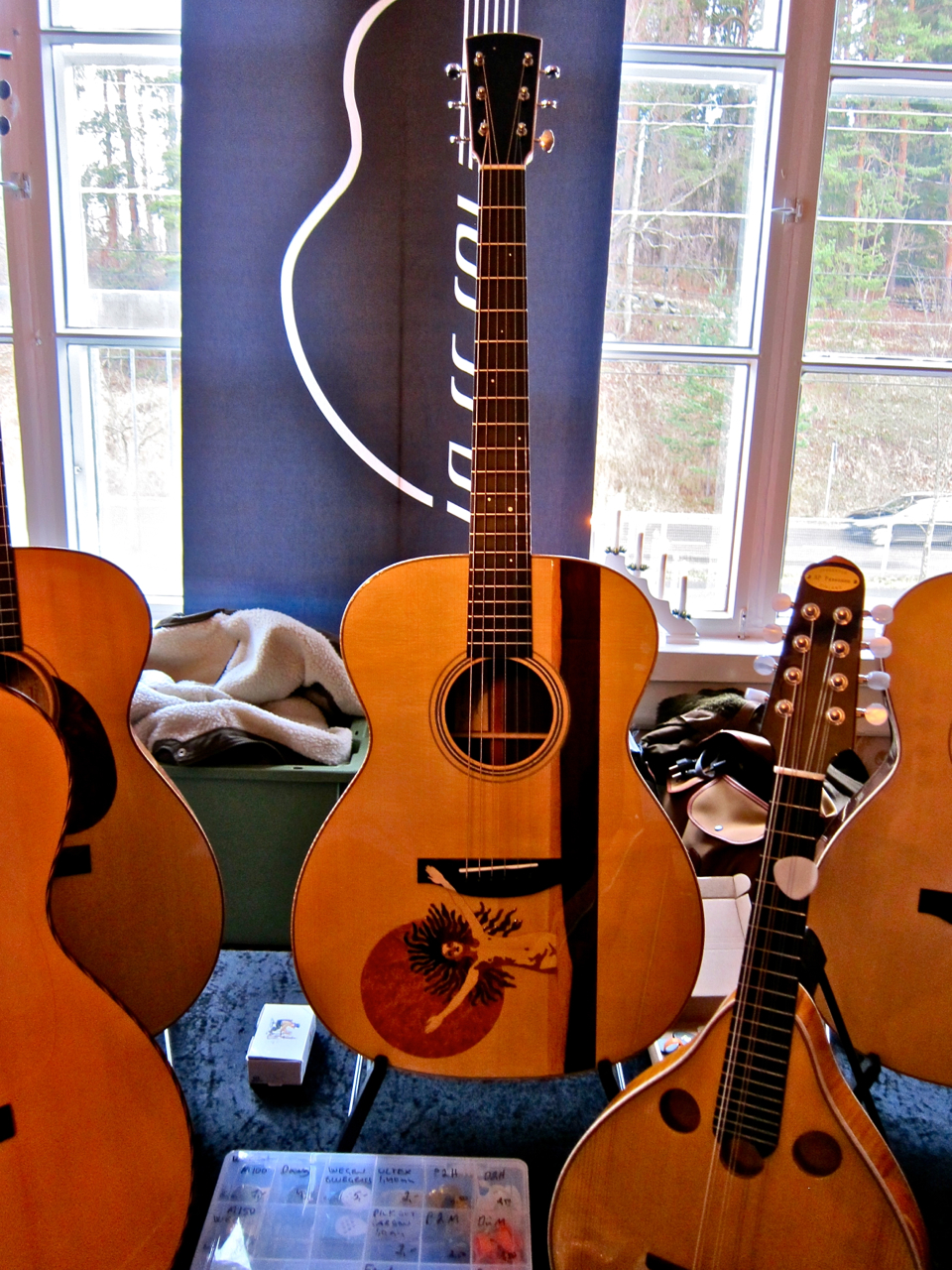
Soitinpaja JaSeSoin Ari-Pekka Paasosella oli jälleen kerran esillä monta upeaa soitinta.

****

Jarno Salo (Salo Pickups) ja puulla päällystetty Rough Boy -mikrofoninsa.

****
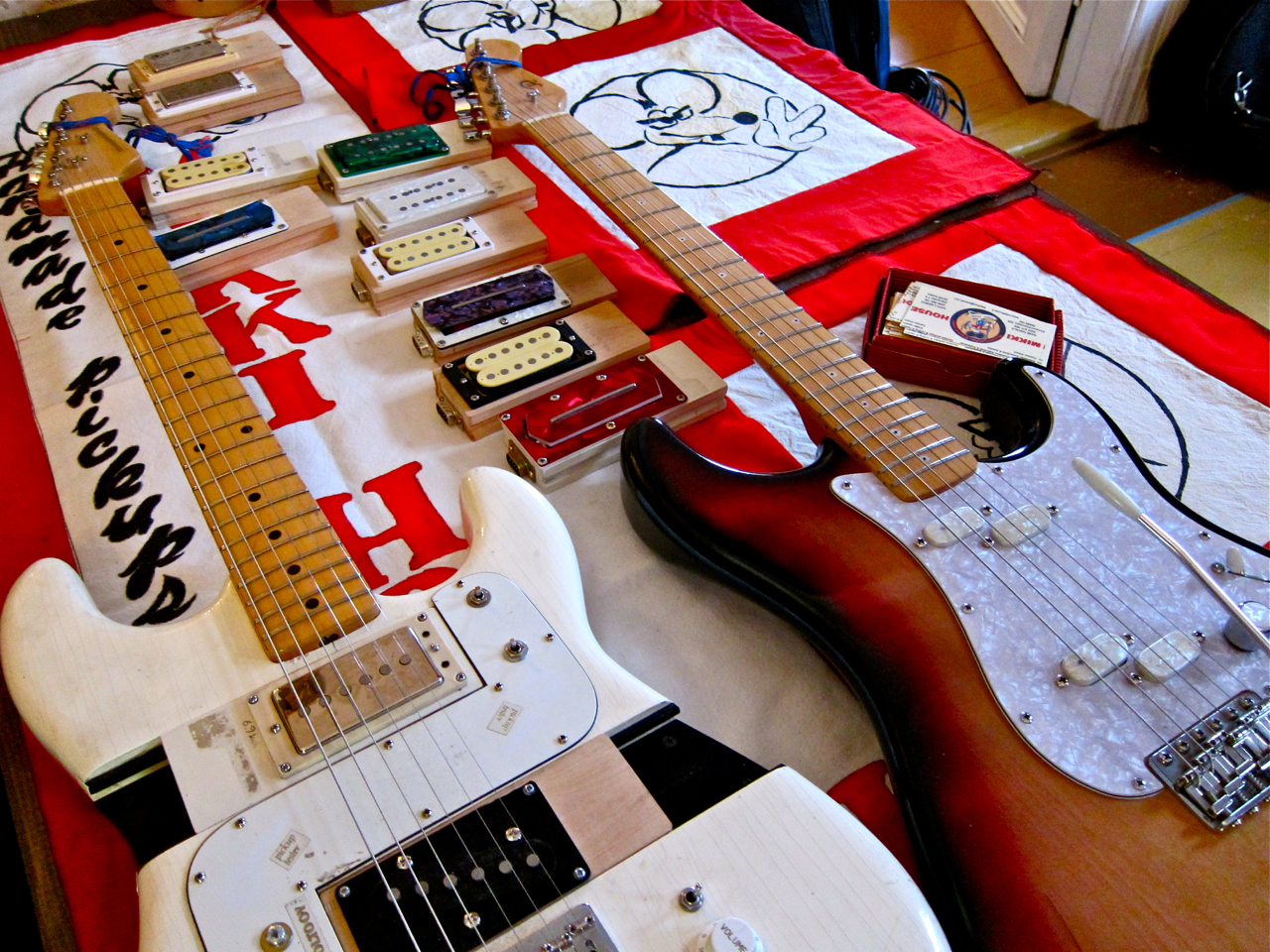
Mikki House-mikrofoneja ja -testisoittimia.
****

Finlandia Instruments Hämeenlinnasta tarjoaa laajan skaalan erilaisia kielisoittimia. Teemu Järvinen esittelee firman lankkuakustista kitaraa.
****

AJL-Guitarisin osastolla soitetiin kuumaa mustalaisjazzia – Hot Club de Finlande feat. Olli Soikkeli.

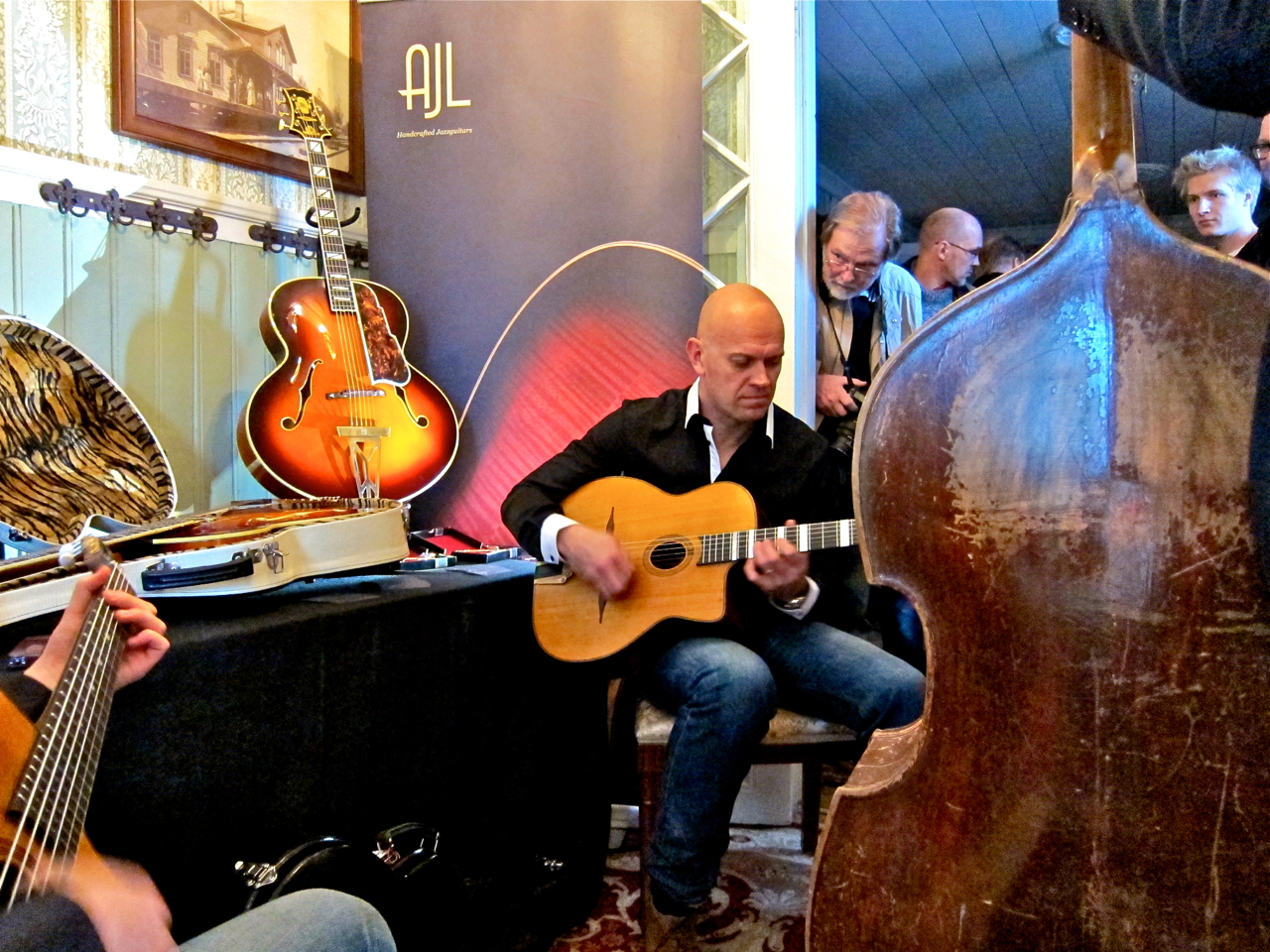
Soitinrakentaja Ari-Jukka Luomaranta on myös loistava kitaristi.

****

Tonefest jatkuu vielä huomenna!

****

One of Roland’s many new products for 2012 is the GA-112 – a COSM-based guitar combo using the company’s modelling technology to come up with a sound all of its own.
The GA-112 – as well as its larger 2 x 12″ brother, the GA-212 – utilises a specially designed COSM-model called Progressive Amp. Progressive Amp promises to give you the full scale of possible amp tones – from ultra-clean all the way to bone-crushingly dirty – from a single digital amp model, using only the gain-control and the combo’s EQ.
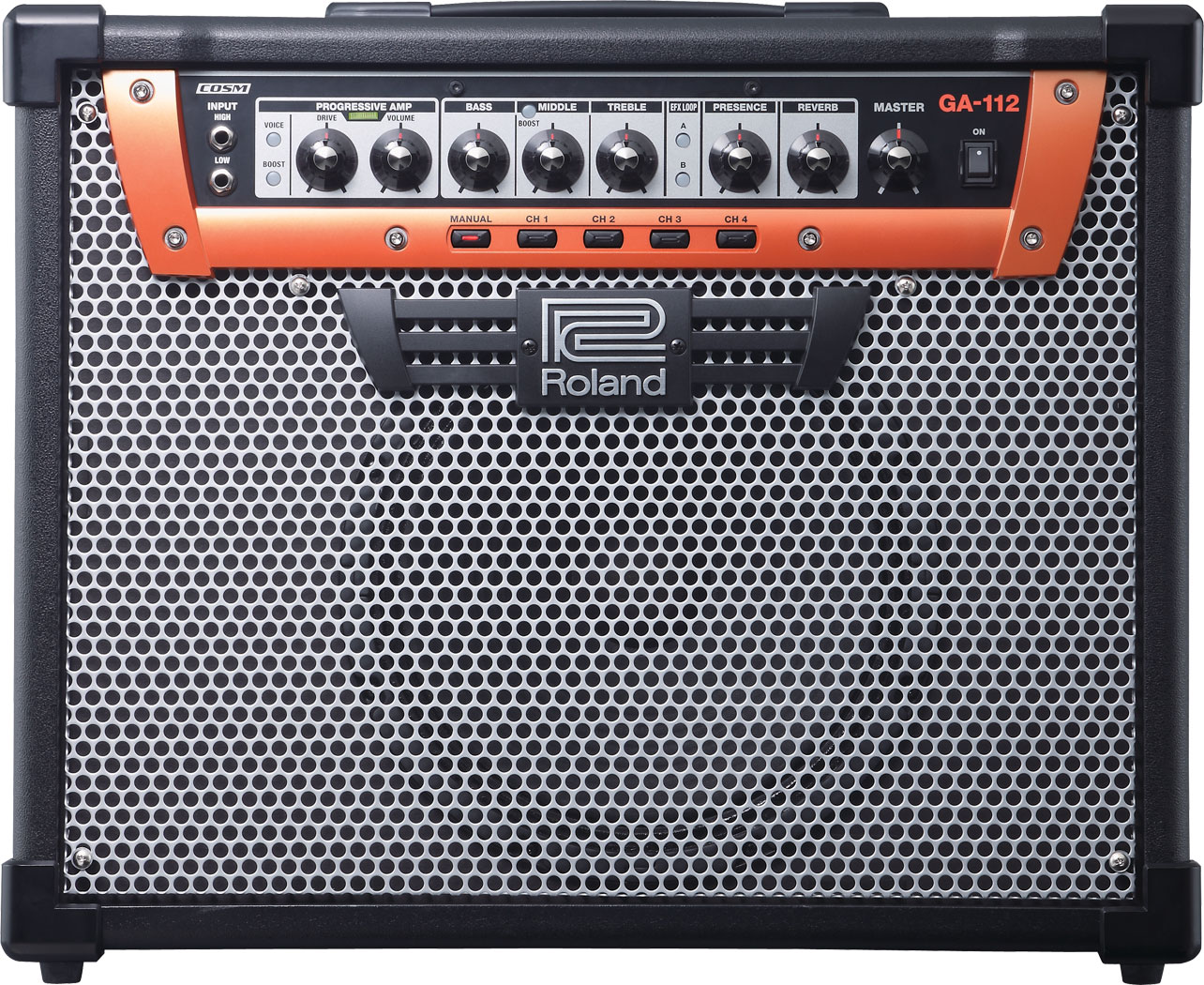
The 100-Watt Roland GA-112’s (current price in Finland: 844 €) looks combine many features from older Roland guitar amps.
The front panel is somewhat reminiscent of the legendary Jazz Chorus combo, while the cabinet’s black vinyl cover, as well as the extremely sturdy metal speaker grille have been borrowed from the company’s long-running Cube-range.
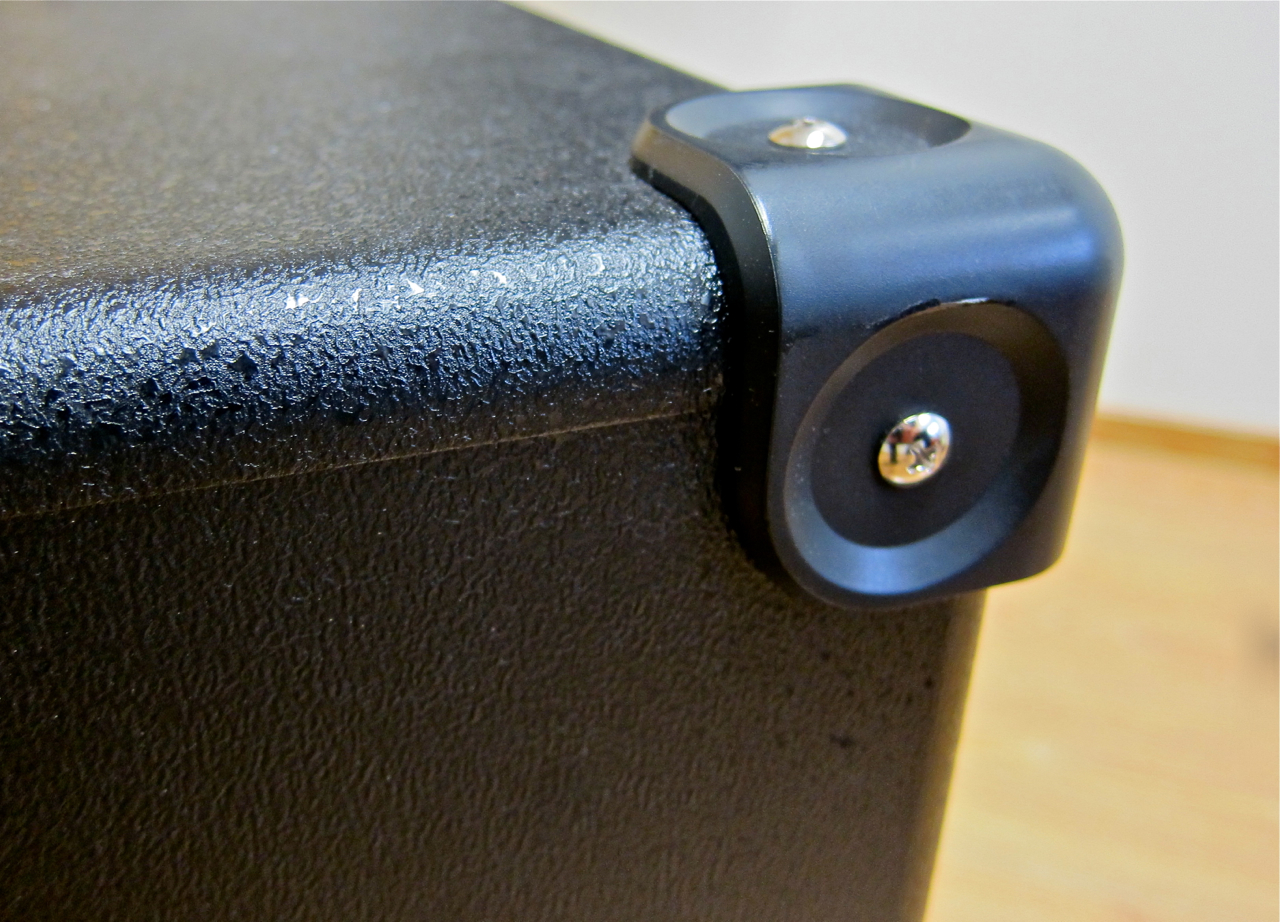
The GA-112’s chunky plastic corner protectors are designed to withstand the rough life of a gigging amplifier.
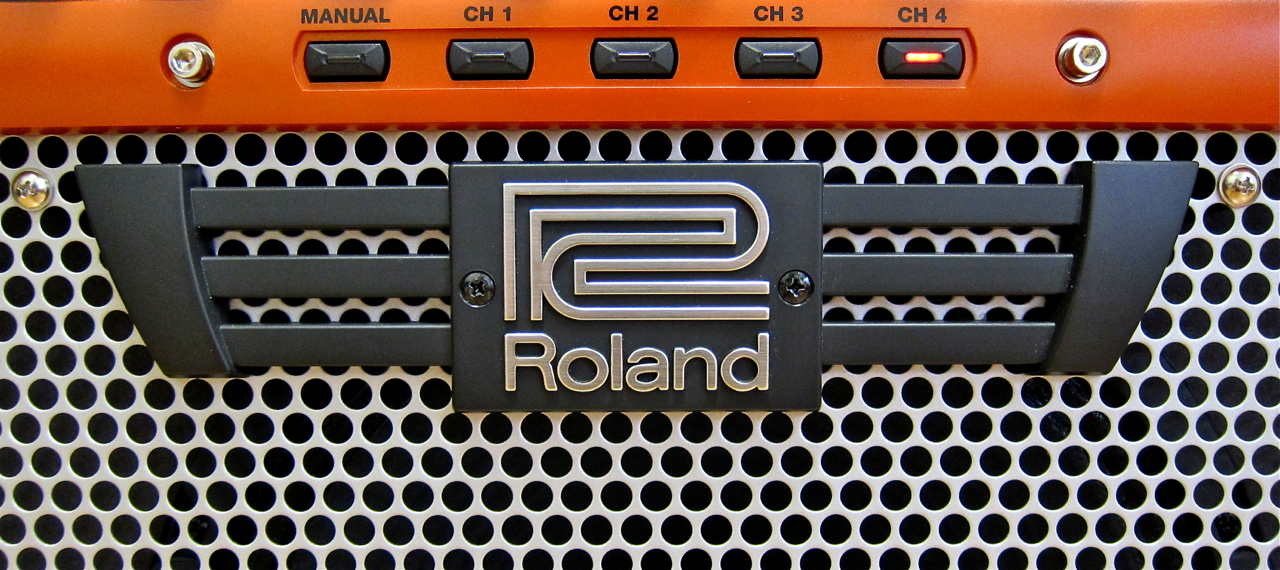
This Roland is equipped with a fully-digital preamp section offering a whopping five channels – four user-storable selections, plus the current control knob settings in Manual-mode.

Regardless of all the digital circuitry inside, the GA-112’s front panel is very clean and easy to understand. All push-buttons are backlit, and all the knobs for storable parameters (meaning all, but the Master Volume) have been equipped with red position LEDs. This combo’s settings are easy to read even on a completely darkened stage.
Apart from its two input jacks, the front section offers two buttons – Boost and Voice, which adds a slight loudness EQ-curve to the signal.
The Progressive Amp -section’s oblong LED-indicator is a great way to keep you in the picture in regard to the character of the current amp channel/settings, by changing its colour according to the gain setting. A green light, for example, tells you that you are paddling safely in totally clean waters, while purple or white means you are sailing close to distortion meltdown.
The EQ-section is a three-band affair with an added mid-boost for fattening up your tone.
Before travelling onward to the Presence- and reverb-controls your signal can be send to either or both of the GA-112’s effect loops. Both loops’ on/off-status is stored channel-specifically along with all the other channel data, which means that changing channels also automatically switches the loops on or off.
The GA-combo’s only internal effect is its lushly-voiced digital reverb.
Roland’s GA-112 stores all changes to one channel’s settings automatically each time you switch to another channel, which makes the combo quite intuitive to work with.

The effect loops have been placed alongside all the other connectors on the back panel.

You can choose between a parallel and a series signal path for each loop, and set the correct nominal signal level (-10 dB or +4 dB) for your chosen outboard effects.
The back panel also gives you a tuner output and a line level output for connection to a mixer. You can also daisy-chain two GA-112s for large venues.

For full switching control on-stage you have to buy Roland’s own GA-FC-footcontroller, which allows you to switch channels, turn the boost on or off, as well as switch on/off the effect loops and the reverb.
It would have been a nice move, though, if Roland had included a simple up/down-footswitch for channel-switching with the amp.
****
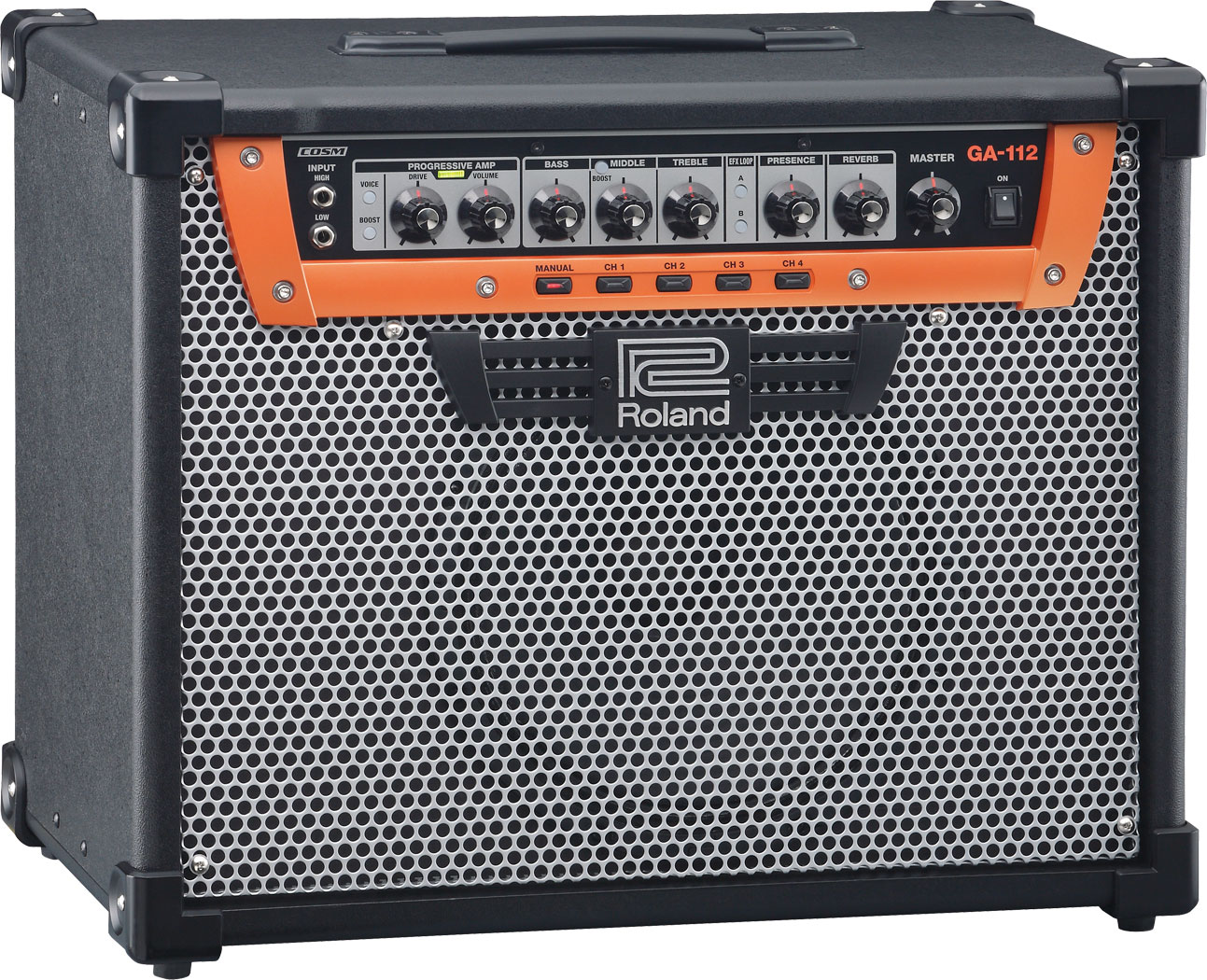
Roland’s GA-112 isn’t your traditional modelling amp, as it doesn’t feature heaps of different models of famous amps, vintage and new, or loads of different internal effects. The approach has been radically different here.
The GA-112’s main advantages are its healthy basic sound, as well as the Progressive Amp’s huge versatility and tweakability, giving you everything from totally clean to full-on metal.
The Roland isn’t about the authenticity of vintage amp models when compared to the physical originals from yesteryear. This is a modelling amp that isn’t modelling any specific amps, but uses it digital power to offer the guitarist a blank canvas with a large palette of colours.
The Roland GA-112 makes a great job of offering most guitarists their sound with the minimal amount of fuss and a practically flat learning curve.
Warm Jazz-cleans or biting Country-picking can be dialled in in no time. Organic and dynamically rich Trad Blues and Seventies Rock can also be had. And the GA-112’s merciless Metal-riffing will have you headbanging until the janitor takes the main fuse hostage.
Roland’s two switching effect loops open up many interesting possiblilities for seasoning your tones.
I suggest you make a beeline for your nearest Roland-dealer, if you are interested in making the GA-112 your personal command centre on-stage or in the studio.
****
Here are a couple of examples using the Roland GA-112 without any external effects:

****
Roland GA-112
844 €
Finnish distribution: Roland Scandinavia
****
Pros:
+ basic sound
+ extremely wide scale of gain
+ programmable
+ two effect loops
+ power
+ sturdy build
Cons:
– footcontroller optional
****

Over the last decade Bogner Amplification have achieved a legendary status among fans of boutique amps.
Bogner’s best-known design is probably the Uberschall-model, which is aimed squarely at the connoisseur of high-gain amps. But the company also build several vintage-inspired amps, one of which is the Bogner Goldfinger combo.
****

Bogner’s Goldfinger 45 1×12 (current price in Finland: 2.946 €) is quite large for a 1×12”-combo. Its dimensions are in a similar league as the 2 x 12 Vox AC30. The reason behind the large and deep cabinet lies in the fatter tone it produces.
The Goldfinger’s preamp section has been designed around four 12X7- and one 12AT7-valve, with the main amplifier running a quartet of 6V6-types. The combo is rated at 45 Watts, but its power can be reigned in using the front panel’s Standby/Hi/Low-toggle, as well as the Full/Half-switch around the back.
The top-drawer valve amplification circuit and the combo’s high-class plywood cabinet naturally make themselves felt on the scales. Handling 30 kilos worth of weight using the Goldfinger’s sole top handle isn’t quite a walk in the park.

The Bogner Goldfinger 45 is a two-channel amplifier, with the clean channel called α – or Alpha.
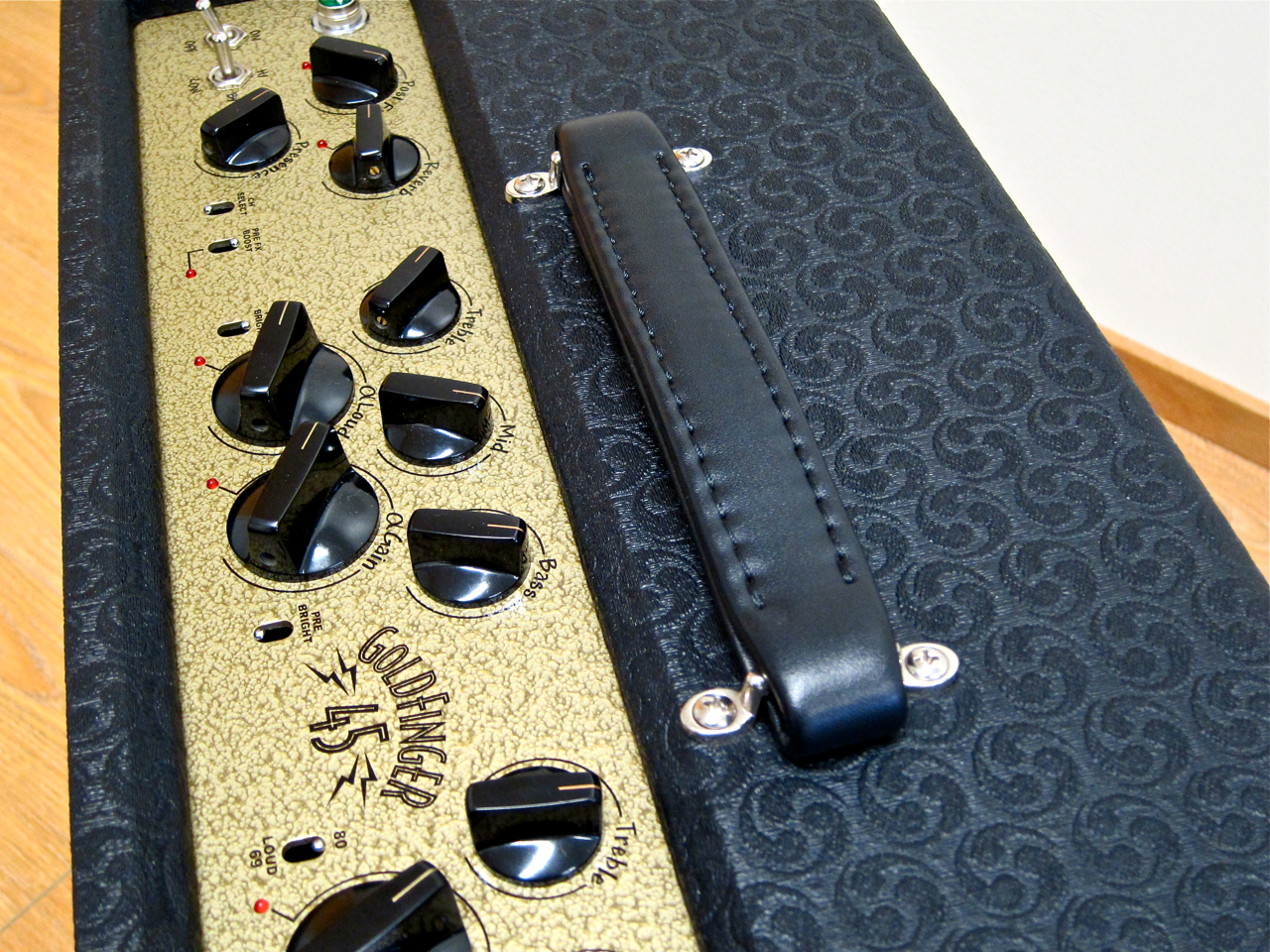
On the right side of the picture you can spot the Alpha-channel’s controls – gain, master volume (”Loudness”), as well as a three-band EQ-section – with the added attraction of not one, but two bright-switches. Pre Bright spices up the signal in front of the gain control, with Post Bright being inserted into the Loudness-circuit. Pre Bright has a sharper and more dynamic character, in contrast to Post Bright’s somewhat more open tone. Both the gain- as well as the Loudness-settings affect the amount of brightness added via the switches – the louder you go, the less top end bite is added.
On the picture’s right hand side you’ll find the Goldfinger’s master section, with controls for reverb, master presence and the Post FX -loop. One of the Bogner-combo’s coolest features is hinted at by the miniswitch labelled Pre FX/Boost – the input has its own effects loop.
You could use the Pre FX -loop for adding a booster, compressor or outboard EQ-pedal to your signal chain, which then can be switched on or off using the combo’s own footswitch board. If you don’t have anything plugged into the Pre FX -loop, you can use the loop’s own buffer amp as a signal booster, with the amplification level adjustable on the back panel.

The name of the Goldfinger’s overdrive channel is Ω, or Omega, and it’s got a slightly different architecture compared to the Alpha-channel.
The Omega-channel offers you two basic charatcers to choose from, called 80 ja Loud 69. Loud 69 is the more vintage-type setting of the pair, giving you a moderate amount of gain with plenty of dynamics, reminding me of early Marshall-amps or the rudeness of a hollering Hiwatt. ”Loud” is a very good term here, as with identical settings Loud 69 is much louder and punchier than the far creamier 80-selection.
Setting the Omega to 80 morphs the Goldfinger into a Classic Rock -aficionado’s dream machine. There’s lot of gain on tap with a good helping of fat and creamy compression, which calls to mind Mesa/Boogie-style Westcoast-sounds or Gary Moore’s singing Marshall-tones.
In addition to its three-band EQ, Omega also offers a control named Gain EQ, which allows you to change the channel’s tonal focus from warm and fat all the way to biting and bright. Because the Gain EQ -control sits at the channel’s front end, its setting also influences the amount of overdrive.

A full-length spring reverb tank is situated in its own bag at the bottom of the cabinet.
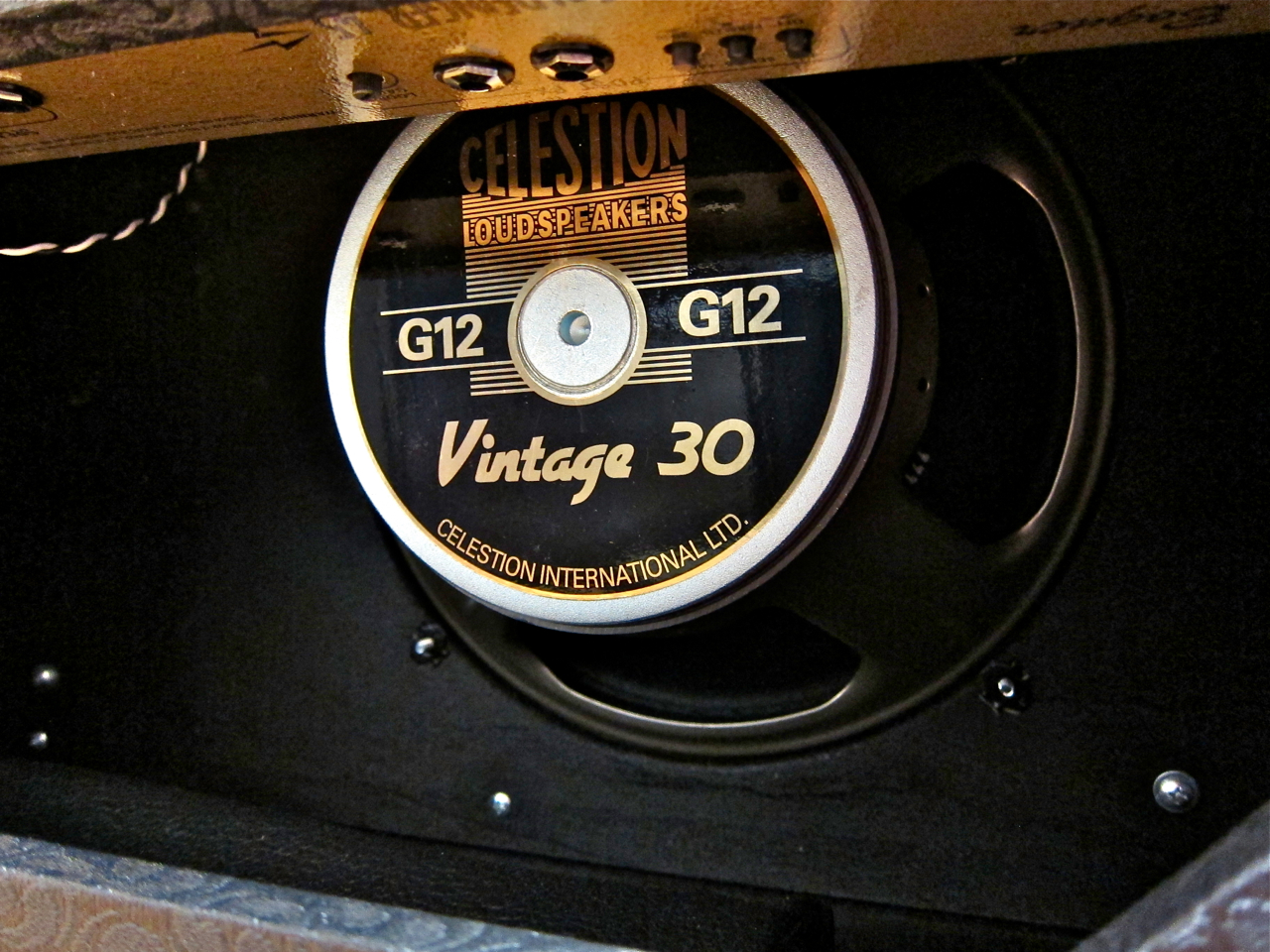
Bogner’s Goldfinger 45 speaks via one of the world’s most-loved speakers – a Celestion G12 Vintage 30.

Because the Goldfinger-combo basically utilises the head of the same name, only flipped on its side, a more fitting name for the back panel might be ”bottom panel” in this case. All connectors, switches and controls face downward, which isn’t so great for accessibility and visibility.

On the right hand side you can find the connectors and the level control for the Pre FX -loop, as well as the socket for the footboard’s screw-in connector.

Bogner’s Post FX -loop offers a plethora of options.
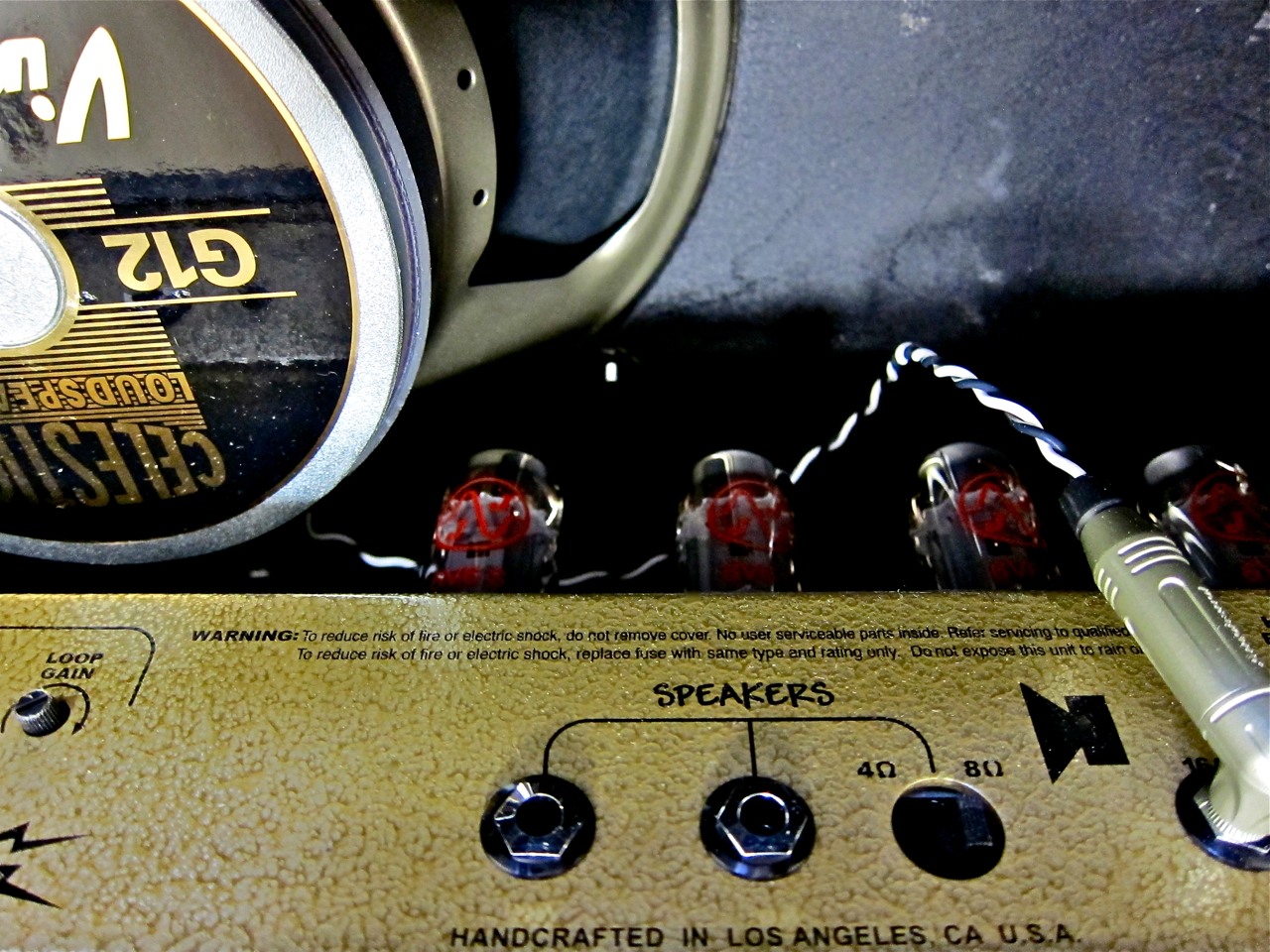
There are two additional speaker outputs on offer, with the impedance switch sitting right next to them.
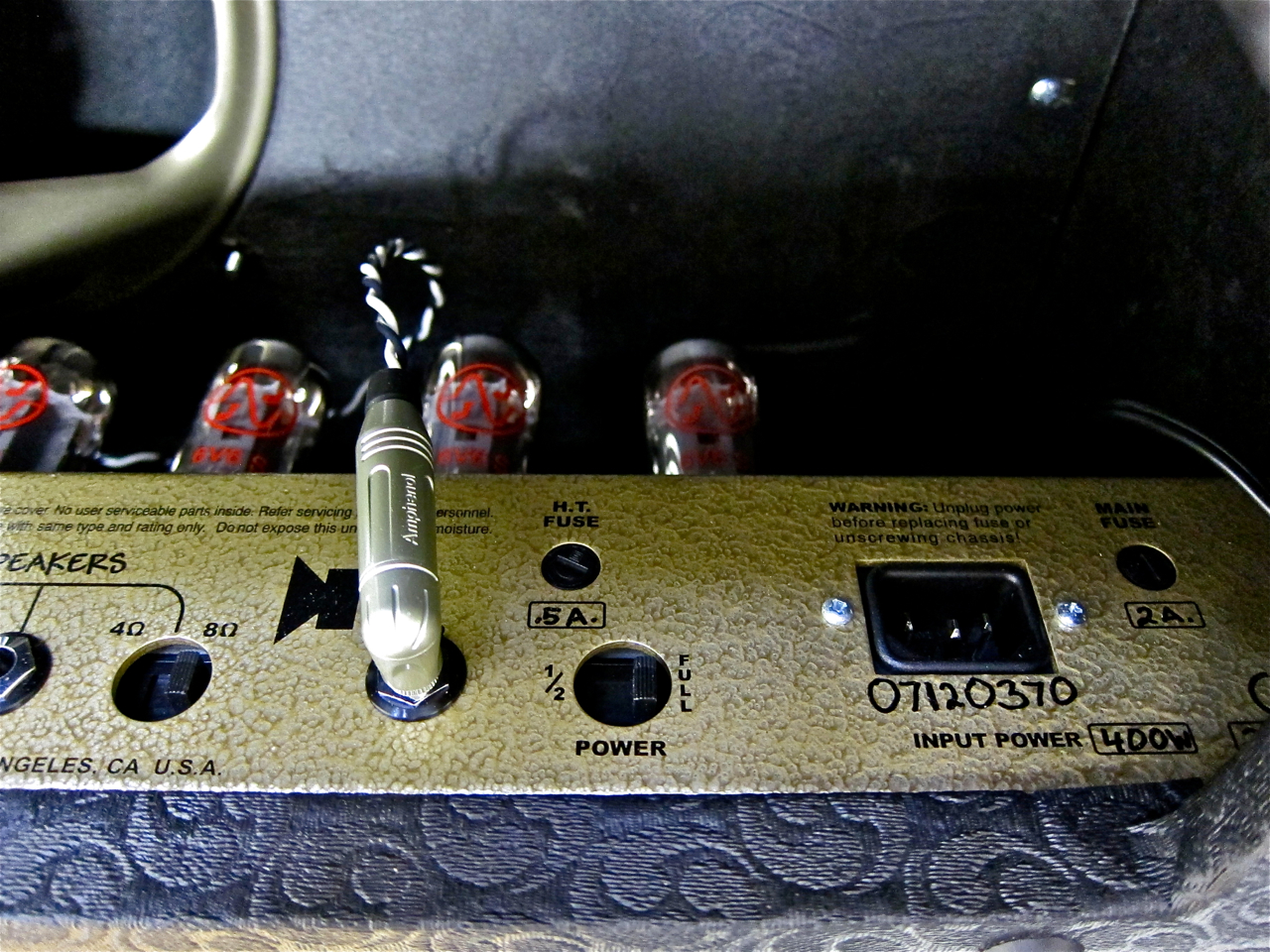
…and last, but not least, the amp’s fuses, as well as the half-power switch for the main amp section.

Just as the combo itself, the accompanying footswitch board is built to last, and sports the same structured, golden finish as the combo’s control panel.
****
The Bogner Goldfinger 45 is an extremely versatile valve-amplifier. Per se this doesn’t really tell you anything, because in many designs versatility comes at the price of a mediocre basic tone.
The Bogner Goldfinger’s outstanding quality really shows in this respect, as each and every link in the signal chain only serves to enhance this combo’s fantastic basic tone.
True, if you don’t know what you’re doing, you can get bad sounds out of the Bogner, regardless – for example by heaping both Alpha-channel brights on top of a Fender Strat or Tele – but in those cases it’s the user who’s to blame, not the amp.
Used with good taste, though, the Bogner Goldfinger will enhance the basic character of your guitar’s tone to bring out the best in your playing.
The combo’s spring reverb sounds fantastically lush, with the reverb-knob giving you anything from a nice little sprinkle to full-out Surf Mania.
The only two things I am not totally in love with are the downward-facing back panel, as well as the loud thud emanating from the Omega’s Mode-switch, when used with the amp running. According to the owner’s manual this loud noise is perfectly normal, but it still bothers me a bit, not being able to switch between Loud 69 and 80 on-the-fly.
All in all, I feel that the Bogner Goldfinger 45 is a very strong contender for the title of ”Best Combo ever”. The price tag is steepish, but well in line with the amp’s quality and this particular market segment as a whole.
Here are some sounds I recorded with the Bogner Goldfinger combo:
Alpha (Post Bright on) – Hamer Studio Custom
Omega (Loud 69) – Fender Stratocaster
Omega (Loud 69) – Hamer Studio Custom
Omega (80) – Fender Stratocaster
Omega (80) – Hamer Studio Custom
****
Bogner Goldfinger 45 1×12 -kombo
Current price in Finland: 2.946 €
Finnish distribution: Musamaailma
Pros:
+ workmanship
+ sound
+ versatility
+ pedalboard included in price
+ half-power switch
+ reverb sound
Cons:
– back panel placement not very practical
– Loud 69/80-switch’s thud


****

DLX Musiikilla on iso kitaraosasto, jossa ovat esillä mm. …

…Hagström…

…ja Vox.
****
DLX:n akustisessa puolessa oli mukana myös Taylor Guitars.


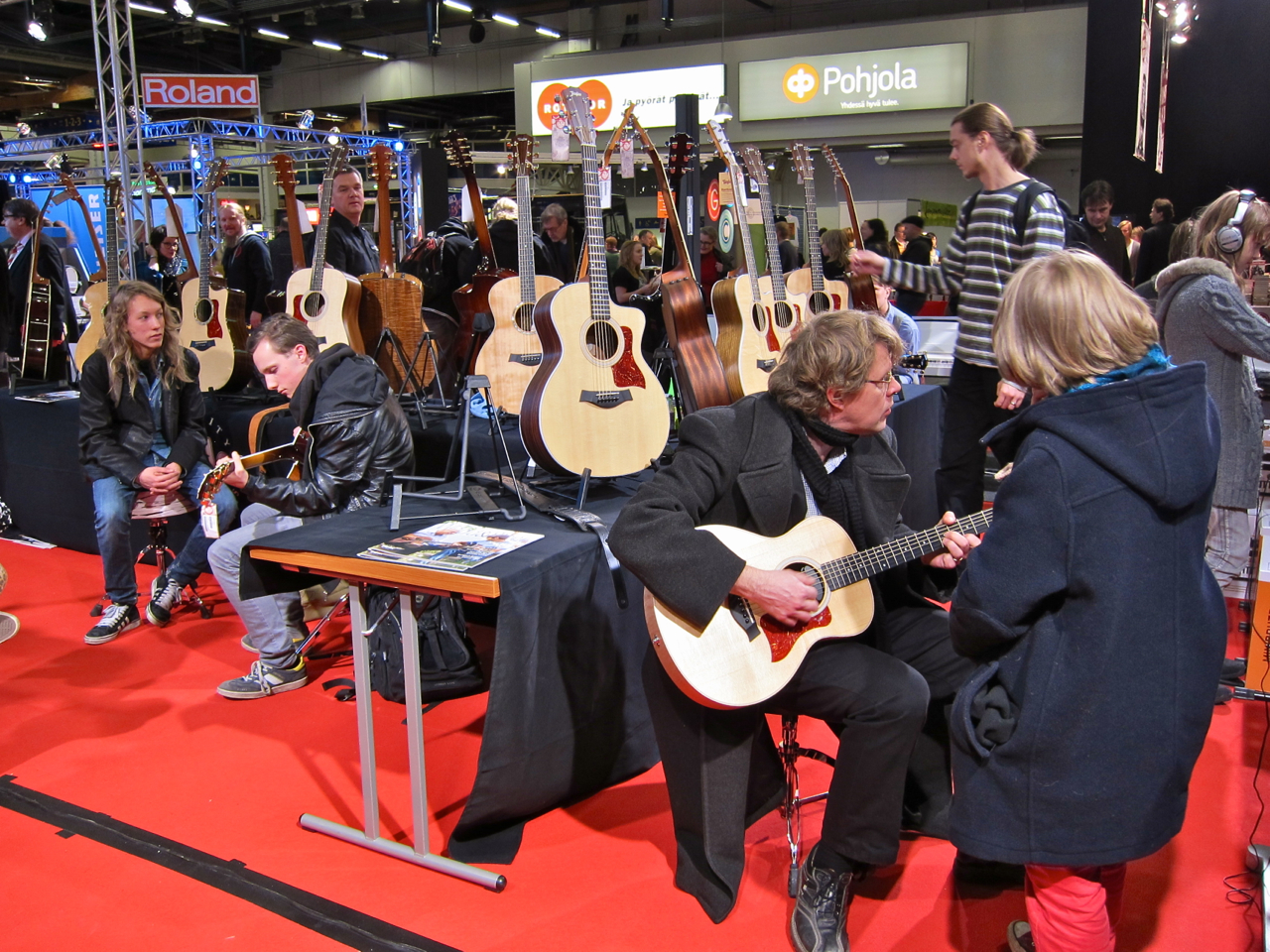

Myös 8-kielistä baritoni-Tayloria voi kokeilla…

****

Riffi-julkaisujen Tommi Posalla on kädessään kustantamon uunituore Country Guitar Workshop 2 -kirja. Kirjan tekijä on Jarmo Hynninen.
****
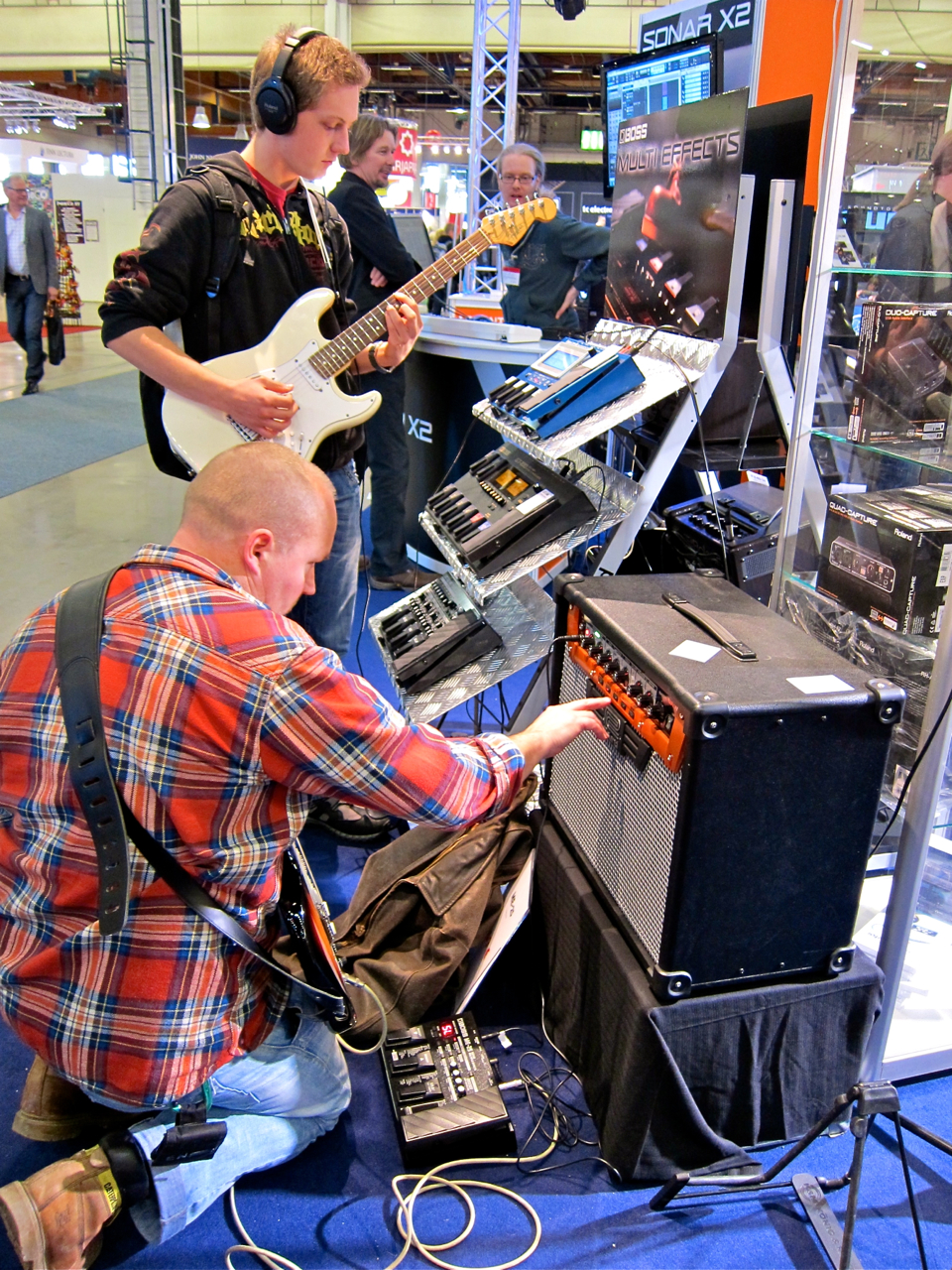
Rolandilla voi tsekata mm. digitaalista GA-112-komboa.
****

Jos Schecter, TC Electronic tai Ampeg kiinnostavat, kannattaa käydä Soundtoolsin osastolla!
****

Messut jatkuvat vielä sunnuntaihin saakka.





 Kitarablogi.com – Finland's premier Guitar and Bass blog