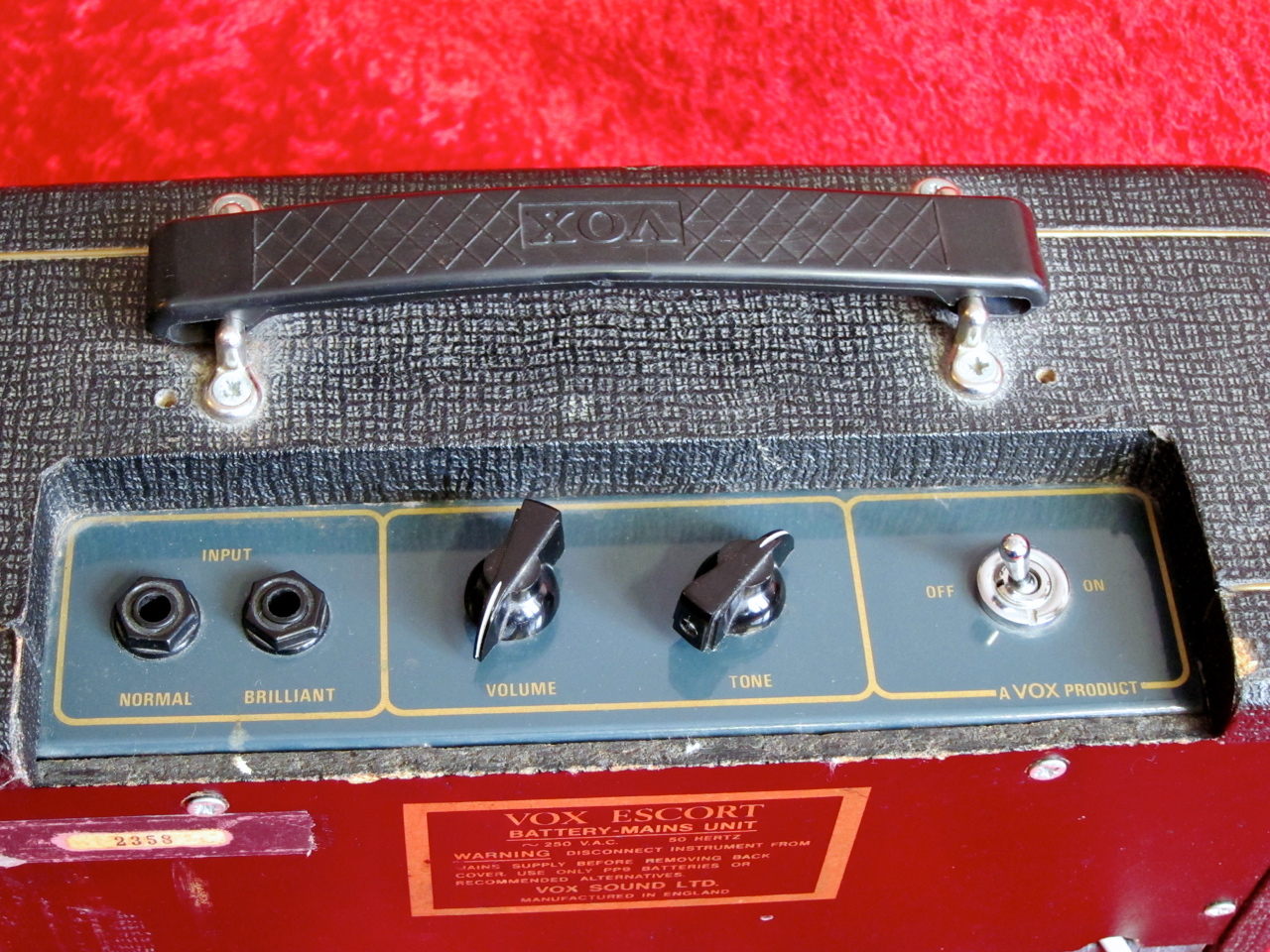
Vox Escort Battery Mains
• 2.5 W
• 5-inch Elac speaker
More INFO
Lisää INFOA
Kitarablogi.com – Finland's premier Guitar and Bass blog
Juttuja kitaroista ja bassoista

Jimi Hendrix’ simply doesn’t seem to wane, even though the genial guitar hero himself died in London in 1970 at 27 years of age. There’s still so much interest in Hendrix’ music that he continues to rank among the top ten of best-earning dead celebrities in Forbes magazine.
The Fender Stratocaster was the master’s favourite instrument, so it’s not really surprising that the man has been honoured with a signature model by Fender last year. This guitar is now also available in Finland.
The new Made-in-Mexico Fender Jimi Hendrix Stratocaster isn’t the first Hendrix model that Fender has released:
In 1980 a small, semiofficial run of Hendrix Strats was made, sporting a white body and a left-handed neck with a large headstock. Fender’s Custom Shop came out with 100 Monterey Stratocasters, which where close copies of the guitar instrument played and burned at the 1967 festival. It was a right-handed Stratocaster with a small headstock and a hand-painted body, set up for left-handed playing. Along with the guitar the Monterey Set also included a flight case and a leather gig bag. In the same year (1997) Fender USA started to produce the Jimi Hendrix Voodoo Strat. The Voodoo Strat was in fact a a left-handed (!) copy of Hendrix’ (right-handed) Woodstock Stratocaster, with the headstock decals turned into mirror images, so that you would look (a bit) like Hendrix, whenever you stepped in front of a mirror. 😀
****

The brand-new Fender Jimi Hendrix Stratocaster (approx. 950 € in Finland) also has some features resembling the guitar Hendrix used at the Woodstock festival:
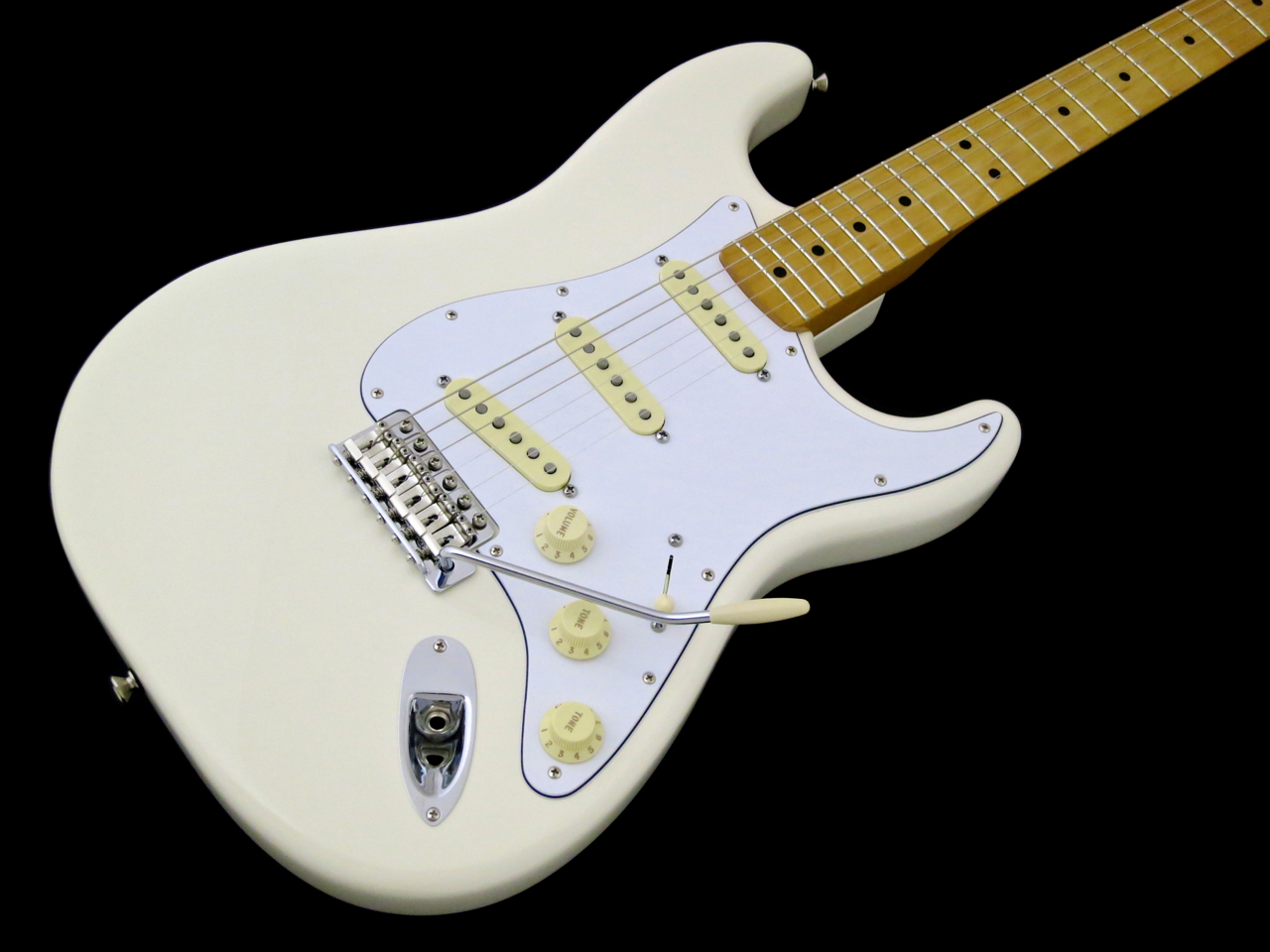
The right-handed alder body is finished either in black or in white, while the neck is a large headstock-carrying, left-handed, all-maple affair.
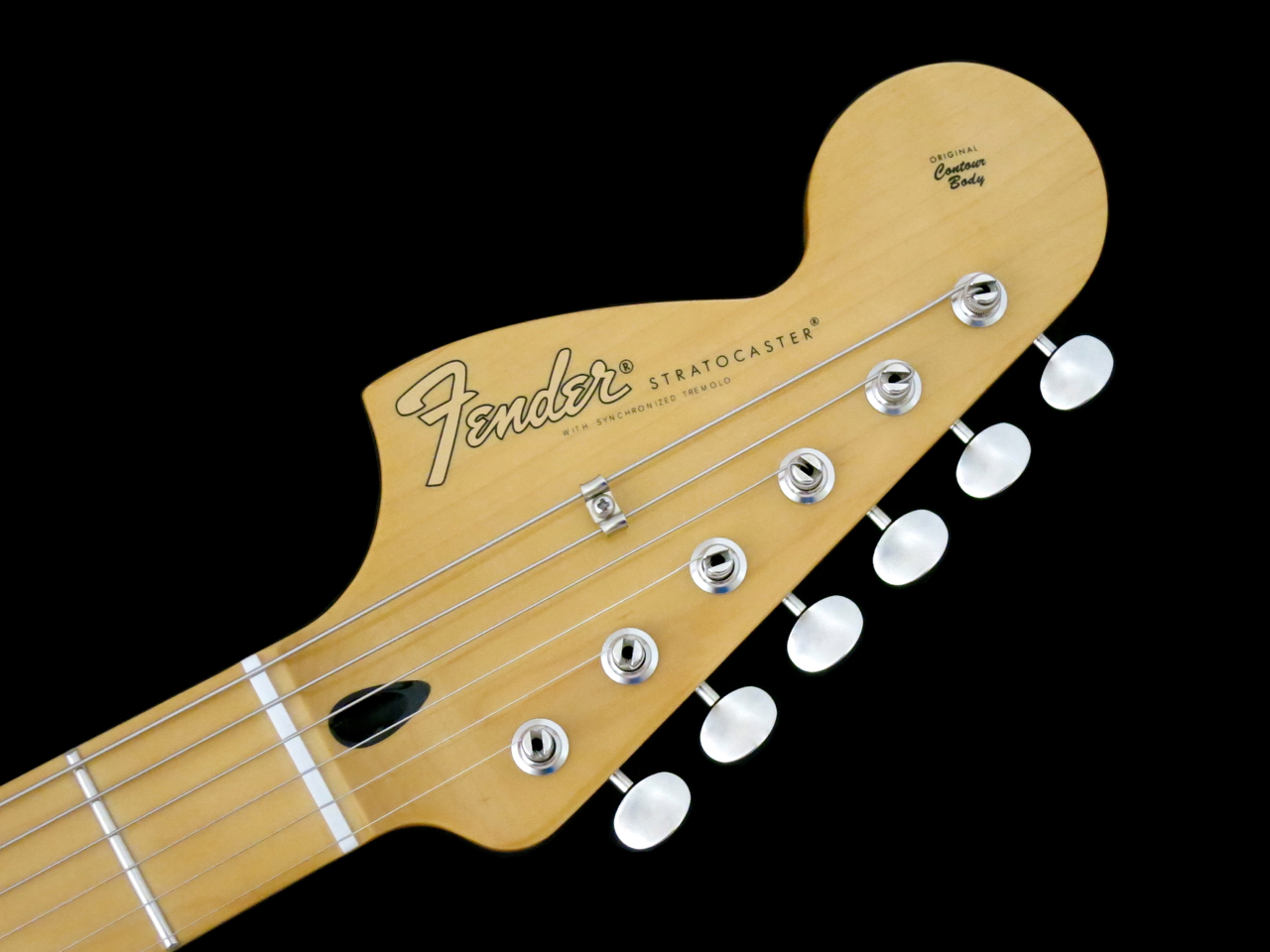
The headstock carries the so-called transition logo from the mid-Sixties, which was much larger than the Fifties’ spaghetti logo, but still gold coloured. By the end of the Sixties the logo was changed to black and the model name was written in large, bold lettering – that would be called the the CBS logo.
Modern improvements on the Hendrix Strat include truss rod access from the headstock side, as well as a flatter, more bend-friendly fretboard radius of 9.5 inches.

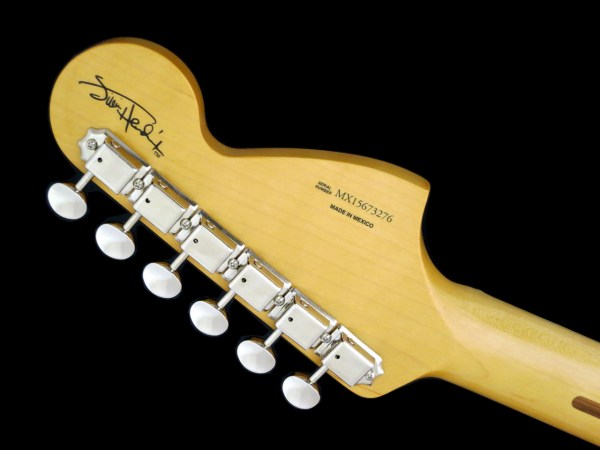
The headstock’s flip side displays Hendrix’ signature, and a very decent set of Kluson copies.

The neck joint has been kept very traditional, but for the Authentic Hendrix-logo on the neck plate.

The most important differences between the Hendrix model and a bog standard Strat can be found in the pickup department:
The Mexican signature guitar comes equipped with a pukka set of American Vintage ’65 Gray-Bottom Fender-pickups, which have been installed into this guitar, as if this were a left-handed model turned over. Both the neck and middle pickup have been flipped over by 180 degrees, while the bridge pickup has been flipped over first, before being installed at a reverse angle. Usually the bridge pickup is placed so that its bass side is closer to the neck with the treble side being closer to the bridge. On the Hendrix Strat the bridge pickup’s bass side is closer to the bridge and the treble side closer to the neck.
This reverse installation means that the magnet stagger is ”wrong”, changing slightly the balance between the strings in terms of output. Furthermore, the bridge pickup will give you a slightly changed range of overtones, due to its reverse angle.
We’ll find out in the listening test, whether these changes really make any discernible difference.

The controls follow the vintage recipe – master volume, neck tone, middle tone – while the pickup selector on the Hendrix model is a modern five-way unit.
The American Vintage ’65 pickup set is true to the original specs and does not feature a reverse-wound/reverse-polarity middle pickup for hum-cancelling in positions two and four, like many updated Strats!

Fender’s vintage vibrato bridge (the ”Sychronized Tremolo”) sports bent steel saddles.
****

Fender Strats are well-known for their excellent ergonomic properties and the Hendrix signature model stays true to this heritage.
Our review instrument was of comfortable moderate weight. The neck’s mid-Sixties C-profile feels great, thanks to not being overly chunky.
The guitar arrived strung with a set of 010s and tuned to E-flat, but the setup wasn’t quite spot-on. The vibrato bridge was tipped a little too steeply, and the intonation was a bit off on the bass strings. But it only took me a couple of minutes (and the correct pair of screwdrivers) to get this Strat shipshape. The result was a great-playing and great-sounding guitar (string height at 12th fret: bottom-E: 2.2 mm/high-e: 1.7 mm).
The flatter-than-vintage fretboard radius really helps to make the Hendrix Strat a very bend-friendly guitar, while also minimising the possibility of fret choke during large-interval bends.
I must admit that I’m not quite sure, whether I really hear much of a difference in the amplified sound of the reversed pickups, though.
Jimi’s guitar tech and effects guru, Roger Mayer, has often stated that Hendrix was satisfied with the sound of his (right-handed) Strats right off the peg. According to Mayer, the only ”customisation” the pair ever did on newly bought guitars, was to take off the neck and remove all possible finish residue inside the neck pockets to improve the stability of the neck joints. Hendrix’ effects, on the other hand, were a regular target for fine-adjustment and electronic customisation.
Anyway, the new Fender Jimi Hendrix signature guitar sounds just like a great Strat should. Here’s a clean clip first:
Here’s an example of the Hendrix Strat’s distorted tone:
I was eager to start recording with the Fender Hendrix model. The first demo track puts the signature Strat into a slightly more contemporary context. The signal chain for this track was: Fender Hendrix Stratocaster –> Electro-Harmonix Germanium 4 Big Muff Pi –> Morley M2 Wah/Volume –> Blackstar HT-1R:
Next I recorded a demo track with a more Hendrix-like arrangement. The signal path was: Hendrix Stratocaster –> Morley M2 Wah/Volume –> Electro-Harmonix Nano Big Muff Pi –> Blackstar HT-1R. The Uni-Vibe style sound at the end of the track was achieved with a phaser plug-in during mixdown:

****

Even though Jimi Hendrix was known for his avant-garde use of effects in the studio – buoyed by the creativity of his sound engineer Eddie Kramer – his signal chain on stage was surprisingly straightforward. Here’s a short and basic rundown of Hendrix’ live rig.
1. Marshall Model 1959 ”Plexi” stack
Jimi Hendrix used what we now call a vintage-type, non-master volume amplifier stack, which wasn’t especially high-gain by today’s standards. Usually Hendrix had two 100 Watt Marshall-stacks running in parallel, which meant things got very loud. His Strats would cause his amp to break up, but the type of distortion was closer to what we’d now call a 60s Blues sound than to 70s Metal, and far removed from the high-gain saturation of our time.
I simulated this type of amp response by turning my Blackstar HT-1R’s gain control up to get the clean channel to overdrive.
2. Dallas-Arbiter Fuzz Face
In my view, the fuzz pedal is the most important ingredient in Jimi’s sound, because it adds a lot of oomph, creamy compression, and aggression to proceedings.
A British importer of musical equipment, a man called Ivor Arbiter, came up with the Fuzz Face in 1966, because he wanted to have a fuzz pedal in his product range. He came up with a chunky package by having the Fuzz Face circuit built into the base of a 60s microphone stand. The round enclosure, coupled with the unit’s two controls and single footswitch, looked like a smiley face, which is where the pedal got its name from.
Fuzz Faces are built by the Jim Dunlop company these days. There are also cheap alternatives available, from companies such as Mooer or Rowin. I’m using an Electro-Harmonix Nano Big Muff Pi for the demo tracks:
3. Vox Wah-Wah
Hendrix generally used his Vox Wah in front of his Fuzz Face, but keeping it behind the fuzz will also result in some cool tones. Great wah-pedals can also be head from Boss, Mission Engineering or Jim Dunlop.
I’ve used my Morley M2 Wah/Volume pedal in front of the Big Muff Pi:
4. Octavia +Uni-Vibe
Roger Mayer’s Octavia-pedal was sometimes used as an additional ingredient in Jimi’s live sound. This strange-sounding effect combines distortion with an artificial upper octave and some slight ring-modulation. Hendrix also used a Uni-Vibe effect, which was one of the first pedals that tried to create a Leslie-like sound in a compact format.
A genuine Octavia-pedal is only made by Roger Mayer, but Joyo’s inexpensive JF-12 Voodoo Octave stomp box sets you off in a very similar direction.
Korg has introduced the NuVibe, which is a pukka re-imagination of the original Uni-Vibe-pedal. Voodoo Lab’s Micro Vibe is a high-quality proposition at a fair price.
You can also simulate Uni-Vibe-style tones by using a suitable phaser. The Boss PH-3 is a modern and versatile phaser. If you want something even more affordable, you could check out Mooer’s range of effects.
This clip uses a combination of two phaser plug-ins in my audio sequencer:
****
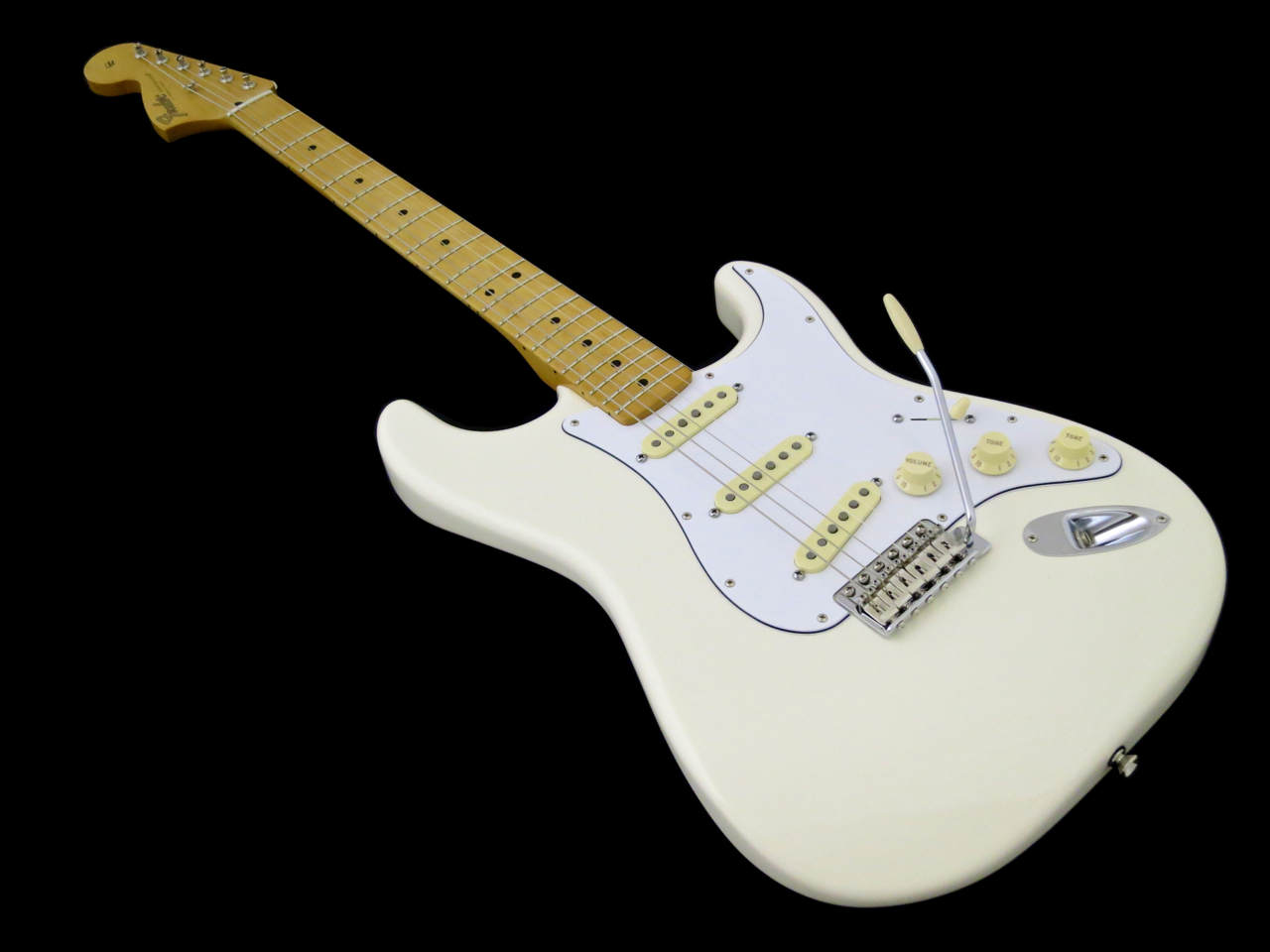
If you want to go all the way to ”become Hendrix”, you will need to buy a left-handed Stratocaster and turn it into a right-handed instrument. The result will be authentic, but also much less comfortable than a regular Strat, because the controls are all in the wrong place.
Fender’s new Jimi Hendrix Stratocaster will give you the (very slight) difference a reversed headstock brings to the playing feel, as well as the (very slight) tonal differences of the reversed pickups, while keeping all of the Stratocaster’s great ergonomics intact.
Fender’s Hendrix model is a fine Strat, which you can use for all types of music. Still, it’s the ”Hendrix-thing” this guitar does the best!
If I could only have the maestro’s long fingers and musical imagination…
****
Fender Jimi Hendrix Stratocaster
Price approx. 950 €
Contact: Fender
A big ”thank you” goes to DLX Music Helsinki for the kind loan of the review guitar!
Pros:
+ musician-friendly price tag
+ workmanship
+ American Vintage pickups
+ playability
+ sound
Cons:
– factory setup

Jimi Hendrixin suosio ei näytä hiipumisen merkkejä, vaikka tämä valovoimainen kitarasankari itse kuoli jo vuonna 1970 27-vuotiaana Lontoossa. Kiinnostus Hendrixin musiikkia kohti on yhä niin suuri, että hän on sijalla yhdeksän Forbes-lehden listalla parhaiten tienaavista kuolleista henkilöistä.
Fenderin Stratocaster oli mestarin suosikkisoitin, eikä ole siis ihme, että Fender hiljattain esitteli uuden Jimi Hendrix -nimikkomallin, joka on nyt myös saatavilla Suomessakin.
Uusi meksikolainen Fender Jimi Hendrix Stratocaster ei ole kuitenkaan firman ensimmäinen kunniaosoitus legendaariselle kitaristille:
Vuonna 1980 tehtiin pieni ”epävirallinen” erä Hendrix-Stratoja (tuotantoerä vain muutama tusina) valkoisella rungolla ja vasenkätisellä, isolla viritinlavalla varustetulla kaulalla. Vuonna 1997 ilmestyi Custom Shopin 100 kitaran erä Hendrixin Monterey-Stratosta, joka oli tarkka kopio soittimesta, jota Hendrix käytti Monterey-festivaalilla 1967. Se oli käsin maalattu vasenkätiselle sopivaksi muutettu oikeankätinen Strato pienellä lavalla. Monterey Strat -settiin kuului myös flight case -laukku, nahkahihna, sekä nahasta tehty topattu pussi. Vuonna 1997 ilmestyi myös Fender USA:n Jimi Hendrix Voodoo -Strato, joka oli oikeakätiselle tarkoitettu kopio Hendrixin legendaarisesta Woodstock-kitarasta. Voodoo-Straton juju oli, että kitaran logo oli alkuperäisen peilikuva, minkä ansiosta nimikkomallin käyttäjä näytti peilin edessä enemmän Hendrixiltä. 😀
****
Upouudessa Fender Jimi Hendrix Stratocasterissa (hinta-arvio noin 950 €) on myös vahvoja vivahteita mestarin Woodstock-kitarasta:
Tässä tapauksessa kitaran leppärunko on saatavilla joko valkoisena tai mustana, ja siihen on liitetty yksiosainen vaahterakaula isolla, vasenkätisellä lavalla.
Viritinlavalta löytyy ns. transition logo 60-luvun keskiväliltä, joka on isompi kuin 50-luvun spaghetti logo, mutta vielä kultainen. Logo muuttui 60-luvun lopulla mustaksi CBS logoksi.
Nykyaikaisia parannuksia Hendrix Stratocasterissa ovat lavanpuoleinen kaularaudan säätöruuvi, sekä otelaudan loivempi kaarevuus (9,5 tuumaa), joka helpottaa kielten venytyksiä.
Lavan kääntöpuolelta löytyy Jimi Hendrixin nimikirjoitus, kitaran sarjanumero, sekä sulavasti toimivat Kluson-kopiot.
Kaulaliitos on hyvin perinteistä sorttia, mutta kaulalevyyn on kaiverrettu Authentic Hendrix -tuotteiden logo.
Tärkein ja ratkaisevin ero rivi-Stratoon piilee Fender Jimi Hendrix -mallin mikrofoneissa:
Meksikolaisessa nimikkomallissa käytetään laadukkaita American Vintage ’65 Gray-Bottom Fender-mikrofoneja, jotka on asennettu niin kuin tämä kitara olisi vasenkätinen. Kaula- ja keskimikrofoni on siis käännetty 180 asteella. Myös tallamikrofoni on ensin käännetty, mutta tämän lisäksi se on myös asennettu käänteisen kulmaan. Tavallisesti tallamikin bassopuoli on lähempänä kaulaa, Hendrix-Stratossa taas mikin diskanttipuoli on lähempänä soittimen kaulaa.
Tämä toimenpide kääntää mikrofonien erikorkoisten magneettien järjestystä, ja se myös muuttaa tallamikin tapauksessa mitkä ylä-äänet mikki poimii kielistä.
Vasta käyttötestissä selviää onko ero kuultavissa.
Säädinosasto on vintage-reseptin mukainen – master volume, kaulamikin tone ja keskimikin tone – mutta Hendrix-mallissa on nykyaikainen viisiasentoinen kytkin.
American Vintage ’65 -mikkisetissä kaikki mikrofonit on käämitty samaan suuntaan, niin kuin aidoissa 60-luvun Stratoissa. Tämän takia yksikelaisten hurina ei poistu mikkiasennoissa kaksi ja neljä, niin kuin monissa nykyaikaisissa Stratocastereissa!
Vibratalla on Fenderin vintage vibrato (”Sychronized Tremolo”) teräksisillä tallapaloilla.
****
Fender Stratot tunnetaan niiden hyvästä ergonomiasta, eikä Fender Jimi Hendrix -malli poikkea tästä linjasta.
Testiyksilö on mukavasti keskipainoinen ja sen runko hyvin sulavalinjainen. Fender on valinnut 1960-luvun C-profiilin tähän Hendrix-Stratoon, joka tuntuu todella hyvältä kädessä myös hyvin maltillisen paksuutensa ansiosta.
Testikitara saapui Es-vireessä 010-satsilla, mutta sen säädöt eivät olleet täysin kohdallaan suoraan laatikosta. Vibratallan kulma oli hieman liian jyrkkä ja myös soittimen intonaatio oli bassokielillä vähän pielessä. Oikean kokoisilla ristipääruuvareilla ongelmat hoidettiin nopeasti ja helposti pois päiväjärjestykseltä. Lopputulos oli erittäin hyvin soiva sähkökitara mukavalla tatsilla (kieltenkorkeus 12. nauhalla: matala-E: 2,2 mm/diskantti-e: 1,7 mm).
Loivasta otelautaradiuksesta (9,5 tuumaa) on todellakin paljon hyötyä bendaamisessa. Kielten venyttäminen on helpompaa, eivätkä kielet rämise isoissa intervalleissa ylimpiä nauhoja vastaan kuin usein kuperammalla vintage-radiuksella (7,25 tuumaa).
En ole ihan varma kuuluuko käänteisten mikrofonien soundillisia vaikutuksia ratkaisevasti Hendrix-Stratocasterin sähköisessä soundissa.
Hendrixin tekniikon ja soundigurun, Roger Mayerin, mukaan muusikko itse oli tyytyväinen tuotantolinjan Stratoihin. Mayer on sanonut useissa haastatteluissa, että ainoat toimenpiteet, joita tehtiin juuri ostettuihin soittimiin, olivat kaulataskujen siivoaminen lakkausjäämiltä. Sen sijaan Hendrixin efekteihin tehtiin kaikenlaista kustomointia.
Oli niin tai näin, uusi Fender Jimi Hendrix -malli soi kuin laadukas Strato. Tässä ensin puhdas pätkä:
Ja tässä esimerkki Hendrix-kitaran särösoundista:
Halusin ensin kokeilla Jimi Hendrix -Stratoa nykyaikaisessa soundiympäristössä, ja äänitin tämän pienen demon. Signaaliketju on Hendrix Stratocaster –> Electro-Harmonix Germanium 4 Big Muff Pi –> Morley M2 Wah/Volume –> Blackstar HT-1R:
Äänitin sitten vielä toisen, Hendrix-tyylisen demokappaleen. Signaaliketju on tässä Hendrix Stratocaster –> Morley M2 Wah/Volume –> Electro-Harmonix Nano Big Muff Pi –> Blackstar HT-1R. Kappaleen lopussa simuloin Uni-Vibe-efektin soundia nopealla phaser-efektillä miksausvaiheessa:
****
Vaikka Jimi Hendrix oli – ääniteknikko Eddie Kramerin avulla – melkoinen edelläkävijä efektien käytössä studiossa, perustui hänen live-soundinsa yllättävän pieneen efektiarsenaaliin. Tässä todella lyhyt johdanto Hendrixin signaaliketjuun lavalla.
1. Marshall Model 1959 ”Plexi” -stäkki
Jimi Hendrix käytti mitä tänään kutsutaan vintage-tyylisiksi stäkeiksi, joiden vahvistimissa ei ollut high-gain säröpiirejä, eikä master volume säätimiä. Hänellä oli tavallisesti käytössä jopa kaksi 100-watista Marshall-stäkkiä, mikä tarkoitti että äänenpaine oli melkoinen. Stratollakin nämä vahvistimet menevät särölle, mutta soundi on enemmän Blues-tyylinen, kuin mitä saadaan nykyaikaisista high-gain stäkeistä.
Simuloin tätä soundia kääntämällä Blackstar HT-1R -kombon clean-kanavalla gain-säätimen reilusti auki.
2. Dallas-Arbiter Fuzz Face -säröpedaali
Fuzz-tyypinen säröpedaali on mielestäni Hendrix-soundin kannalta ratkaisevassa asemassa, koska se lisää soundiin sekä lihaksia ja kermaista sustainea että runsaasti rosoisuutta.
Englantilainen musiikkilaitteiden maahantuoja Ivor Arbiter halusi saada firmalleen 1966 oman säröpedaalin. Hän keksi Fuzz Facen rakentamalla fuzz-piirin mikrofoniständin jalkaan. Pyöreä jalka näytti kahdella säätimellään ja yhdellä jalkakytkimellään naamalta, josta pedaalin nimi tulee.
Fuzz Faceja valmistaa nykyään Jim Dunlop. Edullisia vaihtoehtoja saa myös Mooerilta tai Rowinilta. Itse käytin tässä Electro-Harmonix Nano Big Muff Pi -pedaalia:
3. Vox Wah-Wah
Hendrix käytti Vox Wahiaan tavallisesti kytkettynä Fuzz Face -särön tuloon, mutta myös fuzzin jälkeen saadaan monta käyttökelpoista soundia. Hyviä wah-pedaaleja on saatavilla esimerkiksi Bossilta, Mission Engineeringiltä tai Jim Dunlopilta.
Itse käytin tässä omaa Morley M2 Wah/Volume -pedaalia (ennen fuzzia):
4. Octavia +Uni-Vibe
Lisämausteina Hendrix käytti vielä Roger Mayerin rakentamaa Octavia-efektiä, jossa säröefekti ja yläoktaaveri tuottavat hyvin erikoisia soundeja, sekä alun perin Leslie-simulaatioksi tarkoitettua Uni-Vibe-pedaalia.
Oikean Octavia-efektin saa vain Roger Mayerilta, mutta Joyo JF-12 Voodoo Octave -tuplapedaali tarjoaa hyvin edullisen vaihtoehdon.
Korgilta saa nykyään NuVibe-nimeä kantavan Uni-Vibe-uusintapainoksen, mutta pedaali on melko kallis hankinta. Voodoo Labin Micro Vibe on jo hieman edullisempi, mutta silti laadukas ratkaisu.
Uni-Vibe-tyylisiä soundeja voi simuloida myös phaser-efektillä. Bossin PH-3 on nykyaikainen phaser-pedaali monipuolisilla ominaisuuksilla, kun taas Mooerilta saa hyvin edullisen phaserin.
Esimerkkipätkässä ketjutin miksausvaiheessa kaksi phaser-plugaria audiosekvensserissä:
Tässä vielä LINKKI Kimmo Aroluoman erinomaiselle jutulle Hendrixin signaaliketjusta, sekä toinen LINKKI pro-luokan Hendrix-pedaalilaudan testille.
****
Jos haluaa soittaa kitaraa täysin autenttisesti Hendrixin hengessä, pitää hankkia itselleen vasenkätisten Strato, vaihtaa (tai kääntää) kitaran satula oikeankätiseksi ja soittaa sitä kitaraa sitten väärinpäin. Lopputulos on autenttinen, mutta samalla ergonomialta ongelmallinen, koska esimerkiksi säätimet ovat huonolla paikalla.
Uudelta Fender Jimi Hendrix Stratocasterilla saa vasenkätisen viritinlavan tuomaa (hieman) erilaista soittotuntumaa, sekä käännettyjen mikrofonien tuomaa (hieman) erilaista perussoundia oikeankätisen kitaran ergonomialla.
Fenderin Hendrix-malli on todella hyvä Strato, jolla voi soittaa myös muuta musiikkia kuin vain Hendrixiä, mutta Hendrix onnistuu kyllä erityisen hyvin.
Nyt pitäisi ”vain” olla mestarin pitkät sormet ja Hendrixin idearikkautta…
****
Fender Jimi Hendrix Stratocaster
hinta-arvio noin 950 €
Lisätiedot: Fender
Kiitos DLX Musiikille testikitaran lainaamisesta!
Plussat:
+ muusikkoystävällinen hinta
+ työnjälki
+ American Vintage -mikkisetti
+ soitettavuus
+ soundi
Miinukset:
– tehtaan säädöt
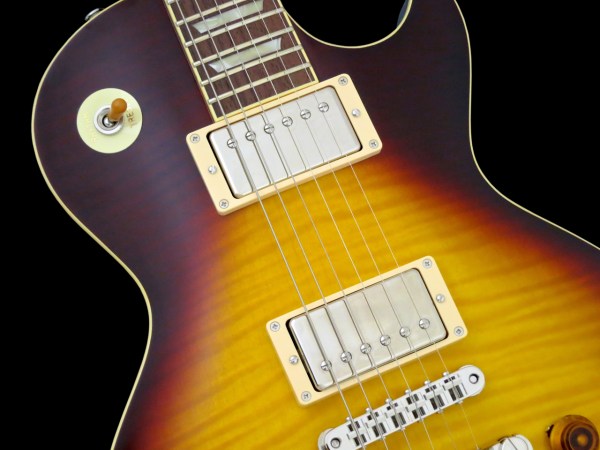

Kitarablogi’s year starts off with some really tasty guitars – three Japanese Tokai Love Rock models. Handcrafted Love Rocks just like these originally laid the foundation for Tokai’s legendary reputation as a maker of high-quality copies of vintage guitars.
****

Tokai’s LC-107 (current price in Finland: 1.219 €) is the company’s gorgeous version of a Les Paul Custom.
The gold-coloured hardware fits our review sample’s tasty see-through wine red finish to a tee.
In terms of built, the Tokai LC-107 follows closely the original 1950s recipe of an LP Custom – unlike many recent original Gibsons:
The mahogany body is genuinely solid, meaning there are no hidden holes or pockets serving as weight relief. Tokai keeps the weight of their Love Rocks down by carefully selecting lightweight mahogany.
The LC-107’s curved top, too, has been carved from mahogany (!), just like Gibson did it in the Fifties.
There is one change, though, that Tokai made for environmental reasons:
The bound fingerboard is made from rosewood, not ebony.

The multiply binding on both top and back add a nice dose of panache to the looks of the Tokai LC-107.

The Tokai LS-130F (1.514) is an LP Standard-type instrument with a thin satin finish.
The letter F in its name hints at the beautiful solid flame maple top of the LS-130F.
Our review instrument comes in a beautiful tobacco sunburst, whose edges may look brown at first glance, but actually turn out to be a dark, see-through violet, allowing you to see the chatoyant wood grain beneath it.

The LS-130F’s neck and the back of the body have been finished in cherry red.

Due to the runaway popularity of tiger striped maple on Les Pauls, many younger guitarists might think that all Standards made between 1958 and ’60 have flame maple tops. Actually, there are many original ’Bursts that were produced with what is nowadays called a plain top.
Tokai’s LS-160 (1.773 €) is a stunning, top-of-the-line version of such a plain top LP.
Adding to the LS-160’s vintage-style prestige is this instrument’s nitrocellulose finish, taking this model’s specifications right back to 1958.

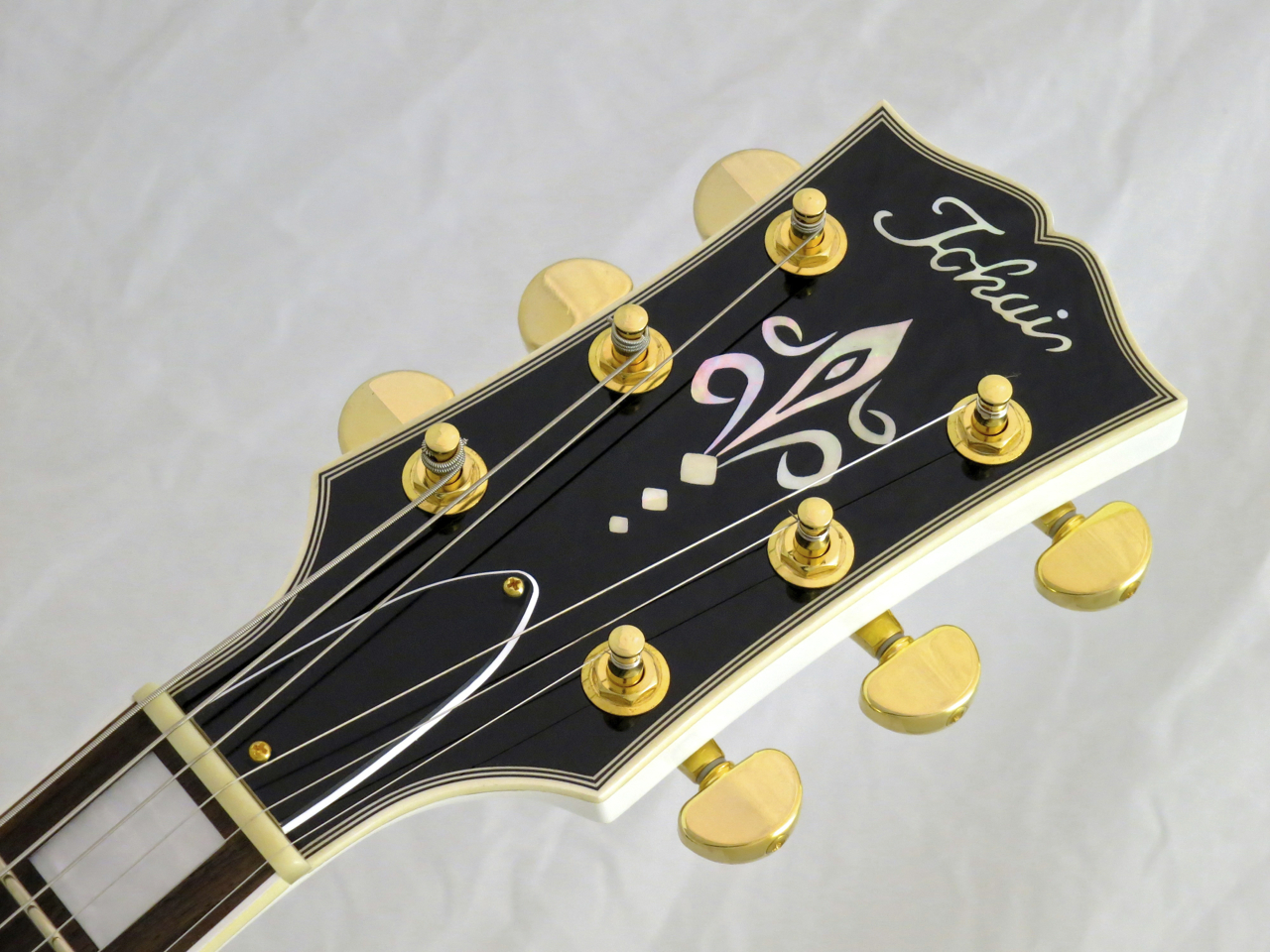
The headstock on the Tokai LC-107 sports plenty of inlay works, as well as multiple binding.
The tuners are modern sealed Gotoh heads.

The headstocks on both the LS-130F and the LS-160 follows the more restrained LP Standard pattern.
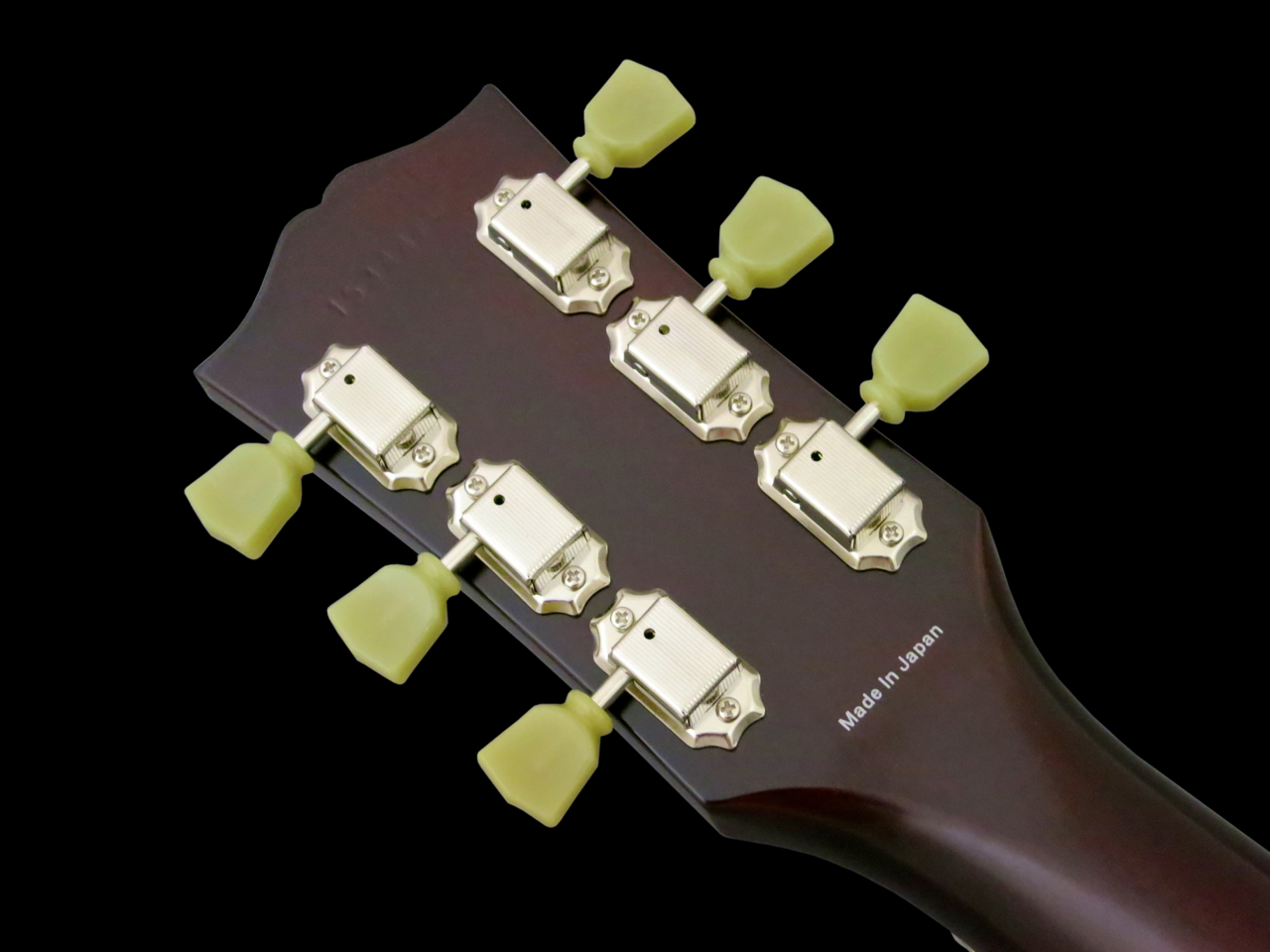
These two models come equipped with Gotoh’s quality versions of vintage Kluson tuners.

The Tokai LC’s sports oblong position markers made from pearloid plastic…

…while both LS’ come with crown inlays.
The fretwork on all three instruments is exemplary.

All three guitars have long tenon neck joints, with a part of the neck extending into the neck pickup cavity.
Many players claim that this type of neck joint makes for better tone and sustain.


The tune-o-matic bridges and stopbars on all three models come from Gotoh’s Japanese hardware range.

The LC-107 comes with a pair of Tokai’s fabled PAF Vintage Mark II humbuckers.

The LS-130F and LS-160 have been equipped with a pair of Seymour Duncan ’59 Model pickups.

The control cavities look clean and neat, displaying Japanese craftsmanship and parts, as well as thorough shielding with conductive paint.
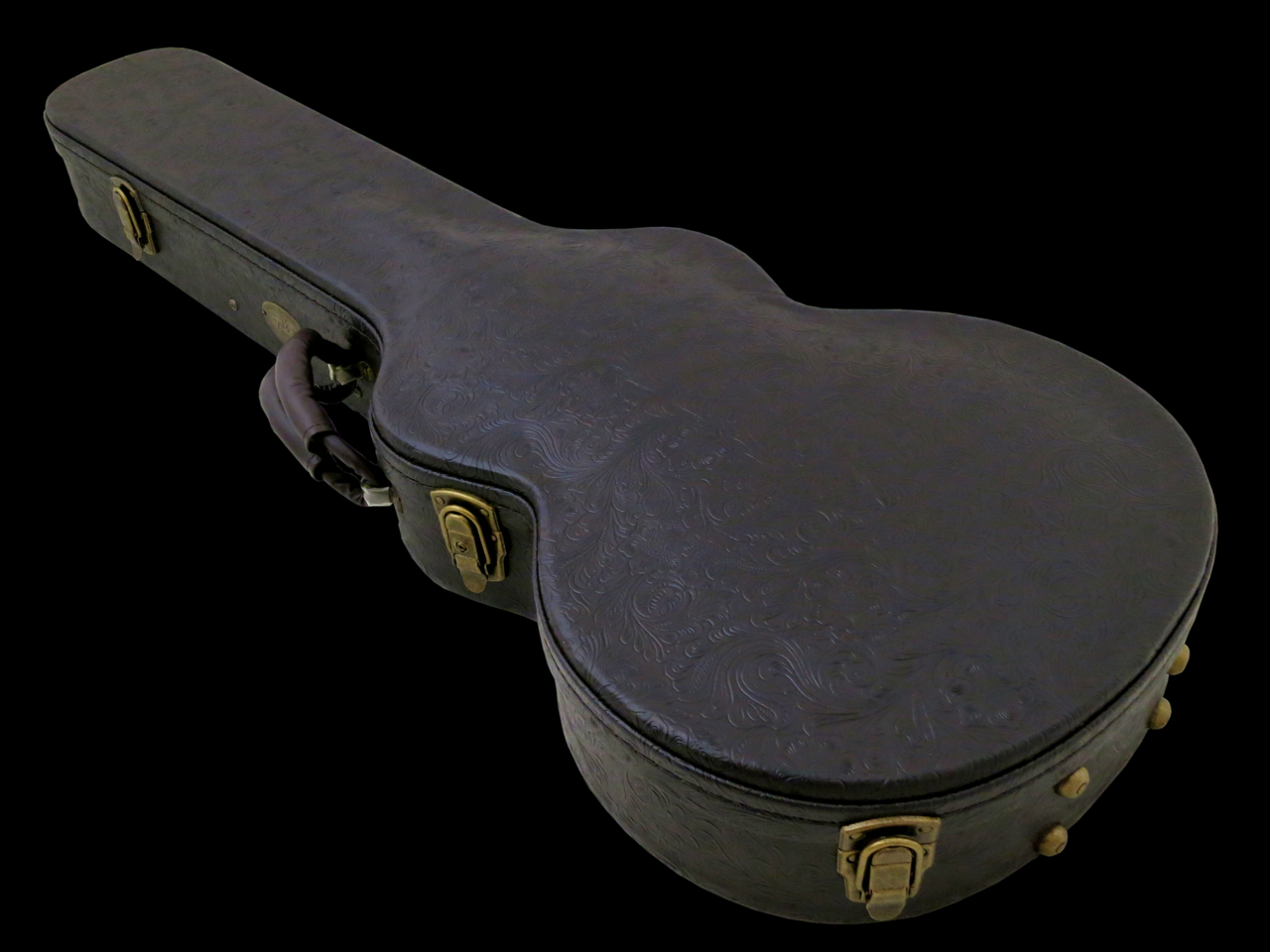
Our review trio is sold with a nice Tokai hard case included in the price.


In order to protect the LS-160’s delicate nitro finish, this model is placed inside the case in its own velours bag.
****
In terms of their playability, all three guitars – the LC-107, the LS-130F and the LS-160 – are all on an equally high level. In terms of their feel, though, close inspection reveals a few minute differences.

The neck profile on the Tokai LC-107 is a medium-depth, well-rounded D-shape. LP fans would probably describe this neck as a ’59 Neck – meaning there’s enough meat on the bones for tone, but the overall dimensions are not unwieldy.
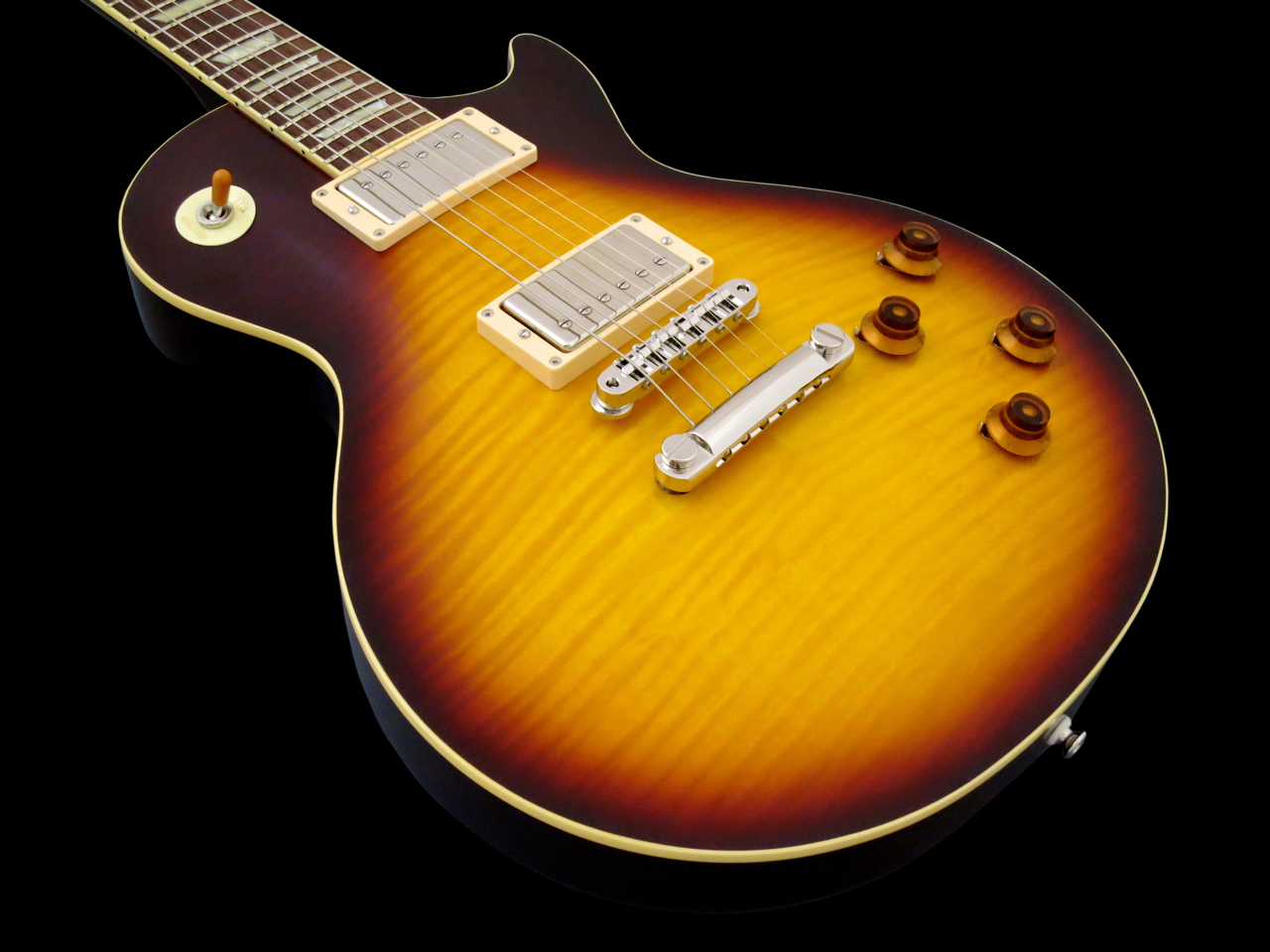
Tokai’s LS-130F comes endowed with a 58 Neck, meaning the full chunky Monty. The fantastic matte finish makes this neck feel very ”fast”, despite its considerable girth.
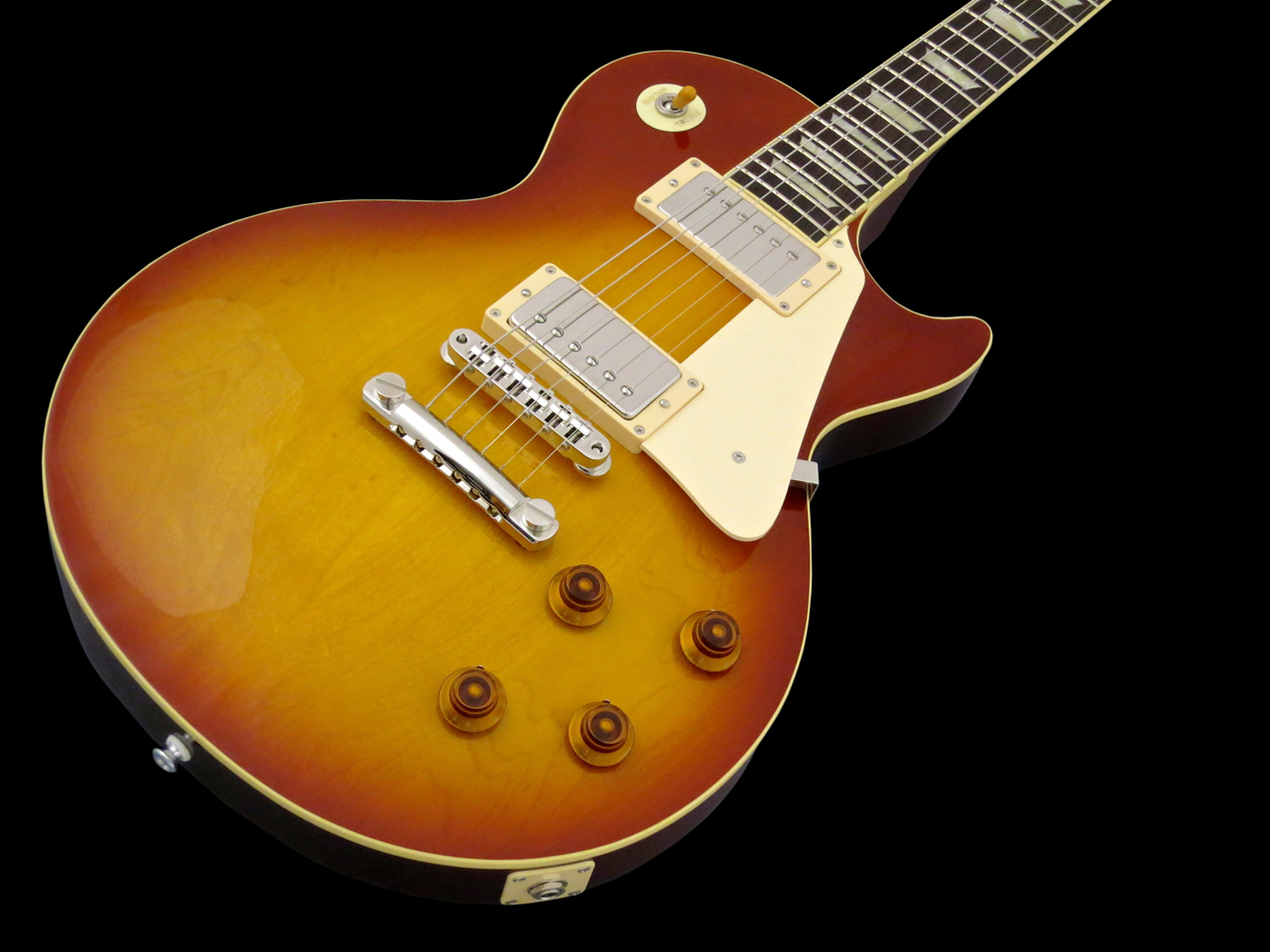
The LS-160’s neck profile is the slimmest neck of this trio. It’s what you call a 60 Neck – not as deep as a 59 Neck, and with an oval C-profile.
Despite the fact that all review instruments came strung with the same set of 010-strings, and notwithstanding identical setups (string height at the 12th fret: low E: 1.9 mm/treble e: 1.6 mm), Tokai’s LS-160 felt a little bit bendier than the LC-107 and LS-130F.
****

Played acoustically, the Tokai LC-107 had a sweet voice with nice woody mids and a little helping of shimmering highs, which is most likely down to the all-mahogany body.
Tokai’s own PAF Vintage Mark II pickups are great remakes of Gibson’s fabled late-Fifties humbuckers. Their output levels are relatively low, keeping the tone dynamic and fresh:
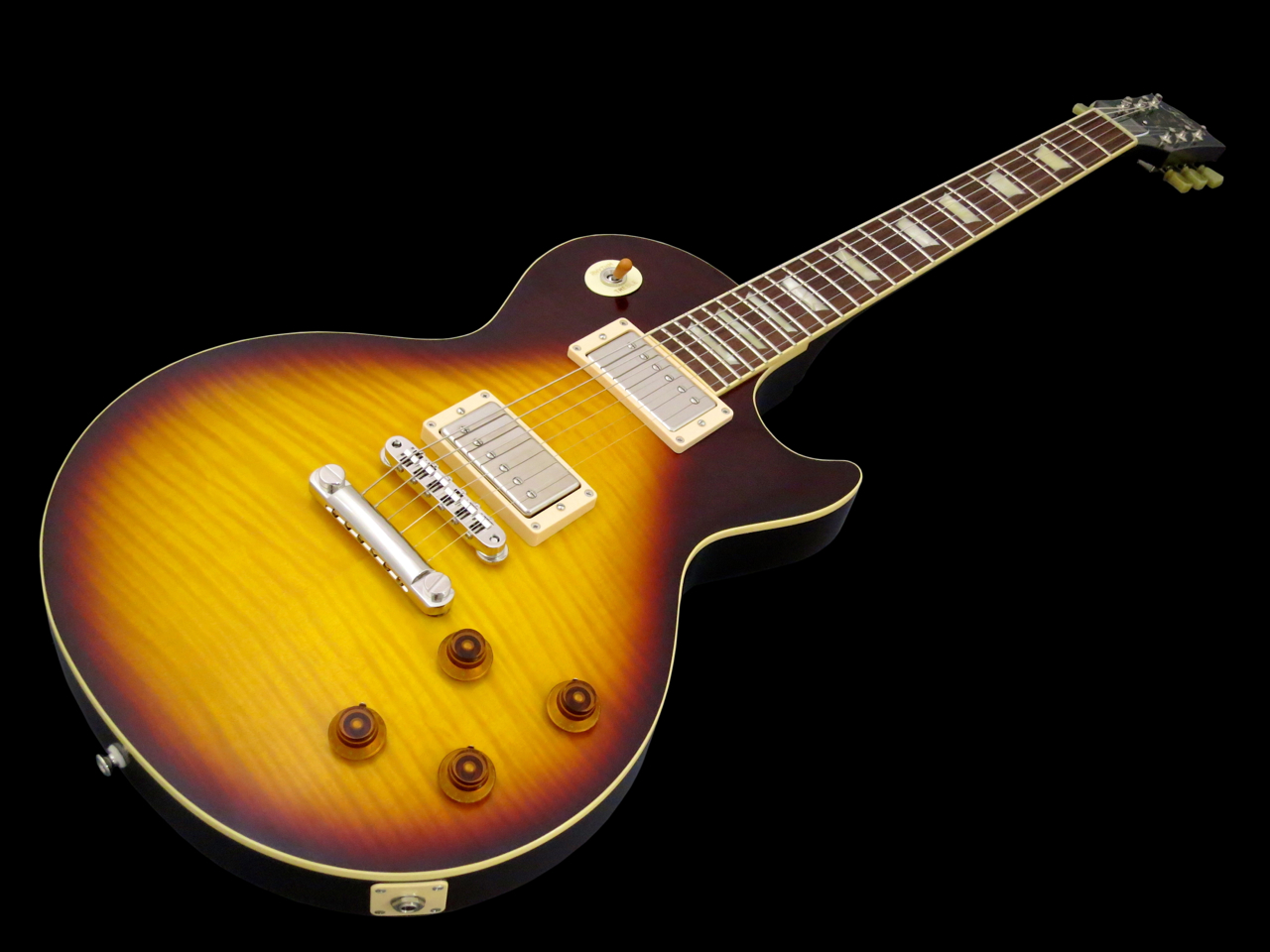
Tokai’s LS-130F turned out to be a little shouter, when strummed unplugged. This guitar gives you that famous freight-train-jumped-off-the-tracks-at-full speed experience that so many LP players love.
Seymour Duncan’s ’59 Model humbuckers make the LS-130F sound a little bit bigger and broader, when compared directly to the LC-107:

Unplugged the Tokai LS-160 sits right between its cousins. It isn’t as vociferous as the LS-130F, but there’s a bit more presence than what you’d find in the LC-107.
What is surprising, though, is that the LS-160 has the most ”vintage-accurate” tone of this trio, when plugged into an amplifier, even though the pickups are exactly the same as in the LS-130F. The neck pickup is dipped deep in tasty cream, while the bridge pickup is more dynamic and a bit brighter than many would expect from an LP Standard. The end result is a very versatile clean tone:
The demo track keeps the same guitars on clean rhythm duty throughout (left channel: LC-107; right channel: LS-160). The riffs and lead parts, on the other hand, change – first up is the LC-107, then the LS-130F, and the last to go is the LS-160:
****


Tokai’s LC-107, LS-130F and LS-160 offer you top quality for a very fair price. All three models are professional grade instruments that play like a dream and sound fantastic.
The LC-107’s woody tone makes it a good choice for Jazz- and Fusion-guitarists, but will work equally well in other genres, too.
Tokai’s LS-130F would be my choice for an all-rocking, all-riffing Love Rock. Put on your top hat and travel to Paradise City.
The LS-160 takes you all the way back to the vintage Les Pauls that have served as Tokai’s inspiration. This authentically minded vintage-style guitar is full of dynamic Bluesbreaker-mojo.
****
Tokai Love Rock
LC-107 – 1.219 € (case included)
LS-130F – 1.514 € (case included)
LS-160 – 1.773 € (case included)
Pros:
+ Made in Japan
+ workmanship
+ playability
+ sound
+ hard case included
Kitarablogissa uusi vuosi alkoi testien suhteen kolmella herkkupalalla, kun testiin saapuivat kolme Tokai Love Rock -kitaraa malliston kalliimmasta päästä. Tokain legendaarinen maine perustui alun perin juuri tällaisiin, Japanissa käsityöllä valmistettuihin, Les Paul -tyylisiin kitaroihin.
****
Tokai LC-107 (1.219 €) on valmistajan upea versio Les Paul Custom -mallista.
Soittimen kullanväriset metalliosat sopivat hienosti testikitaran kauniisti läpikuultavaan, kiiltävään viininpunaiseen viimeistelyyn.
Tokai LC-107:n rakenne on – useista nyky-Gibsoneista poiketen – hyvin uskollinen alkuperäiseen LP Custom -reseptiin:
Rungon takaosa on veistetty mahongista, ilman että siihen olisi jyrsitty painoa vähentäviä aukkoja. Tokaissa soittimen painoa pidetään maltillisena valitsemalla vain kevyitä mahonkilankkuja kitarantekoon.
Myös LC-107:n kaareva kansi on tehty kokopuisesta mahongista (!), niin kuin 1950-luvun Customeissa oli tapana.
Vain otelaudan suhteen Tokai on muuttanut alkuperäistä reseptiä:
Ekologisista syistä LC:n otelaudassa käytetään ruusupuuta alkuperäisen eebenpuun sijaan.
Rungon monikerroksinen reunalistoitus lisää LC-107-kitaran tyylikyyttä vielä entisestään.
Tokai LS-130F (1.514) on LP Standard -tyylinen malli satiinipintaisella viimeistelyllä.
Mallitunnuksen F-kirjain viittaa LS-130F:n kokopuiseen loimuvaahterakanteen (englanniksi: flame maple).
Testisoittimen liukuväritys on nimeltään Tobacco Sunburst. Viimeistelyn peittävän ruskealta vaikuttavat reunat ovat todellisuudessa tummaa violettia, jonka läpi pystyy näkemään kannen ”liekit”.
LS-130F:n kaula ja rungon takapuoli ovat kirsikanpunaisia.
Vaikka monet kitaristit nykyään luulevat, että kaikissa vuosien 1958-60 LP Standardissa oli loimuvaahterakansi, todellisuudessa huomattava osa tehtiin niin kutsutuilla plain top-kannella.
Tokai LS-160 (1.773 €) on erittäin kaunis versio juuri tällaisesta plain top -kitarasta.
LS-160-malli tarjoaa kaikkien muiden laadukkaiden yksityiskohtien lisäksi vielä aidon nitrolakkauksen 50-luvun hengessä.
Tokai LC-107:n viritinlavassa on runsaasti upotuksia, sekä monikerroksinen reunalistoitus.
Virittimet ovat nykyaikaisia, suljettuja Gotoh-malleja.
LS-130F- ja LS-160-kitaroissa lavan koristelu on hieman hillitympi.
Näissä malleissa on laadukkaita kopioita 1950-luvun Kluson-virittimistä.
Tokai LC:n neliskanttiset otemerkit ovat helmiäismuovista…
…kun taas LS-malleissa on käytössä crown-muotoiset upotukset.
Nauhatyö oli kaikissa kolmessa soittimissa esimerkillinen.
Kolmikossa on myös ns. long tenon -kaulaliitos, jossa kaulan mahonkinen osa jatkuu yhtenäisenä vielä kaulamikrofonin alle.
Monien mielestä tällainen lujempi liitos parantaa kitaran sointia ja sustainea.
Kitarakolmikon tallat ja kieltenpitimet tulevat Gotoh:n laadukkaasta, japanilaisesta mallistosta.
Tokai luottaa omiin PAF Vintage Mark II -humbuckereihin LC-107-mallissaan.
LS-130F- ja LS-160-kitaroihin taas on asennettu Seymour Duncanin laadukkaita PAF-tyylisiä ’59 Model -mikrofoneja.
Takakoloissa on näkyvissä erittäin siistiä työtä, laadukkaita japanilaisia komponentteja, sekä huolellista häiriösuojausta grafiittipitoisella maalilla, sekä alumiinifoliolla vuoratulla muovikannella.
Testikolmikko myydään laadukkaassa Tokai-kotelossa.
LS-160:n nitrolakkauksen lisäsuojaukseksi löytyy tämän kitaran kotelossa vielä erillinen plyysipussi.
****
Soitettavuudeltaan LC-107, LS-130F ja LS-160 ovat hyvin lähellä toisiaan, mutta vertailemalla löytyy kuitenkin todella pieniä eroja kolmikon välillä.
Tokai LC-107:n kaulaprofiiliksi on valittu keskipaksu, tasaisen pyöreä D-muoto. LP-fanit puhuisivat tässä ’59-kaulasta – kaulassa on siis mukavasti ”lihaa luiden päällä”, mutta sen paksuus on vielä maltillinen.
Tokai LS-130F taas tarjoaa kolmikon tuhdimman kaulaprofiilin. Tämän mallin mattaviimeistely tuntuu erittäin mukavalta.
LS-160:n kaulaprofiili menee vuoden 1960 suuntaan, mikä tarkoittaa paksuuden kannalta hieman maltillisemmat mitat.
Vaikka kaikissa kolmessa kitarassa oli 010-satsin kielet ja identtinen kieltenkorkeus 12. nauhalla (basso E: 1,9 mm/diskantti e: 1,6 mm), oli LS-160:n soitettavuus vielä aavistuksen verran kevyempi kuin LC-107- ja LS-130F-malleissa.
****
Akustisesti soitettuna Tokai LC-107:n äänessä oli mukava ripaus kuivuutta ja kauniisti kimmeltävä diskantti, mikä johtuu varmasti täysin mahongista tehdystä rungosta.
Tokain omat PAF Vintage Mark II -mikrofonit ovat laadukkaita uusintapainoksia 50-luvun humbuckereista. Niiden signaaliteho on maltillinen, minkä ansiosta soundi on dynaaminen ja avoin:
Tokai LS-130F on akustisesti soitettuna selvästi kolmikon kovaäänisin. Akustisesti tässä kitarassa on juuri se kiskoista-suistunut-tavarajuna-joka-lähestyy-kovaa-vauhtia-fiilis, josta niin monet LP-tyylisten kitaroiden soittajat tykkäävät.
Seymour Duncan ’59 Model -mikkien välityksellä LS-130F:n soundissa on hieman enemmän voimaa ja leveyttä kuin LC-107:ssä:
Akustisesti kokeiltuna Tokai LS-160:n ääni on jossain LC-107:n ja LS-130F:n välissä. Se ei ole ihan yhtä äänekäs kuin LS-130F, mutta soundissa löytyy hieman kirkkaampaa preesensiä kuin LC-107-mallissa.
Yllättävää oli kuitenkin, että testikitaroista LS-160 soi vahvistimen kautta selvästi eniten vintage-maisesti, vaikka kitarassa on samat mikrofonit kuin LS-130F:ssä. Kaulamikrofoni soi todella kermaisesti, kun taas tallahumbucker soi kirkkaammin kuin ehkä odottaisi LP-tyylisestä kitarasta. Lopputulos on tämän kolmikon monipuolisin puhdas soundi:
Demobiisissä puhtaat komppikitarat pysyvät muuttumattomina koko biisin ajan (vasemmalta: LC-107; oikealta: LS-160). Riffit ja soolo-osuudet taas on soitettu niin, että ensimmäisessä läpimenossa soi vain LC-107, toisessa vain LS-130F ja kolmannessa taas vain LS-160:
****
Tokai LC-107, LS-130F ja LS-160 tarjoavat huikeaa laatua todella reiluun hintaan. Kaikki kolme kitaraa ovat pro-luokan laatusoittimia erittäin kevyellä tatsilla ja herkullisella soundilla.
LC-107:n pähkinäinen soundi tekee tästä soittimesta oivan valinnan Jazz- ja Fusion-kitaraksi, mutta se toimii todella hyvin myös muissa genreissä.
Tokain LS-130F on kolmikosta se koviten riffaileva ja rokkaava valinta. Sylinterihattu päälle, ja eikun menoksi Paradise Cityyn.
LS-160 taas on pikkutarkka ja herkullinen uusintapainos Bluesbreaker-tyylisestä vintage-LP:stä, joka tarjoaa hyvin dynaamisia humbuckersoundeja.
****
Tokai Love Rock
LC-107 – 1.219 € (laukku kuuluu hintaan)
LS-130F – 1.514 € (laukku kuuluu hintaan)
LS-160 – 1.773 € (laukku kuuluu hintaan)
Plussat:
+ Made in Japan
+ työnjälki
+ soitettavuus
+ soundi
+ laukku kuuluu hintaan
Three LP-style Tokai guitars.
****
Demo Track
• Clean rhythm guitars – LC-107 (left channel, both PUs) & LS-160 (right channel, neck PU)
• Riffs and lead parts sequence LC-107 -> LS-130F -> LS-160
• Riffs – left channel: both PUs; right channel: neck PU
• Lead parts – bridge pickup
****
Amp used: Blackstar HT-1R
Lisätiedot: Musamaailma

As Christmas is just around the corner, we at Kitarablogi felt it was a good idea to review one of the starter packs offered by a local music dealer:
DLX Music’s own affordable starter pack (299 €) combines a Sterling S.U.B. Silo3 guitar with a Vox AmPlug 2 Classic Rock headphone amplifier. The only things you need to add are a plectrum and a set of headphones – and off you go. And what’s best: Thanks to the headphone amp you won’t be disturbing any neighbours with your playing!

****

The Sterling (by Music Man) S.U.B Silo3 is an affordable licensed copy of the legendary Music Man Silhouette HSS-model. To my knowledge, the S.U.B. Silo3 is currently offered in Finland only as part of three DLX Music guitar packs. In other countries of the EU this guitar model is sold for around 300 €.
This Made-in-Indonesia Sterling uses different local hardwoods (all of which are said to resemble alder in terms of their sound) for the body.
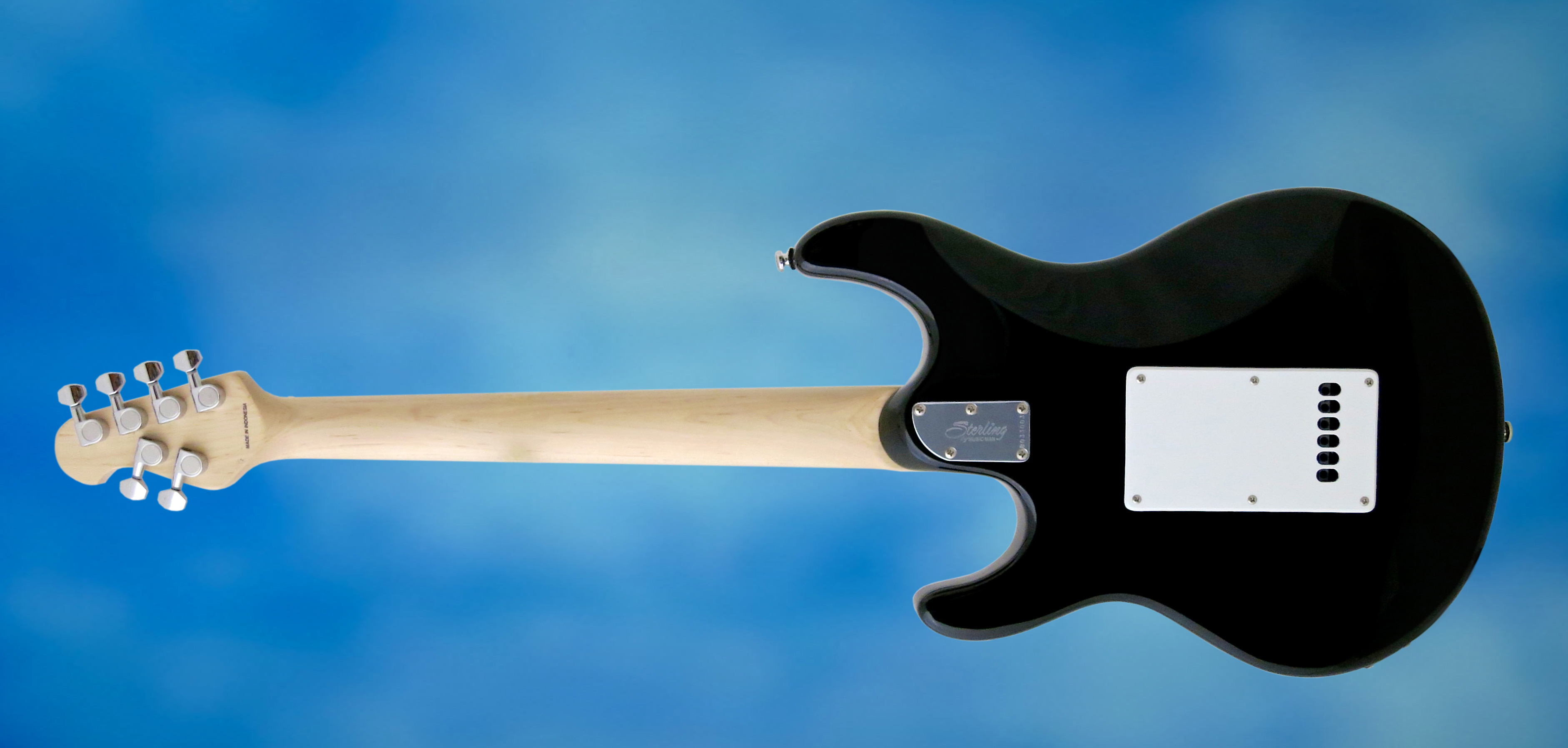
The Silo3’s neck has been crafted from maple, same goes for the separate fretboard.
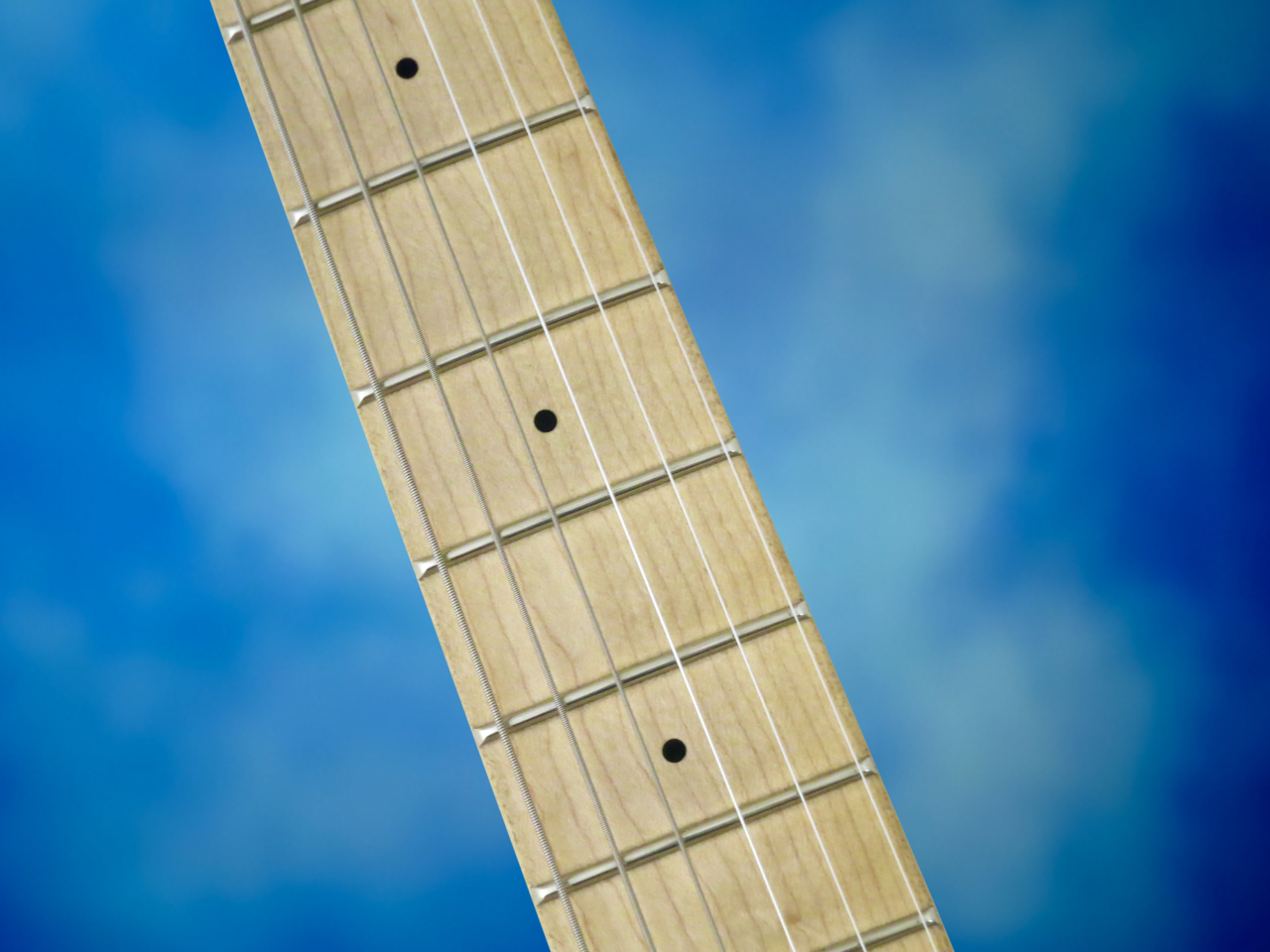
The whole neck comes with a thin satin finish, while the body is finished gloss black.
The fingerboard sports 22 medium-sized frets.

The Sterling’s very comfortable neck joint is a straight copy of the bolt-on joint used in Music Man’s US-manufactured guitars.

Thanks to the four-plus-two machine head arrangement on this guitar’s headstock, the Sterling Silo3 offers a straight string path from the nut to the tuner posts, without the need for any string retainers, which might impede on the vibrato’s return to pitch.

The tuners themselves are of decent quality.
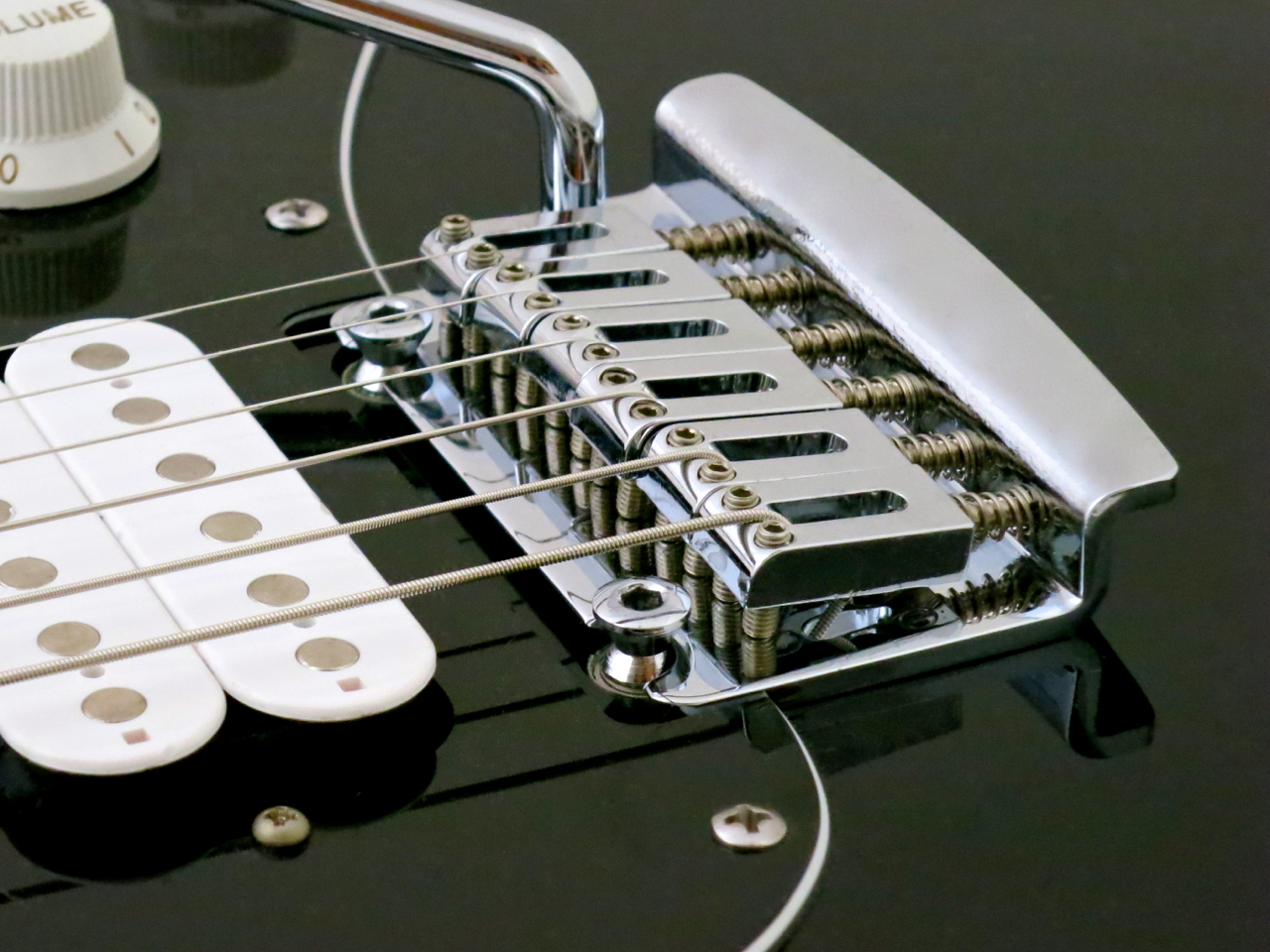
The vibrato bridge on the S.U.B. Silo3 is a modern take on the venerable vintage vibrato, featuring a knife-edge bearing with two height-adjustable posts.
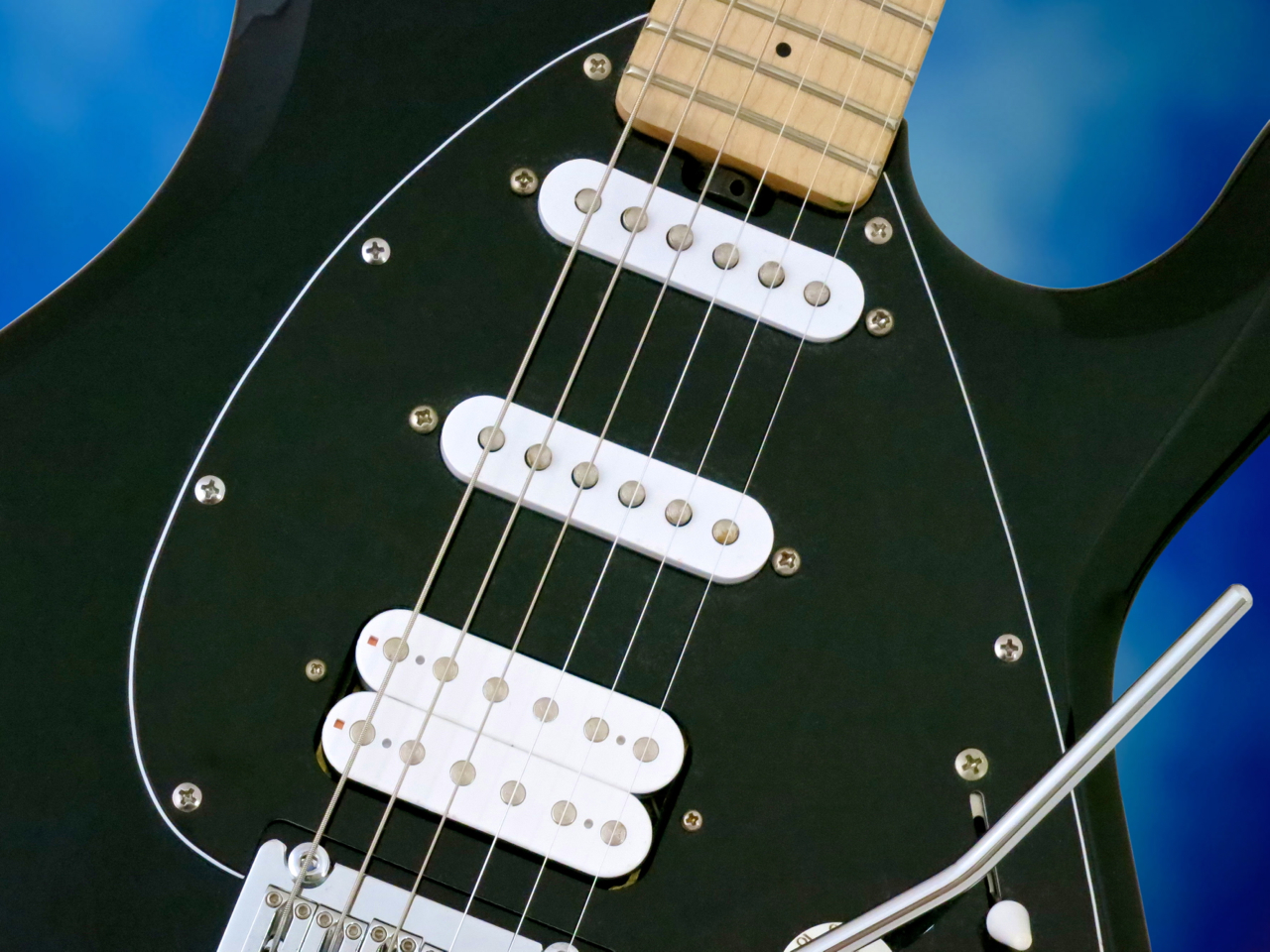
Between the neck pickup and the end of the fingerboard you can see the truss rod adjustment wheel, typical of Music Man-instruments. Thanks to the wheel you can use an object that’s sturdy enough for the job – like a small screwdriver or a metal rod – to adjust the truss rod, without having to detach the neck or loosen the strings.
The Silo3 comes equipped with a set of ceramic pickups, which features slightly hotter singlecoils in the neck and middle positions for an overall balanced output level.

The controls comprise a master volume, a master tone, and a five-way blade switch.
****
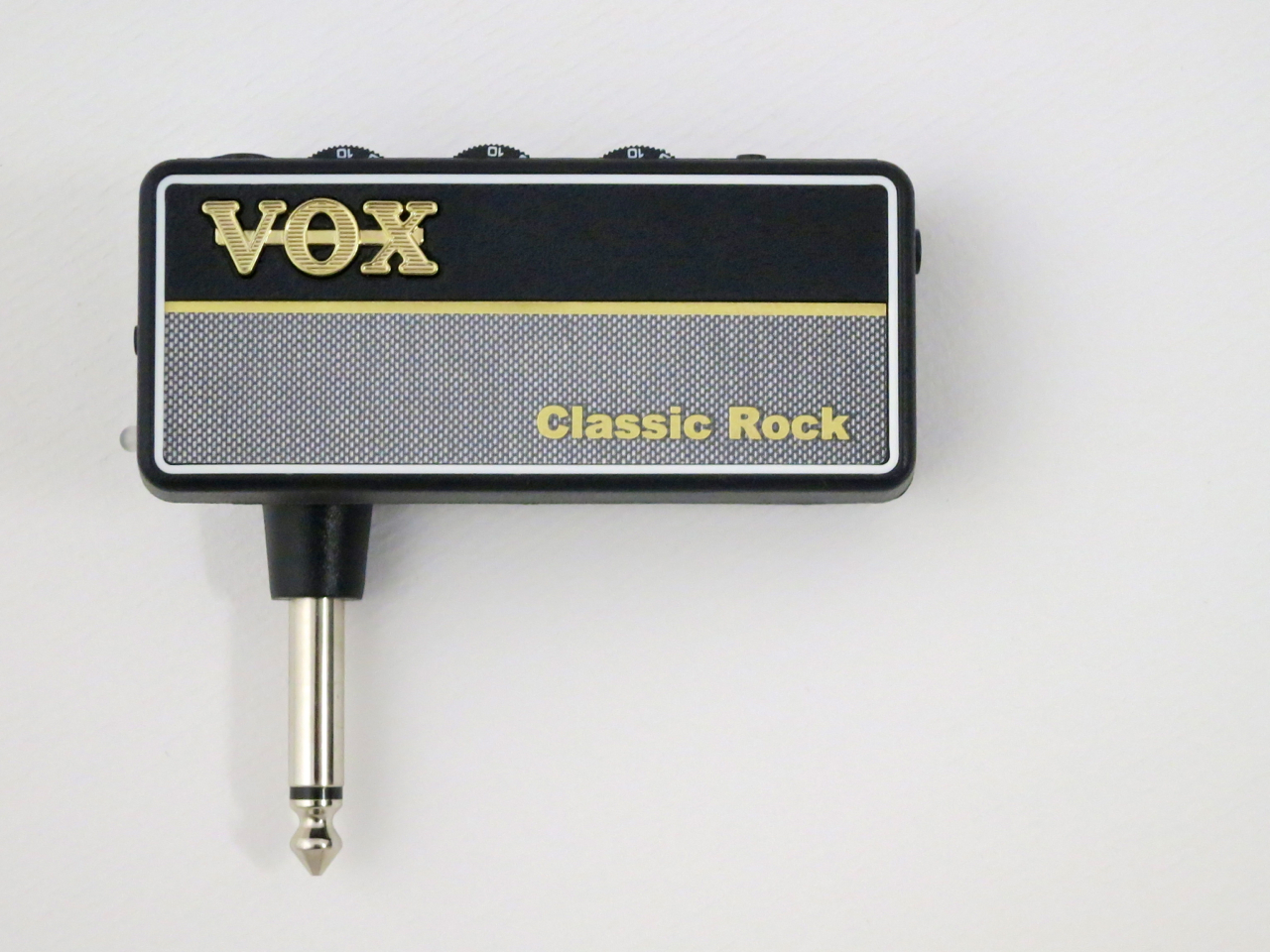
The new, second-generation Vox AmPlug 2 headphone amps come with an updated set of features, both in terms of their sound and their practicality.
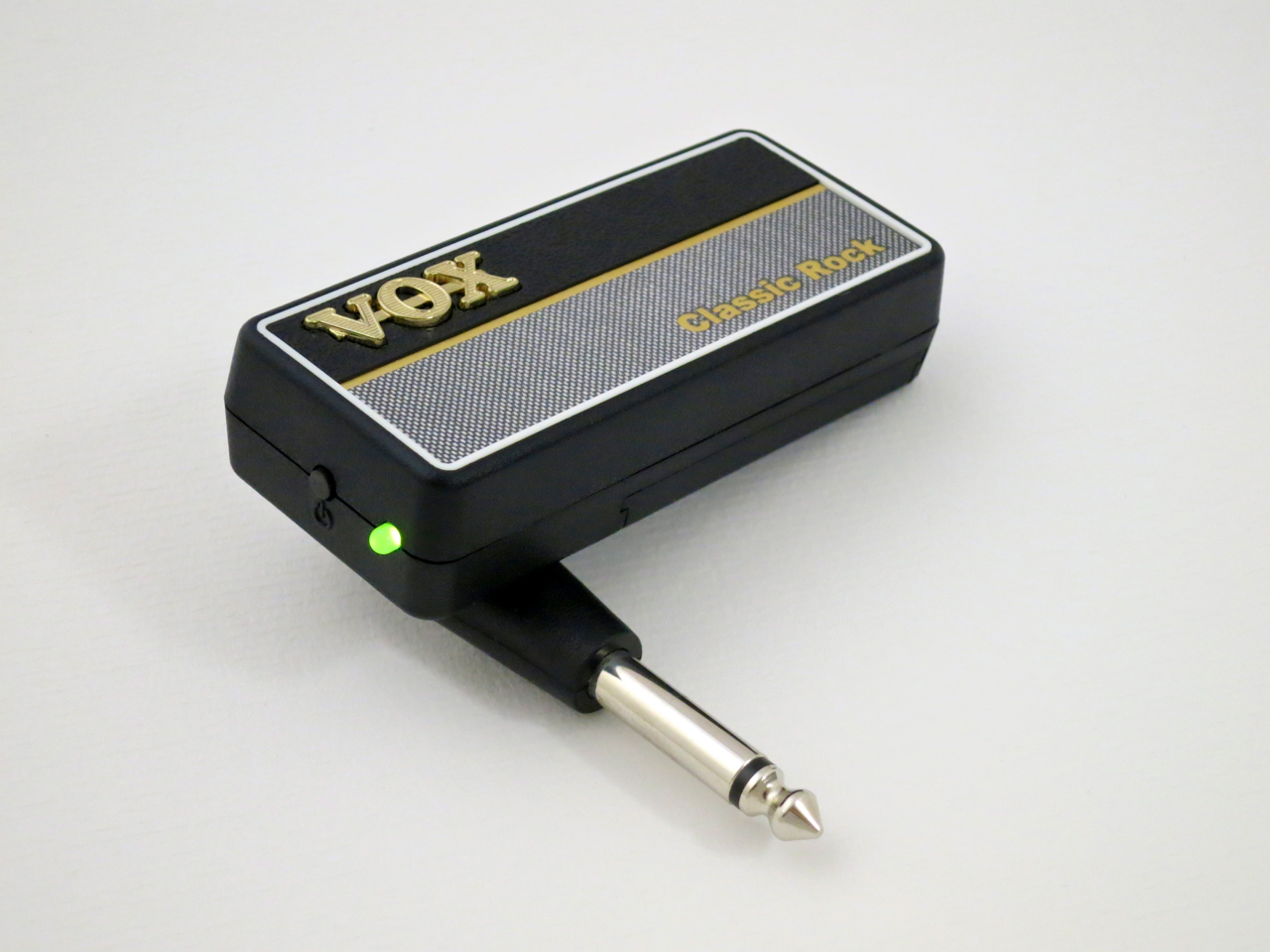
The AmPlug 2 Classic Rock (39 €) is the ”Marshall-type” model in the line-up.

The new AmPlug 2 models now come with a rotating jack plug, which makes it easier to use the device with any electric guitar shape known to mankind.
The AmPlugs runs on two AAA-sized batteries.

The AmPlug 2 Classic Rock sports three controls:
Gain adjusts the preamp levels from clean all the way to distorted. Tone lets you control the amount of treble in your output signal, while Volume is your master volume control, which adjusts the volume level in your headphones.
The Classic Rock’s effects department (labelled FX) lets you choose between three different guitar effects (chorus, delay, reverb), with each effect type offering you three different variations. You can only use one effect at any given time.
The Vox also comes with an Aux-input for connecting an mp3-player (or your mobile phone) for play-along sessions.

This Vox headphone amp also comes with a built-in mid-range booster. The current boost setting is indicated by the colour of the on/off-LED (green: boost off; orange: mild boost; red: full boost).
****

Sterling’s S.U.B. Silo3 offers you a lot of guitar for very little money.
The neck’s oval, slightly flattish C-profile will feel comfortable to most players, while the nice fretwork on the Silo3, as well as its 12-inch fretboard radius, makes string bending easy. Our review sample came well-adjusted and with a player friendly action (low E: 2.2 mm; high e: 2.0 mm @ 12th fret). Sterling uses a quality set of Ernie Ball Super Slinkies (a 009 set) as factory strings.
Used moderately, the Silo3’s vibrato bridge returns well to pitch, but if you want to dive bomb, you’ll probably need a locking nut.
I must admit to have been positively surprised by the quality of the Sterling Silo3-model’s pickups. Don’t forget, we’re talking about a 300 € guitar!
The clean sounds are nicely rounded and fresh, and even the singlecoil pickups retain a healthy dose of bottom-end warmth. Because of their overwound nature, the singlecoil pickups also manage to hold their own – output-wise – against the bridge humbucker.
This sound clip (recorded straight off the AmPlug) starts with the neck pickup:
The Sterling S.U.B. Silo3 is such a versatile instrument that it manages to cover the whole range of overdriven and distorted guitar tones – from slightly crunchy old-school Blues to full-frontal Metal. For my part, I wouldn’t have any qualms about dragging this guitar on stage with me right now…

****
As you could already witness from the two above Silo3-clips, Vox has managed to improve further on the already great sound of its range of headphone amplifiers. There are, for example, definite improvements in the hiss levels of the AmPlug 2 Classic Rock.
The range of sounds on offer will cater for all you Marshall-spirited needs from the 1960s all the way to the 80s – Classic Rock, indeed. If you’re after contemporary High Gain-sounds, I’d steer your attention towards the AmPlug 2 Metal instead.
The Classic Rock’s effects section does its bit to spruce up your guitar tone, and the quality on offer is amazing (especially, when considering the tiny price tag). The audio clip starts with a completely dry guitar sound:
The AmPlug’s mid-boost function makes even fatter and more aggressive sounds possible, whenever you need them. This audio clip starts with the boost off, and continues with the mild boost, before giving you an idea of what the full mid-range boost will do for you:
****

In my opinion, this is a great starter pack, making learning to play the guitar, as well as practising, a lot of fun.
Sterling’s S.U.B. Silo3 isn’t the cheapest electric guitar that you can lay your hands on in Finland, but it most certainly is one of the best (and most versatile) instruments in its class. The Silo3 is a real electric guitar, and not a cheese grater with strings. This Sterling both plays and sounds great!
Vox’ updated AmPlug 2 Series wins you over with even more features and an even better sound. This inexpensive little device makes it possible for you to rock out in most places, and almost at any hour – whenever and wherever inspiration might strike.
You can really make music with this quality pack from DLX Music Helsinki, as you can hear from the demo track. All guitar tracks have been recorded straight off the Vox AmPlug 2 Classic Rock, without any additional effects (save for a tiny bit of compression added during mixdown):

****
Sterling by Music Man Silo3 and Vox AmPlug 2 Classic Rock (DLX Music starter pack)
299 €
Contact: DLX Music
****
Pros:
+ quality started pack
+ great even for use in an apartment block
+ good enough for more advanced players, too
+ playability (guitar)
+ sound (guitar and headphone amp)