Uusi Sterling (by Music Man) S.U.B. -sarja tuo Music Manin klassikkomalleja kaikkien ulottuville, kitaroiden alhaisten hintojen ansiosta.
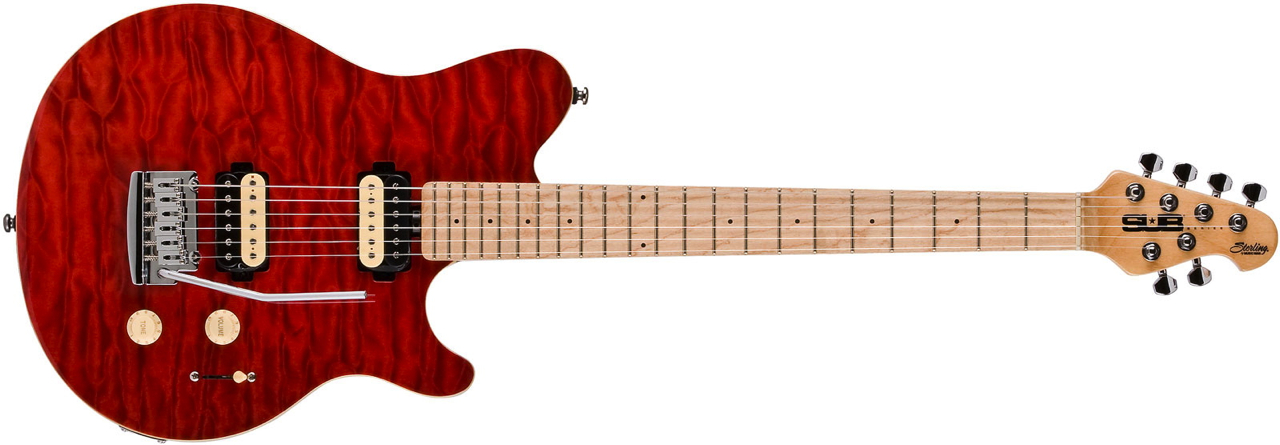
Silo 3 on edullinen versio Music Man Silhouette -kitarasta. Silo-mallissa on kaksi tuhtia yksikelaista mikrofonia, sekä humbuckeri vibratallan vieressä.
Ax 3 taas on Axis-mallin edullinen versio, ja se tarjoaa kaksi humbuckeria, viisiasentoisen kytkimen ja vibratallan.
Molemmissa kitaroissa on viidellä ruuvilla kiinnitetty vaahterakaula, Silo 3:ssa voi valita jopa vaahtera- ja palisanteriotelaudan välillä.
Yksi Ampegin tämänvuotisista NAMM-uutuuksista on firman toinen pikkustäkki – Ampeg Micro-CL.
Suuren suosion saanut edeltäjä – Micro-VR (yhä saatavilla) – on pienennetty versio 1970-luvun Ampeg SVT -vahvistimesta, jolla on 200:n watin teho. Upouusi Micro-CL taas on satawattinen miniatyyri 80-luvun Ampegista (nykyinen SVT-CL).
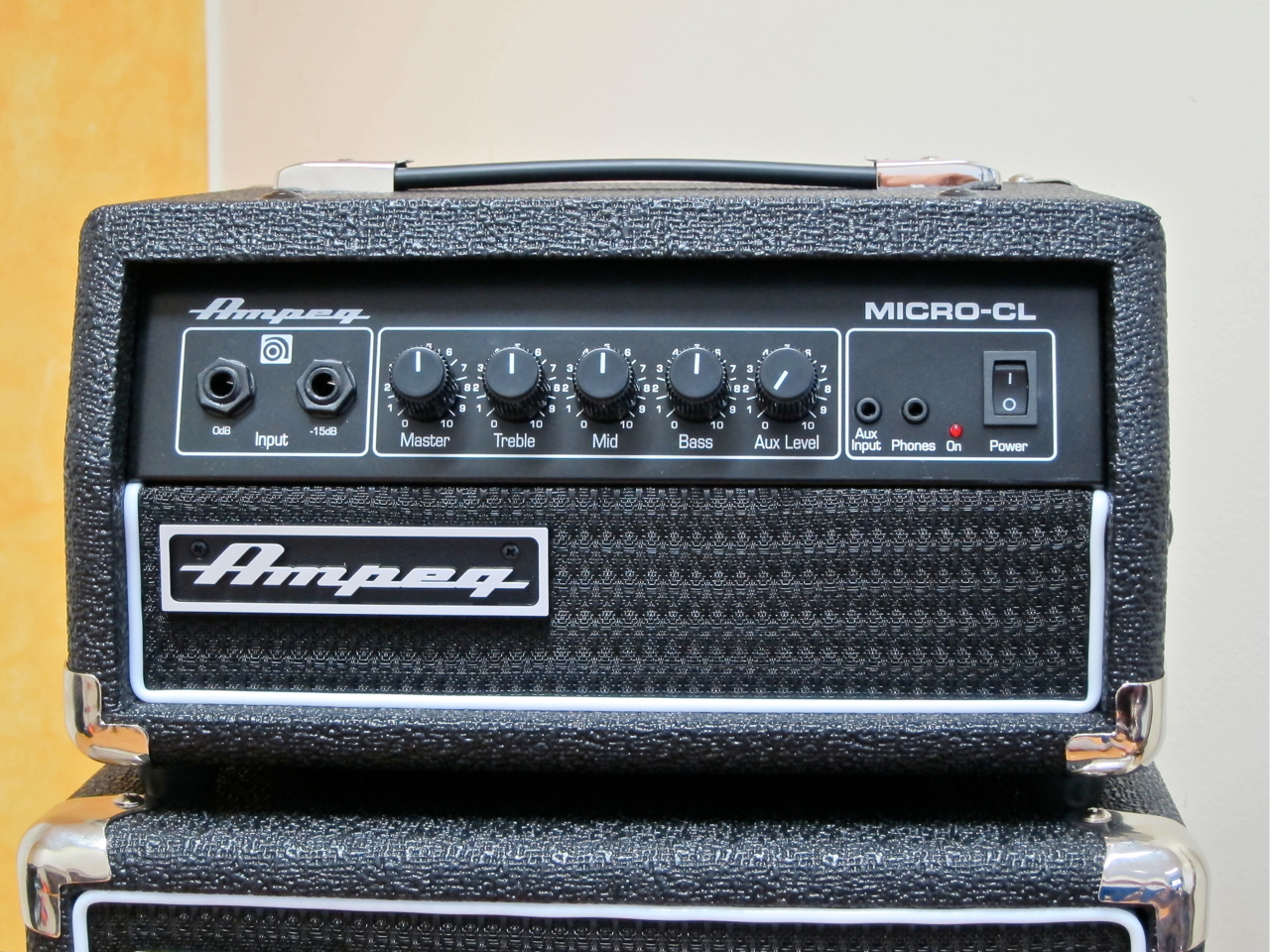
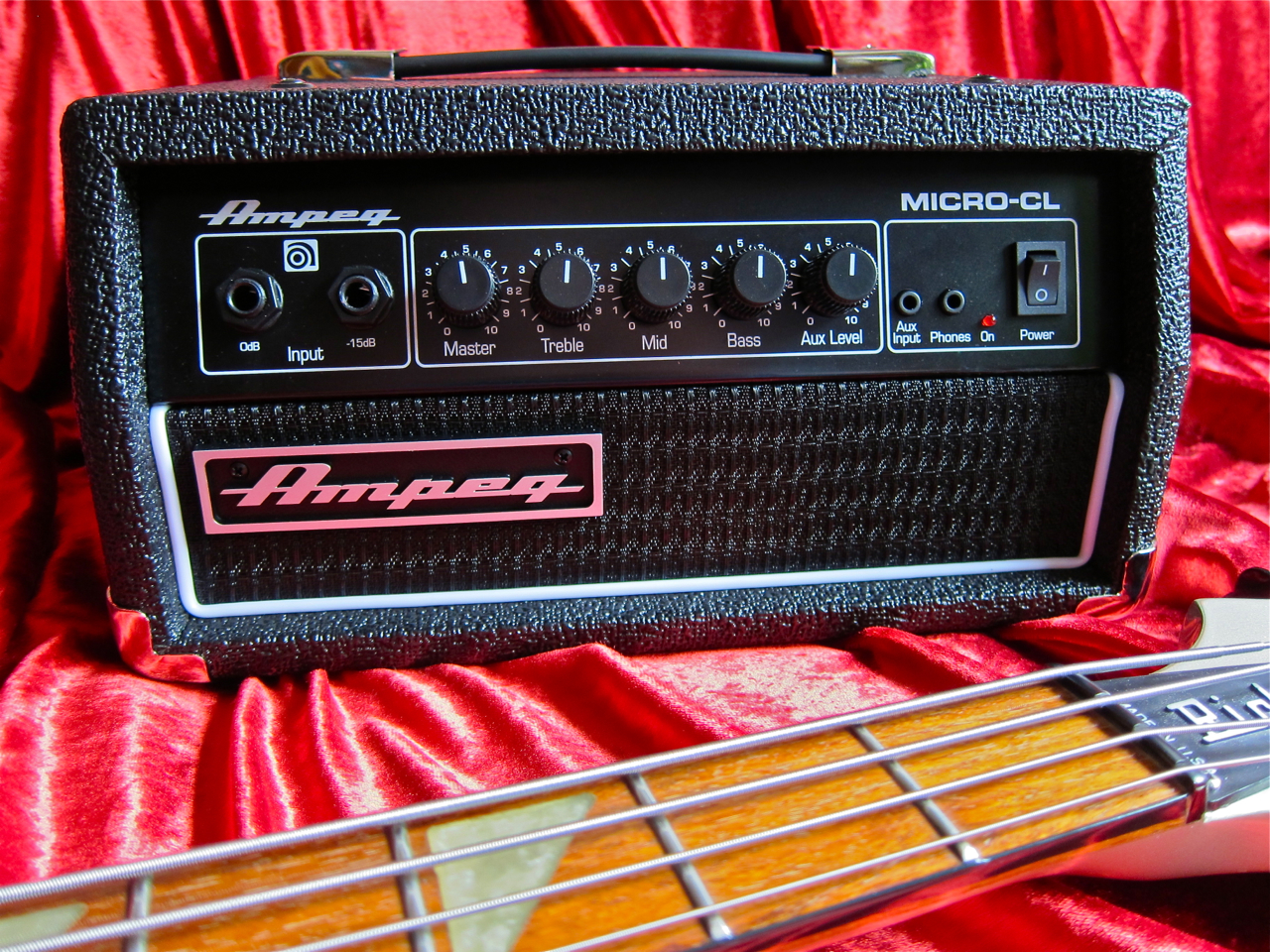
Ampeg Micro-CL -stäkki (ovh: 505 €) tuo firman tyylikkyyttä helposti kannettavaan muotoon.
Transistorinuppi painaa vain kuusi kiloa, ja siihen kuuluva kaappi ainoastaan 15 kiloa. Koko ministäkki jää korkeudeltaan juuri ja juuri alle 80 cm – se mahtuu siis helposti tavallisen henkilöauton takakontiin.
Micro-CL-nuppi tarjoaa kaksi tuloa – yksi passiivi- ja toinen aktiivibassolle – ja kolmikaistaisen EQ-osaston.
Koska kyse on tässä myös harjoitusvahvistimesta, nuppiin on lisätty Aux-tulo (minijakki, omalla volyymisäätimellään) mp3-soittimelle. Myös kuulokelähtö löytyy etupaneelista.
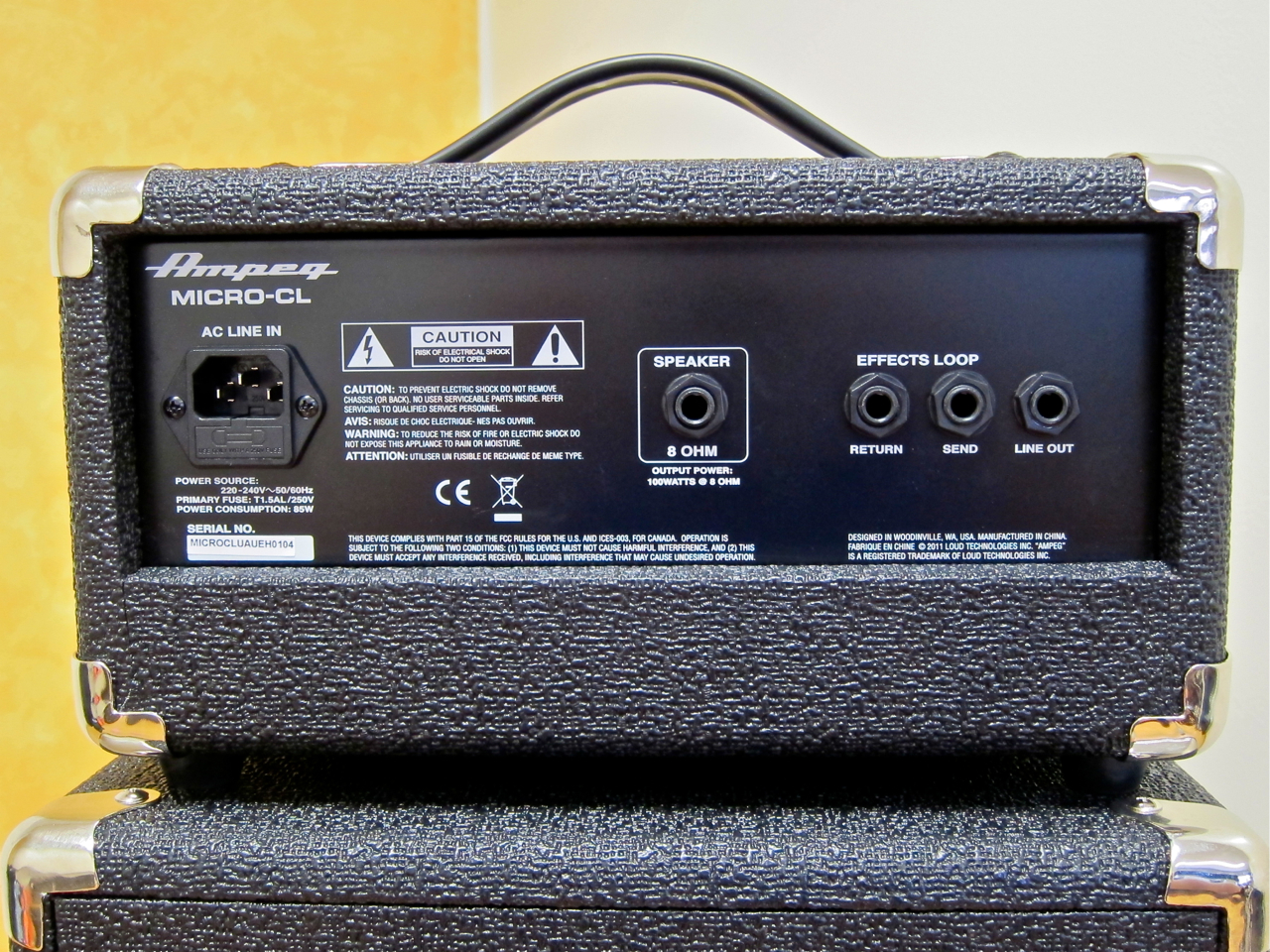
Takapaneeliin on sijoitettu Micro-CL:n linjatasoinen lähtö, sekä efektilenkin liittimet.
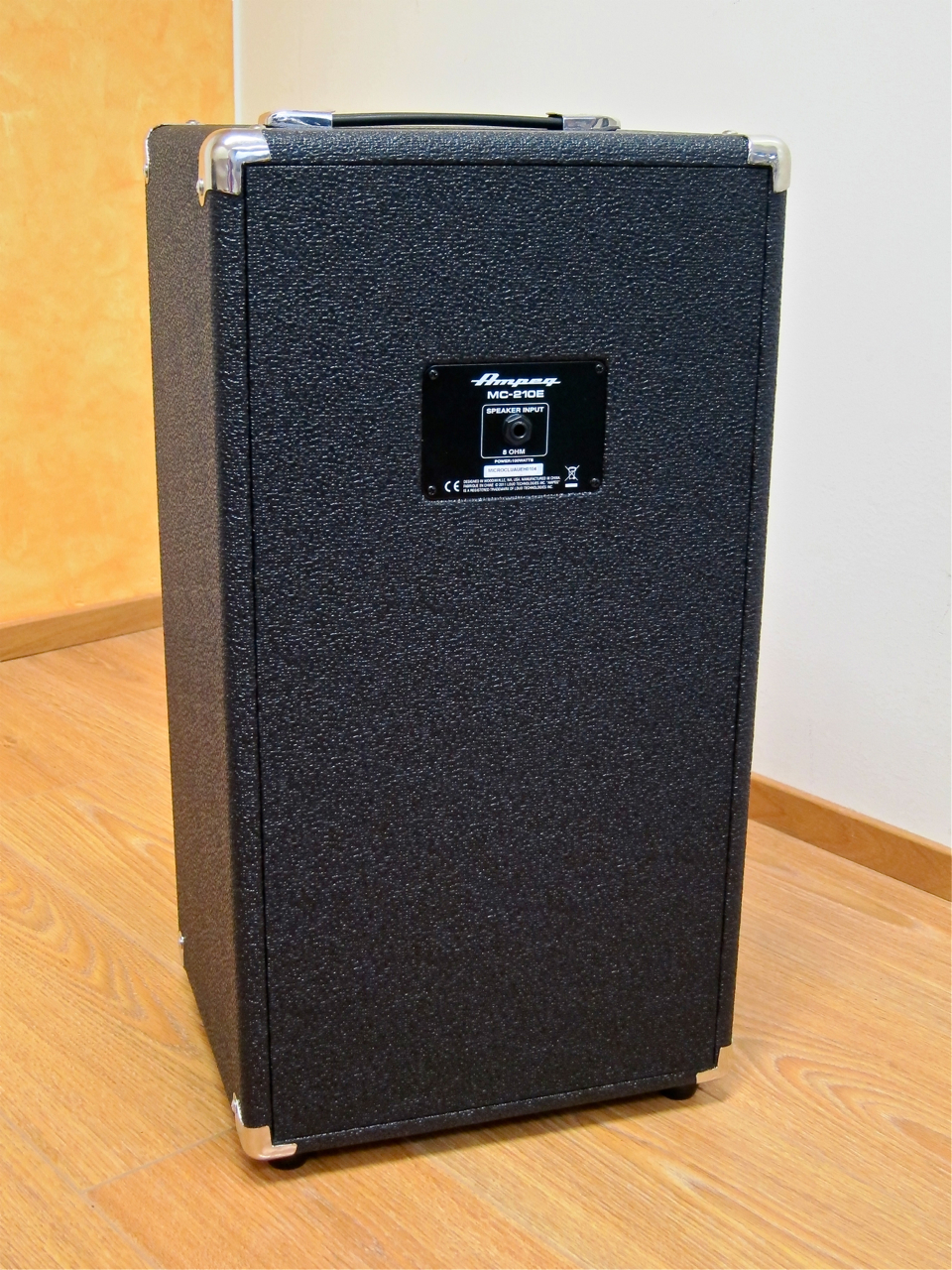
Stäkin kaappi – Ampeg MC-210E – on rakennettu samalla Infinite Baffle -periaatteella kuin firman perinteiset, valtavankokoiset 8 x 10″ -kaapit.
Täysin suljetussa kaapissa on miniversiossa kaksi kymppituumaista kaiutinta. Etukangas on kiinnitetty autenttisesti tarranauhoilla.
Ampeg-kaappi vaikuttaa erittäin kestävältä, ja työnjälki on yhtä laadukas kuin Ampegin täysikokoisissa tuotteissa.
Takalevyltä löytyy MC-210E:n tulo.
Tässä näkyy Ampeg Micro-CL ja tavallinen bassokeissi – kyllä, stäkki on todella pieni…
****
Vaikka vahvistin onkin pienikokoinen, on syytä muistaa, että kyseessä on kuitenkin aito, satawattinen Ampeg!
Yllätyin kuinka paljon ääntä tästä pikkujärjestelmästä lähti. Olohuonekäytössä master-säädin pysyy varmasti jossain alkumetreillä (kolmosen tienoilla), muuten naapurisopu on vaarassa jäädä innokkaan bassosoiton jalkoihin.
Treenikämpässä – jossa äänitin myös tämän jutun esimerkkipätkät – kävi hyvinkin selväksi, että Micro-CL:n voimavarat riittävät mainiosti tavalliseen harjoituskäyttöön, ja jopa monille pienille keikoille.
Soundiltaankin Ampegin pienokainen on täysiverinen Ampeg: soundissa on mukana aimo annos lämpöä, ja firman vahvistimille tyyppillinen rouhea ja murea keskialue on tässäkin hyvin esillä.
Kun master-säädin on lähes täysillä, mukaan kuvaan astuu myös hyvin putki-tyylinen särö, mutta silloin korvatulppien käyttö on jo suositeltavaa.
Vaikka Ampeg Micro-CL -stäkki onkin ulkomitoiltaan erittäin söpö, se ei ole lelu vaan oikea bassovahvistin, joka tarjoaa aidon Ampeg-soundin kätevässä pakkauksessa.
Seuraavat esimerkkipätkät on soitettu Rickenbacker 4003 -bassolla (vuosimalli 1987, aina kaulamikki ensin):
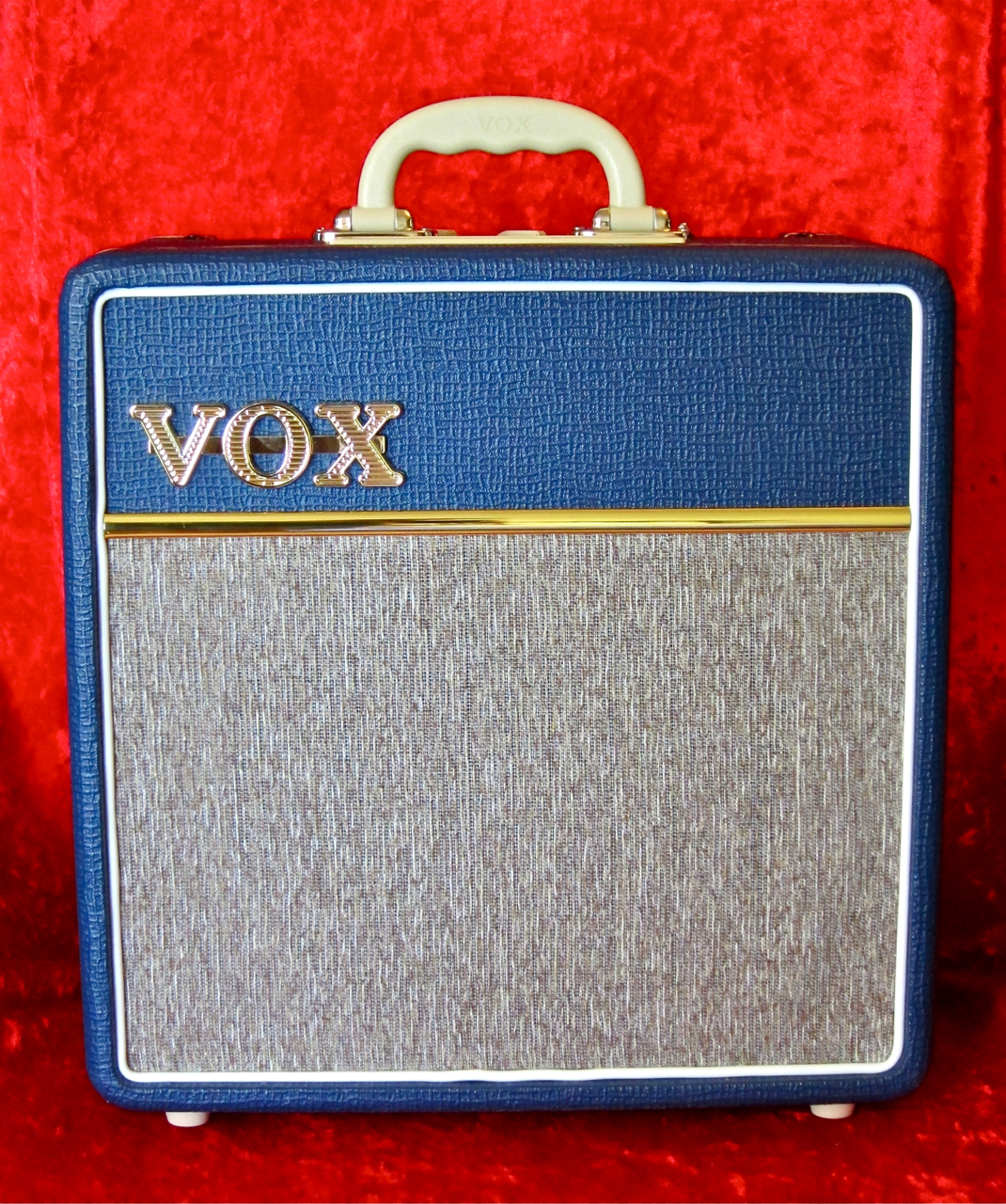
This is what it looks like – the brand-new Vox AC4 C1 Blue. I can already hear many of you thinking “What? Another AC4? Is it any different to the white AC4 TV?”
Granted, it is somewhat bewildering that Vox have several similarly named products in their range, so let me run you through the differences quickly:
At the moment of writing there are five different Vox AC4 valve amplifiers available. The Vox AC4 TV – which is available in three different guises – is the most affordable alternative, and aimed at the same market segment as ultra-compact modelling combos, such as the Roland Micro Cube.
At the other end of the price spectrum you can find the Vox AC4 HW, which is a very stylish hand-wired (HW) combo for the vintage fanatic. Just like the Sixties original, the AC4 HW is also equipped with a 12” Celestion speaker.
The new AC4 C1 Blue conveniently slots into the range between the two other AC4s. Vox’ C–series comprises new versions of the company’s most famous models, updated with nifty modern features.
****
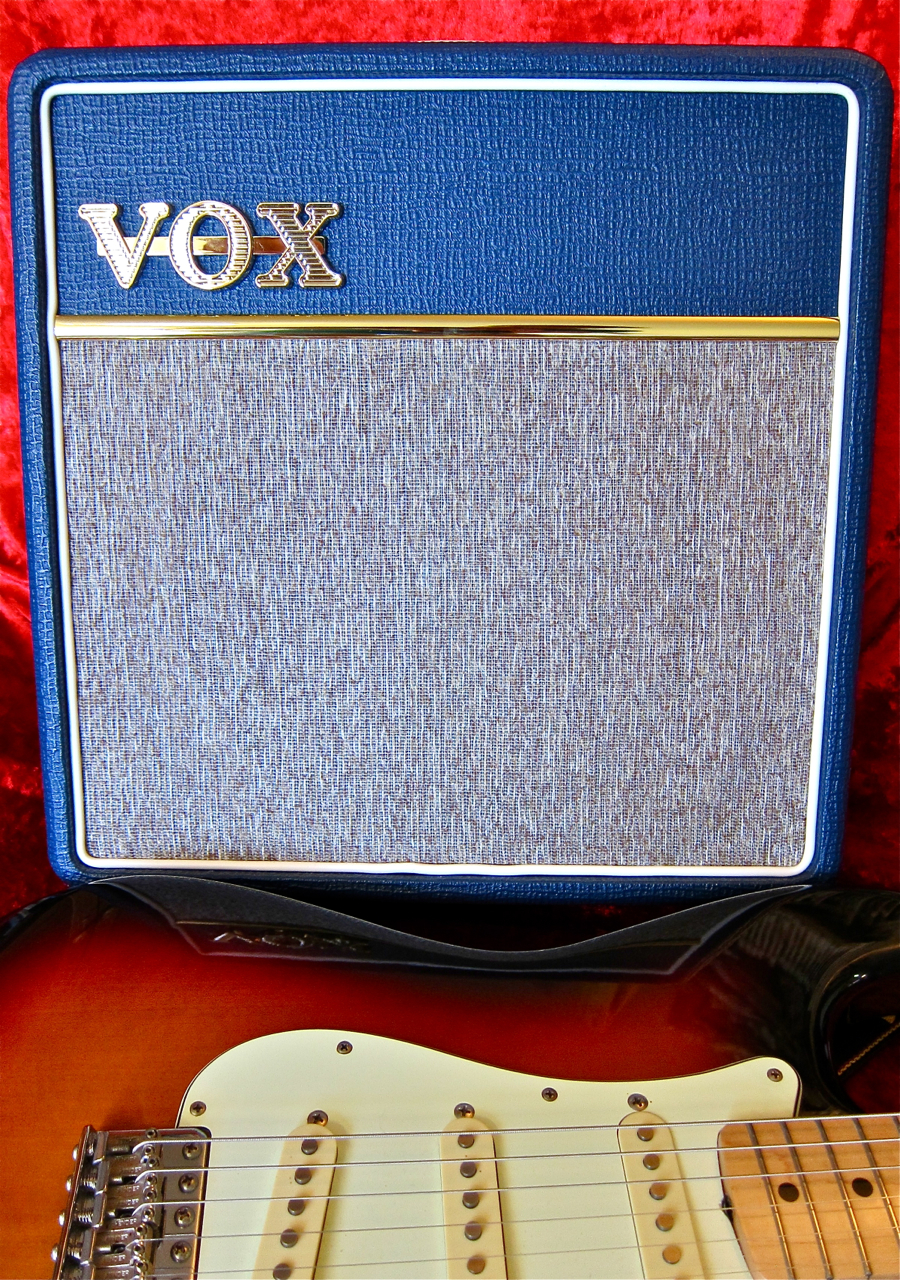
The Vox AC4 Blue (current street price in Finland 349 €) is a very beautiful combo amp, sporting the blue vinyl finish found on one special run from the Sixties, complete with the salt-and-pepper grille cloth.
Two 12AX7 valves are making up the preamplifier section, while the power amp is utilizing a single EL84. Output power is rated at four Watts (RMS) using a 16 Ohms speaker impedance.
The combo’s almost completely closed from the back. The back panel sports only two connectors – one for the power lead and another for connection of an external speaker. Ventilation is provided by a small opening right at the bottom of the combo’s back, as well as the customary small grille next to the carrying handle.
As is the case in quite a number of modern small valve combos, access to the valves is rather restricted in the AC4 C1 Blue. To change preamp valves you have to completely take off the whole back wall to get to the valves, which sit directly on the PCB-board. The owner’s manual recommend leaving valve exchanges to qualified service personnel to avoid the risk of an electric shock.
The Vox AC4 Blue comes equipped with the same special design already used successfully in the AC4 TV – a 10-inch Celestion VX10.
The front panel comprises controls for gain, bass, treble and master volume.
****
Vox has aimed to deliver genuine Top Boost –tone in a small package, and the AC4 C1 Blue really dishes out the goods. This little combo gives you all the legendary AC30 sounds, but at volume levels that fit your living room or home studio to a tee.
The AC4 C1 BL’s clean tones have plenty of jangle, coupled with Vox’ typical dose of grit and attitude. If your’re using powerful humbuckers, you’d better turn down your guitar’s volume a bit, unless you want to drive the combo into light Blues-overdrive.
For my taste the little Vox could do with a little bit less bite in the top end, but I got the trebles reigned in easily with the Treble-knob.
Upping the gain gets you into overdriven territory fairly quickly – from creamy Blues all the way to early Heavy Metal via Seventies Classic Rock. For out-and-out Nu-Metal the Vox AC4 Blue isn’t really the right amp, it just wasn’t designed to dish out that much grunt. For Brian May –type fat lead tones I’d recommend using a distortion pedal in front of the combo.
With its four Watts the AC4 C1 Blue has just enough power to annoy your neighbours – and for small gigs you could stick a microphone in front of it.
Here are a few soundbites (all clips start from the neck pickup):
Ari Kataja’s Kataja Custom Shop is a small builder from Tampere (Finland), who has concentrated on one-offs for his clients up to now (alongside repair work).
Kataja Guitars have recently come out with their line of Fender-inspired basses, produced in small runs; the new models were also on display at this year’s Bassopäivä (the annual Bass Day at the Pop-Jazz-Academy in Helsinki).
Kitarablogi.com jumped at the opportunity to get three models for a review:
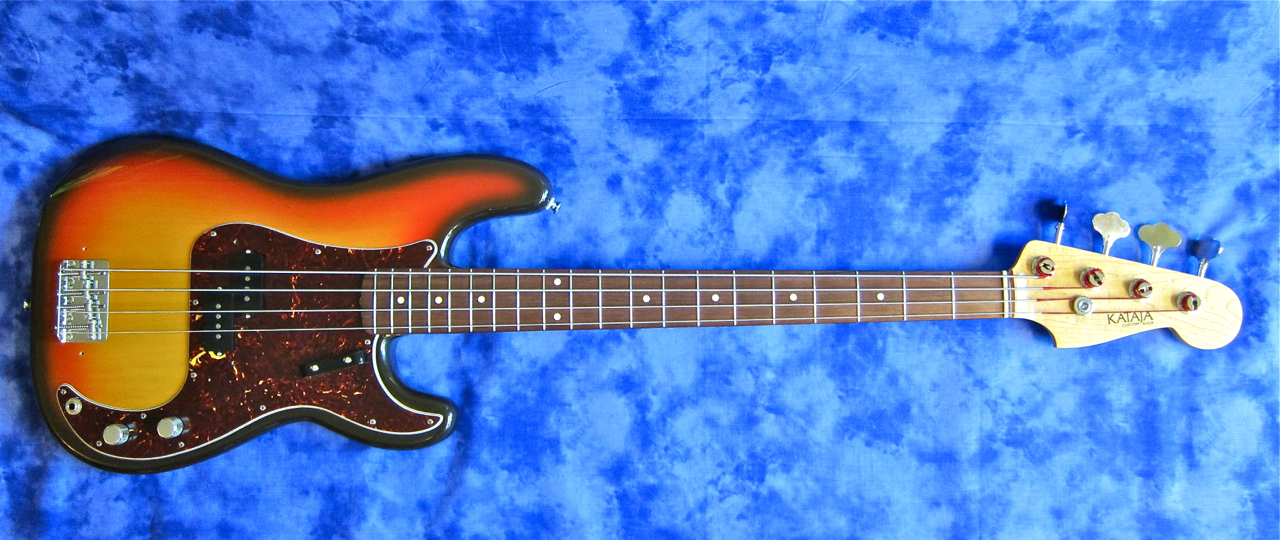
Ari Kataja’s version of a P-bass…
…a model based on a 1960 Jazz…
…as well as a ca 1962/63 Jazz Bass -based bass (current prices in Finland start from 1,920 €, incl gigbag).
****
Kataja Custom basses are crafted in Finland – start to finish. Even though there is quite a number of so-called custom builders, who use pre-fabricated bodies and necks as their basic ingredients, this is not the way for Mr Kataja. His instruments start life as wood blanks, carefully dried to a correct moisture content.
Shared features among the three review basses are bodies crafted from alder and maple necks sporting rosewood fingerboards.
Ari Kataja is also a stickler for period-correct parts and hardware. Take the tortie ’guard on the white 1960 J-model, for example, which is a special item using vintage-style celluloid for its top layer.
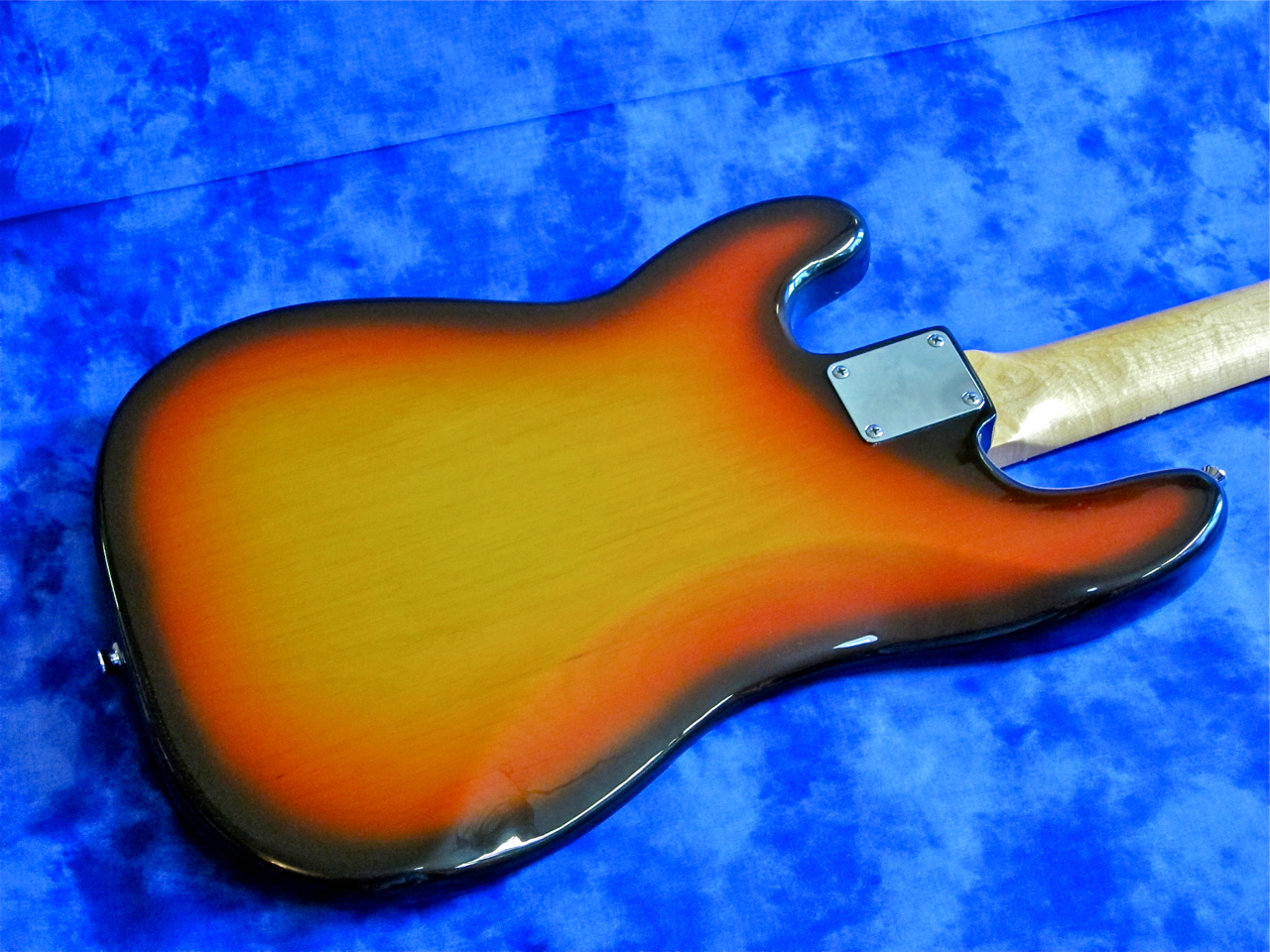
All three models have been finished using a modern type of nitrocellulose lacquer. The resulting finish is very thin and hard, protecting the wood, but not inhibiting the instruments’ vibrations.
The P-model’s headstock comes finished in clear lacquer…
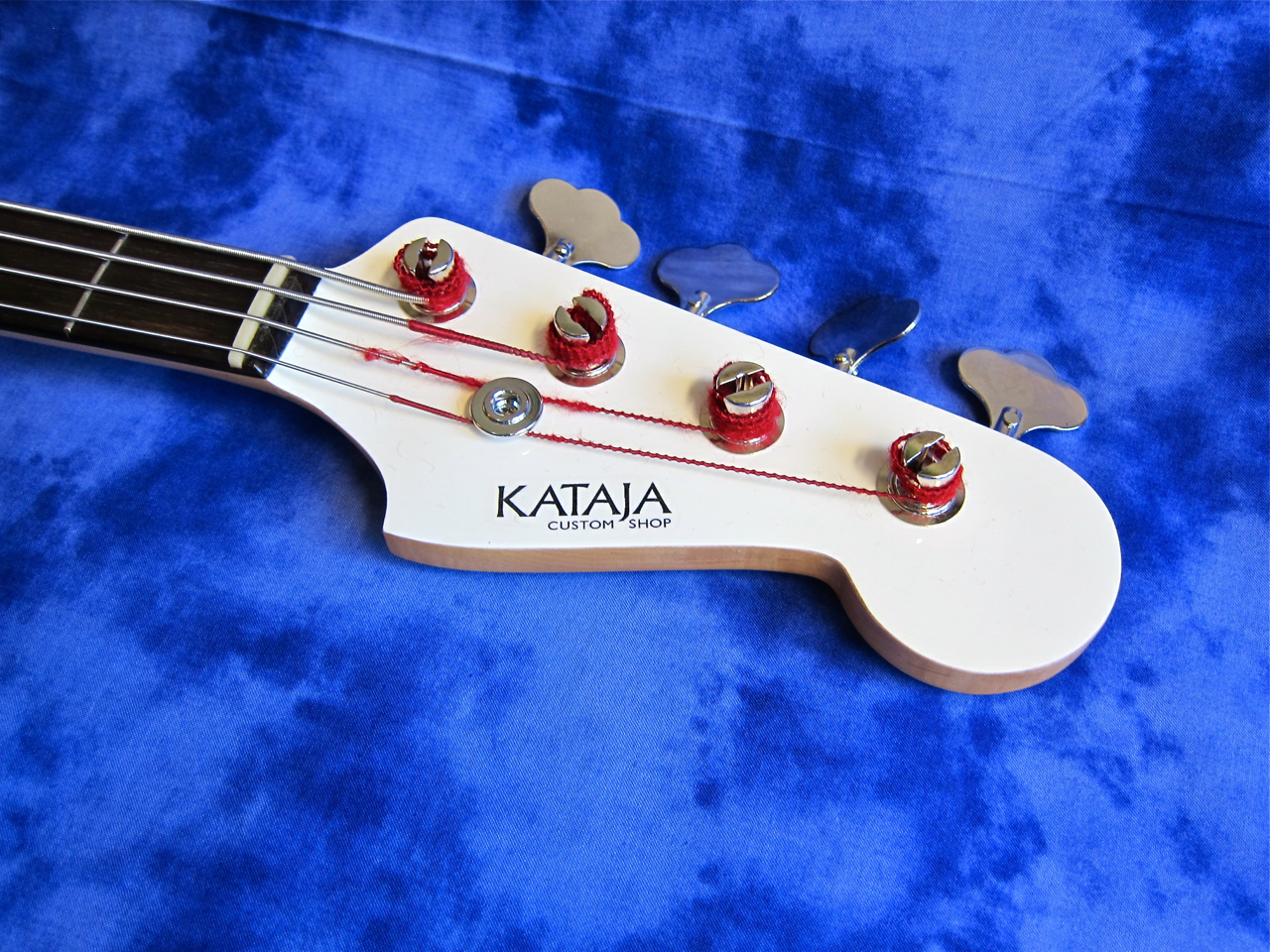
…while both of the J-models on review here…
…sport colour finishes, matching their bodies.
The tuning machines are modern reproduction of the reverse-action Klusons from the 1950’s and 60s. The keys still have to be turned the ”wrong” way around, compared to modern machine heads, but the tuning ratio is finer on these improved vintage reissues.
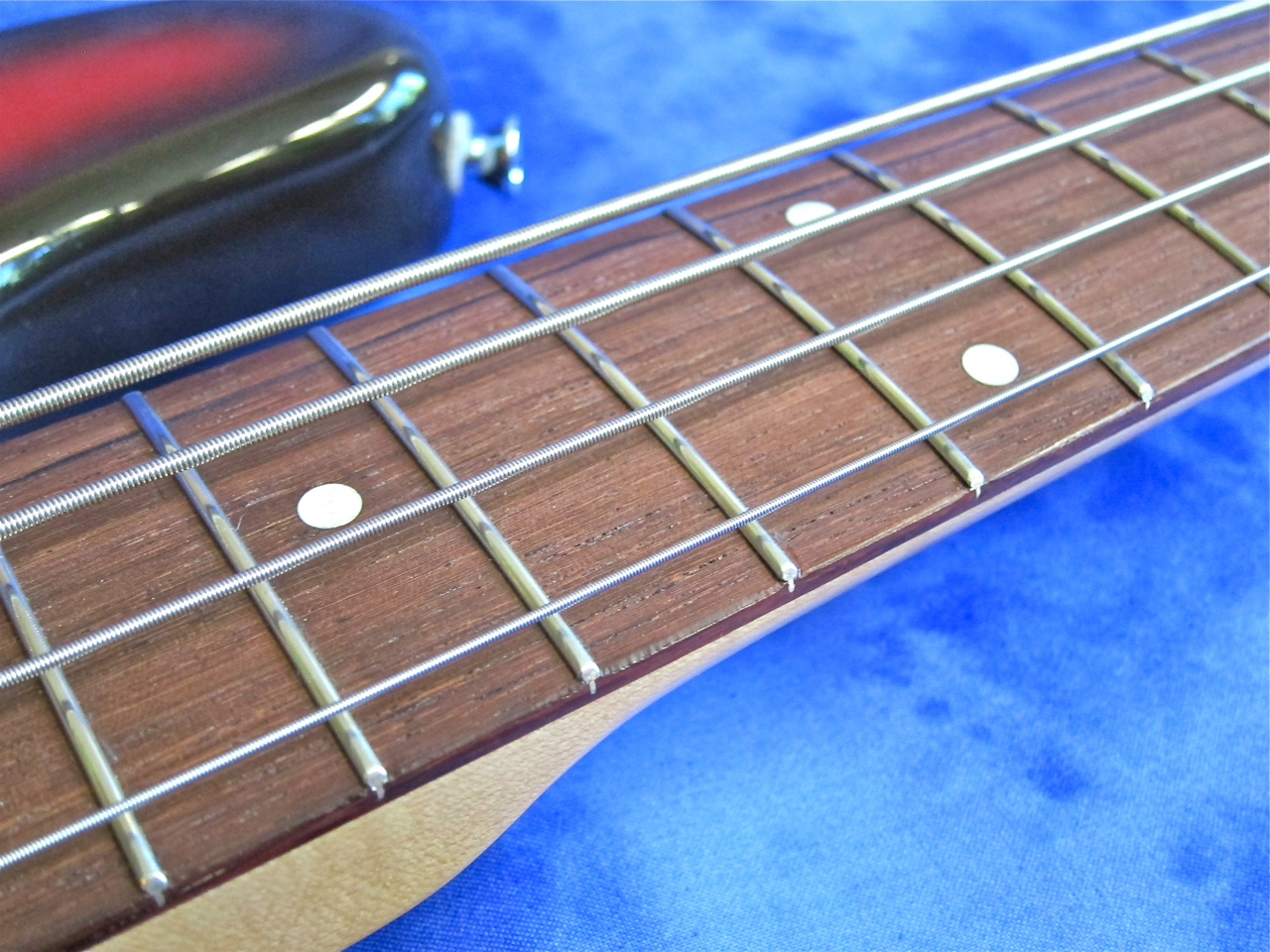
The review basses sport gorgeous Madagascar rosewood fingerboards.
The white 60 J comes with small vintage-sized frets…
…while the P-model and the 62 J both come equipped with medium-sized frets.
The neck joints are traditional. Following a late-50s/early-60s pattern, all basses have deep contouring for added comfort.
All three instruments come with a period-correct vintage bridge with threaded bridge saddles. This makes it possible to set the distance between the strings simply by lifting each string from one ”groove” to another.
****
The Kataja 60 P and 60 J have pickups loaded with 0,195″-diameter (4,95 mm) alnico magnets with bevelled tips.
The bevelling was used to prevent the magnets from chipping the vulcanised fibreboard coil formers, when the magnets were tapped through their holes.
The guitar boom of the 1960s made it paramount to increase production numbers and production efficiency. One step was bringing down the diameter of the pickup magnets marginally to 0,187″ (4,75 mm). The slightly slimmer magnets were easier to get through the fibreboard coil formers, which made the bevelling unnecessary. Thrue to style, Kataja’s 62 J model uses this type of magnet in its pickups.
There are also other differences between the pickups that aren’t easy to spot: The P and 60 J models’ pickups are wound with the period-correct Heavy Formvar -wire, while the blue Kataja’s pickups use the Plain Enamel -variety. Also, the fibreboard coil formers are coloured differently, according to the bass’ respective ”vintage”.
The white J-type features two stacked, concentric controls, with the silver top being each pickup’s volume control, and the lower ”ring” being the pickup’s own tone roll-off.
This set-up was changed in 1962 to the control lay-out we all know and love so well – separate volumes, one per pickup, with a shared master tone control.
****
These three basses by the Kataja Custom Shop are amazing, top-drawer instruments, designed for the vintage fanatic. The workmanship on display is first-rate, and the way with which Ari Kataja is able to zone in on each minute detail says a lot about this craftsman’s dedication and passion.
As is implied in the name, a Custom Shop’s forte is the flexibility with which it can accommodate a customer’s special wishes into the finished instrument. In the case of these three basses, Mr Kataja fattend up the neck profiles a little bit to his own preference.
The Kataja basses play like a dream and sound fantastic.
I recorded the following soundbites direct, using a Sans Amp Bass Driver DI plugged into a Focusrite Saffire 6 USB -soundcard. Each style has been recorded with one set of Sans Amp settings, taking care to keep the differences between each bass in terms of output level and sound intact. With the J-types each bass line is first played using only the neck pickup, then repeated with both pickups on full, and lastly recorded via the bridge unit on its own.
As you can clearly hear, the Kataja-basses deliver great, vintage tones. The pickups vintage-style medium output only helps in achieving the clear and dynamic tones the originals of yore are so famous for.
In light of the offered build quality and the tasty tones on tap, Kataja’s pricing can only be seen as truly affordable.
If you’re on the lookout for an investment-grade, vintage-style bass, you should definitely try one of Kataja Custom Shop’s creations!
****
Kataja Custom Shop – vintage-style basses
current prices in Finland start from 1,920 €, incl gigbag
Epiphonen kolme uutta Pro-versiota vievät firman klassikkomalleja entisestäkin lähempää alkuperäisiä Gibson-soittimia:
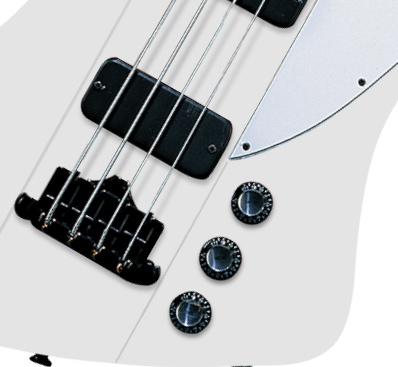
Epiphone Thunderbird Classic-IV Pro -bassossa on kaula-läpi-rungon rakenne mahongista ja pähkinäpuusta. Mikrofonit tulevat Gibson USA:lta – ne ovat aidot Gibson TB-Plus -humbuckerit keraamisilla magneeteilla.
****
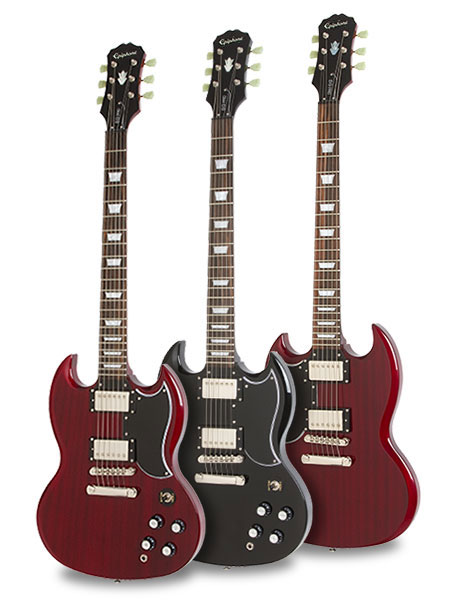
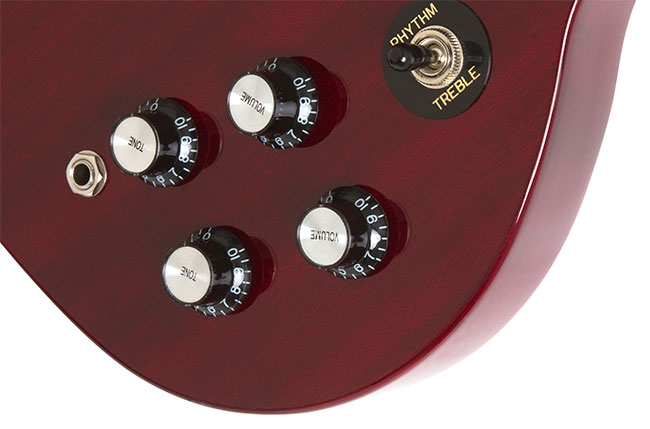
Epiphone G-400 Pro -malli komeilee Epiphone Alnico Classic Pro -humbuckereilla, joita voi volume-potikoihin piilotetuilla nostokytkimillä puolittaa. Kirsikanpunainen G-400 Pro on saatavilla myös vasenkätisenä.
****
Näyttävillä loimuvaahteraviilulla koristeltu Epiphone Les Paul Standard Plustop Pro taas on varustettu puolitettavilla Epiphone ProBucker-2 ja ProBucker-3 -humbuckereilla. Oikeankätisille kitaristeille on tarjolla viisi värivaihtoehtoa, kun taas vasenkätisen soittajan on tyydyttävä Heritage Cherry Sunburst -väritykseen.






















 Kitarablogi.com – Finland's premier Guitar and Bass blog