
****
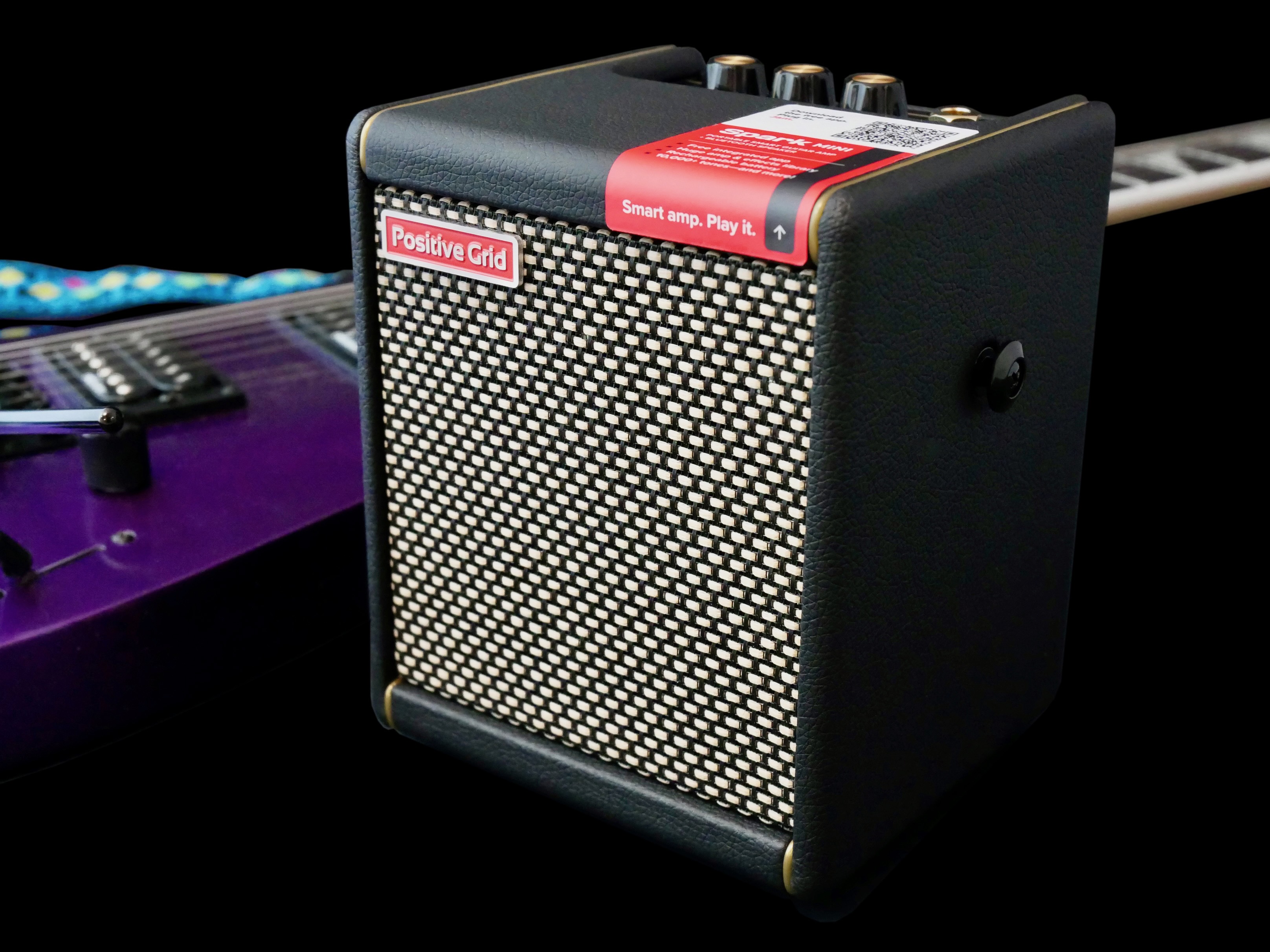
Testijuttu on nyt luettavissa TÄÄLLÄ.
Kitarablogi.com – Finland's premier Guitar and Bass blog
Juttuja kitaroista ja bassoista



****
Testi on nyt luettavissa TÄÄLTÄ.

Yllättävän monelle kompressori on jotenkin mystinen laite, joka käyttää musta magiaa soundin muokkaamiseksi. Todellisuudessa kompressori (yleiskielessä: kompura) on (puoli-) automaattisesti toimiva signaalitasoon vaikkuttava piiri, jolla kavennetaan signaalin dynamiikka – siis: hiljaisten ja kovien äänien välinen ero – toivotulla tavalla.
Etenkin puhtailla kitarasoundeilla kompressorista voi olla paljon apua, silloin kun kaivataan lisää sustainea, tukevampaa soundia, tai vaikkapa rauhallisempaa äänikuvaa. Esimerkiksi monille kantrikitaristeille kompura on lähes pakollinen varuste, jolla saadaan nopeat lickit, joissa usein sekoittuvat otetut äänet ja avoimet kielet, kuulostamaan tasaisempana ja sliipattuina.
Kitaristille tarjotaan nykypäivänä monta eri kompuraa pedaalin muodossa, joista suurin osa toimii ”enemmän tai vähemmän” -periaatteella, ehkä vielä lisätyllä atakki-kytkimellä.
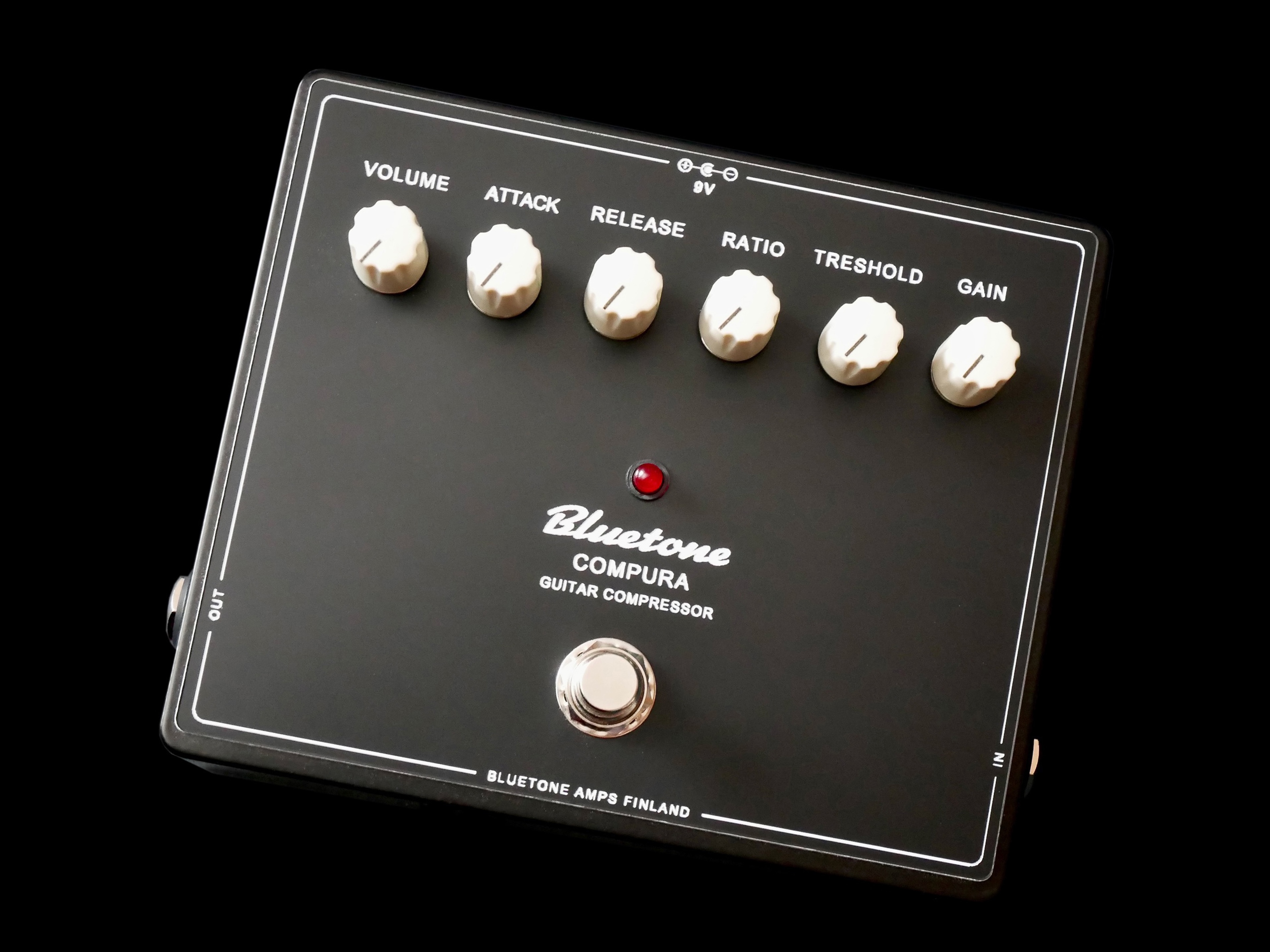
Suomalainen Bluetone Compura (330 €) lähestyy aihepiiriä toiselta kulmalta tarjoamalla laajasti säädettävän studiokompressorin kitarapedaalissa. Kuusi säädintä voivat aluksi näyttää hieman pelottavalta, mutta kun niiden toimintaa käy ensin rauhallisesti läpi, niin homma alkaa nopeasti selvenemään.
• GAIN on Compuran esivahvistus. Tässä ei ole kyse säröstä, vaan siitä, että eri kitaroissa (ja bassoissa) on eri mikrofonien vuoksi erilaiset lähtötasot. Gain-säätimellä pystyy siis optimoimaan valitun kitaran signaalitasoa kompressiopiiriä varten.
• THRESHOLD (kyllä, kuvan varhaisessa tuotantomallissa on pieni kirjoitusvirhe) tarkoittaa kynnystasoa. Threshold-tason alle jäävä signaali pysyy kompressoimatta, kun taas kynnyksen ylle menevät osuudet puristetaan dynamiikan osalta kasaan.
• RATIO on kompressiosuhteen säädin. Studiokompressoreissa lukee ratio-säätimen vieressä tavallisesti numeerinen suhde, jossa esimerkiksi ”1:1” tarkoittaa, ettei kompressoida lainkaan, kun taas ”8:1” tarkoittaa, että jos tulosignaalin taso nousee kahdeksan desibeliä kynnystason yli signaalia kompressoidaan niin, että lähtötaso nousee vain yhden dB:n verran. Bluetone Compurassa säädöt tehdään korvakuulolla.
• ATTACK ja RELEASE säätävät kuinka nopeasti kompressori alkaa vaikuttamaan signaalin tasoon sen jälkeen, kun kynnystaso ensin ylittyy (Attack-säädin), sekä silloin kun tulosignaalin taso taas laskee kynnystason alle (Release-säädin). Attack-säätimellä pystyy siis vaikuttamaan esimerkiksi siihen, kuinka paljon äänten atakista säilyy muuttumattomana, kun taas Release-säädin vaikuttaa siihen kuinka nopeasti kompressiopiiri ”nollauttuu” signaalipiikkien välissä.
• VOLUME-säädin on Bluetone Compura -pedaalissa lähtötason säädin, siis sama säädin jota kutsutaan monessa studiokompressorissa make-up gainiksi. Volume-nuppia säädetään korvakuulolla omien tarpeiden – esimerkiksi signaaliketjun muiden efektien – mukaan. Jotkut tykkäävät käyttää kompressorit miedoina boostereina, kun taas toiset haluavat, että kompressorin toiminta on signaalitason osalta lähes huomaamaton.
****
Studiossa kompressorin mittaristo on hyvin tärkeä työväline, josta saa tietoa siitä kuinka ”kuuma” tulosignaali on, kuinka monta desibeliä signaalin dynamiikka puristetaan kasaan, ja millä tasolla efektin lähtösignaali on.
Kitarapedaalissa tällainen mittarointi on minusta usein tarpeeton; usein värikkäät mittarit lattialla jopa vievät soittajan huomiota pois kaikkein tärkeämmästä – omasta soundista.
Tärkein on minun mielestäni se että muistetaan, ettei ole olemassa ”ainoa oikea tapa” käyttää sellaista kompressoria kuin Bluetonen Compura, koska mukana on aina kokonainen kasa muuttajia, kuten soitin, oma soittotatsi, musiikkigenre, muu signaalitie, käytössä oleva vahvistin jne.
Kun ottaa itselleen ensin hieman tutustumis- ja kokeiluaikaa Bluetone Compuran kanssa, löytyy hyvin helposti ja nopeasti sellaiset parametrien asetukset, jotka toimivat sinun omassa musiikillisessa työympäristössä. Se mikä sinun mielestäsi toimii sinun omassa musiikissa, on oikea riippumatta siitä, mitä toiset ehkä sanovat.
Helsingissä käsintehty Bluetone Compura ei ole halpakompura, vaan huippulaadukas pro-tason kompressoripedaali, joka tarjoaa studiokompressoreista tuttua säädettävyyttä kompaktissa muodossa. Siihen nähden laitteen hinta on jopa edullinen.
****
****
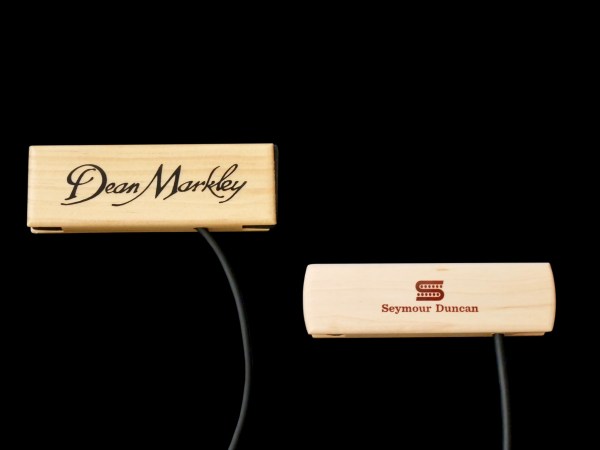
Magneettisien ääniaukolle menevien mikrofonien testi löytyy TÄÄLTÄ.

Lisää infoa/More information: Bluetone Compura

 Kitarablogi.com – Finland's premier Guitar and Bass blog