
****

Kitarablogi.com – Finland's premier Guitar and Bass blog
Juttuja kitaroista ja bassoista

****

Yksi tämänvuotisista Roland-uutuuksista on GA-112 – firman COSM-teknologiaa hyödyntävä kitarakombo, joka on ihan omaa itsensä, täysin ilman tiettyjen vahvistimien mallinnusta.
Koko komeuden ytimessä toimii GA-112 – ja isompaa, kahta 12-tuumaisia kaiutinta sisältävä sisarmalliaan GA-212 – varta vasten kehitelty Progressive Amp -niminen COSM-malli. Progressive Amp lupaa erinomaisia clean-, crunch- ja lead-soundeja yhdestä, samasta vahvistimesta, pelkästään gain-säädintä ja EQ:tä käyttämällä.
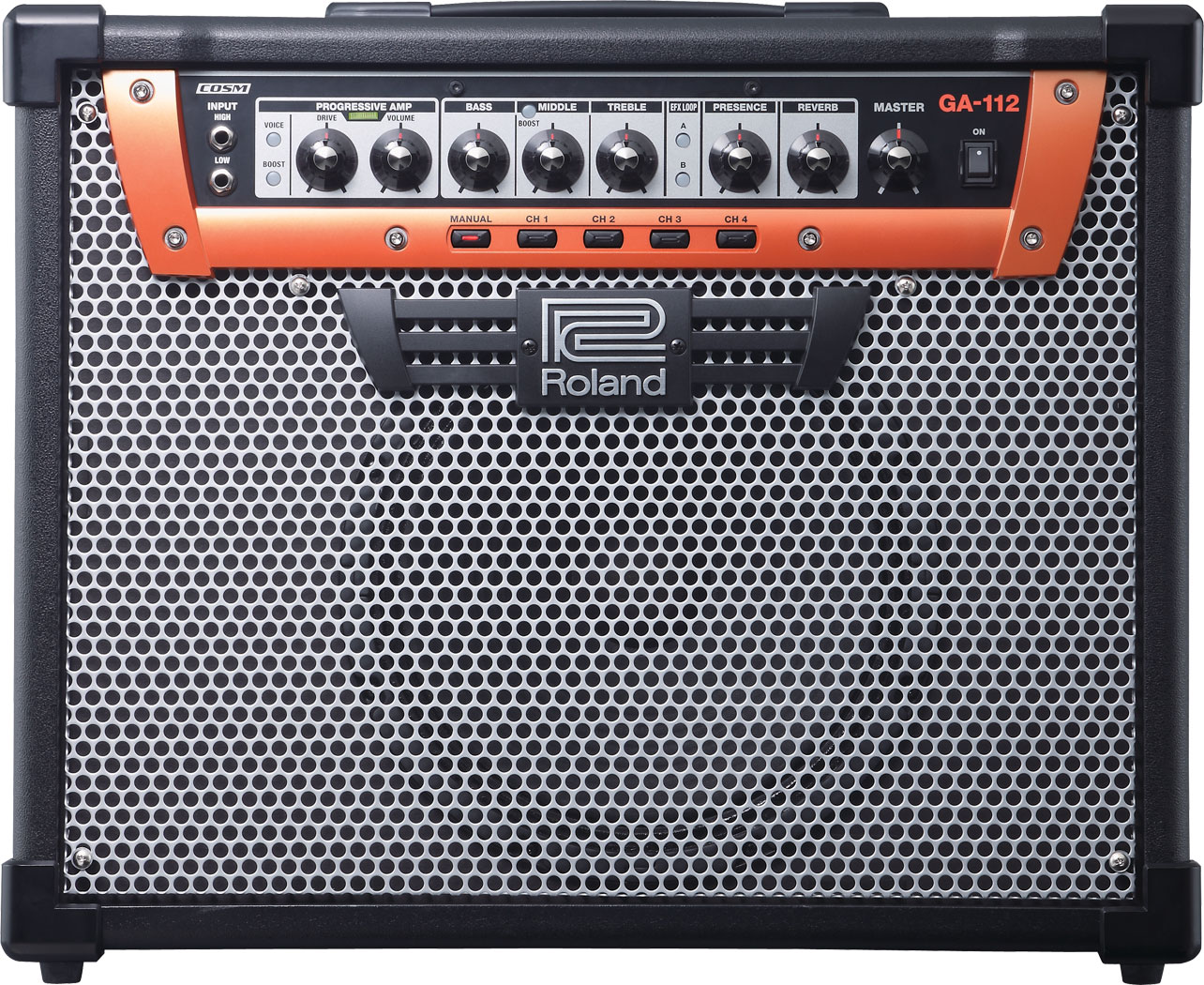
Satawattisessa Roland GA-112:ssa (844 €) yhdistyy monia piirteitä, joita ovat tuttuja entisestään firman kitaravahvistimista.
Etupaneelin värimaailma muistuttaa legendaarista Jazz Chorus -komboa, kun taas kestävä musta päällinen ja erittäin tukeva metalliritilä tulevat suoraan firman Cube-sarjasta.
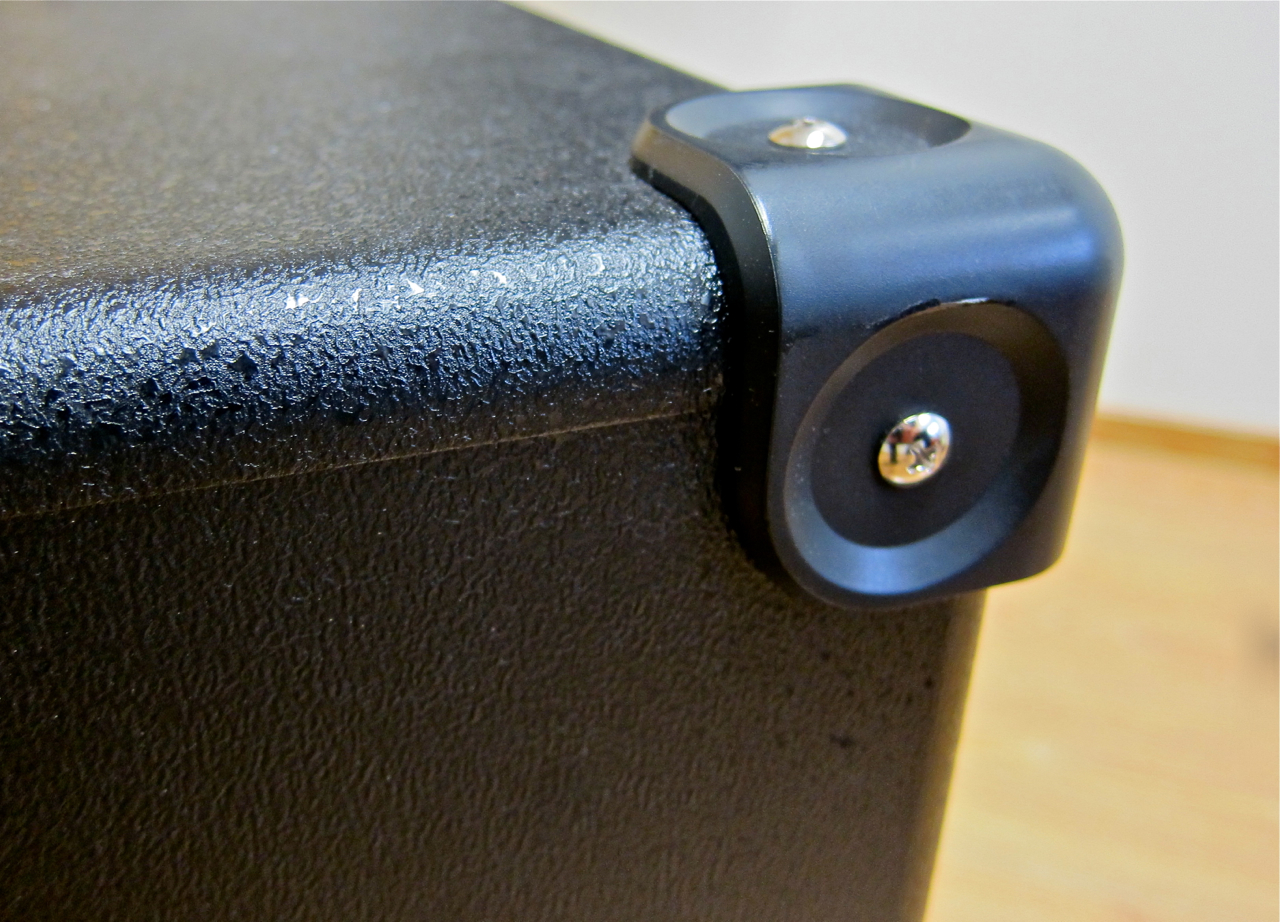
Myös paksut muoviset kulmasuojat on tehty kestämään keikkailevan kitarakombon ajoittain rankkaa elämää.
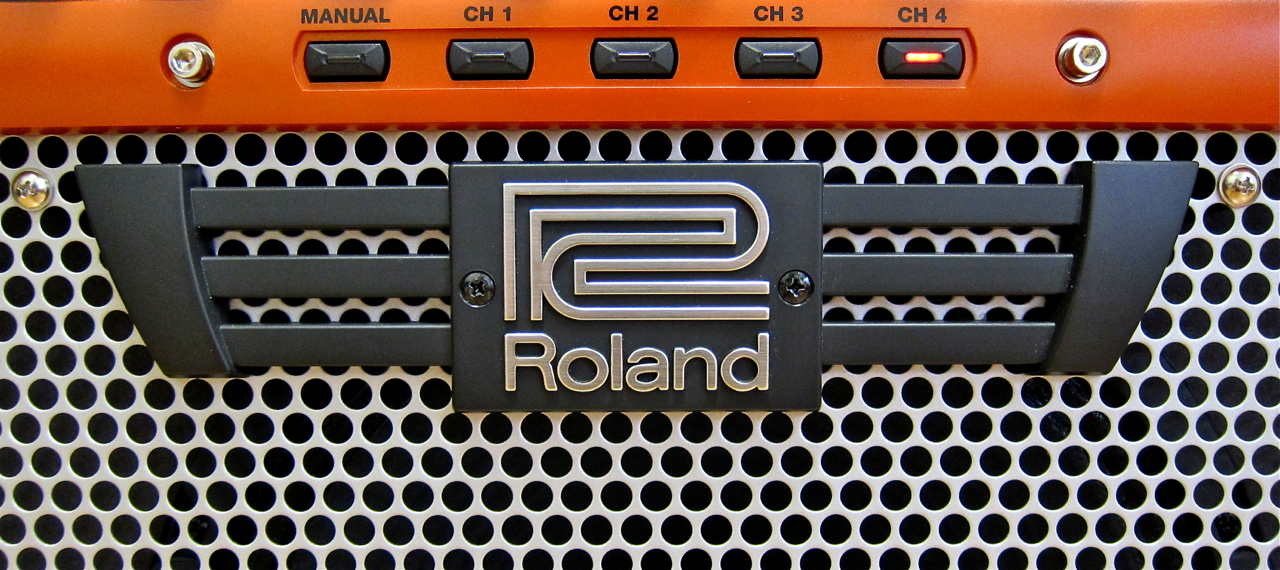
GA-112:n etuvahvistin on täysdigitaalinen, ja se tarjoaa peräti viisi kanavaa – neljä tallennettua kanavaa, sekä manuaalisen tilan, jossa käytetään säätimien tämänhetkiset asetukset soundin pohjana.

Etupaneelin rakenne on erittäin selkeä, kombon uumenissa piiloutetusta huipputeknologiasta huolimatta. Kaikki painonapit ovat taustavalaistetut, ja kaikki tallennettavissa olevat säätimet (siis kaikki, paitsi Master Volume) ilmaisevat asentonsa punaisilla ledeillä. Tämän kombon asetukset näkee selvästi myös täysin pimeällä lavalla.
Vahvistimen tulopuolella tarjotaan kahden jakkien lisäksi Boost-napin lisäpotkua varten, sekä Voice-kytkimen, jolla saa signaaliin lisättyä mietoa loudness-käyrää.
Progressive Amp -osaston pitkänomainen ledi auttaa suuresti gain-määrän visuaalisessa hahmottamisessa, muuttamalla väriään porttaattomasti loogisella tavalla Drive-asetuksen mukaan. Jos näkee vihreän valon tietää heti, että soundi on säädetty puhtaaksi, kun taas tumman punainen tai hohtavan valkoinen tarkoittaa rankkaa säröä.
EQ-osasto koostuu basso-, keskialue- ja diskanttisäätimistä, ja se tarjoaa tämän lisäksi myös keskialueen lisäboostin todella paksuja sointeja varten.
Ennen kuin signaali kulkee preesenssäätimen ja digikaiun läpi masterille, sitä voi vielä lähettää kummallekin tai jopa molemmille GA-112:n ulkoiselle efektilenkille. Efektilenkien päälle/pois-tilaa tallennetaan kaikien muiden vahvistimen parametrien mukaan kanavamuistipaikkaan, mikä tarkoittaa että kanavavaihdon yhteydessä myös oikeat ulkoiset efektit menevät automaattisesti päälle.
GA-kombon ainoa sisäinen efekti on sen kaunisääninen digitaalinen kaiku.
Roland GA-112 tallentaa muuten kaikki muutokset säätöihin automaatisesti muistiin, mikä selvästi nopeuttaa työskentelyä vahvarin kanssa.

Efektilenkkien liittimet on sijoitettu puoleksi avoimen kotelon takapaneeliin.

Kummankin efektilenkin kohdalla voi erikseen valita, onko kyseessä rinnakainen tai sarjakytkennässä oleva signaalitie, ja onko käytössä –10dB:n tai +4 dB:n signaalitasolla pyörivä efektilaite.
Takapaneelistä löytyy myös lähtö viritysmittarille ja mikserillä. Lisäksi pystyy myös ketjuttaa kaksi GA-112-komboa todella isoja lavoja varten.

Jos haluaa täyttä kontrollia lavalla täytyy lisätä laskuun vielä reilu satanen ja hankkia Rolandin oma GA-FC-jalkakytkinlauta. Sillä pystyy lennossa paitsi vaihtamaan kanavia myös kytkemään kombon boosteja, efektilenkkejä ja kaiun päälle tai pois.
Mielestäni se olisi ollut kuitenkin käyttäjän kannalta ystävällinen veto, jos Roland GA-112:n paketista olisi löytynyt valmiiksi yksinkertainen, kahdella kytkimellä varustettu pedaali, jolla voisi vaihtaa kombon kanavia ylös- ja alaspäin.
****
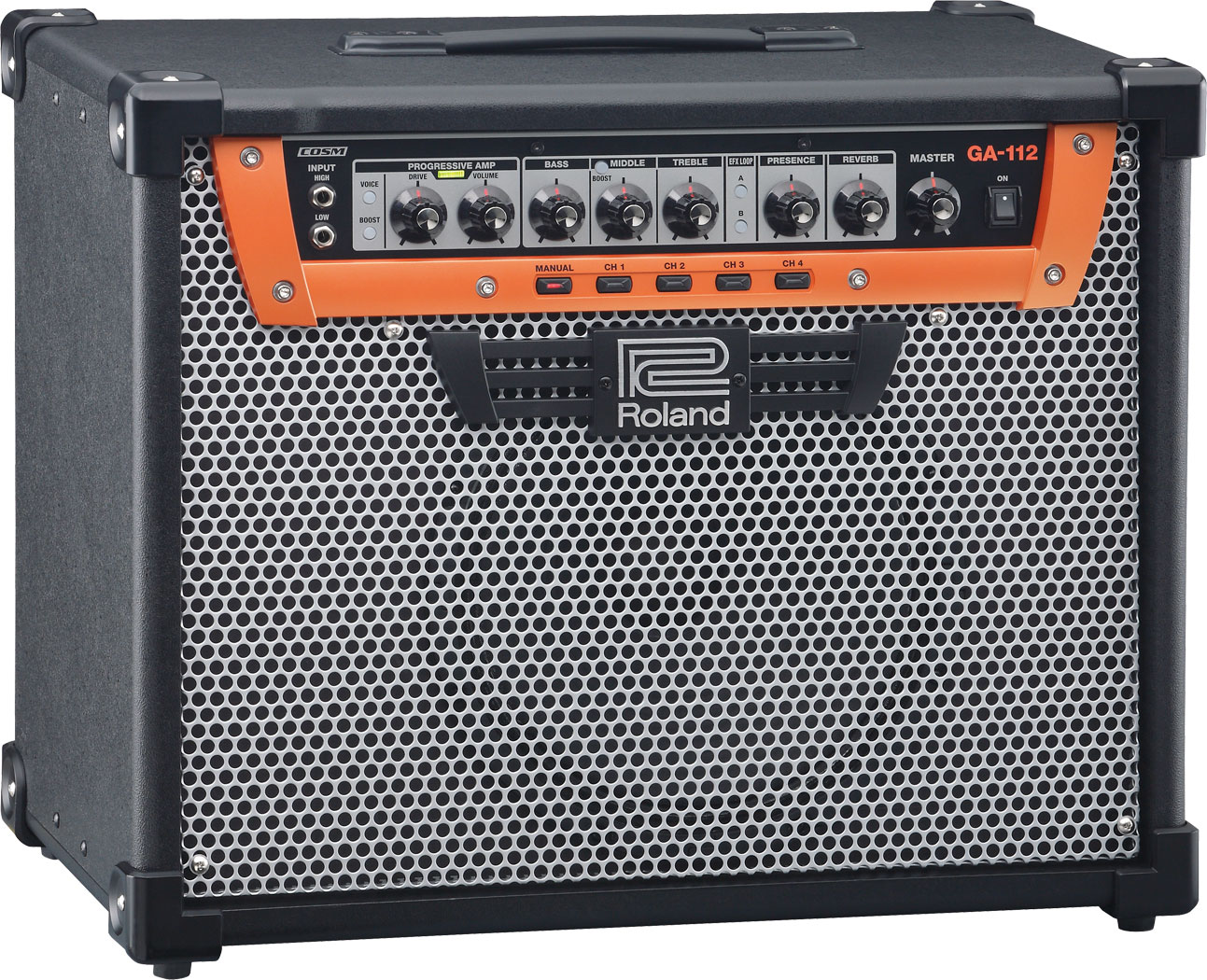
Roland ei lähtenyt GA-112:n suunnitteluun sellaisella päämäärällä, että nyt rakennetaan sellainen kombo, jossa on valtavasti erilaisia mallinnoksia vanhoista vahvistimistä ja iso kasa sisäisiä efektejä, vaan idea oli päinvastainen.
GA-112:n valtti ovat sen erittäin terve perussoundi, ja oman Progressive Amp -mallin uskomattoman laaja gain-skaala, joka ulottuu putipuhtaasta hyvin rankkaan metalliin.
En lähde tässä myöskään spekuloimaan Roland-kombon erilaisten soundien mahdollisista esikuvista tai GA-112:n tarjoamasta ”autenttisuudesta” tai sen puutteesta. Tämä ei ole mallintava vahvistin perinteisessä tarkoituksessa, tässä ei haetakaan uskollisuutta johonkin esikuvaan.
Roland GA-112 on ihan oma itsensä, ja pärjää vallan mainiosti tarjoamalla kitaristeille mahdollisuuden löytää omat soundinsa minimaalisella vaivalla.
Lämmin puhdas jazz tai helisevän pureva country – Roland-kombolla onnistuu kädenkäänteessä ja lopputulos kuulostaa erittäin hyvältä. Soittodynamiikaan ja kitaran volume-säätimeen herkästi reagoiva perinne-blues tai 1970-luvun rock luonnistuvat nekin mainiosti. Ja armoton metal-riffaaminenkin voi GA-112:llä jatkua, kunnes talkkari tulee ja takavarikoi treenikämpän pääsulakkeen.
Hyödyntämällä vielä styrkkarin kahta efektilenkkiä saa Rolandista esiin todella massiivisen määrän erilaisia laatusoundeja.
Voin vain suositella Roland GA-112 -kombon koeajelua, jos etsii uuden vahvistimen oman kitarasoundin komentokeskukseksi.
****
Tässä muutama esimerkki GA-112:n soundista ilman ulkoisia efektilaiteita:
Kasuga puoliakustinen – puhdas
Kasuga puoliakustinen – säröllä
Kasuga puoliakustinen – soolosoundi

****
Roland GA-112
844 €
Maahantuoja: Roland Scandinavia
****
Plussat:
+ perussoundi
+ erittäin laaja gain-skaala
+ ohjelmoitavuus
+ kaksi efektilenkkiä
+ teho
+ kestävä rakenne
Miinukset:
– jalkakytkin ei kuuluu hintaan
****

****

Esivanhennettu kitara – joidenkin mielestä se on typerin keksintö ikinä, kun taas toisten mielestä naarmuuntuneissa kitaroissa on oma charminsa.
Yksi asia on kuitenkin selvä: relic-ilmiö on tullut jäädäkseen!
Tällä kertaa testissä kävi ESP:n näkemys uusvanhasta kitarasta – Eclipse II FM FT Distressed.
****

ESP Eclipse II Distressed (1.889 €) on laadukas japanilainen sähkökitara, joka on esikulutettu näyttämään yli 50-vuotiaalta, paljon käytetyltä soittimelta.
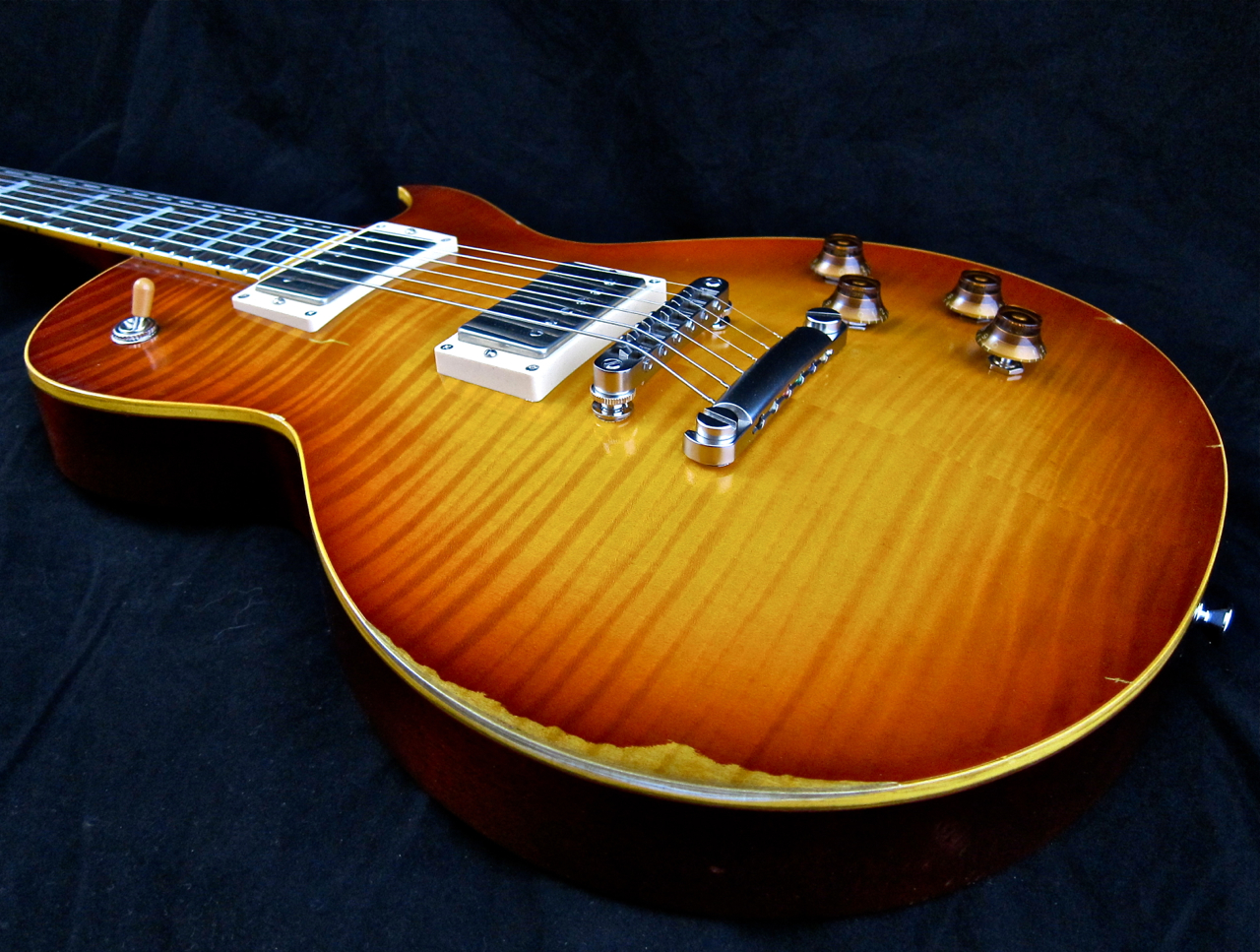
Hyvin realistinen tuntuma on saatu aikaiseksi käyttämällä kolhujen, naarmujen ja lommojen lisäksi myös sellaista lakkausta, joka näyttää hieman ajan jälkeen kuluneelta ja puun syykuvioihin uponneelta.

Myös Eclipse II Distressed -rungon takapuoli on täynnä pieniä naarmuja ja painaumia, mutta kitaran kaula on jätetty lähes kokonaan siistiksi.
Runkoon ja kaulaan käytetty mahonki näyttää herkullisen eloiselta.

ESP ei kuitenkaan vetänyt relikoinnilla överiksi, eikä viimeistelyssä ole keinotekoisia halkeamia.
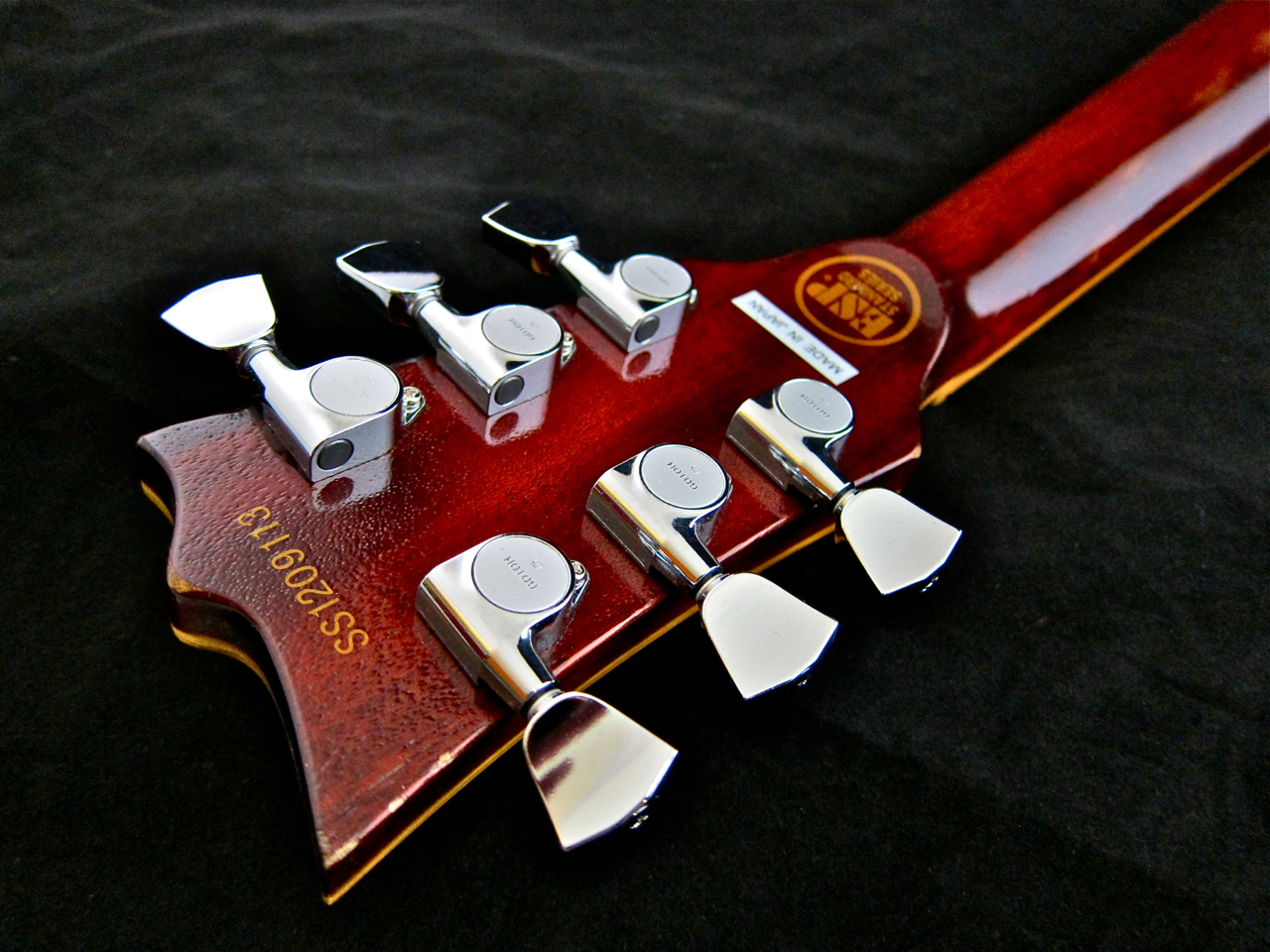
Gotohin kromatut virittimet näyttävät hyvin perinteisiltä, mutta kyseessä ovat nykyaikaiset lukkovirittimet.

Eclipsen kaunista palisanteriotelauta ja sen jumbokokoiset nauhat on jätetty tarkoituksella neitseelliseksi: uudella kitaralla on uuden kitaran tatsi ja soitettavuus, hyvä niin!

Kaula on liitetty runkoon perinteisesti liimaliitoksella.

Tässä kuvassa näkyvät hyvin relikoidun Eclipse II Distressed -kitaran kulumat, naarmut ja viimeistelyn epätasainen pinta.

Distressed-mallin mikrofonit tulevat Seymour Duncanilta: kaulamikrofoniksi on valittu ’59-humbuckeri, kun taas tallan viereen on asennettu firman JB-malli.
Mikkien harjatut suojakuoret tukevat omalta osaltaan vanhan soittimen vaikutelmaa.
Kaulan tone-potikkaan on lisätty push/push-kytkin, jolla saa molemmat mikrofonit puolitettua.

Elektroniikkalokerosta löytyy laadukkaita osia, siistiä juotostyötä, sekä huolellista häiriösuojausta grafiittimaalilla ja alumiinilla vuoratulla kannella.
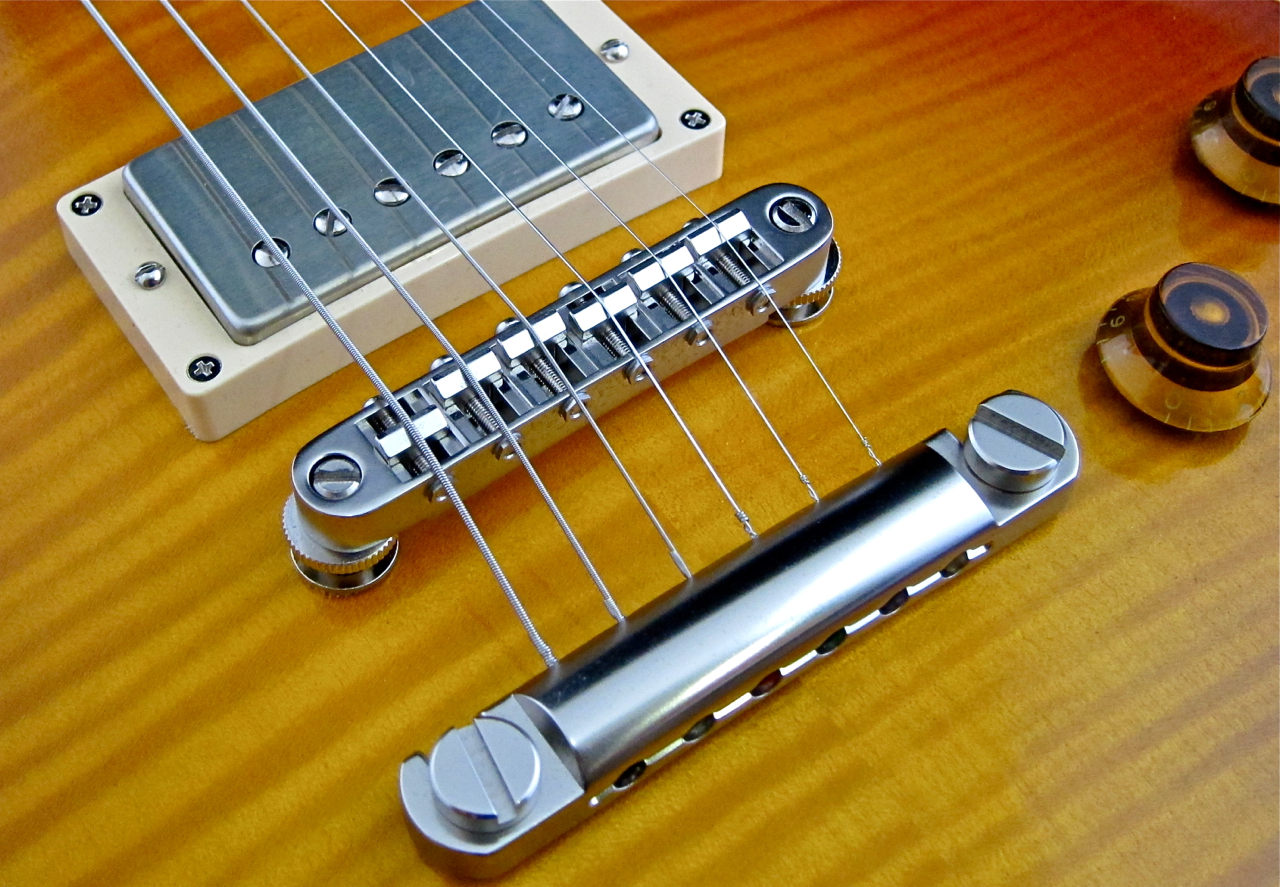
Samoin kuin Eclipse II:n virittimet myös tune-o-matic-tyylinen talla ja palkkimainen kieltenpidin ovat laatuosia Gotohin valikoimasta.
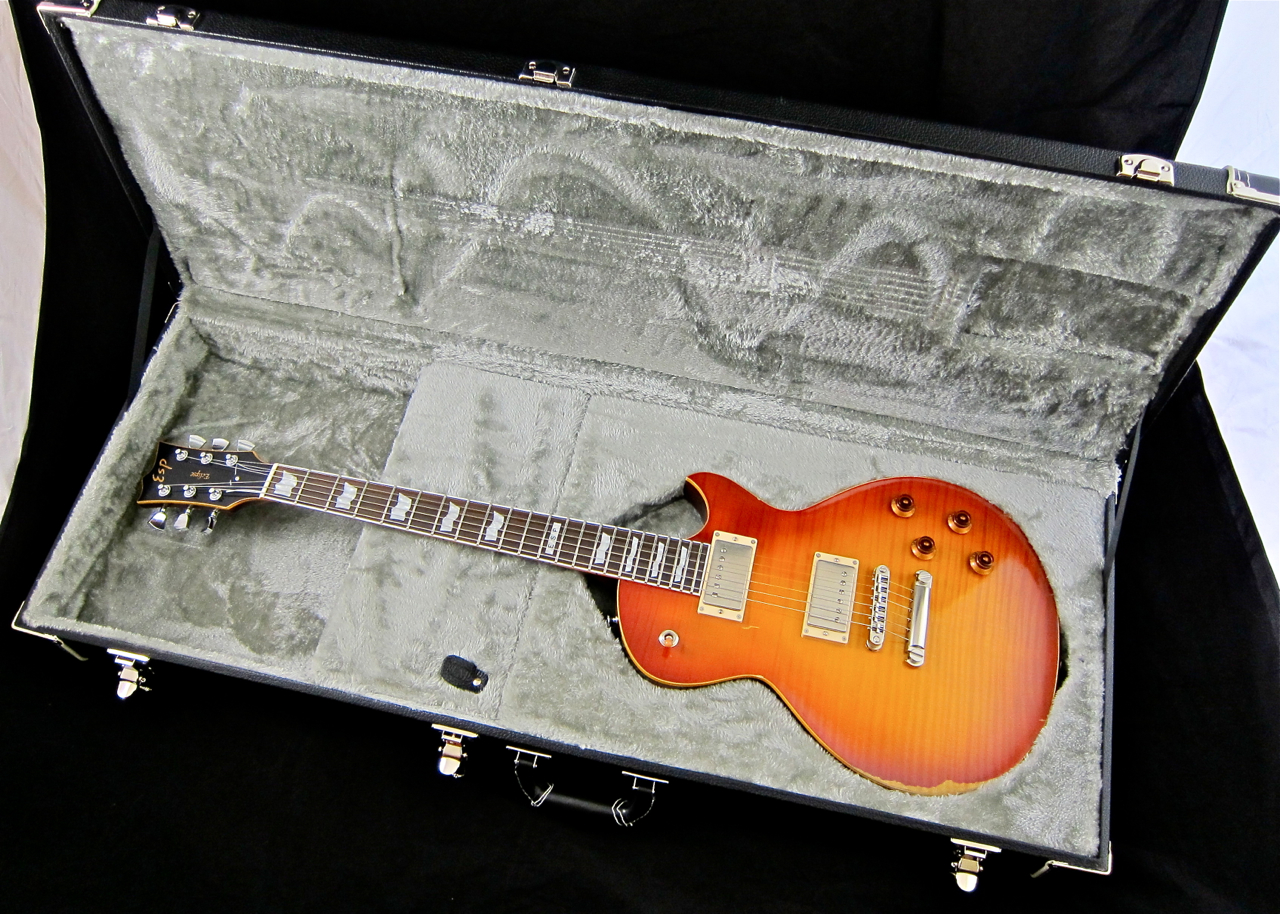
Erittäin hieno kova laukku kuuluu ESP:n hintaan.
****

Monet valittavat LP-tyylisten kitaroiden paino-ongelmista, jotka tekevät kitaran soitosta epämukavan. Näille soittajille voin vain suosittaa ESP Eclipse II Distressed -mallin koeajoa, koska ainakin testiyksilö on uskomattoman kevyt!
En tiedä johtuuko tämä ominaisuus huolellisesta puuvalinnasta vai käytetäänkö myös ESP:n tehtaalla Gibsonilta tuttua ”Emmental-menetelmää”, jossa porataan rungon mahonkiin ensin isokokoisia reikiä, ennen kuin vaahterakansi liimataan paikkoilleen. Oli miten oli – tämä ESP on kevyin soittamani LP-tyylinen kitara ikinä!
Kaulaprofiili on erittäin mukavantuntuinen keskikokoinen ”D”, joka on hyvinkin lähellä Gibson-kitaroista tuttua 60s-kaulaa. Hiukan epätasainen ”vanhennettu” lakka tuntuu liukkaalta ja luonnolliselta. Esimerkkillisen nauhatyön ja otelaudan loivan kaarevuuden ansiosta, soittotatsi on nopea ja vaivaton.
En tiedä johtuuko tämä relikoinnista tai muista seikkoista, mutta ESP Eclipse II Distressed tuntuu suorastaan elävältä. Kitara resonoi vapaasti ja sen loistavassa akustisessa äänessä löytyy sopivasti sekä ryhdikkyyttä, että lämpöä.
Seymour Duncanin ’59/JB-kattaus on ESP Eclipse II:lle mahtava valinta. Mikrofonit ovat keskenään loistavassa tasapainossa, ja ne onnistuvat täydellisesti välittämään kitaran oman äänen uskollisesti eteenpäin vahvistimelle. Lisäksi humbuckerien puolitus yksikelaisiksi lisää tutuille humbucker-soundeille vielä hyvin hyödylliset kevyemmät ja kirkkaammat vaihtoehdot.
Esimerkkipätkissä aloitan aina puolitetusta kaulamikrofonista, sen jälkeen tulee täysi kaulamikki ja niin edelleen:
ESP Eclipse II Distressed – puhtaat
ESP Eclipse II Distressed – säröllä
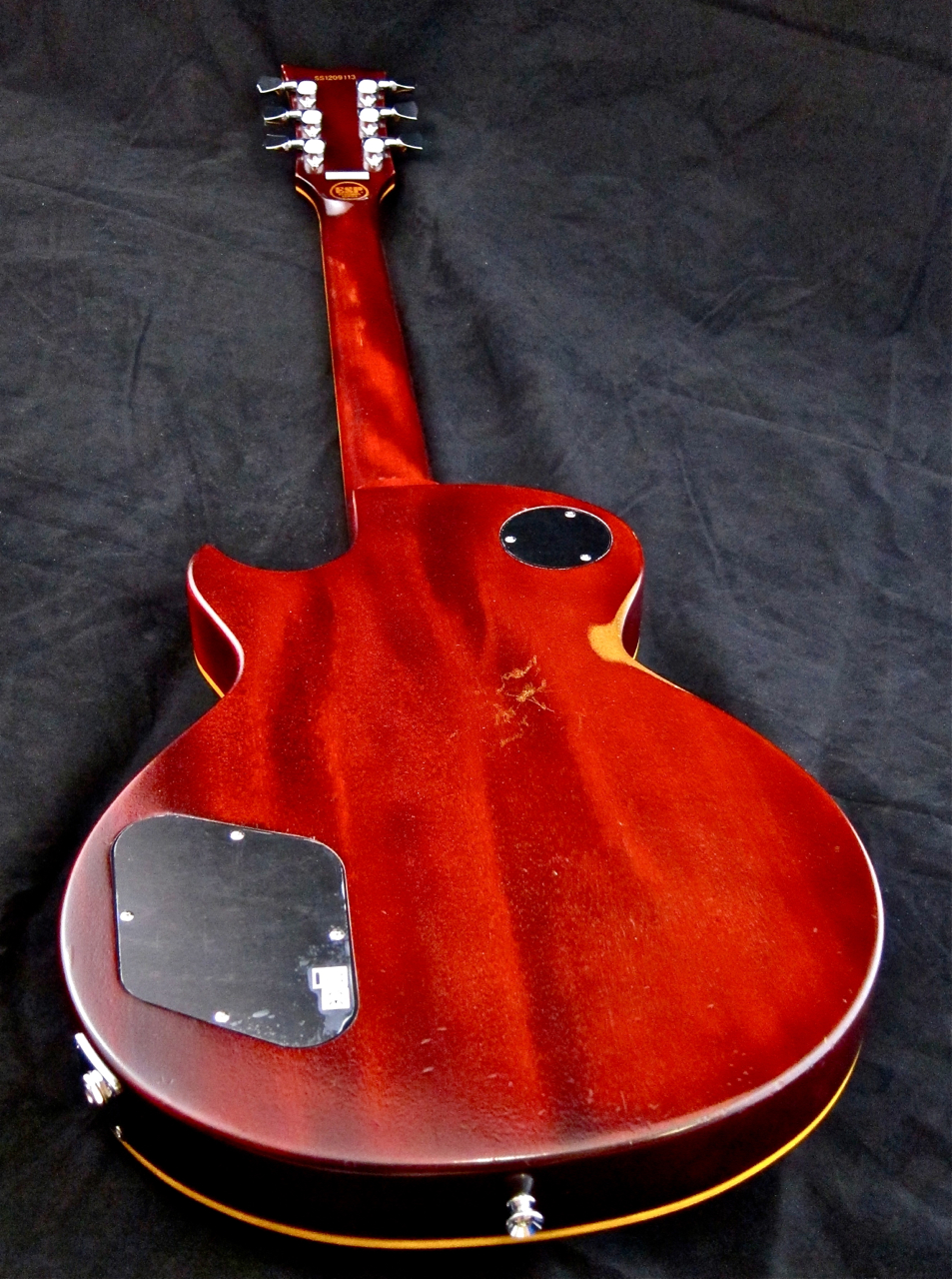
Kitaroiden keinotekoisesta vanhenemisesta voi olla mitä mieltä tahansa, mutta ESP Eclipse II Distressed on mielestäni loistava laatusoitin, jolla on omaa luonetta ja charmia vaikka muille jakaa. Sääli, että se piti palauttaa…
****
ESP Eclipse II FM FT Distressed
1.889 €
Maahantuoja: Musamaailma
Plussat:
+ ulkonäkö
+ soundi
+ paino
+ soitettavuus
+ mikkien puolitus
+ työnjälki
****


****
Roland’s brand-new G-5 VG-Stratocaster (current RRP in Finland: 1.583 €) is the result of Roland’s and Fender’s cooperation. The guitar offers the player the genuine ”Stratocaster Experience”, as well as a wide variety of built-in, digitally modelled guitar tones and virtual tunings.

From the front the Hecho-en-Mexico G-5 VG-Stratocaster differs only slightly from your basic Strat. Only the bright blue status LED, as well as the two small black rotary switches, hint at the digitally souped-up nature of this electric guitar.

The VG-Strat’s back sports two additional cavities on the back of its alder body. The larger one holds all the digital shenanigans (courtesy of Roland), while the smaller one is the battery compartment.

The G-5 uses an up-to-date Stratocaster-neck, which allows for truss rod adjustment from the headstock end.

The sealed Fender-tuners are a quality touch.
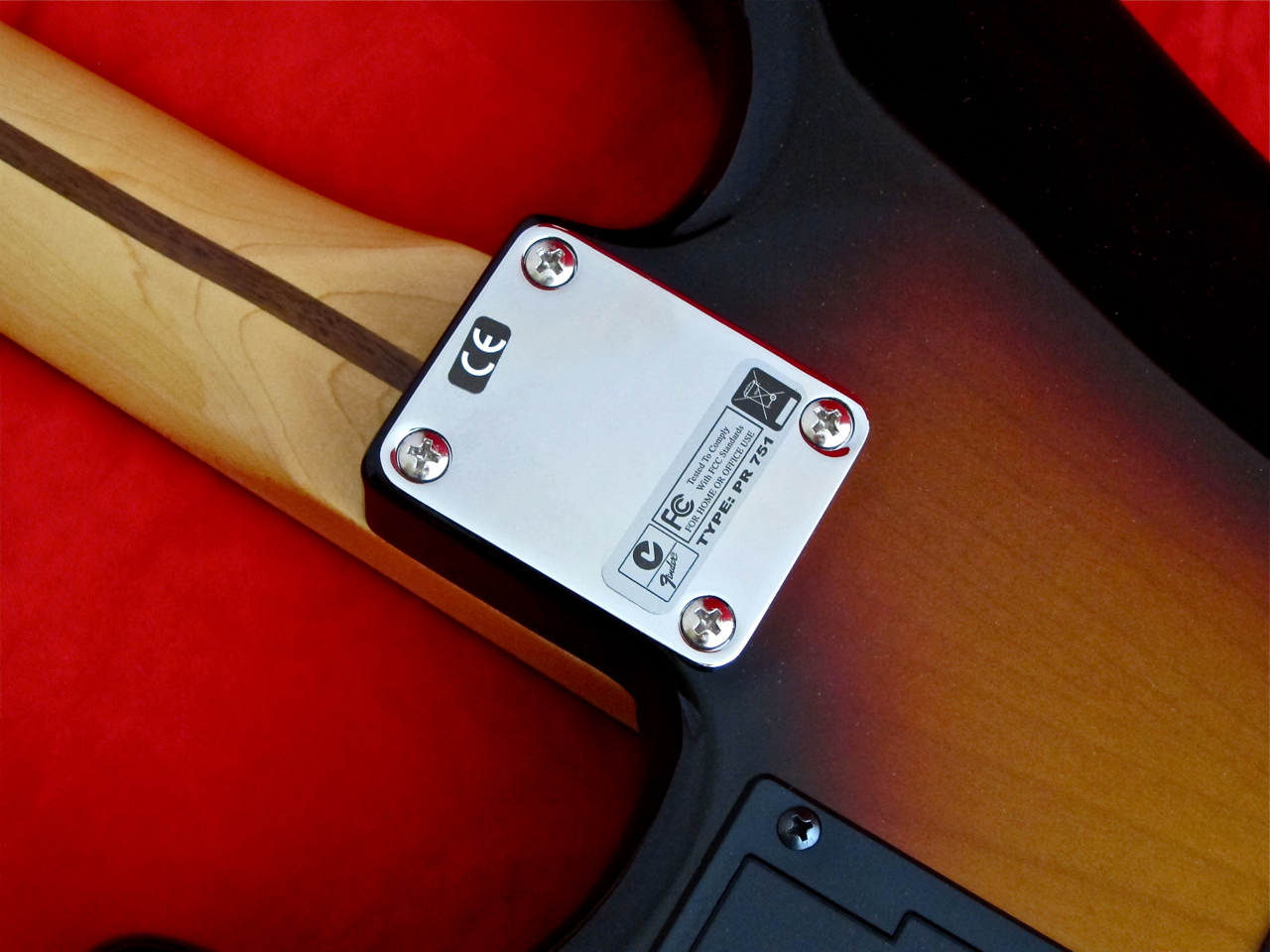
The neck joint, on the other hand, is executed in the most traditional of Fender methods.

The fingerboard curves in a 9,5-inch radius, which gives it a very comfortable, middle-of-the-road feel, right between a vintage-Fender’s curved chunkiness and a typical Gibson’s sleek flatness.
Well-set and finished jumbo frets guarantee an almost effortless playing experience. Thanks to a small fretboard ledge, the VG-Stratocaster even comes with a 22nd fret.

The traditional magnetic pickups on the Roland G-5 come straight from Fender’s Standard series – nothing esoteric, but good meat-and-potato workhorses.

Roland’s own GK-pickup sits between the traditional bridge pickup and the vintage-type vibrato bridge. The GK-pickup’s signal feeds the much-needed raw material to the modelling circuit.
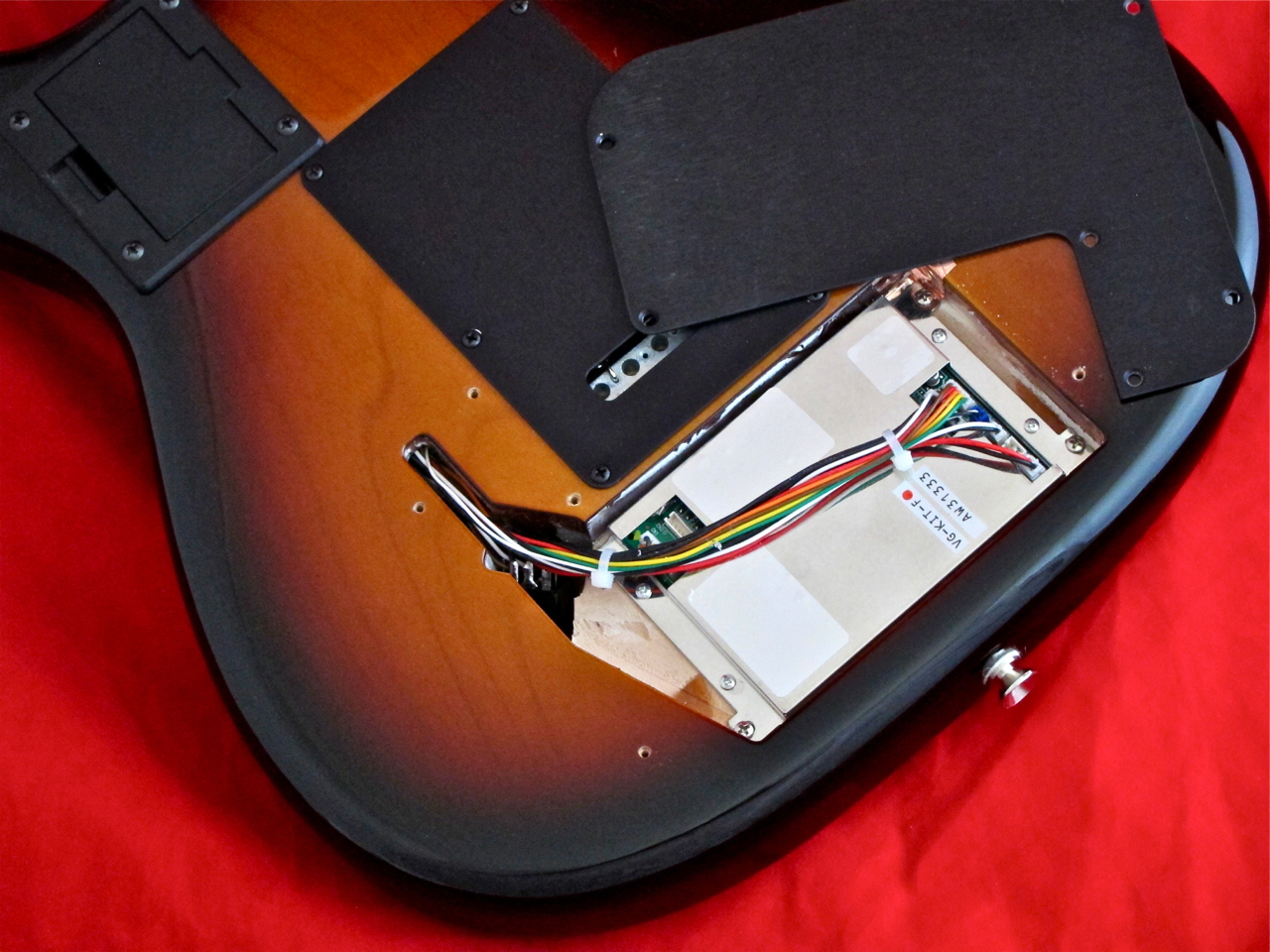
To keep electromagnetic interference into the digital COSM-circuit to a minimum, both of the guitar’s two black lids are crafted from aluminium. Additionally, the modelling department is encased in its own, shiny metal box.

The Roland G-5’s only real drawback is its large power consumption: four alkaline AA-batteries will give you about six hours of continual playing time. Using Ni-MH-rechargeables will give you approximately nine hours of fun on a full charge. Connecting a guitar lead to the VG-Strat automatically turns the digital side on, using up the battery power even if you’re only using the guitar’s traditional magnetic pickups. A simple on/off-switch might have been a welcome addition to the G-5.
In comparison to other virtual guitars Roland’s G-5 does have one advantage, though: You can use the VG-Stratocaster even without any batteries, just like a traditional Fender Stratocaster.
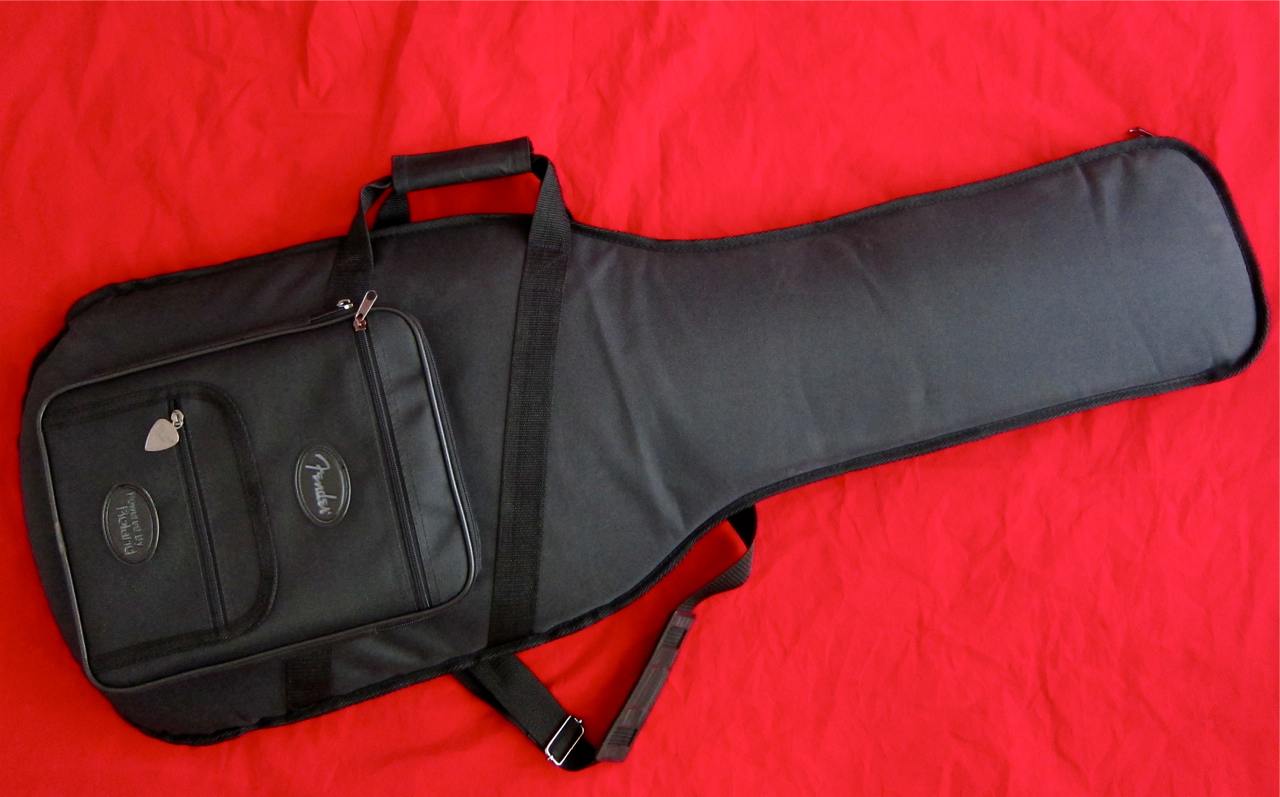
The Roland G-5 comes with its own padded gig bag.
****

The VG-Stratocaster’s oval C-profile feels very nice in the hand. The overall ergonomics are what you’d expect from a Strat – very comfortable.
Bypassing the modelling department the Roland G-5 sounds just like a good Strat should, which really shouldn’t come as a surprise to anybody.
The pickups are traditional singlecoil units with a crisp and dynamic basic tonality. Thanks to the reverse wound/reverse polarity middle pickup the in-between settings are hum free.
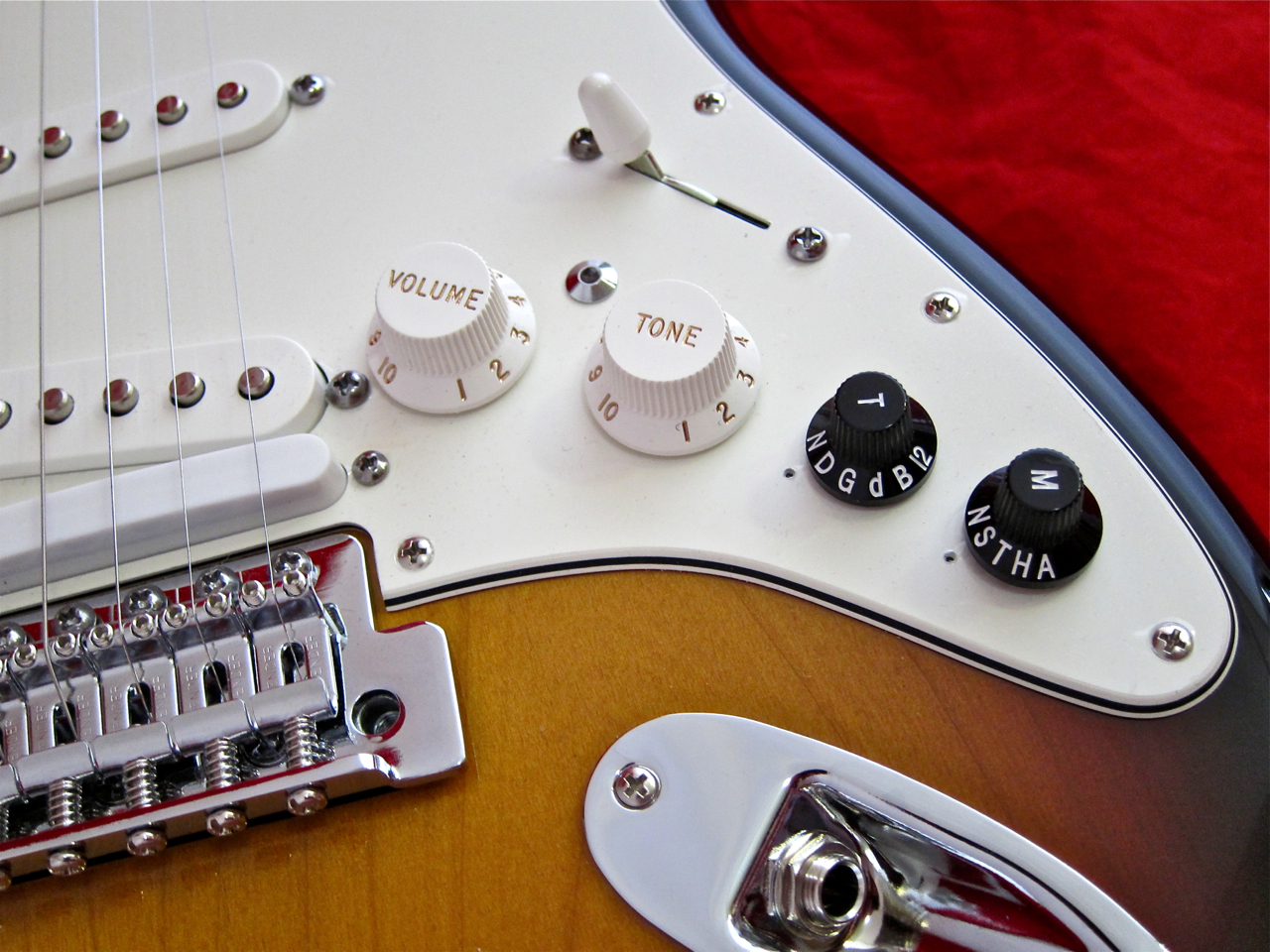
The instrument’s digital side opens up a whole wealth of possibilities.
The M-rotary offers you four basic pickup modes:
”S” is a virtual Strat. It might seem a bit daft, at first thought, to include a modelled Strat in a real Strat, but don’t forget that the modelled virtual pickups are all completely free of hum and other interference.
”T” stands for Telecaster. In addition to the three standard Tele-selections (neck, both, bridge), switch positions one and five add overwound versions of the bridge and neck pickup, respectively, to the mix. The overwound options dish out more power, as well as more bite.
The H-model gives you five virtual humbucker tones. Just like on the Telecaster-model ”H” also offers a brighter neck and bridge pickup in the selector switch’s outermost positions.
Turning the M-rotary to ”A” puts five different acoustic settings at you fingertips. You will find an archtop acoustic, a sitar, a nylon-string and two different steel-string guitars on offer. In the acoustic guitar models the G-5’s Tone-pot adjusts the digital reverb level, with the exception of the sitar model, where the control adjusts the volume of the virtual sympathetic drone strings.
In my opinion most of the models on offer hit the proverbial nail right on the head; especially the authenticity of the electric models is breathtaking. On the acoustic side of things, my favourite setting are the acoustic guitar (at the first switch position), as well as the fantastic virtual sitar. The nylon-string is perhaps the weakest model in the VG-Stratocaster — it’s useable, but not very authentic sounding.
****
The G-5’s T-rotary accesses the guitar’s virtual tunings: ”D” gives you Drop-D, ”G” stands for open G (a la Keith Richard), ”d” calls up the modal DADgad-tuning, ”B” turns the guitar into a virtual baritone guitar (Metal fans will like this), and ”12” adds six more strings to proceedings.
The virtual tunings sound great and the whole thing works without any perceivable latency or wobbling.
****
The Roland G-5 VG-Stratocaster is a fantastic package, because it gives you a great real guitar to begin with, and then adds the whole new dimension of digital modelling on top of this. A Fender Stratocaster feels safe and familiar to us – it’s a well-playing guitar with great ergonomics and a classic, versatile sound.
The digitally modelled virtual pickups, guitars and tunings take your guitar experience much, much further. The tones sound really organic, and most of the settings offer a high degree of authenticity. The amount of versatility on tap, coupled with the option to change guitar types and/or tunings in mid-song, make the Roland G-5 a very intriguing instrument for studio guitarists or players in a covers band.
The audio clips have all been recorded using the VG-Stratocaster’s digital models and tunings:
Humbucker-model in virtual Drop-D
Humbucker-model in virtual baritone-tuning
The guitar parts from the video
****
Roland G-5 VG-Stratocaster
current RRP in Finland: 1.583 €
Finnish distributor: Roland Scandinavia
****
Pros:
+ genuine Fender Stratocaster
+ playability
+ analogue side works without batteries
+ analogue tone
+ quality and versatility of COSM-models
+ speed and reliability of virtual tunings
+ workmanship
Cons:
– power consumption
****

****
Uusi Roland G-5 VG-Stratocaster (suositushinta 1.583 €) on Rolandin ja Fenderin yhteistyön hedelmä, joka tarjoaa, sekä aidon, analogisen Strato-kokemuksen, että laajan valikoiman digitaalisesti mallinnettuja kitarasoundeja ja virtuaalivirityksiä.
Meksikossa valmistettu G-5 VG-Stratocaster poikkeaa edestä vain vähän tavallisesta rivi-Stratosta. Vain pieni sininen status-ledi ja mallinnusosaston kaksi mustaa kiertokytkintä antavat ymmärtää, että kyseessä on digitaalisesti turboahdettu sähkökitara.
VG-Straton leppärunkoon on lisätty takapuolesta kaksi lokeroa, joista isompi on Rolandin mallinnuselektroniikkaa varten ja pienempi paristoille.
G-5:ssa käytetään nykyaikaista Stratocaster-kaulaa, jossa kaularaudan säädön pystyy hoitamaan kätevästi lavan puolelta.
Sujetut Fender-virittimet hoitavat hommansa mallikkaasti.
Kaulan ruuvikiinnitys on perinteiden mukainen.
Otelaudan radius on 9,5 tuumaa, mikä on hyvin toimiva keskitie vintage-Fendereiden jäntevän soittotuntuman ja Gibson-tyylisen venyvyyden välillä.
Jumbo-kokoiset nauhat ja huolellinen nauhatyö takaavat kitkatonta soittokokemusta. Otelaudan lisäkielikkeen ansiosta VG-Stratoon on mahdutettu mukaan jopa 22 nauhaa perinteisten 21:n sijaan.
Roland G-5:n magneettiset mikrofonit ovat Fenderin Standard-sarjasta – erittäin asiallisia pelejä siis.
Perinteisen tallamikrofonin ja vintage-vibran väliin on mahdutettu Rolandin oma GK-mikrofoni, josta VG-Straton mallinnuspiiri saa tarvitsemansa raakasignaalia.
Digitaalisen COSM-elektroniikkan häiriösuojaukseen on satsattu – kitaran mustat takakannet ovat alumiinista ja piirilevyn päälle on laitettu vielä oma metallikansi.
Roland G-5 on aikamoinen sähkösyöppö: virtuaalipiiri toimii neljällä AA-paristolla noin kuusi tuntia. Ni-MH-akuille luvataan peräti yhdeksän tuntia soittoaikaa latausta kohti.
Muihin virtuaalikitaroihin kohti Roland VG:llä on kuitenkin se etu, että se toimii ilman sähköäkin ihan tavallisena Stratocasterina.
G-5 VG-Stratocaster toimitetaan omassa topatussa pussissaan.
****
VG-Stratocasterin ovaali, C-muotoinen kaulaprofiili tuntuu mukavalta. Myös koko kitaran ergonomia on Stratolle tyyppillinen – siis erittäin hyvä.
Ilman digitaalitekniikka Roland G-5 -kitara soi kuin perushyvä Fender Stratocaster, minkä ei pitäisi olla kenellekään iso yllätys.
Mikrofonit ovat perinteisiä yksikelaisia, joilla on raikas ja dynaaminen soundi. Vastasuuntaan käämityn keskimikin ansiosta kitaran kuuluisat väliasennot ovat häiriövapaita.
Kitaran digitaalipuoli taas on tämän soittimen varsinainen runsaudensarvi.
M-kiertokytkin tarjoaa neljä mallinnusryhmää:
”S” on virtuaali-Strato, ja vaikka se tuntuu ensin hieman hullulta lisätä oikeaan Stratoon saman kitaratyypin mallinus, mallin etu on, että virtuaalimikrofonit eivät hurise lainkaan.
”T” tarjoaa kolmen perinteisten Telecaster-soundien (kaula, molemmat, talla) lisäksi vipukytkimen ääriasennoissa vielä ylikäämityn kaula- ja tallamikrofonin soundeja. Lisäsoundeissa on enemmän tehoa, sekä hieman lisättyä purevuutta keskialueella.
H-malli on tietysti virtuaalinen humbucker. Tämän mallin kohdalla vipukytkimen ääriasennot valitsevat kirkkaampia versioita kaula- ja tallahumbuckereista.
A-asento tarjoaa viisi erilaista digitaalista mallia vipukytkimen asennon mukaan. Tarjolla ovat akustinen orkesterikitara, sitar, nylonkielinen kitara, sekä kaksi teräskielistä. Akustisissa malleissa kitaran tone-potikalla säädetään sisäisen digikaiun signaalitasoa, paitsi sitar-mallissa, jossa tonella määrätään resonoivien virtuaalikielten volyymiä.
Omasta mielestäni lähes kaikki mallinnukset ovat tässä kitarassa täysosumia, etenkin sähkökitara-osastossa autenttisuus on suorastaan ällistyttävää. Akustisista malleista omat suosikit ovat kytkimen tallamikki-pykälästä löytyvä teräskielinen akustinen, sekä loistava virtuaali-sitar (jolla on intonaatio kohdallaan). Nylonkielisen imitaatio, sen sijaan, on mielestäni VG-Stratocasterin heikoin soundi – käyttökelpoinen, muttei kovin auttentinen.
****
G-5:n T-kiertokytkimellä pääsee virtuaalisiin virityksiin käsiksi: ”D” on Drop-D-viritys, ”G” on avoin G-viritys (esim. Keith Richardsin suosima viritys), ”d” on modaalinen DADgad-viritys, ”B” tarjoaa Metal-kitaristeille matalaa baritoni-viritystä, ja ”12” lisää menoon kuusi virtuaalikieltä.
Virtuaaliviritykset toimivat suorastaan mallikkaasti ilman viiveitä ja erittäin varmalla otteella.
****
Roland G-5 VG-Stratocaster on mielestäni loistava kokonaisuus, koska se yhdistää erittäin monipuolisen virtuaalitarjonnan toimivaan fyysiseen alustaan. Stratocaster on kitarana meille kaikille tuttu ja turvallinen – soittotuntuma ja ergonomia ovat tunnetusti hyviä ja perinteinen soundi melko monipuolinen.
Digitaalisen mallinnuksen ansiosta soundi- ja virityksien tarjonta kasvaa räjähdysmäisesti. Soundi on orgaaninen ja mallinnukset ovat suurilta osin erittäin uskottavia. Laaja soundi- ja viritystarjonta, sekä VG-Straton tarjoama mahdollisuus muuttaa virtuaalisoitinta ja/tai -viritystä jopa kesken biisin tekevät G-5:sta erittäin varteenotettavan valinnan esimerkiksi coverbändin kitaristille tai mainosmusiikin tekijölle.
Ääniesimerkit on äänitetty käytämällä VG-Straton mallinnuksia ja virtuaalivirityksiä:
Humbucker-malli Drop-D-virtuaaliviritys
Humbucker-malli baritoni-virtuaaliviritys
****
Roland G-5 VG-Stratocaster
suositushinta: 1.583 €
Maahantuoja: Roland Scandinavia
****
Plussat:
+ aito Fender Stratocaster
+ soitettavuus
+ toimii myös ilman paristoja
+ analoginen soundi
+ mallinnuksien monipuolisuus ja laatu
+ virtuaalivirityksien varmuus ja nopeus
+ työnjälki
Miinukset:
– virrankulutus
****


