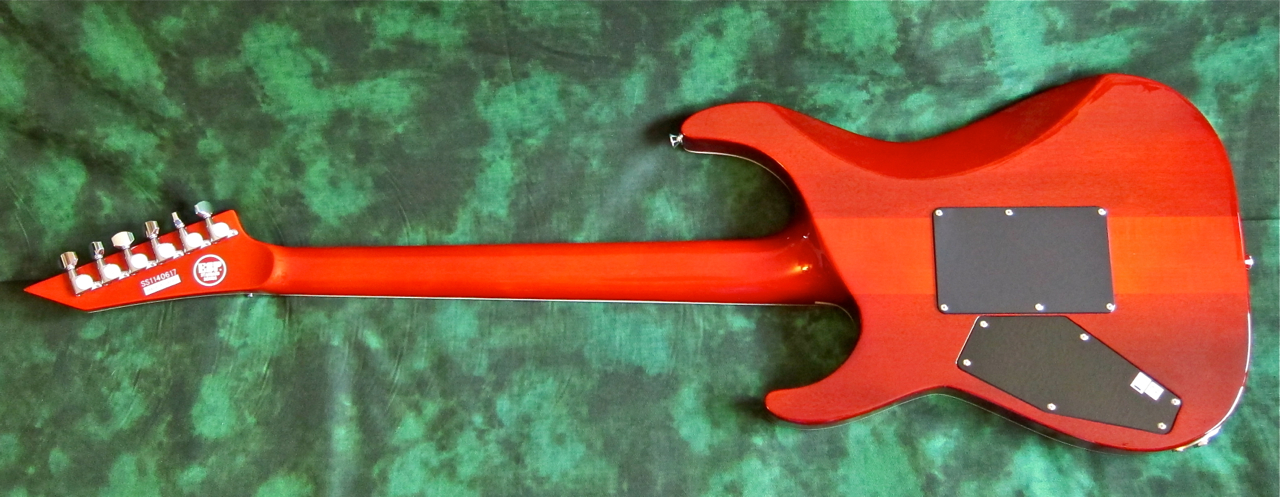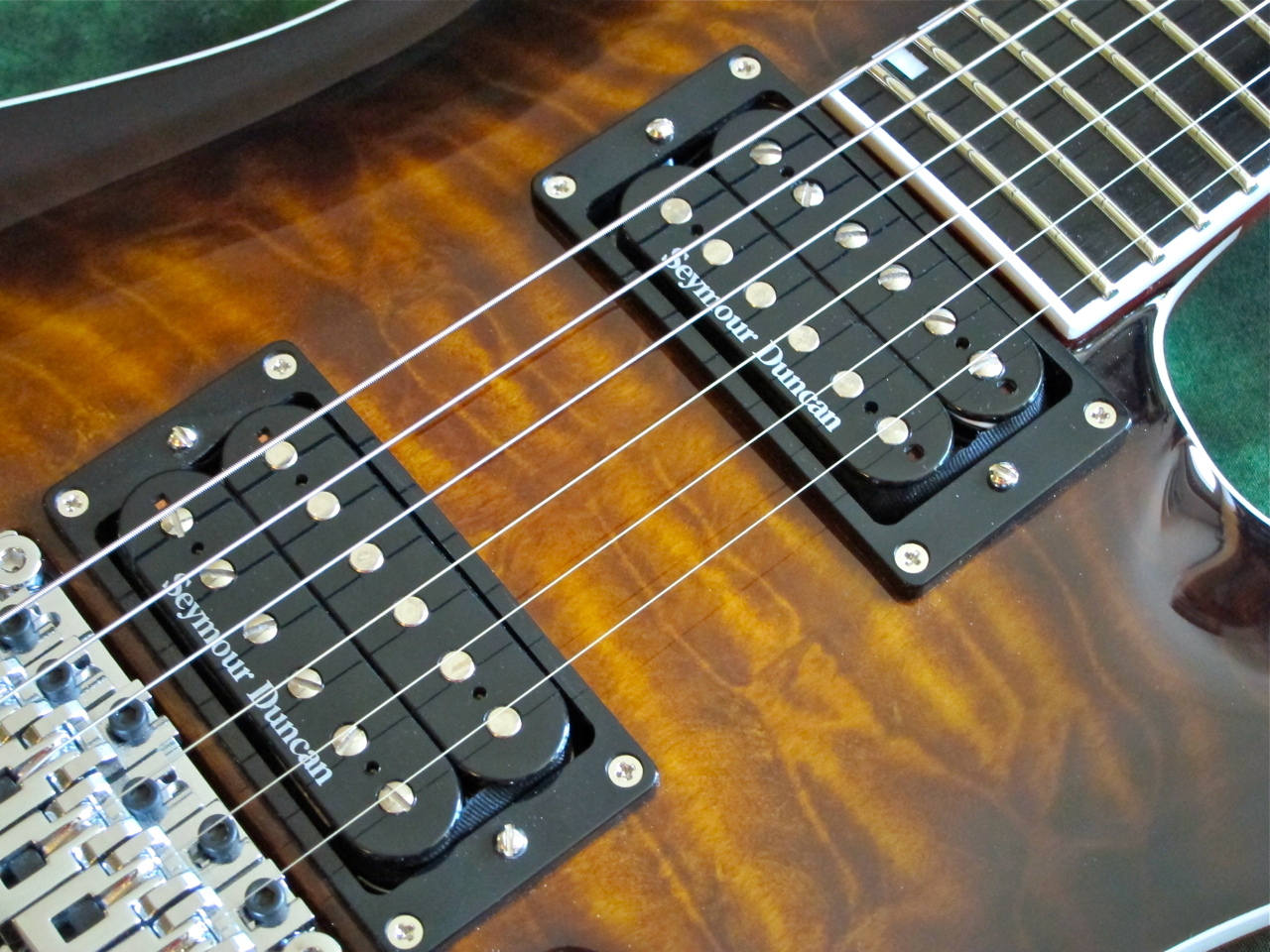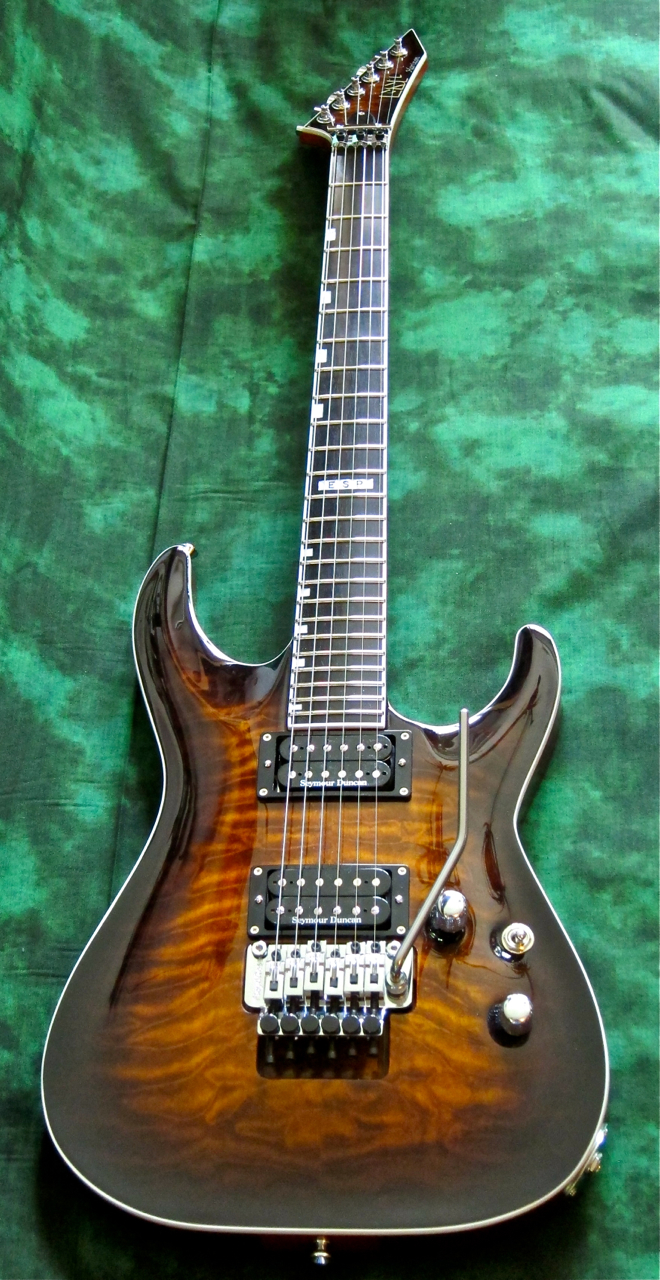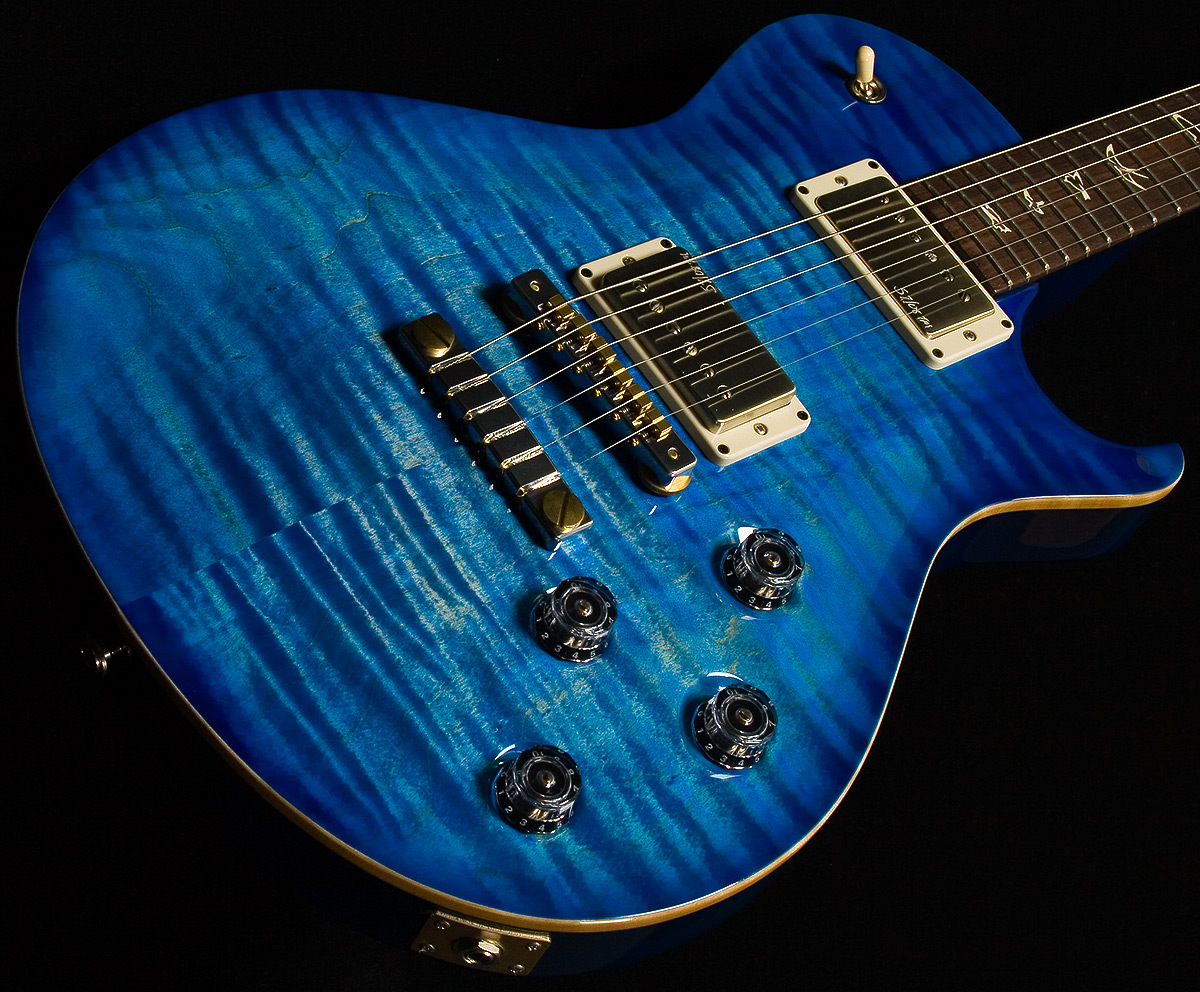
Review: Yamaha Pacifica 611H

****

When Yamaha introduced the first Pacifica-model, way back in the 1990s, no-one would have thought that this guitar would become such a runaway success, spawning a whole range of Pacificas over the years. Originally the Pacifica was developed as a sort of test instrument by Yamaha’s West Coast Custom Shop, with its fathers being Rich Lasner and Leo Knapp.

Over the years different guitars have carried the Pacifica monicker, but most Pacificas were (and still are) loosely related to the Strat – just like the current top production-line model, the Pacifica 611H.

****

Unbelievable as it may sound: This beauty of a guitar comes out of Yamaha’s Indonesian factory, which explains the Yamaha Pacifica 611H’s very moderate price (current price at F-Musiikki 595 €).

The Pacifica sticks with traditional tonewoods: The bolt-on neck has been carved from hard rock maple and carries a rosewood fingerboard. The body is almost entirely made of alder – three pieces in our review sample’s case – with just a beautiful bookmatched flame maple veneer glued onto its front for embellishment.

The deep chamfers on the body make for a very comfortable feel.

Vintage-type specs seem to be on the rise again – the Pacifica 611H’s neck comes with a tinted gloss finish.

The headstock matches the body with its flame maple veneer and Root Beer finish.

The top nut, as well as the string trees, are made from Graph Tech’s Black Tusq. This Teflon-impregnated ceramic material is hard and slippery, resulting in better tone and improved tuning stability.

Even though this model isn’t equipped with a vibrato bridge, Yamaha have nonetheless chosen to use a set of Grover locking tuners. The biggest advantage of the Grover units is that you don’t need any tools to change strings. You simply thread the string through the tuning post, and then turn the tuner head. This first engages the locking mechanism, and once the string is locked, the tuning post starts to turn.

Whatever Yamaha do regarding their quality control, they must be doing it dead right! The fret job on our test sample is remarkably clean, which makes the guitar feel far pricier than it really is.

A traditional neck joint – why change something, when it works so well?

The faux-tortie scratchplate is the perfect companion to the 611H’s Root Beer finish – yummy.

Yamaha uses Graph Tech’s String Saver bridge saddles on this Pacifica-model. This self-lubricating material prolongs string-life and takes away some of the nasty twang of many metal saddles.

This quality guitar comes loaded with quality pickups: The P-90/humbucker-combination seems to be en vogue these days – in the case of the Pacifica 611H we find a Seymour Duncan SP-90 in the neck position, with the same manufacturer’s Custom 5 -humbucker mounted next to the bridge. Seymour Duncan say the SP-90 is their most authentic reproduction of a Gibson P-90 from the late Forties, while the Custom 5 is an Alnico V -powered humbucker with a moderate output level.

The controls comprise a master volume and a master tone control, plus a three-way blade switch. The tone control sports a push/pull-switch, splitting the humbucker in the ”up” position.

Clean and competent workmanship can also be found in the control cavity, which has been thoroughly shielded with conductive paint.

****

The Pacifica 611H feels great, thanks to the fine fret job and the very comfortable, oval C-shaped neck profile. Our review sample was also nicely lightweight.

The Yamaha’s clean and transparent acoustic character translates into a healthy amplified tone. In the Pacifica’s case combining a P-90 with a humbucker works exceedingly well. The fat singlecoil easily holds its own against the bridge humbucker, and keeps the signal devoid of any trace of muddiness.

Both soundbites start with the neck singlecoil, then switch to both pickups with the humbucker split, and lastly to the split humbucker on its own. The last two motifs are the combined setting, followed by the bridge pickup on its own, both with the full humbucker switched on:

Yamaha Pacifica 611H – clean

Yamaha Pacifica 611H – crunch

In my opinion the Yamaha Pacifica 611H represents fantastic value-for-money. I wouldn’t hesitate dragging one onto stage (or into a studio) straight out of its shipping box!

****

Yamaha Pacifica  611H

Current price at F-Musiikki: 595 €

Finnish distributor: F-Musiikki

Pros:

• great value-for-money

• locking tuners

• Graph Tech -nut and -bridge

• workmanship

• playability

• sound

• versatility

****

Yamaha Pacifica 611H – the track from the video

****

Testipenkissä: Yamaha CG142C + NTX900FM

Klassisista (nylonkielisista) kitaroista löytyy yllättävän vähän tietoa netissä, ja myös musiikkilehdissä niistä puhutaan vain todella harvoin.

Oli siis korkea aika tehdä asialle jotain:

Yamahan C- ja CG-sarjojen klassiset kitarat ovat erittäin suosittuja Suomessa. Testattavaksi saimme kokopuisella setrikannella varustetun CG142C-mallin.

Yamaha NTX900FM taas on mielenkiintoinen hybridimalli – mikitetty nylonkielinen kapeammalla kaulaprofiililla.

****

Yamaha CG142C (F-Musiikin hinta: 299 €) on firman tapaan erittäin siististi rakennettu klassinen kitara hillityllä charmilla. Kaikilla CG-sarjan soittimilla on kokopuiset kannet. Jokaisesta mallista on kaksi eri versiota – kuusi- (mallitunnus loppuu S-kirjaimella) tai setrikannella (mallitunnuksen viimeinen kirjain on C) varustettuna.

Kaula sekä rungon sivut ja pohja on veistetty nato-puusta, joka on Kaakkois-Aasiasta peräisin oleva, ominaisuuksiltaan mahonkia muistuttava lehtipuulaji (lat. Palaquium). Kaula on kokopuuta, kun taas koppaan on käytetty natovaneria.

Lavan etupuolta koristaa palisanteriviilu.

CG142C:ssä on perinteiset, avoimet viritinkoneistot. Lapa on liitetty taidokkaasti kaulaan.

Mattaviimeistelty kaula koostuu yhdestä pitkästä osasta, johon on käytetty kolme vieräkkäistä natopalaa. Tähän pitkään osaan on liimattu lapa sekä useasta palasta koostuva kaulakorko. Tapa säästää sekä kustannuksia että luonnonvaroja.

Reunalistoitettuun palisanteriotelautaan on istutettu huolellisesti lajille tyyppilliset pienet nauhat.

Kaunis rosetti on CG142C:ssä – kuten lähes kaikissa tämän hintaluokan kitaroissa – ennen lakkaamista kannen päälle liimattu folio. Kalliissa klassisissa taas rosetti on aikaa vievää upotustyötä, joka koostuu pienistä puu-, muovi- ja helmiäispaloista.

Kannessa on viisikerroksinen reunalistoitus.

Pohjan musta reunalistoitus saa ikäänkuin jatkoa kaulakoron päällystyksessä.

Kaunis, tyylikäs, ja konstailematon – tällainen on Yamaha CG142C:n palisanteritalla.

Yamahan klassinen on myös erittäin siisti kopan sisällä.

****

Yamaha NTX900FM (F-Musiikin hinta: 719 €) on APX-kitaroiden nylonkielinen serkku. Se on tarkoitettu sellaisille kitaristeille, joille laadukas etuvahvistin hyvällä sähköisellä soundilla, sekä rivikitaristeille mukava kaulaprofiili ovat tärkeämpiä seikkoja kuin sataprosenttisesti perinteitä kunnioittava klassinen kitara.

NTX900FM:n kansi on kokopuista Engelmann-kuusta.

Natokaula on liitetty loimuvaahtervanerista tehtyyn koppaan perintesesti liimaamalla.

Lavan muoto on tuore ja nykyaikainen…

…ja kauniit, laadukkaat virittimet sopivat kitaran ilmeeseen erittäin hyvin. Myös NTX:n lapa on liimattu kaulaan.

Reunalistoitettu otelauta on tässäkin kitarassa palisanteria.

NTX-kitaroissa on sama runkomuoto kuin teräskielisissä APX-soittimissa, ja myös nylonkielisten NTX:n rungot ovat perinteistä klassista kitaraa litteämpiä (noin 75 %).

NTX900FM:n rosetti on kasattu huolella useista eri puulajeista sekä pienistä helmiäispaloista.

Näyttävä loimuvaahterakoppa on saanut ylleen hunajavärisen lakkakerroksen.

Myös NTX900:n palisanteritallan muotoilu tekee selväksi, ettei kyse ole perinnemallista.

Etuvahvistin on Yamahan oma ART System 61 -malli, joka on kaksitie-järjestelmä. Tämä tarkoittaa, että basso- ja diskanttikielille on erilliset pietsomikrofonit, joiden äänenvoimakkuutta voi säätää toisistaan riippumatta. ART System 61:ssä on tämän lisäksi kolmialueinen EQ, sekä viritysmittari.

Yhdeksän voltin pariston lokero on sijoitettu kaulan viereen.

NTX900FM:ssä on valmiiksi asennettuna kaksi hihnatappia. Rungon hihnatappi on samalla jakkilähtö kitaran signaalille.

Työnjälki kitaran sisäpuolella on jälleen varsin siistiä.

****

****

Yamaha CG412C on soittotuntumalta tyyppillinen klassinen kitara: kaula on oikeanoppisesti todella leveä (satulan kohdalla 52 mm) ja kaulaprofiili on suhteellisen matala, mutta hyvin harteikas. Perinteisen klassisen kitaran leveä kaula antaa riittävästi tilaa kaikenlaisille sormituksille, mutta barreé-soinnut vaativat enemmän tarkkuutta ja voimaa kuin useimmilla teräskielisillä soittimilla.

Kielten korkeus kuulostaa sähkökitaran näkökulmasta kamalan korkealta – matala E: 3,7 mm, korkea e: 3,2 mm – mutta se on klassisella kitaralla vielä hyvin maltillinen. Nylonkielet ovat teräskieliä huomattavasti pehmeämpiä, ja niiden liikerata on soiton aikana myös paljon suurempi, minkä takia kielten etäisyys nauhoihin täyttyy olla suurempi kuin teräskielisissä kitaroissa.

CG412C soi kauniilla täyteläisellä, mutta samalla avoimella äänellä. Kitara ei projisoi niin hyvin kuin kallis pro-luokan soitin, mutta omassa luokassaan – hyvänä harrastelijakitarana – Yamaha CG142C kuuluu selvästi parhaimmistoon.

Yamaha CG142C

****

Yamaha NTX900FM:n kaula on leveydeltään perinteisen klassisen ja teräskielisen akustisen välillä. Satulan kohdalla leveys on 48 mm. Kapeammat mitat ja täyteläinen D-profiili tekevät kaulasta huomattavasti yleiskitaristille ystävällisemman.

NTX:ssä kielet ovat myös lähempänä otelautaa (ala-E: 3,1 mm/ylä-e: 2,6 mm). Tämä kaventaa akustista soittodynamiikkaa, mutta tekee kitarasta helpommin soitettavan.

Tavallista ohuemman rungon ja runsaan vaahtera-annoksen takia, soi NTX900FM vähän hiljaisemmalla ja ontolla äänellä. Volyymi riittää hyvin omaan harjoittelluun kotona tai biisintekovälineeksi, mutta kitara ei kanna akustisesti niin hyvin kuin ”oikea” nylonkielinen.

Yamaha NTX900FM – akustisesti

Linjasoitossa asiat muuttuvat dramaatisesti, ja Yamaha NTX900FM:stä kuoriutuu erittäin makeasoundinen lisäys soitinarsenaaliin. Yamahan ART-järjestelmä toimii todella hyvin, ja mahdollisuus säätää basso- ja diskanttikielten tasoja itsenäisesti  helpottaa huomattavasti soundin hienovirittämistä. Tallan alla sijaitsevat mikrofonit eivät ole liian herkkiä oikean käden aiheuttamille häiriöäänille, ja etuvahvistimesta lähtevässä signaalissa on kiitettävän alhainen kohinataso.

Yamaha NTX900FM on mielestäni hieno peli, jos tarvitaan nylonkielistä soundia teräskielisellä tatsilla – tai, jos haluaa kokeilla nylonsoundia efekteillä.

Yamaha NTX900FM – linjasoitto

****

Yamaha CG142C + NTX900FM – nylonkieliset kitarat

Maahantuoja: F-Musiikki

****

Yamaha CG142C

F-Musiikin hinta: 299 €

Plussat:

+ hinta-laatu-suhde

+ työnjälki

+ perinteinen klassinen kaulaprofiili ja tatsi

+ soundi

Miinukset:

– perinteinen kaulaprofiili vaatii harjoittelua

****

Yamaha NTX900FM

F-Musiikin hinta: 719 €

Plussat:

hinta-laatu-suhde

+ työnjälki

+ rivikitaristeille ystävällinen kaulaprofiili ja tatsi

+ mikrofonijärjestelmän soundi

Miinukset:

–  ohut akustinen soundi

****

Review: PRS Studio

****

The PRS Studio -model, which was introduced last year, bundles all the improvements of the last few years in one single instrument. The Studio sports a long list of new – or improved – features, such as the Narrowfield-humbuckers.

****

In Gibson-speak ”studio” usually means a less expensive, slightly scaled-down model. In the PRS Studio’s case the word ”studio” denotes a guitar that is meant to be very versatile.

The PRS Studio (current price in Finland around 3,000 €) is a set-neck electric guitar, with the company’s traditional 25-inch (63,5 cm) scale. A great-looking flame maple top comes as standard on the Studio. PRS offer several different colour finishes, as well as a choice between a wraparound bridge or a PRS vibrato.

Both the neck and the back of the body are crafted from top-quality mahogany. The Studio is offered with two new neck profiles: The fuller version is called Pattern Neck, while its slimmer counterpart is designated as Pattern Thin.

The new PRS Phase III locking tuners feature brass string posts and bushings with a much tighter fit.

I assumed that the reason for the open casings was weight reduction, but I was wrong. In one of PRS’ You Tube videos Mr Smith states that the main reason for this design change were the cool looks.

The company’s new bird inlays are standard on the Studio-model – cream coloured outlines filled with walnut.

The fretwork on our test sample was truly exemplary.

Here’s a good look at PRS’ customary neck joint – its big heel is good for sustain.

Over the past decades the PRS body shape has become a classic design in itself.

A breath-taking view for most guitar connoisseurs – the famous ”fake” binding, which is achieved by leaving the rim of the maple top unstained.

In the last years PRS has given its pickups a thorough overhaul, which has spawned a few new models: The Studio comes equipped with the new PRS 57/08 -humbucker in the bridge position. Many PRS-fans claim that this is the company’s best-ever vintage-type humbucker. The 57/08’s metal cover is brushed aluminium, and bridge versions have their model number deliberately engraved upside-down.

The brand new Narrowfield-humbuckers are very special beasts, indeed, with a sound of their own. The Narrowfield has a full-size humbucker’s output level and warm basic character, but thanks to its much narrower magnetic window the higher-mids and treble range both sound fresher and more transparent.

A push-pull-switch inside the tone control lets you split the bridge pickup.

PRS’ vintage-style vibrato is a fine improvement on Leo Fender’s original Stratocaster-bridge.

The vibrato block is milled from solid brass.

This is what the review sample’s control cavity looks like – not the cleanest PRS I’ve ever seen. Luckily the sawdust doesn’t seem to hamper the guitar’s functionality.

A classy hard case rounds out this package.

****

According to Paul Reed Smith himself, the Studio’s new Pattern neck profile is actually a return to the very beginning of PRS Guitars, when PRS was a tiny little workshop. The Pattern Neck isn’t miles away from the famous Wide-Fat-profile, but it is clearly rounder with much less shoulders to it.

The Studio’s ergonomics and playability can be summed up in one word – fantastic. The guitar is feather-light, and its slender body with the long upper horn balances perfectly on a strap – despite the neck joining the body at the 20th fret.

The PRS vibrato comes set up with four springs and works buttery and precisely with perfect return-to-pitch.

Acoustically the Studio performs like a true PRS – there’s a good dose of Gibson-ish set-neck character, mixed with a drier and and tighter attack. The warm, well-rounded, but fresh character is carried evenly across the whole fretboard.

The Narrowfield-pickups are a very interisting new breed. They don’t pretend to be sound like Strat-sized ’buckers, but give you plenty of humbucker warmth, coupled with more presence and a nice top end sheen. The Narrowfields work well in combinations, where you’d normally expect a couple of Fender-style singlecoils. In my opinion this is the first time I’ve heard a guitar, where a third humbucker makes tonal sense.

The moderately-powered PRS 57/08 -humbucker is the perfect partner for the Narrowfields, because it, too, has a fresh and dynamic tone. Splitting the 57/08 even gives you quite credible Fender-sound approximations.

The soundbites all start with the neck pickup on its own, flicking through all the switch positions with the bridge humbucker split. The final two repeats are the middle-plus-bridge and bridge-alone selections with the full humbucker in use:

PRS Studio – clean

PRS Studio – crunch

****

Three thousand Euros is quite a lot of money for one guitars. True, but I feel the PRS Studio is really worth each Cent – it is a guitar crafted to the highest standards from top-quality materials. The result is one of the best guitars coming from a large-volume manufacturer. Outstanding playability, coupled with the fantastic tone of the new pickups put this PRS in a league of its own.

****

PRS Guitars Studio

Current price in Finland: approx. 3,000 €

Finnish distributor: EM Nordic

A big thank you to DLX Music Helsinki for the loan of the review sample!

Pros:

• sheer quality

• workmanship

• playability

• smooth vibrato

• sound

• versatility

Cons:

• sawdust in the control cavity

****

Testipenkissä: Yamaha Pacifica 611H

Kun Yamaha esitteli ensimmäisen Pacifica-mallinsa 1990-luvun alussa, varmasti kukaan ei olisi uskonnut, että kyseisestä mallista syntyisi näin menestyksekäs ja laaja mallisto. Alkuperäinen Pacifica kehiteltiin kokeilumielessä Yamahan USA Westcoast Custom Shopissa, ja soittimen isät ovat Rich Lasner ja Leo Knapp.

Vuosien aikana Pacifica-nimitystä kantoi hieman laajempi katras erimuotoisia kitaroita, mutta pääsääntöisesti Pacificat ovat olleet Strato-tyylisiä – näin myös tämänhetkinen top-malli Pacifica 611H.

****

Uskomatonta, mutta totta: laadukas ja kaunis Yamaha Pacifica 611H –kitara valmistetaan Indonesiassa, mikä selittää sen erittäin maltillisen hinnan (F-Musiikin hinta: 595 €).

Puut on valittu perinteitä kunnioittaen: ruuvikaula on veistetty vaahterasta, otelauta palisanterista, ja runkopuuna on käytetty kolme palaa leppää. Koristeeksi on liimattu loimuvaahteraviilut sekä rungon että lavan etupuolelle.

Rungon viisteiden ansiosta kitara istuu mukavasti soittajan sylissä.

Vintage on tulossa jälleen muotiin – Pacifica 611H:lla on uutena ominaisuutena kiiltävä (ja kellertävä) lakkaus kaulassa.

Sekä satula että kieliohjaimet tulevat Graph Techiltä, ja niiden materiaali on Teflonia sisältävä, itsevoiteleva keraaminen Black Tusq. Black Tusqin lujuus parantaa kitaran sointia, samalla kun itsevoitelu vähentää tehokkaasti kitkaa virittäessä.

Vaikka tässä Yamahassa ei ole vibratallaa, on soittimen virittimiksi valittu laadukkaat Grover-lukkovirittimet. Uusien Groverien suuri etu on, että kielten vaihtoon ei tarvitse työkaluja, vaan nuppia kääntämällä kieli ensin lukitetaan viritintappiin, ennen kuin tappi alkaa kääntyä.

Miksi ei kaikilla valmistajilla voi olla näin tiukka laadunvalvonta? Pacifican nauhatyö on hintaluokassaan esimerkkilistä sorttia – sileän soittopinnan sekä pyöristettyjen nauhapääiden ansiosta 611H tuntuu huomattavasti kaliimmalta soittimelta kuin mikä se on.

Perinteinen ruuviliitos – kun se kerran toimii, niin miksi sitä pitäisi muuttaa?

Kilpikonnakuvioinen plektrasuoja istuu tyylikkäästi Yamahan kauniiseen punaruskeaan Root Beer -väritykseen.

Yamaha käyttää Graph Techin String Saver -tallapaloja 611-mallin kiinteassä tallassa. Itsevoiteleva materiaali pidentää kielten käyttöaikaa ja vähentää huomattavasti joistakin metallisatuloista tuttua, ikävää nasaalisuutta.

Laatukitaraa on varustettu laatumikrofoneilla: monissa kitaroissa näkyy nykyään P-90:n ja tallahumbuckerin yhdistelmää. Pacifica 611H:n tapauksessa kaulamikrofoniksi on valittu Seymour Duncanin SP-90-mikkiä, joka on firman pikkutarkka jäljennös alkuperäisestä 1950-luvun Gibson P-90:stä. Kitaran tallahumbucker on Duncanin Custom 5 -malli, joka on keskivahva mikrofoni Alnico 5 -magneettilla.

Säädinosasto koostuu yhdestä kolmiasentoisesta vipukytkimestä, sekä master volumesta ja master tonesta. Tone-potikassa on nostokytkin, jolla voi puolittaa tallahumbuckerin.

Erittäin siistiä työtä voi löytyä myös elektroniikkalokerossa, joka on suojattu ulkoisilta häiriöiltä grafiittimaalilla.

****

Pacifica 611H:n soittotuntuma on hyvin mukava, loistavan nauhatyön, sekä kaulan hyvin mukavan, keskipaksun C-läpileikkauksen ansiosta. Testiyksilö oli myös miellyttävän kevyt.

Yamahan selkeä ja avoin akustinen luonne säilyy myös vahvistetussa soundissa. Yksikelaisen P-90:n yhdistäminen tallahumbuckeriin on Pacifican tapauksessa hyvin toimiva ratkaisu. Kaulamikrofoni ei jää teholtaan lainkaan humbuckein varjoon, ja yksikelainen pystyy tuottamaan huomattavasti selkeämpää soundia kaulan lähellä kuin monet humbuckerit.

Esimerkkipätkissä aloitan kaulamikrofonista, minkä jälkeen kuullaan puolitettua humbuckeria ensin kaulamikrofonin kanssa ja sen jälkeen ilman. Lopuksi tulevat kytkimen keski- ja talla-asento täydellä humbuckerilla soitettuna:

Yamaha Pacifica 611H – puhdas

Yamaha Pacifica 611H – säröllä

Mielestäni Yamaha Pacifica 611H tarjoaa uskomattoman hyvää vastinetta rahalle. Tällä soittimella riittää rahkeet myös ammattimuusikon käyttöön, suoraan paketista ja ilman modausta!

****

Yamaha Pacifica  611H

F-Musiikin hinta: 595 €

Maahantuoja: F-Musiikki

Plussat:

• hinta-laatu-suhde

• lukkovirittimet

• Graph Tech -satula ja -tallapalat

• työnjälki

• soitettavuus

• soundi

• monipuolisuus

****

****

Yamaha Pacifica 611H – videon audioraita

****

Testipenkissä: PRS Studio

****

Viime vuoden puolella ilmestynyt PRS Studio -malli on firman jatkuvan kehityksen tämänhetkinen huipentuma. Tähän kitaraan sisältyy pitkä lista parannuksia monissa yksityiskohdisssa, sekä PRS:n uudet Narrowfield-humbuckerit.

****

Gibsonilla sana ”studio” viittaa tavallisesti ”standardia” edullisempaan versioon. PRS Guitarsin Studio-mallissa ei todellakaan ole kyse säästöversiosta, vaan nimi tulee tämän mallin monipuolisista soundimahdollisuuksista.

PRS Studio (DLX Musicin hinta 2.995 €) on liimakaulainen sähkökitara firman perinteisellä 25-tuumaisella (63,5 cm) mensuurilla. Pramea loimuvaahterakansi on jokaisessa Studiossa vakiona. Malli on saatavana usealla eri värityksellä, sekä PRS-vibratallalla tai firman wrapover-tallalla varustettuna.

Sekä kaula että rungon takaosa ovat ensiluokkaista mahonkia. Studiota valmistetaan kahdella uudella kaulaprofiililla: Pattern Neck on täyteläisempi vaihtoehto, kun taas Pattern Thin Neck on ohuempi.

Uusissa PRS Phase III -virittimissä on kielten lukitus, messingistä tehdyt tapit, sekä vintagea tiukemmin lapaan istuvat kaulukset.

Oletin, että virittimien puoliavoimiim koteloihin on päädytty painosyistä, mutta yhdessä firman You Tube -videossa Herra Smith kertoo, että tämä ratkaisu on valittu, koska ”se näyttää niin kivalta”.

PRS Studion vakiovarustukseen kuuluvat myös ruusupuisen otelaudan lintu-upotukset. Uusimmassa versiossa on kermanvaalea ulkoreuna ja pähkinäpuusta veistetty sisäosa.

Nauhatyö on testisoittimessa suorastaan esimerkkillistä.

Tältä näyttää Paul Reed Smith Guitarsin perinteinen liimaliitos sustainea lisäävällä, tukevalla kaulakorolla.

Firman rungon muotoilusta on tullut vuosien myötä klassikko.

Kitarafaneille tämä on suorastaan henkeäsalpaava näky – PRS:n kuuluisa ”feikki” reunalistoitus, jossa kannen reuna jätetään värjäämättä.

Viime vuosina PRS:n mikrofonivalikoima on käynyt läpi perusteellisen uudistusprosessin: tallamikrofoniksi on valittu PRS:n vintage-tyylinen 57/08-humbucker, joka on monien mielestä paras PRS-humbucker ikinä. 57/08:n metallikansi on harjattua alumiinia, ja pikanttina detaljina mikin mallitunnus on tallaversioissa aina päälaellaan.

Uusinta uutta on kaula- ja keskiasemaan asennettu Narrowfield-humbucker, joka on ihan uusi mikrofonityyppi omalla soundillaan. Narrowfieldissä on vintage-humbuckerin lähtöteho ja lämmin perusluonne, mutta kapeamman magneettisen ikkunan ansiosta erilainen preesensalueen rakenne ja hieman tuoreempi diskantti.

Tone-potikassa on nostokytkin, joka puolittaa yläasennossa tallahumbuckerin.

PRS:n vintage-tyylinen vibrato on itsekin legendaarinen parannus Leo Fenderin alkuperäisestä Strato-vibrasta.

Vibrablokki on valmistettu isosta messinkipalasta.

Tällaiselta testisoittimen elektroniikkalokero näyttää – ei ehkä siistein näkemäni PRS-kitara, mutta puupöly ei haittaa mitenkään kitaran toimivuutta.

Laadukas laukku kuuluu luonnollisesti PRS Studion hintaan.

****

Studion uusi Pattern-kaulaprofiili on itseasiassa PRS-kitaroiden alkuperäinen profiili sitä ajasta, kun PRS oli vielä pikkuinen custom-paja. Pattern Neck on lähellä vanhaa Wide Fat -profiilia, mutta aavistuksen verran lihaksikkaampi ja selvästi pyöreämpi. Wide Fat -kaulan hartiat on poistettu PRS:n uudesta Pattern Neckistä.

Studio-mallin soittettavuutta ja ergonomiaa voi kuvailla yhdellä sanalla – ensiluokkainen. Kitara on kevyt, ja sen ohut – ja yläsarvella varustettu – runko roikkuu tasapainoisesti hihnassa, vaikka kaulaliitos on vasta 20:n nauhan kohdalla.

Neljällä jousella varustettu PRS-vibra toimii hyvin jouhevasti ja tarkasti, ja se palaa käytön jälkeen nätisti nolla-asentoonsa ilman vireongelmia.

Akustisesti soitettuna PRS Studio soi kuin tyyppillinen PRS – Gibson-tyylinen perusluonne, mutta hieman kuivemmalla ja tiukemmalla atakilla. Kuulas, mutta lämmin karakteeri, sekä pitkä sustain ovat tasaisesti läsnä koko kitarassa.

Narrowfield-mikrofonit ovat erittäin mielenkiintoinen uutuus. Ne eivät yritäkään olla häriövapaita, Strato-tyylisiä mikrofoneja. Sen sijaan Narrowfieldistä saa loistavia solakkaampia humbucker-soundeja, jotka todellakin toimivat loistavasti kolmen mikrofonin kattauksessa. Etenkin viisipykäläisen vipukytkimen väliasennoissa eron tavallisien ja NF-humbuckereiden välillä on helppo havaita.

Hyvin maltillisella teholla toimiva PRS 57/08 -humbucker sopii tähän settiin täydellisesti, koska senkin sointi on dynaaminen ja hienostuneen raikas. Splitattuna 57/08:sta saa irti jopa melko uskottavia Fender-kaltaisia soundeja.

Seuraavissa esimerkeissä soitan kytkimen asennot läpi kaulamikistä ensin puolitettuun tallamikrofoniin. Lopuksi tulevat vielä ne kaksi asentoa, joissa tallahumbuckeri on kytketty täysille:

PRS Studio – puhdas

PRS Studio – crunch

****

Kolmetuhatta euroa on aika paljon rahaa yhdestä sähkökitarasta. PRS Studio on kuitenkin täysin hintansa arvoinen: soitin on valmistettu parhaista osista suurella huolella. Lopputulos on mielestäni yksi parhaimmista, sarjatuotannossa valmistettavista kitaroista. Soitettavuus on ensiluokkainen, ja uusien mikrofonien ansiosta tämä PRS on monipuolisuudessaan ihan omaa luokkaansa.

****

PRS Guitars Studio

DLX Musicin hinta: 2.995 €

Maahantuoja: EM Nordic

Kiitos DLX Music Helsingille testikitaran lainaamisesta!

Plussat:

• laatu

• työnjälki

• soitettavuus

• vibran toiminta

• soundi

• monipuolisuus

Miinukset:

• hieman puupölyä testiyksilön elektroniikkalokerossa

****

Review: Yamaha CPX1000 + APX1200

Yamaha’s CPX- ja APX-lines have received new additions recently in the form of Chinese-made top models carrying the model numbers of 1000 and 1200, respectively.

Kitarablogi picked up a Mini-Jumbo-bodied CPX1000…

…as well as a shallow-bodied APX1200.

****

Yamaha’s CPX-series – which is also known as the Compass-series – originally was designed to appeal to the Country fraternity in the States. As a result of the APX-range’s success in the 1990s many Country pickers got in touch with the company, and asked for a larger, showier sister model, equipped with the same pickup and preamp, but featuring a fatter neck profile. And Yamaha duly obliged…

The brand-new CPX1000 (current rrp in Finland: 869 €, available in limited numbers) sure is a pretty thing: The solid spruce top is finished in a fetching Brown Sunburst, with the same deep shading applied to the back which is made from laminated flame maple. The nato neck sports a bound rosewood fretboard.

The headstock is inlaid with a compass, as a reference to the name of the series.

The gold-coloured, sealed tuners are of very decent quality and complement the guitar’s great looks nicely.

The inlay work and fretting have been executed to Yamaha’s customary high standards.

This clean and crisp workmanship is carried on throughout the whole guitar – look and the top binding or the intricate soundhole rosette for further proof.

The bridge on the CPX1000 is rosewood dyied black. Note the fine bear claw -grain on the spruce top.

Clean workmanship is evident inside the Yamaha’s soundbox as well.

I don’t care if this is laminated flame maple, or not. It’s gorgeous in my book in any case…

This guitar comes with Yamaha’s SRT-System 63 preamp, which allows you to blend between the dry piezo tone and three virtual studio microphones. The Focus/Wide-switch lets you choose between a close-miked sound and a counterpart with a bit more virtual room in the mix. The preamp is also equipped with a digital tuner and an automatic feedback defeater (A.F.R.).

The SRT-system runs on two AA-sized batteries.

****

The Yamaha APX1200 (currently available at a special price of 999 € from F-Musiikki, limited quantities) is the new top dog, the ultimate APX-guitar. The APX-range had been developed as an unabashed electro-acoustic guitar for the electric guitarist. The models all sport shallow bodies – for comfort and feedback protection – as well as more electric-style neck profiles.

In the APX1200’s case the whole guitar is made from solid woods – spruce for the top and Indian rosewood for the back and sides.

The headstock is bound and features a front-facing made of rosewood.

The tuners on the APX1200 are the same, nice models as on the CPX, but this time the tuner buttons have been fashioned from an ebony-style plastic material.

The luscious ebony fingerboard with its gorgeous pearl and abalone inlays leaves you in no doubt about this guitar’s top-of-the-line pedigree.

The stuck-on, self-healing plastic rosette is the only feature of the APX-line that has long since divided the guitar playing masses. Some say it’s a practical and modern addition to a contemporary guitar, others think it’s butt-ugly – you make up your mind.

The APX-bridge looks quite similar to the CPX’s model.

An extremely clean interior speaks volumes of Yamaha’s stringent quality control.

The APX1200 is equipped with the same Yamaha SRT-system.

As befits the top model, the APX1200 is sold in its own soft case.

****

The differences between the CPX1000 and APX1200 in feel and sound – both acoustic and amplified – are quite clear.

The neck profile on the CPX is a rounded, C-shaped affair, with a tiny whiff of a V-style spine. The neck is also finished in high-gloss lacquer, which gives the guitar a traditional steel-string feel.

APX’s neck profile is a noticeably flatter, more angular D. This type of profile – as well as the satin finish – make an electric guitarist feel right at home. The shallow body also makes it easier to adjust to the APX1200 when switching from a solid-body electric.

In the acoustic stakes the CPX1000 clearly gets the upper hand over the APX1200, thanks to its more voluminous body. Despite the laminated back and sides the Compass-model sounds warmer and deeper than the APX, with plenty more volume on offer.

Fingerpickers will also like the CPX better, due to its more airy string-spacing at the bridge – 57 mm (E–e) on the CPX as opposed to the APX’s narrower 53 mm.

The APX1200, on the other hand, takes to powerful strumming in a loud Rock-context like a duck to water. This guitar has a very punchy attack, and thanks to its slightly thinner bottom end the overall sound stays transparent and fresh. The mid-range, on the other hand, is juicier on the APX, no doubt thanks to its solid rosewood back and sides. The CPX’s laminated flame maple dishes out a slightly drier tone.

Yamaha’s SRT-system works great. The virtual microphones manage to do away completely with annoying piezo-quackiness and one-dimensional, lifeless tone, in favour of of a signal very much like the genuine, miked-up tone of the guitar chosen. Check out the YouTube-video at the end of this review for the direct injected sound of both guitars’ SRT-systems.

This is what the models sound like recorded acoustically:

Yamaha CPX1000

Yamaha APX1200

In my opinion both Yamahas represent excellent value-for-money. The choice between models depends on what you plan to use the guitar for.

If you’re into Folk, Jazz, Country, acoustic Blues or other unplugged-styles of music, which call for dynamic and traditional acoustic guitar tones, the warmer and fuller tone of the CPX1000 might be your safer bet.

If, on the other hand, you’re after the perfect guitar for acoustic outings in a Rock- or Alternative-context, where the guitar has to survive in a crossfire of stage monitors and guitar stacks, the APX1200 will come up trumps with its smaller body and punchy sound.

****

Yamaha CPX ja APX electro-acoustic guitars

Maahantuoja: F-Musiikki

****

CPX1000

Current price in Finland 869 €

Pros:

+ value-for-money

+ workmanship

+ playability

+ acoustic sound

+ SRT-preamp

Cons:

– laminated back and sides

****

APX1200

Current special price 999 € at F-Musiikki

Pros:

+ value-for-money

+ workmanship

+ playability

+ acoustic sound

+ SRT-preamp


Cons:

– limited acoustic volume

****

Review: Boss BR-80 Micro BR

The Boss Micro BR BR-80 is a very interesting little device packed with three different basic operating modes: It can be a full-blown digital eight-track recorder, a stereo recorder with built-in mics or a Roland eBand-compatible one-stop solution for all your practicing needs. The Boss BR-80 uses SD-HC-cards as its recording medium.

This little box of tricks is aimed mainly at guitarists, but the Micro BR offers many features that make it very useful for bass players or vocalists, too.

****

The Boss BR-80 (current price in Finland: 284 €) is only a little bit larger than most smartphones, but Boss have succeeded in keeping the device surprisingly easy to use, regardless of its feature-packed nature.

The Micro BR’s transport buttons have been placed at the bottom of the front panel, between the built-in stereo condenser microphones. Left of the display you’ll find access to the unit’s three operating modes  – MTR, eBand and Live Rec. The buttons for access to the BR-80’s menus, drum machine, tuner and effects are also found here.

Right of the display the navigation buttons are situated, as well as the data wheel.

The four push-buttons underneath the display have different functions, which relate directly to the currently selected operating mode.

The Micro BR can be powered by two AA-size batteries (or rechargable batteries) or by using an optional power supply.

The switch placed on the Boss’ bottom plate changes the 1/4-inch input’s impedance from high impedance, for use with electric guitar, to low impedance, when using an external microphone.

All of the BR-80’s inputs and outputs can be found on the unit’s sides: The left-hand side has the usb-port, the headphones/line-output and the corresponding volume control. On the other side you’ll find a 1/4-inch mono input, a mini-jack for the stereo line-level input, as well as the recording level control.

****

In MTR-mode the BR-80 works as a typical Roland/Boss multitrack recorder, offering eight tracks of simultaneous playback with a stack of eight virtual tracks (V-Track) per track (64 V-Tracks in all). One typical use for the V-Tracks would be recording eight takes of the same guitar solo from which to choose the best one during mixing.

The main screen (pictured above) shows you the signal metering and indicates which track is currently assigned to recording.

Navigating ”down” toggles you through different mixer views, so you can set fader levels and pan positions, as well as select tracks for muting or soloing.

Boss’ on-board tuner is very easy to use.

It is a real joy to work with the BR-80’s fantastic COSM-effects. In its ultra-compact league the Micro BR’s multi-effects clearly are among the best. There are 156 factory presets loaded into the BR-80, containing effects tailoured to acoustic and electric guitar, electric bass, vocals and stereo signals – and there’s also plenty of space for your own creations. The factory presets can be browsed by signal type (guitar, bass, vocals etc.) or by musical style (Jazz, 80s Metal etc).

The Boss also features a built-in drum-pattern-player, packed with loads of different drum patterns, as well as metronome clicks. You can choose from nine different drum kits. Each Song features a rhythm track (pictured above), which allows you to chain patterns into a complete drum track for your projects. Alternatively, you can also import a SMF-midifile into the pattern player – the file can contain a single pattern or even a whole drum song.

The drum track’s signal has its own mixer channel feeding straight into the master buss, and it doesn’t need to be recorded, saving you two tracks for other uses.

Once you’ve recorded all your audio, the song (drums and all audio) can then be mixed and mastered inside the BR-80. Master stereo-files can then be exported to your computer via usb or used for practising in the unit’s eBand-mode.

****

In eBand-mode the BR-80 turns into the Boss JS-8 eBand’s kid brother. eBand-mode is meant as a practising platform, with the unit playing back WAV- and MP3-files, which can either be eBand-loops (of which there are many already loaded into the Micro BR) or whole songs (either imported from your computer or recorded using the BR-80).

You can play along to the tracks or eBand-loops, utilising the unit’s COSM-effect section. If you want, you can also record your playing for later review of your improvement.

The Center Cancel -feature helps you to home in on a part you want to attenuate in a stereo mix. Regardless of its name Center Cancel can be directed to any point in the stereo field. Choosing one of three frequency bands helps to limit the cancelling to the chosen part’s musical range, keeping the rest of the music more natural in turn.

The second important feature in eBand-mode is called Speed & Pitch, which allows you to change the current loop’s or backing track’s tempo and/or pitch on the fly.

****

Live Rec is the most basic of the BR-80’s operating modes, turning the Micro BR into a portable stereo recorder that uses only its built-in, high-quality microphones.

Live Rec can be used for quickly recording new song ideas, as well as for making recordings of your rehearsals or live shows. The only tools on offer are a metronome click and the tuner.

****

The Boss BR-80 has one last ace firmly up its sleeve: The device can also be used as a usb-soundcard – along with its effects section – in your favourite audiosequencer.

Boss even include the Sonar LE -software (Windows only) along with the Micro BR.

****

In my opinion the Boss Micro BR is an amazing little box. Yes, we’ve all seen miniature stereorecorders, pocket-sized effect-units and compact multitrack machines, but the BR-80 is something special: It manages to combine successfully all of the above functions without any weak points or strange compromises.

Each of the Micro BR’s sections works at least decently: The built-in mics have a good, clean sound, the rhythm section patterns and eBand-loops really groove and inspire, the COSM-effects are fantastic (especially considering this unit’s size and price bracket), and the multi-tracker allows you to record anywhere and anytime.

And still, regardless of the wealth of features on offer here, Boss have managed (once again) to keep the Micro BR extremely easy to use.

Here’s a track I recorded, mixed and mastered using only the BR-80 for the whole process. A few instruments and a lead (cable) were all I needed in addition to the Micro BR:

Gentle Wind – Boss BR-80

****

In 1985 I owned a C-cassette four-track machine – despite it being a model from a very reputable manufacturer, it sounded completely rubbish.

In AD 2012 we are offered devices like the BR-80 – they fit in your shirt-pocket, are multi-track recorders packed full of fine effects, they can also help you improve your playing, and offer very decent stereo recording – is this fantastic, or what!?

****

Boss BR-80 Micro BR

current price in Finland: 284 €

Finnish distributor: Roland

Pros:

+ size

+ audio quality

+ quality of built-in microphones

+ quality of effects

+ eBand-mode

+ built-in drum machine

+ ease of use

+ value for money

****

Pidä blogia WordPress.comissa.

Ylös ↑