****
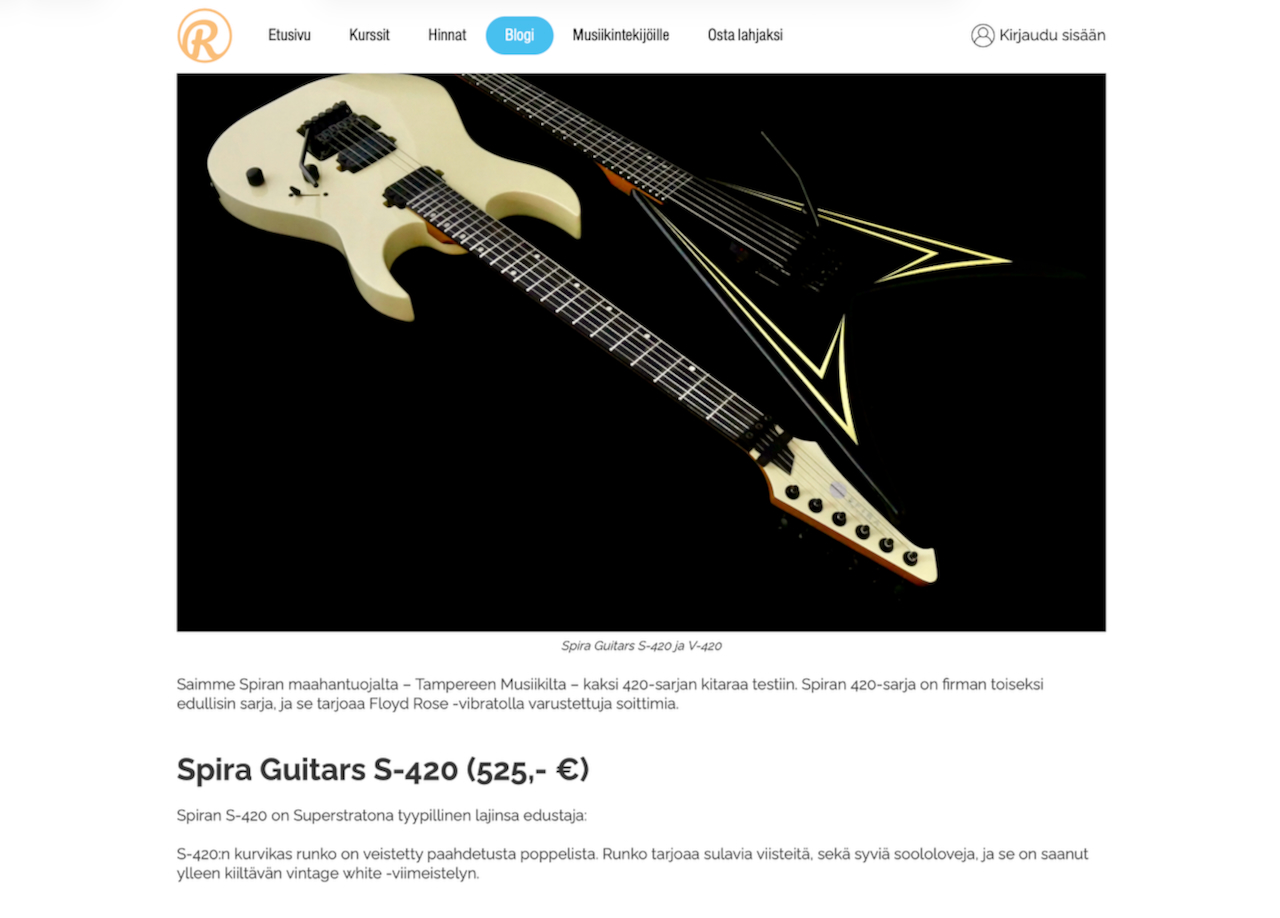
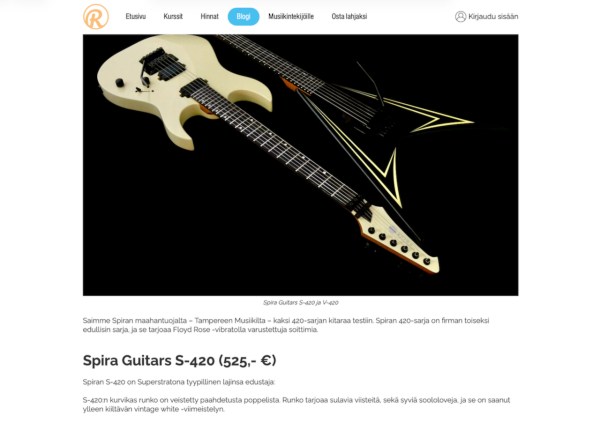
Spira Guitars -juttu löytyy TÄÄLTÄ.
Kitarablogi.com – Finland's premier Guitar and Bass blog
Juttuja kitaroista ja bassoista
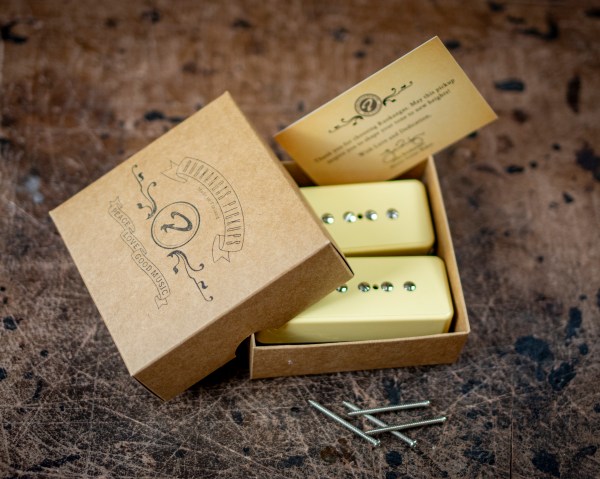
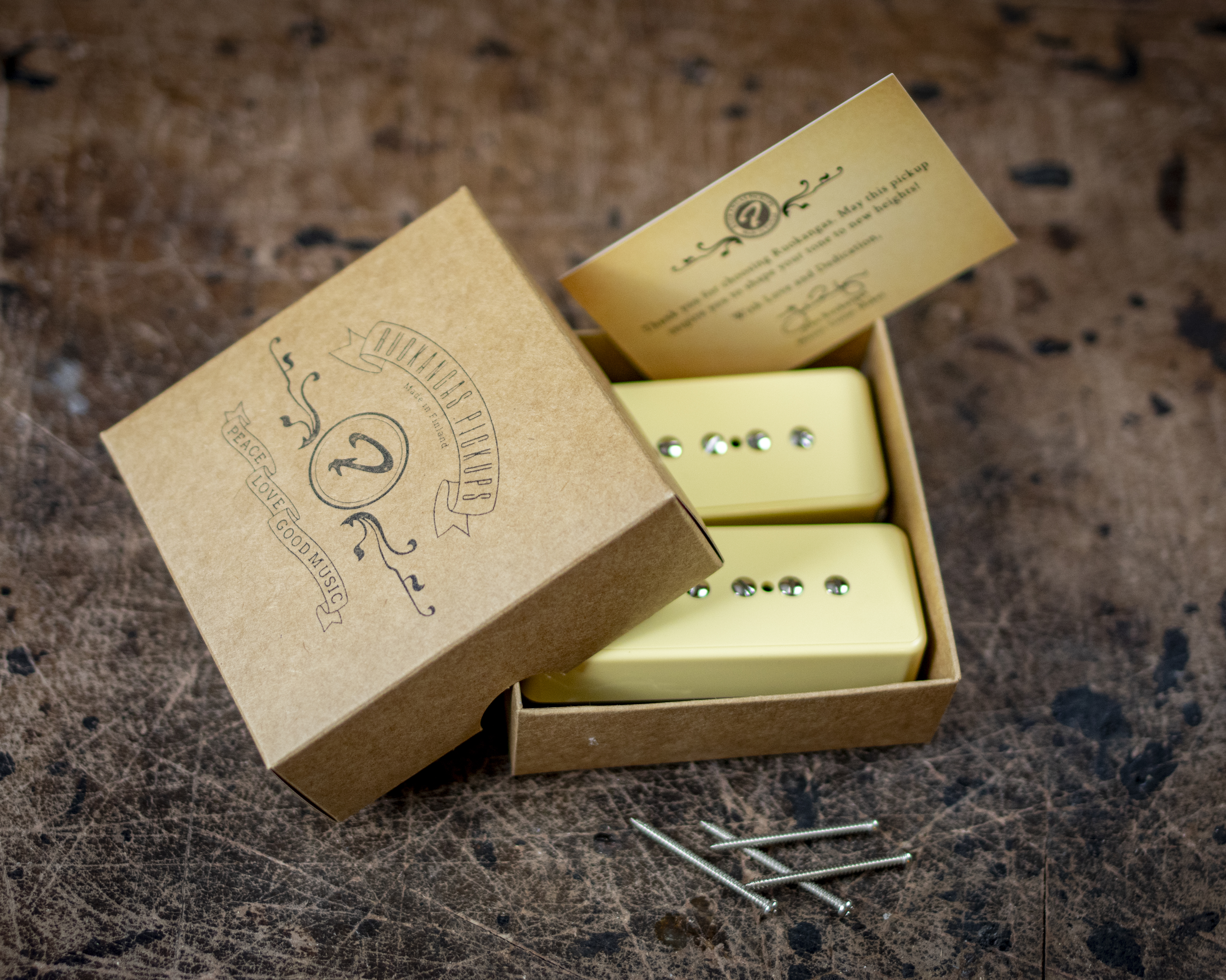
Harviala, Finland — Ruokangas Guitars has introduced Rauni and Ukko, a new pair of soapbar P90 pickups designed to deliver classic single-coil authority while remaining stable at stage volumes. Developed throughout most of 2025, the pickups feature the company’s proprietary Flux-Coil™ stabilization technology, allowing them to remain non-potted without the microphonic squeal.
Flux-Coil stabilization was first introduced in Ruokangas’ Aino & Väinö humbuckers, which received the 2025 Gear of the Year Award from Guitarist magazine (UK).
“P90s are famous for their punch and raw authority, but the line between musical grit and harshness can be razor thin”, says Juha Ruokangas. “With Flux-Coil stabilization we can keep the pickup non-potted, which preserves openness and touch sensitivity, while eliminating microphonic squeal often an issue with non-potted pickups.”
Rauni and Ukko are true single-coil soapbar P90s designed for use individually or in matched multi-pickup configurations. Sets of two or three pickups can be configured with hum-canceling in-between positions.
Find out more HERE.
****
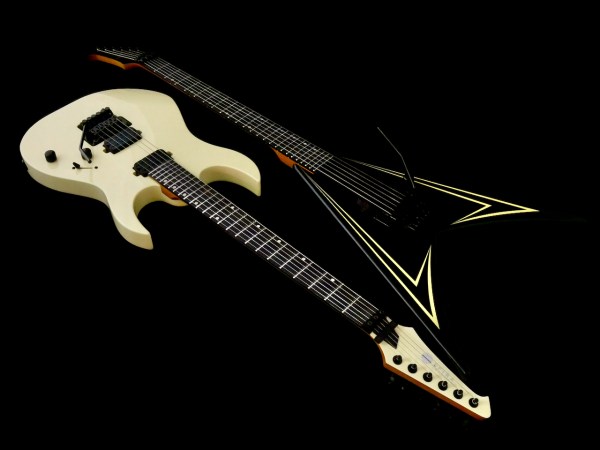
Here’s a demo of two Spira guitars from the 420 Series:
****
• The rhythm guitar tracks were played using both guitars
• Lead guitars as indicated in the video
• Amp used: Blackstar HT-1 (recorded direct)
• Pedals used: Boss SD-1, UralKit GE Rouhi, UralKit Less Love Electra
****
The demo is a short arrangement of the Megadeth classic ”Symphony of Destruction”.
****
Testi tulossa: https://blogi.rockway.fi/
****
Alkuperäinen juttu on ilmestynyt Rockway-blogissa.
****
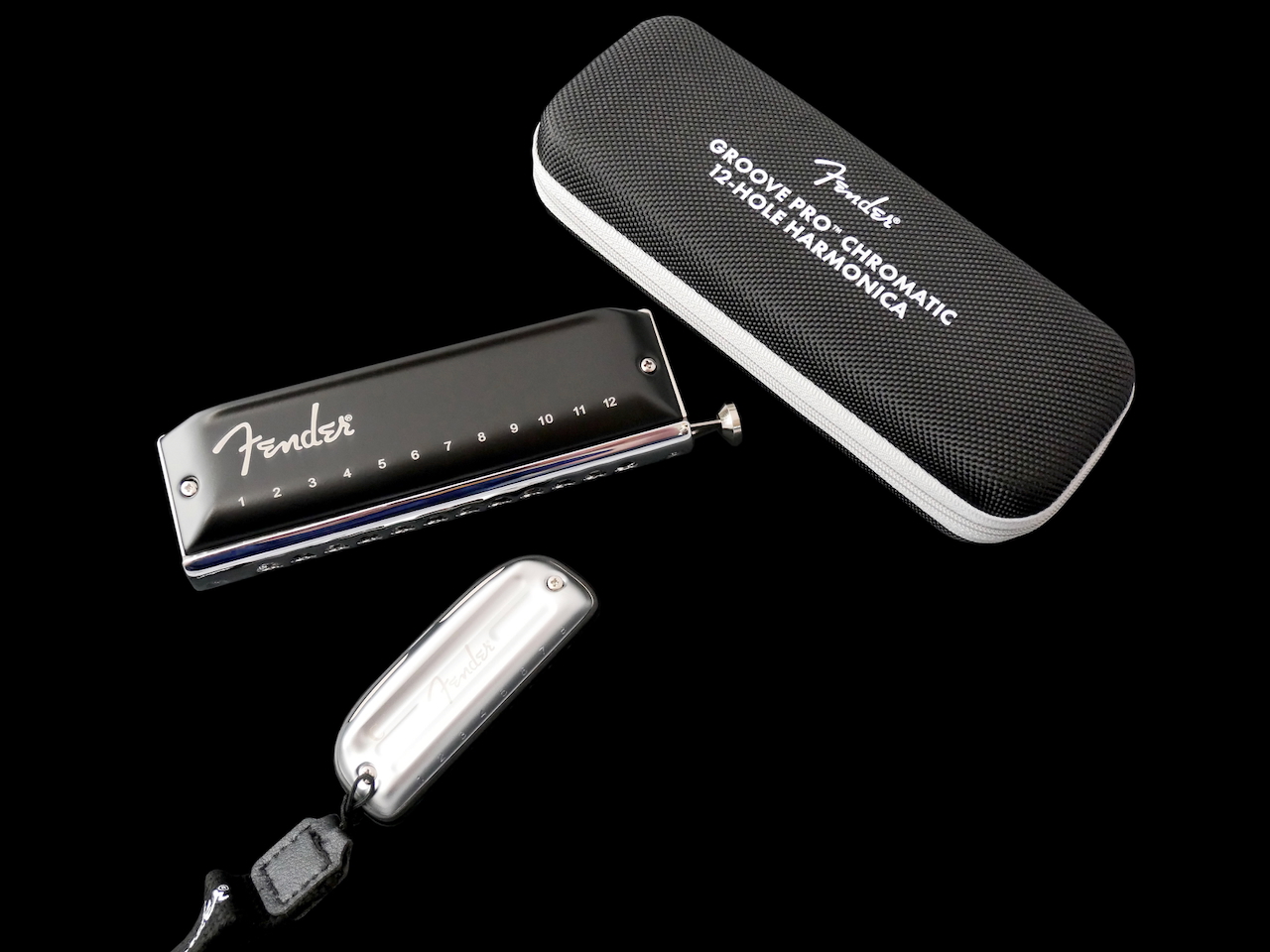
In March 2025, Fender released two new harmonica models.
The smaller of these is the very compact diatonic Fender Blues Junior (€35), which is available in three keys (C, G, and A). The other new addition is the company’s first chromatic harmonica, called the Fender Groove Pro (€79).
****
A standard diatonic harp with ten holes is already a nice compact instrument that fits easily in a trouser pocket. However, almost all manufacturers have always had even smaller instruments available for different purposes.
About 15 years ago, the German traditional manufacturer C.A. Seydel found a new approach to the miniature diatonic harmonica when it invented its Big Six collection. In the Big Sixes, the distance between the holes remains the same as in a full-size harmonica, but instead of ten channels, only the first six were offered. According to Seydel, most blues players usually only use these holes, because the bends are best done in these, and therefore the missing high notes are not a problem at all.
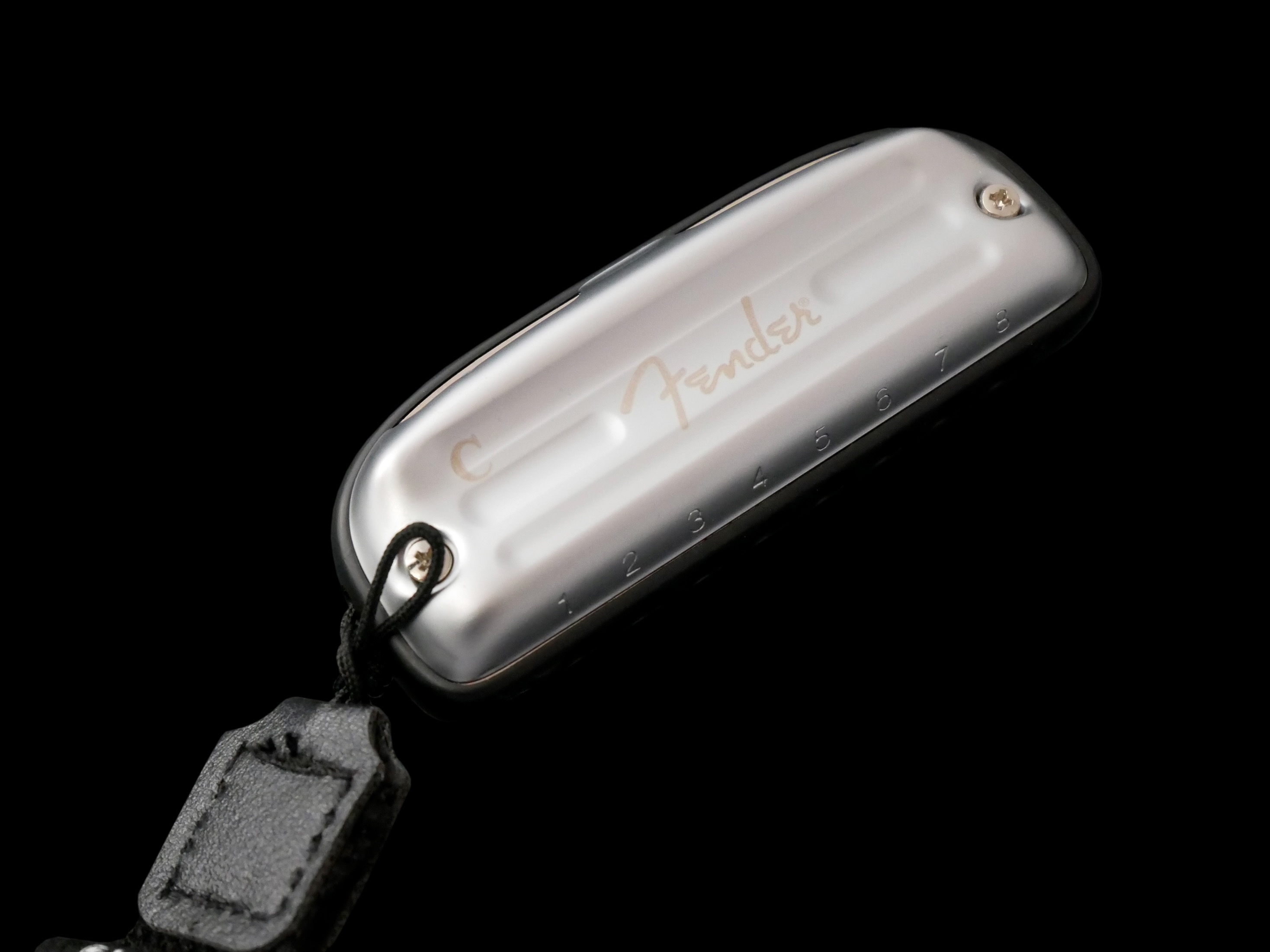
Fender’s brand new Blues Junior 8-Hole Diatonic model is based on the same idea, but offers two channels more tonal range than the Seydel Big Six. The harmonica is sold with a lanyard and a cleaning cloth.
The Fender Blues Junior’s design is very sleek and beautiful. The steel covers have a matte finish, while the harp’s comb is made of black ABS plastic. The appearance of the Blues Junior resembles a slightly smaller version of the Hohner Golden Melody model.
Because the channels on the front of the body have round holes, at first glance it may seem that they are closer together in the new Fender than usual. However, the distance between the channels is the standard 7.5 mm.
Fender’s contract manufacturer seems to have top-notch quality control, as the Blues Junior is suitably airtight, while the sensitivity of the phosphor bronze reeds has been adjusted appropriately.
The Fender Blues Junior harmonica is precisely tuned and very comfortable to play. The Blues Junior is a pleasantly loud harp with a deliciously crunchy sound.
In the demo above, I have used a model of a distorted tweed amplifier.
****
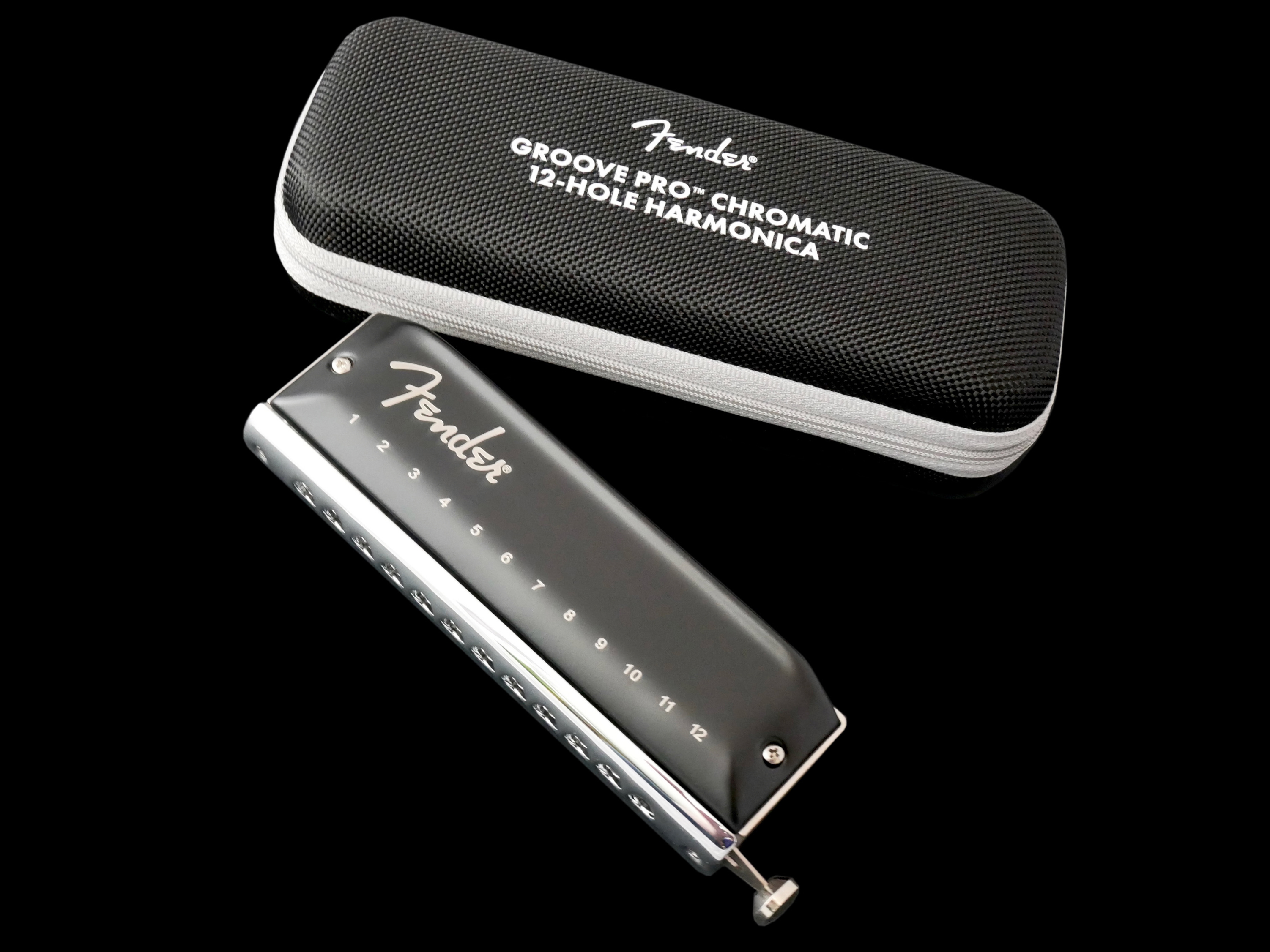
Since each air channel in a chromatic harmonica is connected to no fewer than four reeds, so-called valves have been found in chromatic models almost from their inception.
In modern instruments, the valves are made of lightweight plastic. They are narrow flaps that are glued to the reed plate at the opposite end of each reed. Thanks to the valves, when you blow into the harp, the air only goes through the blowing reed of the channel, while during drawing, the air only flows through the reed that is played during the draw.
The advantages of valves are – in addition to airtightness – the more precise attack of the chromatic harmonica and a louder sound. On the other hand, valves make bends practically impossible, because bends are based on the modulation caused by the opposite reed of the same channel. In addition, the valves can sometimes stick to the reed plates due to the humidity of the exhaled air, which makes it difficult to sound the reed and can give the attack a slight duck whistle-like roughness.
Because valves add to the price of chromatic harps – but also because of the drawbacks of valves – a new wave of cheaper, valveless chromatic harmonicas has emerged in recent years. According to bloggers and YouTube testers, the Chinese manufacturer Easttop seems to be a fairly high-quality manufacturer of affordable chromatic harps.
Why do I mention the Easttop brand here? Well, because Fender’s brand new Groove Pro Chromatic is clearly manufactured by Easttop – it’s a so-called OEM version – of their own Forerunner 2.0 model. The abbreviation “OEM” comes stands for “original equipment manufacturer”, and it means that the manufacturer does not put their own brand logo on the product, but the logo of the brand in question – in this case Fender.
In any case, Fender’s new Groove Pro seems to be of very high quality and its transparent comb has a nice weight, which increases the volume and ”weight” of the sound in chromatic harmonicas. The Fender Groove Pro has 12 channels, which means that the harp has a three-octave range (c1-c4). In addition to the harmonica, the package includes a very high-quality, pencil-case style soft case and a cleaning cloth.
The Groove Pro has a very nice rounded cast metal mouthpiece with round holes. The switching mechanism feels fast and it is also pleasantly quiet. The harmonica’s reeds are made of phosphor bronze. The mouthpiece and matte black steel covers are shaped in such a way as not to cause problems with a player’s beard or moustache.
I think the Fender Groove Pro’s tuning and sound are really good. The new harp’s airtightness is also a positive surprise – although it does require a little more air to play than a harmonica with valves, the difference is not striking. Although the volume of the Fender’s sound is – naturally – a bit lower than my Hohner Chrometta or Hohner Discovery, it is easier to play the lowest notes on the Groove Pro (read: in tune) even with poor playing technique, because the valves do not have the braking effect on the reeds’ attack.
Even ten years ago, wiser people than me said that buying a chromatic harp for under a hundred euros was throwing money in the trash, because the cheap harps of the time let a lot of excess air through, and because they were very poorly tuned.
In recent years, the quality of inexpensive chromatic harmonicas has increased significantly, of which the brand new Fender Groove Pro is a very good example. I can only recommend this model – and not only to beginners.
****







 Kitarablogi.com – Finland's premier Guitar and Bass blog