Lisätiedot: Musamaailma
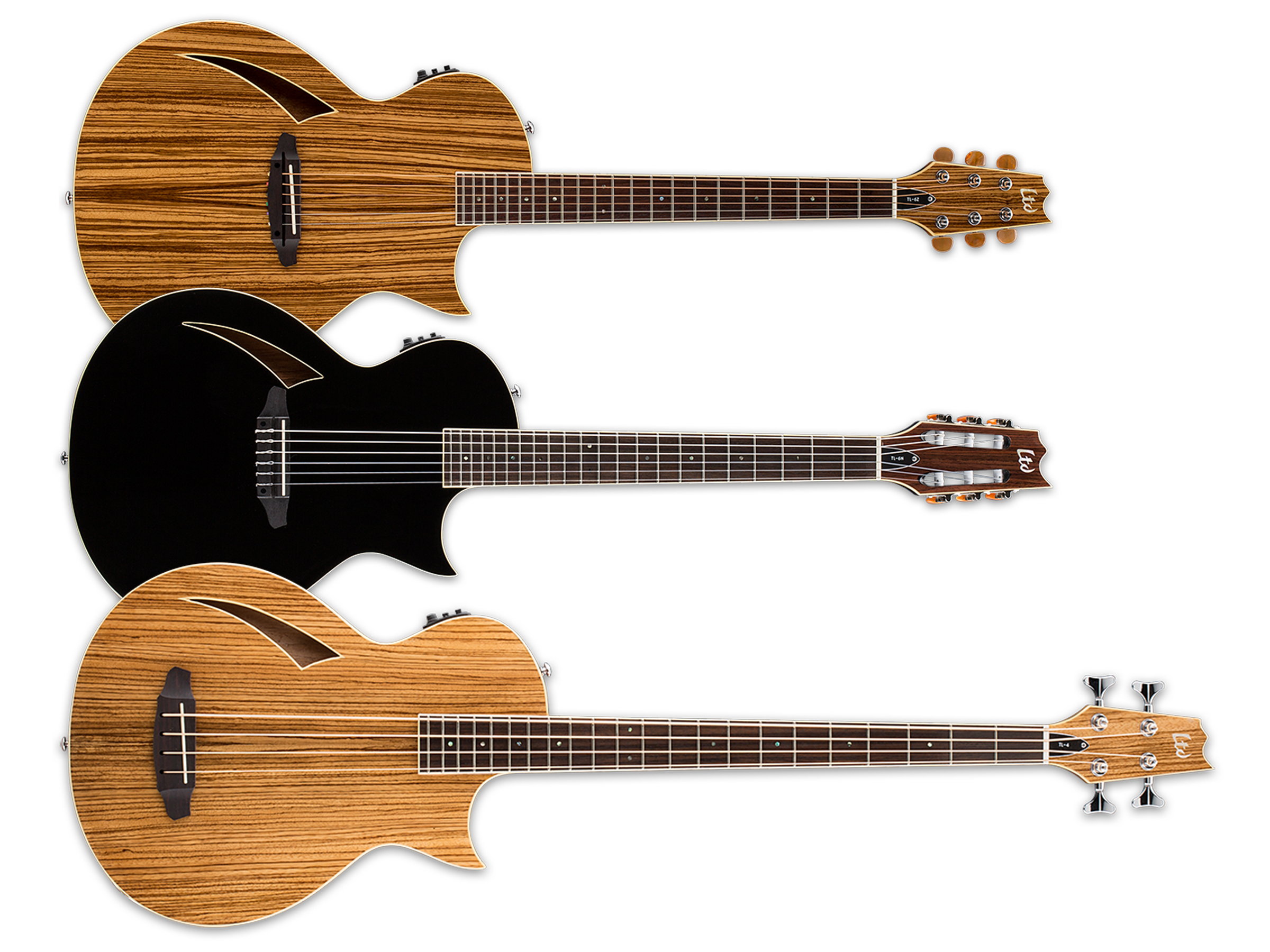
First View: ESP LTD Thinline TL-6Z, TL-4Z + TL-6N

Demo Track
Cover version of ”Big Love” by Fleetwood Mac (Lindsey Buckingham).
Demo track recorded using all three instruments plugged straight into a Focusrite Saffire 6 USB sound card.
Lisätiedot: Musamaailma

Review: Tokai TST-50-FS Modern
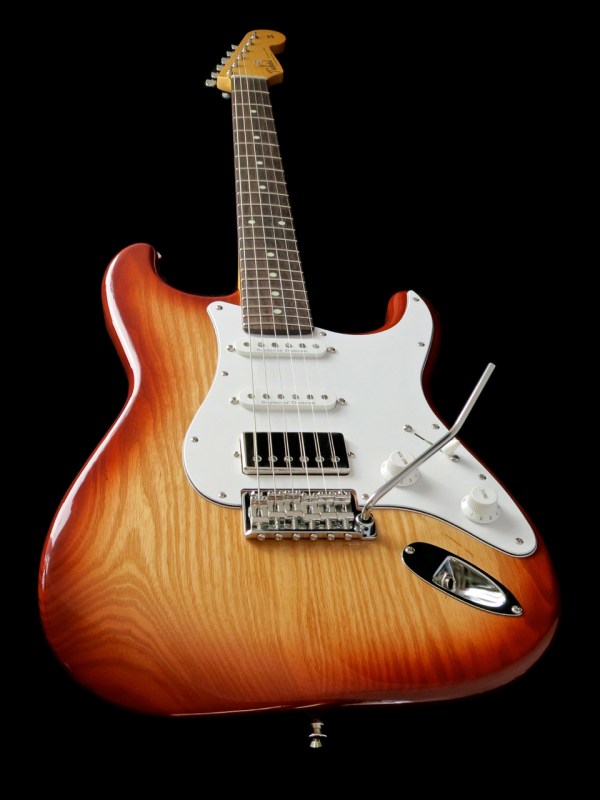

The guitar maker Tokai is known worldwide for its high-quality versions of classic vintage guitars, and the instruments are loved and played by many.
But now there’s an interesting new model, devised by Tokai Guitars Nordic, called the Tokai TST-50-FS Modern (current price in Finland: 1,650 €; hard case included). This is an S-type guitar for the player who wants classic looks combined with modern features.
****

Tokai’s brand-new TST-50-FS Modern is available in three different versions, which share the same basic build and features, but which differ in terms of finish and pickup choice.
The Modern is available in a traditional Three-Tone Sunburst …

… a beautiful Sienna Sunburst …

… and in a cool, dark Ebony Transparent.
The TST-50-FS’ body is made from two pieces of beautiful swamp ash, with a – near invisible – centre glue line.

The new model makes it a jiffy to adjust the truss rod by moving the adjustment to the headstock side of the neck.
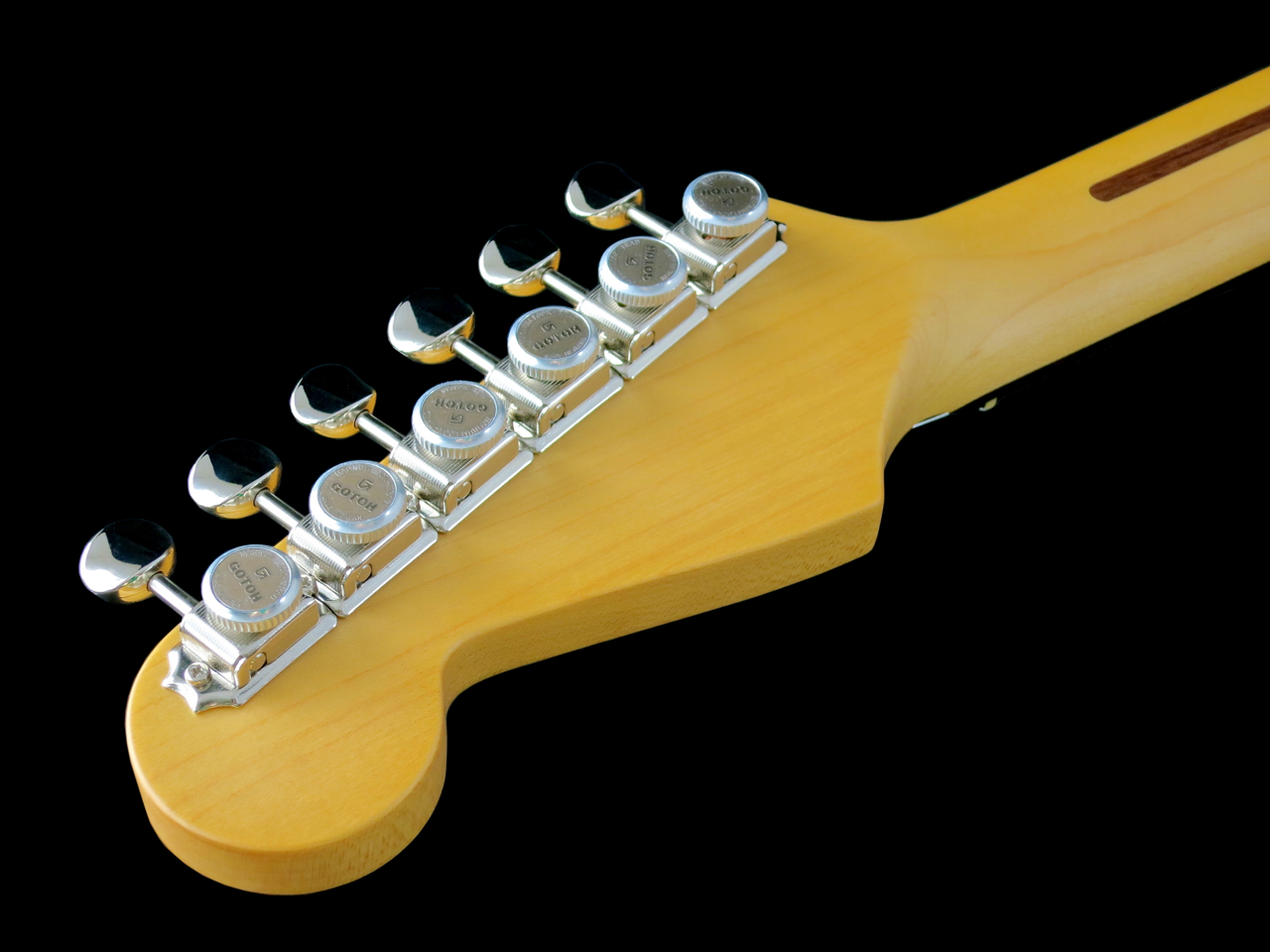
The TST-50-FS Modern sports a high-quality set of Gotoh Magnum Lock locking machine heads, resulting in lightning-fast string changes and rock steady tuning stability.
The neck comes with a thin satin finish.
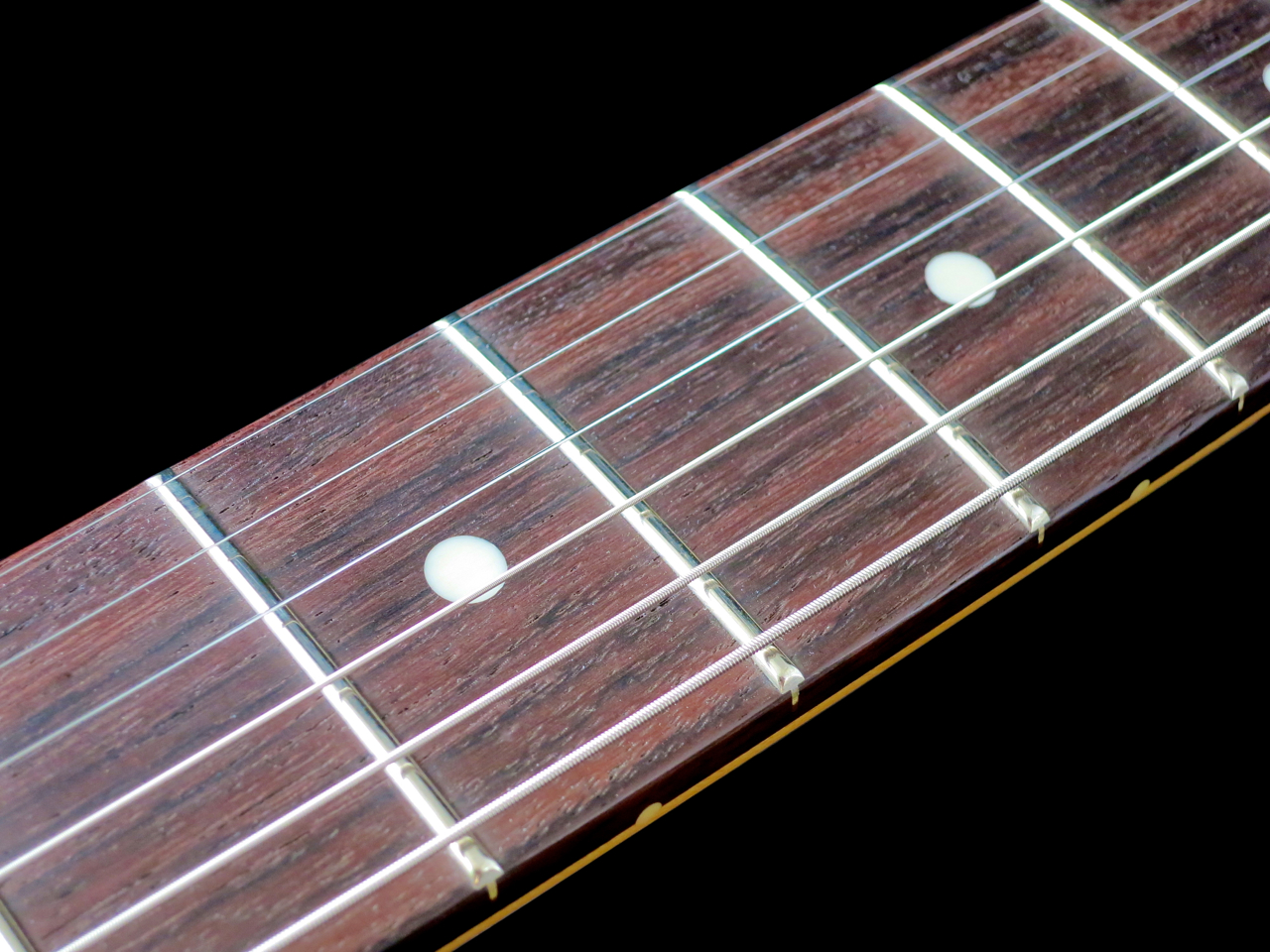
We find a rosewood fretboard with a modern radius (9.5″), as well as 22 gleaming medium jumbo-sized frets (Dunlop 6105), making string bending much easier than on a vintage guitar.

The bridge on the Tokai TST-50-FS Modern represents Gotoh’s view of the perfect updated Strat-style vibrato.
Gotoh’s 510T-SF bridge is a two-post affair made of steel. The height-adjustable posts can be locked inside the threaded ferrules to increase vibrational transfer into the body.

In terms of its pickups, the Three-Tone Sunburst version is the most traditional of the new trio:
The neck and middle pickups are genuine single coils (Seymour Duncan SSL-1), while the bridge humbucker is Duncan’s vintage-voiced Model ’59 (SH-1B Zebra).
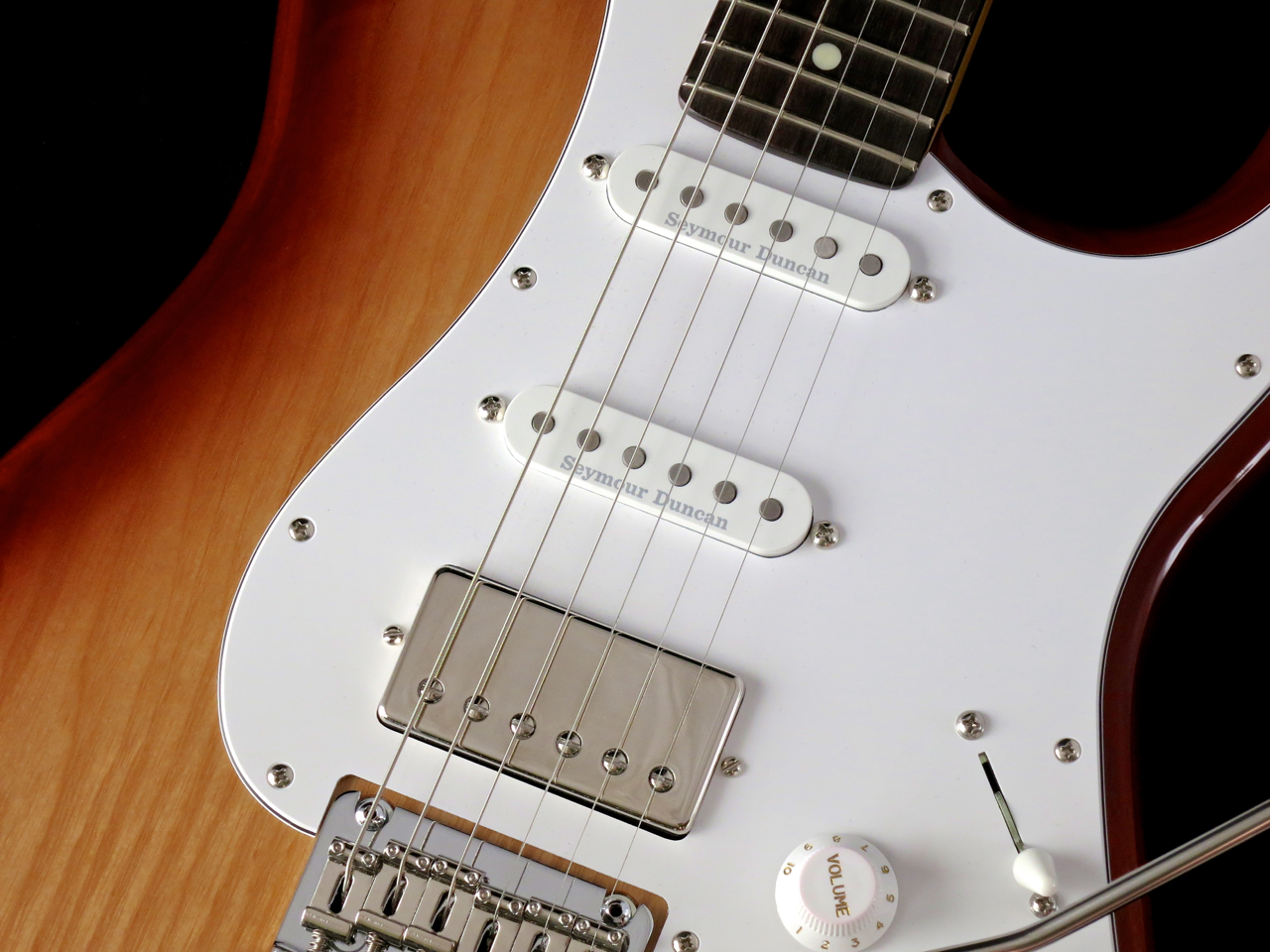
The Sienna Sunburst-variant is completely noise-free thanks to its stacked-coil neck and middle pickups (Seymour Duncan STK-S4; aka Classic Stack Plus). The bridge unit is a hotter-than vintage, covered JB (SH-4).

The hottest guitar in our trio is the TST-50-FS in Ebony Transparent, which comes with a pair of Hot Stack Plus pickups (STK-S7) and the sheer force of nature that is Seymour Duncan’s SH-14 Custom 5 humbucker.
****
The Tokai TST-50-FS Modern is part of the brand’s Made-in-Japan Premium Series, and all three instruments are perfect examples of the excellent workmanship Tokai has to offer.
The new model comes with a rounded neck profile (Tokai call it ”Thin U”) that feels and plays like a dream. The modern fingerboard radius and excellent fretwork make string choking a thing of the past.
The vibrato feels very precise and stays in tune far better than any vintage-style vibrato bridge ever could.
The ash body, locking tuners and steel bridge give the TST-50-FS Modern a sparkling unplugged voice with a long and clear sustain.
Played with an amp the differences between the three versions become very clear:

The Three-Tone Sunburst version gives you the tones you’d expect from a factory-modded vintage S-type.
Thanks to the vintage-style single coils – as well as the PAF-inspired bridge humbucker – you get a lot of clarity, dynamics and spank.

I’d call the FS Modern’s Sienna Sunburst variant the ”LA Studio model”, which will deal with any musical situation by giving you a first-rate West Coast sound.
The stacked coil pickups are free from hum and buzz, and they give you a fine, slightly ”pre-compressed” sound that sits well in any mix. The JB-humbucker offers just the right amount of ”push” to complement the neck and middle pickups perfectly.
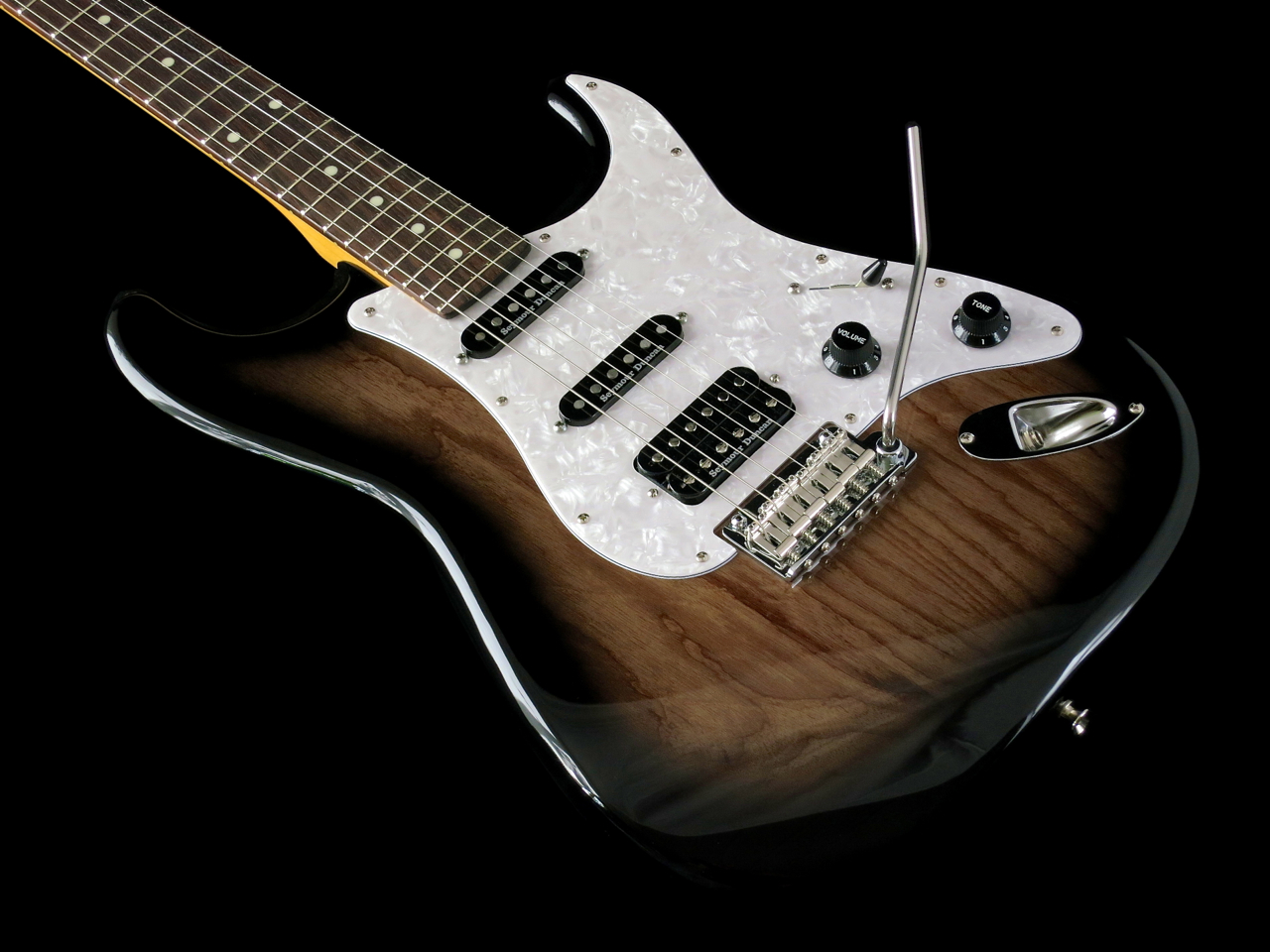
If you look for an S-style electric that will take to high gain settings like the proverbial duck to water, you need look no further. The TST-50-FS Modern in Ebony Transparent simply loves gain and distortion, while still making a great figure when it comes to clean tones.
This is noise-free high gain heaven with a healthy dose of bottom end punch and a chunky mid-range.
The demo track features the trio in the following order: Sienna Sunburst –> Ebony Transparent –> Three-Tone Sunburst. Each guitar plays both the rhythm as well as the lead parts of its section:
****

The new Tokai TST-50-FS Modern really made a big impression on me.
This is a fantastic alternative to the traditional, vintage-flavoured Tokai models. Both the playability and sounds this trio has to offer are top-notch, and I’m sure you will find your favourite modern S-type guitar from one of the three alternatives.
Tokai’s TST-50-FS Modern offers you custom shop quality at a very fair price.
****
Tokai TST-50-FS Modern
1,650 € (hard case included)
Distributor: Musamaailma
****
Pros:
+ value-for-money
+ workmanship
+ three different pickup configurations
+ playability
+ sound
Testipenkissä: Tokai TST-50-FS Modern

Kitaravalmistaja Tokai tunnetaan laadukkaista klassikkokitaroiden uusintapainoksista, ja soittimet ovat löytäneet tiensä monen vintage-fanin käsiin.
Tokai Guitars Nordicin kehittämä uutuusmalli Tokai TST-50-FS Modern (1.650 €, sis. kova laukku) on sen sijaan suunnattu kitaristeille, jotka haluavat tuttua Tokai-laatua nykyaikaisilla ominaisuuksilla.
****
Tokai TST-50-FS Modern on saatavilla kolmessa eri versiossa, joiden rakenteelliset ominaisuudet ovat samat, mutta jotka eroavat toisistaan värityksen ja mikrofonien suhteen.
Kitaran värivaihtoehtoina on Three-Tone Sunburst …
… vaalea Sienna Sunburst …
… ja tumma Ebony Transparent.
Kaikissa versioissa runko on veistetty kuvankauniista suosaarnista. Rungot on koottu kahdesta saarnipalasta, joiden (käytännössä näkymätön) liimasauma kulkee siististi keskeltä runkoa.
Kaularaudan säätäminen on TST-50-FS-mallissa todella helppoa, koska säätöruuvi on sijoitettu viritinlavan puolelle.
Tässä mallissa on erittäin laadukkaat Gotoh Magnum Lock -lukkovirittimet – kieltenvaihto sujuu nopeasti ja vire pysyy.
Kaulassa on ohut mattapintainen viimeistely.
Otelaudan radius on selvästi vintagea loivempi, ja ruusupuuhun on siististi asennettu 22 medium jumbo -kokoista nauhaa (Dunlop 6105), minkä ansiosta venytykset vaativat vähemmän voimaa.
Tokai TST-50-FS Modernin talla on huippulaadukas, Gotohin valmistama modernisoitu versio Strato-vibratallasta.
Gotoh 510T-SF -talla on valmistettu teräksestä ja se on veitsenterälaakeroitu. Vibraton tapit lukitaan kierreholkkeihinsa, mikä parantaa tallan sustainia.
Three-Tone Sunburst -version mikrofonitarjonta on tästä kolmikosta se perinteisin:
Kaula- ja keskimikki ovat aitoja yksikelaisia (Seymour Duncan SSL-1) ja talla-asemasta löytyy Duncanin ’59-humbucker (SH-1B Zebra).
Sienna Sunburstin mikrofonivarustus on täysin hurinaton, sillä kaula- ja keskimikrofonit ovat kahdella päällekkäisellä kelalla varustettuja Seymour Duncan STK-S4 -mikrofoneja (Classic Stack Plus), kun taas tallahumbuckerina toimii vintagea kuumempi JB-malli (SH-4 JB).
Malleista lähtöteholtaan kuumin on Ebony Transparent -versio, joka yhdistää tehokkaat Hot Stack Plus -mikrofonit (STK-S7) Seymour Duncan SH-14 Custom 5 -humbuckerin tarjoamaan täyslaidalliseen.
****
Tokai TST-50-FS Modern kuuluu valmistajan japanilaiseen Premium-sarjaan, ja testissä käynyt kolmikko on – jälleen kerran – täydellinen esimerkki japanilaisesta, erinomaisesta soitinrakennusosaamisesta.
Uutuusmallin pyöreä, mutta suhteellisen ohut kaulaprofiili tuntuu erittäin nopealta, ja nykyaikainen nauhoitus ja otelautaradius luovat kevyen soittotuntuman.
Vibratalla toimii sulavasti ja erittäin tarkasti.
Saarnirungon, lukkovirittimien ja teräsvibran ansiosta TST-50-FS Modernin akustinen ääni on hyvin raikas ja pitkällä sustainilla höystetty.
Versioiden väliset erot tulevat esiin vahvistimen kautta soitettaessa:
Three-Tone Sunburst -versio antaa soittajalle aimon annoksen kustomoidun vintage-kitaran hehkua.
Aitojen yksikelaisten mikkien, sekä PAF-tyylisen tallahumbuckerin ansiosta vahvistettu ääni on tuore ja erittäin dynaaminen. Pletraniskujen naksahteleva luonne tuo väkisinkin mieleen vintage-Straton.
Kutsuisin 50-FS Modernin Sienna Sunburst -kitaraa LA Studio -malliksi, jolla hoituu sessio kuin sessio aidolla länsirannikon soundilla.
Stacked coil -mikrofonit eivät hurise, ja niillä on oikein mainio, hieman ”esikompressoitu” soundi, jonka saa mukavasti istutettua miksaukseen. JB-humbucker on sekä teholtaan että soundiltaan oiva valinta näiden ”yksikelaisten” rinnalle.
Jos etsit S-tyylistä kitaraa, joka tarjoaa loistavia high gain -särösoundeja, mutta joka samalla kuulostaa myös mehevältä puhtaasti soitettuna, Ebony Transparent on sinulle oikea valinta.
Tämä kitara tarjoaa hurinatonta high gain -meinikiä tuhdilla alakerralla ja herkullisella keskialueella.
Demobiisissä testikitarat kuullaan järjestyksessä Sienna Sunburst –> Ebony Transparent –> Three-Tone Sunburst. Samalla kitaralla soitetaan aina sekä komppiosuudet että soolo:
****
Minun mielestäni Tokai TST-50-FS Modern lunastaa lupauksensa täydellisesti ja avokätisesti.
Uutuusmalli on huippulaadukas, nykyaikainen vaihtoehto vintage-tyylisille Tokai-kitaroille. Soittotuntuma ja soundi ovat enemmän kuin kohdillaan, ja jokainen meistä löytää varmasti kolmesta vaihtoehdoista sen itselleen sopivan.
TST-50-FS Modern tarjoaa custom shop -tasoista laatua reiluun hintaan.
****
Tokai TST-50-FS Modern
1.650 € (kova laukku kuuluu hintaan)
Maahantuoja: Musamaailma
****
Plussat:
+ hinta-laatu-suhde
+ työnjälki
+ kolme mikrofonivaihtoehtoa
+ soitettavuus
+ soundi
Now on Soundcloud: Tokai TST-50-FS Modern
Tokai TST-50-FS Modern
• Premium Series model
• Made in Japan
• Premium swamp ash body (two-piece, centre-joined)
• Rosewood fingerboard with 9.5″ radius
• 22 Dunlop 6105 frets
• Locking Gotoh tuners
• Two-post Gotoh vibrato
• Sienna Sunburst version: 2 x Seymour Duncan STK-S4 + TB-4
• Ebony Transparent version: 2 x STK-S7 + TB-14
• Three-Tone Sunburst version: 2 x SSL-1 + ’59
****
The demo track has the three guitars in the order Sienna Sunburst –> Ebony Transparent –> Three-Tone Sunburst.
Tokai TST-50-FS – the Kitarablogi-video

Uusi Tokai TST-50-FS on tällä hetkellä saatavilla kolmella eri mikrofonivarustuksilla:
• Three-Tone Sunburst -versiossa on kaksi yksikelaista SSL-1-mikrofonia, sekä Seymour Duncan ’59 -humbucker.
• Sienna Sunburst -mallissa on kaksi SD Classic Stack Plus -mikrofonia (hurinattomia, stacked-coil mikrofonia), sekä JB-humbucker metallikuorella.
• Ebony Transparent -kitarassa taas on kaksi Duncanin Vintage Hot Stack -mikrofonia (hurinattomia) ja tallamikrofonina toimii saman firman Custom 5 -humbucker.
Kitarablogin testi on tulossa lähiaikoina!
****
The new Tokai TST-50-FS is currently available with three different pickup configurations:
• The Three-Tone Sunburst version has a pair of SSL-1 single-coils and a Seymour Duncan ’59 humbucker.
• The Sienna Sunburst model comes with two noiseless SD Classic Stack Plus pickups, as well as a covered JB model.
• The Ebony Transparent guitar sports two noiseless Duncan Vintage Hot Stacks and a Custom 5 in the bridge position.
Watch this space for a full review in the very near future!


Review: Bluetone Black Prince Reverb
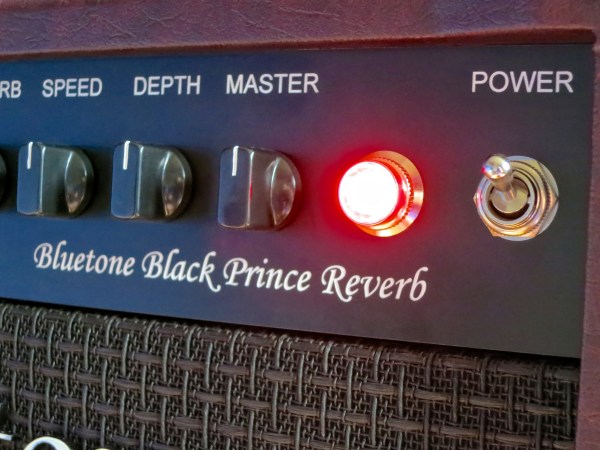
The Bluetone Black Prince Reverb guitar combo sees the boutique amp makers from Helsinki branch out into a new and interesting direction.
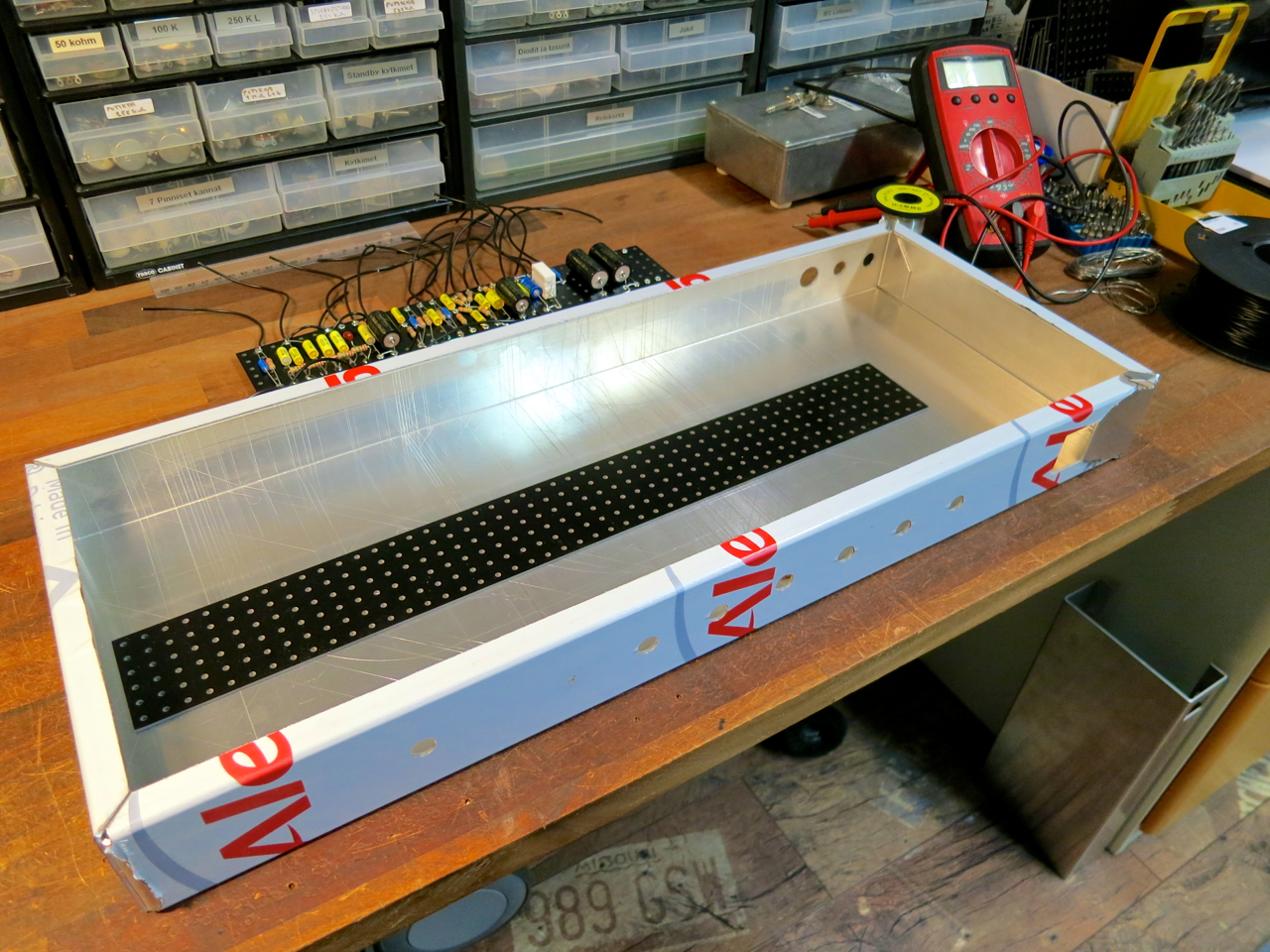
All the Bluetone models we have known thus far have been (and still are) produced as pure and genuine custom-made valve amplifiers.
This means that each new amp is ordered by the customer based on a certain Bluetone configuration on their website – like an à la carte-menu. The chosen model is then tweaked according to the customer’s wishes, and there are plenty of different options available – from the details of the amplifier’s internal specifications all the way to the type of finish of the cabinet and the font on the control panel.
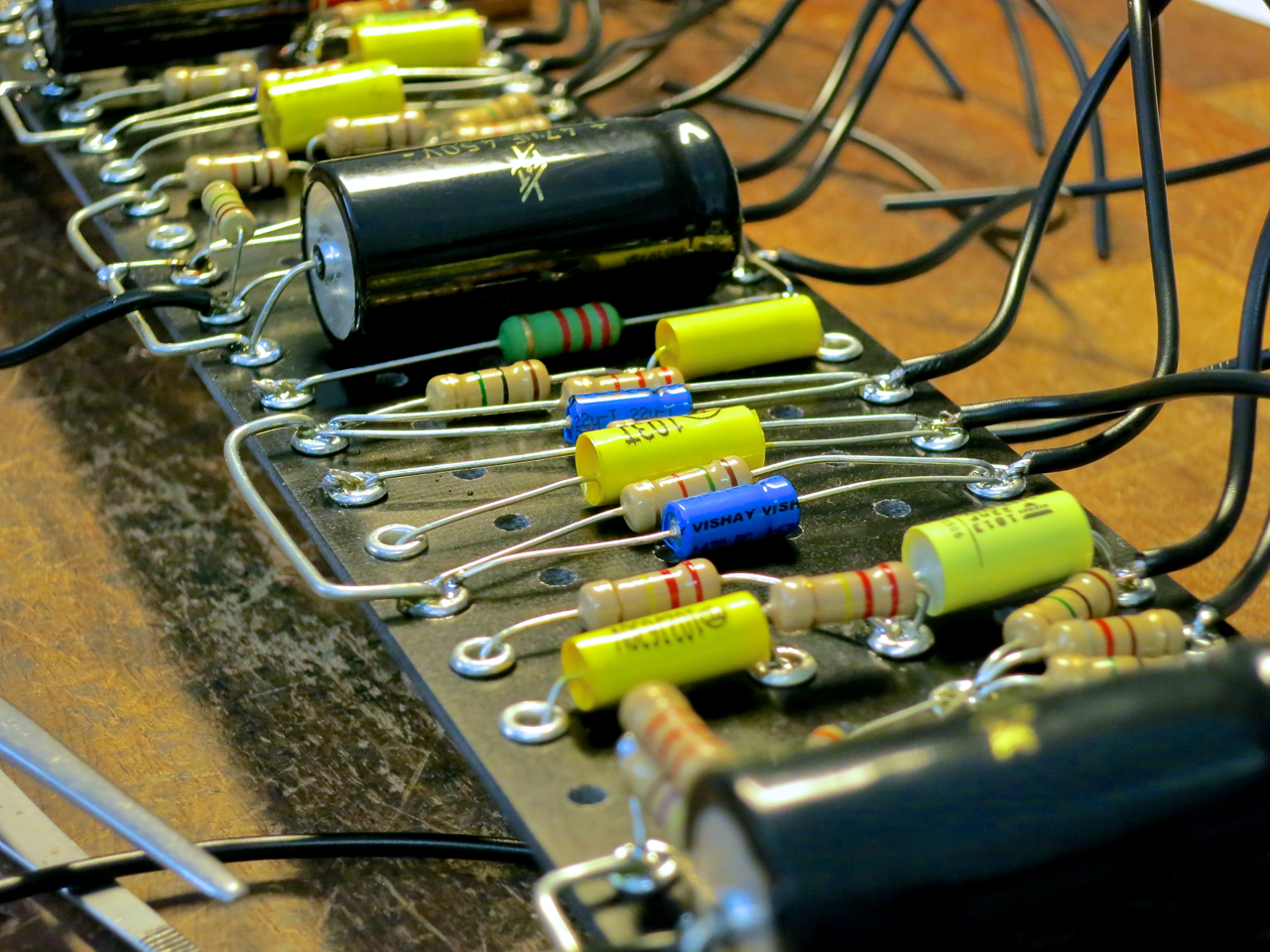
Due to the nature of custom amps, such as these, every Bluetone Custom amp is built completely by hand, starting with a clean slate – meaning: an empty metal chassis, and an empty fibreglass eyelet-board.
The board is then riveted at the right spots to take all the necessary wiring and electronic components going into this specific custom order. Everything is soldered into place by hand (point-to-point).
This is a very involved and time-consuming process, requiring a steady hand and a keen eye, which of course is reflected in the price of a Bluetone Custom amp. The advantage of building this type of point-to-point amp is, of course, that it gives the customer free reign to have his dream amp built.
Bluetone’s dynamic duo – Harry Kneckt and Matti Vauhkonen – have recently decided to launch a second model range alongside their strictly custom-made amps. The new range will include a few models that will be made and sold ”as is”, with only very limited options to choose from.
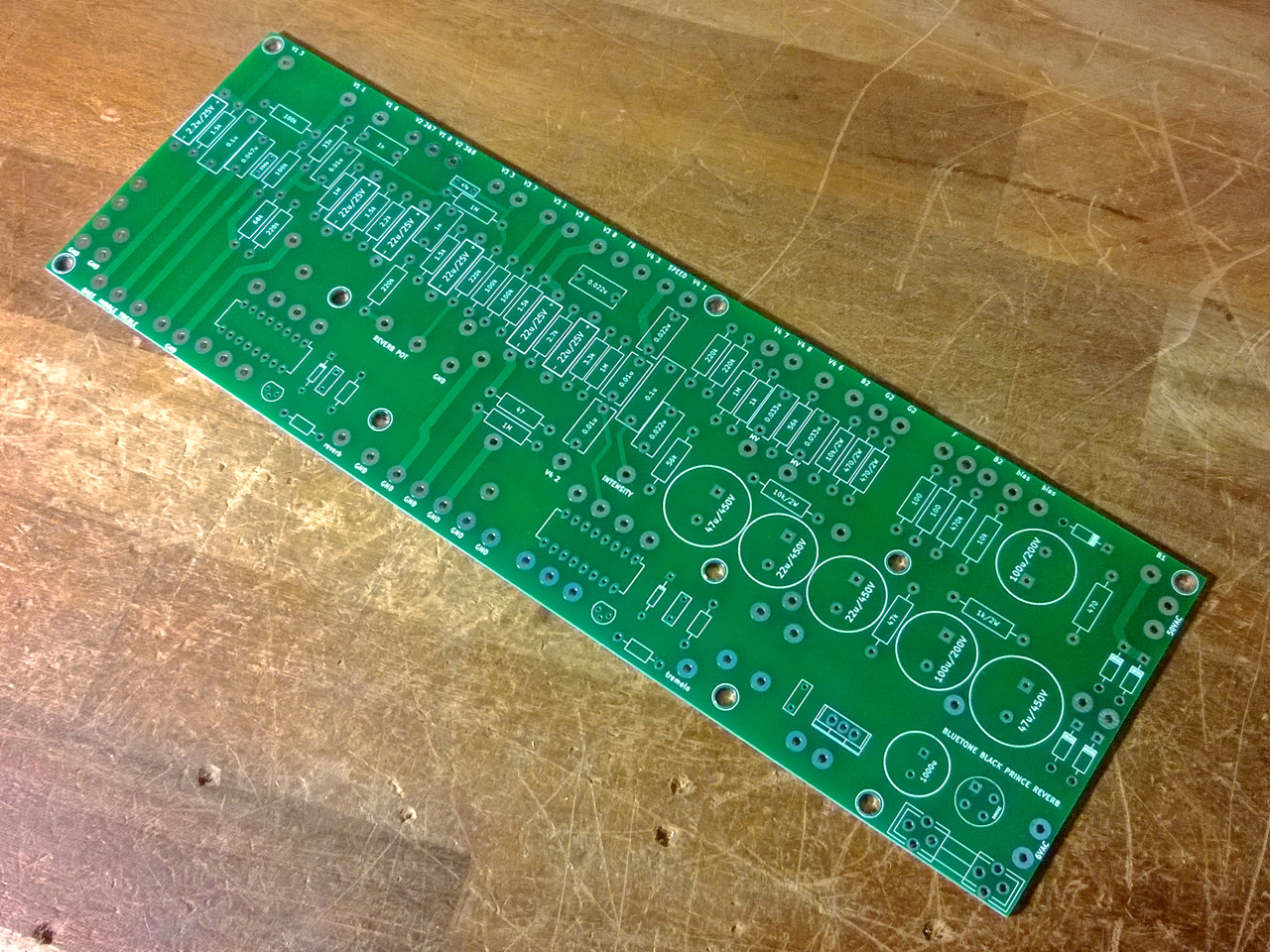
These new amps will be made using so-called hybrid boards.
Bluetone’s hybrid boards are very sturdy PCBs made of fibreglass, and are of a considerably higher quality than what you’d find in mass-produced valve amplifiers. Each component’s place on the hybrid is clearly labelled, and some of the ”wiring” is already incorporated into the board itself. In contrast to many mass-produced affordable amps, Bluetone’s new range will see all tubes and transformers mounted securely to the metal chassis (like on their custom-made amps, too), and not directly on the PCB (like on many affordable Far Eastern designs).
The rest of the building process is virtually identical to the more costly custom-made amplifiers – the components are fitted to the hybrid board by hand (from the top) and hand-soldered to the board. Thanks to the hybrid board the new amplifier range will be much easier and faster to produce, which will be reflected in the pricing of the new hybrid amps vis-à-vis the point-to-point custom orders.
****
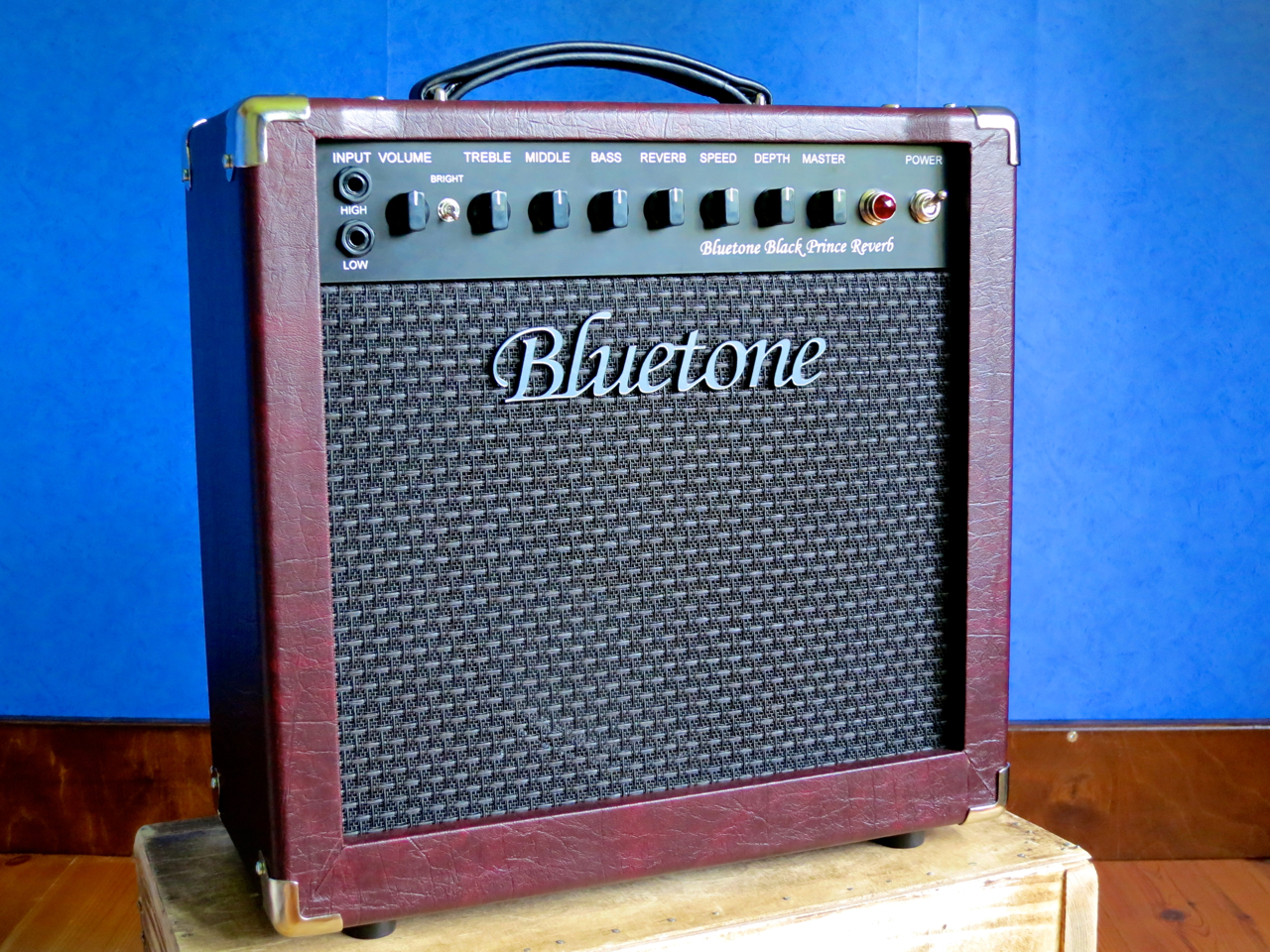
The first new Bluetone-combo is called the Bluetone Black Prince Reverb (approx. 1.500 €).
This compact and handy combo takes a lot of inspiration from Fender’s legendary ”Blackface” Princeton Reverb (version AA1164), but due to the Bluetone’s many refinements you can’t really call the Black Prince a straight copy.
In addition to the basic version in wine red tolex, you can also order the Black Prince Reverb in genuine tweed, or with an oiled cabinet made from mahogany (both at extra cost).
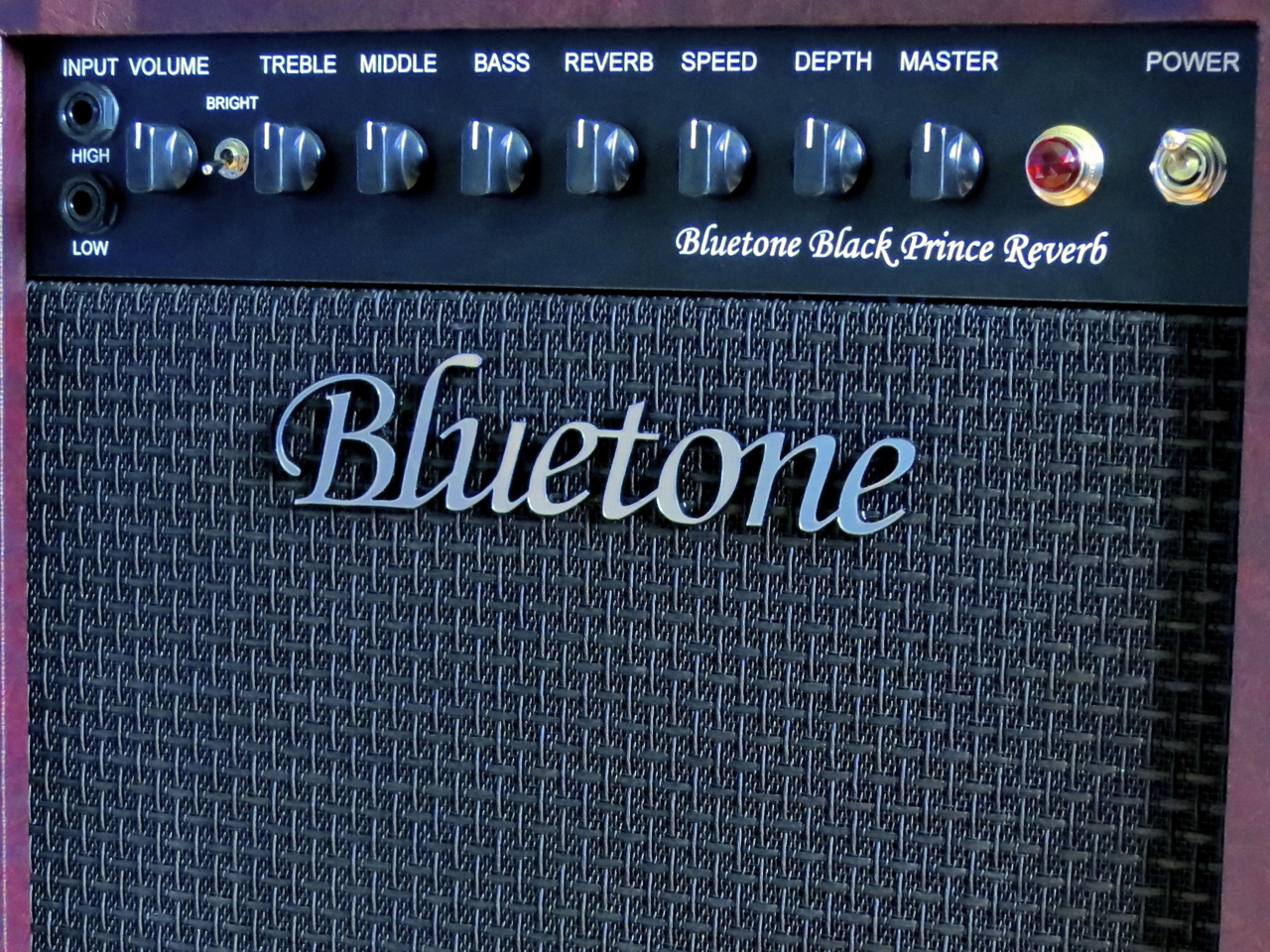
I very much like the businesslike and sober look of the Blacktone’s front panel. Everything is clearly labelled, which can be a great plus on a dimly lit stage.
The Bluetone Black Prince Reverb offers two different inputs for singlecoil and humbucker-equipped guitars (High and Low). The EQ-section is a three-band affair, with an additional Bright switch to liven up dull sounding pickups.
Even though the Black Prince Reverb is such a compact combo, it still featured both a genuine, valve-driven spring reverb and a tube tremolo.
Bluetone uses a post phase-inverter master volume in most of their designs, because it has the least negative impact on an amp’s tone and feel.
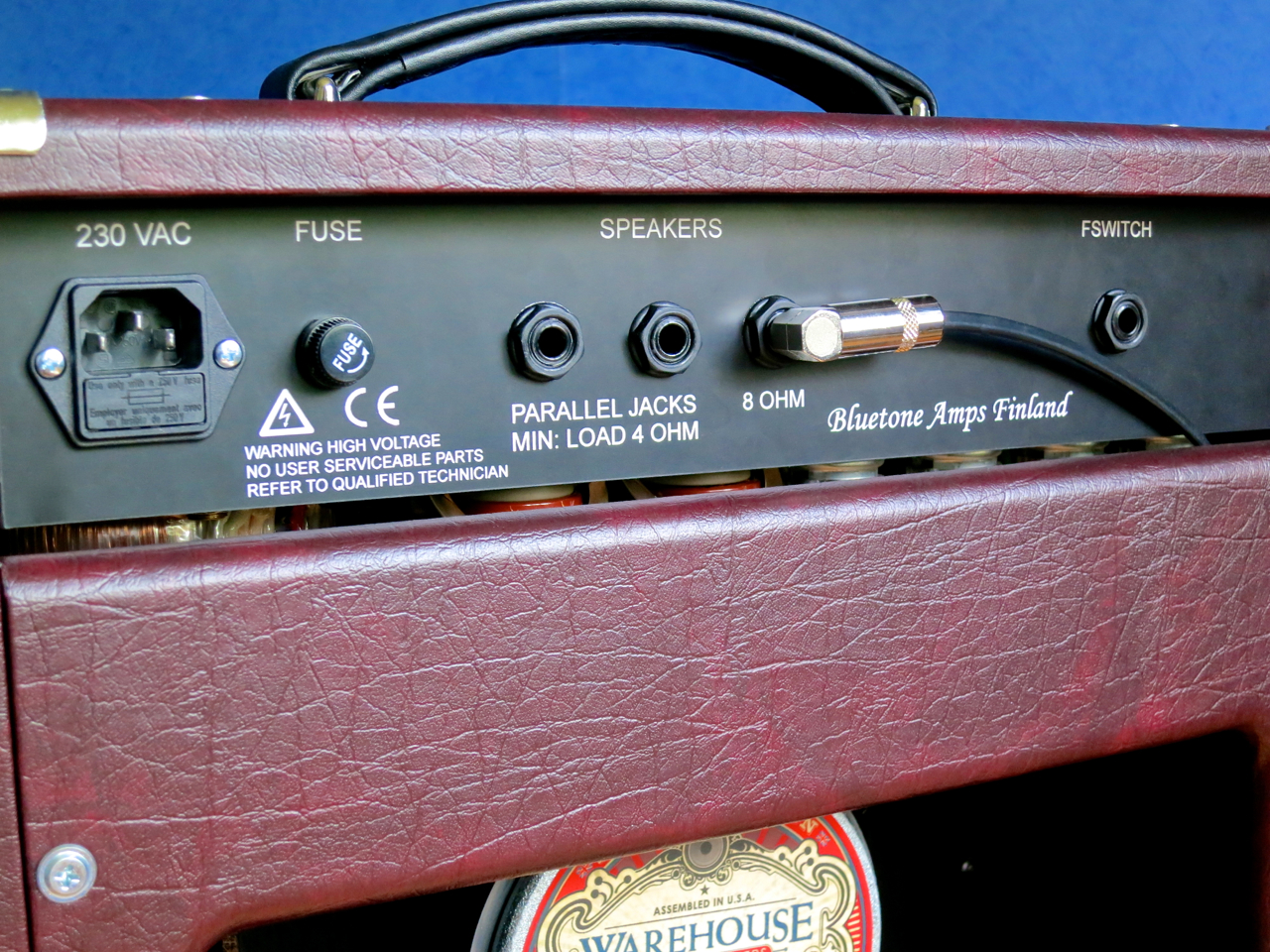
There’s a Fender-style open back on the Black Prince.
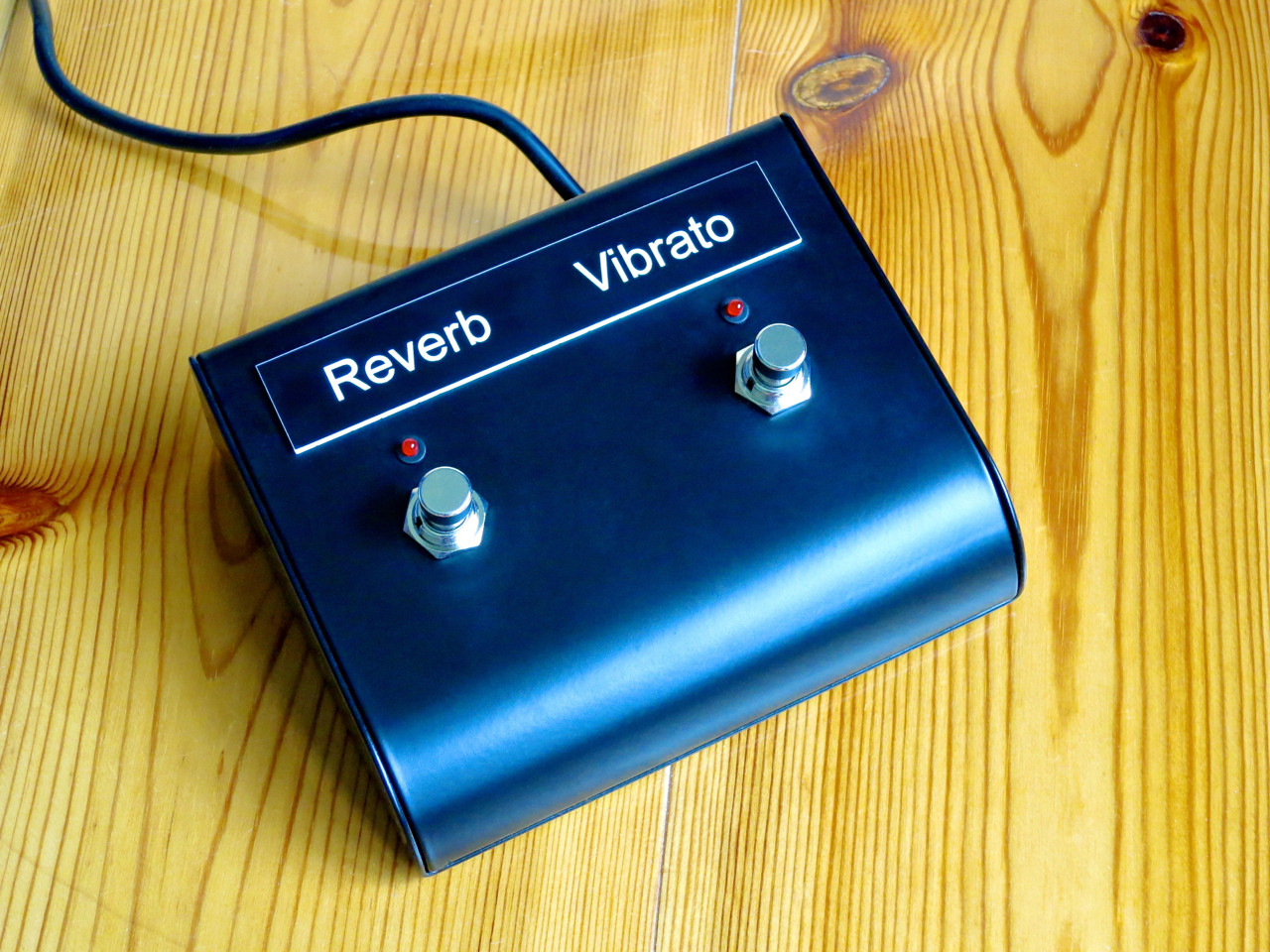
The back panel sports outputs for additional speakers, as well as the jack for the combo’s two-button footswitch unit (included).
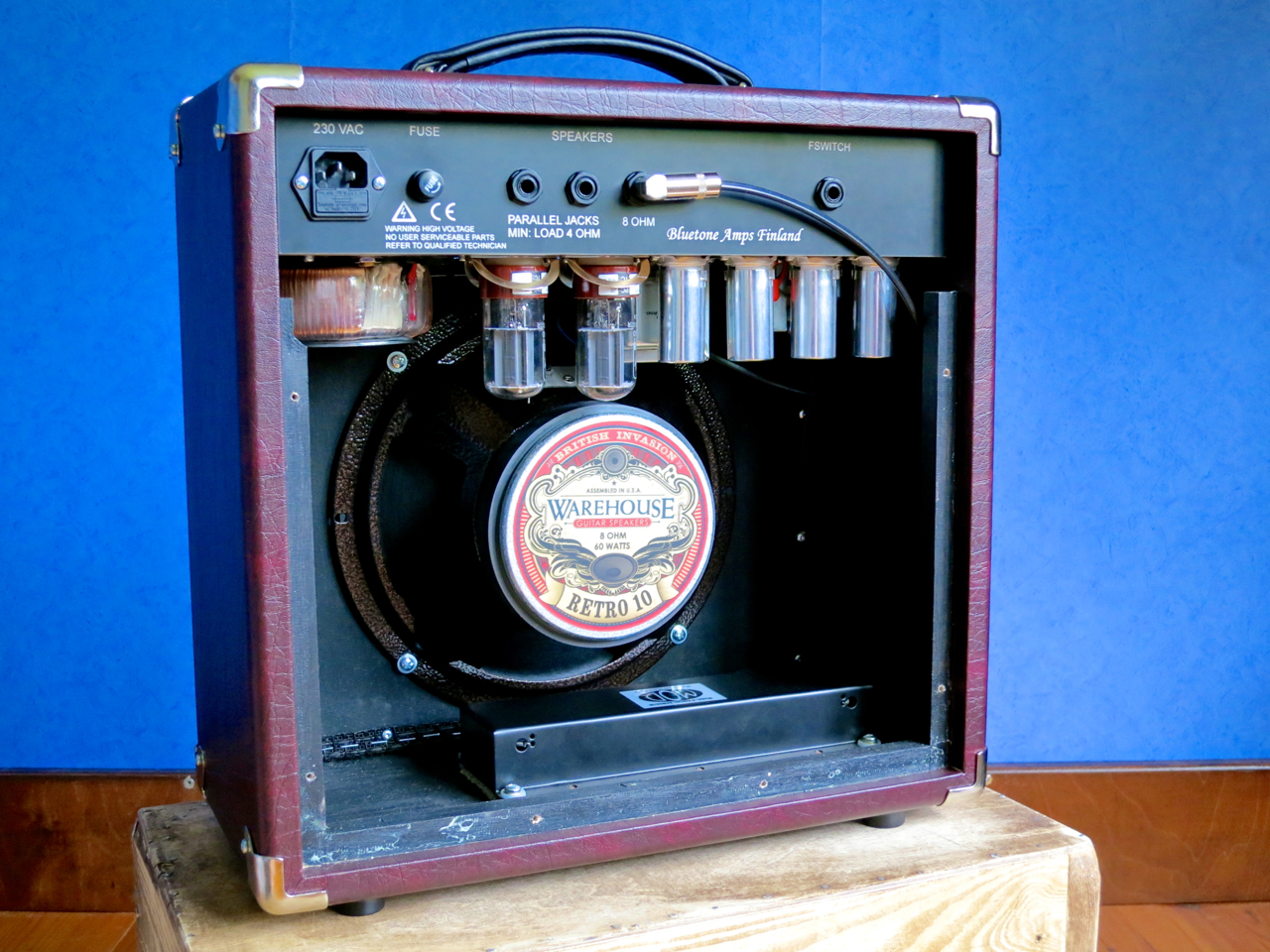
This is what the Bluetone looks like with the open back removed.
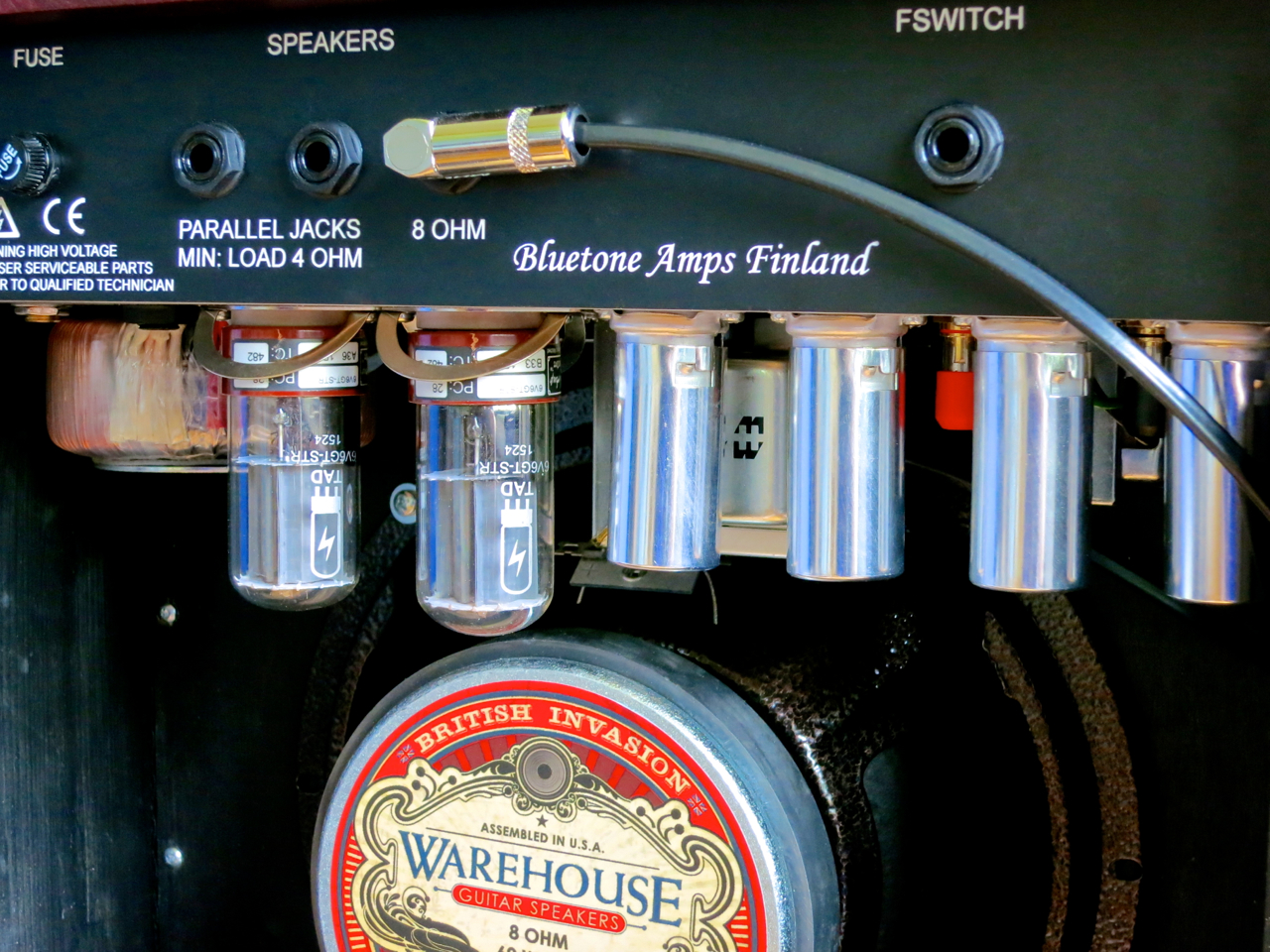
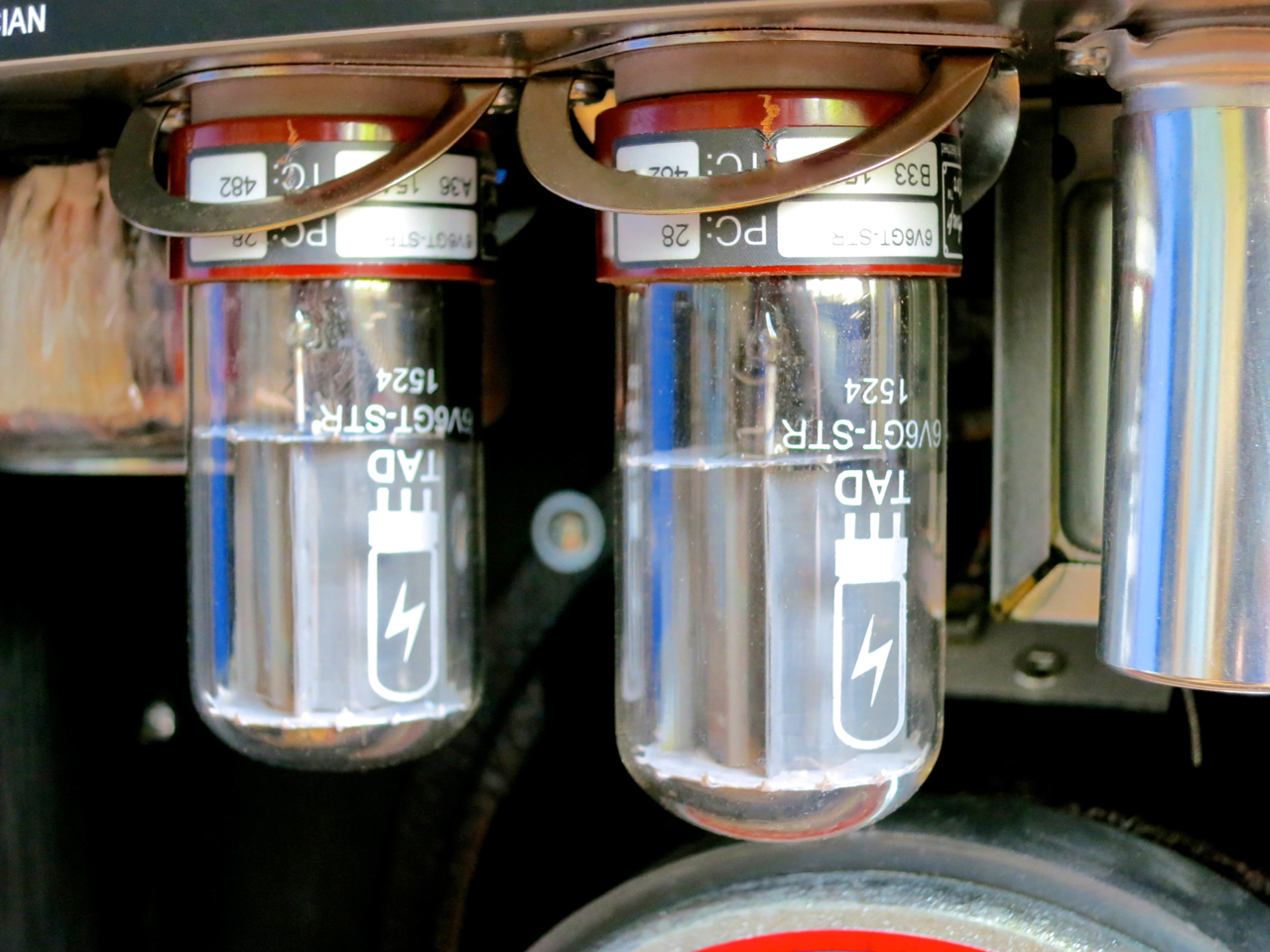
The Black Prince Reverb combo is an all-valve machine, loaded with the following tube types (from right to left):
The first 12AX7 is the combo’s preamp valve. The spring reverb circuit uses a 12AT7 and a 12AX7 valve. The 12AX7 works as the amp’s phase-inverter and tremolo tube.
The Black Prince leaves Bluetone’s workshop equipped with a pair of 6V6GT power valves, which will translate to about 20 watts of output. You can also re-bias this amp for a pair of 6L6GCs, which would boost the output to almost 30 watts.
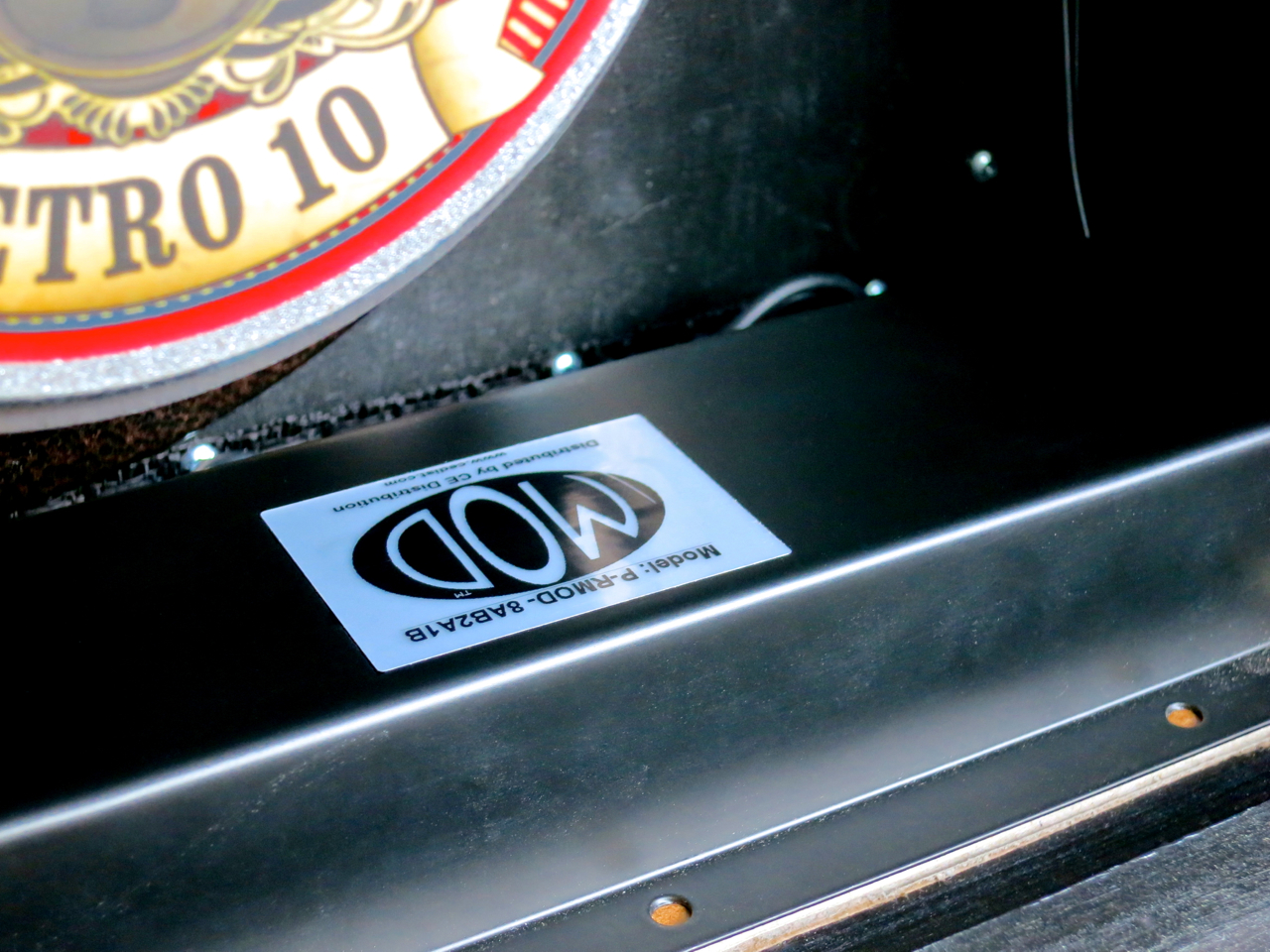
This combo’s short reverb tank is supplied by MOD.
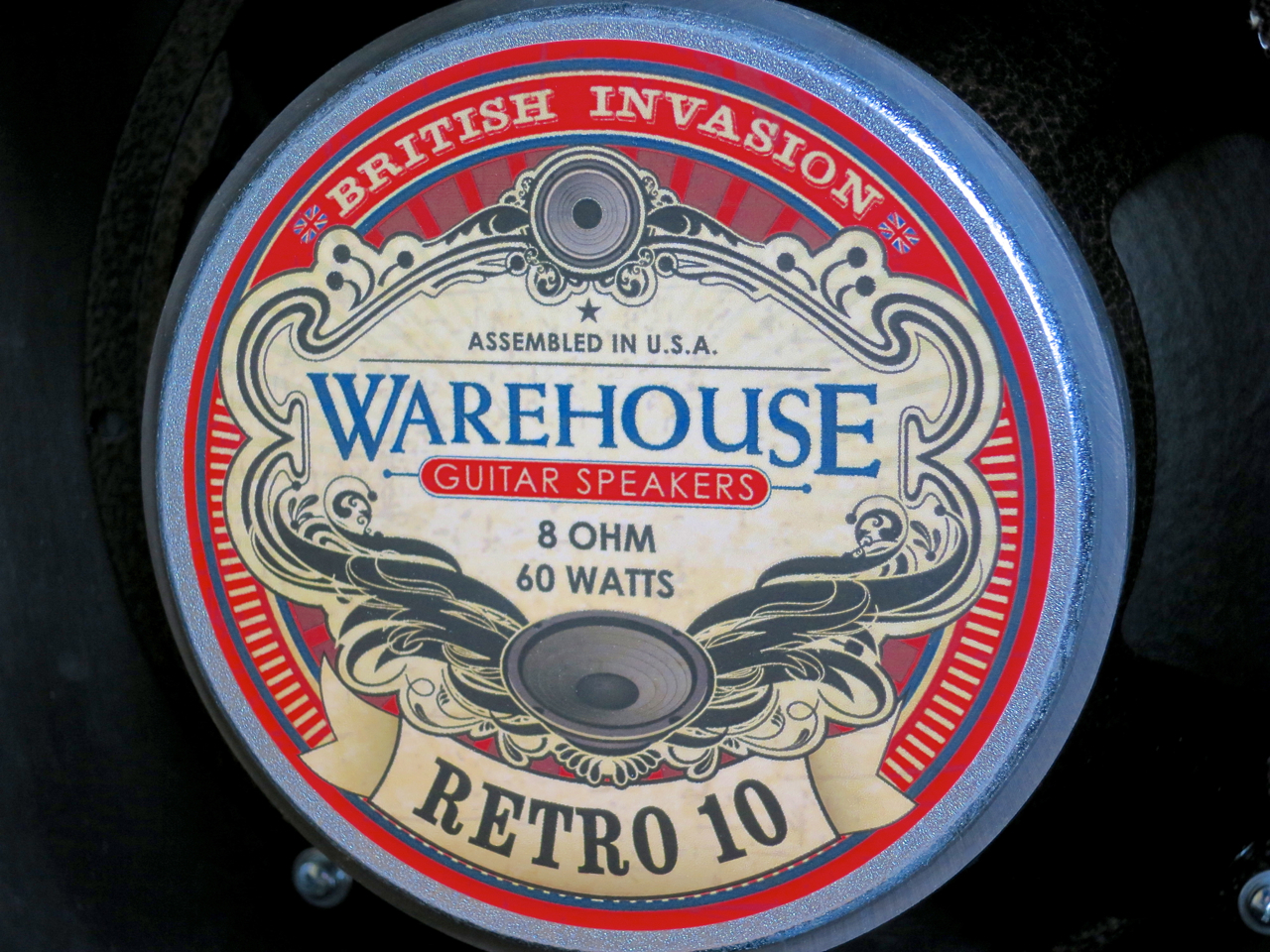
Bluetone have chosen a Warehouse Guitar Speakers Retro 10-speaker for their new combo, even though this model is distinctly different from the old Jensen speakers in vintage Fender designs.
This choice is, of course, deliberate and based upon many listening tests:
The WGS Retro, which is made to withstand far more output than this combo can deliver, keeps the Black Prince Reverb’s tones clean and dynamic under all circumstances. This speaker’s British character also makes the Bluetone-combo sound larger and fatter than you’d expect.
****
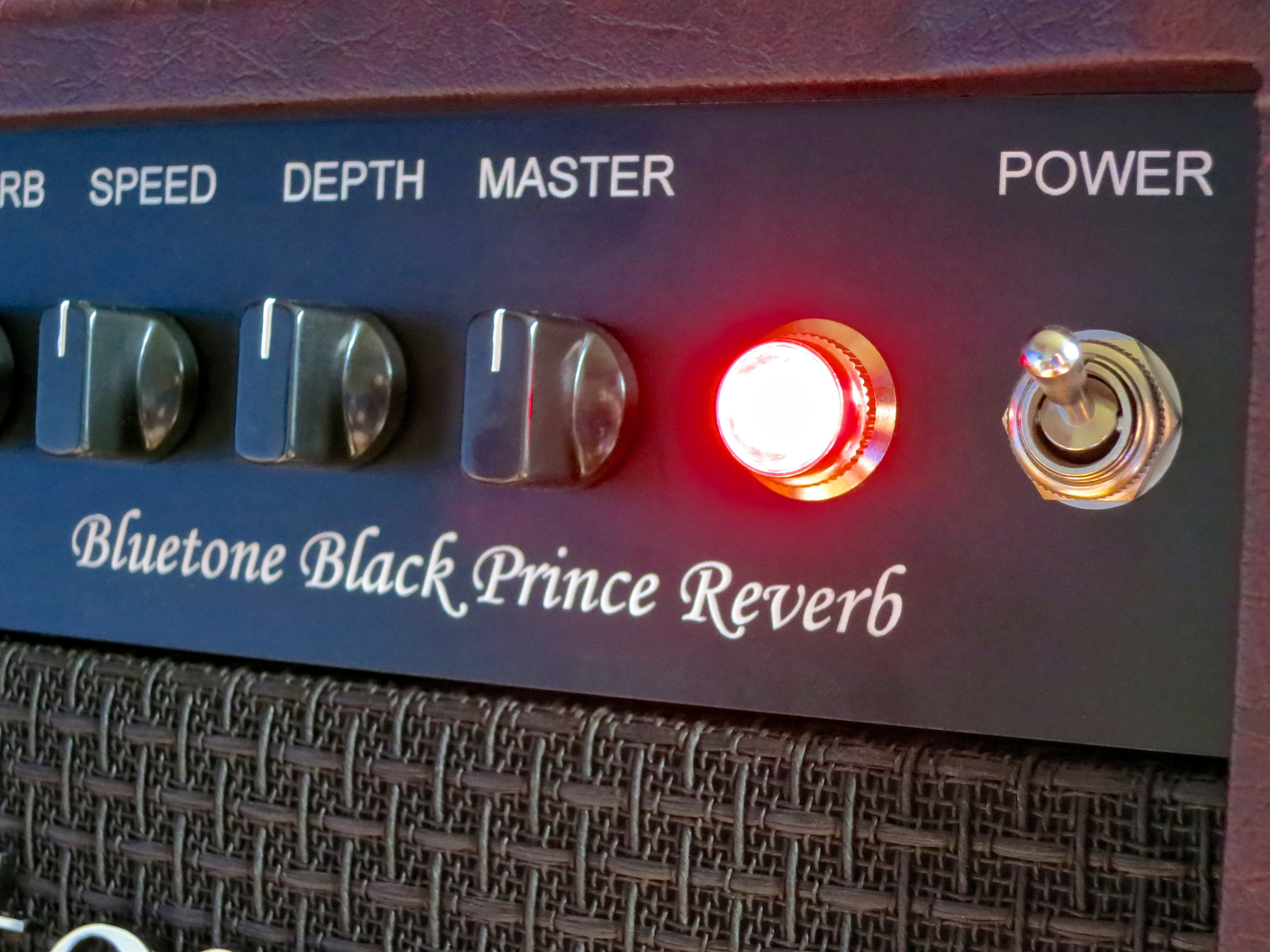
Oh, boy, this is a sound you cannot get enough of! At least in my case only a minute or two of playing the Black Prince was enough to make me consider getting myself in debt.
It’s hard to put into words what that special ingredient is, but this is what a clean electric guitar should sound like! This combo sounds clean, fresh and dynamic, but never clinical, cold or brittle. There a good dose of chime, but it doesn’t hurt your ears. The bass strings sound big, but never mushy.
The sound of the short MOD reverb tank is surprisingly dense and complex, and there’s more than enough of it to satisfy Surf Music fans. The Black Prince Reverb’s tremolo works like a treat, too, offering you anything from slow and soft to machine-gun mania.
Here’s a clip, recorded with a Fender Telecaster, gives you an idea of the Bluetone Black Prince Reverb’s dry tone, as well as its spring reverb and tremolo effects:
The Black Prince also excels in keeping your guitar’s own character intact. These three clips feature a Fender Telecaster…
…an Epiphone Casino…
…and a 1970s Japanese ”lawsuit” copy of a Gibson ES-335:
This combo’s fantastic clean tone is a fantastic platform for pedal addicts. The demo track was recorded using an analogue chorus pedal, a tube screamer-type overdrive, as well as the amp’s built-in reverb and tremolo.
The rhythm parts were played on a Fender Stratocaster, while the lead was played on a Hamer USA Studio Custom:
****
In my view, Bluetone’s Black Prince Reverb is a top-drawer choice as a combo for use at home or in the studio. It’s also great for smaller gigs, when too much noise on stage can be a problem, or you can mike it up for larger venues.
The Black Prince Reverb is a nicely compact boutique-grade valve combo offering fantastic cleans, as well as fine reverb and tremolo effects.
This amp hasn’t been spoiled by unnecessary ”tube voodoo” or distracting graphic. I’m all for the clean and understated looks this Bluetone has to offer!
This is a handmade, Finnish boutique combo, offered at a very fair price.
****
Bluetone Black Prince Reverb
1.500 €
Contact: Bluetone Amps
****
Pros:
+ value-for-money ratio
+ handmade in Finland
+ workmanship
+ fine spring reverb and valve tremolo
+ sound
+ master volume-control
Review: Blackstar Artist 15
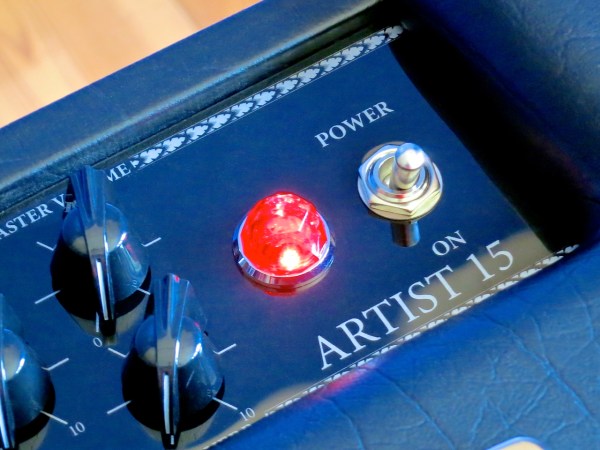

In a way Blackstar Amplification’s new Artist Series breaks new ground for the British amp maker.
Until now most of Blackstar’s designs were based on the typically British tones of EL34 and EL84 power tubes, often associated with Marshall designs.
The new Artist combos feature power amps built around 6L6 valves, as used in many of Fender’s classic designs. According to Blackstar the new Artist amps are designed to combine the best bits of the typically British Class A tone (with two ECC83s in the preamp section) with the dynamic range and chiming top end of a 6L6 power section.
Kitarablogi.com was given the opportunity to take the smaller Artist model – the Blackstar Artist 15 (current price in Finland: 799 €) for a spin.
****

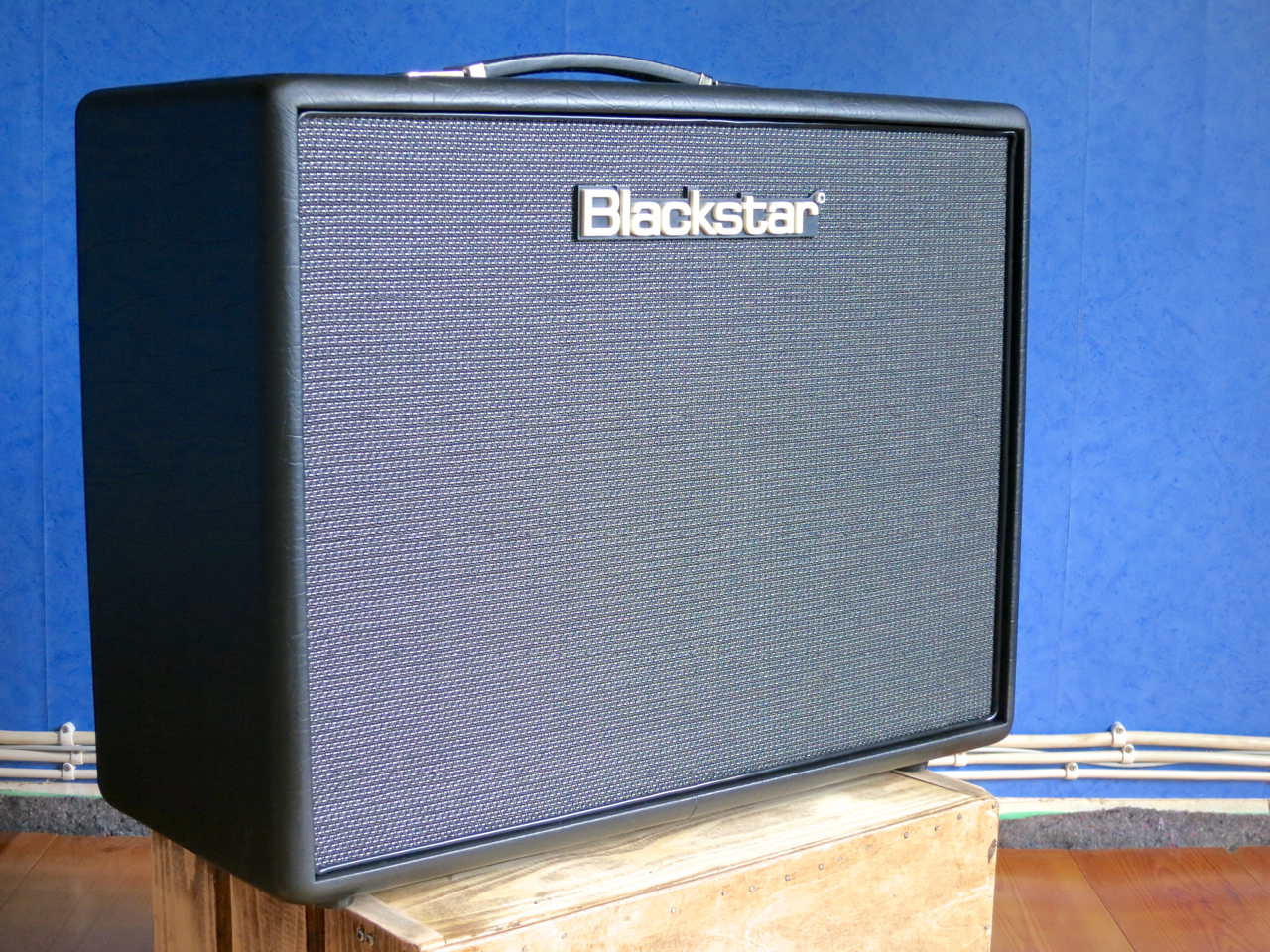
The Blackstar Artist 15 looks like a typical Blackstar combo – black vinyl covering and a dark grey grille cloth.
For a combo that comes equipped with a single 12-inch speaker the amp’s cabinet is rather large. The reason for the cabinet’s size becomes clear when you look at the Artist 15 from behind.
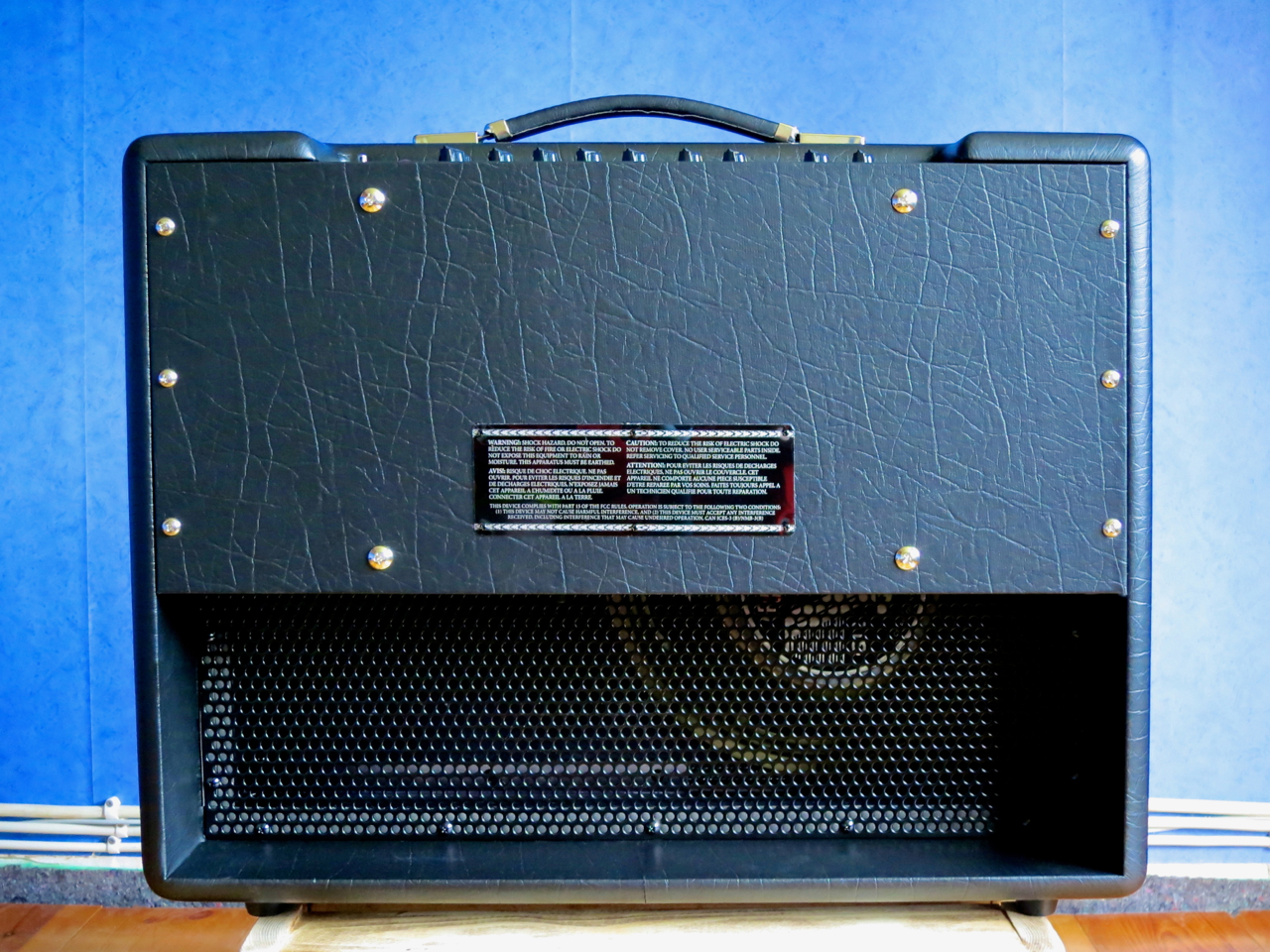
The combo’s Celestion V-Type G12-speaker has been placed deliberately to one side of the combo. Blackstar doesn’t tell us exactly why this configuration has been chosen, but I’d wager that the idea behind this is to harness the benefits of a large, stiff front baffle and a larger cabinet – namely: a crisp attack, and a warm, full bottom end.

Celestion’s V-Type comes loaded with a ceramic magnet. According to Celestion this speaker combines a classic tonality with a modern power rating.

The Blackstar’s back panel sports a whole array of connectors for things such as external speaker cabinets, a speaker-emulated line out, an effects loop, as well as the channel footswitch that comes with the amp.
****

Blackstar’s Artist 15 is rated at 15 watts of output and features two preamp channels:
Channel 1 is the so-called boutique channel, designed to put the least possible amount of components between your guitar and the speaker. This channel sports only two controls – Volume and Tone – before the signal is sent on to the master section.
Channel 2 gives you the full Blackstar-experience – you’ll find separate Gain and Volume knobs, a three-band EQ section, as well as Blackstar’s proprietary ISF-control. Setting the ISF knob to zero will result in bright and sinewy Fender Blackface-style sounds, while ISF at full on will give you muscular, Marshall-type tones from this channel.
In addition to the Master Volume control, the Artist 15’s master section also includes the level control for the combo’s very nice digital reverb.
Channel 1 clearly has a much rounder and warmer basic tonality than the (more versatile) second channel. With clean settings Channel 1 will give you a fuller mid-range compared to the more Fender-like, chimey Channel 2.
Here’s what Channel 1 sounds like played clean with an Epiphone Casino (first clip) and a Gibson Melody Maker SG (second clip):
…and here’s Channel 2 played with the same guitars:
The Artist 15’s channels also differ in the amount of gain they offer:
Channel 1 will take you from clean all the way to Rockbilly-style breakup and traditional Blues overdrive, while Channel 2 offers more than enough dirt for chunky Rock tones.
Here’s Channel 1 at full gain (Casino and Melody Maker SG):
…and here are two clips of Channel 2 with Gain full up:
The rhythm guitar tracks on the demo song have been recorded with a 1970s Japanese ES-335 copy (made by Kasuga; left channel) and a maple-necked Fender Stratocaster (right channel). The lead is played on the Kasuga:
****
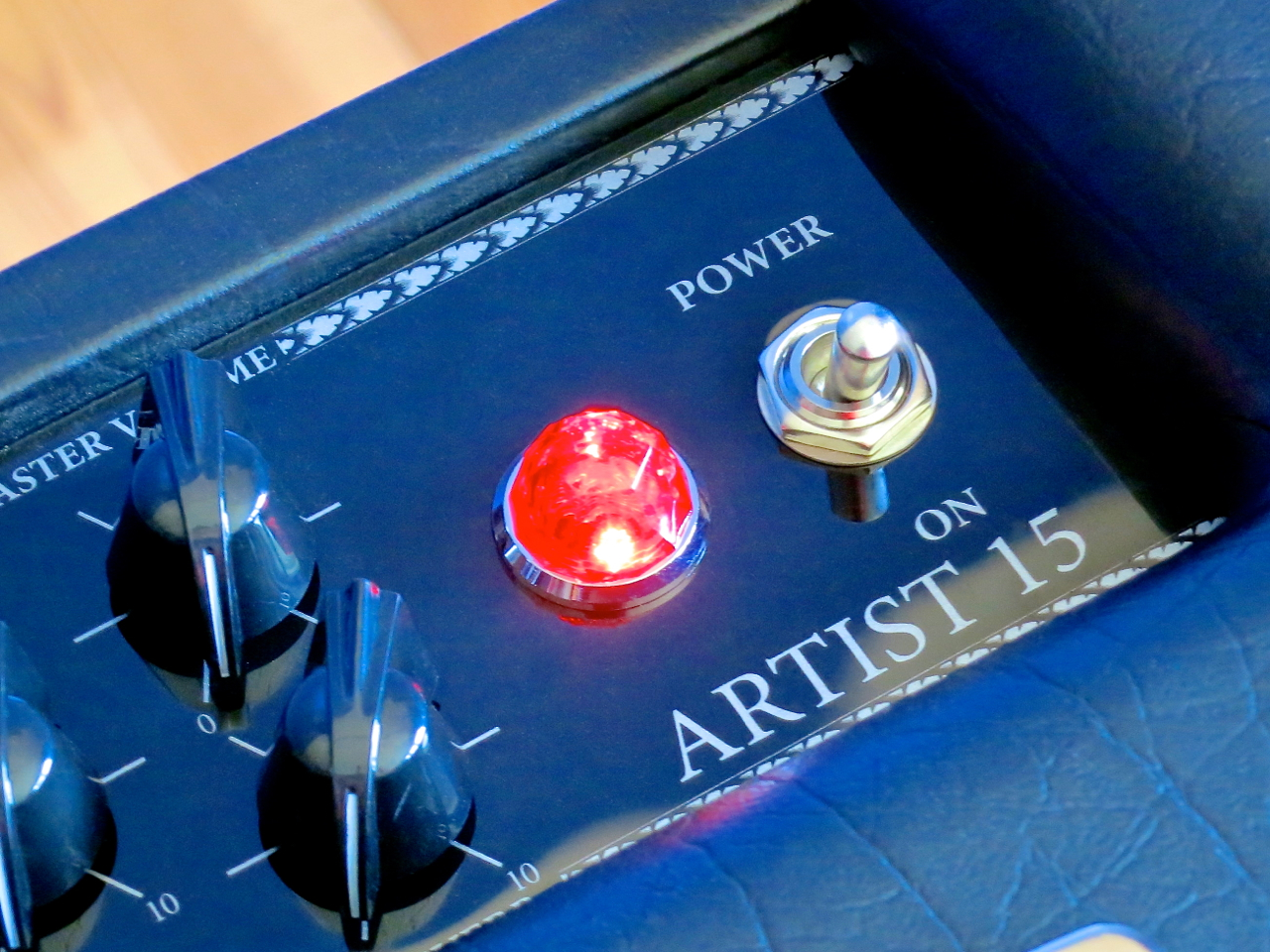
The new Blackstar Artist 15 isn’t your typical two-channel combo, which offers you a clean channel and a dirty channel. This is a valve amp that’s all about choices and flexibility.
Blackstar have noticed that pedalboards are becoming en vogue again, which is why their new Artist combos offer enough headroom for clean tones in both of their two channels.
For pedal users the big advantage of the Artist 15’s architecture lies in the fact that the combo offers two high-quality clean variants in the same amp. Channel 1 is a back-to-basics boutique-/AC30-style channel, while Channel 2 offers a much broader range of clean tones, all the way from Fender to modern Marshall.
Of course, you’re free to use the Blackstar Artist 15 in the traditional channel-switching fashion, too, which will give you a top-notch clean sound from Channel 1, and a very versatile array of quality overdriven and distorted tones from Channel 2.
Either way – the Blackstar Artist 15 hits bull’s-eye, in my opinion, and I can only recommend checking one out for yourselves.
****
Blackstar Artist 15
799 €
Finnish distribution: Musamaailma
Pros:
+ workmanship
+ clean headroom
+ versatile amp sound
+ great reverb
 Kitarablogi.com – Finland's premier Guitar and Bass blog