
Tiedustelut/Enquiries: Guitarworx
Kitarablogi.com – Finland's premier Guitar and Bass blog
Juttuja kitaroista ja bassoista

Tiedustelut/Enquiries: Guitarworx

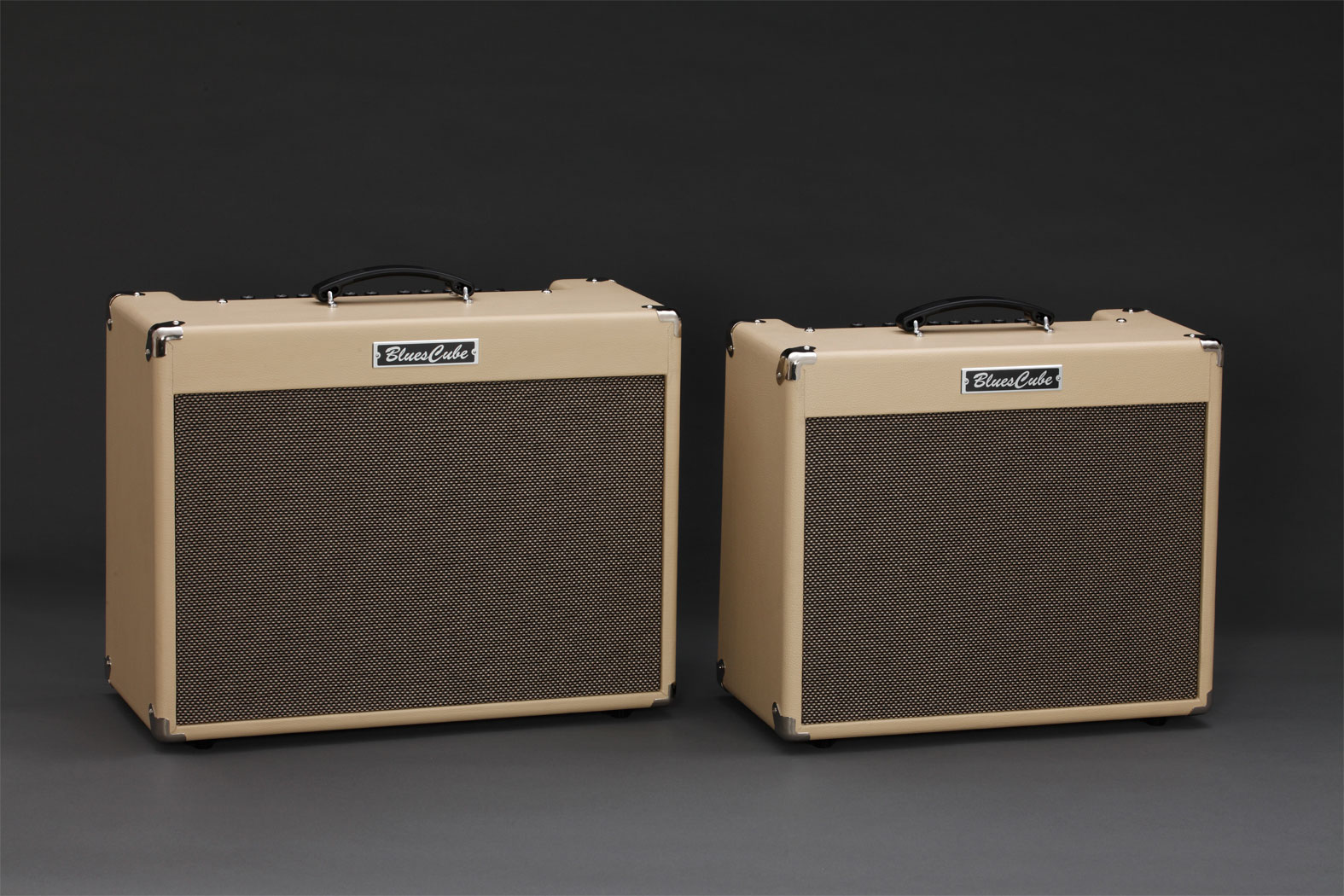
Eric Johnsonin legendaariset soundit voi nyt saada Roland Blues Cube -vahvistimiin.
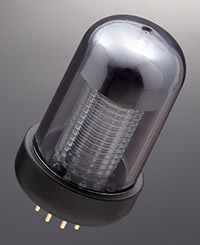
Uusi EJ Tone Capsule -moduuli kiinnitetään yksinkertaisesti vahvistinputken lailla vahvistimeen. Tämän jälkeen teksasilaisen Blues-mestarin soundimaailma on myös toisten kitaristien ulottuvilla.
Maahantuoja: EM Nordic


NAMMissa esitelty Ampeg SCR-DI on firman uusin DI-boksi bassolle.
SCR-DI:ssä on aidon Ampeg-EQ:n lisäksi myös uusi Scrambler-bassosärö, jolle luvataan saturoidun Ampeg-stäkin soundia ja kompressiota.
Ampeg SCR-DI toimii myös harjoitusvälineenä, sillä DI-boksiin on lisätty kaksi Aux-tuloa, sekä kuulokevahvistin.
Maahantuoja: Soundtools

****

Vuorensaku is a guitar maker from the Finnish town of Jyväskylä. Luthier-Artisan Saku Vuori repairs and builds all types of string instruments. Vuorensaku also winds his own brand of custom pickups.
When it comes to handcrafted instruments, Vuorensaku isn’t relying on any specific range of models, instead this is a true custom workshop which makes one-offs according to its customers’ wishes.
Saku Vuori is a member of The Guild of Finnish Luthiers.
****

Saku sent us a recently finished solidbody electric for review – a very cool crossbreed of a Seventies Fender Telecaster Deluxe and a Fifties Gibson ES-5 Switchmaster. Vuorensaku’s guitars usually are designated by their serial number only, but for the sake of simplicity I will name this instrument the ”Vuorensaku T-Style Custom”.

The T-Style Custom has been crafted from quality tonewoods:
The bolt-on neck has been carved from a piece of lightly flamed Canadian hard rock maple, and it features an Indian rosewood fretboard. The bound-top body consists of two pieces of very lightweight African mahogany. The centre glue line is virtually impossible to make out, thanks to Vuorensaku’s extremely crisp workmanship.

The Vuorensaku’s nut is crafted from genuine moose bone.
The fretboard comes with a modern, bend-friendly radius (9.5″) and sports 21 medium-sized stainless steel frets.
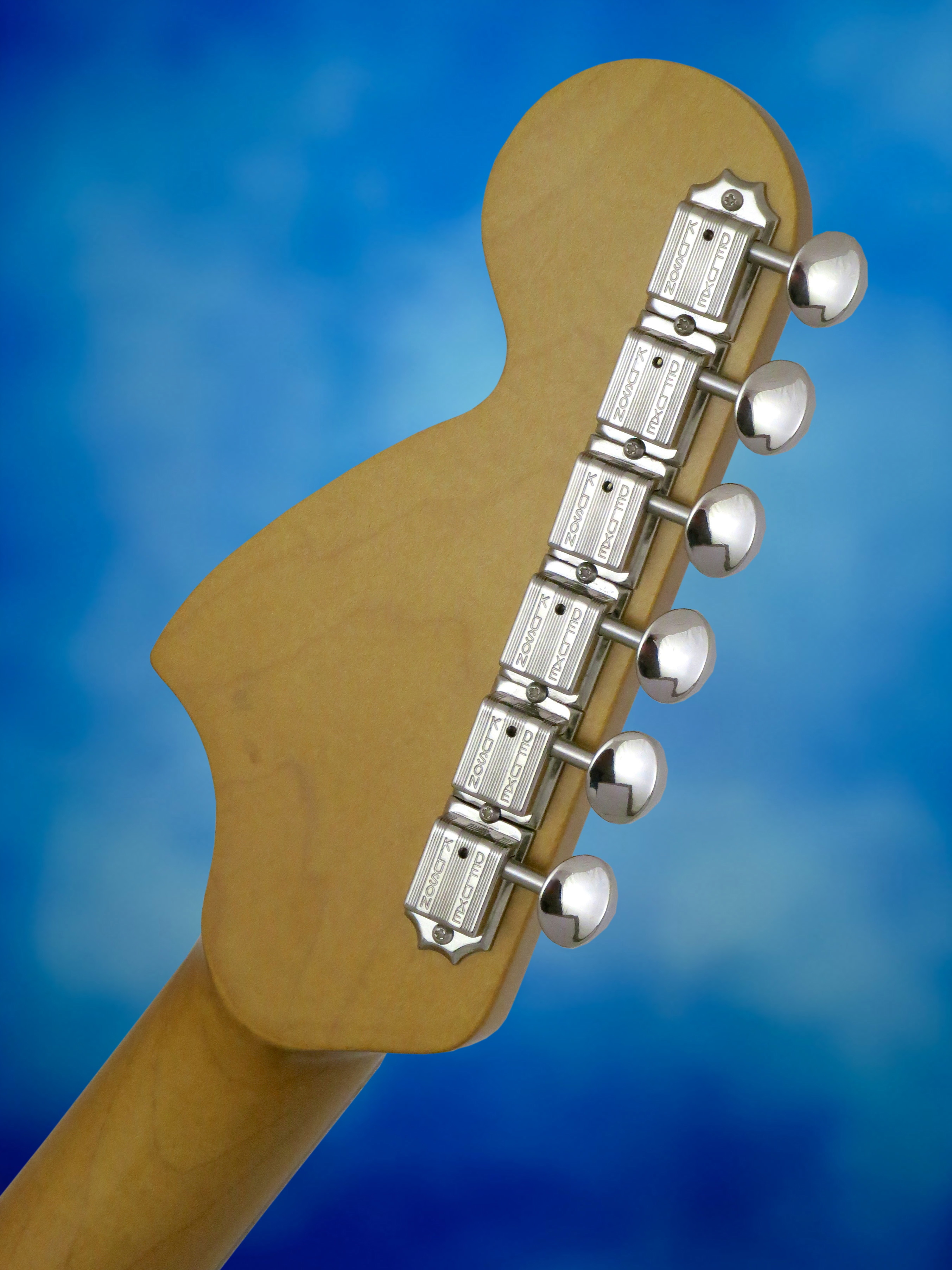
The T-Style Custom’s updated Kluson Deluxe-tuners may have that famous vintage look, but they work much more smoothly than their forebears from the 1950s.

The neck joins the body in time-honoured fashion, using four wood screws and a rectangular steel plate.
Thanks to the T-Style Custom’s satin nitro-finish this instruments simply oozes with natural elegance, feeling very friendly to the touch.

Kluson’s fantastic Half-Size Tele-bridge is a clever way of bringing genuine Tele Twang to non-Tele guitars, as well as making it possible to use this type of bridge in combination with different bridge pickups.
Many guitarists still favour the (almost archaic) three-saddle Telecaster-bridge for its gorgeous tone, especially when it comes with three brass saddles (like this Kluson does). The threads for the intonation screws on the T-Style Custom’s bridge have been deliberately cut at an angle to improve the guitar’s intonation.
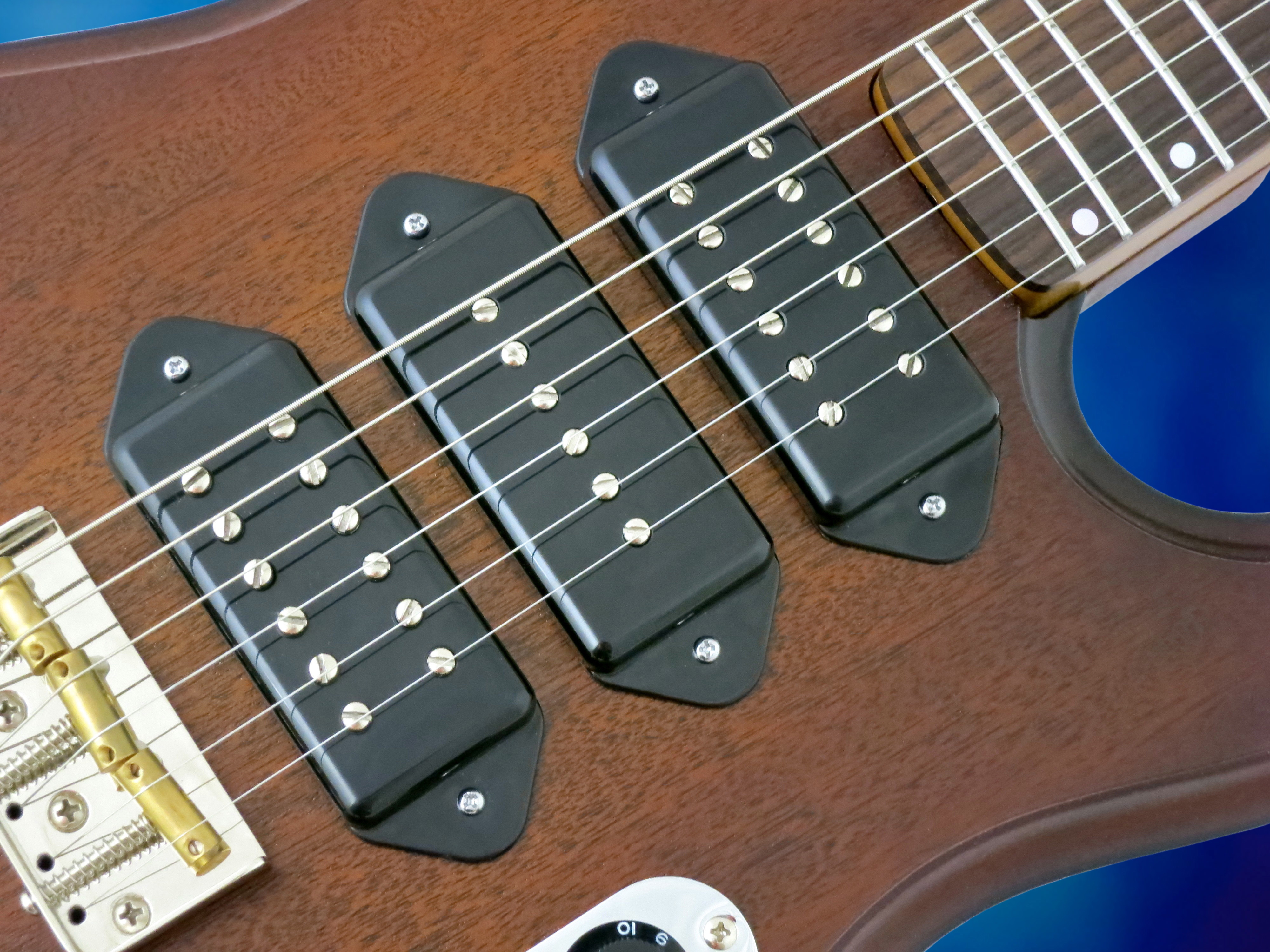
Vuorensaku’s customer specified three Dog Ear-pickups for his dream guitar, so a set of said pickups was sourced from another Finnish maker – Rautia Guitars from Joensuu.
Veijo Rautia’s Dog Ear-set comprises a pair of splittable humbuckers for the neck and bridge positions, as well as a P-90-type singlecoil in the middle.

The control panel has been turned the ”wrong” way around to facilitate easy master volume access.
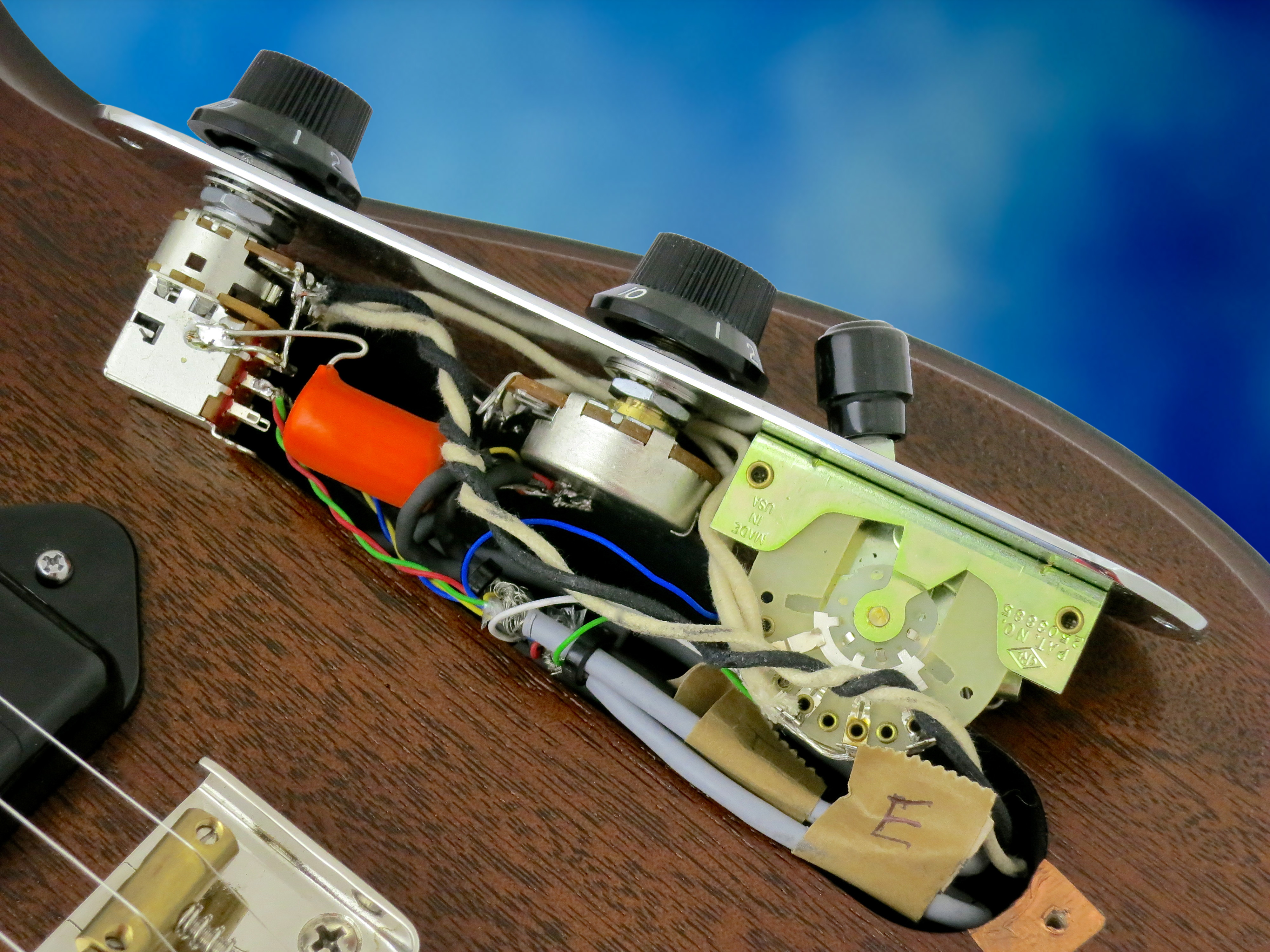
Ingeniously, Saku Vuori has managed to fit all the necessary components into the guitar’s small traditional Tele control cavity:
The volume control comes equipped with a push/pull-switch for splitting the humbuckers. The five-way blade switch works like on a Fender Strat. As you can easily see from the photo the workmanship is very clean and the components are of top quality.
****
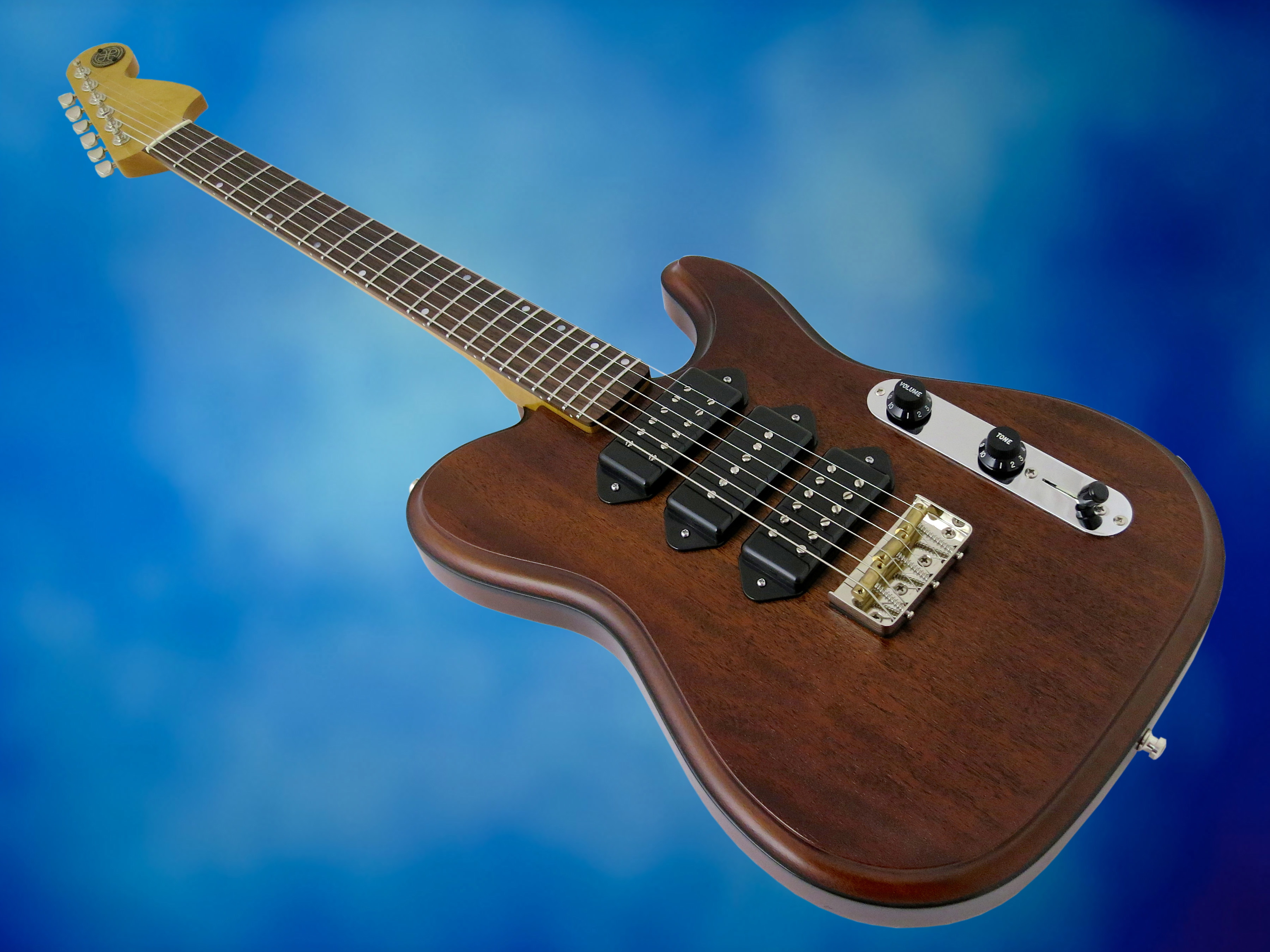
The Vuorensaku T-Style Custom scores top marks for workmanship and playability! Handmade instruments of such high calibre always possess that little something extra, a special feel that is nigh on impossible to find in a mass-produced guitar.
The T-Style Custom is a lightweight instrument. With a slippery nylon strap you might even notice a hint of neck-heaviness, but nothing a nice leather strap couldn’t get to grips with easily.
The fat C-profile of this Vuorensaku’s neck is just what the doctor ordered. The combination of this profile with the modern fretboard radius and the gorgeous fretwork, makes for a fantastic playing feel that’s fast and easy to control. The setup was superb with a set of 010s and a low action (low-E: 2.1 mm/high-e: 1.5 mm).
Acoustically, the Vuorensaku sounds just like the prime exponent of a Fender-type guitar it is – open and ringing.
Played amplified, the T-Style Custom offers a broader, much more diverse picture, which isn’t really surprising, as the Vuorensaku comes equipped with a completely different set of pickups, compared to your run-of-the-mill Tele. The guitar’s three pickups, five-way switch, and humbucker split gives you a very cool selection of different Gibson- and Fender-style tones.
I love this Vuorensaku to bits, but I found a small point to moan about, too. The bridge pickup’s signal level is noticeably weaker than that of the neck pickup. This isn’t due to any shoddy workmanship, though, but rather down to the Dog Ear-type of pickup mounting, and a phenomenon many Gibson- and Epiphone-owners are well aware of. It’s very hard for a reviewer to criticise a custom-ordered guitar, because there’s always the possibility that the guitar was meant to perform in this way. Still, if this were my instrument, I’d ask Saku Vuori to add a small plastic shim (1.5-2 mm) beneath the bridge pickup to raise it closer to the strings.
The Rautia Guitars Dog Ear-set sounds fantastic. Thanks to the moderate output of the humbuckers, there’s never any danger of the sound getting mushy or ill-defined. The ’buckers also sound great in split-mode, and combining the two humbuckers with a rude-sounding P-90 in the middle position can only be described as a stroke of genius.
This clip gives you an idea of the guitar’s sounds with the humbuckers split (starting with the neck pickup):
Here we have a similar clip featuring the full humbuckers:
And to round it off, here’s the audio from the You Tube-video:
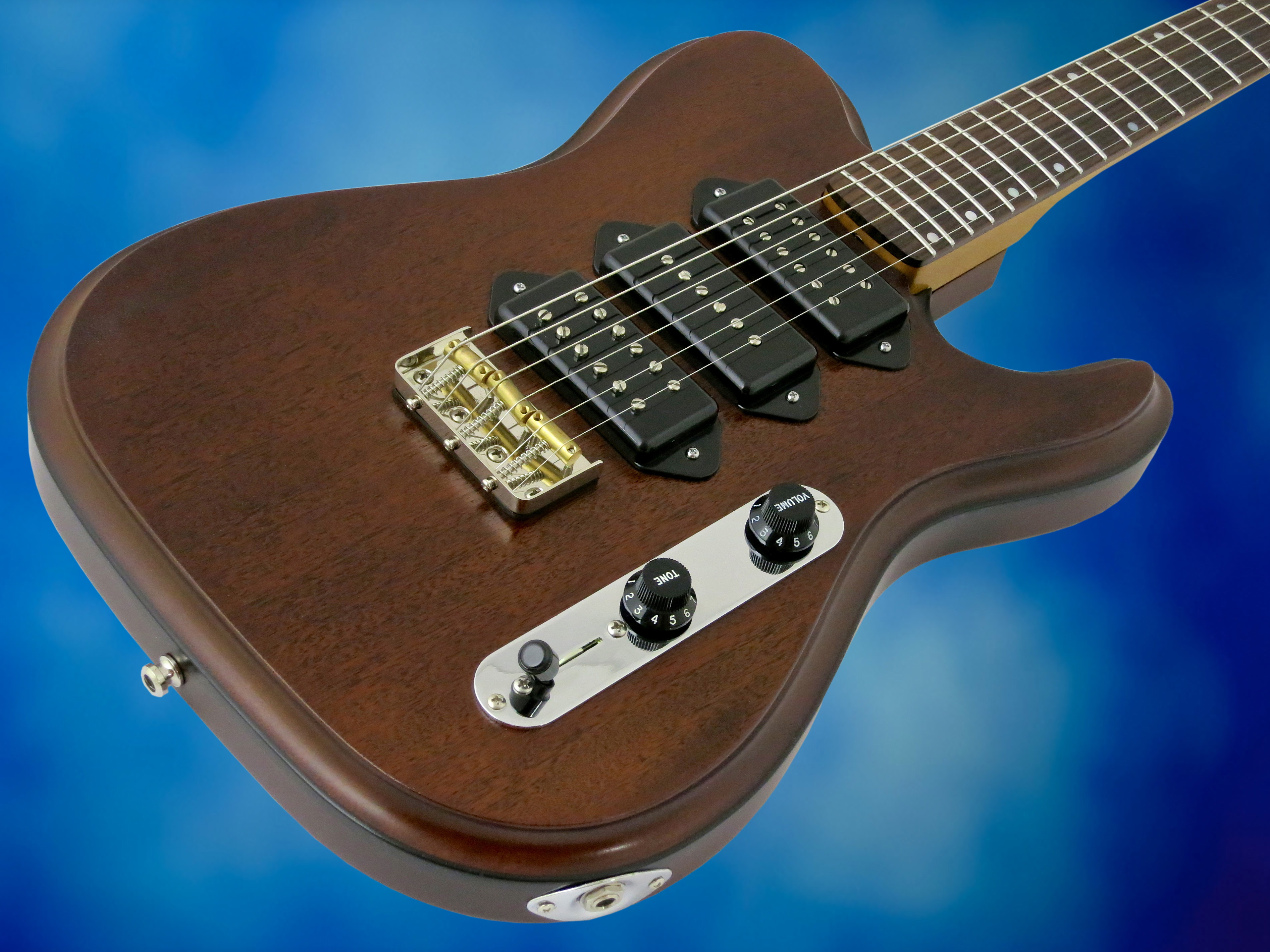
What a guitar! The Vuorensaku T-Style Custom is another excellent example of the fantastic quality of Finnish guitar-making. Too bad the owner wants his guitar back…
****
Vuorensaku T-Style Custom
Price range for a similar guitar: 2,500 – 3,000 €
A big ”thank you” goes to the promoter of the Rockkaamo Festival, Mr Jani Savolainen, for the loan of his guitar!
Pros:
+ Made in Finland
+ handcrafted
+ workmanship
+ playability
+ sound
Cons:
– balance between neck and bridge pickup


****
Vuorensaku on yhden miehen soitinpaja Jyväskylästä. Kielisoitinartesaani Saku Vuori korjaa ja rakentaa kaikenlaisia kielisoittimia. Tämän lisäksi Vuorensakulta saa myös käsintehtyjä kitaramikrofoneja.
Vuorensakulla ei ole valmista mallistoa, vaan yritys on aito custom-paja, jossa soittimet syntyvät käsityönä asiakkaiden toiveiden mukaan.
Saku Vuori on Suomen Soitinrakentajien Killan jäsen.
****
Sain Sakulta testiin hiljattain valmistuneen sähkökitaran, joka on erittäin puoleensavetävä yhteentörmäys 1970-luvun Telecaster Deluxesta ja 50-luvun Gibson ES-5 Switchmasterista. Soittimella ei ole virallista nimeä (vaan ainoastaan sarjanumero), mutta kutsun sitä tätä testiä varten Vuorensaku T-Style Customiksi.
T-Style Customin perustana toimivat laadukkaat soitinpuut:
Ruuvikaula on veistetty miedosti liekehtivästä kanadalaisesta vaahterasta, ja otelauta on intialaista ruusupuuta. Kitaran reunalistoitettu runko taas on tehty hyvin kevyestä afrikkalaisesta mahongista. Runko on tehty kahdesta vierekkäisestä palasta, mutta liimasaumaa on miltei mahdoton havaita – erittäin tarkkaa työtä siis.
Vuorensakun satula on valmistettu aidosta hirvenluusta.
Otelaudan radius on nykyaikainen (9,5 tuumaa), ja siihen on asennettu 21 keskikokoista nauhaa ruostumattomasta teräksestä.
T-Style Customin nykyaikaisissa, kromatuissa Kluson Deluxe -virittimissä on vintage-tyylinen ulkonäkö, mutta ne toimivat huomattavasti sulavammin kuin 1950-luvun alkuperäiset painokset.
Tässä kitarassa käytetään perinteistä Fender-kaulaliitosta neljällä puuruuvilla ja suorakulmaisella teräslevyllä.
T-Style Customin mattapintaisen nitrolakkaviimeistelyn ansiosta soitin näyttää (ja tuntuu) erittäin orgaaniselta ja aistikkaalta.
Klusonin loistava Half-size Tele -talla mahdollistaa perinteisen Telecaster-tallan yhdistämistä muihin soitintyyppeihin tai mikrofoneihin.
Monien kitaristien mielestä alkuperäinen Telecaster-talla kolmella messinkitallapalallaan on soundillaan yhä paras talla sähkökitaralle. T-Style Customin Kluson-tallassa tallapalojen kierteet on leikattu tahallaan vinosti, mikä auttaa kitaran intonaatiossa.
Vuorensakun asiakas toivoi omaan kitaraansa kolmen mikrofonin Dog Ear -setin, ja sellainen löytyi toisen suomalaispajan, joensuulaisen Rautia Guitarsin, valikoimasta.
Veijo Rautian mikrofonisettiin kuuluu kaksi puolitettavaa humbuckeria (kaula- ja tallamikki), sekä yksikelainen P-90 (keskimikki).
Käännetty paneeli helpottaa pääsyä volume-potikkaan.
Saku Vuori on onnistunut mahduttamaan kaikki komponentit perinteisen (ahtaan) Tele-koloon:
Volume-potikkaan on piilotettu nostokytkin humbuckerien puolitusta varten. Viisiasentoinen kytkin taas toimii Strato-tyylisesti. Kuten kuvastakin näkyy, työnjälki on erittäin siisti ja käytetyt osat erittäin laadukkaita.
****
Vuorensaku T-Style Custom -kitaran työnjälki ja soitettavuus on ensiluokkaista. Huippulaadukkaassa käsintehdyssä soittimessa on aina ”se jokin”, mikä on miltei mahdoton löytää suuren sarjatuotannon kitaroista.
T-Style Custom on hyvin kevyt soitin. Erittäin kevyen mahonkirungon takia on jopa huomattavissa lievä taipumus kaulapainoisuuteen liukkaan nylonhihnan kanssa. Nahkahihna tekee tästä taipumuksesta kuitenkin tehokkaasti lopun.
Tämän Vuorensakun lihaksikas kaulaprofiili (iso C) on juuri minun makuun. Yhdessä 9,5-tuumaisen otelautaradiuksen ja huipputrimmattujen teräsnauhojen kanssa, tästä muodostuu erittäin nopea ja tarkka soittoalusta. Kitara saapui testiin hyvin mukavassa trimmissä (matala E-kieli: 2,1 mm/korkea e-kieli: 1,5 mm).
Vuorensakun akustinen klangi on – yllätys, yllätys – hyvin Fender-mainen ja avoin.
Vahvistimen kautta soitettuna T-Style Custom -kitaran luonne eroaa luonnollisesti rivi-Telestä, koska Vuorensakun mikrofonivarustus on erilainen. Kolmen mikin, viisiasentoisen kytkimen ja humbuckerien puolituksen yhteispelistä saa yhdeksän hienoa laatusoundia Gibsonin ja Fenderin soundimaailmoista.
Pidän tästä Vuorensakusta kovasti, mutta löysin kuitenkin myös yhden kritiikkikohdan – tallamikrofoni on hieman hiljaisempi kuin kaulamikki. Tämä ei kuitenkaan ole laatuvika, vaan dog ear -kiinnitykseen liittyvä – ja monelta vanhalta Gibsonilta ja Epiphonelta tuttu – ongelma. Asiakkaan toiveiden mukaan tehtyä custom-soitinta on hyvin vaikea kritisoida tällaisissa asioissa, koska voi hyvinkin olla, että kitaraa on tarkoitettu juuri tällaiseksi. Jos tämä olisi minun soitin, pyytäisin kuitenkin tallamikrofonin alle noin kahden millin paksuisen muovilevyn, jolla koko tallamikrofonia saisi nostettua lähemmäs kieliä.
Rautia Guitars Dog Ear -setin soundi on vallan mainio. Humbuckereiden maltillisen tehon ansiosta soundi ei mene koskaan tukkoon. Mikrofonit kuulostavat hyviltä myös puolitettuina. Yksikelainen P-90-mikrofoni sopii soundiltaan ja teholtaan loistavasti settiin.
Tässä on audiopätkä kitaran soundivaihtoehdoista, silloin kun humbuckerit on puolitettu (alkaa kaulamikrofonilla):
Ja tässä samankaltainen pätkä täysillä humbuckerilla:
Lopuksi vielä You Tube -videon ääniraita:
Oli todella suuri ilo saada tutustua tähän Vuorensaku-kitaraan. Tämä soitin on jälleen yksi loistava esimerkki suomalaisen soitinrakennustaidon erittäin korkeasta tasosta. Valitettavasti minun on pakko palauttaa tämä kitara…
****
Vuorensaku T-Style Custom
hintaluokka noin 2.500 – 3.000 €
Suuri kiitos Rockkaamo-festivaalin pääpromoottorille Jani Savolaiselle kitaran lainaamisesta!
Plussat:
+ kotimainen
+ käsintehty
+ työnjälki
+ soitettavuus
+ soundi
Miinukset:
– kaula- ja tallamikrofonin keskenäinen balanssi


Ensi viikolla testissä – Vuorensaku T-Style. Kyseessä on käsintehty, suomalainen sähkökitara Jyväskylästä. Vuorensakun runko on veistetty afrikkalaisesta mahongista (khaya ivorensis), kun taas kaula on tehty kanadalaisesta vaahterasta ja otelauta intialaisesta ruusupuusta. Mikrofonit tulevat Joensuusta – kitarassa on Rautia Guitarsin Dog Ear -setti.
****
Here’s a short preview of the Vuorensaku T-Style which has just come in for review: This is a handmade Finnish electric guitar. The Vuorensaku’s sculpted body has been crafted from African mahogany (khaya ivorensis), while its Canadian rock maple neck is capped with an Indian rosewood fretboard. This classy guitar sports a dog ear set made by Finnish pickup specialists Rautia Guitars.


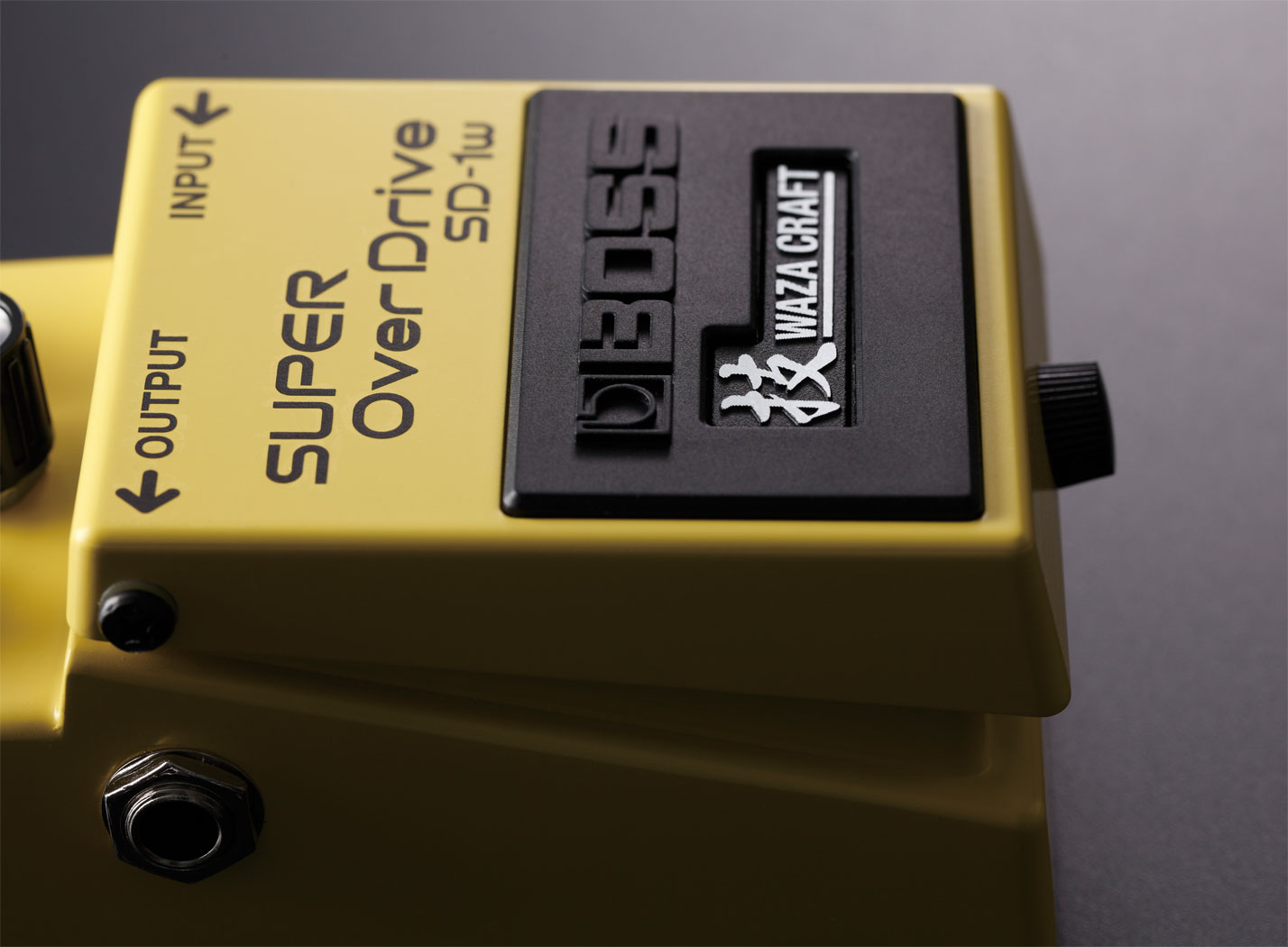
Boss’ Waza Craft pedals are the company’s brand-new all-analogue, top-of-the line compact effects. The Waza Craft range has been designed to give the quality-conscious guitarist the full boutique-pedal experience in the well-loved Boss format.
The Japanese word ”waza” can be translated as art, artistry or technology, and hints at the fact that the three new pedals (the overdrives reviewed here, plus the DM-2W delay) are a return to old-school, all-analogue circuitry, and that the effects are factory-modded for your convenience.
****
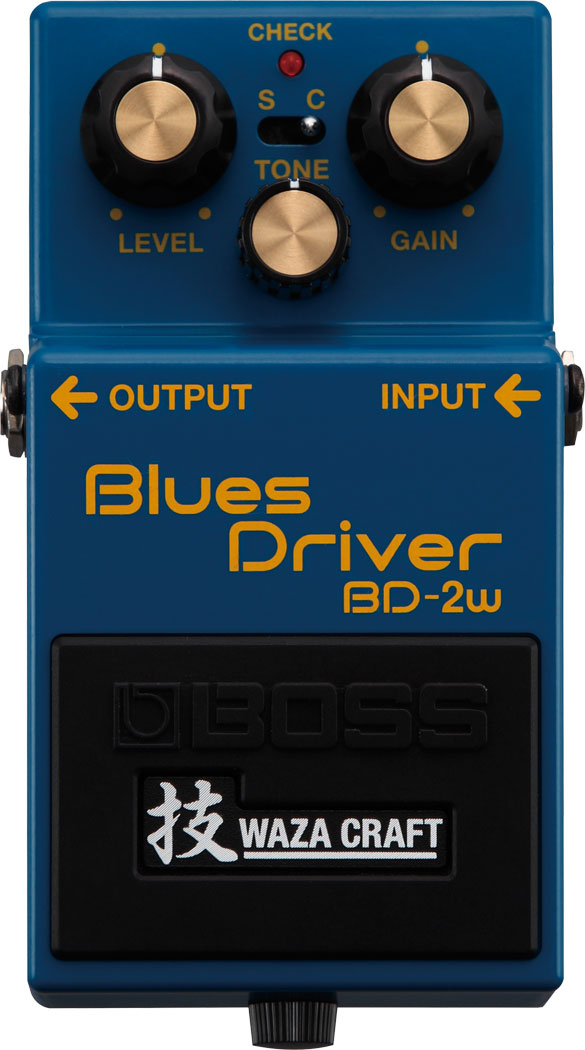
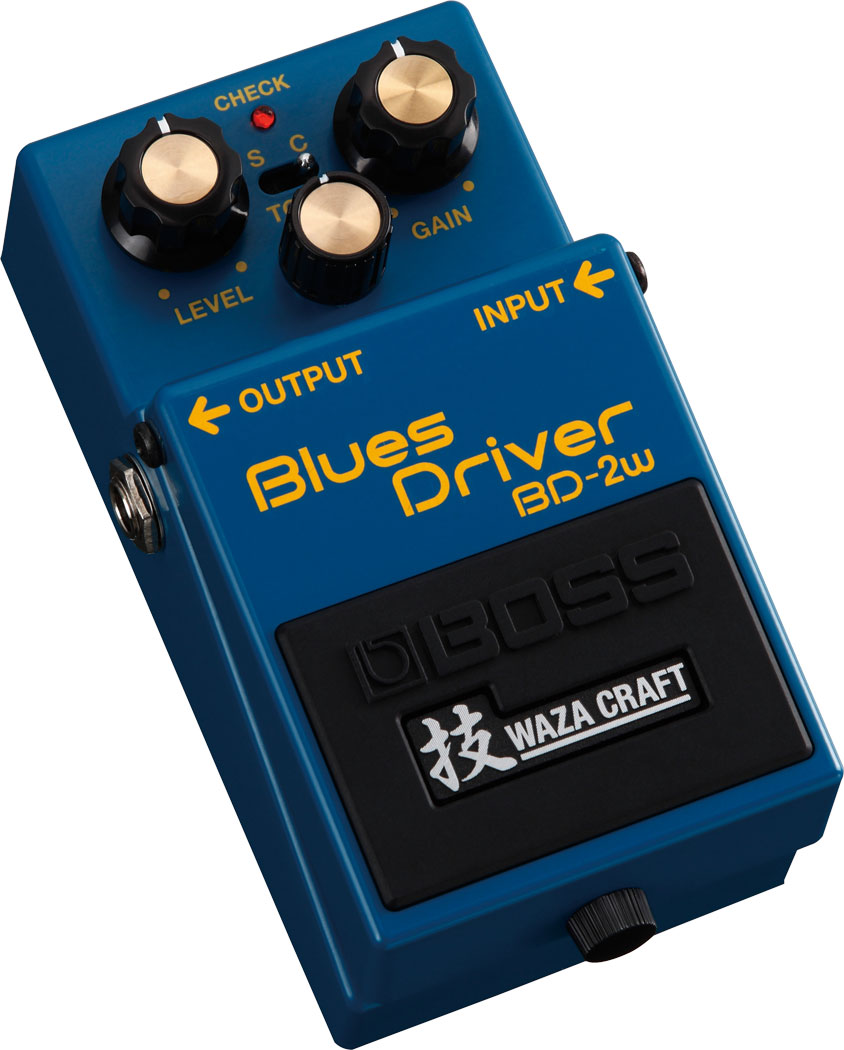
The Boss Blues Driver BD-2W Waza Craft (current price in Finland around 155 €) is a ”waza-treated” update of the popular Blues Driver overdrive.
In the late 1970s Boss came up with the now-legendary, compact guitar pedal format, which has since become an industry standard. The typical Boss pedal is made from a cast metal casing with the quick-access battery compartment tucked away beneath the pedal’s switch flap.
The BD-2W comes with the standard three controls for Gain, Tone and Level.
The Waza Craft range’s special feature lies in their twin mode set-up. You can use the mini-switch to toggle between Standard- and Custom-mode. Standard will give you a boutique version of the regular Boss Blues Driver experience, while Custom ups the ante by offering you a wider dynamic range, as well as a warmer tonality with added top-end sparkle.
The first clip gives you an idea of the BD-2W’s sound with the Gain control at 12 o’clock. The first half is played in Standard-mode, switching over to Custom-mode for the second half:
For the second clip I turned Gain up to full:
****
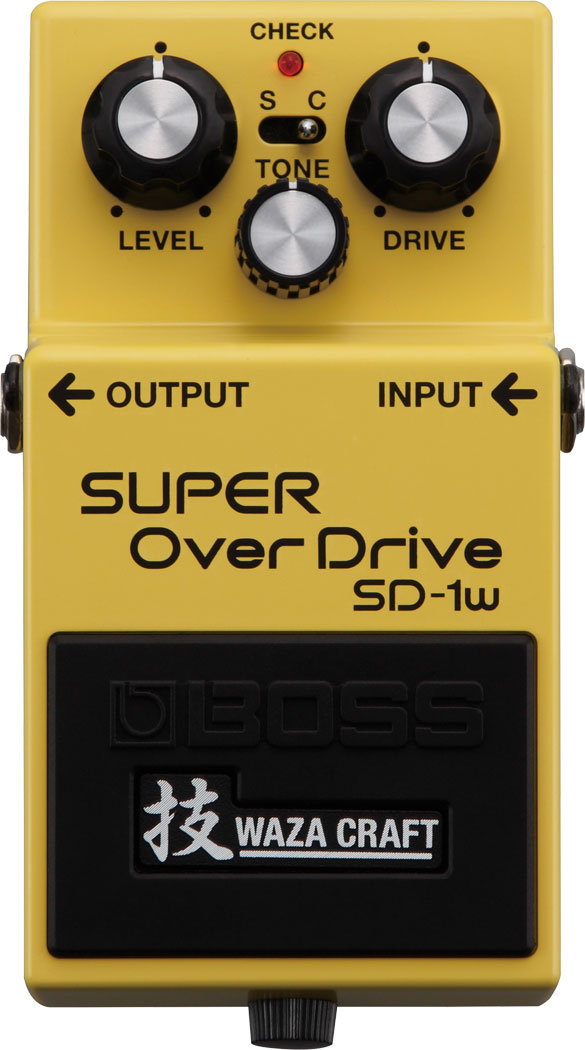
The Boss Super OverDrive SD-1W Waza Craft (current price in Finland around 155 €) is the top-of-the-line version of the company’s yellow-clad classic.
The name gives it away – we’re looking at an overdrive stompbox, so we should expect a dynamic performance with a dense mid-range. As a rule of thumb, distortion-type effects tend to have more bite and a creamier compression than an overdrive.
The Boss SD-1W, too, sports three controls – Drive, Tone and Level – and a mode switch. Standard-mode is meant to give you an upmarket counterpart of the regular SD-1 pedal, while Custom-mode promises a wider frequency range (especially handy for ultra-low tunings).
Here’s a clip of the SD-1W with Drive set to 12 o’clock. Standard-mode comes first, followed by Custom-mode:
And this will give you an idea of this pedal’s sound with Drive turned all the way up:

****

What do terms like ”boutique-pedal” and ”premium range” really mean?
In the case of the Waza Craft pedals the answer lies in both the sound and the ”feel” of these effects:
Both overdrive boxes sound even creamier than the standard versions, while also adding a small degree of clarity to proceedings. These premium versions also manage to keep hiss levels even lower than their ”ordinary” counterparts. Both the BD-2W and the SD-1W feel somewhat more organic and responsive, when compared to their (well-made) standard range brethren. The overdrive tones are very natural, and both effects react very nicely to changes in playing dynamics or guitar volume settings. You never get the feeling of the effect being pasted on, instead there’s a real interaction going on between the player, his guitar and the effect pedal.
In isolation Boss’ Waza Craft overdrives might even seem a little underwhelming, but when you A/B them with their standard series counterparts the differences become quite clear rather quickly. Don’t get me wrong, the standard versions are reliable industry standards with a more than decent sound, but for the ultimate Boss-experience you should take the path to Waza Craft.

****
Boss BD-2W + SD-1W Waza Craft
approx. 155 €
Finnish distribution: Roland Suomi
****
Pros:
+ classic format
+ all-analogue
+ two modes
+ sound


 Kitarablogi.com – Finland's premier Guitar and Bass blog