Testipenkissä: Roland Micro Cube GX + Cube-80 GX

cube_gx_family_2_gal

Rolandin suosittu Cube -kitaravahvistinsarja on päivitetty.

Uusiin Cube GX -komboihin on lisätty useita uusia ominaisuuksia, kuten esimerkiksi Cube Lite -mallissa ensiesittelynsä saanut i-Cube Link, jonka ansiosta uusia Roland-vahvareita voi käyttää saumattomasti yhdessä Applen iOS-laitteiden kanssa.

****
micro_cube_gx_r_angle_2_gal

Rolandin Micro Cube GX (134 €) on maailman suosituimman paristokäyttöisen harjoitusvahvistimen uusin versio.

Edestä katsottuna GX-versio on pysynyt lähes muuttumattomana – eturitilään kiinnitetty uusi Cube-logo on käytännössä ainoa visuaalinen vihje uudistuksesta.

micro_cube_gx_b_back_gal

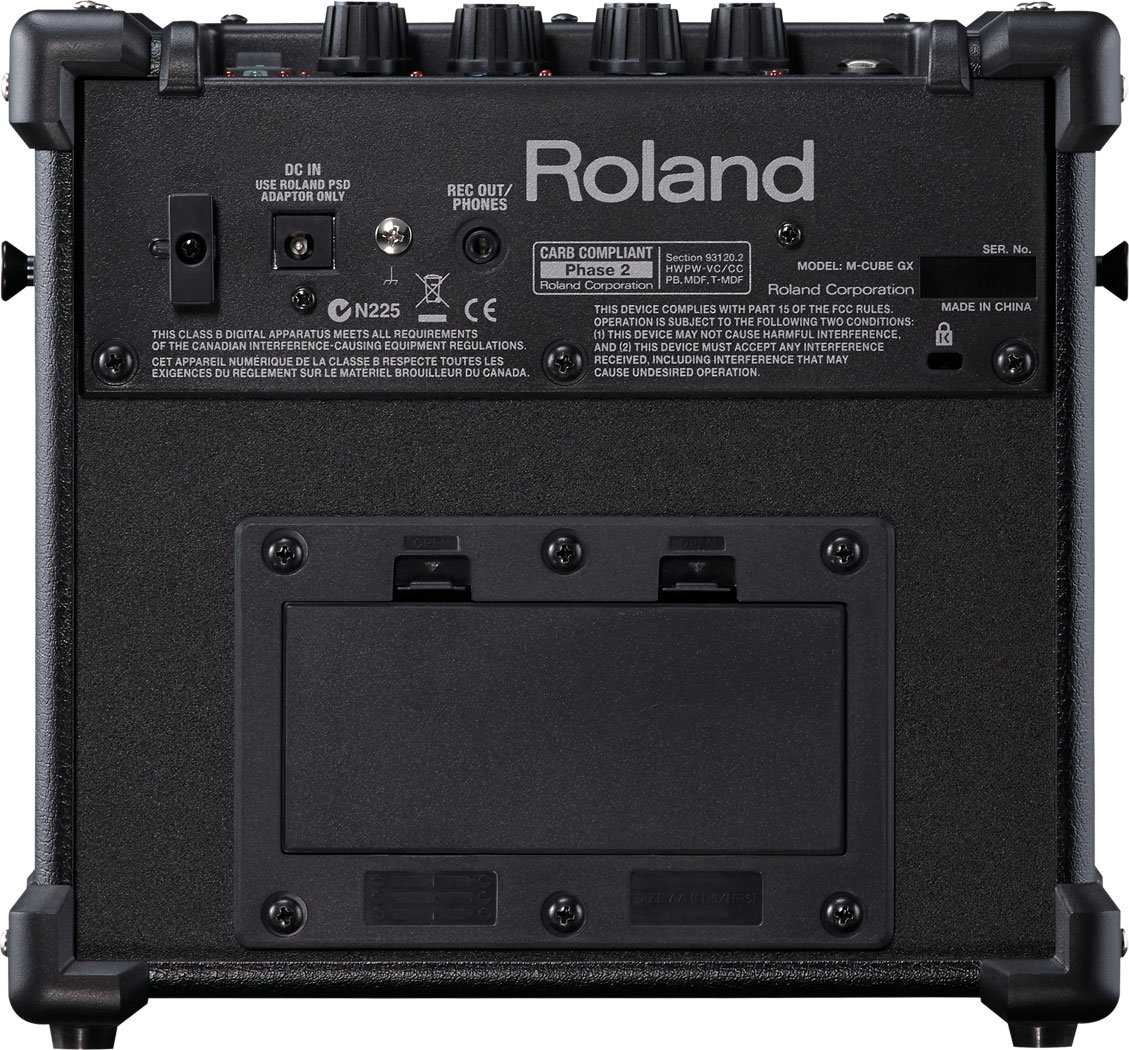
Micro Cube GX:n metallinen takapaneeli on edeltäjään verrattuna pienempi.

Uudessa mallissa yhdistetty kuuloke-/linjalähtö on minikokoinen jakkiliitin.

micro_cube_gx_batteries_gal

Pikku-GX käyttää edelleen kuutta AA-paristoa, mutta uutukaisen paristolokero on isompi ja kätevämpi.

Verkkovirralla toimiva virtalähde kuuluu pakettiin.

micro_cube_gx_r_top_gal

Etupaneeli on uudistettu perusteellisesti:

Kitaratulon yltä löytyy Rolandin uusi i-Cube Link -liitin, johon liitetään iPhone tai iPad vahvistimen mukana tulevalla johdolla. i-Cube Linkin ansiosta kaikkia Cube GX -perheen vahvistimia voi käyttää iOS-laitteen äänikorttina sekä tehokkaina treenivälineinä Rolandin ilmaista Cube Jam -ohjelmaa hyödyntäen. Lisätietoa Cube Jam -ohjelmasta saat Kitarablogin Cube Lite -testistä.

Toinen tärkeä uudistus on Micro Cube GX:n Memory-muisti. Muistiin voi tallentaa jokaiselle Amp Type -vahvistimelle omat säädöt – siis Gain-, Volume-, Tone-, EFX- ja Delay/Reverb-säätimien asetukset.

Myös viritysosasto on uudistettu. Vanhassa Micro Cubessa oli elektroninen äänirauta, josta sai A:n sävelkorkeuden (vaihtoehtoisesti tarjolla oli myös Ab ja Abb=G). Uudessa Micro Cube GX:ssä on kunnon viritysmittari, joka toimii oletuksena kromaattisesti. Viritysmittaria voi kuitenkin myös käyttää pelkästään A-viritysmittarina, mikä on kätevä ominaisuus esimerkiksi kieltenvaihdon yhteydessä.

****
cube-80gx_angle_2_gal

Rolandin Cube-80 GX (384 €) on Cube GX -perheen suuritehoisin malli, joka tarjoaa peräti 80 wattia tehoa 12-tuumaisen kaiuttimen kautta.

Tärkein ero sen edeltäjään – Cube-80 XL – nähden on, että GX-versiosta on jäänyt loopperi pois, joka on nyt puolestaan korvattu i-Cube Link -ominaisuudella.

cube-80gx_back_gal

Uusi on myös takapaneelin GA-FC-liitin, johon voi kytkeä Rolandin, varta vasten firman kitaravahvistimia kehitetyn GA-FC-kytkinlaudan (ostettava erikseen).

top_L

Tältä kytkinlauta näyttää. Cube-80 GX:n tapauksessa laudalla voi vaihtaa kombon kanavia, sekä kytkeä EFX-, Delay- ja Reverb-osastojen efektit yksitellen päälle tai pois. GA-FC:hen voi myös liittää tarvittaessa kaksi ekspressiopedaalia (lisävaruste), joilla voi säätää tulon äänenvoimakkuutta ja vahvistimen masterin tasoa. Cube-80 GF:n paketista löytyy suurikokoinen tarra, jolla kytkinlaudan merkinnät muutetaan kombolle sopiviksi.

cube-80gx_foot_gal

Cube-kombojen tuttu, vankka perusluonne on säilynyt myös GX-sarjassa entisellään.

cube-80gx_top_gal

Cube-80 GX on kolmikanavainen vahvistin:

JC Clean -kanava tarjoaa vanhasta Roland Jazz Chorus -kombosta tuttuja putipuhtaita soundeja. Lead-kanavan vahvistinmallinustarjonta taas on huomattavasti isompi – se tarjoaa yhdeksän eri COSM-vahvistinta sekä teräskielisen akustisen kitaran mallinuksen.

Kolmas kanava on niin sanottu Solo-kanava. Käytän sanoja ”niin sanottu”, koska todellisuudessa Solo-kanava on Cube-80 GX:n muistipaikka, johon voi tallentaa yhden omavalintaisen soundin (JC Clean- tai Lead-kanavan) vahvistin- ja efektiasetukset, eikä sen tarvitse välttämättä olla soolokitaralle sopiva soundi. Ero Solo-kanavan ja kombon kahden muun kanavan välillä piilee siinä, että Solo-kanavalla on (tallennuksen ansiosta) täysin omat EQ-, EFX-, Delay- ja Reverb-asetukset, kun taas JC Clean- ja Lead-kanavat käyttävät EQ:ta ja efektejä niillä asetuksilla, joihin ne on käyttöhetkellä säädetty.

Uuden kombon vahvistin- ja efektivalikoima on pysynyt käytännössä samana kuin XL-versiossa, mutta lisänä löytyy jo alussa mainittu i-Cube Link -liitin, jolla Cube-80 GX:n saa kytkettyä esimerkiksi iPadiin. Lisätietoa uudesta i-Cube Link -liittimestä ja Rolandin Cube Jam -ohjelmasta saat TÄSTÄ.

****
micro_cube_gx_r_front_gal

Uusi Micro Cube GX tarjoaa selvästi enemmän kuin sen kuuluisa edeltäjä. Oikean viritysmittarin lisäys helpottaa kitaristin elämää entisestään, ja uusi i-Cube Link/Cube Jam -ominaisuus istuu tällaiseen kannettavaan harjoituskomboon kuin nakutettu. Tämän ansiosta Micro Cube GX:stä kuoriutuu iOS-laitteiden omistajalle oikea liikkuva harjoituspartneri ja sutjakka ideoiden tallennin.

Uuden pikku-GX:n valikoimaan kuuluu myös kolme uutta soundia – vallan mainio über-metal-vahvistin Extreme, loistava polyfoninen oktaaveri, sekä jousikaiun mallinnus. Micro Cube GX:n jousikaiku kuulostaa toki hyvältä, mutta minua häiritsee efektin varsin rajallinen säätövara, joka johtuu tälle efektille säätimessä varatusta lyhyestä liikeradasta. Jousikaiku on käytännössä täysillä tai pois päältä.

Käytössä uutukainen kuulostaa jopa paremmalta kuin vanha versio, ja GX:n kohinatasoa on parannettu entisestään – etenkin efektien kohdalla.

Tässä on neljä esimerkkiä, jotka on äänitetty dynaamisella mikrofonilla Fender Stratocasteria käyttäen:

****
cube-80gx_front_gal

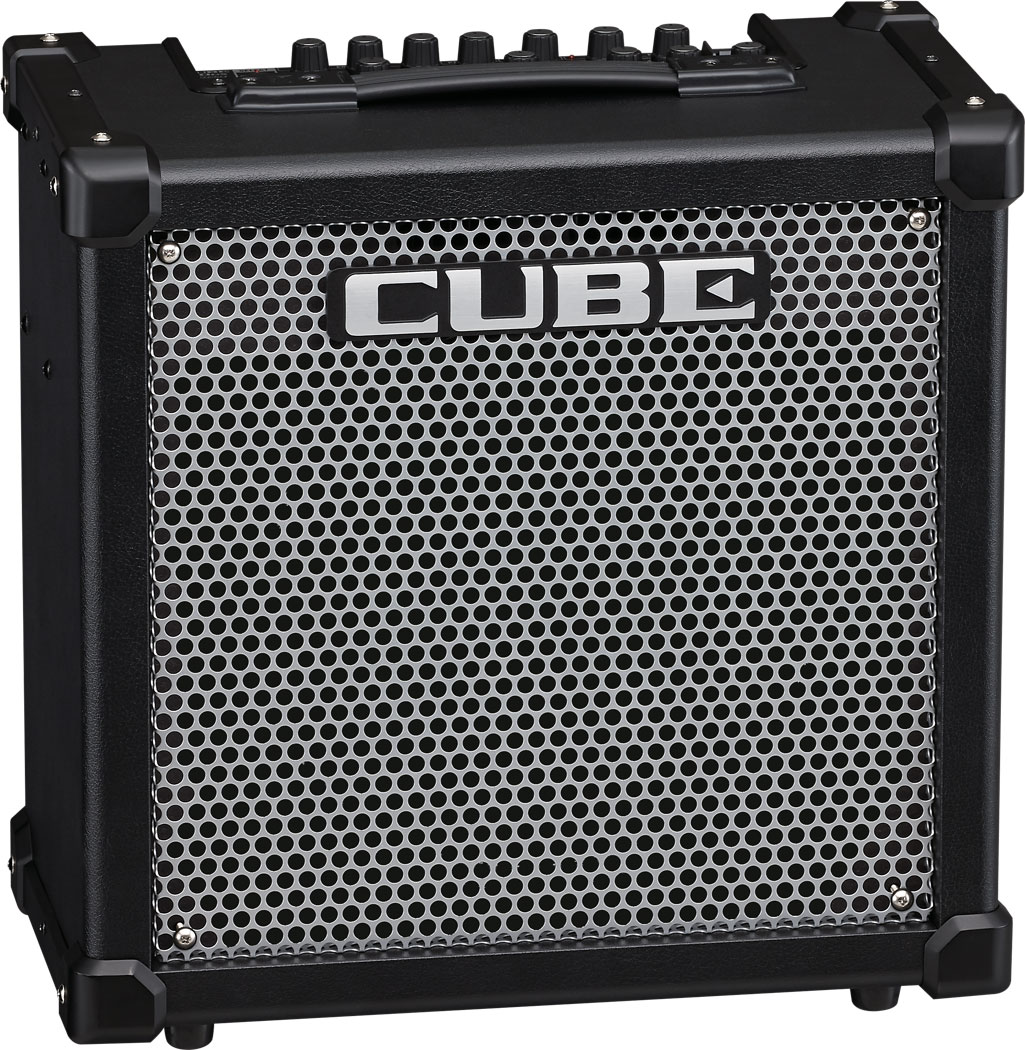
Rolandin uusi Cube-80 GX on erittäin kompakti voimanpesä, jonka teho riittää ongelmitta myös useimmalle klubikeikalle.

Kombon soundivalikoima on hyvin laaja, ja sen vahvistinmallinnukset ja efektit kuulostavat erittäin terveeltä. Kitarasta riippuen tällä Rolandilla voi olla lievä taipumus kumiseville ala-keskitaajuuksille – etenkin puhtaissa soundeissa – mutta ei niin vahvasti, ettei sitä saisi kombon EQ:lla helposti aisoihin.

Mielestäni GA-FC-kytkinlauta on Cube-80 GX:n live-käyttöä varten käytännössä pakollinen hankita, koska se on ainoa järkevä tapa vaihtaa kanavia lennossa, samalla kun kytkee efektit päälle tai pois. Noin satasen maksava lauta on vahvistimen hintaan suhtautettuna melko kallis, mutta käytettävyyden kannalta mielestäni kuitenkin järkevä lisähankinta.

Niin tai näin – Roland Cube-80 GX on varsin mehukkaalta kuulostava tapaus, joka sopii sekä keikalle että studioon.

Myös nämä esimerkit on soitettu Fender Stratocasterilla ja äänitetty dynaamisella mikrofonilla:

****
cube_gx_family_1_gal

Rolandin Cube-sarjan GX-kombot sopivat mainosti tilanteisiin, joissa tarvitaan hyvin monipuolista soundi- ja efektivalikoimaa sähkökitaralle. Opetus- tai harjoituskäytössä uuden sarjan i-Cube Link -tulo ja Rolandin Cube Jam -ohjelma antavat Cube-vahvistimelle mielestäni rutkasti lisäarvoa.

****

Roland Cube GX -sarja

Micro Cube GX – 134 €

Cube-80 GX – 384 €

Maahantuoja: Roland Scandinavia

****

Plussat:

+ hinta-laatu-suhde

+ i-Cube Link

+ Micro Cube GX: omia soundeja voi nyt tallentaa 

+ Cube-80 GX: yhteensopiva GA-FC-kytkinlautaan

+ soundi

+ tukeva rakenne

Miinukset:

– Micro Cube GX: jousikaiun vähäinen säätövara

– Cube-80 GX: GA-FC-kytkinlaudan hinta

Uutuus: Vox Tone Garage -pedaalit

****

VOX_ToneGarage_Pedals2_SNAMM13

Uuteen Vox Tone Garage -sarjaan kuulu viisi pedaalia:

• Flat 4 Boost -boosteri Baxandall EQ:lla ja 12AX7-putkella

• Straight 6 Overdrive -särö 12AX7-putkella

• V8 Distortion -särö 12AX7-putkella

• Double Deca Delay – analoginen viivepedaali

• Trike Fuzz -fuzzpedaali sisäisellä oktaaverilla

****

Lisätiedot: EM Nordic

Uutuus: PRS Guitarsilta edullisempi USA-sarja – PRS S2

PRS on vastannut kitaristien pyyntöihin ja esittelee nyt uuden, edullisemman S2-sarjan.

S2-sarja koostuu tällä hetkellä kolmesta mallista: S2 Custom, S2 Mira ja S2 Starla. Kitarat valmistetaan PRS:n tehtaassa Marylandissa, mutta uusilla menetelmillä ja korealaisilla mikrofoneilla ja talloilla. Lopputulos ovat selvästi edullisempia soittimia, PRS Guitarsin perustuotantoon verrattuna.

PRS-S2-starla-mira-custom-630-80

****

Lisätiedot: EM Nordic

****

Anderton’s on jo ehtinyt kuvata videotestin uusista PRS S2 -malleista…

Review: Sterling SUB Ray4 + Ray5

Sterling SUB Ray4 – SUB logo

We bassists owe a lot to Mr Leo Fender – Mr Fender was the father of the electric bass, which he introduced in 1951, as well as the man behind three of the most classic bass designs ever.

After inventing the Fender Precision and the Jazz Bass for the company that still bears his name, Leo Fender carried on designing and building instruments for Music Man, with the StingRay becoming a true classic. The StingRay wasn’t the first bass with active electronics, yet it was the design that brought the active bass into the mainstream.

Since 1984 Music Man is part of the Ernie Ball-company. The company’s current boss – Sterling Ball – is behind the more recent moves to also bring out affordable Music Man-instruments in the guise of a new brand – Sterling (by Music Man).

****

Sterling SUB Ray4 – beauty shot 2

Sterling’s brand-new SUB-series offers even more affordable versions of Music Man’s classics.

The Sterling SUB Ray4 (approx. 360 €) is a made-in-Indonesia licensed copy of a four-string StingRay. The Ray4 is available either in gloss black (with rosewood fretboard), gloss white (maple ’board) or in a Seventies-inspired satin finish called Walnut (and with a rosewood ’board).

****

Sterling SUB Ray4 – full front

Sterling won’t go into detail with regard to the body woods used for the SUB-series – the spec sheet only says ”hardwood body”. On the other hand, genuine Music Man StingRays also feature different wood species, depending on availability and the respective model’s finish, using ash, alder, poplar or basswood.

The test sample sports a body made from four pieces, with their looks matched reasonably well.

Sterling SUB Ray4 – full back

The SUB Ray4’s maple neck comes with a tinted satin finish.

Sterling SUB Ray4 – neck plate

Six wood screws and a well-cut neck pocket make for a very strong joint.

Sterling SUB Ray4 – headstock

The classic StingRay-headstock makes tuning easier, as well as cutting down on headstock weight, making for a better balanced instrument.

Sterling SUB Ray4 – tuners

The Sterling comes equipped with a set of decent Asian Schaller-copies.

Sterling SUB Ray4 – fingerboard

In light of its affordability the SUB Ray4 displays surprisingly well-dressed and finished frets. The rosewood fingerboard looks nice and sport clean inlay work.

Sterling SUB Ray4 – truss rod wheel

Music Man’s nifty trus rod adjustment wheel has also been included in the Sterling SUB-series. Insert the small metal rod that comes with the bass (or any other suitable object) into the wheel and turn for adjustment. It’s quick, it’s clean, and no further tools are required!

Sterling SUB Ray4 – body beauty 2

The StingRay was Leo Fender’s updated version of his Precision Bass, and the well-rounded body still looks great today.

Sterling SUB Ray4 – bridge

The SUB Ray4 uses a version of the Music Man bass bridge that retains the large base plate, but does away with the original adjustable string mutes of yore. Current StingRays use a shortened bridge design.

Sterling SUB Ray4 – pickup

The large humbucking pickup is the Sterling Ray4’s juice machine.

The pickup keeps hum and buzz at bay efficiently, while its placement near the bridge is crucial for obtaining a StingRay’s fat attack and vocal mid-range character.

Sterling SUB Ray4 – controls

It’s three controls on the Ray4’s metal plate – master volume, treble boost/cut and bass boost/cut.

Sterling SUB Ray4 – preamp

The Sterling SUB-basses come equipped with a very compact preamp that fits easily into the control cavity. The quality of the parts, as well as the workmanship on display, is quite decent.

Sterling SUB Ray4 – battery compartment

The Ray4’s battery compartment is found on the back of the body.

****

Sterling SUB Ray5 – beauty shot 2

In 1988 Music Man broadened its StingRay-range with the five-string StingRay 5, which features a slightly different body design, as well as a much larger scratchplate.

****

Sterling SUB Ray5 – full front

Sterling’s SUB Ray5 (approx. 390 €) is available in gloss black (with a maple fretboard) or satin walnut (rosewood ’board).

The finish on our test sample looks great.

Sterling SUB Ray5 – full back

The five-string version also sports a tinted maple neck.

Sterling SUB Ray5 – neck plate + battery

The SUB Ray5’s battery compartment has been placed near the treble horn.

Sterling SUB Ray5 – headstock

The famous headstock in its five-string guise.

Sterling SUB Ray5 – tuners

These Schaller-copies do a good job of keeping the bass in tune.

Sterling SUB Ray5 – fretboard

The fretwork Sterling Ray5 is surprisingly good, keeping in mind the bass’ low price.

Sterling SUB Ray5 – body beauty 2

The StingRay is one of my all-time favourite bass designs – timeless, classic beauty.

Sterling SUB Ray5 – bridge

On the five-string the bridge saddles are somewhat smaller to accommodate the SUB Ray5’s narrower string spacing (compared to the Ray4).

Sterling SUB Ray5 – pickup

A chunky pickup for a chunky sound…

Sterling SUB Ray5 – controls

A genuine Music Man StingRay 5 usually comes equipped with a three-way blade switch, offering you series, parallel and coil-split switching, in addition to a three-band EQ.

To keep the price in check the Sterling SUB Ray5 offers you a more concise set of controls – a master volume and a two-band EQ.

****

Sterling SUB Ray4 – beauty shot

Sterling SUB Ray4 – full back beauty 2

The Sterling SUB Ray4 is a cool bass, but the test sample we got weighed a ton – this is exactly the one feature from the 1970s that shouldn’t have been brough back. On the other hand, Sterling promise lightweight bodies on their website, so let’s hope that this was the one who slipped through quality control.

Apart from this, the Sterling Ray4’s ergonomics are great. Sterling have slightly changed the neck profile on its SUB-basses from the original, somewhat chunkier Precision-style profile, giving you a more tapered, Jazz-type shape.

Thanks to the good fretwork the factory set-up was comfortably low (E: 2,1 mm/ g: 1,9 mm).

Regardless of its weighty body (or because of the added heft?) the SUB Ray4’s acoustic delivery is stonking. I don’t know what wood species the body is, but the sound has a hefty dose of clear attack coupled with a good dose of ash-style growl and clarity!

This tasty combination translates into a very powerful and dynamic amplified tone. Sterling’s preamp displays a satisfying lack of hiss, and all of its controls work in a musical way (in fact better than on some, quite drastic-sounding 70s originals). This means you’re in for a real treat – genuine StingRay-character made very affordable.

Legendary bass player Tony Levin (Paul Simon, Peter Gabriel, John Lennon, King Crimson) is one of the most loyal StingRay-fans, which is why I chose to record the soundbites in his style as a tribute. The clips have been recorded straight from the bass into the sound-card without additional EQ’ing:

Sterling SUB Ray5 – beauty shot

Sterling SUB Ray5 – full back beauty

For a five-string bass our Sterling SUB Ray5 test instrument was refreshingly lightweight!

Just like on the original the Ray5’s neck profile gives your fretting hand something to hold on to. The rounded, moderately chunky D-profile is good news for the tone of the instrument, and it feels great, at least in my hands.

I had to give the neck a little more relief, and the intonation adjustment was off, too. But it only took me a couple of minutes to get this bass’ action and intonation up to snuff, after which the SUB Ray5 was a joy to play and listen to (low-B: 2,6 mm/g: 1,9 mm).

In a straight acoustic A/B between both Sterlings, the SUB Ray5 had a slightly rounder mid-range than the four-string counterpart

The big-sounding humbucker coupled to the instrument’s very decent preamp makes for a winning combination. The tone is pure Music Man – a fat, but precise bottom end, lots of mid-range character, and a dose of treble zing. It may not be as versatile as its famous big cousin, but the Sterling SUB Ray5 gives you most of the Music Man-experience at a pocket-friendly price.

****

Sterling (by Music Man) have managed to pack a lot of bass into their SUB-series. The Ray4 and Ray5 are fantastic value for money, offering you that sound at very player-friendly prices.

****

Sterling (by Music Man) SUB Ray4 + Ray5

SUB Ray4 – approx. 360 €

SUB Ray5 – approx 390 €

Finnish distributor: EM Nordic

A big thank you to DLX Music Helsinki for the loan of the review samples!

****

Pros (both models):

+ value-for-money

+ fretwork

+ playability

+ quality preamp

+ sound

Cons (only Ray4):

– review sample’s weight

****

Sterling SUB Ray4 – body beauty

Sterling SUB Ray5 – body beauty

Pidä blogia WordPress.comissa.

Ylös ↑