Three shades of P-90 **** Kolme kertaa P-90

Here are three soundbites I recorded for you of three different P-90 bridge pickups on three different guitars:

• the Epiphone Casino has Göldo pickups with metal covers

• the Vintage VS6 Mick Abrahams has Wilkinson soapbars with plastic covers

• the Gibson Les Paul Junior comes with a Gibson P-90 and a plastic dog-ear cover

All guitars were played through a clean Fender-type amp model with a Boss SD-1 in front.

Casino bridge P-90

VS6 Mick Abrahams bridge P-90

Junior P-90

Tässä ovat kolme soundiesimerkkiä kolmesta kitaroista ja niiden P-90 tallamikrofoneista:

• Epiphone Casinossa on Göldo-mikit, joilla on metallikansi

• Vintage VS Mick Abrahams -nimikkomallissa on Wilkinson-mikit muovikansilla (saippuapalat)

• Gibson Les Paul Juniorissa on firman oma P-90 muovikannella

Kaikki kitarat soitettiin puhtaan Fender-tyylisen mallinnuksen ja Boss SD-1 pedaalin läpi.

Klassikkokitarat, osa 6: Rickenbacker 330/360

”Brääääääännng!!!”

Beatles-kappalleen ”A Hard Day’s Nightin” alkusointu sanoo niin hyvin, mistä Rickenbacker-kitaroissa on oikein kyse: jäntevyys, avoimuus, ja helisevä perusolemus.

Tärkeimmässä asemassa Rickenbackerin kitaramallistossa on firman 300-sarja, etenkin mallit 330 ja 360.

Vuonna 1958 Rickenbacker esitteli uuden Capri-mallistonsa – 12 puoliakustista kitaraa, jotka olivat saksalaisen kitararakentajan Roger Rossmeislin kehittämiä. Kaikilla oli yhteistä kokopuusta (vaahtera) kaiverrettu runko ja vaahterasta (tai vaahterasta ja pähkinäpuusta) valmistettu, liimattu kaula.

Mallitunnukset alkoivat numerosta 310, ja pienemmät numerot olivat lyhyellä mensuurilla varustettuja kitaroita – niin kuin John Lennonin 325 (= lyhyt mensuuri, kolme mikrofonia, ja vibrato).

Isommat numerot olivat täydellä mensuurilla varustettuja malleja, joista mallitunnukset 360:sta ylöspäin tarkoittivat Deluxe-malleja, joilla oli reunalistoitetu kaula ja runko, sekä isokokoiset kolmio-/hai-eväs-otemerkit otelaudassa.

Kaikissa malleissa oli vuosina 1958-64 sama runkomuoto, joissa on melko terävät sarvet. Vuonna 1964 Rickenbacker muutti Deluxe-mallien runkoja pyöreämmäksi, minkä takia etupuolen reunalistoituksesta luovuttiin.

Ensimmäisen runkoversion tunnetuimmat käyttäjät olivat John Lennon (325), George Harrison (12-kielinen 360/12) ja Pete Townshend, joka käytti (ja murskasi!) The Whon alkuvuosina 370-mallin Export-version (malli 1998), jossa Rickenbackerin oman turkkilaisen sapelin muotoisen kaikuaukon sijaan käytetään perinteistä f-aukkoa.

The Byrds-yhtyeen Roger McGuinn ja REMin Peter Buck ovat uudemman runkomuodon uskolliset Rickenbacker-soittajat.

Omanleimaisen soundin ohella tärkeämmät Rickenbacker-ominaisuudet ovat Deluxe-mallien stereo-valmius, sekä suhteellisen ohut ja kapea kaula.

Classic Basses, part 3: Rickenbacker 4001/4003

Rickenbacker was one of the first manufacturers to latch onto Leo Fender’s idea of an electric bass with a proper long scale.

In 1957 they introduced their first bass model, the 4000, which was the world’s first through-neck bass.

Rickenbacker’s two-pickup model – the Rickenbacker 4001 (introduced in 1961) – turned out to become one of the company’s most successful instruments.  Paul McCartney and Chris Squire are probably the bass’ best-known users – they played the 4001’s export version 4001S.

In 1979 Rickenbacker came up with a model updated for use with roundwound strings. The new bass was named the 4003 and it  featured new truss rods (Rickenbackers always have two!) and more powerful singlecoil pickups with the neck unit moved slightly closer towards the bridge.

My own Rickenbacker 4003 was built in 1987.

Except for the rosewood fretboard, a 4003 is crafted completely from maple. The neck goes all the way from the headstock to the end of the body (a so-called Through-Neck), while the body is formed by two pieces of maple glued to the neck’s sides.

Rickenbacker typically uses a reddish type of rosewood for their fingerboards, which are usually gloss-lacquered. Another typical company trait is the narrow binding, which leaves a visible gap between the binding and the neck’s finish.

The tuning machines have been made in Germany by Schaller.

Rickenbacker’s idiosyncratic bridge design includes an adjustable string mute mechanism. Setting the correct octave compensation is a little bit more complicated than it need be – you have to detune the strings to get to the adjustment screws.

Alongside the use of maple as the instrument’s main ingredient the 4003’s singlecoil pickups play a large role in this model’s throaty tone. Most users remove the bridge pickup’s metal cover, as it tends to get in the way of your right hand.

The silver metal finish is kind of rare, even though a similar bass appeared on the cover of Rickenbacker’s bass catalogue in the mid-80s. The most popular finishes are ”Fireglo” (a red sunburst), ”Jetglo” (black) ja ”Mapleglo” (natural gloss finish).

You can check out the sound of my 4003 here or here.

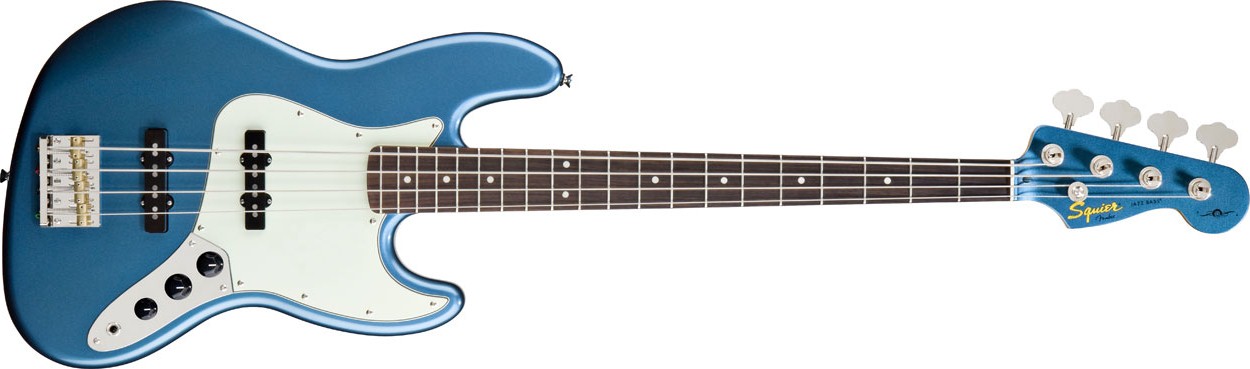
Classic Basses, part 2: Fender Jazz

It took quite some time for the electric bass to really catch on. Fender introduced the Precision Bass in 1951, but had to wait for almost a whole decade, before they felt that the market was ready for a second bass guitar from the company.

In 1960 Fender released its deluxe update – the Jazz Bass.

Leo Fender listened to the most common complaints made by players and sampled their suggestions for improvements, and he addressed these issues with the new model. The Jazz has a more slender neck profile, a more ergonomic body shape and it offers a wider sound palette (thanks to its two singlecoil pickups) compared to its forebear.

The very first batch of Jazz Basses was equipped with stacked concentric controls, which offered separate volume and tone controls for each of the two pickups (see the sunburst bass above).

But already in 1961 the electronics were updated to the less fussy combination now widely known as the Jazz Bass -set-up – separate volume controls with one master tone.

The pickups are reverse wound/reverse polarity, which means that when used together they defeat transformer hum and electromagnetic buzz effectively.

While the standard version was offered in three-tone sunburst only, the Jazz Bass was ordered in Custom Color -finishes quite regularly in the 1960s, often with matching headstock faces.

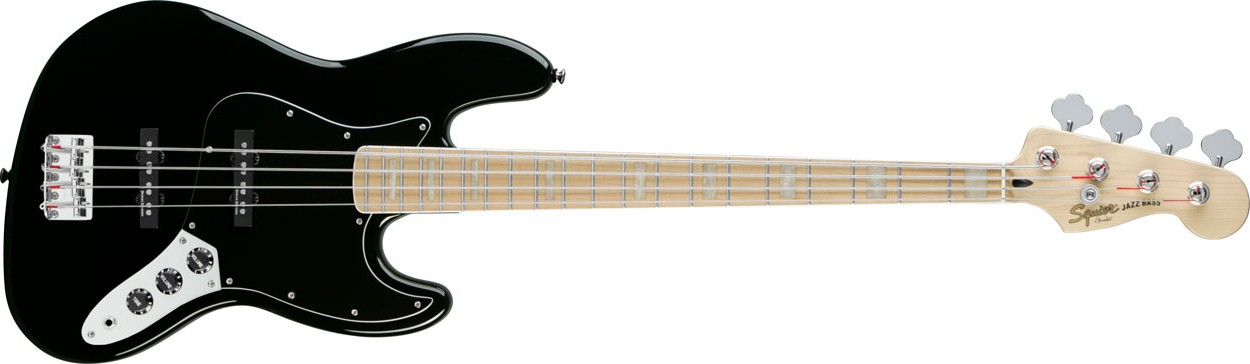
From the end of the ’60s and all through the ’70s the fretboard was bound and featured large block inlays. Maple fingerboards were quite common during the ’70s.

Despite the changes in its looks the Jazz Bass’ sound always stayed excellent. Its sound is slightly more slender and transparent than that of its equally famous stablemate. The front pickup is full, but less throaty than a P-Bass’ split-coil unit. The bridge pickup has a nice, nasal timbre, and the combination is slightly hollowed out with a fresh zing, which made funky slap bass styles so fashionable.

________________________________________________________

Check out the sound of my own Squier Jazz Bass (Made in Japan, 1985) here.

Klassikkobassot, osa 2: Fender Jazz

Presarin ilmestymisen jälkeen kesti melko pitkään, ennen kuin sähköbassosta tuli riittävän suosittua, että Fender uskalsi lanseerata toisen bassomallin.

Fender Jazz -basso tuli markkinnoille vuonna 1960 firman deluxe-versiona.

Leo Fender otti soittajien parannusehdotuksia vastaan ja rakensi uuden bassonsa niiden perusteella. Uudessa Jazz-mallissa oli huomattavasti solakkaampaa kaulaprofiili, entisestäkin ergonomisempi runko sekä monipuolisempi sounditarjonta, kahden yksikelaisten mikrofonien ansiosta.

Ihan ensimmäisissä Jazz-bassoissa käytettiin päällekkäisiä säätimiä, joissa kummallakin mikrofonilla oma volume- (päällekkäinen nuppi) ja tone-säätimensä (musta rengas, katso kuva tämän jutun alussa).

Jo vuonna 1961 elektroniikka muutettiin kuitenkin niin, että kummallakin mikrofonilla oli oma volume-säätimensä, mutta molemmilla oli yhteinen master tone. Tämän järjestelmän etu on sen selkeys, ja tällaista volume/volume/tone-asetelma kutsutaan nykyään Jazz Bass -säädinasetelmaksi.

Mikrofonit on käämitty toisiinsa nähden vastakkaiseen suuntaan, ja myös niiden magneettinen polariteetti on vastakkainen, minkä ansiosta ne toimii yhdessä humbuckerina.

Vaikka perusversio myytiin kolmivärisellä liukuvärityksellä, monet Jazz-bassot tilattiin niin kutsutulla Custom Color -viimeistelyllä, jossa usein myös viritinlapa oli värillinen.

1960-luvun loppupuolella ja myös koko 1970-luvulla Jazz-bassolla oli reunalistoitettu otelauta – joka oli usein palisanterin sijaan veistetty vaahterasta – ja neliskanttiset otemerkit (joko mustia tai vaaleata helmiäismuovia).

Ulkonäöstä riipumatta soundi pysyi kuitenkin aina samana. Jazz-basso soi täyteläisesti, mutta sen ääni on kuitenkin notkeampi ja hieman selkeämpi kuin Precision-mallin sointi. Etumikrofoni on lämmin, tallamikrofoni herkullisen nasaalinen ja mikrofonien yhdistelmä pikkuisen ontto, mikä loi perustan Funk-bassistien slap-soittoon.

________________________________________________________

Oman Squier Jazz Bass:n (Made in Japan, vm. 1985) soundin voi kunnella esimerkiksi tästä.

_________________________________________________________

Classic Basses, part 1: Fender Precision

Leo Fender’s and George Fullerton’s Precision Bass was the world’s first electric bass guitar. It was introduced to the puzzled public in 1951.

Tony Bacon and Barry Moorehouse quote Fender’s old production chief from the 50s and 60s, Forrest White, on the initial impact the new-fangled instrument had (in their well-written ”The Bass Book”):

”Those who were not sure if Leo was crazy when he brought out the solidbody guitar were darn sure he was crazy now, since he came up with an electric bass. They were convinced a person had to be out of their mind to play that thing.”

Leo and George took the Telecaster-concept and adapted it for a bass instrument. At the same time they hit upon some standards – almost by mistake – that are still valid these days. The most important ones are the body’s additional long upper horn, which helped in balancing such a long-necked instrument, as well as the scale length of 34 inches (84,6 cm).

Initial problems in the project were the total lack of appropriate strings, which had to be custom-ordered from V.C. Squier, as well as tuning machines. At first they used sawed off double bass tuners, before they were able to order Kluson-machines, manufactured to Fender’s own specifications.

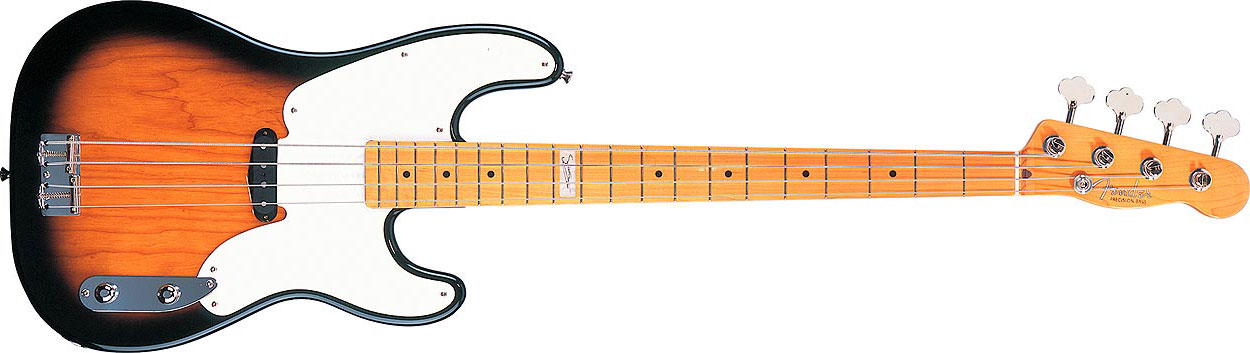
The first edition of the Precision Bass, made between 1951 and 1954, had a yellowish, semi-opaque-finished (blonde) slab ash body, a black Bakelite scratchplate, a Telecaster-style single coil pickup and a one-piece maple neck with a Telecaster-headstock. The simple bridge had only two saddles, which were first made from plastic and later from metal.

When the Stratocaster was introduced in 1954 the P-Bass received a slight make-over: the body gained Fender’s comfort contours, the scratchplate changed to single-ply white plastic and the standard finish became two-tone sunburst.

The Sting Signature Precision is based on a ’54-’56 P-Bass:
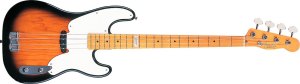
But Leo Fender still wasn’t quite satisfied with his creation: the pickup was picking up too much buzz, and its spiky signal tended to trash a lot of Bassman-amp speakers. Adding to this the Precision’s intonation wasn’t really very precise, because of the spartan bridge. And lastly it seemed that the small headstock had something to do with some dead notes on the g-string around the 5th fret.

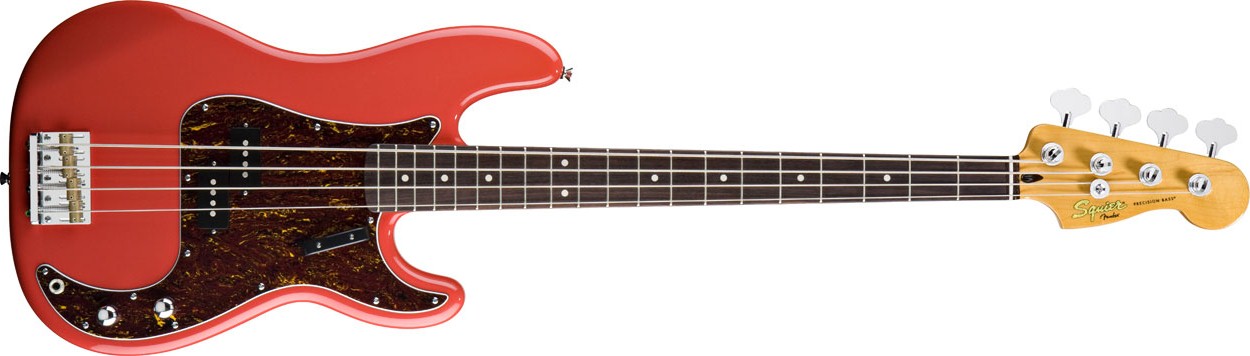
All these problems were addressed in the major overhaul (in 1957), which turned the Precision into the classic we all know today: with a large Strat-style headstock, a bridge with four individual saddles and a brand-new split-coil pickup.

This new pickup consisted of two halves, one each for the E- and A-string as well as the D- and g-string, wound reverse and with opposing magnetic polarities. Once hooked up in series the split-coil pickup produces a humbucking signal with a singlecoil sound. Placing each string between its own pair of magnets (in contrast to the single magnet below each string in the old design) also smoothed out the attack phase of each note, which in turn resulted in a signal that was much easier on a bass amp’s speakers.

The very first ”new and improved” Precisions also featured a gold-coloured aluminium scratchplate.
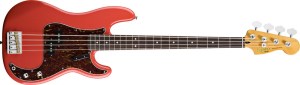
In 1959 Fender switched to rosewood fingerboards on all of their string instruments. Since the end of the 60s the P-Bass has been available both with a one-piece maple neck as well as with a rosewood fretboard.
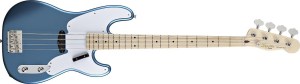
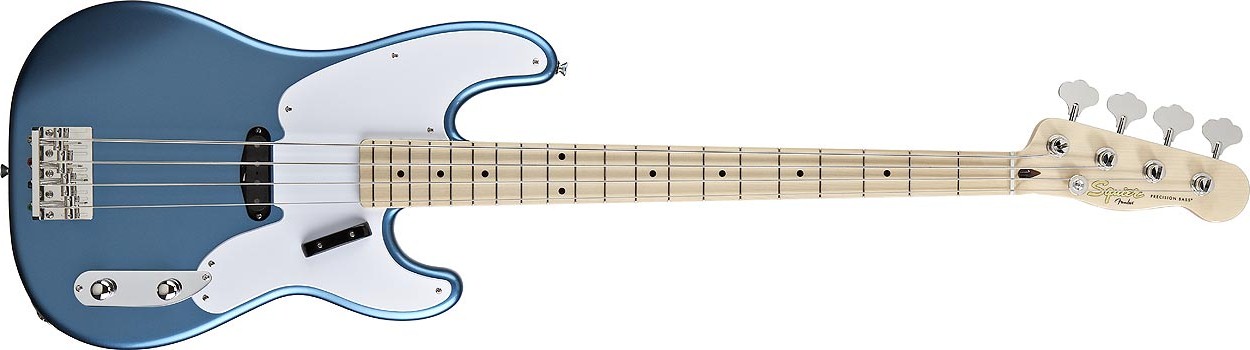
Nowadays Squier and Fender offer a Precision-model for all seasons and budgets, from vintage replicas to modern updates.

___________________________________________________________

You can listen to the sound of a 1976 fretless Fender Precision here.

The song was written by my late friend Pauli Rissanen, who also sings on the recording.

Klassikkobassot, osa 1: Fender Precision

Leo Fenderin ja George Fullertonin kehittämä Precision Bass oli maailman ensimmäinen sähköbasso, ja se ilmestyi vuonna 1951.

Tony Baconin ja Barry Moorehousen loistavassa kirjassa ”The Bass Book” Fenderin 1950/60-luvun tuotantopäällikkö Forrest White kertoi musiikkimaailman reaktioista uuteen soittimeen:

”Ne ihmiset, jotka eivät olleet Telecasterin ilmestymisen yhteydessä ihan varmoja, oliko Leolla muutama ruuvi löysällä, olivat nyt täysin varmoja siitä, että ukko on hullu!”

Leo ja George ottivat Telecasterista mallin ja laajensivat konseptin bassosoittimelle sopivaksi. Samalla ne keksivät lähes ”vahingossa” muutamia sähköbasson standardia, jotka ovat vielä tänä päivänäkin voimassa. Tärkeimmät ovat rungon pitkä yläsarvi, jonka ansiosta basson pitkä kaula ei vaikuta negatiivisesti soittimen balanssiin, ja mensuurin pituus (34 tuumaa/84,6 cm).

Isoja hankaluuksia aiheutti sopivien kielien puuttuminen (ensimmäiset tilattiin juuri P-bassoa varten V.C. Squierilta), ja virittimetkin piti kustomoida itse sahaamalla kontrabasson virittimia poikki, ennen kuin Klusonilta saatiin tilattua Fenderin speksien mukaisia kapistuksia.

Vuodelta 1951-1954 Presarilla oli (Telecasterin lailla) kellertävän viimeistelty suorakantinen saarnirunko, iso musta pleksi, Telecaster-tyylinen yksikelainen mikrofoni, sekä kitaralta lainattu lapa. Tallassa oli vain kaksi tallapalaa (ensin muovista, sen jälkeen metallista).

Kun Stratocaster-kitara saatiin valmis (1954), muutettiin P-bassoa hieman Straton mukaiseksi: rungolla oli nyt mukavuusviisteet, viimeistelly oli sunburst ja pleksi valkoinen.

Stingin nimikkomalli on sellaisen Precisionin (1954-56) uusintapainos:

Leo Fender ei kuitenkaan ollut vielä ihan tyytyväinen luomukseensa: mikrofoni oli häiriöherkkä ja sen tuhti potku rikkoi herkästi Bassman-vahvistimen kaiuttimia. Intonaatiokin ei ollut aivan kohdallaan, ja pieni lapa aiheutti selvästi kuolleita kohtia g-kielellä (4-5:n nauhan kohdalla).

Uudesta päivityksestä tuli meille kaikille tuttu Presari, jossa on Stratocaster-lapa, neljällä tallapaloilla varustettu talla ja uusi splitcoil mikrofoni.

Uudessa mikissä on erilliset puoliskot E- ja A-kielille ja D- ja g-kielillä, jotka ovat sekä magneettisesti että kelojensa suhteen vastavaiheessa toisiaan. Kun puoliskot kytketään sarjaan tulee niistä käytännössä humbucker yksikelaisen mikrofonin soundilla. Uudessa mikrofonissa on myös aina kaksi magneettia jokaisen kielen molemmin puolin, minkä ansiosta atakista tulee hieman miedompaa (kun vertaa aikaisempaan mikrofoniin).

Ensimmäisissä ”uusissa” Presarissa oli myös alumiinista valmistettu kullanvärinen plektrasuoja.

Vuonna 1959 kaikki Fender-kitarat ja myös Precision saivat palisanteriotelaudan. 1960-luvun loppupuolelta taas alkoi P-bassoissa valinnanvapaus otelaudan suhteen, ja myös tänä päivänä saa oman maun mukaan vaahtera- tai palisanteriotelaudalla varustetun mallin.

Squierilta ja Fenderilta saa jokaiselle budjetille sopivan version Presarilta – vanhojen mallien uusintapainoksista nykyaikaiseen päivitykseen.

___________________________________________________________

Oman nauhattoman Presarin (vuodelta 1976) soundia voi kuunnella esimerkiksi tässä.

Biisin on kirjoittanut edesmennyt ystäväni Pauli Rissanen, joka myös laulaa siinä demossa.

Classic Guitars, part 5: Gibson ES-335

Gibson’s ES-335, which was introduced in 1958, is one of the all-time bestselling models in the company’s history, and has been in production ever since, making it the Gibson model with the second longest uninterrupted production run (only the ES-175 has been in production longer, since 1949).

Ted McCarty, Gibson’s president from 1948 to 1966, has always stated that, looking back, he thought the ES-335 was his finest achievement.

The ES-335 has a thinline body made from steam-pressed maple plywood. Although the guitar does remind you of a classic Gibson hollow-body Jazz-box, this model is actually halfway solidbody in terms of its build.

This is because a semiacoustic electric guitar has a solid wood centre block running the length of the body from the neck joint all the way down to the back strap button. The centre block gives a semi a longer sustain, while keeping howling feedback at bay.

The block also allows the use of Gibson’s typical solidbody hardware – namely the Tune-o-matic-bridge and the stop bar – which add some clarity to the mix.

For their part, the ES-335’s hollow wings bring a bit of air to the mid-range, making the guitar sound more open and airy than a Les Paul for example.

Due to its relatively large body, a semi isn’t probably the best model for a small beginner (of less than 160 cm height), but as long as size isn’t an issue this lightweight and well-balanced ergonomic style of guitar is a fine choice.

Gibson’s subsidiary Epiphone has produced many of its own variants in the 335-style since the 1960s – from the glitzy Sheraton (the natural-coloured guitar in this post) to the minihumbucker-equipped Riviera, with its own, slightly brighter tone.

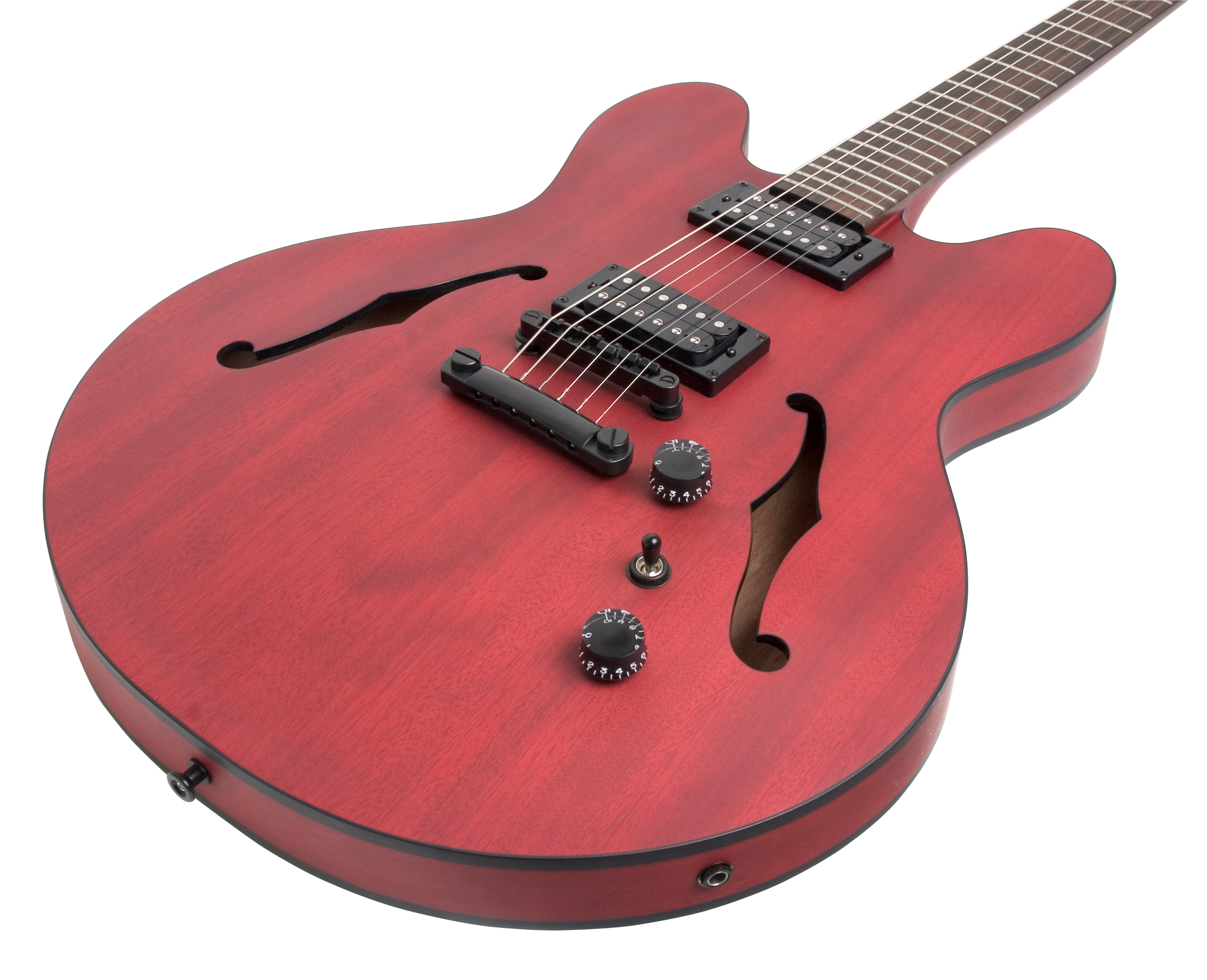
The relatively new Epiphone Dot Studio gives you superb bang-for-the-buck, with its pared down, no-nonsense looks. Here the body is made from mahogany plywood, with the controls streamlined to one master volume and one master tone.

____________________________________________________________

I’m an avid fan of the semi-style body.

Here’s a snapshot of my Epiphone Casino and a late-70s/early-80s ES-335-copy made in Japan by Kasuga:

Listen to both guitars here

Save

Save

Klassikkokitarat, osa 5: Gibson ES-335

Vuonna 1958 ilmestynyt ES-335 on yksi Gibsonin suurimmista myyntimenestyksistä ja firman toiseksi pisin yhtäjaksoisesti tuotannossa oleva sähkökitara (ES-175 jazzkitara on tullut ulos 1949).

Silloinen Gibsonin pomo Ted McCarty on sanonut useissa haastatteluissa, että ES-335 oli hänen mielestään hänen paras saavutus – sekä ergonomialtaan että soundiltaan.

ES-335:n ohut runko on valmistettu muotoon prässätystä vaahteravanerista. Vaikka kitaran ulkonäkö muistuttaa perinteistä jazzkitaraa, on malli kuitenkin lankkukitaran ja onttokoppaisen jazzmallin välimaastossa.

Puoliakustisen kitaran rungossa on nimittäin sustainea pidentävä, ja feedbackin ulinalta suojava keskipalkki, joka kulkee koko matkan kaulalta toiselle hihnatapille.

Keskipalkki mahdollistaa myös Gibson-lankkukitaroista tutun palkkimaisen kieltenpitimen käyttöä, mikä lisää hieman soinnin kiinteyttä.

Ontot sivuosat taas tuovat ES-335-tyyliseen kitaraan avoimemman keskialueen ja pyöreämmän atakin, jos vertaa vaikkapa Les Pauliin.

Verraten ison koppansa ansiosta perinteinen puoliakustinen ei ole ehkä sopivin valinta pienikokoiselle aloittelijalle (alle 160 cm), mutta muille suhteellisen kevyt ja hyvin balansoiva ergonominen malli sopii hyvin.

Gibsonin tytäryhtiö Epiphone on jo 1960-luvulla teyhnyt omia variaatioita ES-335 teemasta – esimerkiksi alkuperäismallia prameampi Sheraton (vaalea kitara tässä jutussa) tai pikkuhumbuckerilla varustettu Riviera, jolla on hieman kirkkaampi soundi.

Yllättävän edullinen Epiphone Dot Studio -malli taas on uudempaa tuotantoa, ja se tarjoaa ES-335:n konseptin sopivasti pelkistetyssä muodossa. Runko on tässä mahonkivanerista, ja kolmiasentoisen kytkimen lisäksi on tarjolla ainoastaan master volume ja master tone -säätimet.

____________________________________________________________

Itsekin pidän suuresti puoliakustisista kitaroista.

Tässä yksi kuva minun Epiphone Casinosta ja minun japanilaisesta Kasuga ES-335 -kopiosta (valmistettu joskus 70/80-luvun taitteessa):

Niiden soundeja voi kuunnella tässä.

Save

Classic Guitars, part 4: Gibson SG

At the moment the Gibson SG is extremely popular – the trendiest model on the block.

Unbelievable as it may seem with hindsight, the SG was designed in 1961 as the Les Paul’s replacement. Ted McCarty and his team were eager to come out with a sexier, lighter and more practical electric guitar, in place of the then somewhat unpopular Les Paul.

Les Paul himself wasn’t overly enthusiastic about the new model, so he decided not to renew his endorsement deal in 1963. From that moment on the ”new and improved Les Paul Standard” became the Gibson SG Standard (SG = solid guitar). By the way, Gibson brought back the original Les Paul in 1969.

The main new feature of the SG was its sleek and curvy body, crafted entirely from mahogany. The glued neck joint was moved so that all of the guitar’s frets were easy to access.

Due to the new neck joint the front humbucker had to be moved a little towards the bridge for added stability, which in turn slightly thins out the pickup’s sound.

The SG’s thin and light body results in a fresher, more resonant and transparent tone, when compared to a Les Paul.

Thanks to its thin body, light weight and (normally) fixed bridge the SG is a fine choice for a first guitar. Only its very slight tendency towards neck heaviness can sometimes mar the nigh-on perfect picture.

As with all Gibson models, I’d advise anybody to purchase a quality gig bag or case with an SG-style guitar, to protect it against neck or headstock breakage.

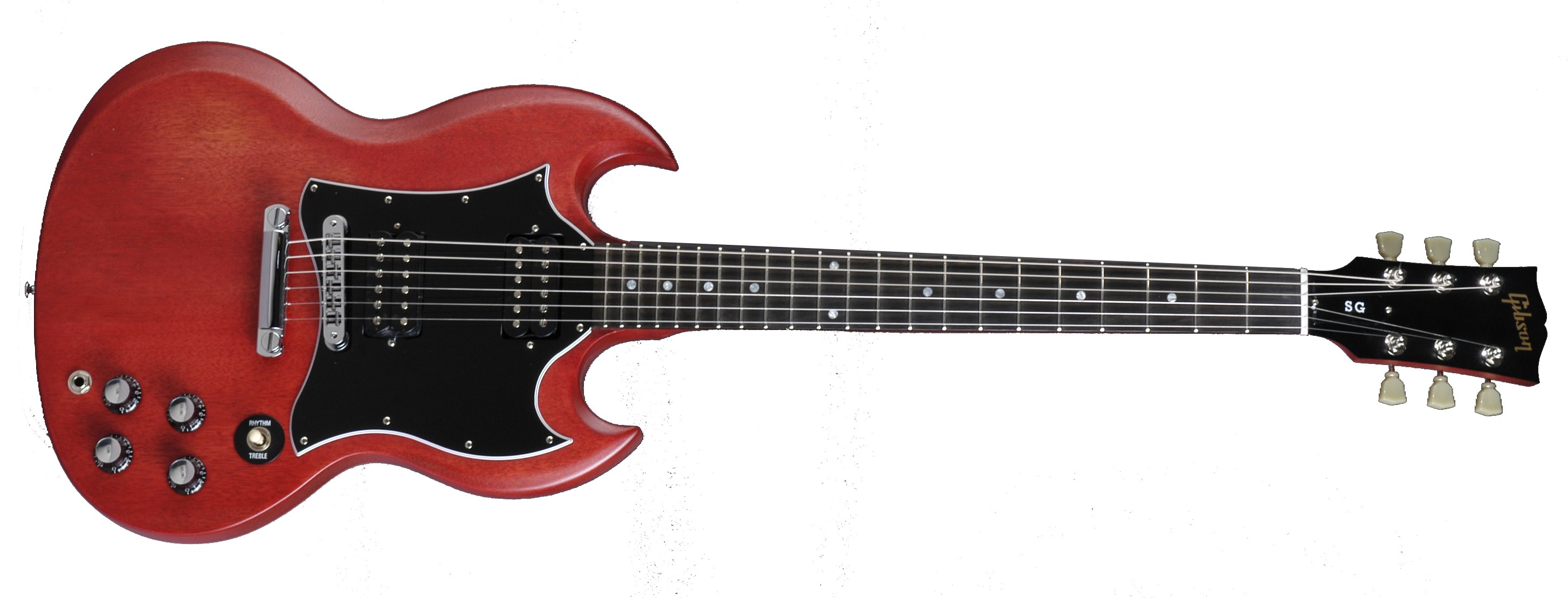
Gibson’s Faded-series offers amazing value for money. These USA-made models offer less bling by doing away with the fingerboard binding, the large crown inlays and the regular gloss finish. But apart from the more modest visuals, the Faded-instruments are thoroughbred Gibsons.

Pidä blogia WordPress.comissa.

Ylös ↑