Review: Zoom G5

The Zoom G5 (current price in Finland: 265 €) is the Japanese company’s brand-new flagship guitar effect pedalboard.

The easy-to-use G5 is built with the same user interface as the smaller G3 and B3 units, which were reviewd by Kitarablogi.com earlier. When in Home-view – that is when the single effects making up an effect patch are shown in the unit’s displays – the Zoom works just like like a pedalboard containing separate effects: Each effect has its own display showing an icon that gives you a good idea of the type of effect in use, and the most important parameters can be adjusted directly via three control knobs beneath each display.

The Zoom G5 broadens this idea by offering up to nine effects per patch, even though the unit only has four sets of displays, knobs and footswitches. This problem is solved by using the Scroll-buttons above the displays, which enable you to change which part of the effect chain you are currently viewing. Using the Scroll-buttons you call up the effects you want to edit (or turn on and off on-the-fly). When switching to another effect patch the G5 automatically stores your last Scroll-position, so when you return to the patch you’ve just left your choice of effects will be called up into the displays.

The plethora of different effect types on offer in the Zoom G5 is truly mind-boggling – you can choose between 145 different effect types, from a wealth of excellent amp models and basic effects to some really far out synth and sci-fi effects.

The effect patches are stored in 99 banks of three patches each. The G5 comes chock full of fine presets, but everything can be changed and overwritten by the user.

The pedal board offers two more cool features:
The first one is Zoom’s Z-Pedal which adds left-right-functionality to the traditional up-down movement. With the Z-Pedal you are able to control several effects or parameters simultaneously, which opens the door to some far-out sound manipulation.

After the digital effects, but before the analogue outputs, Zoom have placed a genuine Tube Booster to warm up your tones or boost you solos. The Tube Booster offers a whopping 16 dB of boost!

Naturally, the G5 also includes the G3’s rhythm box and cool looper.

The back panel offers all the connectors you’d expect from a pro-class digital effects pedalboard, catering for your live and studio needs.

You can update the G5’s firmware via the unit’s usb-port. You can also use your computer to design, edit and share your own effect patches, once you’ve downloaded Zoom’s free Edit & Share -software (PC & MAC).

The G5 also works as a usb-soundcard (44,1 kHz/16-bit) in conjunction with your audio-sequencer (PC & MAC). If you don’t already own recording software, don’t worry – Zoom is throwing in Steinberg’s Cubase LE 6 to get you recording right away.

****

Zoom’s G5 is a fantastic unit and easy to use. The variety of tones and effects on offer is so great that describing everything in words would take up way too much space. Suffice it to say that in my opinion Zoom’s latest offering is their best guitar pedalboard so far! In light of the sound quality on offer, as well as the unit’s sturdy physical build, the price of the Zoom G5 seems like a real bargain to me.

Here are a few soundbites using some of the factory patches:

BGN Chaos – LP-type guitar

Clean Wah – Stratocaster

DriveA-Wah – LP-type guitar

DZ Drive + Booster – Stratocaster

Fuzz+A-Pan – Stratocaster

Match30 + Booster – Stratocaster

MS Crunch – Stratocaster

New Arp – Stratocaster

Oct-Lead – Stratocaster

Rise – Stratocaster

RotaryZ – LP-type guitar

TRM & PHSR – LP-type guitar

US Blues + Booster – Stratocaster

Volume Pad – LP-type guitar

****

Zoom G5

Current price in Finland: 265 €

Finnish distributor: Studiotec

Pros:

+ sound

+ sturdy build

+ very wide range off effects

+ intuitive user interface

+ Z-Pedal

+ Tube Booster

+ USB-soundcard

+ bang-for-the-Euro

****


Testipenkissä: Ampeg Micro-CL -stäkki

****

Yksi Ampegin tämänvuotisista NAMM-uutuuksista on firman toinen pikkustäkki – Ampeg Micro-CL.

Suuren suosion saanut edeltäjä – Micro-VR (yhä saatavilla) – on pienennetty versio 1970-luvun Ampeg SVT -vahvistimesta, jolla on 200:n watin teho. Upouusi Micro-CL taas on satawattinen miniatyyri 80-luvun Ampegista (nykyinen SVT-CL).

Ampeg Micro-CL -stäkki (ovh: 505 €) tuo firman tyylikkyyttä helposti kannettavaan muotoon.

Transistorinuppi painaa vain kuusi kiloa, ja siihen kuuluva kaappi ainoastaan 15 kiloa. Koko ministäkki jää korkeudeltaan juuri ja juuri alle 80 cm – se mahtuu siis helposti tavallisen henkilöauton takakontiin.
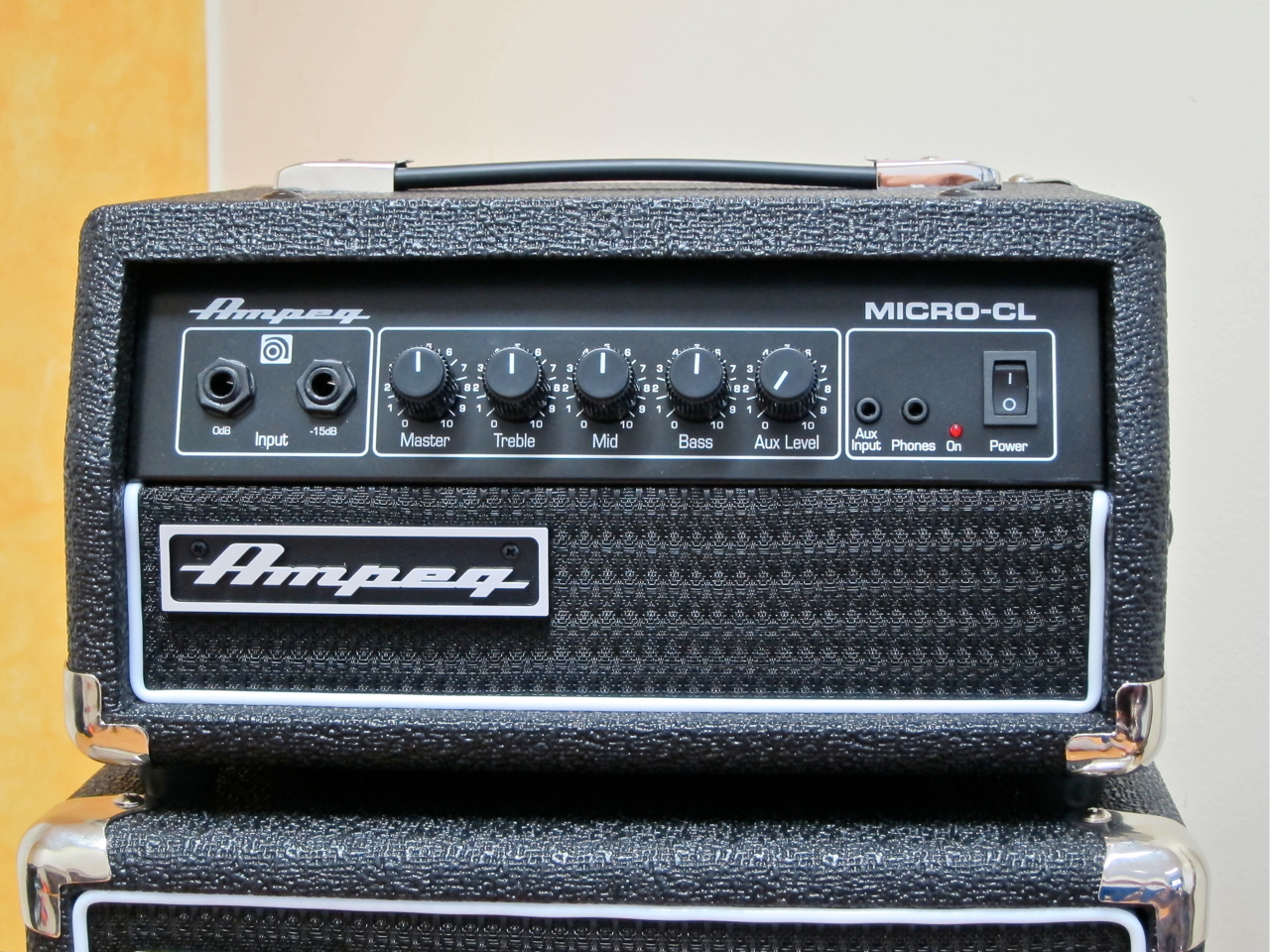
Micro-CL-nuppi tarjoaa kaksi tuloa – yksi passiivi- ja toinen aktiivibassolle – ja kolmikaistaisen EQ-osaston.

Koska kyse on tässä myös harjoitusvahvistimesta, nuppiin on lisätty Aux-tulo (minijakki, omalla volyymisäätimellään) mp3-soittimelle. Myös kuulokelähtö löytyy etupaneelista.
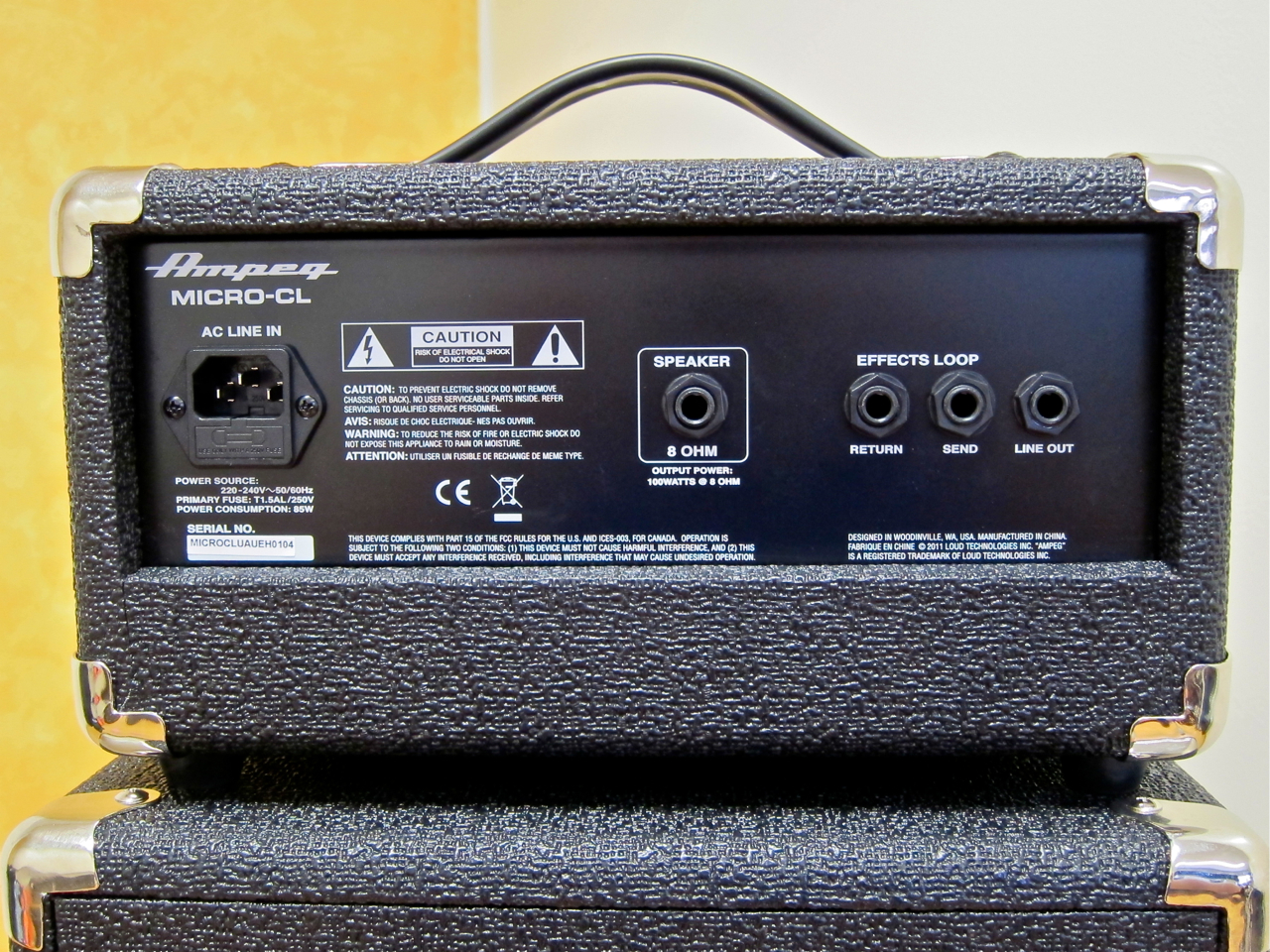
Takapaneeliin on sijoitettu Micro-CL:n linjatasoinen lähtö, sekä efektilenkin liittimet.

Stäkin kaappi – Ampeg MC-210E – on rakennettu samalla Infinite Baffle -periaatteella kuin firman perinteiset, valtavankokoiset 8 x 10″ -kaapit.

Täysin suljetussa kaapissa on miniversiossa kaksi kymppituumaista kaiutinta. Etukangas on kiinnitetty autenttisesti tarranauhoilla.
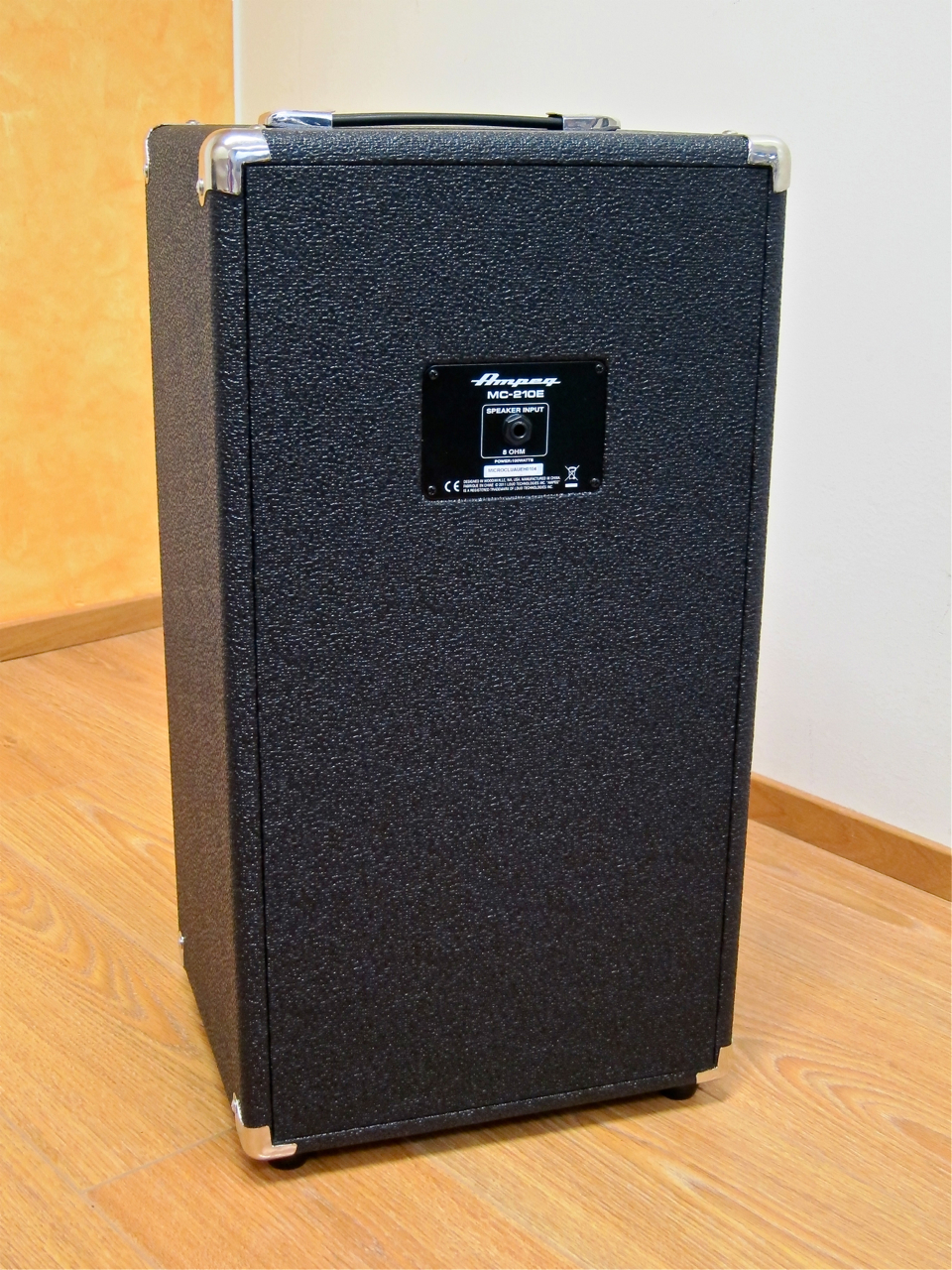
Ampeg-kaappi vaikuttaa erittäin kestävältä, ja työnjälki on yhtä laadukas kuin Ampegin täysikokoisissa tuotteissa.

Takalevyltä löytyy MC-210E:n tulo.

Tässä näkyy Ampeg Micro-CL ja tavallinen bassokeissi – kyllä, stäkki on todella pieni…

****

Vaikka vahvistin onkin pienikokoinen, on syytä muistaa, että kyseessä on kuitenkin aito, satawattinen Ampeg!

Yllätyin kuinka paljon ääntä tästä pikkujärjestelmästä lähti. Olohuonekäytössä master-säädin pysyy varmasti jossain alkumetreillä (kolmosen tienoilla), muuten naapurisopu on vaarassa jäädä innokkaan bassosoiton jalkoihin.

Treenikämpässä – jossa äänitin myös tämän jutun esimerkkipätkät – kävi hyvinkin selväksi, että Micro-CL:n voimavarat riittävät mainiosti tavalliseen harjoituskäyttöön, ja jopa monille pienille keikoille.

Soundiltaankin Ampegin pienokainen on täysiverinen Ampeg: soundissa on mukana aimo annos lämpöä, ja firman vahvistimille tyyppillinen rouhea ja murea keskialue on tässäkin hyvin esillä.

Kun master-säädin on lähes täysillä, mukaan kuvaan astuu myös hyvin putki-tyylinen särö, mutta silloin korvatulppien käyttö on jo suositeltavaa.

Vaikka Ampeg Micro-CL -stäkki onkin ulkomitoiltaan erittäin söpö, se ei ole lelu vaan oikea bassovahvistin, joka tarjoaa aidon Ampeg-soundin kätevässä pakkauksessa.

Seuraavat esimerkkipätkät on soitettu Rickenbacker 4003 -bassolla (vuosimalli 1987, aina kaulamikki ensin):

Ampeg Micro-CL – sormisoitto

Ampeg Micro-CL – slap

Ampeg Micro-CL – plektralla

****

Ampeg Micro-CL -stäkki

505 €

Maahantuoja: Soundtools

****

Plussat:

+ koko

+ paino

+ soundi

+ teho

+ työnjälki

+ autenttinen ulkonäkö

****

Testipenkissä: Boss JS-10 eBand

****

Uusi Boss JS-10 eBand (suositushinta: 422 €) on kitaristin viihde-, harjoitus- ja opetuskeskus yhdessä kätevässä paketissa.

Boss JS-10:ssä yhdistyvät wav- ja mp3-soitin, efektilaite laadukkailla multiefekteillä ja vahvistinmallinnuksilla (lainattuja suoraan GT-100-pedaalista), kaksi tulokanavaa, erilaiset harjoitukseen sopivat apuvälineet, sekä laadukas 2.1-äänijärjestelmä (kokonaisteho 12 W).

eBandin etupaneeli on laitteen komentokeskus, ja sen rakenne on ilahduttavan selkeä.

Taustaraitojen toistoon – ja oman soiton äänitykseen – löytyy tutut transportti-näppäimet. Biisien ja efektien valintaan, sekä muihin menuvalintoihin ja parametrisäätöihin löytyy selkeät navigointinapit ja iso datapyörä.

Viimeiset kolme nappia tarjoavat meille kitaristeille suoran pääsyn vahvistimallinnukseen, efektiketjuun sekä viritysmittariin.

Mustataustaiseen master-osioon on sijoitettu laitteen kaksi analogista tuloa, joihin voi liittää joko sähkökitaran (tai -basson) tai laulumikrofonin. Kakkostulon mini-jakkiin (stereo) voi myös kytkeä ulkoisen mp3-soittimen tai bändikaverin synan yhteistä harjoittelua varten.

Kotelon kääntöpuolelta löytyy kaksi usb-porttia – yksi tietokonetta varten, toinen usb-tikulle.

Pedaali-jakkiin voi kytkeä joko jalkakytkimen (tai tuplapedaalin) tai ekspressiopolkimen. Kytkimellä saa potkaistua biisit käyntiin tai vaihdettua efektipatcheja ilman käsiä. Ekspressiopedaali taas toimii Boss JS-10:ssa joko wah-pedaalina tai volumesäätimenä.

Oikeassa laidassa on paikka SD/SDHC-kortille (1-32 GB). Boss eBandin mukaan tulevalla SD-kortilla on eBand Song List Editor -softa, jolla pystyy kätevästi järjestellä eBand-biisejä, siirtää niitä tietokoneen ja JS-10:n välillä sekä ripata biisejä suoraan CD:ltä eBand-muotoon usb-johdon kautta (PC ja Mac). Myös eBandin ajurit on pakattu mukaan, minkä ansiosta JS-10:tä voi käyttää ulkoisena usb-äänikorttina, ja hyödyntää eBandin laadukkaita efektejä sekvensseriäänityksissä.

Analogiset lähdöt on sijoitettu laitteen kylkeen – rca-pari sekä mini-jakki.

Ison subbarinsa ansiosta kätevän kokoisen JS-10:n soundi on huomattavasti muhkeampi ja isompi kuin luulisi näin kompaktista laitteista irtoavan.

****

Bossin mukana tulee erittäin tuhti paketti erilaisia eBand-biisejä.

Valmiit eBand-biisit ovat periaatteessa pitkiä audiolooppeja eri tyylilajeissa ja nopeuksissa. Biisikirjastosta löytyy sekä sellaisia kappaleita, jotka ovat pelkkiä rumpukomppeja, että kokonaisia bänditaustoja, joiden päälle voi sooloilla.

Valmiiden eBand-biisien laatu on erittäin korkea ja taustat groovaavat ja svengaavat kuin hirvi. Taustat on nimittäin äänitetty oikeilla soittajilla, sen sijaan että ne olisi luotu ohjelmoimalla midi-soittimia!

Taustoina voi kuitenkin käyttää myös Song List Editorilla ripattuja biisejä tai suoraan usb-tikulta soitettuja wav- (44,1 kHz/16 Bit) tai mp3-tiedostoja (64-320 kbps).

Speed-näppäimen takaa löytyy Bossin Phrase Trainer -osasto:

Speed-toiminto muuttaa soivan biisin nopeutta sekä ylös että alaspäin, ja Pitch käytetään audion transponointiin ja/tai hienovirittämiseen.

Center Cancel taas on monille tuttu karaoke-laitteista, ja se poistaa vaihemanipuloinnilla tehokkasti osan stereokuvan signaalista. Efekti voidaan kohdistaa perinteisesti stereon keskelle…

…mutta JS-10:n ässä hihassa on vapaasti kohdistettava poistaja, jolla pyyhkäistään tehokkaasti myös muualla stereo-kuvassa esiintyviä soittimia (esim. 1960-luvun ping-pong-stereossa).

Phrase Trainerin toiminta ja lopputuloksen soundi on suoraan sidoksissa audion tekniseen laatuun – siis: wav-tiedosto tai iso mp3-audio (256 tai 320 kbps) kestää isompiakin muutoksia paremmin kuin matalalla resoluutiolla pyörivä mp3.

Tältä näyttää Bossin viritysmittari.

eBandistä löytyy pitkä lista valmiita efektipatcheja, joita voi valita myös tyylilajin mukaan. Jopa muutama valmis laulu- ja bassoohjelma on mahdutettu mukaan.

Valmiiden efektien lisäksi voi luonnollisesti ohjelmoida myös omia efektipatcheja, joita pystyy kirjoittamaan muistin user-osioon.

Kummallekin tulolle on tarjolla oma efektiohjelmansa.

Laite valitsee omatoimisesti jokaiselle eBand-biisille siihen sopivan efektiohjelman.

Soundin nopeaan hienosäätimiseen voi käyttää Boss-multiefekteistä tuttua EZ Edit -toimintoa, jossa kursoria liikkumalla ristikossa saadaan nopeasti ja helposti soundi halutunlaiseksi. Ei tarvitse siis ruuvailla montaa parametriä peräkkäin, vaan tässä toimitaan pehmeä-aggressiivinen, komppi-soolo ja kuiva-kaikuisa akseleilla.

Patch Edit -ikkunoissa pääsee sitten yksityiskohtaisesti jokaisen efektiparametriin kiinni.

****

Boss JS-10:n kaltaiset laiteet ovat erittäin harvinaisia, mikä on tavallaan ihmeellistä: eBandin käyttö on nimittäin paljon sujuvampaa, nopeampaa ja siistimpää kuin kamppailu erillislaitteiden johto- ja adapteriviidakossa.

Boss JS-10 on loistava vehje, sekä harjoitteluun kotioloissa, että kitaraopetukseen. Se on erittäin mutkaton laite, jossa on hyvä soundi, toimvat Phrase Trainer -ominaisuudet, loistavat efektit, sekä mahdollisuus oman soiton äänittämiseen.

Tässä on kolme lyhyttä pätkää, joissa soitan soolo-osuudet JS-10:n omien eBand-biisien päälle:

Boss JS-10 – Funky Groove

Boss JS-10 – Gothic Metal

Boss JS-10 – Country Train

****

Boss JS-10 eBand

suositushinta: 422 €

Maahantuoja: Roland Scandinavia

Plussat:

+ soundi

+ COSM-efektejä

+ Phrase Trainer -osasto

+ äänitysmahdollisuus

+ SDHC-kortti

+ USB-audio

****

Review: LTD MH-330FR + ESP Horizon FR-II SD

****

ESP Guitars offer plenty of different guitar models for the modern Wunder-widdler. The most classic of these is probably the Horizon – a typical Superstr*t featuring two humbuckers and a Floyd Rose -bridge.

Kitarablogi.com selected two Horizons for this review:

The LTD MH-330FR, which comes with two active ESP-pickups…

…as well as the pukka ESP Horizon FR-II SD equipped with a pair of Seymour Duncans.

****

The LTD MH-330FR (current price in Finland: 489 €) is a sleek and stylish piece of work, with the Electric Blue finish adding its own bit of panache.

The same cool finish is also applied to the maple neck and the back of the mahogany body.

All of the MH-330FR’s hardware comes in black nickel, which shines in a smoky, dark-greyish way.

The capsuled Gotoh-style tuners are of decent quality. A volute strengthens the area underneath the top nut to prevent breakages.

A beautiful piece of rosewood has been chosen for the LTD’s bound fretboard, which sports stylish inlays, as well as 24 nicely finished jumbo-sized frets.

The chamfered neck joint makes reaching the dusty end more comfortable, compared to a standard old-school bolt-on joint.

The MH-330FR’s active ESP-pickups look rather similar to EMG-units.

The controls comprise a master volume and a master tone, with a three-way blade switch for pickup selection.

A nice touch: The battery compartment lid is fastened with machine screws, which grip into metal inlets. This is a much better way of doing this than using plain wood screws.

The clean workmanship is carried over into the electronics cavity also, with graphite paint and aluminium foil taking care of shielding against interference.

The LTD’n Floyd Rose Special –vibrato is a decent-quality, less expensive licensed Floyd Rose, manufactured in South Korea. The most important difference between the Special and the full-blown versions lie in the cast bridge saddles and vibrato block. The Floyd Rose Original is equipped with steel saddles and a brass vibrato block.

Another nifty feature: Two openings in the MH-330FR’s spring cover allow you to adjust spring tension without having to remove the cover!

****

ESP’s Horizon FR-II (current price in Finland: 1.929 €) is a fine example of top-quality, Japanese workmanship. This model is part of the company’s high-quality Standard-range, and it is built with a through-neck.

The body is made up from two mahogany wings on the back, and topped off with a gorgeous flame maple top on its front side.

Depending on the finish, the Horizon FR-II either comes with black nickel hardware, or, as is the case with our Dark Brown Sunburst –finished test sample, with chrome hardware.

The tuners are genuine Gotohs.

The workmanship displayed on the LTD-Horizon was already on a high level, but the ESP-Horizon leaves you in no doubt that it is a pro-quality instrument: The smooth ebony board sports 24 jumbo frets, which have been finished carefully to give you the smoothest ride possible.

A very smooth neck-joint, indeed…

The ESP Horizon FR-II is also available with active EMG-units, but our review guitar is the SD-version, which has a Seymour Duncan ’59-model mounted in the neck position, with a JB-model near the bridge (JB = Jeff Beck).

The master volume is equipped with a nifty, spring-loaded push/push-switch. The up-position splits the Horizon’s humbuckers for singlecoil-type tones.

Outstanding workmanship coupled with quality parts – the mark of a top-class instrument.

Here we’ve got the real deal: A Schaller-made Floyd Rose Original –vibrato with steel saddles and a brass block.

The ESP Horizon comes with its own case.

****

The specifications read ”Thin U Neck Contour”, and I was a bit worried the neck might feel a little unsubstantial and 1980s-style flat. But I needn’t have worried: The LTD’s neck profile is a slim D, which still gives you plenty of flesh for easy playing and good sustain.

The MH-300FR’s Floyd itself works nicely, although I experienced some annoying trouble with the vibrato bar. I couldn’t get the damn thing to stay attached firmly to the vibrato. In use the threaded collar would work loose, causing the bar to start flapping around instead of staying put. Let’s hope this isn’t an endemic problem, but rather a one-off glitch on the review guitar’s Floyd.

Soundwise the LTD MH-300FR is a typical active electric guitar, with a very open and linear tone. Especially the mid-range stays much cleaner and more transparent than on most passive, humbucker-equipped guitars.

Here are two examples (both starting with the neck humbucker):

LTD MH-330FR – clean

LTD MH-330FR – crunch

****

The ESP Horizon FR-II is very light and plays like a dream. The neck profile is a tad flatter than that used on the LTD, but still steers well clear of uninspiring flatness.

The fantastic fretwork and flat fingerboard camber result in a fast and extremely smooth playing feel – perfect for large bends.

The Floyd Rose Original is still the number one locking vibrato in my opinion, and it works just as it should on the ESP.

The Horizon FR-II sounds warmer and more organic, when compared to its less expensive LTD-brethren. The sound might be too warm for some Thrash Metal guitarists, but overall its earthy quality seems much more versatile to me.

Splitting the humbuckers gives you three more colours to work with, further broadening the ESP’s palette.

The example tracks both start with split humbucker (neck – both – bridge) before continuing with the full settings in the same order (neck – both – bridge):

ESP Horizon FR-II – clean

ESP Horizon FR-II – crunch

****

This review left me in no doubt as to ESP’s guitar-making kudos – these are fine instruments.

The mid-price LTD MH-330FR is a serious guitar, with just the right active tones to satisfy the Hard Rock and Metal posse.

ESP’s Horizon FR-II is a top-drawer guitar for the virtuoso guitarist.

ESP Horizon FR-II & LTD MH-330FR – the audio track from the video

****

ESP ja LTD –electric guitars

Finnish distributor: Musamaailma

****

LTD MH-330FR

489 €

Pros:

+ bang-for-the-buck

+ workmanship

+ playability

+ active pickups/sound

+ Floyd Rose -vibrato

Cons:

– loose wang bar on our review sample

****

ESP Horizon FR-II Seymour Duncan

1.929 €

Pros:

+ top-quality Japanese instrument

+ workmanship

+ playability

+ coil-split

+ sound

+ Floyd Rose Original -vibrato

****

Pidä blogia WordPress.comissa.

Ylös ↑