

Lisätiedot: Fender
Kitarablogi.com – Finland's premier Guitar and Bass blog
Juttuja kitaroista ja bassoista
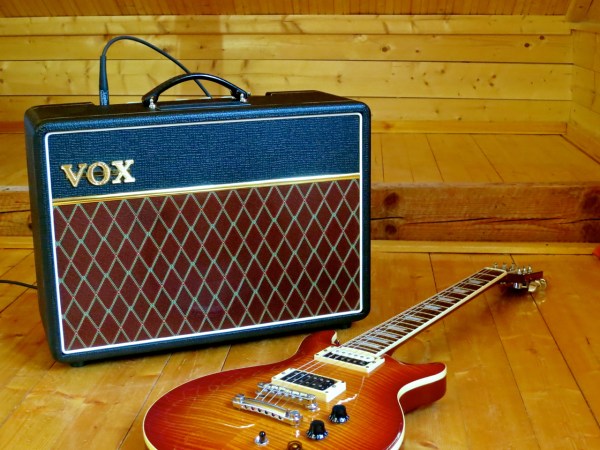

Uusi Vox AC10C1 on teholtaan oiva väliaskel firman Custom-sarjassa neliwattisen AC4C1:n ja 15-wattisen AC15C1-kombon välillä.
****
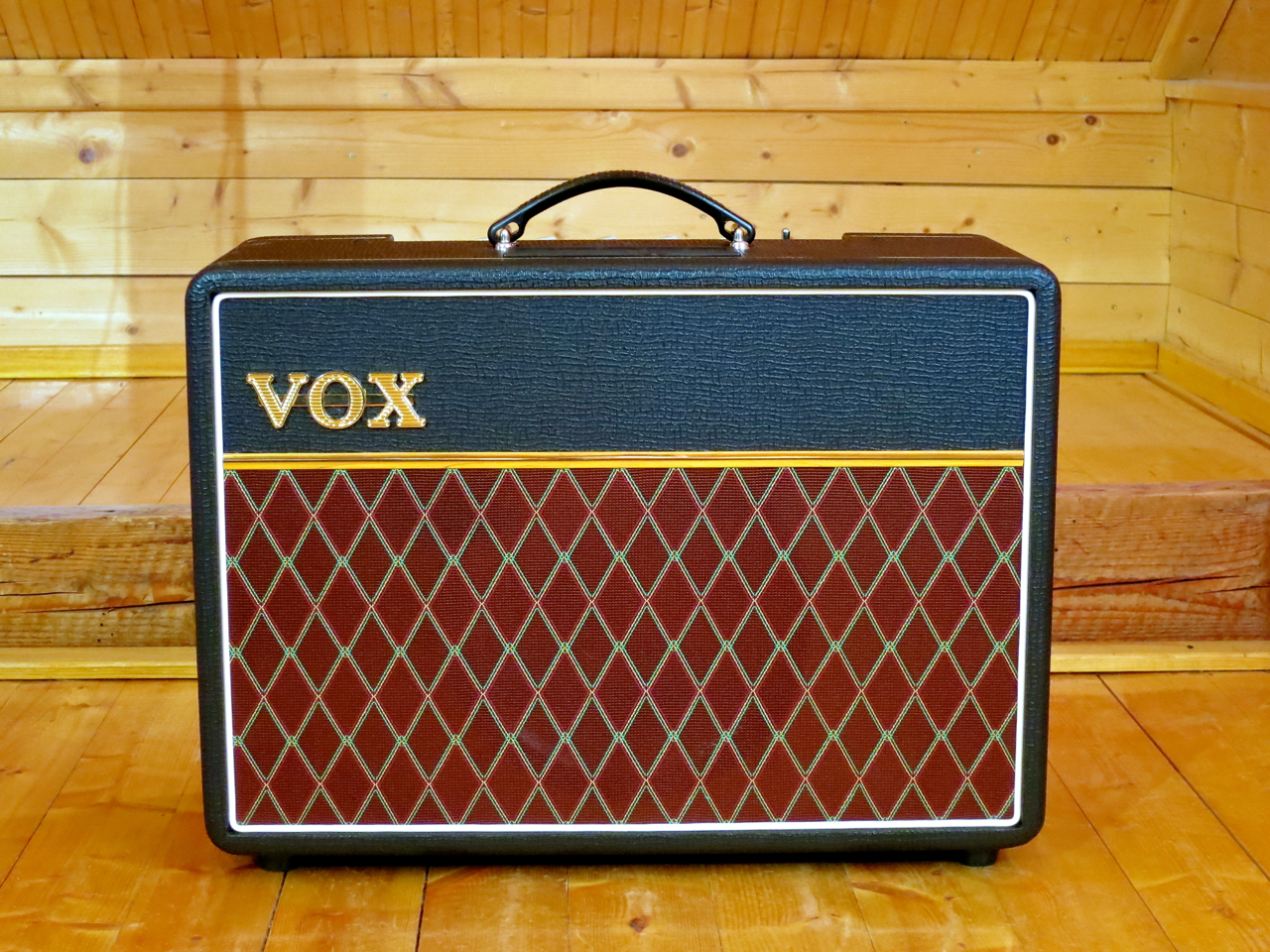
Vox AC10C1 (katuhinta noin 520 €) ei ole alkuperäisen (1950 tai 60-luvun) AC10-kombon uusintapainos, vaan uutuuskombo on Kiinassa rakennetun, nykyaikaisen Custom-sarjan jäsen.
Näin ollen AC10C1-vahvistimesta löytyy – alkuperäisen vibratoefektin sijaan – laadukas digikaiku, sekä erilliset Gain- ja (Master) Volume-säätimet.
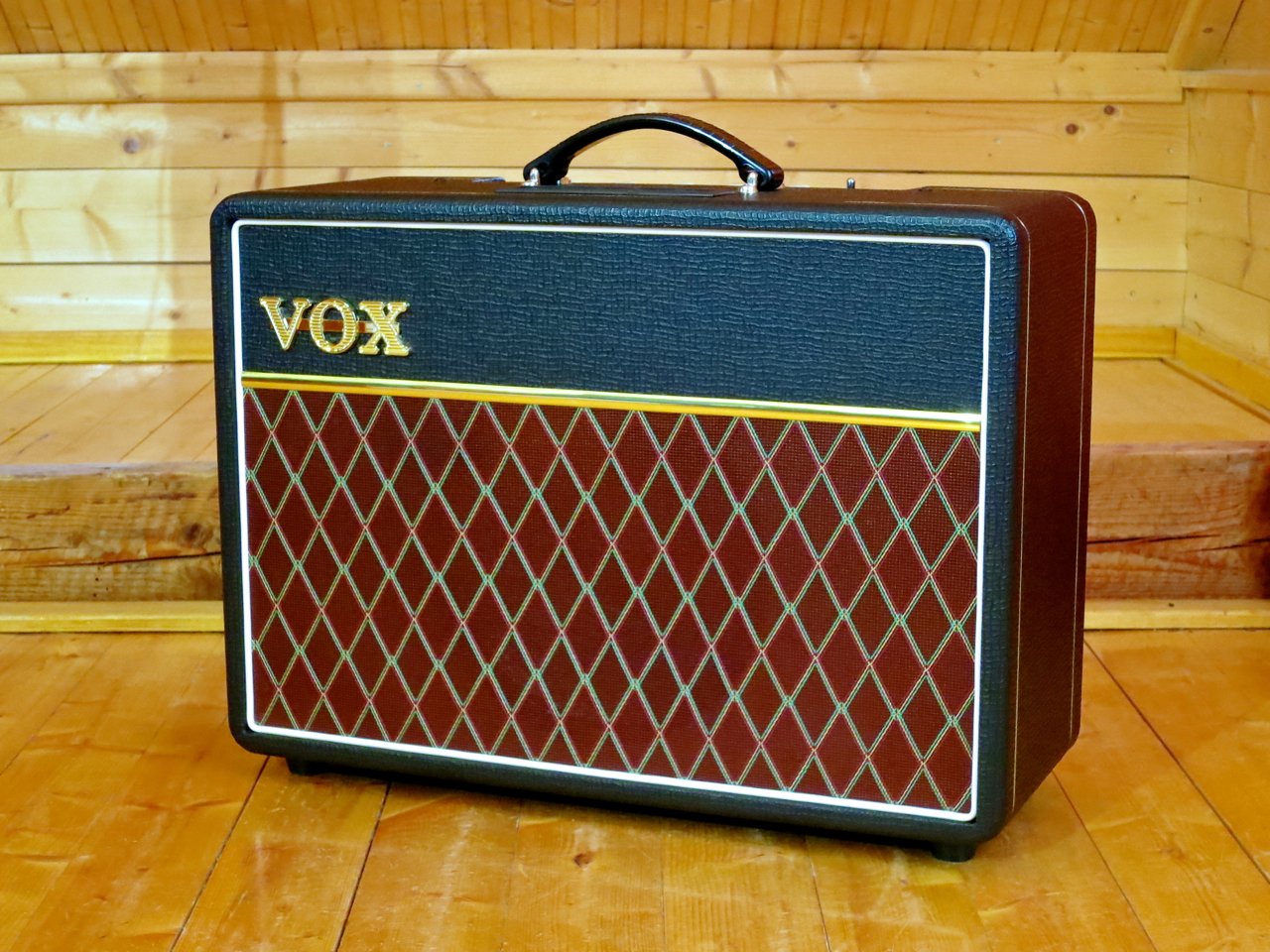
Uusi Vox-kombo näyttää pienennetyltä versiolta firman legendaarisesta AC30-mallista – paljon mustaa vinyyliä, kultaiset ja valkoiset koristelistat, sekä vinoneliökuvioilla koristettu, ruskea etukangas.
AC10C1 painaa vain 12 kiloa, minkä ansiosta komboa on helppo kantaa sen ainoasta muovikahvasta.
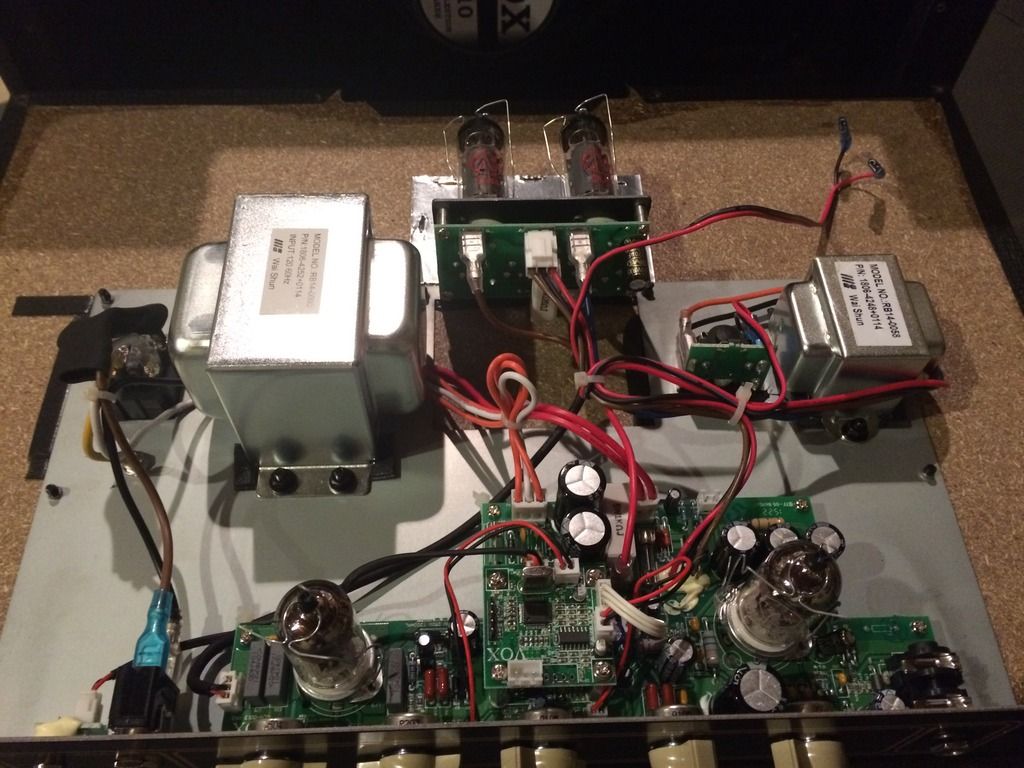
Koska kyse on kiinalaisesta sarjatuotannosta, ei tässä voi odottaa käsinjuotettua, kallista point-to-point elektroniikka, vaan AC10 on toteutettu kolmella piirilevyllä, joihin myös vahvistimen putkikannat on kiinnitetty. Hyvän kuvan AC10C1:n elektroniikan arkkitehtuurista saa tästä linkistä.
Voxin kaksi EL84 päätevahvistinputkea sijaitsevat kombon kotelossa suoraan kahvan viereisen tuuletusritilän alla. Etuvahvistimen putket (2 x 12AX7) taas löytyvät kombon pohjan läheltä, jossa niille on takaseinässä toinen tuuletusaukko.

Myös kombon säädinpaneeli on ulkonäöltään tyypillinen Vox-kombolle.
Paneeli tarjoaa Gain- ja Volume-säätimien lisäksi vielä kaksikaistaisen EQ-osaston, sekä säätimen kaiulle.
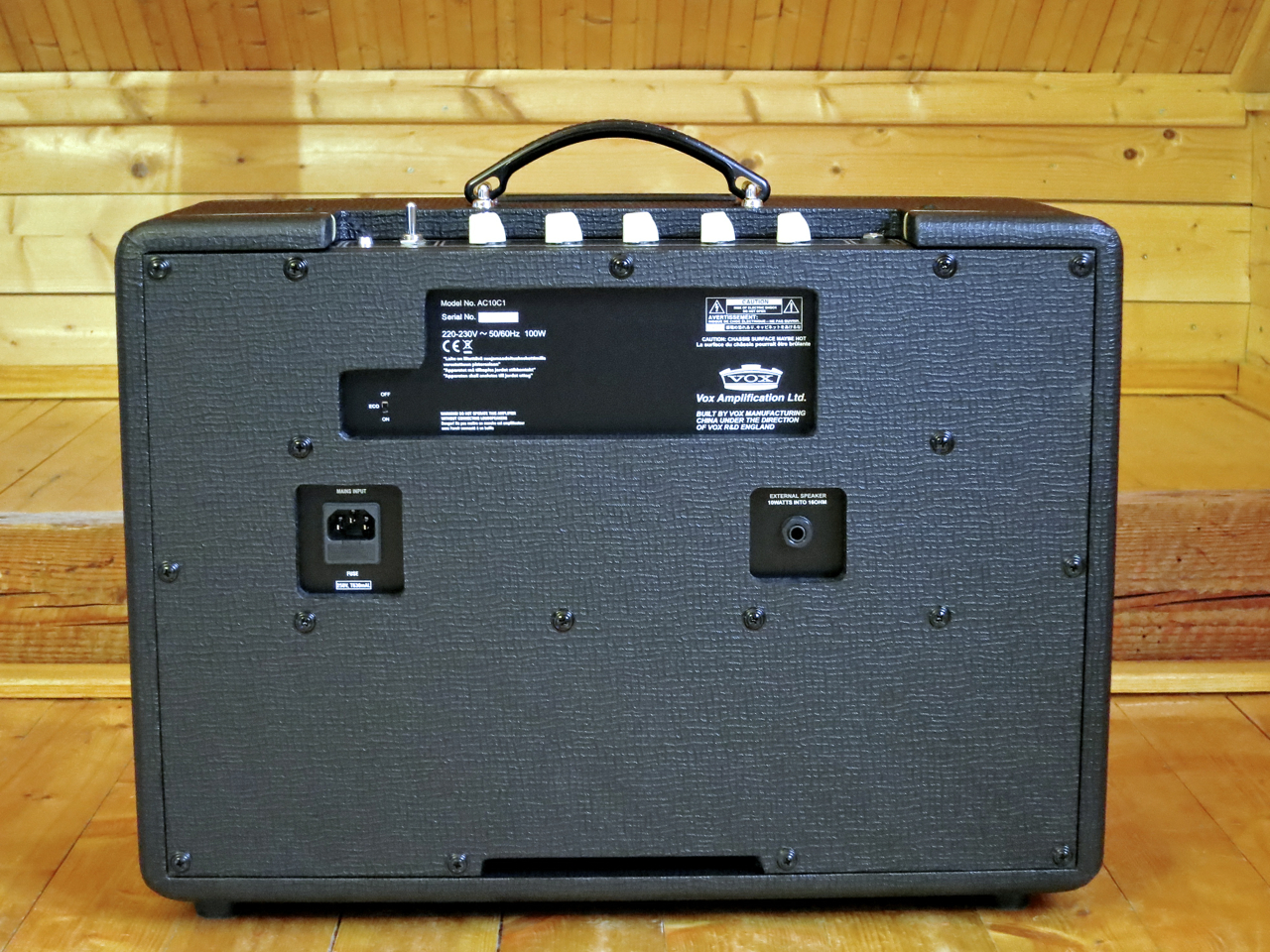
Vox AC10C1 on käytännössä suljetulla takaseinällä varustettu kombovahvistin, vaikka takaseinässä onkin pieni tuuletusreikä.
Kaiuttimeksi on valittu yksi kymppituumainen Celestion VX10.

EU:ssa uutuuskomboa myydään uudella Eco-ominaisuudella. Kun Eco-kytkin on päällä-asennossa, AC10C1 menee omatoimisesti pois päältä, jos kombo on kaksi tuntia tyhjäkäynnissä.
AC10C1:n kanssa voi käyttää sellaista lisäkaappia, jolla on 16 ohmin impedanssi.
****

Ensin sana Vox AC10C1:n tehosta:
Tämä vahvistin on 10-wattiseksi komboksi erittäin kovaääninen! Uutuus-Voxi ei mielestäni oikein sovi kerrostaloasunnon olohuonekomboksi, koska tämä AC-kymppi alkaa soida kunnolla vasta, kun Volume-säädin on avattu ainakin ”kello kymmeneen”.
Vox-kombon perusääni on melko kirkas – löysin minua miellyttäviä soundeja vasta, kun Treble-säädin oli kello 10:ssä (tai vielä enemmän kiinni).
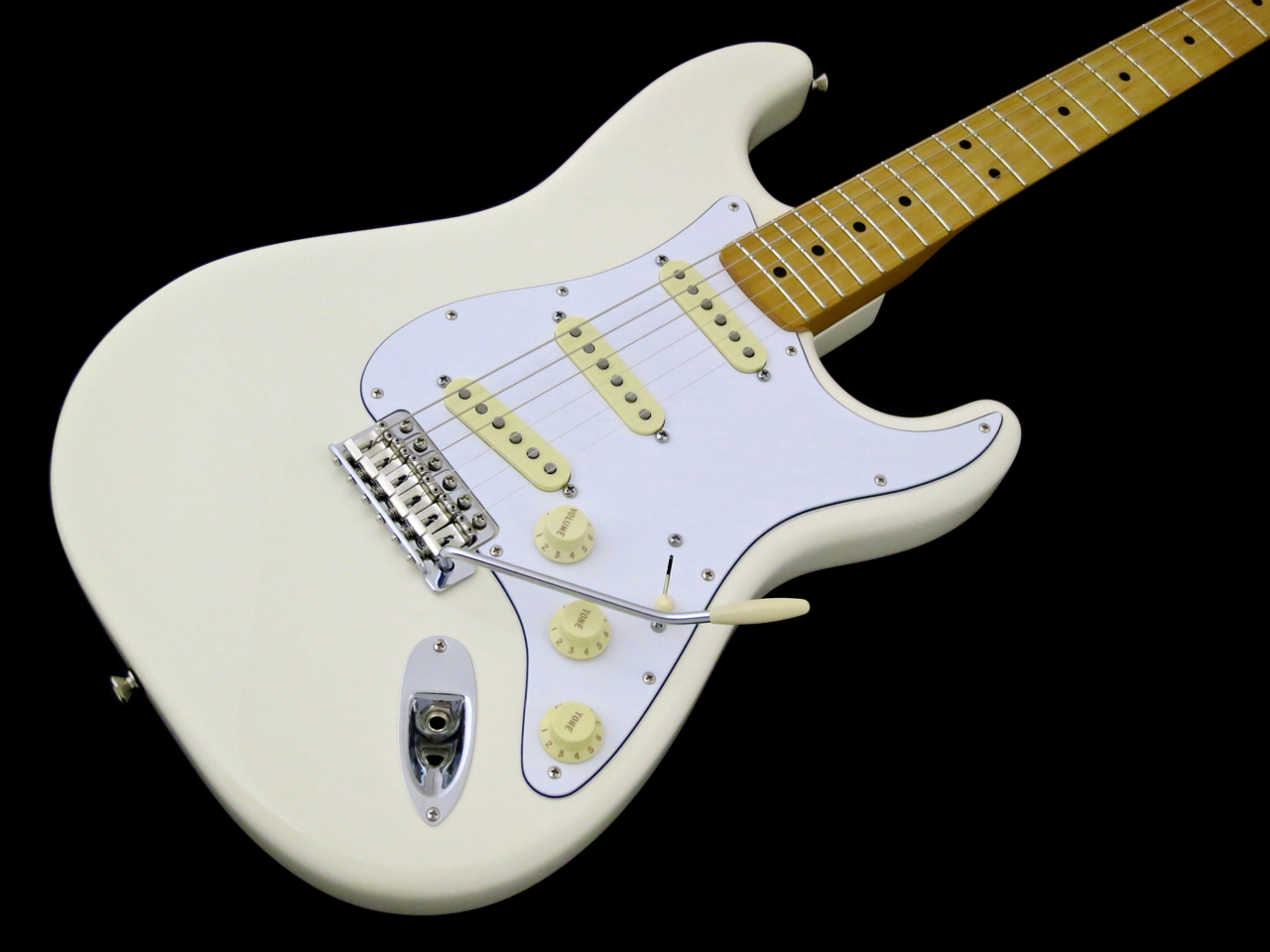
Vaikka uutuus-Voxi ei tarjoa valtavia määriä puhdasta headroomia, löytyy Gain-säätimen alkumetreillä kuitenkin kauniita puhtaita soundeja Fender-tyylisillä yksikelaisilla mikrofoneilla varustetun kitaran kanssa (tässä soi Fender Stratocaster, AC10C1:n Gain: kello 10):
Monille putkipuristeille digitaalinen kaiku putkikombossa on kuin punainen vaate, mutta ainakin minun mielestäni Vox AC10C1 tarjoaa yhden parhaista digikaiuista tässä hintaluokassa. Kaikutyyppi on muhkea jousikaiku, joka myös ”pärskii” mukavan autenttisesti isoilla säädöillä ja kovalla atakilla:
Gibson P-90 -yksikelainen vaatii jo – isomman lähtötason takia – kitaran omien volume-namikoiden säätämistä hiukan alaspäin, jos halutaan, että AC10C1 pysyy puhtaana. Ensimmäisessä klipissä soi Epiphone Casino, ja sen omat volume-säätimet ovat puoliksi kiinni (AC10C1:n Gain: kello 9):
Tässä sama Casino, mutta omat volumet säädetty kahdeksaan:
Myös humbuckereilla täytyy säätää kitaran omat volumet alas, muuten Vox AC10:n soundi muuttuu jo hieman rosoiseksi. Tässä kaksi esimerkkiä Hamer USA Studio Custom -kitaralla:
AC10C1:n särösoundien kirjo menee hyvin vahvasti ”klassisen” puolelle. Tämä ei ole mikään high gain -kombo, vaan Voxin luontevin ympäristö ovat 60- ja 70-luvun Pop-, Blues- ja Rock-soundit. Kombo tarjoaa kätevästi tyypilliset (Top Boost) AC30-soundit kompaktissa – ja ei ihan niin kovaäänisessä – formaatissa.
Stratocaster, Gain – kello 3:
Casino, Gain – kello 1:
Hamer, Gain – kello 1:
Stratocaster, Gain täysillä:
Casino, Gain täysillä:
Hamer, Gain täysillä:
****
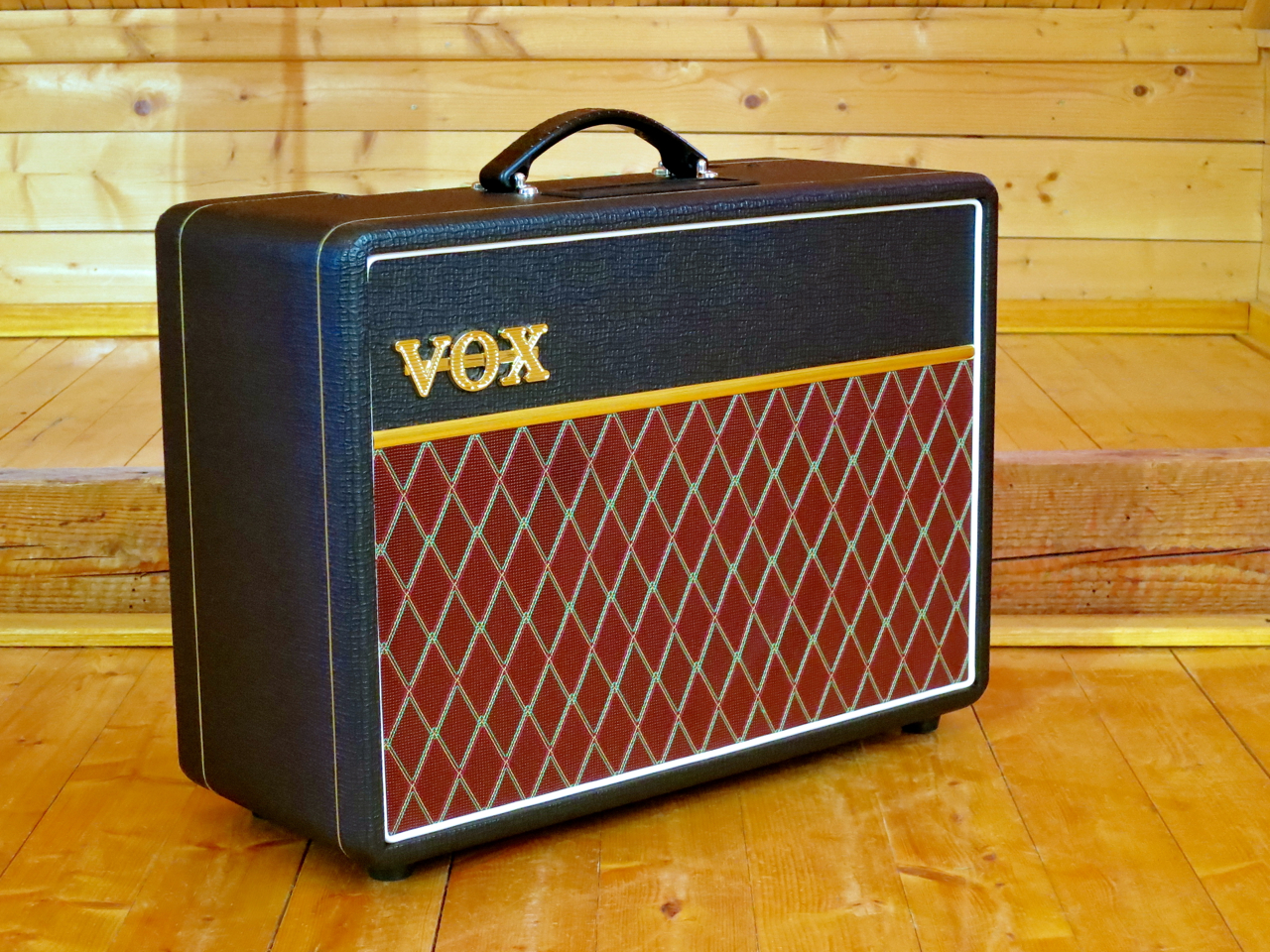
Vox AC10C1 on mielestäni juuri oikea vahvistin, jos etsii aitoa Vox-soundia helposti hallittavassa kokonaisuudessa.
Puhdasta headroomia ei ole tarjolla valtavasti, mutta onneksi tämä Vox reagoi todella hyvin kitaran volume-säätimillä, eikä näin saavutettu clean-soundi muutu elottomaksi tai ponnettomaksi.
Vox AC10C1 on riittävän kovaääninen bändikäyttöön treenikämpässä, ja pienissä keikkapaikoissa jopa livenä ilman mikkiä.
Myös studiokäyttöön Vox AC10C1 on mielestäni hyvä valinta, koska kombosta saa aidon Vox-soundin ratkaisevasti vähemmällä vuotoäänellä.

****
Vox AC10C1
katuhinta noin 520 €
Lisätiedot: EM Nordic
Kiitos DLX Musiikille testikombon lainaamisesta!
Plussat:
+ hinta-laatu-suhde
+ kompakti koko
+ kaiun soundi
+ soundi
Miinukset:
– puhdas headroom rajallinen


Tuo kitarasi F-Musiikki Vantaan kielisoitinverstaalle lauantaina 13.2. ja saat kitarahuollon kielisetin hinnalla. Perussäädön hinta on normaalisti 59 – 69 €. Huoltoon sisältyy uudet D’Addario- tai Rotosound-kielet, kielten vaihto, kaularaudan säätö, otelaudan puhdistus/öljyäminen, intonaation säätö, kielten korkeuden/tallan säätö, ja yleiskunnon tarkistus. Huoltotarjous ei koske lukkotallaisia (Floyd Rose) kitaroita.
F-Musiikki Vantaalla on kitarahuoltopäivänä erikoistarjouksia kitaroista ja kitaratarvikkeista. Esim. Godin-sähkökitarat -20% ja Planet Waves -kitaranhoitotuotteet -25%.
Tule paikalle lauantaina 13.2. klo 10-16 ja laita soittokamasi uuteen iskuun!
Lisätiedot: EM Nordic
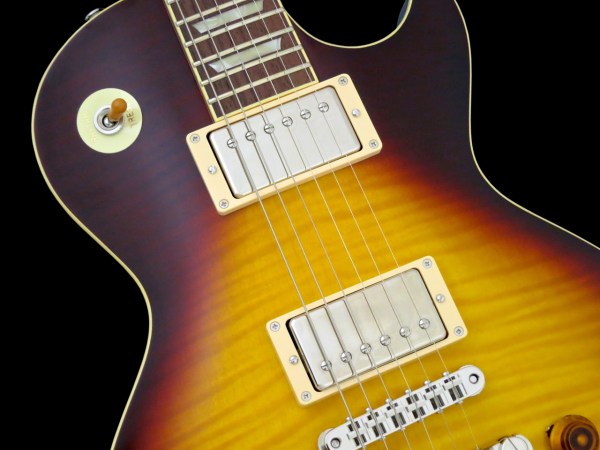

Kitarablogi’s year starts off with some really tasty guitars – three Japanese Tokai Love Rock models. Handcrafted Love Rocks just like these originally laid the foundation for Tokai’s legendary reputation as a maker of high-quality copies of vintage guitars.
****

Tokai’s LC-107 (current price in Finland: 1.219 €) is the company’s gorgeous version of a Les Paul Custom.
The gold-coloured hardware fits our review sample’s tasty see-through wine red finish to a tee.
In terms of built, the Tokai LC-107 follows closely the original 1950s recipe of an LP Custom – unlike many recent original Gibsons:
The mahogany body is genuinely solid, meaning there are no hidden holes or pockets serving as weight relief. Tokai keeps the weight of their Love Rocks down by carefully selecting lightweight mahogany.
The LC-107’s curved top, too, has been carved from mahogany (!), just like Gibson did it in the Fifties.
There is one change, though, that Tokai made for environmental reasons:
The bound fingerboard is made from rosewood, not ebony.

The multiply binding on both top and back add a nice dose of panache to the looks of the Tokai LC-107.

The Tokai LS-130F (1.514) is an LP Standard-type instrument with a thin satin finish.
The letter F in its name hints at the beautiful solid flame maple top of the LS-130F.
Our review instrument comes in a beautiful tobacco sunburst, whose edges may look brown at first glance, but actually turn out to be a dark, see-through violet, allowing you to see the chatoyant wood grain beneath it.

The LS-130F’s neck and the back of the body have been finished in cherry red.

Due to the runaway popularity of tiger striped maple on Les Pauls, many younger guitarists might think that all Standards made between 1958 and ’60 have flame maple tops. Actually, there are many original ’Bursts that were produced with what is nowadays called a plain top.
Tokai’s LS-160 (1.773 €) is a stunning, top-of-the-line version of such a plain top LP.
Adding to the LS-160’s vintage-style prestige is this instrument’s nitrocellulose finish, taking this model’s specifications right back to 1958.

The headstock on the Tokai LC-107 sports plenty of inlay works, as well as multiple binding.
The tuners are modern sealed Gotoh heads.

The headstocks on both the LS-130F and the LS-160 follows the more restrained LP Standard pattern.
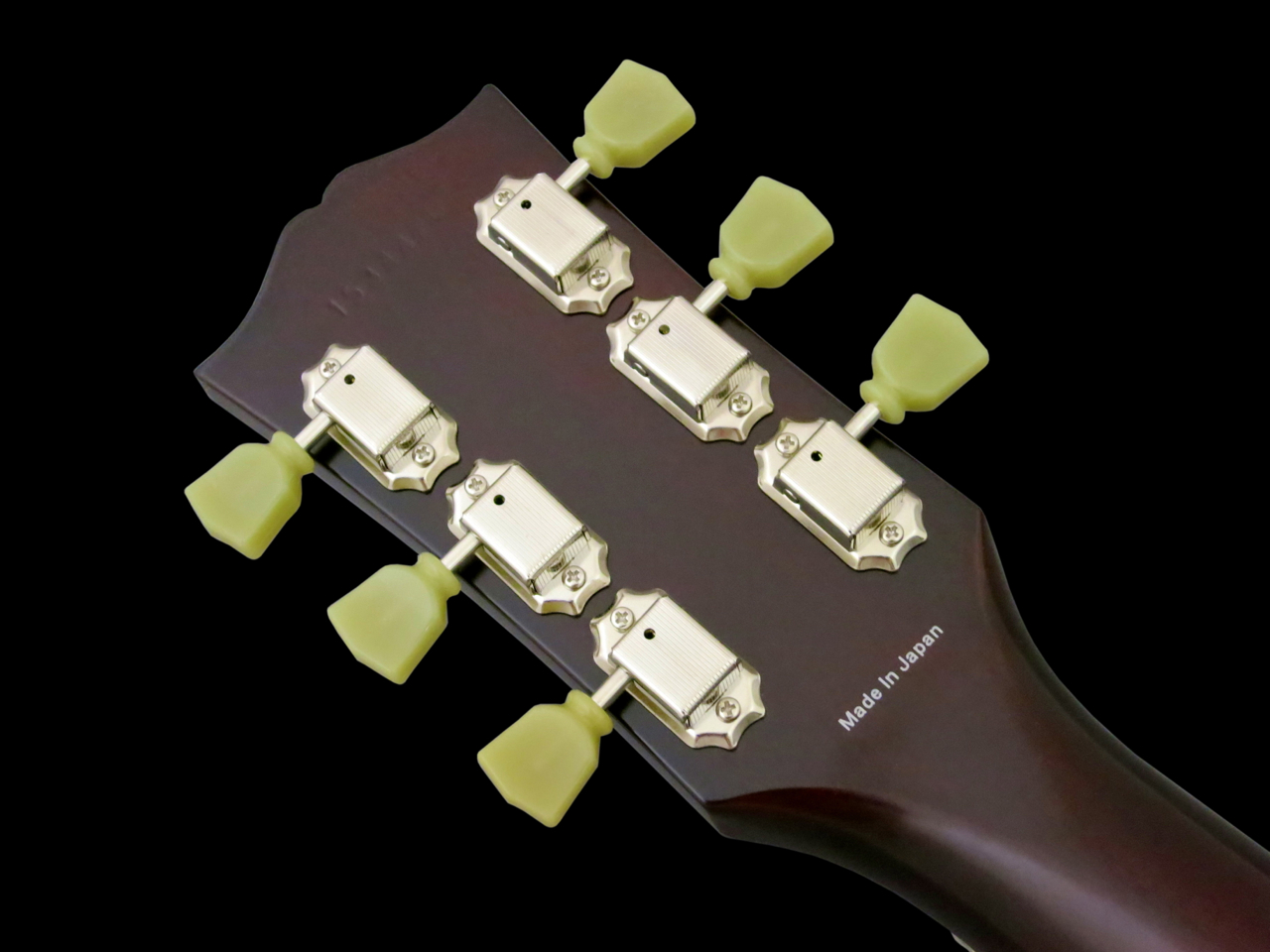
These two models come equipped with Gotoh’s quality versions of vintage Kluson tuners.

The Tokai LC’s sports oblong position markers made from pearloid plastic…

…while both LS’ come with crown inlays.
The fretwork on all three instruments is exemplary.

All three guitars have long tenon neck joints, with a part of the neck extending into the neck pickup cavity.
Many players claim that this type of neck joint makes for better tone and sustain.


The tune-o-matic bridges and stopbars on all three models come from Gotoh’s Japanese hardware range.

The LC-107 comes with a pair of Tokai’s fabled PAF Vintage Mark II humbuckers.

The LS-130F and LS-160 have been equipped with a pair of Seymour Duncan ’59 Model pickups.

The control cavities look clean and neat, displaying Japanese craftsmanship and parts, as well as thorough shielding with conductive paint.
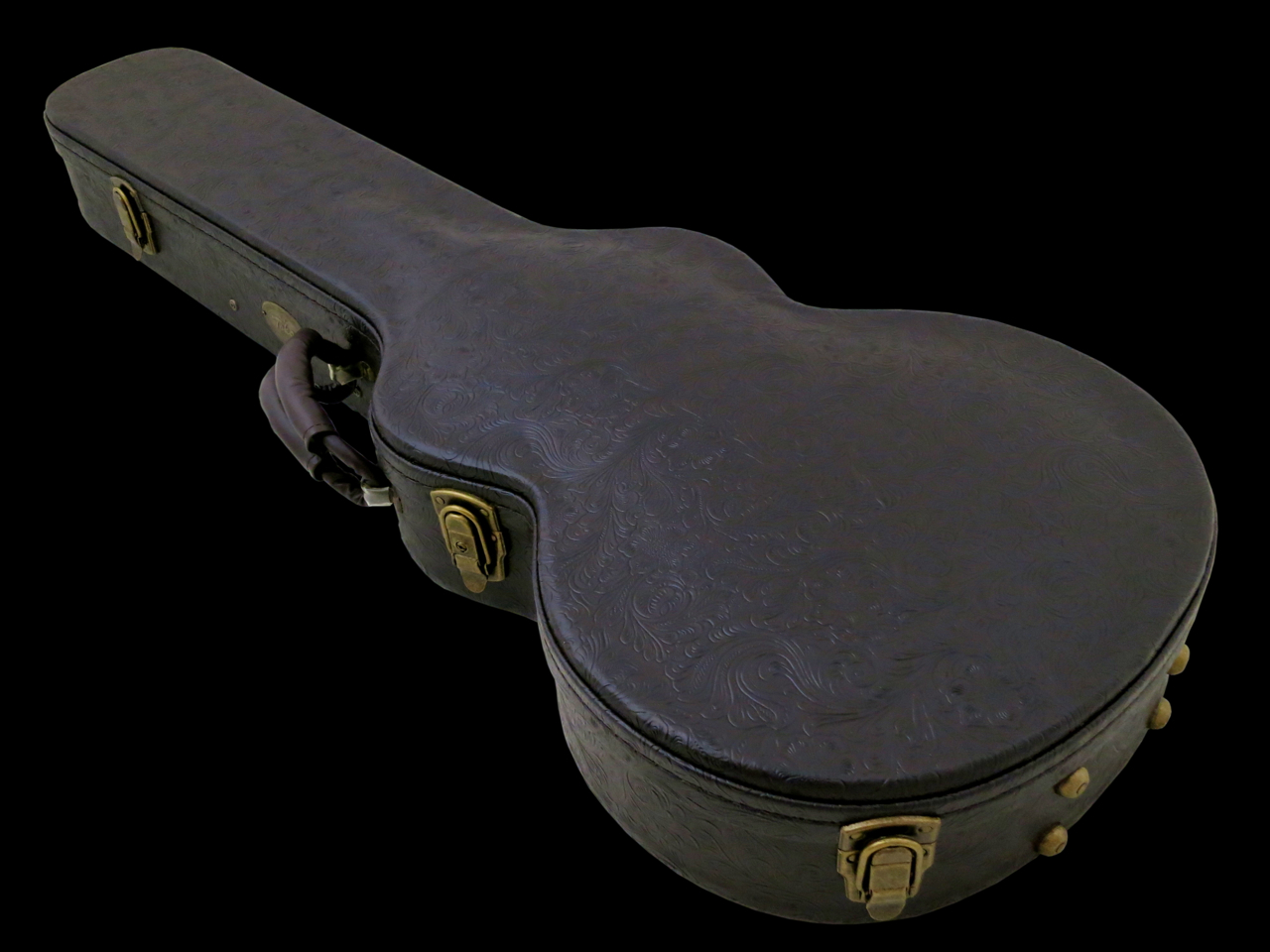
Our review trio is sold with a nice Tokai hard case included in the price.


In order to protect the LS-160’s delicate nitro finish, this model is placed inside the case in its own velours bag.
****
In terms of their playability, all three guitars – the LC-107, the LS-130F and the LS-160 – are all on an equally high level. In terms of their feel, though, close inspection reveals a few minute differences.

The neck profile on the Tokai LC-107 is a medium-depth, well-rounded D-shape. LP fans would probably describe this neck as a ’59 Neck – meaning there’s enough meat on the bones for tone, but the overall dimensions are not unwieldy.
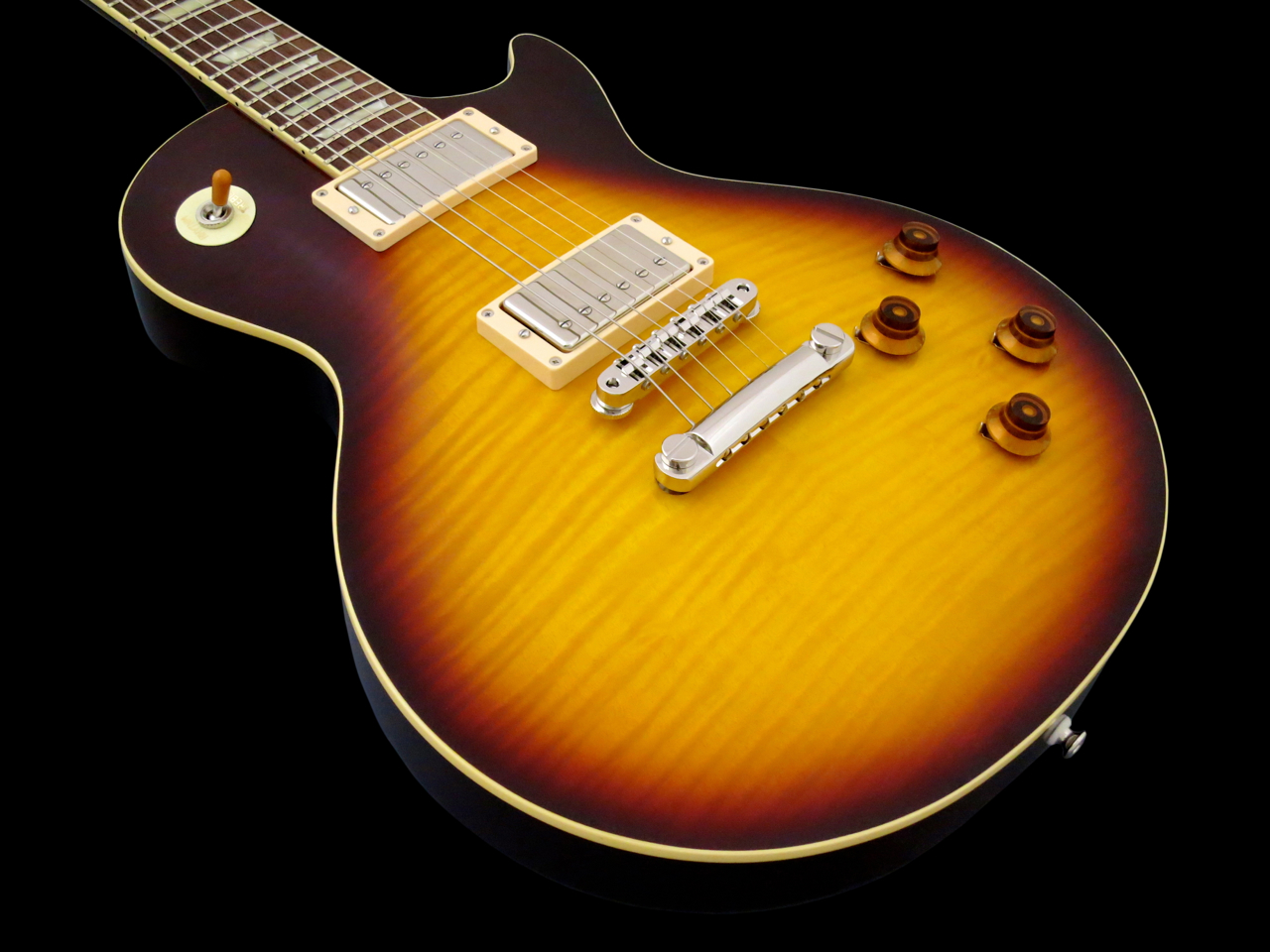
Tokai’s LS-130F comes endowed with a 58 Neck, meaning the full chunky Monty. The fantastic matte finish makes this neck feel very ”fast”, despite its considerable girth.
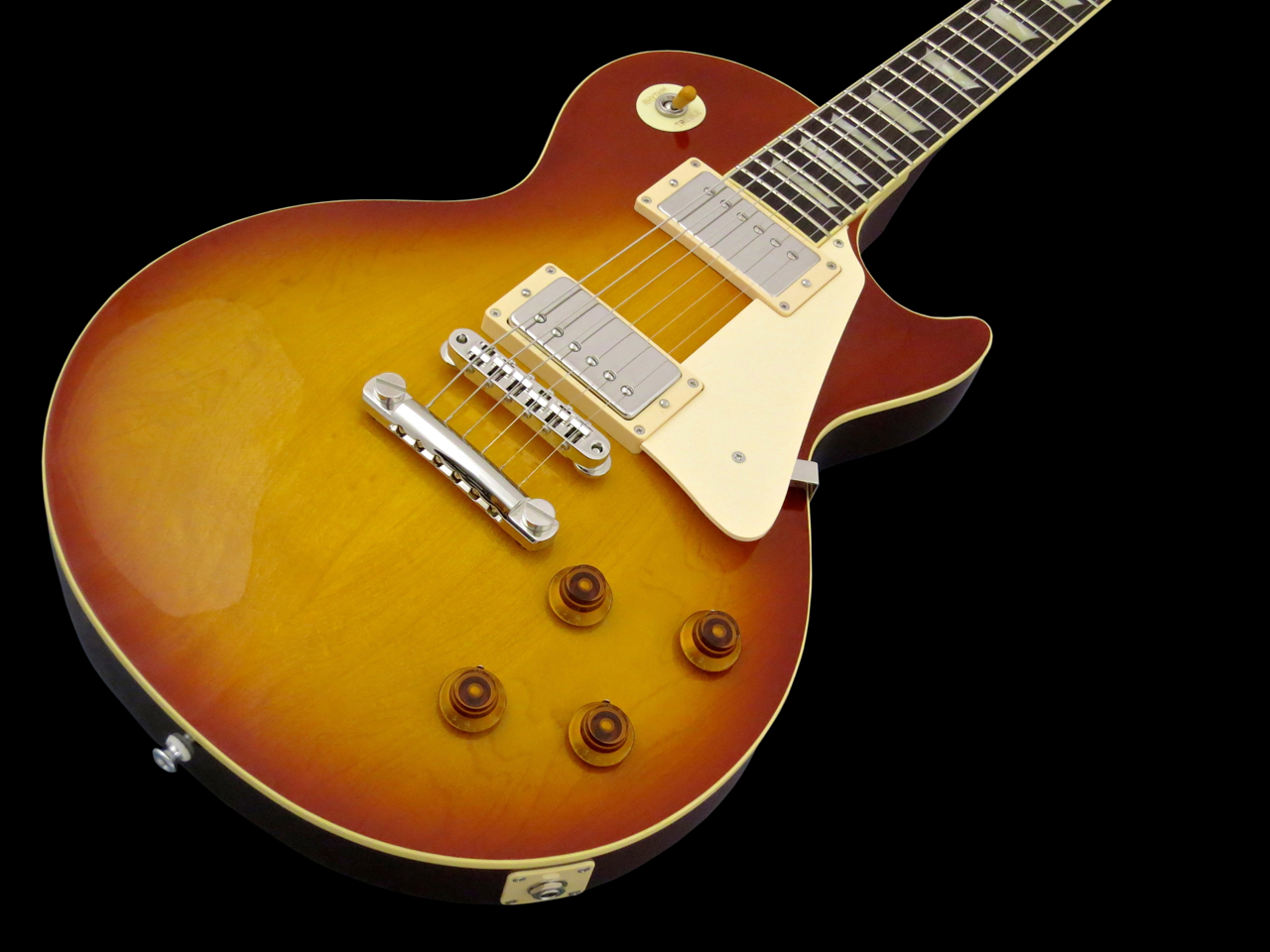
The LS-160’s neck profile is the slimmest neck of this trio. It’s what you call a 60 Neck – not as deep as a 59 Neck, and with an oval C-profile.
Despite the fact that all review instruments came strung with the same set of 010-strings, and notwithstanding identical setups (string height at the 12th fret: low E: 1.9 mm/treble e: 1.6 mm), Tokai’s LS-160 felt a little bit bendier than the LC-107 and LS-130F.
****

Played acoustically, the Tokai LC-107 had a sweet voice with nice woody mids and a little helping of shimmering highs, which is most likely down to the all-mahogany body.
Tokai’s own PAF Vintage Mark II pickups are great remakes of Gibson’s fabled late-Fifties humbuckers. Their output levels are relatively low, keeping the tone dynamic and fresh:
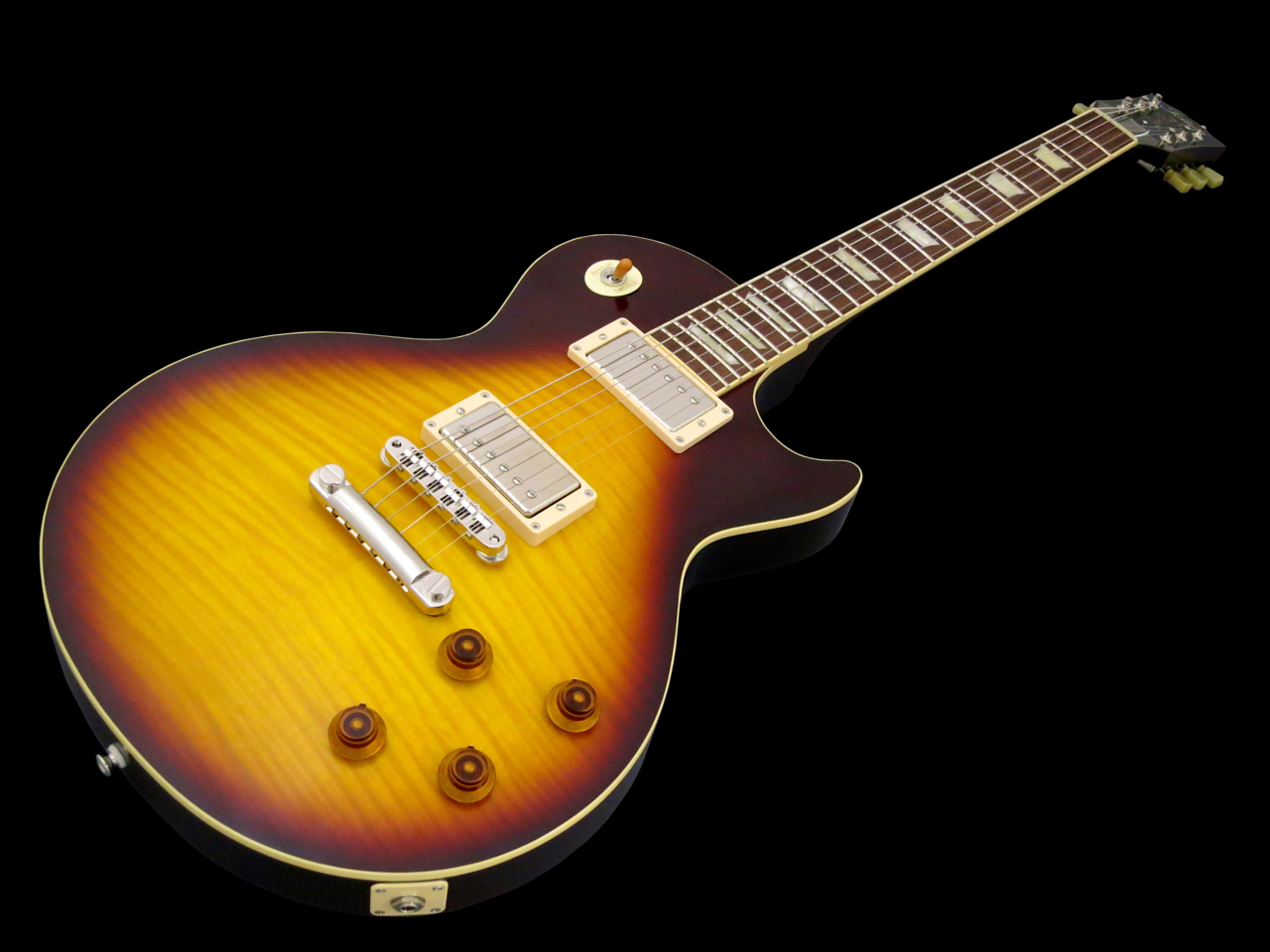
Tokai’s LS-130F turned out to be a little shouter, when strummed unplugged. This guitar gives you that famous freight-train-jumped-off-the-tracks-at-full speed experience that so many LP players love.
Seymour Duncan’s ’59 Model humbuckers make the LS-130F sound a little bit bigger and broader, when compared directly to the LC-107:

Unplugged the Tokai LS-160 sits right between its cousins. It isn’t as vociferous as the LS-130F, but there’s a bit more presence than what you’d find in the LC-107.
What is surprising, though, is that the LS-160 has the most ”vintage-accurate” tone of this trio, when plugged into an amplifier, even though the pickups are exactly the same as in the LS-130F. The neck pickup is dipped deep in tasty cream, while the bridge pickup is more dynamic and a bit brighter than many would expect from an LP Standard. The end result is a very versatile clean tone:
The demo track keeps the same guitars on clean rhythm duty throughout (left channel: LC-107; right channel: LS-160). The riffs and lead parts, on the other hand, change – first up is the LC-107, then the LS-130F, and the last to go is the LS-160:
****


Tokai’s LC-107, LS-130F and LS-160 offer you top quality for a very fair price. All three models are professional grade instruments that play like a dream and sound fantastic.
The LC-107’s woody tone makes it a good choice for Jazz- and Fusion-guitarists, but will work equally well in other genres, too.
Tokai’s LS-130F would be my choice for an all-rocking, all-riffing Love Rock. Put on your top hat and travel to Paradise City.
The LS-160 takes you all the way back to the vintage Les Pauls that have served as Tokai’s inspiration. This authentically minded vintage-style guitar is full of dynamic Bluesbreaker-mojo.
****
Tokai Love Rock
LC-107 – 1.219 € (case included)
LS-130F – 1.514 € (case included)
LS-160 – 1.773 € (case included)
Pros:
+ Made in Japan
+ workmanship
+ playability
+ sound
+ hard case included


Lisätiedot: EM Nordic

When guitar synthesisers first came into being (at the beginning of the 1970s) they all were fully analogue and used the actual guitar signal as the raw material of their output. The guitar’s output was fed into a chain of different effects, including distortion, octaving, filters and modulation, to make the sound resemble that of an analogue synth.
Many old guitar synths sound great, but they require a very clean playing technique to track cleanly, and almost all of the devices were purely monophonic (meaning: no chords).
Roland’s GK-pickup – as well as the MIDI standard – changed all that drastically:
Thanks to the GK-pickup it was (and still is) possible to make use of chords, bends and double stops, and incorporate them all in your synth performance. The GK system also makes it easy to trigger rack synths, software synths or samplers using your guitar, turning the instrument into a full-blown orchestra.
The brand-new Boss SY-300 (street price in Finland approx. 720 €) returns to the original idea of the guitar synth, but takes advantage of the huge advances that have been made in digital technology recently. Boss say the SY-300 tracks quickly and accurately, while delivering huge and fat sounds with lots of scope for editing. But the best thing about it is: The synth is polyphonic and works straight off the regular guitar signal.
****
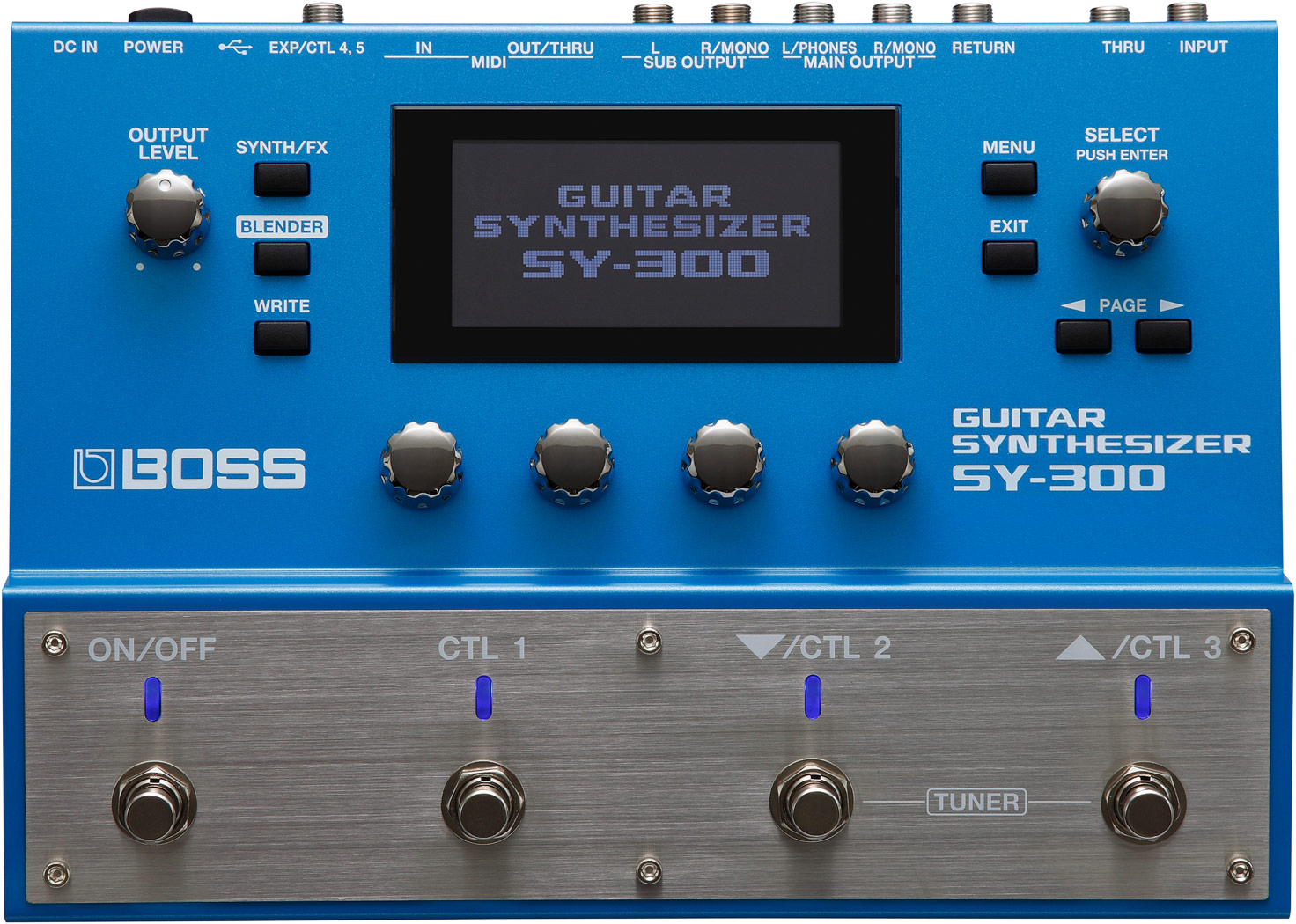
The Boss SY-300 is a chunky piece of gear and looks like a compact multi-effects unit. The external power supply unit is included in the price.
You can assign the synth’s four footswitches to different functions, but in the factory default they work as follows:
The switch on the far left is the On/Off-switch (well, actually the bypass). CTL 1 is used to change a predetermined parameter in the chosen patch (like vibrato or modulation). The last two switches (CTL 2 and CTL 3) take over patch changing duties; step on them both, and you’ll switch on the built-in digital tuner.
As we are talking about a fully featured digital piece of equipment, the amount of editable parameters is quite staggering. Luckily, the graphics-based user interface in the Boss SY-300 is well-designed, making it fairly easy to programme the synthesiser using the controller knobs beneath the display, and the navigation buttons to the right of it.
****

The SY-300’s well-spec’ed back panel will not leave you wanting:
Placed next to the guitar input are the phone jacks for the guitar synth’s external effects loop. The Ground/Lift-switch makes it safe and easy to break any hum-inducing earth loop. Boss even included two sets of stereo outputs in their synth. The Main Output could be sent to your onstage amplifiers, for example, while the Sub Output feed could be connected to the FOH console. The Main Output’s left output also doubles as a headphones jack.
It’s also easy to integrate the Boss guitar synth into any MIDI-setup, thanks to its two MIDI-ports. The jack labelled EXP/CTL 4,5 is for use with additional (optional) footswitches and/or expression pedals. The SY-300 is compatible with EV-5- and FS-7-pedals, as well as the FS-5U- and FS-6-footswitch units.
The Boss SY-300 can also be utilised as a versatile external soundcard, with the synth offer four different USB Audio-modes for just this purpose, like the nifty Re-Synth-mode, which works in the same way as reamping. The unit also sends and receives MIDI-data using USB. You can also edit patches, load new ones or share your settings with other SY-300 users with the free Boss Tone Studio software (Win/Mac OS).
****
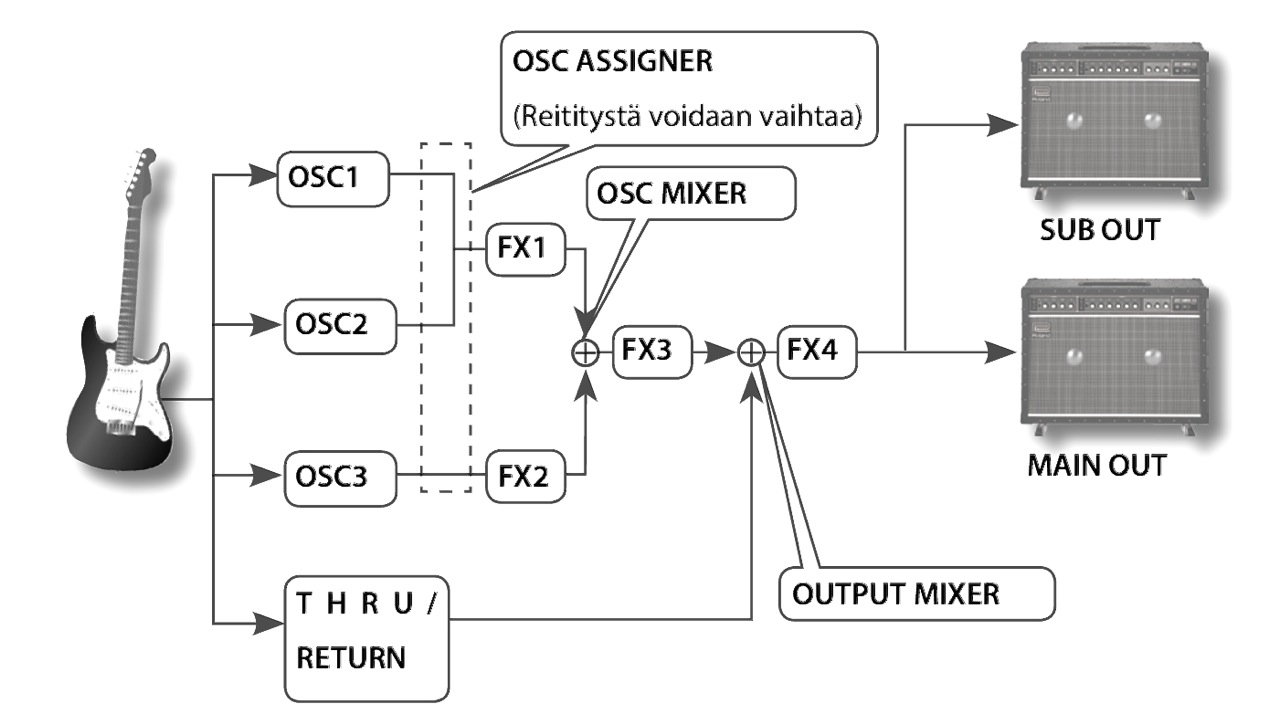
The above graphics show you the internal architecture and the signal path of the Boss SY-300. Each patch (Preset: 70; User: 99) can use up to three oscillators as sound sources (OSC1-OSC3). Each oscillator comes with a number of different waveforms to choose from (from saw to PWM, and beyond), as well as its own set of dedicated filters, LFOs and ADSR-envelope modules. A good indication of the SY-300’s versatility lies in the fact that exact placement of the oscillators in the signal path can be changed. You could have two oscillators running in parallel, with the third one placed behind the pair in series. Furthermore, the Sequencer feature makes it possible to use each oscillator as a 16-step sequencer, turning each note you play into a rhythmic and melodic pattern.
But there’s still more to come:
Boss’ new guitar synth also comes with four FX modules, each offering a very wide selection of different pro-quality effects. Depending on the chosen oscillator routing, the signal routing of the FX modules can also be changed by the user.
****

The new Boss SY-300 is a very user-friendly device, but due to its versatility – as well as the huge amount of editable parameters – you should take some time to read the user manual, before trying to programme your own patches. Especially if you’re new to the subject of synthesis, you shouldn’t be disappointed if it takes a little time, before your creations sound the way you intended.
I’m old enough to have learned synthesiser programming in the age of polyphonic analogue synths and the Yamaha DX7, which meant I felt right at home with the SY-300.
A good test of any user interface is trying to create something completely from scratch. I chose to use the Boss synth to come up with a slightly Eastern-influenced patch, that uses two oscillators in series to produce a sitar-style twangy tone, with the third oscillator assigned to produce shimmering overtones.
The resulting patch sounds like this (a single guitar synth track, plus three tracks of Roland HandSonic-percussion):
This clip gives you some idea of the types of patches included in the factory settings:
I also recorded a demo track that uses the Boss SY-300 for everything, except for the drum tracks:
****

Boss’ new guitar synth is a fantastic piece of gear, if you’re a fan of real synthesiser sounds.
The SY-300 locks on to your guitar signal very well and it tracks like a dream, staying true to both the dynamic, as well as the melodic and harmonic content of your playing.
The SY-300 isn’t meant to replace Roland’s GK-/GR-products – if you’re after realistic-sounding, multitimbral sounds, using a GK-pickup is still the easiest and best option. The Boss SY-300 is meant as a fantastic choice if you’re looking for a genuine guitar synth – in the original sense of the term. You will get huge and fat synthesiser sounds, seasoned with great effects, from the SY-300, not pianos, violins or trumpets.
****
Boss SY-300
Street price in Finland approximately 720 €
Contact: Roland
****
Pros:
+ graphic user interface
+ polyphonic
+ three OSC-modules
+ four FX-modules
+ external effects loop
+ sound
+ USB-soundcard

 Kitarablogi.com – Finland's premier Guitar and Bass blog