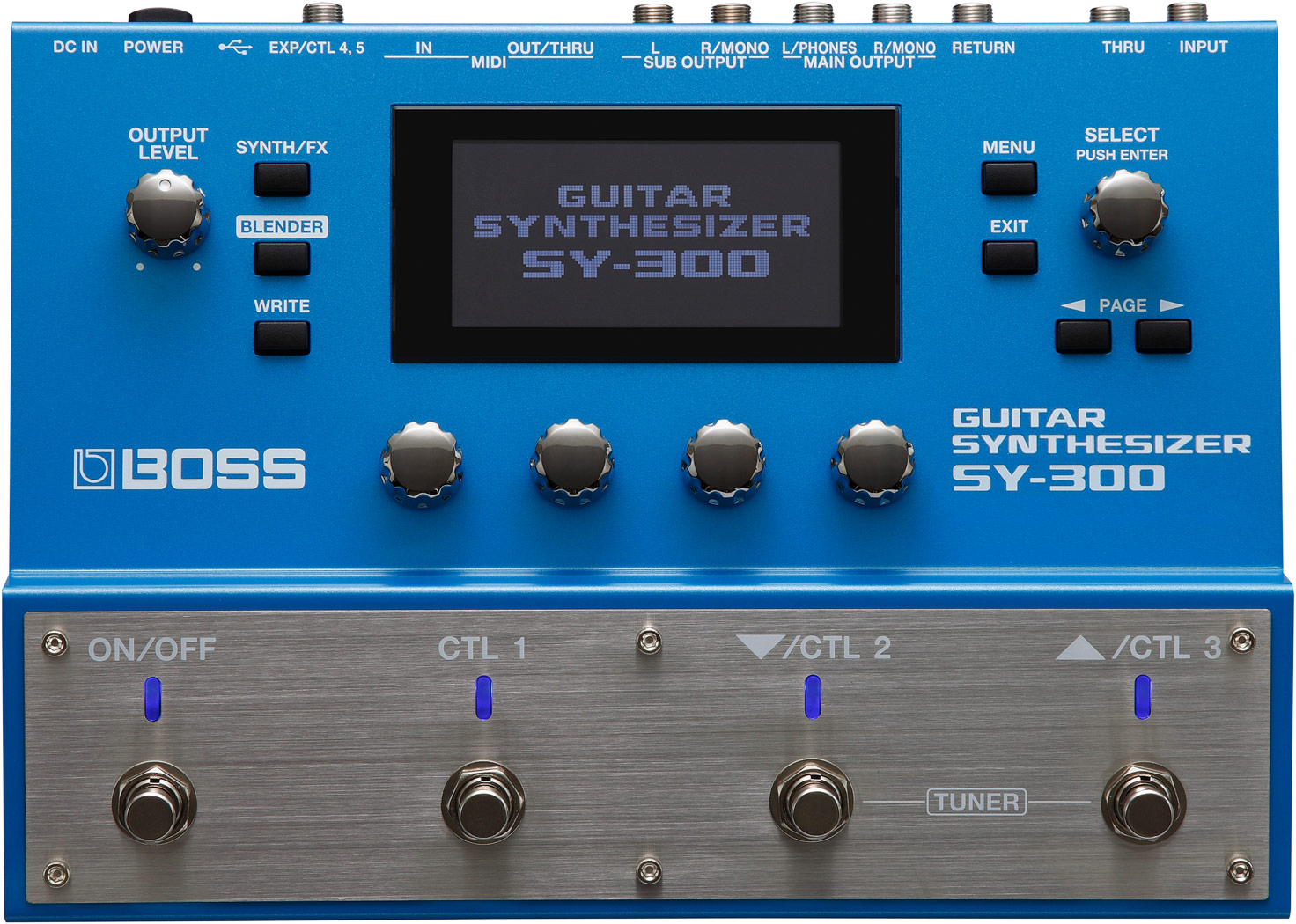
Boss SY-300
• polyphonic guitar synth
• uses the guitar signal, no MIDI-pickup necessary
• three oscillators and four FX blocks
• 70 factory presets, 99 user patches
+++
Guitar used: Gibson Melody Maker SG
Lisätiedot: Roland
Kitarablogi.com – Finland's premier Guitar and Bass blog
Juttuja kitaroista ja bassoista

Boss SY-300
• polyphonic guitar synth
• uses the guitar signal, no MIDI-pickup necessary
• three oscillators and four FX blocks
• 70 factory presets, 99 user patches
+++
Guitar used: Gibson Melody Maker SG
Lisätiedot: Roland
Tällä kertaa on tarjolla hyvin harvinaista herkkua:
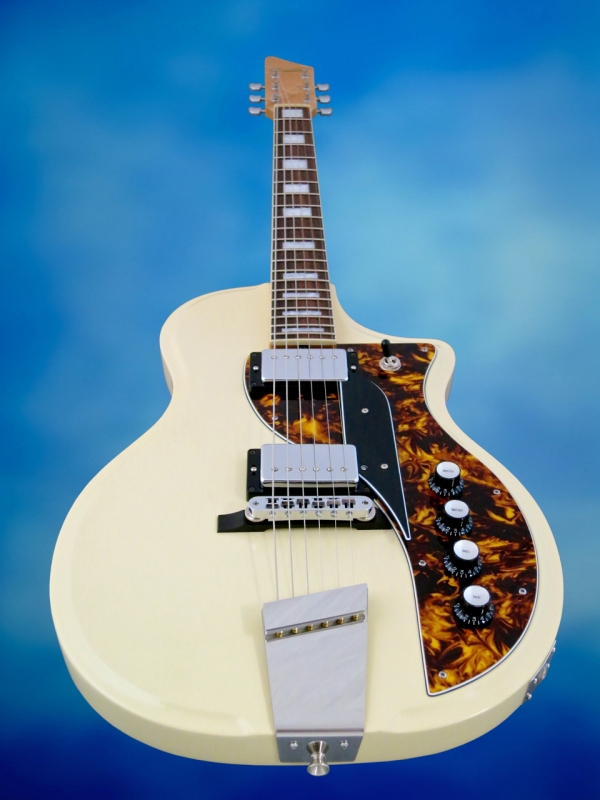
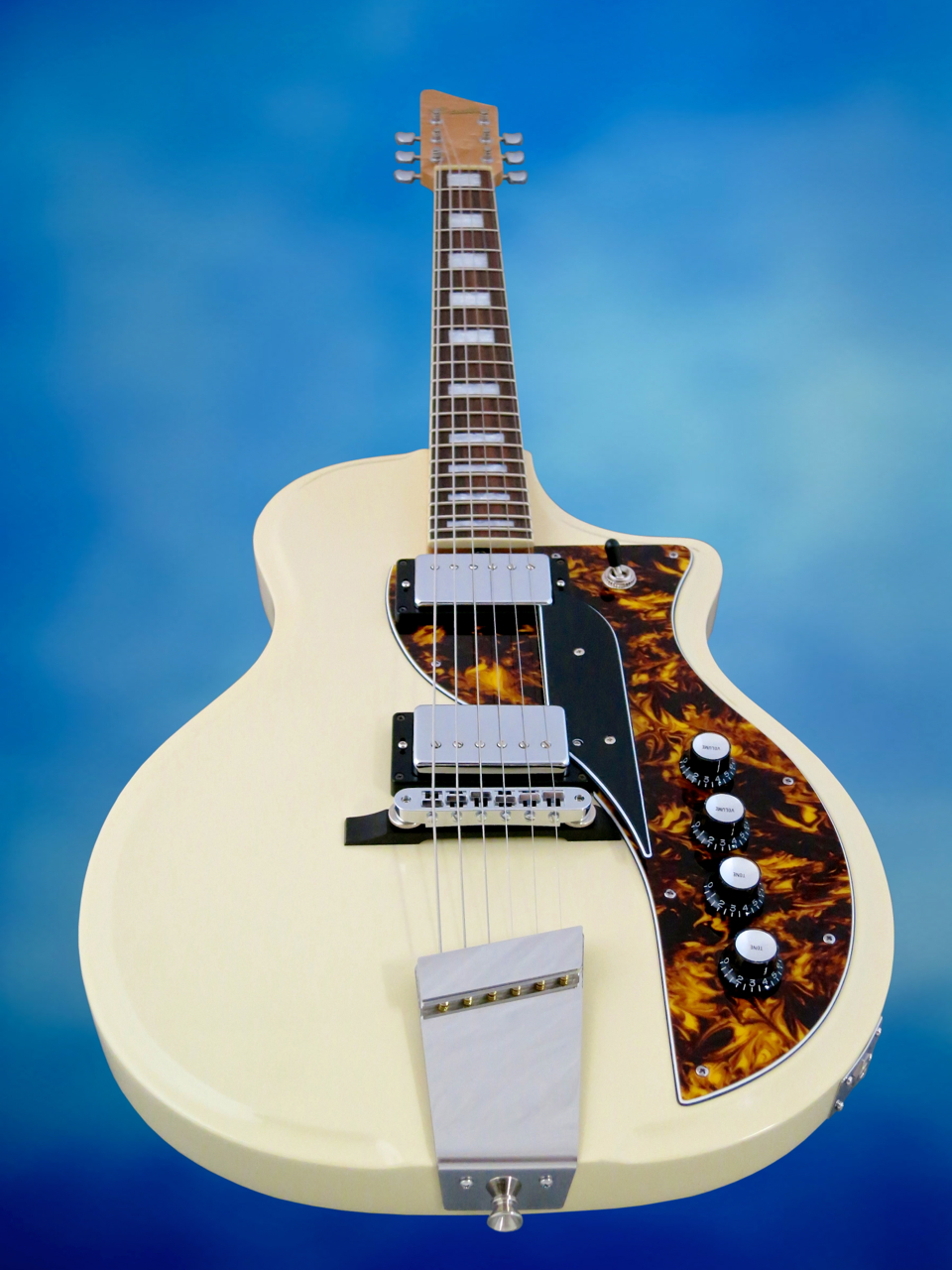
Tämä soitin on Veijo Rautian käsintehty versio 1950-luvun Supro-mallista – Dual Tone. Rautia on tehnyt tähän kitaraan useita parannuksia alkuperäiseen verrattuna, mikä nostaa kitaran soitettavuutta selvästi nykypäivän tasolle. Lisäksi Rautia Guitars Dual Tone -mallissa on – monesta Supro-, Valco- ja Airline-kopioista poiketen – alkuperäisellä periaatteella rakennetut mikrofonit.
Joensuulainen soitinrakentajamestari Veijo Rautia ei varmasti kaipaa esittelyä – mm. alkuperäiset Flaxwood-kitarat ovat hänen käsialansa. Nykyään Rautia keskittyy omassa pajassa kitaramikrofonien ja custom-kitaroiden tekemiseen.
****

Rautia Guitarsin Dual Tone (2.500 €) on erittäin tyylikäs, yhdellä soololovella varustettu sähkökitara.
Runko on veistetty lepästä, ja se on kaiverrettu osittain ontoksi.
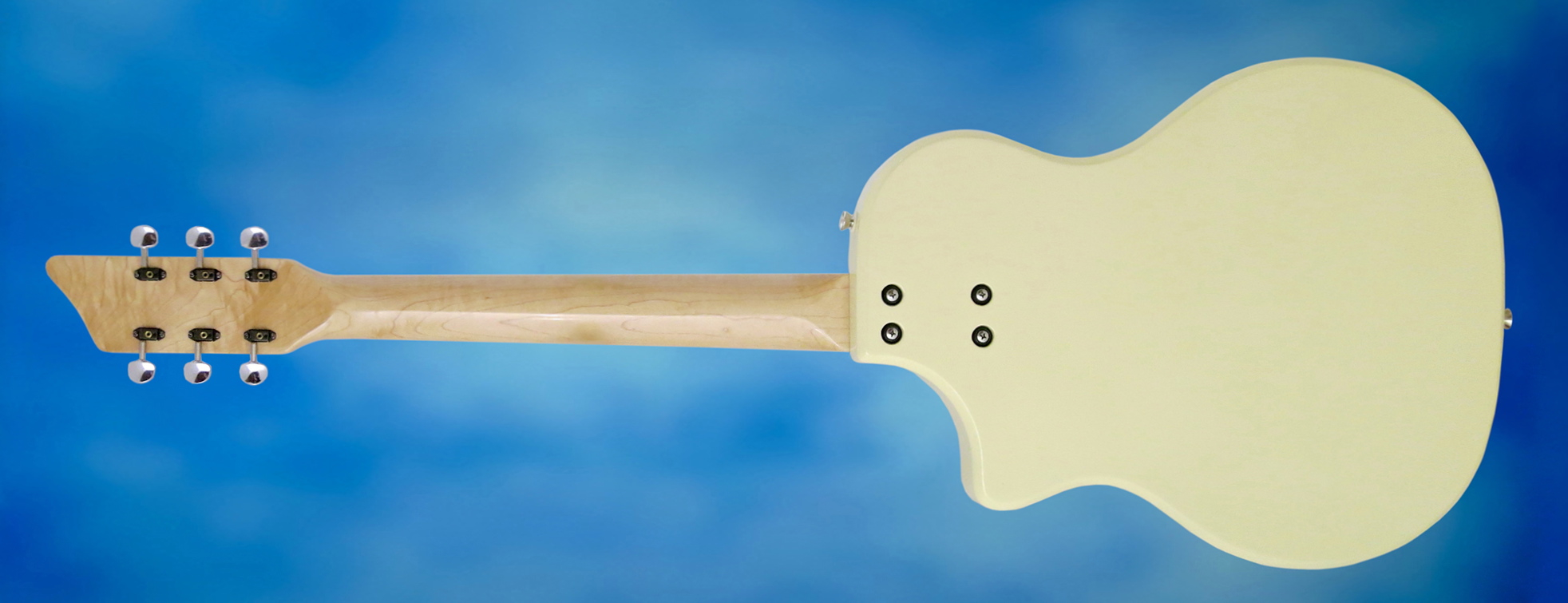
Vanhoissa puu-Suproissa on hyvin omanleimainen kaulaliitos.
Rautian ratkaisu on perinteisempi ruuviliitos neljällä ruuvilla ja erillisillä prikoilla.
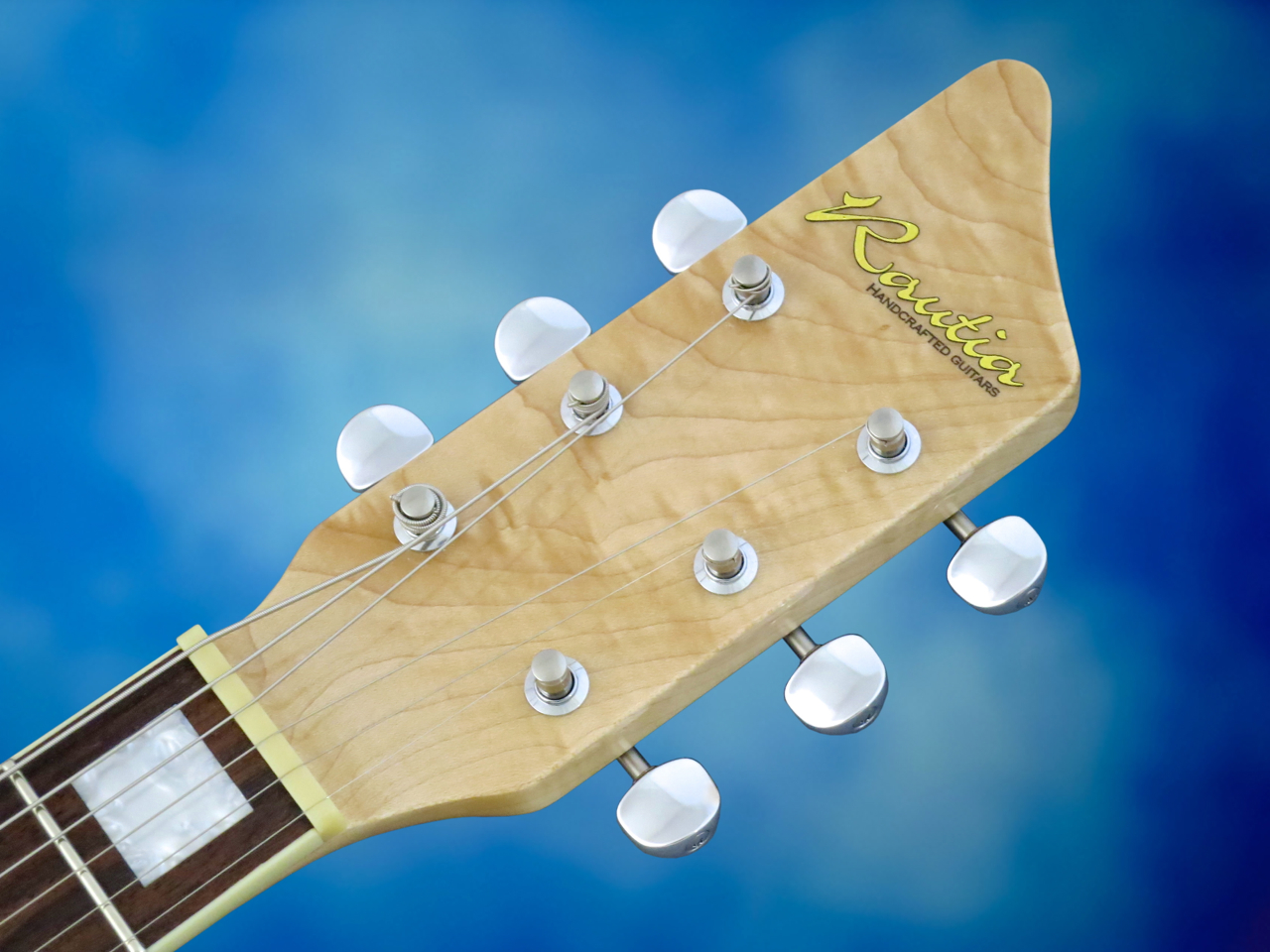
Dual Tone -mallin virittimet näyttävät edestä katsottuna vintage-tyylisiltä virittimiltä.
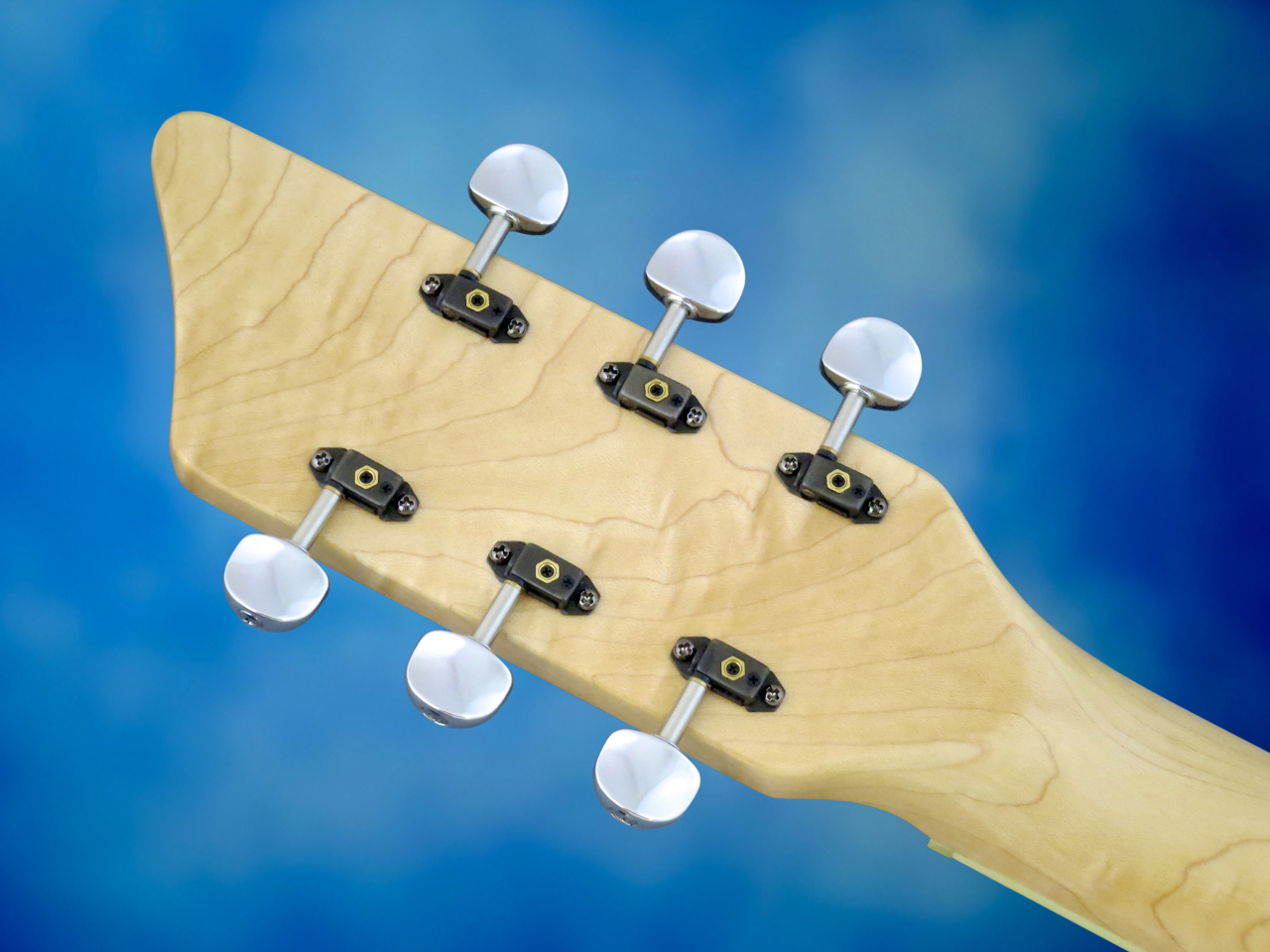
Todellisuudessa tämän Rautian koneistot ovat Gotohin minikokoiset ja kevyet hi-tech-virittimet, nimeltä Stealth.
Stealth-virittimet toimivat hyvin sulavasti ja kevyesti.
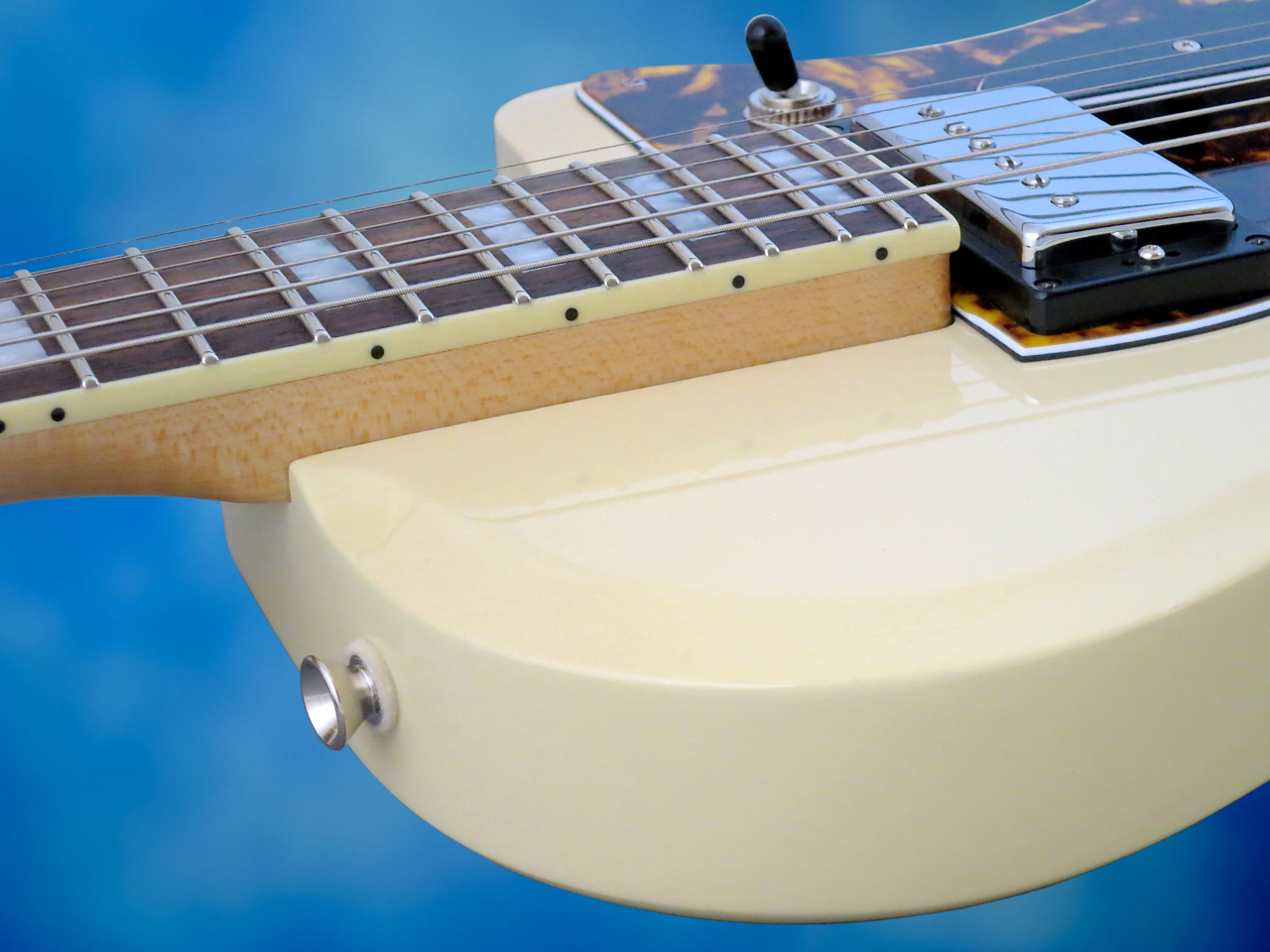
Rautian Dual Tonessa käytetään esikuvansa tavalla hyvin pitkää, mutta samalla verrattain matalaa kaulataskua, joka mahdollistaa korkean vintage-tallan käyttöä ilman kaulakulmaa.

Reunalistoitettuun ruusupuuotelautaan on asennettu 22 medium-kokoista nauhaa, sekä isoja otemerkkejä helmiäismuovista.
Nauhatyö on – luonnollisesti, kun kyse on suomalaisesta käsityöstä – boutique-tasoa.

Dual Tone Style -kitaran talla on Tune-o-Matic Schallerin valikoimasta joka istuu eebenpuisella jalalla.
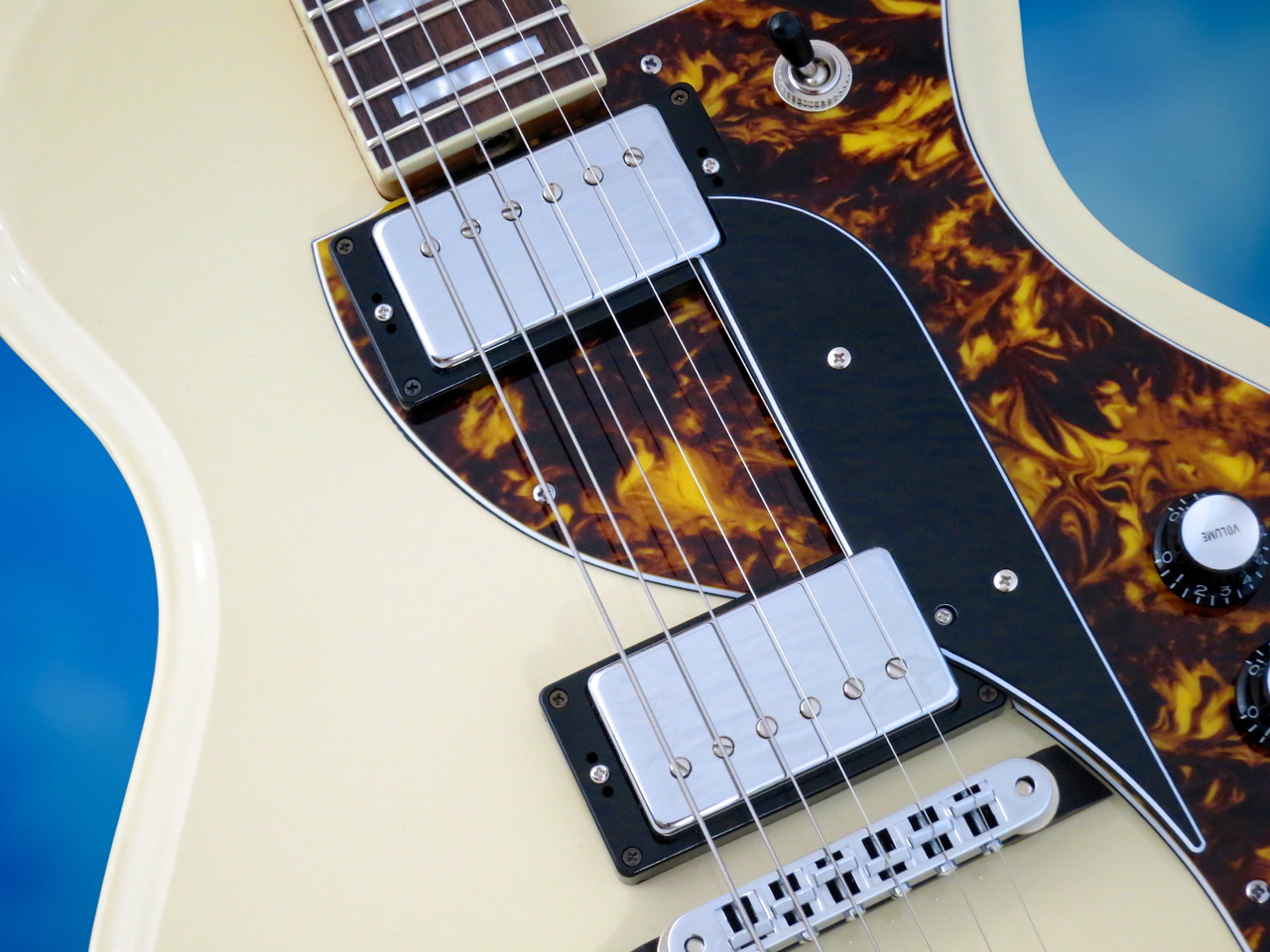
Supron (ja Valco-yhtiön) mikrofonit näyttävät kaksikelaisilta humbuckereilta, mutta ne ovat todellisuudessa yksikelaisia mikkejä hyvin erikoisella rakenteella.
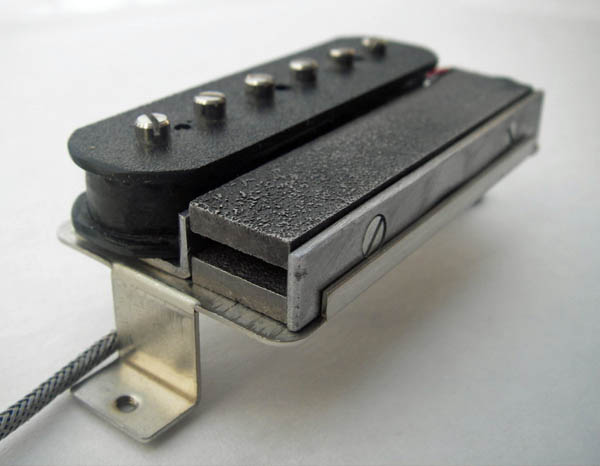
Kaksi alnico-magneettia on asennettu kahden teräslevyn väliin, joista toinen (kulmarauta-tyylinen) toimii kelan kiinnitysalustana.

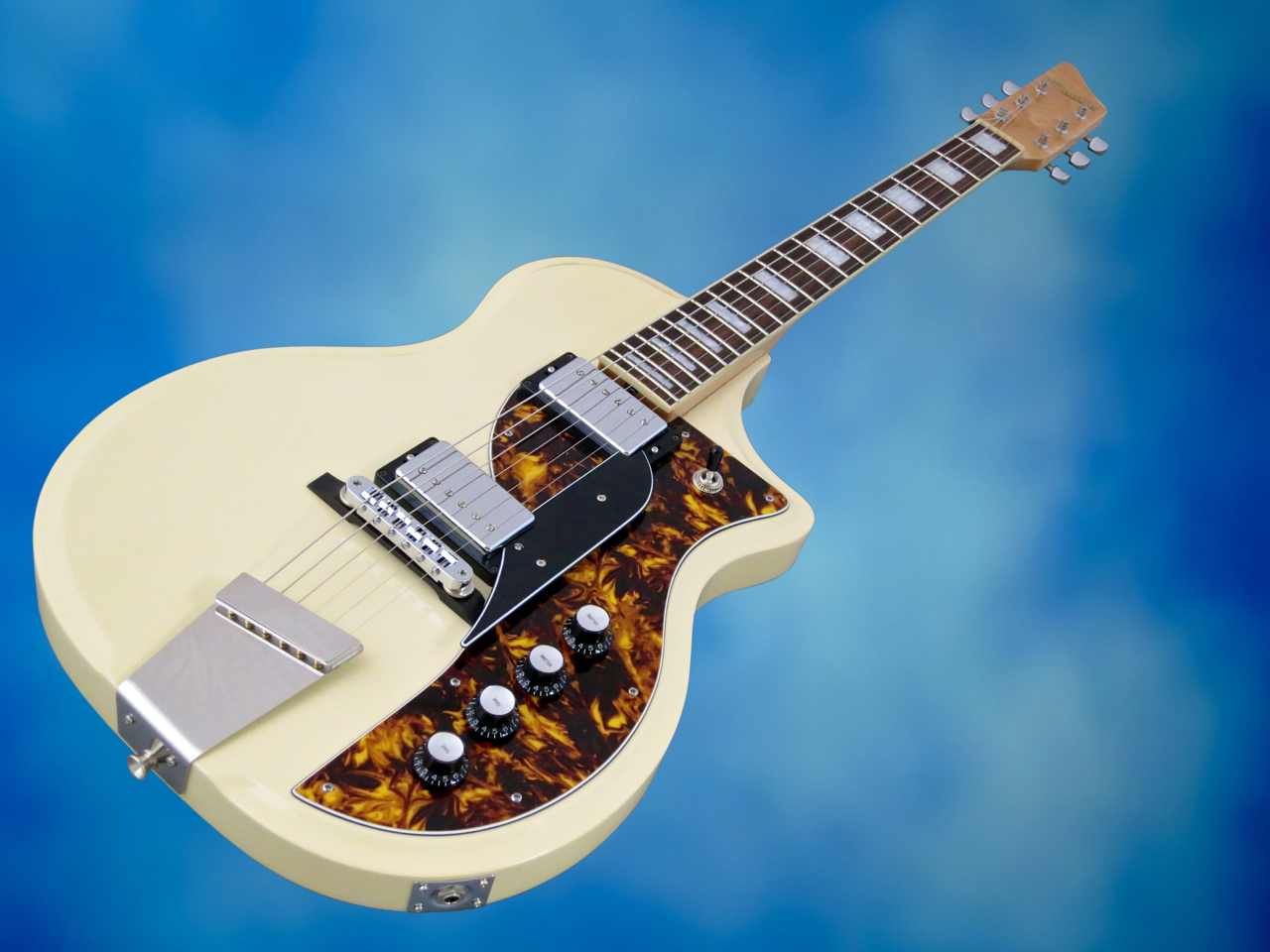
Dual Tonessa on kaksi volume- ja kaksi tone-säädintä.
Alkuperäisen reseptin mukaan lähempänä kaulaa oleva säädinpari ovat tallamikrofonille (!), kun taas ne toiset kaksi säätimet ovat kaulamikkiä varten.
Rautia-kitarassa kaulan toneen on piilotettu nostokytkin, jolla kaulamikin vaihetta voi kääntää.

****
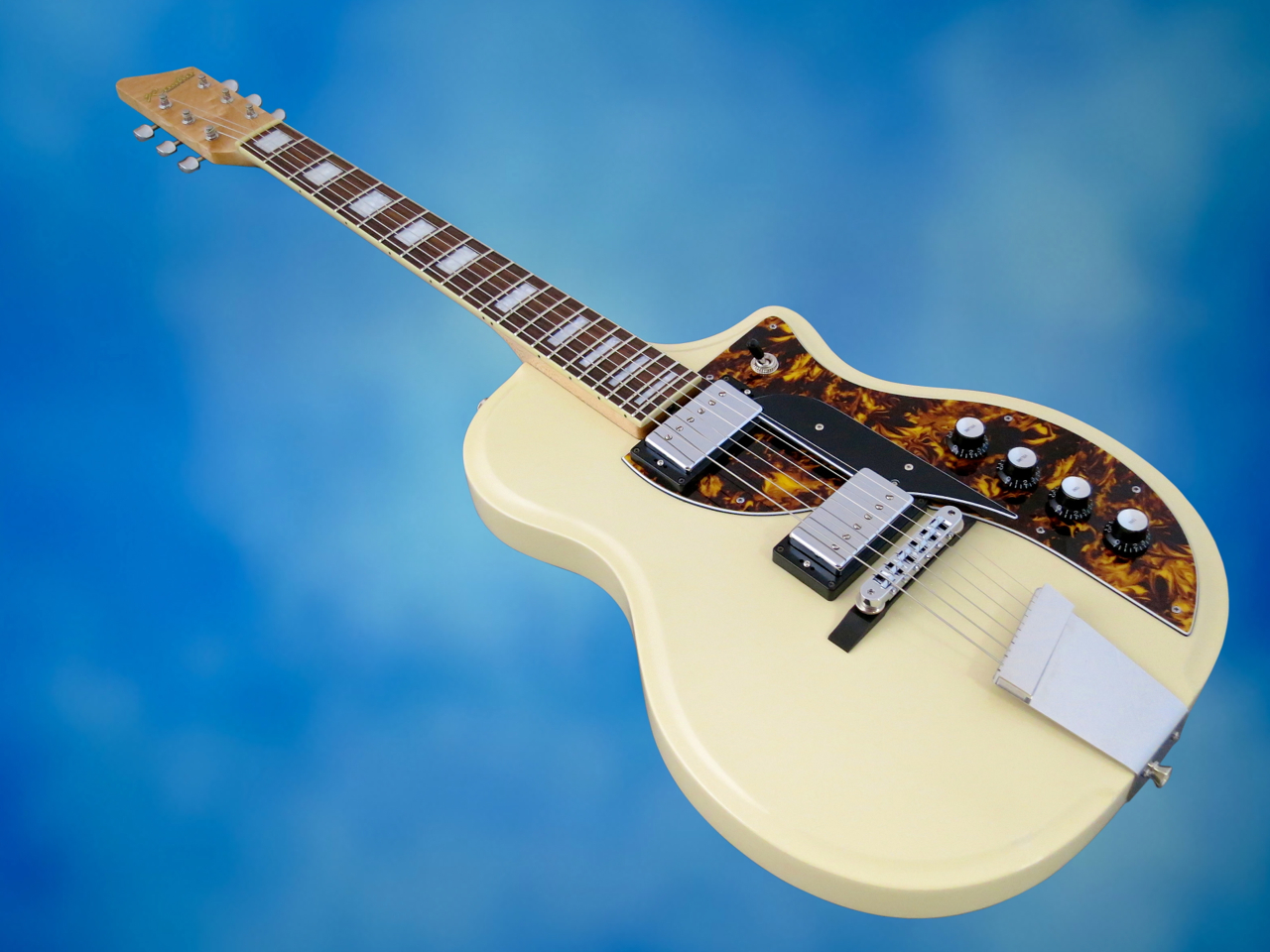
Rautia Guitars Dual Tone Style on mukavan kevyt soitin ensiluokkaisella soitettavuudella.
Kaulan ohut kiiltävä lakkaus tuntuu mukavalta, samoin kuin kaulan pyöreä, muttei liian paksu C-profiili.
Nykypäivän näkökulmasta katsottuna Dual Tonen pitkä kaulatasku hankaloittaa hieman pääsyä ihan ylimmille nauhoille. Myös vapaasti seisova talla voisi olla hyvin raskaalla kädellä soittavalle muusikoille olla pieni riski. Minun täytyy kuitenkin testin perusteella todeta, että tulin itse kitaran kanssa erittäin hyvin toimeen, eikä kitaran 50-luvun sukujuurista johtuvien ominaisuuksien kanssa tullut minkäänlaisia ongelmia.
Rautia Dual Tonen puhdas soundi on hyvin kaunis, avoin ja kellomainen. Mikrofonit eivät ole yhtä teräviä kuin perinteiset Fender-yksikelaiset, mutta niissä ei ole myöskään niin paksu keskialue kuin Gibsonin P-90-mikeissä.
Esimerkkipätkässä järjestys on kaulamikki –> molemmat mikrofonit (samassa vaiheessa) –> molemmat mikrofonit (kaulamikin vaihe käännetty) –> tallamikrofoni:
Rautian Valco-mikrofonit toimivat myös todella hyvin särökäytössä. Mikeissä on riittävästi purevuutta lyödäkseen itsensä sopivasti läpi, ilman että ne olisivat niin teräviä, että soittajalta lähtisi paikat hampaista:
Demobiisissä on kaksi komppikitaraa, jotka käyttävät kytkimen keskiasentoa, sekä vaiheenkääntöä.
Ensimmäinen soolo-osa käyttää kaulamikrofonia, toisessa kuullaan molemmat mikit yhdessä (plus vaiheenkääntöä), ja viimeinen osa soitetaan tallamikrofonilla:
****
Tällaiseen herkkupalaan on todella helppoa rakastua!
Rautia Guitarsin Dual Tone on aitoa suomalaista käsityötä. Kunnioituksella lisätyt parannukset päivittävät 60 vuotta vanhan soittimen nykykitaristille sopivaksi – sekä soitettavuus että soundi ovat ensiluokkaisia.
Hinta-laatu-suhde on mielestäni erittäin korkealla.
****
Rautia Guitars Dual Tone Style
2.500 €
Lisätiedot: Rautia Guitars
****
Plussat:
+ käsintehty Suomessa
+ työnjälki
+ soitettavuus
+ soundi
+ ainutlaatuinen mikrofonityyppi
Miinukset:
– pääsy viimeisille nauhoille

• Handmade in Finland
• Chambered alder body
• Bolt-on maple neck
• Bound rosewood fingerboard
• 22 medium frets
• 24.75″/62.8 cm scale
• Two Rautia Valco Style singlecoil pickups
• Two volume, two tone controls
• Push/pull switch in neck tone reverses neck PU’s phase
• Schaller Tune-o-matic with ebony base
• Gotoh Stealth tuners
• Guitarkits USA tailpiece
Contact: Rautia Guitars
Update 24.11.2015:
Spindecosta tuli viesti, että firma ei tulekaan markkinoimaan Spin X -johtoa omalla nimellään, vaan että myynti jatkuu Mad Professor RED Cable nimellä!

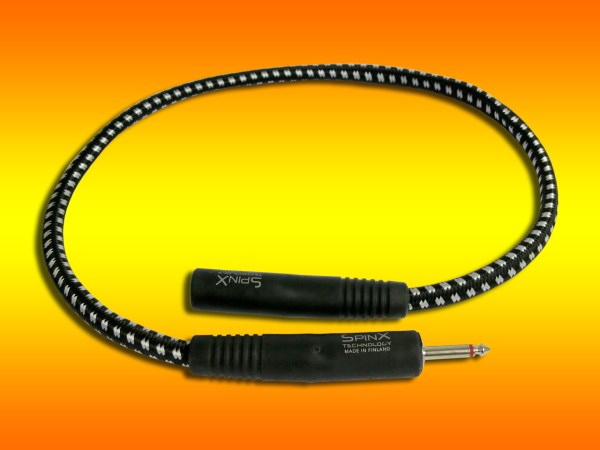
Harva vempain on viime aikoina synnyttänyt kitaristien keskuudessa samankaltaista kuhinaa kuin suomalainen Spin X -johto, ja kyse on sentään ”vain” noin 75 cm pitkästä ja kahdella valtavalla liittimellä varustetusta kaapelista.
Spin X -johdon (hinta ei vielä vahvistettu) takana on suomalainen yritys Spindeco Oy. Spin X -johdossa johtimien hyötysuhdetta parannetaan hyödyntämällä elektronin spin -nimistä nanoteknologista ilmiötä. Johdossa olevilla hiilellä päällystetyillä erikoisjohtimilla järjestetään signaalia kuljettavat elektronit ikään kuin siistimpään järjestykseen, mikä ilmeisesti nopeuttaa signaalin kulkua johtimen läpi. Kitarajohdossa spin-ilmiön päähyöty on – valmistajan myyntivastaavan mukaan – että kaikki taajuuskaistat saapuvat samanaikaisesti vahvistimen tulojakkiin, kun perinteisessä johdossa bassot saapuvat hieman muita taajuuksia jäljessä.
Googlaamalla selviää hyvin nopeasti, että elektronien spin ei ole mitään huuhaata, vaan aitoa kvanttifysiikkaa. Meitä kitaristeja kuitenkin kiinnostavat eniten seuraavat kysymykset:
Toimiiko Spin X -johto toivotulla tavalla? Onko ero selvästi havaittavissa? Onko pakko hankkia tällainen johto?
****
Sain Spindecon Jerry Ala-Leppilammelta yhden Spin X -johdon testattavaksi.
Johdon isoja liittimiä auki ruuvaamalla selvisi heti, että johdossa käytetään todellakin ainoastaan johtimia, eikä esimerkiksi plugiin upotettuja muuntajia tai vastaavaa.
Monet kitaristit kysyvät myös miksi Spin X -johto on niin lyhyt, ja miksi se on saatavilla pelkästään ”jatkojohtona”, eikä tavallisena kitarajohtona. Näissä kuvissa näkyy vastaus:
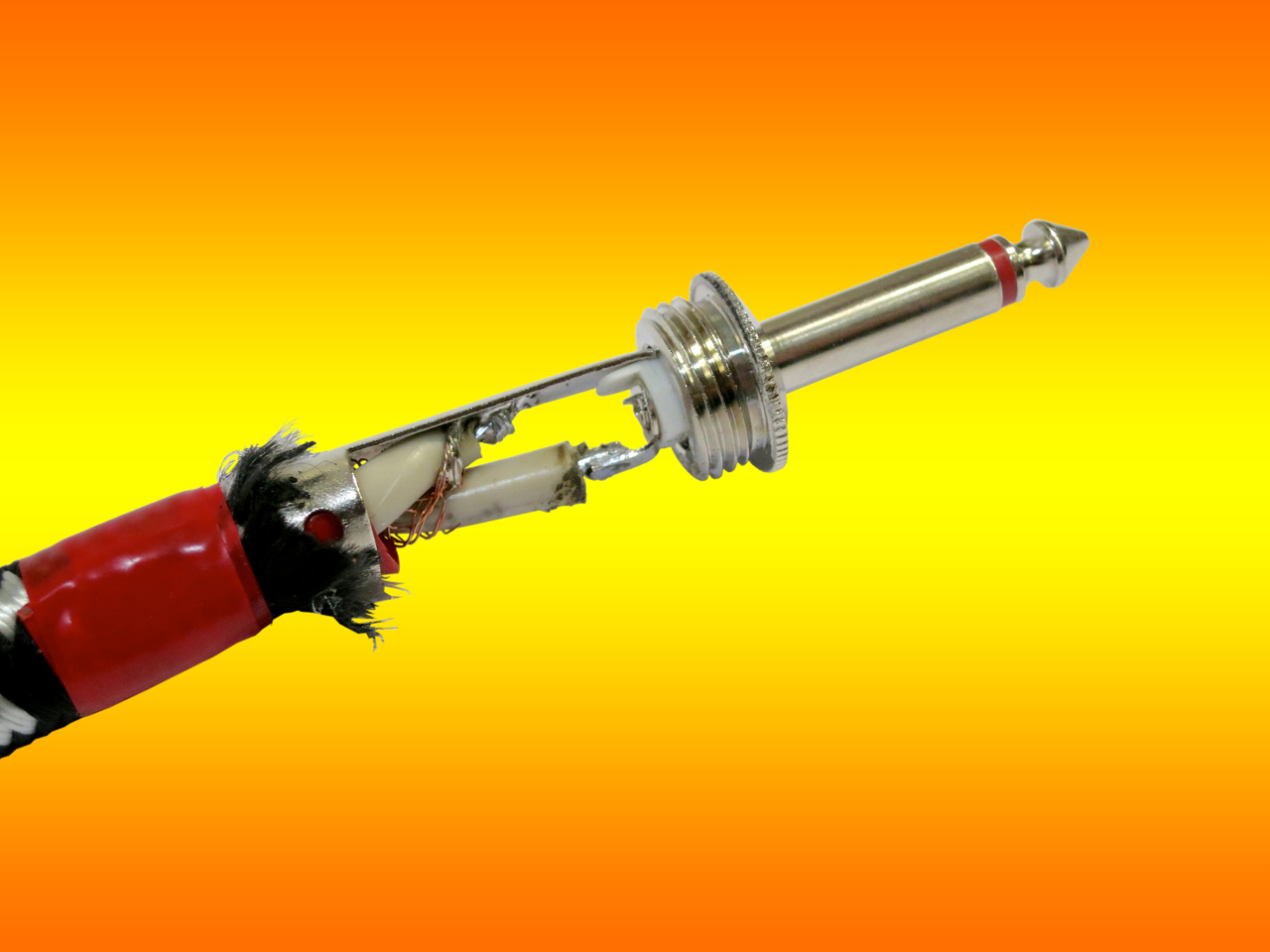

Spin X:n toimiminen ilmeisesti edellyttää sitä, että johdon kaksi johdinta (signaali ja maa) ovat rakenteeltaan täysin identtisiä, mutta tästä seuraa samalla, että erikoisjohto on selvästi häiriöherkempi kuin perinteinen koaksiaalinen kitarajohto.

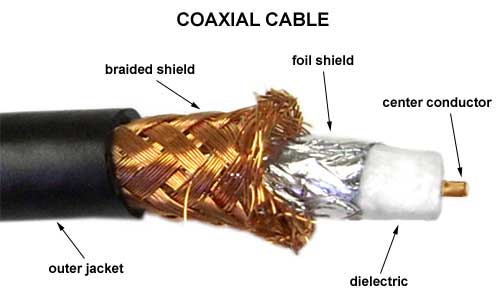
Tavallisessa kitarajohdossa signaali kulkee johdon keskijohtimessa, sen ympärille on laitettu eristys (ja usein myös johdon staattisia käsittelyääniä vähentävää alumiini- tai grafiittifoliota). Tiivis kuparilangasta tehty verkko (vaippa) toimii maajohtimena, ja suojaa Faraday-häkkinä kitarasignaalia tehokkaasti ulkoisia elektromagneettisia häiriöitä vastaan.
Kun liittää vahvistimen tuloon pelkästään Spin X -johdon kuuluu (isoilla gain- ja/tai volume-asetuksilla) selkeästi vahvistimelta tulevan muuntajahuminan, sekä johdon hiplaamisessa syntyviä käsittelyääniä. Heti kun tavallinen kitarajohto on liitetty Spin X -johtoon, sekä brummi että mikrofoninen rähinä loppuu kuin seinään.
****
Spin X -johdon erikoisjohto vaikuttaa laadukkaalta ja mekaanisesti kestävältä. Myös juotokset olivat siistejä.
Testijohdossa vain hyvin löysästi ja huolimattomasti laitettu vedonpoisto (molemmissa liittimissä!) aiheutti hieman hämmennystä.
****
Halusin selvittää, onko elektronien nopeusero mitattavissa kotistudio-olosuhteissa, ja tein seuraavanlaisen kokeilun:
Äänitin Fender Stratocasterin akustista ääntä AKG C3000 -kondensaattorimikrofonilla vasempaan kanavaan, samalla kun korkea impendanssinen kitarasignaali meni tavallista kitarajohtoa (Whirlwind Leader) pitkin suoraan äänikortille.

Kitarasignaali (oikea kanava) oli aavistuksen verran mikkisignaalia jäljessä, kuten tässä kuvassa näkyy.

Spin X -johdon käyttö ei ainakaan nopeuttanut signaalin kulkua sen verran, että se olisi audiosekvensserillä näkyvissä.
Myös kuulohavainnolla viive kuulostaa hyvin samanlaiselta, ehkä jopa hiuksen verran pidemmältä Spin X -johtoa käytettäessä:
****
Äänitin koesarjan eri kitaroilla Blackstar HT-1R -putkikombolla niin, että jokaisessa klipissä ensimmäinen puolisko on äänitetty pelkästään Whirlwind-johdolla ja sitten toisessa on lisätty Spin X -johto signaalitiehen.
Ensin Fender Stratocaster ilman vahvistinta:
Strato Blackstarin kautta:
Gibson LP Junior:
Hamer USA Studio Custom:
Gibson Melody Maker SG:
****
Seuraavaksi menin Spin X -johdon kanssa Rock-Ola & The Freewheelers -yhtyen kitaristille. Sami Saarisen kanssa kokeiltiin Spin X -johdon vaikutuksia hieman suuremmalla volyymillä eri vintage- ja custom shop -kitaroiden ja -vahvistimien kanssa, pedaalilaudalla ja ilman.
Valitettavasti tästä sessiosta ei ole äänityksiä, mutta soundillisesti erot Spin X -johdolla ja ilman olivat jopa selvemmät kuin kotistudio-oloissa.
****

Viimeisenä halusin saada selvillä, onko Spin X:n toiminta kytköksissä putkitekniikkaan vai toimiiko johto myös edullisen transistorivahvistimen kanssa.
Äänitin siis muutaman pätkän poikani Marshall MG30CFX -kombon kautta. Kaikki pätkät alkavat ilman erikoisjohtoa, joka tulee toisessa puoliskossa mukaan kuvaan.
Fender Telecasterin kaulamikrofoni:
Molemmat mikit yhdessä:
Telecasterin tallamikrofoni:
****
Testien perusteella minun täytyy todeta, että ”jotain” todella tapahtuu, silloin kun Spin X -johtoa käytetään. Johdon vaikutus tulee selkeämmin esiin laadukkailla vahvistimilla ja hieman isommalla volyymillä kuin kotisohvalla kerrostalossa. Jotenkin tuntuu myös siitä, että yksikelaisilla mikrofoneilla varustetut kitarat – esimerkiksi Stratot, Telet, LP Junior, non-reverse Firebird – hyötyvät erikoisjohdon tuomista muutoksista enemmän kuin humbucker-kitarat.
Spin X -johdon ”soundi” tavalliseen kitarajohtoon verrattuna on lähellä laadukkaan bufferin tuomia lisäyksiä pitkässä signaaliketjussa. Spin X:n kanssa soundissa on vähemmän raapivaa terävyyttä diskantissa, enemmän avoimuutta ja kiiltoa ylä-middlen preesensalueella, sekä tiukempi ja tarkempi bassotoisto. Fender Stratocasterit ja Telecasterit saavat aavistuksen verran lisää hifimäisyyttä ja P-90-mikrofoneista katoaa pieni annos tukkoisuutta etenkin clean-soundeissa.
Spin X:n kautta signaalitaso tuntuu myös aavistuksen verran korkeammalta, mikä toki voi olla pelkästään psykoakustinen ilmiö.
****

Kysymykseen onko soundi ”parempi” Spin X -johdolla ei kuitenkaan pysty vastaamaan yksiselitteisesti. Rockabilly- tai Punk-kitaristeille kovan ja kirskuvan diskantin lievä vaimennus voi olla myös huono asia, myös keskialueen siistiminen ei ole välttämättä jokaisessa tapauksessa (perinne-Blues, Swamp Rock) toivottu lisäys.
Todelliselle soundiesteetikolle – siis David Gilmourin, Michael Landaun tai Eric Johnsonin kaltaiselle soittajalle – Spin X -johdon tuomat lievät, mutta tyylikkäät, muutokset voivat muodostaa sen paljon kaivatun pisteen iin päällä.
Siihen, kuinka paljon on valmis maksamaan Spin X:n tuomasta lisäsilauksesta, jokaisen itse on vastattava.
****
Spin X Cable
Lisätiedot: Spindeco


At this year’s Holy Grail Guitar Show in Berlin (Germany), Amfisound Guitars presented their newest addition to the Halti line-up:
The Halti Siren is a modern, handcrafted take on Gibson’s venerable Les Paul Junior, TV and Special models. It is a 22-fret, 24.75″ scale, set-neck solidbody guitar, crafted from mahogany (plus rosewood for the fingerboard).
The Halti Siren is available with a single P-90 – or with two pickups – from renowned Finnish pickup specialist Jarno Salo. A compensated wraparound bridge by ABM further helps make this guitar a very toneful beast. The guitar comes in a vintage-authentic nitrocellulose finish.

The pièce de résistance, though, is Amfisound’s brand-new Set-Lock neck joint, which enables you to reach the top frets without breaking a sweat.
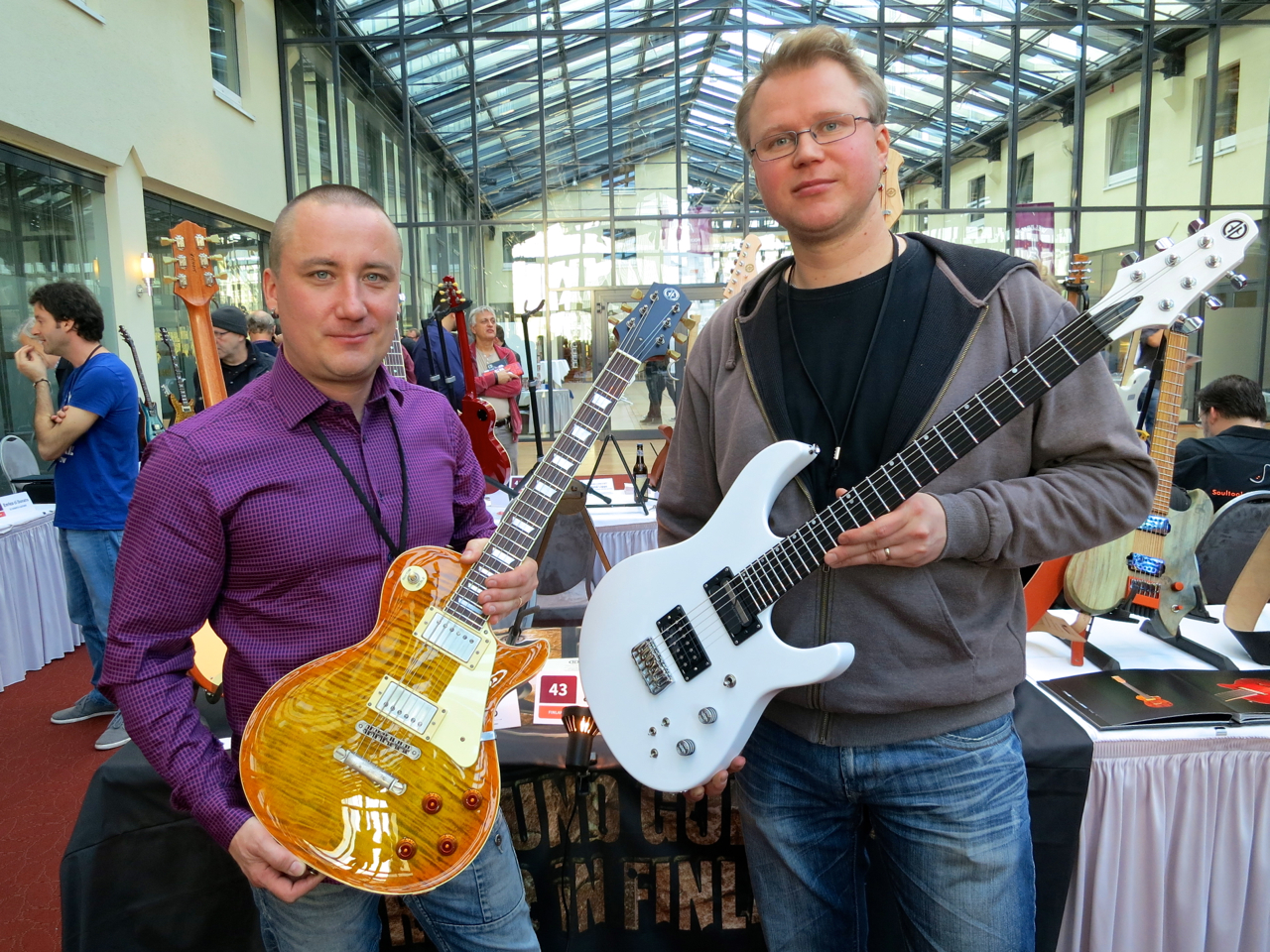
For more information contact master luthiers Sampo Leppävuori and Tomi Korkalainen HERE.

In all clips the first half is recorded without the Spin X Cable, while the second half uses the Spin X in front of the sound card or amp.
++++
Mic + DI track (to check the delay between mic and DI):
• left channel – AKG C3000 close miking a Stratocaster
• right channel – Stratocaster DI’d via Focusrite Saffire 6 USB
++++
The signal chain used was:
Guitar –> 6 m Whirlwind Leader –> (Spin X Cable) –> Blackstar HT-1R –> 5 m Planet Waves Classic –> Focusrite Saffire 6 USB

Testi tulossa…
A review is in the works…


