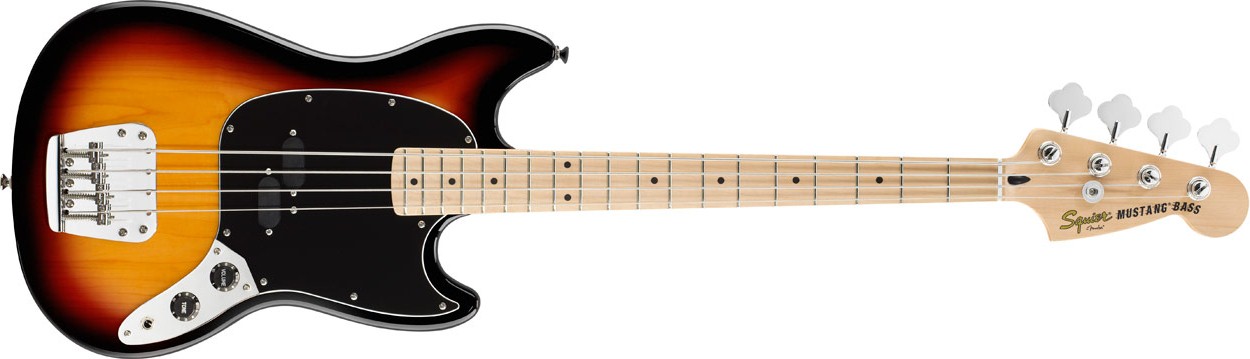
*** Mustang Bass *** New for 2011 *** Uutuusmalli ***

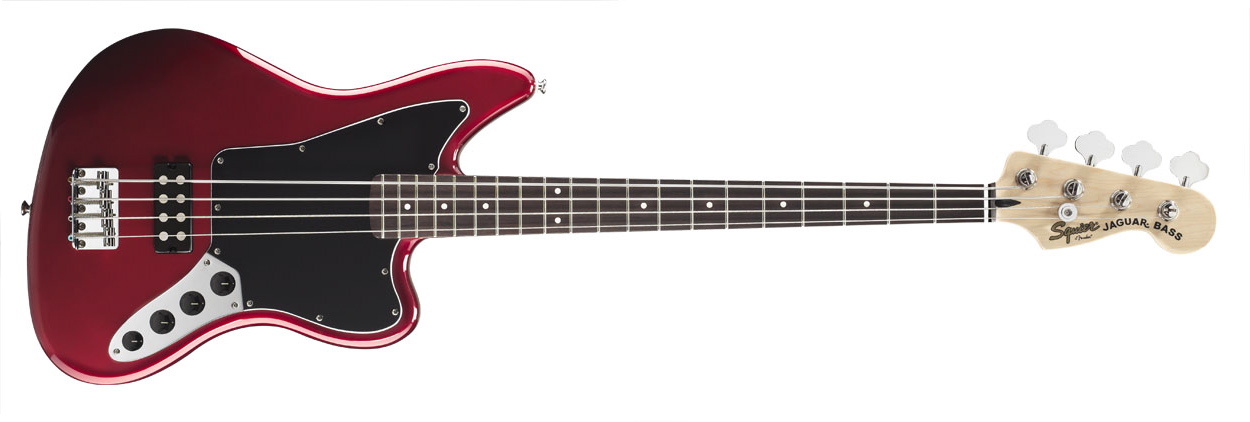
Squier have just released their cost-conscious version of Fender’s Mustang Bass.

The Mustang Bass – originally introduced in 1966 – was Fender’s first short-scale bass.

Famous users have included Denny Laine (Wings) and Bill Wyman (Rolling Stones).

Squierin uusin basso on edullinen versio Fenderin Mustang-bassosta.

Alkuperäinen Mustang Bass vuodelta 1966 oli firman ensimmäinen lyhytskaalainen bassomalli.

Nimekkäät soittajat olivat esimerkiksi Denny Laine (Wings) ja Bill Wyman (Rolling Stones).

Epiphone-uutuudet syksylle 2011 ****** New Epiphone gear for autumn 2011

Epiphonelta on tulossa uusia malleja, joita pitäisi olla saatavilla lähiaikoina – juuri oikealla hetkellä joulutoiveitamme varten:

Epiphone will be releasing some tasty new models – just in time for your Christmas wish-lists:

****

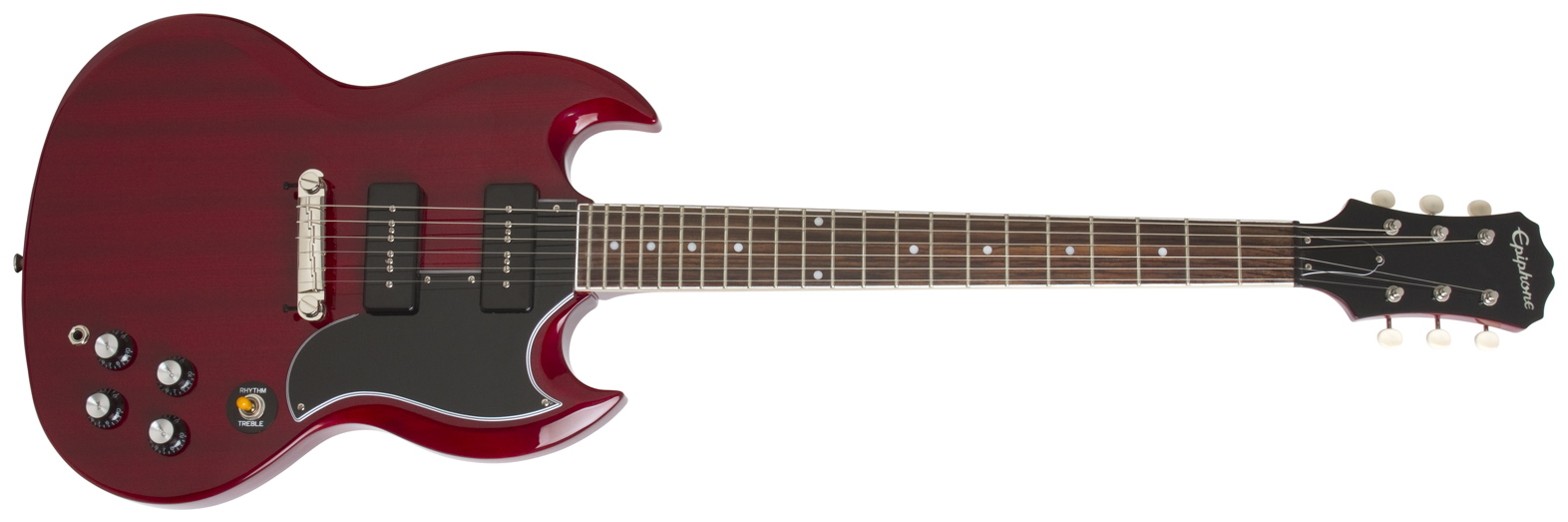
Pete Townshend -faneille tarjotaan viimein kunnon Epiphone-versio vanhasta SG Special -kitarasta. Reunalistoitettu, liimattu kaula, kaksi P-90-mikrofonia sekä kiinteä talla – todella jeeeeees!

At last Epiphone is releasing a Pete Townshend -style SG Special with a bound fretboard, a glued-in neck, two P-90s and a wraparound bridge – Who-tastic!

****

Les Paul Ultra III on päivitetty versio Ultra kakkosesta. Ultra III:lla on vielä paremmat humbuckerit sekä USB-lähtö (NI:n Guitar Rig LE -ohjelmapaketti kuuluu hintaan).

The Les Paul Ultra III is a further improvement on the Ultra II. The Ultra III has even better humbuckers, as well as a USB-port (NI’s Guitar Rig LE is included in the package).

****

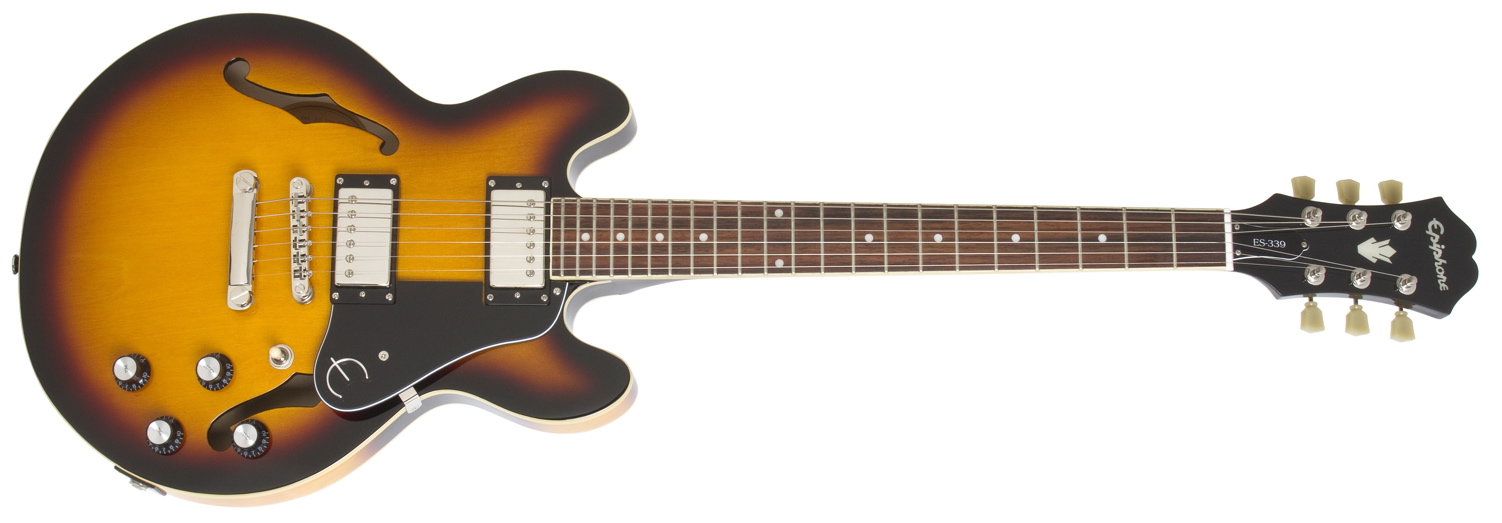
Ja puoliakustisen kitaran ystäville on tarjolla Epiphonen oma versio ES-339-mallista, jolla on ES-335:n rakenne, mutta pienemmällä kopalla klassikkoon verrattuna.

Friends of semis are treated to the Epiphone ES-339, which is basically an ES-335, only with a smaller body.

RIFFI 4/2011 on nyt kaupoissa ja kioskeissa!

Riffi-lehden kesänumero on ilmestynyt!

******************************************

Kitaristeille on tarjoilla kaksi vintage-painoitteista juttua:

• Timo Koskisen perusteellinen haastattelu vintage-guru George Gruhnin kanssa

• Kari Antilan juttu oman unelma-Stratocasterin ostamisesta

***********************************************

Lisäksi näytämme miten Juha Lottonen korjasi lehden testikitaran.

*******************************************

Laitetestit mm.:

• Plutoneium Chi-Wah-Wah -pedaali

• Furch Little Jane -matkakitara

• Whirlwind Rochester -pedaalit

• Fender Mustang III -kitaravahvistin

*************************************

Sekä Pekka Nurmen juttu Knucklebone Oscar -bändin kamoista.

Mielenkiintoiset basso-kissat Squierilta

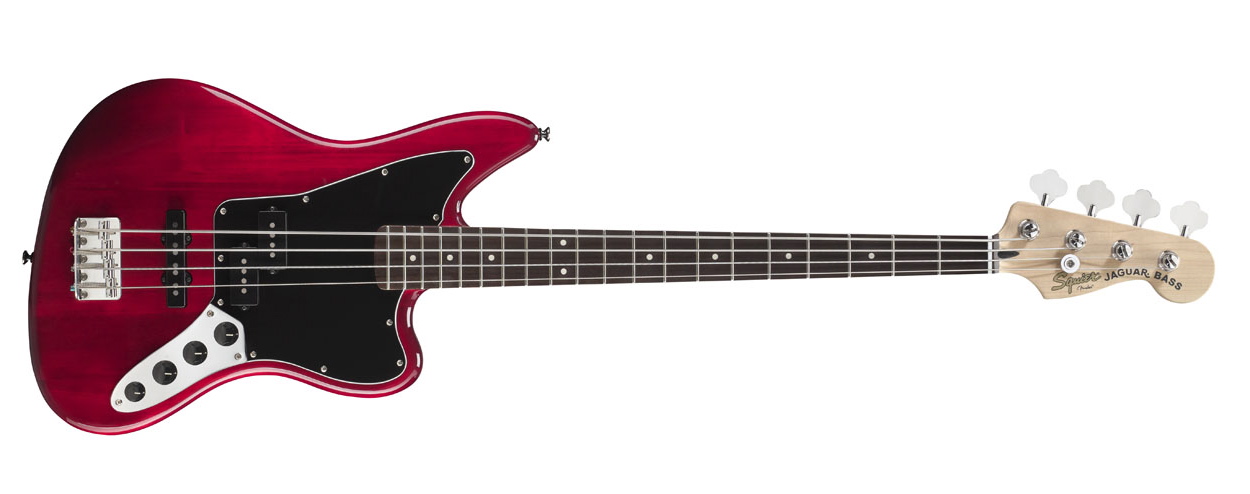
Squierin Jaguar-basso on saatavilla kolmena uutena eri versiona:

Jaguar Bass Special tarjoaa hoikan Jazz-tyylisen kaulan, PJ-mikrofonivarustuksen sekä aktiivisen bassobuusterin.

______________________________________________

Jaguar Bass Special HB -mallissa taas on Music Man -tyylinen mikrofoni.

_____________________________________________

Kolmantena on passiivinen, lyhyellä mensuurilla varustettu versio teemasta – Jaguar Bass Special SS.

Pawnshop or Casino, Sir?

One of Fender’s foxiest new models is the Mustang Pawnshop Special. The guitar is based on the original Mustang, but has been ”pre-modded” with a hard-tail bridge, two humbucking pickups as well as a different wiring, which allows for coil-splitting.

****

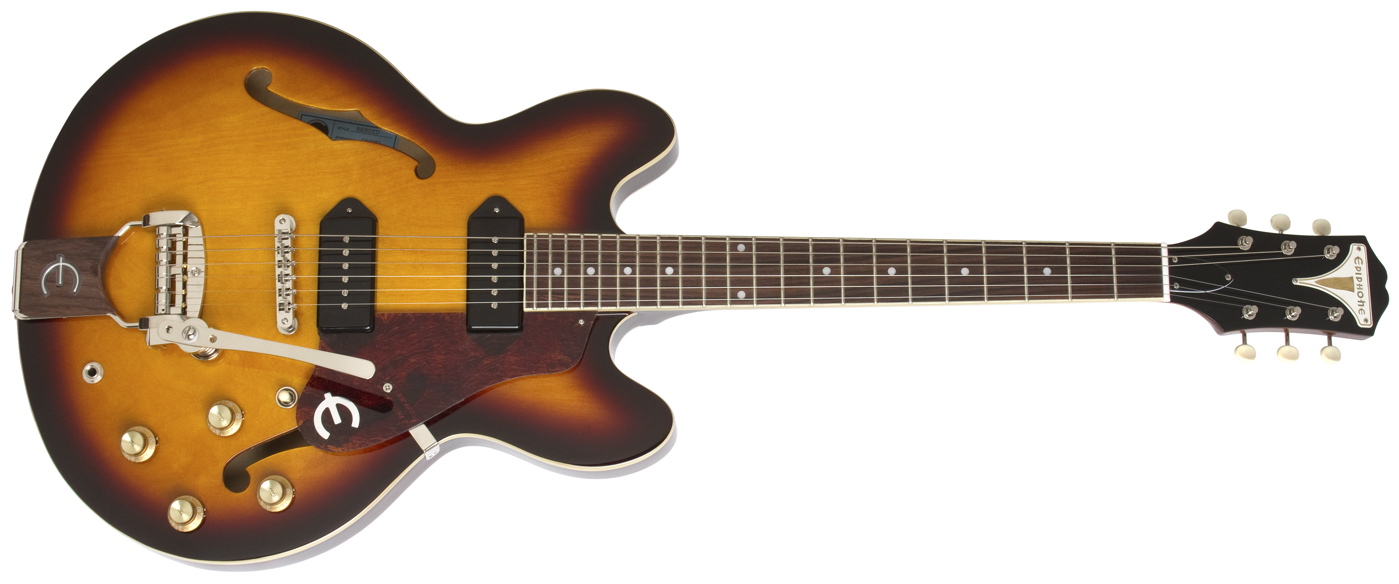
Epiphone’s new limited edition ”1961 Casino” is a very close remake of my favourite guitar as it was when it was released in 1961. It features P-90s with black plastic covers, a Gibson-type headstock (like on Paul McCartney’s Casino) with a metal logo, as well as a see-through faux-tortoise pickguard. Only 1,961 special edition Casinos will be produced, some with Epiphone’s own ”version” of a Bigsby vibrato, called Tremotone.

Gibson Flying V – tai: kaksi vuosikymmentä etuajassa

Vuonna 1957 Ted McCartyn mitta oli täynnä. Gibsonin toimitusjohtajaa ärsyttivät ainaiset puheet firman vanhanaikaisuudesta ja tylsyydestä muiden valmistajien ja joidenkin kitaristien keskuudessa. Etenkin Fenderin tuomat uudet tuulet kitaroiden valmistuksessa ja markkinoinnissa saivat McCartya uskomaan, että Gibson tarvitsi jotain mullistavan uutta mallistossansa.

Pidettiin kokonainen sarja aivoriihi-istuntoja, jossa yritettiin löytää mahdollisimman omanlaatuisia kitaroita. Pomo itse keksi tällaiset muodot:

Kun ensimmäinen prototyyppi oli valmis, joku nauroi ”Hehee, tämä näyttää lentävältä V-kirjaimelta!”, ja siinä olikin uutukaiselle sopiva nimi.

Kun Flying V näytettiin ensimmäistä kerta NAMMissa (1958, samalla esiteltiin myös Explorer-mallin), varsin erikoinen kitara oli yksi messujen kohokohtista. Kaula ja runko veistettiin korina-puusta ja metalliosat olivat kullattuja.

Ongelma oli vain, että omintakeinen kitara oli aikansa edellä, minkä takia siitä ei tullut myyntimenestys. Alkuperäinen painos (1958–’59) jäi alle 100 kappaletta, ja myös niistä jotkut käytettiin vain mainoskylttinä joidenkin musiikkiliikeiden edessä.

Kuuskytluvun keskivaiheella musiikkimaku oli jo muuttanut sen verran raskaampaan suuntaan, että Gibson päätti yrittää uudestaan. Uusi Flying V oli mahongista, ja sillä oli perinteinen Gibson-kieltenpidin. Myös säätimet oli hieman eri järjestyksessä tässä uusintapainoksessa (katso alle).

Jimi Hendrix käytti juuri sellaista 60-luvun mallia, aina kun halusi Stratoa paksumpia soundeja.

Mutta vasta 1970-luvulla, kun Hard Rock ja Metal keksittiin, tuli Veestä muodikas lavakitara, sekä lavakarismansa että Gibson-soundinsa ansiosta.

Ja se lentää yhä vain eteenpäin; juuri tällä hetkellä Gibson tarjoaa upouuden seitsenkielisen Veen aktiivimikityksellä rankkaan riffitykseen.

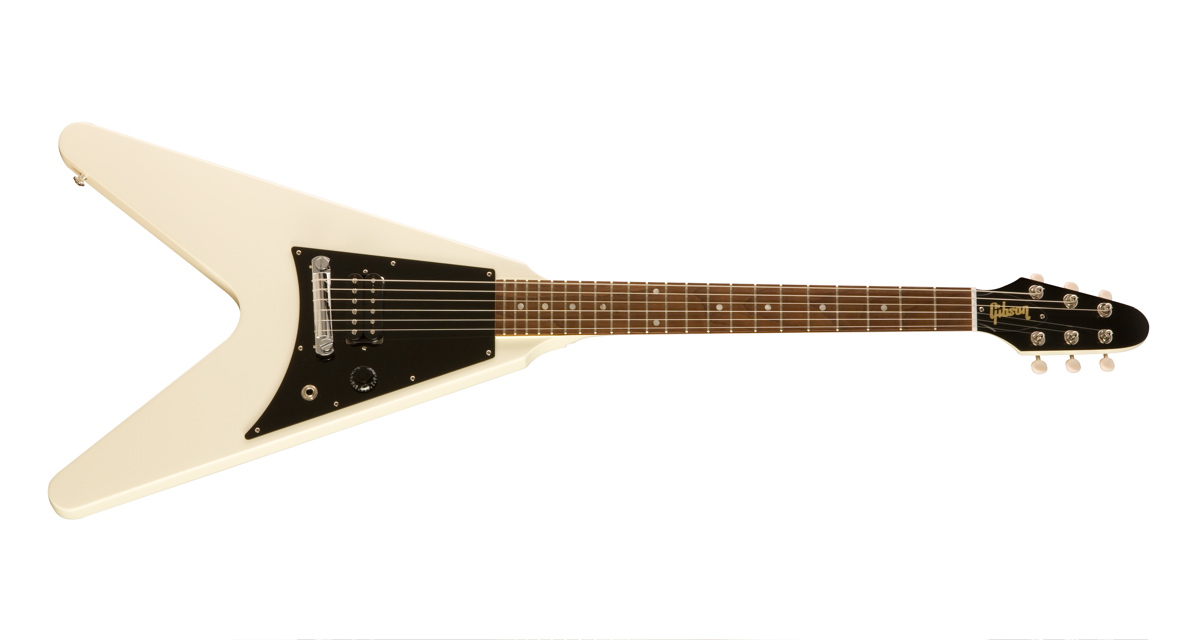
Myös uudesta, laajennetusta Melody Maker -sarjasta löytyy Flying V – Flying V Melody Maker – jolla on mahonkikaula, vaahterarunko, tallahumbucker omalla volume-säätimellä sekä yksinkertainen wraparound-talla – that’s it.

Flying V:n ainoa huono ominaisuus on, ettei mallia voi soittaa istuen. Toisaalta, kukahan moshaa istuen?

😉

The Gibson Flying V, or: Two Decades Ahead Of Its Time

In 1957 Gibson’s then president, Ted McCarty, grew tired of the company being slagged off as ”boring old farts” by some of its competitors. Especially the fresh touch brought to guitar-making (and marketing) by young upstarts Fender, made McCarty determined that something had to be done to put the ”stuffy” image behind them.

They held a series of brain-storming sessions with a view to coming up with the most outrageous designs imaginable. Ted McCarty himself came up with this:
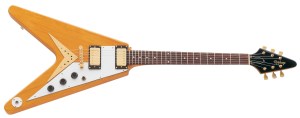
When the first prototype was built somebody said (laughing, no doubt): ”Hey, this thing looks like a flying Vee!”, and the name stuck.

When the Flying V was first shown at the Winter NAMM show in 1958 – along with its sister model the Explorer – it sure was the show-stopper McCarty had hoped for, with its radical shape, korina neck and body and gold parts.

The problem was the model was way ahead of its time, and didn’t really sell well in its original form. Less than 100 Flying V’s were shipped to dealers during 1958-9, with some ending up as shop signs (!) to draw in customers.

In the mid-60s times had changed, though, and heavier music was becoming en vogue, so Gibson decided to reissue the Flying V, albeit with a standard stop-tailpiece, a different control layout and the company’s customary mahogany used for the body and neck.

It was this version that Jimi Hendrix used whenever he needed a fatter sound than his Stratocaster could provide him with.

But it was really only with the advent of Hard Rock and Metal in the 1970s that the Vee really took off as a fashionable guitar, as it offered both cool looks and fat Gibson-tone in the right proportions.

Since then the Flying V has never really left us; right now, for example, Gibson are offering an EMG-equipped, active 7-string version for ultra-brutal riffing.

And brand-new is a budget version of the Vee, called the Flying V Melody Maker, which gives you the essence of what the Vee’s about in a nutshell: a mahogany neck glued to a maple body, one powerful humbucker, a single volume control and a simple wraparound bridge topping it all off – that’s it.
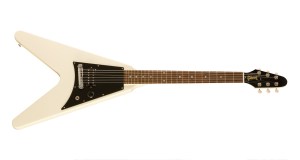
The Flying V only has one single drawback – you can’t play the model sitting down. But then again, headbanging doesn’t really work sitting down…

😉

Pidä blogia WordPress.comissa.

Ylös ↑