Juttu wah-wah-pedaaleista on nyt ilmestynyt ROCKWAY-blogiin.
Tulossa Rockway-blogiin: Encore Blaster -kitarat
• solid paulownia body
• maple neck; bolt on
• rosewood fretboard; 22 frets
• Guitar Tech (by JHS) hardware
• Guitar Tech (by JHS) pickups
Contact: Aron Soitin
****
The demo song is a short cover version of ”Wonderful Land” (Jerry Lordan) in the style of The Shadows.
• Encore Blaster E2 – rhythm guitars
• Encore Blaster E6 – lead guitar
All guitar tracks played on a Bluetone Shadows Jr valve combo and an Electro-Harmonix Memory Toy. Recorded to Garageband using a Shure SM57 and a Focusrite Saffire 6 USB.
Tulossa Rockway-blogiin: DiMavery ST-312 Satin Black
DiMavery ST-312 Satin Black
• solid ash body
• maple neck, bolt-on
• rosewood fretboard with red dot markers
• 22 medium frets
• black chrome hardware: vintage vibrato bridge & sealed tuners
• bridge humbucker plus neck and middle singlecoil pickups
• master volume and two tone controls
• gig bag included
****
Demo Song
This is a short cover of ”Wonderful Land” (Jerry Lordan) inspired by Mike Oldfield’s version.
All guitar tracks played on the DiMavery ST-312 through a Mad Professor Simble Overdrive and a Bluetone Shadows Jr. tube combo.
Finnish distributor: Discoland
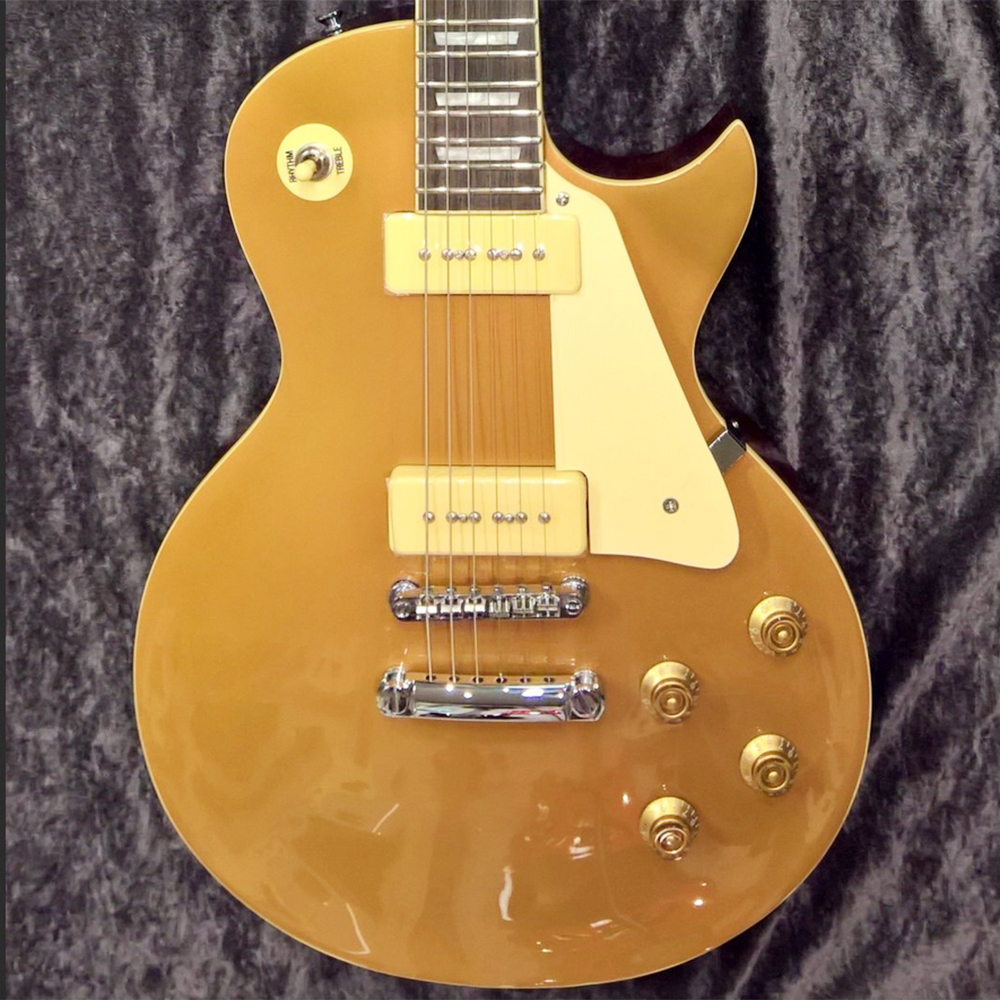
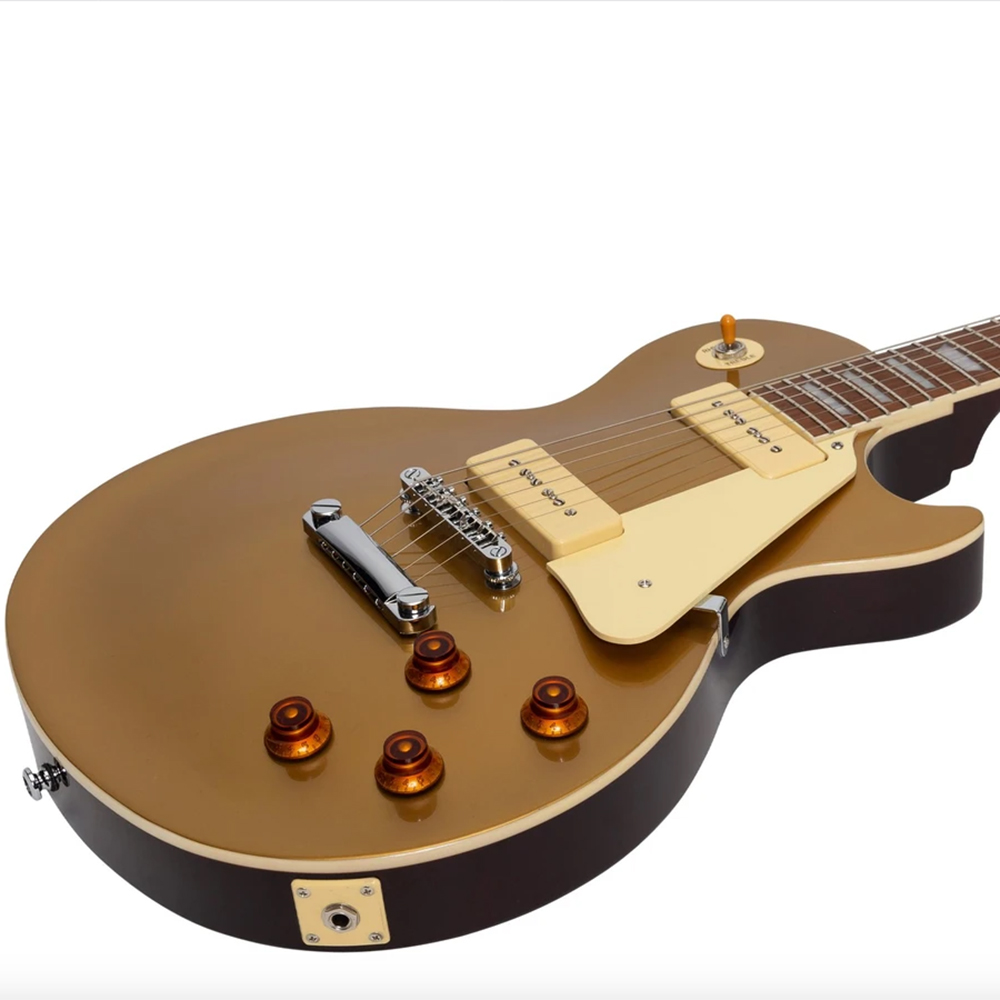
Nyt Rockway-blogissa: Kolme Goldtop-tyylistä kitaraa

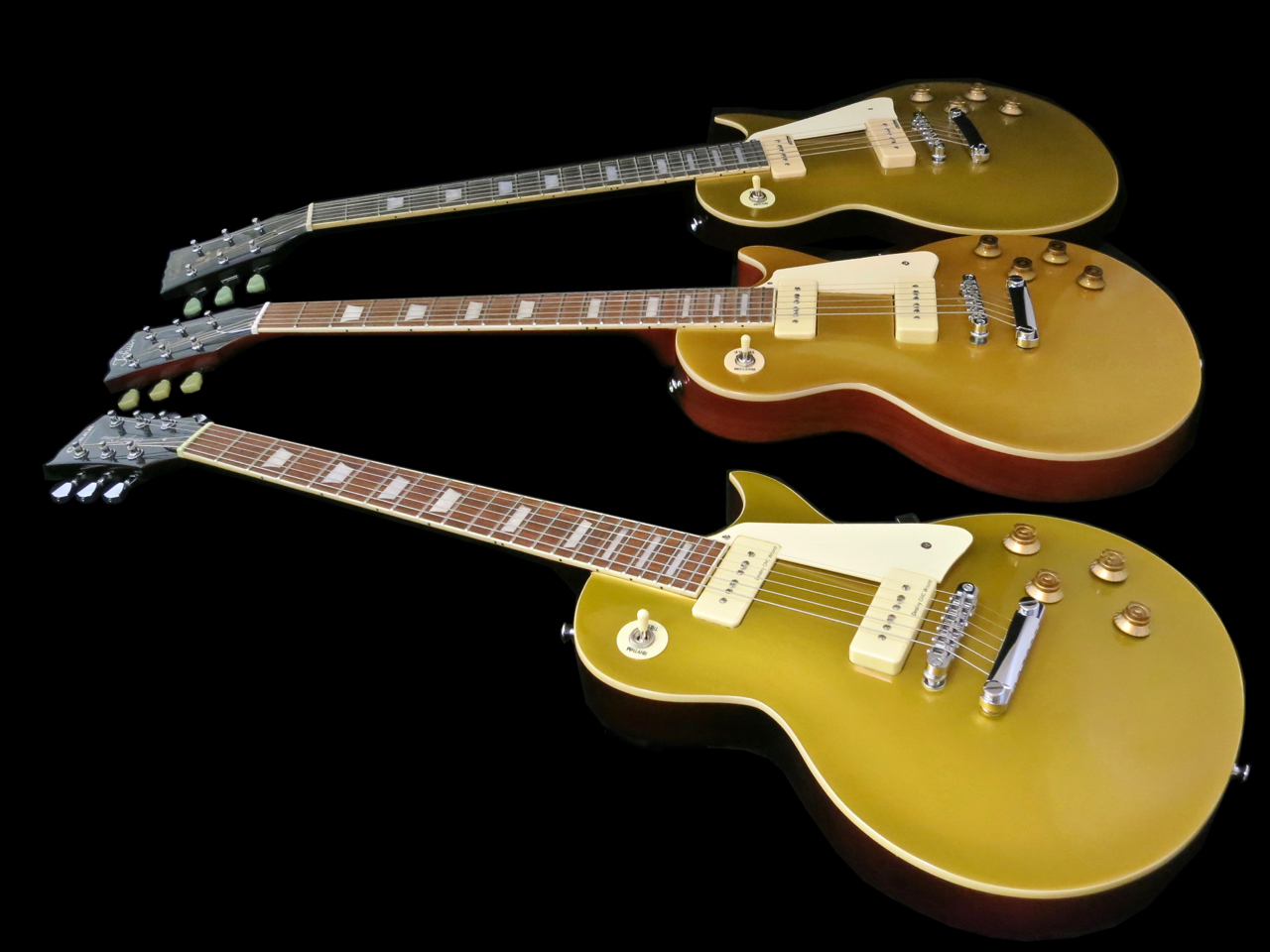
Juttu löytyy TÄSTÄ.

Testipenkissä: Mooer SD75

Viime vuosina Mooer on onnistunut saamaan vankan jalansijan edullisien, mutta silti laadukkaiden kitaraefektien valmistajana. Brändinä firma tuli aluksi tunnetuksi mikrokokoisista pedaaleistaan, mutta Mooer valmistaa myös isompia multiefektejä.
Vuoden 2018 Hornet-mallisto antoi jo vihjeen siitä, että Mooerilta oli tulossa uusia tuotteita, ja nyt firman ensimmäiset ”täysikasvuiset” mallintavat kitarakombot ovat ilmestyneet – Mooer SD30 ja SD75.
****

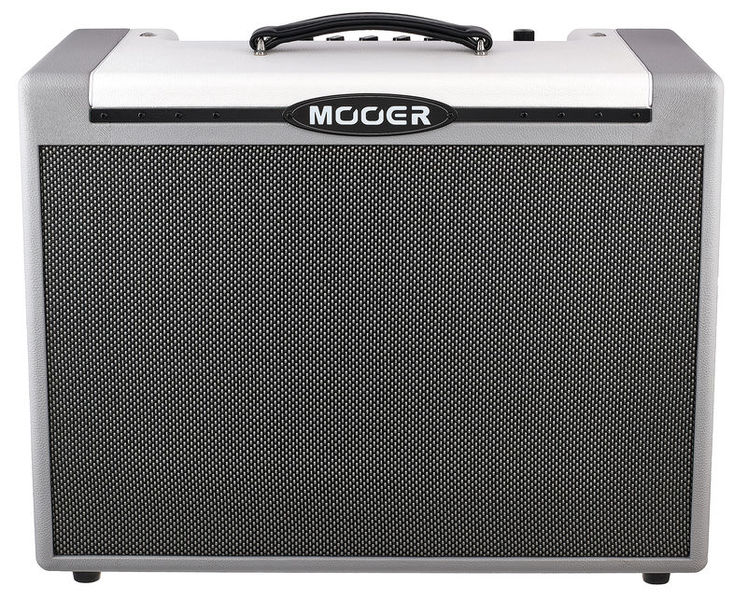
Upouusi Mooer SD75 (378 €) on hybridikombo digitaalisella etuasteella ja transistoripohjaisella päätevahvistimella (75 W; A/B-luokka).

Kauniista kaksivärisestä kaiutinkotelosta löytyy 12-tuumainen Mooer-kaiutin 100 watin tehonkestolla (8 Ω).
SD75 painaa vain 18 kiloa.
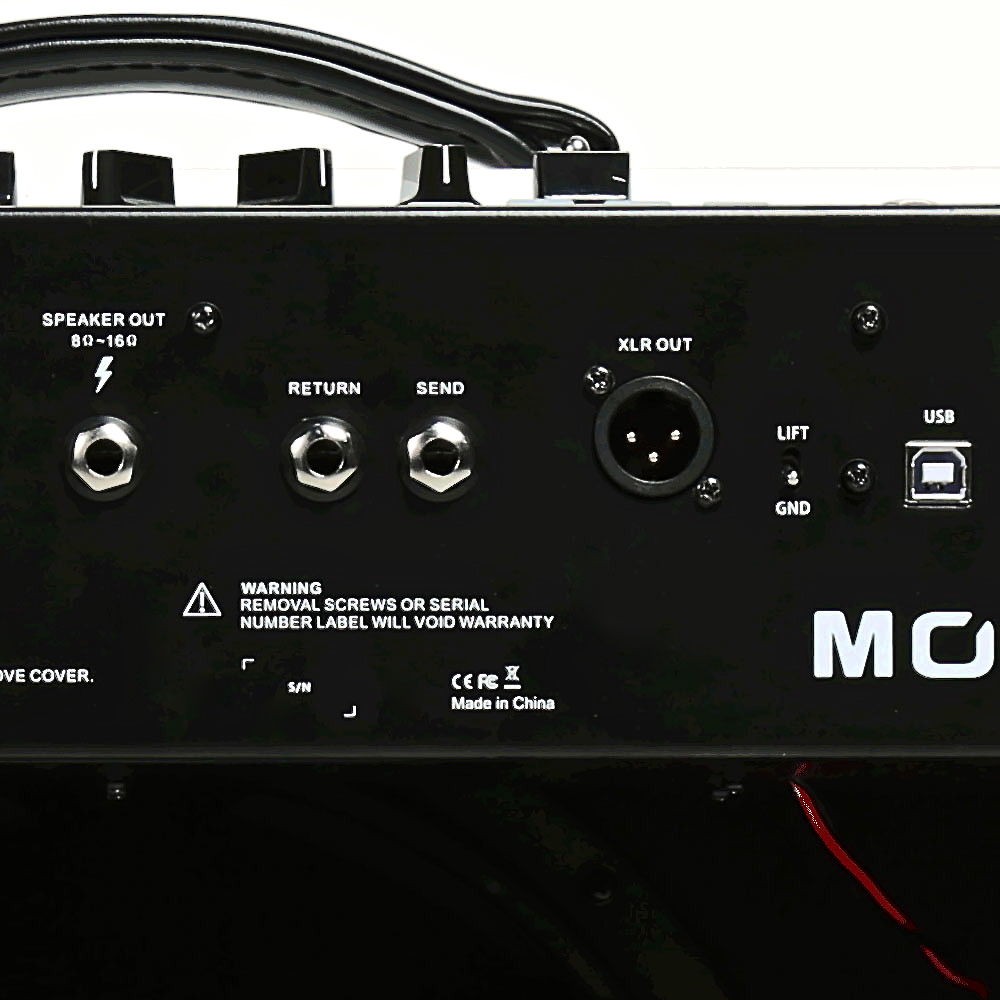
Kombon takapaneeli tarjoaa liittimet lisäkaiuttimelle, efektilenkille, balansoidulle DI-lähdölle (kytkettävällä kaiutinsimulaatiolla), sekä USB-portti firmware-päivitykseen.

Mooerin säädinpaneeliin pääsee ylhäältä:
Mustaan osaan on aseteltu vahvistimen näyttö, Value-pyörä, sekä taustavalaistut painonapit, joilla pääsee käsiksi kombon ohjelmamuistiin, sekä etuvahvistimen kaikkiin vahvistin- ja efektiosioihin. Napinpainaluksilla pääsee myös Mooerin Jam Mode -tilaan, jossa voi käyttää vahvistimen sisäistä audioloopperia (150 sekuntia äänitysaikaa) ja SD75:n rumpukonetta/metronomia (40 rumpupatternia; 10 eri metronomivaihtoehtoa). Uutuuskombossa on myös sisäinen kromaattinen viritysmittari.
Vahvistimen pääsäädöt tehdään tässäkin perinteisillä säätimillä – tarjolla on Gain, Volume, Bass, Middle, Treble, Presence ja Master. Kaikkien säätimien asetukset – paitsi Masteria – voi tallentaa efektiasetuksien lisäksi SD75:n presetmuistiin, joka tarjoaa 40 muistipaikkaa.

Mooer SD75 -kombossa on myös Bluetooth-valmius:
Kombon mukaan tulee Mooerin Airswitch jalkakytkin neljällä kytkimellä, jolla pystyy vaihtamaan presettejä ja ohjata loopperia. Bluetoothin kautta pystyy myös striimaamaan audiota älylaitteista.
****

Veikkaisin, että käytännössä jokainen kitaristi kokeilee ensin tällaisen vahvistimen tehtaalla ladatut preset-ohjelmat läpi, ennen kuin kokeilee itse mallintavan vahvistimen ohjelmointia. Kyllä tehdasohjelmista saa jonkinlaisen käsitteen Mooer SD75 -kombon tarjoamista mahdollisuuksista, vaikka mielestäni lähes kaikki presetit ovat tässä liian bombastisia minun makuun.
Minusta tutustumista varten kannattaa valita yksi presetti ja painaa kaikki efektiosiot pois päältä. Tämän jälkeen voi ensin valita yhden vahvistinmalleista ja ruuvata sen parametreja rauhassa kuntoon. Seuraavaksi voi sitten mennä kaikki efektiosiot läpi ja kokeilla mitä kaikkea kivaa sieltä löytyy.
Mooerin vahvistinkokoelmaan kuuluu 25 eri mallinnusta. Pedaalivalikoima taas koostuu OD/DS-osiosta (yksi puhdas boosti, sekä seitsemän eri säröä), yhdeksän modulaatioefektiä (choruksesta kehämodulaattoriin), viisi viivettä (nauhakaiusta ducking delayhin), sekä kuusi eri kaikua. Jokaisesta efektiosiosta voi valita yhden efektin.
Parametrien säätäminen on hyvin helppoa taustavalaistujen nappien ja kätevän Value-pyörän ansiosta. Jokaisessa vahvistinmallissa pystyy vaikuttamaan seitsemään parametriin, joihin sisältyvät SD75:n kuusi fyysistä säädintä, sekä sen lisäksi kohinasalpa. Pedaaliefektit on jätetty tahallaan helppokäyttöisiksi, ja ne tarjoavat ainoastaan kolme parametria, niin kuin monet fyysiset pedaalitkin.
Myös muutoksien tallentaminen ja presetin nimeäminen on nopeaa ja helppoa, minkä ansiosta esimerkiksi asetuksien hiominen treeneissä on vaivatonta, ja muutokset voi tallentaa keikkoja varten kahdella painalluksella. Ohjelmamuistossa on tilaa 40 presetille – kymmenen pankkia neljällä presetillä – mikä tarkoittaa, että komboon pystyy ohjelmoimaan etukäteen vaikkapa koko bändisetin verran eri kitarasoundeja.
Mooer SD75:n Jam Mode -tila on kätevä lisä jammailuun, harjoitteluun tai uusien ideoiden kehittämiseen. Kombon sisäinen loopperi toimii todella hyvin. Rumpukoneen soundi ei ehkä ole parasta studiolaatua, mutta se toimii kokonaisuutta (ja hintaa) nähden hyvin.
Johdoton Mooerin Airswitch -kytkin on tässä hintaluokassa harvinainen herkku, jonka ansiosta kitaristin jalkoihin jää yksi johto vähemmän.

Mooerin SD75 kuulostaa todella hyvältä. Kombo tarjoaa mielestäni loistavaa vastinetta rahallesi. Kaksitoistatuumaisen kaiuttimensa ja tuhdin päätevahvistimensa ansiosta SD75 olisi fantastinen valinta coverbändin kitaristille tai bändiluokalle tai vaikkapa (vuokraus-) harjoituskämpälle.
Kuulen jo kysymyksen: ”Onko uusi Mooer parempi kuin kallis vahvistin ja muutama boutique-luokan pedaali?” Vastaukseni on – tietysti – ei ole! Hei, hieman realismia kehiin, tämä on todella edullinen peli.
Mutta:
Näillä spekseillä, tällä hinnalla, ja näillä soundeilla Mooer SD75 on erittäin hyvä valinta viikonlopun kitarasankareille, jolla on tiukka budjetti.
• Komppikitarat: Fender Telecaster (vasen kanava) & Arvo 2-P90 (oikea kanava)
• Soolokitara: Epiphone G-400 Bigsby-vibratolla
• Kitararaidoissa käytetään ainoastaa Mooer SD75 -kombon omia efektejä
• Äänitetty Shure SM57 -mikrofonilla
****
• Komppikitarat: Epiphone SG (G-400; vasen kanava) & Fender Stratocaster (oikea kanava)
• Likkikitarat: Arvo Guitars 2-P90
• Soolokitara: Arvo 2-P90
• Kitararaidoissa käytetään ainoastaa Mooer SD75 -kombon omia efektejä
• Äänitetty Shure SM57 -mikrofonilla
****
Mooer SD75
378 €
Maahantuoja: Musamaailma
****
Plussat:
+ laaja soundivalikoima
+ helppo käyttää
+ sisärakennettu loopperi ja rumpukone
+ DI-lähtö kaiutinmallinnuksella
+ soundi
+ hinta
Minukset:
– rumpusoundien laatu
Review: Vox VX15-GT
****

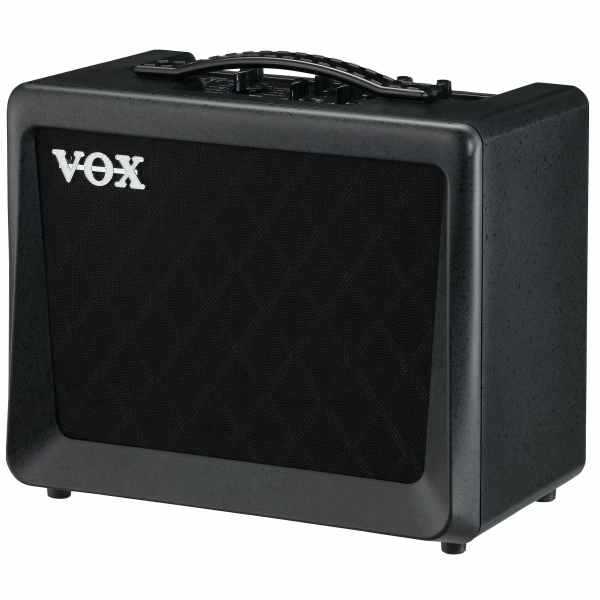
The new Vox VX15-GT (street price in Finland approx. 155 €) is an ultra-light, modelling practice amp with a 15-watt power amp.
The VX15-GT shares the control panel and signal-processing blocks with its larger brother, the VX50-GTV, but with one crucial difference. While the larger combo’s preamp section utilises Vox’ proprietary Nutube – a modern, low voltage tube – the VX15-GT uses Vox’ patented VET (Virtual Element Technology) digital modelling architecture.

The Vox VX15-GT’s astonishingly low weight (of just under four kilos) is achieved by using a special cabinet that is molded completely from ABS-plastic, as well as the use of a modern, lightweight power amplifier.
The single speaker is a 6.5-inch Vox unit.
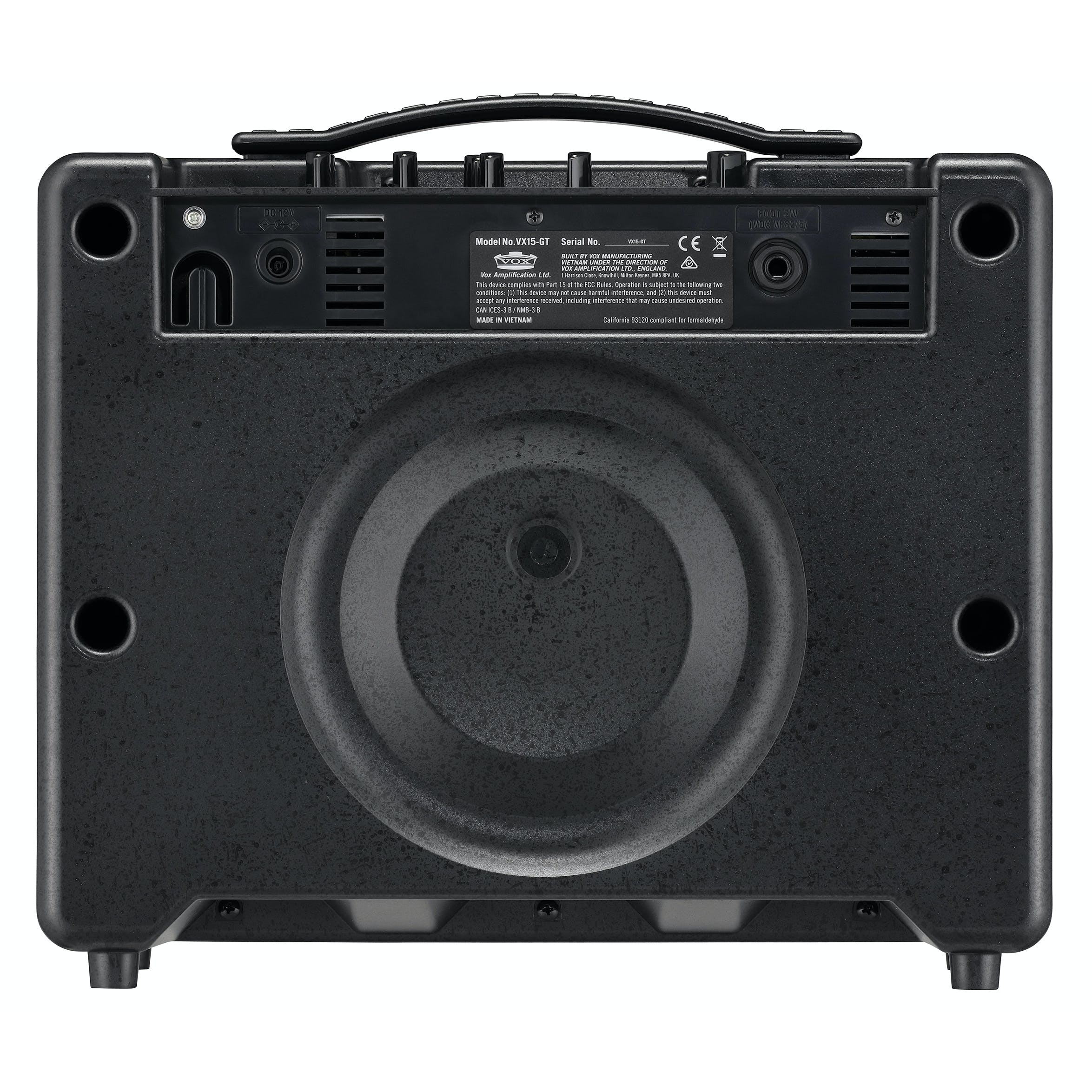
The combo is powered by 12 volts DC from an external, laptop style AC adapter.
The internal preset memory holds 11 slots for factory presets (one per amp model) plus two storable user presets. By connecting an optional Vox VFS5 footswitch the number of user presets can be increased to eight.
****
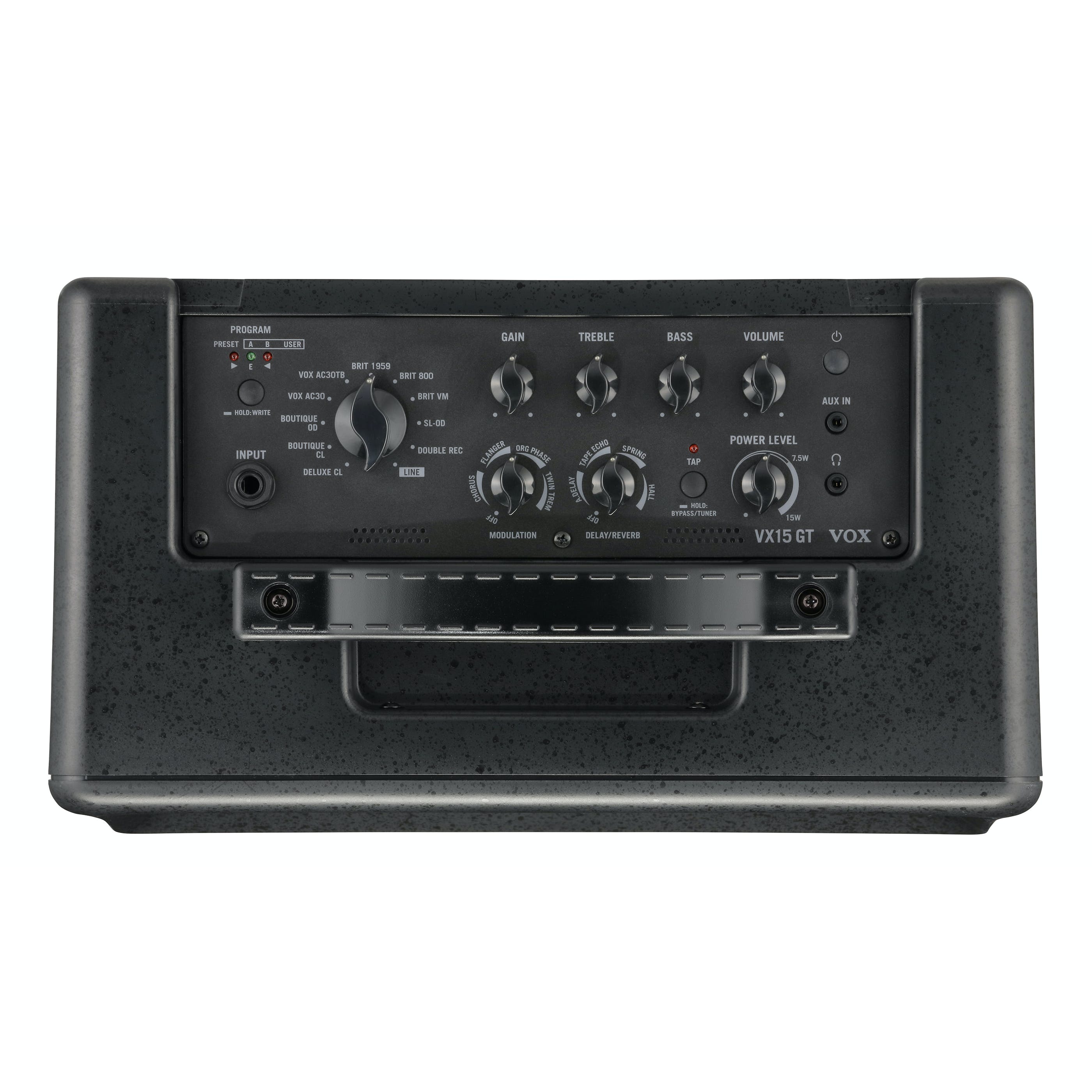
The Vox VX15-GT’s top-facing control panel sports the typical control layout of most modelling practice amps:
Starting from the left we find an E-tuner above the guitar input. The tuner LEDs double as preset programme indicators – when all LEDS are off the combo is in manual mode, with all parameters corresponding to the current knob positions. The amp selector offers you ten different amplifier models – one Fender, two Dumbles, two Voxes, three Marshalls, one Soldano and one Mesa/Boogie. The Line setting disconnects the amp modelling section, so you can use the VX15-GT to amplify a line level signal, such as a synthesiser.
The four smaller knobs in the top row control the usual amplifier functions, namely gain, two-band EQ and programme volume.
The Modulation control lets you choose and adjust one of four different modulation effects – chorus, flanger, phaser (the abbreviation ”ORG” stands for the colour orange) and tremolo. The Modulation knob sweeps each effect’s speed from very slow to very fast. Here’s an audio clip running through the four modulation types, starting with the modulation section off:
The Delay/Reverb control lets you select one out of two delays or two reverbs. This control adjusts the chosen effect’s intensity (its volume in the mix), while the delay speed and the reverb length is set using the Tap Tempo button. For this clip I have set the delay time to almost full. I start off with a dry example and then play two examples of each effect, one with low and the other with high intensity:
As a demo song I recorded short cover version of the Weeknd’s song ”Blinding Lights”. All guitar tracks were played on a Gibson Melody Maker SG and recorded with a Shure SM57. I used only the Vox VX15-GT’s own effects:
****

Once I got over the unusual, all-plastic construction of the new Vox combo, I was really taken with the range of different sounds and the decent amounts of volume the VX15-GT has to offer.
This is a very inspiring and lightweight package, which, in my view, will work best as a practice (or teaching) guitar combo or in a small home studio setting.
One ”hidden”, but very nifty, feature that I haven’t mentioned is the very efficient, built-in noise suppressor. I was able to use single-coil pickups in the highest gain settings, without any 50-cycle hum!
You cannot compare the 15 watts of solid state power output to the full-on blast of an all-valve Vox AC15, but stick a decent microphone in front of it and you could even use the VX15-GT for the occasional pub gig.
****
Street price around 155 €
Finnish distributor: EM Nordic
Pros:
+ lightweight, ABS cabinet
+ decent presets
+ wide variety of amps
+ decent effects
+ sound
Cons:
– lightweight, ABS cabinet
Vox VX15 GT – The Kitarablogi-video
DEMO SONG
A short cover version of the Weeknd’s song ”Blinding Lights”.
• All guitar tracks played on a Gibson Melody Maker SG and recorded with a Shure SM57.
• Only the Vox VX15-GT’s effects were used.
****
• 15 Watts RMS @ 4 Ohms
• 1 x 6.5″ speaker
• Inputs: 1 x guitar; 1 x aux in; 1 x footswitch
• Outputs: 1 x headphones
• Controls: Amp Selector, Volume, Gain, Treble, Bass, Power Level, Modulation, Delay/Reverb, Program Selector
• 11 (10 + Line) amp models (VET: Virtual Element Technology)
• Effects: Modulation (Chorus, Flanger, Phaser, Tremolo), Delay/Reverb (Analogue Delay, Tape Echo, Spring, Hall)
• Programmes: 11 x Preset; 2 x User (using the VFS5 footswitch increases the number of user programmes to 8)

