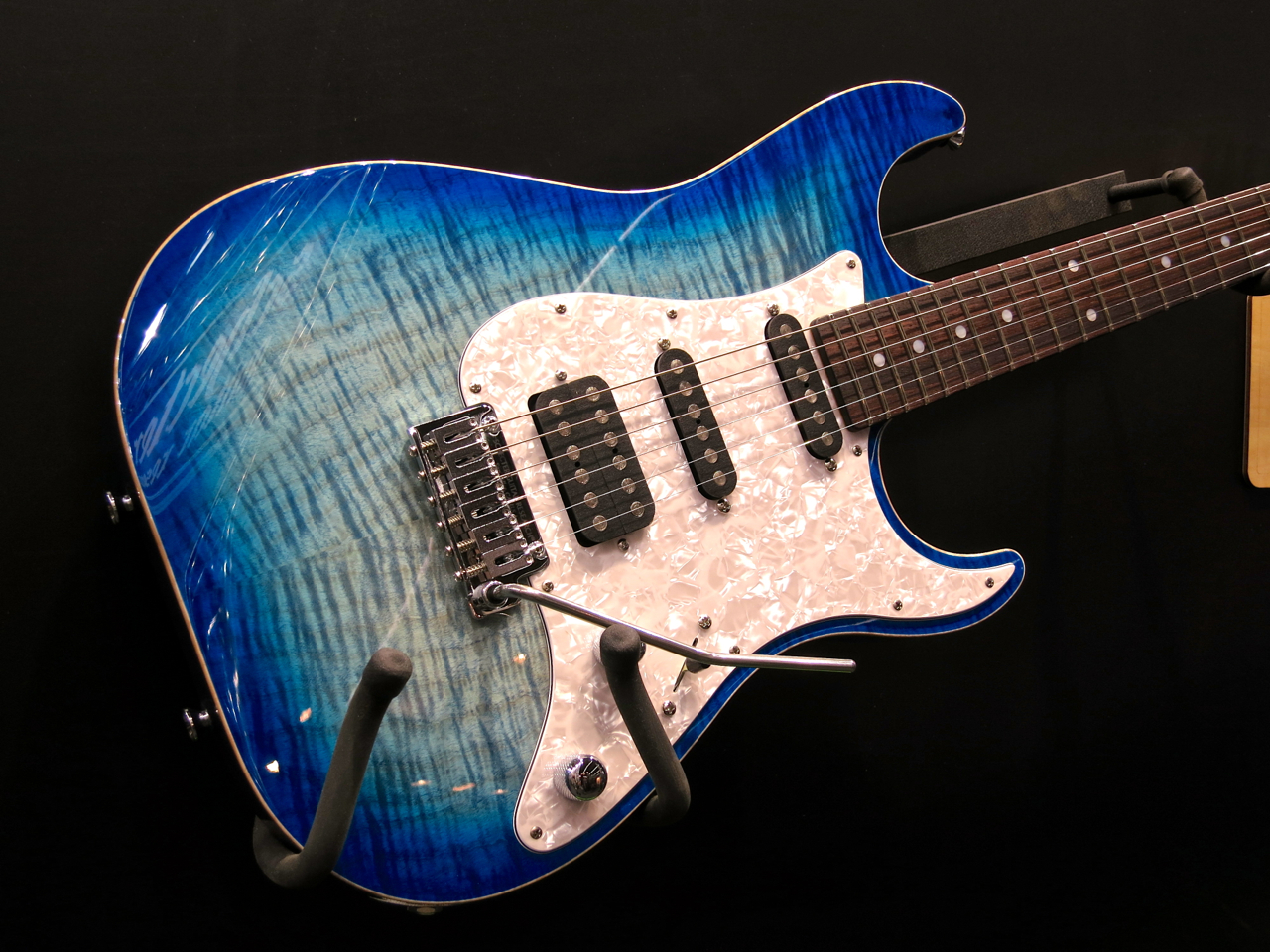
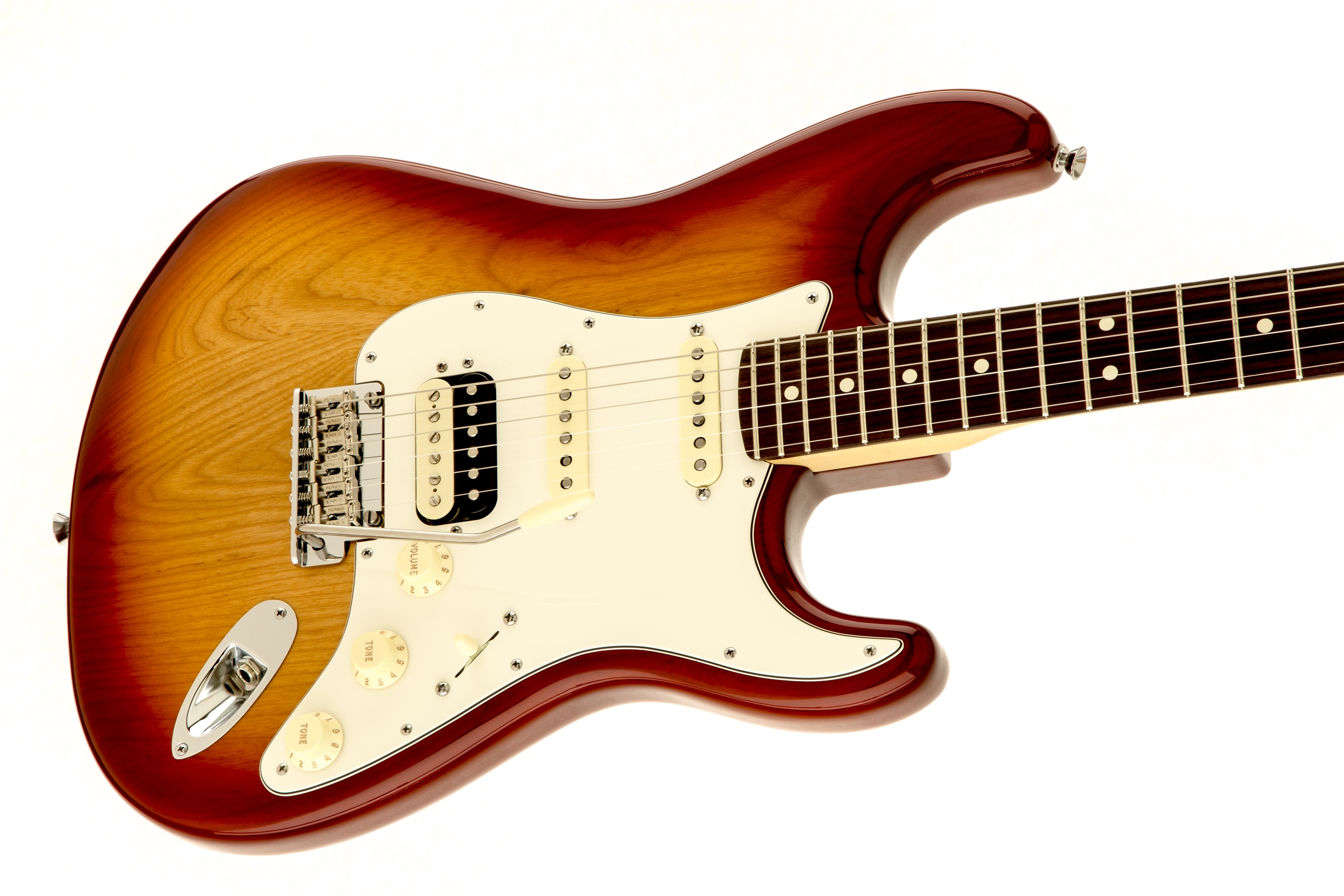
Testipenkissä: Fender American Standard Stratocaster HSS Shawbucker

Fender Am Std Stratocaster HSS Shawbucker – in case

Taasko uusi Strato-malli? Ketä tällainen enää kiinnostaa? Juu, juu, kyllä, siinä on humbucker tallamikkinä…näitäkin on jo nähty!

Totta, mutta tähän uuteen American Standard -malliin kannattaa mielestäni ehdottomasti tutustua, koska Fenderin R&D-ryhmä on keksinyt Shawbucker-Stratoon muutamia uusia, oivia detaljiratkaisuja, joita tähän mennessä puuttuivat HSS-mikitetyiltä Stratocastereilta.

Fender Am Std Stratocaster HSS Shawbucker – The Shawbucker

Mikä ihmeen Shawbucker?

Shawbucker on Fenderin uuden tallahumbuckerin nimi, joka on nimetty sen kehittäjän, Tim Shawn, mukaan. Tim Shaw on oikea elävä legenda kitarapiireissä, joka on ollut 1970- ja 1980-luvulla Gibsonilla töissä. Myöhemmin hän siirtyi Guildiin ja sittemmin Fenderiin. Elektroniikka-guruna hän oli ratkaisevassa asemassa esim. Gibson Les Paul Heritage 80 -projektissa, ja kehitteli firmalle mm. PAF-mikrofonin uusintapainoksia, joita nykyään tunnetaan nimellä ’57 Classic.

****

Fender Am Std Stratocaster HSS Shawbucker – full front BIG

Fender American Standard Stratocaster HSS Shawbuckerin (hintaluokka noin 1.600 €) parannukset koskevat pääosin soittimen elektroniikkaa.

Perusrakenteeltaan malli jatkaa saumattomasti Fenderin erittäin suosittua American Standard -linjaa.

Fender Am Std Stratocaster HSS Shawbucker – beauty shot 2

Shawbucker-Straton saarnirunkoon on liitetty vaahterasta veistetty ruuvikaula.

Kaulaprofiiliksi on valittu nykyaikainen C-profiili, ja myös ruusupuisen otelaudan vintagea loivempi radius (9,5 tuumaa) sekä kitaran 22 jumbokokoiset nauhat tekevät soittimesta nykyaikaisen.

Fender Am Std Stratocaster HSS Shawbucker – headstock

Kaksisuuntaista kaularautaa säädetään kätevästi lavan puolelta.

Fender Am Std Stratocaster HSS Shawbucker – tuners

Hyvästä vireestä pitävät huolen Fenderin Deluxe-koneistot.

Fender Am Std Stratocaster HSS Shawbucker – neck plate

American Standard Shawbucker -mallista löytyy myös firman patentoitu säätömekanismi kaulan kulmalle.

Fender Am Std Stratocaster HSS Shawbucker – vibrato

Nykyisissä American Standard -vibratalloissa on moderni aluslevy veitsenterä-laakereilla, mutta vintage-Stratoista tuttuja tallapaloja muotoon taivutetusta teräksestä.

Testisoittimessa vibran tip up -kulma oli säädetty hieman liian jyrkäksi, mutta asia oli helppo korjata itse sopivilla ristipääruuvareilla.
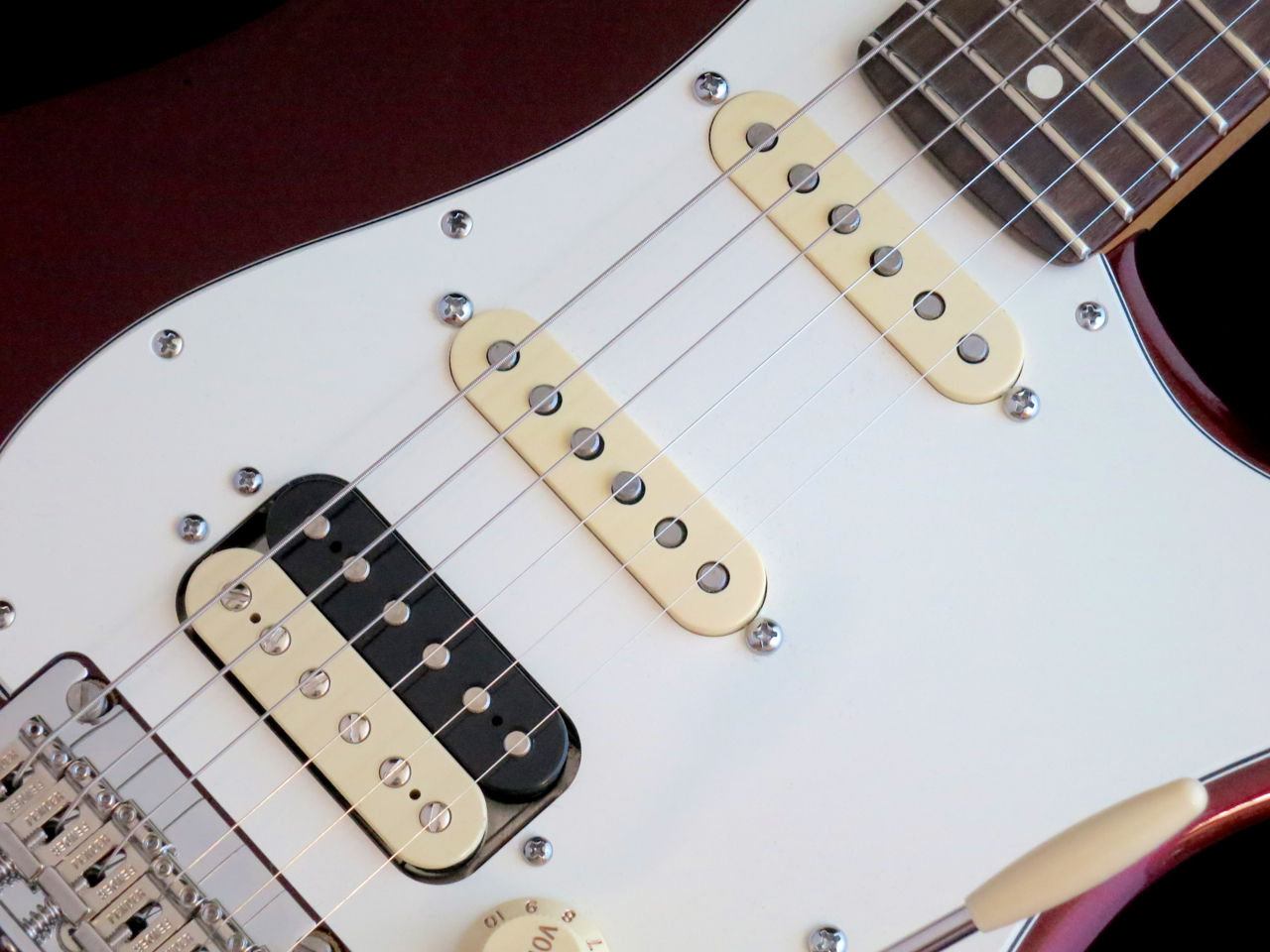
Fender Am Std Stratocaster HSS Shawbucker – pickups

HSS Shawbuckerin mikrofonivarustus on tarkoin valikoitu:

Kaula- ja keksimikrofoneina toimivat kaksi Custom Shop Fat ’50s -yksikelaista. Vastakkaiseen suuntaan käämitty – ja vastakkaista magneetista napaisuutta omaava – keskimikrofoni poistaa tehokkaasti ulkoisia häiriöitä, kun sitä käytetään yhdessä kaulamikin kanssa.
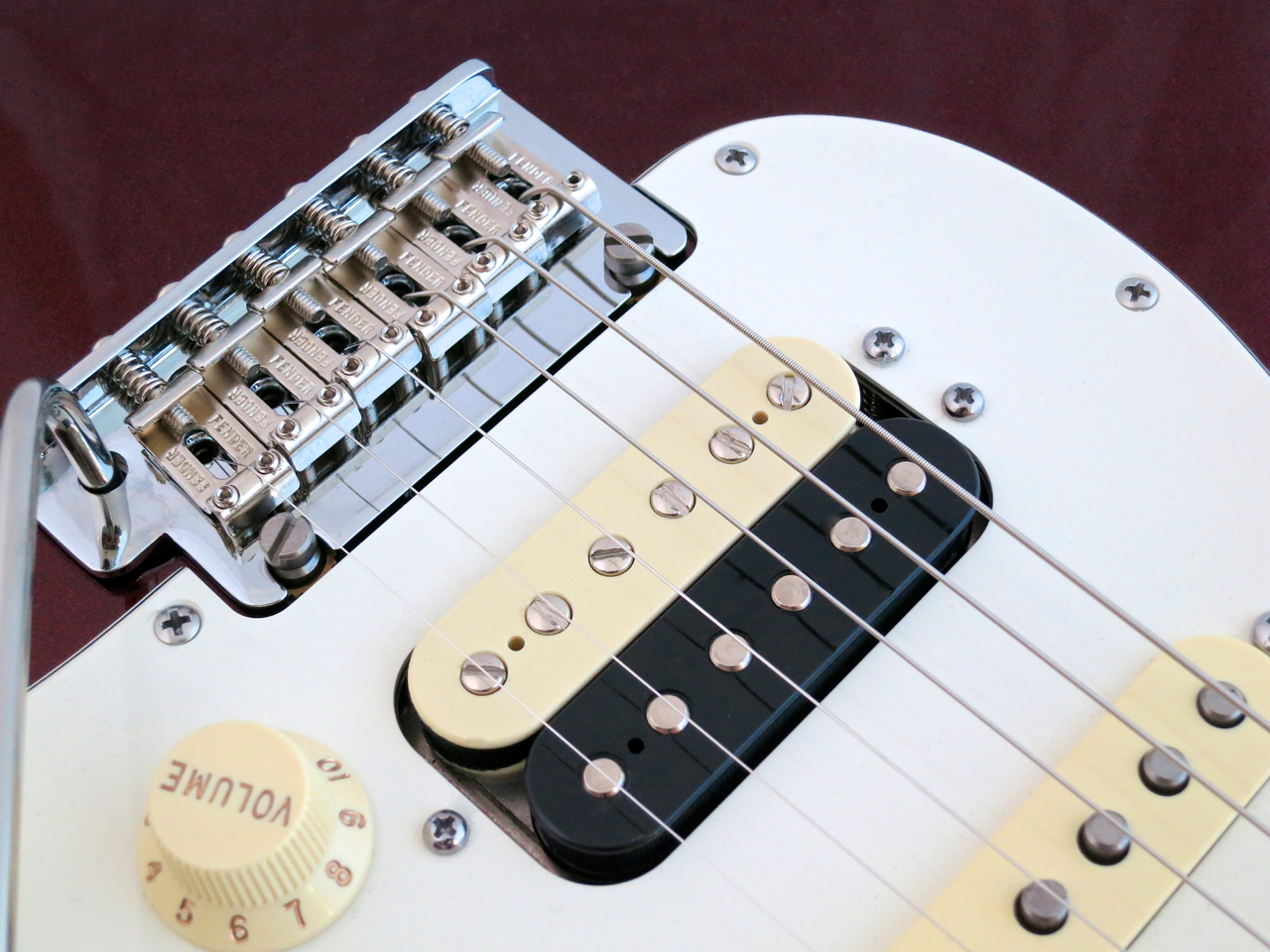
Fender Am Std Stratocaster HSS Shawbucker – The Shawbucker

Shawbucker-kaksikelainen on vintage-tyylinen humbucker avoimella, PAF-tyylisellä soundilla.
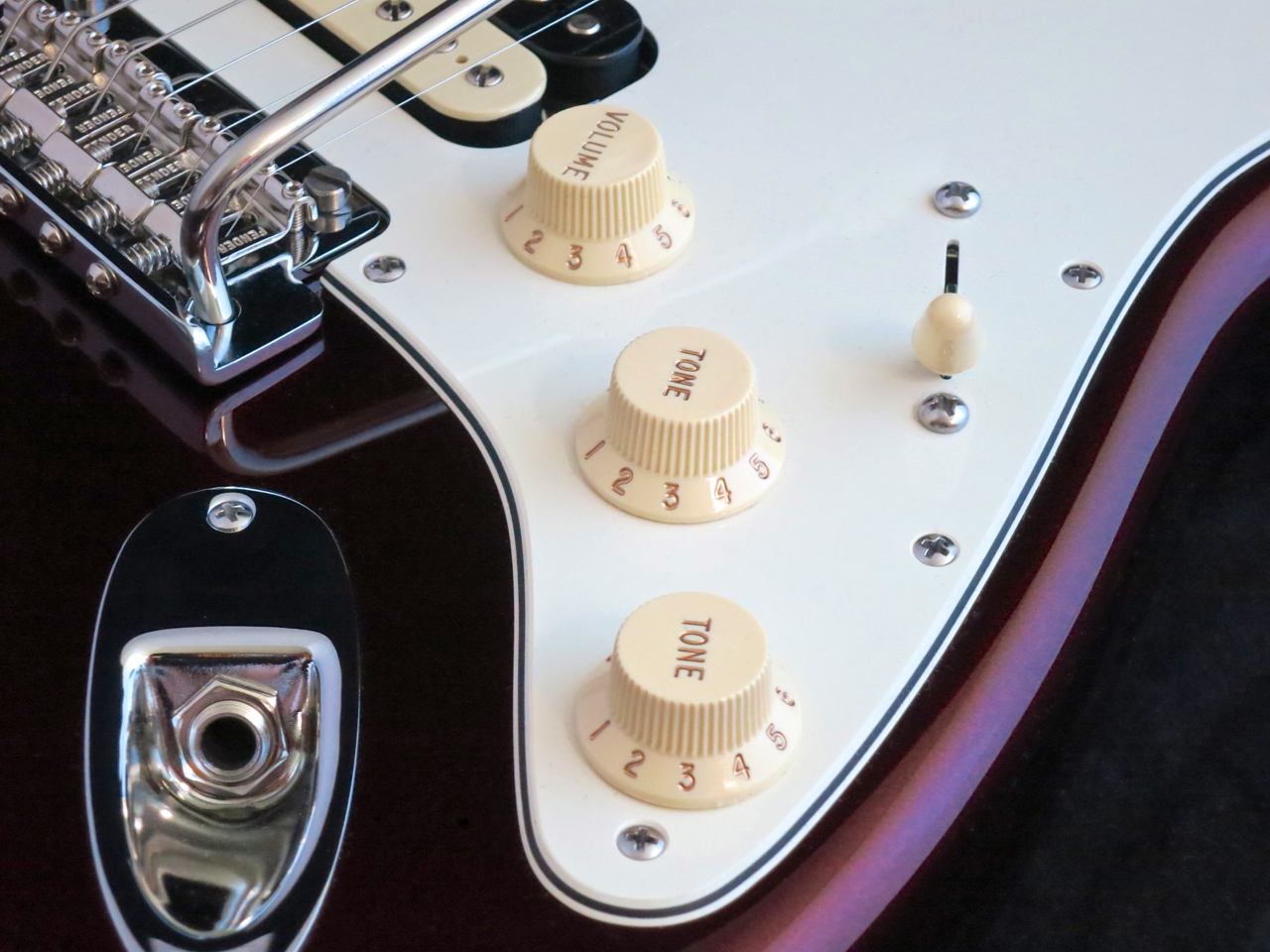
Fender Am Std Stratocaster HSS Shawbucker – controls

Kytkin- ja säädinosasto näyttää hyvin perinteiseltä, mutta siihen on piilotettu tämän kitaran kätevimmät parannukset:

Yksikelaiset ja humbucker-mikrofonit vaativat periaatteessa erilaisia potentiometrejä toimiakseen toivotulla tavalla. Yksikelaisten mikkien kanssa käytetään yleisesti potikoita 250 kilo-ohmin vastuksella, jotta niiden soundista ei tulisi liiankin terävä. Humbuckereilla taas on perinteisesti käytetty 500 kilo-ohmin potentiometrejä, jotta diskantti säilyisi paremmin niiden signaalissa. Myös tonepiirissä toimivan kondensaattorin kapasitanssi-arvo on usein syytä olla erilainen, riippuen siitä onko käytössä yksikelainen vai kaksikelainen mikrofoni.

HSS- ja HSH-kitaroiden ongelma piilee usein juuri potikoiden ja konkkien valinnassa, koska sekä yksikelaisten että kaksikelaisten signaalit reititetään yhteisten volume- ja tone-potikoiden läpi. Lopputuloksena joko humbucker soi hieman mutaisesti tai sitten yksikelainen on hieman liian terävä.

Shawbucker-Stratossa nämä ongelmat on hoidettu pois päiväjärjestykseltä käyttämällä sekä volume- että toisen tone-säätimessä  tuplapotikoita, joissa samaan akseliin on liitetty sekä 250 k:n että 500 k:n potentiometri päällekkäin. Humbuckerin signaali on kytketty tuplapotikan 500 k -tasoon, kun taas yksikelaisen soundi muokataan 250 k -tasolla. Keskimmäinen, perinteinen tone-säädin vaikuttaa kaulamikrofoniin, kun taas pleksin reunalla oleva toinen tone toimii keski- ja tallamikrofoneilla.

Viisiasentoisen kytkimen kakkosasennossa keskimikrofoni soi yhdessä puolitetun humbuckerin kanssa.
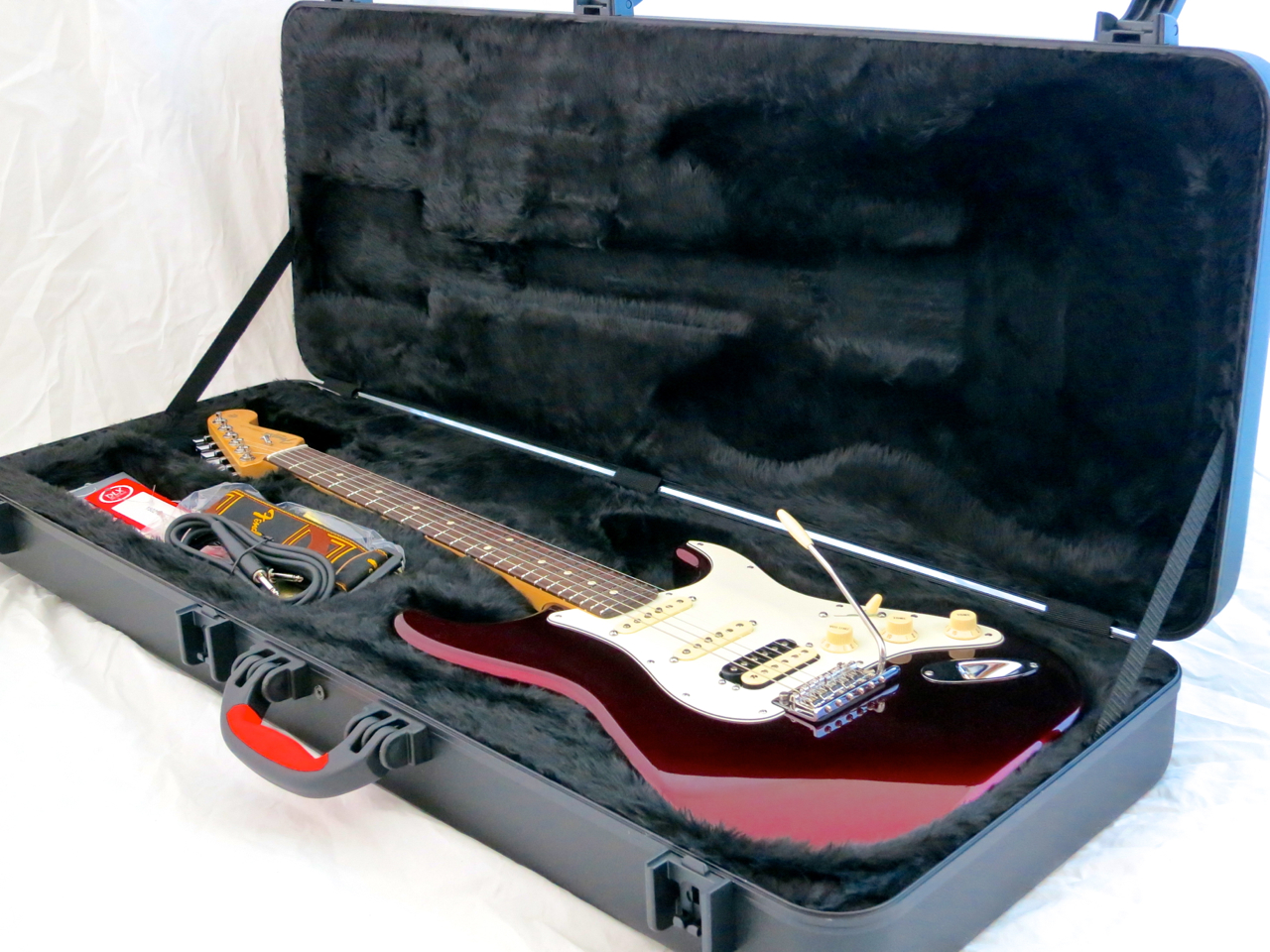
Fender Am Std Stratocaster HSS Shawbucker – in case

American Standard Stratocaster HSS Shawbucker -pakettiin kuuluu myös laadukas kova laukku, olkahinka, sekä kitarajohto.

****

Fender Am Std Stratocaster HSS Shawbucker – beauty shot 1

Stratocasterin hyvästä ergonomiasta ei tarvitse varmasti puhua enempää. American Standard -sarjan soittimien erittäin mukavasta, nykyaikaisesta soittotuntumasta on myös hehkutettu jo pitkään, ja syystäkin. American Standard -Strato on jo vuosikymmeniä ollut firman eniten myyty kitara USA-valikoimastaan.

Testikitara tuntuu juuri sellaiselta kuin sopii odottaa alan merkkipaaluusta – soitin on kevyt, ja se sopii erinomaisesti ainakin minun käteeni.

Akustinen ääni on tutun raikas, dynaaminen ja vahva. Vibratallakin toimii kiitettävästi perinne-Straton ja Floikan välimaastossa.

Fat ’50s -mikrofonien valinta Shawbuckerin aisapareiksi takaa, etteivät yksikelaiset jää missään tilanteessa humbuckeriin nähden alakynteen. Vaihdossa Fat ’50s -mikrofonista Shawbuckerin kyllä huomaa edelleen signaalitason eron, mutta tässä kitarassa boostaus tuntuu hyvin orgaaniselta ja musikaaliselta.

Mielestäni HSS Shawbuckerin soundi on kauttaaltaan hyvin herkullinen ja sopivasti Straton omalla luonteella höystetty. Päivitetty elektroniikka toimii vallan mainiosti – humbucker soi raikkaasti, eikä mene tukkoon, mutta samalla yksikelaisissa diskantilta on leikattu kaikki epämiellyttävä piikikkyys sopivasti pois. Viimeinkin HSS-Strato joka toimii vailla soundillisia kompromisseja!

Fender Am Std Stratocaster HSS Shawbucker – beauty shot 2

****

Fender Am Std Stratocaster HSS Shawbucker – body beauty 1

Fender American Standard Stratocaster HSS Shawbucker on – hassusta nimestään huolimatta – mainio sähkökitara todella hyvillä päivityksillä. Shawbucker-Strato vie HSS-mikkitetyn kitaran konseptin viimein seuraavalle tasolle.
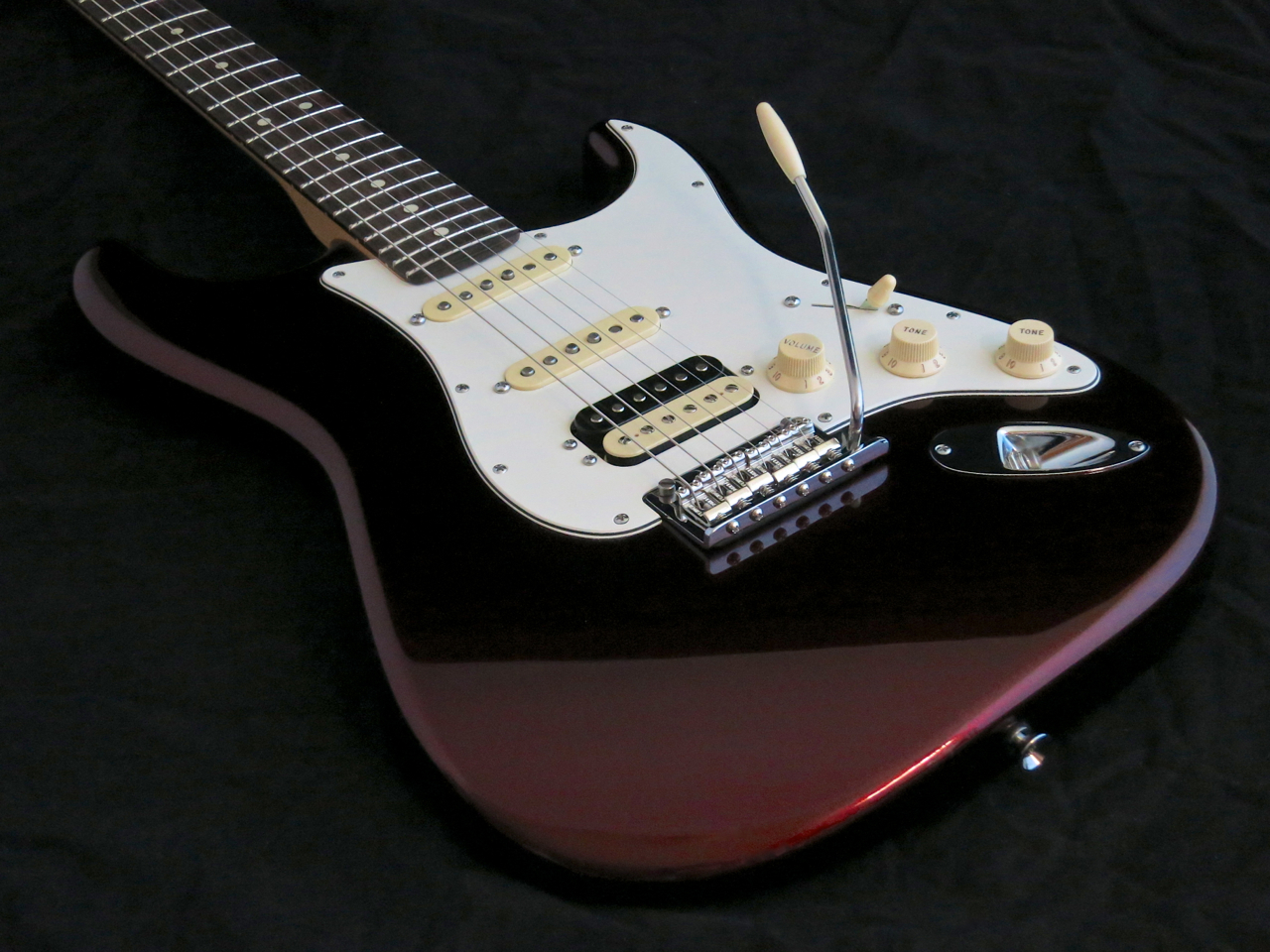
Fender Am Std Stratocaster HSS Shawbucker – body beauty 2

****

Fender American Standard Stratocaster HSS Shawbucker

hintaluokka noin 1.600 €

Kiitos DLX Musiikille testikitaran lainaamisesta!

Plussat:

+ hinta-laatu-suhde

+ soitettavuus

+ parannettu elektroniikka

+ vibratallan toiminta

+ soundi
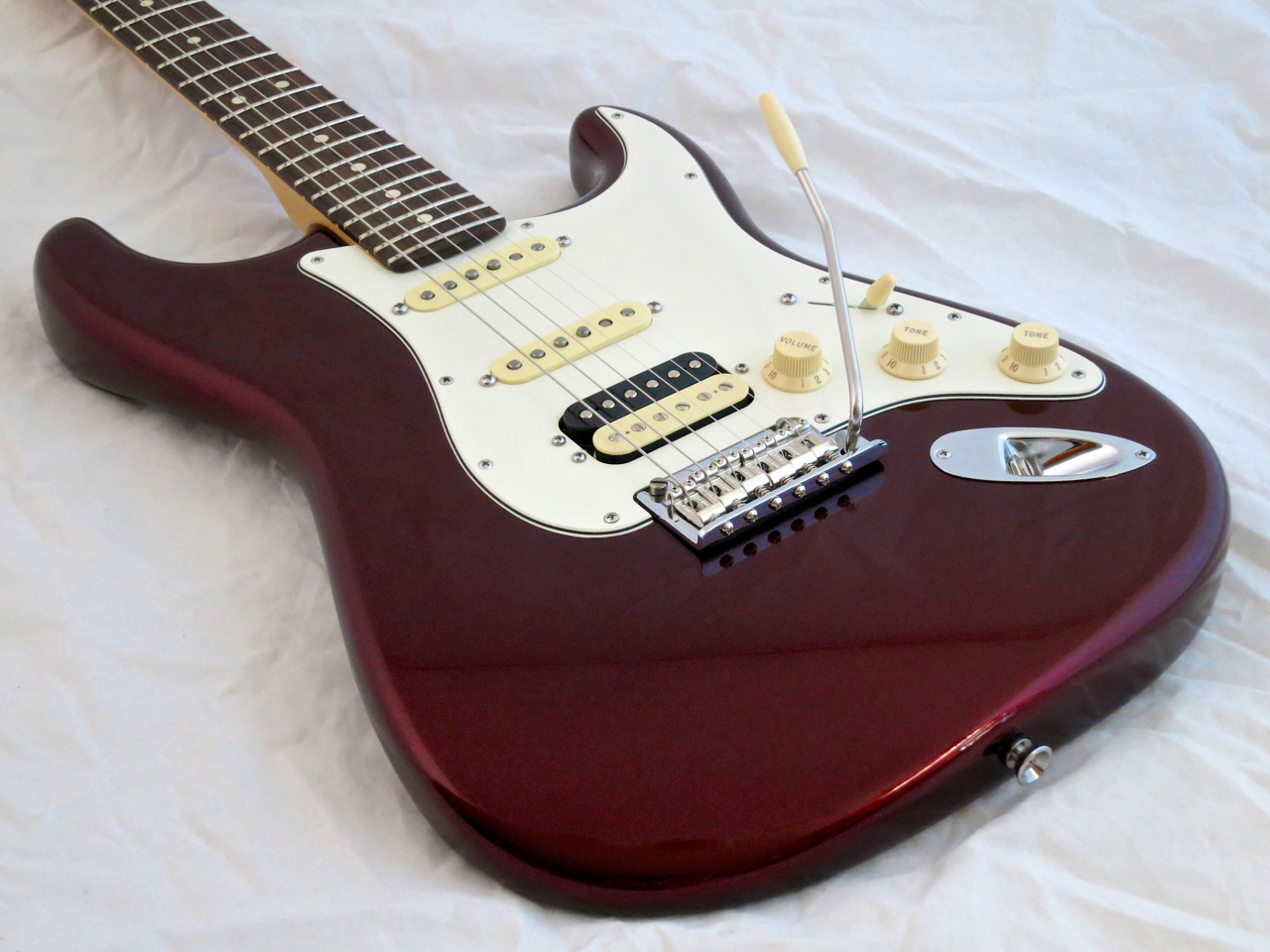
Fender Am Std Stratocaster HSS Shawbucker – body beauty 2

”Just one more!” – Living with G.A.S.

****

Just one more…pleeeeeeze!

einstein_guitar1

We’ve all seen the memes on social media, haven’t we? And let’s be honest – there’s plenty of truth in them!

Many – if not most – of us guitarists seem to have an annoying tendency to want to amass a wide selection of instruments and/or effect pedals and/or guitar amps for personal use. This gear lust, which often leads to crammed living conditions, empty pockets, and considerable trouble with our significant other, is generally known as Gear Acquisition Syndrome, colloquially shortened to G.A.S. (or GAS).

It seems that GAS has become ever more prevalent over the last couple of (or three) decades, but the roots of this problem reach as far back as popular music and the advent of mass media.

MM2015 – Schecter USA Sunset Custom

****

G.A.S. through the decades

The early days

Gibson Nick Lucas Signature

It’s hard to pinpoint exactly the onset of GAS, but many people would agree that Gibson’s Nick Lucas Special signature model (first released in 1927) played a crucial part.

Nick Lucas (1897-1982) was an accomplished guitarist and popular crooner, whose biggest hits (in the late Twenties and early Thirties) coincided with the popularity of the radio and the wider availability of phonograph records.

The Nick Lucas Special was Gibson’s first signature guitar, laying the groundwork for the endorsement deals we’re familiar with these days. Apart from riding on an artist’s popularity, a signature guitar also tends to suggest to the guitarist that, were he (or she) to play this particular instrument, some of the magic (as well as the technical prowess) of the endorsing artist might rub off. In short, the message is ”buy this guitar, and you will become a better and more popular player!”

As most male guitarists not only care for their playing technique, but also for the opposite sex, becoming more popular always sounded (and still sounds) like a good idea.

The Fifties and Sixties – the guitar boom

Squier Cabronita Telecaster – body beauty

During the first half of the 20th Century the guitar grew from a not-very-common, specialist instrument into a popular mainstream choice – not least thanks to Country music and the ”singing cowboys” featured on radio and records, as well as in the movie theatres.

But it was Rock ’n’ Roll that put the guitar in all its shapes on the top of the desirability list for masses of youngsters in the so-called Western World.

Yet, GAS wasn’t such a serious issue at that time, because musical instruments were outrageously expensive then, and some of the top US-brands almost impossible to get hold of in Europe.

Andy Babiuk’s fantastic book ”Beatles Gear” gives the reader a very good idea of how difficult it was for the guitarists of the late Fifties and early Sixties to even scrape together enough money to buy a single guitar (or amp). Owning multiple guitars was the privilege of the biggest stars only. Back in 1965 a new, baby blue Fender Stratocaster would have set you back around 3,000 euros in today’s money! This makes a current American Standard Stratocaster seem dead cheap at approximately 1,500 euros. And remember, back then there was no such thing as a quality (licensed) copy, and even substandard instruments from Eastern Europe weren’t really cheap (Harrison’s Czech-made Futurama cost him the better part of 1,200 euros in today’s money).

Still, young players were brand-conscious, at least to some degree, and lusting for the exact guitar they knew their idol was playing. Even if they couldn’t afford it…

They don’t make ’em like they used to

Les Paul Burst

The transition of the plain old ”used guitar” to the ”vintage guitar” we all know today got to a start in the late Sixties, mostly fuelled by the two best-known brands – Gibson and Fender:

When flagging sales of the Gibson Les Paul prompted the company to scuttle the model in favour of the instrument we now know as the Gibson SG, nobody could have foreseen that the move would lead to the first run on a discontinued electric guitar model ever. Caused by the exposure given to the ”out of print” Les Paul Standard by the new wave of Blues players, spearheaded by Mike Bloomfield and Eric Clapton, many serious guitarists started actively searching for used Les Pauls. The fact that Gibson chose to reissue the Les Paul in the late Sixties, but failed to sense that the crowd lusted for the double-humbucker Burst (instead of the Goldtop and the Custom), quickly turned the original Standards produced between 1958 and 1960 into the stuff of legend.

Both Fender and Gibson became parts of large business conglomerates before the Sixties were over, and a feeling started to seep into the guitar community that the earlier instruments were of a higher quality than those produced under the new managements.

Big in Japan

Tokai ES-162 – body beauty

The proliferation of reasonably well-made guitars from Japan – often dead-on copies of US classics – at reasonable prices was what truly kicked off the phenomenon we now call GAS.

For the first time amateur and semi-professional guitarists could afford to own more than a couple of guitars. Effect pedals, too, would start to benefit from Far Eastern efficiency and mass-production.

Many of the 1970s Tokai-, Ibanez- and Yamaha-guitars – as well as the earliest Roland/Boss-effects – are now considered vintage classics in their own right.

Tokai ATE-33N Thinline – body beauty 1

Licensed copies

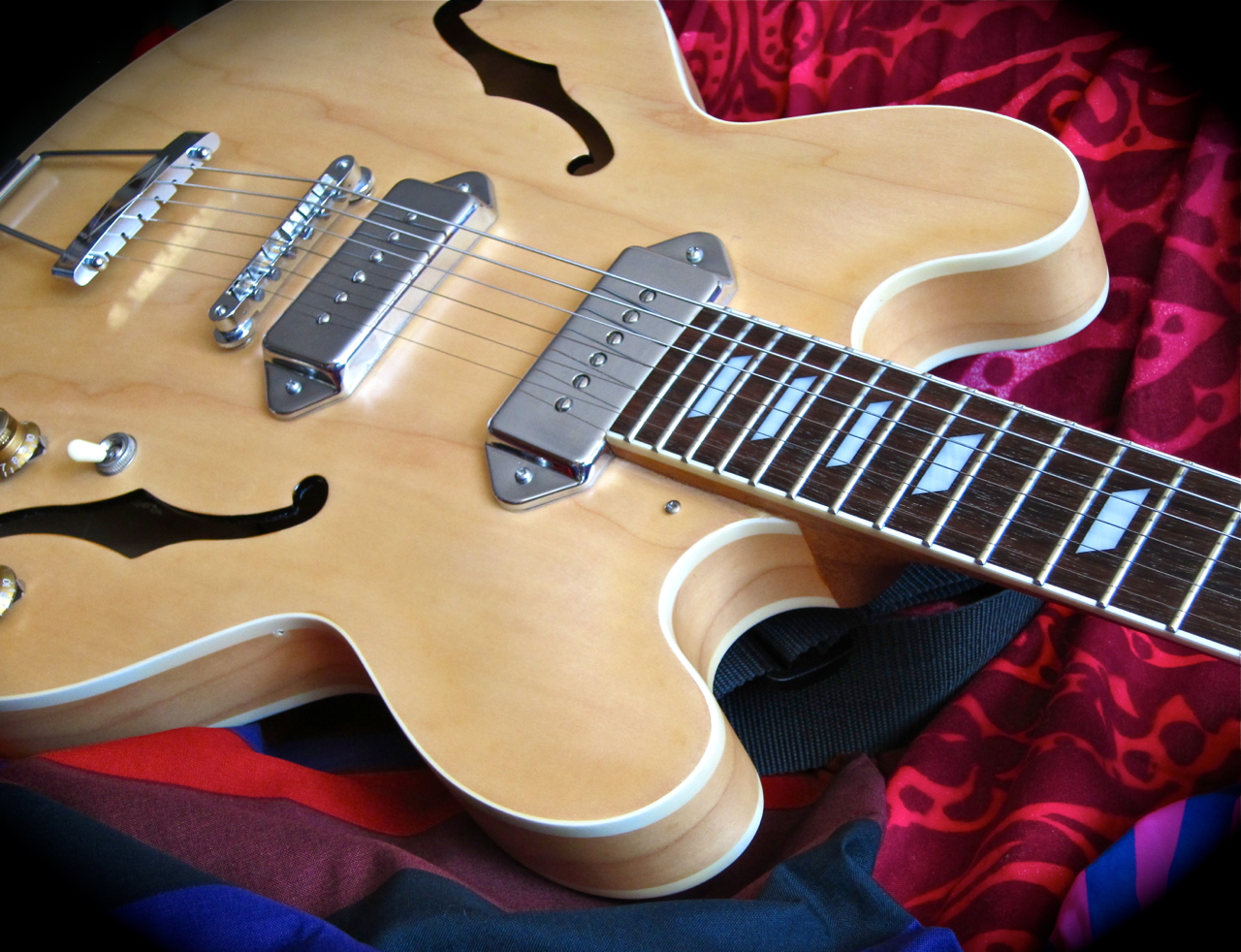
Epiphone Casino – April 2012 – close-up

The Eighties finally ”sealed our fate”, when it comes to GAS.

Many large brands started to release official (=licensed) copies of their own instruments in the 1980s, with the rest following suit in the following decades. Brands like Squier, Epiphone, or Sterling make it affordable to hoard instruments that offer at least some of the clout of their famous, upmarket brethren.

Sterling SUB Ray4 – body beauty

****

The Five Types of GAS-sufferers

J Leachim Jazzcaster – body beauty

We are all different – we don’t all lust after the same guitars, and we don’t all accumulate gear for the same reasons or in the same way.

I think one could divide us Gassers up into five basic categories, according to how and why we ”simply have to have that guitar”.

1. The Fan

The Fan is a hardcore follower of one (or two) Rock bands (or guitar gods), and he (or she) focusses on acquiring as much of the gear used by their idol as humanly possible. The Fan hopes to come as close as possible to their idol’s famous guitar tone, and he/she wants to feel (and look) the way his (or her) idol does when playing those classic riffs and songs.

2. The Nostalgist

The Nostalgist comes from a similar place as the Fan, having a clear vision of what it is he’s looking for. But, instead of trying to relive a certain band’s or player’s tone, as the Fan does, the Nostalgist wants to reclaim the (his/her own?) past. The Nostalgist longs for the classic looks and tones gleaned off vintage equipment, the sounds of a cooler, more vibrant place than the current here-and-now. Some Nostalgists also buy all the stuff they wanted, but couldn’t afford to get, when they were young.

3. The Hunter and Gatherer

The Hunter and Gatherer simply loves to get new toys, especially when he can claim to have ”snapped up a real bargain”. These are the guys that constantly trail the Internet, on the lookout for something, anything really, that might whet their considerable appetite. Very often it doesn’t even matter if it is an instrument (or other piece of gear) the Hunter and Gatherer really ”needs”; as long as it’s cool and ”a bargain” it’s a viable acquisition.

4. The Specialist

The Specialist has a strong focus on one, two or three specific pieces of equipment, that he (or she) simply cannot get enough of. These are the guys who seem to have a perfectly good reason for buying several dozen Telecasters, or a whole flock of Fender Tweed-era amps – or maybe they zone in solely on gear manufactured during one specific year…

5. The Pragmatist

The Pragmatist comes over as very reasonable, even though he’s an addict like the rest of us. The Pragmatist tells his wife that he doesn’t yet own an archtop guitar with DeArmond pickups, but that he needs just such a guitar to complete his ”colour palette” or ”toolbox”. Some Pragmatists – like professional guitarists, studio owners, or guitar reviewers – can make a real art form of their Gassing, meaning it takes the unsuspecting wife years (if not decades) to see through this charade.

Fuzz 2015 – Nice, old Tellies!

Naturally, things aren’t always as clear cut in real life as they might seem on paper. Most of us GAS-sufferers tend to display a mixture of two of three of the above GAS-categories.

****

”You can’t play more than one guitar at a time!”

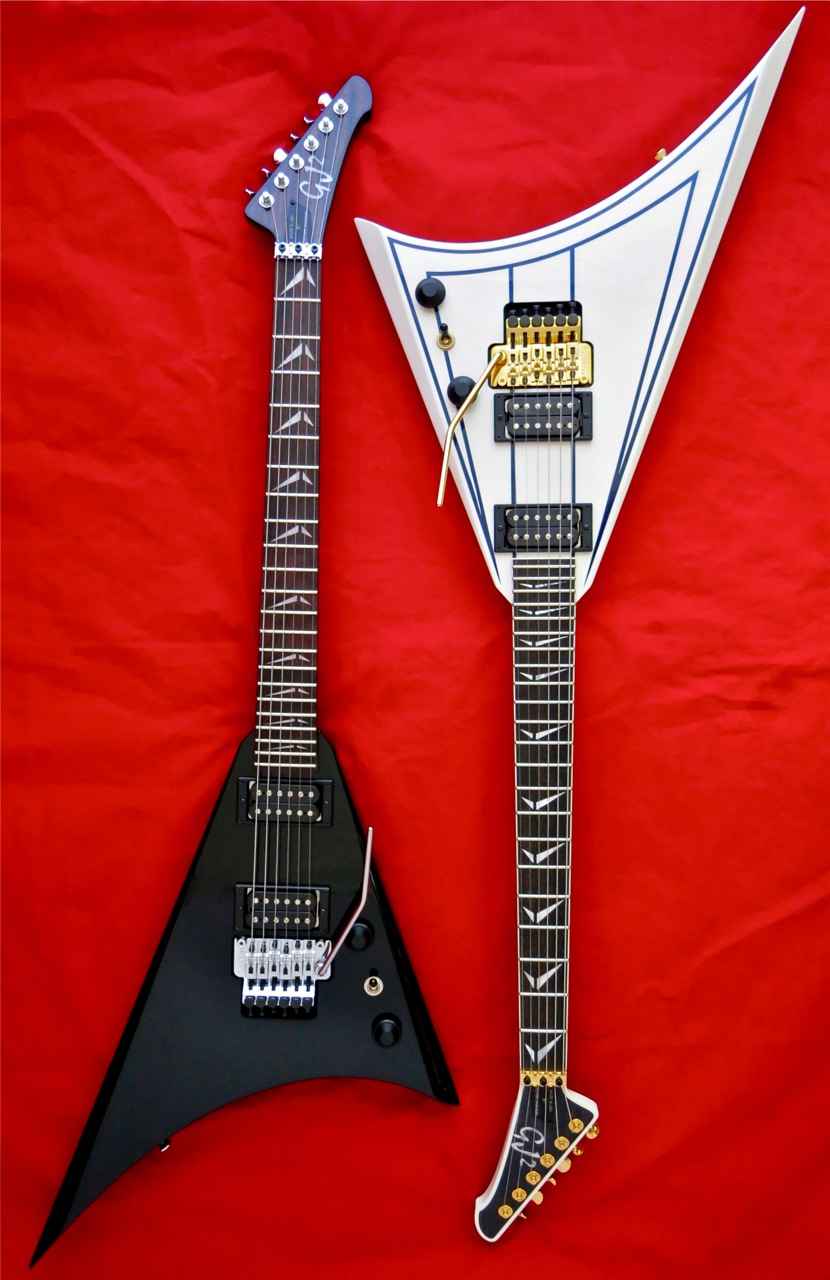
GJ2 Guitars – Concorde 4-Star + 5-Star

Does owning more than one or two guitars have real advantages? If you ask me, my answer would be a resounding ”yes and no”!

The ”yes” part of my answer has to do with the fact that playing guitar (or bass guitar) is always a tactile experience. Different instruments have different neck profiles, they have different overall dimensions, different actions, different fret sizes, different fingerboard radii, and they simply smell and feel differently.

This is probably the main reason why we don’t all play Line 6 Variax guitars. They might be decent instruments with an astonishingly realistic array of different tones, but they completely lack the important tactile element that is so crucial in inspiring you to come up with different licks and different ways of approaching the guitar as an instrument.

A big, fat Jazz box will make you play noticeably differently to a sleek Strat or SG, and the same holds true for the differences between, say, an ES-335 and a Floyd Rose-equipped Metal axe.

On the ”no” side of the equation, buying a new piece of equipment will surely inspire you, but it won’t automatically turn you into a ”better” guitarist. Even though it’s hard to admit, only regular practice will move you forward on the long and winding road to improvement.

Tokai SG-75 – body angle

****

Damned If You Do…

In a way, we’re extremely lucky these days. There has never been a better time to be a guitarist than now. There’s an abundance of cool gear available, and much of it at rather reasonable prices.

The downside to this is, of course, that it’s so much easier to become a gear addict, because the price tag doesn’t necessarily act as much of a threshold, anymore.

Still, I tend to see the positive side of things, because the affordability of decent equipment makes it much easier for guitarists these days to try out different stuff on their way to finding the gear that’s most suitable for the music they make.

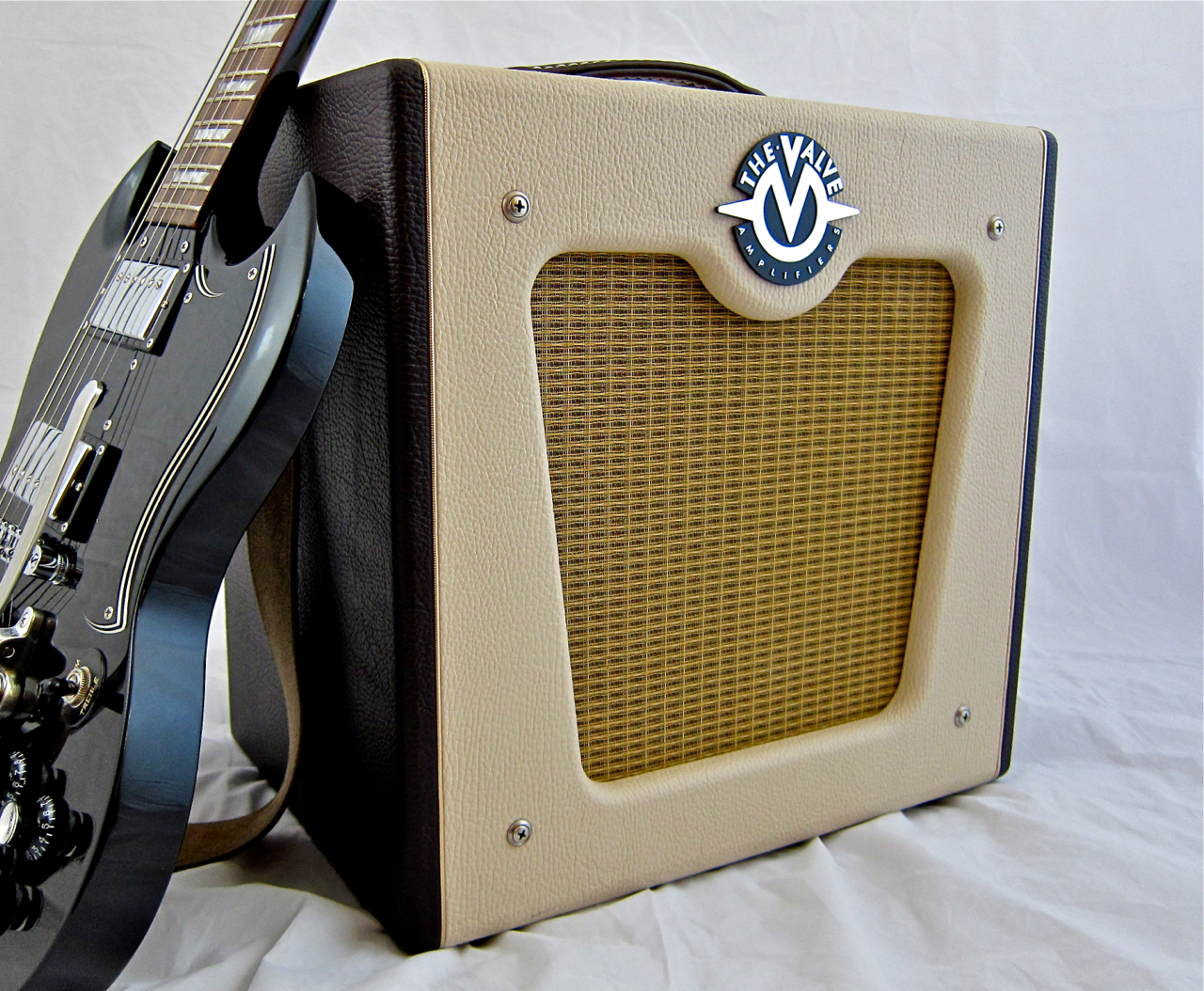
The Valve Bimbo – with SG

Review: Blackstar ID:Core BEAM

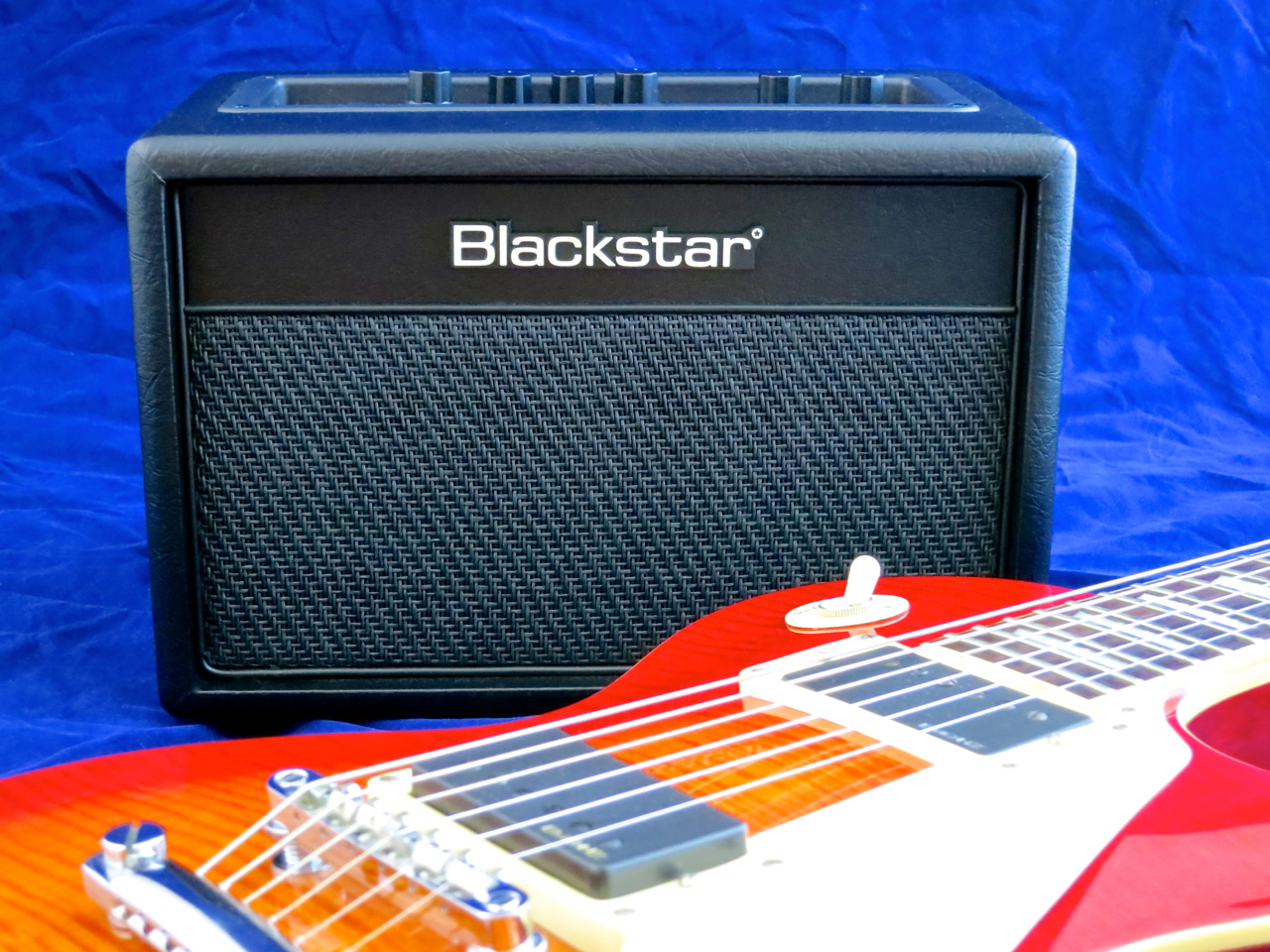
Blackstar ID_Core Beam – front

Blackstar’s ID:Core BEAM (current price in Finland: 299 €), which was introduced at this year’s NAMM Show, is one of a new breed of amplifiers:

The BEAM is a so-called ”lifestyle amp” that combines a practical solution for living room practising with a Bluetooth stereo system with a suitable Rock look.

****

Blackstar ID_Core Beam – angle right

The Blackstar ID:Core BEAM is a genuine ID:Core-combo, which means that all its parameters are accessible via Blackstar’s Insider software.

The newcomer is a stereophonic amp with its 20 watts of power running into a pair of three-inch speakers. Blackstar’s Super Wide Stereo-effect – a feature taken from the company’s larger ID:Core combos – can also be applied to the BEAM’s music player, with its own, separate width adjustment.

Blackstar ID_Core Beam – back

Apart from the power switch, the ID:Core BEAM’s back panel features the input jack for the (optional) footswitch. The rest of the combo’s controls and connectors can be found on the top-mounted control panel.

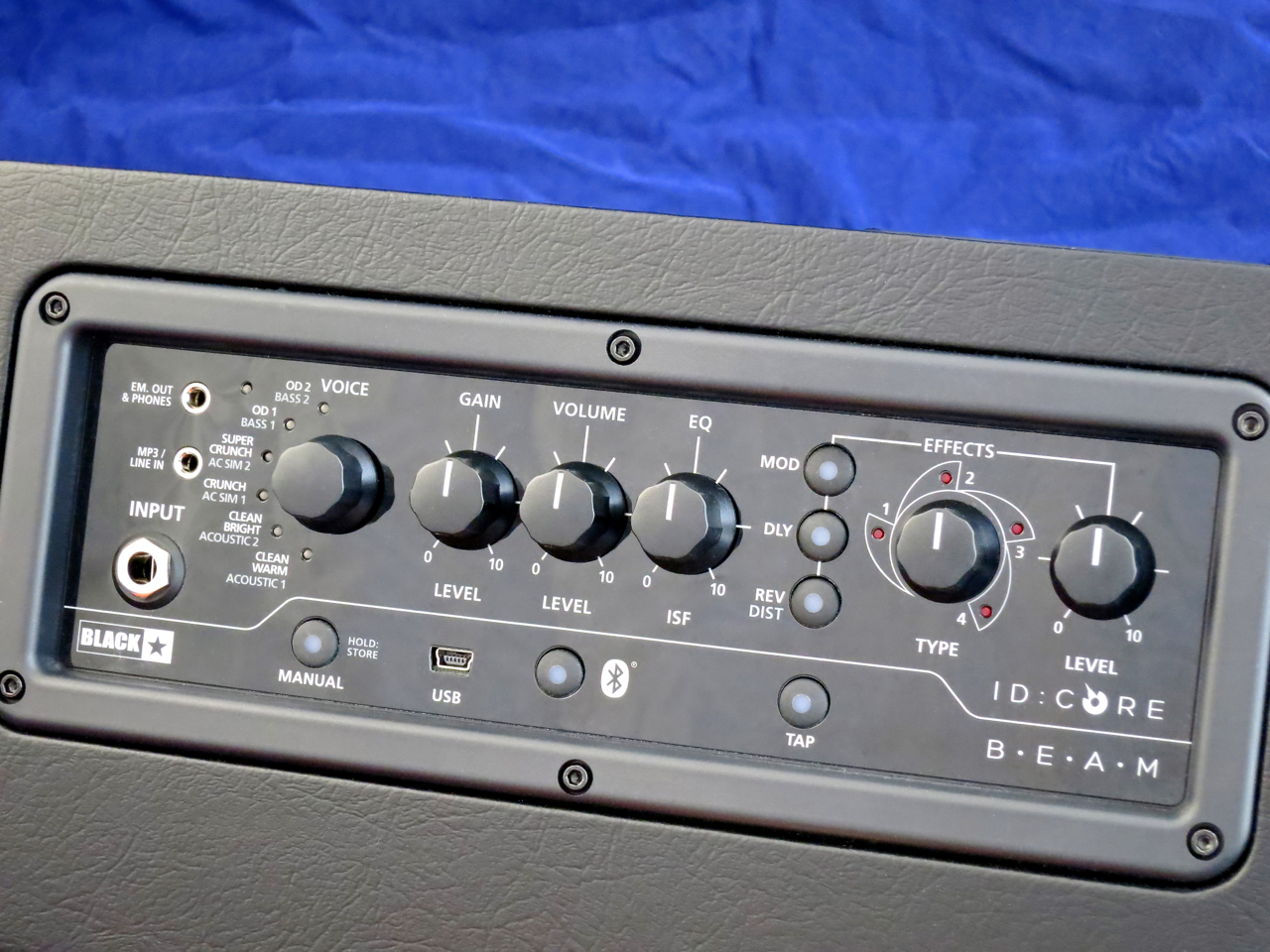
Blackstar ID_Core Beam – control panel

The larger ID:Core combos are well-equipped practice amps, but the BEAM has a couple of additional aces up its sleeve:

The ID:Core BEAM offers you 12 amp models (Voices). The first set (the Voices LED glows red) deals with six amp models for electric guitar, while the second set (green LED) gives you two Voices each for acoustic guitar, electric bass, and acoustic guitar simulation.

The amp section has three physical knobs for adjustment – gain, volume, and Blackstar’s patented ISF-control, which control’s the amp’s overall tonal character. Using the Insider-software you will be able to access additional parameters for deep editing, like a three-band EQ-section or a noise gate.

The effects department features four different modulation effects, four delay types, and four reverbs. The two Voices for bass swap the reverbs for bass distortion. You can choose one effect from each effect section for a Voice (meaning up to three simultaneous effects).

The small combo also features a built-in tuner.

The music signal, sent to the BEAM from your mobile device via Bluetooth, naturally isn’t sent through the combo’s amp modelling circuits. It is fed into the signal chain just before the power amp section. The ID:Core BEAM allows you to play along to the Bluetooth signal, of course!

The USB-port isn’t only used to remote control the amp’s parameters via Insider – this lifestyle combo doubles as a full-blown USB sound card. The BEAM can be run in three different USB-modes, which allows you to either send a stereo signal of the amp sound to your sequencer, or send two discrete mono signals (with one channel completely dry, and the second channel with all the amp modelling and effects) to your recording software. The third USB-mode is called Reamping, and it’s used to feed a dry guitar signal off your audio sequencer into the ID:Core BEAM and record the effected signal onto a separate recording track simultaneously.

The signal level of the USB-audio can be controlled directly (and independently of the amp’s master volume settings), making it very easy to set the correct recording levels for your personal studio setup.

****

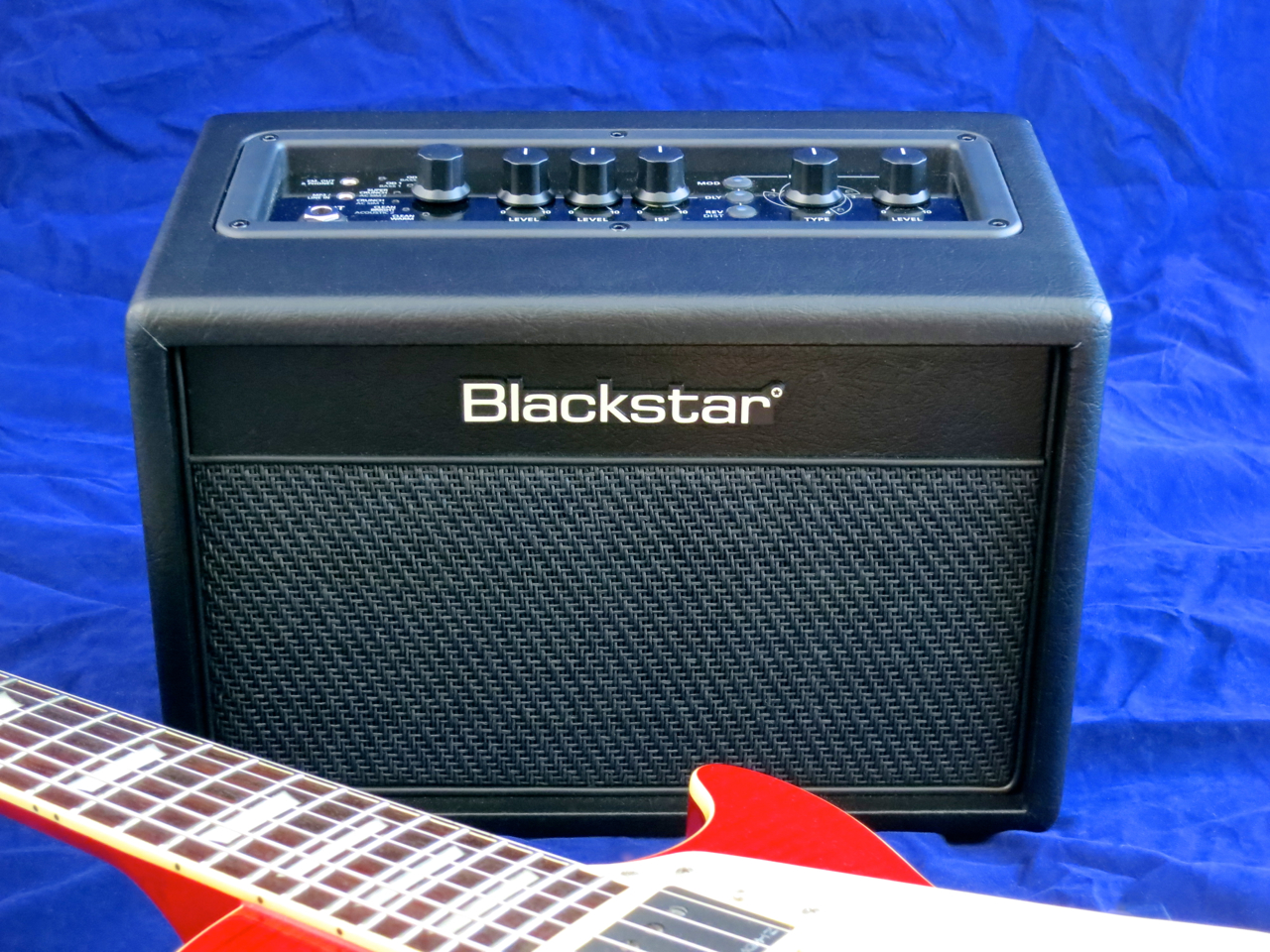
Blackstar ID_Core Beam – front angle

Blackstar have really hit the bull’s eye with their new lifestyle combo!

Listening to music with a very critical ear you can hear a little bit of hiss, but it isn’t loud enough to spoil the fun. Remember, the ID:Core BEAM isn’t meant to be a studio monitor, but rather a nifty, compact music player for your bookcase – something this little combo handles with much aplomb. You wouldn’t necessarily expect such a full and strong delivery from such a compact unit.

The ID:Core BEAM also sounds great as a guitar and bass amp, which isn’t quite as surprising, considering this combo’s pedigree.

The guitar amp voices have plenty of character, and the effects have more than ample depth and width:

The high quality of the acoustic simulator was something of a positive surprise:

Despite its diminutive size, the BEAM also delivers when it comes to electric bass tones:

****

Blackstar ID_Core Beam – angle left

The Blackstar ID:Core BEAM succeeds to combine a programmable practice combo for guitar and bass, a Bluetooth-player, and a USB sound card into a very enticing package. In addition to being a great living room amp, the BEAM could also prove a handy little amp for guitar instructors.

****

Blackstar ID:Core BEAM

299 €

Finnish distributor: Musamaailma

****

Pros:

+ well thought-out concept

+ value for money

+ feature-packed guitar and bass amp

+ adjustable Super Wide Stereo-function

+ USB sound card

+ full sound

Cons:

– high noise gate setting on default bass distortion

Review: Carvin MicroBass MB 10

Carvin MB10 Micro Bass – control panel

Carvin’s series of extremely compact MicroBass bass combos is built using the company’s lightweight BX 250 MicroBass amplifier sunk into four differently-sized speaker cabinets. Thanks to some clever design work – as well as lightweight modern bass speakers – even the largest of the MicroBass-combos, the MB210 (equipped with two 10-inch speakers and a horn tweeter), only weighs 16 kilos.

Kitarablogi received the smallest member of the MicroBass-family for testing. The MB10 is small enough to take with you on public transport, should the need ever arise.

****

Carvin MB10 Micro Bass – front view

Carvin MicroBass MB10 (current price in Finland: 577 €) is compactness incarnate:

The combo’s dimensions are only 47 x 33 x 28 cm (h/w/d), and it weighs in at just below 12 kilos!

Carvin MB10 Micro Bass – side view

Despite its diminutive size the Carvin’s build is roadworthy and sturdy.

The 10-inch speaker and the horn tweeter are safely tucked away behind a chunky metal grille.

Carvin MB10 Micro Bass – back view

You can use the MicroBass MB10 both with the cabinet standing up and lying on its side, thanks to two sets of rubber feet installed to the closed-back cabinet.

Carvin MB10 colour options

Black vinyl is the MB10’s standard livrée, but if you feel more flamboyant you could also get your small Carvin in, say, fake snake hide for a small surcharge (40 €).

****

Carvin MB10 Micro Bass – control panel – large

Small it may be, but Carvin’s BX 250 MicroBass amplifier comes fully equipped:

Carvin’s preamp section runs in Class A with satisfyingly low levels of hiss. Adding more Drive to proceedings will fatten up your tone and add a little bit of grind, but you shouldn’t really expect any Metal-style distortion from this combo.

The Contour-knob allows you to apply a loudness-type pre-EQ curve to your signal, which will boost both the bass and treble frequencies, while attenuating the mid-range slightly. Contour works nicely in cleaning up a crowded mid-range, as well as adding a bit of punch to your overall sound.

The EQ-department on the MicroBass is very well equipped, too. In addition to the shelving Bass and Treble filters Carvin has added a lot of flexibility in the guise of two semi-parametric mid-frequency filters. There’s ample boost and cut on tap to satisfy any bass player.

The amp also includes a nifty bass-optimised one-knob compressor. A red light in the middle of the amp’s blue jewel light gives you nice visual clues about the amounts of compression applied to your signal. Carvin’s compressor works in a very musical fashion, and it helps the player to get the most out of this little bass combo. Even small amounts of compression will go a long way in helping to clean up the MB10’s output, helping you to get even more volume out of the Carvin.

Using only the built-in speakers, the MicroBass’ Class D power amp will dish out 200 watts of power, adding a compatible extension cab will give you 50 watts more.

In addition to the speaker output, there’s also a headphone output that doubles as a tuner out, and a balanced DI-output (XLR). The output levels for the headphone and DI-output are controlled by the DI Level knob. Using the Pre/Post switch you can decide, whether to send the input signal directly to the output, or whether you’d prefer to use the preamp signal, complete with compression and EQ.

Lovers of warm vintage sounds will be pleased to hear that you can dim the Carvin’s tweeter, using a mini-switch.

Because writing about sound always seems somewhat futile, I’ve prepared different audio clips to give you an idea of the Carvin MicroBass MB10’s versatility. All clips have been recorded with a microphone:

Jazz Bass – EQ-controls in neutral

Jazz Bass – light bass boost, Tweeter-switch set to Dim

Jazz Bass – played with a plectrum, a little bit of Contour added

Jazz Bass – slapped, Contour set to 12 o’clock

Höfner 500/1 – plectrum, Tweeter set to Dim

Rickenbacker 4003

Rickenbacker – plectrum

****

Carvin MB10 Micro Bass – front view 2

If you’re holding down the bass in a loud-as-f*ck Metal band, or if your usual gigs include 20,000-seater stadiums, Carvin’s little combo probably isn’t the right choice for you. The MicroBass MB10 is a loud amp – for its size – but it can only go so far…

But: The Carvin MicroBass MB 10 is a fantastic choice for the majority of us bassists, who play in small clubs, in restaurants or in pubs. In venues such as these the Carvin will be just the ticket, its tiny footprint and big sound making it a gig machine. The recording studio is also a place where a high-powered bass stack can be counterproductive, due to issues such as audible bleeding into drum mics, making a high-quality, moderate-power combo, such as the MicroBass MB10, a great choice. I’d also reckon that this little Carvin will find a place in the hearts of many Unplugged-, Folk- and (acoustic) Jazz-players.

****

Carvin MicroBass MB10

577 €

Finnish distributor: Musiikki Silfverberg

Thanks to Vantaan Musiikki for the loan of the review combo!

****

Pros:

+ compact size

+ lightweight

+ versatile

+ easy-to-use compressor

+ sound

Testipenkissä: Blackstar ID:Core BEAM

Blackstar ID_Core Beam – front

Vuoden alussa NAMM-messuilla esitelty Blackstar ID:Core BEAM (299 €) kuuluu uuteen, nopeasti kasvavaan vahvistinkategoriaan:

Se on niin kutsuttu ”lifestyle amp”, joka on samalla sekä hyödyllinen pikkukombo harjoitteluun että kitaristin imagoon sopiva Bluetooth-vahvistin musiikin kuuntelua varten.

****

Blackstar ID_Core Beam – angle right

Blackstar ID:Core BEAM on aito ID:Core-kombo mikä tarkoittaa, että sen kaikkiin parametreihin pääsee käsiksi Blackstarin oman Insider-softan kautta.

Uutuuskombo on stereofoninen, ja sen 20 watin tehoa pusketaan ulos kahdesta kolmen tuuman kaiuttimista. Isoista ID:Coreista tuttu Super Wide Stereo -efekti toimii BEAM-kombossa myös musiikin kuuntelussa, ja sen vaikutusta voi säätää erikseen.

Blackstar ID_Core Beam – back

ID:Core BEAM:n takaseinästä löytyy sähköliittimen lisäksi jakki jalkakytkimelle (maksullinen lisävaruste). Kaikki muut liittimet on sijoitettu isolle etupaneelille.

Blackstar ID_Core Beam – control panel

BEAM:n isot sisarukset ovat jo todella hyvin varustettuja, mutta pikkukombo panee ominaisuutensa runsaudella vielä selvästi paremmaksi:

Vahvistinmallinnuksia löytyy tässä peräti 12 kappaletta. Ensimmäinen satsi (Voice-ledi palaa punaisena) on varattu kuudelle eri sähkökitarakanavalle, kun taas toisesta satsista (vihreä ledi) löytyy kaksi vahvistintyyppiä akustiselle kitaralle, kaksi akustisen kitaran mallinnusta, sekä kaksi ohjelmaa sähköbassolle.

Vahvistinosasto tarjoaa kolme fyysistä säädintä soundien muokkaamiseksi – gainin ja volumen lisäksi löytyy vielä Blackstarin patentoima, yleissoundiin vaikuttava ISF-toiminto. Insider-softalla pääsee säätämään sitten tarkemmin muitakin parametrejä, kuten EQ:t tai kohinaporttia.

Efektiosasto tarjoaa neljä modulaatioefektiä, neljä viivetyyppiä, sekä neljä eri kaikua. Bassovahvistimien kanssa on kaiun sijaan lisätty bassosärö. Jokaisesta efektityypistä voi valita yhden per vahvistinmalli, siis samanaikaisesti voidaan käyttää korkeintaan kolmea efektiä.

Pikkukombossa on myös kätevä sisäinen viritysmittari.

Bluetooth:n kautta vastaanotettu audiosignaali ei luonnollisesti kulje mallinnusosion läpi, vaan se lisätään ID:Core BEAM -kombon signaalitielle vasta kitaravahvistimen jälkeen. Bluetooth-musiikin kanssa voi tietysti soittaa mukaan!

USB-liitintä ei käytetä ainoastaan Insider-softan pyörittämiseen, vaan tämä lifestyle-kombo on myös täysverinen usb-äänikortti. BEAM:lla on kolme eri USB Audio -moodia – vahvistin pystyy lähettämään joko stereofonista kitarasignaalia efekteillä höystettynä sekvensserille tai kaksi monosignaalia, joista yksi on kuiva tulosignaali ja toinen koko mallinnuksen läpi käynyt monosignaali. Näiden kahden lisäksi on tarjolla vielä erittäin kätevä Reamping-tila, jossa sekvensseristä lähetetty prosessoimaton kitararaita viedään ID:Core-kombon läpi ja mallinnettu signaali äänitetään toiseen sekvensseriraitaan.

USB-signaalitasoa pystyy säätämään itsenäisesti ja riippumatta kombon masterista, minkä ansiosta usb:n kautta lähetetyn voimakkuuden saa aina omalle äänityssoftalle sopivaksi.

****

Blackstar ID_Core Beam – front angle

Kyllä, nyt täytyy sanoa, että Blackstarin uusi lifestyle-kombo on täysosuma!

Musiikin kuuntelussa on havaittavissa pikkusen kohinaa, mutta se ei nouse lainkaan häiritsevästi esiin. ID:Core BEAM ei ole tarkoitettukaan studiomonoriksi, vaan kirjahyllyn musiikkikeskukseksi, ja se asia on kombolla suveräänisti hallussa. Musiikki kuulostaa yllättävän täyteläiseltä, ja myös sitä volyymin määrää on tarjolla kiitettävän runsaasti.

Myös kitara- ja bassosoundien osilta Blackstar-uutuus ei jätä mielestäni toivomiseen varaa!

Kitarasoundit soivat erittäin hyvin, ja myös BEAM:n efektitarjonta on varsin maukas:

Akustisen kitaran mallintaminen onnistuu pikkukombolla yllättävän hyvin:

Vaikka tämä Blackstar-uutuus on hyvin kompakti tapaus, jopa BEAM-kombon bassosoundit kuulostavat mukavan meheviltä:

****

Blackstar ID_Core Beam – angle left

Blackstar ID:Core BEAM yhdistää erittäin onnistuneesti mallintavan harjoituskombon kitaralle (ja bassolle), usb-äänikortin, sekä tehokkaan Bluetooth-kaiuttimen. Ainakin omasta mielestäni tämä uutuuskombo sopii todella hyvin – olohuonekäytön ohella – myös opetusvahvistimeksi.

****

Blackstar ID:Core BEAM

299 €

Lisätiedot: Musamaailma

****

Plussat:

+ toimiva konsepti

+ hinta-laatu-suhde

+ hyvin varusteltu, ohjelmoitava kitara- ja basso-osasto

+ säädettävä Super Wide Stereo -toiminto

+ USB-äänikortti

+ täyteläinen soundi

Miinukset:

– voimakas kohinaportti bassosärön tehdasasetuksissa

Pidä blogia WordPress.comissa.

Ylös ↑