

****
Lisätiedot: Musamaailma
Juttuja kitaroista ja bassoista


We bassists owe a lot to Mr Leo Fender – Mr Fender was the father of the electric bass, which he introduced in 1951, as well as the man behind three of the most classic bass designs ever.
After inventing the Fender Precision and the Jazz Bass for the company that still bears his name, Leo Fender carried on designing and building instruments for Music Man, with the StingRay becoming a true classic. The StingRay wasn’t the first bass with active electronics, yet it was the design that brought the active bass into the mainstream.
Since 1984 Music Man is part of the Ernie Ball-company. The company’s current boss – Sterling Ball – is behind the more recent moves to also bring out affordable Music Man-instruments in the guise of a new brand – Sterling (by Music Man).
****

Sterling’s brand-new SUB-series offers even more affordable versions of Music Man’s classics.
The Sterling SUB Ray4 (approx. 360 €) is a made-in-Indonesia licensed copy of a four-string StingRay. The Ray4 is available either in gloss black (with rosewood fretboard), gloss white (maple ’board) or in a Seventies-inspired satin finish called Walnut (and with a rosewood ’board).
****

Sterling won’t go into detail with regard to the body woods used for the SUB-series – the spec sheet only says ”hardwood body”. On the other hand, genuine Music Man StingRays also feature different wood species, depending on availability and the respective model’s finish, using ash, alder, poplar or basswood.
The test sample sports a body made from four pieces, with their looks matched reasonably well.

The SUB Ray4’s maple neck comes with a tinted satin finish.

Six wood screws and a well-cut neck pocket make for a very strong joint.

The classic StingRay-headstock makes tuning easier, as well as cutting down on headstock weight, making for a better balanced instrument.
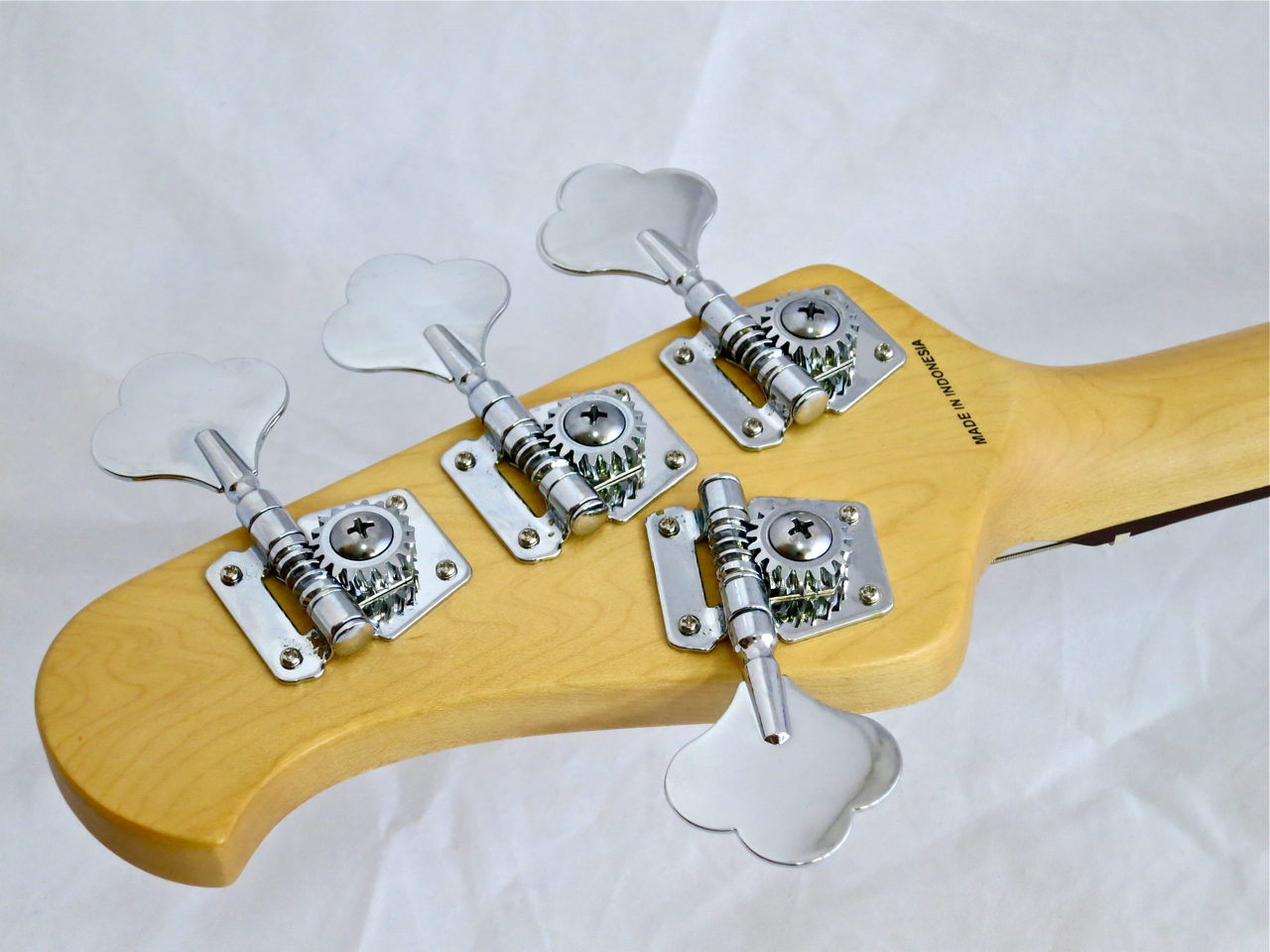
The Sterling comes equipped with a set of decent Asian Schaller-copies.

In light of its affordability the SUB Ray4 displays surprisingly well-dressed and finished frets. The rosewood fingerboard looks nice and sport clean inlay work.

Music Man’s nifty trus rod adjustment wheel has also been included in the Sterling SUB-series. Insert the small metal rod that comes with the bass (or any other suitable object) into the wheel and turn for adjustment. It’s quick, it’s clean, and no further tools are required!
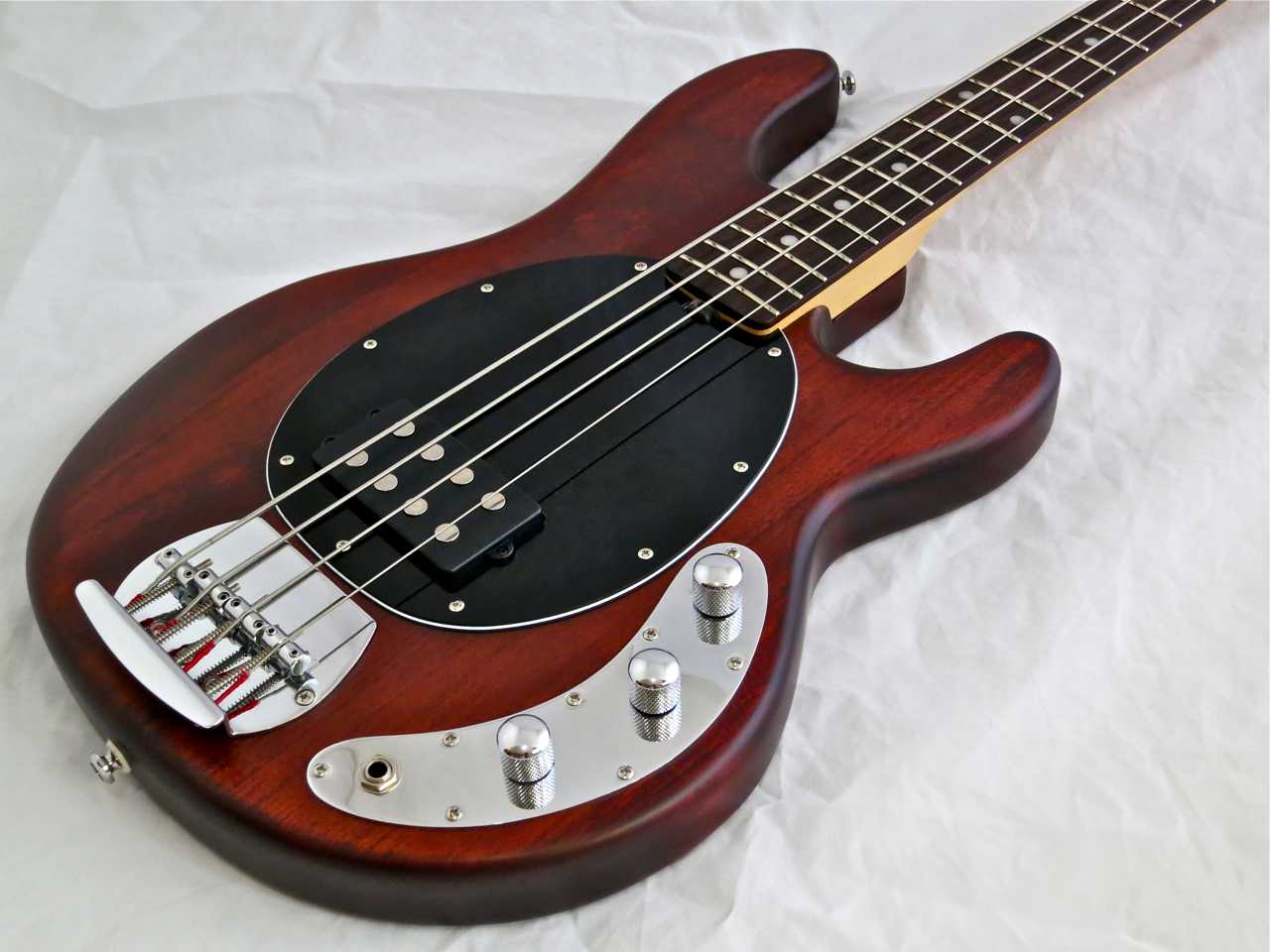
The StingRay was Leo Fender’s updated version of his Precision Bass, and the well-rounded body still looks great today.

The SUB Ray4 uses a version of the Music Man bass bridge that retains the large base plate, but does away with the original adjustable string mutes of yore. Current StingRays use a shortened bridge design.

The large humbucking pickup is the Sterling Ray4’s juice machine.
The pickup keeps hum and buzz at bay efficiently, while its placement near the bridge is crucial for obtaining a StingRay’s fat attack and vocal mid-range character.

It’s three controls on the Ray4’s metal plate – master volume, treble boost/cut and bass boost/cut.
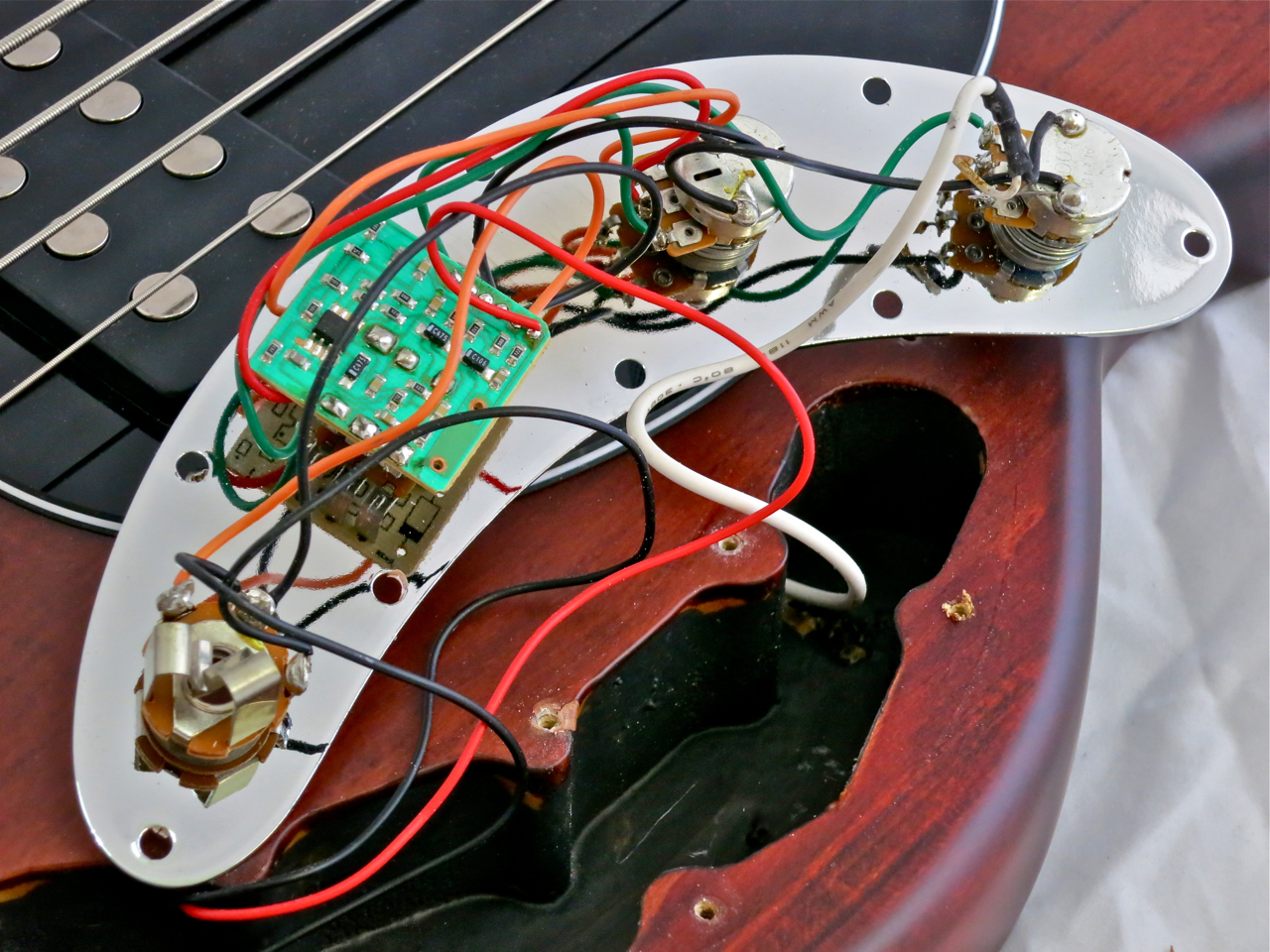
The Sterling SUB-basses come equipped with a very compact preamp that fits easily into the control cavity. The quality of the parts, as well as the workmanship on display, is quite decent.

The Ray4’s battery compartment is found on the back of the body.
****
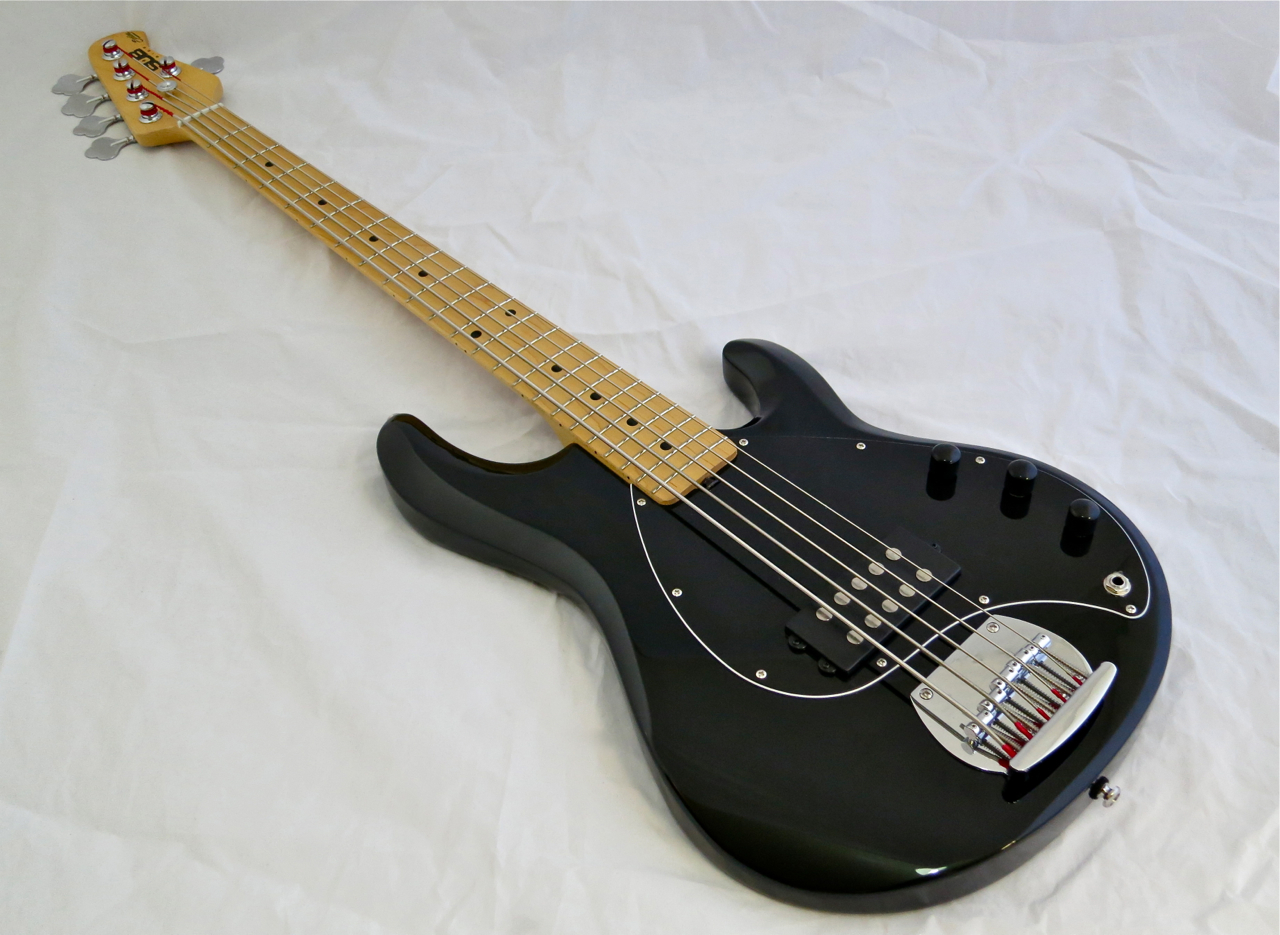
In 1988 Music Man broadened its StingRay-range with the five-string StingRay 5, which features a slightly different body design, as well as a much larger scratchplate.
****

Sterling’s SUB Ray5 (approx. 390 €) is available in gloss black (with a maple fretboard) or satin walnut (rosewood ’board).
The finish on our test sample looks great.

The five-string version also sports a tinted maple neck.

The SUB Ray5’s battery compartment has been placed near the treble horn.

The famous headstock in its five-string guise.

These Schaller-copies do a good job of keeping the bass in tune.

The fretwork Sterling Ray5 is surprisingly good, keeping in mind the bass’ low price.

The StingRay is one of my all-time favourite bass designs – timeless, classic beauty.

On the five-string the bridge saddles are somewhat smaller to accommodate the SUB Ray5’s narrower string spacing (compared to the Ray4).

A chunky pickup for a chunky sound…
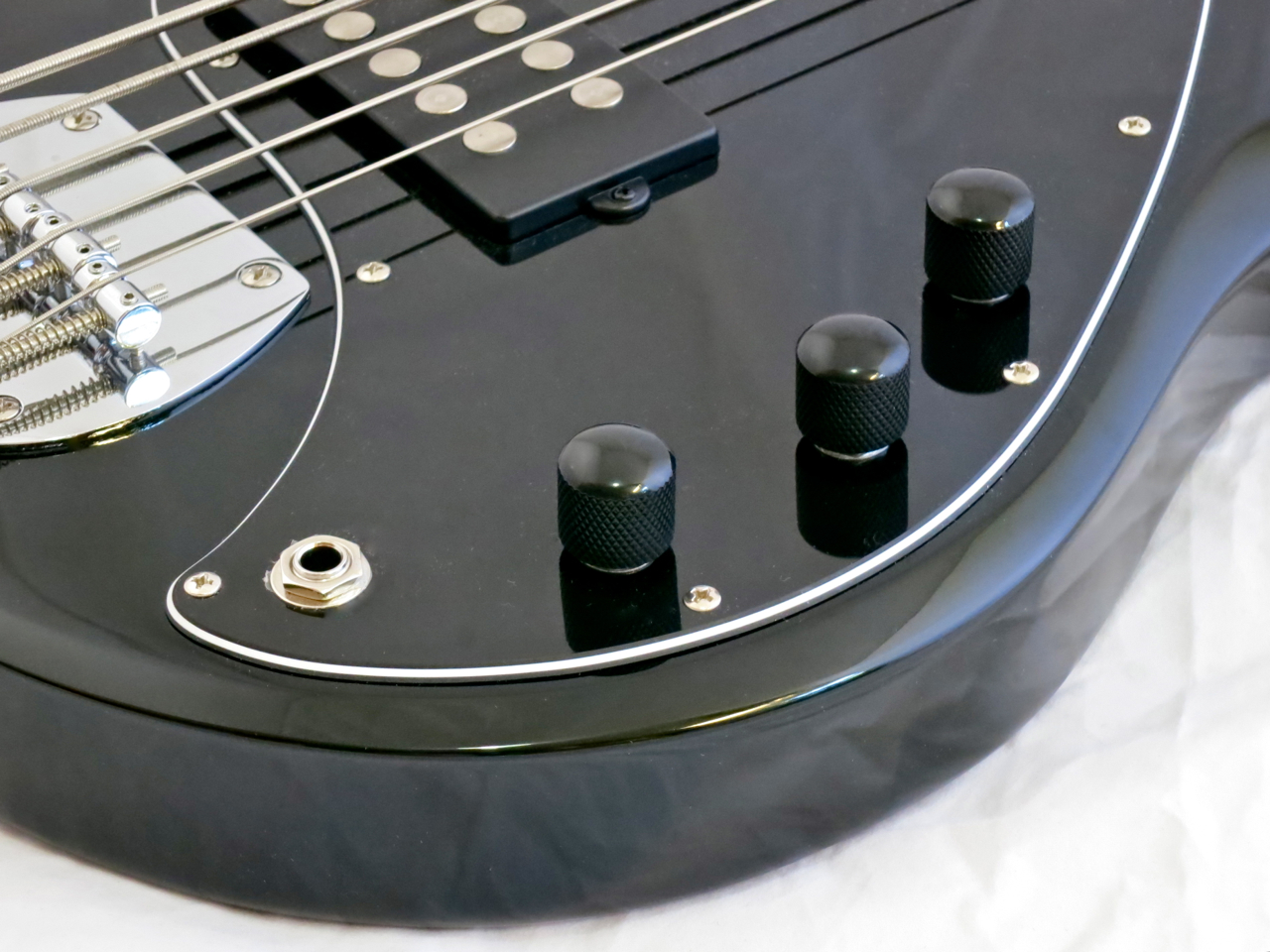
A genuine Music Man StingRay 5 usually comes equipped with a three-way blade switch, offering you series, parallel and coil-split switching, in addition to a three-band EQ.
To keep the price in check the Sterling SUB Ray5 offers you a more concise set of controls – a master volume and a two-band EQ.
****
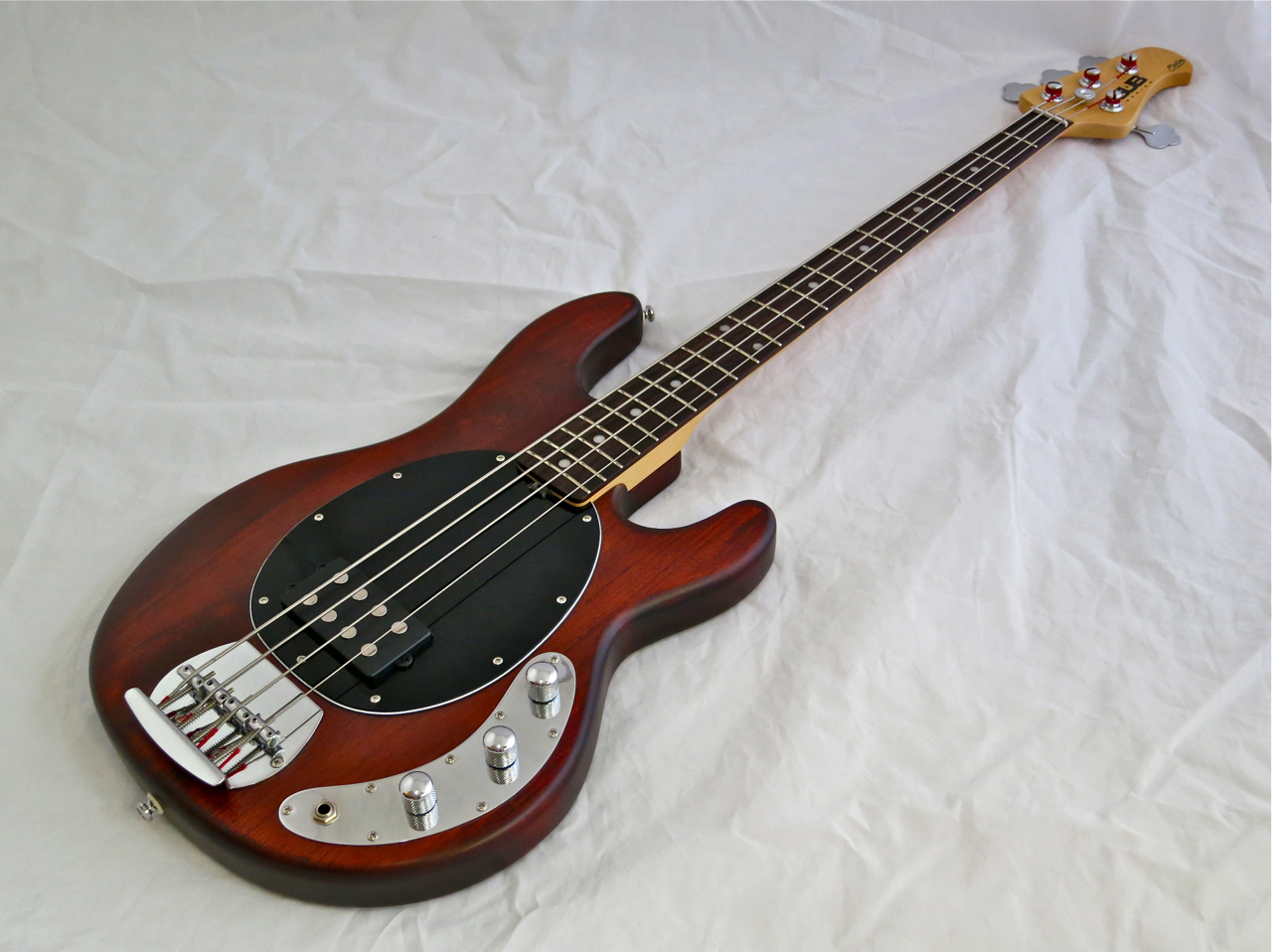

The Sterling SUB Ray4 is a cool bass, but the test sample we got weighed a ton – this is exactly the one feature from the 1970s that shouldn’t have been brough back. On the other hand, Sterling promise lightweight bodies on their website, so let’s hope that this was the one who slipped through quality control.
Apart from this, the Sterling Ray4’s ergonomics are great. Sterling have slightly changed the neck profile on its SUB-basses from the original, somewhat chunkier Precision-style profile, giving you a more tapered, Jazz-type shape.
Thanks to the good fretwork the factory set-up was comfortably low (E: 2,1 mm/ g: 1,9 mm).
Regardless of its weighty body (or because of the added heft?) the SUB Ray4’s acoustic delivery is stonking. I don’t know what wood species the body is, but the sound has a hefty dose of clear attack coupled with a good dose of ash-style growl and clarity!
This tasty combination translates into a very powerful and dynamic amplified tone. Sterling’s preamp displays a satisfying lack of hiss, and all of its controls work in a musical way (in fact better than on some, quite drastic-sounding 70s originals). This means you’re in for a real treat – genuine StingRay-character made very affordable.
Legendary bass player Tony Levin (Paul Simon, Peter Gabriel, John Lennon, King Crimson) is one of the most loyal StingRay-fans, which is why I chose to record the soundbites in his style as a tribute. The clips have been recorded straight from the bass into the sound-card without additional EQ’ing:


For a five-string bass our Sterling SUB Ray5 test instrument was refreshingly lightweight!
Just like on the original the Ray5’s neck profile gives your fretting hand something to hold on to. The rounded, moderately chunky D-profile is good news for the tone of the instrument, and it feels great, at least in my hands.
I had to give the neck a little more relief, and the intonation adjustment was off, too. But it only took me a couple of minutes to get this bass’ action and intonation up to snuff, after which the SUB Ray5 was a joy to play and listen to (low-B: 2,6 mm/g: 1,9 mm).
In a straight acoustic A/B between both Sterlings, the SUB Ray5 had a slightly rounder mid-range than the four-string counterpart
The big-sounding humbucker coupled to the instrument’s very decent preamp makes for a winning combination. The tone is pure Music Man – a fat, but precise bottom end, lots of mid-range character, and a dose of treble zing. It may not be as versatile as its famous big cousin, but the Sterling SUB Ray5 gives you most of the Music Man-experience at a pocket-friendly price.
****
Sterling (by Music Man) have managed to pack a lot of bass into their SUB-series. The Ray4 and Ray5 are fantastic value for money, offering you that sound at very player-friendly prices.
****
Sterling (by Music Man) SUB Ray4 + Ray5
SUB Ray4 – approx. 360 €
SUB Ray5 – approx 390 €
Finnish distributor: EM Nordic
A big thank you to DLX Music Helsinki for the loan of the review samples!
****
Pros (both models):
+ value-for-money
+ fretwork
+ playability
+ quality preamp
+ sound
Cons (only Ray4):
– review sample’s weight
****


****

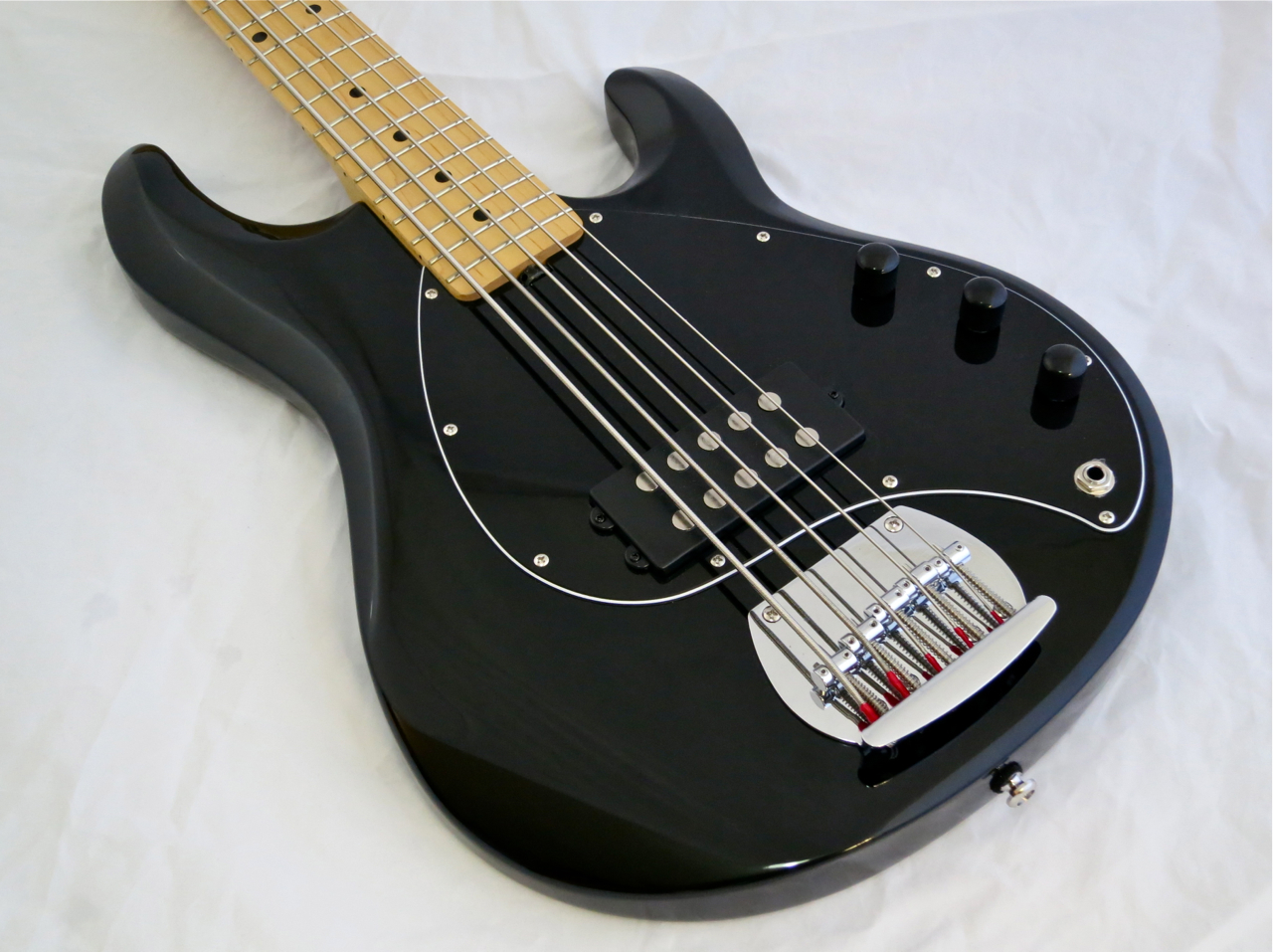
Warwick’s Pro- and Artist-series instruments are being built in South Korea these days, which results in lower prices when compared to Warwick’s German basses. The question is ”Are Korean Warwicks really thoroughbred Warwick basses?” Read on…
****

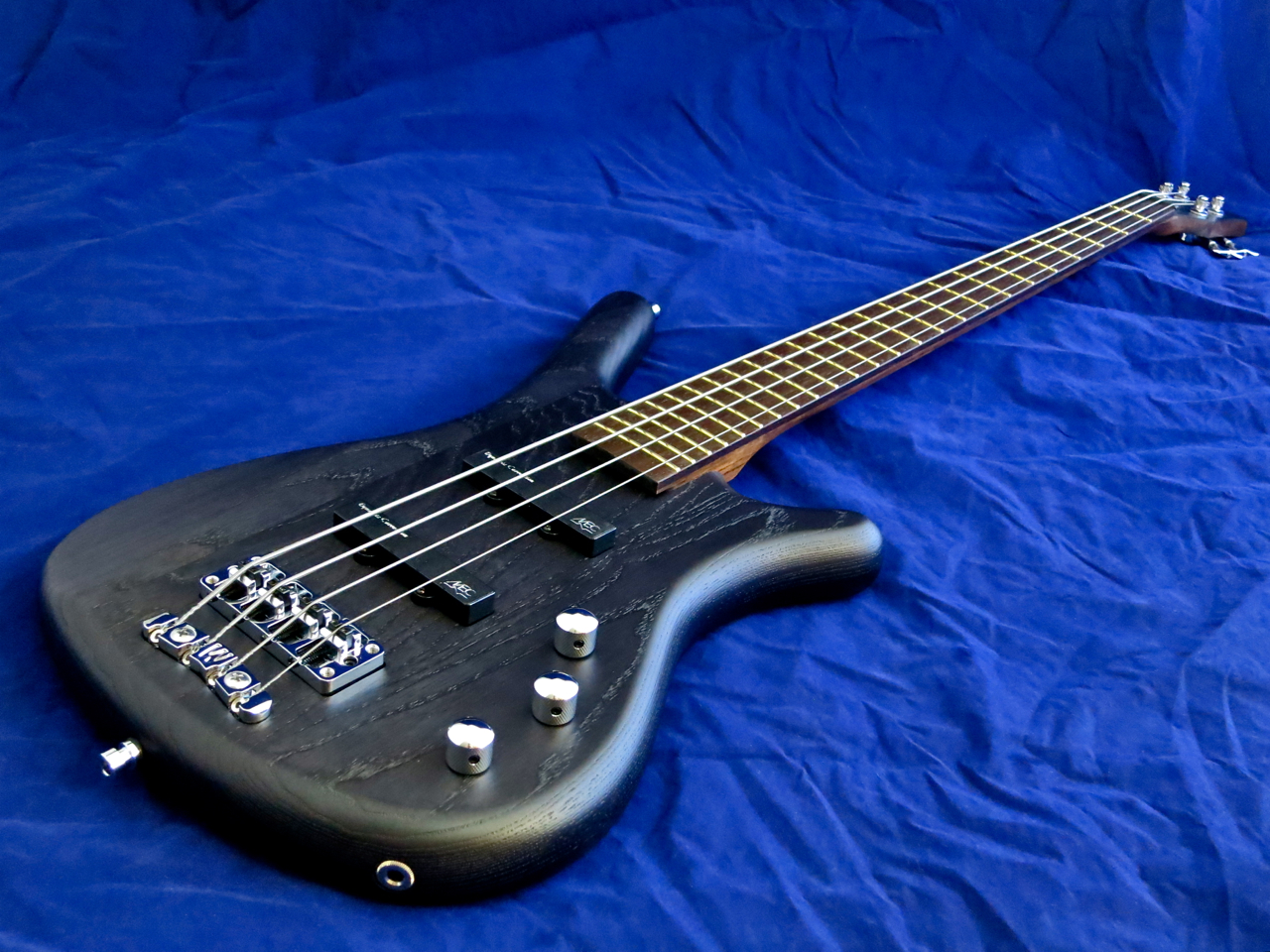
The Warwick Corvette Standard Ash (current price in Finland: 873 €) is the German (Warwick Series) Corvette Bolt-On’s more affordable Korean Pro Series counterpart.
As is already hinted at by its name, the Corvette Standard Ash bass features a body made from swamp ash.

Three long stripes of ovangkol are used as the main ingredient for the neck. The ovangkol pieces are visually offset by two thin strips of ekanga. Both woods come from West Africa.
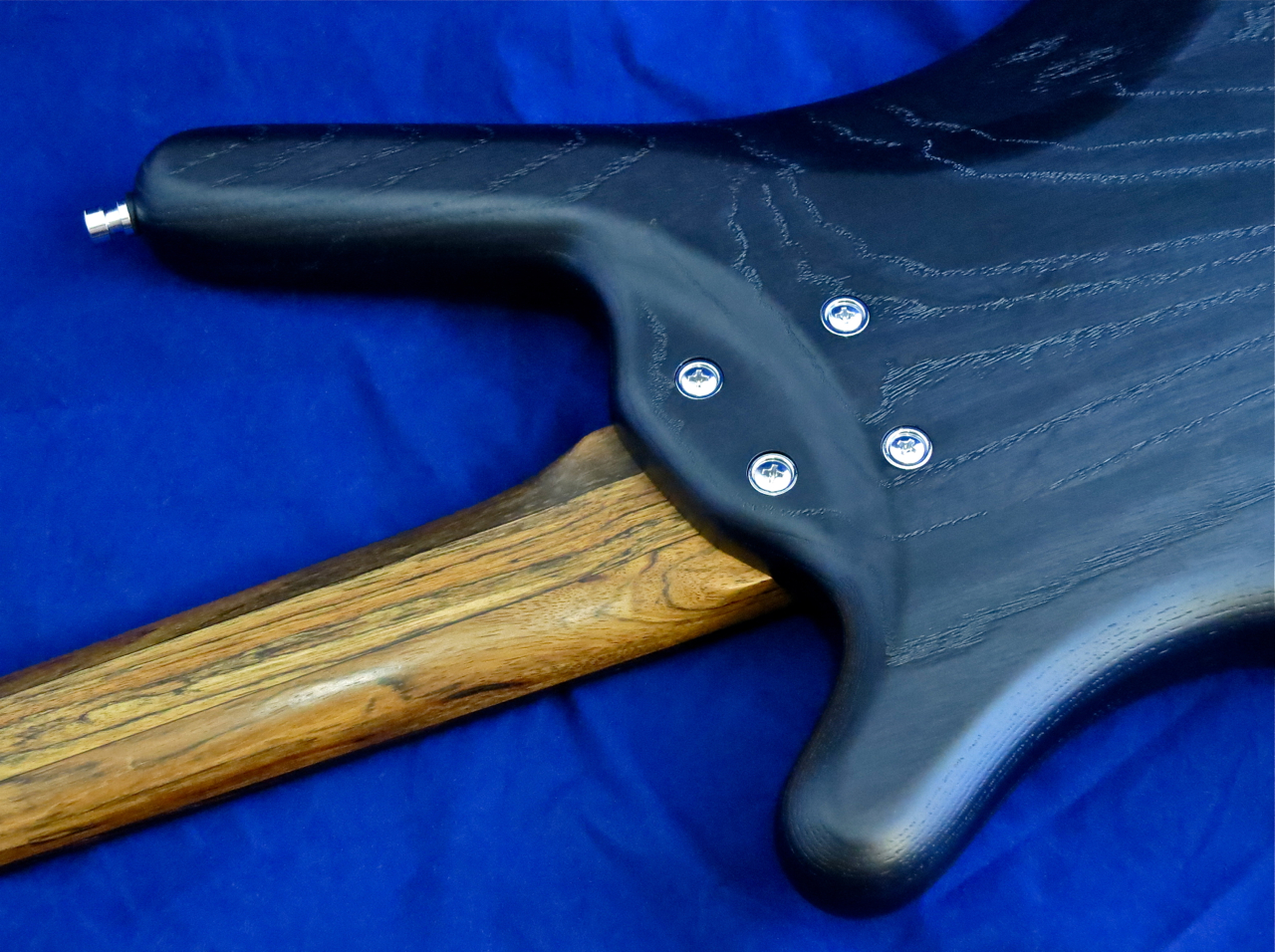
The Corvette’s neck is screwed on using four separate screws and individual washers. A round chamfer on the body takes away some of the bulk for smoother top fret access.
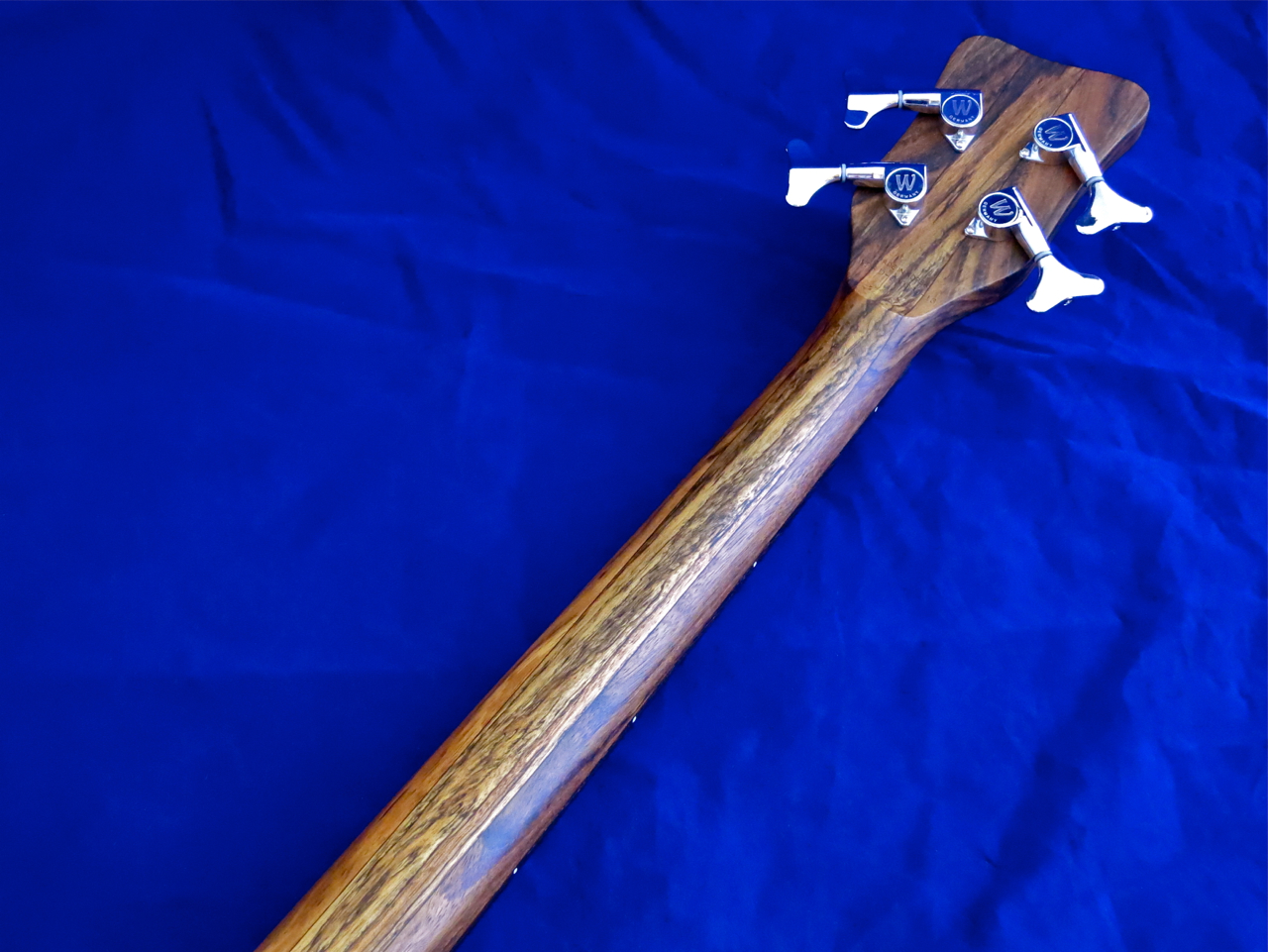
Warwick’s famous oil and wax finish brings out the rich hue and the lively grain in the ovangkol.

Korean Warwicks come equipped with the exact same top-drawer hardware found on the company’s German models.
The Corvette Standard Ash sports Schaller-tuners.
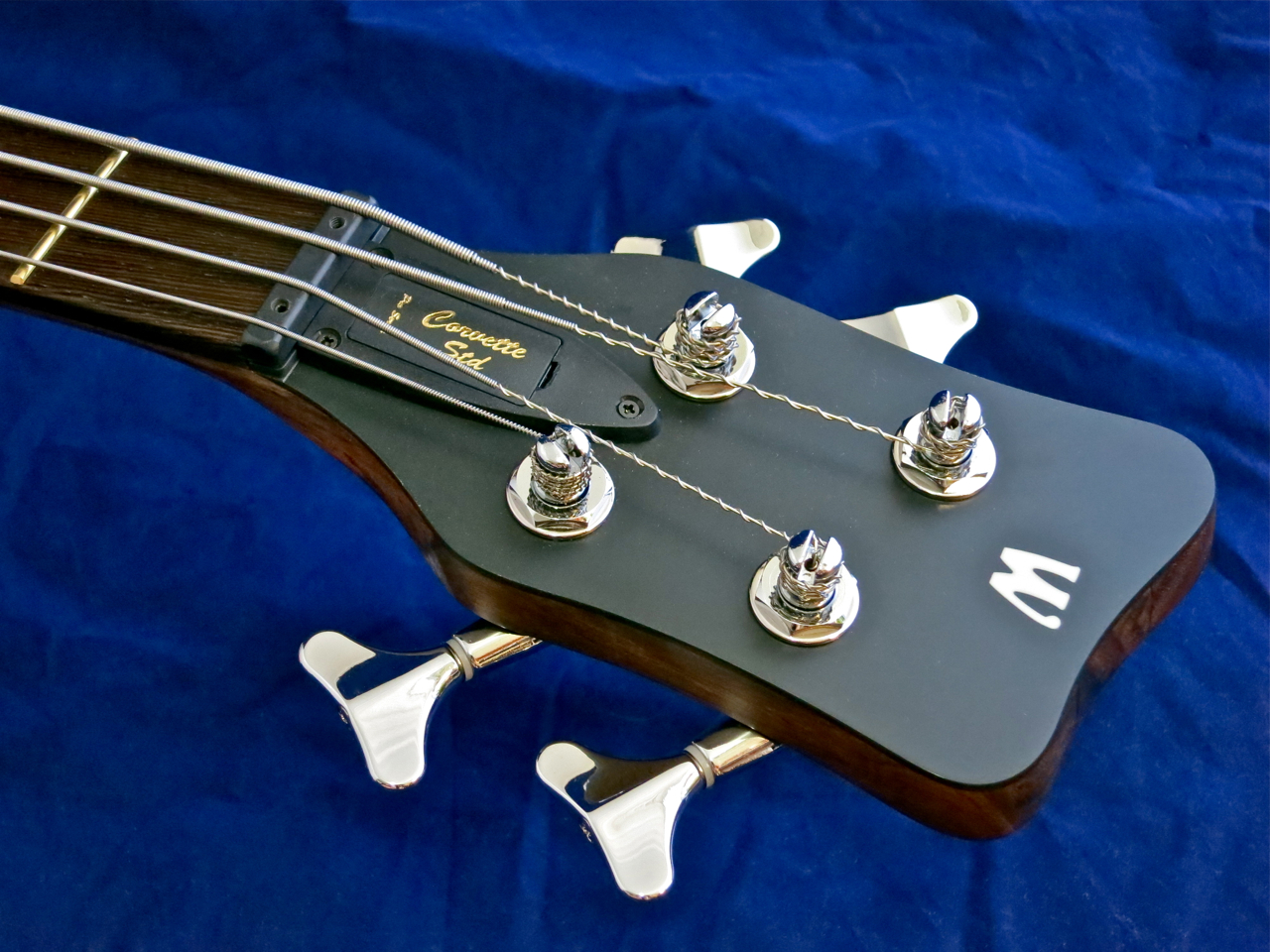
There are more cool pro-touches on the front side of the headstock too – truss rod access is possible without using a screwdriver, and the top nut is Warwick’s own, fully adjustable Just-A-Nut-III model.
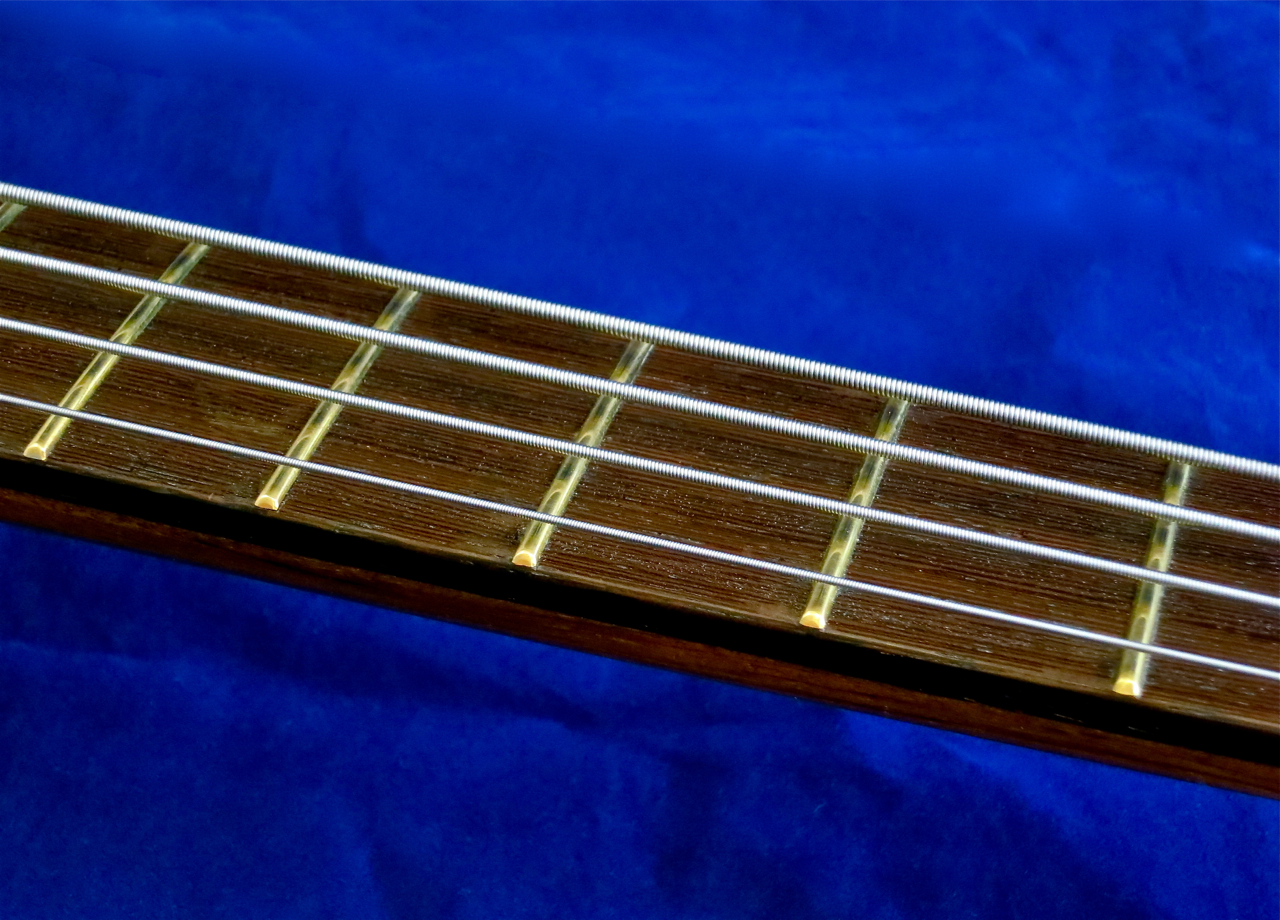
A wenge fretboard and bell bronze frets – most bass players would already know that this is a Warwick bass by this picture alone.

The bridge is a masterpiece of German engineering. In addition to intonation and action, this chunky number also allows for the adjustment of string-to-string distance. Naturally, everything is then locked in place securely using grub screws.
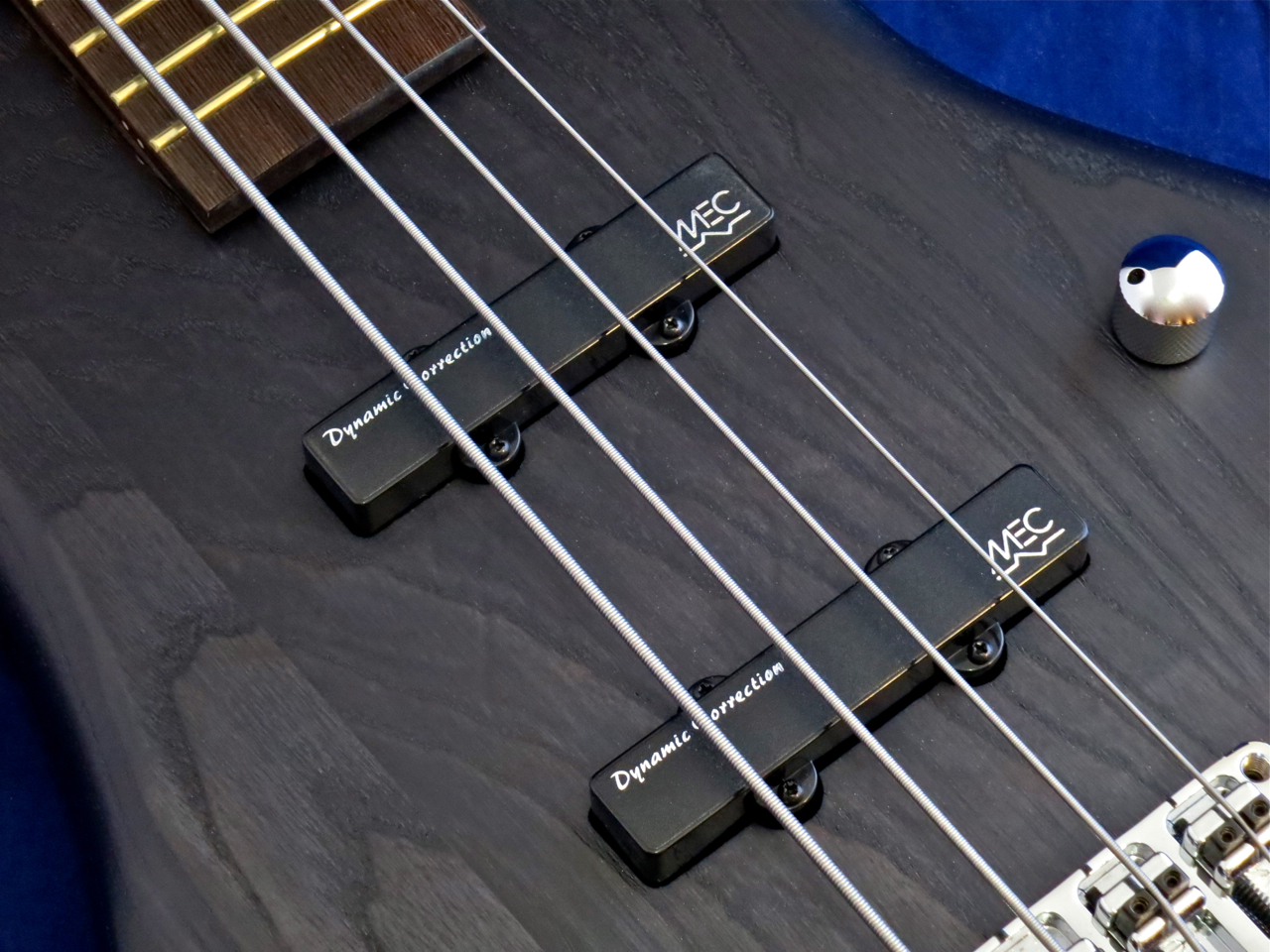
The Corvette Standard’s J-sized pickups are made by German pickup buffs MEC.
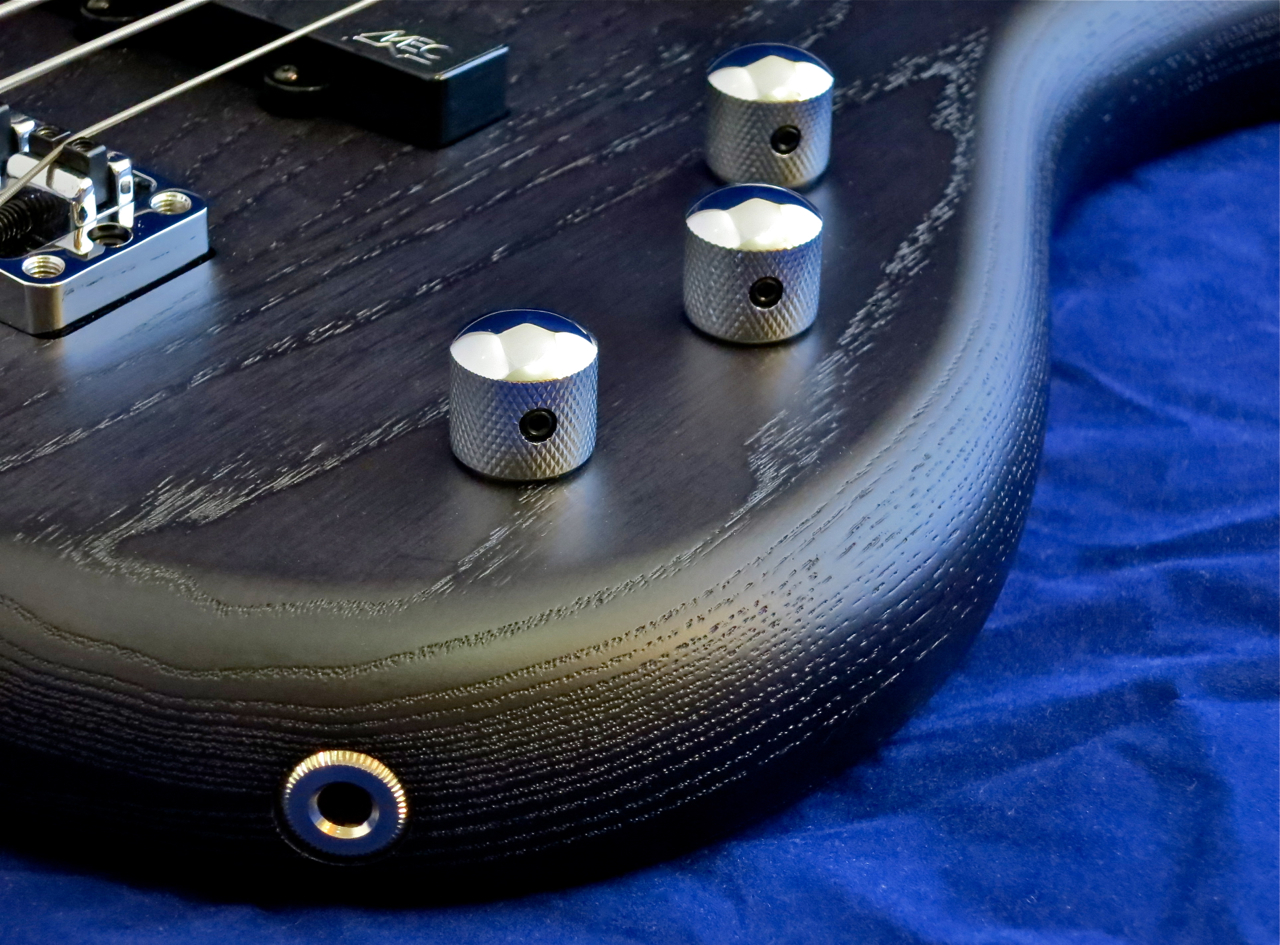
This bass features all-passive electronics, offering controls for master volume, pickup balance and master tone.

Inside the extremely clean back cavity you’ll find a set of special MEC-pots.

Warwick’s smooth satin oil-finish is called Nirvana Black.
The bass comes with a User Kit bag containing a user’s manual and strap locks, as well as all allen keys needed for adjustment.
****

Regardless whether the instrument comes from Germany or South Korea, if it says ”Warwick” on the headstock players’ expectations with regard to quality, playability and tone are bound to be high.
One of the key points of Warwick-quality is the quality of woods used for crafting their basses. It’s not only about the unblemished looks, but also about the right (read: light) weight. Thanks to the company’s strict guidelines there are no unpleasant surprises when it comes to a Warwick’s weight and feel.
In ergonomic terms the Corvette Standard Ash is also a genuine Warwick – the body feels comfortable and the whole bass balances very nicely on a strap, thanks to the long top horn.
The Corvette’s neck profile starts off as a slender-but-full ”U” at the top nut, broadening out nicely the nearer you move towards the the body. The neck’s oil finish gives the bass a very natural feel.
This bass has been designed to make slap-playing easy, with plenty of room between the top of the body and the bottom of the strings. And the Corvette is no slouch when it comes to other playing styles, either.
Played acoustically this bass displays a charmingly raunchy mid-range, coupled with a clear, piano-type attack.
As you can hear clearly in the soundbites below, the natural tone of the Corvette shines through nicely in its amped-up performance also. All audio clips have been recorded using a SansAmp Bass Driver DI -box and a Focusrite Saffire 6 USB sound-card. Each clip starts off with the neck pickup on its own:

The Korea-made Warwicks represent a win-win-situation in my opinion. The Pro Series basses aren’t second class Warwicks by any stretch of the imagination, instead they offer us cash-strapped musicians professional grade instruments with a friendlier price tag. It’s 100 percent Warwick quality and tone at a moderate price – this should spell ”great value” in anybody’s book!
****
Warwick Pro Series Corvette Standard Ash
873 €
Finnish distributor: Musamaailma
****
Pros:
+ value for money
+ workmanship
+ quality tonewoods
+ pro-quality hardware and electronics
+ finish
+ playability
+ sound
****


Hiljattain on ilmestynyt ensimmäinen vakavasti otettava kirja Höfnerin viulubassosta.
The Complete Violin Bass Story on Höfner-asiantuntijoiden – Steve Russellin ja Nick Wassin – huolellinen ja kattava historiikki Höfnerin klassikkobassosta.
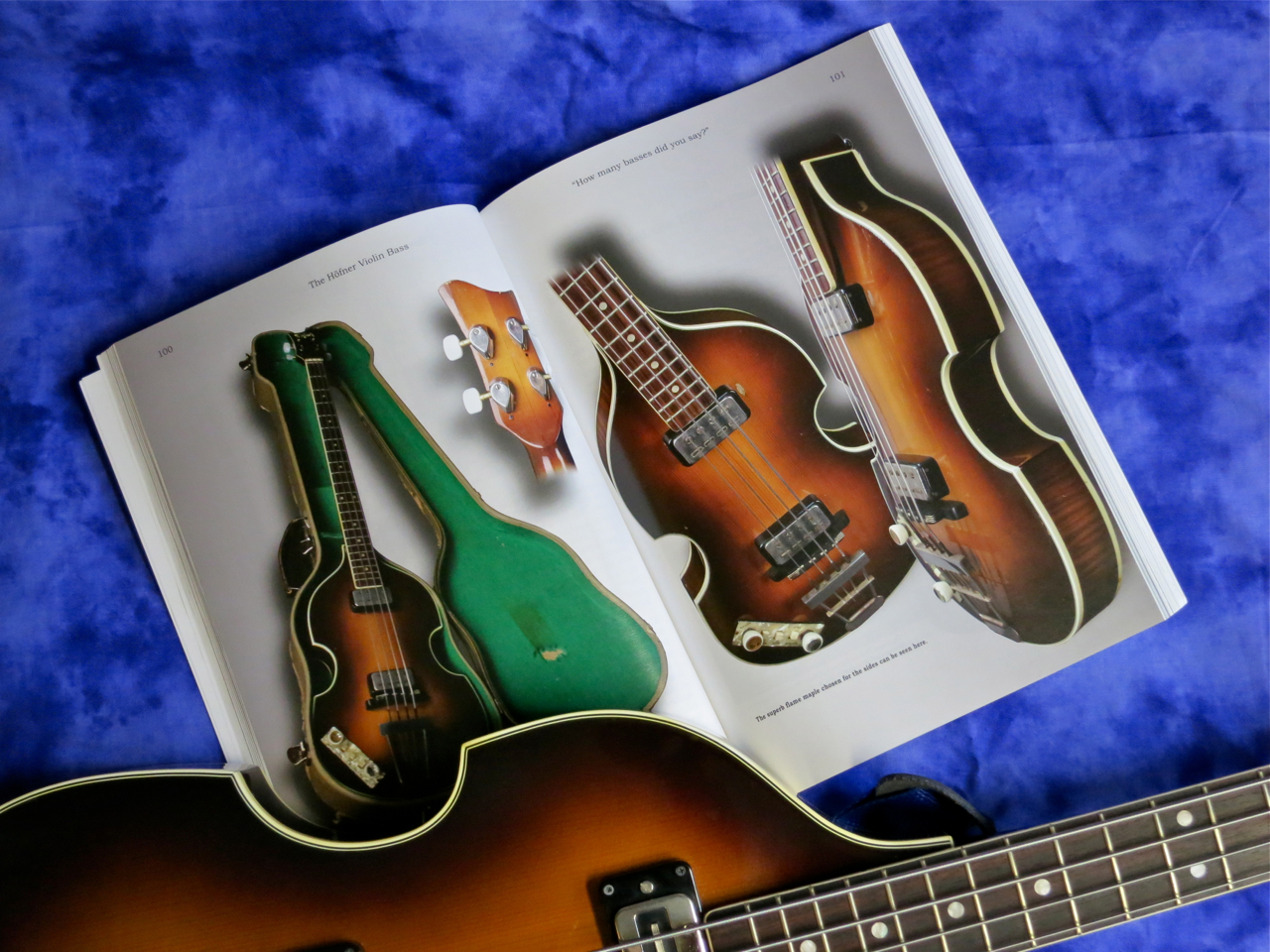
320-sivuiseen kirjaan on hyvin kirjoitetun tekstin lisäksi mahdutettu suuri määrä bassokuvia – skaala ulottuu tunnetuista varhaisen 1960-luvun viulubassoista…

…ja 70-luvun malleista…

…nykypäivän reissue-mallistoon.
Kirjassa on mukana myös Tommi Posan ottamia kuvia minun omasta 90-luvun Höfneristäni!

****

Tokain Jazz Sound -bassoilla on – ansaittu – maine erinomaisina tulkintoina Fenderin klassikkomallista. Seymour Duncan taas on kiistämättä tunnetuin nimi kitara- ja bassomikrofonien maailmassa.
Molempien firmojen maahantuoja on Musamaailma, joka tarjoaa nyt kaksi uutuusmallia yhdistettyinä valmiiksi modatuksi paketiksi:
Japanilainen Tokai TJB-55 on varustettu Seymour Duncan Custom Shop ”Weather Report” mikrofonisetillä.
****

Tokai TJB-55 (hinta ”Weather Report” -mikrofoneilla: 1.177 €, perusversion hintaluokka noin 850 €) on firman kevyesti nykyaikaistettu versio 1970-luvun Jazz-bassosta. Tällä hetkellä malli on saatavilla joko mustana vaahteraotelaudalla (ja mustilla blokkeilla) tai kolmivärisellä liukuvärityksellä, jolloin basson otelauta on veistetty palisanterista.
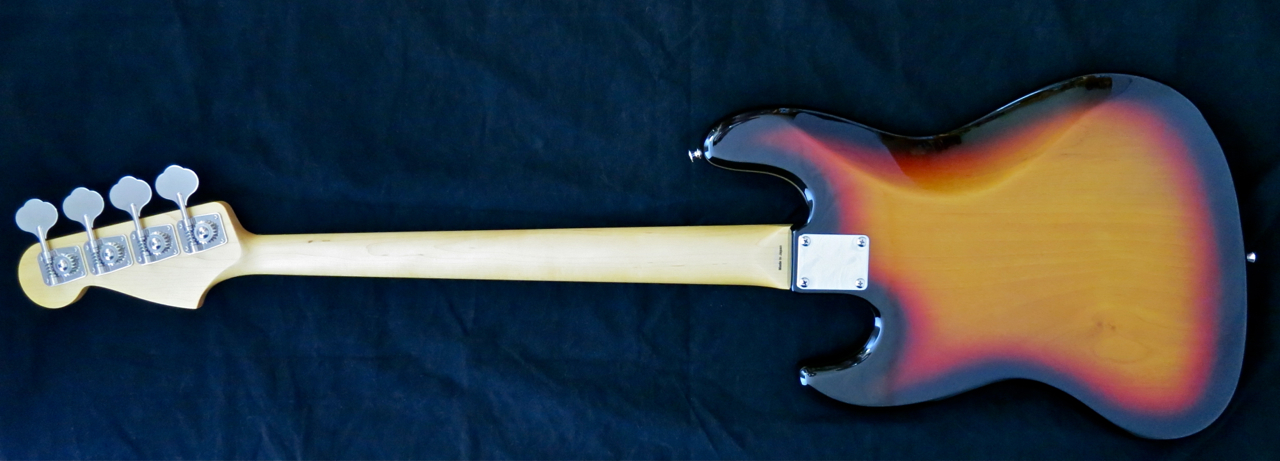
Rungossa on kiiltävä viimeistely, kun taas kaulassa on nykyaikainen, satiinipintainen lakkaus.

Ensisilmäykseltä TJB-55:n kromatut virittimet vaikuttavat vintage-kopioilta.
Todellisuudessa kyseessä on kuitenkin Gotohin kevyempi vastine, jolla on vintageen verrattuna hieman sirompi viritystappi…

…sekä pienempi pohjalevy.
Virityskoneistojen pienempi paino parantaa soittimen balanssia entisestään.

Tokai TJB-55 tarjoaa mielenkiintoisen variaation tutusta teemasta – vaikka otemerkit ovat 1970-luvun tyylisesti isot suorakaiteet, on jätetty palisanterilauta 60-luvun tavalla ilman reunalistoitusta.
Nauhatyö on kiitettävällä tasolla, ja otelautaan on asennettu 20 medium-kokoista nauhaa.

Vintage-tyylinen kaulaliitos on toteutettu hyvin tarkasti ja lujasti.

Perinteinen – ja monien mielestä ruma – metallinen maadoitusliuska tallan ja tallamikrofonin välillä on Tokaissa korvattu sisäisellä maadoitusjohdolla.

Leo knew best! Jostain syystä tämä vanha tallamalli ei lakkaa toimimasta, vaikka se onkin melko yksinkertainen designiltaan.

Testibasson salainen ase on Musamaailmassa jälkiasennettu Seymour Duncan Weather Report Jaco Jazz Bass -mikrofonisetti, joka on mikkigurun uusintapainos Jaco Pastoriukselle 1980-luvulla kustomoiduista kuuskytluvun Fender-mikrofoneista.
Kumpikin yksikelainen on kevyesti ylikäämitty (lue: soundiltaan tuhdimpi ja signaalitasoltaan voimakkaampi kuin vintagemikki), vaikkakin setin tallamikrofoni on vielä hivenen verran kuumempi kuin kaulamikki.
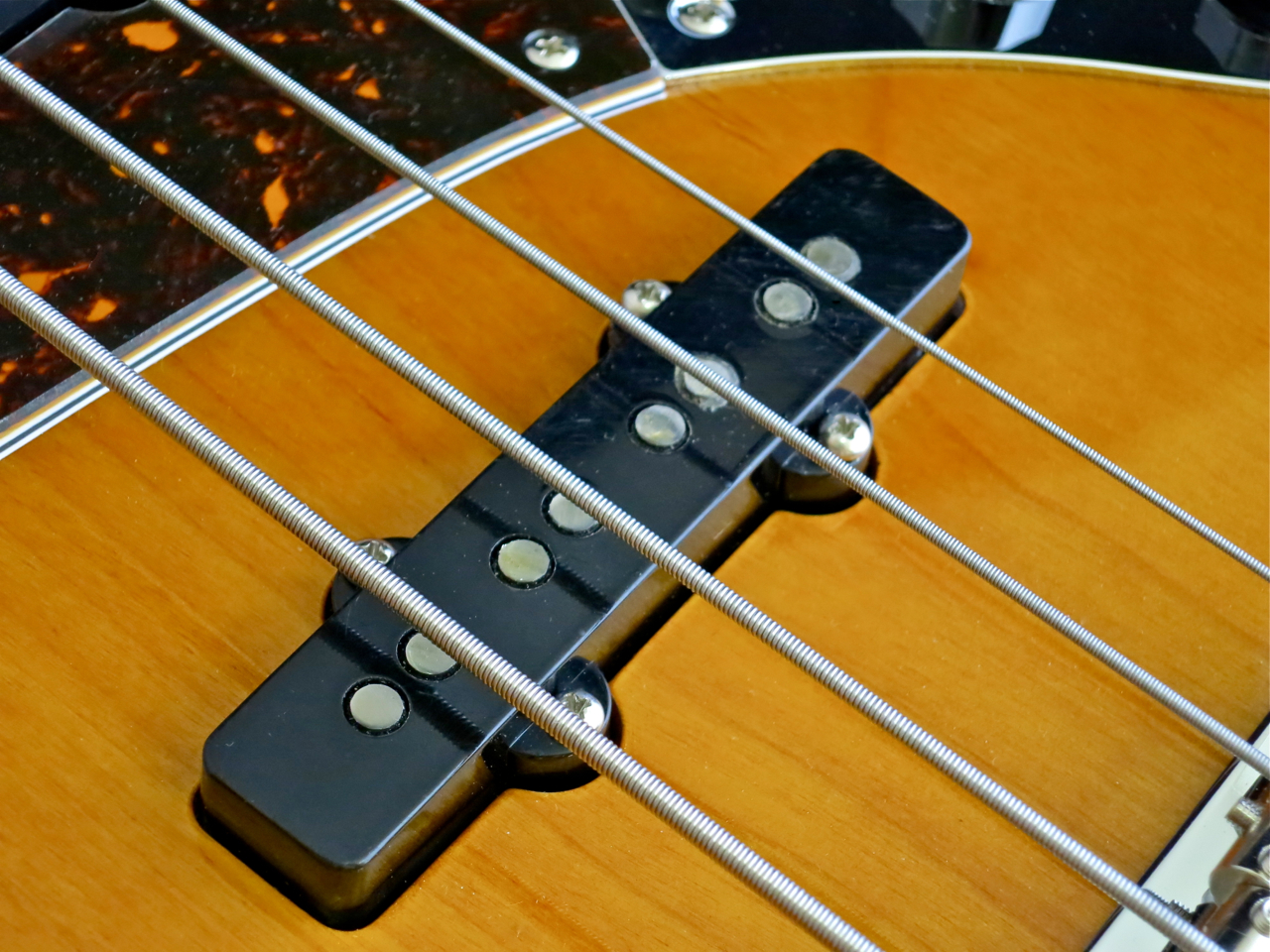
Mustat muoviset mikrofonikuoret on kevyesti esikulutettu, samoin kuin magneettien kirkaslakkapinta.
Vanhoissa Fender-bassoissa kuitulevyistä ja magneeteista koostuva kelarunko on saannut ylleen kirkaslakkakerroksen, ennen kuin käämilankaa alettiin kelata magneettien ympäri. Näissä Seymour Duncan Custom Shop mikrofoneissa käytetään alkuperäistä valmistusmenetelmää autenttisuuden nimessä.

Tokain TJB-55 tarjoaa klassista Jazz-basso passivisuutta – kummallekin mikrofonille oma volume-säädin, sekä yhteinen master tone.
Konepellin alta löytyy huolellista työnjälkeä ja laadukkaita osia.
****

Myönnän sen – olen aina ollut Jazz-basson suuri ystävä! Minusta tämä soitintyyppi on yksinkertaisesti kaunein, ergonomisesti parhaiten toimiva ja soundiltaan yleispätevin kaikista passiivisista klassikkomalleista. Se toimii mielestäni aina!
Tokain TJB-55 on erinomainen lajinsa edustaja, joka tarjoaa kaikki tälle soitintyypille ominaiset edut, kuten esimerkiksi hyvin solakan kaulaprofiilin.

Seymour Duncan Weather Report -mikkisetin tarkoitus ei tietenkään ole muokata soittimen JB-tyylistä soundia joksikin ihan muuksi, vaan tarjota laadukkaan version Jazz-basson soinnista Jaco Pastoriuksen maun mukaan.
Tarjolla on hieman ryhdikkäämpi ja myös pikkuisen tuhdimpi muunnelma aiheesta, joka maistuu ainakin allekirjoittaneelle. Etenkin tallamikrofonissa on mukana myös Jaco-soundille niin tärkeä lisäannos nasaalista keskialuetta.
Mikrofonisetin absoluutisesta autenttiuudesta en voi päätellä kovinkaan paljon, koska en ole koskaan soittanut Pastoriuksen bassoilla. Tämän testin perusteella voin kuitenkin todeta, että Weather Report -setillä varustetulla Tokai TJB-55 -bassolla pääsee lähellä mestarin soundia.
Rumpu- ja perkussioraitojen lisäksi tässä pätkässä soi vain ja ainoastaan testin Tokai-basso:
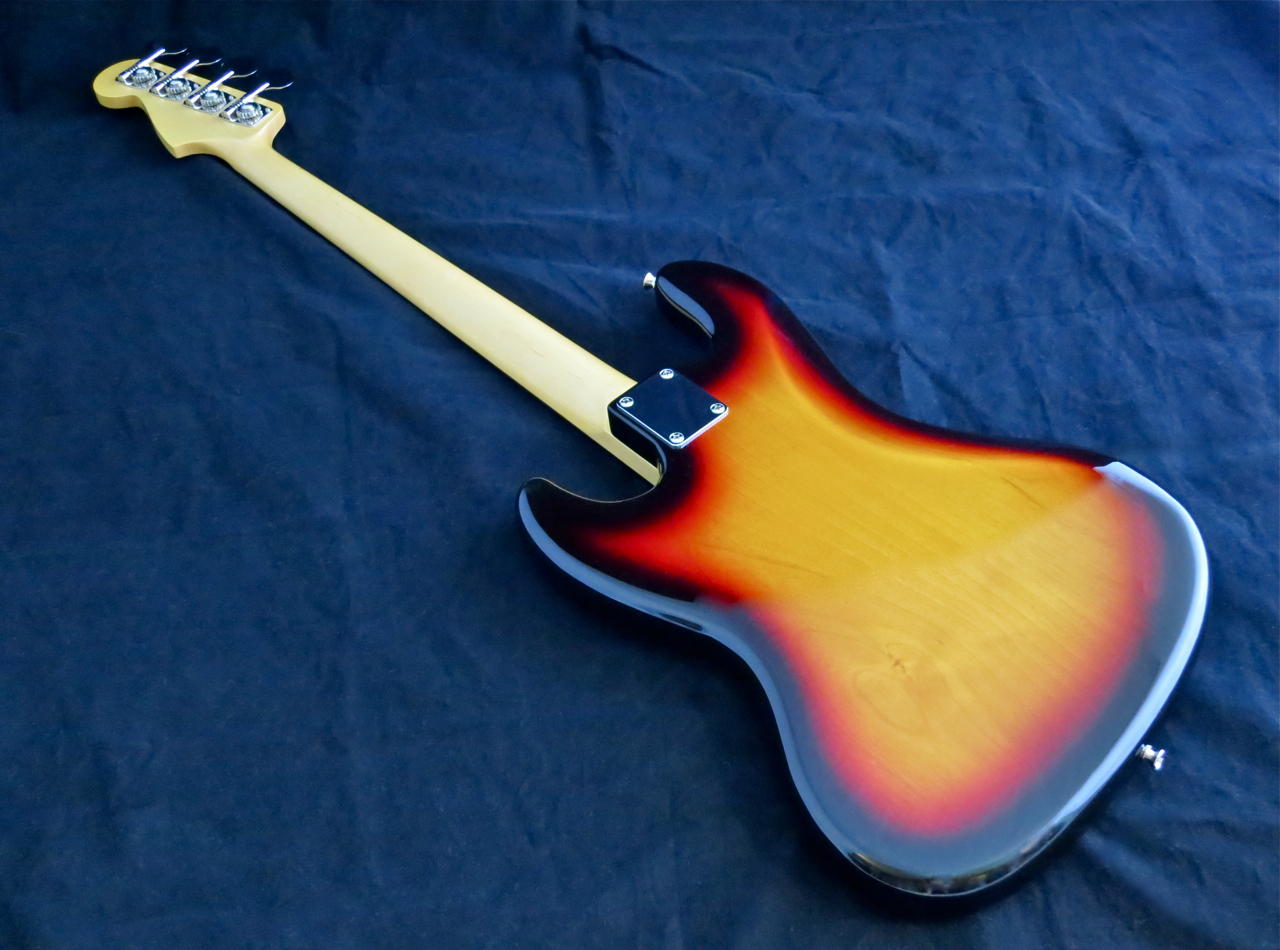
Testin päätelmä on minun mielestäni, että Tokai TJB-55 -basso ja Seymour Duncanin Weather Report -mikrofonisetti on erittäin toimiva yhdistelmä – myös monelle muulle basistille kuin pelkästään Jaco-faneille.
****
Tokai TJB-55 + Seymour Duncan Weather Report Jaco Pickup Set
1.177 €
Lisätiedot: Musamaailma
****
Plussat (Tokai):
+ hinta-laatu-suhde
+ työnjälki
+ soitettavuus
+ akustinen soundi
+ paino
****
Plussat (Duncan):
+ teho
+ soundi
+ kevyt relikointi
+ autenttinen valmistusmenetelmä
Miinukset (Duncan):
– korkea hinta
– relikointi ei kaikkien makuun




 Kitarablogi.com – Finland's premier Guitar and Bass blog