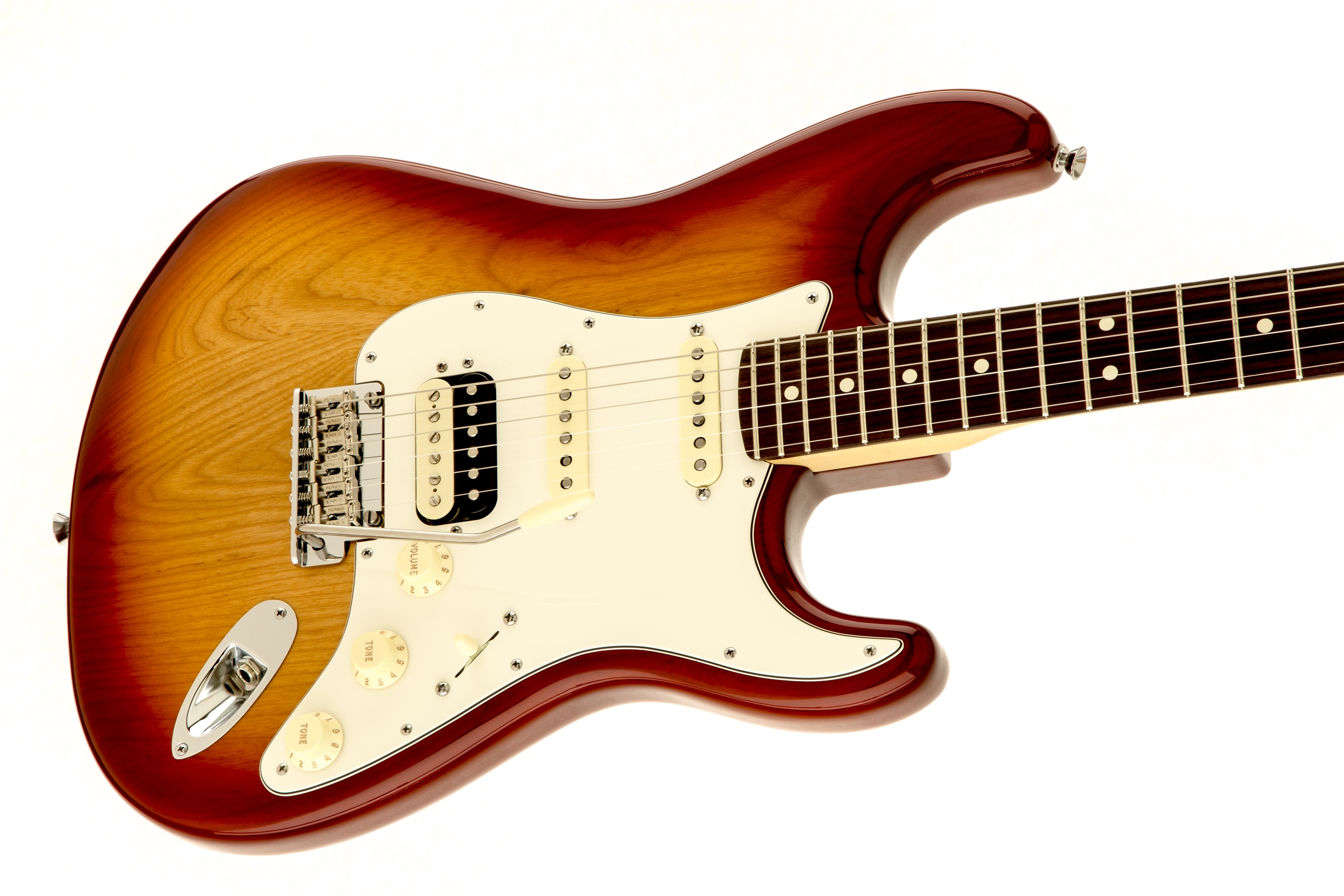
Tulossa… – Coming soon… – Fender American Standard Stratocaster HSS Shawbucker

Juttuja kitaroista ja bassoista


Carvin’s series of extremely compact MicroBass bass combos is built using the company’s lightweight BX 250 MicroBass amplifier sunk into four differently-sized speaker cabinets. Thanks to some clever design work – as well as lightweight modern bass speakers – even the largest of the MicroBass-combos, the MB210 (equipped with two 10-inch speakers and a horn tweeter), only weighs 16 kilos.
Kitarablogi received the smallest member of the MicroBass-family for testing. The MB10 is small enough to take with you on public transport, should the need ever arise.
****

Carvin MicroBass MB10 (current price in Finland: 577 €) is compactness incarnate:
The combo’s dimensions are only 47 x 33 x 28 cm (h/w/d), and it weighs in at just below 12 kilos!

Despite its diminutive size the Carvin’s build is roadworthy and sturdy.
The 10-inch speaker and the horn tweeter are safely tucked away behind a chunky metal grille.

You can use the MicroBass MB10 both with the cabinet standing up and lying on its side, thanks to two sets of rubber feet installed to the closed-back cabinet.

Black vinyl is the MB10’s standard livrée, but if you feel more flamboyant you could also get your small Carvin in, say, fake snake hide for a small surcharge (40 €).
****

Small it may be, but Carvin’s BX 250 MicroBass amplifier comes fully equipped:
Carvin’s preamp section runs in Class A with satisfyingly low levels of hiss. Adding more Drive to proceedings will fatten up your tone and add a little bit of grind, but you shouldn’t really expect any Metal-style distortion from this combo.
The Contour-knob allows you to apply a loudness-type pre-EQ curve to your signal, which will boost both the bass and treble frequencies, while attenuating the mid-range slightly. Contour works nicely in cleaning up a crowded mid-range, as well as adding a bit of punch to your overall sound.
The EQ-department on the MicroBass is very well equipped, too. In addition to the shelving Bass and Treble filters Carvin has added a lot of flexibility in the guise of two semi-parametric mid-frequency filters. There’s ample boost and cut on tap to satisfy any bass player.
The amp also includes a nifty bass-optimised one-knob compressor. A red light in the middle of the amp’s blue jewel light gives you nice visual clues about the amounts of compression applied to your signal. Carvin’s compressor works in a very musical fashion, and it helps the player to get the most out of this little bass combo. Even small amounts of compression will go a long way in helping to clean up the MB10’s output, helping you to get even more volume out of the Carvin.
Using only the built-in speakers, the MicroBass’ Class D power amp will dish out 200 watts of power, adding a compatible extension cab will give you 50 watts more.
In addition to the speaker output, there’s also a headphone output that doubles as a tuner out, and a balanced DI-output (XLR). The output levels for the headphone and DI-output are controlled by the DI Level knob. Using the Pre/Post switch you can decide, whether to send the input signal directly to the output, or whether you’d prefer to use the preamp signal, complete with compression and EQ.
Lovers of warm vintage sounds will be pleased to hear that you can dim the Carvin’s tweeter, using a mini-switch.
Because writing about sound always seems somewhat futile, I’ve prepared different audio clips to give you an idea of the Carvin MicroBass MB10’s versatility. All clips have been recorded with a microphone:
Jazz Bass – EQ-controls in neutral
Jazz Bass – light bass boost, Tweeter-switch set to Dim
Jazz Bass – played with a plectrum, a little bit of Contour added
Jazz Bass – slapped, Contour set to 12 o’clock
Höfner 500/1 – plectrum, Tweeter set to Dim
Rickenbacker 4003
Rickenbacker – plectrum
****

If you’re holding down the bass in a loud-as-f*ck Metal band, or if your usual gigs include 20,000-seater stadiums, Carvin’s little combo probably isn’t the right choice for you. The MicroBass MB10 is a loud amp – for its size – but it can only go so far…
But: The Carvin MicroBass MB 10 is a fantastic choice for the majority of us bassists, who play in small clubs, in restaurants or in pubs. In venues such as these the Carvin will be just the ticket, its tiny footprint and big sound making it a gig machine. The recording studio is also a place where a high-powered bass stack can be counterproductive, due to issues such as audible bleeding into drum mics, making a high-quality, moderate-power combo, such as the MicroBass MB10, a great choice. I’d also reckon that this little Carvin will find a place in the hearts of many Unplugged-, Folk- and (acoustic) Jazz-players.
****
Carvin MicroBass MB10
577 €
Finnish distributor: Musiikki Silfverberg
Thanks to Vantaan Musiikki for the loan of the review combo!
****
Pros:
+ compact size
+ lightweight
+ versatile
+ easy-to-use compressor
+ sound

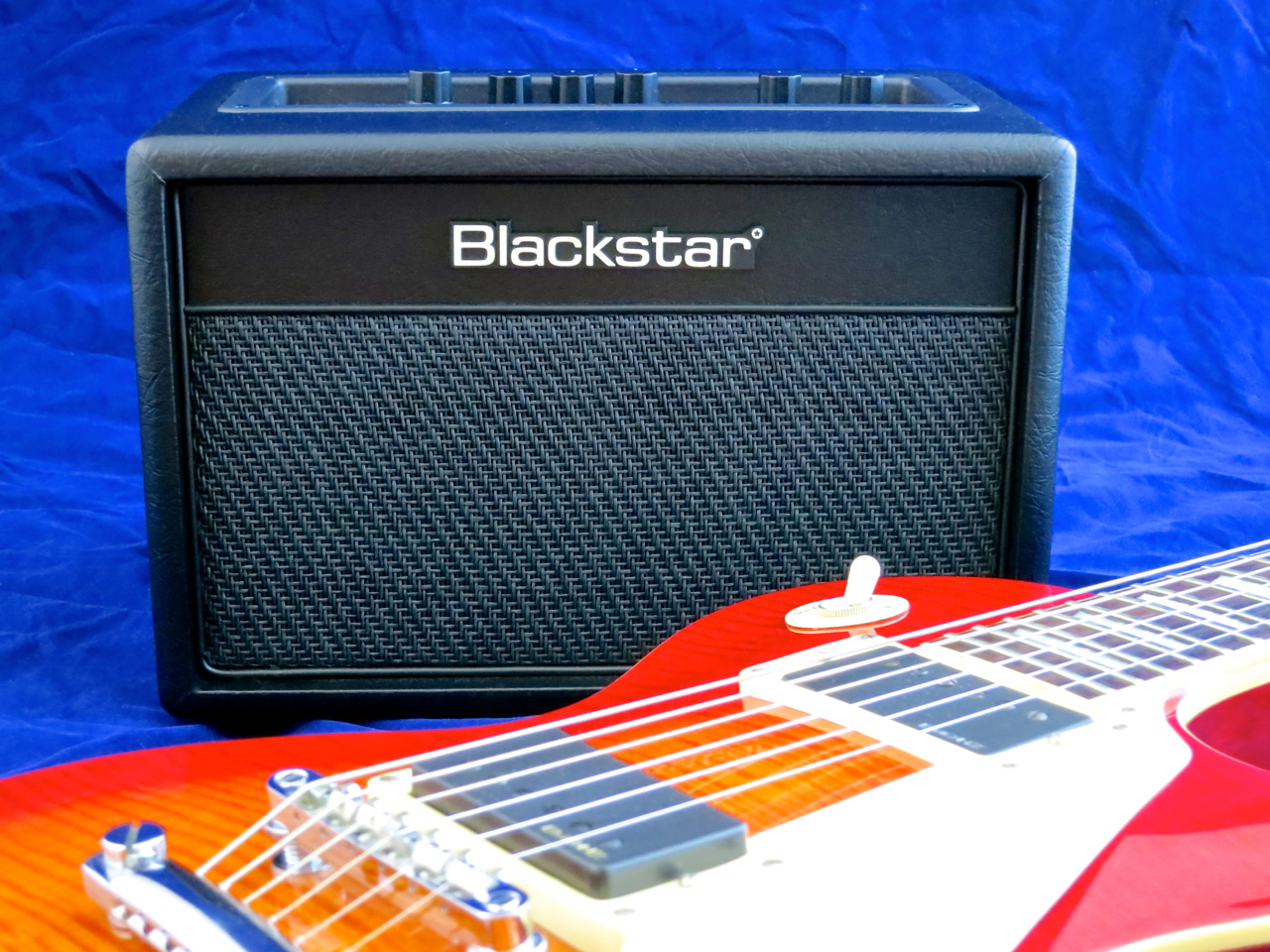
Vuoden alussa NAMM-messuilla esitelty Blackstar ID:Core BEAM (299 €) kuuluu uuteen, nopeasti kasvavaan vahvistinkategoriaan:
Se on niin kutsuttu ”lifestyle amp”, joka on samalla sekä hyödyllinen pikkukombo harjoitteluun että kitaristin imagoon sopiva Bluetooth-vahvistin musiikin kuuntelua varten.
****

Blackstar ID:Core BEAM on aito ID:Core-kombo mikä tarkoittaa, että sen kaikkiin parametreihin pääsee käsiksi Blackstarin oman Insider-softan kautta.
Uutuuskombo on stereofoninen, ja sen 20 watin tehoa pusketaan ulos kahdesta kolmen tuuman kaiuttimista. Isoista ID:Coreista tuttu Super Wide Stereo -efekti toimii BEAM-kombossa myös musiikin kuuntelussa, ja sen vaikutusta voi säätää erikseen.

ID:Core BEAM:n takaseinästä löytyy sähköliittimen lisäksi jakki jalkakytkimelle (maksullinen lisävaruste). Kaikki muut liittimet on sijoitettu isolle etupaneelille.
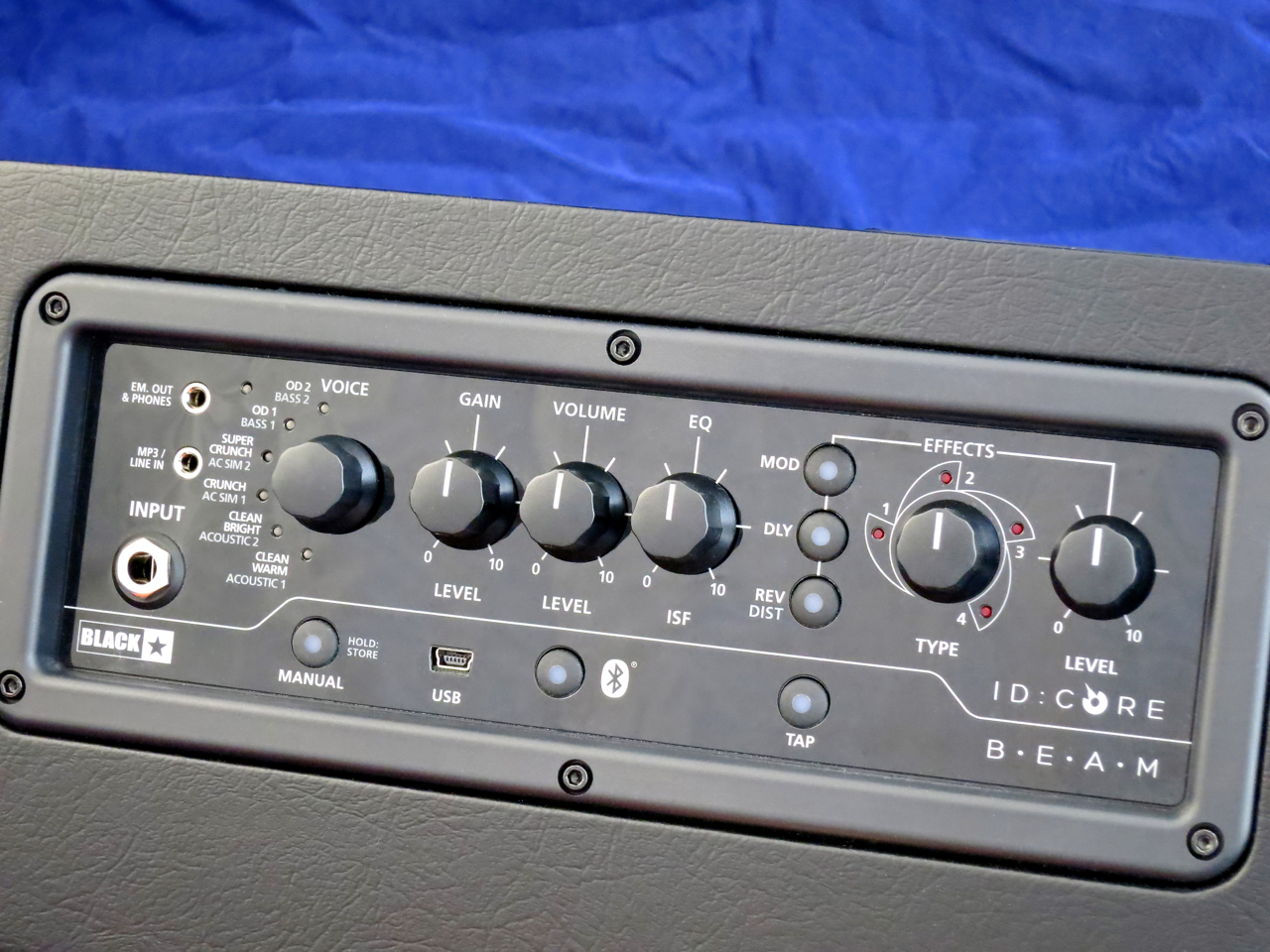
BEAM:n isot sisarukset ovat jo todella hyvin varustettuja, mutta pikkukombo panee ominaisuutensa runsaudella vielä selvästi paremmaksi:
Vahvistinmallinnuksia löytyy tässä peräti 12 kappaletta. Ensimmäinen satsi (Voice-ledi palaa punaisena) on varattu kuudelle eri sähkökitarakanavalle, kun taas toisesta satsista (vihreä ledi) löytyy kaksi vahvistintyyppiä akustiselle kitaralle, kaksi akustisen kitaran mallinnusta, sekä kaksi ohjelmaa sähköbassolle.
Vahvistinosasto tarjoaa kolme fyysistä säädintä soundien muokkaamiseksi – gainin ja volumen lisäksi löytyy vielä Blackstarin patentoima, yleissoundiin vaikuttava ISF-toiminto. Insider-softalla pääsee säätämään sitten tarkemmin muitakin parametrejä, kuten EQ:t tai kohinaporttia.
Efektiosasto tarjoaa neljä modulaatioefektiä, neljä viivetyyppiä, sekä neljä eri kaikua. Bassovahvistimien kanssa on kaiun sijaan lisätty bassosärö. Jokaisesta efektityypistä voi valita yhden per vahvistinmalli, siis samanaikaisesti voidaan käyttää korkeintaan kolmea efektiä.
Pikkukombossa on myös kätevä sisäinen viritysmittari.
Bluetooth:n kautta vastaanotettu audiosignaali ei luonnollisesti kulje mallinnusosion läpi, vaan se lisätään ID:Core BEAM -kombon signaalitielle vasta kitaravahvistimen jälkeen. Bluetooth-musiikin kanssa voi tietysti soittaa mukaan!
USB-liitintä ei käytetä ainoastaan Insider-softan pyörittämiseen, vaan tämä lifestyle-kombo on myös täysverinen usb-äänikortti. BEAM:lla on kolme eri USB Audio -moodia – vahvistin pystyy lähettämään joko stereofonista kitarasignaalia efekteillä höystettynä sekvensserille tai kaksi monosignaalia, joista yksi on kuiva tulosignaali ja toinen koko mallinnuksen läpi käynyt monosignaali. Näiden kahden lisäksi on tarjolla vielä erittäin kätevä Reamping-tila, jossa sekvensseristä lähetetty prosessoimaton kitararaita viedään ID:Core-kombon läpi ja mallinnettu signaali äänitetään toiseen sekvensseriraitaan.
USB-signaalitasoa pystyy säätämään itsenäisesti ja riippumatta kombon masterista, minkä ansiosta usb:n kautta lähetetyn voimakkuuden saa aina omalle äänityssoftalle sopivaksi.
****
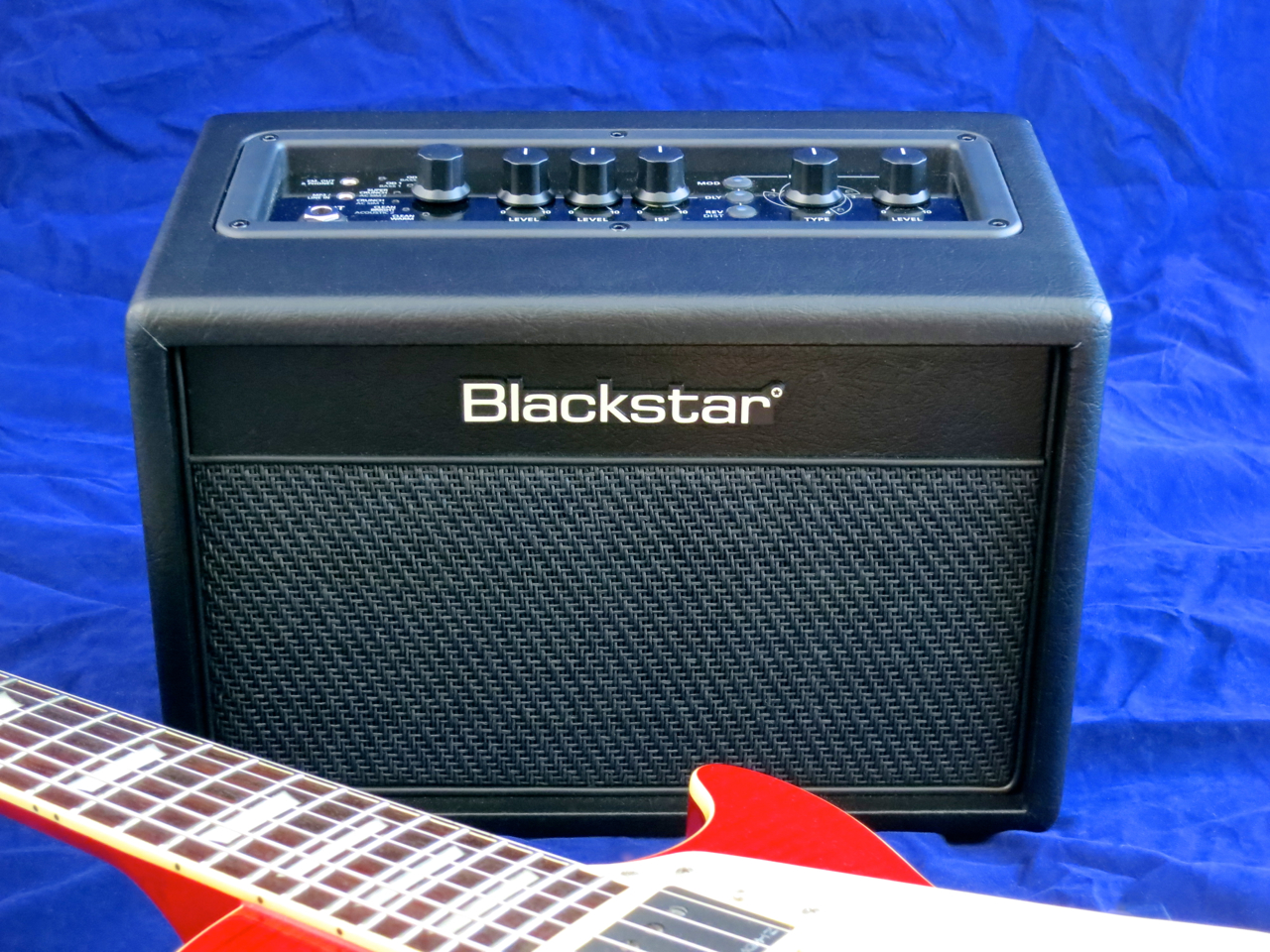
Kyllä, nyt täytyy sanoa, että Blackstarin uusi lifestyle-kombo on täysosuma!
Musiikin kuuntelussa on havaittavissa pikkusen kohinaa, mutta se ei nouse lainkaan häiritsevästi esiin. ID:Core BEAM ei ole tarkoitettukaan studiomonoriksi, vaan kirjahyllyn musiikkikeskukseksi, ja se asia on kombolla suveräänisti hallussa. Musiikki kuulostaa yllättävän täyteläiseltä, ja myös sitä volyymin määrää on tarjolla kiitettävän runsaasti.
Myös kitara- ja bassosoundien osilta Blackstar-uutuus ei jätä mielestäni toivomiseen varaa!
Kitarasoundit soivat erittäin hyvin, ja myös BEAM:n efektitarjonta on varsin maukas:
Akustisen kitaran mallintaminen onnistuu pikkukombolla yllättävän hyvin:
Vaikka tämä Blackstar-uutuus on hyvin kompakti tapaus, jopa BEAM-kombon bassosoundit kuulostavat mukavan meheviltä:
****

Blackstar ID:Core BEAM yhdistää erittäin onnistuneesti mallintavan harjoituskombon kitaralle (ja bassolle), usb-äänikortin, sekä tehokkaan Bluetooth-kaiuttimen. Ainakin omasta mielestäni tämä uutuuskombo sopii todella hyvin – olohuonekäytön ohella – myös opetusvahvistimeksi.
****
Blackstar ID:Core BEAM
299 €
Lisätiedot: Musamaailma
****
Plussat:
+ toimiva konsepti
+ hinta-laatu-suhde
+ hyvin varusteltu, ohjelmoitava kitara- ja basso-osasto
+ säädettävä Super Wide Stereo -toiminto
+ USB-äänikortti
+ täyteläinen soundi
Miinukset:
– voimakas kohinaportti bassosärön tehdasasetuksissa
Lisätiedot: Musamaailma


The Fuzz Guitar Show 2015 in Gothenburg (Sweden) runs May 9th and 10th, 2015.
Four Finnish brands garnered considerable interest at the show:

Juha Lottonen and Juha Rinne (Lottonen Guitars) are fast becoming the go-to guys for small-bodied Folk and Blues guitars off the beaten path.
Lottonen Guitars mostly use alder (!) for their necks, as well as birch for many of their backs and sides.

Lottonen employ different bracing patterns and bridge designs to achieve a multitude of different guitar timbres.
Eric Bibb is the most famous Lottonen user.

Fingerstylists and Blues-pickers simply can’t get enough of the Lottonen tone.

Tyyster Guitars’ dynamic duo and their mouth-watering metal-bodied guitars.
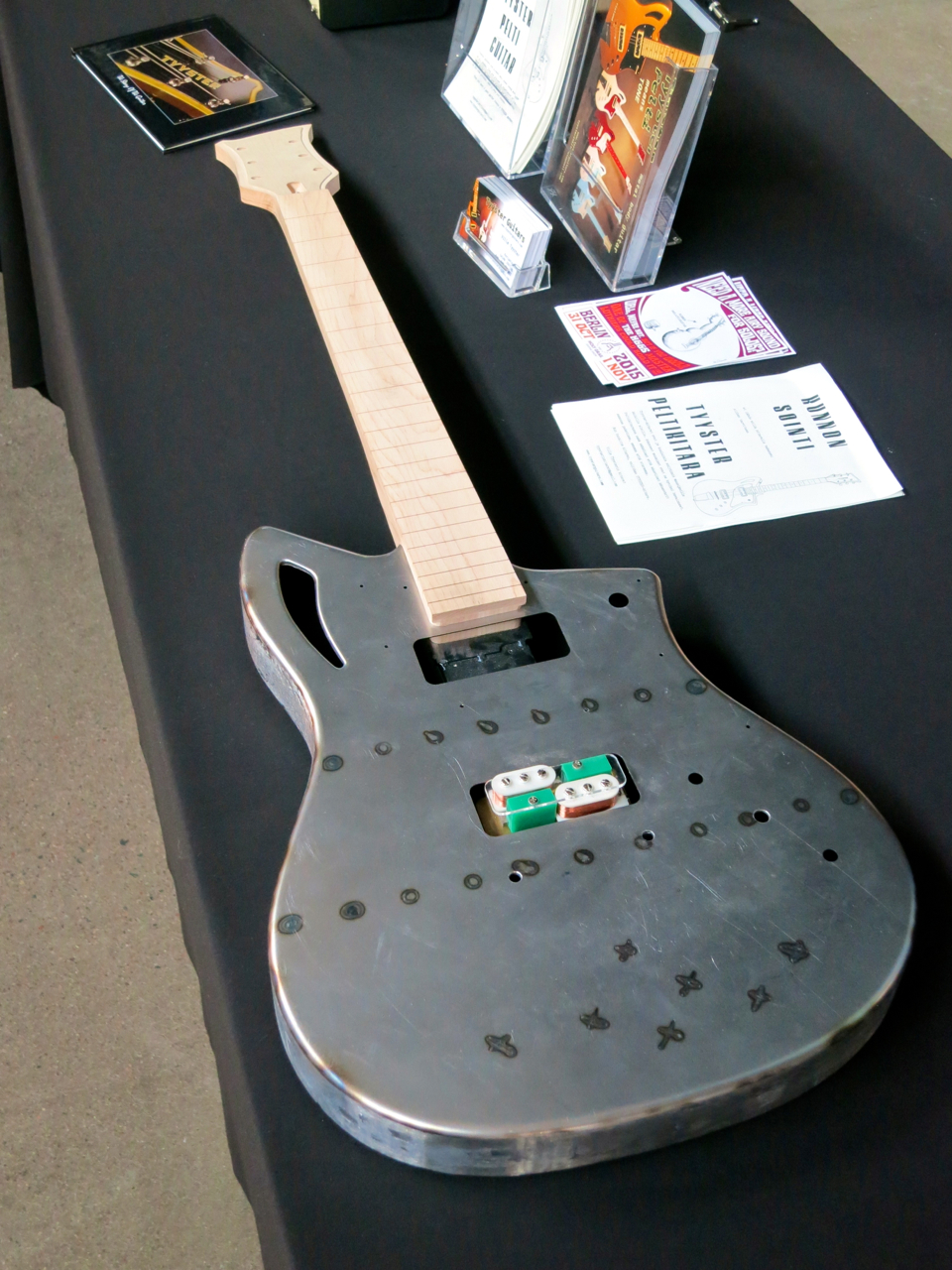
Ville Tyyster brought along an unfinished guitar to give you an idea of what goes into the making of a Tyyster Pelti.
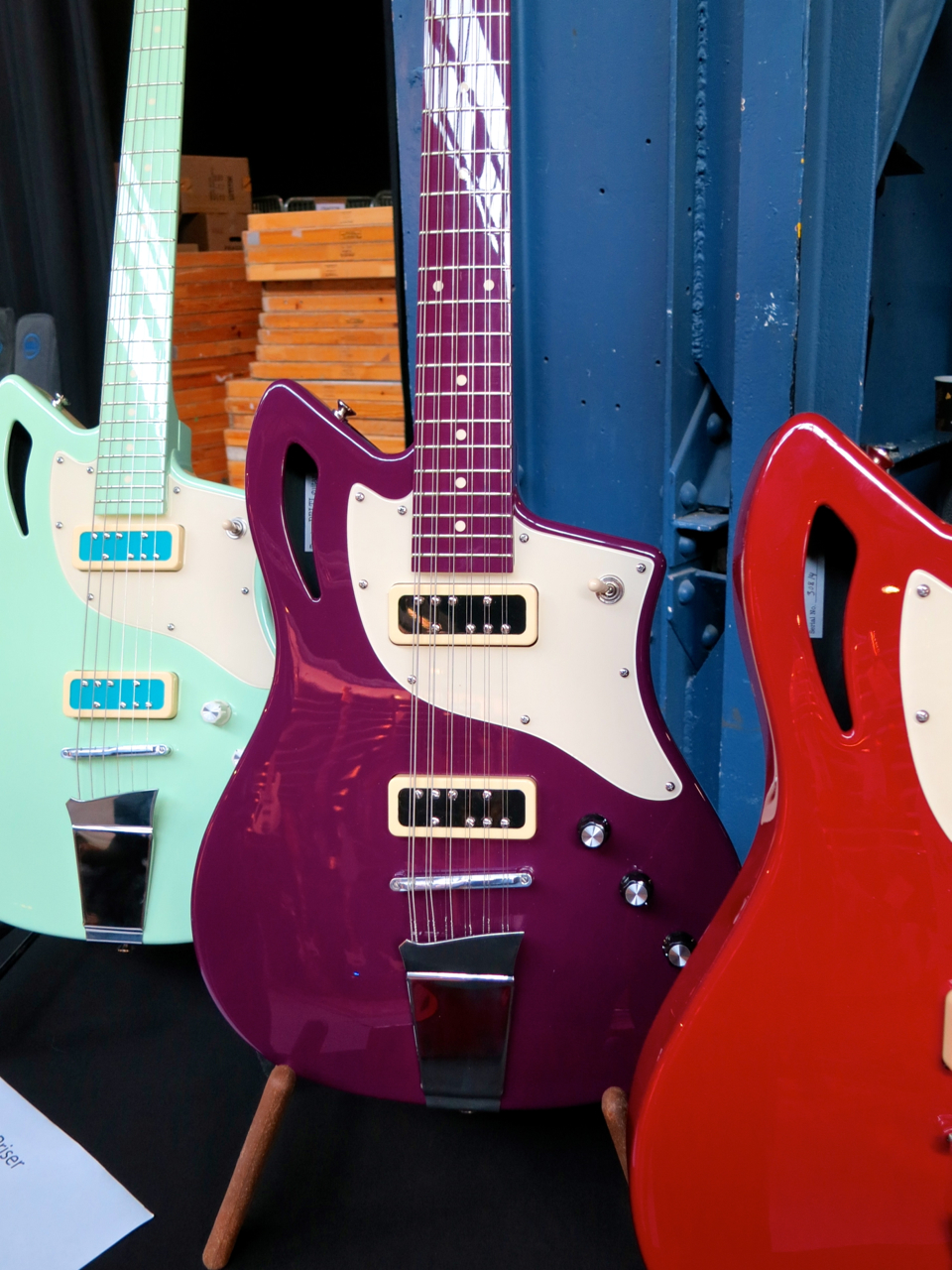
Tyyster’s clear lines and cool colours whet your appetite. Their playability and sound will make you want one!

Kari Nieminen’s tasteful Versoul Instruments have found their way into the hands of many serious guitar collectors and guitar heroes alike (Ron Wood, Billy Gibbons, just to name two in a long list).

This salmon skin-covered 4-watter was definitely one of the show stoppers at this year’s Fuzz.
The all-valve combo can be modified to the user’s requirements by changing the tube types.

…and if you have a salmon-skinned amp, you will need the matching, breathtakingly beautiful Versoul Guitar, too!


Amp and effect specialists Mad Professor were represented at Fuzz by their Swedish distributors.

For more Fuzz Guitar Show pictures visit Kitarablogi’s Fuzz 2015 page.

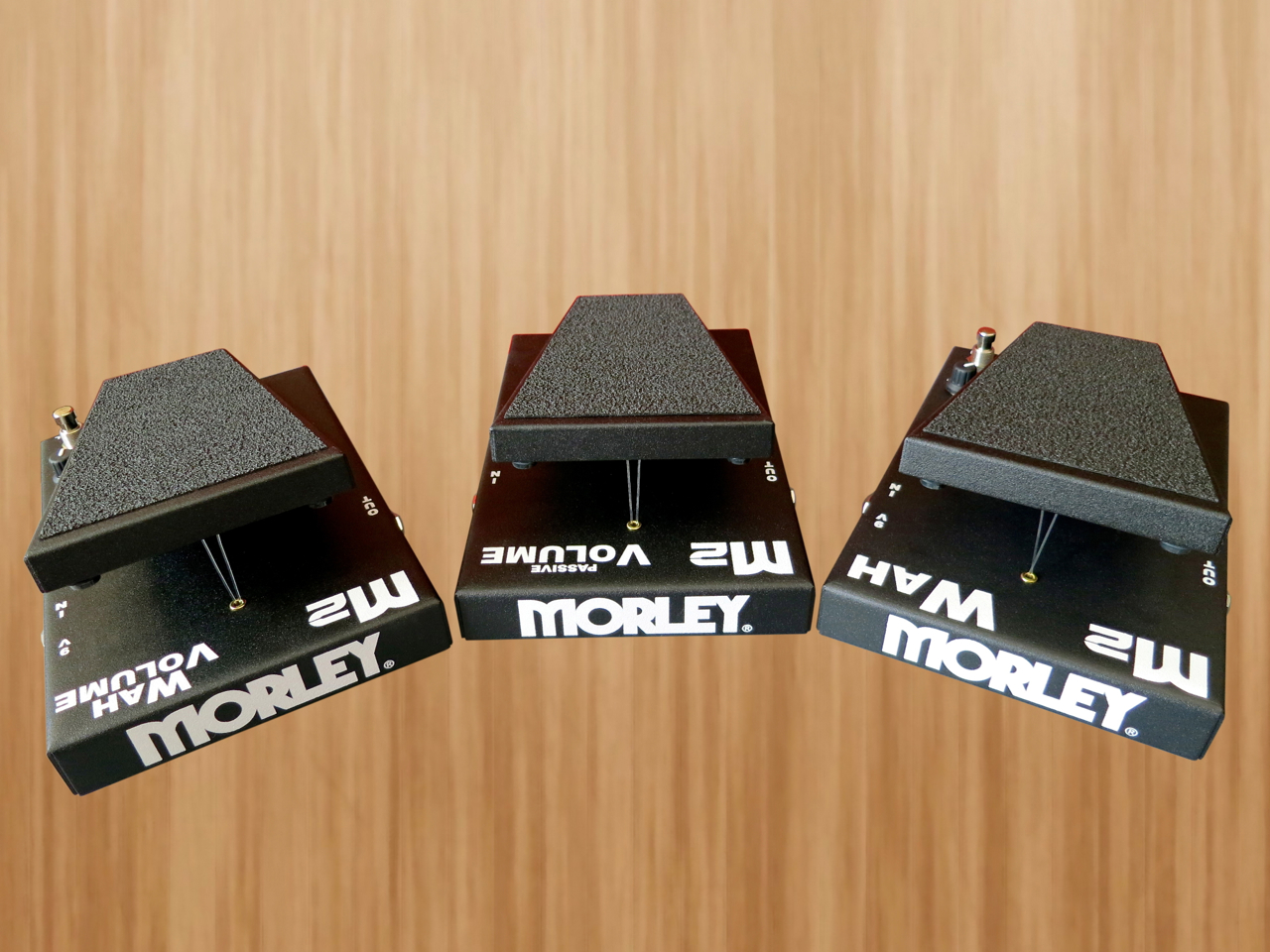
US brand Morley are best known for their pro-quality wahs and volume pedals that many players – like Steve Vai, George Lynch and Mark Tremonti – rely on in their setups. Morley’s original series uses electro-optical electronics, instead of traditional potentiometres. The big advantage in going electro-optical lies in the fact that such a pedal won’t ever become scratchy or intermittent, because there is no mechanical control pot to wear out or become dirty.
There are quite a few guitarists, though, which – for some reason or other – prefer the ”feel” and ”sound” of a mechanically controlled pedal to that of an electro-optical one. Morley’s new M2-series is a nod to the more traditional players.
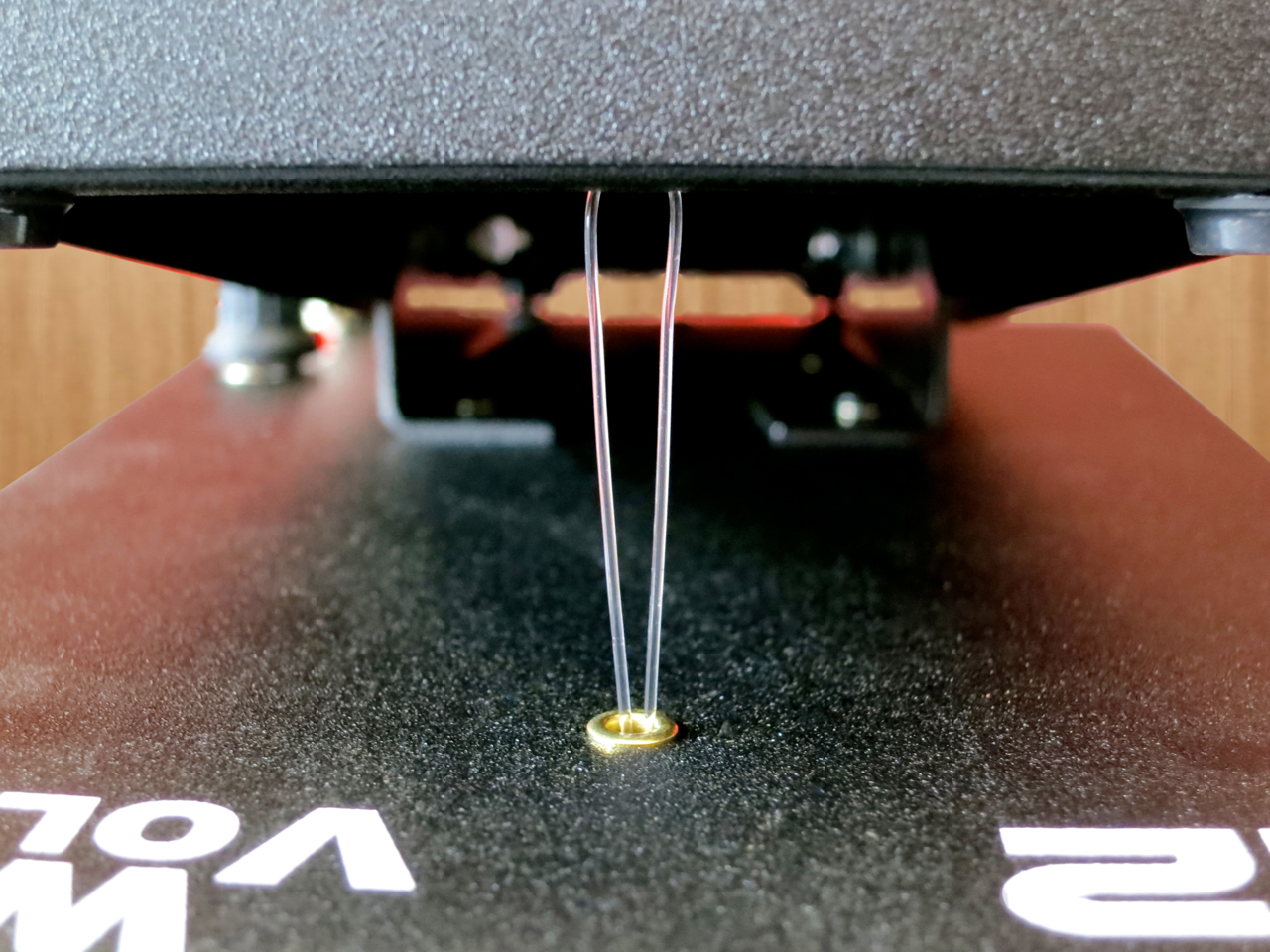
Nevertheless, Morley still like to do things their own way, which is why the company has come up with a different type of mechanical control for their M2-pedals:
Traditional pedals (and their descendants) use a rack, mounted beneath the treadle, to turn the pinion of a large control pot attached to the top of the pedal’s casing. Hanging in this exposed position, the pot is prone to take in dirt, moisture and dust, which in turn shortens its lifespan and affects signal quality. Sooner or later you will have to change the old pot for a brand-new one.
Morley’s M2-pedals use a top grade, sealed fader, tucked away neatly inside the pedal’s casing. The fader is moved by sturdy nylon strings attached to the front and back of the treadle.
****
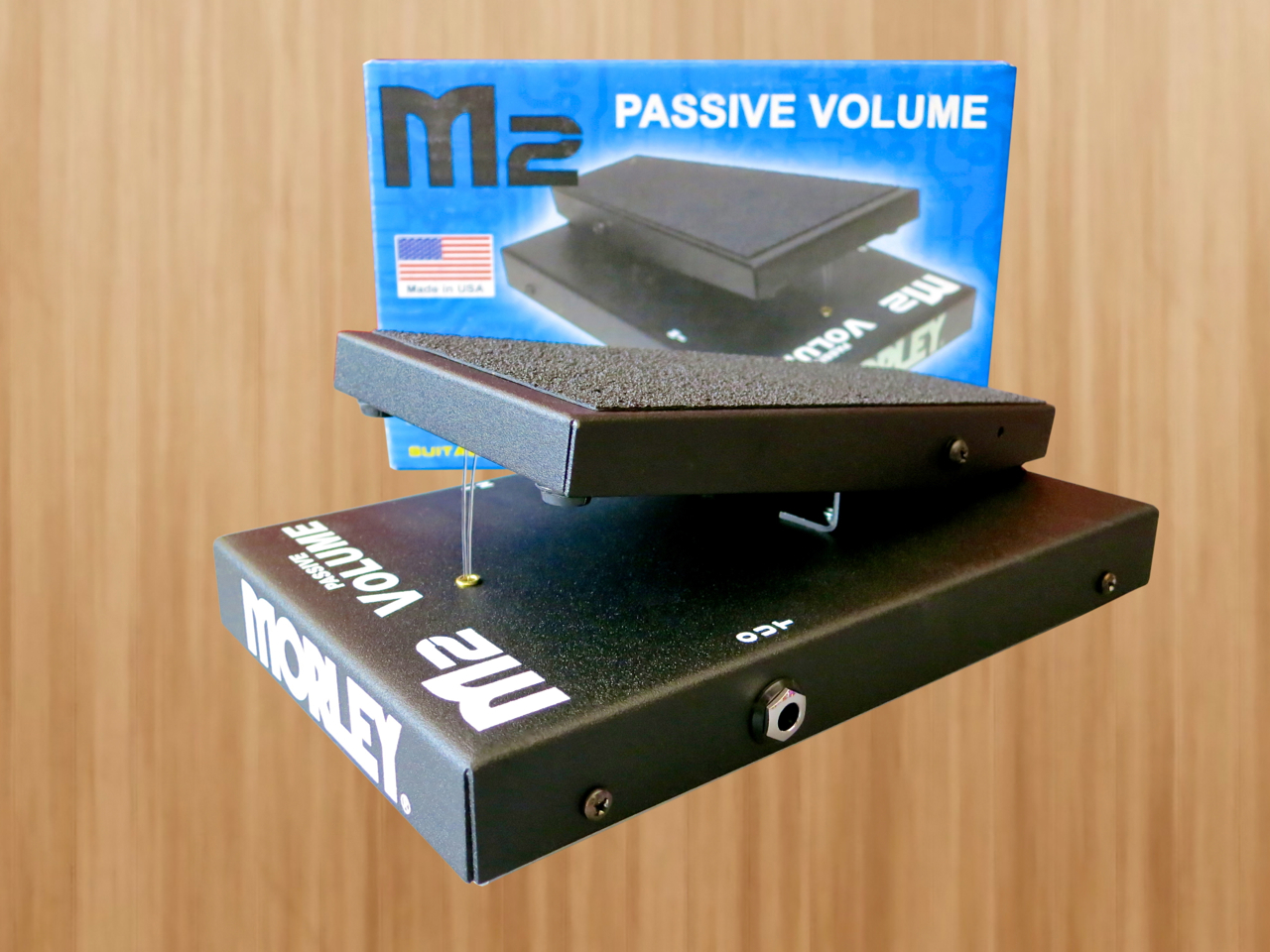
For this review we got three M2 models from Vantaan Musiikki:
The first pedal is the Morley M2 Passive Volume (current price in Finland: 76 €), which works without the need for a battery.
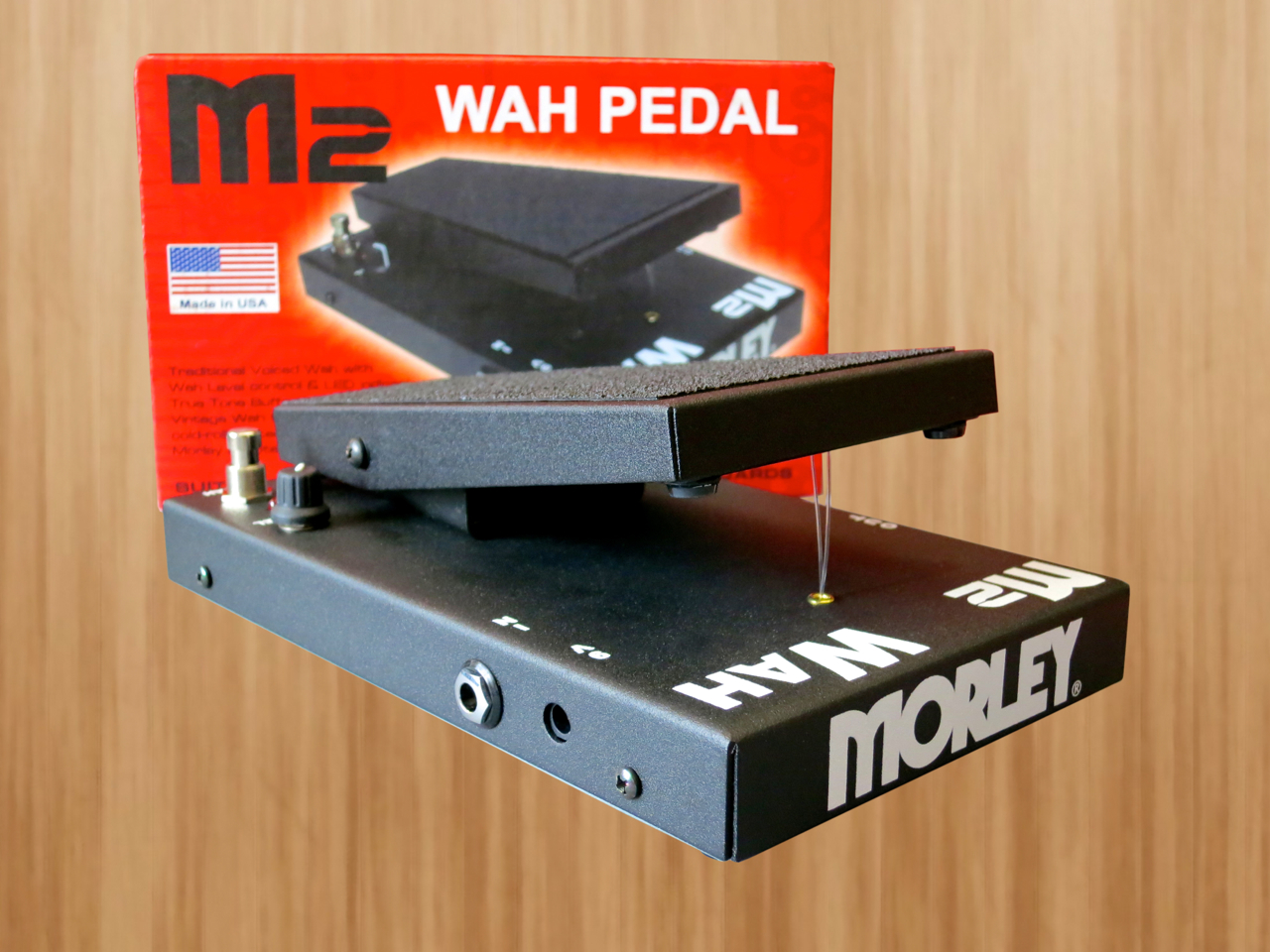
The second model is the Morley M2 Wah (83 €), which promises to deliver vintage-toned wah-goodness.

And, last but not least, there’s a cool twin-mode pedal – the Morley M2 Wah/Volume (94 €).
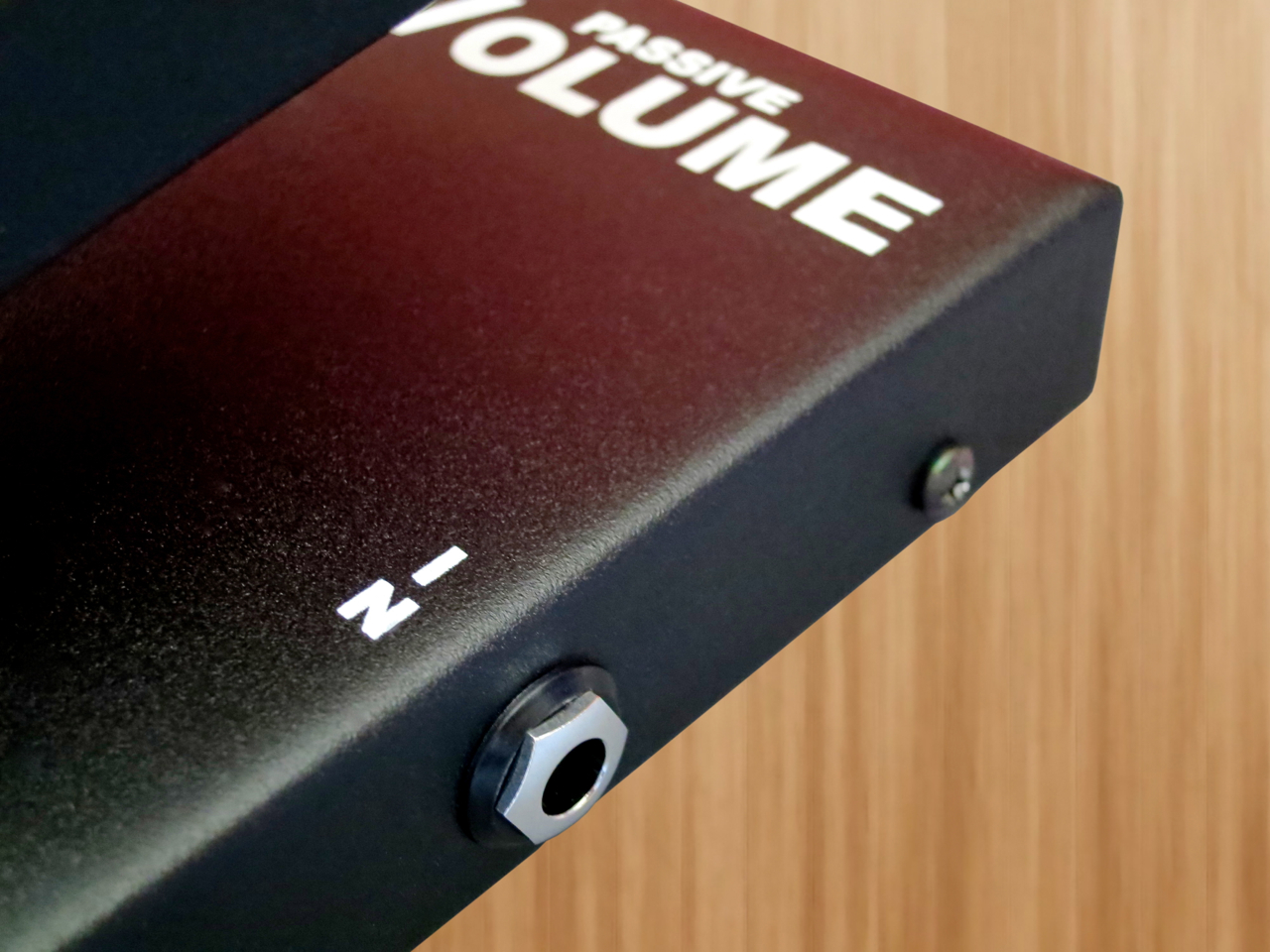
This trio of M2-pedals share the same basic build:
The housing is made from folded, cold-rolled steel, resulting in very sturdy and trustworthy pedals. The treadle sports a thick cover of non-slip material that will keep your foot safely on the pedal, no matter what.
The guitar input is on the Morley’s right flank.
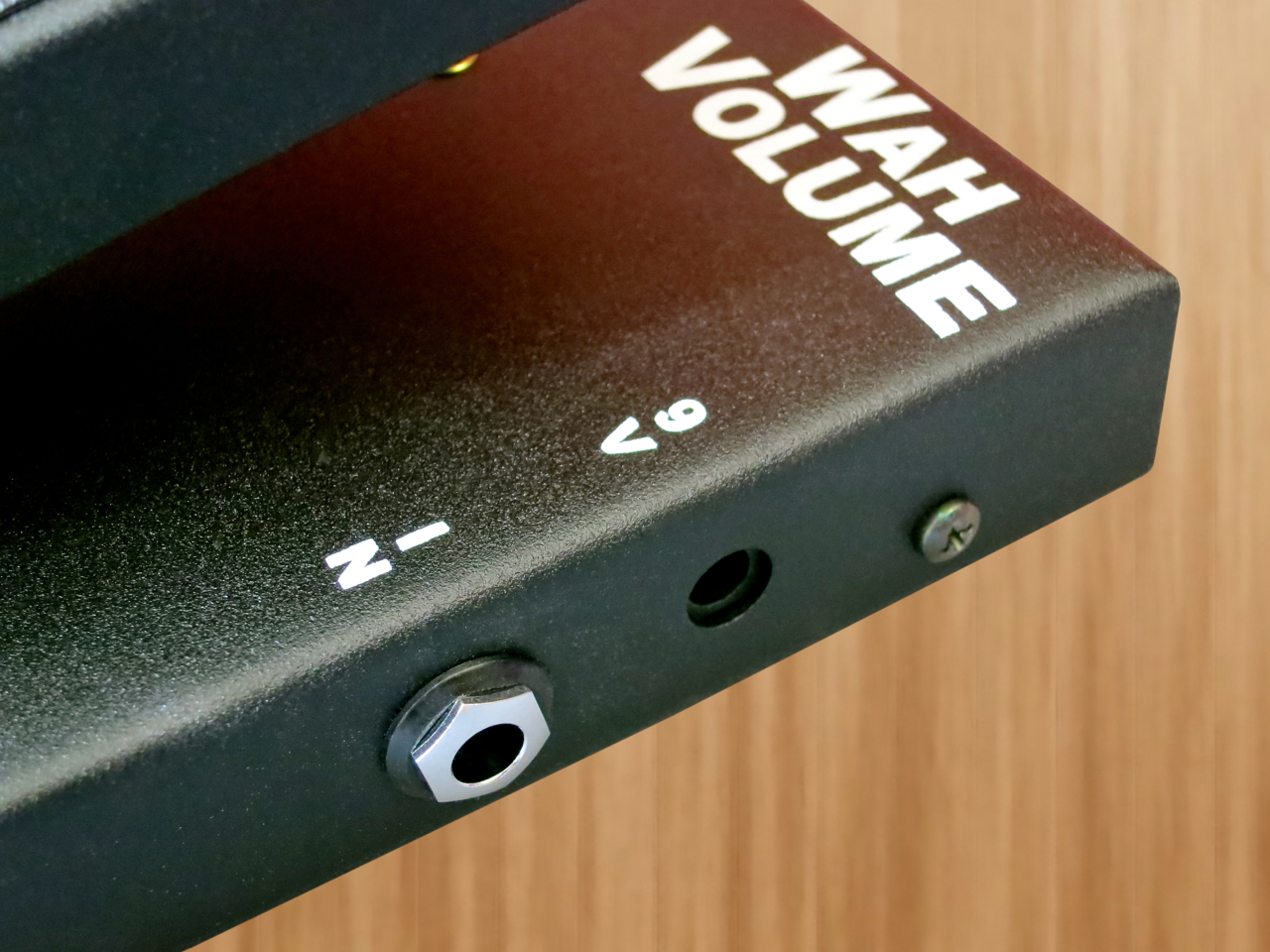
The two active pedals – the M2 Wah and the M2 Wah/Volume – additionally feature a standard 9 Volts DC input.

You can also run the active pedals using a 9 V battery. The battery compartment comes equipped with an easy-to-open quick clip lid.
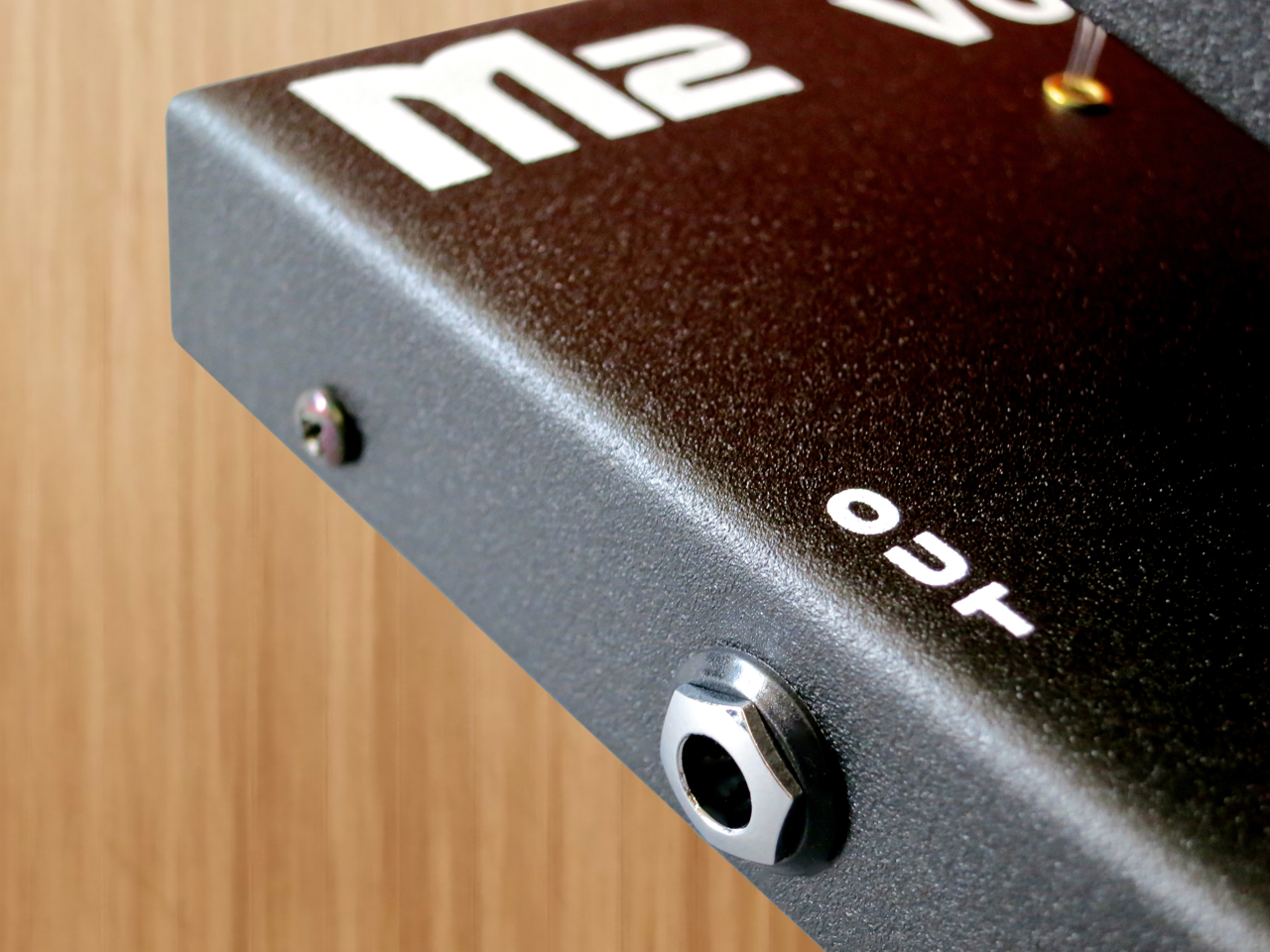
The output has been placed on the left side of the M2-pedals.
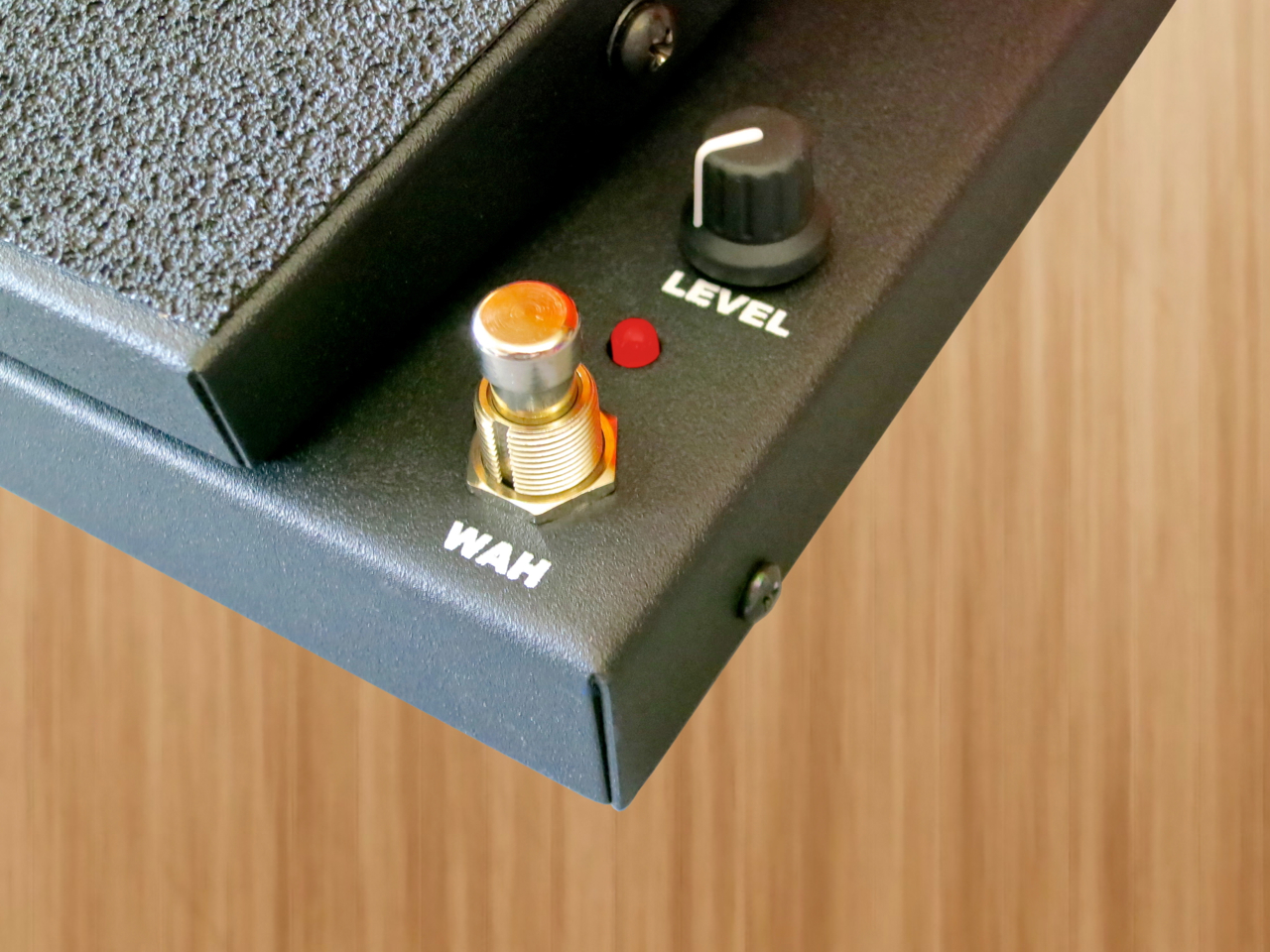
The M2 Wah features an On/Off-switch for the wah-effect (with a red indicator LED), as well as a dedicated level control for the effect signal.

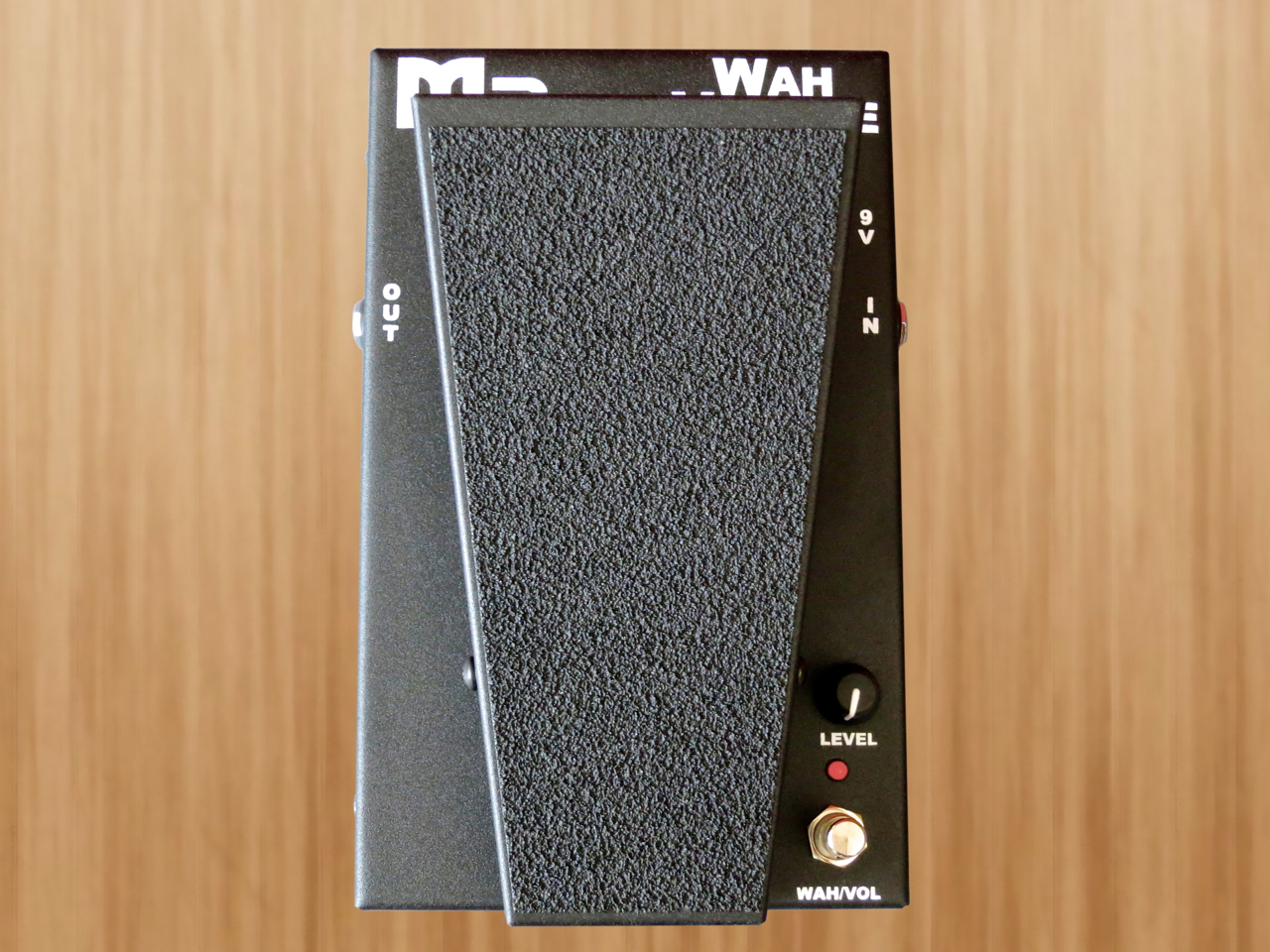
The control setup on the M2 Wah/Volume looks identical, but it functions a bit differently:
The footswitch toggles between volume mode (LED off) and wah mode (LED on). The level knob works only on the wah side of things.
****

Morley’s M2 Passive Volume-pedal works extremely smoothly, evenly and precisely. There are no jumps or wobbles in the volume level, instead the Passive Volume works just as it should, and without having any noticeable effect on your guitar’s inherent tone. The M2 Passive Volume clearly is a pro-quality choice at a very fair price.

****
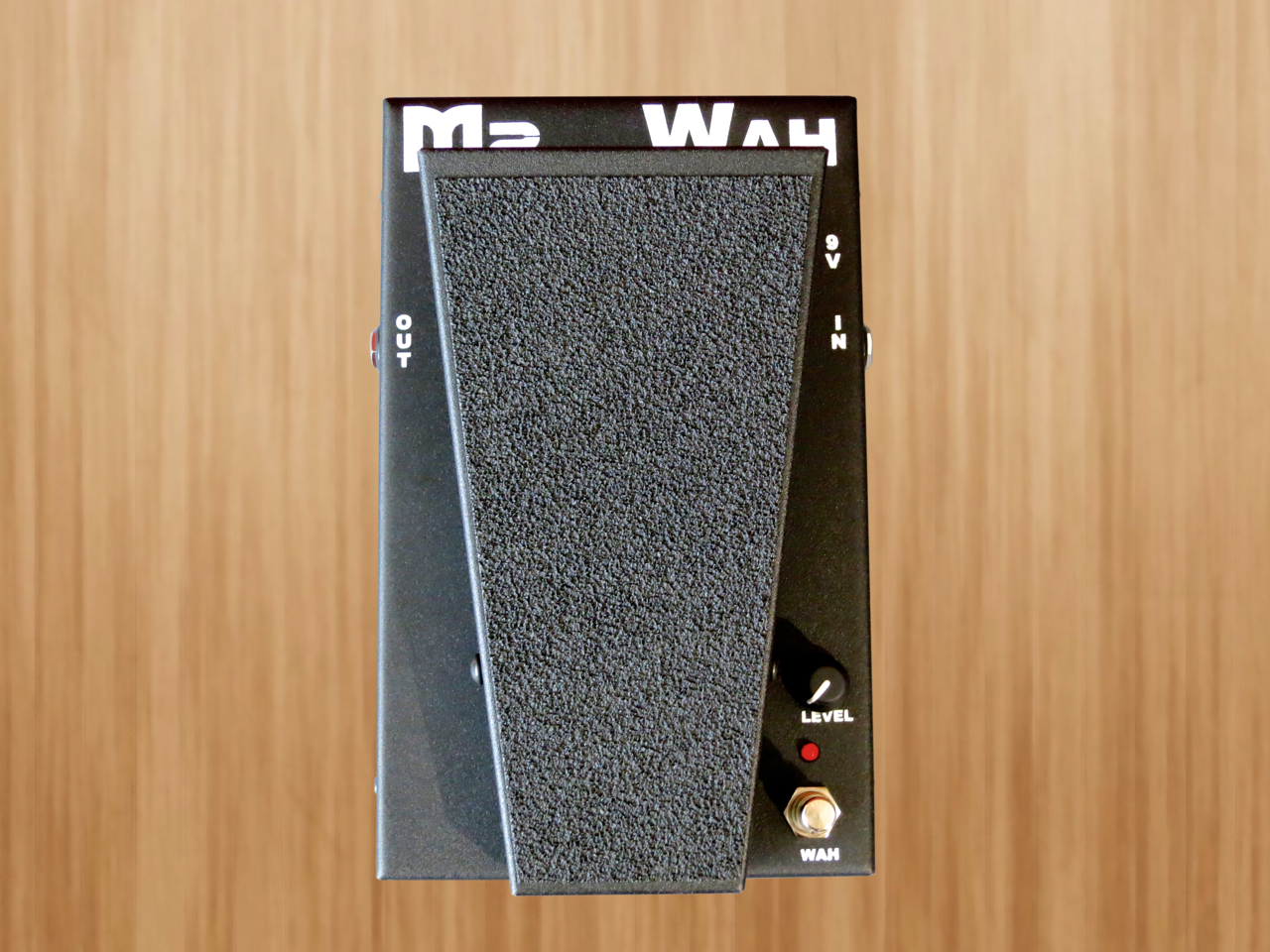
Morley’s M2 Wah comes equipped with an internal active buffer (the Morley True Tone Buffer), which stays on, even with the wah-effect turned off. An active buffer will prevent audible signal deterioration, even if you’re using a long line of (true bypass) effect pedals or a very long cable between you effects and the amp. The only ”drawback” of an active buffer is that the pedal will draw a tiny bit of current, even with the effect turned off.
Oh, boy, Morley’s wah-sound is just what the doctor ordered! The M2 Wah’s filter sounds really juicy, and the pedal works in a very musical and organic way.

****

The M2 Wah/Volume combines both volume control and wah-wah with an active buffer, meaning you do need a battery (or power supply) to run the pedal’s volume side, too.
Morley’s Wah/Volume-pedal manages to combine both effects in an easy-to-use, handy package. This pedal’s volume mode works just as evenly and smoothly as the M2 Passive Volume, while the wah side of things sounds just as tasty as in the stand-alone M2 Wah.
The M2 Wah/Volume was simply too good to let go – I had to buy one!
****

For some reason, I’ve always dug Morley’s straightforward and unsentimental design. The new M2-series, too, has that famous big, black and square ”Morley look”. Morley’s M2-pedals sure don’t look cute, but they more than make up for it when it comes to roadworthiness and reliability.
Many professionals rely on a Morley for their sound. I’m sure that these M2-series pedals will find their way into many a musician’s arsenal.
I’d suggest you go and check them out!

****
Morley M2 -series
M2 Volume – 76 €
M2 Wah – 83 €
M2 Wah/Volume – 94 €
Finnish distributor: Musiikki Silfverberg
Many thanks to Vantaan Musiikki for the loan of the review pedals!
****
Pros:
+ excellent value-for-money
+ made in USA
+ sturdy build
+ work smoothly
+ sound
+ buffered output (M2 Wah and M2 Wah/Volume only)




 Kitarablogi.com – Finland's premier Guitar and Bass blog