****
Musamaailma on Spector-bassojen maahantuoja.
Kitarablogi.com – Finland's premier Guitar and Bass blog
Juttuja kitaroista ja bassoista

****
Ari Kataja’s Kataja Custom Shop is a small builder from Tampere (Finland), who has concentrated on one-offs for his clients up to now (alongside repair work).
Kataja Guitars have recently come out with their line of Fender-inspired basses, produced in small runs; the new models were also on display at this year’s Bassopäivä (the annual Bass Day at the Pop-Jazz-Academy in Helsinki).
Kitarablogi.com jumped at the opportunity to get three models for a review:
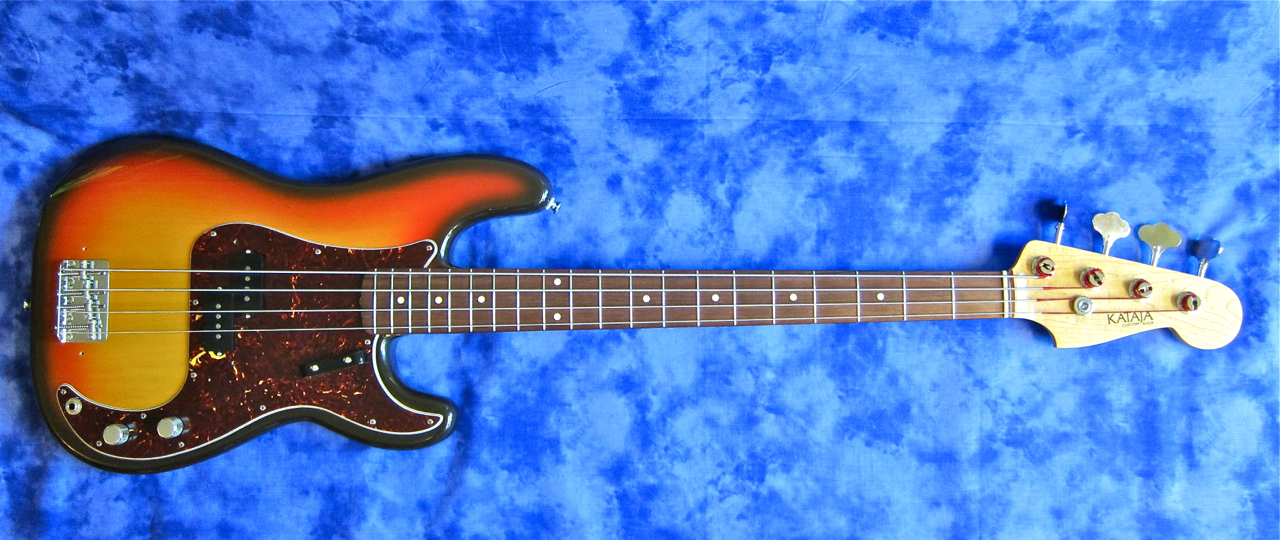
Ari Kataja’s version of a P-bass…

…a model based on a 1960 Jazz…

…as well as a ca 1962/63 Jazz Bass -based bass (current prices in Finland start from 1,920 €, incl gigbag).
****

Kataja Custom basses are crafted in Finland – start to finish. Even though there is quite a number of so-called custom builders, who use pre-fabricated bodies and necks as their basic ingredients, this is not the way for Mr Kataja. His instruments start life as wood blanks, carefully dried to a correct moisture content.
Shared features among the three review basses are bodies crafted from alder and maple necks sporting rosewood fingerboards.

Ari Kataja is also a stickler for period-correct parts and hardware. Take the tortie ’guard on the white 1960 J-model, for example, which is a special item using vintage-style celluloid for its top layer.

All three models have been finished using a modern type of nitrocellulose lacquer. The resulting finish is very thin and hard, protecting the wood, but not inhibiting the instruments’ vibrations.

The P-model’s headstock comes finished in clear lacquer…
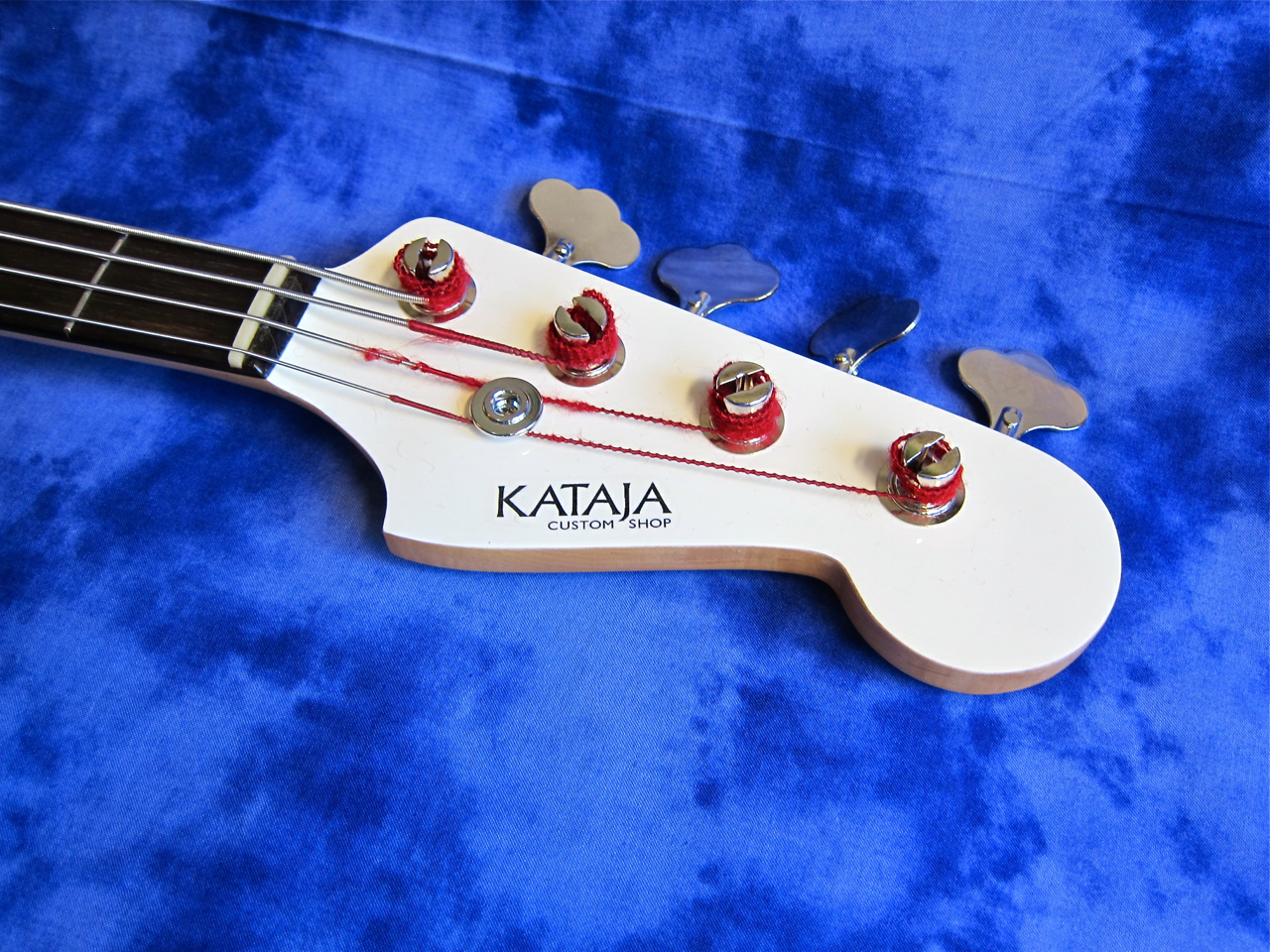
…while both of the J-models on review here…

…sport colour finishes, matching their bodies.

The tuning machines are modern reproduction of the reverse-action Klusons from the 1950’s and 60s. The keys still have to be turned the ”wrong” way around, compared to modern machine heads, but the tuning ratio is finer on these improved vintage reissues.
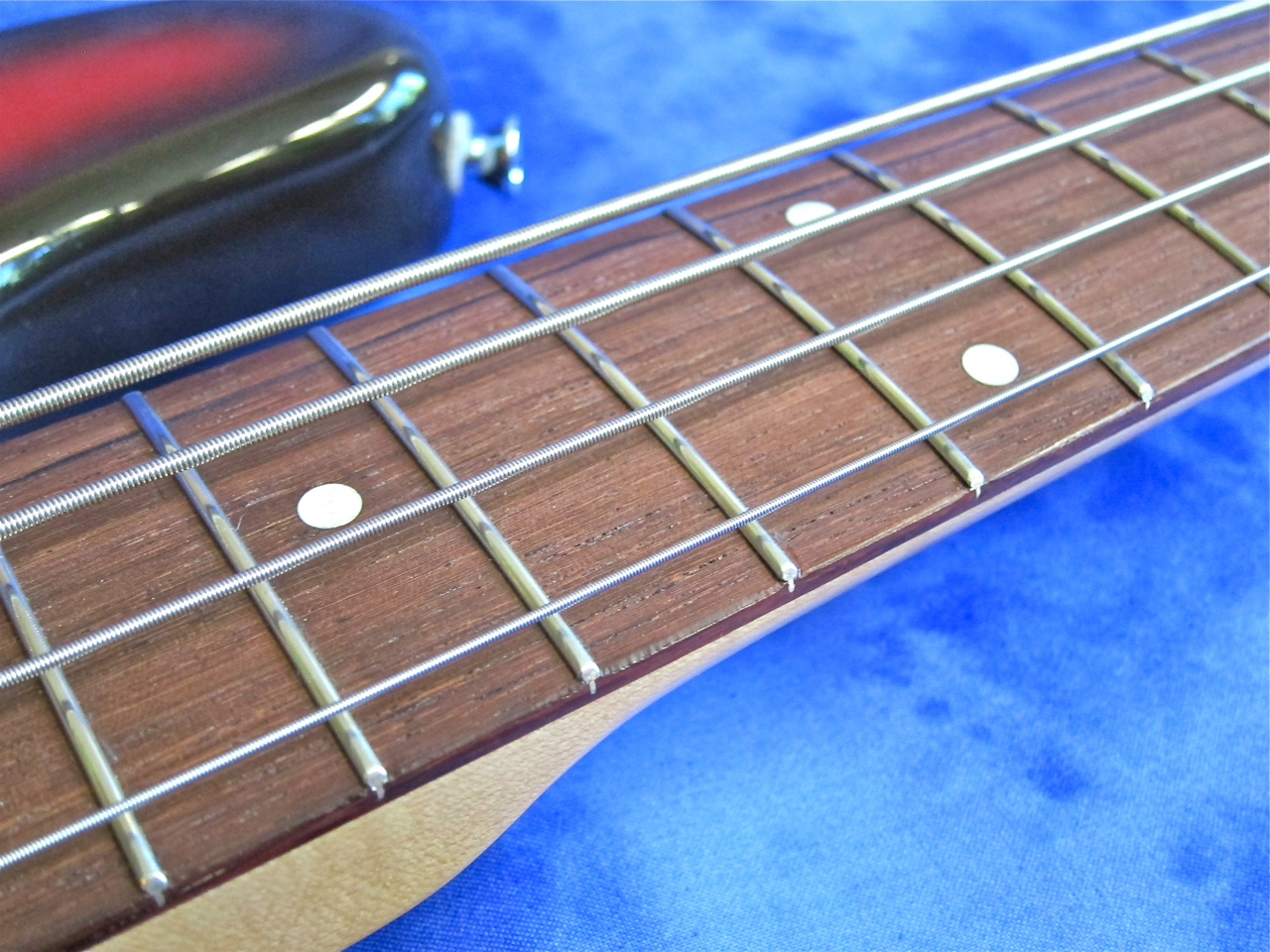
The review basses sport gorgeous Madagascar rosewood fingerboards.

The white 60 J comes with small vintage-sized frets…

…while the P-model and the 62 J both come equipped with medium-sized frets.
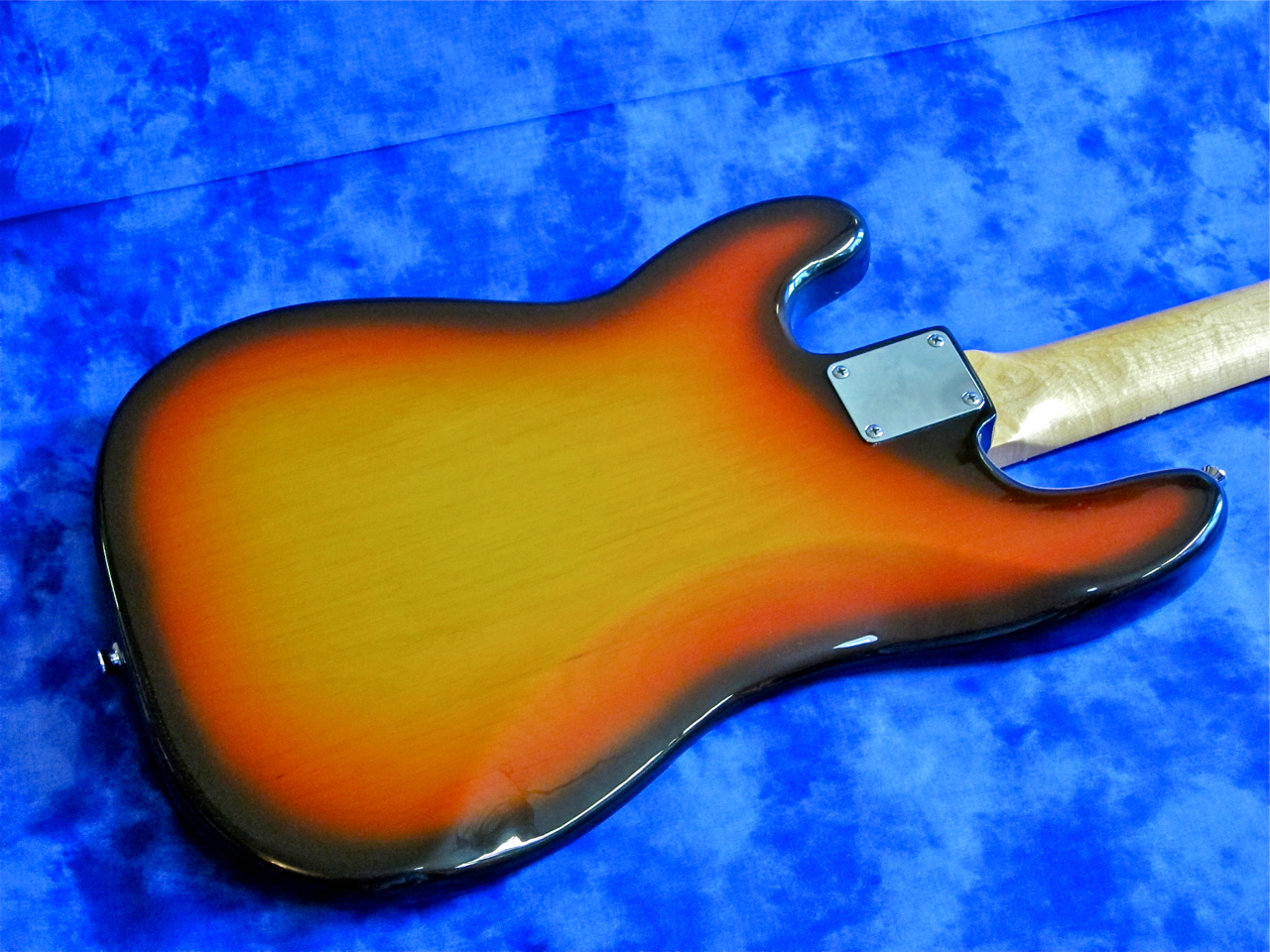


The neck joints are traditional. Following a late-50s/early-60s pattern, all basses have deep contouring for added comfort.

All three instruments come with a period-correct vintage bridge with threaded bridge saddles. This makes it possible to set the distance between the strings simply by lifting each string from one ”groove” to another.
****

The Kataja 60 P and 60 J have pickups loaded with 0,195″-diameter (4,95 mm) alnico magnets with bevelled tips.

The bevelling was used to prevent the magnets from chipping the vulcanised fibreboard coil formers, when the magnets were tapped through their holes.

The guitar boom of the 1960s made it paramount to increase production numbers and production efficiency. One step was bringing down the diameter of the pickup magnets marginally to 0,187″ (4,75 mm). The slightly slimmer magnets were easier to get through the fibreboard coil formers, which made the bevelling unnecessary. Thrue to style, Kataja’s 62 J model uses this type of magnet in its pickups.
There are also other differences between the pickups that aren’t easy to spot: The P and 60 J models’ pickups are wound with the period-correct Heavy Formvar -wire, while the blue Kataja’s pickups use the Plain Enamel -variety. Also, the fibreboard coil formers are coloured differently, according to the bass’ respective ”vintage”.

The white J-type features two stacked, concentric controls, with the silver top being each pickup’s volume control, and the lower ”ring” being the pickup’s own tone roll-off.

This set-up was changed in 1962 to the control lay-out we all know and love so well – separate volumes, one per pickup, with a shared master tone control.
****
These three basses by the Kataja Custom Shop are amazing, top-drawer instruments, designed for the vintage fanatic. The workmanship on display is first-rate, and the way with which Ari Kataja is able to zone in on each minute detail says a lot about this craftsman’s dedication and passion.
As is implied in the name, a Custom Shop’s forte is the flexibility with which it can accommodate a customer’s special wishes into the finished instrument. In the case of these three basses, Mr Kataja fattend up the neck profiles a little bit to his own preference.
The Kataja basses play like a dream and sound fantastic.
I recorded the following soundbites direct, using a Sans Amp Bass Driver DI plugged into a Focusrite Saffire 6 USB -soundcard. Each style has been recorded with one set of Sans Amp settings, taking care to keep the differences between each bass in terms of output level and sound intact. With the J-types each bass line is first played using only the neck pickup, then repeated with both pickups on full, and lastly recorded via the bridge unit on its own.
……
……
****
As you can clearly hear, the Kataja-basses deliver great, vintage tones. The pickups vintage-style medium output only helps in achieving the clear and dynamic tones the originals of yore are so famous for.
In light of the offered build quality and the tasty tones on tap, Kataja’s pricing can only be seen as truly affordable.
If you’re on the lookout for an investment-grade, vintage-style bass, you should definitely try one of Kataja Custom Shop’s creations!
****
Kataja Custom Shop – vintage-style basses
current prices in Finland start from 1,920 €, incl gigbag
Contact: Kataja Guitars
Pros:
+ Made in Finland
+ workmanship
+ playability
+ sound
+ Kataja-pickups
+ satin finishes necks on review samples
+ fair price
****
****
Ari Katajan vetämä Kataja Custom Shop on Tamperelainen paja, joka on tähän mennessä keskittynyt rakentamaan yksilöllisiä soittimia asiakkaiden toiveiden mukaan (korjaus- ja kustomointipalvelujen ohella).
Kataja Guitars on hiljattain ruvennut tuottamaan vahvasti Fender-henkisiä bassomalleja piensarjassa, joista muutama oli esillä myös tämän vuoden Bassopäivällä.
Kitarablogi.com tarttui heti tilaisuuteen ja pyysi kolme bassoa testiin:
Ari Katajan näkemys vuoden 1960 P-bassosta…
…varhaiseen, vuoden 1960 Jazz-bassoon perustuva soitin…
… sekä 1962/63 Jazz-bassoon pohjautuva malli (hinnat alk. 1.920 €, sis. gigbag).
****
Kataja Custom -bassot ovat kokonaan aitoa suomalaista käsityötä. Vaikka maailma on pullollaan Fender-mittoihin tehtyjä kauloja ja runkoja, veistetään Kataja-soittimet täydellisen laadun varmistamiseksi aina kokonaan itse, monta vuotta rauhassa kuivuneista puulankuista.
Kolmen testibasson rungot ovat leppää ja kaulat vaahteraa.
Ari Kataja on myös todella tarkka muista käyttämistään osista. Esimerkiksi kilpikonnakuvioiset pleksit ovat erikoisvalmisteisia, joissa käytetään päällimmäisessä kerroksessa alkuperäistä selluloidi-materiaalia.
Kaikki kolme mallia on lakattu alkydivahvistetulla nitroseluloosalakalla, mikä mahdollistaa erittäin ohuen, mutta samalla kovan maalipinnan, joka ei vaimenna puun värähtelyä.
Bassojen viritinlavoilla on klassinen muotoilu. P-tyylisessä bassossa lavan etupuoli on viimeistelty värittömällä lakalla…
…kun taas testin J-tyylisissä soittimissa…
…lavoissa toistuu rungon väri.
Virittimet ovat nykyaikaisia versioita alkuperäisistä Kluson-koneistoista: virittäminen toimii edelleen ”väärinpäin” — ylöspäin mennään myötä- ja alas vastapäivään – mutta välityssuhde on nykyään isompi, mikä helpottaa hienovirittämistä.
Testisoittimissa otelautoihin on käytetty kaunista ja kovaa Madagaskarin palisanteria.
Valkoiseen 60 J -bassoon on asennettu vintage-kokoiset bassonauhat…
…kun taas P-tyylisessa ja metallinsinisessä 62 J -mallissa on käytetty keskikokoista nauhaa.
Kaulan kiinnitys on perinteinen. Sähköbassojen mukavuusviisteet ovat varhaisen 1960-luvun tapaan todella syviä, ja niiden ansiosta bassot istuvat erittäin mukavasti soittajan kehoa vasten.
Kaikissa malleissa on käytetty samaa 50/60-lukujen taitteesta peräisin olevaa tallamallia, jossa tallapalat on tehty kierretangosta. Tämän tallan etu on, että kielten välistä etäisyyttä pystyy säätämään nostamalla kieli viereiseen ”uraan”.
****
Sekä Kataja 60 P- että 60 J -mallissa käytetään Kataja-mikrofoneissa alnico-magneetteja, joiden läpimitta on 0,195 tuumaa (4,95 mm), ja joiden päitä on hieman viistoitettu.
Viistoitukset auttoivat estämään kuitulevyen vaurioittuminen, silloin kun magneetit taputettiin kelarungon reikien läpi mikrofonin rakentamisen alkuvaiheessa.
1960-luvun kitara- ja bändibuumi kuitenkin johti tuotantomäärien räjähdysmäiseen nousuun, minkä takia yhden soittimen rakentamiseen tarvittu aika piti saada lyhyemmäksi. Yksi rationalisaation askel oli hieman ohuempien magneettien käyttö mikrofoneissa. Uusi koko oli läpimittoiltaan 0,187 tuumaa (4,75 mm), ja se meni samoista rei’istä helpommin läpi, minkä ansiosta magneettien hiominen putosi työvaiheena pois. Kataja 62 J -bassossa käytetään tyylinmukaisesti juuri tällaisia magneetteja yksikelaisissa Kataja-mikrofoneissa.
Testisoittimien mikrofoneissa on myös toisenlaisia eroja, joita ei huomaa avaamatta niitä: P-tyylisessä bassossa ja 60 J -mallissa käytetään ajanjakson mukaisesti Heavy Formvar -nimistä käämilankaa, kun taas sinisessä Katajassa käämilanka on Plain Enamel -laatua. Myös magneettien pituuksissa ja kelarunkojen väreissä on eroja bassojen ”vuosikertojen” mukaisesti.
Valkoisessa J-tyylisessä soittimessa on tuplapotikat, joista päällimmäinen nuppi on mikrofonin volyymisäädin ja musta levy sen alla mikrofonin oma tone-säädin.
Vuonna 1962 elektroniikka muutettiin meille kaikille tutuksi Jazz Bass -asetelmaksi – kummallekin mikrofonille on oma volume-säätimensä ja kolmas säädin on yhteinen master tone.
****
Kataja Custom Shopin kolme bassoa ovat laatusoittimia isolla L:llä, jotka lämmittävät jokaisen perinnebassojen ystävän sydäntä. Työnjälki on ensiluokkaista, ja Ari Katajan into hienovirittää myös bassojensa pienimpiä yksityiskohtia juuri oikeanlaisiksi kertoo paljon tämän kitararakentajan omistautumisesta aihepiiriin.
Custom-pajan suuri etu on, että jokaista soitinta pystyy tarvittaessa myös muokkaamaan asiakkaan pyyntöjen mukaisesti. Testikolmikon kohdalla Kataja suunnitteli bassot juuri itselleen sopiviksi, minkä vuoksi kaikkien kolmen basson kaulaprofiili on alkuperäistä aavistuksen verran tuhdimpi.
Kataja-bassojen soitettavuus on ensiluokkainen, samoin niiden soundi.
Äänitin seuraavat esimerkkipätkät Sans Amp Bass Driver DI -boksin ja Focusrite Saffire 6 USB -äänikortin kautta suoraan Garagebandiin. Jokaisen soittotyyli-ryhmän pätkät on äänitetty ja miksattu keskenään samoilla säädöillä, bassojen välisiä soundieroja säilymällä. J-tyylisillä bassoilla sama kuvio soitetaan aina ensin kaulamikrofonilla, minkä jälkeen kuvio toistetaan molemmilla mikrofonilla poimitettuna, ja lopuksi soi tallamikrofoni yksin.
……
……
****
Kuten jokainen voi klipeistä kuulla, Kataja-bassojen soundi on loistava ja perinteille uskollinen. Mikrofonien teho pysyy vintage-tyylisesti hyvin maltillisena, mikä on, oikeiden magneettien ja käämilangan ohella, omiaan antamaan soittimille esimerkkillisen avoimen ja dynaamisen soundin.
Laaduiltaan nämä soittimet ovat ainakin ison F:n Custom Shopin tasolla, mutta niiden hinta on selvästi amerikkalais-serkkujaan alhaisempi.
Jos etsit sitä ultimatiivista vintage-tyylistä soitinta, kannattaa mielestäni ilman muuta tutustua Kataja Custom -soittimiin!
****
Kataja Custom Shop – Vintage-tyyliset bassot
hinnat alk. 1.920 €, sis. gigbag
Lisätiedot: Kataja Guitars
Plussat:
+ Made in Finland
+ työnjälki
+ soitettavuus
+ soundi
+ valmistajan omia mikrofoneja
+ testisoittimien kauloissa mattaviimeistely
+ hinta-laatu-suhde
****


AJB-55BB? Is this bass Tokai’s Big Brother -special edition? No!
The BB stands for ”big blocks”.
****

The Tokai AJB-55BB is a special edition run of the company’s Jazz Bass -inspired model with block inlays instead of the usual small dots. Finnish importer Musamaailma has equipped the test sample with a pair of Seymour Duncan Basslines SJB-3s, which promise a hotter-than-vintage output. As supplied, the whole package would set you back about 888 € here in Finland.
This Japanese bass is a streamlined beauty with a maple fingerboard and a tortie-type scratchplate (sometimes this model also comes with a three-ply black pickguard).

Even though the large block inlays invoke a Seventies-look, the Tokai’s deep body chamfers talke you back all the way to the Sixties-period Fender Jazz.

Tokai uses Gotoh-tuners with smaller diameter tuning posts on the AJB-55BB, compared to the usual Kluson- or Schaller-types on many other basses of this type.
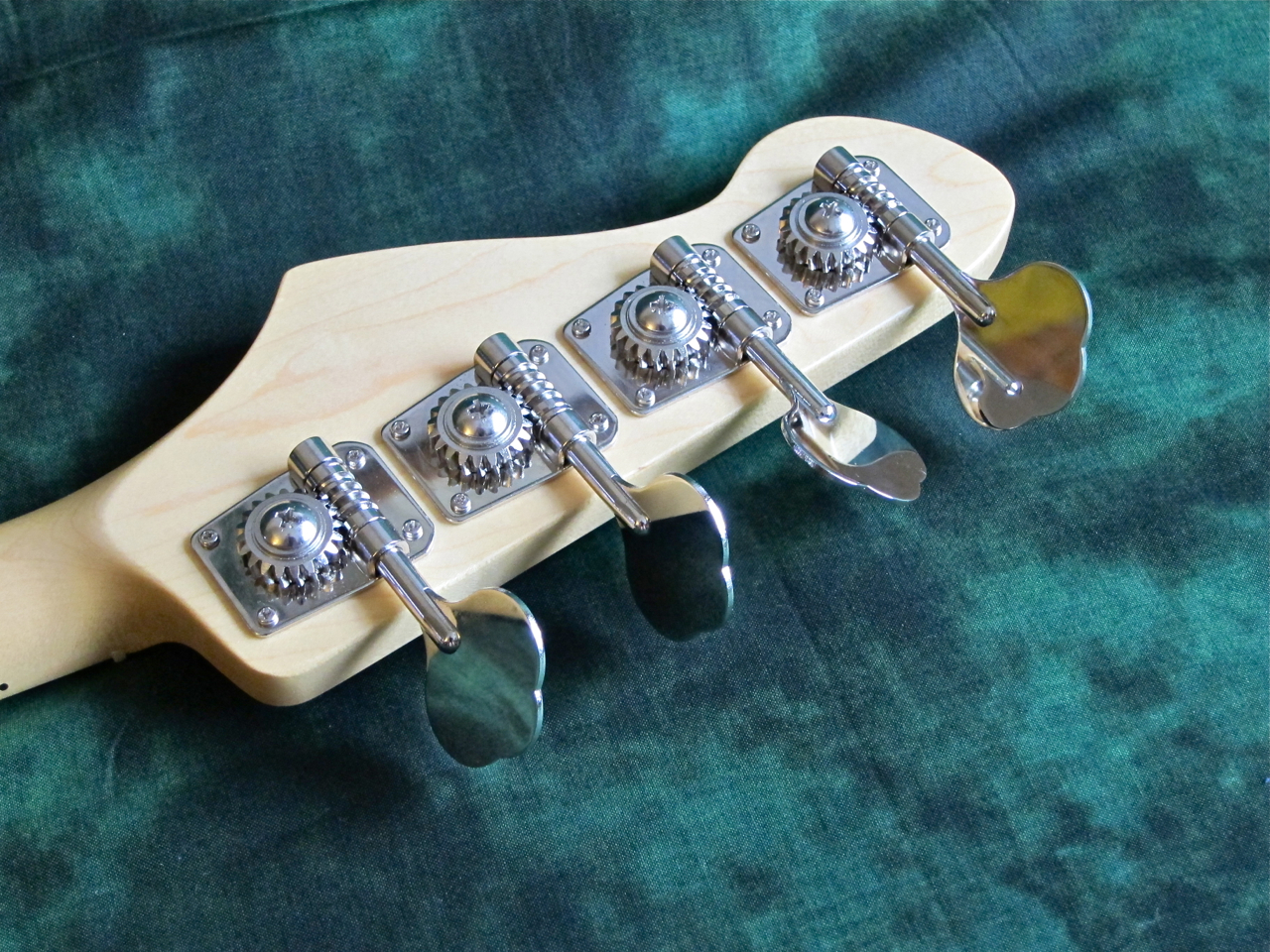
Slimmer tuning posts, as well as smaller base plates, translate into less weight on the headstock – which is great for the instrument’s overall balance.

The whole of the neck – fingerboard and all – has been finished in a super-smooth clear satin finish. The fretwork as well as the workmanship on the inlays is exemplary. The AJB-55BB sports 20 medium-sized frets.

The test sample’s sturdy and tight neck joint is executed in traditional fashion, employing four wood screws and a steel neck plate.
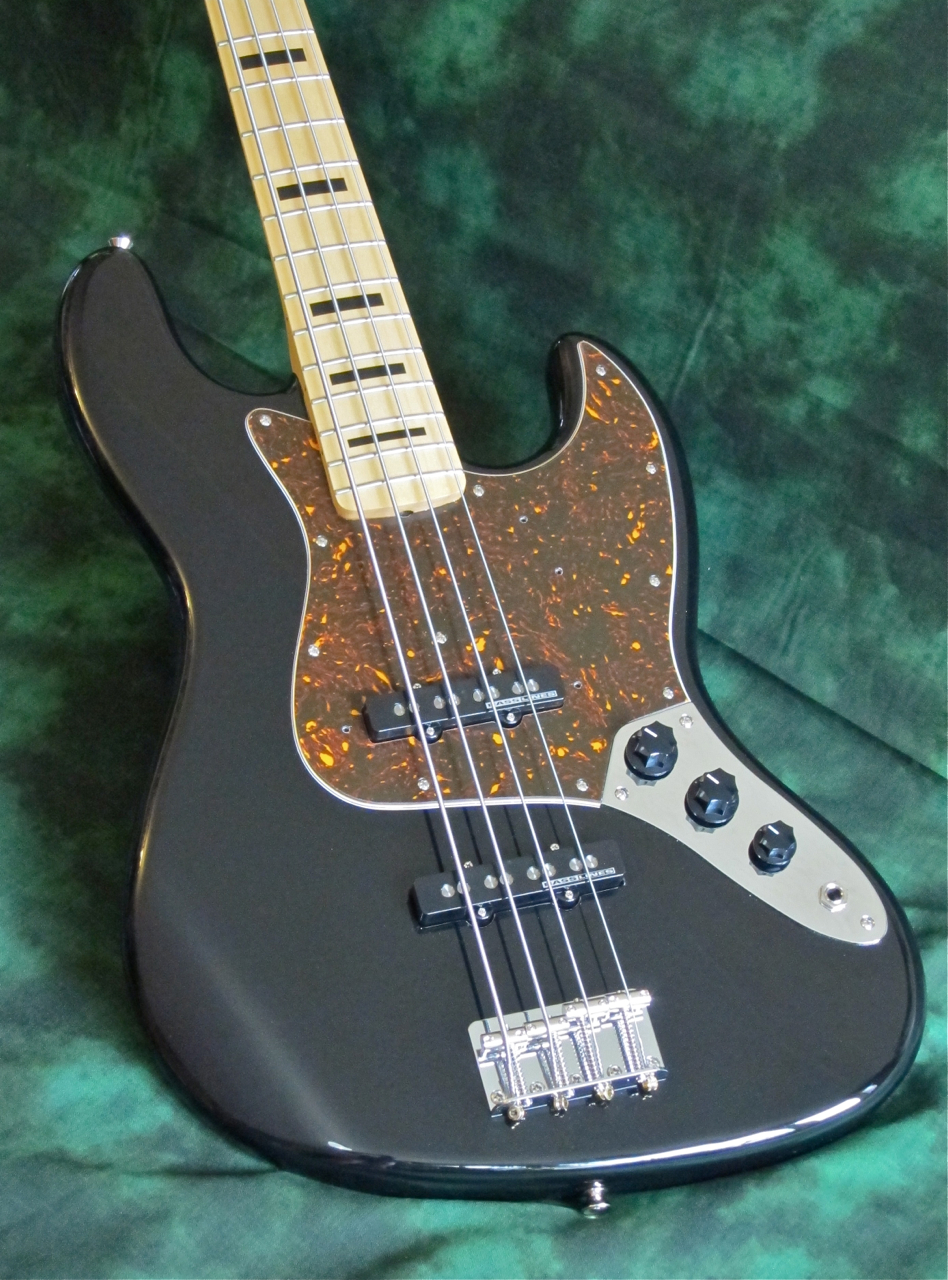
The Tokai AJB-55BB leaves the factory with the company’s own, high-quality 60s-type MK2-pickups.

As already mentioned before, this bass has been customised by Musamaailma with two Basslines SJB-3 -pickups, which are also known as Quarter Pounds for Jazz Bass, as their polepieces have a diameter of a quarter of an inch. The polepieces are left inside the pickup covers on purpose, to avoid the unpleasant noises made by the strings hitting the polepieces.
For some reason the test bass’ neck pickup was contained in a (slightly wider) bridge pickup cover, which is why the holes in the cover don’t correlate exactly with the polepiece positions. But this is really only a small cosmetic glitch, which doesn’t affect the bass’ playability or amplified performance in any way.

The Tokai AJB-55BB’s passive controls follow tradition offering two volume controls (one per pickup) and a shared master tone control.

Japanese quality-parts and clean soldering – what more can one ask for?

The AJB’s bridge is Gotoh’s copy of a 70s Fender bass bridge – simple, yet toneful.
For some reason Tokai have chosen to place the bridge in the same position it was on Fender’s 1970s originals, meaning about 3 mm further from the neck as on 60s examples. With normal string gauges this placement often results in the bridge saddles sitting near the tip of the intonation screws. In extreme cases the intonation screw (especially on the g-string) may work itself loose, and fall off in the middle of a performance, leaving the bassist red-faced. The current set-up works OK, but I’d rather see a Sixties-style bridge placement on Tokai-basses in the future.
****
Many players feel that the Jazz Bass – as well as the basses it inspired – is the best of the classic designs. The reasons for this are its excellent balance, its narrow and tapered neck, as well as the versatility of its singlecoil pickups.
The Tokai AJB-55BB nails these features to a tee: It is a winner in the ergonomics stakes and sounds great.
I have to admit, I was a bit sceptical concerning hot pickups, but the Duncan Quarter Pounds are really doing it for me. These Basslines pickups offer plenty of dynamics and don’t take away anything from the bass’ inherent tonal character. The SJB-3s take the vintage Jazz Bass tone and remaster it for today’s bassist – the bass sounds louder, bigger and even better.
****
Tokai AJB-55BB + Basslines SJB-3
Current price in Finland: 888 €
Finnish distributor: Musamaailma
Pros:
+ value-for-money
+ workmanship
+ playability
+ sound
Cons:
– bridge placement
– neck pickup’s cover (see text)
****
AJB-55BB? Onko kyse Tokain Big Brother -erikoispainoksesta? Ei!
Mallitunnuksen BB-lyhenne tulee englannikielisistä sanoista ”big blocks”.
****
Tällä kertaa testissä oleva Tokai AJB-55BB on erikoispainos firman Jazz-basson johdannaisesta, jolla on tavallisten, pistemäisten otemerkkien sijaan isokokoisia neliskulmaisia upotuksia otelaudassa. Testiä varten Musamaailma on vaihtanut mikrofonit Seymour Duncan Basslines SJB-3-malleihin, jotka lupaavat vintagea kuumempaa signaalitasoa. Koko komeuden hinta on noin 888 €.
Japanissa valmistettu sähköbasso on sulavalinjainen kaunotar vaahteraotelaudalla ja kilpikonna-kuvioisella pleksillä (tuotantoerästä riippuen käytetään joissakin yksilöissä myös kolmikerroksista mustaa pleksiä).
Vaikka basson etupuoli näyttääkin suoraan 1970-luvulta poimitulta, ovat AJB-55BB:n mukava paino sekä rungon erittäin syvät viistokset nyökkäys kuuskytluvun Fender-klassikkoiden suuntaan.
Tokai käyttää tässä mallissa Gotohin laatuvirittimia, joiden tapit ovat läpimitaltaan hieman pienemmät kuin perinteiset Kluson- tai Schaller-vastineet.
Solakampien viritintappien sekä pienempien pohjalevyjen ansiosta virittimien paino kevenee, mikä parantaa AJB-55BB:n tasapainoa.
Koko kaula on viimeistelty erittäin ohuella mattalakalla – myös Tokain vaahteraotelauta. Sekä upoukset otelaudassa että nauhoitus näyttää esimerkillisen siistiltä. AJB-55BB:n otelauta tarjoaa 20 keskikokoista nauhaa.
Vaahterakaula on liitetty basson leppärunkoon perinteisesti neljällä puuruuvilla ja metallisella aluslevyllä. Testiyksilössä liitos oli erittäin tarkka ja luja.
Tavallisesti AJB-55BB:hen kuuluvat Tokai JB-Vintage MK2 -mikrofonit, jotka ovat firman laadukkaat versiot 1960-luvun Jazz-basso mikeistä.
Kuten mainitsin jo jutun alussa, testiyksilöön on asennettu maahantuojan toimesta Basslines SJB-3 -mikkejä, jotka tunnetaan myös nimellä Quarter Pound. Mikrofonien suurikokoiset napapalat – niiden läpimitta on tasan 0,25 tuumaa (engl. quarter inch) – on jätetty tahallaan mikrofonikuorien sisään. Näin kielet eivät osu soitettaessa niihin, mikä muuten aiheuttaisi ikäviä ja kovaäänisiä naksahduksia vahvistimesta.
Jostain syystä testibasson kaulamikrofoni oli upotettu tallamikrofonille tarkoitettuun mikrofonikuoreen, minkä takia napapalat ja kuoreessa olevat reiät eivät kohtaa sataprosenttisesti. Tämä on pikkuinen kosmettinen lipsahdus, joka ei vaikuta millään tavalla soittimen soundiin tai soitettavuuteen.
Tokai AJB-55BB:n elektroniikka on perinteiden mukainen – siis: passiivi – ja se tarjoaa kaksi volumea (yksi per mikrofoni) sekä yhden master tonen.
Japanilaisia laatuosia ja siistiä juotostyötä – Tokai tarjoaa iloa sekä silmille että korville.
AJB:n talla on Gotohin versio 1970-luvun Fender-tallasta – yksinkertainen, mutta erittäin toimiva.
Tokai on asentanut tallan samaan kohtaan kuin missä se oli 70-luvun Fendereissä, mikä on noin kolme millimetriä kauemmas kaulasta, jos verrataan klassikkomallin 60-luvun yksilöihin. Tämän takia talla tarjoaa tavallisella kielisatsilla vain melko vähän säätövaraa eteenpäin (kaulaa kohti), koska tallapalat istuvat ihan säätöruuvien kärjillä. Ääritapauksissa tämä voi johtaa siihen, että (etenkin g-kielen) intonaation säätöruuvi irtoaa ajan myötä itsestään tallapalasta ja putoaa pois kesken soiton noloin seurauksin. Tokailla olisi tässä mielestäni hieman parantamisen varaa.
****
Monien mielestä Jazz-basso – ja sen johdannaiset – on kaikista klassikkobassoista se mukavin vaihtoehto. Syyt tähän ovat soittimen erinomainen tasapaino, kaulan kapea ja pyöreä profiili, sekä basson kahden yksikelaisten tuoma soundillinen monipuolisuus.
Tokai AJB-55BB on erinomainen tulkinta tästä teemasta: basso istuu kun nakutettu, kaula tuntuu erittäin nopealta ja tutulta, ja sen soundi…
Täytyy myöntää, että olen tavallisesti hieman skeptinen ”kuumien” mikrofonien suhteen, mutta Duncanin Quarter Poundit kyllä räjäyttävät potin. Nämä Basslines-mikit eivät kavenna soittimen dynamiikkaa lainkaan, vaan basson luonnollinen ääni pysyy mallikkaasti ennallaan ja sen karakteeri säilyy. SJB-3-mallin lähtökohta on se perinteinen klassikkosoundi, jonka mikki ikäänkuin remasteroi tätä päivää varten – lopputulos on äänekkäämpi, isompi ja vielä entistäkin herkullisempi.
****
Tokai AJB-55BB + Basslines SJB-3 -mikkisetti
888 €
Maahantuoja: Musamaailma
Plussat:
+ hinta-laatu-suhde
+ työnjälki
+ soitettavuus
+ soundi
Miinukset:
– tallan sijainti
– kaulamikin kuori (kts. teksti)
****

Warwickin Jack Bruce Survivor yhdistää vanhan Gibson EB-3 -basson rungon pitkäskaalaiseen Warwick-kaulaan. Nimikkomallissa on kaksi yksikelaista mikrofonia, sekä MEC:n etuvahvistin kaksialueisella EQ:lla.


Maahantuoja: Musamaailma


Here are a few soundbites of a 2004 Made-in-Korea Epiphone Thunderbird IV recorded direct via a Focusrite Saffire 6 USB -interface into Apple Garageband:
Each soundbite starts with the neck pickup, continues with both pickups on, and ends with the bridge unit on its own.
****

The Gibson Thunderbird is a raunchily-voiced classic bass from the 1960s, even though its design isn’t really the most ergonomic. The ”reverse” body and the resulting long neck sends the T’Bird nosediving the second you let go of its neck.
Schecter’s R&D-team set about to design a bass, which would offer all the sound of said Gibson-classic, but would also feature a much better strapped-on balance. Following this brief they came up with a beauty, called the Schecter Ultra Bass.
****
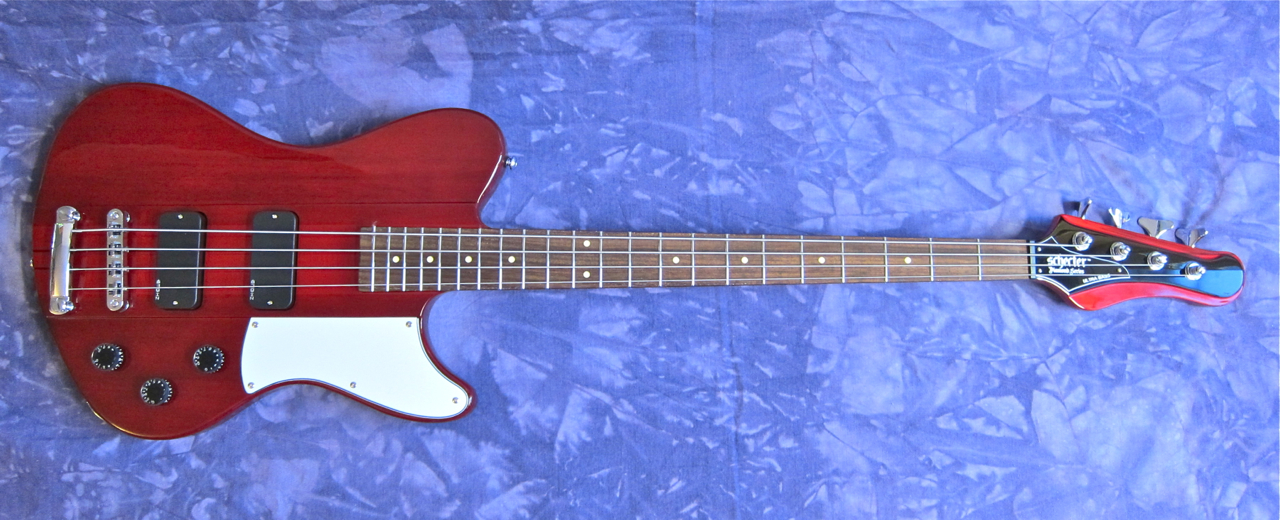

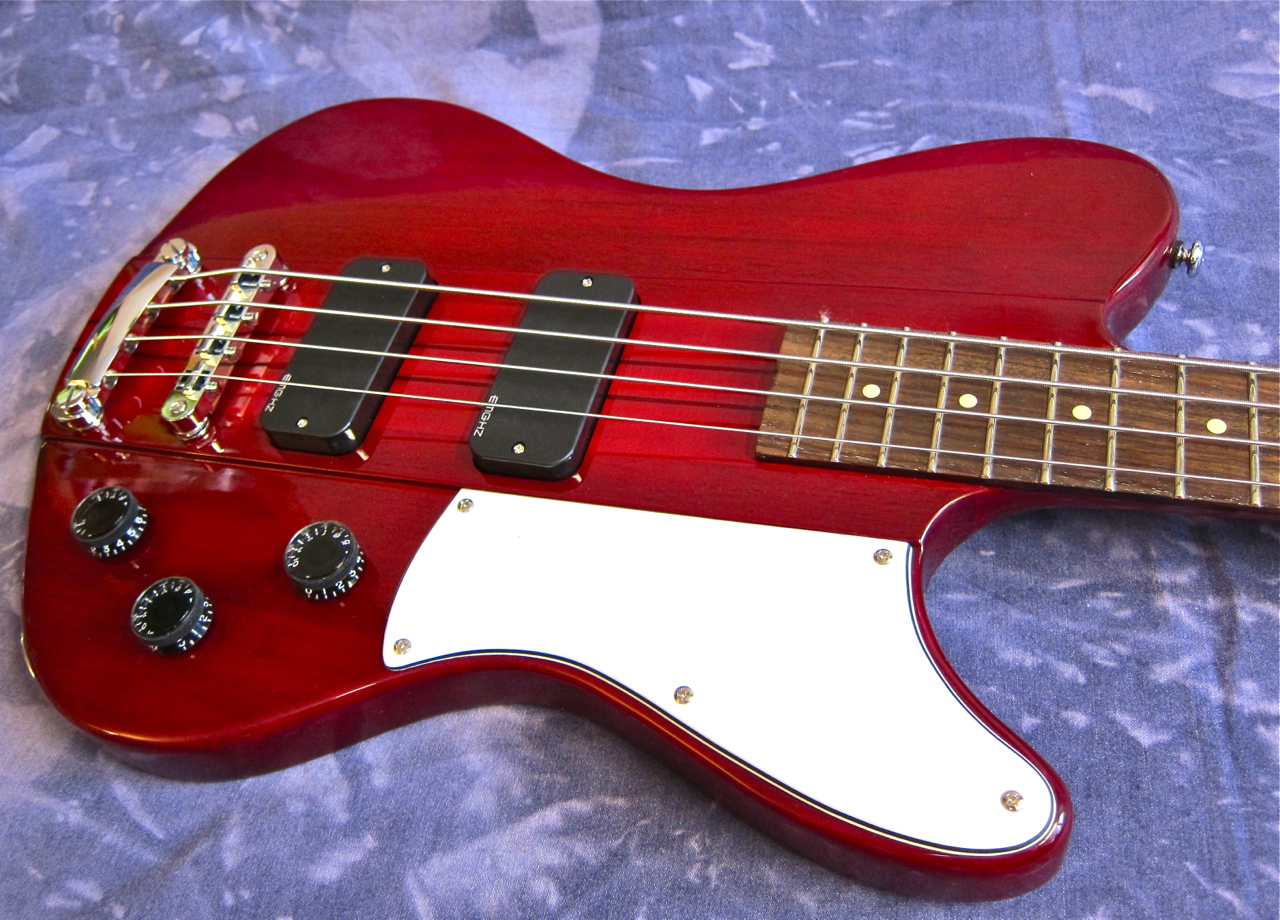
The Schecter Ultra Bass (current street price in Finland: 865 €), which is part of the company’s mid-priced Diamond-range, is a long-scale bass equipped with passive electronics.
The Ultra is by no means a straight T’Bird-copy, blending successfully the body’s Gibson-type treble side to a Telecaster-style bass side. The end result pleases the eye, sits comfortably in the lap, and balances rather nicely strapped-on, because the top strap button is now noticeably closer to the headstock, compared to said classic from the Sixties.
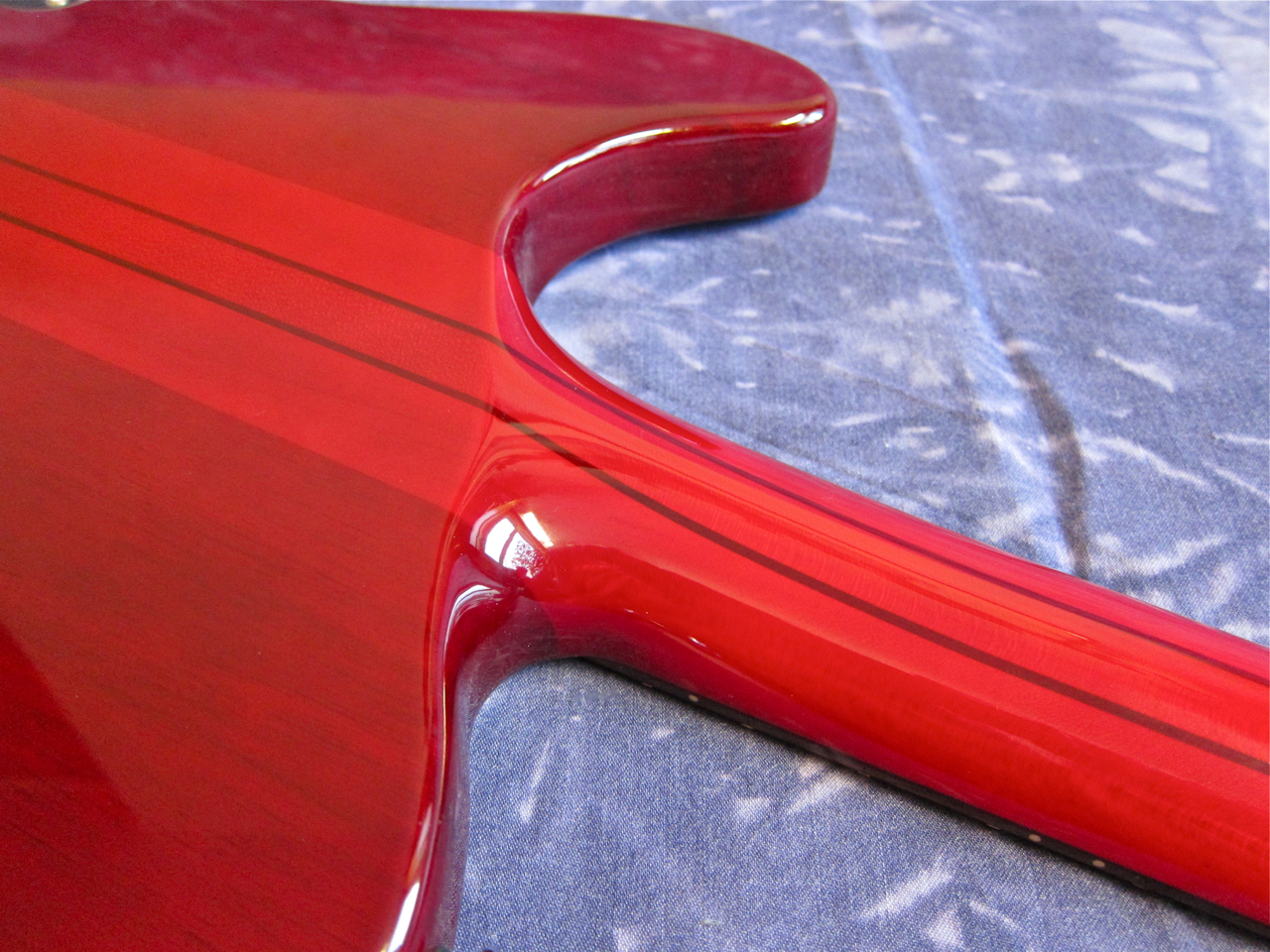
From a sonic standpoint the through-neck-construction is vital – Schecter uses three long strips of hard rock maple set off nicely by two thinner strips of walnut.
The body wings are crafted from mahogany. The front of the body sports the characteristic step between the wings and the middle formed by the through-neck, while the Ultra Bass’ flip side has been left level for added comfort.
****


Schecter have chosen smooth Grover-tuners for their Ultra Bass, which feature a ratio of 18:1.
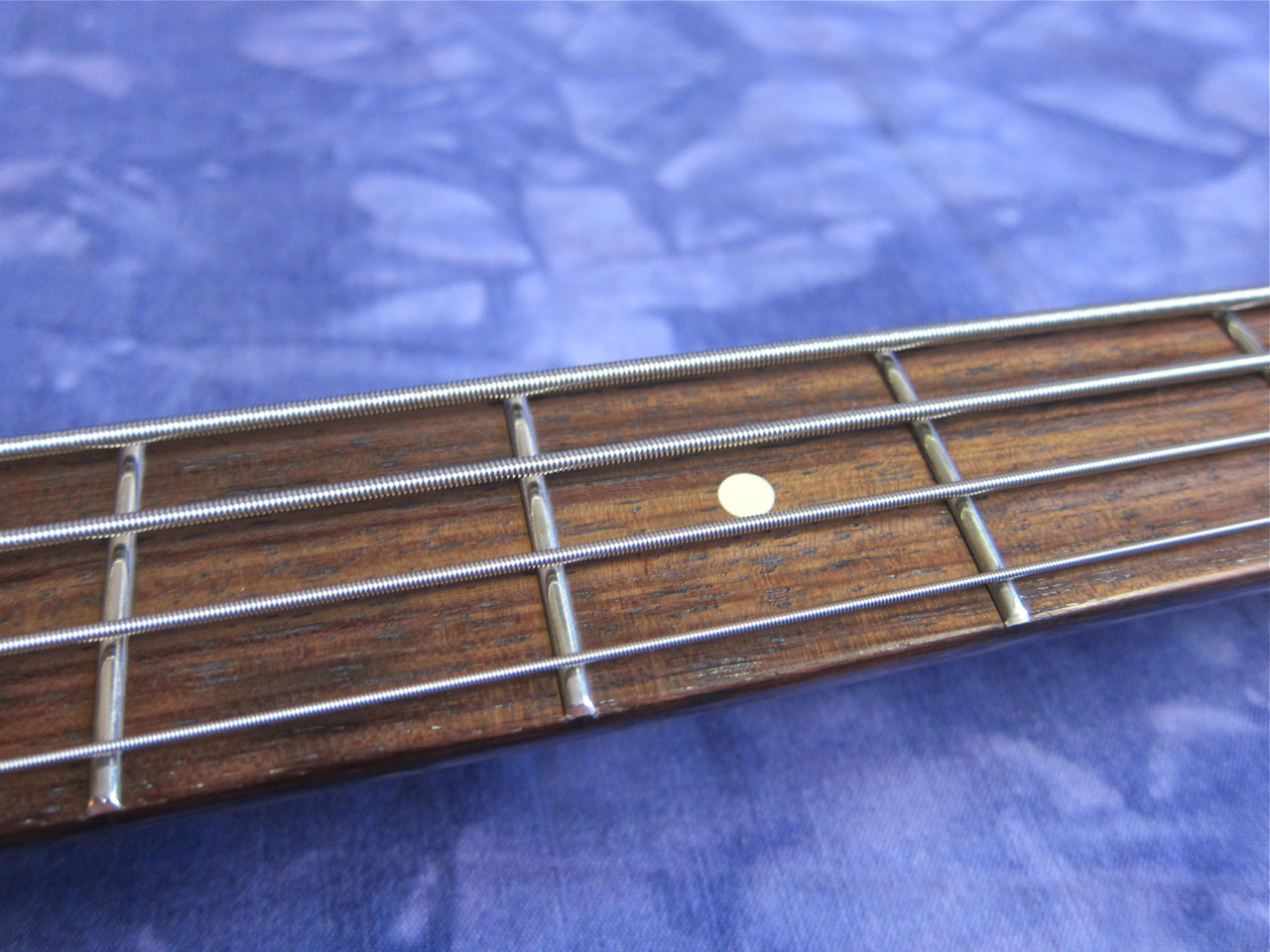
Our test sample’s beautiful rosewood fretboard has been adorned with cream-coloured dot inlays. The well-seated frets are of medium size.
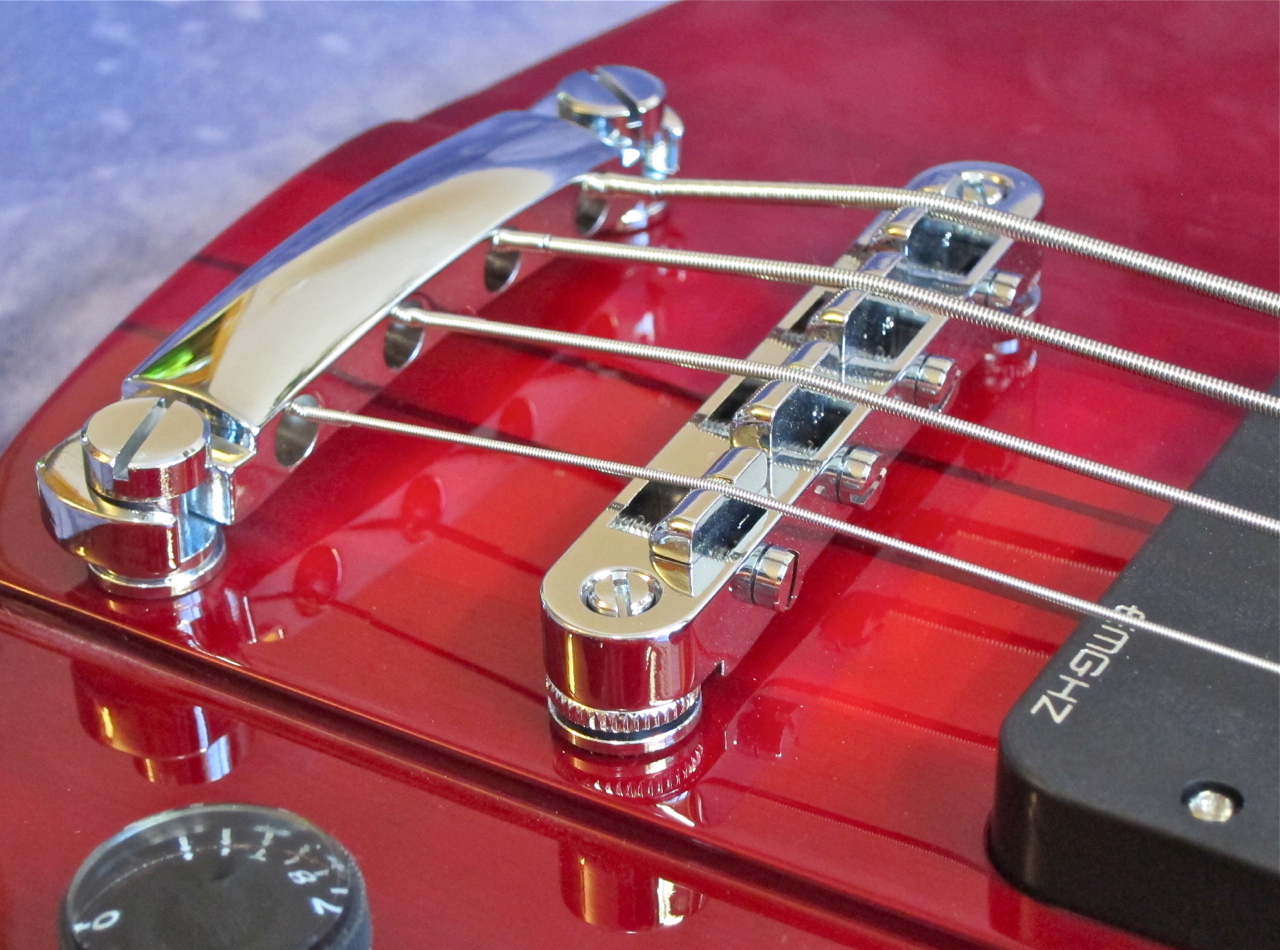
A sturdy tune-o-matic and stopbar combination is a very stylish choice, fully in line with this bass’ fine looks.
****

EMG’s passive TBHZ-humbuckers are direct replacements for Thunderbird-type basses, so we can fully expect them to deliver the desired sonic goods.

The Schecter sports two separate volume knobs – one for each pickup – as well as a master tone. The output jack sits safely on its own metal plate on the rim of the body.

The Ultra’s tidy build and quality workmanship are carried along into the control cavity, which reveals three high-quality pots and neat shielding.
****
The Schecter Ultra Bass handles much easier and much calmer than the Gibson-classic, which served as its inspiration. Balance really isn’t an issue here at all, and it’s easy to find a comfortable playing position.
The Schecter’s neck profile is a slim and tapered ”C”, not miles away from a 1970s Fender Jazz. Thanks to the clean workmanship and nice set-up on our test sample the touch is light and the bass plays well.
Most importantly, though, the Ultra Bass has the characteristic growl in spades. The bottom end is fat, the mid-range slightly smokey and hoarse, and this scrumptious dish is topped of with the top-end’s silky sheen.
Just like the Thunderbird, Schecter’s Ultra Bass is simply made for Rock and heavier styles: Played with a pick, the attack punches a sizable hole into any guitar stack wall. The overall sound also takes well to a bit of overdrive, regardless of whether you’re playing with a pleck or fingerstyle.
Here are some soundbites; it’s alway the neck pickup first, then both pickups, with the bridge humbucker played on its own last in line:
Ultra Bass – fingerstyle with a light crunch
Ultra Bass – plectrum with some effects
Schecter is really dishing out the goods with their Ultra-model – finally, here’s a worthy update of the T’Bird-theme. It sounds fantastic, feels great, and offers very high value for a very fair price.
****
Schecter Ultra Bass
Current street price in Finland: 865 €
Finnish Distributor: Soundtools
****
Pros:
+ value-for-money
+ neck profile
+ strapped-on balance
+ workmanship
+ sound
****
****


My Chemical Romance -bändin bassisti Mikey Way on saanut oman nimikkomallinsa Squierilta.
Squier Mikey Way Mustang -basso perustuu lyhytmensuuriseen 1960-luvun Fender-klassikkoon. Tavallisesta poikkeava Silver Sparkle -viimeistely mustilla Competition-raidoillaan, sekä passiivinen humbucker-mikrofoni ovat tämän nimikkomallin tunnusmerkkejä.
 Kitarablogi.com – Finland's premier Guitar and Bass blog