
Lisätiedot: Roland
Kitarablogi.com – Finland's premier Guitar and Bass blog
Juttuja kitaroista ja bassoista

Lisätiedot: Roland


Tokai Guitars has built its reputation on very well-crafted and vintage-correct copies of classic models. The original Japanese Tokai instruments from the Seventies and Eighties gave most US manufacturers a good run for their money, and in some respects Tokai’s – ahem – ”versions” were even better than some of the originals from that era.
Tokai’s top-of-the-line instruments are still made in Japan. The company’s Chinese output, though, makes it possible to own a genuine Tokai guitar (or bass), even on a tighter budget.
The idea behind the brand-new Tokai Classic series is to offer very reasonably priced guitars and basses, which combine a classic look with a few modern tweaks for easier playability.
****


Kitarablogi received these three Tokai Classics for review:
A Tokai Classic TE (current price in Finland: 249 €) in a 50s-style two-tone sunburst finish…


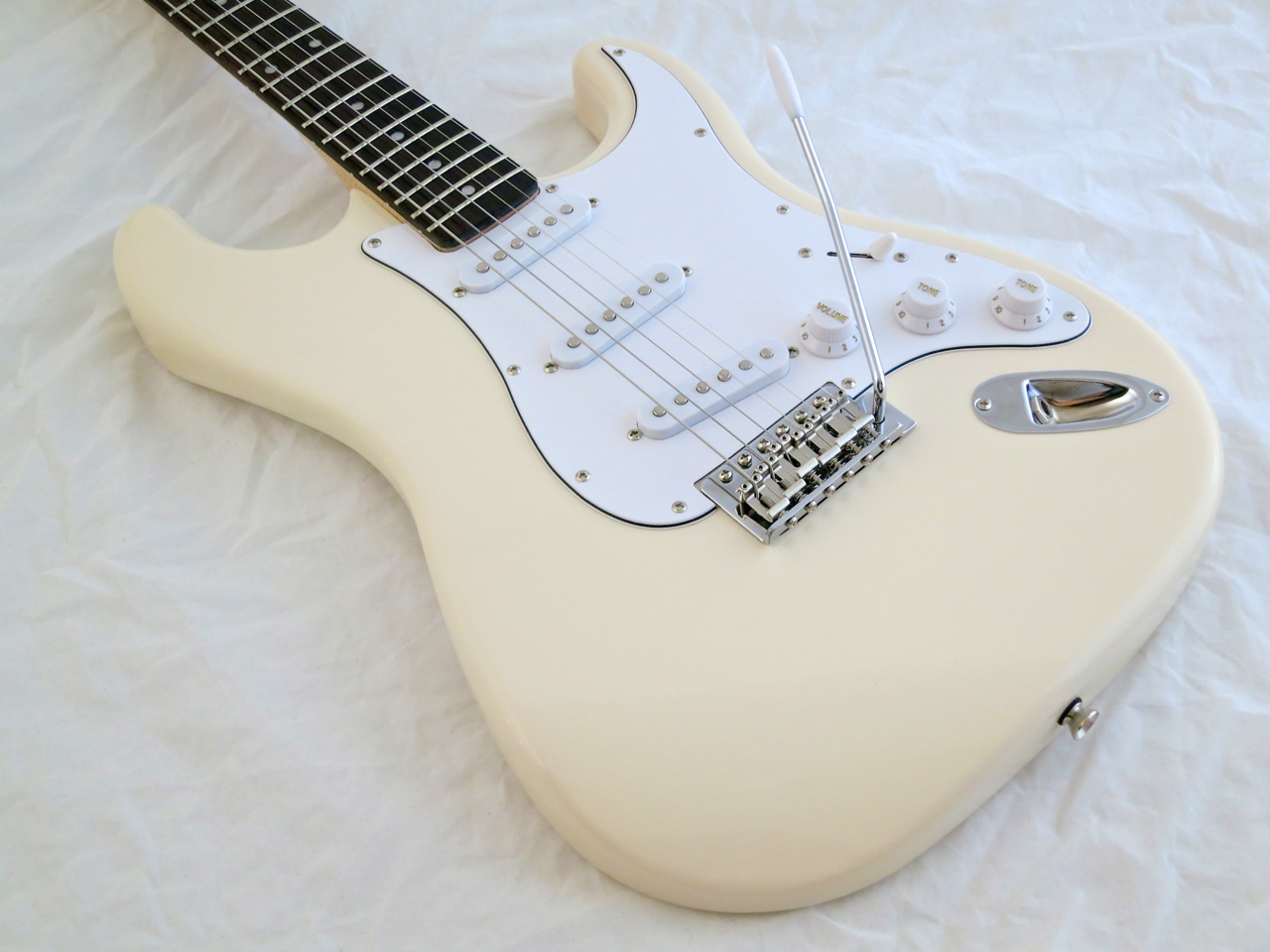
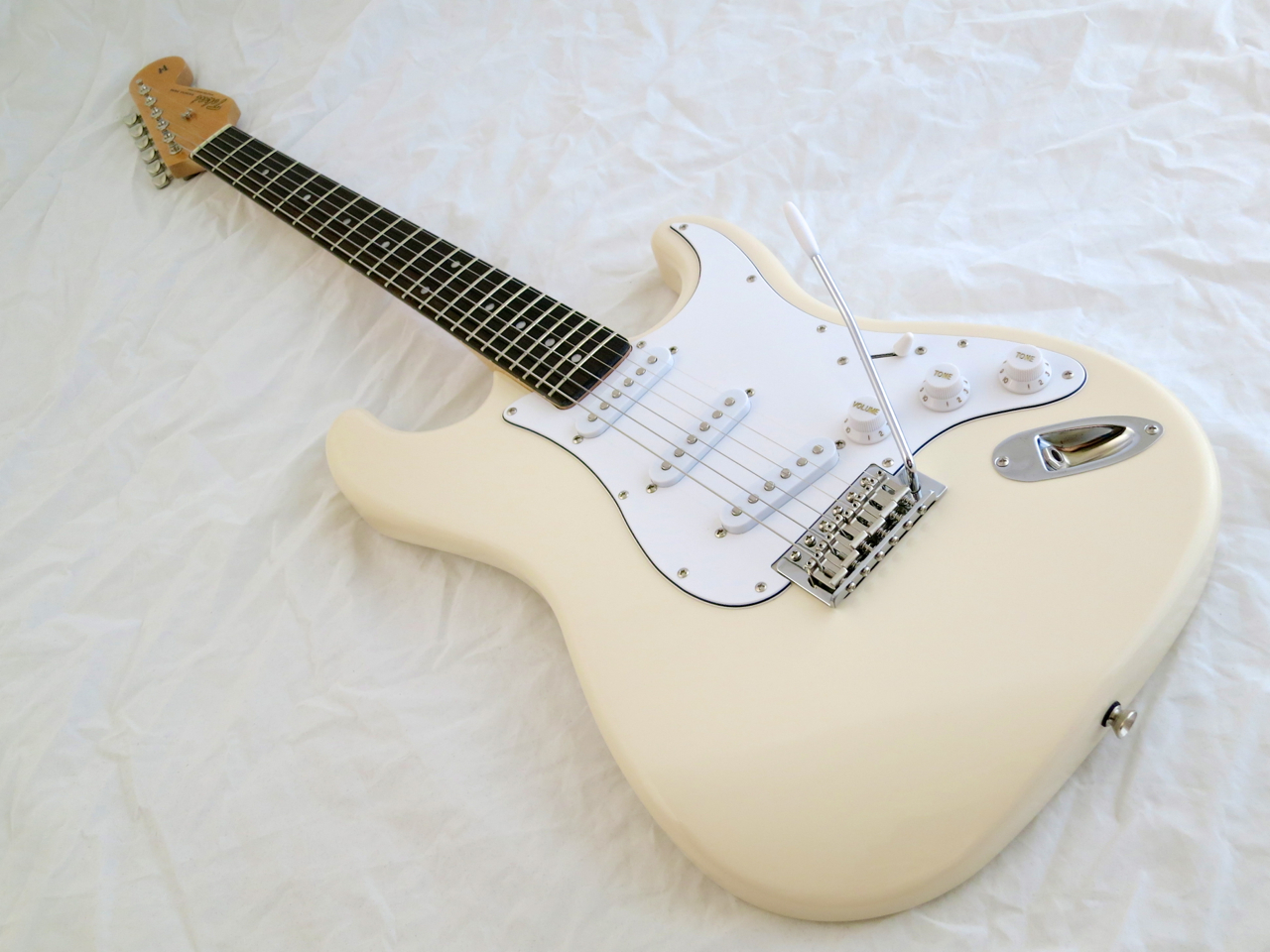
…a creamy white Tokai Classic ST (249 €)…
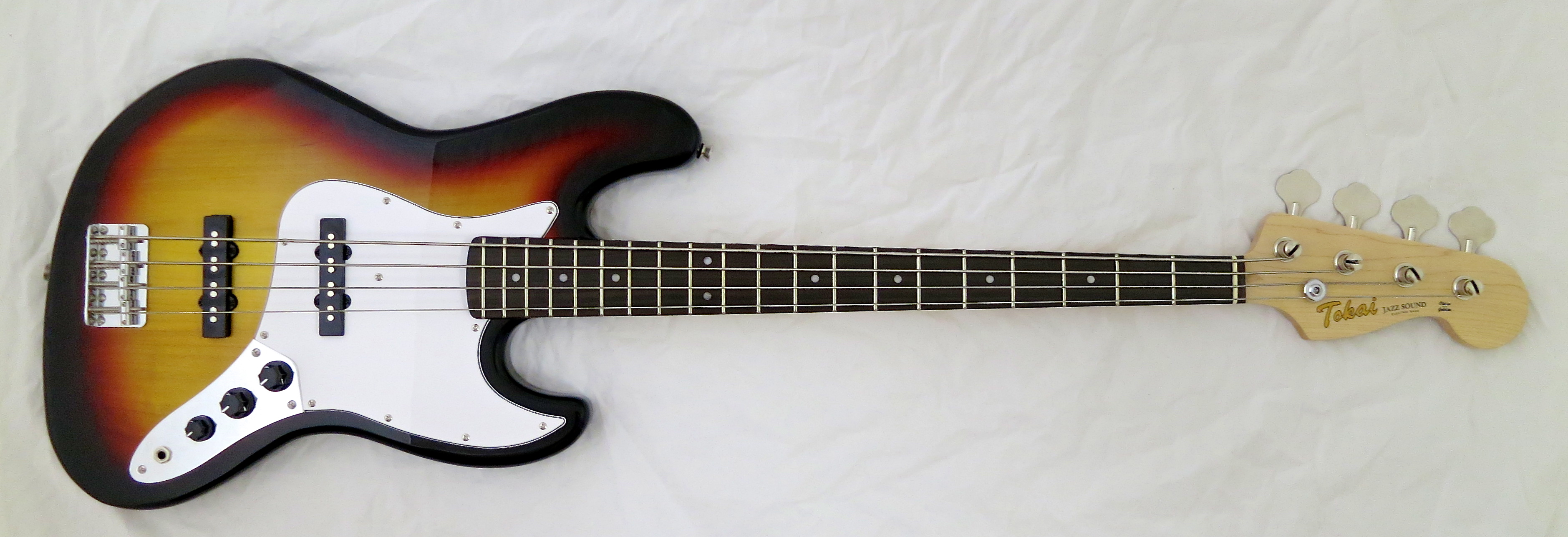

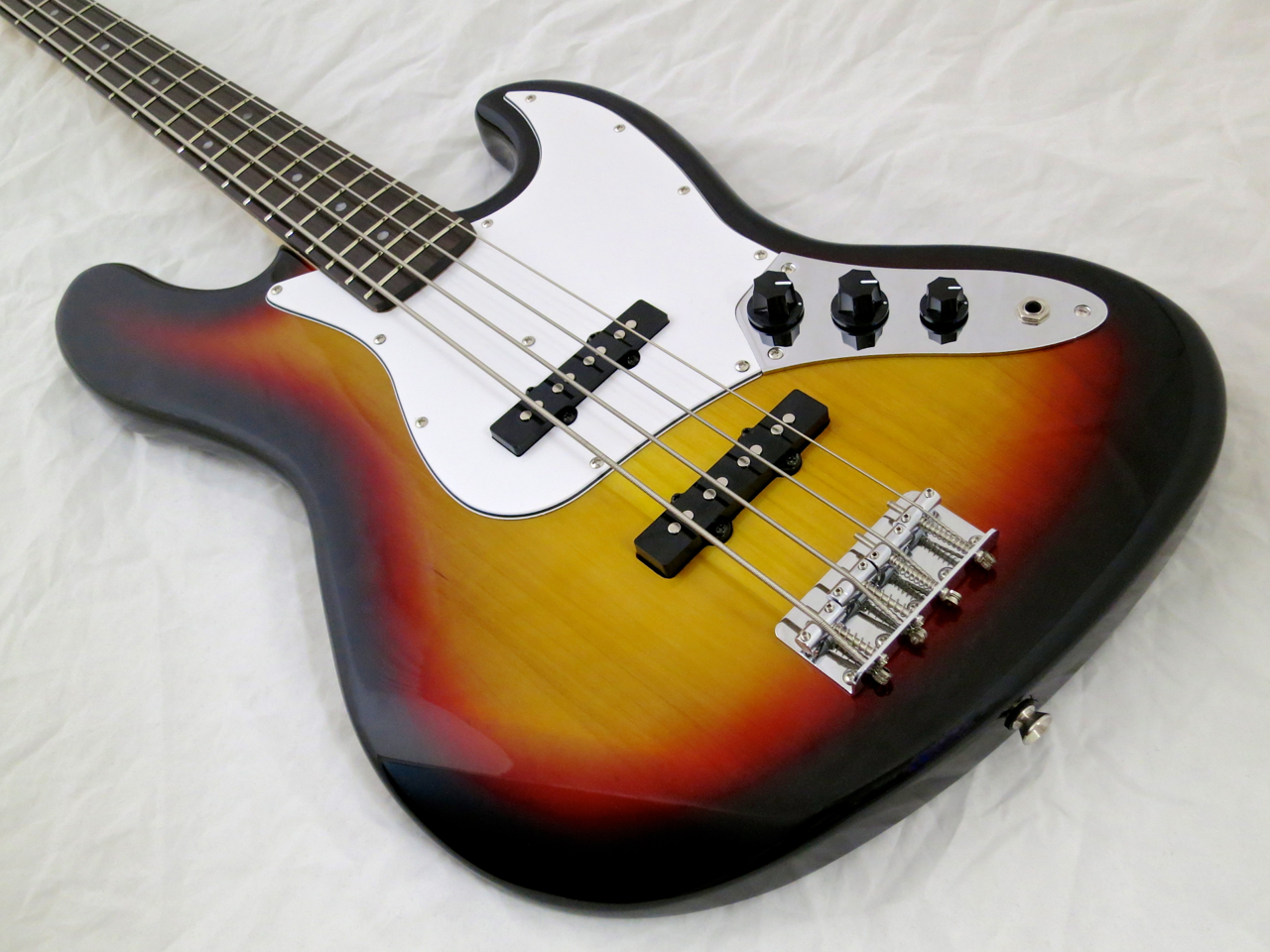
…as well as a Classic JB bass (299 €) in a fetching three-tone sunburst.

Tokai’s Classic series features bolt-on maple necks.
On the TE and ST models the face of the headstock sports a gloss finish.

The JB bass’ headstock front has received the same thin satin finish as the neck.
All Classic instruments offer easy access to the truss rod at the headstock, so you won’t have to take off the neck to make adjustments.

There’s a set of very decent Kluson-copies installed on the guitars.

The Classic JB comes with a set of Schaller-copies, which are less massive than vintage-style Klusons.

The Classic TE and ST come with a flatter-than-vintage fingerboard radius and chunkier frets, which makes the playing feel much more modern and bend-friendly.

The same goes for the Tokai Classic bass.

All Classic series bodies are made of basswood, a proven tonewood with a sound similar to alder.

The black plastic cushion beneath the neck plate protects the finish.
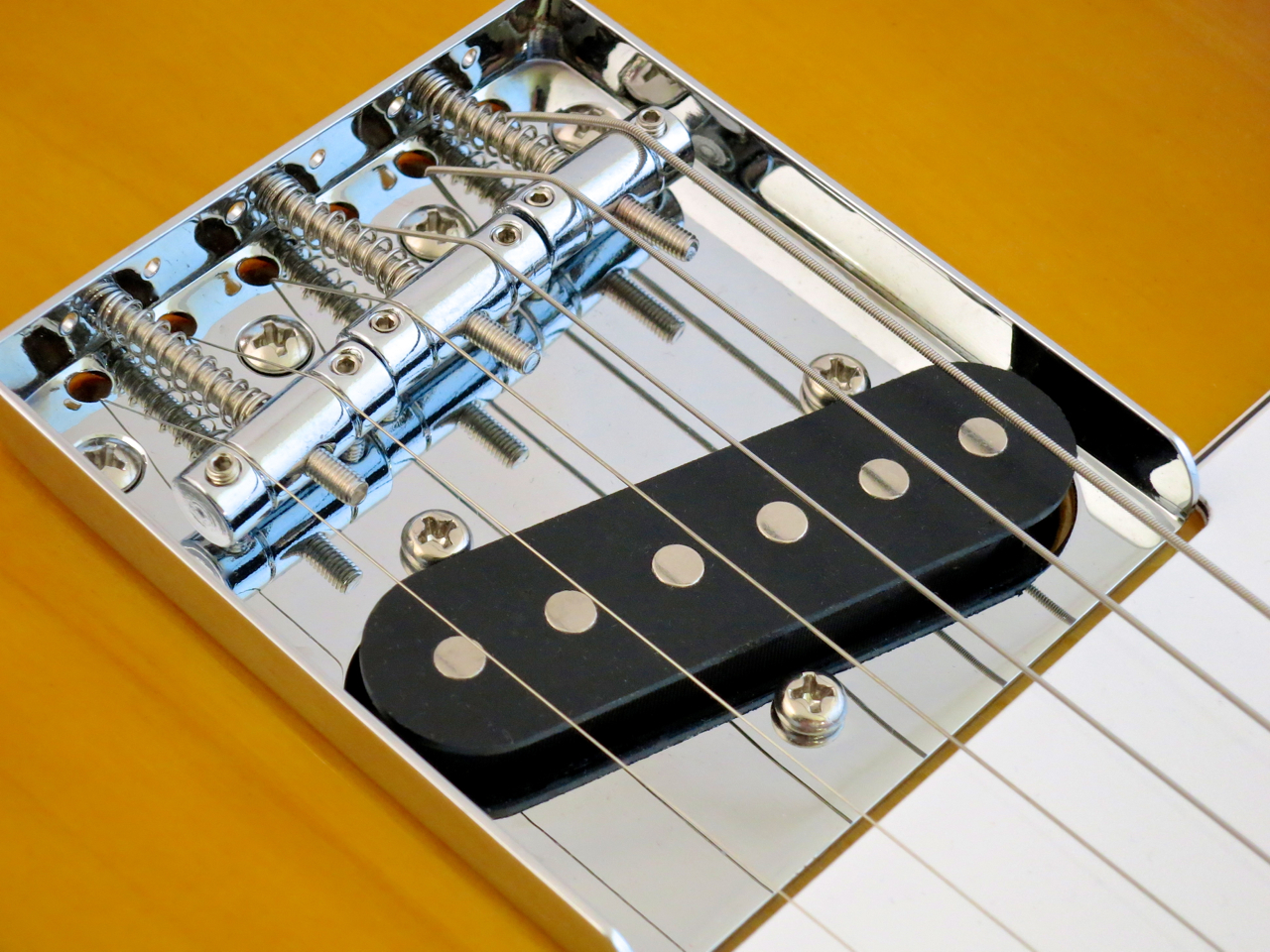
There are different versions of the three-saddle Tele-style bridge in circulation:
The Classic TE goes for the late-Sixties variety sporting three saddles with pre-set grooves for the strings.

The TE came strung the regular way, though the body, with the strings’ ball-ends anchored in ferrules. This setup is favoured by most Tele players.

Tokai’s Classic TE nevertheless offers an additional interesting feature:
It’s possible to string this guitar through the back of the bridge, too. This was a rare feature on original Fender Telecasters in 1958/59 that noticeably alters the feel and sound of the guitar.

At first glance, the bridge on Tokai’s Classic ST looks like a dead-on copy of a vintage Strat vibrato.

The vibrato block, though, isn’t as chunky as on the original. It’s about the same size as the block on a Floyd Rose vibrato.
Vintage-anoraks will sniff disapprovingly at the sight of such a block, claiming that it’s bad for the tone of the guitar. Let me tell you that the review guitar’s acoustic ring and sustain were actually quite healthy. So much for preconceptions…
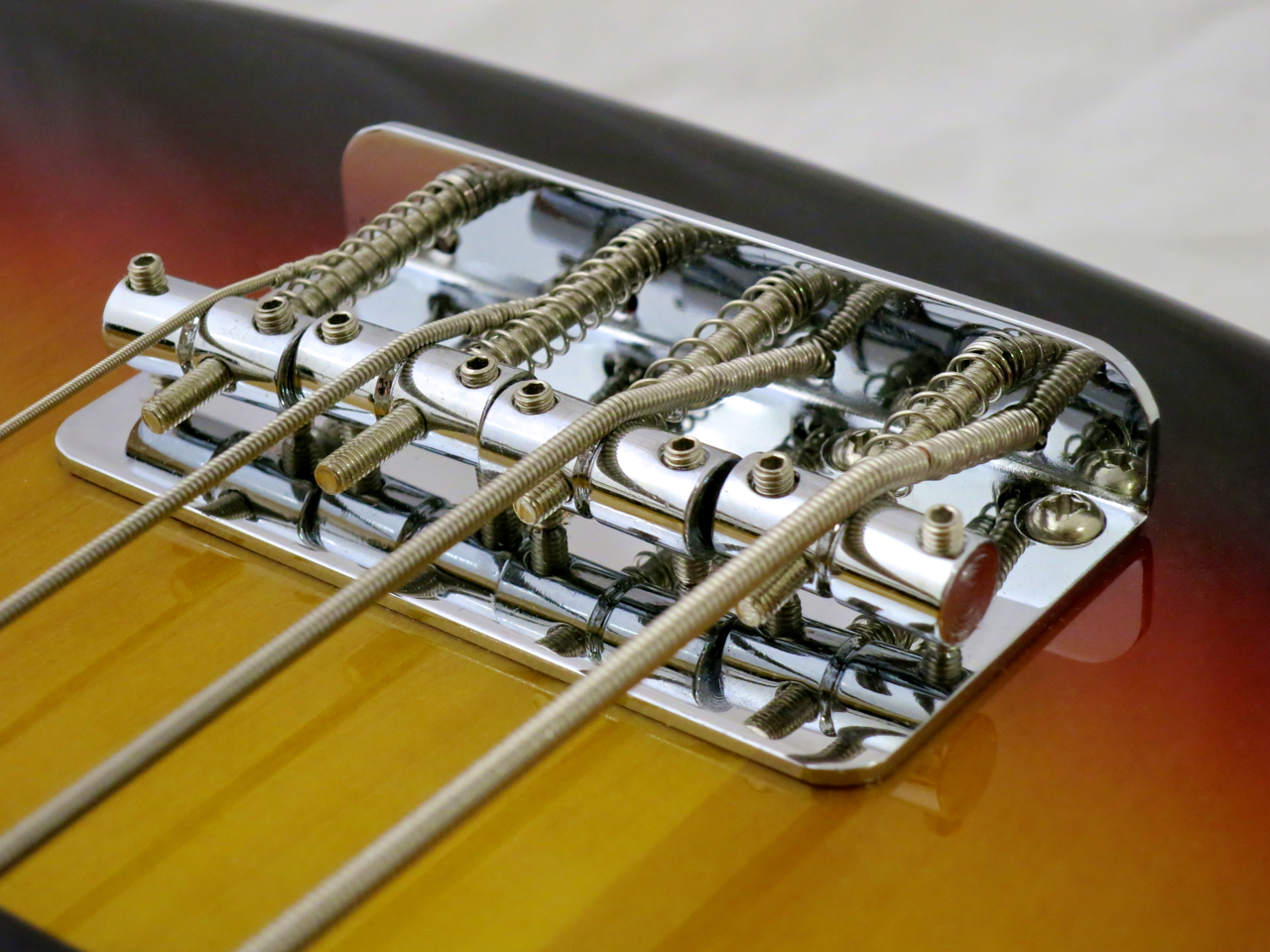
The Classic JB sports a nice copy of a 1970s Fender bass bridge.

Most self-appointed ”vintage-gurus” will tell you to steer clear at all times of ceramic Fender-style singlecoils.
Traditionally, a Fender-type singlecoil is constructed from six small, cylindrical magnets, which are tapped into vulcanised fibre plates. Around this magnet core a coil of thin copper wire is wound to complete the pickup. In traditional pickups the polepieces you see are actually the top ends of the alnico magnets.
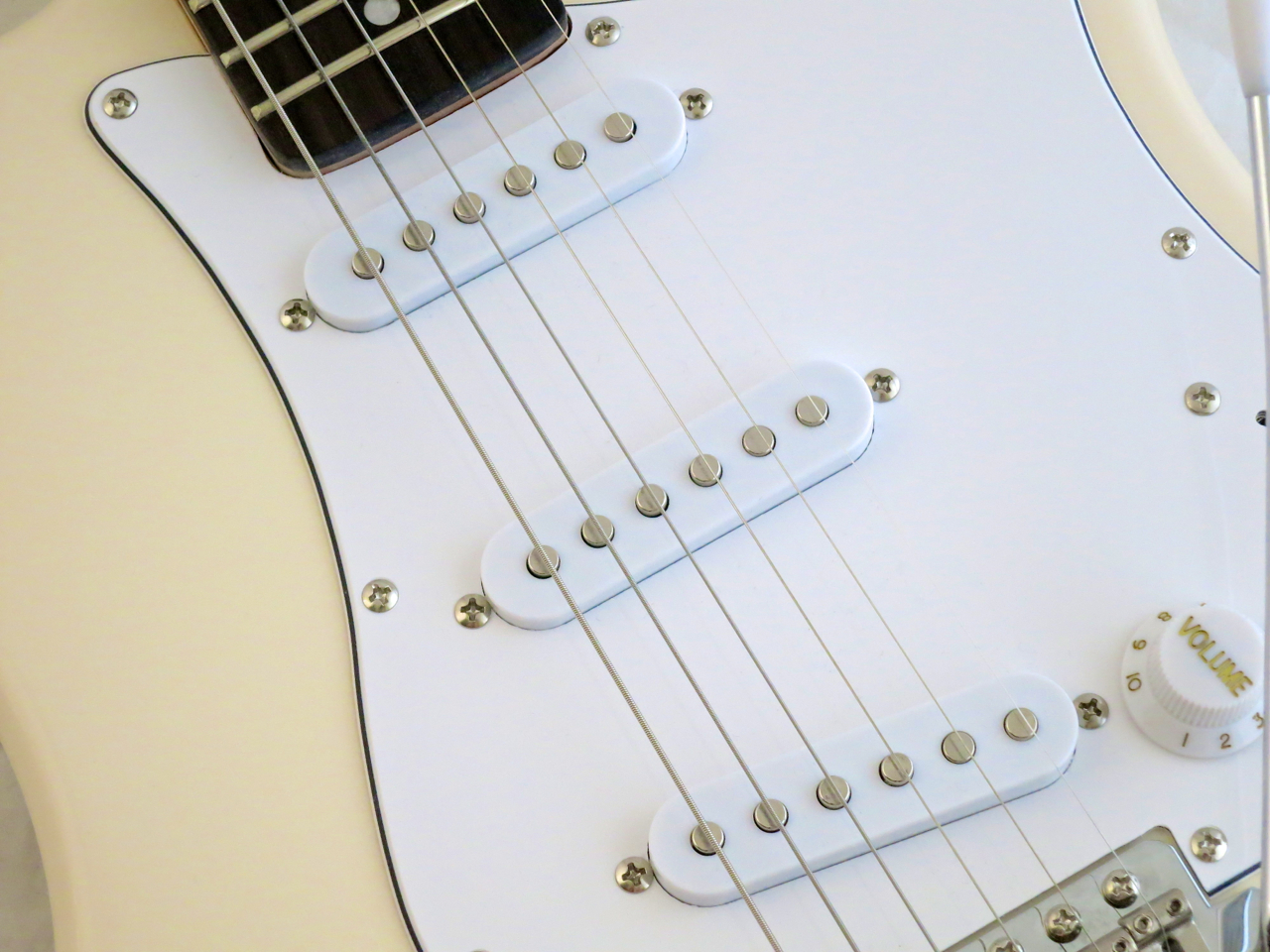
Tokai’s Classic series uses ceramic pickups, which are made a little differently. The polepieces aren’t magnets, but rather soft steel rods, which are in physical contact to a ceramic bar magnet (or sometimes two magnets) stuck to the bottom of each pickup.
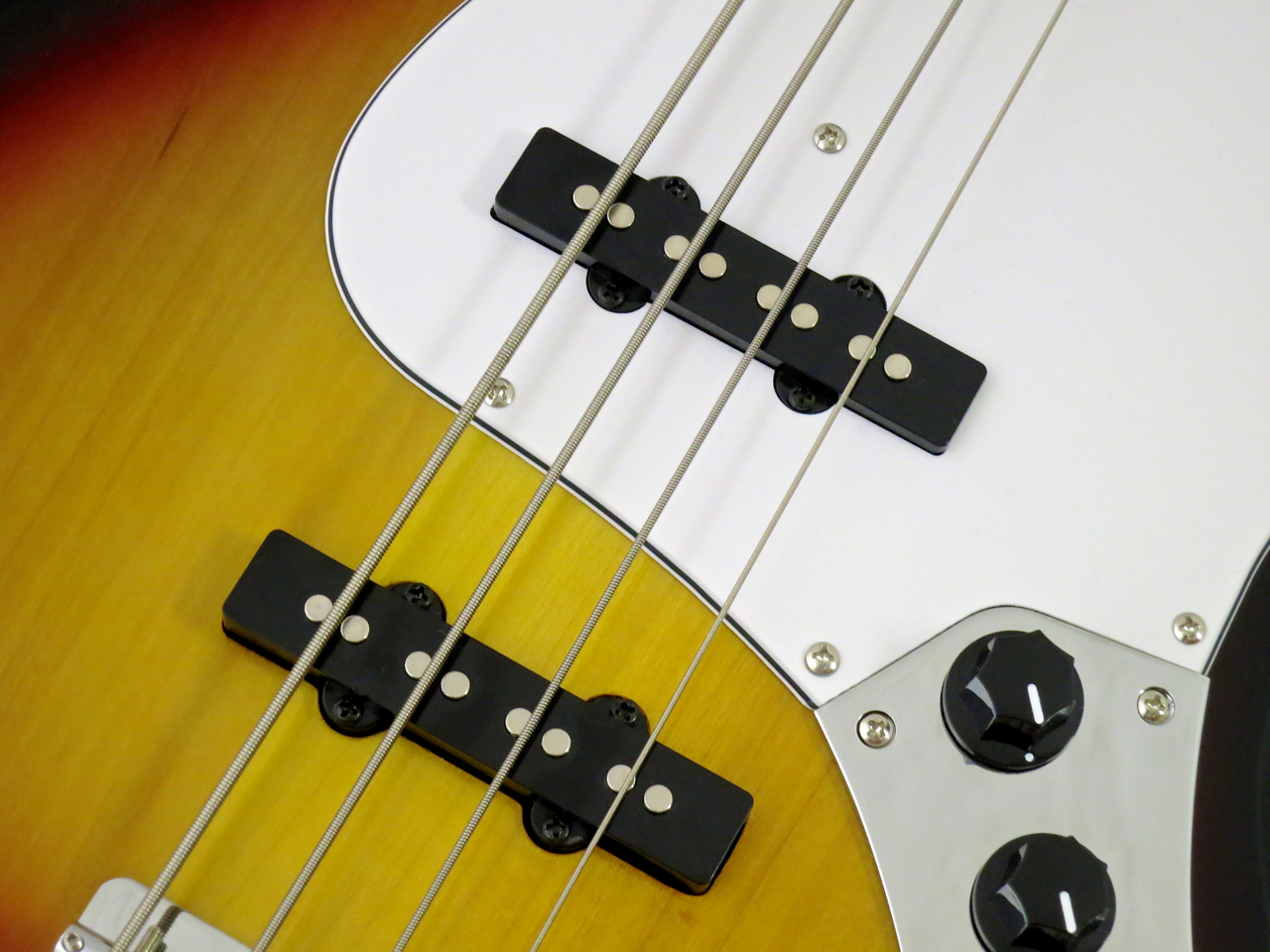
When ceramic pickups first appeared on budget guitars in the Nineties, their sound was admittedly often very spiky, brittle and sharp. This gave ceramic singlecoils a bad name, which wasn’t all that undeserved.
But that was then, and ceramic pickups have been improved drastically since. Despite this, there’s still quite a lot of prejudice against this type of guitar pickup.
In the case of these Tokai Classic instruments, I’d suggest you approach their pickups with an open heart and open ears – you might be in for a positive surprise!
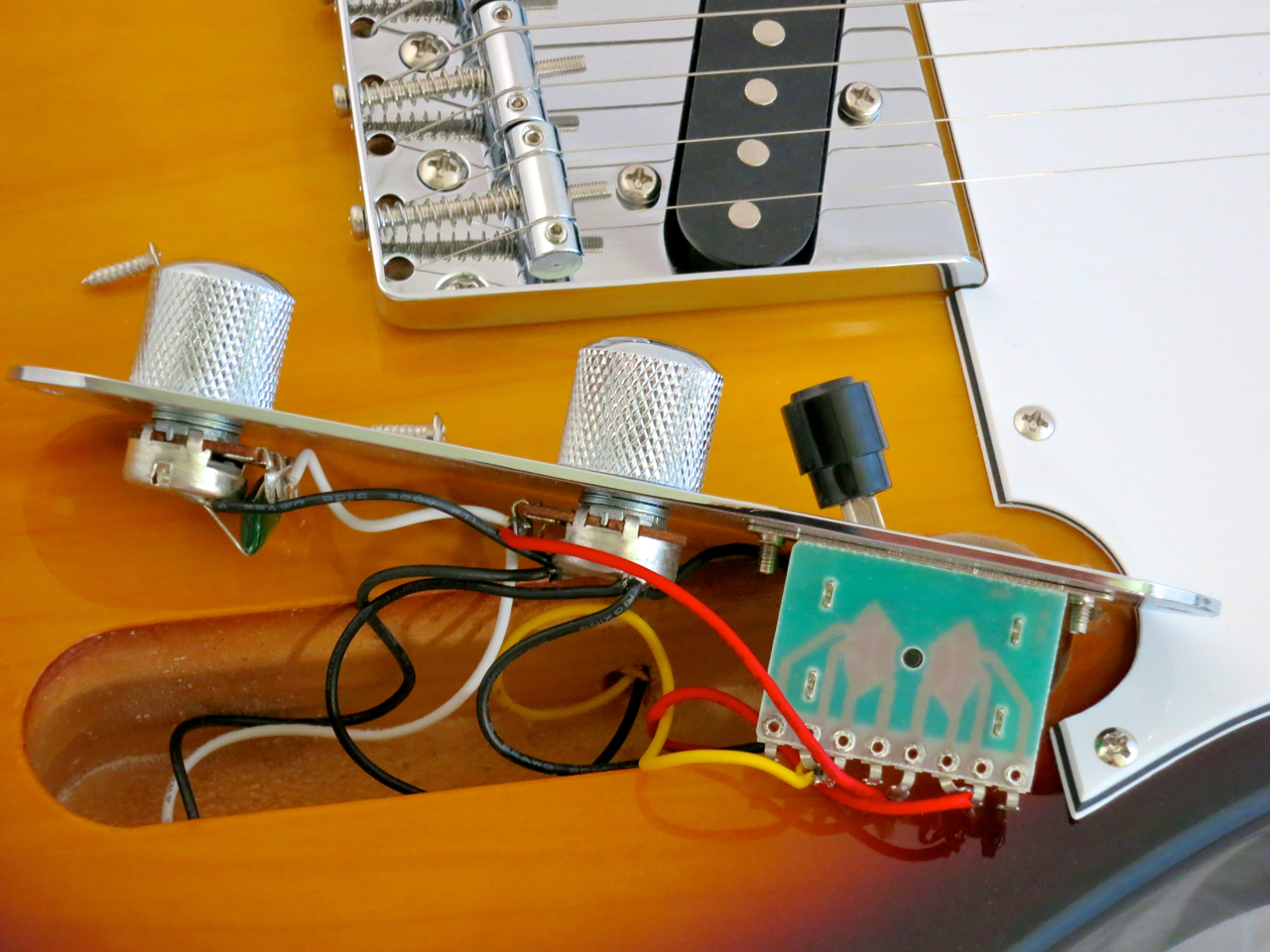
The Classic series features electronic parts of inexpensive, but very decent quality. All the switches and controls work fine, and without any hiccups.
As you can easily see from this picture, the workmanship is very clean in the Classic TE.

The rout for the Classic JB’s component cavity wasn’t quite as clean on our review sample. Luckily, this has no bearing whatsoever on the functionality of this bass guitar.
****
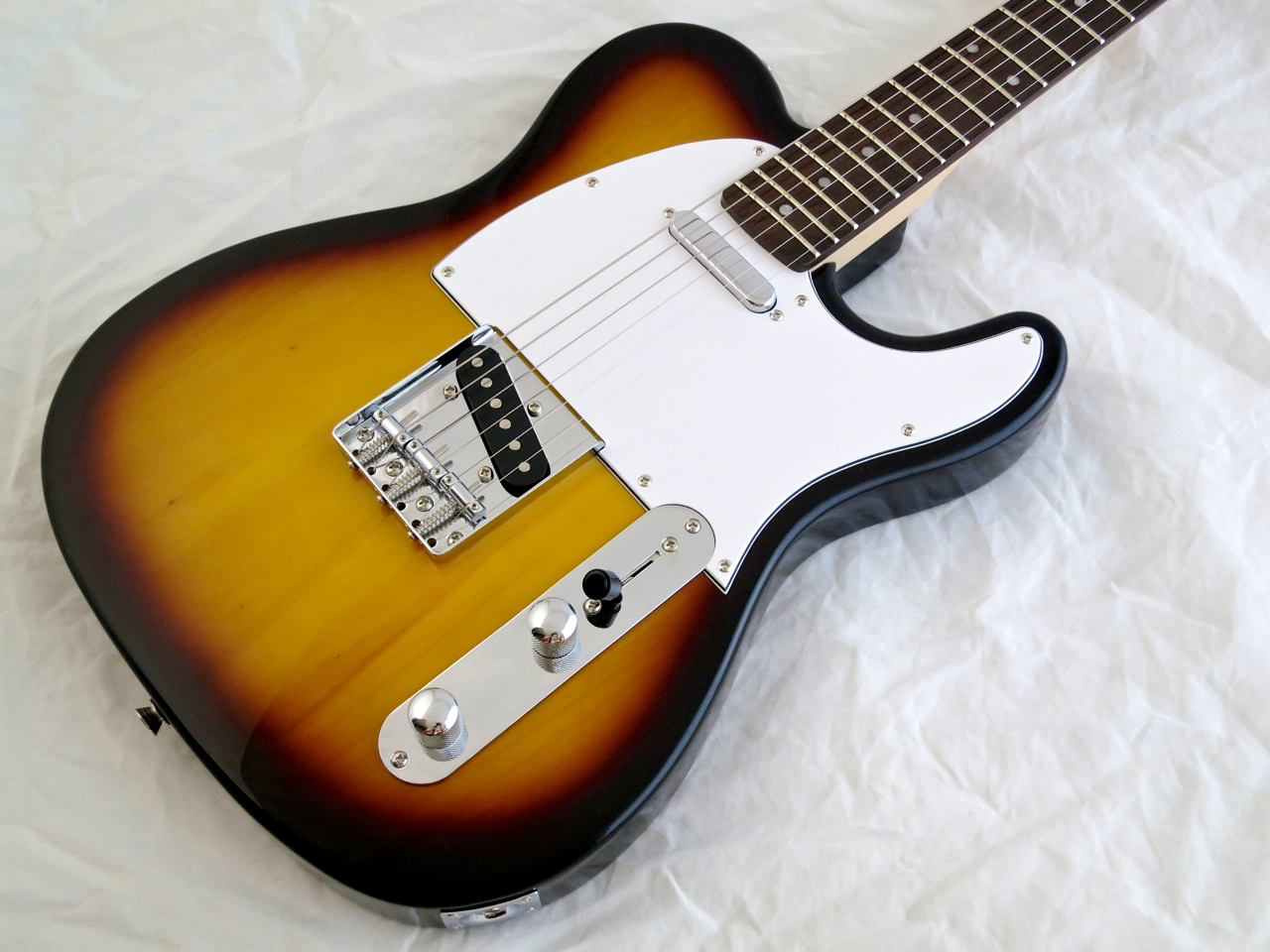
Tokai’s Classic TE is a very nice, well-playing Tele-style electric guitar.
Quite often, you will find uninspiring, flat and generic neck profiles on instruments in this price bracket.
The Classic TE is quite an exception, as it sports a comfortable, well-rounded and chunky neck, that still manages to stay on the right side of ”fat”. The fretwork is really great on our review sample. Combined with the bigger frets and flatter fretboard radius, this results in a slinky and bend-friendly playing feel.
Tokai’s Classic TE is no slouch in the sound department, either:
The neck pickup is warm and round, but never sounds boring or one-dimensional. The middle position of the switch will give you a cool, funky rhythm tone. The bridge pickup on its own offers enough twang for Country playing, and enough whack for the Classic Rock crowd.

****
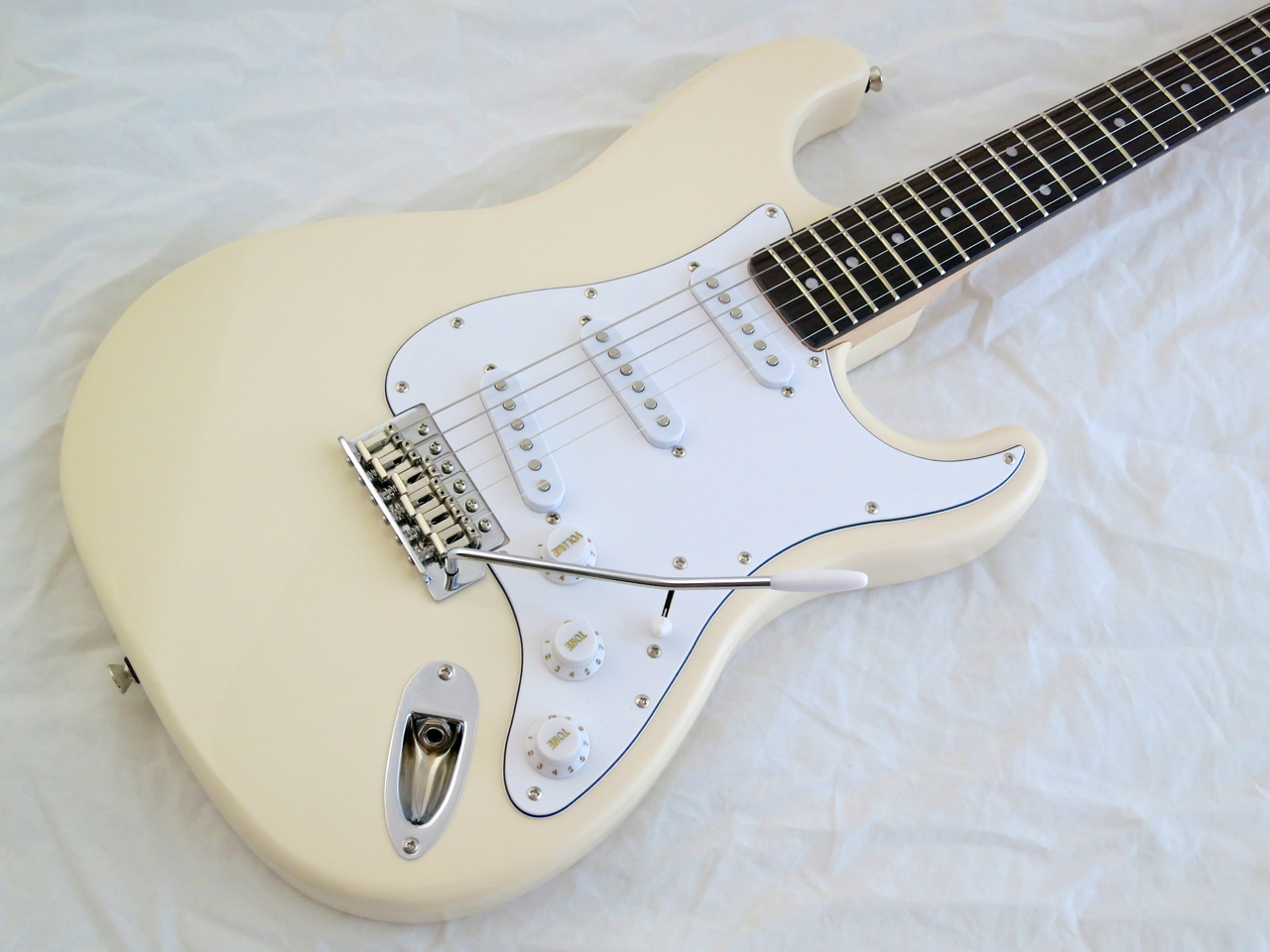
I’d never have thought an electric guitar costing only 249 € could be as utterly inspiring as this Tokai Classic ST!
The neck feels great with its oval C-profile. The fretwork and setup make this a real player’s guitar. The vibrato works well in a vintage-style way, and the ST’s acoustic tone is woody and dynamic.
The ceramic pickups on the Tokai Classic ST are a bit hotter than the alnicos on my 50s-style Fender Stratocaster reissue. They also have a bit more sizzle and bite, but in a good way, making this more of a ”Jimi Hendrix” than a ”Buddy Holly” guitar.
****

Tokai’s Classic JB truly offers a lot of bass in a very pocket-friendly package.
The Classic JB will give you all the features you’d look for in a Jazz Bass-type instrument:
There’s the slender, distinctly tapered neck profile, the comfortable balance, and the wide variety (for a passive bass) of different sounds.
This last clip lets you listen to the video’s bass and guitar tracks in isolation. During the first half all guitar tracks are played on the Classic TE, in the second half the Classic ST takes over:
****

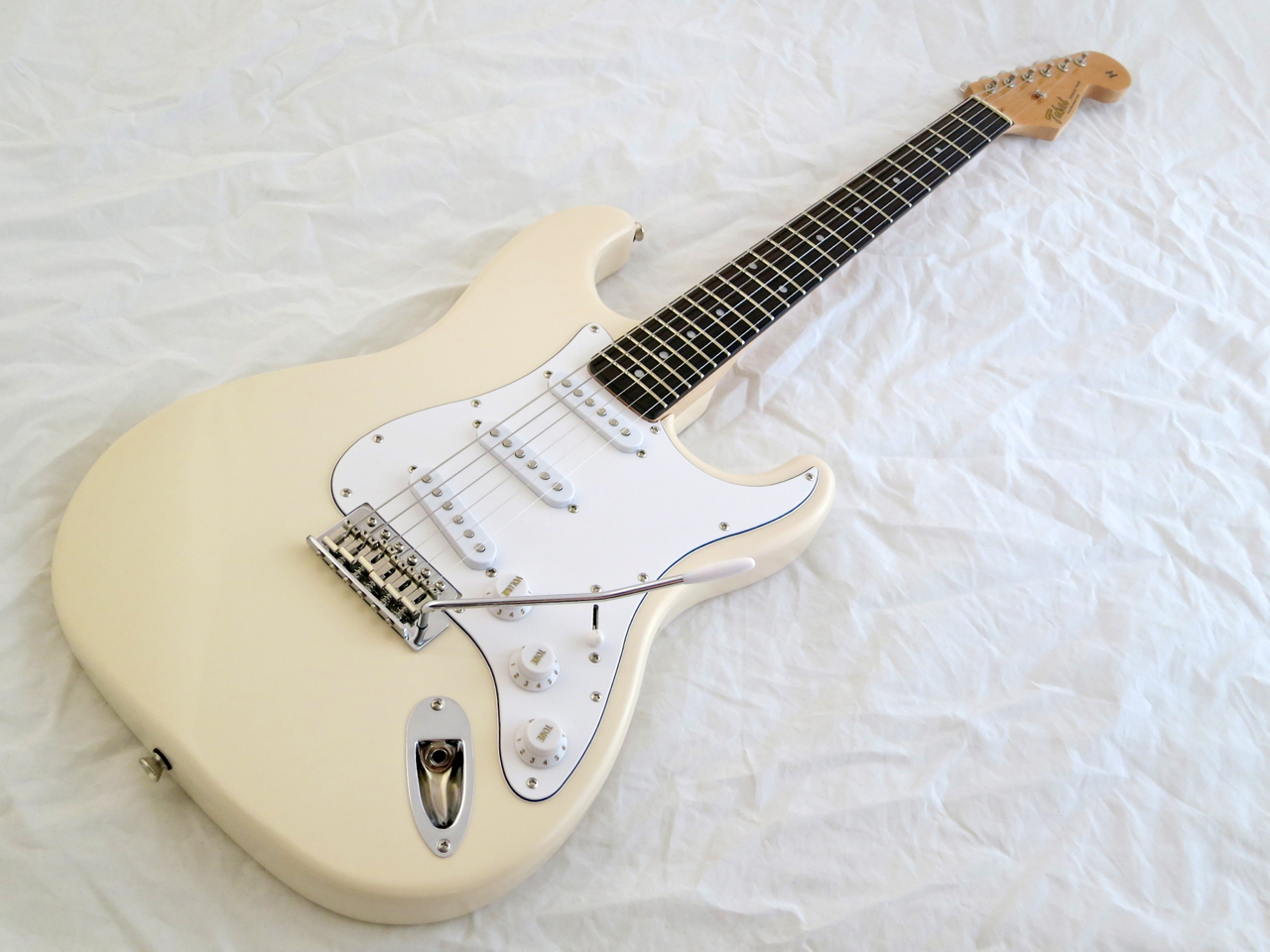
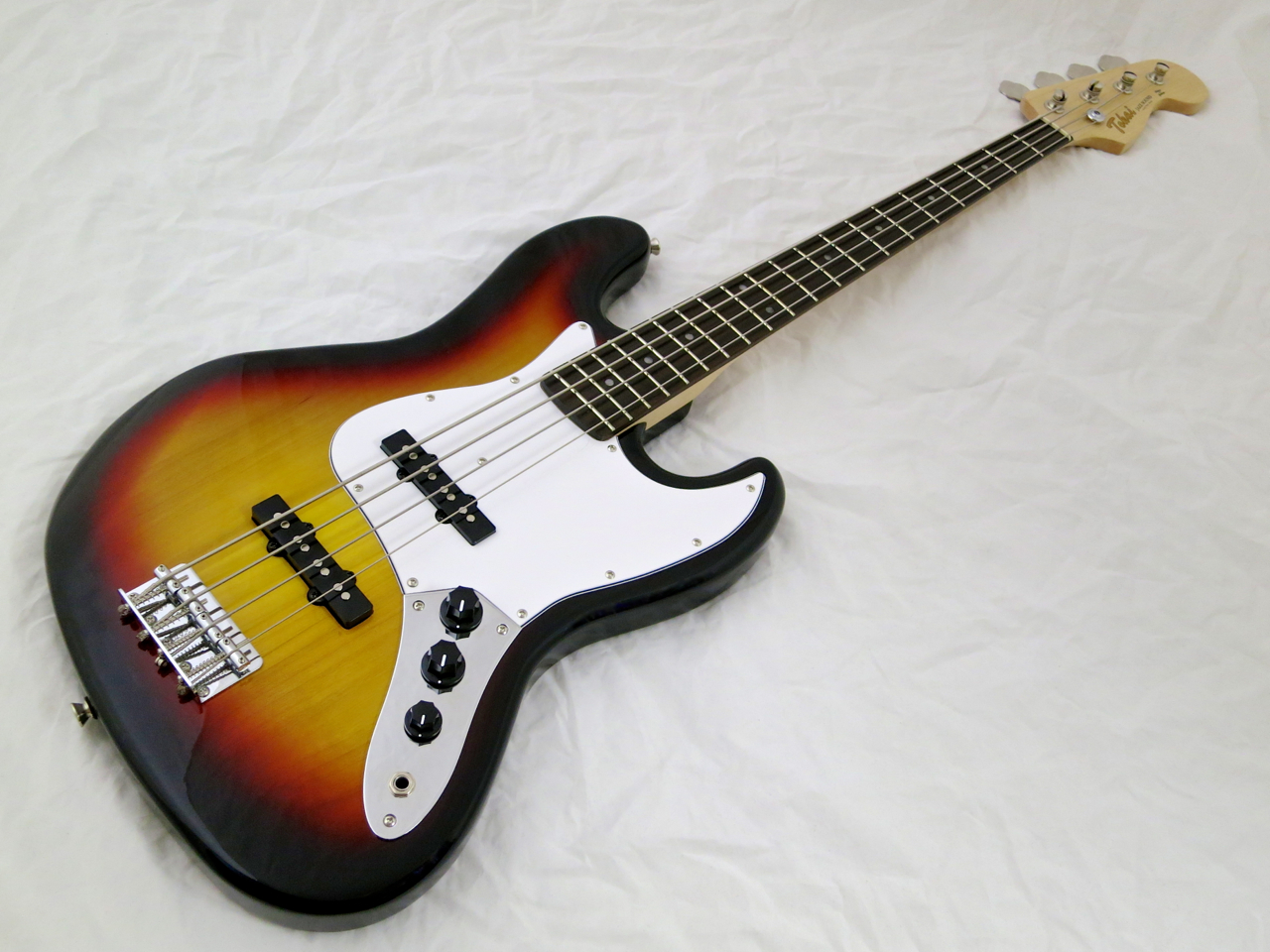
Tokai’s Classic Series may well prove to set a new standard for vintage-style instruments in this price range. The three reviewed guitars were well-made, well-playing instruments, and their sound was inspiring.
While the Classic series is aimed mainly at beginners, I wouldn’t be surprised if some of the instruments crept up on pub or club stages!
****
Tokai Classic Series
Tokai Classic TE – 249 €
Tokai Classic ST – 249 €
Tokai Classic JB – 299 €
Finnish distributor: Musamaailma
****
Pros:
+ value-for-money
+ playability
+ workmanship
+ sound
Tokai Guitarsin maine perustuu firman erittäin laadukkaisiin ja tarkkoihin kopiosoittimiin. Japanilaisen Tokain ”versiot” klassikkosoittimista olivat 1970- ja 80-luvulla monessa suhteessa jopa parempia kuin saman aikakauden kitarat USA:sta.
Tokain parhaimpia sarjoja valmistetaan yhä Japanissa, pitkälti käsityönä. Firman kiinalaiset sarjat tarjoavat kuitenkin oivan mahdollisuuden omistaa aidon Tokai-kitaran tai -basson myös pienemmällä budjetilla.
Upouuden Tokai Classic -sarjan idea on tarjota edullisia soittimia, joissa vintage ulkonäköön on yhdistetty nykyaikainen soitettavuus.
****
Kitarablogi sai kolme Tokai Classic -sarjalaista testiin:
Tokai Classic TE:n (249 €) Two Tone Sunburst -viimeistelyllä…
…kermanvalkoisen Tokai Classic ST:n (249 €)…
…sekä Classic JB -basson (299 €) kolmivärisellä sunburst-värityksellä.
Tokai Classic -sarjan kaulat veistetään vaahterasta.
TE- ja ST-mallissa viritinlavan etupuoli on viimeistelty kiiltävällä lakalla.
Bassomallissa koko kaulassa on ohut mattaviimeistely.
Kaularaudan säätäminen tapahtuu Classic-soittimissa lavan puolelta, ilman kaulan irrottamisen tarvetta.
Kitaroissa käytetään hyviltä tuntuvia Kluson-kopioita.
Classic JB:n lapaan on asennettu pienempiä Schaller-tyylisiä vintage virittimiä.
Classic TE:n ja ST:n otelautojen vintagea loivempi radius, sekä kitaroiden nykyaikaiset medium jumbo -nauhat, tekevät soittotuntumasta hyvin mukavan, etenkin kielten venytyksissä.
Myös Tokai Classic -bassossa on sopivasti nykyaikainen soittotuntuma.
Classic-sarjojen kokopuiset rungot valmistetaan lehmuksesta.
Kaulalevyn alta löytyvä musta muovityyni suojaa soittimen viimeistelyä.
Tele-tyylisestä tallasta löytyy erilaisia versioita:
Classic TE:n tallassa on kolme tallapalaa, joissa on valmiiksi kieliuria.
TE:n kielet voi pujottaa rungon läpi, mikä on juuri se tapa, jota Tele-soittajat tavallisesti suosivat.
Tokai Classic TE:ssä on kuitenkin myös mahdollisuus kiinnittää kielet tallan takaseinään.
Se oli harvinainen ominaisuus vuoden 1958/59 Fender Teleissä, ja tämä kiinnitystapa muuttaa tuntuvasti kitaran soundia ja tatsia.
Tokai Classic ST:n talla näyttää edestä täydelliseltä vintage-vibran kopiolta.
Tallan metalliblokki on kuitenkin jonkin verran ohuempi kuin alkuperäisessä – se on hyvin samankaltainen kuin Floyd Rose -vibran blokki.
Vintage-hipsterit aloittaisivat blokin takia heti valittelun sen tuomasta ”huonosta” soundista, mutta ainakin testisoitimessa akustinen soundi ja kitaran sustain olivat hyvinkin kohdillaan.
Classic JB:n talla on hyvä kopio 1970-luvun Fender-tallasta.
Monet ”vintage-gurut” eivät koskaan koskisi sellaiseen Fender-tyyliseen soittimeen, jonka mikrofoneissa on alkuperäisestä poikkeava rakenne:
Perinteinen tapa rakentaa Fender-tyylinen mikrofoni on kiinnittää lieriömäisiä magneettipätkiä kahteen kuitulevyyn. Magneettirivin ympärille käämitään sitten mikin kela. Näissä perinteisissä mikrofoneissa näkyvät navat ovat mikrofonin magneetit.
Tokai Classic -sarjan soittimissa käytetään hieman edullisempia mikrofoneja, joissa on teräksisiä napapaloja, sekä mikkirungon alle liimattu keraaminen tankomagneetti (tai kaksi).
Kun nämä keraamiset mikrofonit ilmestyivät 1990-luvulla edullisissa soittimissa, niiden soundi oli eittämättä hirveän piikikäs ja korvia raastava. Mikkityyppi sai tästä (osittain oikeutetusti) huonon maineen.
Alkuajoista kehitys on kuitenkin mennyt hurjaa vauhtia eteenpäin, ja nykyisten edullisten keraamisten mikrofonien laatua on parannettu hyvin tuntuvasti.
Ainakin Tokai Classic -soittimien tapauksissa kannattaa lähestyä niiden mikrofoneja ennakkoluulottomasti.
Classic-sarjan elektroniikka on laadultaan mukavasti asiallinen – kaikki säätimet ja kytkimet toimivat moitteettomasti.
Testibasson elektroniikkakolossa työnjälki ei ollut ihan niin siisti kuin testikitaroissa. Tämä ei kuitenkaan vaikuta millään lailla soittimen toimivuuteen.
****
Tokai Classic TE on erittäin mukavan tuntuinen Tele-tyylinen sähkökitara.
Tämän hintaluokan soittimissa törmää melko usein sellaisiin kaulaprofiileihin, jotka tuntuvat kulmikkailta tai liian ohuilta.
Classic TE on tässä ilahduttava poikkeus, kitaran mukavan pyöreän ja lihaksikkaan kaulan ansiosta, joka ei kuitenkaan ole liian paksu. Myös TE:n nauhatyö on kiitettävällä tasolla.
Testisoittimen paino ja soitettavuus olivat siis kohdillaan, samoin kuin TE:n soundi:
Etumikrofoni on lämmin ja pyöreä, mutta kuitenkin eloisa, kytkimen keskiasennosta taas saadaan loistava Funk-soundi, ja tallamikrofonissa sekä Country-twäng että Rock-asenne ovat kohdallaan.
****
Miten vain 249 euroa maksava sähkökitara voi ollakin niin inspiroiva kuin tämä Classic ST?
Kaula tuntuu erittäin mukavalta (C-profiili), soittotuntuma on kevyt ja vaivaton, vibratalla toimii hyvin (vintage-tyylisissä raameissa), ja akustisessa soinnissa on kiitettävästi dynamiikkaa ja ”puuta”.
Tokai Classic ST:n keraamisissa mikit ovat hieman kuumemmat kuin esimerkiksi vertailussa käytetyssä, vintage-tyylisessa Stratossa. Mikkien soundissa on myös hiukan enemmän preesensalueen purevuutta – soundi on siis enemmän ”Jimi Hendrix” kuin ”Buddy Holly”.
****
Classic JB -bassokin tarjoaa paljon soundia hyvin kohtuuhintaisessa paketissa.
Tokai Classic JB tarjoaa kaikki ne ominaisuudet, joita vanha Jazz-basso fani soittimeltaan kaipaa:
Kaulaprofiili on mukavan solakka, soittimen balanssi on kohdallaan, ja basson tarjoama soundikirjo on passiivibassoksi laaja.
Viimeisessä klipissä soi videon biisin kitara- ja bassoraidat ilman muuta taustaa (ensimmäinen puolisko: TE; toinen: ST):
****
Tokai Classic -sarjasta voisi mielestäni helposti tulla uusi laatustandardi tämän hintaluokan soittimissa. Testisoittimissa laatu, soitettavuus ja soundi olivat enemmän kuin kohdillaan.
Vaikka Classic-soittimien kohderyhmä on selvästi aloittelijat, voi vanha kettukin saada paljon iloa näistä kitaroista ja bassoista!
****
Tokai Classic Series
Tokai Classic TE – 249 €
Tokai Classic ST – 249 €
Tokai Classic JB – 299 €
Maahantuoja: Musamaailma
****
Plussat:
+ hinta-laatu-suhde
+ soitettavuus
+ työnjälki
+ soundi


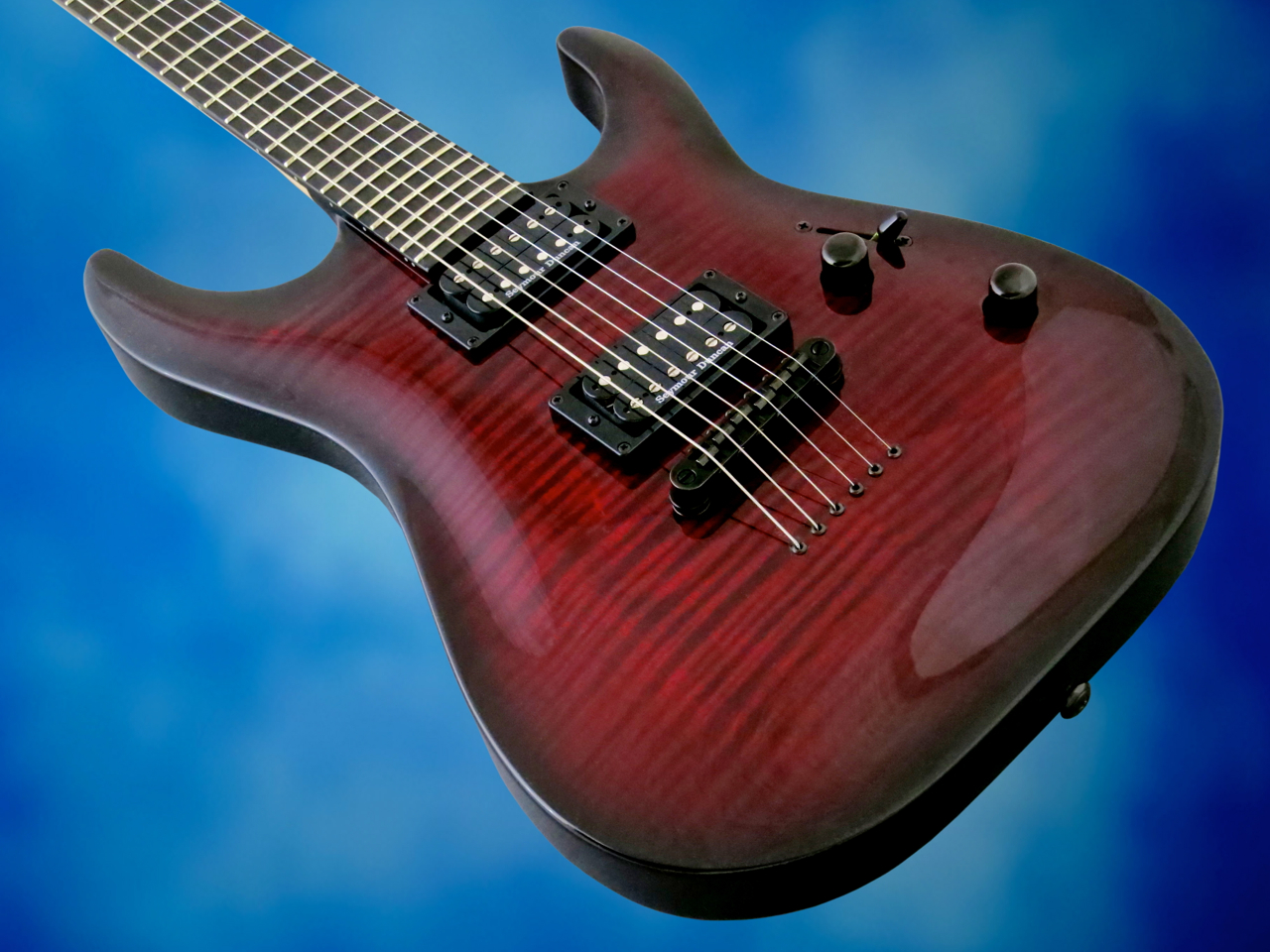
ESP LTD MM-30 on Musamaailman 30-vuotis juhlamalli.


Soitinliikkeenä ja maahantuojana tunnettu Musamaailma juhlii tänä vuonna 30-vuotissynttäriään.
Juhlan kunniaksi ESP Guitars on valmistanut 30 kappaletta LTD MM-30 -juhlamallista. Synttärimallin Kitarablogi-testi on juuri työn alla.
ESP- ja LTD-soittimien lisäksi Musamaailma tuo kitara- ja bassopuolella maahan mm. myös seuraavat merkit: Admira, Blackstar, Bogner, DV Mark, EMG, GJ2 Guitars, Markbass, Mooer, Seymour Duncan, Spector, Tanglewood, Tech 21 NYC, Tokai, Rockbag ja Warwick.

Tämä kuvio on varmasti kaikille tuttu:
On keskiviikkoilta – nyt olisi nastaa jammailla tunti tai pari, mutta rumpalilla on biljarditurnaus ja basistin täytyy vahtia lapsiaan.
Lopputulos on jälleen kerran ilta yksin telkkarin edessä ja kitara sylissä…
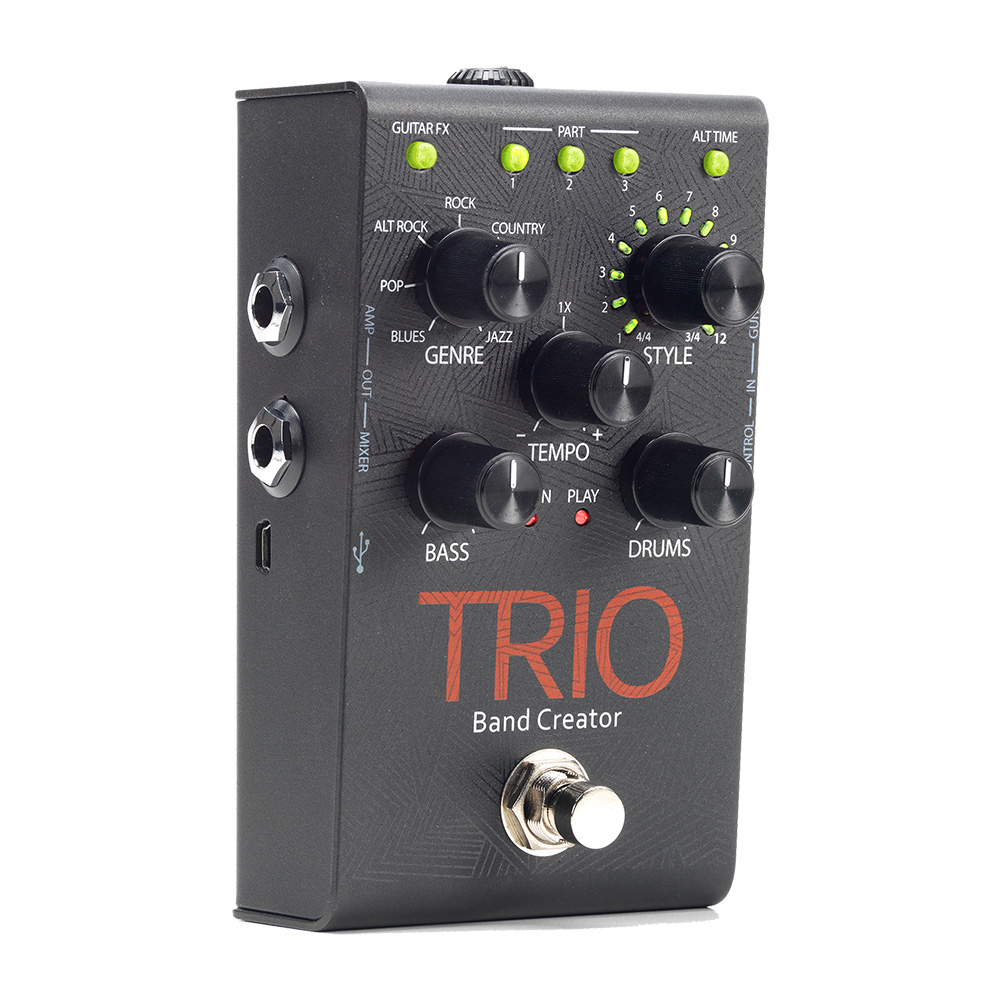
Onneksi nyt on olemassa paljon luovempi ratkaisu jammailuun ja treenaamiseen – Digitechin uusi Trio Band Creator -pedaali tarjoaa väsymättömän rytmisektion hyvin kompaktissa muodossa.
****

Digitech Trio -pedaali (katuhinta noin 240 €) oppii Learn-moodissa biisin (tai biisiosan) soinnut ja rakenteen suoraan kitarasignaalista. Trioon kytketään ihan tavallinen kitarajohto – käyttöön ei siis tarvita kallista MIDI-mikrofonia tai kömpelöä ohjelmointia käsin.
Trio osaa soittaa komppikuvioita seitsemästä eri musiikkigenrestä (Genre). Jokaisessa genressä on 12 eri tyylivaihtoehtoa (Styles), siis eri tavalla soitettuja rumpupatterneja ja bassokuvioita. Kaikki tyylit on kehitetty yhteistyössä Band In A Box -softan valmistajan kanssa.
Digitechin uusi ihmerasia tunnistaa biisin tempon automaattisesti analysoimalla sisään tulevaa audiosignaalia Learn-moodissa, mutta sitä voi hienosäätää jälkikäteen Trion Tempo-säätimellä. Alt Time -kytkimellä voi myös valita tavallisen tempon ja half-timen välillä.
Digitech Triosta löytyy lisäksi alkeellinen efekti- ja kaiutinsimulaatio-osasto, jos haluat jammailla ilman erillistä vahvistinta.
Kompakti Trio Band Creator -pedaali vaikuttaa hyvin kestävältä.
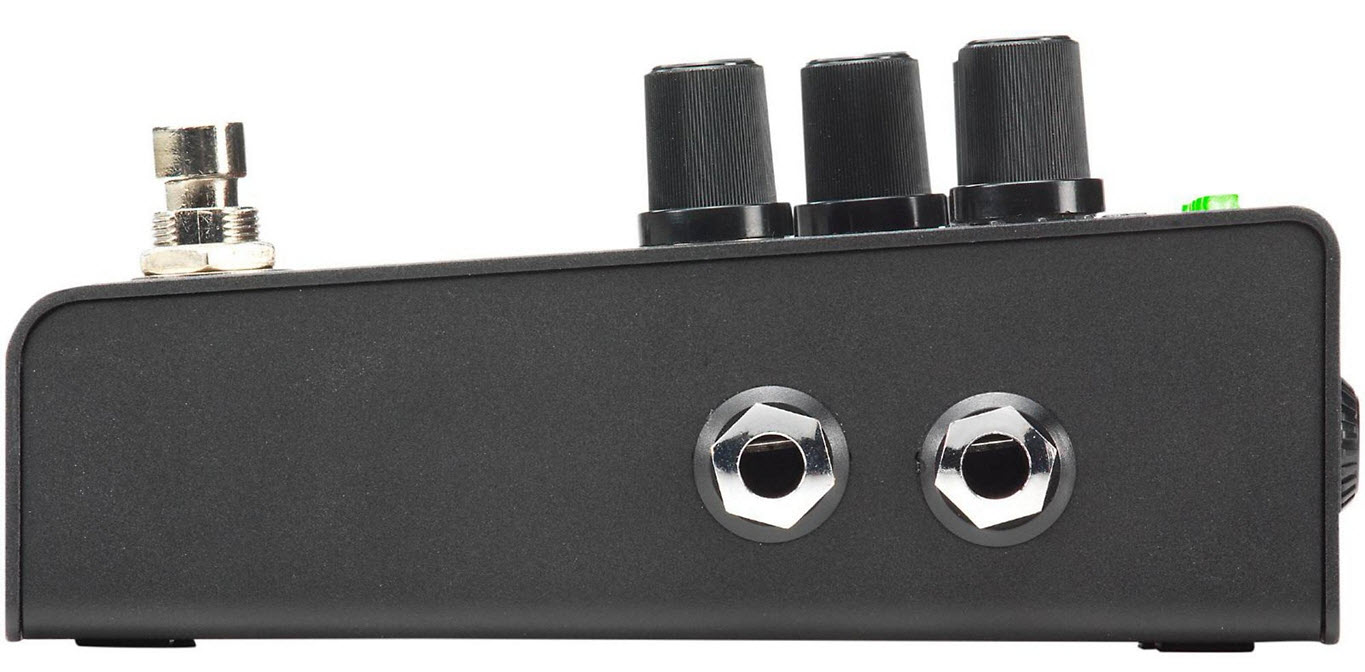
Laitteen oikeaan kylkeen on sijoitettu kaksi tuloa, joista toinen on kitarasignaalille ja toinen (lisävarusteena saatavalle) Digitech FS3X -jalkapedaalille, jolla Trioa voi ohjailla ilman käsiä.
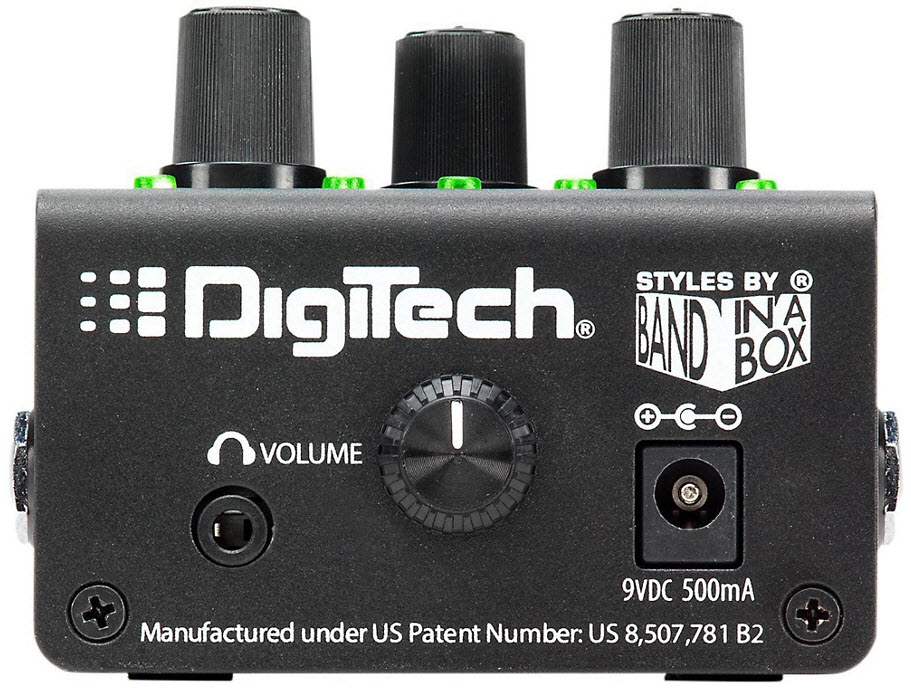
Pedaalin edessä on tulo pakettiin kuuluvalle virtalähteelle, sekä kuulokelähtö omalla volume-säätimellään.
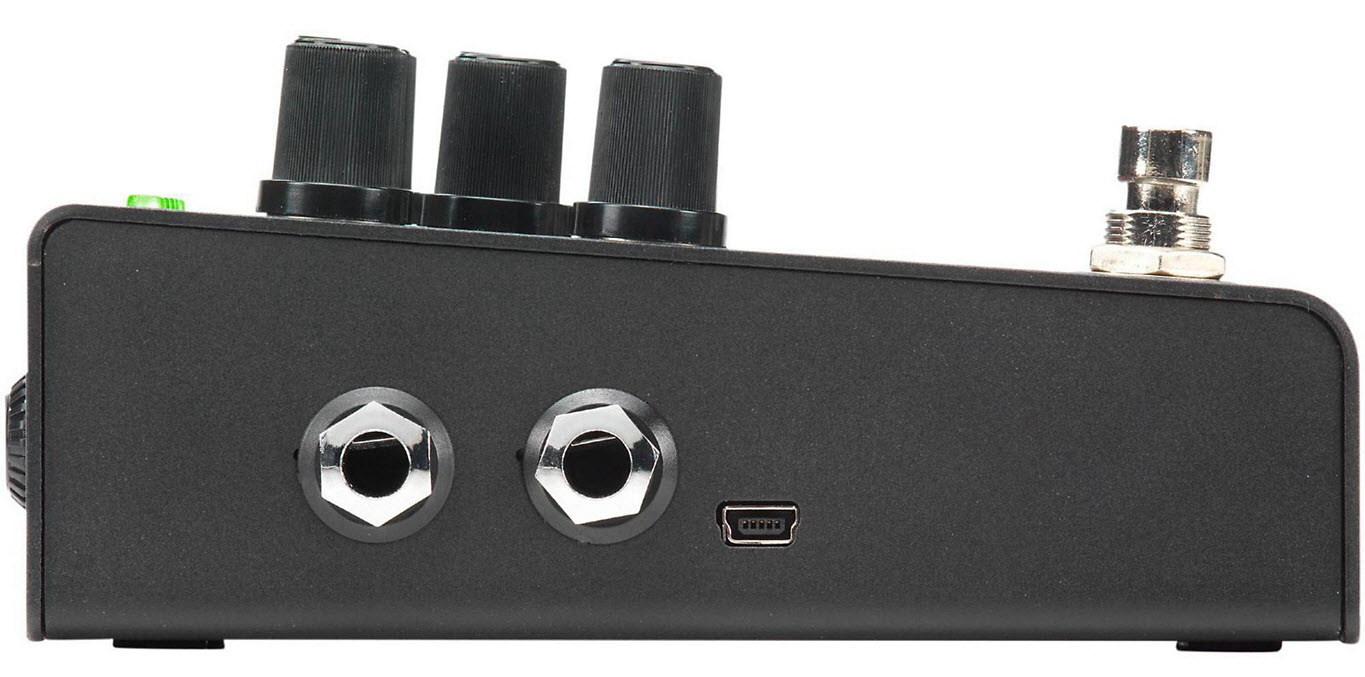
USB-portti on firmware-päivityksiä varten, kun taas vasemman kyljen jakit ovat audiolähdöt kitaravahvistimelle ja mikserille/äänikortille.
Digitechin Trio tunnistaa automaattisesti mikä lähtö on käytössä:
Kun vain vahvistinlähtöön on kytketty plugi, rumpu- ja bassosignaali säädetään vahvistinkanavalle sopivaksi. Kun vain mikserilähtö on käytössä, kitarasignaaliin lisätään kaiutinsimulaatiota. Kun taas molempia lähtöjä käytetään samanaikaisesti, kitarasignaalia ohjataan vain vahvistinlähtöön, ja rumpu- ja bassokuviot tulevat vain mikserilähdöstä. Kuulokkeen kytkeminen Trioon mykistää automaattisesti sekä vahvistin- että mikserilähdön.
****
Tässä Kitarablogi-videossa näytetään miten Digitech Trio -pedaalia käytetään:
****
Toisen videon musiikkia on äänitetty käyttämällä Digitech Trio -pedaalia, soittamalla kolme Alt Rock -genren Styles-tyyliä:
****
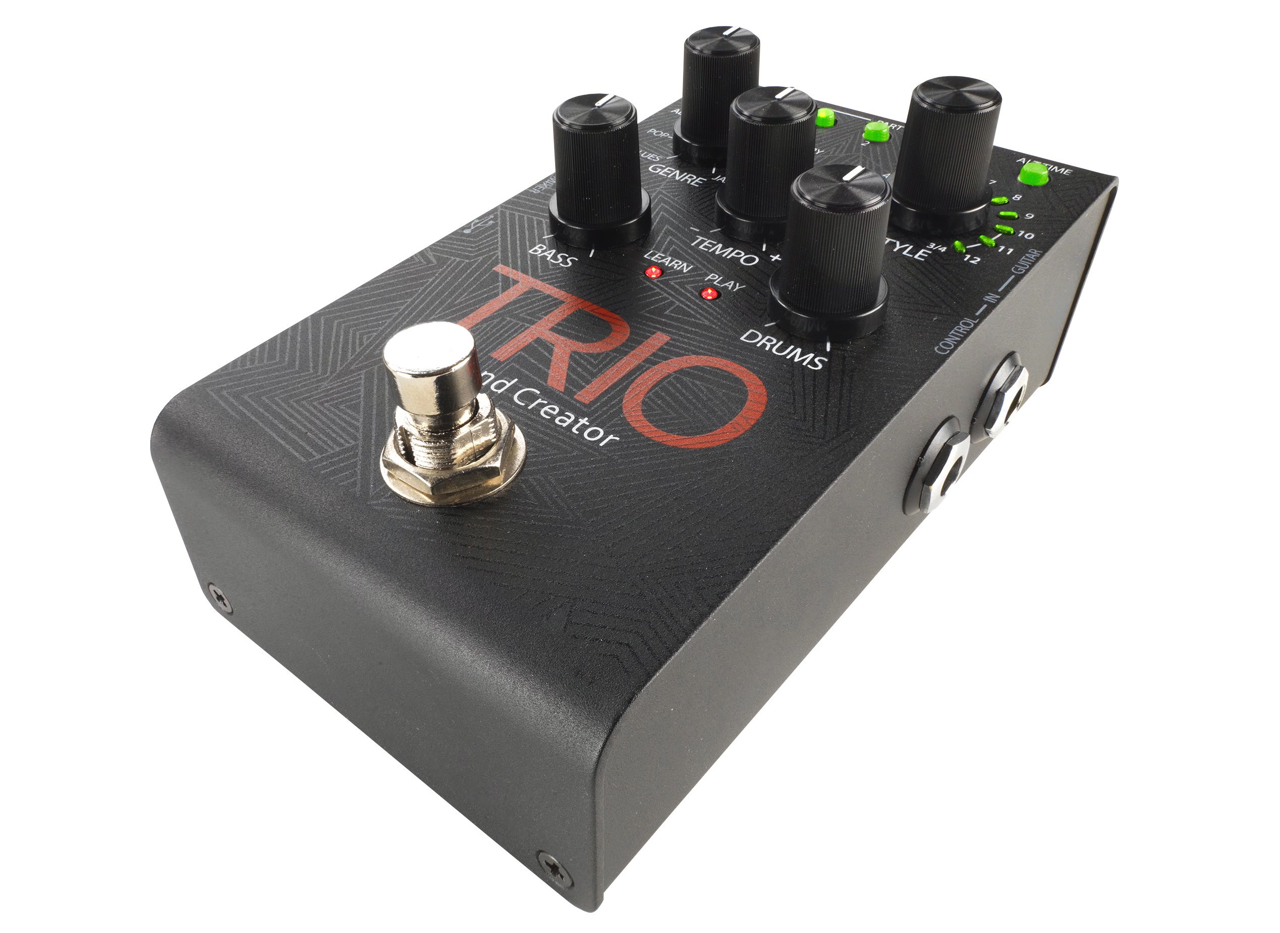
Testin perusteella voin todeta, että Digitech Trio on hyvin helppo ja intuitiivinen käyttää. Minun mielestäni se on fantastinen laite olohuone-jammailuun, sekä uusien biisien työstämiseen.
Trio Band Creator -pedaali onnistuu tunnistamaan biisinpätkän tempon ja sointukierron yllättävän hyvin edellyttäen, että a) Learn-vaiheessa ei esiinny kitaransoitossa liikkaa synkopaatiota, ja että b) opetusvaiheessa käytetään selkeästi tunnistettavia duuri, molli- ja seiskasointuja.
Trion rumpu- ja bassosoundit ovat hyvin kelvollisia, ja Style-kuvioissa esiintyy riittävästi automaattista live-tyylistä vaihtelua, ettei lopputuloksesta tulee turhauttavan robottimaista.
Metal-genren puuttuminen on valitettavaa, mutta riffien tunnustaminen suoraan audiosignaalista (ja riffien tarkka toistaminen) olisi varmaan ollut niin monimutkaista, että laitteesta olisi tullut yksinkertaisesti liian kallis ja liian hankalaa käyttää.
Ei-metallimiehille (ja -naisille) Trio Band Creator on kuitenkin todella mahtava työkalu harjoitteluun, jammailuun, sekä biisien kirjoitteluun. ylös sohvalta, siis!
****
Digitech Trio Band Creator
katuhinta noin 240 €
Maahantuoja: EM Nordic
Suuri kiitos DLX Musiikille testilaitteen lainaamisesta!
****
Plussat:
+ vankka tekoa
+ kompakti
+ interaktiivinen
+ monipuolinen Genre- ja Styles-tarjonta
+ hyvät rumpu- ja bassosoundit
Miinukset:
– Metal-genre ei edustettu
– laite ei pysty oppimaan riffejä
We’ve all been there, haven’t we? It’s a Wednesday evening, and you want to jam; but the drummer’s at the hairdresser’s and the bassist has to babysit all evening long.
So what do you do? You get bored to tears sitting on the sofa with your fingers widdling away idly on your favourite couch guitar…
Actually, now there’s a better, much more creative way to spend your spare time – Digitech’s brand-new Trio Band Creator pedal lets you jam and work on new song ideas by supplying an indefatigable rhythm-section-in-a-box.
****
The Digitech Trio (current street price in Finland approx. 240 €) uses a learn function that detects the chord changes (and tempo) of a part straight off your guitar’s audio signal. There’s no need for complicated step-by-step programming or an expensive (and fiddly) MIDI-pickup – just plug in your guitar lead, and you’re ready to go.
The Trio offers you seven musical Genres to choose from, each offering a whopping 12 Styles (meaning: different pattern templates for the drum rhythm and bass pattern). The patterns have all been developed for the best-selling Band In A Box computer software.
Digitech’s new wonder box picks up the tempo directly from your playing, but you can fine-tune the speed after the fact using the Tempo control. You can also switch between a normal and a half-time feel.
Digitech’s Trio also includes a very rudimentary guitar effects section, should you want to jam without using your guitar amp.
The Trio Band Creator comes in a very compact, yet very sturdy pedal format.
There are two jacks on the right side of the pedal – one is the guitar input, while the second one allows you to connect Digitech’s own FS3X footswitch unit for hands-free Part-switching.
The pedal’s front sports the input for the power supply unit (included), as well as a headphones output with its own volume control.
The USB-port on the unit’s left side is for firmware updates, while the two output jacks are the guitar amp and mixer outputs.
The Digitech Trio automatically detects which of the outputs are in use:
If only the amp output is used the drum and bass parts are pre-EQ’d to work well with a clean guitar amp. When using only the mixer out the guitar signal will run through the pedal’s cabinet emulation. Using both outputs simultaneously sends the guitar signal to the amp output and the rhythm section to the mixer. Plugging in headphones into the pedal’s headphone output automatically mutes both the mixer and amp outputs.
****
Here’s Kitarablogi’s video clip showing you how to use the Digitech Trio:
****
And here’s the Digitech Trio used in context, playing a three-part song (using Alt Rock styles):
****
I found Digitech’s Trio very easy and intuitive to use. In my view it’s a fantastic little unit in a living room jamming and song developing context.
The Trio Band Creator does a surprisingly good job of learning the tempo and chord changes of a part straight off your guitar playing, provided you a) don’t syncopate too wildly, and b) stick to major, minor and 7th chords for the most part.
The drum and bass sounds are very decent, and an ample amount of automatic Style variation keeps enough semblance of the ”human” element in the accompaniment, to keep it from sounding robotic.
I would have liked to have seen a Metal Genre included in the Digitech Trio. On the other hand, this would have meant the inclusion of a riff-learning function of some sort, which probably would have made the pedal too complicated and expensive.
For non-Metal guitarists, though, the Trio Band Creator is a fantastic tool to keep your playing chops up, as well as for jamming and coming up with new songs. No need to noodle aimlessly on the sofa, anymore!
****
Digitech Trio Band Creator
Current street price approximately 240 €
Finnish Distributor: EM Nordic
A big thank you to DLX Music Helsinki for the loan of the review unit!
****
Pros:
+ build quality
+ compact
+ interactive
+ large variety of Genres and Styles
+ quality of drum and bass sounds
Cons:
– no Metal genre available
– cannot learn riffs

Here’s a guitar-only mix:


 Kitarablogi.com – Finland's premier Guitar and Bass blog