Review: Bluetone Atlantis Reverb

Here’s a demo of the Bluetone Atlantis Reverb combo. The demo is a cover version of the classic Fleetwood Mac track ”Albatross”.
• All guitar tracks have been recorded with the Bluetone Atlantis Reverb combo
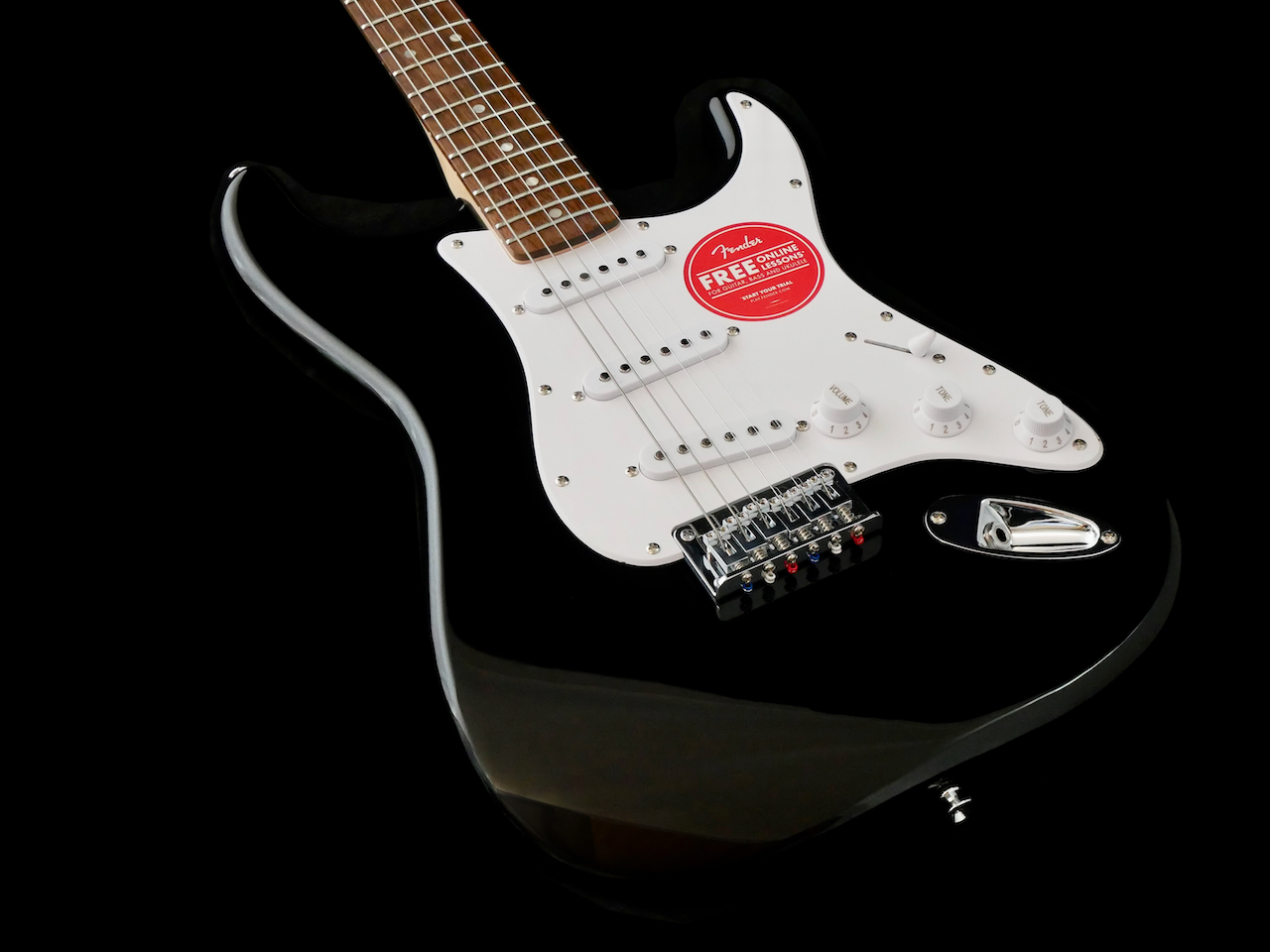
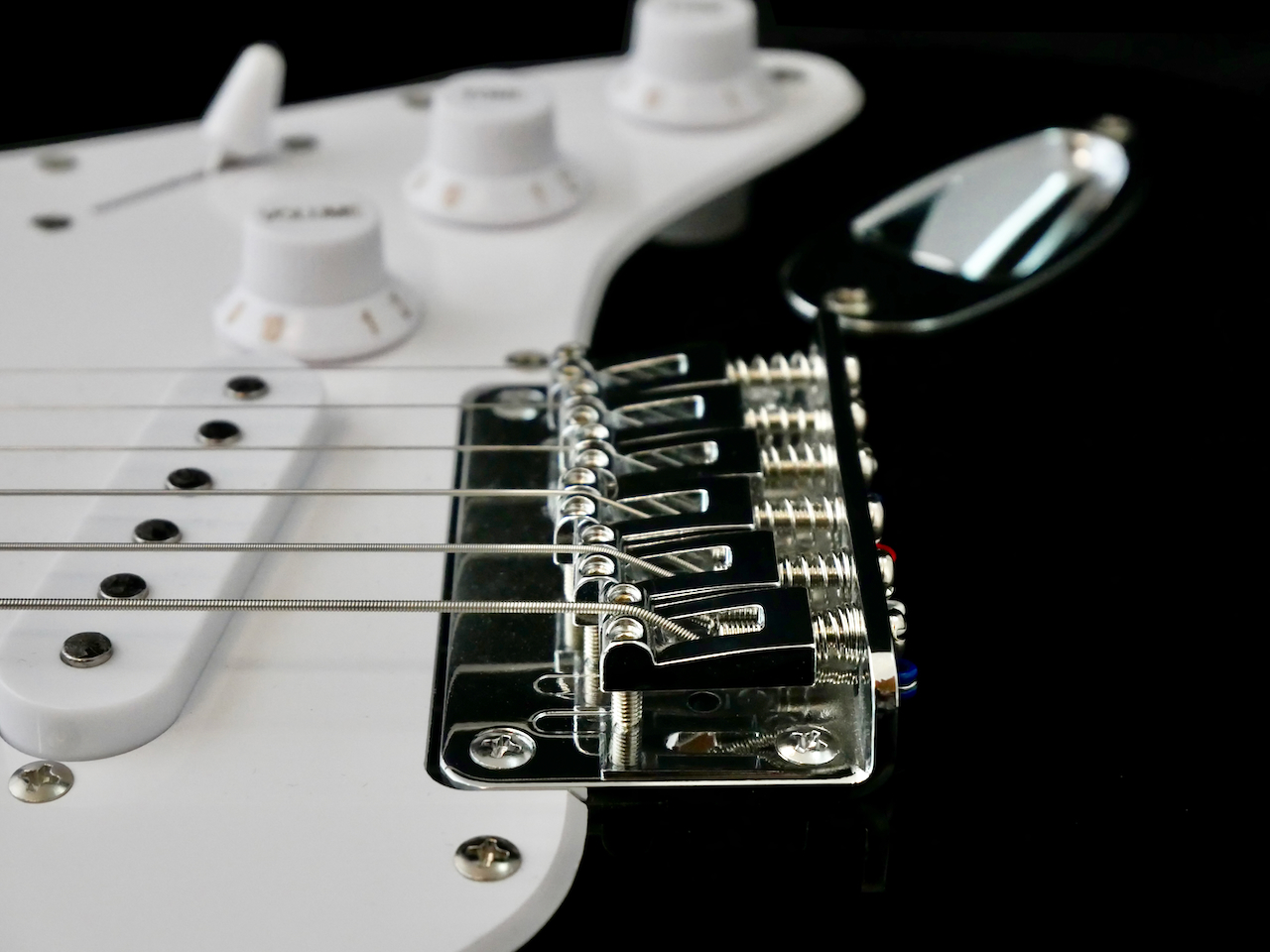
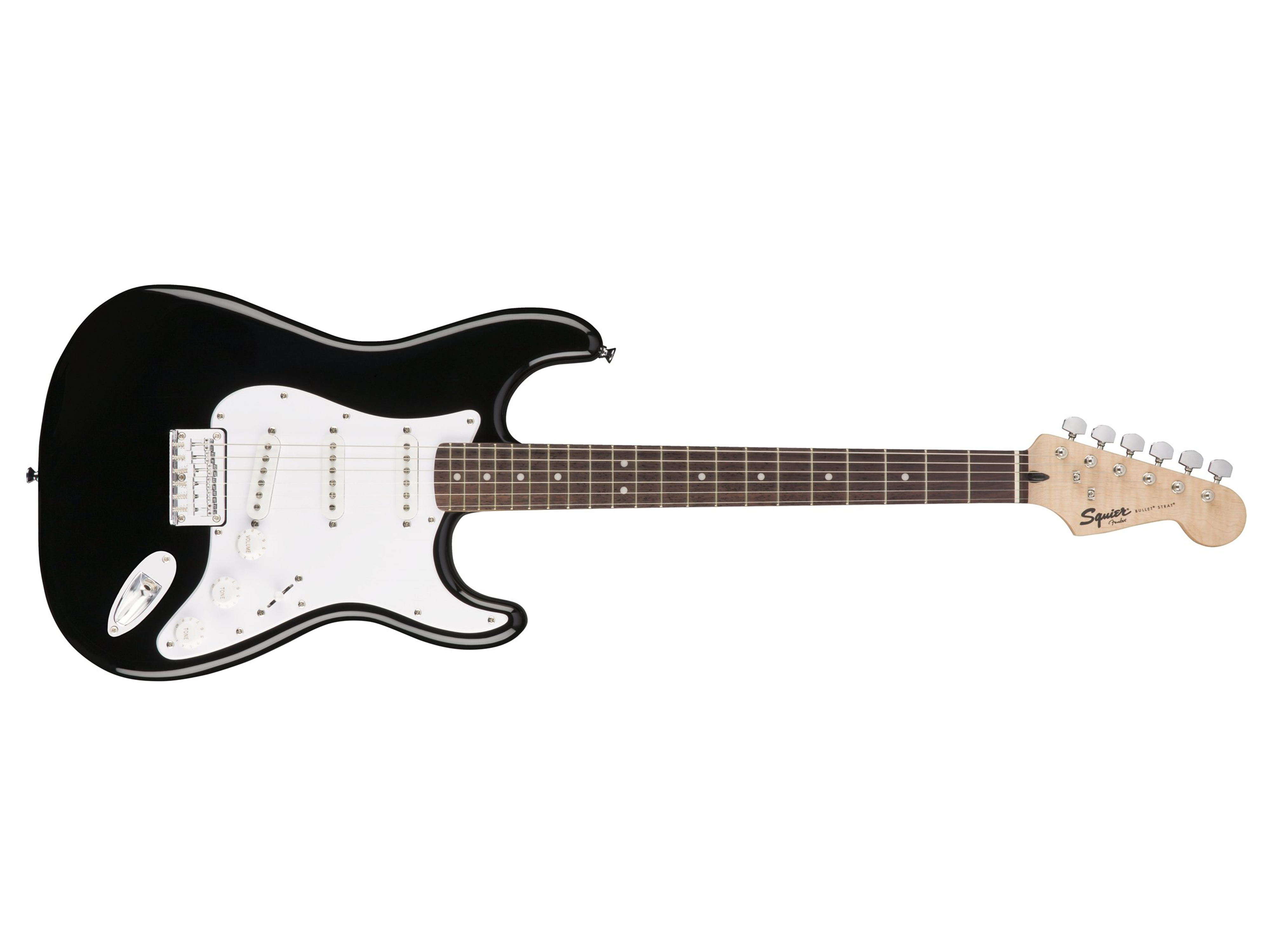
• Guitars used: Epiphone Casino (main melody, stereo centre), Hamer USA Studio Custom (harmony melody, panned left and right; rhythm guitar), Squier Bullet Stratocaster (slide parts)
• Mic used: Shure 545SD
• Preamp used: Cranborne Audio Camden EC2

****

All pre-WWII guitar amps are muddy-sounding and uninspiring pieces of junk. Right? No, wrong!

Granted, some of those old-timers are almost completely geared towards clean Jazz tones, but you might be surprised by some of the forward-thinking features many of the early guitar amplifiers include.

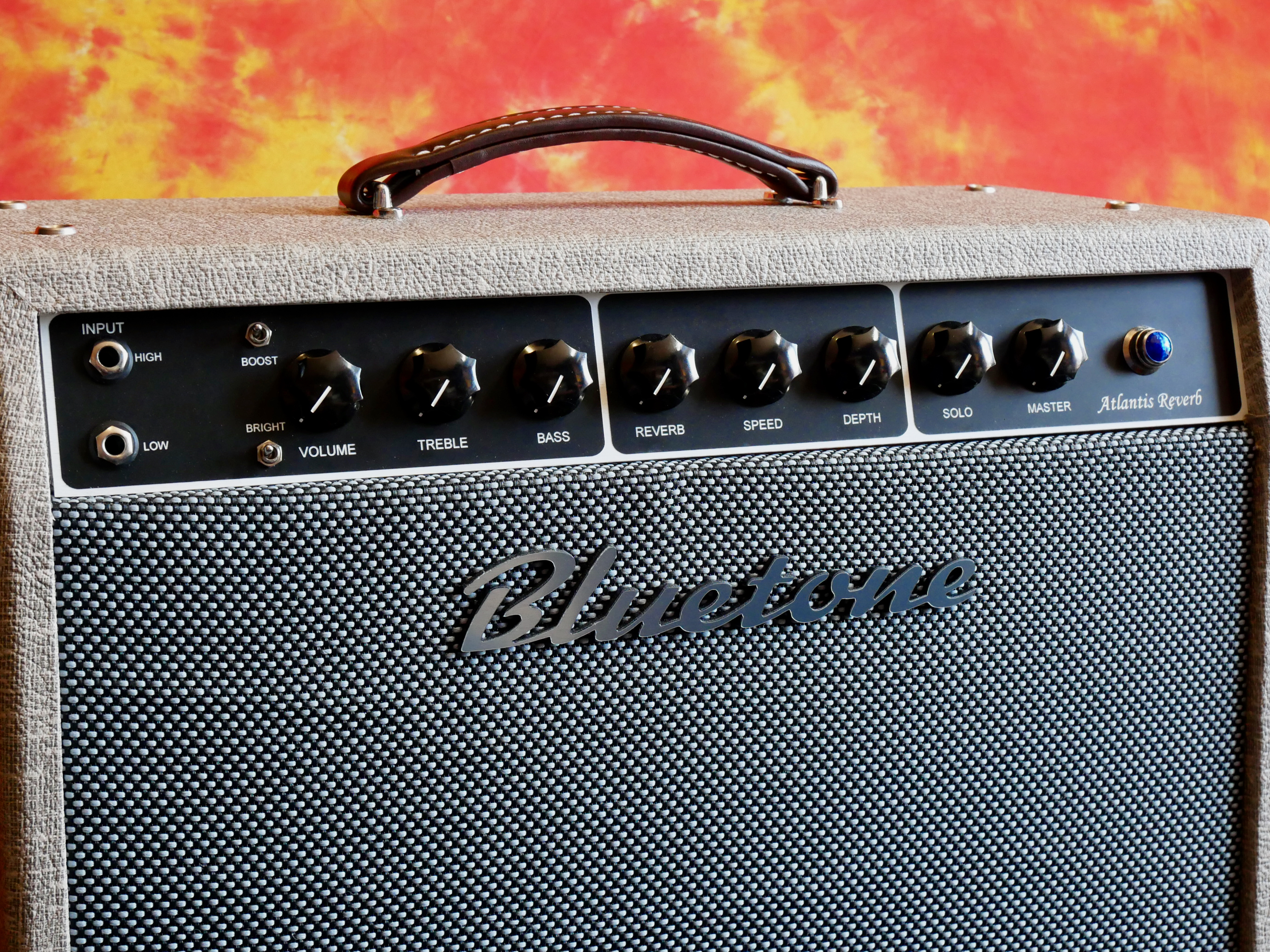
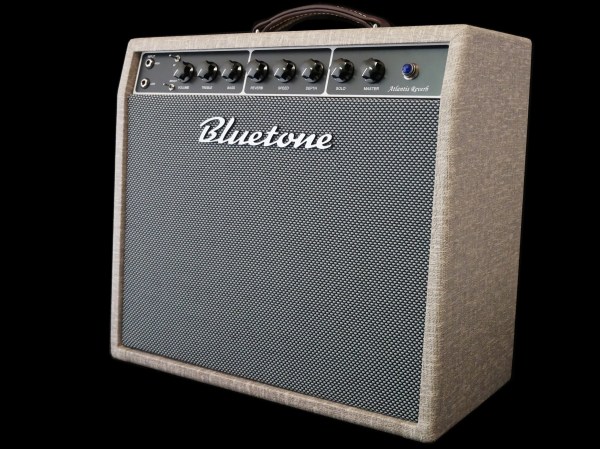
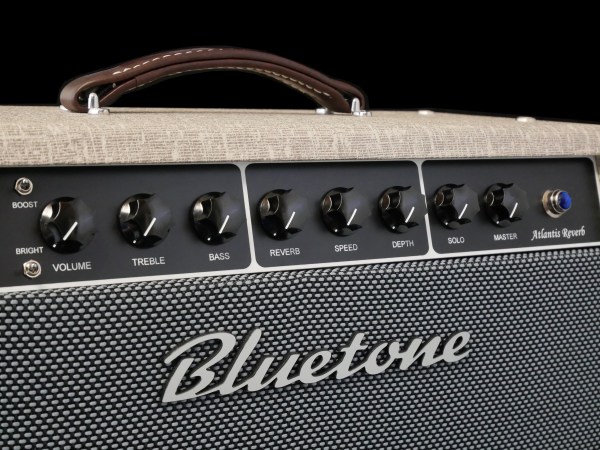
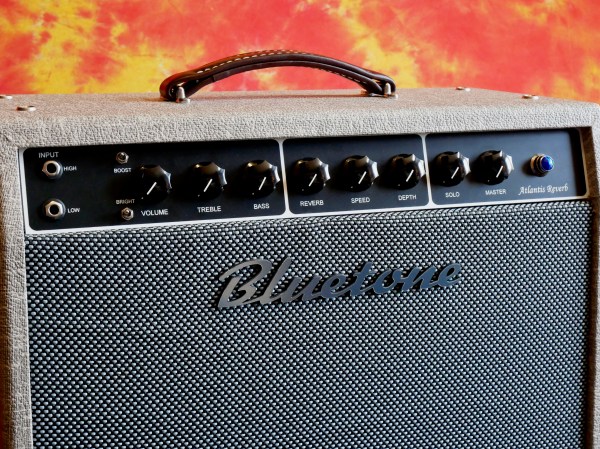
The brand-new Bluetone Atlantis Reverb combo (1,950 €) is a handcrafted Finnish all-valve amp, that is based on one of the most fascinating old designs, the Gibson EH-185 (c. 1940). The original Gibson combo included an active two-band tone stack, which is a feature still only found in a handful of guitar amp designs.

For Bluetone’s Harry and Lauri the ball started rolling, when a customer ordered a quasi-replica of the EH-185 from Bluetone. Intrigued by the challenge, the guys came up with a number of ways to realise the vintage circuit with modern components.

The Bluetone Atlantis Reverb takes these updated circuits, and combines them with a number of Bluetone’s modern features, to arrive at a modern and roadworthy alternative to the late-1930s original.
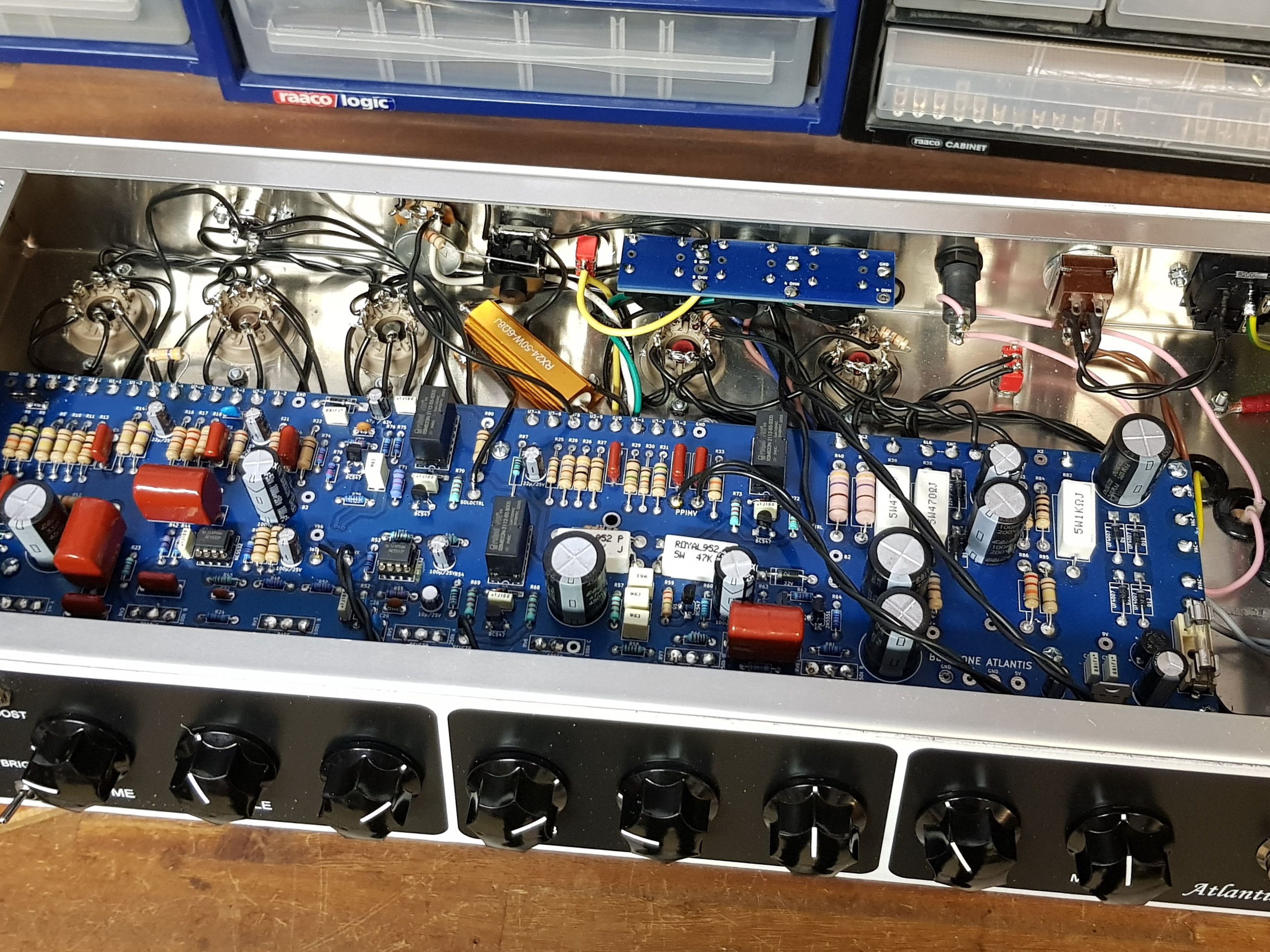
This is what the Atlantis Reverb looks like on the inside – super clean workmanship and top-notch components in a easy-to-service PCB layout.
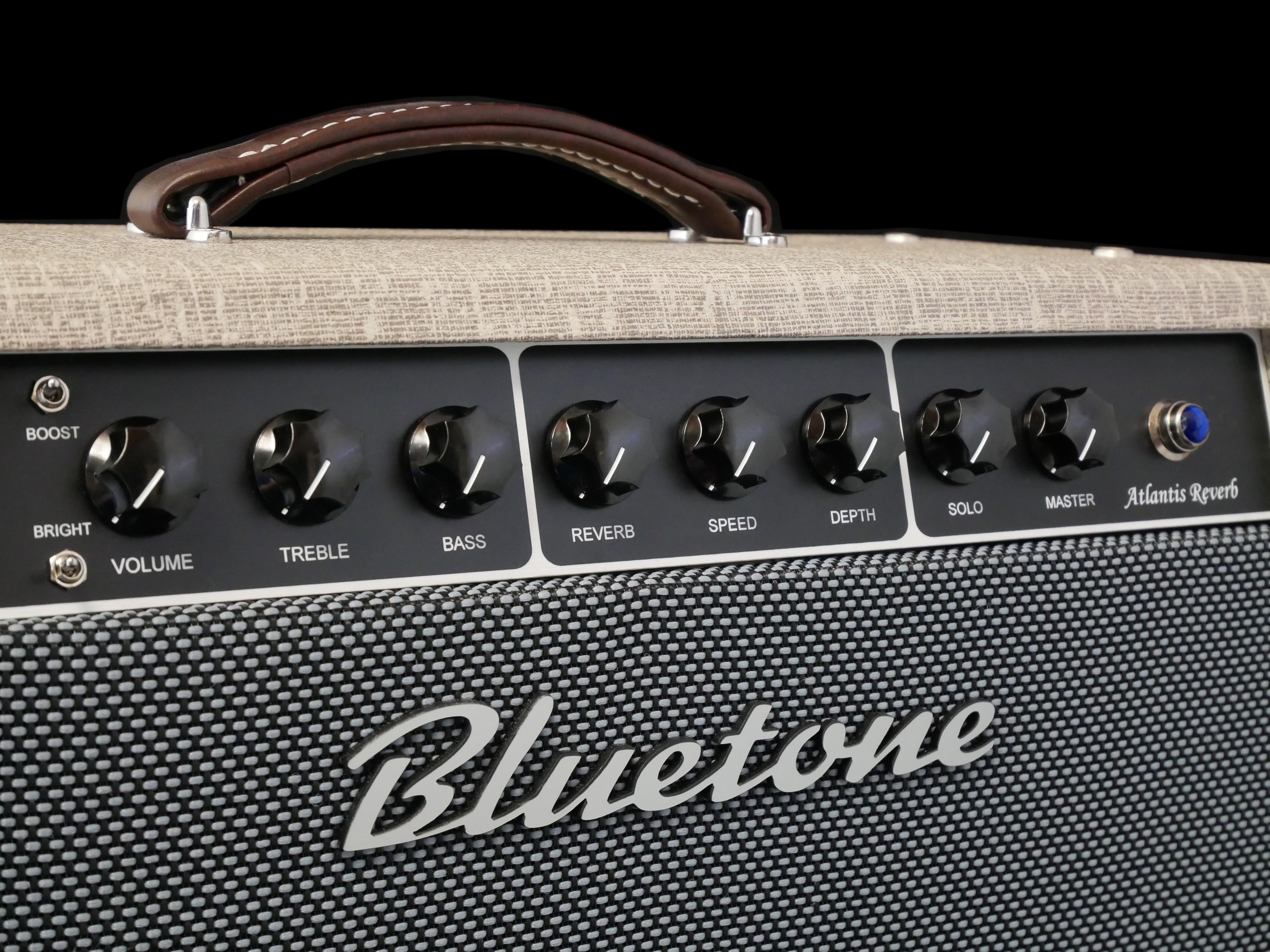
The Atlantis is a single-channel guitar amp; the input section comprises controls for volume (gain) and the two-band active EQ (cut and boost), as well as a switchable preamp boost and a Bright-switch.

The effect section features an Accutronics spring reverb unit and Bluetone’s own, beautiful bias-modulated tremolo. Both effects can be switched on and off.

The output section sports a switchable Solo-boost and a post phase-inverter Master-volume control. The post phase-inverter design means that turning the Master full up takes the control out of the circuit completely.
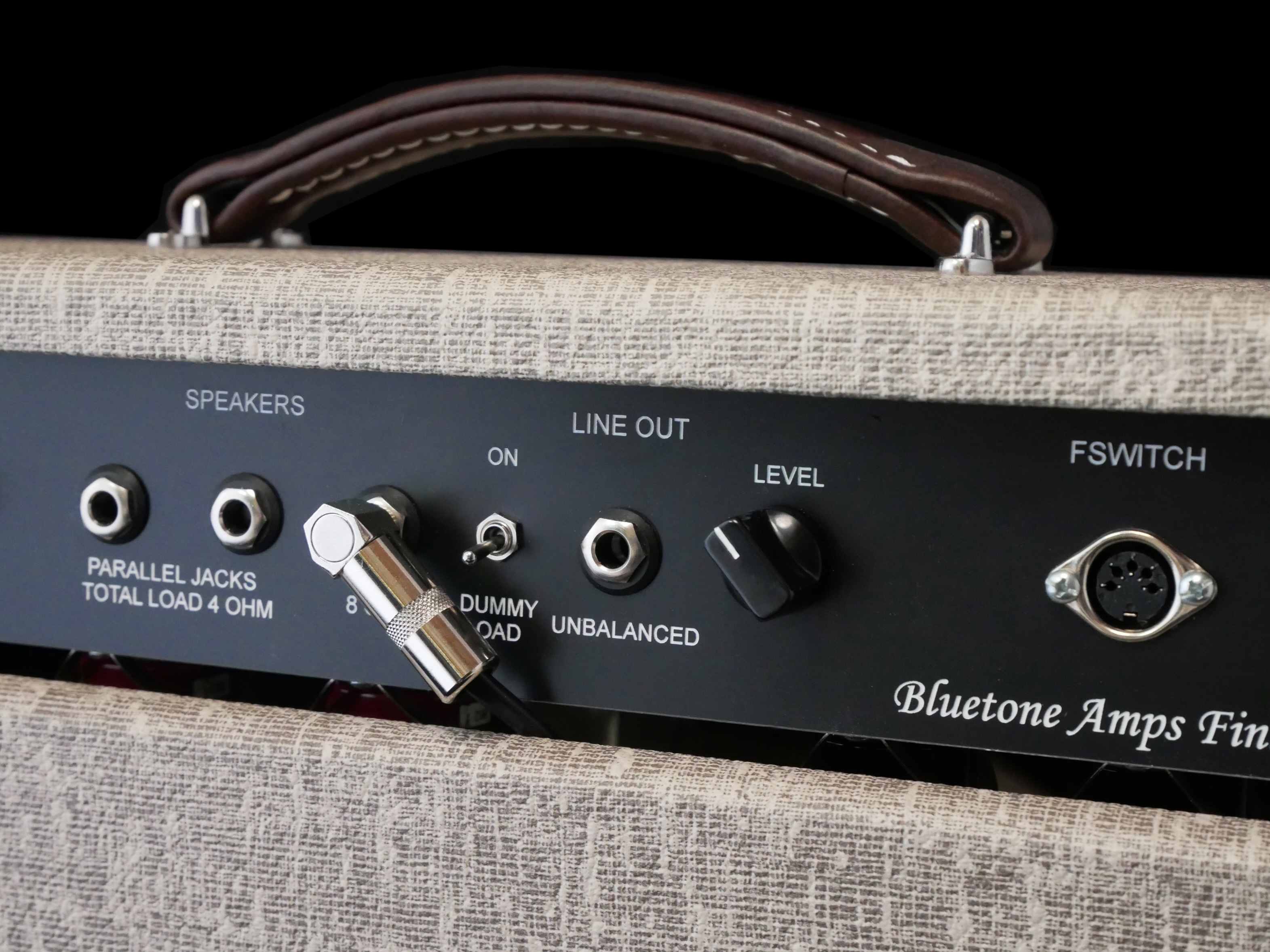
The back panel offers additional speaker outputs, an unbalanced line-level output – with its own, built-in dummy load and level control – as well as the DIN-port for the footswitch unit.
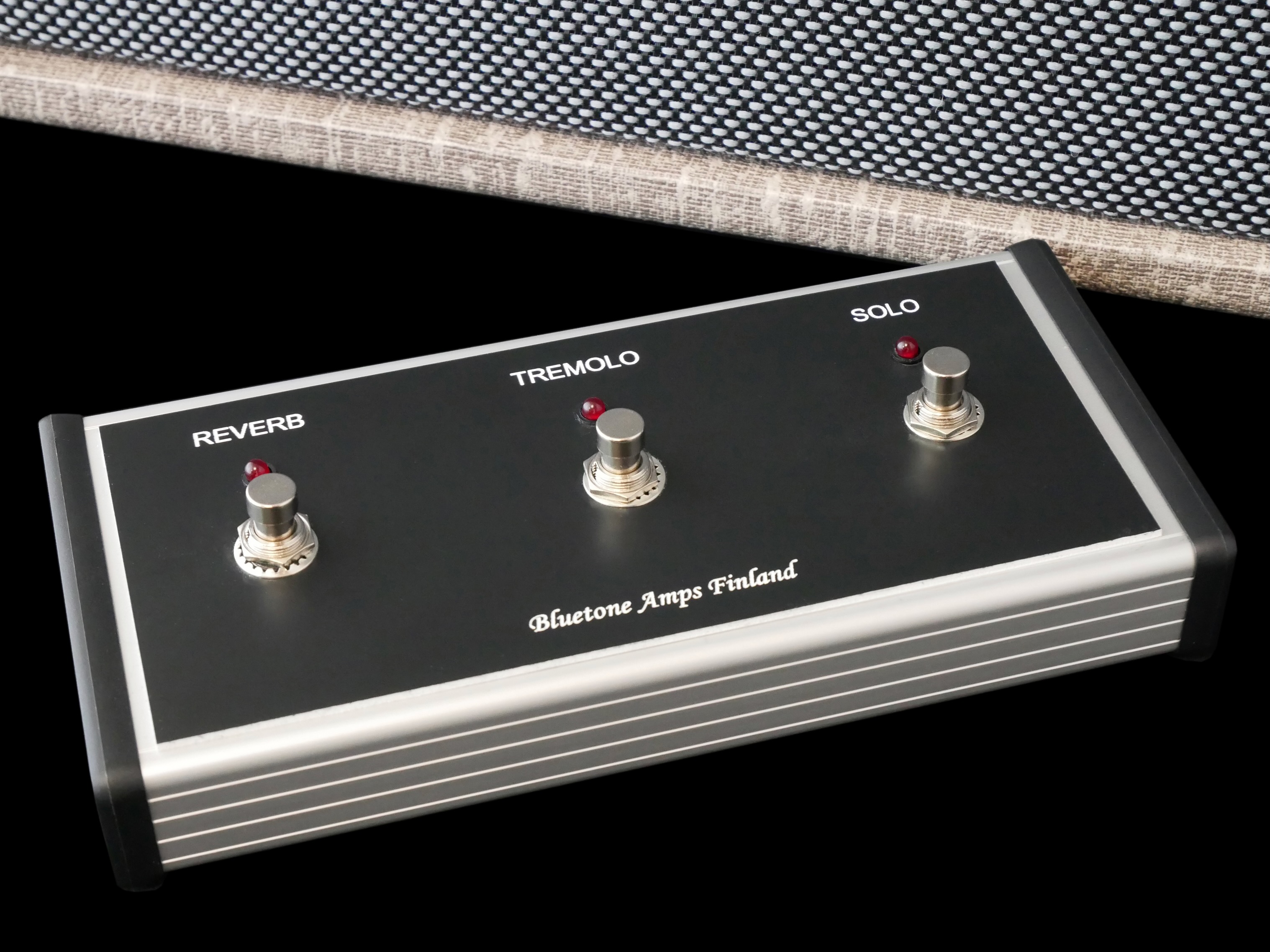
A three-switch footswitch unit is included with the Atlantis Reverb combo, as is the necessary cable.
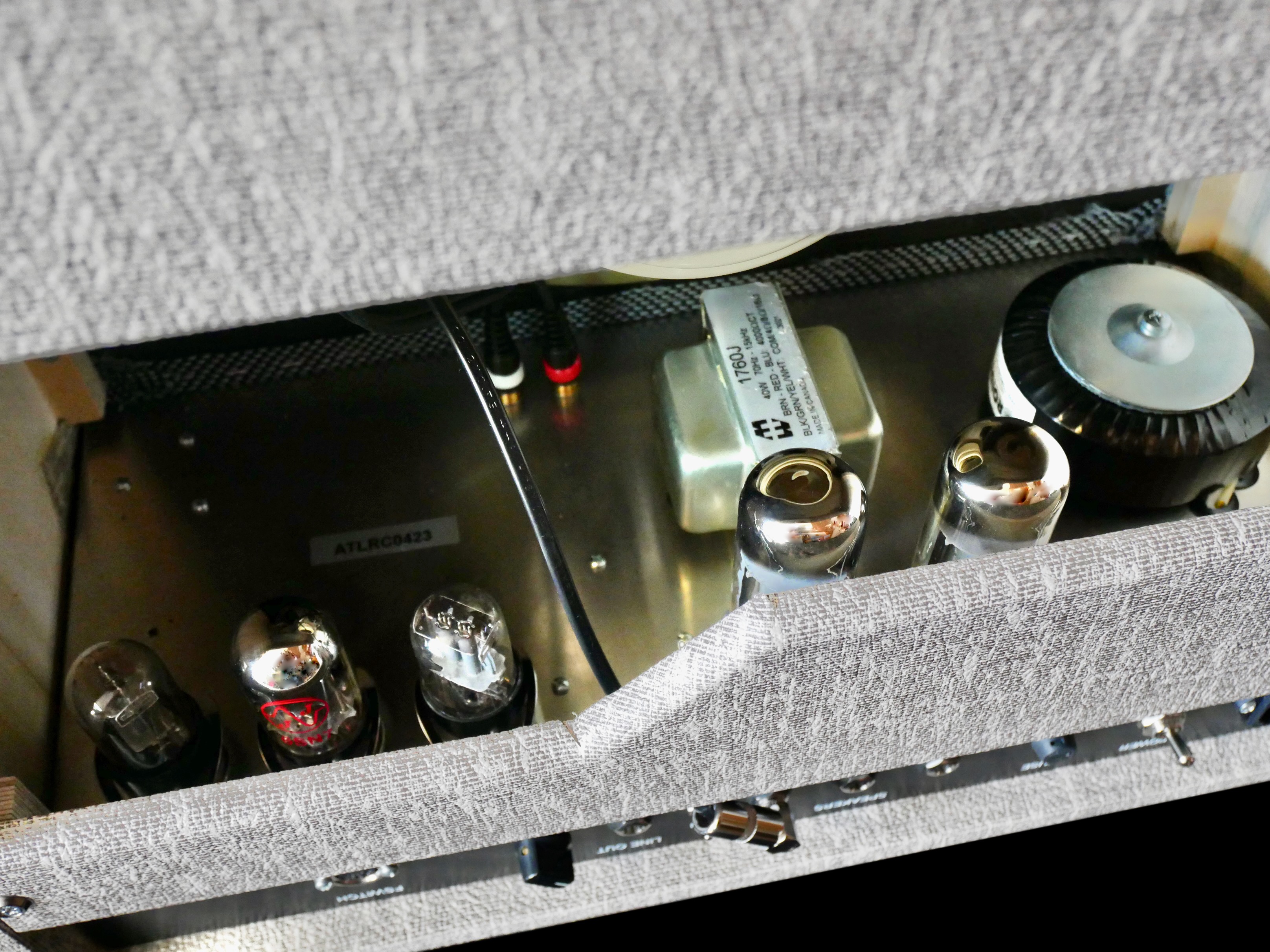
The Bluetone Atlantis’ preamp isn’t your run-in-the-mill 12AX7-based design, but instead runs a pair of NOS 6SL7-tubes and one 6SN7 to achieve its special tones. Both models were very popular among tube HiFi enthusiasts in the 1990s, but are extremely rarely seen in modern guitar amps.

The power amp can run most of the common octal power amp valves, such as the 6V6GT, the EL34, the 5881 or the KT66. The design is cathode-biased, which means you can drop in a new pair of tubes without the need for manual biasing. The only thing to remember is that if you want to use a pair of 6V6GTs you have to put the small switch (hidden in the picture by the back panel) to ”6V6GT” to prevent any damage to the amp. All other valves are supposed run on the 6L6GC setting.

From the workshop the Bluetone Atlantis Reverb comes equipped with a pair of 6L6GCs, giving you a Fender-style power amp with an output somewhere between 25 and 30 watts.

The black round thing in the picture’s right-hand corner is a toroidal mains transformer. The guys at Bluetone swear by toroidal mains transformers, because of their reduced weight, great reliability and superior (read: lower) hum-induction levels.
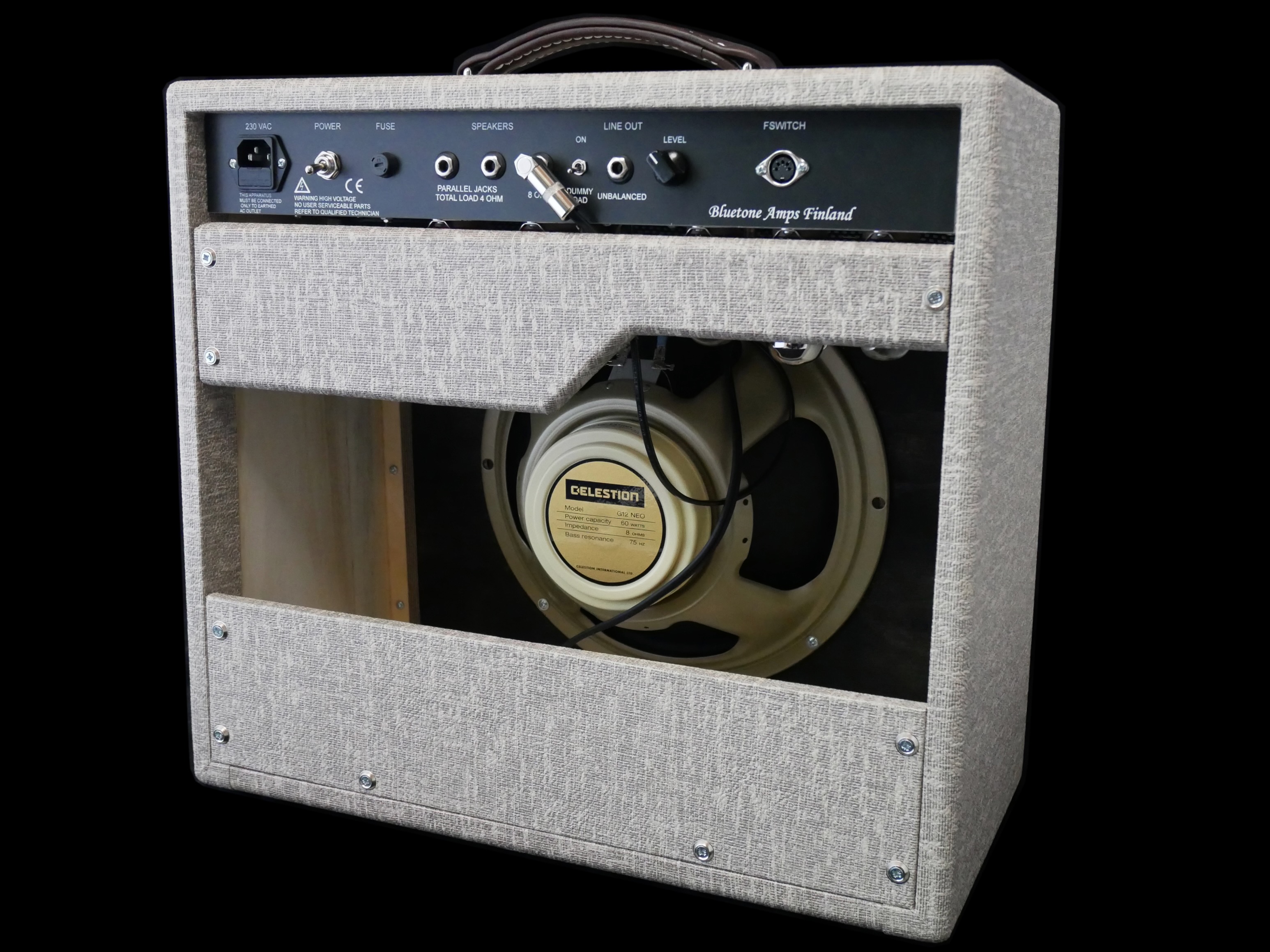
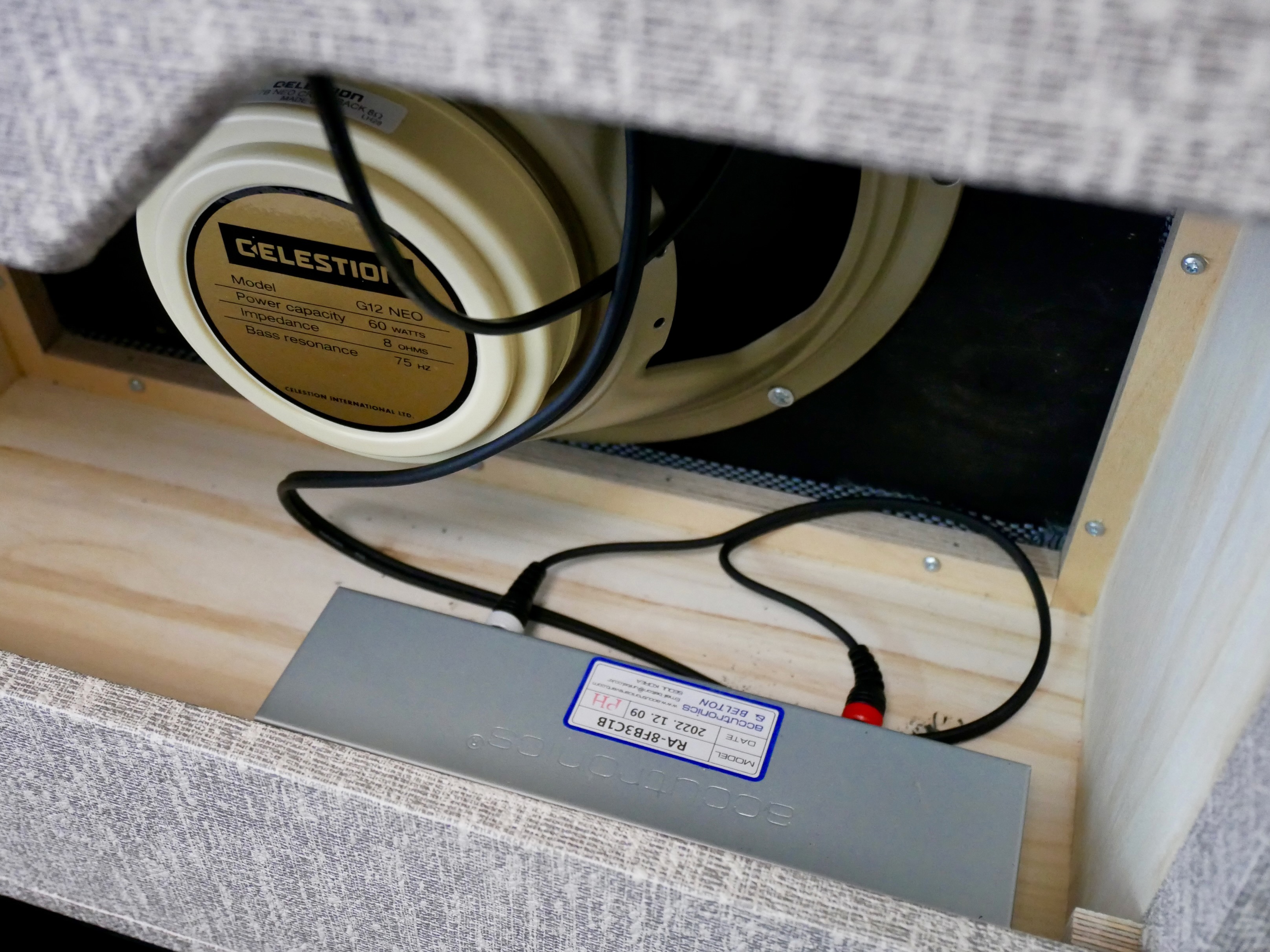
The combo’s cabinet is a traditional Fender-type open-back design. The speaker is a 12-inch Celestion Neo Creamback unit rated at 60 watts.

The cabinet is made of lightweight and ecologically sound solid paulownia wood, making the Bluetone Atlantis Reverb far lighter to carry than what you’d expect from a 12-inch speaker equipped traditional design.

****

Here’s a demo based on Santana’s classic ”Samba Pa Ti”.
• Guitar: Hamer USA Studio Custom (no effect pedals were used)
• Mic: Shure 545SD
• Preamp: Universal Audio Volt 2

****
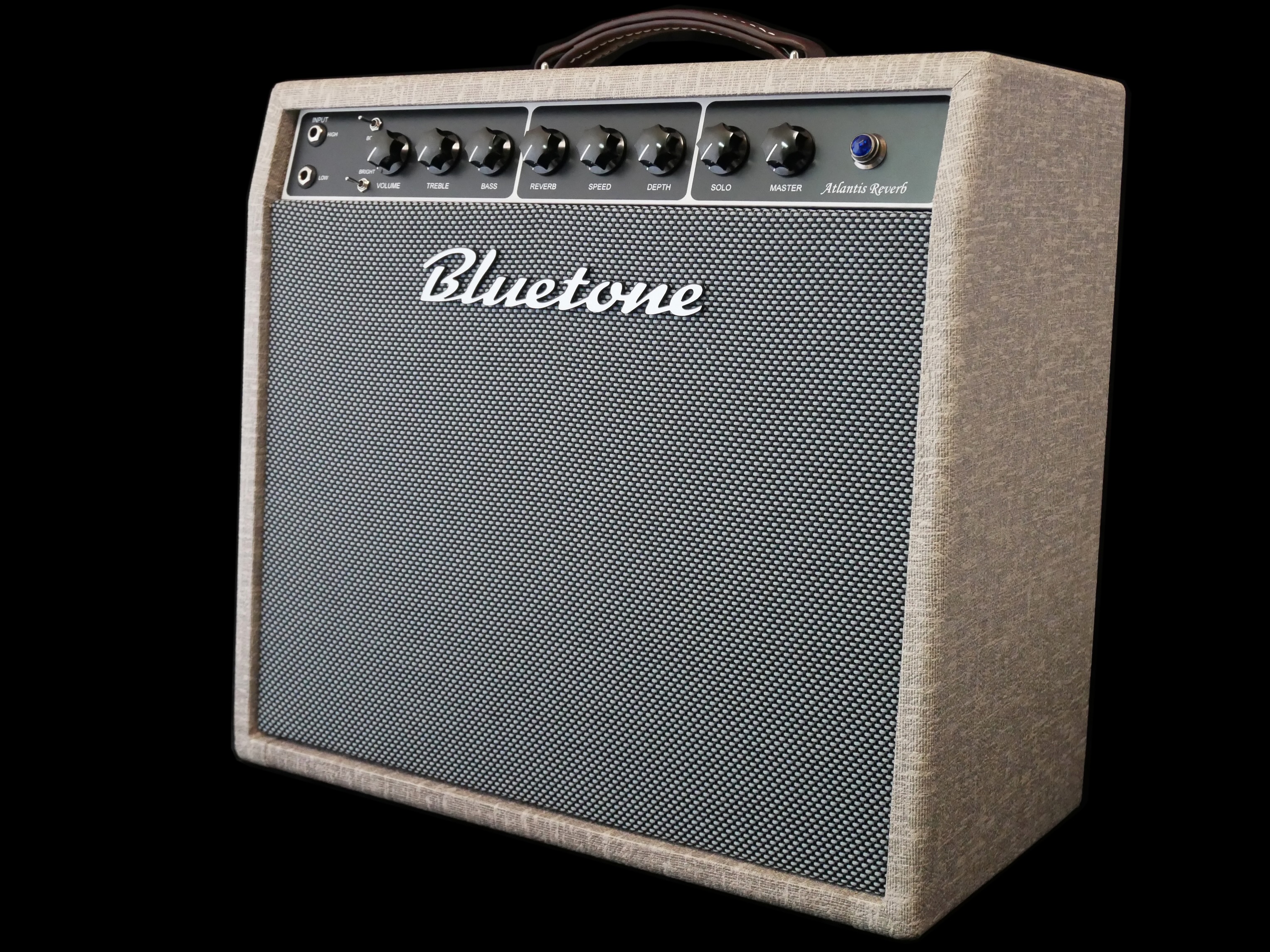
The Bluetone Atlantis Reverb combo’s forte definitely lies in its clean and break-up tones. The cleans have a charming chime to them that’s all their own – the sound, at least to my ears, is even sweeter than on a Fender ”Blackface” offering a lot of three-dimensional depth to your playing.

The two-band active EQ allows you to tailor the amp perfectly to any guitar you might pick, proving to be a very effective tool both on stage and in recording situations.

Overdriven sounds have their charms, too, as long as you don’t expect any creamy distortion from the Atlantis Reverb on its own. This combo’s crunch is of the late-Sixties/early-Seventies type, perfect for early-Santana, classic The Who, or T. Rex style excursions, which put dynamics and attitude front and centre.

The Atlantis also works exceedingly well with all types of effect pedals.

If you have an opportunity to test drive one of these beautiful handcrafted gems, you should definitely grab it!
Bluetone Atlantis Reverb – Demo Song 2

Here’s another demo of the Bluetone Atlantis Reverb.
It’s a cover version of Santana’s classic ”Samba Pa Ti”.
****
• Guitar: Hamer USA Studio Custom (no effect pedals used)
• Mic: Shure 545SD
• Preamp: Universal Audio Volt 2

Bluetone Atlantis Reverb ++ Working on a review ++ Testi tulossa

Here’s a demo of the Bluetone Atlantis Reverb combo – a handmade Finnish valve combo, based on a Gibson EH-185.
The demo is a cover version of the classic Fleetwood Mac track ”Albatross”.
****
• All guitar tracks have been recorded with the Bluetone Atlantis Reverb combo
• Guitars used: Epiphone Casino (main melody, stereo centre), Hamer USA Studio Custom (harmony melody, panned left and right; rhythm guitar), Squier Bullet Stratocaster (slide parts)
• Mic used: Shure 545SD
• Preamp used: Cranborne Audio Camden EC2

Bluetonen Atlantis Reverb -kombo on käsintehty suomalainen putkivahvistin, joka perustuu Gibson EH-185 -malliin nykyaikaisilla parannuksilla.
Demobiisi on coverversio Fleetwood Macin klassikosta ”Albatross”.
****
• Kaikki kitararaidat on soitettu Bluetone Atlantis Reverb -kombon läpi
• Kitarat: Epiphone Casino (päämelodia, stereokuvassa keskellä), Hamer USA Studio Custom (kaksiääninen melodia, vasemmalla ja oikealla, sekä komppikitara keskellä), Squier Bullet Stratocaster (bottleneck-kitara)
• Mikrofoni: Shure 545SD
• Esivahvistin: Cranborne Audio Camden EC2

Squier Bullet Strat HT – tulossa Rockway-blogiin

Here’s a short demo song in the style of Jimi Hendrix’ classic track ”Foxy Lady”.
• All guitar tracks recorded with the Squier Bullet Strat Hardtail
• Effects used: UralKit Rouhi Ge and FF Si fuzz boxes
• Amp used: Bluetone Shadows Jr
• Mic used: Shure SM57
• Preamp used: Cranborne Audio Camden EC2
Here’s a short demo song in the style of the classic Dire Straits track ”Sultans of Swing”.
• All guitar tracks recorded with the Squier Bullet Strat Hardtail
• Amp used: Bluetone Black Prince Reverb
• Mic used: Shure SM57
• Preamp used: Cranborne Audio Camden EC2

UralKit Ge Rouhi versus FF Si – the Kitarablogi-video

I thought it would be fun to do a direct comparison between these two fuzz pedals by Uraltone.
In the first half of the video I play the guitar with the volume control backed off to about 7.5 of 10. For the second part of the video I turned my guitar up to full volume.
The UralKit Ge Rouhi used here isn’t the regular version, but rather the Helsinki Tonefest 2023 special edition that I assembled at the guitar show.
****
• Guitar used: Harley Benton DC-60 Junior
• Amp used: Bluetone Black Prince Reverb
• Mic used: Shure SM57
• Preamp used: Cranborne Audio Camden EC2
• Interface used: Universal Audio Volt 2
• The Squier (Japan) Jazz bass was recorded using the Cranborne preamp

UralKit Germanium Rouhi

UralKit FF Si

Review: Tokai TJB-55 + TJB-55 FL

The electric bass guitar – and especially a sunburst 1970 Fender Jazz Bass – was my first musical love. My father Jaroslav was the drummer of a professional show band in Germany, and as a child I was lucky to make the occasional trip to rehearsals, recording studios and some afternoon gigs with him. I loved the music, the instruments and the microphones, but most of all I loved to look at the bass player’s (Pavel) Fender Jazz with its huge chrome covers.

I took the roundabout way to becoming a bassist myself, first playing the violin, then the guitar, then the double bass and the piano. In 1985 I bought my first bass guitar – a Japanese Jazz Bass-copy, and I never looked back. That bass is still my go-to instrument.

Over time Tokai Japan instruments have become legendary in their own right. Tokai managed to offer the type of vintage-inspired instruments that guitarists and bassists in the 1970s were craving for, but couldn’t find from US manufacturers. To this day Tokai stands for top quality at a musician-friendly price.

****

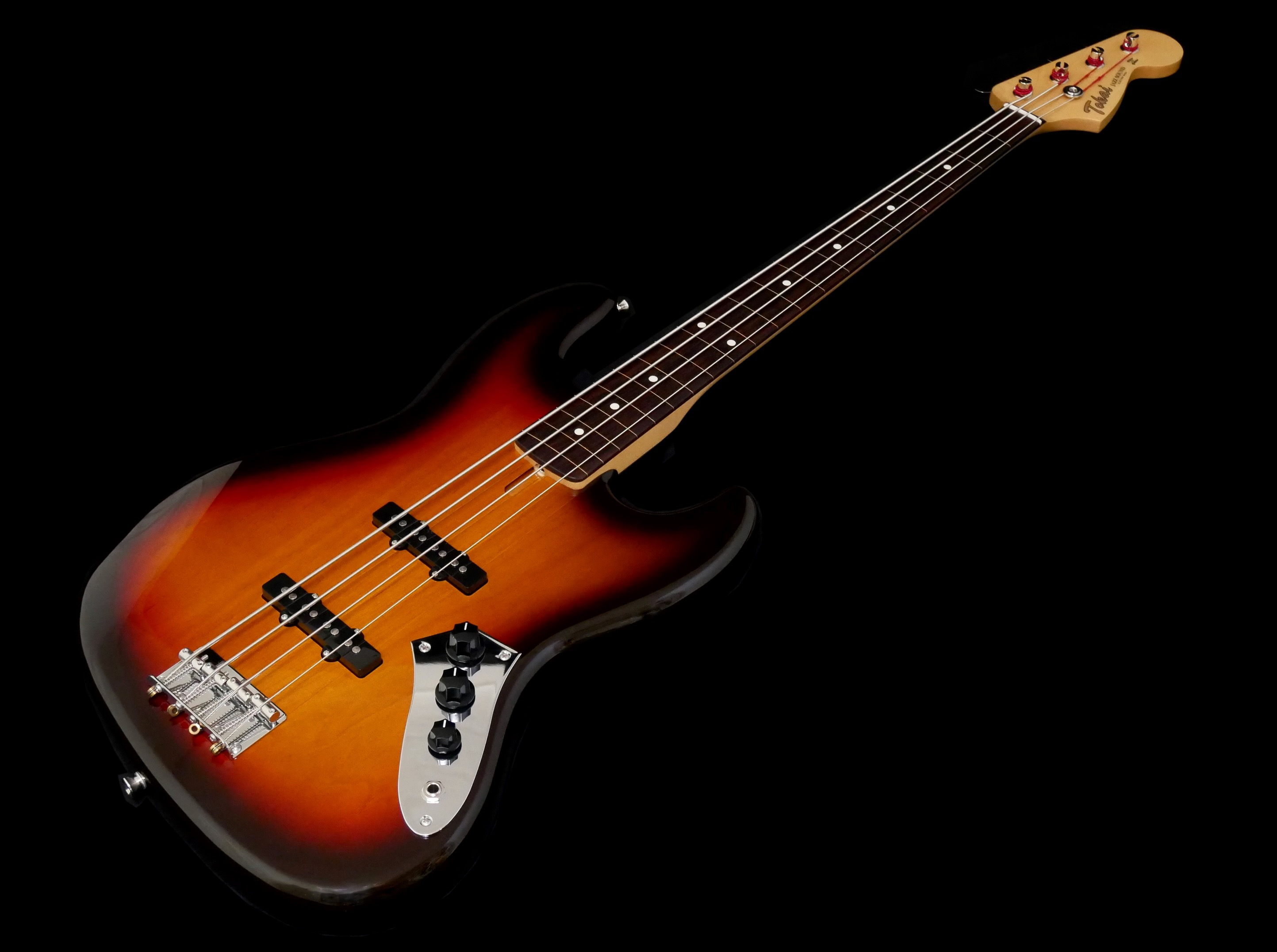
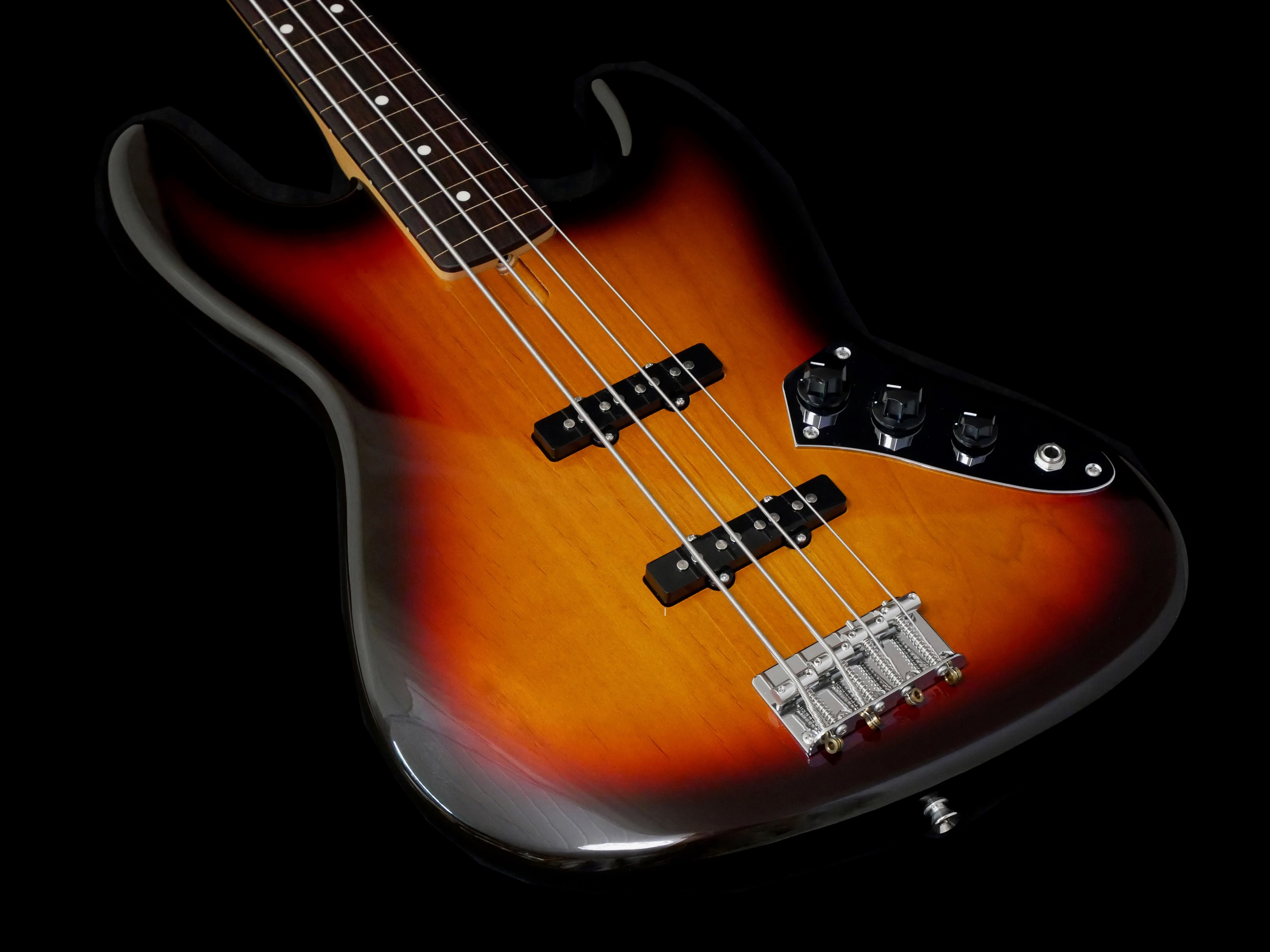
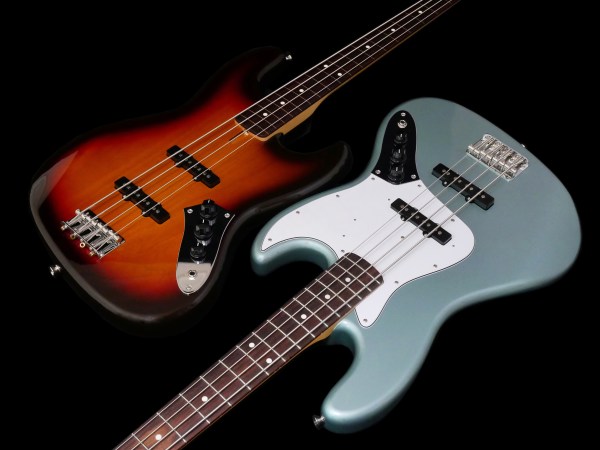
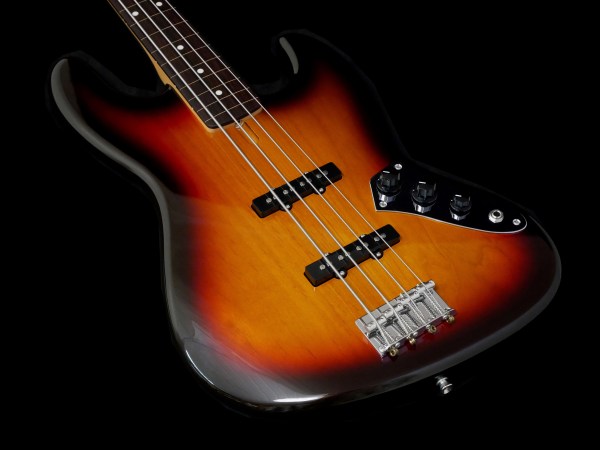
You could call the fretless Tokai TJB-55 FL (1.238,– €) Tokai’s unofficial Jaco Pastorius ”signature model” judging by its looks.

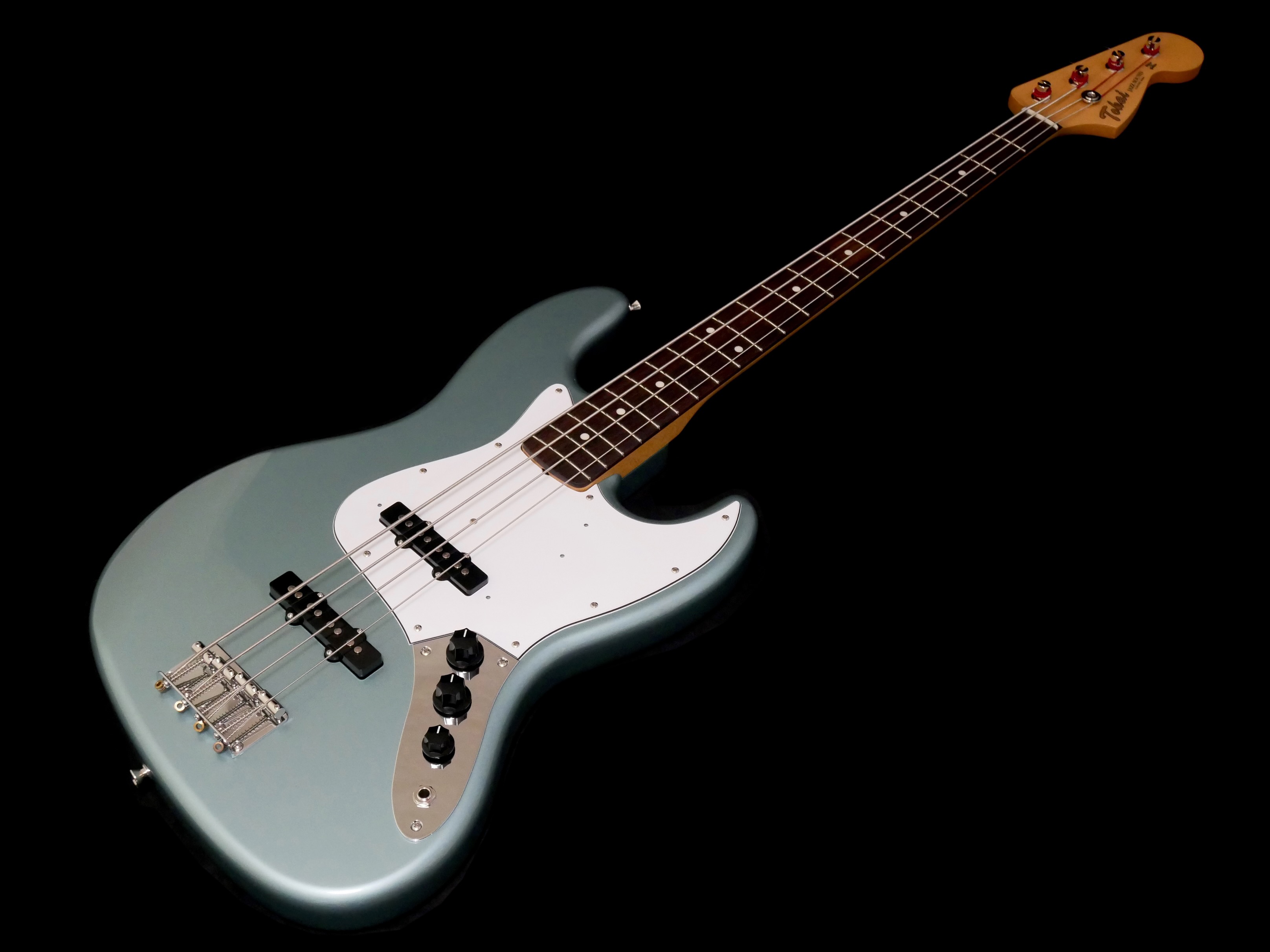
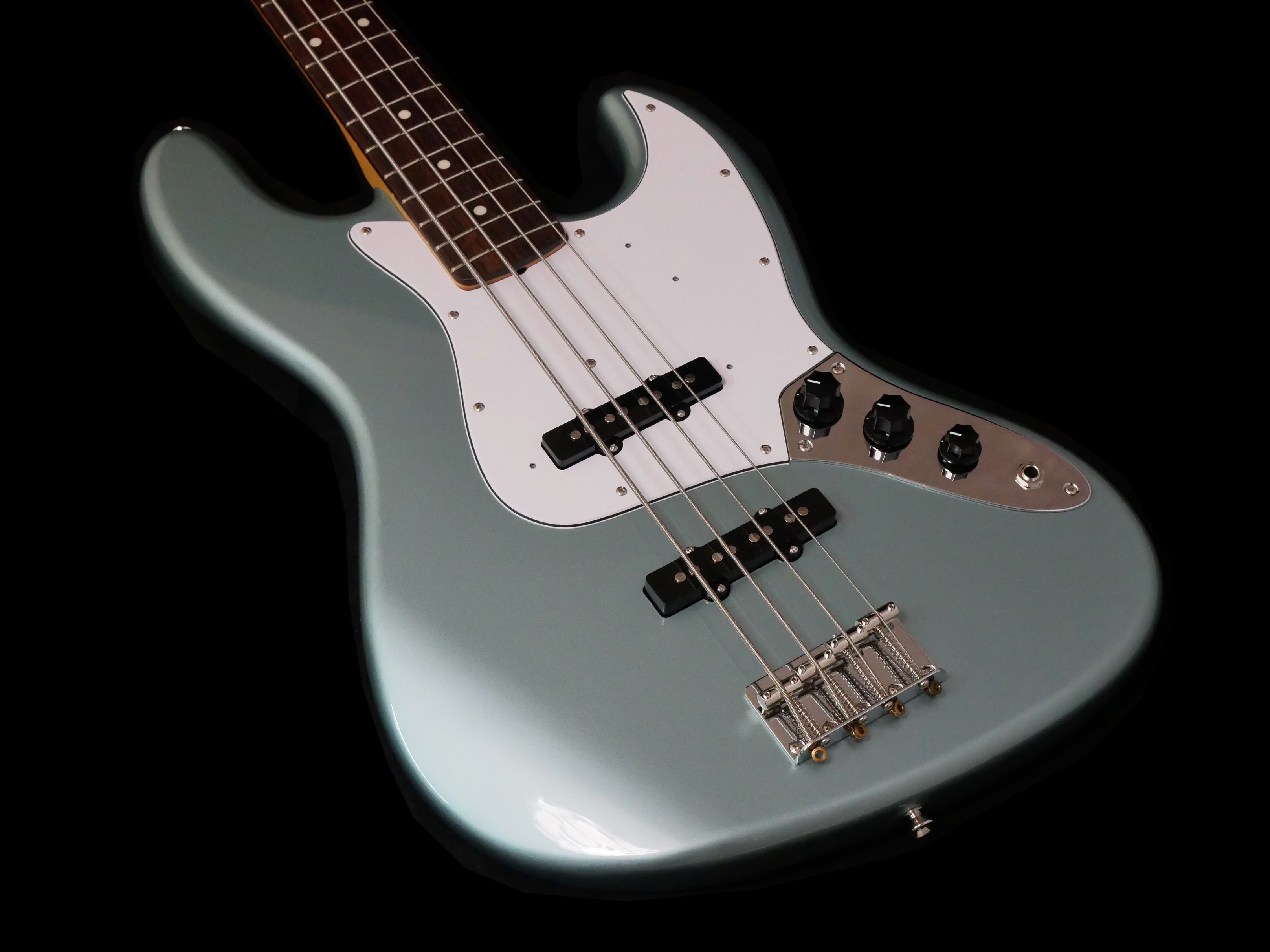
The fretted Tokai TJB-55 (999,– €) we received for this review is finished in a gorgeous metallic finish, called ocean turquoise metallic, which sits somewhere between green and silver.

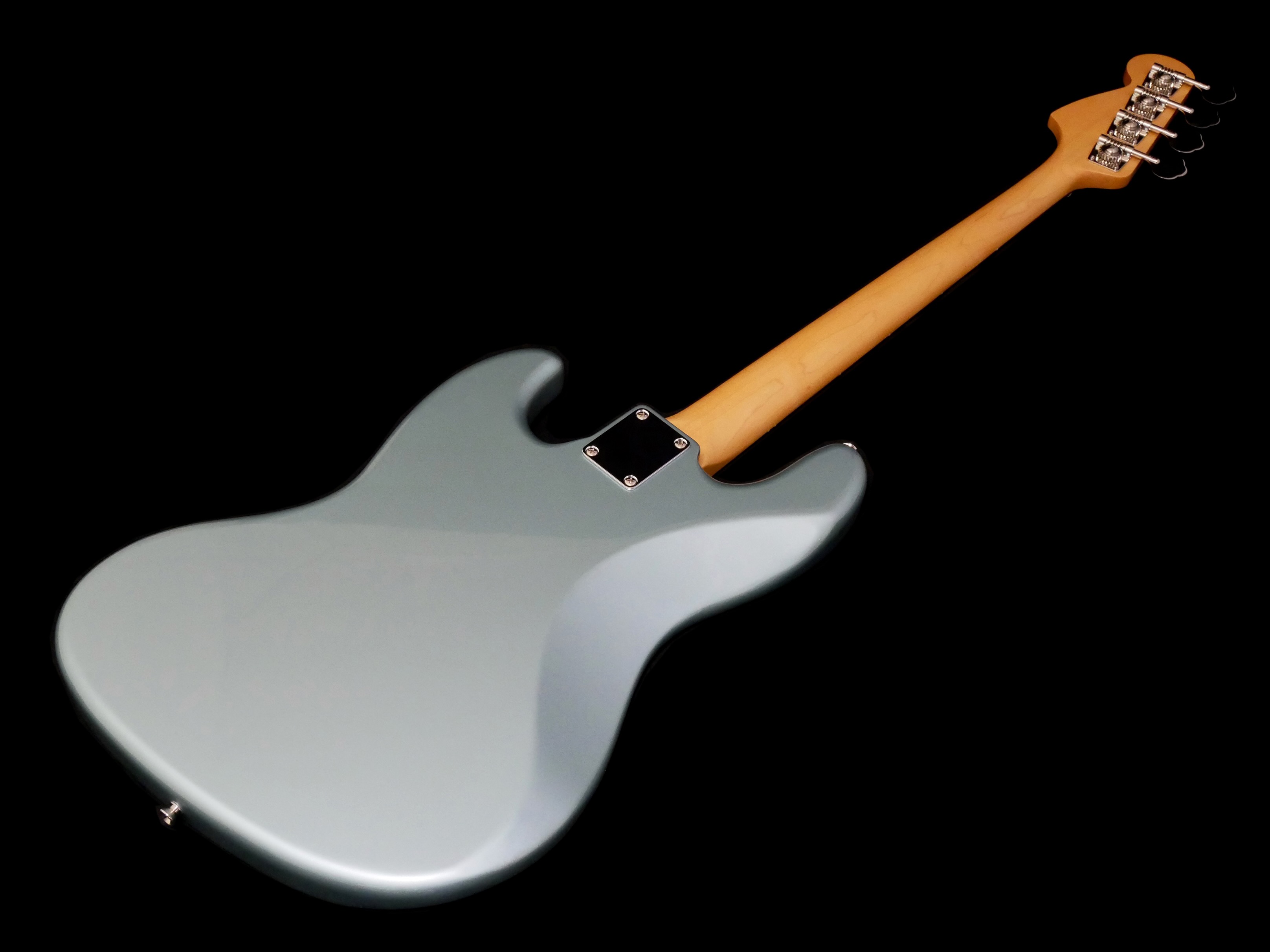
The basic ingredients in both TJB-55 versions are high quality, traditional choices. True to their 1960s designation, both instruments feature alder bodies paired with maple necks.

The ribcage chamfer is very deep and soft.

In contrast to vintage basses both necks here sport a thin satin finish. This is a welcome nod to most modern bass players, who prefer matte finishes to the glossy necks from way back, which are often described as a bit sticky.

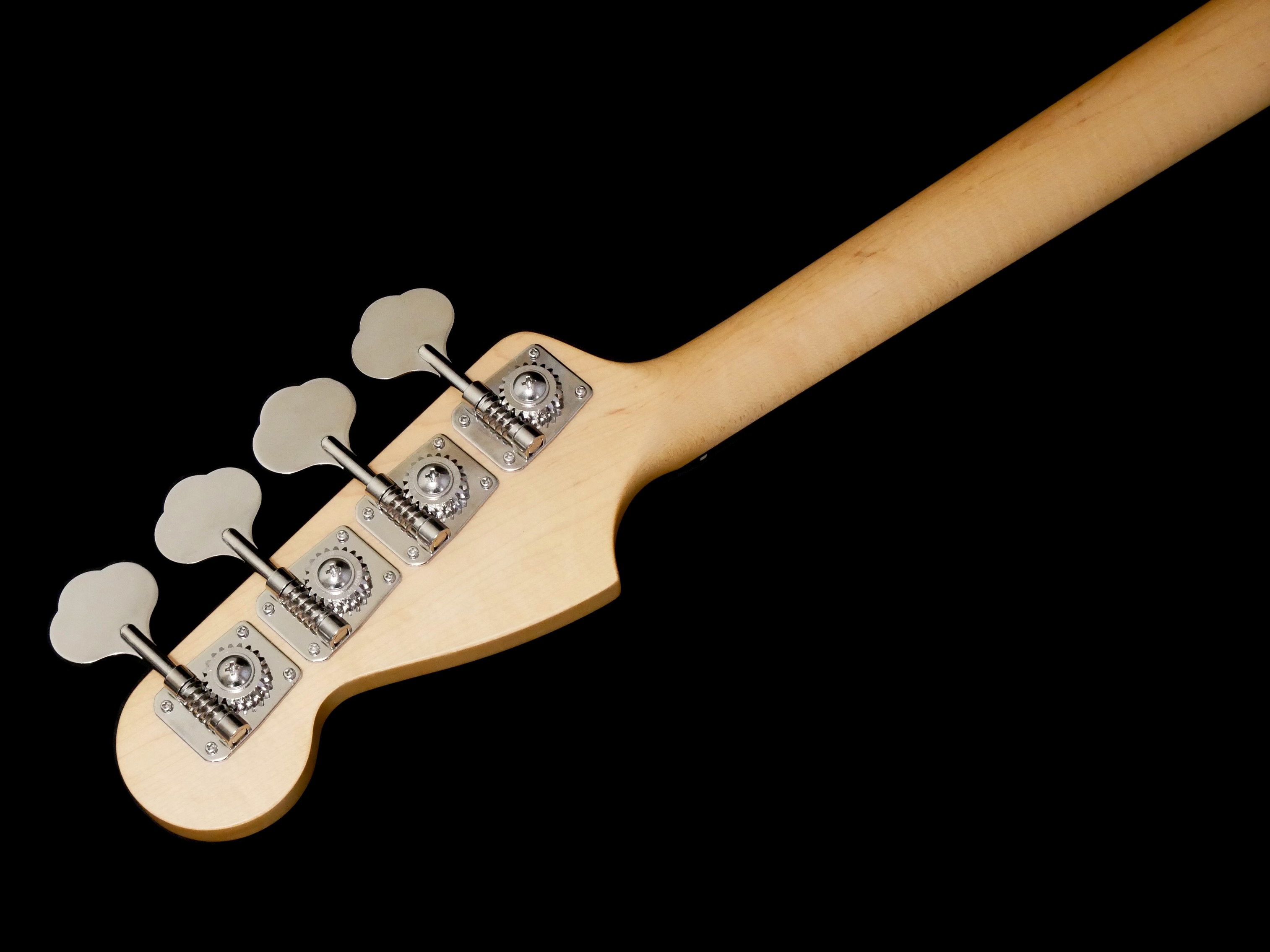
The machine heads on the TJB-55s are Gotohs which manage to retain a vintage look, while being smaller and lighter than original Klusons, Fenders or Schallers on vintage basses.

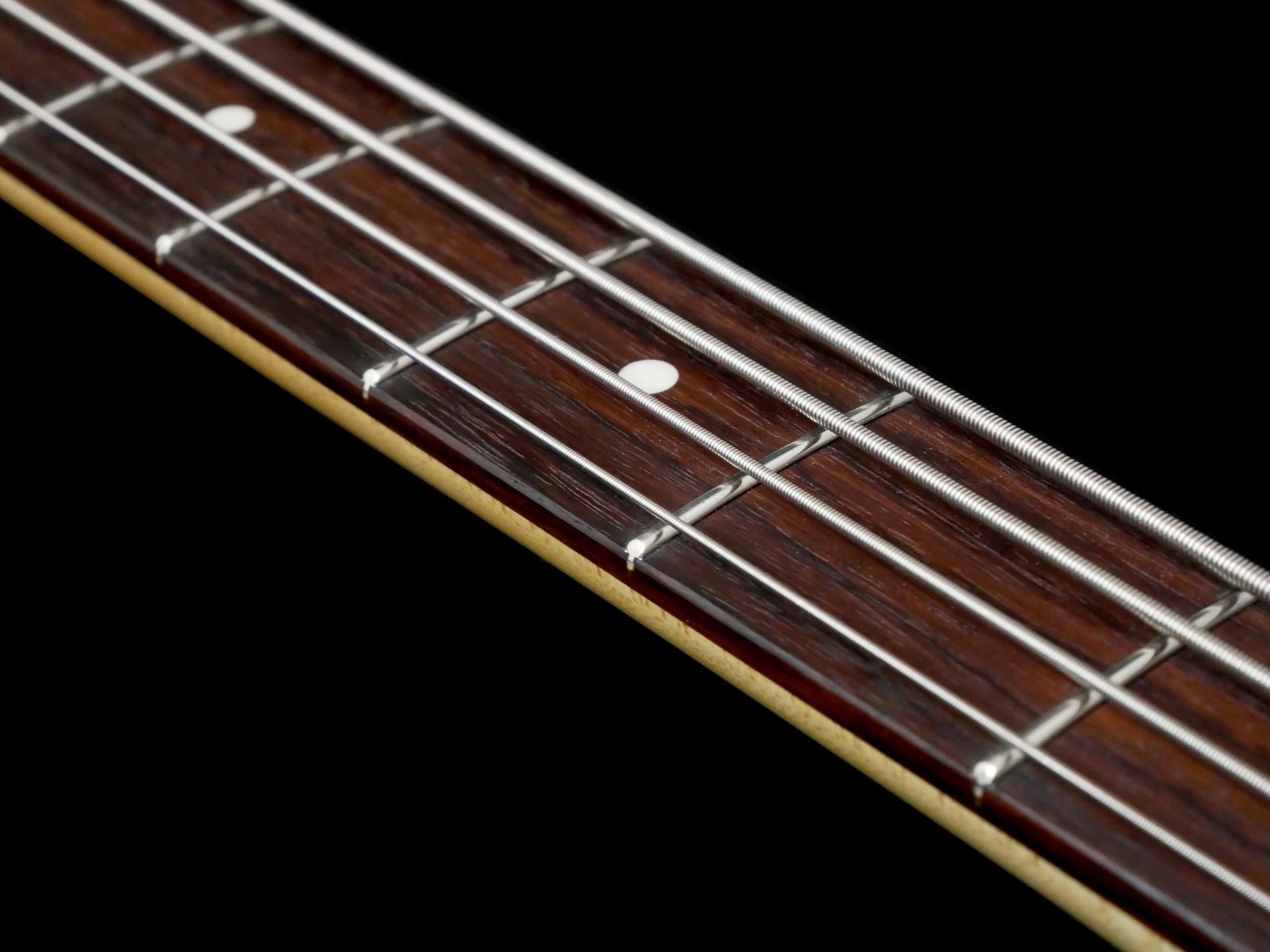
The regular Tokai TJB-55 sports 20 medium-sized frets in its beautiful rosewood fingerboard. The fretwork is top notch. 

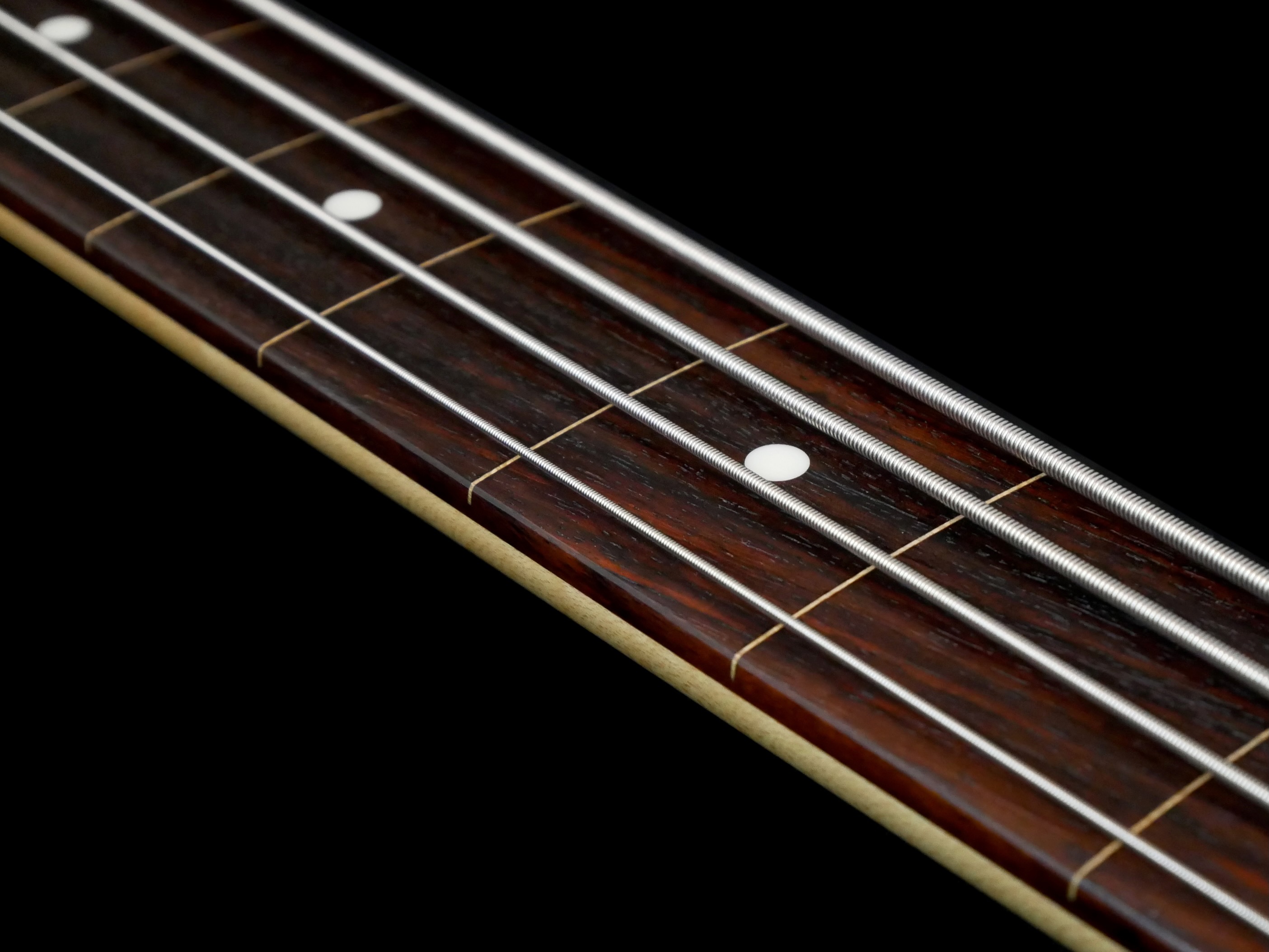
The fretless TJB-55 FL features fret lines made from maple; a welcome addition, especially for the occasional fretless player.

On forums – where else – you repeatedly find claims that rosewood might be too soft a wood for a fretless bass and roundwound bass strings. I own a well-loved and much-played 1976 Fender Precision Fretless, which – despite some light grooves in the ‘board – still plays fine.

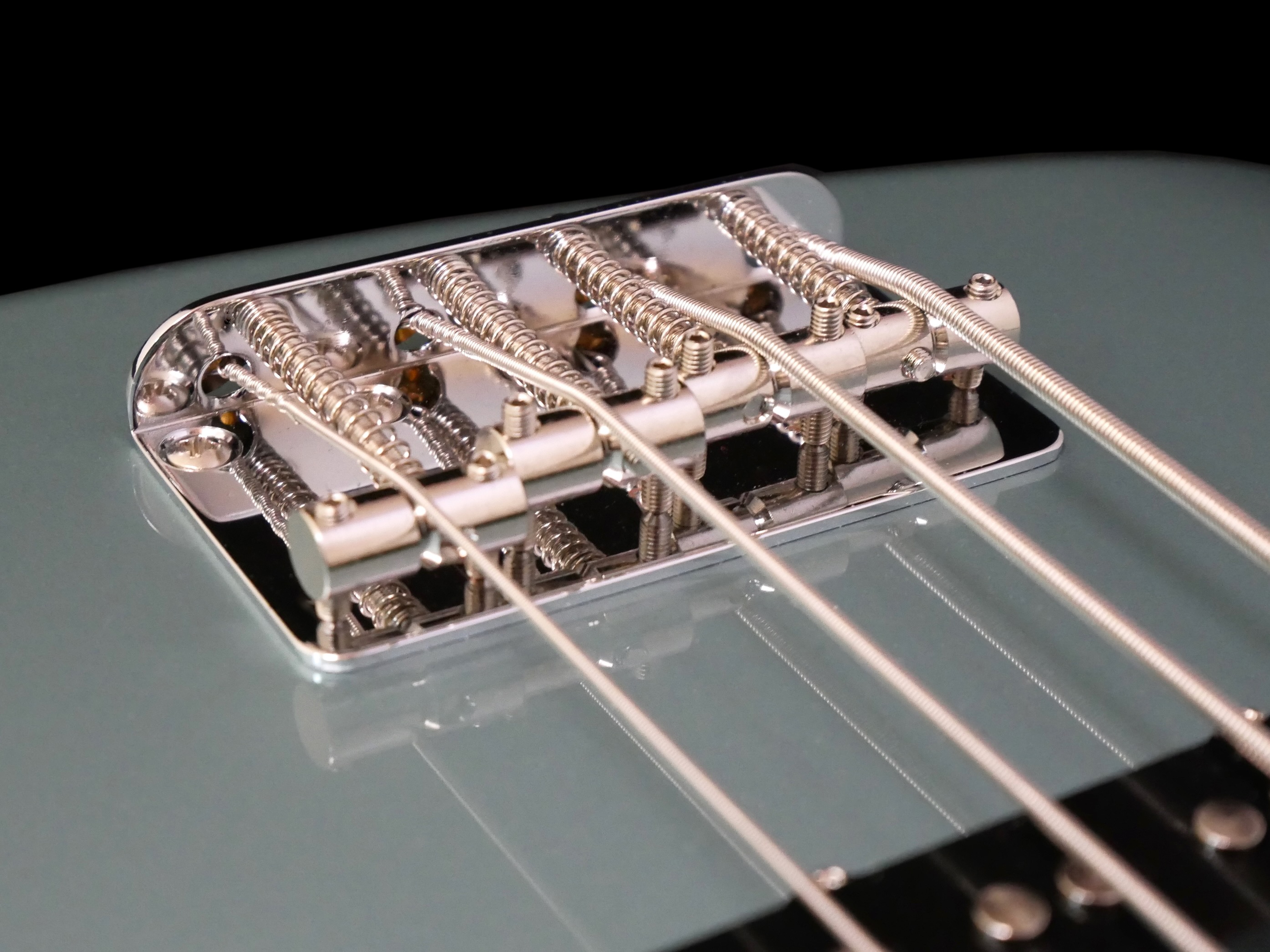
Gotoh’s well-made version of an early-Seventies Fender bridge fits the bill on both the TJB-55 and the TJB-55 FL.

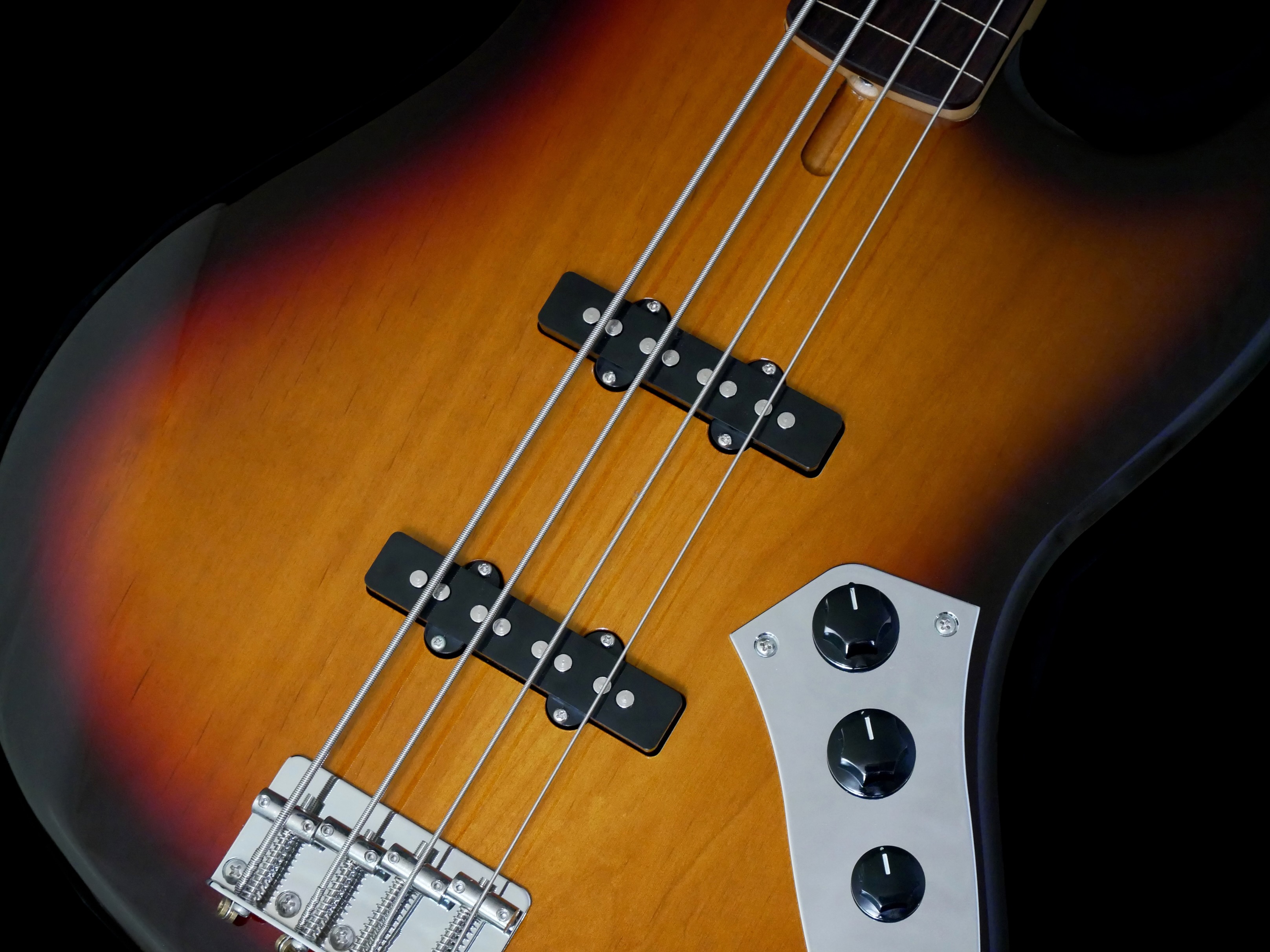
The legendary status of Jazz Basses is founded on two things – their great ergonomic properties, and their juicy yet transparent single-coil pickups.

Both Tokais come with a pair of the company’s own, excellent JB-Vintage Mark III pickups that promise vintage-style tones. The bridge pickup is reverse wound/reverse polarity to the neck unit, so the combination of both pickups is humbucking.

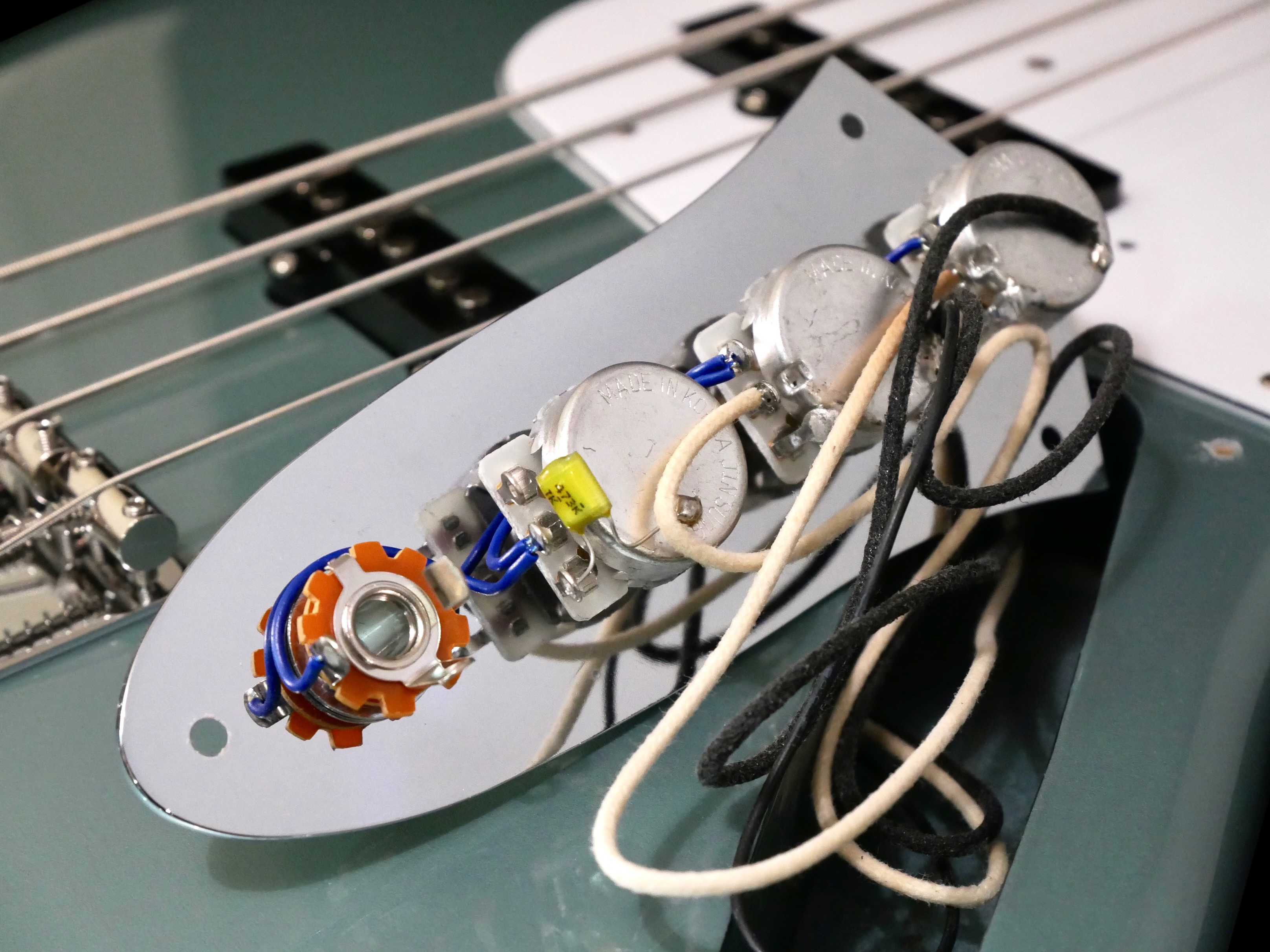
The quality of the electronic parts and the neatness of the wiring is a sight for sore eyes. Tokai even goes as far as equipping the pickups with period-correct (early-Sixties) wires with waxed cloth insulation. 

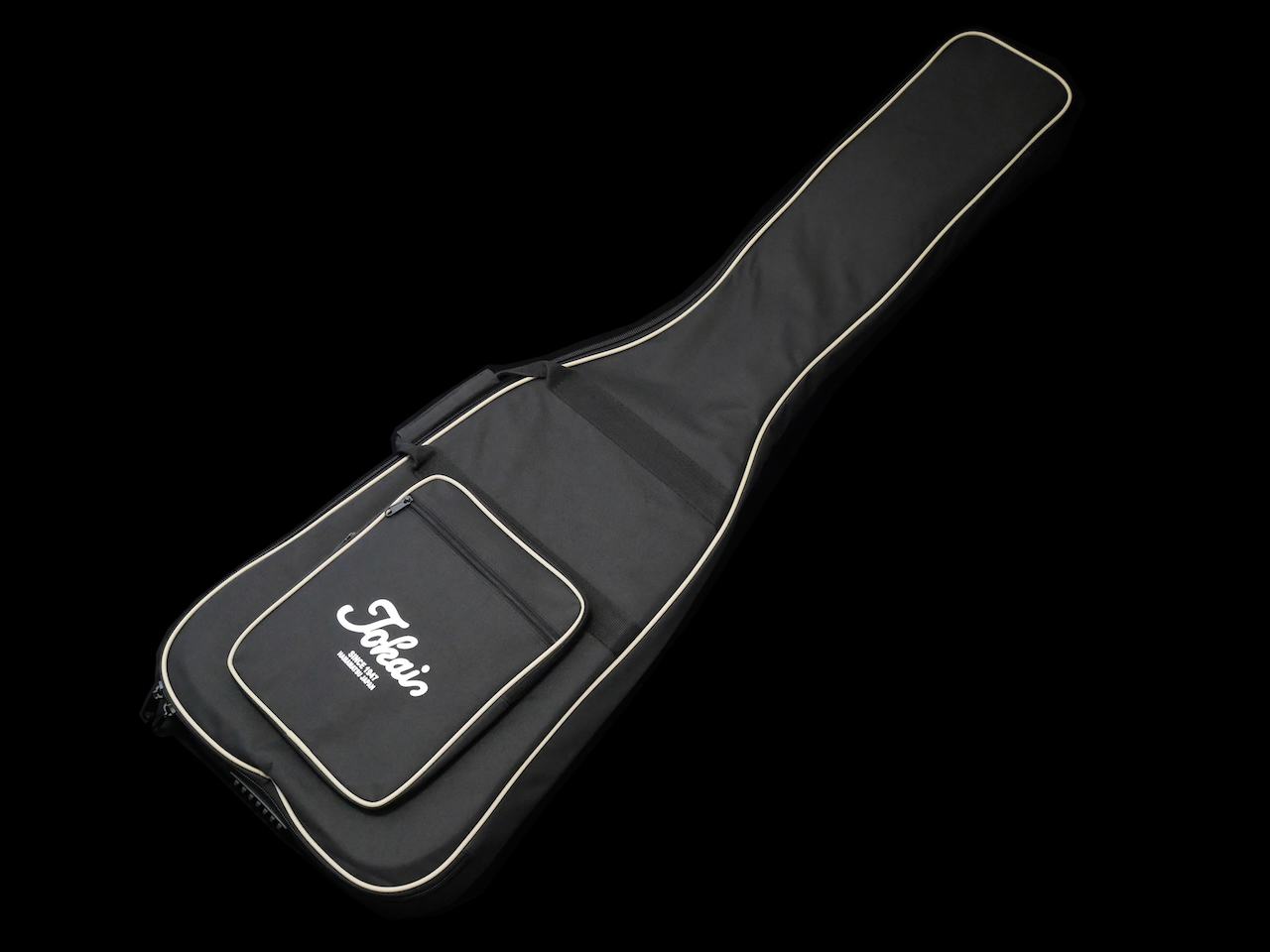
A high-quality gig bag comes supplied with both models. Inside the side pocket of the TJB-55 FL’s bag you will find a three-ply white pickguard, should you prefer that look.

****

I don’t know how Tokai does it, but it has managed – once again – to imbue both basses with heaps of that proverbial “vintage mojo”, even though we’re looking at brand-new instruments here. The combination of top notch parts, along with the company’s proven track record, seems to make for a fantastic mix in both TJB-55s.

These two Tokais offer the best of all the great features of an early-Sixties Jazz Bass. The workmanship on both TJB-55s is second to none, the playability is very comfortable, and the sounds deliver big time. If you’re looking for some top-drawer “Jazz action”, you should definitely try one of these basses out.

****

Testipenkissä: Tokai TJB-55 + TJB-55 FL

Sähköbasso – ja etenkin sunburst-värinen vuoden 1970 Fender Jazz Bass – oli elämäni ensimmäinen rakkaus. Isäni Jaroslav oli ammattirumpali saksalaisessa showbändissä, ja sain lapsena olla välillä mukana harjoituksissa, studioissa ja joissakin iltapäiväkeikoilla. Rakastin musiikkia, soittimia, mikrofoneja – mutta pääasiallinen katseenvangitseja minulle oli orkesterin basistin Pavelin Jazz-basso.

Kävin kiertotietä pitkin basistiksi; olin ensin viulisti, sitten kitaristi ja vielä kontrabasisti, mutta ensimmäinen kunnon soitin, jonka hankin omilla rahoillani vuonna 1985 oli japanilainen Jazz-basson kopio. Tämä satojen keikkojen basso on yhä minun lempisoitin.

Japanilaisista Tokai-soittimista on tullut ajan myötä legendaarisia. 1970-luvun lopussa Tokai tarjosi juuri sellaisia laadukkaita, vintage-tyylisiä sähkökitaroita ja -bassoja, joita soittajat halusivat, mutta joita ei silloin saatu Yhdysvalloista. Mutta myös nykyään japanilaiset Tokai-soittimet tarjoavat muusikoille laadukasta vintagea soittajalle ystävällisellä hintalapulla.

****

Nauhaton Tokai TJB-55 FL (1.238,– €) on kuin Tokain epävirallinen ”nimikkomalli” Jaco Pastoriukselle, legendaariselle nauhattoman Jazz-basson soittajalle.

Tämän testin nauhallinen Tokai TJB-55 (999,– €) on viimeistelty upealla metallivärillä – ocean turquoise metallic – joka on sinertevän hopea.

Molemmissa TJB-55-versioissa perusainekset ovat hyvin laadukkaita. Kuuskytluvulle uskollisesti bassojen rungot ovat leppää, kun taas ruuvikaulat veistetään kovasta vaahterasta.

Rungon mukavuusviiste on hyvin syvä ja mukava.

Kaulan viimeistely poikkea hieman vintage-reseptistä, sillä kumpikin basso tarjoaa ohuen mattapinnan muusikon otekädelle. Useat nykybasistit pitävät 1950-70-lukujen kiiltävän viimeistelyn liian ”tahmealta”, minkä vuoksi Tokai-bassojen satiinipintainen matta on hyvä valinta.

TJB-55-bassojen virittimet tulevat Gotoh:n mallistosta, ja ne yhdistävät onnistuneesti vintage-Schallereiden ulkonäköä hieman pienemmällä painolla. Lopputulos on entistäkin parempi balanssi.

Tokai TJB-55:n ruusupuiseen otelautaan on istutettu 20 medium-kokoista nauhaa. Nauhatyö on ensiluokkaista.

Tokai TJB-55 FL:n otelautaan taas on asennettu vaahteralinjat, jotka helpottavat – etenkin aloittelevan – fretless-basistin osumatarkkuutta.

Jotkut väittävät, että nauhatomaan bassoon ei sovi ruusupuuta, koska tämä puulaji olisi muka liian pehmeä nykyaikaiselle roundwound-kielille. Oma nauhaton bassoni on kuitenkin paljon soitettu vuoden 1976 Fender Precision Fretless, ja vaikka sen ruusupuuotelaudassa on pieniä uria, se ei haittaa menoa – ainakaan vielä – lainkaan.

Laadukas versio 1970-luvun Fender-tallasta istuu luonnollisesti erittäin hyvin vintage-tyliseen TJB-55 ja TJB-55 FL:ään.

Loistavan erogonomian lisäksi yksikelaisten mikrofonien maukas sointi seisoo Jazz-basson suosion keskipisteessä.

Molemmpiin Tokai-bassoihin on asennettu firman kuuluisia JB-Vintage Mark III -mikrofoneja, jotka lupaavat autenttisia 1960-luvun Jazz Bass -soundeja. Tokain mikit toimivat yhdessä käytettyinä humbuckerin tapaan hurinattomasti.

Tokai menee jopa niin pitkään, että mikrofonien johdot ovat 1960-luvun alussa käytetty malli, jossa eristys on hoidettu vahalla kyllästetyllä kangaskudoksella.

Laadukas keikkapussi kuuluu Tokai TJB-55 -bassoissa hintaan. TJB-55 FL:n mukaan tulee myös kolmikerroksinen valkoinen pleksi, jota voi asentaa itse, jos basson ”alaston” ulkonäkö ei jostain syystä miellytä.

****

En tiedä miten Tokai Japan sen tekee, mutta sekä TJB-55:ssä että TJB-55 FL:ssä on runsaasti sitä kuuluisa ”vintage-mojoa”, vaikka kyseessä on upouudet sähköbassot. Ilmeisesti näissä soittimissa kaikki laadukkaat osat ja firman pitkä kokemus vintage-kopioissa yhdistyvät suvereenisti laadukkaan lopputulokseen.

Jazz-bassojen parhaat ominaisuudet ja niiden klassisimmat soundit on onnistettu ikäänkuin tislaamaan näihin huippubassoihin. Tokain toteutus on kauttaaltaan laadukas, sekä bassojen soundit ja soitettavuus ensiluokkaista. Kannattaa siis ehdottomasti tutustua Tokai TJB-55 -bassoihin, jos on kiinnostunut pro-laadun Jazz-bassoista.

****

Tokai TJB-55 FL – Wherever I Lay My Hat

Here’s my demo of the Tokai TJB-55 FL fretless bass.
The demo is based on Pino Palladino’s classic bass part, as heard on Paul Young’s 1983 hit ”Wherever I Lay My Hat”.
Listen to the original HERE.
Find more information on the Tokai TJB-55 FL HERE.
I recorded the bass straight into my Universal Audio Volt2 interface. The light chorus was added in the DAW.

Guitar Porn: Tokai TJB-55 & TJB-55 FL

Here’s a short demo song featuring the Tokai TJB-55 regular model, as well as the lined fretless counterpart TJB-55 FL. This track is based on the Steely Dan classic ”Peg”.
The fretted Tokai TJB-55 takes the first verse, and the fretless TJB-55 FL plays in the second verse.
The bass tracks have been recorded using a Cranborne Audio Camden EC2 preamp and a Universal Audio Volt2 interface.

Pidä blogia WordPress.comissa.

Ylös ↑