
****
****
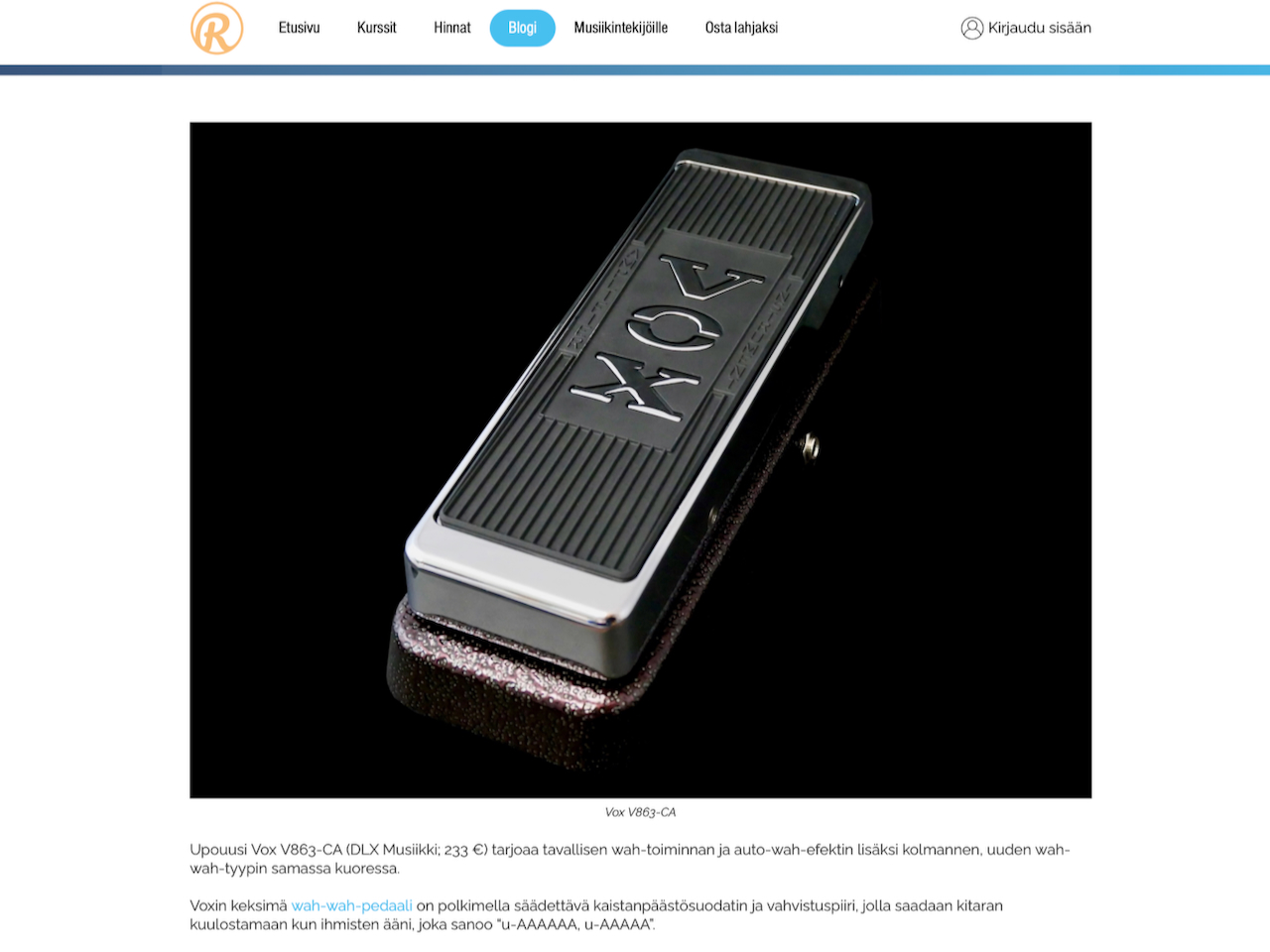
Vox V863-CA -testi on luettavissa TÄÄLLÄ.
****
Kitarablogi.com – Finland's premier Guitar and Bass blog
Juttuja kitaroista ja bassoista

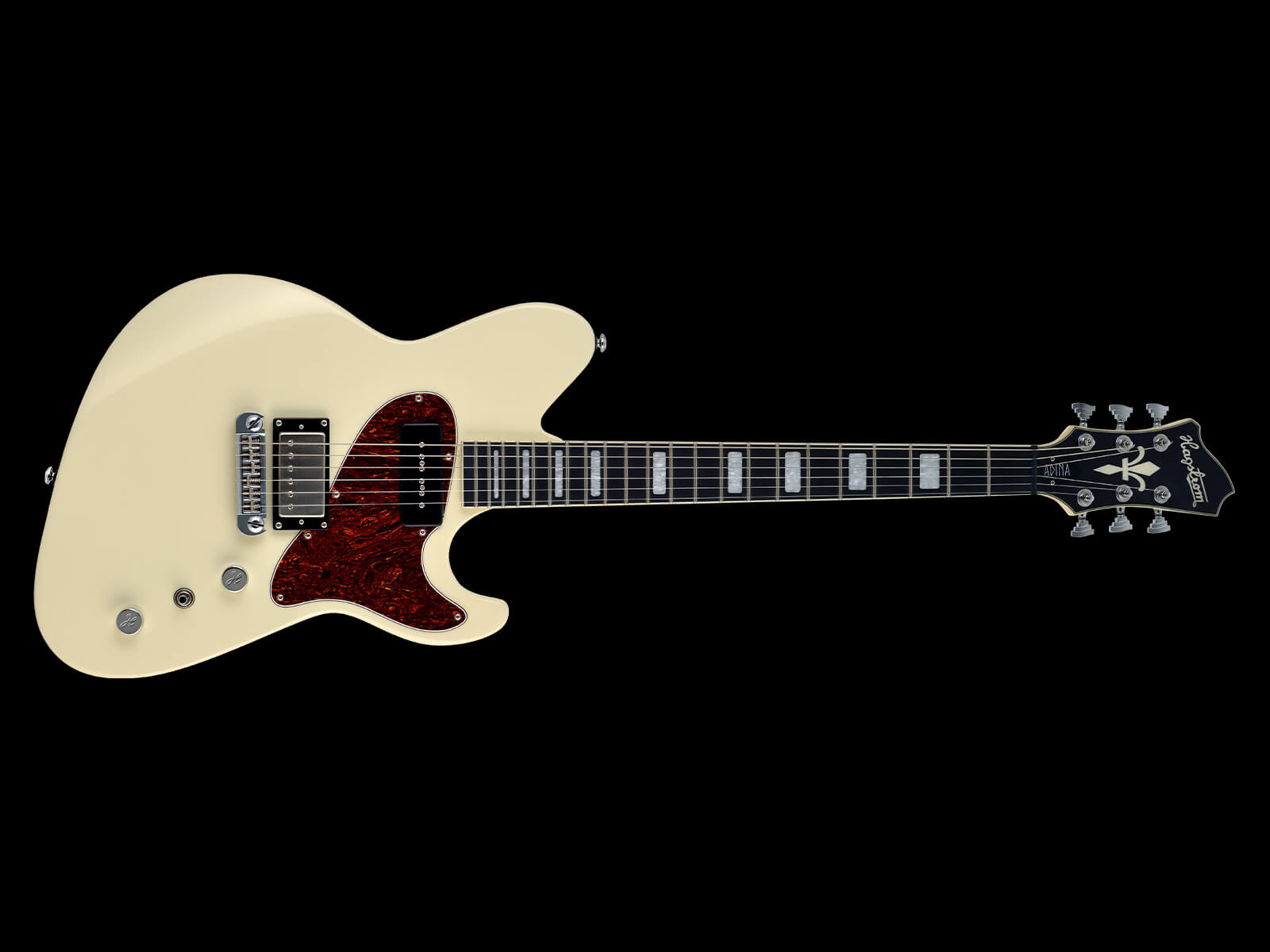
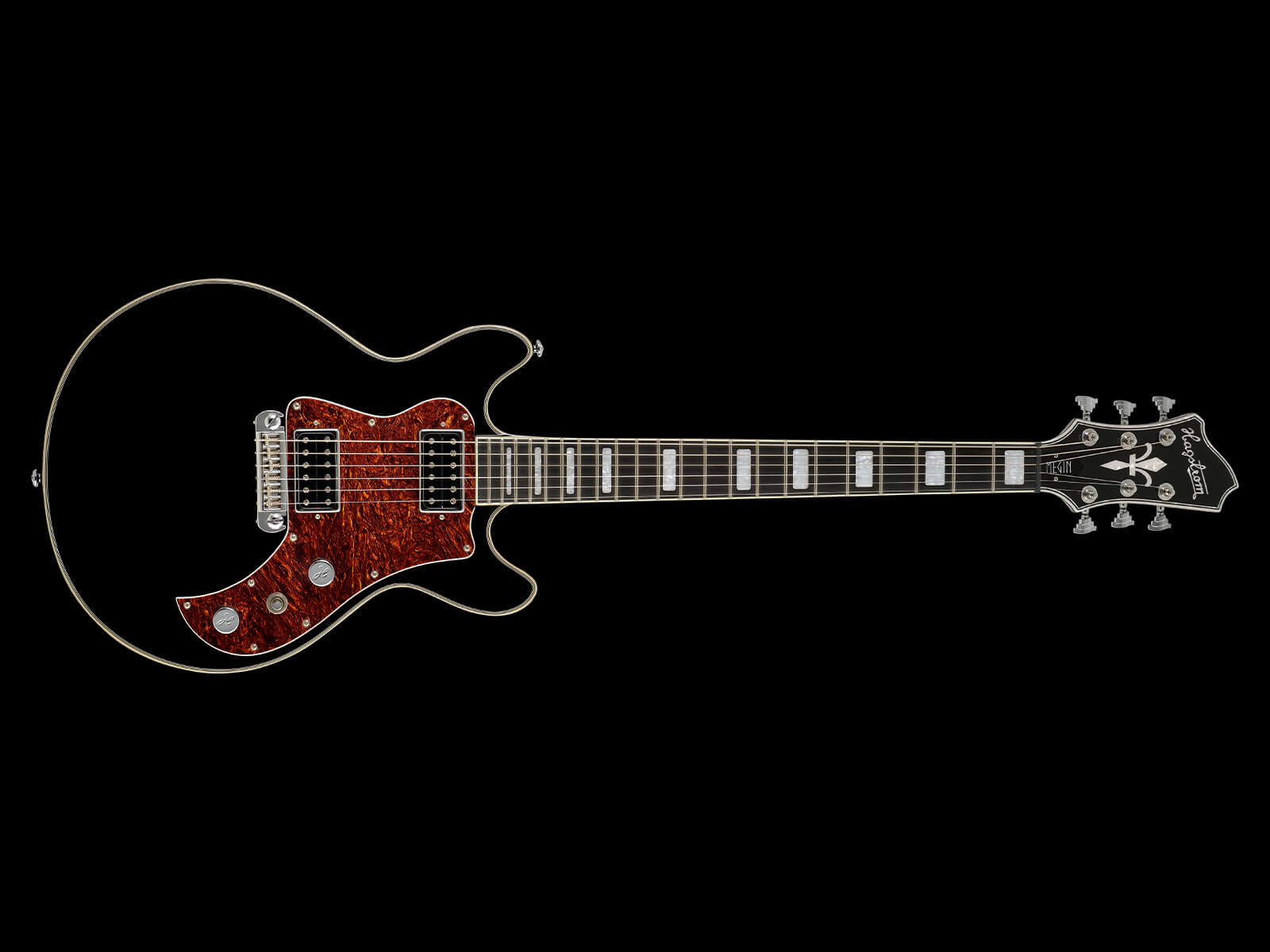
Here’s a demo of the Hagström Adina and Hagström Megin guitars.
• Amp used: Bluetone Black Prince Reverb
• Effects used: Mad Professor Simble OD, Joyo Analog Chorus, EHX Memory Toy
• Mic used: Shure SM7B
• Lead guitar parts played using each guitar’s neck pickup
Alkuperäistä, laajempaa Rockway-juttua voi lukea TÄÄLLÄ.
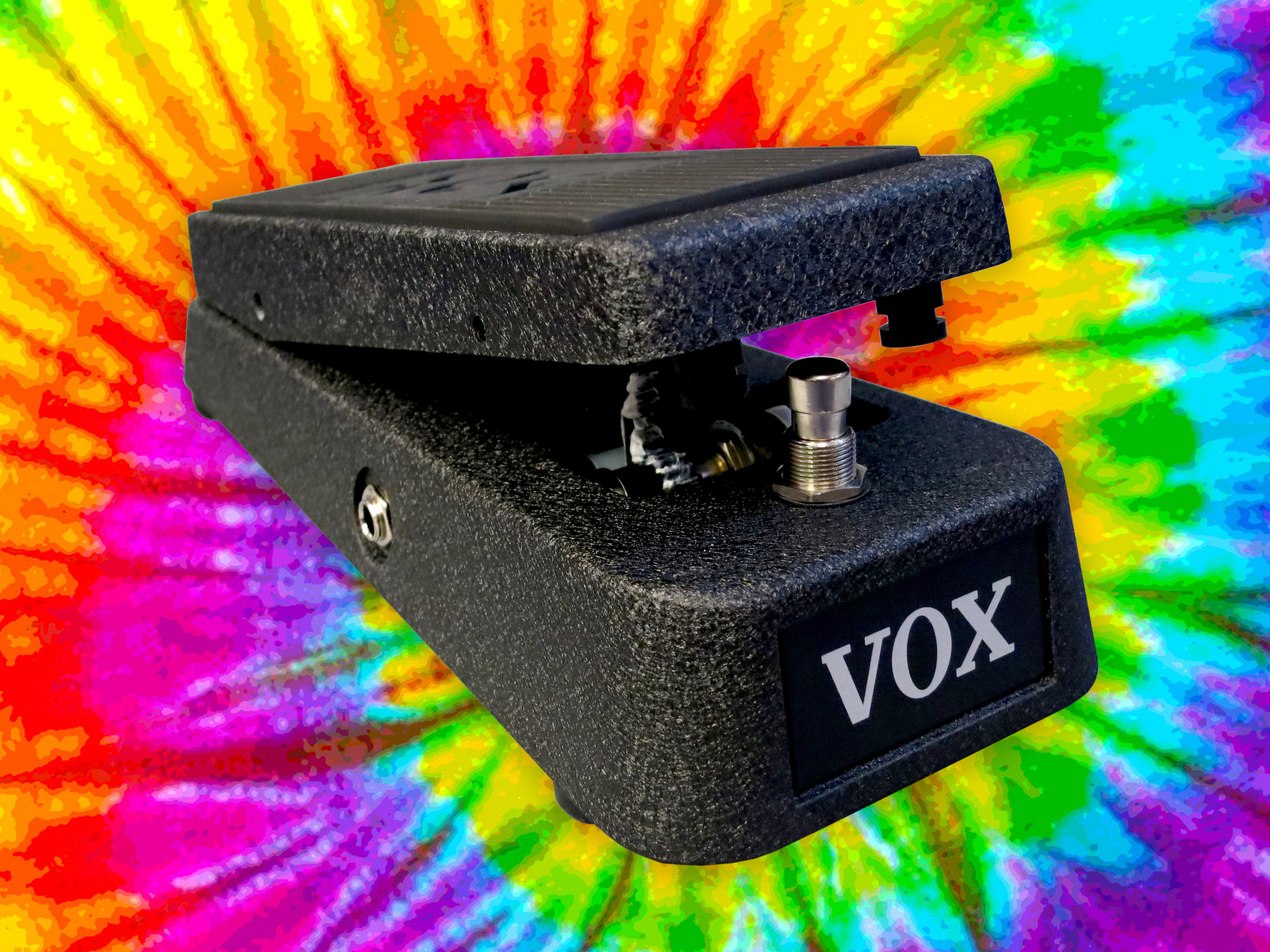
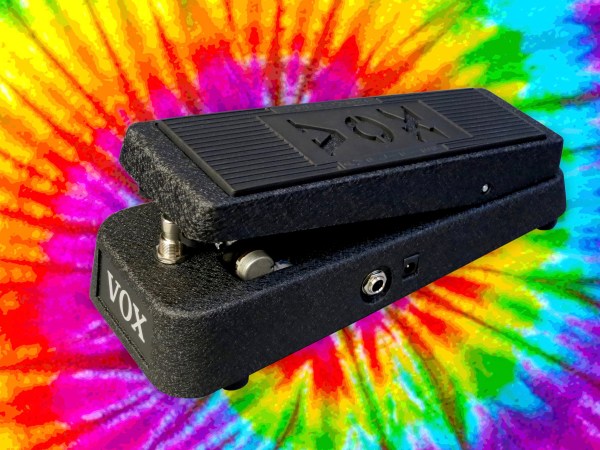
The Vox V845 is an interesting wah-pedal for at least three reasons – it’s made by the inventors of the wah-wah, it is very affordable (around 70-75 euros in Finland), and it is much lighter than regular Vox- or Dunlop-made wah-wahs (only 900 g compared to approx. 1.6 kg).
This drastic difference in weight is achieved by using a plastic core for both the main casing and the treadle. This core is then coated with an aluminium-based coating that gives the V845 the traditional look of a wah.

Electronically the Vox V845 is virtually identical to a vintage Vox-wah, apart from being built with a couple of PCBs and modern components.
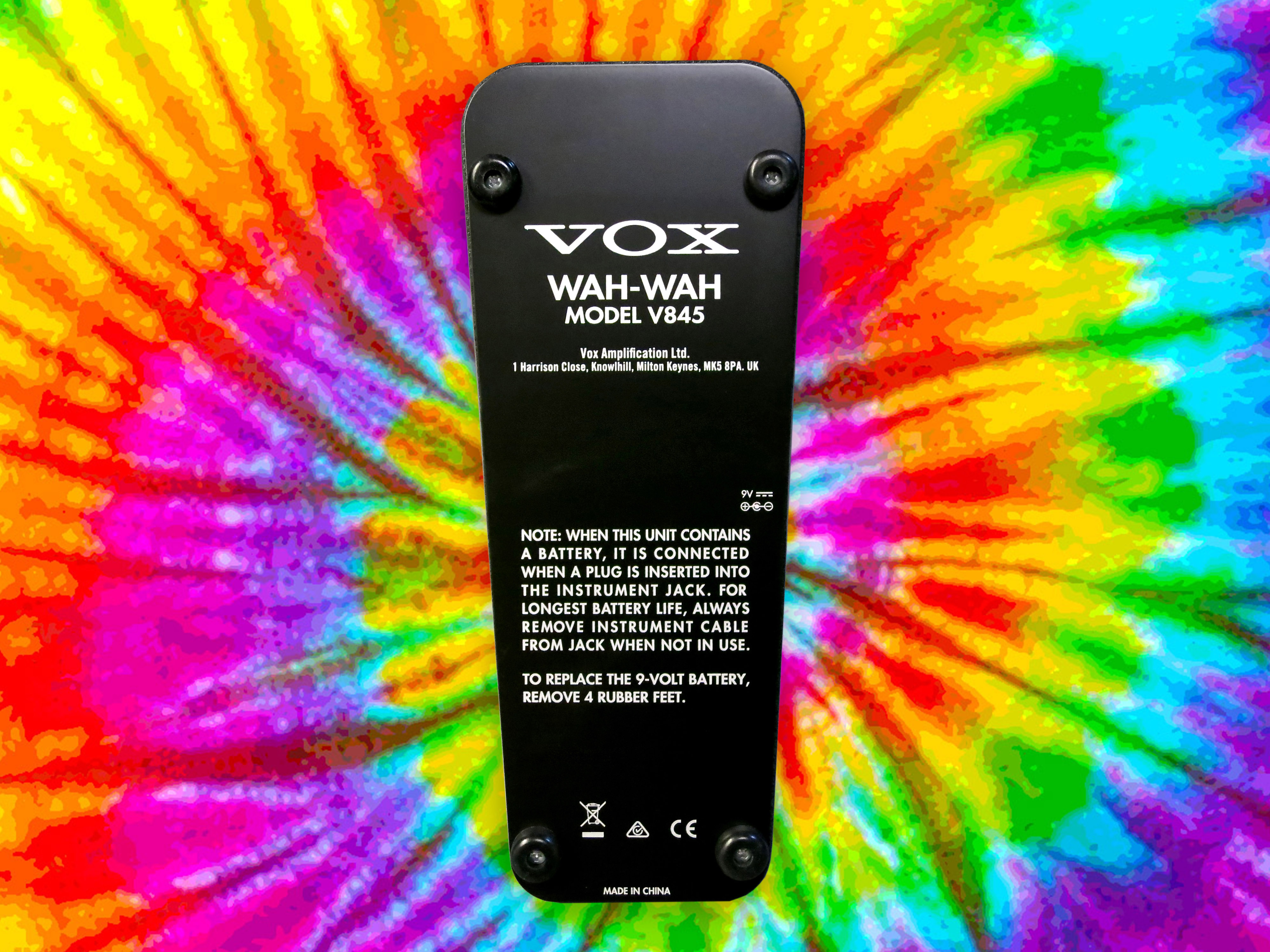
An important improvement over the originals from the 1960s and 70s is the addition of a DC input, which allows you to power the V845 from a modern power supply.

The Vox V845 looks like a wah-wah, feels like a wah-wah, so it’s no surprise that it also sounds like a genuine Vox-wah. The V845 switches on and off in the traditional way by giving the switch beneath the treadle a push in the toe-down position. The sound is big and warm, and, typical for a Vox, a little less abrasive in the top end than a standard Dunlop Cry Baby. What’s not to like?
I’ve been using the Vox V845 for four years by this point, and it hasn’t given me any trouble so far. Check it out!
****
Here are two recent recordings I’ve used the V845 on:

Yhdysvaltalainen Shure aloitti toimintansa 1920-luvun puolivälissä ja möi DIY-sarjoja ja elektronisia osia radioharrastajille. 1930-luvun laman aikana yhtiön painopiste siirtyi mikrofoneihin ja – vain vähän myöhemmin – levysoittimien äänirasioihin.
Yhtiön ensimmäinen suuri läpimurto tuli vuonna 1939 Shure Model 55 Unidyne -mallilla. Model 55 Unidyne oli maailman ensimmäinen yhdellä kapselilla varustettu suunnattu (lue: herttakuvioinen) dynaaminen mikrofoni, joten se oli ensimmäinen kustannustehokas valinta mihin tahansa tilanteeseen, jossa halusit vähentää vuotoääniä muista äänilähteistä ja/tai PA-järjestelmän feedbäckiä. Päivitettyä versiota Model 55:stä – joka tunnetaan puhekielellä nimellä ”Elvis-mikki” – valmistetaan edelleen SH55 -nimellä.

1950 -luvun alussa mikrofonien kehitys oli edennyt Shurella alkuperäisestä Unidyne -kapselista Unidyne II -malliin. Kaikki nämä mikrofonit olivat edelleen niin sanottuja ”side address” -malleja, joita oli parasta pitää kiinni telineessä, koska jouduttiin puhumaan tai laulamaan niihin sivuttain, niin kuin tehdään edelleen useimpien suurikokoisten kondensaattorimikrofonien kanssa.
Vuonna 1959 Shure onnistui jälleen kehittämään oikean tuotteen oikeaan aikaan:
Heidän uusi Shure 545SD Unidyne III -malli oli maailman ensimmäinen herttakuvioinen dynaaminen kapulamikrofoni. 545:n parannettu pneumaattisesti eristetty kapseli vähensi myös merkittävästi käsittelyääntä. Tämä tarkoitti sitä, että käyttäjä sai ottaa mikrofonin käteensä ja liikkua näyttämöllä ilman, että hänen tarvitsisi pelätä käsittelyäänien tai feedback-kierron pilaavan hänen esityksensä.
Uusi 545SD – ja sen vain hieman nuorempi veli 565SD Unisphere I – korvasivat nopeasti Model 55:tä ensisijaisena valintana livemikrofoniksi lavalla ja televisiossa.

TV:stä puheen ollen:
Televisiostudiot rakastivat 545SD:tä, koska se kuulosti todella hyvältä, mutta oli tarpeeksi pieni, että esiintyjän kasvot näkyivät selvästi. Heillä oli kuitenkin yksi kritiikin aihe, joka liittyi mikrofonin viimeistelyyn.
545SD:n pitkä metallirunko ja sen musta muovikaulus aiheuttivat aivan liikkaa heijastuksia studiovalaistuksessa. Ennen digitaalikameroiden tuloa heijastukset olivat todellinen ongelma TV-kameroille, koska ne aiheuttivat ”palojälkiä” lähetetyissä kuvissa. Mustavalkoisessa televisiossa näkyi suuria mustia tahroja tai ”koukeroita” (kun kamera liikkui nopeasti), kun taas väritelevisiossa nämä palaneet alueet näyttivät usein tumman violetilta tai ruskealta. Nämä heijastuksien aiheuttamat merkit olivat ohimeneviä – ne kesti ehkä 10-15 sekuntia – mutta kuitenkin hyvin ärsyttäviä.
Shure kuunteli asiakkaitaan ja keksi korjaukseksi kokonaan uuden mallin vuonna 1965. Tämä uusi malli oli (ja on edelleen) legendaarinen Shure SM57, jossa koko runko on valumetallista ja viimeistelynä valittu heijastamaton antrasiitinvärinen mattapinta.
Mallitunnuksessa kirjaimet SM tarkoittavat ”Studio Microphone”, ja sana ”Studio” viittaa tässä nimenomaan TV-studioon.
Ja kun kehitystiimi oli kerran kehittämässä, he säätivät samalla hieman mikkikapselin taajuusvastetta erottaakseen uuden mallin pikkusen sen edeltäjästä, jota pidettiin tuotannossa.
Shure SM57:stä on tullut – vuoden 1966 ilmestyneen veljensä, SM58, ohella – yhtiön myydyin mikrofoni. Tämä on johtanut siihen, että SM57- ja SM58-malleista on tullut myös kaikkien aikojen eniten kopioidut mikrofonit, joista tehdään jopa piraattikopioita.
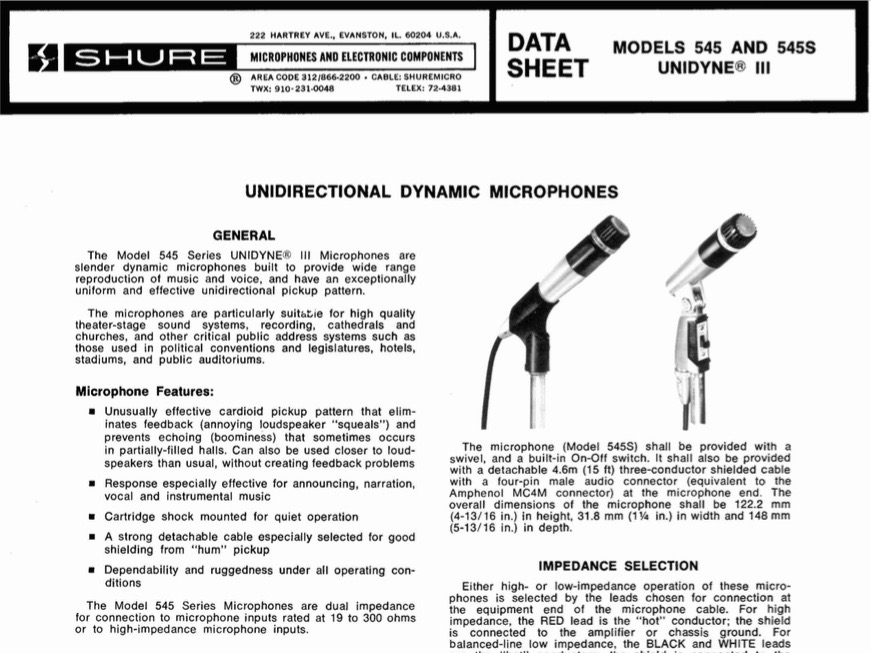

Shure 545SD oli uuden 54X-sarjan päätuote, ja sitä voitiin pitää kädessä tai sijoittaa jalustalle käyttämällä helppokäyttöistä adapteria. Shure laajensi tuotesarjaa käyttämällä samaa kapselimallia useille tuotteille, käyttäjän kaulasta riippuvasta lavalier-versiosta sellaiseen asennusversioon, jota asennettiin pysyvästi joutsenkaulaan.
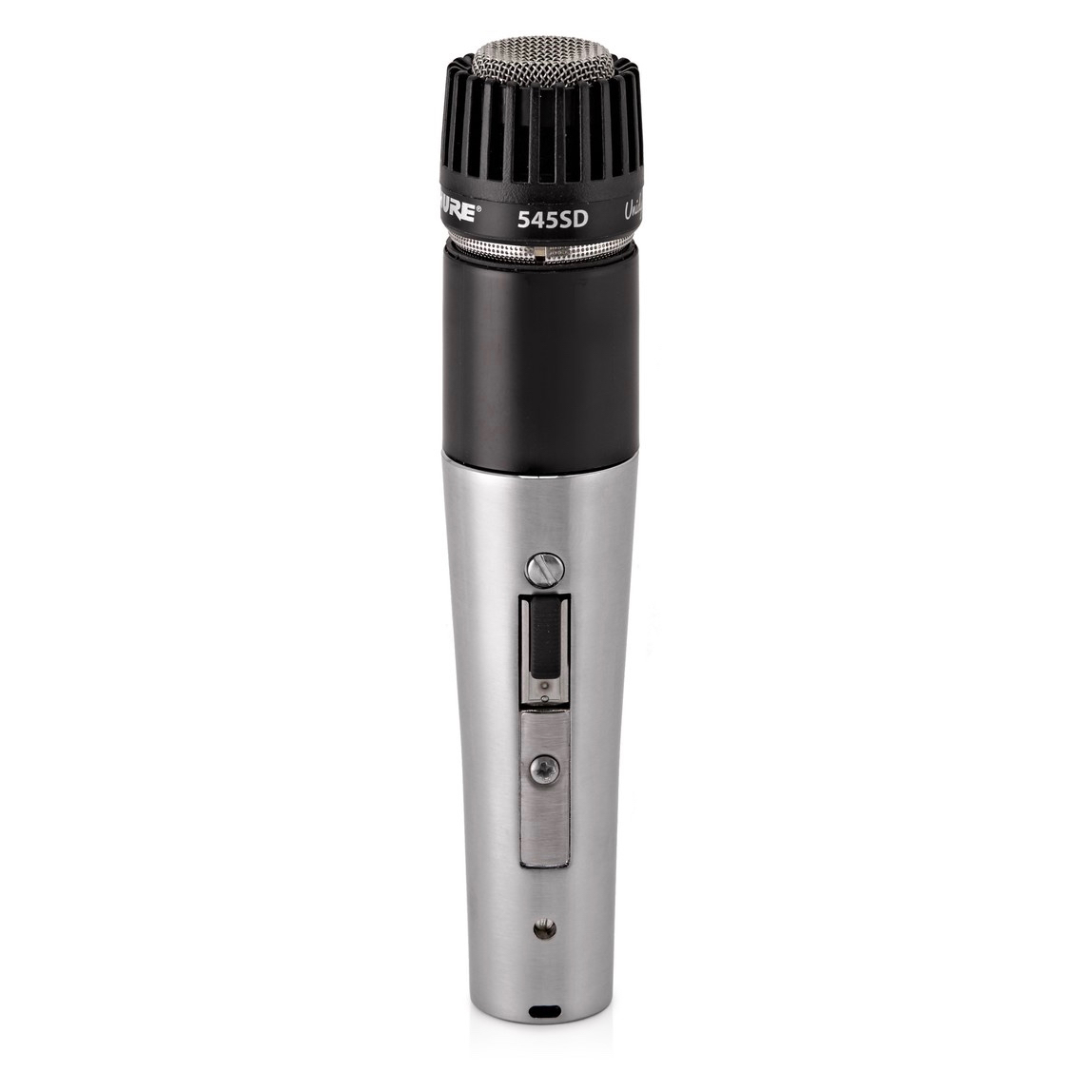
Shuren 545S-malli (kuva yllä) oli ns. pistooliversio, jossa on/off-kytkin siirrettiin samaan paikkaan kuin Model 55 -mikrofonissa.
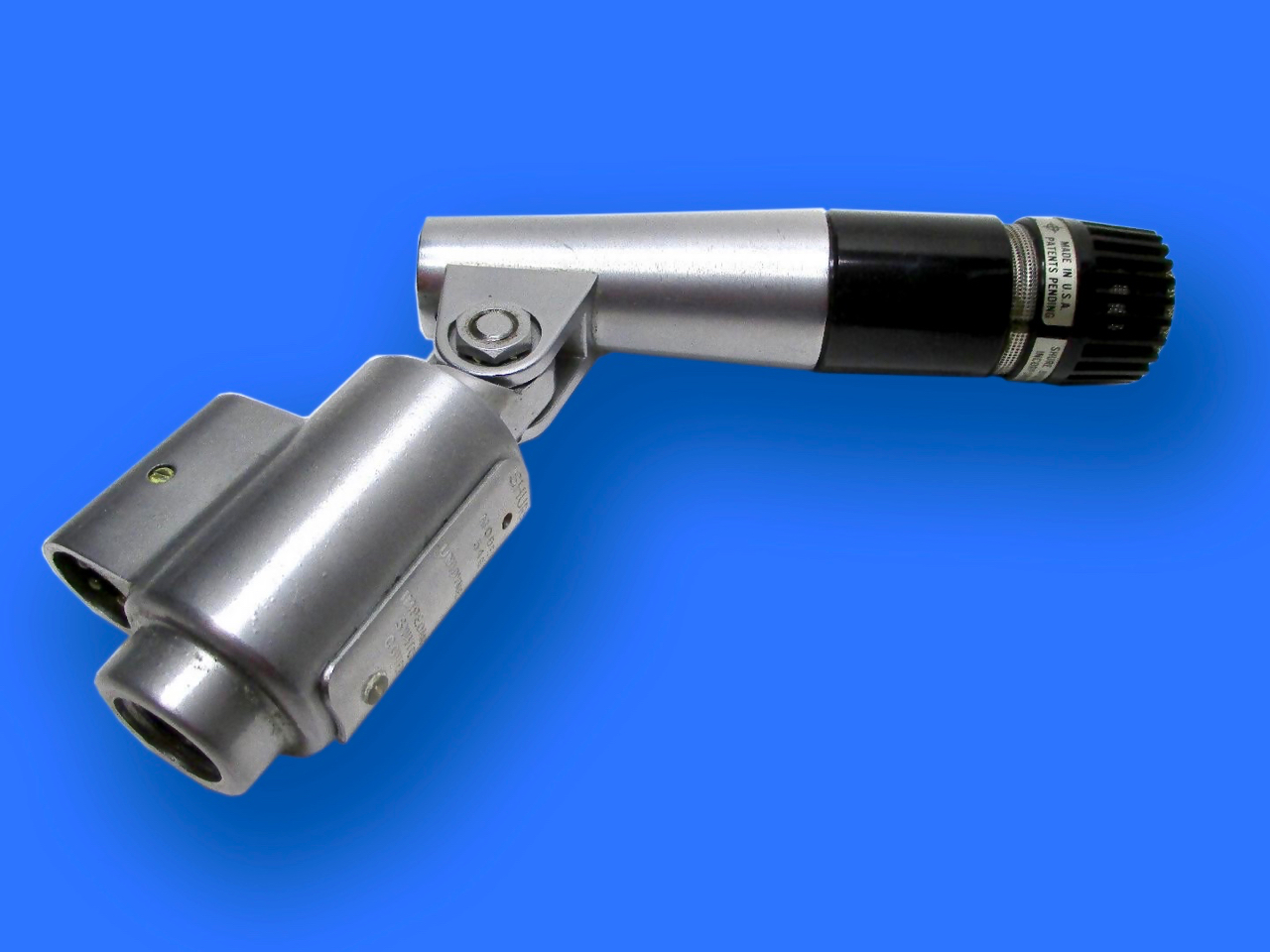
Radioasemille tarkoitetussa broadcast-versiossa, Shure 546 -mallissa, oli telineadapterin sisällä lisäjousitus, joka vähentää käsittelyääniä entisestään.
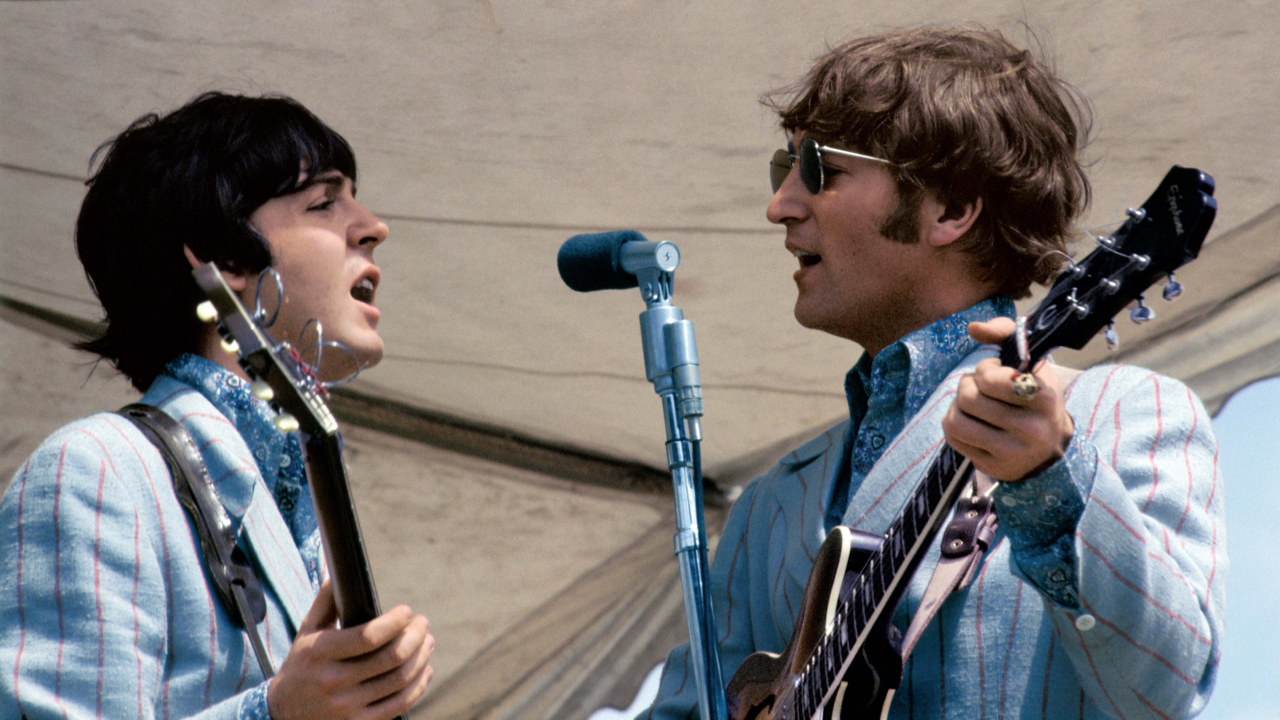
Yksi Yhdysvaltojen ensimmäisistä konserttikiertueita tekevistä PA-yrityksistä – Hanley Sound – valitsi 546:n päämikrofoniksi livekäyttöön. Bill Hanley hoiti Beatles-yhtiön viimeisen USA-kiertueen vuonna 1966 (katso kuva yllä). Hän vastasi myös PA:sta legendaarisella Woodstock-festivaalilla vuonna 1969, jossa hän käytti Shure 565 Unisphere I -mallia päämikrofonina.

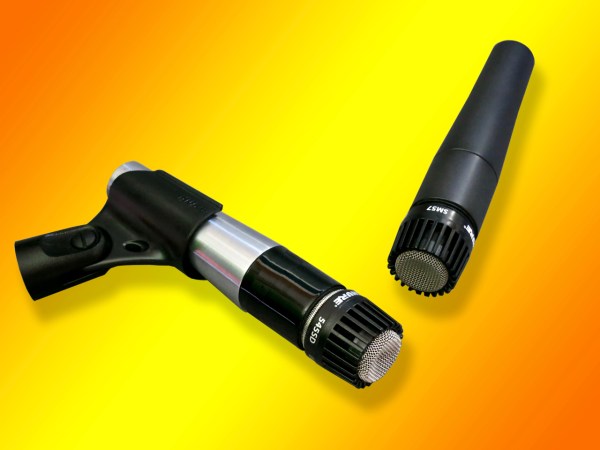
Metalli- ja muovirungon lisäksi Shure 545SD -malli eroaa SM57:stä kolmessa pisteessä:
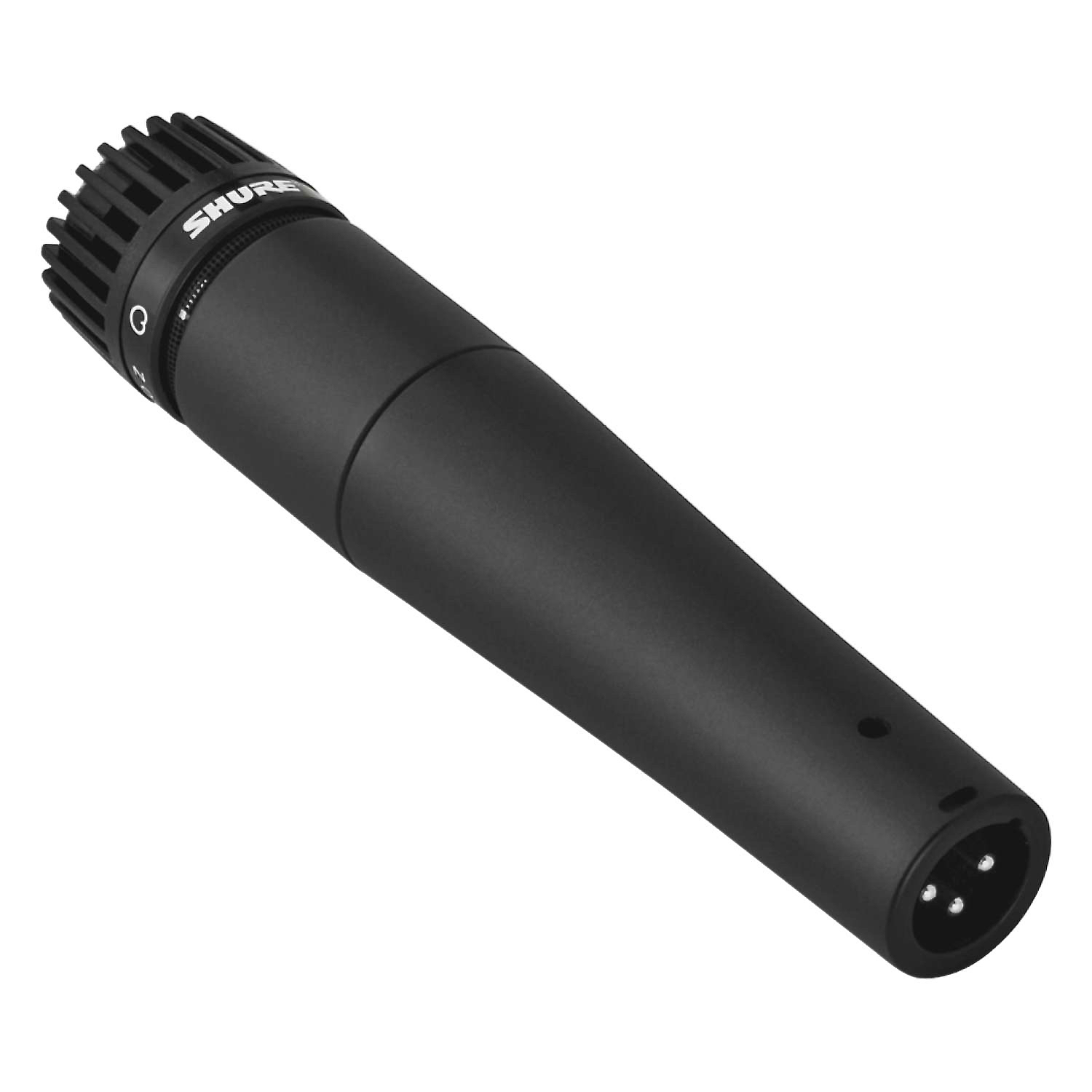
SM57:ssä on kokonaan valumetallista valmistettu runko, eri kapseli (R57), päälle/pois-kytkin puuttuu, ja mikki toimii ainoastaan matalalla impedanssilla (Low-Z).
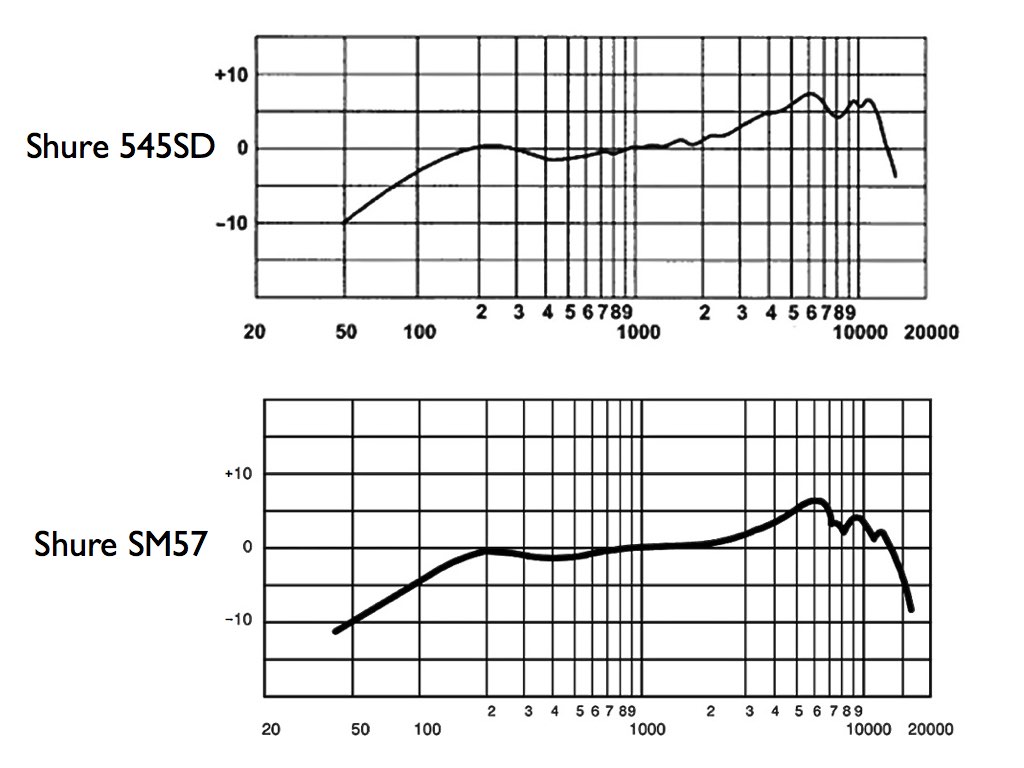
Kun molemmat mallit käytetään matalalla impedanssilla, niiden nimelliset taajuusvastekäyrät näyttävät tältä (yllä):
Shure 545SD:n bassot loppuvat noin 50 Hz:iin, kun taas diskanttialueella on selvästi pieni korostus 8-10 kHz:n alueella. SM57 tarjoaa hieman enemmän bassoa (40 Hz alarajana), kun taas diskanttiäänien vaimennus alkaa tässä aikaisemmin. Kriittisimmät taajuudet 200 Hz:n ja 6 kHz:n välillä näyttävät käytännössä identtisiltä näissä kaavioissa.
Käytännön testinä soitin vaaleanpunaista kohinaa Genelec 8030A -monitorikaappien läpi ja tallensin sen samanaikaisesti molemmalla mikrofonimallia. Käytin kahta Cranborne Audio Camden 500 -esivahvistinta, jotka toimivat samoilla asetuksilla. A/B-vertailu paljastaa – ainakin minun mielestäni – että, vaikka molemmat mikrofonit kuulostavat hyvin samalta, 545SD:n diskanttialue on todella avoimempi kuin SM57.
Tässä on toinen A/B-vertailu, jossa kuunnellaan demobiisin lyömäsoittimia.
****
Tässä minun mielipiteeni:
Vaikka alkuperäisen Shure 545SD:n ja hieman nuoremman SM57:n väliset erot eivät oikeastaan ole niin ilmeisiä peruskäytössä, ”lavamikkien isälle” on silti paikka lavalla ja studiossa. Kuten aina, kaikki liittyy lähdemateriaaliin ja omien laitteiden tuntemiseen.
Jos haluat vangita pienimmätkin diskanttivivahdukset virvelistä tai lauluäänestä, 545SD voi helpottaa työtäsi. Mutta jos käytät 545SD:tä jo valmiiksi hyvin purevan kuuloisen kitaravahvistimen edessä, tämän mallin diskanttivaste voi hyvin olla jo hieman liikaa, mikä tekisi SM57:stä silloin paremman valinnan.
Joka tapauksessa sekä Shure 545SD että SM57 ovat aitoja klassikoita, ja kummallakin on erinomaiset ansioluettelot. Kummallekin on varmasti yhä paikkansa ja käyttönsä lavalla tai studiossa.
Shure 545SD & SM57
• Shure 545SD – hinta noin 159 €
• Shure SM57 – hinta noin 99 €
Maahantuoja: Intersonic
****
Lue lisää eri mikrofoneista tässä Rockway-blogissa.
US-company Shure started out in the mid-1920s selling DIY kits and electronic parts to radio enthusiasts. During the Great Depression the company’s focus shifted to microphones and – only a little later – to record player cartridges.
The original company’s first breakthrough came in 1939 with the Shure Model 55 Unidyne. The Model 55 Unidyne was the world’s first single-element, unidirectional (read: cardioid) dynamic microphone, making it the earliest cost-effective choice for any application, where you wanted to reduce bleed from other sound sources and feedback from the PA-system. An updated version of the Model 55 – colloquially known as the ”Elvis Mic” – is still produced today as the SH55.
By the 1950s microphone development had progressed from the original Unidyne capsule to the Unidyne II. All these mics were still so-called side-address, best kept attached to a stand, because you had to speak or sing into them sideways, like you still do with most large-diaphragm condenser microphones.
In 1959 Shure managed again to develop the right product at the right time:
Their new Shure 545SD Unidyne III model was the first ”end-firing” unidirectional dynamic mic. The 545’s improved pneumatically isolated capsule also drastically reduced handling noise. This meant that the user could take the microphone into his/her hand and move around the stage, without having to worry about handling noise and feedback obliterating the performance or speech.
The 545SD – and its only slightly younger brother the 565SD Unisphere I – quickly superseded the Model 55 as the preferred performance mic on stage and on the telly.
Speaking of TV:
Television studios loved the 545SD, because it sounded really good, while being small enough to not hide the face of the performer. There was one point of criticism, though, and that had to do with the mic’s finish.
The 545SD’s plain metal housing and its black plastic collar made the model very reflective under studio lighting. Before the advent of digital cameras, reflections were a real problem for TV cameras, because they caused ”burn marks” in the transmitted pictures. On black and white TV you would see large black blots or squiggles (during movement), while on colour TV these burned-through areas would often appear dark violet or brown. These marks would only be temporary – lasting for 10-15 seconds – but nevertheless annoying.
Shure listened to its customers and came up with a new model as a remedy in 1965. This new model was (and still is) the legendary Shure SM57, which features an all-metal housing sporting a non-reflective matte finish.
The SM in the model designation stands for ”Studio Microphone”, with the word ”Studio” hinting at a TV studio.
While the R & D team where at it, they tweaked the capsule’s/cartridge’s frequency response a little bit to distinguish the new model further from its predecessor, which was kept in production.
Along with its brother – the SM58 from 1966 – the Shure SM57 has become the company’s biggest selling microphone. This has led to the SM57 and SM58 also becoming the most-copied and most-pirated microphones ever.
The 545SD was the main product and could be handheld or placed on a stand by using a mic clip. Shure expanded the line by using the same design for a whole range of products, from a lavalier version to an installation version that was mounted permanently on a gooseneck.
The Shure 545S (shown above) was a so-called pistol version with the on/off-switch moved to the same position as on the Model 55.
The broadcast version for radio stations, the Shure 546, came with a special suspension inside its stand adapter to cut down handling noise even further.
One of the first touring PA-companies in the USA – Hanley Sound – quickly adopted the 546 as their main stage mic. Bill Hanley handled the Beatles’ final US tour in 1966 (see picture above). He was also responsible for the PA at the legendary Woodstock Festival in 1969, where he used the Shure 565 Unisphere I model as the main microphone.
Apart from its metal-cum-plastic body, there are three main features that differentiate the Shure 545SD from the SM57:
The SM57 has an all-metal body, a different cartridge (R57), no on/off-switch, and is low impedance (Low-Z) operation only.
With both models set to low impedance their nominal frequency response curves look like this (above):
The Shure 545SD’s bass response only goes down to 50 Hz, while there’s clearly a little boost in the region between 8 and 10 kHz. The SM57 offers a little more bass (down to 40 Hz), while there’s an earlier treble roll-off. The most critical frequencies between 200 Hz and 6 kHz look virtually identical in these graphs.
As a hands-on test I ran some pink noise through my Genelec 8030A monitors and recorded it simultaneously with both mic models. I used two Cranborne Audio Camden 500 preamps running at the same settings to record the microphones. A/B’ing reveals – at least to my ears – that, while both mics sound very similar, the 545SD really has a more open treble range compared to the SM57.
Here’s another A/B-clip, using the percussion tracks from the demo song.
****
Here’s my opinion:
Although the differences between the Shure 545SD and the later SM57 aren’t really that obvious in real-life use, there’s still a place for the ”daddy of them all” on stage and in the studio. As always, everything has to do with the source material and knowing your equipment inside out.
If you’re looking to capture that elusive little smidgen of treble content off of a snare drum or vocal, the 545SD can make your work a bit easier. But if you’re running the 545SD in front of an already face-meltingly harsh guitar amp, this model’s treble response could be a little too much, making the SM57 a better choice.
In any case, both the Shure 545SD and the SM57 are bona fide classics with sterling track records. Either of these can hold its own for a wealth of applications on stage or in the studio.
Shure 545SD & SM57
• Shure 545SD – current price in Finland approx. 159 €
• Shure SM57 – current price in Finland approx. 99 €
Finnish distrubutor: Intersonic

Juttu wah-wah-pedaaleista on nyt ilmestynyt ROCKWAY-blogiin.

 Kitarablogi.com – Finland's premier Guitar and Bass blog