Review: Fender Blues Junior and Groove Pro harmonicas

****

Alkuperäinen juttu on ilmestynyt Rockway-blogissa.

****
In March 2025, Fender released two new harmonica models.

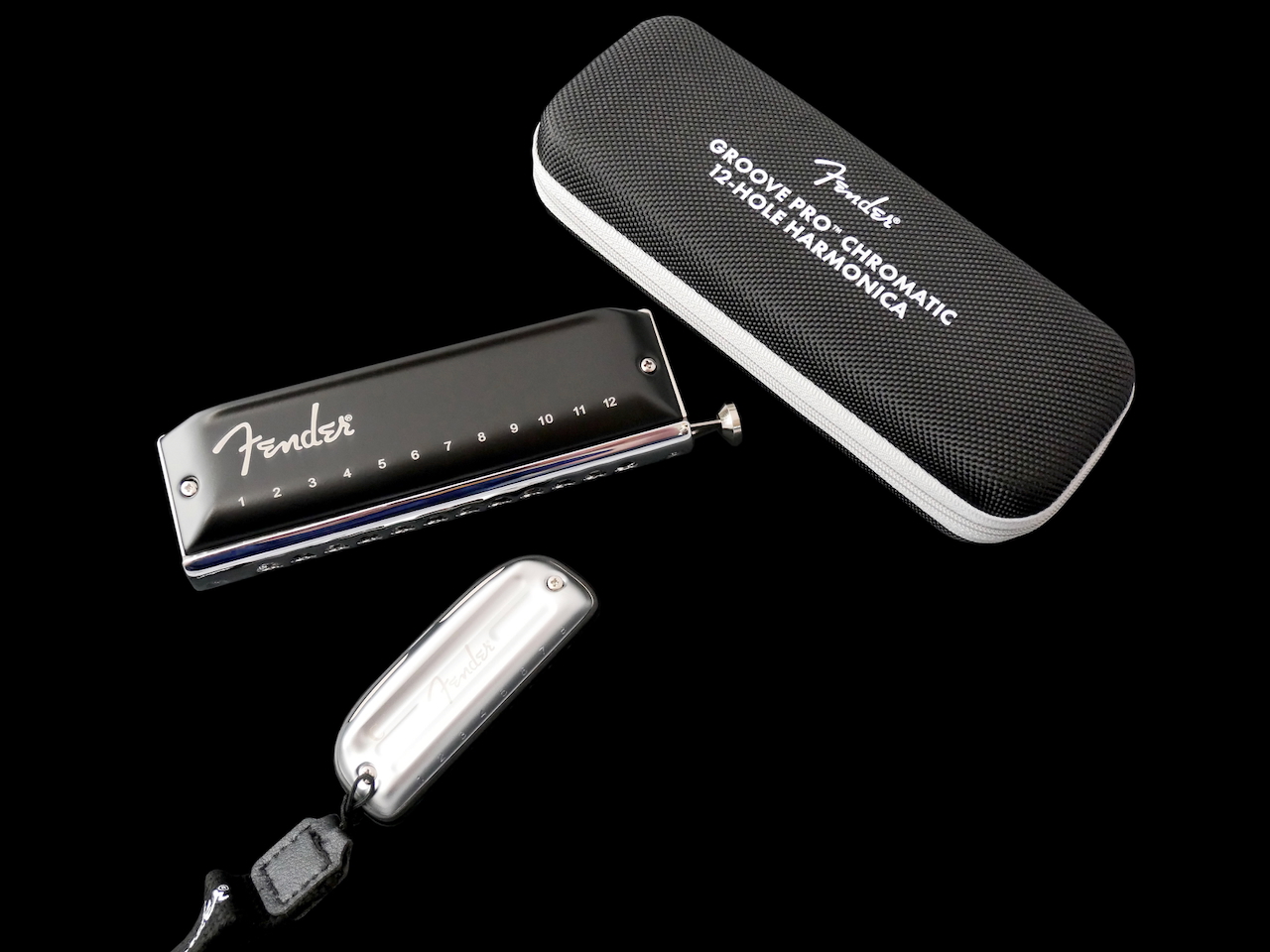
The smaller of these is the very compact diatonic Fender Blues Junior (€35), which is available in three keys (C, G, and A). The other new addition is the company’s first chromatic harmonica, called the Fender Groove Pro (€79).

****
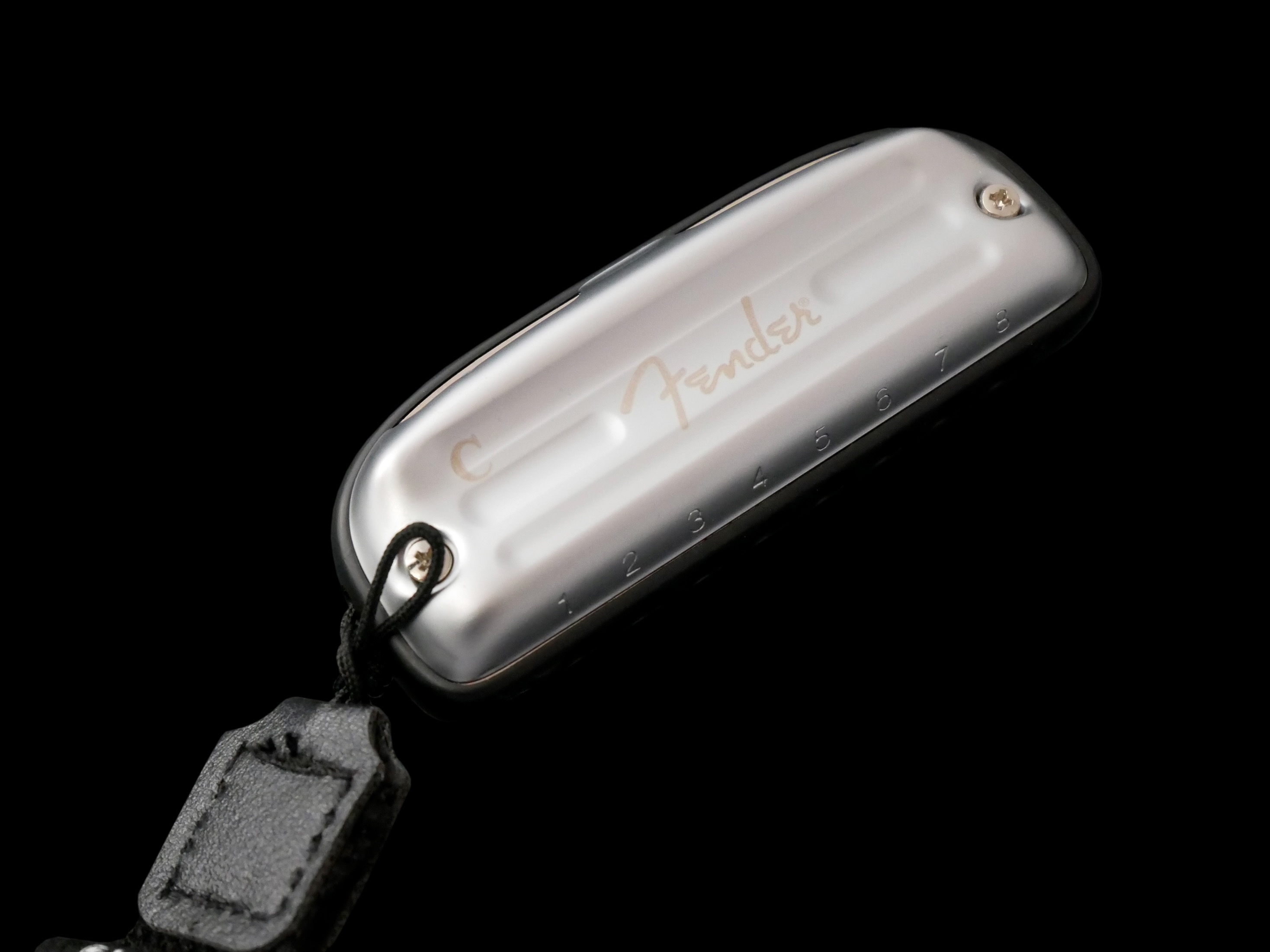
A standard diatonic harp with ten holes is already a nice compact instrument that fits easily in a trouser pocket. However, almost all manufacturers have always had even smaller instruments available for different purposes.

About 15 years ago, the German traditional manufacturer C.A. Seydel found a new approach to the miniature diatonic harmonica when it invented its Big Six collection. In the Big Sixes, the distance between the holes remains the same as in a full-size harmonica, but instead of ten channels, only the first six were offered. According to Seydel, most blues players usually only use these holes, because the bends are best done in these, and therefore the missing high notes are not a problem at all.

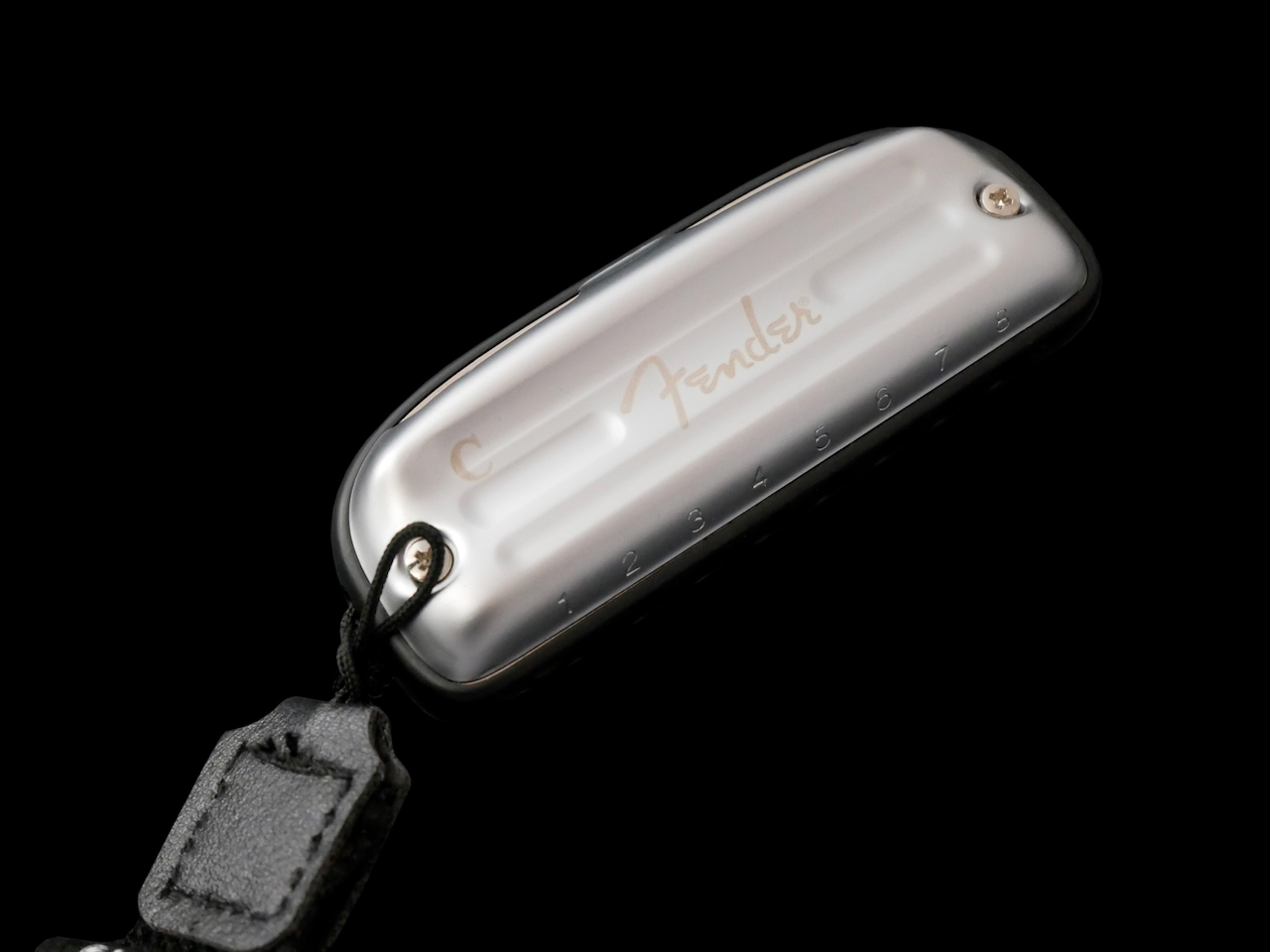
Fender’s brand new Blues Junior 8-Hole Diatonic model is based on the same idea, but offers two channels more tonal range than the Seydel Big Six. The harmonica is sold with a lanyard and a cleaning cloth.

The Fender Blues Junior’s design is very sleek and beautiful. The steel covers have a matte finish, while the harp’s comb is made of black ABS plastic. The appearance of the Blues Junior resembles a slightly smaller version of the Hohner Golden Melody model.

Because the channels on the front of the body have round holes, at first glance it may seem that they are closer together in the new Fender than usual. However, the distance between the channels is the standard 7.5 mm.

Fender’s contract manufacturer seems to have top-notch quality control, as the Blues Junior is suitably airtight, while the sensitivity of the phosphor bronze reeds has been adjusted appropriately.

The Fender Blues Junior harmonica is precisely tuned and very comfortable to play. The Blues Junior is a pleasantly loud harp with a deliciously crunchy sound.

In the demo above, I have used a model of a distorted tweed amplifier.

****
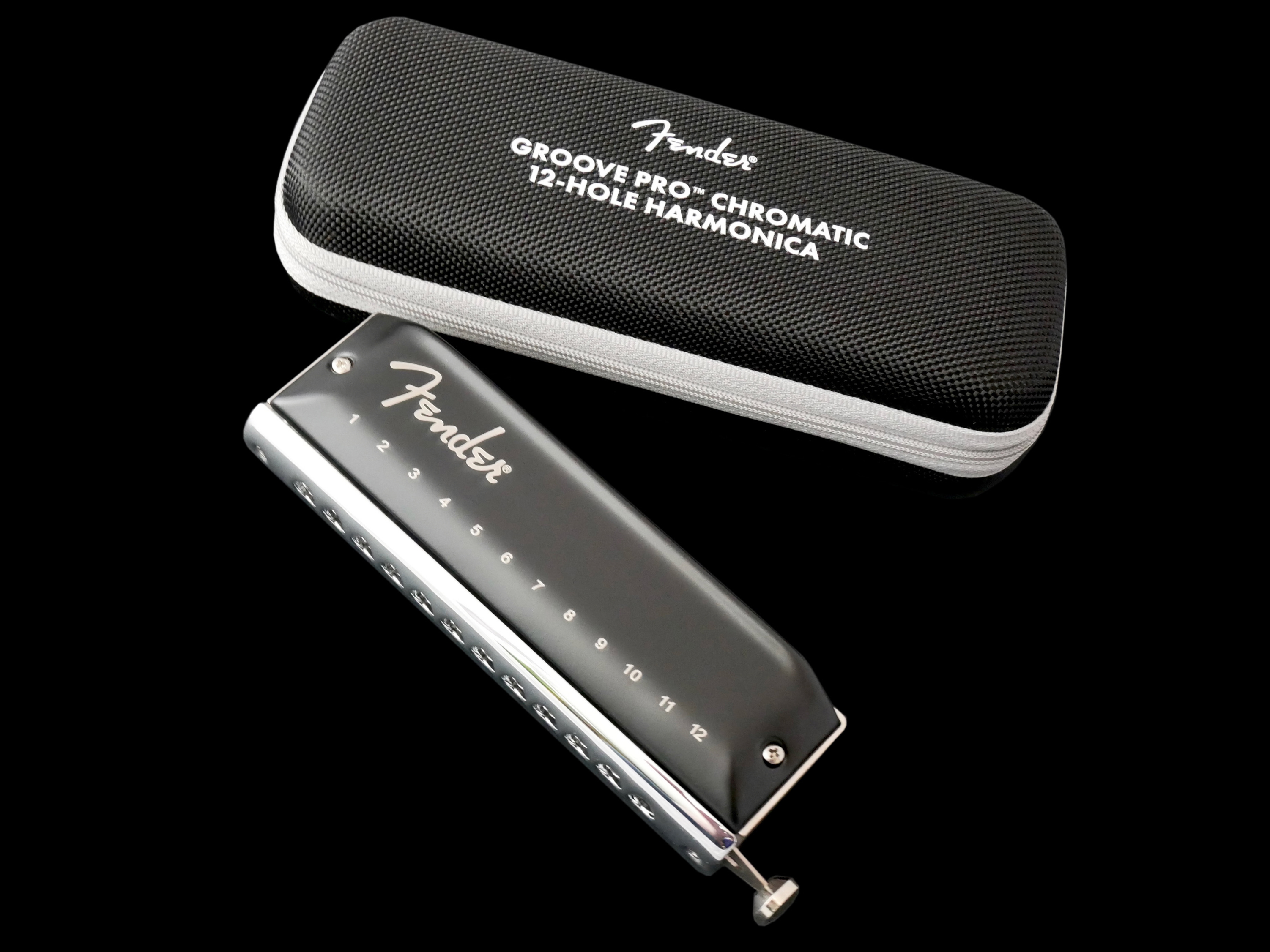
Since each air channel in a chromatic harmonica is connected to no fewer than four reeds, so-called valves have been found in chromatic models almost from their inception.

In modern instruments, the valves are made of lightweight plastic. They are narrow flaps that are glued to the reed plate at the opposite end of each reed. Thanks to the valves, when you blow into the harp, the air only goes through the blowing reed of the channel, while during drawing, the air only flows through the reed that is played during the draw.

The advantages of valves are – in addition to airtightness – the more precise attack of the chromatic harmonica and a louder sound. On the other hand, valves make bends practically impossible, because bends are based on the modulation caused by the opposite reed of the same channel. In addition, the valves can sometimes stick to the reed plates due to the humidity of the exhaled air, which makes it difficult to sound the reed and can give the attack a slight duck whistle-like roughness.

Because valves add to the price of chromatic harps – but also because of the drawbacks of valves – a new wave of cheaper, valveless chromatic harmonicas has emerged in recent years. According to bloggers and YouTube testers, the Chinese manufacturer Easttop seems to be a fairly high-quality manufacturer of affordable chromatic harps.

Why do I mention the Easttop brand here? Well, because Fender’s brand new Groove Pro Chromatic is clearly manufactured by Easttop – it’s a so-called OEM version – of their own Forerunner 2.0 model. The abbreviation “OEM” comes stands for “original equipment manufacturer”, and it means that the manufacturer does not put their own brand logo on the product, but the logo of the brand in question – in this case Fender.

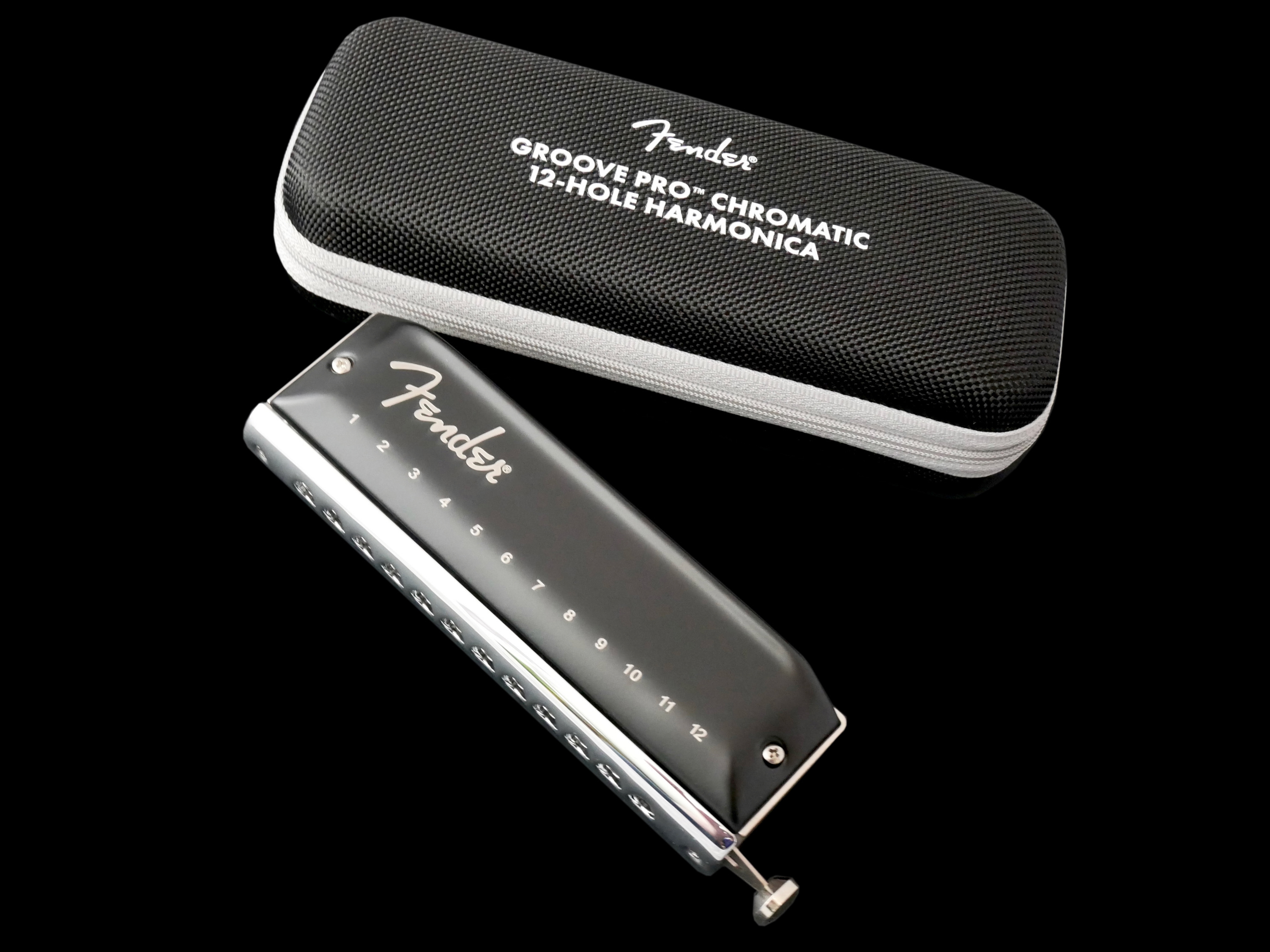
In any case, Fender’s new Groove Pro seems to be of very high quality and its transparent comb has a nice weight, which increases the volume and ”weight” of the sound in chromatic harmonicas. The Fender Groove Pro has 12 channels, which means that the harp has a three-octave range (c1-c4). In addition to the harmonica, the package includes a very high-quality, pencil-case style soft case and a cleaning cloth.

The Groove Pro has a very nice rounded cast metal mouthpiece with round holes. The switching mechanism feels fast and it is also pleasantly quiet. The harmonica’s reeds are made of phosphor bronze. The mouthpiece and matte black steel covers are shaped in such a way as not to cause problems with a player’s beard or moustache.

I think the Fender Groove Pro’s tuning and sound are really good. The new harp’s airtightness is also a positive surprise – although it does require a little more air to play than a harmonica with valves, the difference is not striking. Although the volume of the Fender’s sound is – naturally – a bit lower than my Hohner Chrometta or Hohner Discovery, it is easier to play the lowest notes on the Groove Pro (read: in tune) even with poor playing technique, because the valves do not have the braking effect on the reeds’ attack.

Even ten years ago, wiser people than me said that buying a chromatic harp for under a hundred euros was throwing money in the trash, because the cheap harps of the time let a lot of excess air through, and because they were very poorly tuned.

In recent years, the quality of inexpensive chromatic harmonicas has increased significantly, of which the brand new Fender Groove Pro is a very good example. I can only recommend this model – and not only to beginners.

****

The Four Main Pickup Types Found In Solid-Body Guitars

• Guitars used: Fender ’62 Telecaster Custom reissue, Fender ’62 Stratocaster reissue, Harley Benton DC-60 Jr, Hamer USA Studio Custom

• Amp used: Bluetone Black Prince Reverb

• Microphone used: Shure SM57

****

Here’s a short demo of the four main pickup types used in solid-body electric guitars.

• Guitars used: Fender ’62 Telecaster Custom reissue, Fender ’62 Stratocaster reissue, Harley Benton DC-60 Jr, Hamer USA Studio Custom

• Amp used: Bluetone Shadows Jr.

• Microphone used: Shure SM7B

Positive Grid Spark Mini – Demo Song

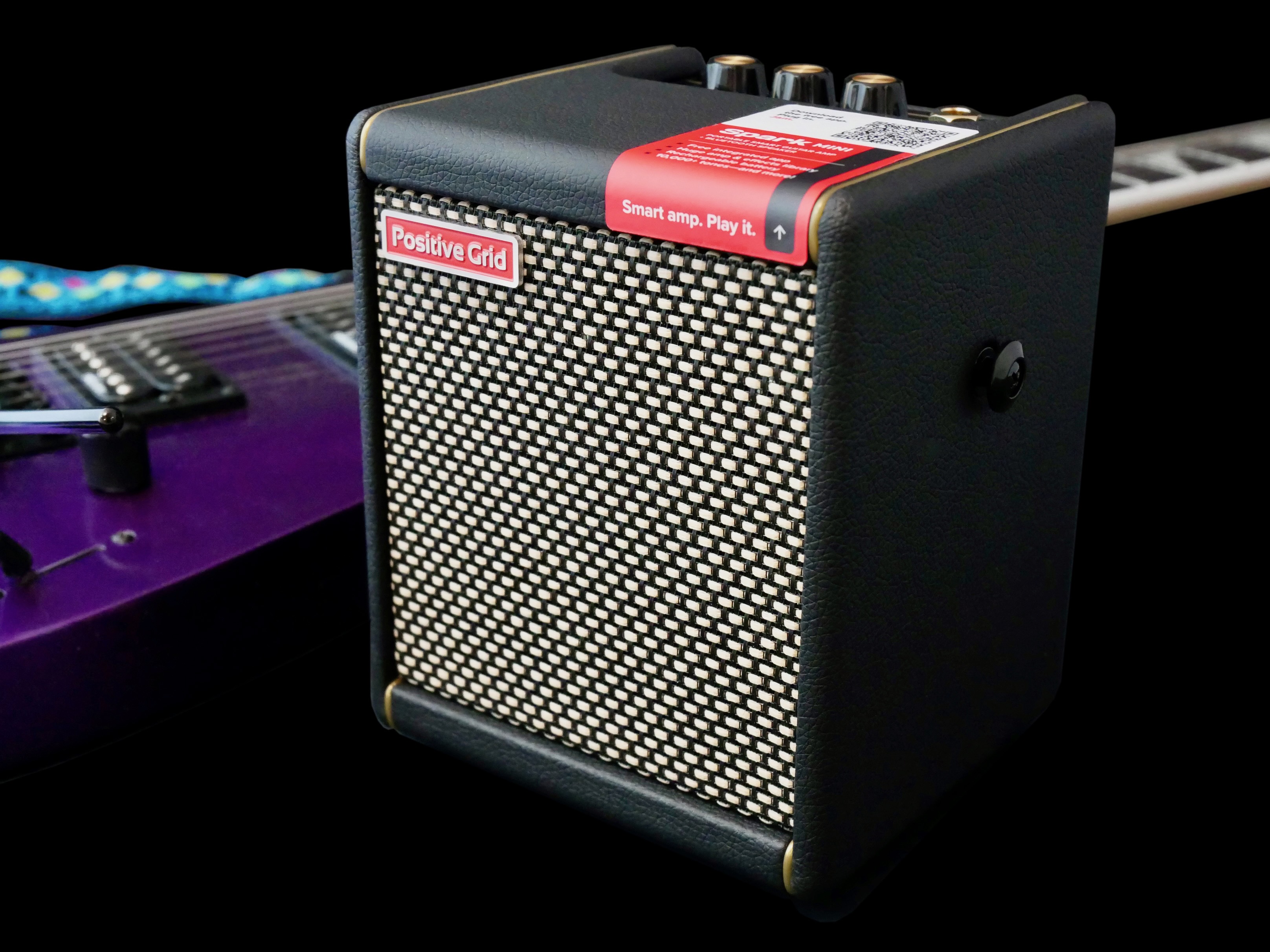
Here’s a short demo song featuring the Positive Grid Spark Mini practice amp (10 W modelling amp). The track is based on the Beatles classic ”Dear Prudence”.
• All guitar tracks were recorded with the Spark Mini amp and a Shure SM7B microphone.
• Guitars used: Harley Benton DC-60 Junior & Fender (Japan) 50s Stratocaster Reissue.
• Audio interface: Universal Audio Volt 2
Find out more about the Spark Mini HERE.
****
Rockway-testi tulossa.

Testipenkissä: Bluetone Compura Guitar Compressor

Yllättävän monelle kompressori on jotenkin mystinen laite, joka käyttää musta magiaa soundin muokkaamiseksi. Todellisuudessa kompressori (yleiskielessä: kompura) on (puoli-) automaattisesti toimiva signaalitasoon vaikkuttava piiri, jolla kavennetaan signaalin dynamiikka – siis: hiljaisten ja kovien äänien välinen ero – toivotulla tavalla.

Etenkin puhtailla kitarasoundeilla kompressorista voi olla paljon apua, silloin kun kaivataan lisää sustainea, tukevampaa soundia, tai vaikkapa rauhallisempaa äänikuvaa. Esimerkiksi monille kantrikitaristeille kompura on lähes pakollinen varuste, jolla saadaan nopeat lickit, joissa usein sekoittuvat otetut äänet ja avoimet kielet, kuulostamaan tasaisempana ja sliipattuina.

Kitaristille tarjotaan nykypäivänä monta eri kompuraa pedaalin muodossa, joista suurin osa toimii ”enemmän tai vähemmän” -periaatteella, ehkä vielä lisätyllä atakki-kytkimellä.

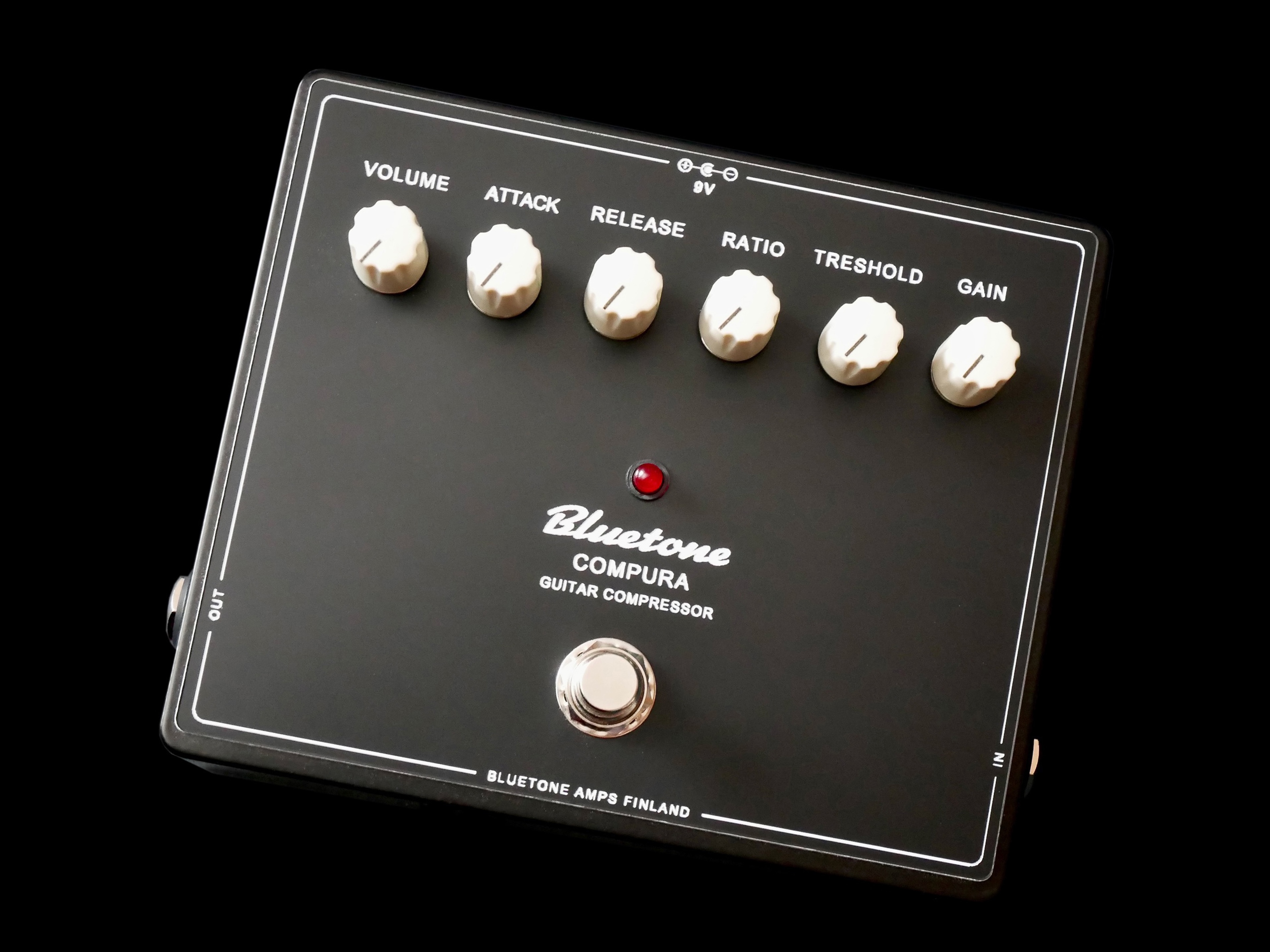
Suomalainen Bluetone Compura (330 €) lähestyy aihepiiriä toiselta kulmalta tarjoamalla laajasti säädettävän studiokompressorin kitarapedaalissa. Kuusi säädintä voivat aluksi näyttää hieman pelottavalta, mutta kun niiden toimintaa käy ensin rauhallisesti läpi, niin homma alkaa nopeasti selvenemään.

• GAIN on Compuran esivahvistus. Tässä ei ole kyse säröstä, vaan siitä, että eri kitaroissa (ja bassoissa) on eri mikrofonien vuoksi erilaiset lähtötasot. Gain-säätimellä pystyy siis optimoimaan valitun kitaran signaalitasoa kompressiopiiriä varten.

• THRESHOLD (kyllä, kuvan varhaisessa tuotantomallissa on pieni kirjoitusvirhe) tarkoittaa kynnystasoa. Threshold-tason alle jäävä signaali pysyy kompressoimatta, kun taas kynnyksen ylle menevät osuudet puristetaan dynamiikan osalta kasaan.

• RATIO on kompressiosuhteen säädin. Studiokompressoreissa lukee ratio-säätimen vieressä tavallisesti numeerinen suhde, jossa esimerkiksi ”1:1” tarkoittaa, ettei kompressoida lainkaan, kun taas ”8:1” tarkoittaa, että jos tulosignaalin taso nousee kahdeksan desibeliä kynnystason yli signaalia kompressoidaan niin, että lähtötaso nousee vain yhden dB:n verran. Bluetone Compurassa säädöt tehdään korvakuulolla.

• ATTACK ja RELEASE säätävät kuinka nopeasti kompressori alkaa vaikuttamaan signaalin tasoon sen jälkeen, kun kynnystaso ensin ylittyy (Attack-säädin), sekä silloin kun tulosignaalin taso taas laskee kynnystason alle (Release-säädin). Attack-säätimellä pystyy siis vaikuttamaan esimerkiksi siihen, kuinka paljon äänten atakista säilyy muuttumattomana, kun taas Release-säädin vaikuttaa siihen kuinka nopeasti kompressiopiiri ”nollauttuu” signaalipiikkien välissä.

• VOLUME-säädin on Bluetone Compura -pedaalissa lähtötason säädin, siis sama säädin jota kutsutaan monessa studiokompressorissa make-up gainiksi. Volume-nuppia säädetään korvakuulolla omien tarpeiden – esimerkiksi signaaliketjun muiden efektien – mukaan. Jotkut tykkäävät käyttää kompressorit miedoina boostereina, kun taas toiset haluavat, että kompressorin toiminta on signaalitason osalta lähes huomaamaton.

****

Studiossa kompressorin mittaristo on hyvin tärkeä työväline, josta saa tietoa siitä kuinka ”kuuma” tulosignaali on, kuinka monta desibeliä signaalin dynamiikka puristetaan kasaan, ja millä tasolla efektin lähtösignaali on.

Kitarapedaalissa tällainen mittarointi on minusta usein tarpeeton; usein värikkäät mittarit lattialla jopa vievät soittajan huomiota pois kaikkein tärkeämmästä – omasta soundista.

Tärkein on minun mielestäni se että muistetaan, ettei ole olemassa ”ainoa oikea tapa” käyttää sellaista kompressoria kuin Bluetonen Compura, koska mukana on aina kokonainen kasa muuttajia, kuten soitin, oma soittotatsi, musiikkigenre, muu signaalitie, käytössä oleva vahvistin jne.

Kun ottaa itselleen ensin hieman tutustumis- ja kokeiluaikaa Bluetone Compuran kanssa, löytyy hyvin helposti ja nopeasti sellaiset parametrien asetukset, jotka toimivat sinun omassa musiikillisessa työympäristössä. Se mikä sinun mielestäsi toimii sinun omassa musiikissa, on oikea riippumatta siitä, mitä toiset ehkä sanovat.

Helsingissä käsintehty Bluetone Compura ei ole halpakompura, vaan huippulaadukas pro-tason kompressoripedaali, joka tarjoaa studiokompressoreista tuttua säädettävyyttä kompaktissa muodossa. Siihen nähden laitteen hinta on jopa edullinen.

****

• Puhtaat komppiosuudet ja soolokitara – Fender ’62 Telecaster Custom Reissue
• Puhtaat ja säröiset komppiosuudet – Fender ’57 Stratocaster Reissue
• Vahvistin – Bluetone Black Prince Reverb
• Pedaalit – Bluetone Compura, Mad Professor Simble OD
• Mikrofoni – Shure SM7B
• Mikkivahvistin – Cranborne Audio Camden EC2
• Interface – Universal Audio Volt 2

****

DEMO CLIP 1
Kompressorin ansiosta puhdas kitarariffi tulee kokonaiskuvassa paremmin esiin.
Aluksi neljä tahtia ilman kompressoria.
****
DEMO CLIP 2
Puhtaan vahvistimeen soitettu wah-wah ei aiheuta niin paljon säröä/klippausta, jos käytetään kompressoria wahwah:n ja vahvistimen välissä.
Aluksi neljä tahtia ilman kompressoria.
****
• Kitara – Fender ’57 Stratocaster Reissue
• Vahvistin – Bluetone Black Prince Reverb
• Pedaalit – Bluetone Compura, Vox V845
• Mikrofoni – Shure SM7B
• Interface – Universal Audio Volt 2

Bluetone Compura Guitar Compressor – Demo song – demobiisi

Lisää infoa/More information: Bluetone Compura

Here’s a demo of the Bluetone Compura guitar compressor, based on the INXS classic ”Need You Tonight”.
• Clean rhythm and lead guitars – Fender ’62 Telecaster Custom Reissue
• Clean and overdriven rhythm guitars – Fender ’57 Stratocaster Reissue
• Amp used – Bluetone Black Prince Reverb
• Pedals used – Bluetone Compura, Mad Professor Simble OD
• Mic used – Shure SM7B
• Preamp used – Cranborne Audio Camden EC2
• Interface used – Universal Audio Volt 2

Review: Squier Sonic Mustang SS

From the late 1970s on, Fender’s student-oriented models began to find their way into the hands of musicians from the Punk, New Wave, Grunge and Alternative Rock genres.

The reasons for this can be found both in the musicians’ budgets, as well as in the guitars’ image. The average guitarist wanted to play with ”familiar and safe” models, and in Fender’s case, these were the Telecaster and Stratocaster.

At the end of the 1970s, Fender’s so-called student instruments, that were very popular in the 1950s and 60s, could be found very inexpensively second-hand. With the Mustang, Duo-Sonic or Musicmaster, the young New Wave musician got genuine Fender quality at a very affordable price, and since these instruments were not – at least at the time – collector’s items, modifying the guitars to suit the needs of the ”new music” was no problem.

Many guitarists of the new genres – e.g. the Talking Heads’ David Byrne, Sonic Youth’s Thurston Moore and Nirvana’s Kurt Cobain – added more powerful pickups to their Duo-Sonic or Mustang to better suit their sound. This resulted in distinctive guitars that certainly weren’t ”your dad’s Country guitar”.

Last year, Fender’s subsidiary Squier Guitars changed the name of its most affordable line from Affinity to Sonic, and at the same time expanded the range of instruments in the series.

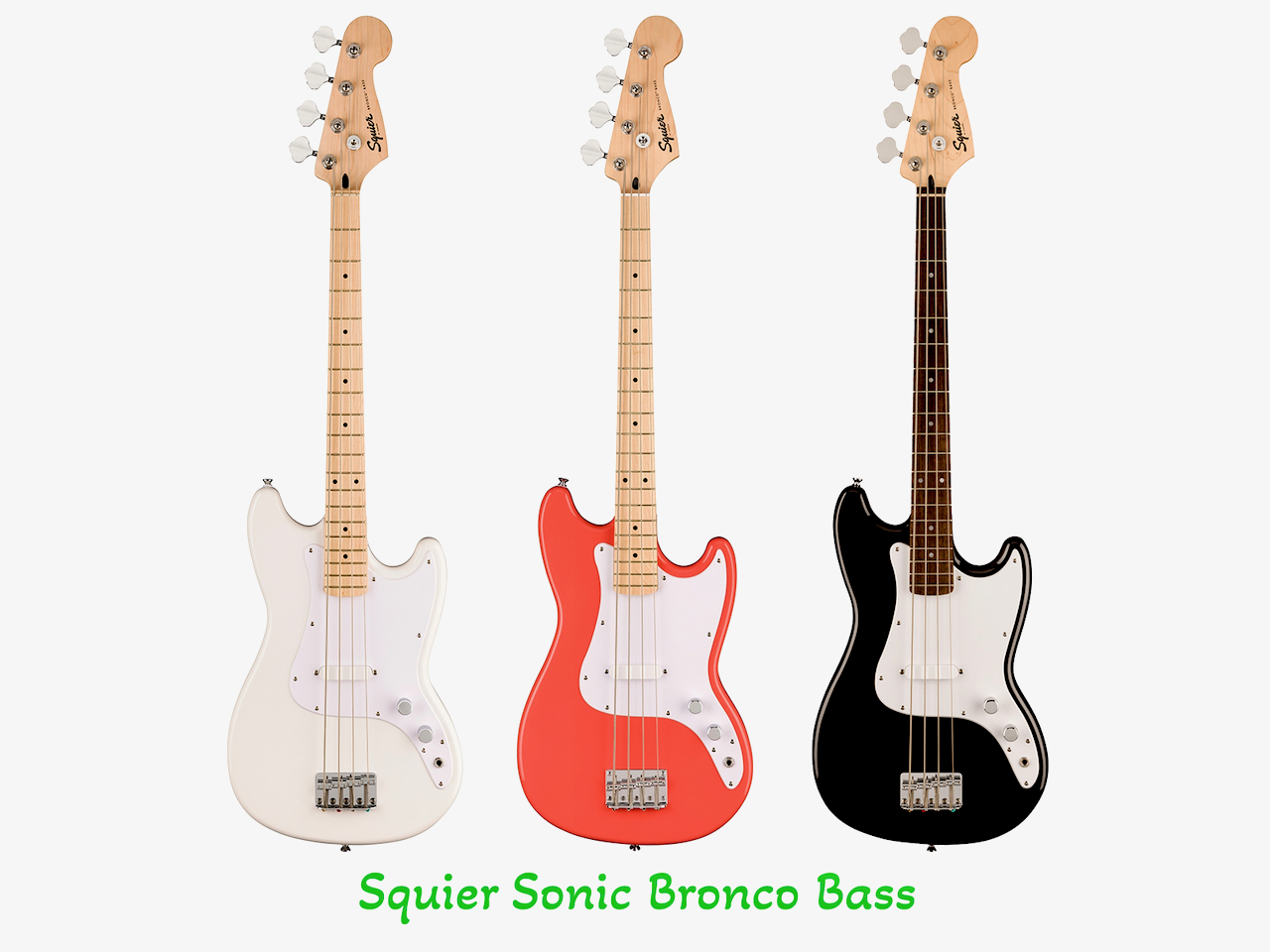
There are now two different Mustang guitars in the Sonic series, of which the Mustang HH offers two humbucker pickups, while the Mustang SS, like the original Fender, comes equipped with two single coils. Both models are offered in two different colour options as standard, which in the case of the Mustang SS model are sunburst and Torino Red. The Mustang HH comes in light blue and pink. The Sonic Bronco bass is now available in three different colors – white, red and black.

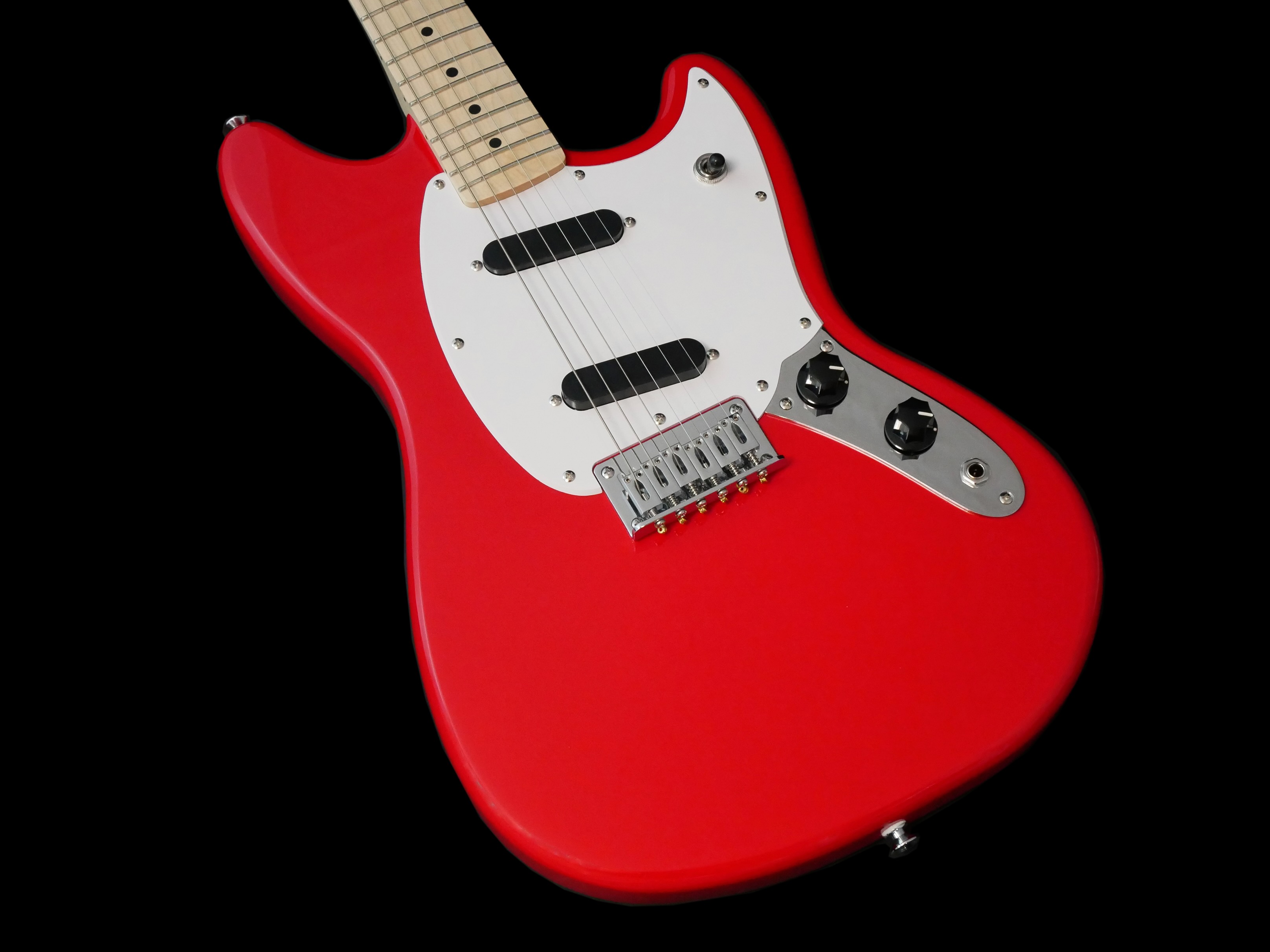
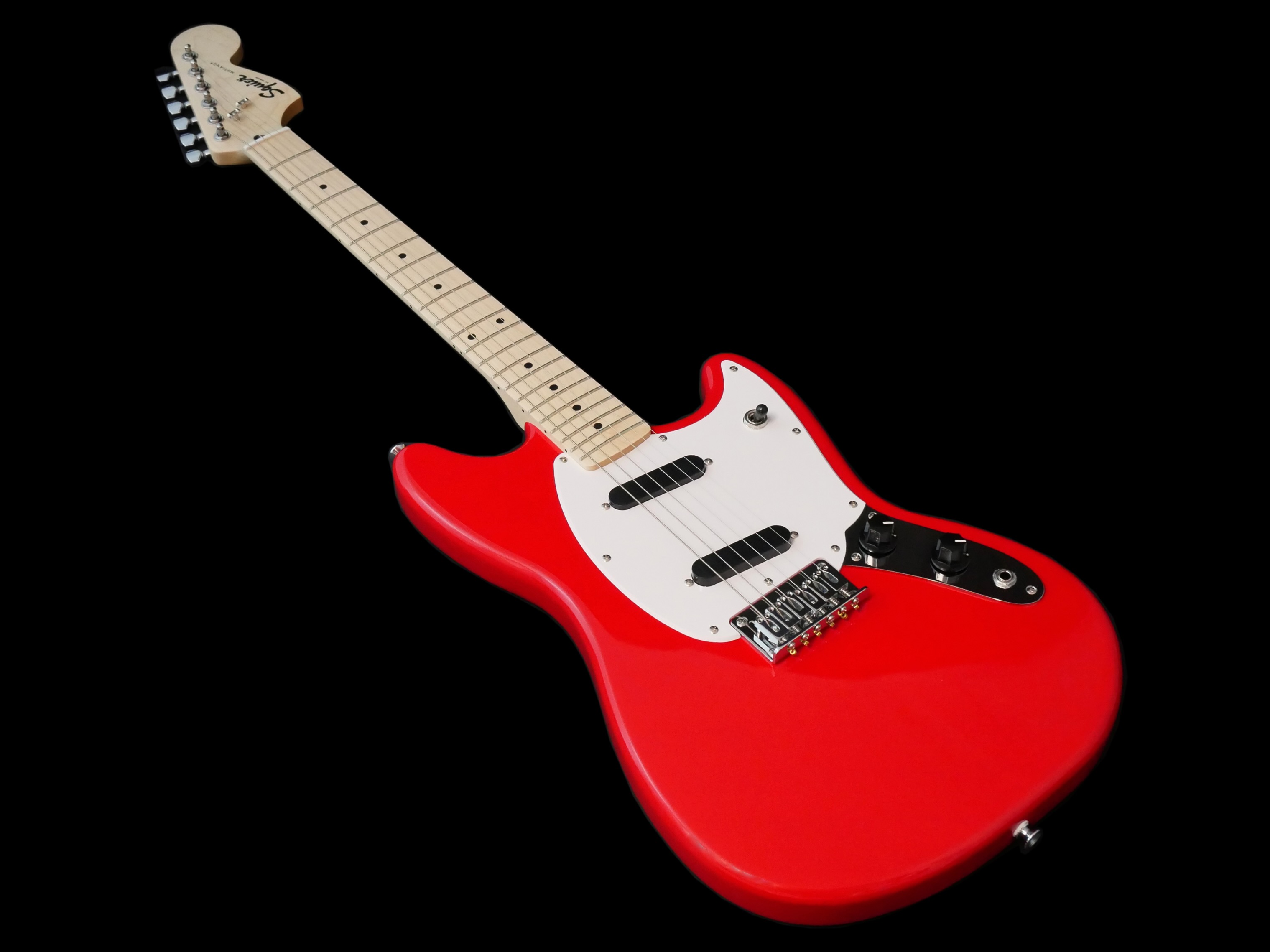
A vintage enthusiast would be the first to point out that, according to Fender’s original terminology, the Squier Sonic Mustang SS (street price approx. 180-200 €) is not a Mustang, but a Duo-Sonic, as the model has a fixed bridge and a three-position pickup selector. I would bet that Fender and Squier have decided that the name Mustang is simply cooler and better known than Duo-Sonic, which is why all their short-scale models with the same body shape are currently called Mustangs, despite the streamlined electronics and bridge.

However, the familiar basic recipe still applies:

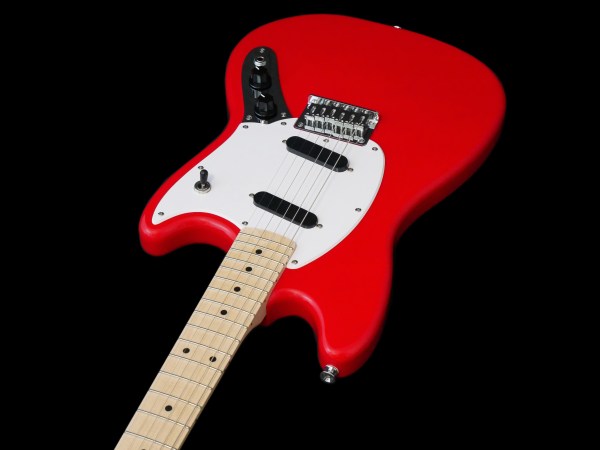
The Squier Mustang SS is an electric guitar with a 24-inch scale. The bolt-on maple neck has a maple fingerboard and well-installed 22 vintage-style frets.

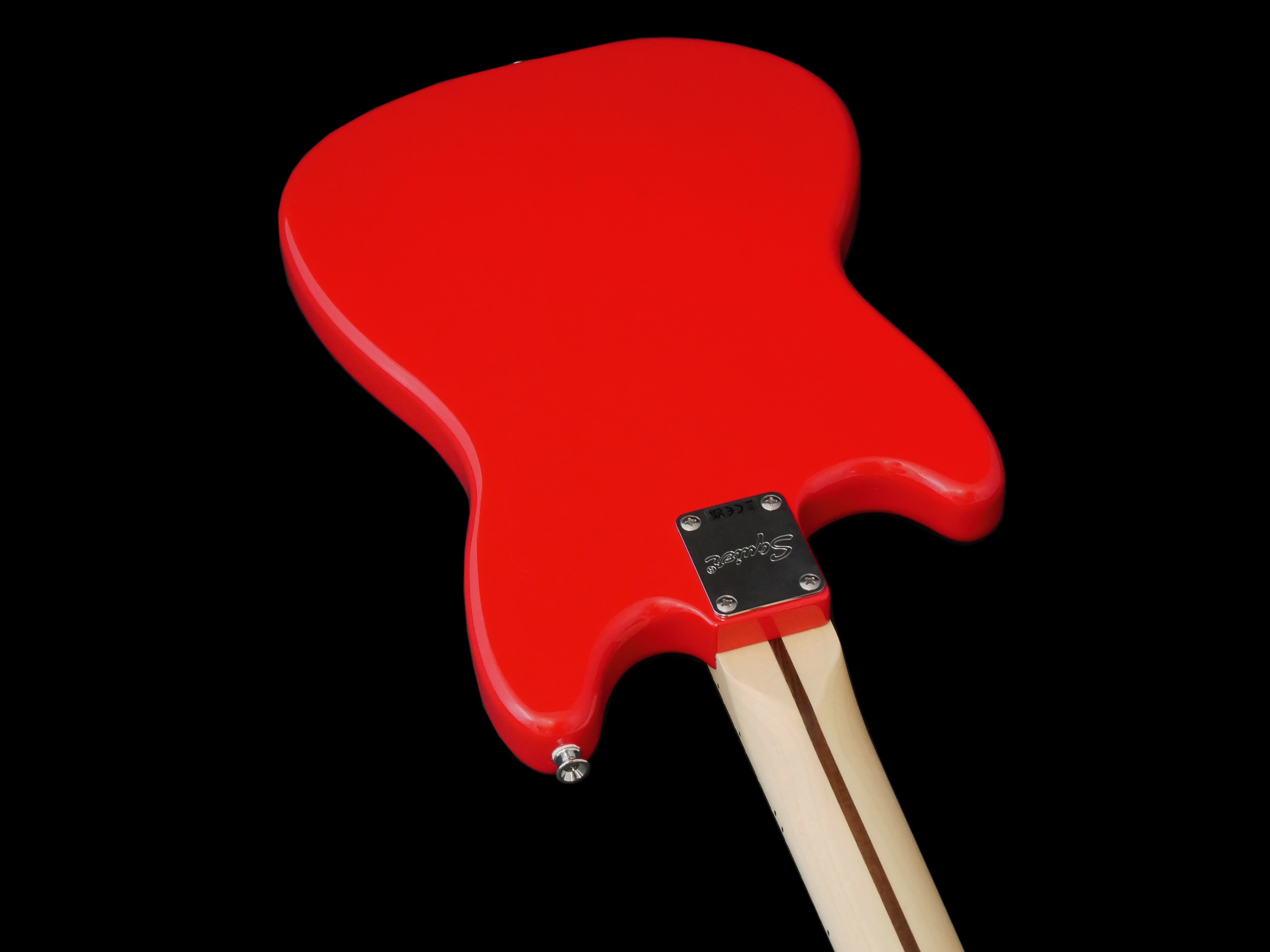
The offset body of the Mustang SS is a slab number with rounded edges, but without any chamfers.

The thick single-layer plastic pickguard is typical for Sonic series instruments. Mustang’s two single-coil pickups – with closed black plastic covers – and a three-position mic selector are installed onto the pickguard.

The Squier guitar’s volume and tone controls, as well as the output jack, are placed on a chrome-plated metal plate.

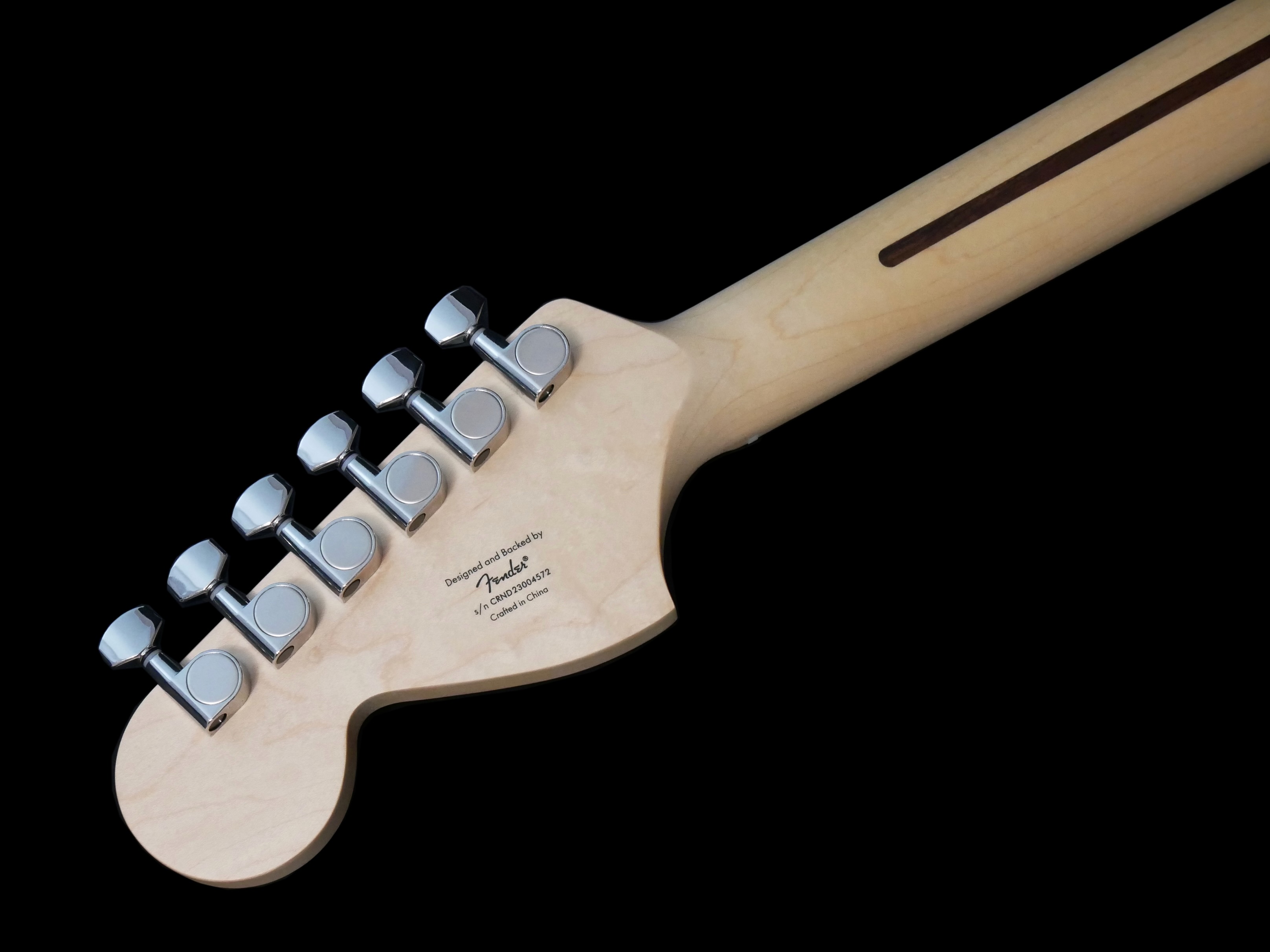
The Mustang’s modern sealed tuners work well, as does the Sonic model’s fixed bridge with six separate saddles.

Straight out of the shipping carton, the test guitar is almost ready to play – only the action and intonation had to be fine-tuned. The guitar doesn’t suffer from sharp fret ends sticking, or other ”cheap guitar” problems. The workmanship seems fine.

The new Squier Sonic Mustang SS weighs a bit more than the original edition from the 1960s, but in light of the Mustang’s very affordable price, this is to be expected and perfectly okay.

The Squier Sonic Mustang SS model has a decent 009 set of strings installed at the factory, which is probably a good choice for the guitar’s target group (children and young people). The playing feel is very effortless and light, and the Mustang chimes very nicely. I played all the guitar tracks in the demo video with Squier’s factory-installed strings.

However, the feel of the 009 string set on a guitar with a 61 cm scale is too loose for me, which is why I changed over to the same 010-052 strings that I use in all my electric guitars. With these strings, the Sonic Mustang SS immediately has a firmer playing feel, which is not very different from, for example, a Gibson SG.

Although the scale of the Sonic Mustang is much shorter than that of Telecasters or Strats, there is a definite dose of ”Fender-ism” in the sound of the guitar, thanks to the single-coil pickups. Because the Mustang’s pickups are placed in somewhat different places relative to the scale than, for example, in the Telecaster, the model always displays its own recognisable sound. The Mustang’s tone rings like a bell, but is never as biting as, for example, the output of a Stratocaster.

Pidä blogia WordPress.comissa.

Ylös ↑