Review: Roland Cube Lite

****

cube_lite_front_gal

The brand-new Roland Cube Lite (current price in Finland: 155 €) is the latest model in Roland’s successful Cube-range, and the mega-selling Micro Cube’s little sibling.

Contrary to its name the Cube Lite isn’t square-shaped, but rather a stylish stereophonic (2.1) practice amp that looks more like the company’s acoustic combos. Due to its very compact size there wasn’t enough space left for batteries – the Cube Lite runs exclusively on its PSU, which is included in the package.
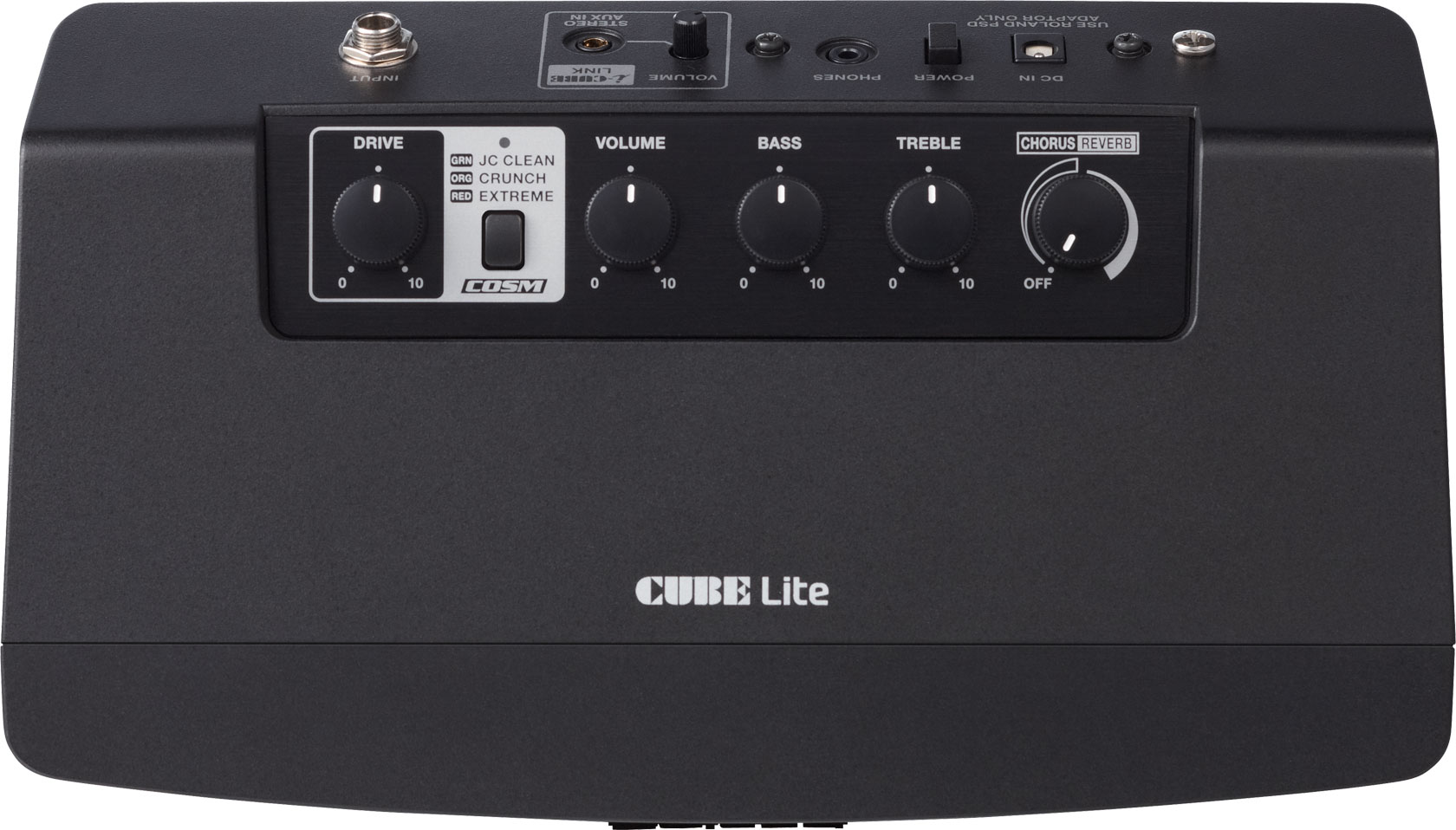
cube_lite_top_gal

The Cube Lite offers you three different COSM-modelled amplifier choices, called JC Clean, Crunch and Extreme. Apart from the Drive- and Volume-controls you’ll also find a two-band EQ-section.

The combo’s effect selection has been simmered down to a chorus and a reverb.
cube_lite_back_gal

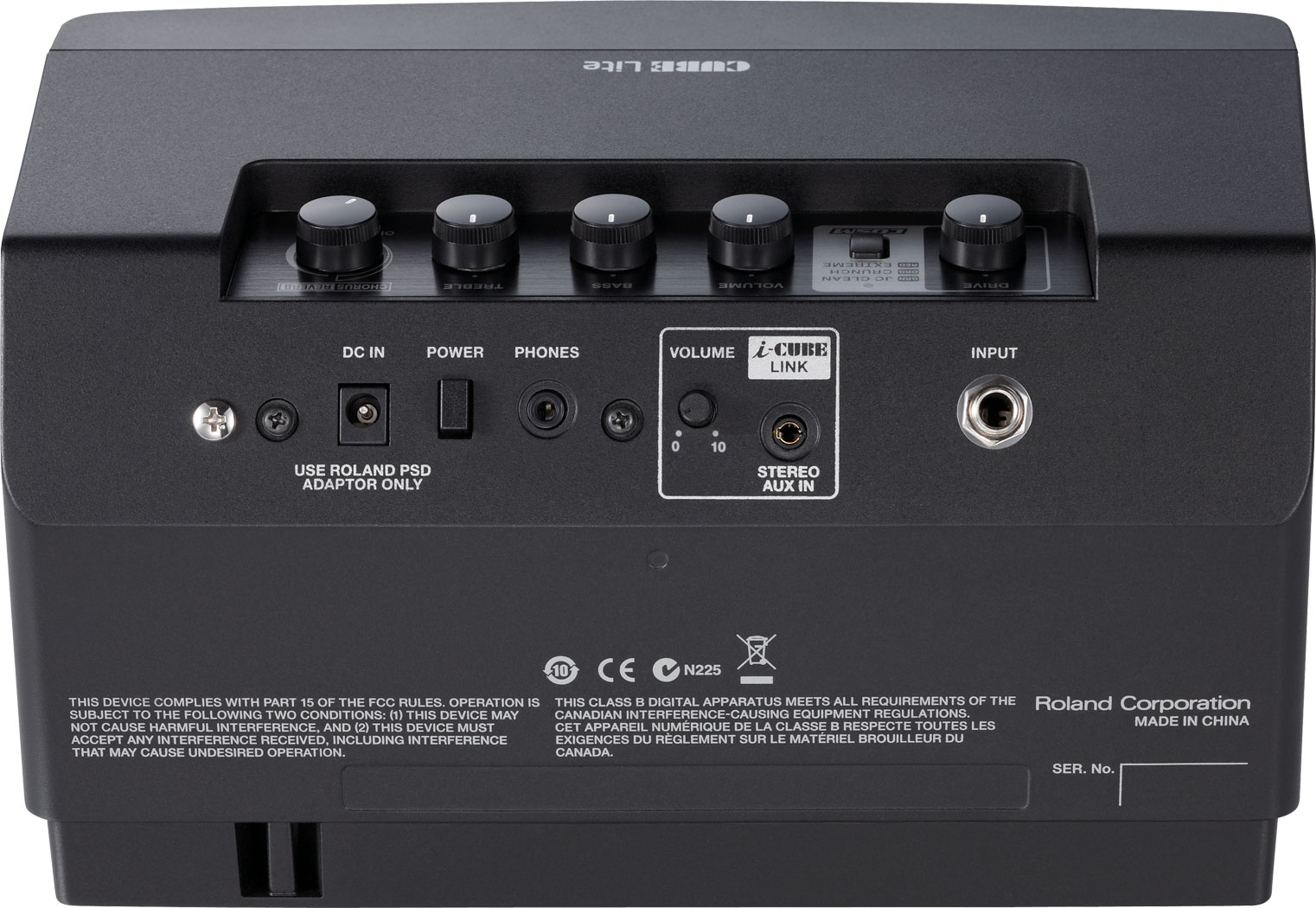
All of the Roland’s inputs and outputs are found on the combo’s back panel: In addition to the regular guitar input and the mini-jack for the headphones, you’ll find an input labelled ”i-Cube Link” with its own small volume control next to it.

Thanks to the i-Cube Link Roland’s Cube Lite is able to communicate directly with your Apple iPhone, iPad or iPod Touch. When hooked up with the special lead found in the box, the combo becomes your iWhatsit’s sound card.

Roland offers you their Cube Jam-app – which turns your iPhone/iPad into your own guitar practicing and recording machine – for free download.

The Cube Lite will also work as your personal stereo, when using a standard stereo cable with mini-plugs connected to the i-Cube Link input.

****

cube_lite_angle_gal

Roland’s Cube Lite is a refreshingly compact and lightweight piece of gear. Granted, its plastic chassis may not be as trustworthy as the Micro Cube’s sturdier exterior, but on the other hand the Cube Lite will look much nicer in your living room.

I was blown away by the surprisingly full-bodied sound coming off the combo’s speakers – thanks in no small part, I’d reckon, to the 2.1-system’s subwoofer. The sound quality is definitely on a par with most personal hi-fi systems, except maybe in terms of the Cube Lite’s slightly narrower stereo spread.

The combo’s three COSM-models cover virtually all bases of electric guitardom. I don’t think anyone will leave their gig rig at home in favour of the Cube Lite, but this dwarf is well up for inspiring training sessions and on-the-spot song demoing. I kind of missed a delay as an additional effect option, but you can’t have everything, now, can you?
cube_jam_iphone_gal

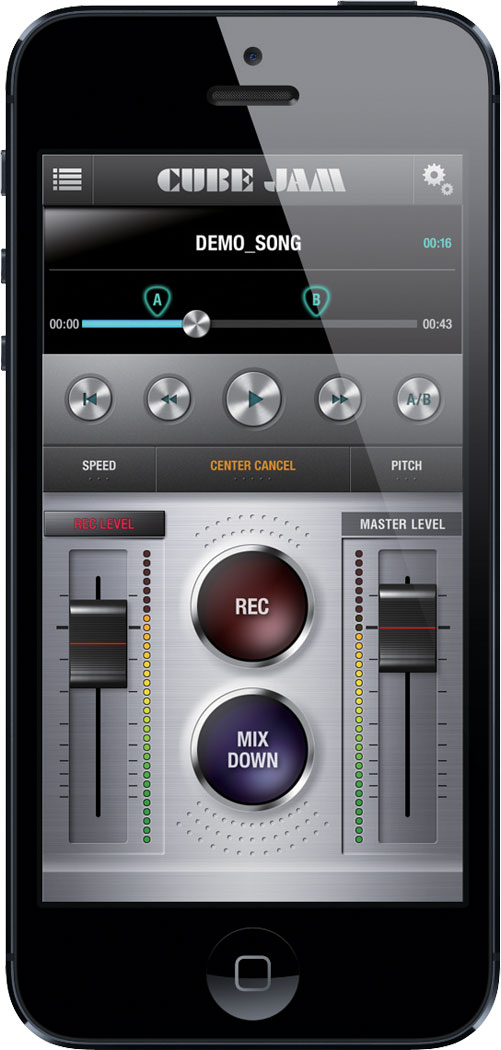
While this little Roland already works fine as a stand-alone practice amp, the cool Cube Jam-app adds a lot of fun and value to the whole package.

Cube Jam can use your iPhone’s/iPad’s whole music library as backing track material (except for copy-protected files). The app allows you to change playback speed and transpose your backing track, as well as to run a loop using the A/B-function. Center Cancel does what it says on the tin – you can dial out parts like the main vocal or lead guitar on-the-fly.

My favourite Cube Jam-features are Record and Mixdown, which allow you to play along to the backing track and record the whole thing. The app automatically stores each pass as a separate take, which makes it possible to select the best take for eventual mixdown, using the two virtual faders. Pressing the Mixdown-button creates a new WAV-file (44.1 kHz/16-bit) and stores it in your iThingy’s memory.

You can even overdub by selecting the latest mix as your new backing track and adding a new guitar track on top. The only drawback here is that the newly recorded track is always panned to centre, but that’s a compromise I could live with, as this app is meant mainly for practice and not for multitrack recording purposes.

I had prepared a backing track for this review using my iMac’s Garageband-software. I exported the backing track onto my iPad, and then recorded a guitar solo, playing my Epiphone Casino through the Roland Cube Lite (on Crunch), while recording it all onto Cube Jam.

Here’s what the Cube Jam-mix sounds like:

And here’s the guitar track on its own:

****

Here are two examples of the JC Clean- and Extreme-models played with a Stratocaster, and recorded with a Zoom H1:

****
cube_lite_table_gal

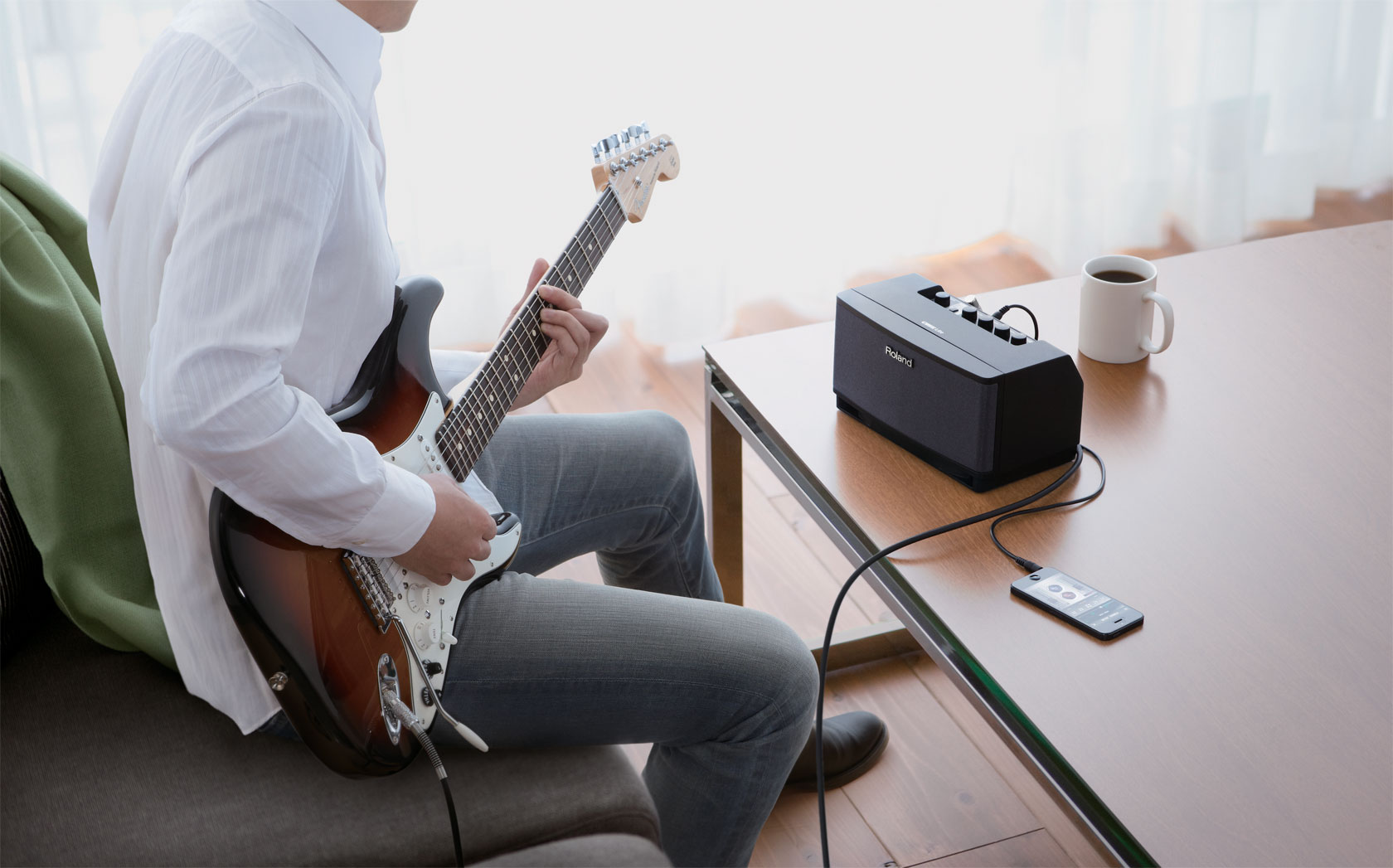
In my opinion the Roland Cube Lite is a fine little practicing amp. You’ll get the most fun out of it if you’re already an Apple iPhone or iPad user, but the Cube Lite also works nicely as a stand-alone combo.

****

Roland Cube Lite

155 €

Finnish distribution: Roland

****

Pros:

+ COSM-models

+ 2.1 stereo system

+ external sound card for iPhone/iPad

+ compact

+ Cube Jam-app

Cons:

– no battery option

Testipenkissä: Roland Cube Lite

****

cube_lite_front_gal

Upouusi Roland Cube Lite (155 €) on Cube-perheen nuorin jäsen, ja suositun Micro Cube -harjoitusvahvistimen pikkuveli.

Muista Roland Cubeista poiketen Cube Lite ei ole neliön muotoinen, vaan tyylikäs stereofoninen (2.1) harjoitusvahvistin muistuttaa ulkonäöltään enemmän firman akustiselle kitaralle tarkoitettuja komboja. Erittäin kompaktiin laitteeseen ei mahtunut paristolokeroa subwooferin takia – Cube Lite toimii ainoastaan pakettiin kuuluvalla virtalähteellä.

cube_lite_top_gal

Cube Liten vahvistintarjonta on supistettu kolmeen laadukkaaseen COSM-mallinnukseen, joiden nimet ovat JC Clean, Crunch ja Extreme. Drive- ja Volume-säätimien lisäksi on tarjolla erilliset nupit bassotaajuuksille ja diskantille.

Pikkuvahvistimen efektiosastolta saa joko chorusta tai kaikua.

cube_lite_back_gal

Rolandin kaikki liittimet löytyvät takapaneelista: tavallisen kitaratulon ja minikokoisen kuulokelähdön väliin on sijoitettu i-Cube Link -niminen tulo omalla volume-säätimellä.

i-Cube Linkin ansiosta Roland Cube Lite pystyy kommunikoimaan suoraan iPhonen, iPadin tai iPod Touchin kanssa. Vahvistin voi silloin toimia suoraan puhelimen/tabletin äänikorttina – siihen tarvitaan ainoastaan paketista löytyvää johtoa.

Rolandin ilmainen Cube Jam -app tekee iPhonesta/iPadista ja Cube Litesta i-Cube-tulon kautta kätevän ja helppokäyttöisen harjoituskeskuksen.

Tavallisella stereojohdolla pystyy käyttämään kombon i-Link-tuloa myös perinteisena stereotulona muiden mp3- tai cd-soittimien kanssa.

****

cube_lite_angle_gal

Roland Cube Lite on hyvin kompakti ja kevyt laite. Sen muovikotelo ei ole ehkä yhtä kestävän oloinen kuin esimerkiksi Micro Cube, sen sijaan sopii Cube Liten kauniimpi ulkokuori huomattavasti paremmin yhteen Applen i-laitteiden kanssa.

Pikkukombosta lähtee uskomattoman täyteläinen ääni, kiitos 2.1-järjestelmän subwooferin. Cube Liten äänen laatu on samalla tasolla hyvien mikrokokoisten hifi-laitteiden kanssa, paitsi ehkä hieman stereokuvan leveydessä, joka on tässä vähän suppeampi hyvin lähellä toisiaan olevien kaiuttimien takia.

Cube Liten kolme COSM-kanavaa kattavat käytännössä kitarasoundien koko spektrin suvereenisti. Kukaan ei varmasti jätä keikkatilanteessa isoa laatuvahvistitaan kotiin Cube Liten takia, mutta tällaisen pienen kotivahvistimen puitteissa soundit toimivat loistavasti treenaamiseen tai kevyeen demoiluun. Efektiosastossa olisin mielellään nähnyt choruksen ja kaiun lisäksi vielä ehkä jonkin delayn – mutta kaikkea ei voi aina saada.

cube_jam_iphone_gal

Jo yksinään pikku-Roland on oikein kiva harjoituskaveri, mutta mainio Cube Jam -sovellus antaa touhuun roimasti lisää käteviä toimintoja.

Cube Jamissa voi käyttää iPhonen tai iPadin koko musiikkikirjastoa taustanauhana harjoitteluun (paitsi kopiosuojattuja tiedostoja). Taustan nopeutta voi säätää, samoin sen sävelkorkeutta, ja A/B-napilla pystyy looppaamaan halutun kohdan biisissä. Center Cancel -toiminnolla taas voi monesta kappaleesta poistaa laulun tai soolokitaran lennossa.

Oma lempiominaisuuteni on kuitenkin Cube Jam -appin äänitys ja miksaus, jolla voi tallentaa omaa soittoa. Sovellus pitää jokaista ottoa taustabiisin kansiossa. Lopuksi voi valita parhaan ottoksen, sekä säätää kitarasignaalin tasoa ja master-tasoa sopiviksi. Tämän jälkeen saa painamalla Mixdown-nappia valmiin miksauksen uutena Wav-tiedostona (44,1 kHz/16 Bit) puhelimen (tai tabletin) muistiin.

Myös päällesoitto on mahdollista: kun asettaa juuri miksatun kappaleen uudeksi taustabiisiksi, voi tämän päälle äänittää uuden kitaraosuuden. Ainoa miinuspuoli tässä touhussa on, että kitararaita on säädetty kiinteäksi stereokuvan keskelle, koska Cube Jam on tarkoitettu pääsääntöisesti kitaraharjoitteluun, eikä ping-pong-äänitykseen.

Äänitin tätä juttua varten ensin iMacilla Garagebandissa Blues-taustan, jonka vein sen jälkeen iPadille. Äänitin sitten kitaraosuuden soittamalla Epiphone Casino -kitaraani Roland Cube Lite -kombon läpi (Crunch-kanava kaiulla) Cube Jam -ohjelmaan, jossa biisi on lopuksi myös miksattu. Tältä se kuulostaa:

Martin’s Cube Jam Blues

Crunch + Reverb + Epiphone Casino

****

Tässä ovat vielä Zoom H1:llä äänitetyt esimerkit kombon JC Clean- ja Extreme-vaihtoehdoista:

JC Clean + Chorus + Fender Stratocaster

Extreme + Fender Stratocaster

cube_lite_table_gal

Mielestäni Roland Cube Lite on erittäin kätevä harjoituskumppani, jonka hankinta kannattaa etenkin silloin, kun on jo käytössä Cube Jam -sovelluksen kanssa yhteensopiva Apple iLaite.

****

Roland Cube Lite

155 €

Maahantuoja: Roland

****

Plussat:

+ COSM-vahvistinmallinnukset

+ 2.1-stereojärjestelmä

+ ulkoinen äänikortti iPhonelle/iPadille

+ pienikokoinen

+ Cube Jam -sovellus

Miinukset:

– ei toimi paristoilla

Review: Vox AmPhones

Vox Amphones – and guitar

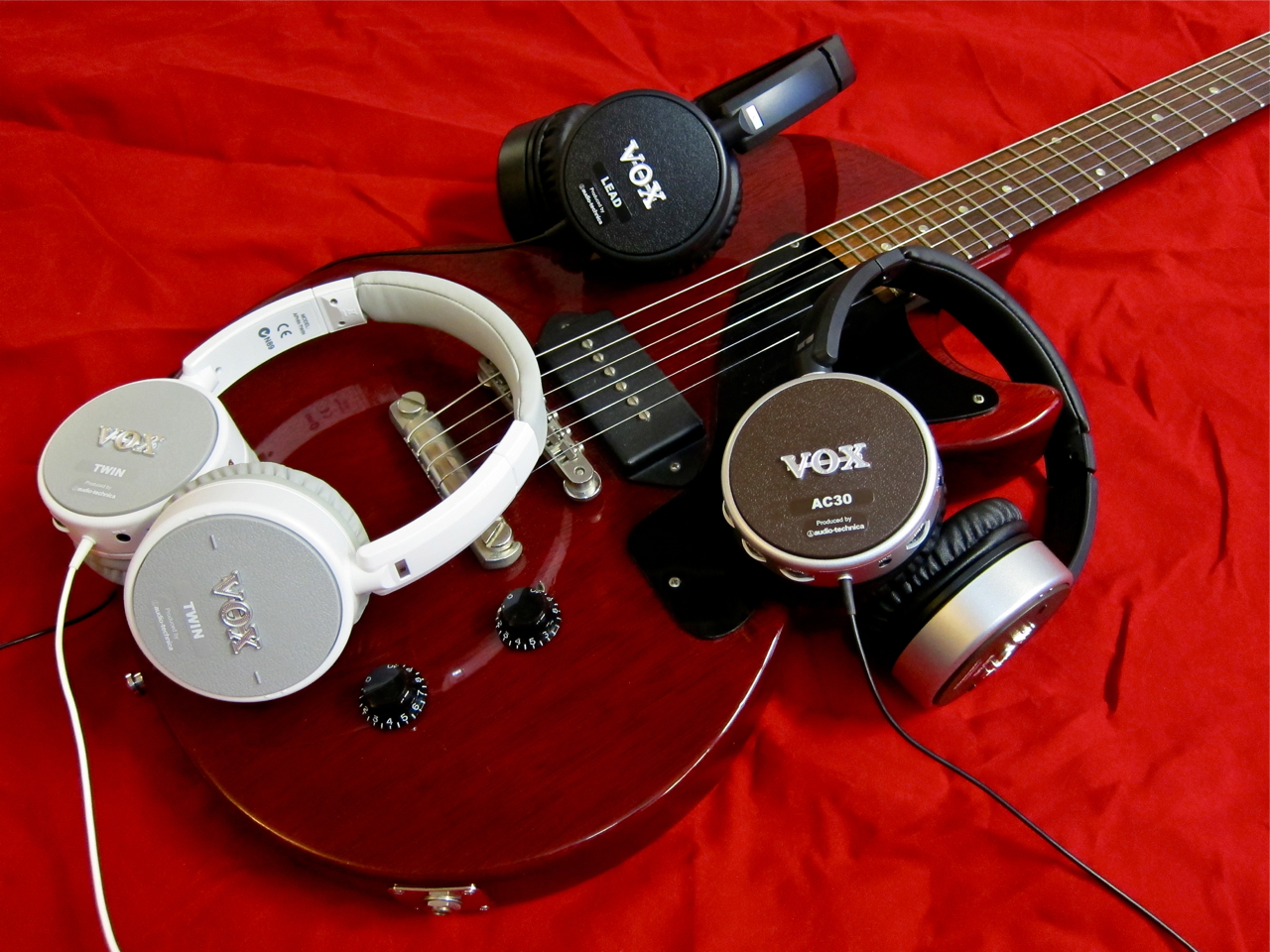
Vox Amplification have given their headphone practice amps a new twist by taking their successful AmPlugs and transplanting them directly into a pair of quality headphones. So now they give us the Vox AmPhones (current street price in Finland approx. 120 € each), made in co-operation with Audio-Technica.
At this moment the AmPhone-range comprises three guitar models – the white and grey AmPhone Twin, the silver/brown AmPhone AC30, as well as the none-more-black AmPhone Lead – plus…

Vox Amphones – Bass

…a red and black AmPhone-model tailored for use with electric bass.

Vox Amphones – battery compartment

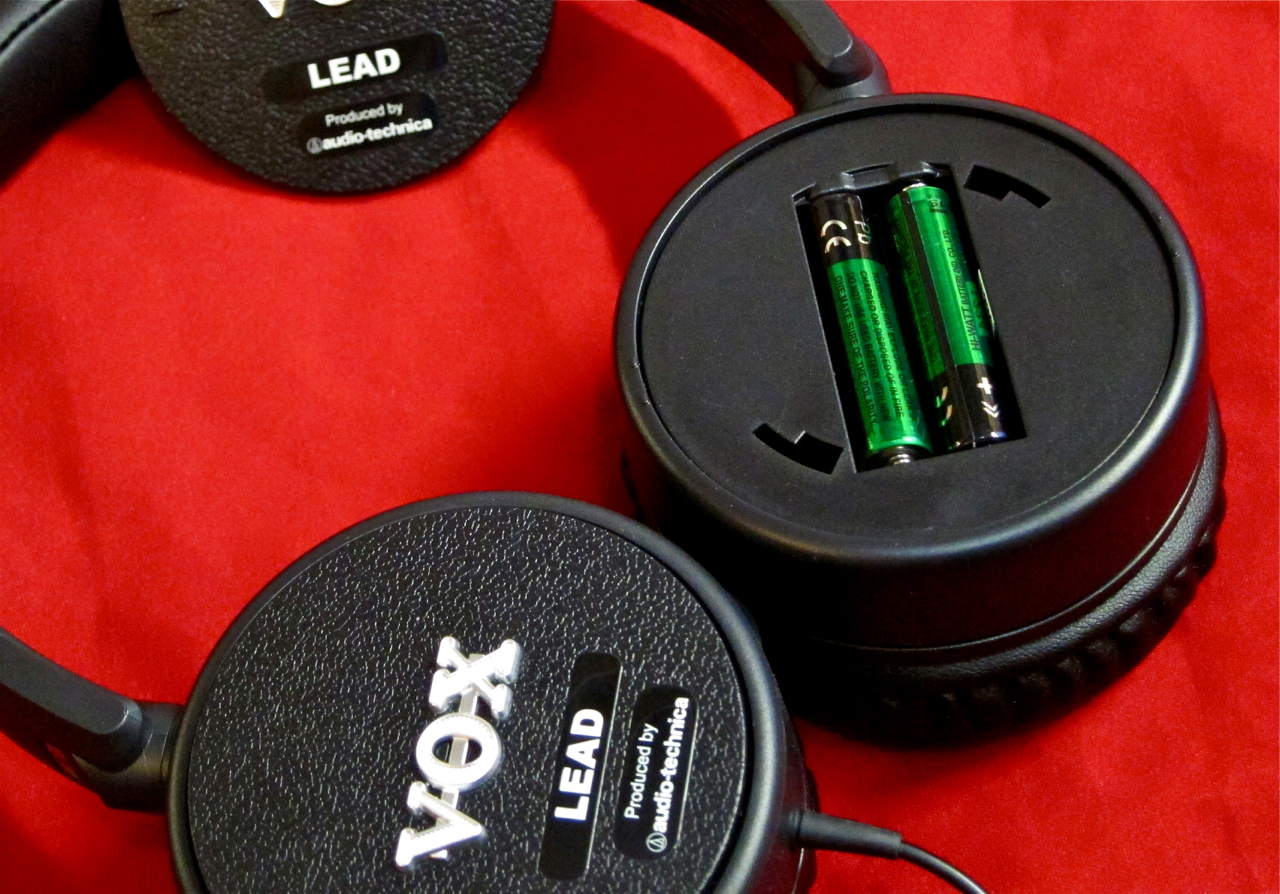
In standard headphone use the Vox AmPhones naturally don’t require batteries. The headphone amp, on the other hand, runs on a pair of AAA-batteries, which are inserted into the right side headphone.

Vox Amphones – plugs

All of the Voxes are equipped both with a mini phone jack, as well as the standard size counterpart.

Vox Amphones – switch + effect control

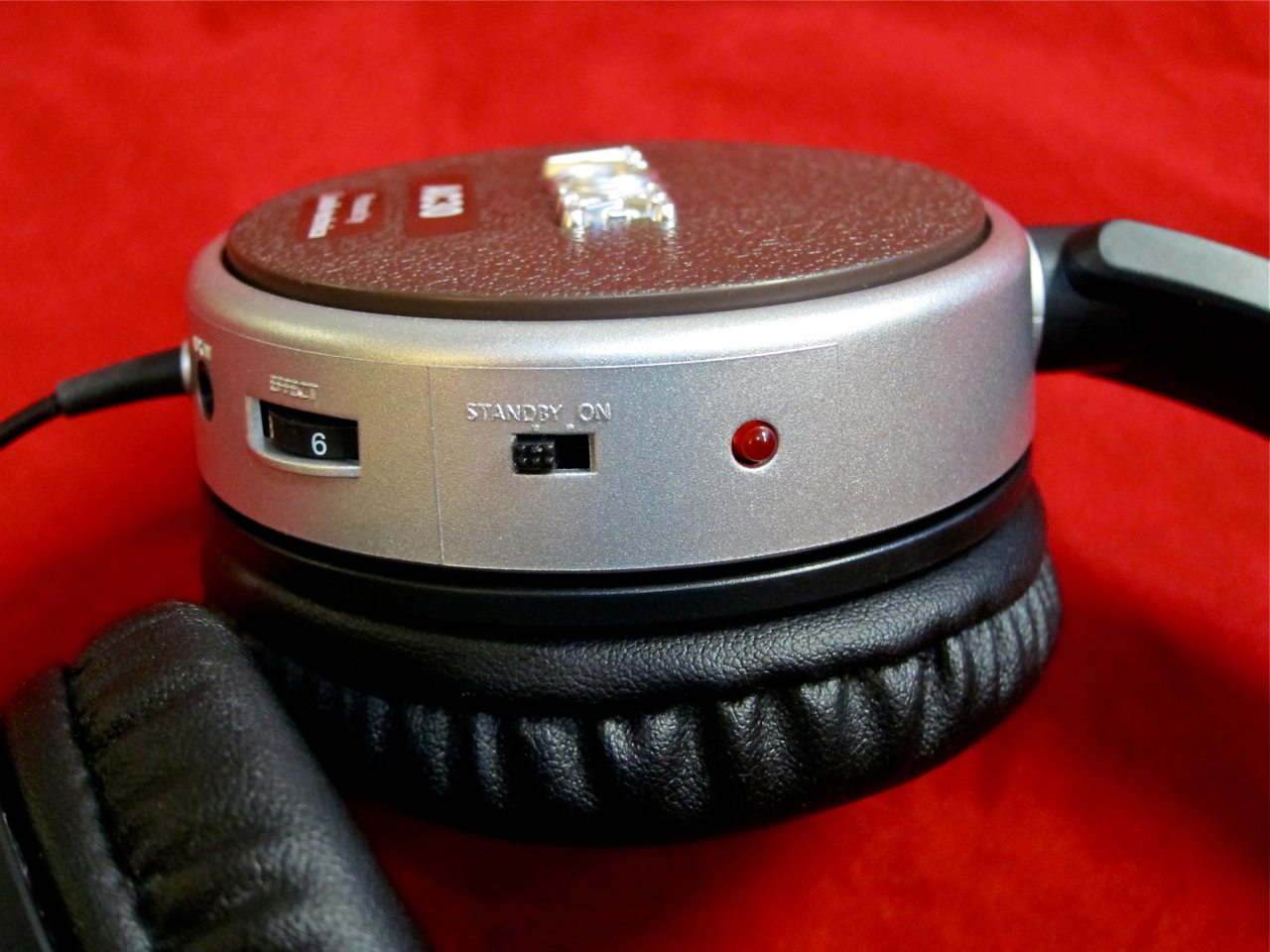
The headphone amp’s electronics and corresponding controls have been fitted into the left side can. Next to the power switch you will find the effect control, along with a mini auxiliary input jack.

The guitar AmPhones offer three different effects along the control’s travel – chorus, delay and reverb – as well as effects off. At the point where one effect changes to another you will hear a small chirping noise as an audible pointer, which is a cool way to do it. Modulation and delay times are fixed, but Vox have managed to come up with workable compromises. The effects sound very nice.

The AmPhone Bass model has a compressor as its sole effect, with the control adjusting the amount of compression, and thus the loudness of the signal. The compressor has been designed specifically for bass use, and works surprisingly well.

Vox Amphones – controls

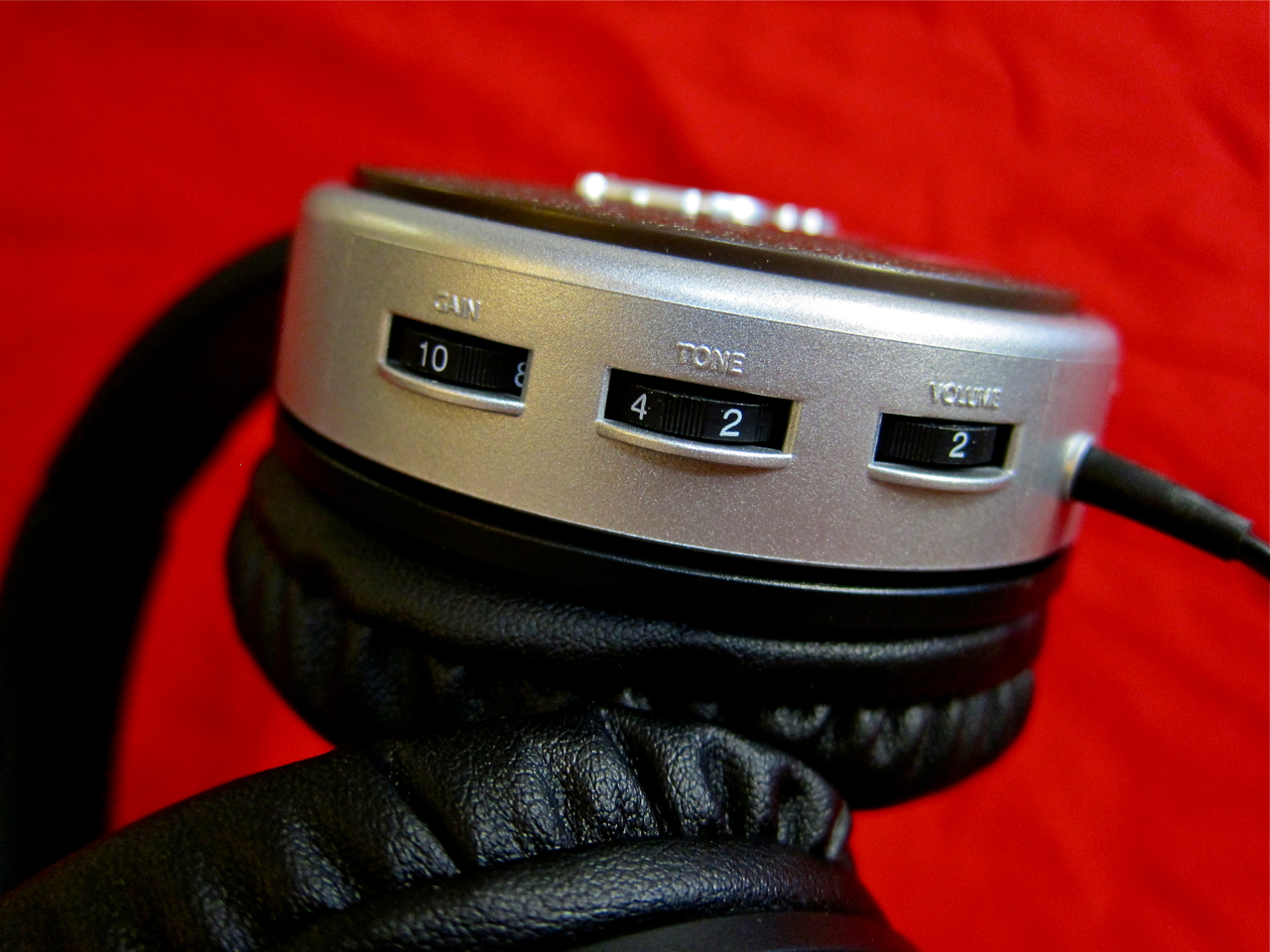
On the other side of the lead, all Voxes feature gain, tone and volume controls.

****

Vox Amphones – opener

The Vox Amphones are comfortable headphones, and are still pretty lightweight, in spite of the added batteries and electronics hidden inside.

Producing the AmPhones in co-operation with a renowned maker, such as Audio-Technica, has really paid off, as the headphones sound very good. Personally, I would like to see slightly more substantial, tougher leads on the Voxes, but the AmPhones work just fine regardless.

The practice amps will run about 16 hours on fresh alkaline batteries for the guitar models, and up to 20 hours for the bass model.

To my ears the AmPhones’ guitar (and bass) sounds are even better than what the AmPlugs have to offer:

The Twin model has just the right kind of top end chime in clean settings, as well as charming filth when driven hard. The AmPhone AC30 has more clean bite, as well as bags of gain for all those Brian May -style escapades. And it surely comes as no surprise that the AmPhone Lead is a dead ringer for a Marshall stack. Even getting a punchy bass tone going is really easy with the AmPlug Bass – something you can’t take for granted with headphones!

Here are links to Vox’ own soundbites:

AmPhone Twin

AmPhone AC30

AmPhone Lead

AmPhone Bass

****

I must say I feel that the Vox AmPhones are an even more exciting product than the company’s very successful AmPlugs, because the headphones offer you a real all-in-one piece of equipment. You’ve got a great headphone amp and a decent pair of cans all rolled into one easy-to-use product. Now you can switch from listening to music to practicing without skipping a beat – that’s handy in my book!

****

Vox AmPhone – headphone amps

Current street price approximately 120 €

Finnish distributor: EM Nordic

Thanks to DLX Music Helsinki for the loan of the test samples!

****

Pros:

+ headphone sound

+ amp sounds

+ quality of effects 

+ comfortable to wear

+ cool concept

Cons:

– skinny lead

Testipenkissä: Vox AmPhones

Vox Amphones – and guitar

Vox Amplification on kehitellyt suositun AmPlug-kuulokevahvistimien perhettä vielä eteenpäin rakentamalla vahvistimensa suoraan laadukkaisiin kuulokkeisiin. Näin syntyivät yhteistyössä Audio-Technican kanssa uudet Vox AmPhonet (katuhinta noin 120 € kpl).

Tällä hetkellä mallisto koostuu kolmesta sähkökitaralle tarkoitetuista malliista – valkoinen/harmaa AmPhone Twin, hopea/ruskea AmPhone AC30, sekä kokonaan musta AmPhone Lead – sekä…

Vox Amphones – Bass

…punaisen-mustasta AmPhone Bass -mallista basisteille.

Vox Amphones – battery compartment

Tavallisessa kuulokekäytössä AmPhonet toimivat luonnollisesti ilman paristoja, mutta kuulokevahvistimet tarvitsevat kaksi AAA-paristoa toimiakseen, joita laitetaan oikeanpuoleisen kuulokkeen paristokoteloon.

Vox Amphones – plugs

Jokaisella Voxilla on sekä minikokoinen jakki että ruuvattava täysikokoinen vastine valmiiksi mukana.

Vox Amphones – switch + effect control

Kaikki AmPhone-kuulokkeiden säätimet on upotettu vasemmanpuoleiseen kuulokkeeseen. Päälle/pois-kytkimen viereen on sijoitettu Effect-niminen säädin, sekä minikokoinen Aux-tulo.

Kitaralle tarkoitetuissa malleissa Effect-säätimen liikeradassa tarjotaan kolme erilaista efektiä peräkkäin. Nämä ovat chorus, viive ja kaiku (sekä pois päältä). Siinä kohdassa, jossa yksi efekti vaihtuu toiseen kuuluu kuulokkeista hiljainen signaaliääni, jotta tiedetään missä mennään. Modulaatio- tai viiveaikoja ei voi säätää, mutta nämä Voxin valitsemat efektit toimivat hyvin, ja kuulostavat terveeltä.

AmPhone Bass -mallin Effect-säädin säätää kompressorin toimintaa vähemmän/hiljaisemmalle – enemmän/kovemmalle -akselilla. Bassomallin kompressori on suunniteltu juuri bassokäyttöä varten, ja se toimii tämän tuotteen puitteissa hyvin kiitettävästi.

Vox Amphones – controls

Johdon toiselta puolelta löytyy Voxien gain-, tone- ja volume-säätimet.

****

Vox Amphones – opener

Ihan tavallisina kuulokkeina AmPhonet tuntuvat mukavalta päässä, eikä missään nimessä liian raskailta paristojen ja elektroniikan vuoksi.

Yhteistyö Audio-Technican kanssa on ehdottomasti kannattanut, sillä kuulokkeilla on todella hyvä, positiivisella tavalla neutraali soundi. Itse olisin ehkä toivonnut kuulokkeille hieman paksumpaa (lue: mekaanista rasitusta ehkä paremmin kestävää) johtoa, mutta AmPhonet toimivat näilläkin johdoilla moitteettomasti.

Voxien vahvistinpuolelta saa tuoreilla alkaline-paristoilla noin 16 tuntia käyttöaikaa, ja Bass-mallissa jopa noin 20 tuntia.

AmPhone-kuulokkeiden vahvistinsoundit kuulostavat minusta jopa AmPlugejakin paremmalta: Twin-mallissa on juuri oikeanlaista helmeilevää tuoreutta puhtaissa soundeissaan, ja sen särösoundeissa on sopivasti rosoisuutta. AmPhone AC30 taas on hieman purevampi puhtaissa soundeissaan, ja se tarjoaa ruhtinaalisesti säröä, esimerkiksi Queen-tyylisiä soundeja varten. Lead-malli on – yllätys, yllätys – täysin kuin kotonaan Hard Rockin ja Heavy Metalin genreissä, Marshall-tyylisellä soinnullaan. Jopa hyvän bassosoundin aikaansaaminen kuulokkeissa on Vox AmPhone Bass -mallilla erittäin helppoa, mikä on jo sinänsä aikamoinen saavutus.

Tältä kuulostavat Voxin omat esimerkkisoundit:

AmPhone Twin

AmPhone AC30

AmPhone Lead

AmPhone Bass

****

Mielestäni Vox AmPhonet ovat jopa parempi idea kuin AmPlugit konsonaan, koska näissä on todellakin kyse all-in-one-laitteista. Kuulokevahvistin ja kuulokkeet ovat nyt samassa paketissa, ja silloin kun ei soiteta Vox AmPhoneja voi käyttää kätevästi kunnollisina kuulokkeina.

****

Vox AmPhone -kuulokevahvistimet

katuhinta noin 120 €

Lisätiedot: EM Nordic

Kiitos DLX Music Helsingille testilaitteiden lainaamisesta!

****

Plussat:

+ kuulokkeiden soundi

+ vahvistinsoundit

+ efektien laatu

+ mukava kantaa

+ toimiva konsepti

Miinukset:

– ohut johto

Review: Roland GA-112

****

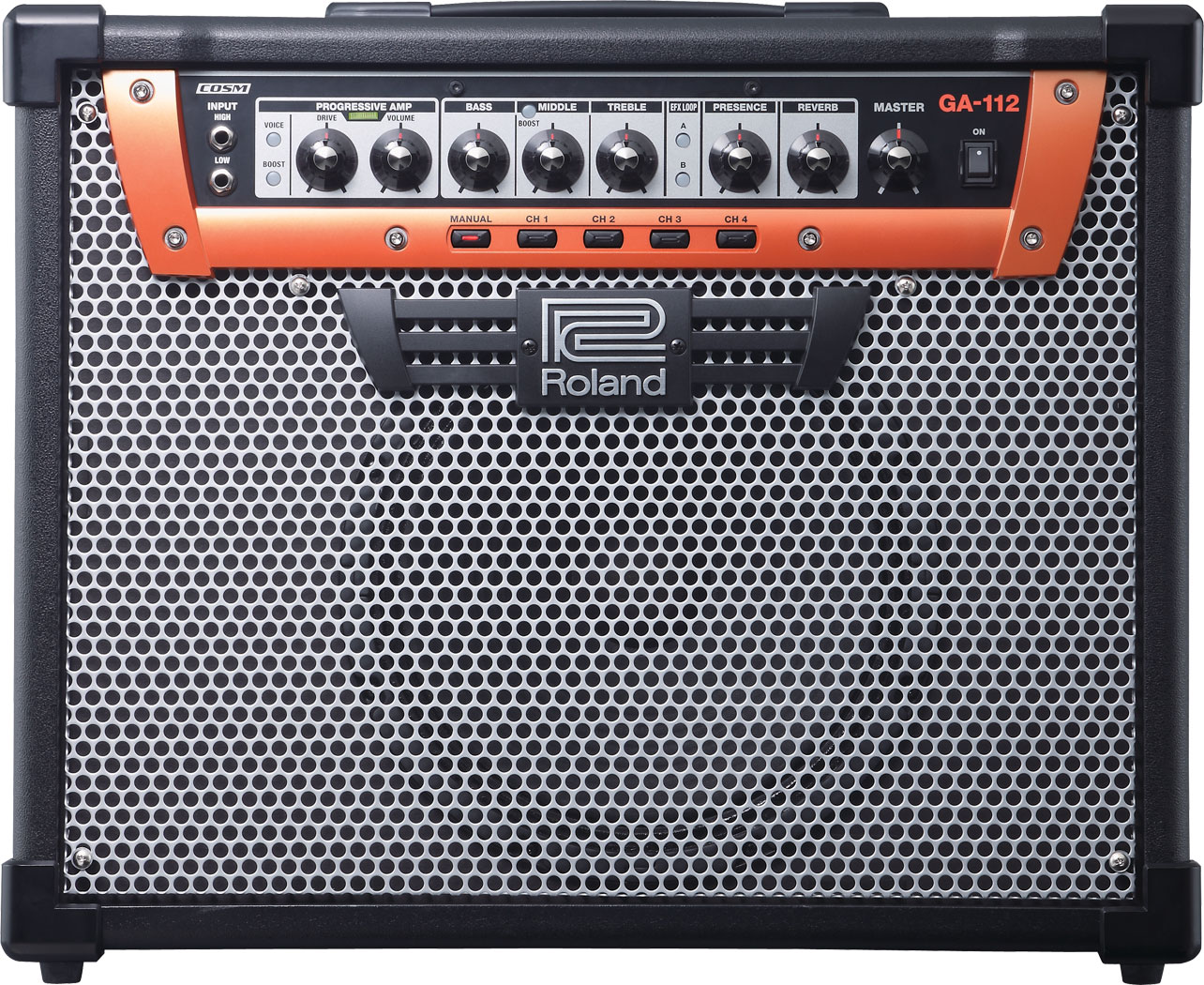
One of Roland’s many new products for 2012 is the GA-112 – a COSM-based guitar combo using the company’s modelling technology to come up with a sound all of its own.

The GA-112 – as well as its larger 2 x 12″ brother, the GA-212 – utilises a specially designed COSM-model called Progressive Amp. Progressive Amp promises to give you the full scale of possible amp tones – from ultra-clean all the way to bone-crushingly dirty – from a single digital amp model, using only the gain-control and the combo’s EQ.

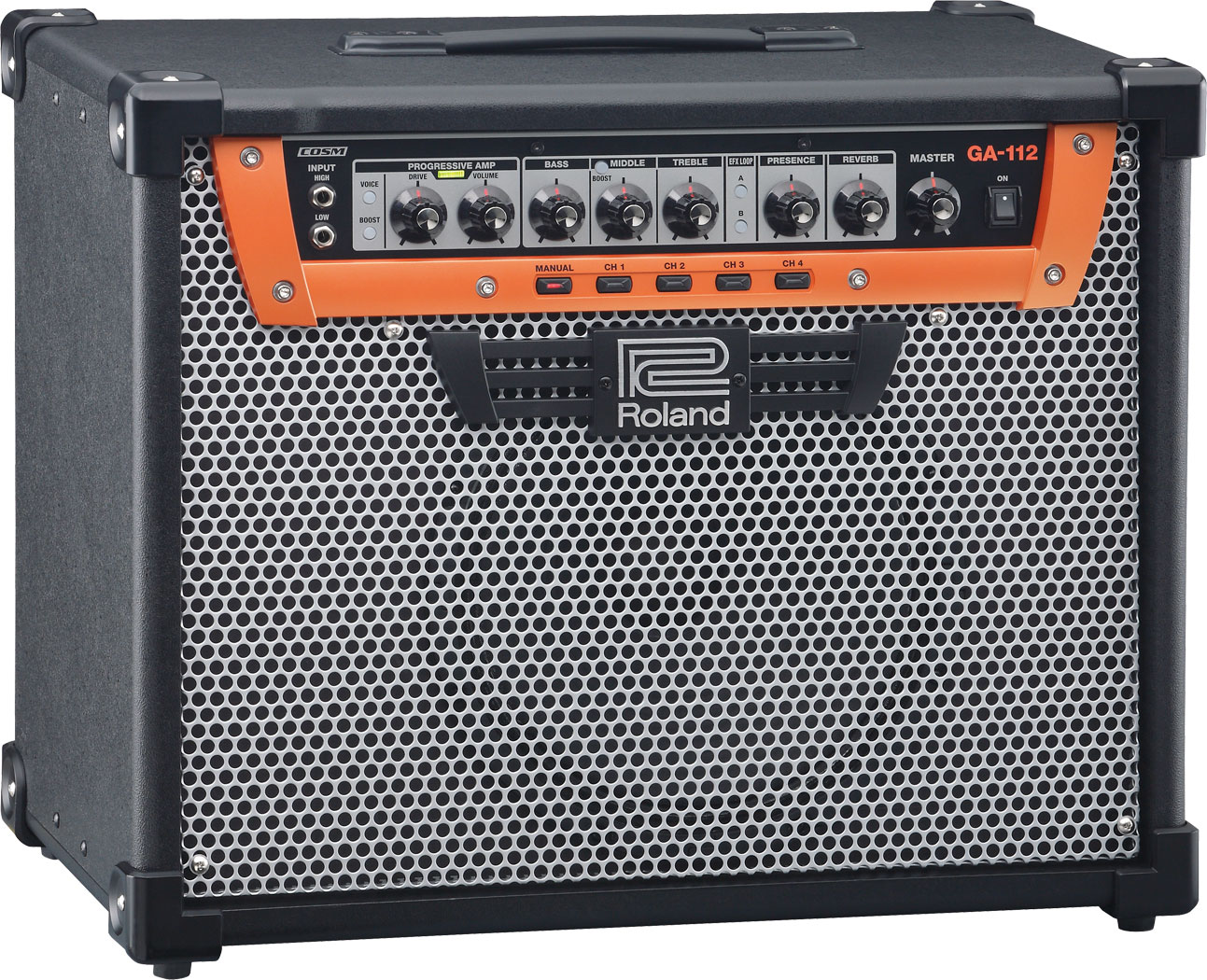
The 100-Watt Roland GA-112’s (current price in Finland: 844 €) looks combine many features from older Roland guitar amps.

The front panel is somewhat reminiscent of the legendary Jazz Chorus combo, while the cabinet’s black vinyl cover, as well as the extremely sturdy metal speaker grille have been borrowed from the company’s long-running Cube-range.

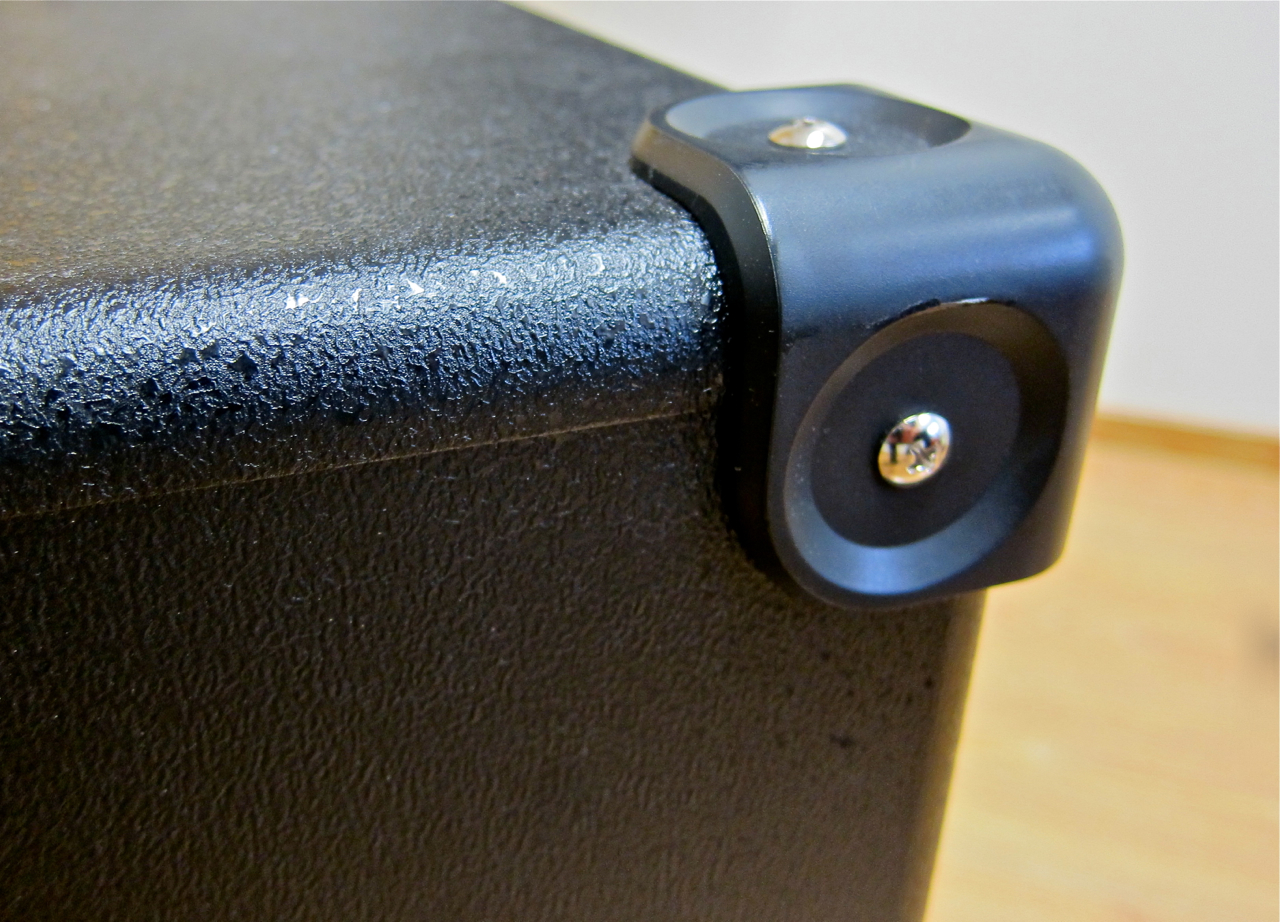
The GA-112’s chunky plastic corner protectors are designed to withstand the rough life of a gigging amplifier.

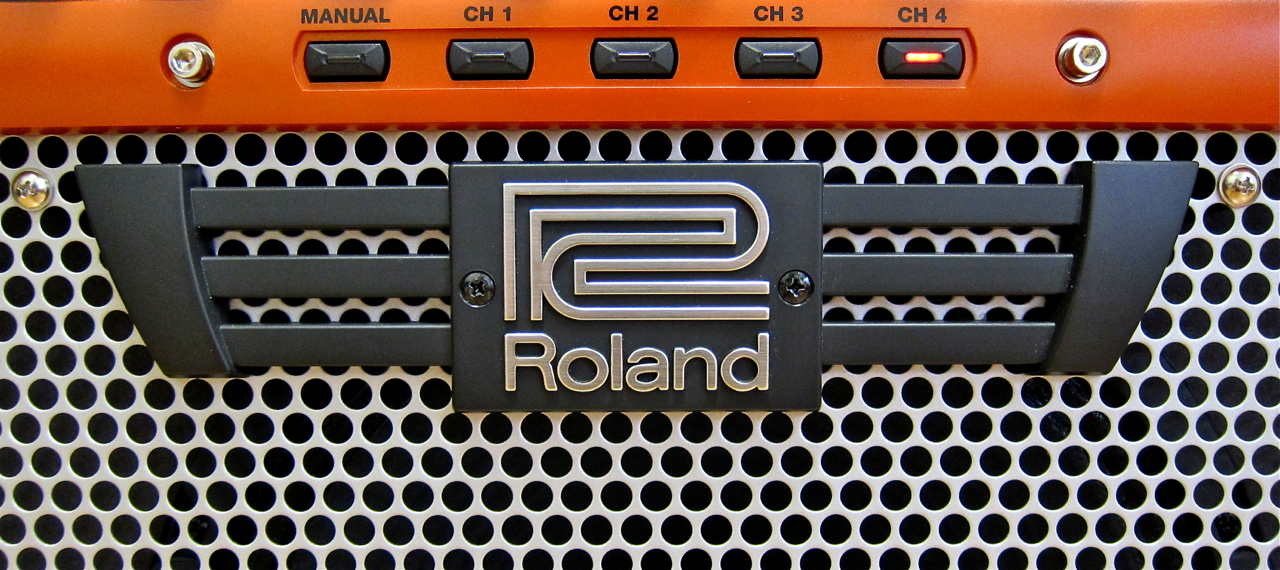
This Roland is equipped with a fully-digital preamp section offering a whopping five channels – four user-storable selections, plus the current control knob settings in Manual-mode.

Regardless of all the digital circuitry inside, the GA-112’s front panel is very clean and easy to understand. All push-buttons are backlit, and all the knobs for storable parameters (meaning all, but the Master Volume) have been equipped with red position LEDs. This combo’s settings are easy to read even on a completely darkened stage.

Apart from its two input jacks, the front section offers two buttons – Boost and Voice, which adds a slight loudness EQ-curve to the signal.

The Progressive Amp -section’s oblong LED-indicator is a great way to keep you in the picture in regard to the character of the current amp channel/settings, by changing its colour according to the gain setting. A green light, for example, tells you that you are paddling safely in totally clean waters, while purple or white means you are sailing close to distortion meltdown.

The EQ-section is a three-band affair with an added mid-boost for fattening up your tone.

Before travelling onward to the Presence- and reverb-controls your signal can be send to either or both of the GA-112’s effect loops. Both loops’ on/off-status is stored channel-specifically along with all the other channel data, which means that changing channels also automatically switches the loops on or off.

The GA-combo’s only internal effect is its lushly-voiced digital reverb.

Roland’s GA-112 stores all changes to one channel’s settings automatically each time you switch to another channel, which makes the combo quite intuitive to work with.

The effect loops have been placed alongside all the other connectors on the back panel.

You can choose between a parallel and a series signal path for each loop, and set the correct nominal signal level (-10 dB or +4 dB) for your chosen outboard effects.

The back panel also gives you a tuner output and a line level output for connection to a mixer. You can also daisy-chain two GA-112s for large venues.

For full switching control on-stage you have to buy Roland’s own GA-FC-footcontroller, which allows you to switch channels, turn the boost on or off, as well as switch on/off the effect loops and the reverb.

It would have been a nice move, though, if Roland had included a simple up/down-footswitch for channel-switching with the amp.

****

Roland’s GA-112 isn’t your traditional modelling amp, as it doesn’t feature heaps of different models of famous amps, vintage and new, or loads of different internal effects. The approach has been radically different here.

The GA-112’s main advantages are its healthy basic sound, as well as the Progressive Amp’s huge versatility and tweakability, giving you everything from totally clean to full-on metal.

The Roland isn’t about the authenticity of vintage amp models when compared to the physical originals from yesteryear. This is a modelling amp that isn’t modelling any specific amps, but uses it digital power to offer the guitarist a blank canvas with a large palette of colours.

The Roland GA-112 makes a great job of offering most guitarists their sound with the minimal amount of fuss and a practically flat learning curve.

Warm Jazz-cleans or biting Country-picking can be dialled in in no time. Organic and dynamically rich Trad Blues and Seventies Rock can also be had. And the GA-112’s merciless Metal-riffing will have you headbanging until the janitor takes the main fuse hostage.

Roland’s two switching effect loops open up many interesting possiblilities for seasoning your tones.

I suggest you make a beeline for your nearest Roland-dealer, if you are interested in making the GA-112 your personal command centre on-stage or in the studio.

****

Here are a couple of examples using the Roland GA-112 without any external effects:

Stratocaster – clean

Kasuga semi – clean

Stratocaster – overdriven

Kasuga semi – overdriven

Stratocaster – full gain

Kasuga semi – lead sound

****

Roland GA-112

844 €

Finnish distribution: Roland Scandinavia

****

Pros:

+ basic sound

+ extremely wide scale of gain

+ programmable

+ two effect loops

+ power

+ sturdy build

Cons:

– footcontroller optional

****

Review: Bogner Goldfinger 45 1×12 combo

Over the last decade Bogner Amplification have achieved a legendary status among fans of boutique amps.

Bogner’s best-known design is probably the Uberschall-model, which is aimed squarely at the connoisseur of high-gain amps. But the company also build several vintage-inspired amps, one of which is the Bogner Goldfinger combo.

****

Bogner’s Goldfinger 45 1×12 (current price in Finland: 2.946 €) is quite large for a 1×12”-combo. Its dimensions are in a similar league as the 2 x 12 Vox AC30. The reason behind the large and deep cabinet lies in the fatter tone it produces.

The Goldfinger’s preamp section has been designed around four 12X7- and one 12AT7-valve, with the main amplifier running a quartet of 6V6-types. The combo is rated at 45 Watts, but its power can be reigned in using the front panel’s  Standby/Hi/Low-toggle, as well as the Full/Half-switch around the back.

The top-drawer valve amplification circuit and the combo’s high-class plywood cabinet naturally make themselves felt on the scales. Handling 30 kilos worth of weight using the Goldfinger’s sole top handle isn’t quite a walk in the park.

The Bogner Goldfinger 45 is a two-channel amplifier, with the clean channel called α – or Alpha.

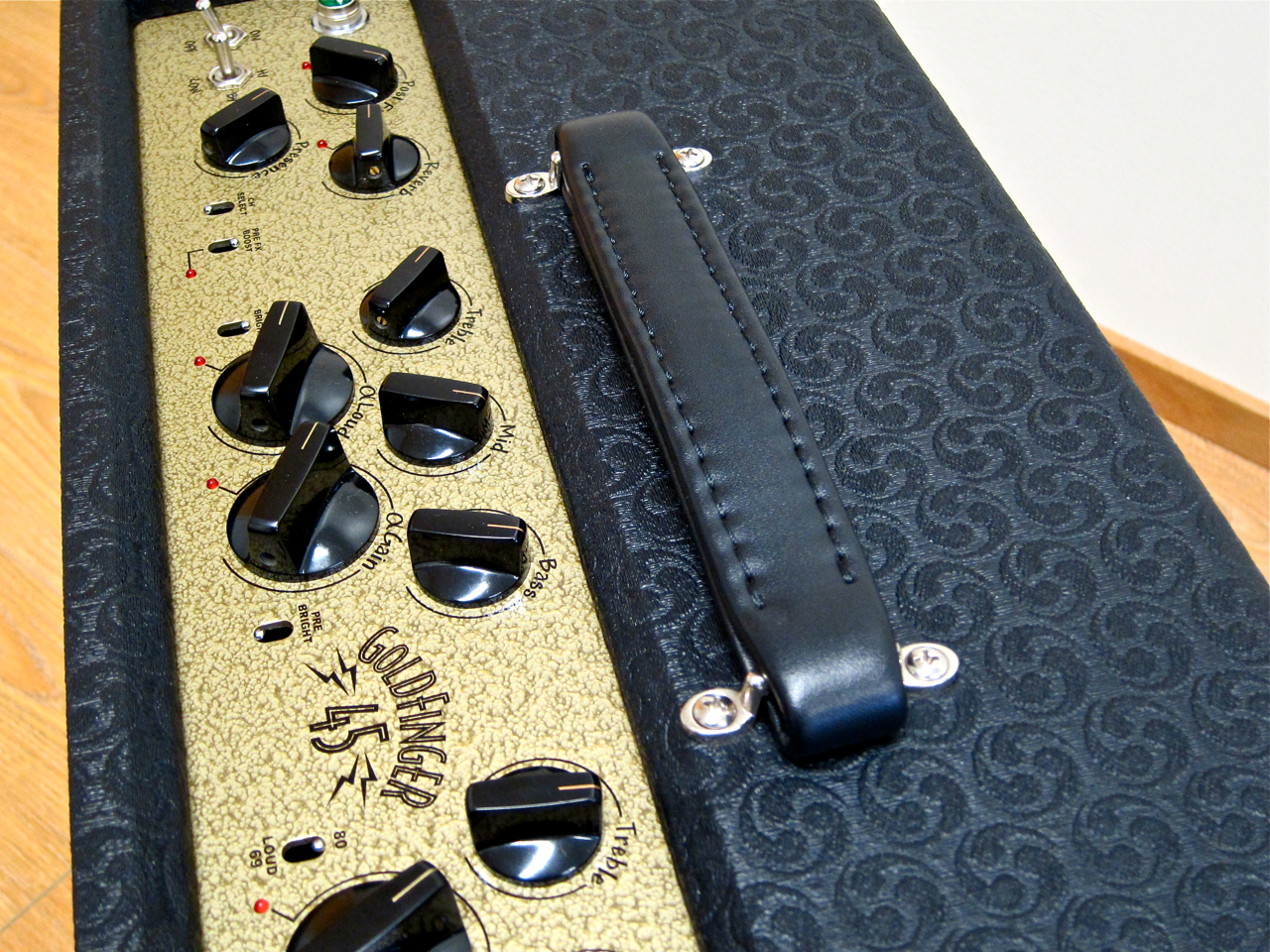
On the right side of the picture you can spot the Alpha-channel’s controls – gain, master volume (”Loudness”), as well as a three-band EQ-section – with the added attraction of not one, but two bright-switches. Pre Bright spices up the signal in front of the gain control, with Post Bright being inserted into the Loudness-circuit. Pre Bright has a sharper and more dynamic character, in contrast to Post Bright’s somewhat more open tone. Both the gain- as well as the Loudness-settings affect the amount of brightness added via the switches – the louder you go, the less top end bite is added.

On the picture’s right hand side you’ll find the Goldfinger’s master section, with controls for reverb, master presence and the Post FX -loop. One of the Bogner-combo’s coolest features is hinted at by the miniswitch labelled Pre FX/Boost – the input has its own effects loop.

You could use the Pre FX -loop for adding a booster, compressor or outboard EQ-pedal to your signal chain, which then can be switched on or off using the combo’s own footswitch board. If you don’t have anything plugged into the Pre FX -loop, you can use the loop’s own buffer amp as a signal booster, with the amplification level adjustable on the back panel.

The name of the Goldfinger’s overdrive channel is Ω, or Omega, and it’s got a slightly different architecture compared to the Alpha-channel.

The Omega-channel offers you two basic charatcers to choose from, called 80 ja Loud 69. Loud 69 is the more vintage-type setting of the pair, giving you a moderate amount of gain with plenty of dynamics, reminding me of early Marshall-amps or the rudeness of a hollering Hiwatt. ”Loud” is a very good term here, as with identical settings Loud 69 is much louder and punchier than the far creamier 80-selection.

Setting the Omega to 80 morphs the Goldfinger into a Classic Rock -aficionado’s dream machine. There’s lot of gain on tap with a good helping of fat and creamy compression, which calls to mind Mesa/Boogie-style Westcoast-sounds or Gary Moore’s singing Marshall-tones.

In addition to its three-band EQ, Omega also offers a control named Gain EQ, which allows you to change the channel’s tonal focus from warm and fat all the way to biting and bright. Because the Gain EQ -control sits at the channel’s front end, its setting also influences the amount of overdrive.

A full-length spring reverb tank is situated in its own bag at the bottom of the cabinet.

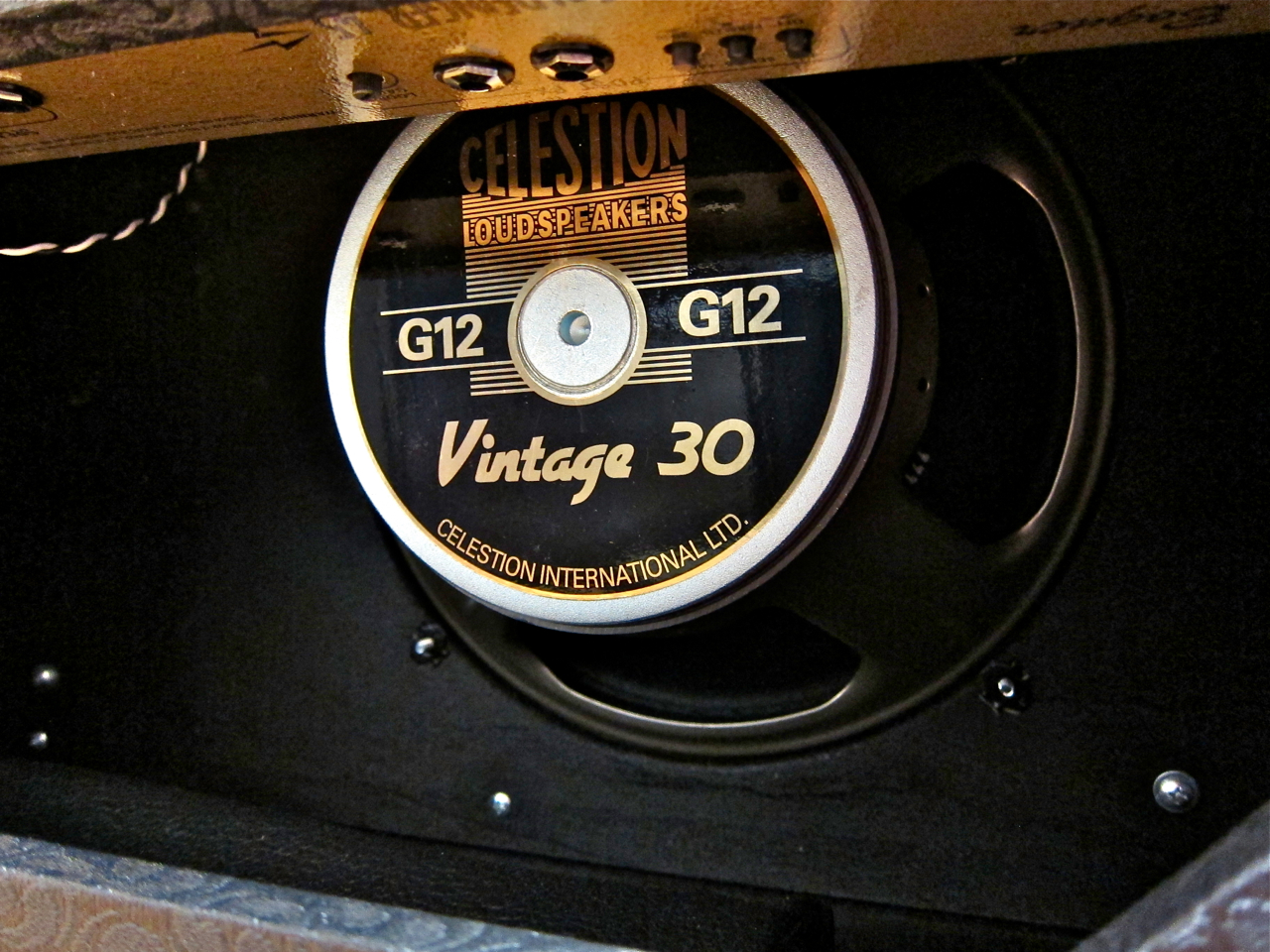
Bogner’s Goldfinger 45 speaks via one of the world’s most-loved speakers – a Celestion G12 Vintage 30.

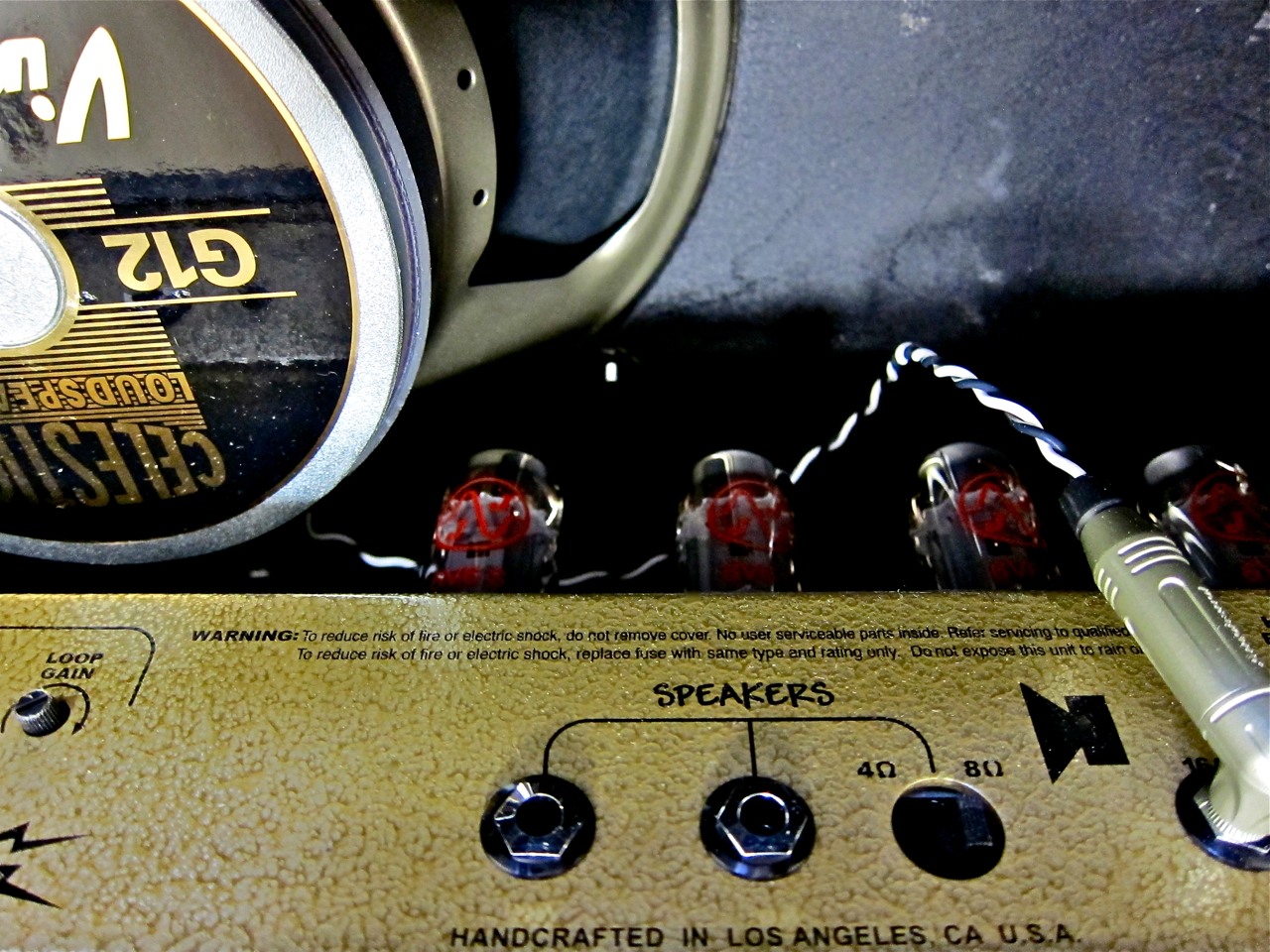
Because the Goldfinger-combo basically utilises the head of the same name, only flipped on its side, a more fitting name for the back panel might be ”bottom panel” in this case. All connectors, switches and controls face downward, which isn’t so great for accessibility and visibility.

On the right hand side you can find the connectors and the level control for the Pre FX -loop, as well as the socket for the footboard’s screw-in connector.

Bogner’s Post FX -loop offers a plethora of options.

There are two additional speaker outputs on offer, with the impedance switch sitting right next to them.

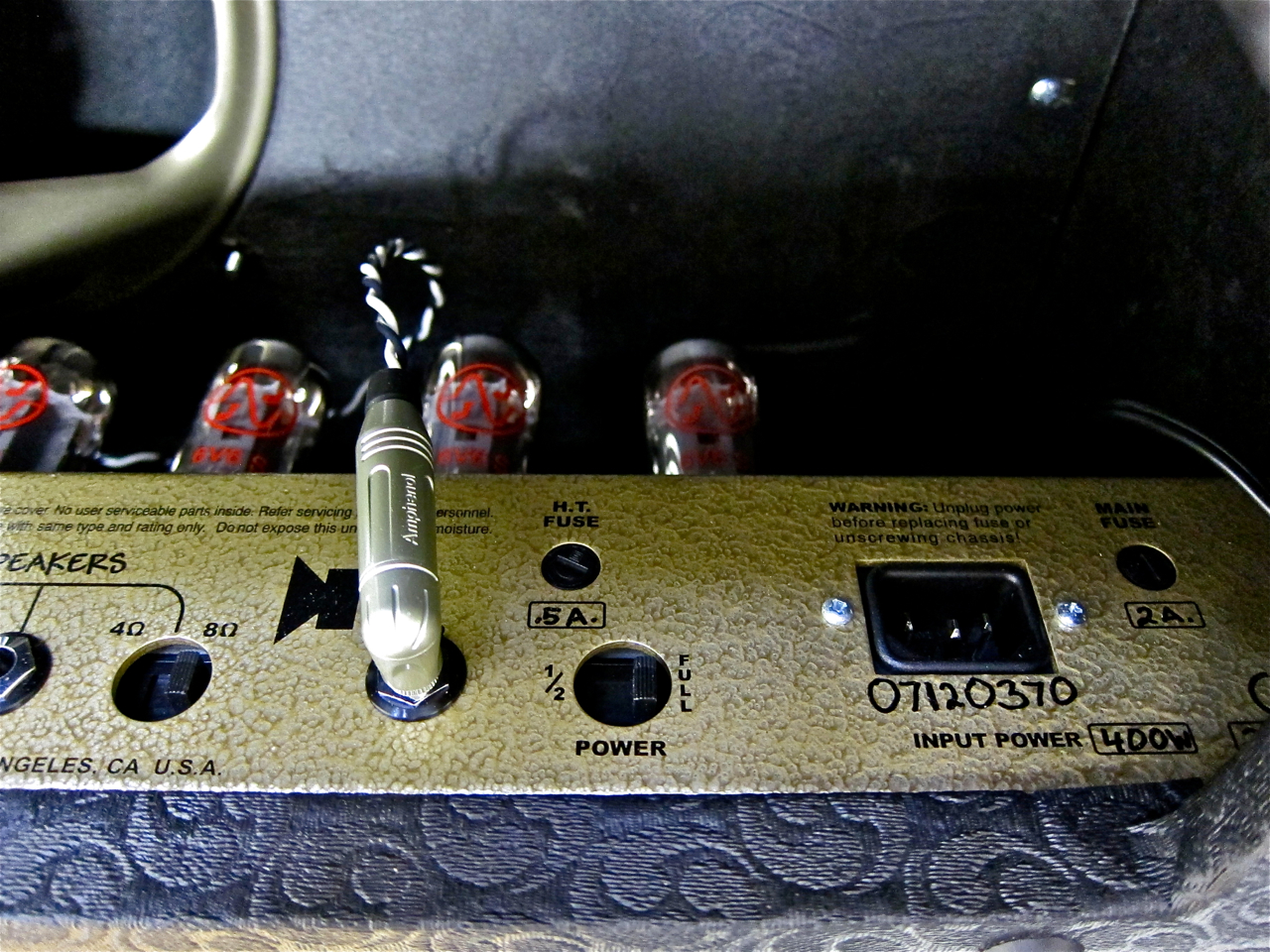
…and last, but not least, the amp’s fuses, as well as the half-power switch for the main amp section.

Just as the combo itself, the accompanying footswitch board is built to last, and sports the same structured, golden finish as the combo’s control panel.

****

The Bogner Goldfinger 45 is an extremely versatile valve-amplifier. Per se this doesn’t really tell you anything, because in many designs versatility comes at the price of a mediocre basic tone.

The Bogner Goldfinger’s outstanding quality really shows in this respect, as each and every link in the signal chain only serves to enhance this combo’s fantastic basic tone.

True, if you don’t know what you’re doing, you can get bad sounds out of the Bogner, regardless – for example by heaping both Alpha-channel brights on top of a Fender Strat or Tele – but in those cases it’s the user who’s to blame, not the amp.

Used with good taste, though, the Bogner Goldfinger will enhance the basic character of your guitar’s tone to bring out the best in your playing.

The combo’s spring reverb sounds fantastically lush, with the reverb-knob giving you anything from a nice little sprinkle to full-out Surf Mania.

The only two things I am not totally in love with are the downward-facing back panel, as well as the loud thud emanating from the Omega’s Mode-switch, when used with the amp running. According to the owner’s manual this loud noise is perfectly normal, but it still bothers me a bit, not being able to switch between Loud 69 and 80 on-the-fly.

All in all, I feel that the Bogner Goldfinger 45 is a very strong contender for the title of ”Best Combo ever”. The price tag is steepish, but well in line with the amp’s quality and this particular market segment as a whole.

Here are some sounds I recorded with the Bogner Goldfinger combo:

Alpha – Fender Stratocaster

Alpha (Post Bright on) – Hamer Studio Custom

Omega (Loud 69) – Fender Stratocaster

Omega (Loud 69) – Hamer Studio Custom

Omega (80) – Fender Stratocaster

Omega (80) – Hamer Studio Custom

****

Bogner Goldfinger 45 1×12 -kombo

Current price in Finland: 2.946 €

Finnish distribution: Musamaailma

Pros:

+ workmanship

+ sound

+ versatility

+ pedalboard included in price

+ half-power switch

+ reverb sound

Cons:

– back panel placement not very practical

– Loud 69/80-switch’s thud

Testipenkissä: Roland GA-112

****

Yksi tämänvuotisista Roland-uutuuksista on GA-112 – firman COSM-teknologiaa hyödyntävä kitarakombo, joka on ihan omaa itsensä, täysin ilman tiettyjen vahvistimien mallinnusta.

Koko komeuden ytimessä toimii GA-112 – ja isompaa, kahta 12-tuumaisia kaiutinta sisältävä sisarmalliaan GA-212 – varta vasten kehitelty Progressive Amp -niminen COSM-malli. Progressive Amp lupaa erinomaisia clean-, crunch- ja lead-soundeja yhdestä, samasta vahvistimesta, pelkästään gain-säädintä ja EQ:tä käyttämällä.

Satawattisessa Roland GA-112:ssa (844 €) yhdistyy monia piirteitä, joita ovat tuttuja entisestään firman kitaravahvistimista.

Etupaneelin värimaailma muistuttaa legendaarista Jazz Chorus -komboa, kun taas kestävä musta päällinen ja erittäin tukeva metalliritilä tulevat suoraan firman Cube-sarjasta.

Myös paksut muoviset kulmasuojat on tehty kestämään keikkailevan kitarakombon ajoittain rankkaa elämää.

GA-112:n etuvahvistin on täysdigitaalinen, ja se tarjoaa peräti viisi kanavaa – neljä tallennettua kanavaa, sekä manuaalisen tilan, jossa käytetään säätimien tämänhetkiset asetukset soundin pohjana.

Etupaneelin rakenne on erittäin selkeä, kombon uumenissa piiloutetusta huipputeknologiasta huolimatta. Kaikki painonapit ovat taustavalaistetut, ja kaikki tallennettavissa olevat säätimet (siis kaikki, paitsi Master Volume) ilmaisevat asentonsa punaisilla ledeillä. Tämän kombon asetukset näkee selvästi myös täysin pimeällä lavalla.

Vahvistimen tulopuolella tarjotaan kahden jakkien lisäksi Boost-napin lisäpotkua varten, sekä Voice-kytkimen, jolla saa signaaliin lisättyä mietoa loudness-käyrää.

Progressive Amp -osaston pitkänomainen ledi auttaa suuresti gain-määrän visuaalisessa hahmottamisessa, muuttamalla väriään porttaattomasti loogisella tavalla Drive-asetuksen mukaan. Jos näkee vihreän valon tietää heti, että soundi on säädetty puhtaaksi, kun taas tumman punainen tai hohtavan valkoinen tarkoittaa rankkaa säröä.

EQ-osasto koostuu basso-, keskialue- ja diskanttisäätimistä, ja se tarjoaa tämän lisäksi myös keskialueen lisäboostin todella paksuja sointeja varten.

Ennen kuin signaali kulkee preesenssäätimen ja digikaiun läpi masterille, sitä voi vielä lähettää kummallekin tai jopa molemmille GA-112:n ulkoiselle efektilenkille. Efektilenkien päälle/pois-tilaa tallennetaan kaikien muiden vahvistimen parametrien mukaan kanavamuistipaikkaan, mikä tarkoittaa että kanavavaihdon yhteydessä myös oikeat ulkoiset efektit menevät automaattisesti päälle.

GA-kombon ainoa sisäinen efekti on sen kaunisääninen digitaalinen kaiku.

Roland GA-112 tallentaa muuten kaikki muutokset säätöihin automaatisesti muistiin, mikä selvästi nopeuttaa työskentelyä vahvarin kanssa.

Efektilenkkien liittimet on sijoitettu puoleksi avoimen kotelon takapaneeliin.

Kummankin efektilenkin kohdalla voi erikseen valita, onko kyseessä rinnakainen tai sarjakytkennässä oleva signaalitie, ja onko käytössä –10dB:n tai +4 dB:n signaalitasolla pyörivä efektilaite.

Takapaneelistä löytyy myös lähtö viritysmittarille ja mikserillä. Lisäksi pystyy myös ketjuttaa kaksi GA-112-komboa todella isoja lavoja varten.

Jos haluaa täyttä kontrollia lavalla täytyy lisätä laskuun vielä reilu satanen ja hankkia Rolandin oma GA-FC-jalkakytkinlauta. Sillä pystyy lennossa paitsi vaihtamaan kanavia myös kytkemään kombon boosteja, efektilenkkejä ja kaiun päälle tai pois.

Mielestäni se olisi ollut kuitenkin käyttäjän kannalta ystävällinen veto, jos Roland GA-112:n paketista olisi löytynyt valmiiksi yksinkertainen, kahdella kytkimellä varustettu pedaali, jolla voisi vaihtaa kombon kanavia ylös- ja alaspäin.

****

Roland ei lähtenyt GA-112:n suunnitteluun sellaisella päämäärällä, että nyt rakennetaan sellainen kombo, jossa on valtavasti erilaisia mallinnoksia vanhoista vahvistimistä ja iso kasa sisäisiä efektejä, vaan idea oli päinvastainen.

GA-112:n valtti ovat sen erittäin terve perussoundi, ja oman Progressive Amp -mallin uskomattoman laaja gain-skaala, joka ulottuu putipuhtaasta hyvin rankkaan metalliin.

En lähde tässä myöskään spekuloimaan Roland-kombon erilaisten soundien mahdollisista esikuvista tai GA-112:n tarjoamasta ”autenttisuudesta” tai sen puutteesta. Tämä ei ole mallintava vahvistin perinteisessä tarkoituksessa, tässä ei haetakaan uskollisuutta johonkin esikuvaan.

Roland GA-112 on ihan oma itsensä, ja pärjää vallan mainiosti tarjoamalla kitaristeille mahdollisuuden löytää omat soundinsa minimaalisella vaivalla.

Lämmin puhdas jazz tai helisevän pureva country – Roland-kombolla onnistuu kädenkäänteessä ja lopputulos kuulostaa erittäin hyvältä. Soittodynamiikaan ja kitaran volume-säätimeen herkästi reagoiva perinne-blues tai 1970-luvun rock luonnistuvat nekin mainiosti. Ja armoton metal-riffaaminenkin voi GA-112:llä jatkua, kunnes talkkari tulee ja takavarikoi treenikämpän pääsulakkeen.

Hyödyntämällä vielä styrkkarin kahta efektilenkkiä saa Rolandista esiin todella massiivisen määrän erilaisia laatusoundeja.

Voin vain suositella Roland GA-112 -kombon koeajelua, jos etsii uuden vahvistimen oman kitarasoundin komentokeskukseksi.

****

Tässä muutama esimerkki GA-112:n soundista ilman ulkoisia efektilaiteita:

Stratocaster – puhdas

Kasuga puoliakustinen – puhdas

Stratocaster – säröllä

Kasuga puoliakustinen – säröllä

Stratocaster – gain täysillä

Kasuga puoliakustinen – soolosoundi

****

Roland GA-112

844 €

Maahantuoja: Roland Scandinavia

****

Plussat:

+ perussoundi

+ erittäin laaja gain-skaala

+ ohjelmoitavuus

+ kaksi efektilenkkiä

+ teho

+ kestävä rakenne

Miinukset:

– jalkakytkin ei kuuluu hintaan

****

Pidä blogia WordPress.comissa.

Ylös ↑