When I started getting interested in electric guitars I first gravitated towards Jazz boxes, for some strange reason. I was ten years old, and a Beatles and Stevie Wonder fan, but the most beautiful guitar guitar to me was the Ibanez George Benson model.
In the mid-Seventies I got into Paul McCartney’s post-Beatles band Wings. Their fabulous lead guitarist Jimmy McCulloch was my first Gibson SG ”hero”. Great bluesy playing style coupled with a fat tone.
But along came Punk (not my cup of tea), as well as New Wave and Synthpop, which were all genres that veered more towards the wiry tones of Teles and Strats.
I got into a band, but as singer and bassist, so my first ”proper” instrument was a Squier Jazz Bass. My first electric guitar was an inexpensive Aria, a black Strat-style instrument with a then-fashionable spiky ”hockey stick” headstock.
Over the years I found out that I’m more of a two-pickup or single-pickup guitarist. I got into Telecasters, Les Pauls Standards and Juniors. The few times SGs crossed my path, I found them a little uncomfortable to wear and cumbersome to use.
About fifteen years ago two players made me reconsider my attitude towards SG-style guitars.
A friend of mine invited me to watch the full DVD-version of the Woodstock Festival (1969), as well as The Who documentary ”The Kids Are Alright”. I was mesmerized by the energy and fat tones that Carlos Santana and Pete Townshend got from their 1960s Gibson SG Specials. I was already a P-90s fan, but the combination of this big-sounding single coil pickup and an SG somehow seemed to make a lot of sense.
Since then I have been fascinated by SG-style guitars. Yes, they can be a little more temperamental than, say, a Les Paul, and sometimes the long neck causes issues with dead notes – especially around the 12th fret on the D- and g-strings – but I still love their look, feel and sound. For me it was an acquired taste at first, but now my go-to guitars, especially for live work, are Teles and SGs.
Here are some SG-related videos from the Kitarablogi channel:
Finnish boutique amplifier company Bluetone Custom Amplifiers offers a wide range of different all-valve guitar amplifiers, from gnarly tweed-style combos to the full-on assault of modern high-gain Metal machines.
Over the last few years Bluetone’s dynamic duo of Harry Kneckt and Lauri Vuojolahti seem to have hit on a winning concept with their range of amplifiers with the word ”Black” as the first word in their name.
It all started in 2021, when Bluetone introduced a thoroughly updated version of the Black Prince Reverb. That particular model – which is basically a handmade cross between a Fender Blackface Princeton and a Deluxe, coupled with a very versatile power amp section – has very quickly become the company’s top selling model. This success has spawned several smaller Black Prince models, which have also become very popular. I own a Black Prince Reverb myself, and it has become my go-to guitar amplifier.
When Harry told me that Bluetone was about to introduce a new model – called the Black King Reverb – that would combine a Fender Vibro-King’s preamp section with Bluetone’s Black Prince-power amp, I was very eager to test drive one.
I’m a huge admirer of Pete Townshend’s (The Who) oeuvre, and he has been using Fender Vibro-Kings as his live amps, ever since they were introduced in the mid-1990s.
The first couple of Bluetone Black King combos were sold as quickly as the guys could make them, but now I’ve finally managed to grab one for a couple of days.
****
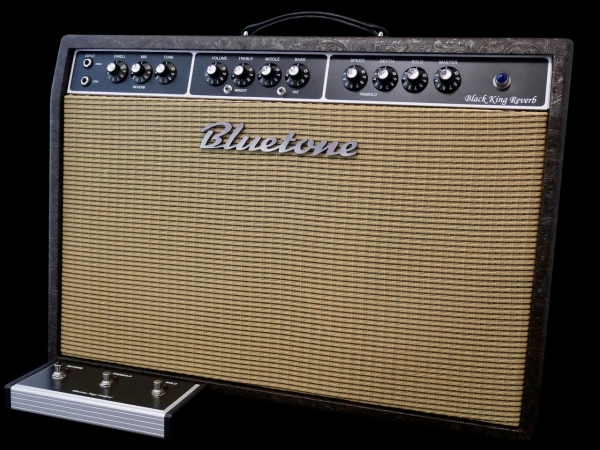
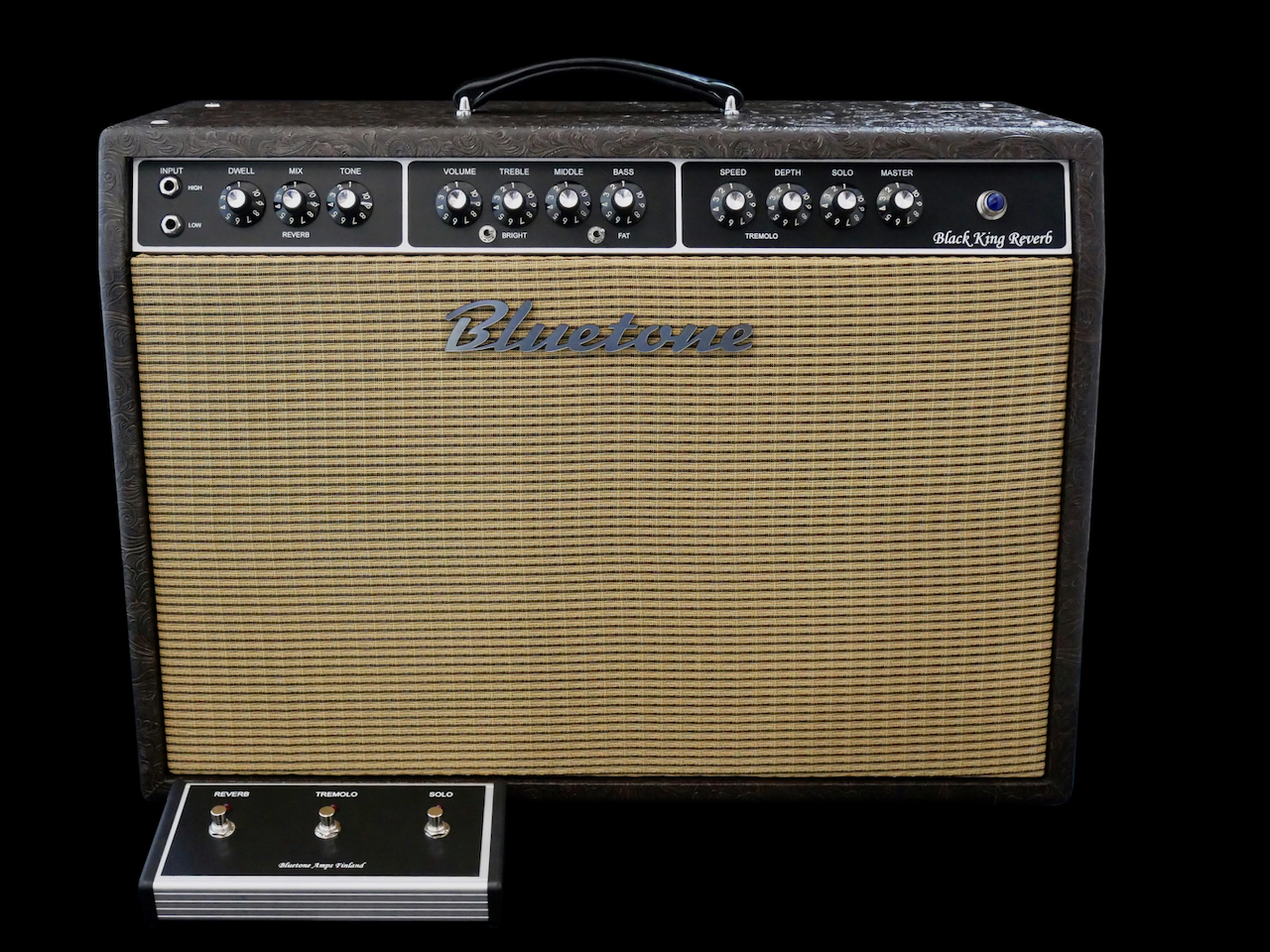
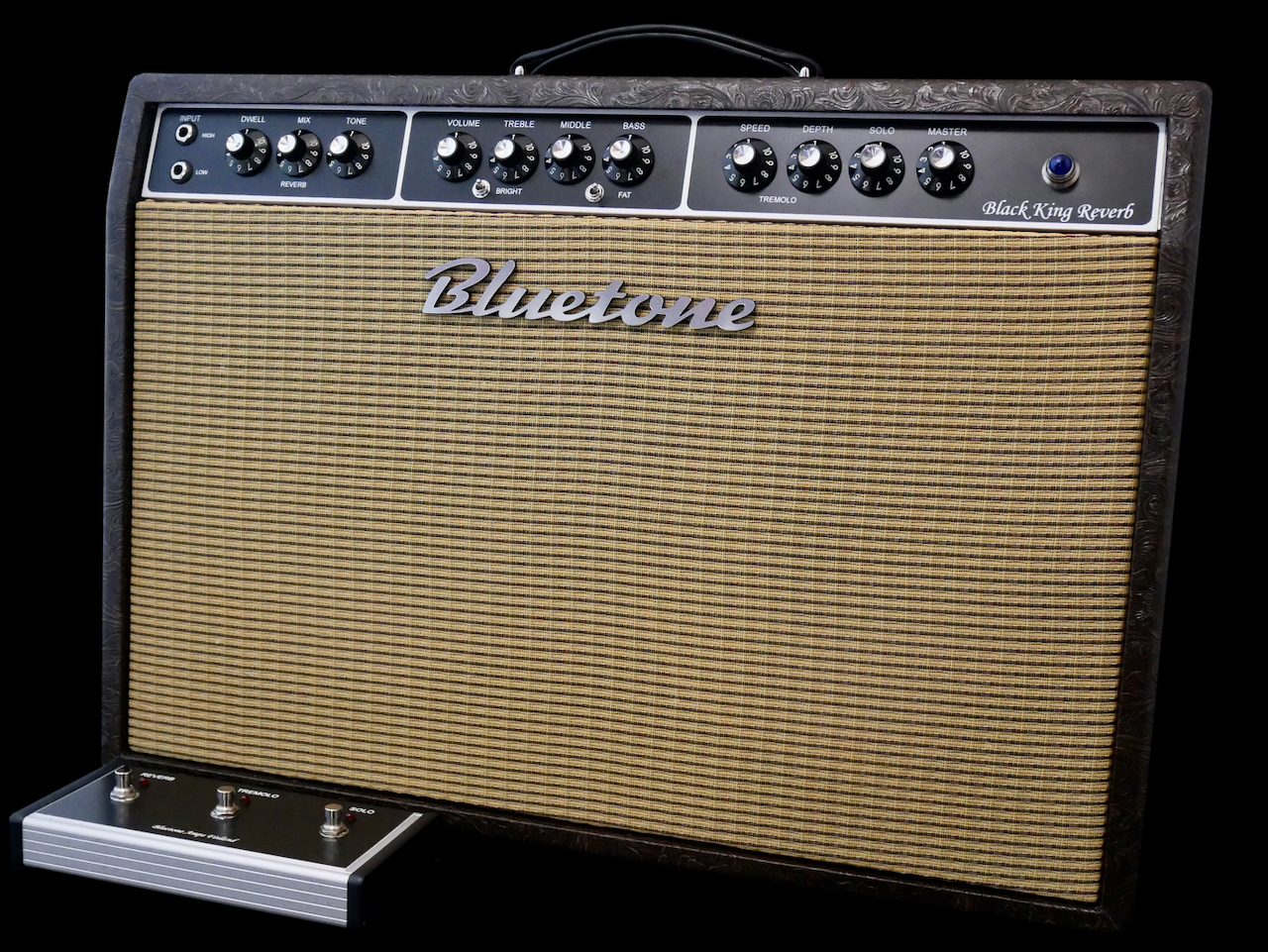
The Bluetone Black King Reverb (current price: 1,900 €) is twin-speaker all-tube combo, loaded with a pair of 10-inch speakers, but it still weighs in at less than 14 kilos. Most of the musician-friendly weight reduction is down to Bluetone using solid paulownia wood for its cabinets. Paulownia is an ecologically viable species that offers a superior strength-to-weight ratio for amplifier and speaker cabinets.
As mentioned before, the Black King lifts its extremely flexible power amp section from Bluetone’s Black Prince combo. The power amp runs off a pair of valves – virtually all available octal power tubes can be dropped in without the need for rebiasing. A pair of 6L6GCs or EL34s will give you approximately 28 to 30 watts of output power, while a pair of 6V6GTs will drop the output down to about 14 watts. Refer to the manual for details.
The Black King’s preamp is built around three 12AX7, but will also take other valves from the 12A_7-range, if you want to experiment with different gain structures (again, refer to the manual).
The toroidal power transformer (the black doughnut in the far left) is another long-standing hallmark of Bluetone amplifiers, which cuts down on the amp’s weight, as well as reducing hum interference noticeably.
The Black King Reverb normally leaves Bluetone’s workshop with a pair of 10-inch Warehouse Guitar Speakers Veterans, but – Bluetone being a custom builder – you can also request different speakers, should you so desire.
The long reverb tank is installed to the bottom of the combo’s cabinet.
Despite making all-valve amplifiers, Harry and Lauri are all about hard technical facts, leaving all the snake oil and tube voodoo for others. In the Black King’s case this means – among other things – that the reverb’s signal path is using their unique op-amp-powered circuit, for a cleaner, more dynamic and hiss-free tone.
For a single-channel combo Bluetone’s Black King Reverb offers plenty of scope for adjustment:
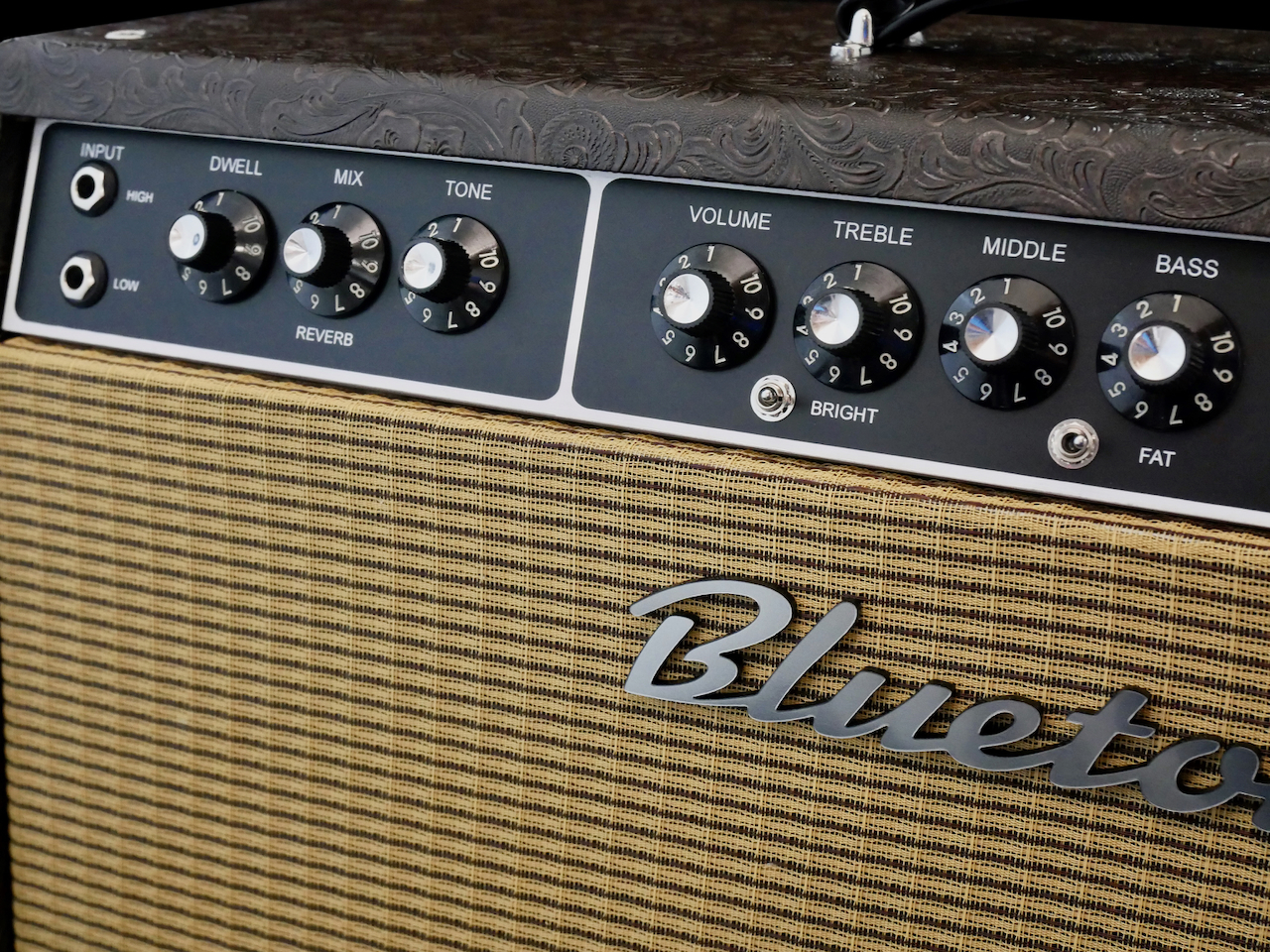
The preamp section sports controls for volume and 3-band EQ with an additional two mini-switches for Bright- and Fat-boosts. Everything does what it says on the tin, offering a wide variety of fantastic guitar tones that keep the core character of each guitar intact.
The Black King is a reverb connoisseur’s nirvana, not only offering a top-quality full-length spring tank, but also a full set of three controls for maximum tonal range. Dwell adjusts how hard you drive the spring reverb’s input – higher Dwell-settings will result in longer reverb times, as well as more saturation. Tone controls the tone of the reverb’s output, from dark to bright, while Mix lets you choose how much of the Black King’s super lush reverb will be used to bolster your guitar signal.
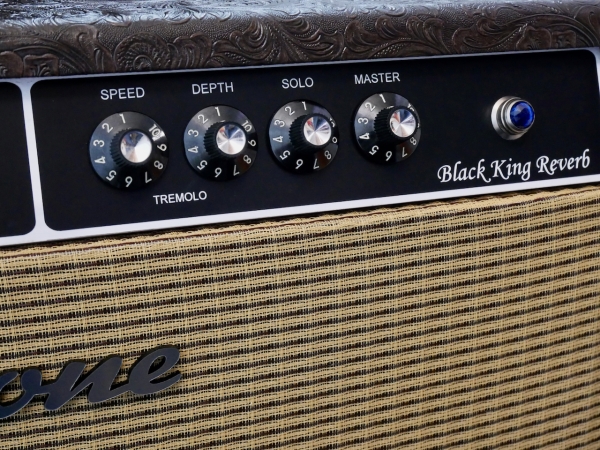
The output section offers you controls for the Band King’s scrumptious bias-modulated tremolo, the level of the solo-boost, and the master volume control. As the master volume is placed after the phase inverter stage, setting the master control to full will remove it completely from the power amp’s circuit.
All three amp effects – tremolo, soolo-boost, and reverb – are switched on or off with the supplied three-switch foot-switching unit.
There’s a lot going on on the Bluetone Black King Reverb’s back panel:
There’s an unbalanced line level output with its dedicated signal level control, so you can plug the combo straight into a speaker modeller. If you need to go completely silent, for example in the studio, the Black King includes a built-in switchable dummy load.
Next to the three speaker outputs we can find a mini-switch labelled ”NFB On/Off”. This allows you to choose whether or not you want to run so-called negative feedback in the combo’s power amp section.
A negative feedback loop will normally ”clean up” the power amp’s sonic footprint, giving you less power amp distortion and more clarity and articulation, while turning it off will give you a gnarlier and more distorted character. A wide generalisation would be that negative feedback takes the amp closer to Blackface territory, while no negative feedback gives it more of a Tweed- or Vox-style accent. Of course, your choice of power amp valves also has an important bearing on the overall character of the Black King.
The Black King offers some of the best clean sounds you are likely to experience, regardless of the type of guitar or pickup you throw at it. The genuine spring reverb is simply fantastic, and may even prove to be a dealbreaker in comparison to many other combos. The tremolo effect is luscious, with plenty of scope for adjustment of both speed and depth.
The overdriven/distorted tones you can glean from the Bluetone Black King Reverb are pleasantly gritty, but if you don’t like them, no problem – the Black King also loves pedal effects.
In my view, the Black King Reverb’s clean tones are this combo’s biggest forte. There’s plenty of headroom on offer, and the character is definitely in the Blackface-vein. There’s plenty of dynamic range on offer and the amp’s basic voice is big and open, seasoned with a crystal-clear top end. The three-band EQ offers more than enough scope for tone-shaping, and the Bright- and Fat-boosts work like a dream. What’s not to like?
For less than two grand you can get yourself a hand-made boutique valve combo that’s very versatile and great sounding. This is hands down one of the best amps you will find in its class, and it’s offered at a very fair price.
Here’s a demo song featuring the brand-new Bluetone Black King Reverb combo. The track is a short cover of the Who’s classic medley ”See Me, Feel Me/Listening To You”. All guitar tracks recorded with the Bluetone Black King Reverb, without any additional pedals. The amp was miked with a Shure SM7B running into a Cranborne Audio Camden EC2. **** ”See Me, Feel Me” – Guitars • rhythm guitar (stereo left): Fender Japan 50s Stratocaster Reissue • rhythm guitar (stereo right): Epiphone G-400 (SG Standard) • lead guitar: Fender Japan 50s Stratocaster Reissue ”Listening To You” – Guitars • rhythm guitar (stereo left): Fender Japan 50s Stratocaster Reissue • rhythm guitar (stereo right): Epiphone G-400 (SG Standard) • lead and harmony guitars: Gibson Melody Maker SG **** • bass guitar: Rickenbacker 4003 plugged straight into the Cranborne preamp
Here’s a demo song featuring the brand-new Bluetone Black King Reverb combo. The track is a short cover of the Who’s classic medley ”See Me, Feel Me/Listening To You”. All guitar tracks recorded with the Bluetone Black King Reverb, without any additional pedals. The amp was miked with a Shure SM7B running into a Cranborne Audio Camden EC2. **** ”See Me, Feel Me” – Guitars • rhythm guitar (stereo left): Fender Japan 50s Stratocaster Reissue • rhythm guitar (stereo right): Epiphone G-400 (SG Standard) • lead guitar: Fender Japan 50s Stratocaster Reissue ”Listening To You” – Guitars • rhythm guitar (stereo left): Fender Japan 50s Stratocaster Reissue • rhythm guitar (stereo right): Epiphone G-400 (SG Standard) • lead and harmony guitars: Gibson Melody Maker SG **** • bass guitar: Rickenbacker 4003 plugged straight into the Cranborne preamp
Silloin kun aloitin kitaran soittamista – 1970-luvulla – ”halvat” kitarat ja vahvistimet olivat yleensä huonoja. Nykypäivänä asiat ovat onneksi muuttuneet, ja edullisilla soittovehkeillä pystyy saamaan tarpeeksi hyviä soundeja, ettei innostus musiikin tekemiseen loppu.
Jos budjetti on pieni, eikä tarkoitus ole soittaa kokonaisen bändin kanssa, saa jo tällaisella kattauksella aikaiseksi ”olohuonekitaristia” tyydyttäviä soundeja.
When I first started playing guitar – in the 1970s – ”cheap” guitars and amps were generally bad. Fortunately, things have changed, and you can get satisfying sounds with relatively inexpensive equipment.
If your budget is small, and you don’t aim at playing with a whole band, a small set-up like the above will keep you going for a good while.
Epiphonen kolme uutta Pro-versiota vievät firman klassikkomalleja entisestäkin lähempää alkuperäisiä Gibson-soittimia:
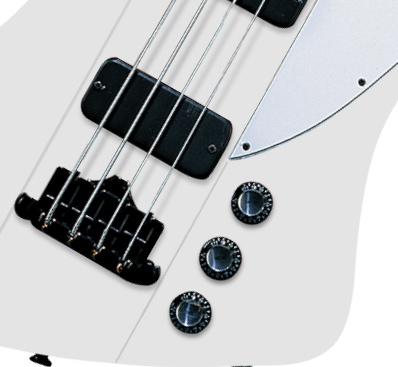
Epiphone Thunderbird Classic-IV Pro -bassossa on kaula-läpi-rungon rakenne mahongista ja pähkinäpuusta. Mikrofonit tulevat Gibson USA:lta – ne ovat aidot Gibson TB-Plus -humbuckerit keraamisilla magneeteilla.
****
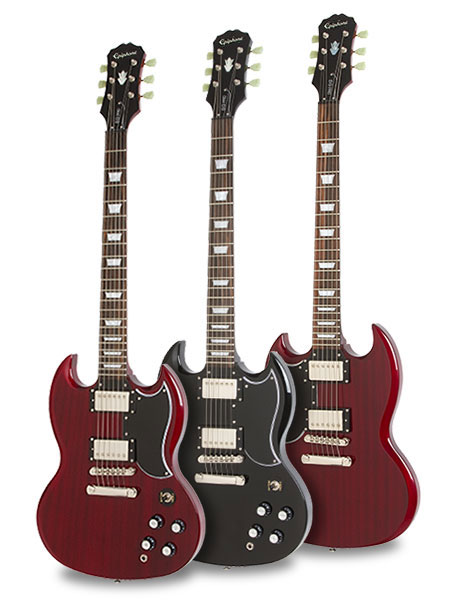
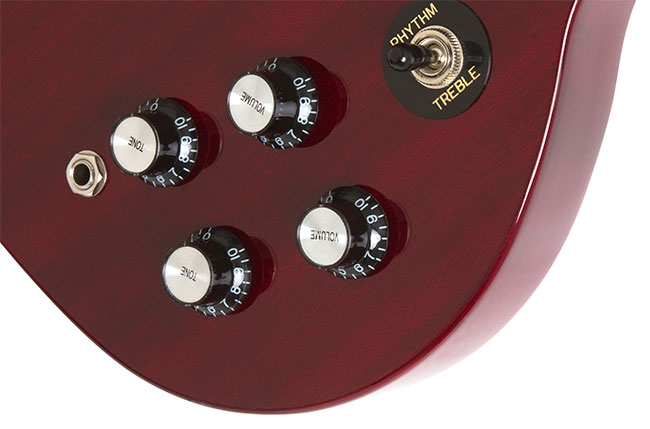
Epiphone G-400 Pro -malli komeilee Epiphone Alnico Classic Pro -humbuckereilla, joita voi volume-potikoihin piilotetuilla nostokytkimillä puolittaa. Kirsikanpunainen G-400 Pro on saatavilla myös vasenkätisenä.
****
Näyttävillä loimuvaahteraviilulla koristeltu Epiphone Les Paul Standard Plustop Pro taas on varustettu puolitettavilla Epiphone ProBucker-2 ja ProBucker-3 -humbuckereilla. Oikeankätisille kitaristeille on tarjolla viisi värivaihtoehtoa, kun taas vasenkätisen soittajan on tyydyttävä Heritage Cherry Sunburst -väritykseen.
Vaikka soitettavuudessa ja työn laadussa voi helposti havaita selviä eroja custom pajan soittimen ja massatuotetun sähkökitaran välillä, kuulostavat äänitetyt raidat yllättävän samankaltaisilta.
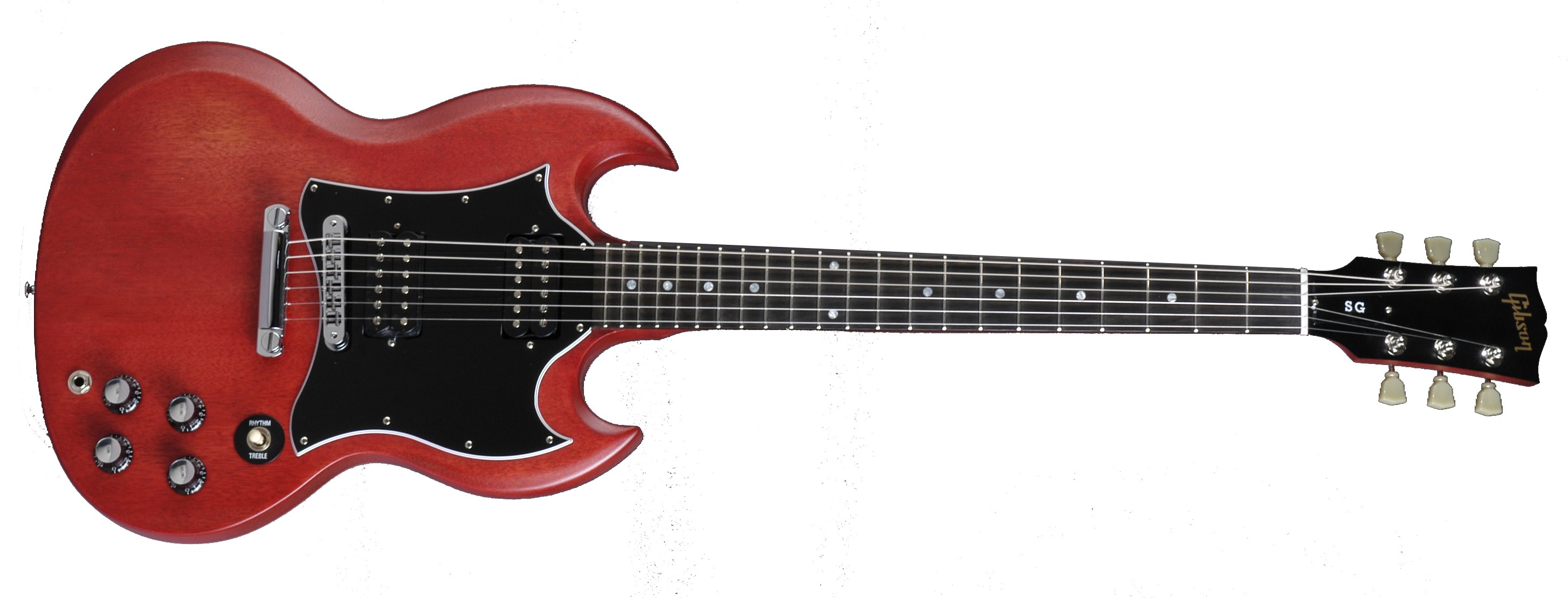
At the moment the Gibson SG is extremely popular – the trendiest model on the block.
Unbelievable as it may seem with hindsight, the SG was designed in 1961 as the Les Paul’s replacement. Ted McCarty and his team were eager to come out with a sexier, lighter and more practical electric guitar, in place of the then somewhat unpopular Les Paul.
Les Paul himself wasn’t overly enthusiastic about the new model, so he decided not to renew his endorsement deal in 1963. From that moment on the ”new and improved Les Paul Standard” became the Gibson SG Standard (SG = solid guitar). By the way, Gibson brought back the original Les Paul in 1969.
The main new feature of the SG was its sleek and curvy body, crafted entirely from mahogany. The glued neck joint was moved so that all of the guitar’s frets were easy to access.
Due to the new neck joint the front humbucker had to be moved a little towards the bridge for added stability, which in turn slightly thins out the pickup’s sound.
The SG’s thin and light body results in a fresher, more resonant and transparent tone, when compared to a Les Paul.
Thanks to its thin body, light weight and (normally) fixed bridge the SG is a fine choice for a first guitar. Only its very slight tendency towards neck heaviness can sometimes mar the nigh-on perfect picture.
As with all Gibson models, I’d advise anybody to purchase a quality gig bag or case with an SG-style guitar, to protect it against neck or headstock breakage.
Gibson’s Faded-series offers amazing value for money. These USA-made models offer less bling by doing away with the fingerboard binding, the large crown inlays and the regular gloss finish. But apart from the more modest visuals, the Faded-instruments are thoroughbred Gibsons.










 Kitarablogi.com – Finland's premier Guitar and Bass blog