Testipenkissä: Fender American Standard Stratocaster HSS Shawbucker

Fender Am Std Stratocaster HSS Shawbucker – in case

Taasko uusi Strato-malli? Ketä tällainen enää kiinnostaa? Juu, juu, kyllä, siinä on humbucker tallamikkinä…näitäkin on jo nähty!

Totta, mutta tähän uuteen American Standard -malliin kannattaa mielestäni ehdottomasti tutustua, koska Fenderin R&D-ryhmä on keksinyt Shawbucker-Stratoon muutamia uusia, oivia detaljiratkaisuja, joita tähän mennessä puuttuivat HSS-mikitetyiltä Stratocastereilta.

Fender Am Std Stratocaster HSS Shawbucker – The Shawbucker

Mikä ihmeen Shawbucker?

Shawbucker on Fenderin uuden tallahumbuckerin nimi, joka on nimetty sen kehittäjän, Tim Shawn, mukaan. Tim Shaw on oikea elävä legenda kitarapiireissä, joka on ollut 1970- ja 1980-luvulla Gibsonilla töissä. Myöhemmin hän siirtyi Guildiin ja sittemmin Fenderiin. Elektroniikka-guruna hän oli ratkaisevassa asemassa esim. Gibson Les Paul Heritage 80 -projektissa, ja kehitteli firmalle mm. PAF-mikrofonin uusintapainoksia, joita nykyään tunnetaan nimellä ’57 Classic.

****

Fender Am Std Stratocaster HSS Shawbucker – full front BIG

Fender American Standard Stratocaster HSS Shawbuckerin (hintaluokka noin 1.600 €) parannukset koskevat pääosin soittimen elektroniikkaa.

Perusrakenteeltaan malli jatkaa saumattomasti Fenderin erittäin suosittua American Standard -linjaa.

Fender Am Std Stratocaster HSS Shawbucker – beauty shot 2

Shawbucker-Straton saarnirunkoon on liitetty vaahterasta veistetty ruuvikaula.

Kaulaprofiiliksi on valittu nykyaikainen C-profiili, ja myös ruusupuisen otelaudan vintagea loivempi radius (9,5 tuumaa) sekä kitaran 22 jumbokokoiset nauhat tekevät soittimesta nykyaikaisen.

Fender Am Std Stratocaster HSS Shawbucker – headstock

Kaksisuuntaista kaularautaa säädetään kätevästi lavan puolelta.

Fender Am Std Stratocaster HSS Shawbucker – tuners

Hyvästä vireestä pitävät huolen Fenderin Deluxe-koneistot.

Fender Am Std Stratocaster HSS Shawbucker – neck plate

American Standard Shawbucker -mallista löytyy myös firman patentoitu säätömekanismi kaulan kulmalle.

Fender Am Std Stratocaster HSS Shawbucker – vibrato

Nykyisissä American Standard -vibratalloissa on moderni aluslevy veitsenterä-laakereilla, mutta vintage-Stratoista tuttuja tallapaloja muotoon taivutetusta teräksestä.

Testisoittimessa vibran tip up -kulma oli säädetty hieman liian jyrkäksi, mutta asia oli helppo korjata itse sopivilla ristipääruuvareilla.
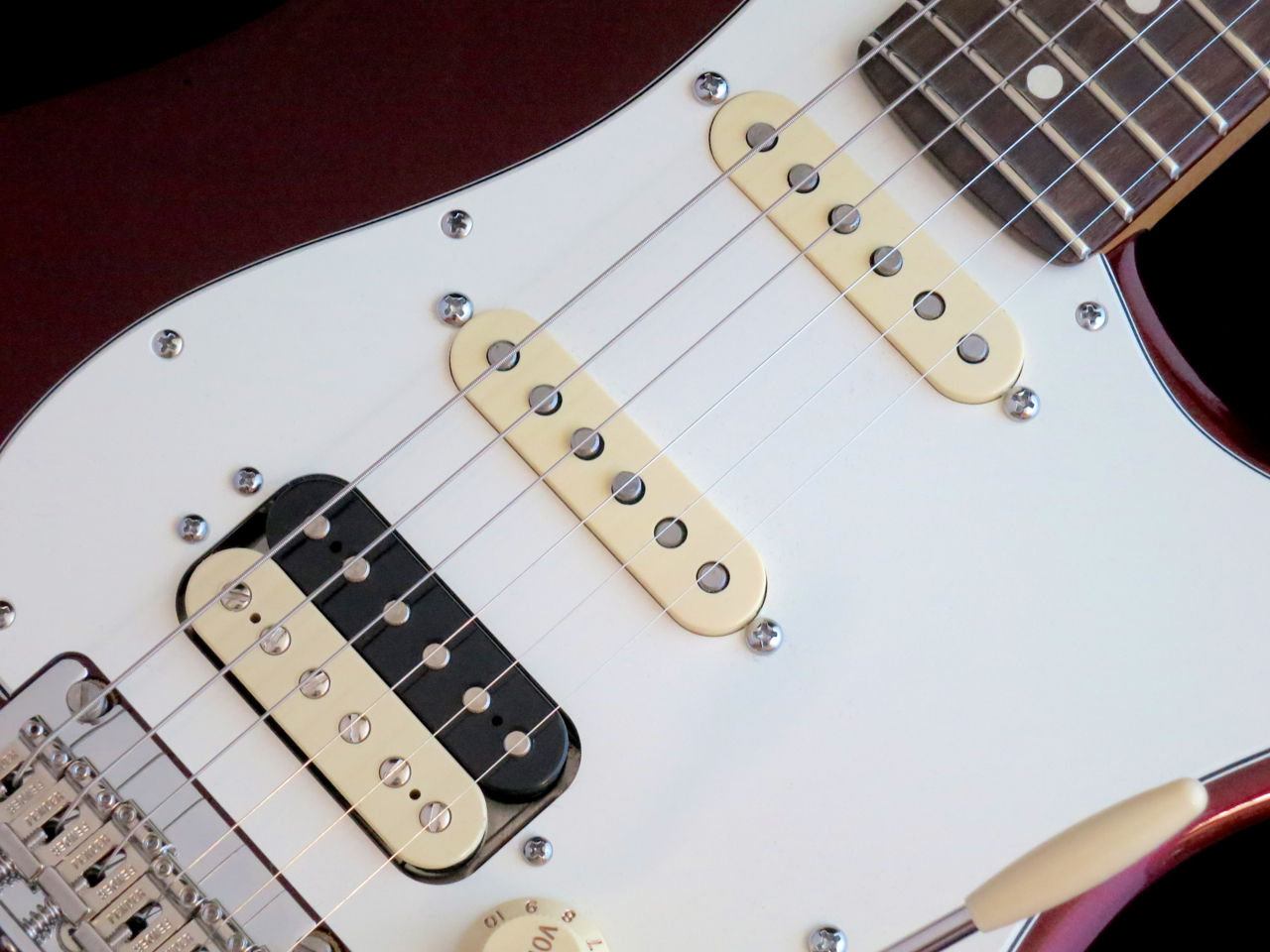
Fender Am Std Stratocaster HSS Shawbucker – pickups

HSS Shawbuckerin mikrofonivarustus on tarkoin valikoitu:

Kaula- ja keksimikrofoneina toimivat kaksi Custom Shop Fat ’50s -yksikelaista. Vastakkaiseen suuntaan käämitty – ja vastakkaista magneetista napaisuutta omaava – keskimikrofoni poistaa tehokkaasti ulkoisia häiriöitä, kun sitä käytetään yhdessä kaulamikin kanssa.
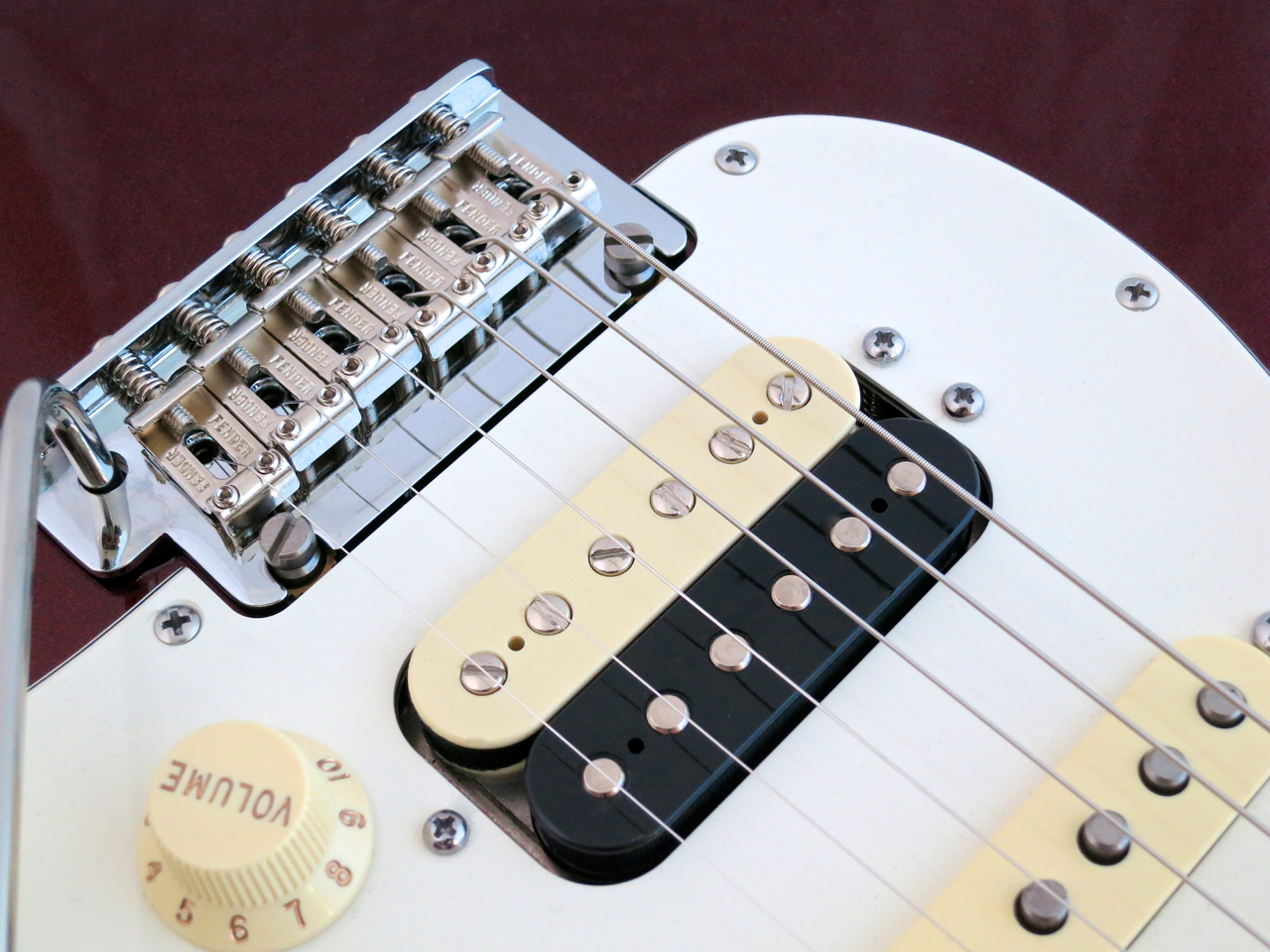
Fender Am Std Stratocaster HSS Shawbucker – The Shawbucker

Shawbucker-kaksikelainen on vintage-tyylinen humbucker avoimella, PAF-tyylisellä soundilla.
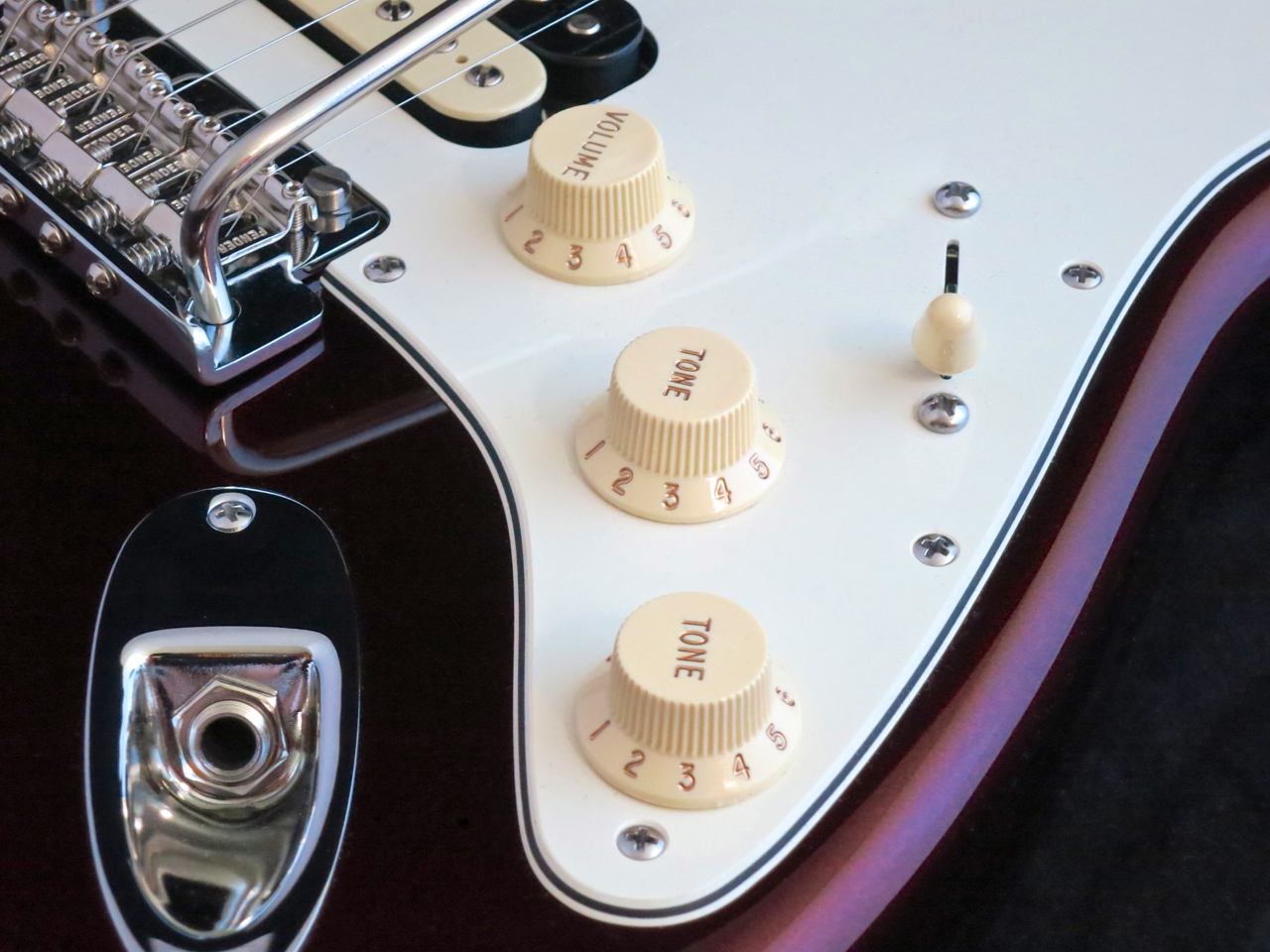
Fender Am Std Stratocaster HSS Shawbucker – controls

Kytkin- ja säädinosasto näyttää hyvin perinteiseltä, mutta siihen on piilotettu tämän kitaran kätevimmät parannukset:

Yksikelaiset ja humbucker-mikrofonit vaativat periaatteessa erilaisia potentiometrejä toimiakseen toivotulla tavalla. Yksikelaisten mikkien kanssa käytetään yleisesti potikoita 250 kilo-ohmin vastuksella, jotta niiden soundista ei tulisi liiankin terävä. Humbuckereilla taas on perinteisesti käytetty 500 kilo-ohmin potentiometrejä, jotta diskantti säilyisi paremmin niiden signaalissa. Myös tonepiirissä toimivan kondensaattorin kapasitanssi-arvo on usein syytä olla erilainen, riippuen siitä onko käytössä yksikelainen vai kaksikelainen mikrofoni.

HSS- ja HSH-kitaroiden ongelma piilee usein juuri potikoiden ja konkkien valinnassa, koska sekä yksikelaisten että kaksikelaisten signaalit reititetään yhteisten volume- ja tone-potikoiden läpi. Lopputuloksena joko humbucker soi hieman mutaisesti tai sitten yksikelainen on hieman liian terävä.

Shawbucker-Stratossa nämä ongelmat on hoidettu pois päiväjärjestykseltä käyttämällä sekä volume- että toisen tone-säätimessä  tuplapotikoita, joissa samaan akseliin on liitetty sekä 250 k:n että 500 k:n potentiometri päällekkäin. Humbuckerin signaali on kytketty tuplapotikan 500 k -tasoon, kun taas yksikelaisen soundi muokataan 250 k -tasolla. Keskimmäinen, perinteinen tone-säädin vaikuttaa kaulamikrofoniin, kun taas pleksin reunalla oleva toinen tone toimii keski- ja tallamikrofoneilla.

Viisiasentoisen kytkimen kakkosasennossa keskimikrofoni soi yhdessä puolitetun humbuckerin kanssa.
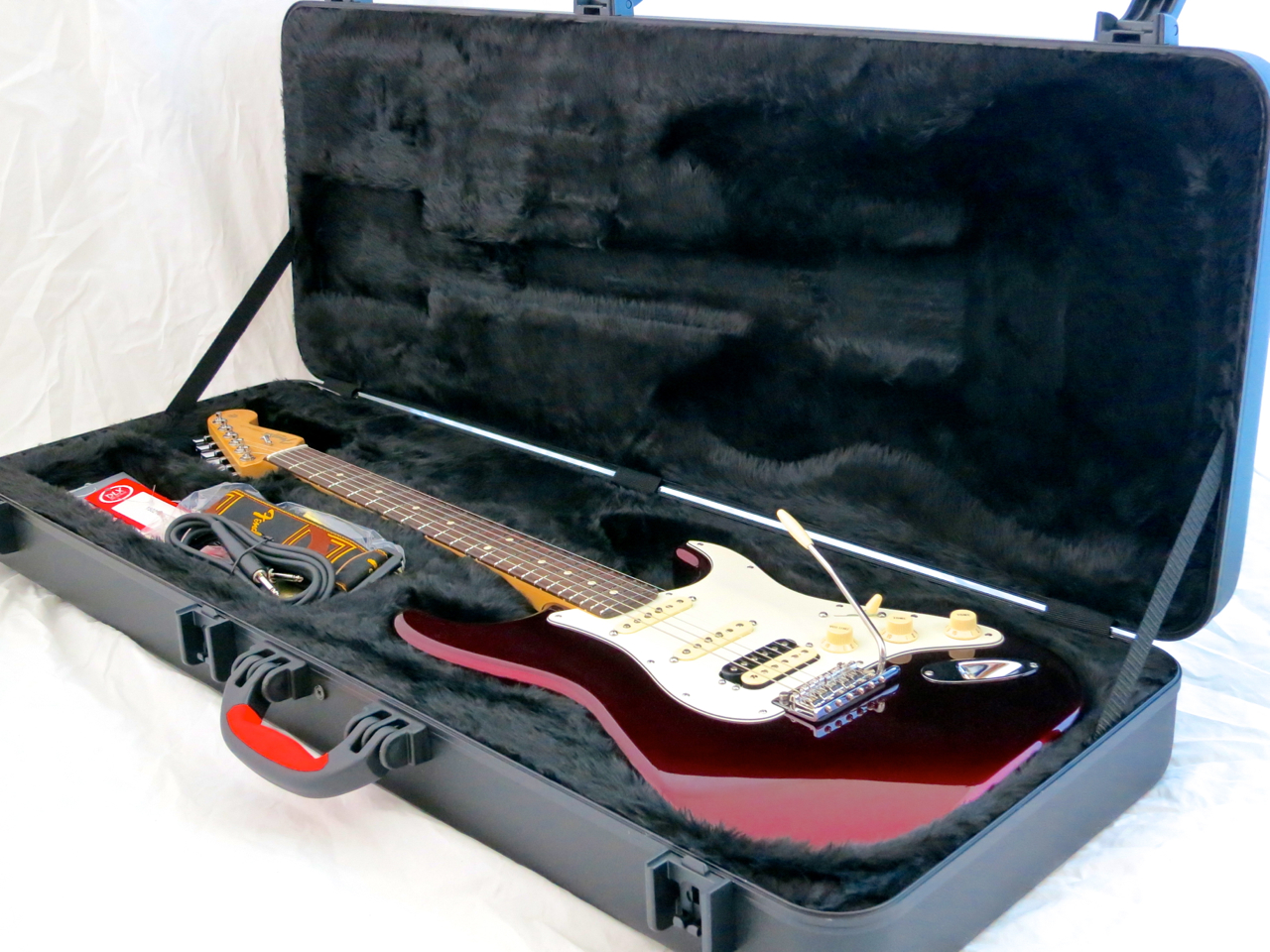
Fender Am Std Stratocaster HSS Shawbucker – in case

American Standard Stratocaster HSS Shawbucker -pakettiin kuuluu myös laadukas kova laukku, olkahinka, sekä kitarajohto.

****

Fender Am Std Stratocaster HSS Shawbucker – beauty shot 1

Stratocasterin hyvästä ergonomiasta ei tarvitse varmasti puhua enempää. American Standard -sarjan soittimien erittäin mukavasta, nykyaikaisesta soittotuntumasta on myös hehkutettu jo pitkään, ja syystäkin. American Standard -Strato on jo vuosikymmeniä ollut firman eniten myyty kitara USA-valikoimastaan.

Testikitara tuntuu juuri sellaiselta kuin sopii odottaa alan merkkipaaluusta – soitin on kevyt, ja se sopii erinomaisesti ainakin minun käteeni.

Akustinen ääni on tutun raikas, dynaaminen ja vahva. Vibratallakin toimii kiitettävästi perinne-Straton ja Floikan välimaastossa.

Fat ’50s -mikrofonien valinta Shawbuckerin aisapareiksi takaa, etteivät yksikelaiset jää missään tilanteessa humbuckeriin nähden alakynteen. Vaihdossa Fat ’50s -mikrofonista Shawbuckerin kyllä huomaa edelleen signaalitason eron, mutta tässä kitarassa boostaus tuntuu hyvin orgaaniselta ja musikaaliselta.

Mielestäni HSS Shawbuckerin soundi on kauttaaltaan hyvin herkullinen ja sopivasti Straton omalla luonteella höystetty. Päivitetty elektroniikka toimii vallan mainiosti – humbucker soi raikkaasti, eikä mene tukkoon, mutta samalla yksikelaisissa diskantilta on leikattu kaikki epämiellyttävä piikikkyys sopivasti pois. Viimeinkin HSS-Strato joka toimii vailla soundillisia kompromisseja!

Fender Am Std Stratocaster HSS Shawbucker – beauty shot 2

****

Fender Am Std Stratocaster HSS Shawbucker – body beauty 1

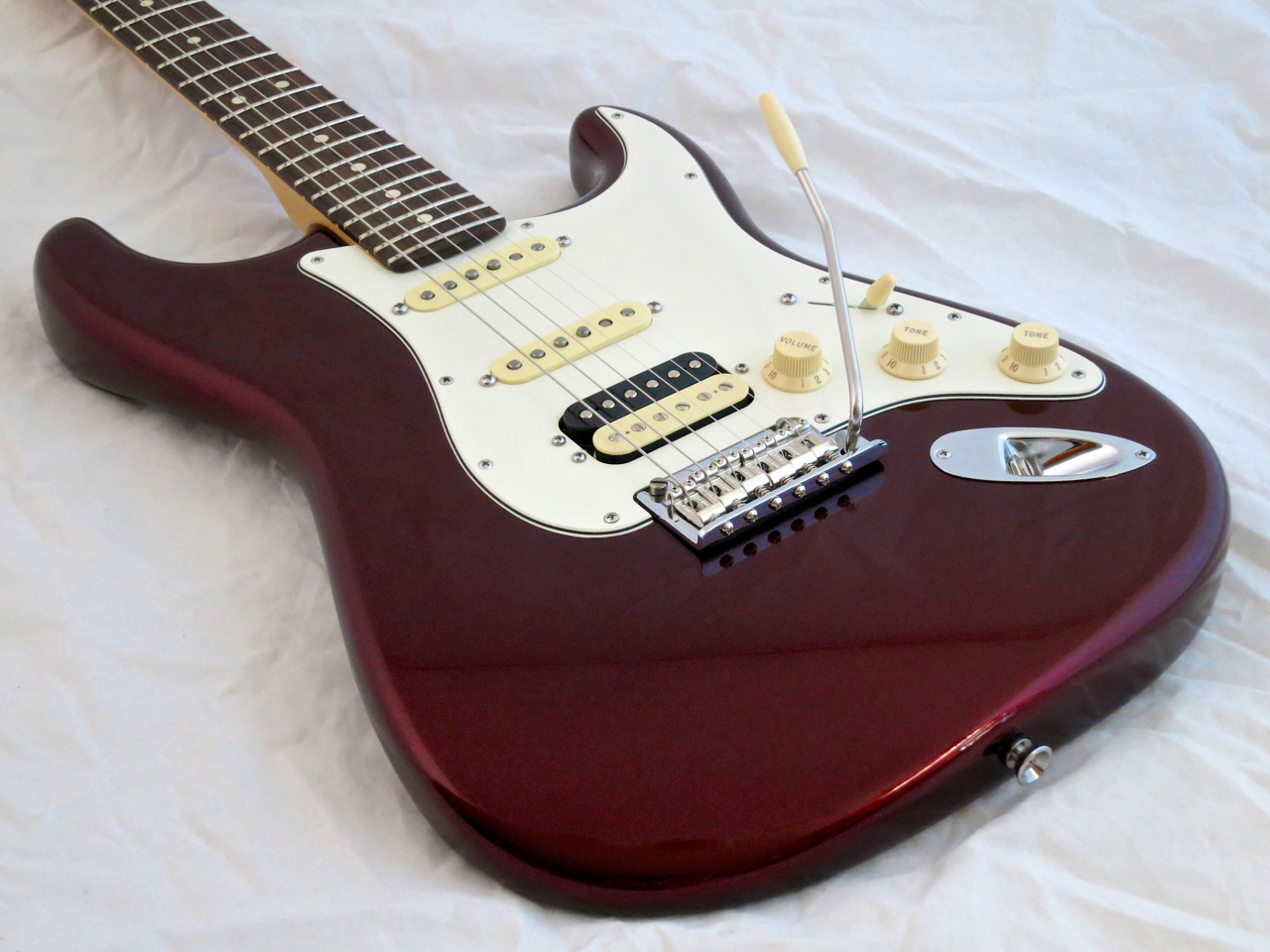
Fender American Standard Stratocaster HSS Shawbucker on – hassusta nimestään huolimatta – mainio sähkökitara todella hyvillä päivityksillä. Shawbucker-Strato vie HSS-mikkitetyn kitaran konseptin viimein seuraavalle tasolle.
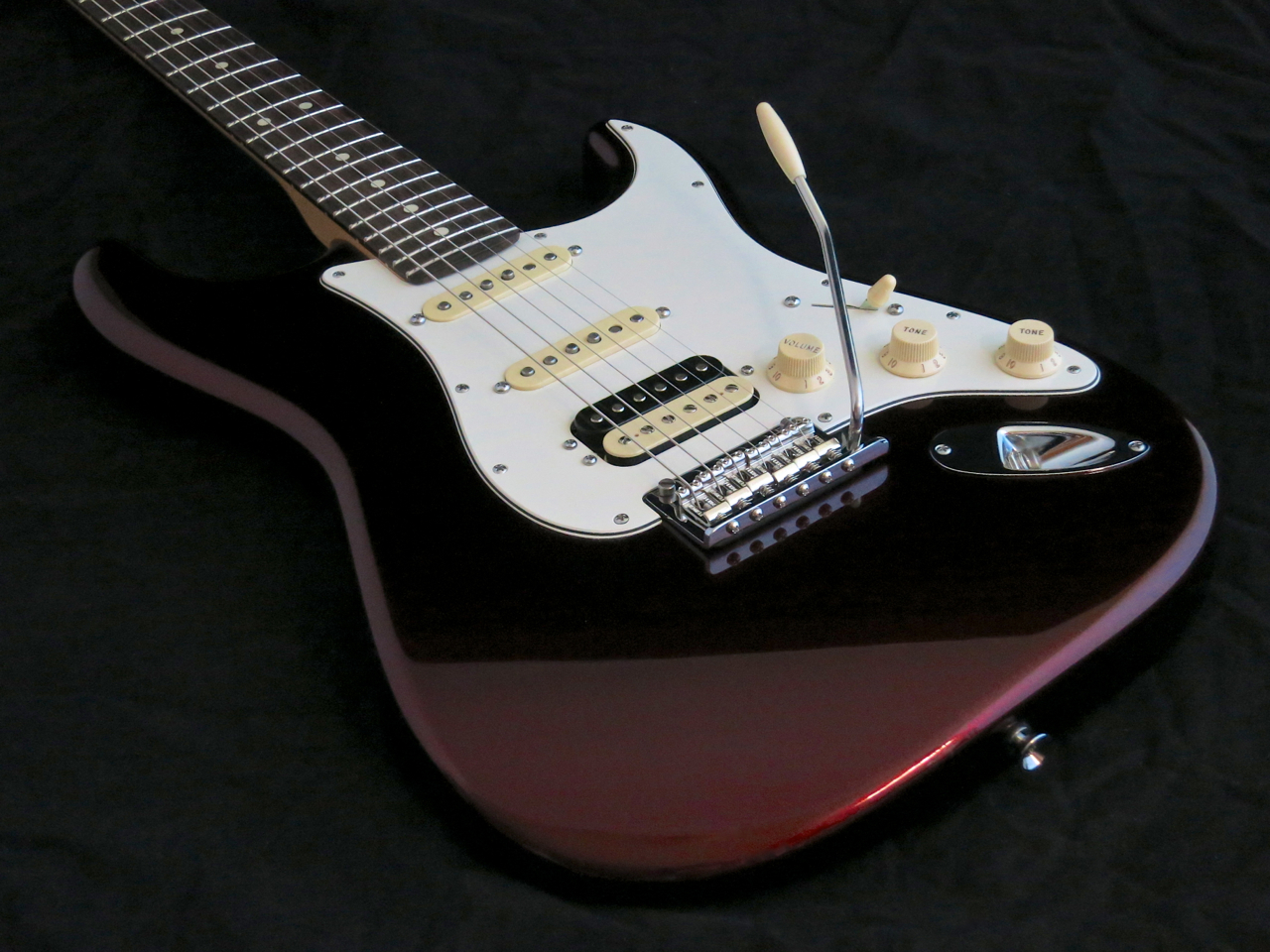
Fender Am Std Stratocaster HSS Shawbucker – body beauty 2

****

Fender American Standard Stratocaster HSS Shawbucker

hintaluokka noin 1.600 €

Kiitos DLX Musiikille testikitaran lainaamisesta!

Plussat:

+ hinta-laatu-suhde

+ soitettavuus

+ parannettu elektroniikka

+ vibratallan toiminta

+ soundi
Fender Am Std Stratocaster HSS Shawbucker – body beauty 2

”Just one more!” – Living with G.A.S.

****

Just one more…pleeeeeeze!

einstein_guitar1

We’ve all seen the memes on social media, haven’t we? And let’s be honest – there’s plenty of truth in them!

Many – if not most – of us guitarists seem to have an annoying tendency to want to amass a wide selection of instruments and/or effect pedals and/or guitar amps for personal use. This gear lust, which often leads to crammed living conditions, empty pockets, and considerable trouble with our significant other, is generally known as Gear Acquisition Syndrome, colloquially shortened to G.A.S. (or GAS).

It seems that GAS has become ever more prevalent over the last couple of (or three) decades, but the roots of this problem reach as far back as popular music and the advent of mass media.

MM2015 – Schecter USA Sunset Custom

****

G.A.S. through the decades

The early days

Gibson Nick Lucas Signature

It’s hard to pinpoint exactly the onset of GAS, but many people would agree that Gibson’s Nick Lucas Special signature model (first released in 1927) played a crucial part.

Nick Lucas (1897-1982) was an accomplished guitarist and popular crooner, whose biggest hits (in the late Twenties and early Thirties) coincided with the popularity of the radio and the wider availability of phonograph records.

The Nick Lucas Special was Gibson’s first signature guitar, laying the groundwork for the endorsement deals we’re familiar with these days. Apart from riding on an artist’s popularity, a signature guitar also tends to suggest to the guitarist that, were he (or she) to play this particular instrument, some of the magic (as well as the technical prowess) of the endorsing artist might rub off. In short, the message is ”buy this guitar, and you will become a better and more popular player!”

As most male guitarists not only care for their playing technique, but also for the opposite sex, becoming more popular always sounded (and still sounds) like a good idea.

The Fifties and Sixties – the guitar boom

Squier Cabronita Telecaster – body beauty

During the first half of the 20th Century the guitar grew from a not-very-common, specialist instrument into a popular mainstream choice – not least thanks to Country music and the ”singing cowboys” featured on radio and records, as well as in the movie theatres.

But it was Rock ’n’ Roll that put the guitar in all its shapes on the top of the desirability list for masses of youngsters in the so-called Western World.

Yet, GAS wasn’t such a serious issue at that time, because musical instruments were outrageously expensive then, and some of the top US-brands almost impossible to get hold of in Europe.

Andy Babiuk’s fantastic book ”Beatles Gear” gives the reader a very good idea of how difficult it was for the guitarists of the late Fifties and early Sixties to even scrape together enough money to buy a single guitar (or amp). Owning multiple guitars was the privilege of the biggest stars only. Back in 1965 a new, baby blue Fender Stratocaster would have set you back around 3,000 euros in today’s money! This makes a current American Standard Stratocaster seem dead cheap at approximately 1,500 euros. And remember, back then there was no such thing as a quality (licensed) copy, and even substandard instruments from Eastern Europe weren’t really cheap (Harrison’s Czech-made Futurama cost him the better part of 1,200 euros in today’s money).

Still, young players were brand-conscious, at least to some degree, and lusting for the exact guitar they knew their idol was playing. Even if they couldn’t afford it…

They don’t make ’em like they used to

Les Paul Burst

The transition of the plain old ”used guitar” to the ”vintage guitar” we all know today got to a start in the late Sixties, mostly fuelled by the two best-known brands – Gibson and Fender:

When flagging sales of the Gibson Les Paul prompted the company to scuttle the model in favour of the instrument we now know as the Gibson SG, nobody could have foreseen that the move would lead to the first run on a discontinued electric guitar model ever. Caused by the exposure given to the ”out of print” Les Paul Standard by the new wave of Blues players, spearheaded by Mike Bloomfield and Eric Clapton, many serious guitarists started actively searching for used Les Pauls. The fact that Gibson chose to reissue the Les Paul in the late Sixties, but failed to sense that the crowd lusted for the double-humbucker Burst (instead of the Goldtop and the Custom), quickly turned the original Standards produced between 1958 and 1960 into the stuff of legend.

Both Fender and Gibson became parts of large business conglomerates before the Sixties were over, and a feeling started to seep into the guitar community that the earlier instruments were of a higher quality than those produced under the new managements.

Big in Japan

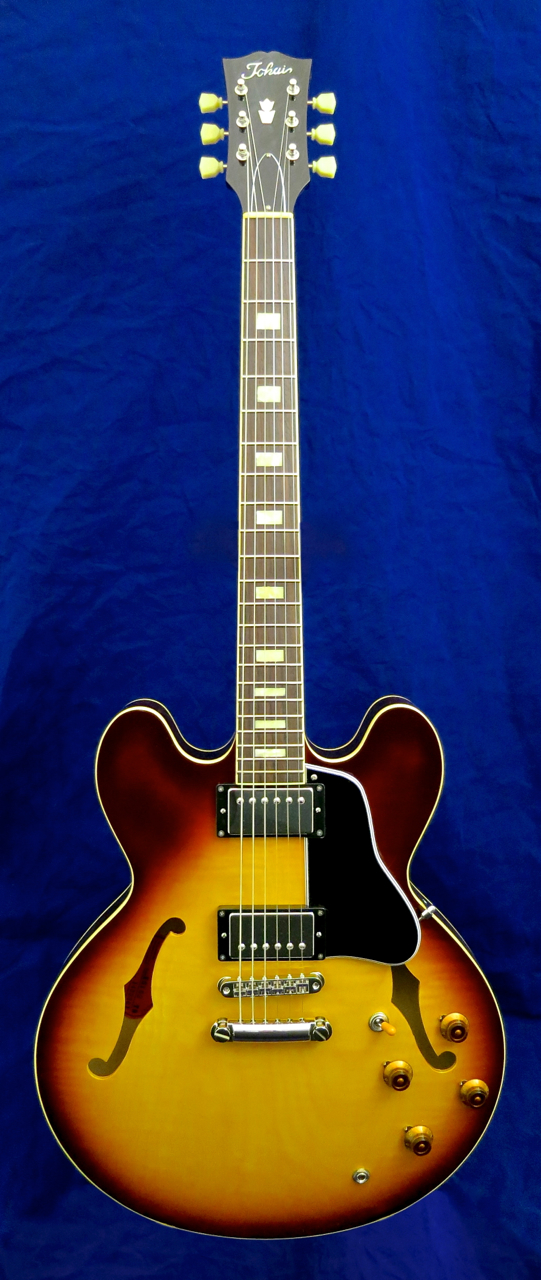
Tokai ES-162 – body beauty

The proliferation of reasonably well-made guitars from Japan – often dead-on copies of US classics – at reasonable prices was what truly kicked off the phenomenon we now call GAS.

For the first time amateur and semi-professional guitarists could afford to own more than a couple of guitars. Effect pedals, too, would start to benefit from Far Eastern efficiency and mass-production.

Many of the 1970s Tokai-, Ibanez- and Yamaha-guitars – as well as the earliest Roland/Boss-effects – are now considered vintage classics in their own right.

Tokai ATE-33N Thinline – body beauty 1

Licensed copies

Epiphone Casino – April 2012 – close-up

The Eighties finally ”sealed our fate”, when it comes to GAS.

Many large brands started to release official (=licensed) copies of their own instruments in the 1980s, with the rest following suit in the following decades. Brands like Squier, Epiphone, or Sterling make it affordable to hoard instruments that offer at least some of the clout of their famous, upmarket brethren.

Sterling SUB Ray4 – body beauty

****

The Five Types of GAS-sufferers

J Leachim Jazzcaster – body beauty

We are all different – we don’t all lust after the same guitars, and we don’t all accumulate gear for the same reasons or in the same way.

I think one could divide us Gassers up into five basic categories, according to how and why we ”simply have to have that guitar”.

1. The Fan

The Fan is a hardcore follower of one (or two) Rock bands (or guitar gods), and he (or she) focusses on acquiring as much of the gear used by their idol as humanly possible. The Fan hopes to come as close as possible to their idol’s famous guitar tone, and he/she wants to feel (and look) the way his (or her) idol does when playing those classic riffs and songs.

2. The Nostalgist

The Nostalgist comes from a similar place as the Fan, having a clear vision of what it is he’s looking for. But, instead of trying to relive a certain band’s or player’s tone, as the Fan does, the Nostalgist wants to reclaim the (his/her own?) past. The Nostalgist longs for the classic looks and tones gleaned off vintage equipment, the sounds of a cooler, more vibrant place than the current here-and-now. Some Nostalgists also buy all the stuff they wanted, but couldn’t afford to get, when they were young.

3. The Hunter and Gatherer

The Hunter and Gatherer simply loves to get new toys, especially when he can claim to have ”snapped up a real bargain”. These are the guys that constantly trail the Internet, on the lookout for something, anything really, that might whet their considerable appetite. Very often it doesn’t even matter if it is an instrument (or other piece of gear) the Hunter and Gatherer really ”needs”; as long as it’s cool and ”a bargain” it’s a viable acquisition.

4. The Specialist

The Specialist has a strong focus on one, two or three specific pieces of equipment, that he (or she) simply cannot get enough of. These are the guys who seem to have a perfectly good reason for buying several dozen Telecasters, or a whole flock of Fender Tweed-era amps – or maybe they zone in solely on gear manufactured during one specific year…

5. The Pragmatist

The Pragmatist comes over as very reasonable, even though he’s an addict like the rest of us. The Pragmatist tells his wife that he doesn’t yet own an archtop guitar with DeArmond pickups, but that he needs just such a guitar to complete his ”colour palette” or ”toolbox”. Some Pragmatists – like professional guitarists, studio owners, or guitar reviewers – can make a real art form of their Gassing, meaning it takes the unsuspecting wife years (if not decades) to see through this charade.

Fuzz 2015 – Nice, old Tellies!

Naturally, things aren’t always as clear cut in real life as they might seem on paper. Most of us GAS-sufferers tend to display a mixture of two of three of the above GAS-categories.

****

”You can’t play more than one guitar at a time!”

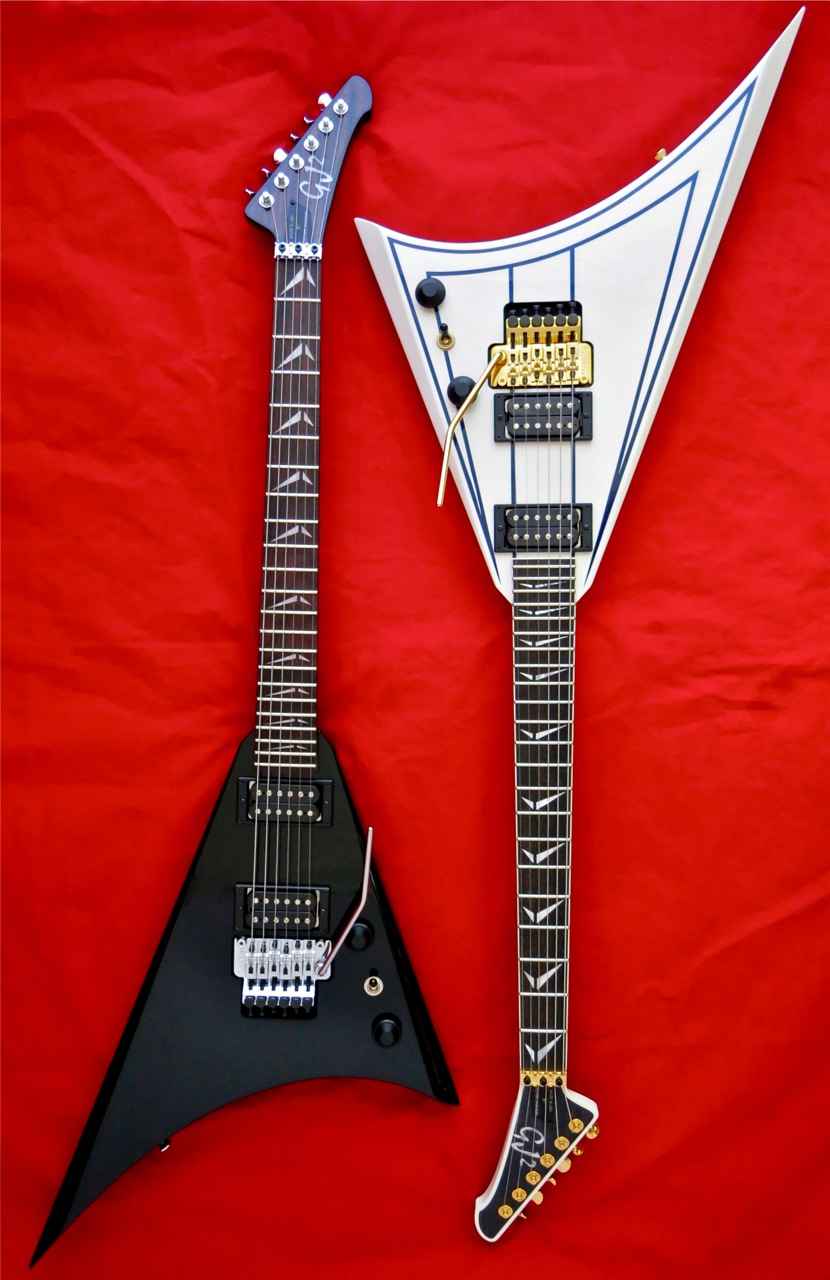
GJ2 Guitars – Concorde 4-Star + 5-Star

Does owning more than one or two guitars have real advantages? If you ask me, my answer would be a resounding ”yes and no”!

The ”yes” part of my answer has to do with the fact that playing guitar (or bass guitar) is always a tactile experience. Different instruments have different neck profiles, they have different overall dimensions, different actions, different fret sizes, different fingerboard radii, and they simply smell and feel differently.

This is probably the main reason why we don’t all play Line 6 Variax guitars. They might be decent instruments with an astonishingly realistic array of different tones, but they completely lack the important tactile element that is so crucial in inspiring you to come up with different licks and different ways of approaching the guitar as an instrument.

A big, fat Jazz box will make you play noticeably differently to a sleek Strat or SG, and the same holds true for the differences between, say, an ES-335 and a Floyd Rose-equipped Metal axe.

On the ”no” side of the equation, buying a new piece of equipment will surely inspire you, but it won’t automatically turn you into a ”better” guitarist. Even though it’s hard to admit, only regular practice will move you forward on the long and winding road to improvement.

Tokai SG-75 – body angle

****

Damned If You Do…

In a way, we’re extremely lucky these days. There has never been a better time to be a guitarist than now. There’s an abundance of cool gear available, and much of it at rather reasonable prices.

The downside to this is, of course, that it’s so much easier to become a gear addict, because the price tag doesn’t necessarily act as much of a threshold, anymore.

Still, I tend to see the positive side of things, because the affordability of decent equipment makes it much easier for guitarists these days to try out different stuff on their way to finding the gear that’s most suitable for the music they make.

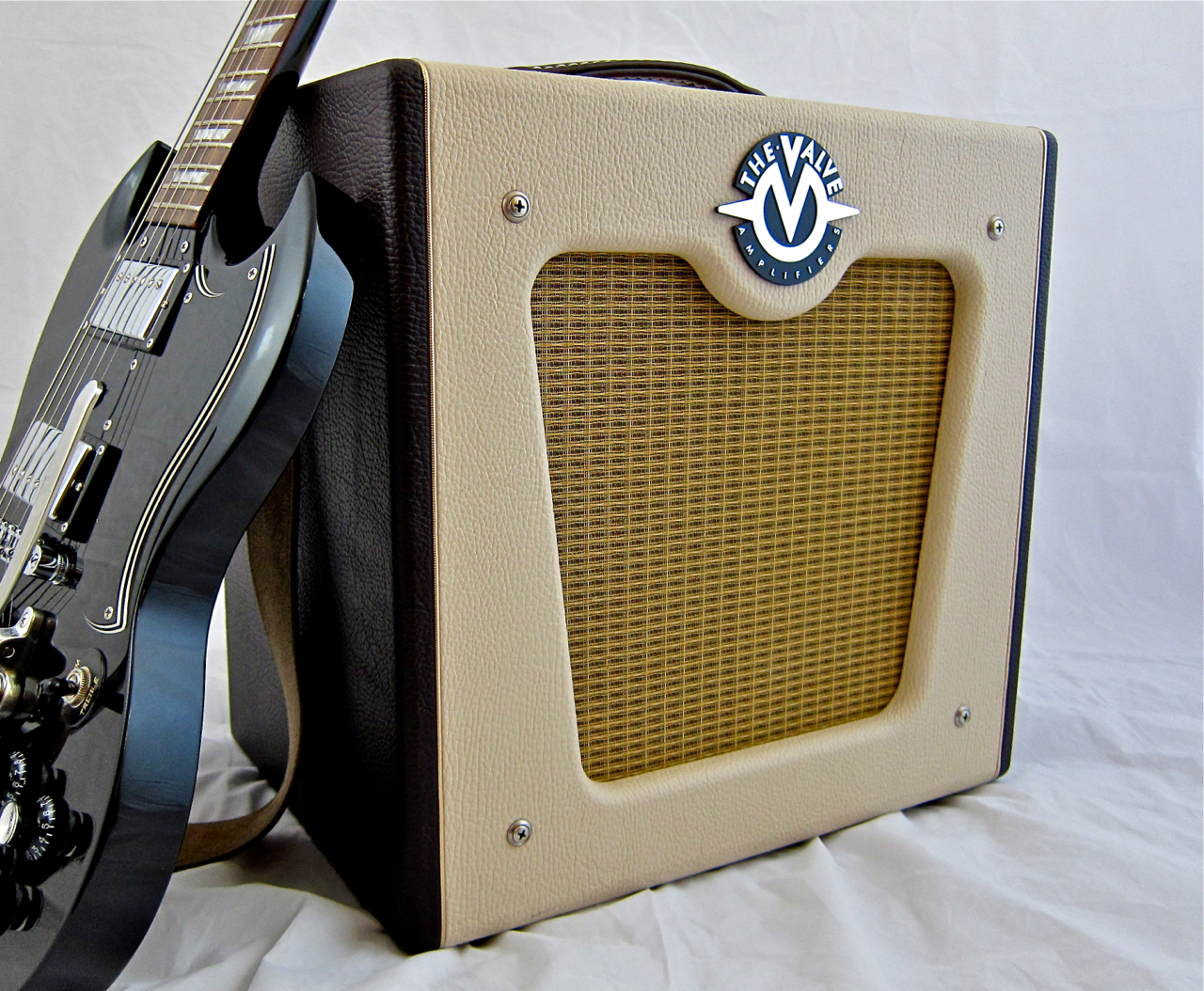
The Valve Bimbo – with SG

Testipenkissä: Bogner Harlow, Wessex ja Burnley

Reinhold Bogner

Tällä kertaa Kitarablogissa on testissä kahden legendan yhteistyön hedelmät:

Saksalaisamerikkalainen vahvistinguru Reinhold Bogner

Rupert Neve

…ja studiotekniikan grand old man Rupert Neve esittelivät hiljattain USA:ssa valmistetun Bogner kitaraefektimalliston, jossa käytetään Rupert Neve Designsin erikoisvalmisteisia audiomuuntajia.

Bogner – Neve transformer

Audiomuuntajia nähdään perinteisesti erittäin harvoin lattiaefekteissä, sekä kustannus- että tuotannollisista syistä.

Putkivahvistimissa audiomuuntajalla on sen sijaan keskeinen rooli, mikä tulee syntyvän kitarasoundin äänenlaatuun ja dynamiikkaan. Laadukas audiomuuntaja vahvistaa audiosignaalia niin, että sen dynamiikka ja soundi pysyvät täysin ehjinä ja muuttamattomina.

Bogner-pedals teaser – w lights

Tällä hetkellä Bogner/Neve-mallisto koostuu kolmesta pedaaleista – Harlow-boosteri (235 €), Wessex-overdrive (229 €), sekä Burnley-distortion (235 €).

Kaikissa pedaaleissa on optisena lisämausteena värisilmä, josta näkyy läpikulkevan signaalin voimakkuus.

****

Bogner Harlow – with box

Bogner Harlow tarjoaa kaksi efektiä samassa kuoressa:

Boost-vahvistuksen lisäksi Harlow-pedaalissa on myös Bognerin kehittämä Bloom-kompressori, jolle luvataan hyvin orgaanista, kolmiulotteista ja musikaalista soundia.

Harlow:ssa on kolme säädintä – Level-nuppi boostille, Bloom-säädin kompressiolle, sekä yleis-Tone.

Bogner Harlow – full front 2

****

Bogner Wessex – with box

Bogner Wessex on Bogner/Neve-malliston overdrive-tyyppinen säröpedaali.

Gain- ja Level-säätimien lisäksi Wessexissä on kaksikaistainen EQ, sekä E/N-kytkin. N-asennossa (= normal) Wessexin soundi on perinteisempi, siis hieman keskiäänivoittoinen, kun taas minikytkimen E-asennossa (= enhanced) efektistä lähtee entistä voimakkaampi, maukkaampi ja laajempi soundimaailma.

Bogner Wessex – full front 2

****

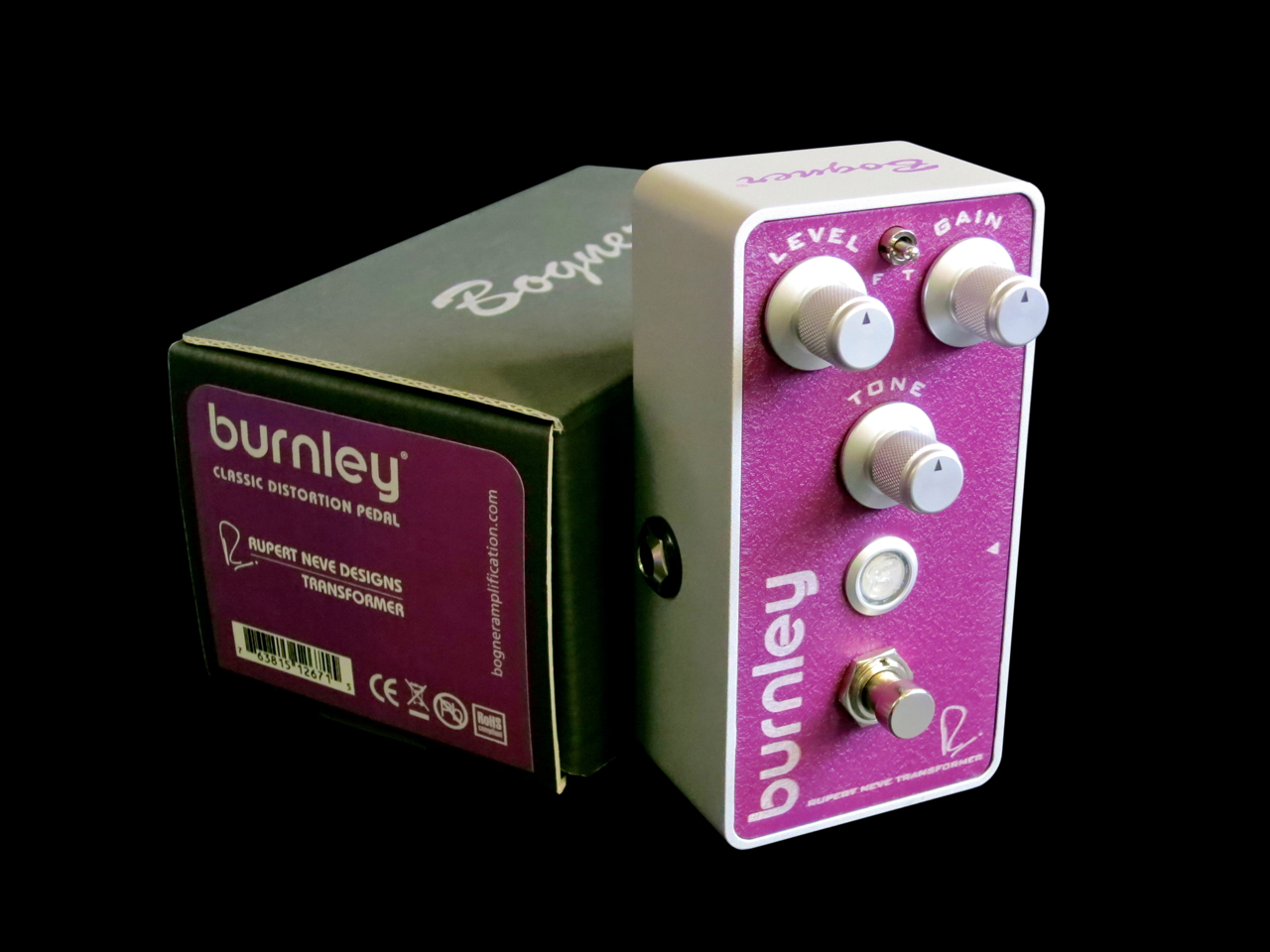
Bogner Burnley – with box

Bogner Burnley on tämän kolmikon distortion-särö.

Burnleystä löytyy kolme säädintä – Level, Gain ja Tone – sekä F/T-minikytkin. T-asennossa (= tight) Burnleyn soundikirjo on aggressiivisempi ja tiukempi kuin selvästi muhkeammassa F-vaihtoehdossa (= fat).

Bogner Burnley – full front 2

****

Bogner Harlow – inside

Sekä Bogner että Neve ovat legendaaristen soundien lisäksi tunnettuja myös tuotteidensa kompromissittomasta laadusta ja siististä työnjäljestä, mikä näkyy hyvin myös Bogner/Neve-pedaalien toteutuksessa.

Bognerin piirilevy jää piiloon mustan muovikuvun alle. Ratkaisu estää edes hieman laitteen suoraa kopiointia, mutta ei vaikeuta mahdollisia korjauksia samalla tavalla kuin esimerkiksi mustaan hartsiin valettu elektroniikka.

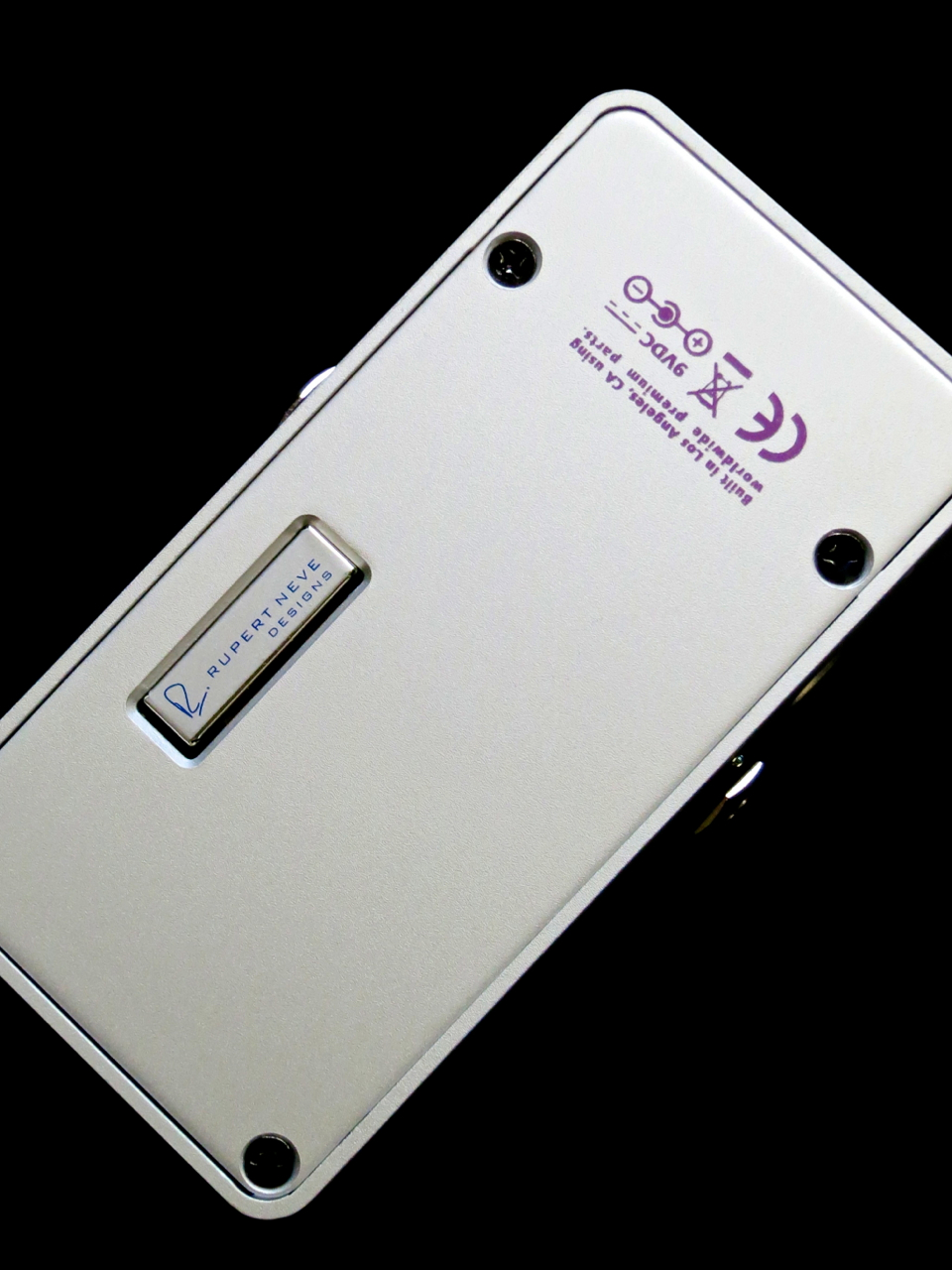
Kuten kuvasta näkyy, kaikkia kolmea efektipedaalia voi käyttää joko yhdellä yhdeksän voltin paristolla tai (Boss-standardin mukaisella) virtalähteellä.

****

Bogner Harlow – left 2

Bogner ei kerro missään Harlow-pedaalin tarkkoja vahvistusmääriä, mutta testin perusteella voin vain todeta, että sitä ääntä kyllä riittää. Jos siihen on tarve, pystyy tällä boosterilla yliohjaamaan minkä vahvistimen tahansa!

Bogner Harlow:n Bloom-kompressori kuulostaa erittäin maukkaalta ja musikaaliselta.

Bognerin Harlow on juuri sellainen kitaraefekti, jota haluaa pitää koko ajan päälle, koska kitara kuin kitara soi yksinkertaisesti kauneimmin ajettuna sen läpi. Tämä maustepurkki reagoi mallikkaasti myös kitaran volume-säätimeen.

Straton soundissa kuulee mukavasti atakin klikkiä:

Harlow pysyy myös selkeänä silloin, kun sen läpi soitetaan (Hamer USA -kitaran) kaulahumbuckerilla:

Bogner Wessex – right 2

Bogner-vahvistimien särösoundit ovat legendaarisia, ja mestari on onnistunut paketoimaan ne Bogner/Neve-sarjan kahteen särölootaan.

Bogner Wessex ei ole (onneksi) jälleen yksi Tubescreamer-klooni, vaan vahvistingurun oma näkemys täydellisestä overdrive-pedaalista.

Wessex tarjoaa runsaasti gainia, mutta soundi pysyy aina selkeänä ja erottelevana, eikä mene koskaan mössöksi. Myös kitaran oma luonne säilyy esimerkillisesti.

Wessexin Enhanced-moodin ansiosta jopa vintage-tyylinen Stratocaster soi lihaksikkaasti:

Tämä overdrive-pedaali ei honota, vaan soundi pysyy myös humbuckereiden kanssa selkeänä ja maukkaana:

Bogner Burnley – left 2

Burnleyn Fat-moodin kautta jokainen Hendrix-fani löytää varmasti soundillisen nirvanansa. Jopa puhtaalla vahvistimella ja olohuonevolyymillä Strato soi kuin Woodstockissa konsanaan:

Myös Bognerin Burnley reagoi todella hyvin (kitaran) volume-potikan muutoksiin. Tight-moodissa humbuckerilla varustetulta kitaralta lähtee tiukka ja nykyaikainen särösoundi:

Bogner-pedals teaser

Tässä vielä videon ääniraita, jossa soitan kaikki kitaraosuudet yhdellä P-90-mikrofonilla varustetulla Gibson Les Paul Juniorilla:

****

Bogner Harlow – right 2

Bogner Wessex – left 2

Bogner Burnley – right 2

Rupert Neve ja Reinhold Bogner eivät ole miehiä, jotka jättävät asiat puolitiehen, ja sen kyllä huomaa!

Bogner/Neve-sarjan efektipedaalit tarjoavat Bognerin boutique-luokan soundeja mukavan kompaktissa muodossa kilpailukykyiseen hintaan. Kolmikko on mielestäni ehdottomasti kokeilemisen arvoinen!

****

Bogner Amplification Harlow, Wessex & Burnley

Harlow – 235 €

Wessex – 229 €

Burnley – 235 €

Maahantuoja: Musamaailma

****

Plussat:

+ työnjälki

+ kompakti koko

+ boutique-luokan soundi

Review: Vuorensaku T-Style Custom

****

Vuorensaku T headstock – preview – mid

Vuorensaku is a guitar maker from the Finnish town of Jyväskylä. Luthier-Artisan Saku Vuori repairs and builds all types of string instruments. Vuorensaku also winds his own brand of custom pickups.

When it comes to handcrafted instruments, Vuorensaku isn’t relying on any specific range of models, instead this is a true custom workshop which makes one-offs according to its customers’ wishes.

Saku Vuori is a member of The Guild of Finnish Luthiers.

****

Vuorensaku T-Style – full front – bgr

Saku sent us a recently finished solidbody electric for review – a very cool crossbreed of a Seventies Fender Telecaster Deluxe and a Fifties Gibson ES-5 Switchmaster. Vuorensaku’s guitars usually are designated by their serial number only, but for the sake of simplicity I will name this instrument the ”Vuorensaku T-Style Custom”.

Vuorensaku T-Style – full back – bgr

The T-Style Custom has been crafted from quality tonewoods:

The bolt-on neck has been carved from a piece of lightly flamed Canadian hard rock maple, and it features an Indian rosewood fretboard. The bound-top body consists of two pieces of very lightweight African mahogany. The centre glue line is virtually impossible to make out, thanks to Vuorensaku’s extremely crisp workmanship.

Vuorensaku T-Style – headstock – bgr

The Vuorensaku’s nut is crafted from genuine moose bone.

The fretboard comes with a modern, bend-friendly radius (9.5″) and sports 21 medium-sized stainless steel frets.

Vuorensaku T-Style – tuners – bgr

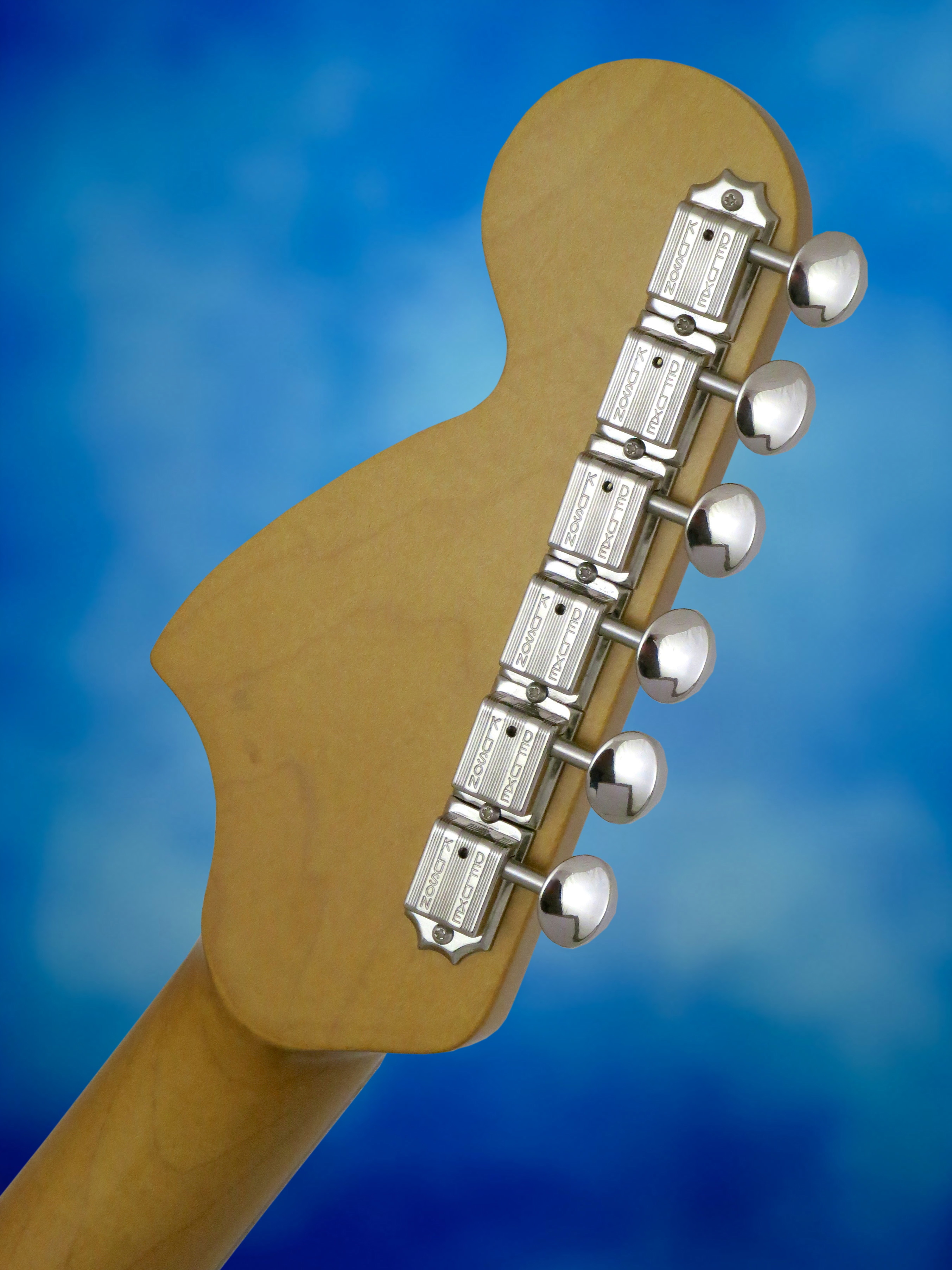
The T-Style Custom’s updated Kluson Deluxe-tuners may have that famous vintage look, but they work much more smoothly than their forebears from the 1950s.

Vuorensaku T-Style – back beauty – bgr

The neck joins the body in time-honoured fashion, using four wood screws and a rectangular steel plate.

Thanks to the T-Style Custom’s satin nitro-finish this instruments simply oozes with natural elegance, feeling very friendly to the touch.

Vuorensaku T-Style – bridge

Kluson’s fantastic Half-Size Tele-bridge is a clever way of bringing genuine Tele Twang to non-Tele guitars, as well as making it possible to use this type of bridge in combination with different bridge pickups.

Many guitarists still favour the (almost archaic) three-saddle Telecaster-bridge for its gorgeous tone, especially when it comes with three brass saddles (like this Kluson does). The threads for the intonation screws on the T-Style Custom’s bridge have been deliberately cut at an angle to improve the guitar’s intonation.

Vuorensaku T-Style – pickups 1 – bgr

Vuorensaku’s customer specified three Dog Ear-pickups for his dream guitar, so a set of said pickups was sourced from another Finnish maker – Rautia Guitars from Joensuu.

Veijo Rautia’s Dog Ear-set comprises a pair of splittable humbuckers for the neck and bridge positions, as well as a P-90-type singlecoil in the middle.

Vuorensaku T-Style – controls – bgr

The control panel has been turned the ”wrong” way around to facilitate easy master volume access.

Vuorensaku T-Style – electronics – bgr

Ingeniously, Saku Vuori has managed to fit all the necessary components into the guitar’s small traditional Tele control cavity:

The volume control comes equipped with a push/pull-switch for splitting the humbuckers. The five-way blade switch works like on a Fender Strat. As you can easily see from the photo the workmanship is very clean and the components are of top quality.

****

Vuorensaku T-Style – beauty 2 – bgr

The Vuorensaku T-Style Custom scores top marks for workmanship and playability! Handmade instruments of such high calibre always possess that little something extra, a special feel that is nigh on impossible to find in a mass-produced guitar.

The T-Style Custom is a lightweight instrument. With a slippery nylon strap you might even notice a hint of neck-heaviness, but nothing a nice leather strap couldn’t get to grips with easily.

The fat C-profile of this Vuorensaku’s neck is just what the doctor ordered. The combination of this profile with the modern fretboard radius and the gorgeous fretwork, makes for a fantastic playing feel that’s fast and easy to control. The setup was superb with a set of 010s and a low action (low-E: 2.1 mm/high-e: 1.5 mm).

Acoustically, the Vuorensaku sounds just like the prime exponent of a Fender-type guitar it is – open and ringing.

Played amplified, the T-Style Custom offers a broader, much more diverse picture, which isn’t really surprising, as the Vuorensaku comes equipped with a completely different set of pickups, compared to your run-of-the-mill Tele. The guitar’s three pickups, five-way switch, and humbucker split gives you a very cool selection of different Gibson- and Fender-style tones.

I love this Vuorensaku to bits, but I found a small point to moan about, too. The bridge pickup’s signal level is noticeably weaker than that of the neck pickup. This isn’t due to any shoddy workmanship, though, but rather down to the Dog Ear-type of pickup mounting, and a phenomenon many Gibson- and Epiphone-owners are well aware of. It’s very hard for a reviewer to criticise a custom-ordered guitar, because there’s always the possibility that the guitar was meant to perform in this way. Still, if this were my instrument, I’d ask Saku Vuori to add a small plastic shim (1.5-2 mm) beneath the bridge pickup to raise it closer to the strings.

The Rautia Guitars Dog Ear-set sounds fantastic. Thanks to the moderate output of the humbuckers, there’s never any danger of the sound getting mushy or ill-defined. The ’buckers also sound great in split-mode, and combining the two humbuckers with a rude-sounding P-90 in the middle position can only be described as a stroke of genius.

This clip gives you an idea of the guitar’s sounds with the humbuckers split (starting with the neck pickup):

Here we have a similar clip featuring the full humbuckers:

And to round it off, here’s the audio from the You Tube-video:

Vuorensaku T-Style – body beauty 1 – bgr

What a guitar! The Vuorensaku T-Style Custom is another excellent example of the fantastic quality of Finnish guitar-making. Too bad the owner wants his guitar back…

****

Vuorensaku T-Style Custom

Price range for a similar guitar: 2,500 – 3,000 €

A big ”thank you” goes to the promoter of the Rockkaamo Festival, Mr Jani Savolainen, for the loan of his guitar!

Pros:

+ Made in Finland

+ handcrafted

+ workmanship

+ playability

+ sound

Cons:

– balance between neck and bridge pickup

Vuorensaku T-Style – body beauty 2 – bgr

Testipenkissä: Vuorensaku T-Style Custom

****

Vuorensaku T headstock – preview – mid

Vuorensaku on yhden miehen soitinpaja Jyväskylästä. Kielisoitinartesaani Saku Vuori korjaa ja rakentaa kaikenlaisia kielisoittimia. Tämän lisäksi Vuorensakulta saa myös käsintehtyjä kitaramikrofoneja.

Vuorensakulla ei ole valmista mallistoa, vaan yritys on aito custom-paja, jossa soittimet syntyvät käsityönä asiakkaiden toiveiden mukaan.

Saku Vuori on Suomen Soitinrakentajien Killan jäsen.

****

Vuorensaku T-Style – full front – bgr

Sain Sakulta testiin hiljattain valmistuneen sähkökitaran, joka on erittäin puoleensavetävä yhteentörmäys 1970-luvun Telecaster Deluxesta ja 50-luvun Gibson ES-5 Switchmasterista. Soittimella ei ole virallista nimeä (vaan ainoastaan sarjanumero), mutta kutsun sitä tätä testiä varten Vuorensaku T-Style Customiksi.

Vuorensaku T-Style – full back – bgr

T-Style Customin perustana toimivat laadukkaat soitinpuut:

Ruuvikaula on veistetty miedosti liekehtivästä kanadalaisesta vaahterasta, ja otelauta on intialaista ruusupuuta. Kitaran reunalistoitettu runko taas on tehty hyvin kevyestä afrikkalaisesta mahongista. Runko on tehty kahdesta vierekkäisestä palasta, mutta liimasaumaa on miltei mahdoton havaita – erittäin tarkkaa työtä siis.

Vuorensaku T-Style – headstock – bgr

Vuorensakun satula on valmistettu aidosta hirvenluusta.

Otelaudan radius on nykyaikainen (9,5 tuumaa), ja siihen on asennettu 21 keskikokoista nauhaa ruostumattomasta teräksestä.

Vuorensaku T-Style – tuners – bgr

T-Style Customin nykyaikaisissa, kromatuissa Kluson Deluxe -virittimissä on vintage-tyylinen ulkonäkö, mutta ne toimivat huomattavasti sulavammin kuin 1950-luvun alkuperäiset painokset.

Vuorensaku T-Style – back beauty – bgr

Tässä kitarassa käytetään perinteistä Fender-kaulaliitosta neljällä puuruuvilla ja suorakulmaisella teräslevyllä.

T-Style Customin mattapintaisen nitrolakkaviimeistelyn ansiosta soitin näyttää (ja tuntuu) erittäin orgaaniselta ja aistikkaalta.

Vuorensaku T-Style – bridge

Klusonin loistava Half-size Tele -talla mahdollistaa perinteisen Telecaster-tallan yhdistämistä muihin soitintyyppeihin tai mikrofoneihin.

Monien kitaristien mielestä alkuperäinen Telecaster-talla kolmella messinkitallapalallaan on soundillaan yhä paras talla sähkökitaralle. T-Style Customin Kluson-tallassa tallapalojen kierteet on leikattu tahallaan vinosti, mikä auttaa kitaran intonaatiossa.

Vuorensaku T-Style – pickups 1 – bgr

Vuorensakun asiakas toivoi omaan kitaraansa kolmen mikrofonin Dog Ear -setin, ja sellainen löytyi toisen suomalaispajan, joensuulaisen Rautia Guitarsin, valikoimasta.

Veijo Rautian mikrofonisettiin kuuluu kaksi puolitettavaa humbuckeria (kaula- ja tallamikki), sekä yksikelainen P-90 (keskimikki).

Vuorensaku T-Style – controls – bgr

Käännetty paneeli helpottaa pääsyä volume-potikkaan.

Vuorensaku T-Style – electronics – bgr

Saku Vuori on onnistunut mahduttamaan kaikki komponentit perinteisen (ahtaan) Tele-koloon:

Volume-potikkaan on piilotettu nostokytkin humbuckerien puolitusta varten. Viisiasentoinen kytkin taas toimii Strato-tyylisesti. Kuten kuvastakin näkyy, työnjälki on erittäin siisti ja käytetyt osat erittäin laadukkaita.

****

Vuorensaku T-Style – beauty 2 – bgr

Vuorensaku T-Style Custom -kitaran työnjälki ja soitettavuus on ensiluokkaista. Huippulaadukkaassa käsintehdyssä soittimessa on aina ”se jokin”, mikä on miltei mahdoton löytää suuren sarjatuotannon kitaroista.

T-Style Custom on hyvin kevyt soitin. Erittäin kevyen mahonkirungon takia on jopa huomattavissa lievä taipumus kaulapainoisuuteen liukkaan nylonhihnan kanssa. Nahkahihna tekee tästä taipumuksesta kuitenkin tehokkaasti lopun.

Tämän Vuorensakun lihaksikas kaulaprofiili (iso C) on juuri minun makuun. Yhdessä 9,5-tuumaisen otelautaradiuksen ja huipputrimmattujen teräsnauhojen kanssa, tästä muodostuu erittäin nopea ja tarkka soittoalusta. Kitara saapui testiin hyvin mukavassa trimmissä (matala E-kieli: 2,1 mm/korkea e-kieli: 1,5 mm).

Vuorensakun akustinen klangi on – yllätys, yllätys – hyvin Fender-mainen ja avoin.

Vahvistimen kautta soitettuna T-Style Custom -kitaran luonne eroaa luonnollisesti rivi-Telestä, koska Vuorensakun mikrofonivarustus on erilainen. Kolmen mikin, viisiasentoisen kytkimen ja humbuckerien puolituksen yhteispelistä saa yhdeksän hienoa laatusoundia Gibsonin ja Fenderin soundimaailmoista.

Pidän tästä Vuorensakusta kovasti, mutta löysin kuitenkin myös yhden kritiikkikohdan – tallamikrofoni on hieman hiljaisempi kuin kaulamikki. Tämä ei kuitenkaan ole laatuvika, vaan dog ear -kiinnitykseen liittyvä – ja monelta vanhalta Gibsonilta ja Epiphonelta tuttu – ongelma. Asiakkaan toiveiden mukaan tehtyä custom-soitinta on hyvin vaikea kritisoida tällaisissa asioissa, koska voi hyvinkin olla, että kitaraa on tarkoitettu juuri tällaiseksi. Jos tämä olisi minun soitin, pyytäisin kuitenkin tallamikrofonin alle noin kahden millin paksuisen muovilevyn, jolla koko tallamikrofonia saisi nostettua lähemmäs kieliä.

Rautia Guitars Dog Ear -setin soundi on vallan mainio. Humbuckereiden maltillisen tehon ansiosta soundi ei mene koskaan tukkoon. Mikrofonit kuulostavat hyviltä myös puolitettuina. Yksikelainen P-90-mikrofoni sopii soundiltaan ja teholtaan loistavasti settiin.

Tässä on audiopätkä kitaran soundivaihtoehdoista, silloin kun humbuckerit on puolitettu (alkaa kaulamikrofonilla):

Ja tässä samankaltainen pätkä täysillä humbuckerilla:

Lopuksi vielä You Tube -videon ääniraita:

Vuorensaku T-Style – body beauty 1 – bgr

Oli todella suuri ilo saada tutustua tähän Vuorensaku-kitaraan. Tämä soitin on jälleen yksi loistava esimerkki suomalaisen soitinrakennustaidon erittäin korkeasta tasosta. Valitettavasti minun on pakko palauttaa tämä kitara…

****

Vuorensaku T-Style Custom

hintaluokka noin 2.500 – 3.000 €

Suuri kiitos Rockkaamo-festivaalin pääpromoottorille Jani Savolaiselle kitaran lainaamisesta!

Plussat:

+ kotimainen

+ käsintehty

+ työnjälki

+ soitettavuus

+ soundi

Miinukset:

– kaula- ja tallamikrofonin keskenäinen balanssi

Vuorensaku T-Style – body beauty 2 – bgr

Review: Tokai ES-138/SR • ES-145G/BB • ES-162/TB

Tokai ES-162 – and case

Tokai Guitars have a well-earned reputation for making high-quality electric guitars and basses, often ”inspired” by vintage designs. This time we got three semis from the very top of Tokai’s Japanese model range for review.

****

Tokai ES-138SR – full front

The Tokai ES-138 (current price in Finland: 1,368 €, incl. hard case) is the company’s version of a 1958 Gibson ES-335, available in either see-through red or piano black.

Tokai ES-145G – full front

Tokai’s ES-145G (current price in Finland: 1,431 €, incl. hard case) is a lightly updated variation on the theme, which comes equipped with gold-coloured hardware and a black finish.

Tokai ES-162TB – full front

The Tokai ES-162 (current price in Finland: 1,628 €, incl. hard case) is the most expensive model of the three on review. The ES-162 comes with post-1962 style small block markers, brass bridge saddles, and a light aluminium stopbar. The icing on the cake is this model’s vintage-style nitrocellulose finish – you can choose between a tri-burst and red.

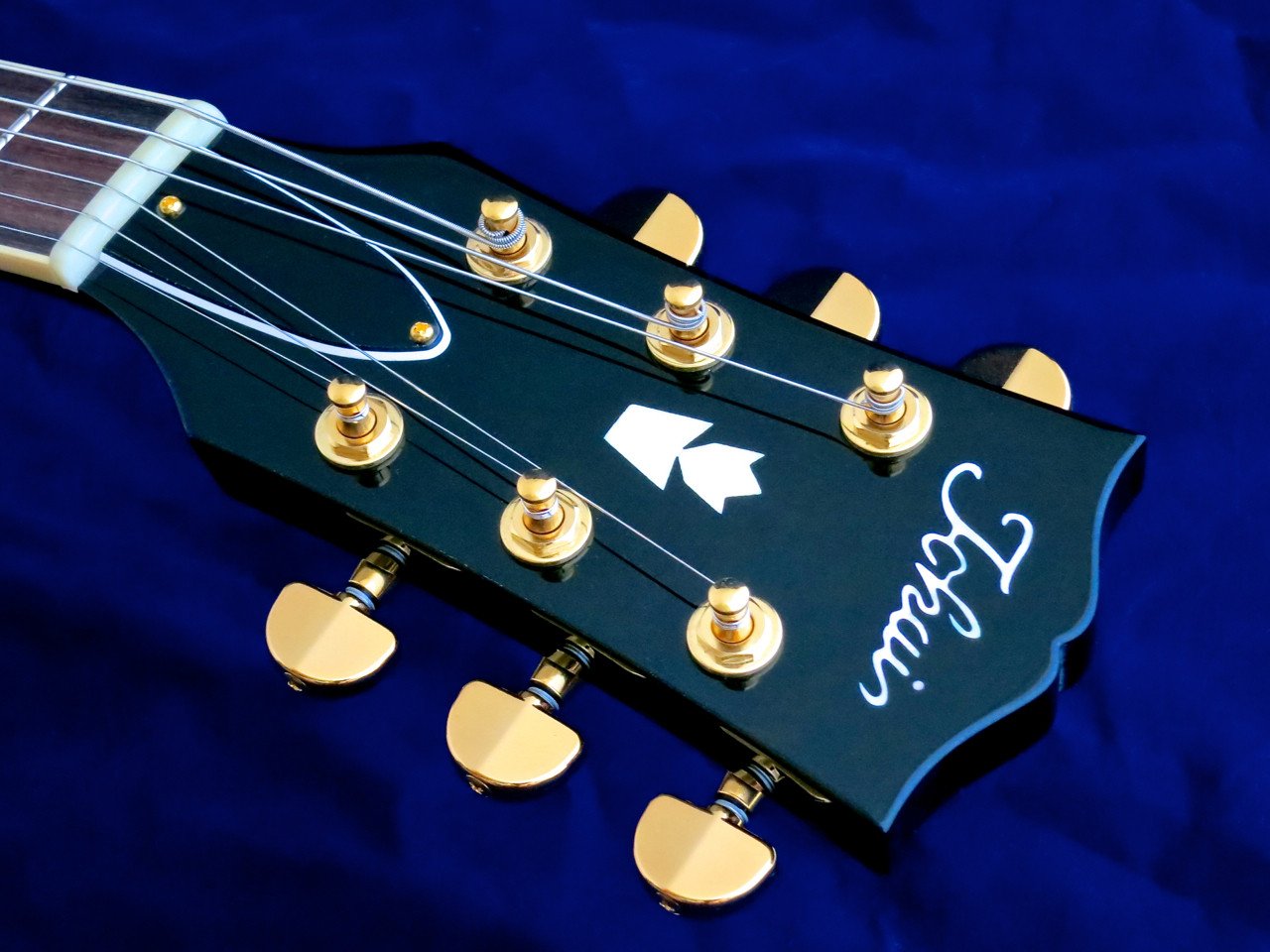
Tokai ES-138 – headstock

Tokai use top-drawer Gotoh tuners on the three tested models.

Tokai ES-138 – tuners

The ES-138 and ES-162 come equipped with vintage-style Kluson-copies.

Tokai ES-145G – headstock

Tokai ES-145G – tuners

For the ES-145G Tokai have chosen a set of modern enclosed Gotohs.

Tokai ES-145G – fingerboard

These Tokai Japan -instruments all come with a one-piece mahogany neck, complete with a vintage-correct, steep headstock angle (17 degrees).

The bound rosewood fretboards on the ES-138 and ES-145G models sport dot markers.

Tokai ES-162 – fretboard

As the ES-162 is Tokai’s version of a 1962-’64 ”Block Marker” ES-335, this guitar comes with small rectangular inlays made of pearloid.

All three instruments come fitted with medium-size frets.

Tokai ES-138 – bridge

Tokai’s ES-guitars come with Gotoh Tune-o-matic-bridges and stopbar tailpieces.

Tokai ES-145G – bridge

On the ES-138 and the ES-145G we find Gotoh’s LS-series hardware – die-cast (Zamac) parts with steel bridge saddles.

The ES-162 goes one step more ”vintage” by using a Gotoh HLS -set, comprising an ultra-light aluminium stopbar tailpiece and chrome-plated brass saddles on the bridge.

Tokai ES-162 – pickups

This guitar trio is equipped with the same pickups – a pair of Tokai PAF-Vintage Mark II -humbuckers.

Tokai ES-145G – controls

All the electronic components are top quality Japanese parts.

Tokai ES-case

Certain Tokai Japan -models are now sold in Finland complete with Tokai’s cool hard cases.

****

Tokai ES-138 – beauty shot 1

The cherry red semi-acoustic is one of guitardom’s most iconic electric models. For many this curvy and well-rounded body, made from heat-pressed maple plywood, is the most beautiful body style ever.

Tokai’s ES-138 recreates this classic guitar in its earliest guise (c. 1958), complete with dot markers and a long pickguard, which extends past the bridge.

Even though an ES-335-type body is comparatively large (but thin), many of the best semi-acoustics are surprisingly lightweight. The Tokai ES-138 is very comfortable to play – both seated and strapped on – and balances superbly.

This model’s neck profile is a medium-thick ”D”, which feels great (at least in my hand). The fret job on the test sample was excellent, the set-up spot-on, and the action very light (with a set of 010s). The ES-138’s acoustic tone is typical of this type of guitar – very hollow and nasal with a clicking attack.

Tokai’s own rendition of the classic PAF-humbucker is superb, there’s no two ways about this! The output signal is moderate, and the basic sound is very open and dynamic. The neck pickup has a warm, round tone, but doesn’t mush up. The middle position on the selector switch gives you a very balanced and open sound. The bridge humbucker on its own sounds fresh and crispy, with not even a hint of annoying mid-range ”nagging”.

Tokai ES-138 – body beauty

****

Tokai ES-145G – beauty shot 1

The black-and-gold ES-145G sure looks very stylish – this is the distinguished gentleman in Tokai’s ES-range, who keeps his cool and looks dapper, no matter what.

Our test sample was the heaviest guitar of this trio, but still much, much lighter than may lesser contenders.

The ES-145G’s neck profile is also the chunkiest. This D-profile is a real palm-filler, giving you a real taste of late-Fifties goodness, and managing to stay just on the right side of ”fat”.

The workmanship displayed, and playability offered by the ES-145G are simply superb. Played acoustically there’s not a lot of difference between the ES-145G and the ES-138.

Through an amp, the ES-145G sounds just like a quality semi-acoustic should – humbucker power, balanced by a clean mid-range.

Tokai ES-145G – body beauty

****

Tokai ES-162 – beauty shot 1

Our review sample of the Tokai ES-162 is a real featherweight!

The ES-162’s Block Marker -personality is completed by an authentic early-Sixties style neck profile. It’s an oval ”C” that is less of a handful than the ES-138’s neck.

Top marks for the ES-162’s workmanship, finish and playability – this is a first-rate instrument.

This model’s thin nitro lacquer, its lightweight tailpiece, as well as the brass saddles on the Tune-o-matic combine into a very open-sounding and dynamic acoustic performance.

Standing in the same room with your amp, it is easy to notice an added degree of 3D-depth and scope in the guitar’s amplified tone. Interestingly – as is so often the case – recording the sound doesn’t seem to fully convey this added tonal dimension. You have to experience the ES-168 ”in the flesh” to get the full picture; the recordings sound remarkably similar to the other two models’ performances.

Tokai ES-162 – body beauty

****

Tokai ES-162 – label

The reputation of Tokai Japan -instruments has been legendary among players and collectors ever since the 1970s. This trio of ES-semis makes it crystal-clear that Tokai actually deserves this reputation thanks to the superb quality of it’s Made-in-Japan guitars.

Tokai’s ES-138, ES-145G and ES-162 offer you genuine Japanese quality at very fair prices.

****

Tokai Japan semi-acoustic electrics

Tokai ES-138 – 1,368 € (hard case included)

Tokai ES-145G – 1,431 € (hard case included)

Tokai ES-162 – 1,628 € (hard case included)

Finnish distributor: Musamaailma

****

Pros:

+ Japanese workmanship

+ one-piece neck

+ superb finish and set-up

+ Gotoh-hardware

+ authentic tone

Pidä blogia WordPress.comissa.

Ylös ↑