Löydät jutun TÄÄLTÄ.
Kitarablogi.com – Finland's premier Guitar and Bass blog
Juttuja kitaroista ja bassoista

Löydät jutun TÄÄLTÄ.
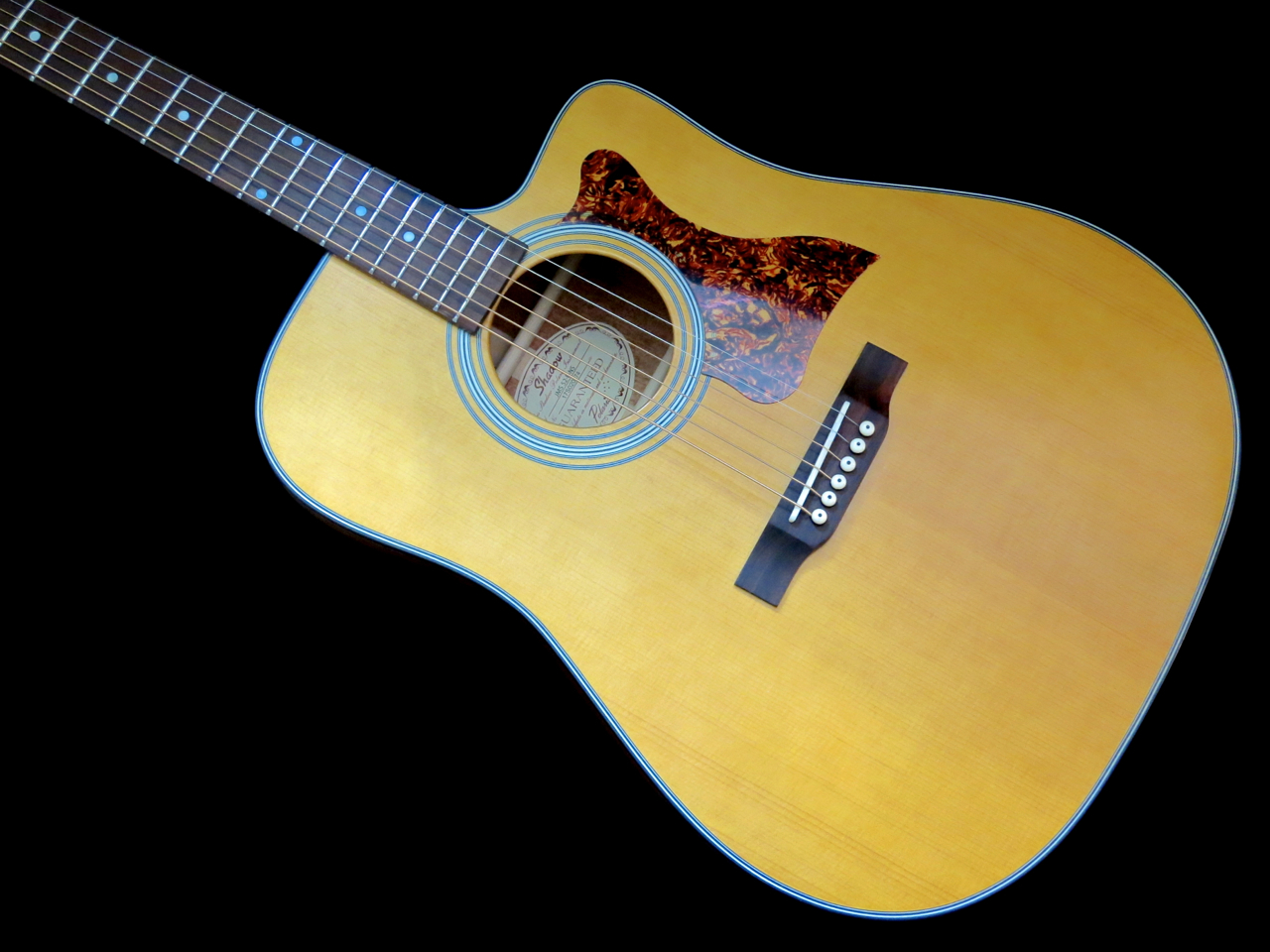
Shadow JMS-52E-NS
• all solid cutaway dreadnought
• thermo-treated woods
• solid German spruce top
• solid African mahogany rims and back
• mahogany neck
• blackwood fretboard
• genuine bone nut and bridge saddle
• built-in Shadow pickup system with master volume and tone
Rhythm guitars recorded with an AKG C3000. Lead guitar recorded direct off the Shadow pickup and preamp.
Contact: Musiikki Silfverberg
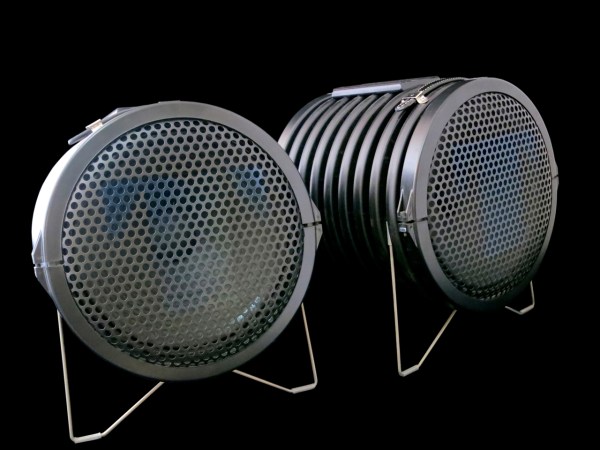
Some of the coolest inventions tend to make you go ”Geez, this is so obvious! Why didn’t I think of this?”
The truth is, though, that the basic idea usually is only the first impetus for going on an exploratory journey. You have to have the inventor’s drive and perseverance to grab the idea by its throat, and hold it there for as long as it takes to hew and mould it into its final shape.
Finnish guitarist/inventor Markku Pietinen had become increasingly frustrated by the weight and size of traditional speaker cabinets for guitar. Modern technology – like Class D power amps – has lead to ever smaller amplifier sizes, yet cabinets were still cumbersome and angular.
Then one day, a few years ago, Markku passed by a building site, where he spotted a leftover piece of corrugated plastic pipe (normally used for drainage) on the ground. The proverbial lightbulb went ”ping”, and Markku started pursuing his quest for a lighter speaker cabinet.
****
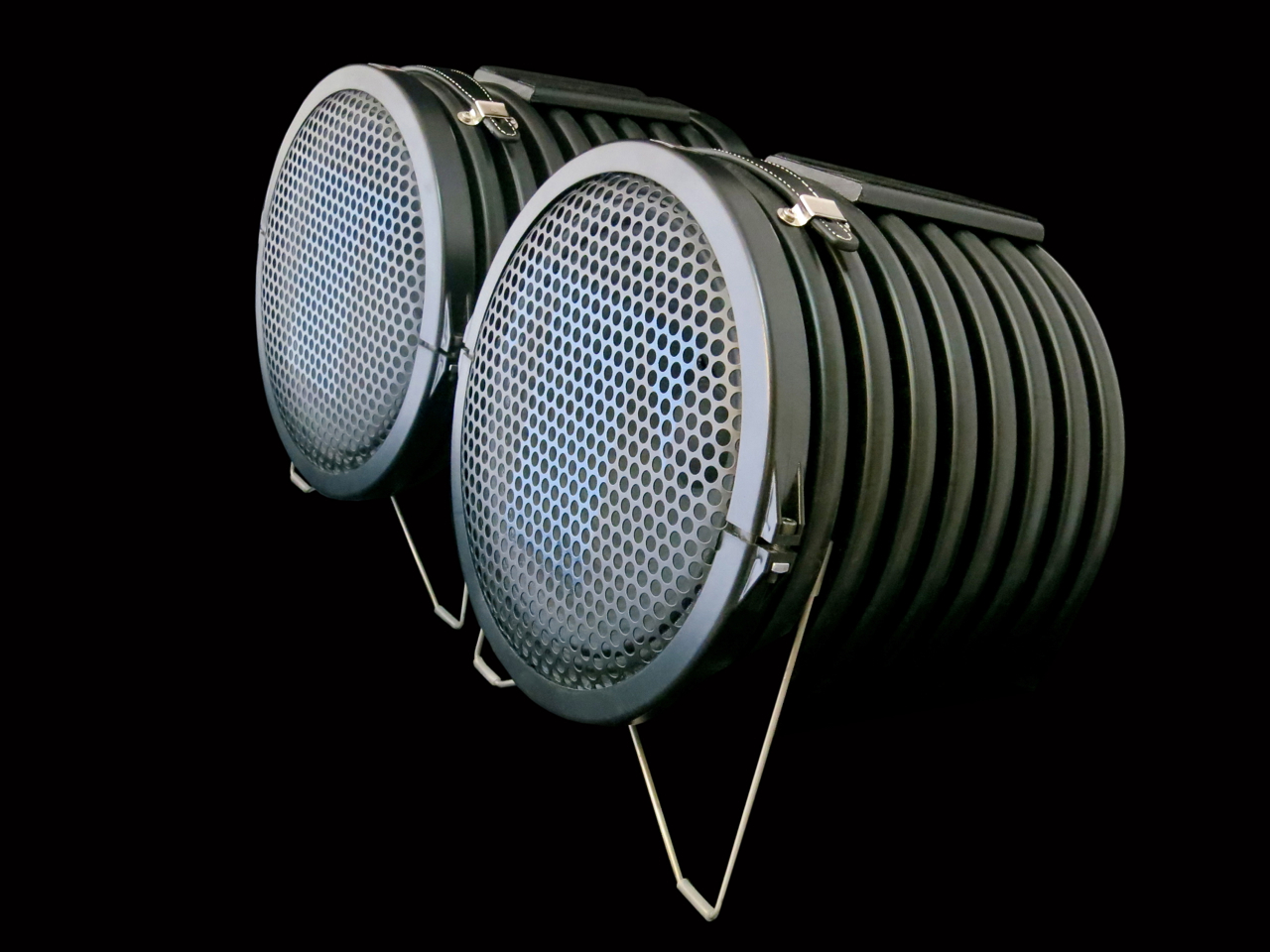
Here is the finished product, called the TOOB™ (current price in Finland: 369 €), which stands for ”Thinking Out Of the Box”.
The TOOB is available in two guitar versions, the 12J and 12R (as reviewed), which come loaded with a 12-inch Jensen speaker. A bass version – the TOOB 12B – is also available, and it sports a Celestion unit.
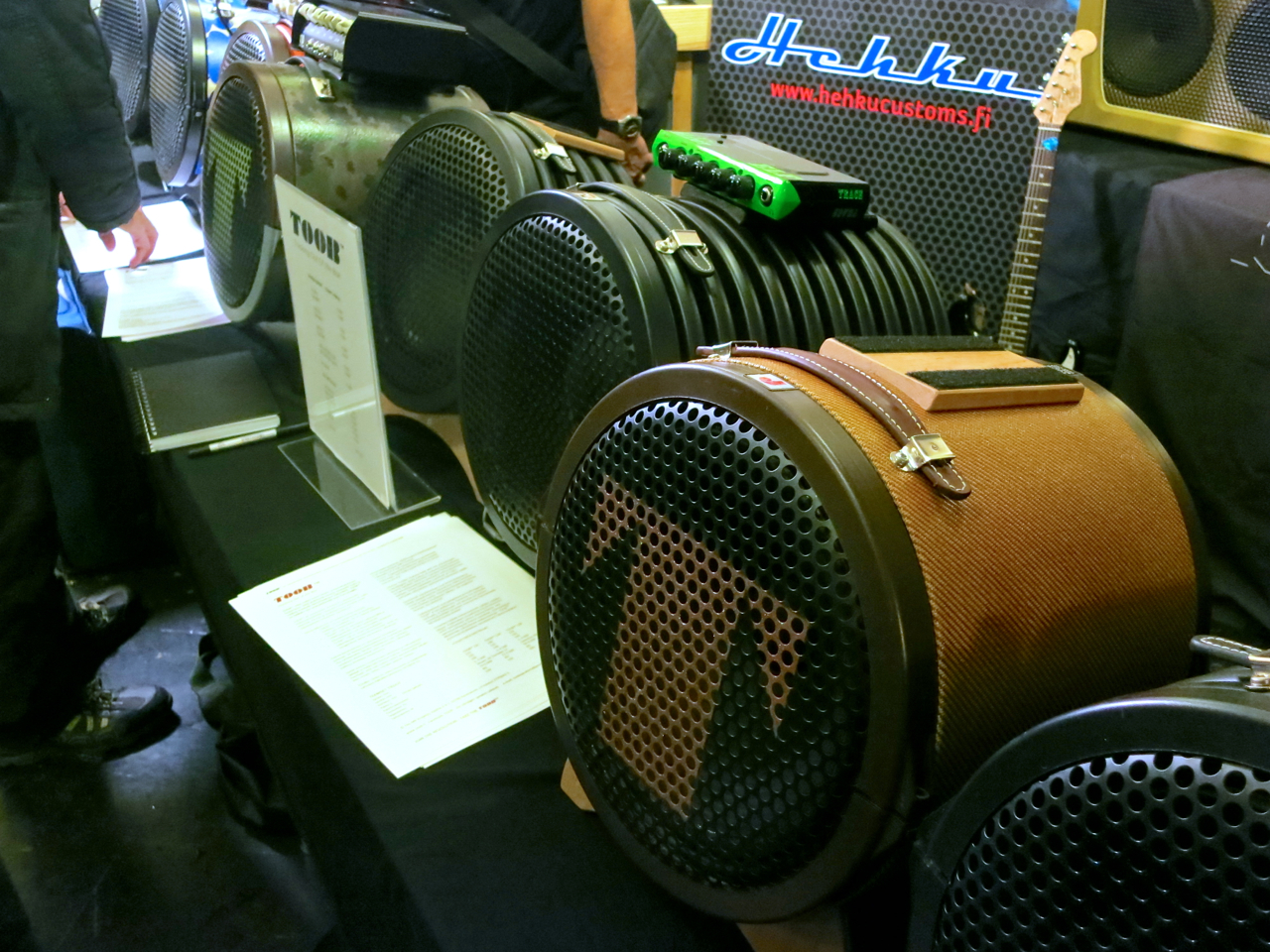
Standard colours for all TOOBs are black and cinnamon, but you can also order custom options with a painted or covered veneer overlay (you can see a few examples in the opening picture).
The TOOB’s cabinet consists of a length of Uponor IQ drainage pipe. This is an extremely lightweight and strong corrugated tube made from double-walled polypropylene. The mounting rims are a proprietary design, injection moulded from ABS plastic specifically for use in the TOOB cabinets.
Clip-on stainless steel feet come as standard, but if this looks too spartan for your taste, you can always order your TOOB with a magnetically-attached wooden stand.
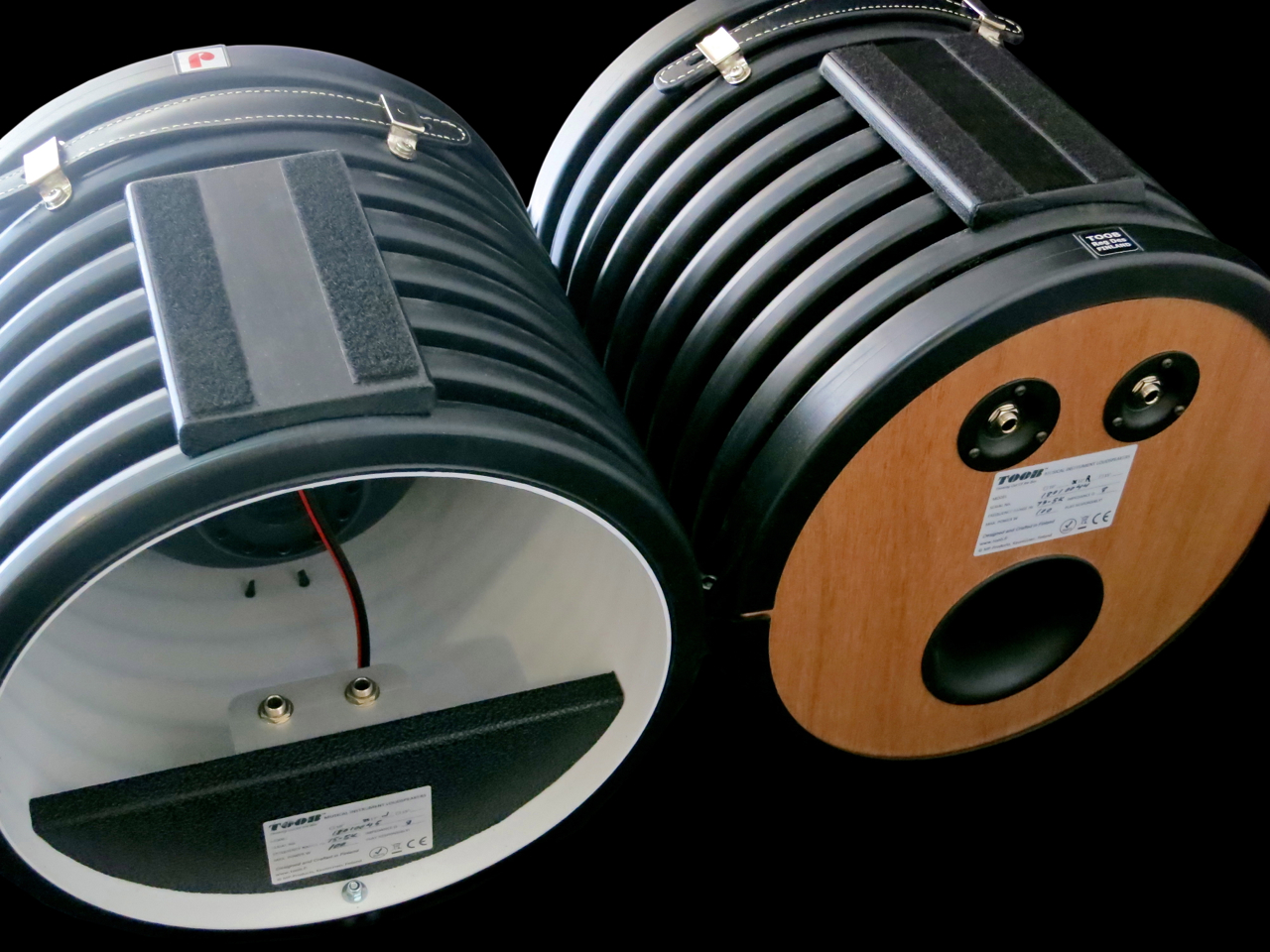
The main difference between the TOOB 12J (left) and the 12R (right) is easy to spot:
The 12J (stands for Jazz) is an open back cabinet, while the 12R (= Rock) uses a ported back wall. The 12J is also a few centimetres shorter than its brother.
Both guitar versions sport two parallel jack connectors, allowing you to daisy-chain two (or more) TOOBs.
The cabinets are equipped with painted wooden mounts for use with a micro-amp of your choice (professional velcro-type adhesive strips are provided). A top notch angled plug speaker cable is also part of the package.
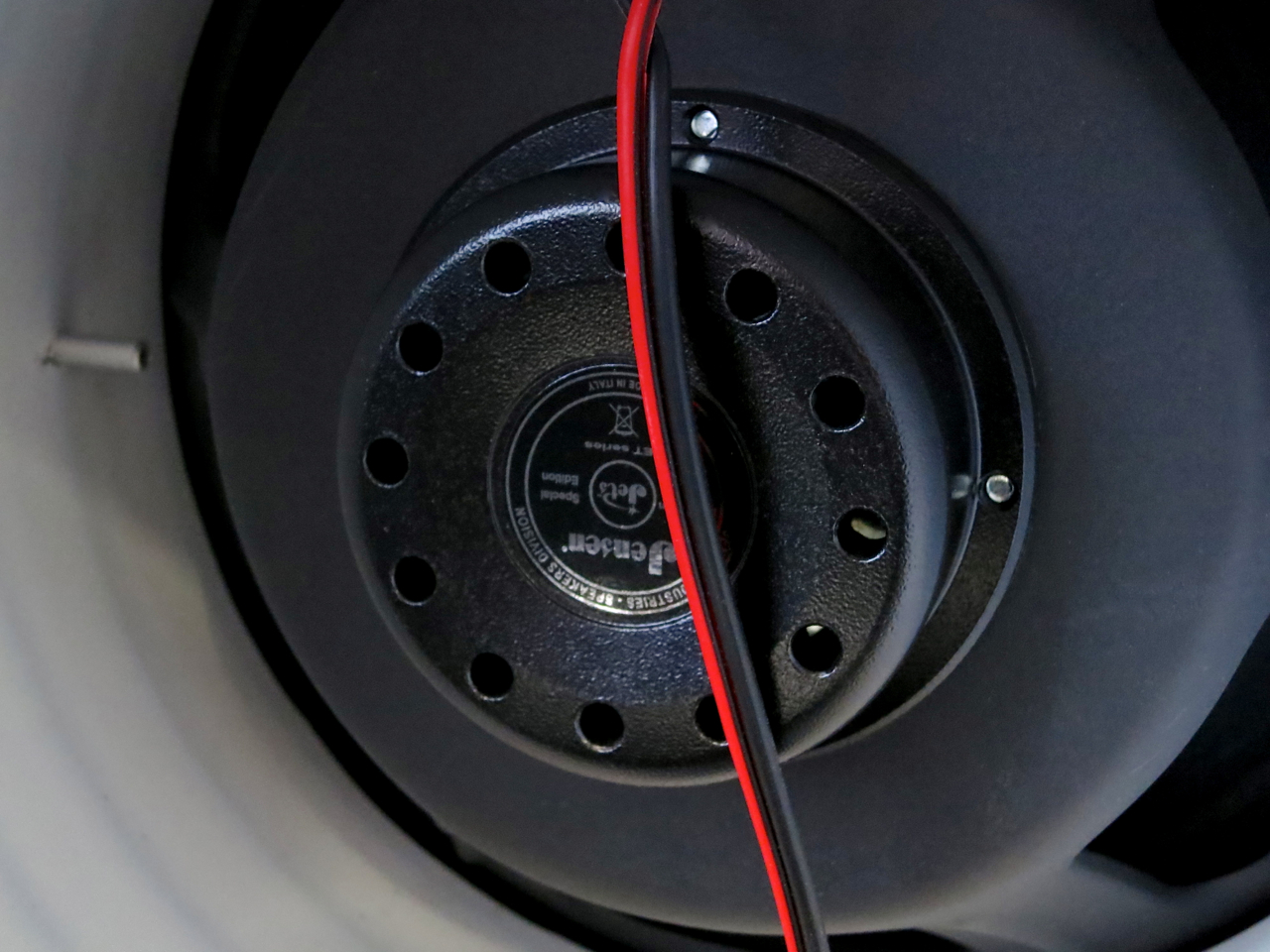
Both guitar TOOBs come loaded with a lightweight 12″/8 Ω Jensen Jet Tornado neodymium speaker.
****
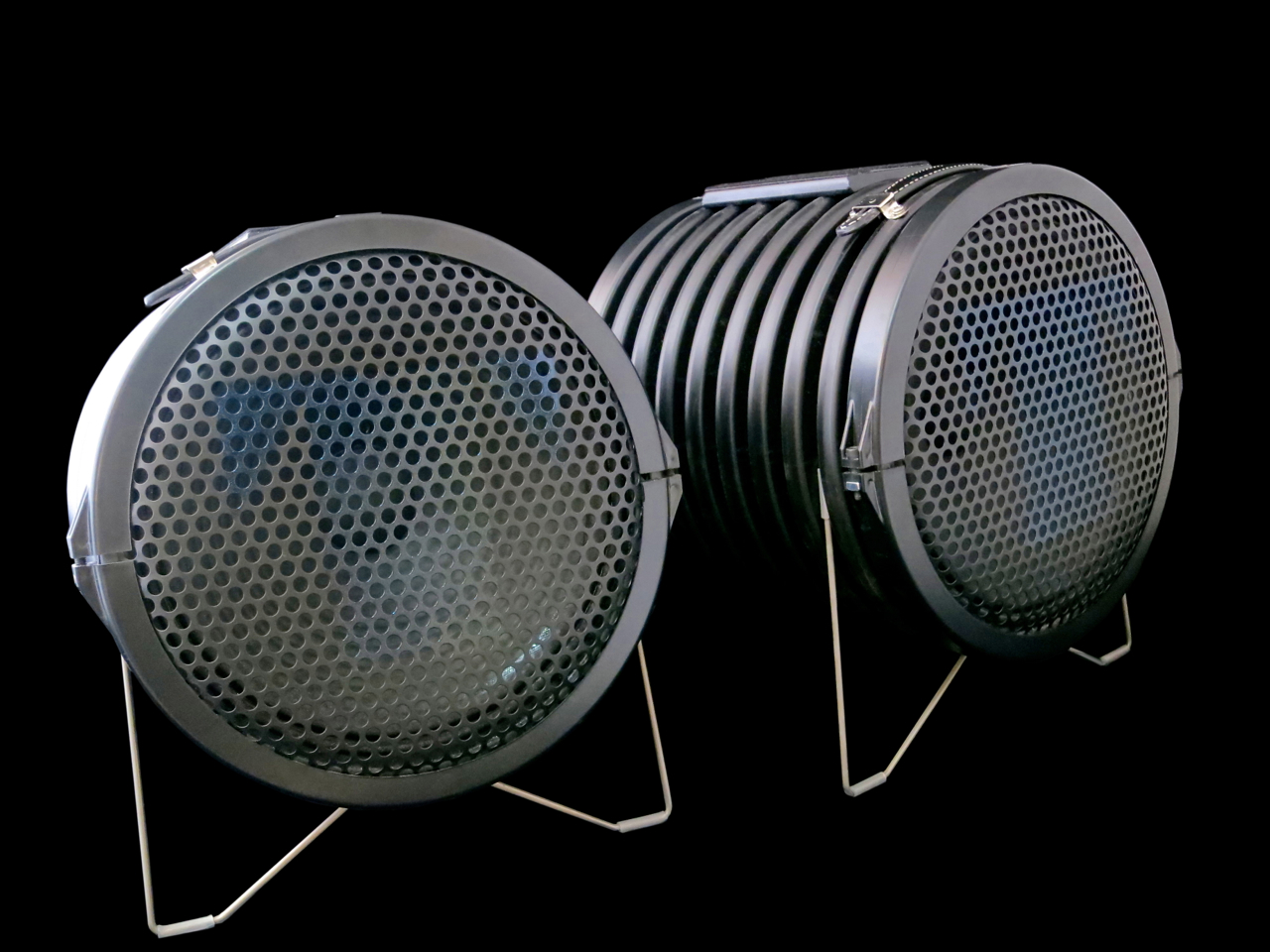
Testing the TOOBs with two different valve amplifiers – a Blackstar HT-1R and a Bluetone Shadows Jr. – it became clear very quickly that both cabinets are focused on delivering tonal clarity and getting the job done with a minimal amount of fuss.
A TOOB isn’t meant to be an esoteric boutique-style speaker cabinet, full of voodoo-like mystical timbres. These are straightforward musical tools, made to withstand the occasional knock or two, and meant to lighten your load (both physically and psychologically).
Both TOOBs offer a very focused tone that is clear and bright, but not nasty or brittle. The mid-range also stays rather well-defined and uncoloured.
I think one shouldn’t get too hung up on the supposed Jazz- and Rock-connotations of the 12J and 12R models, especially as the 12J also performs well with acoustic-electric guitars, but the differences in sound are easy to hear. The TOOB 12J is the airier and more ”acoustic” of the pair, while the TOOB 12R offers much more low-end punch and overall focus.
CLEAN STRAT
Reference speaker (Bluetone Shadows Jr. combo with a 10″ WGS Green Beret; Shure SM57):
TOOB 12J:
TOOB 12R:
OVERDRIVEN LES PAUL
Reference speaker (Bluetone Shadows Jr. combo with a 10″ WGS Green Beret; Shure SM57):
TOOB 12J:
TOOB 12R:
****
Any way you look at the TOOB™, you will have to concede that this new type of speaker cabinet is an ingenious solution to an age-old problem. The TOOB is just as rugged and roadworthy as it is lightweight and compact.
These unique cabinets sound great, with more than enough power on tap for most of us working stiffs, who play small to medium-sized indoor venues.
Combine a TOOB with one of the current micro-amps, like Vox’ MV50-series for example, and what you get is a powerful rig that’s hard to beat for ease of use and transportability.
****
The TOOB
Lightweight guitar speaker cabinet
TOOB 12J: 369 €
TOOB 12R: 369 €
Contact: TOOB
****
Pros:
+ made in Finland
+ ruggedness
+ weight
+ power handling
+ sound
Looking back, only 20 years ago an instrument’s country of origin tended to tell you much about its quality. American, European and Japanese guitars were ruling the roost, while Chinese instruments were clearly only meant for the entry-level market.
But not anymore: These days it’s all about decisions regarding an instrument’s price point and specifications, while the country of origin seems to lose much of its importance. It’s all about building methods and quality control, and less about geography.
The brand-new, all-mahogany member of Fender’s Paramount-series – the Fender PM-2 All Mahogany (price approx. 580 €) – is made in China to the highest quality standards.
****
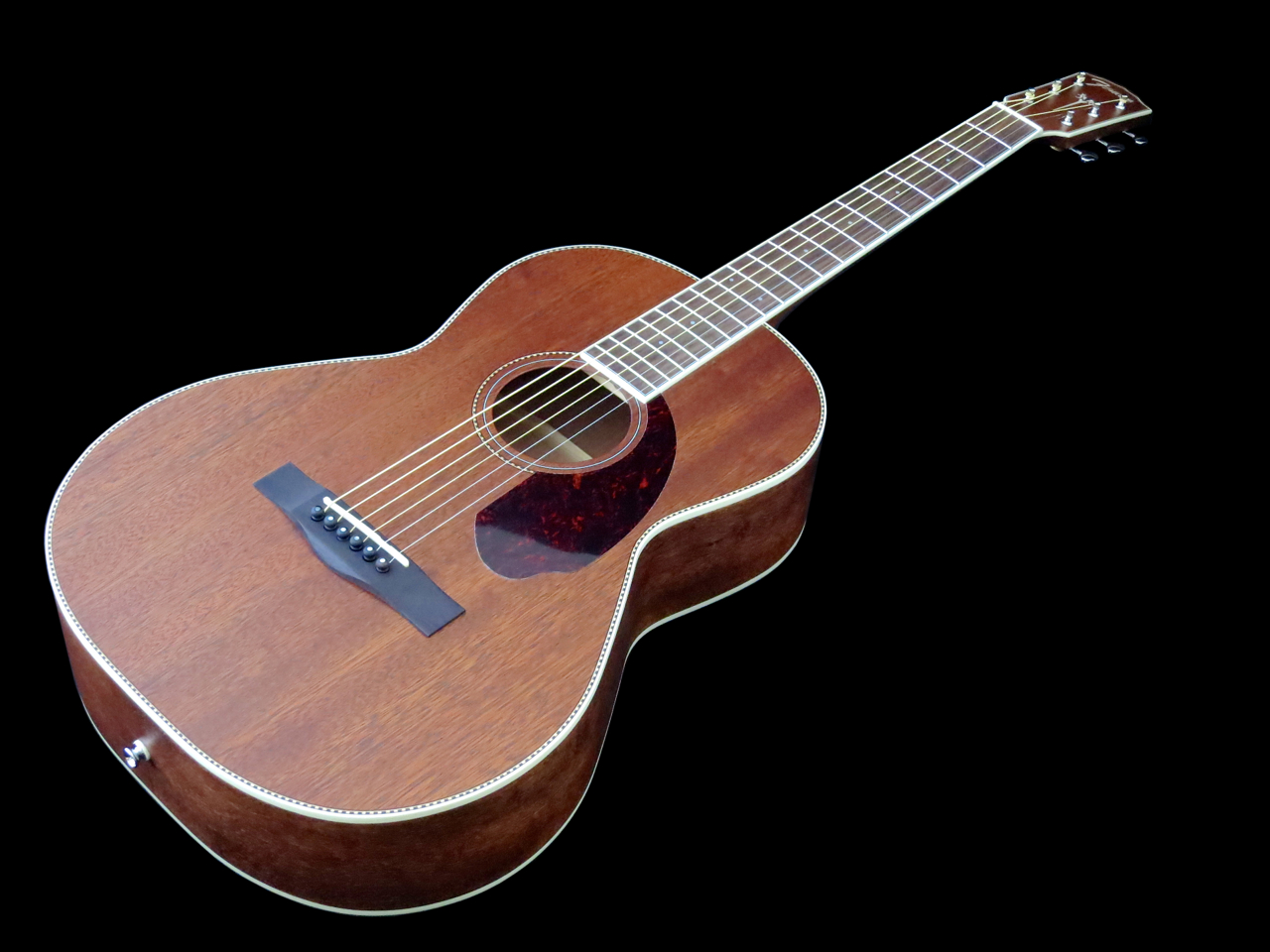
Fender’s Paramount PM-2 AM is a parlour-sized steel-string acoustic (similar in size to C.F. Martin’s size 00) with a 12th fret neck joint.
Many acoustic guitarists claim that a 12-fret neck makes a guitar sound fuller and warmer, compared to a similar 14-fret neck guitar. This is probably thanks to the ”unsupported” part of the neck being shorter, and the body being slightly longer.
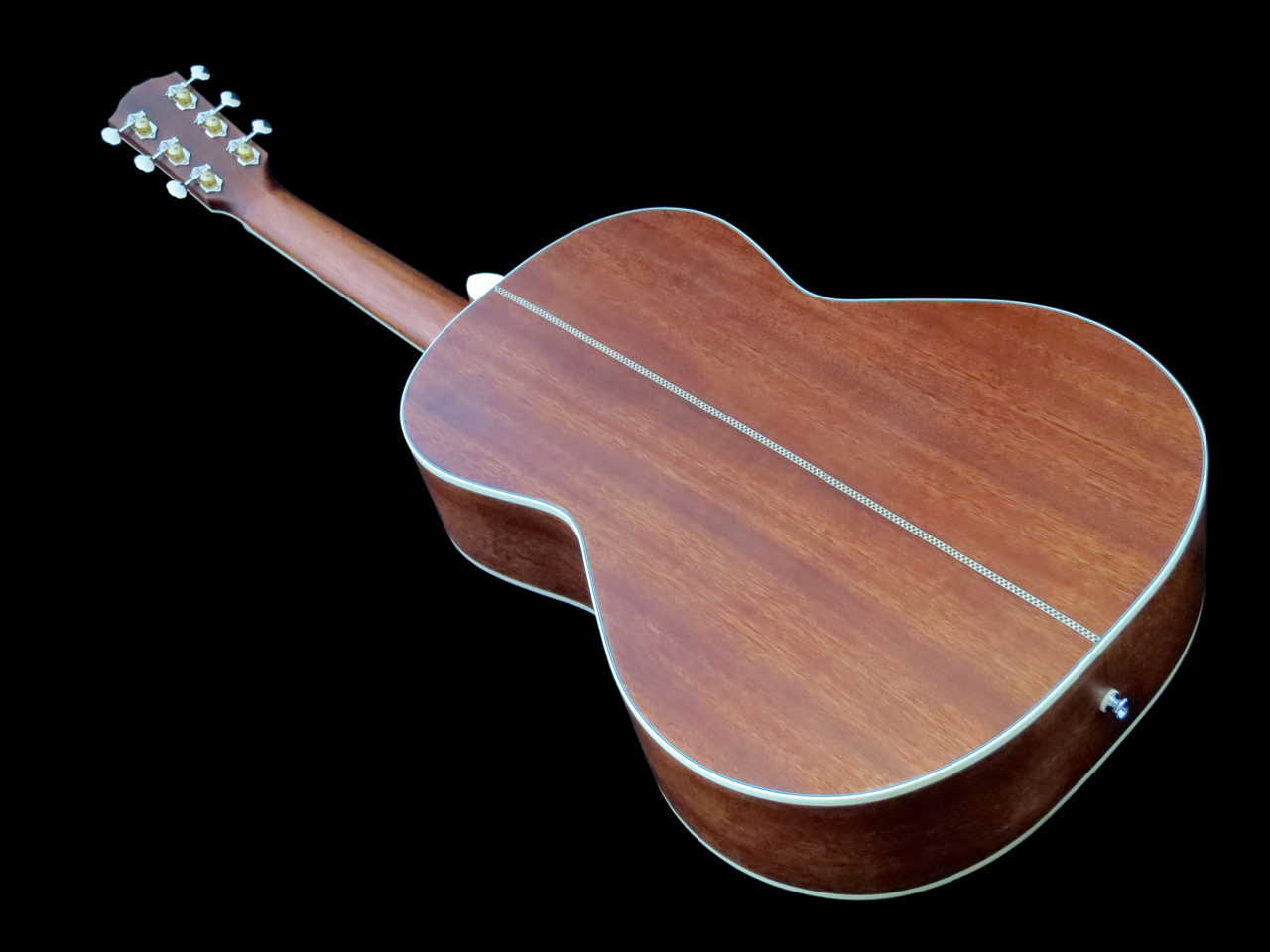
The whole soundbox has been crafted from beautiful solid mahogany.
The PM-2 All Mahogany sports a traditional dovetail set neck joint. The mahogany neck is one solid piece, save for a little glued-on bit, used for the neck heel.
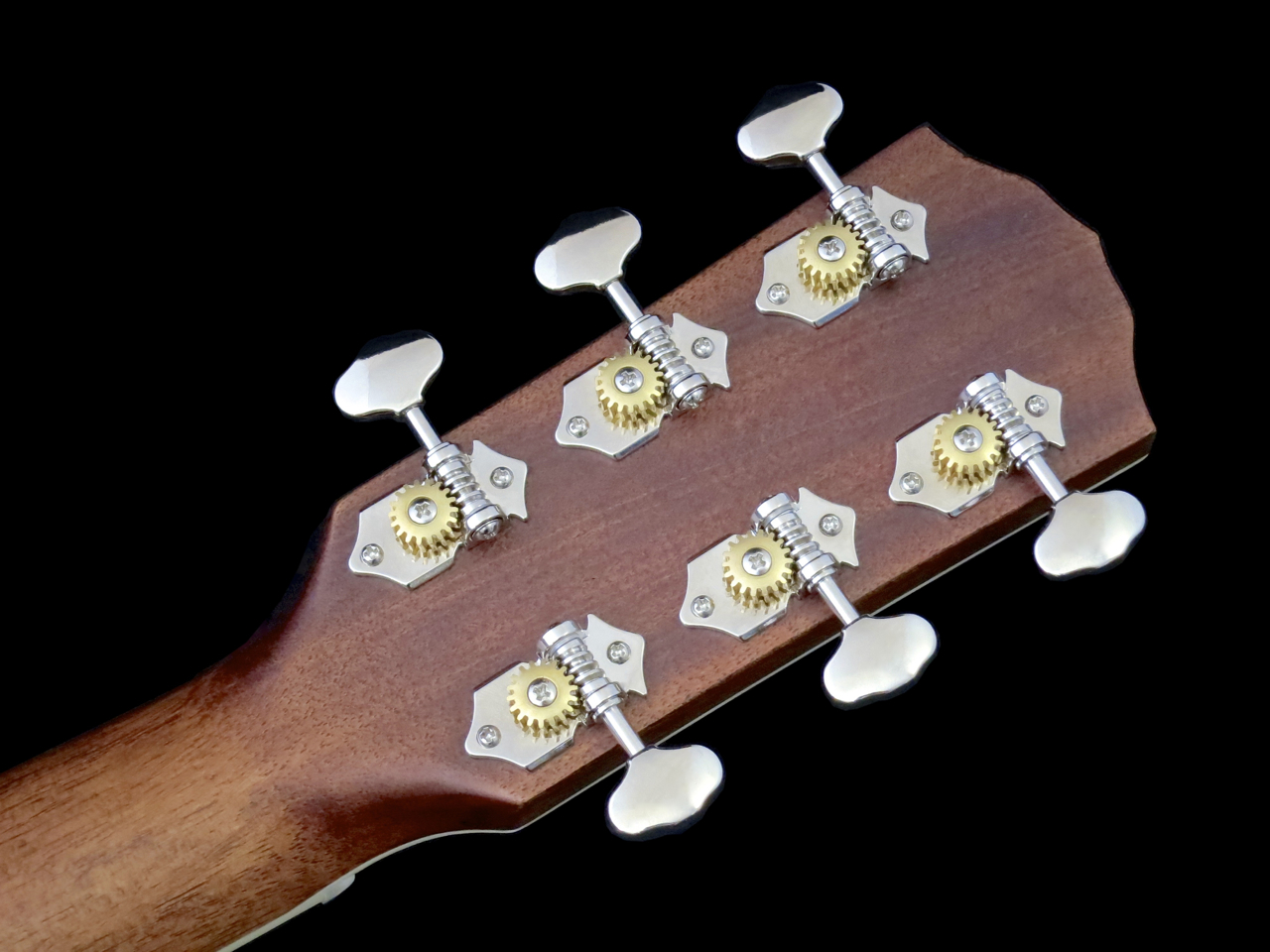
Fender has chosen high-quality replicas of vintage open tuning machines for this Paramount.
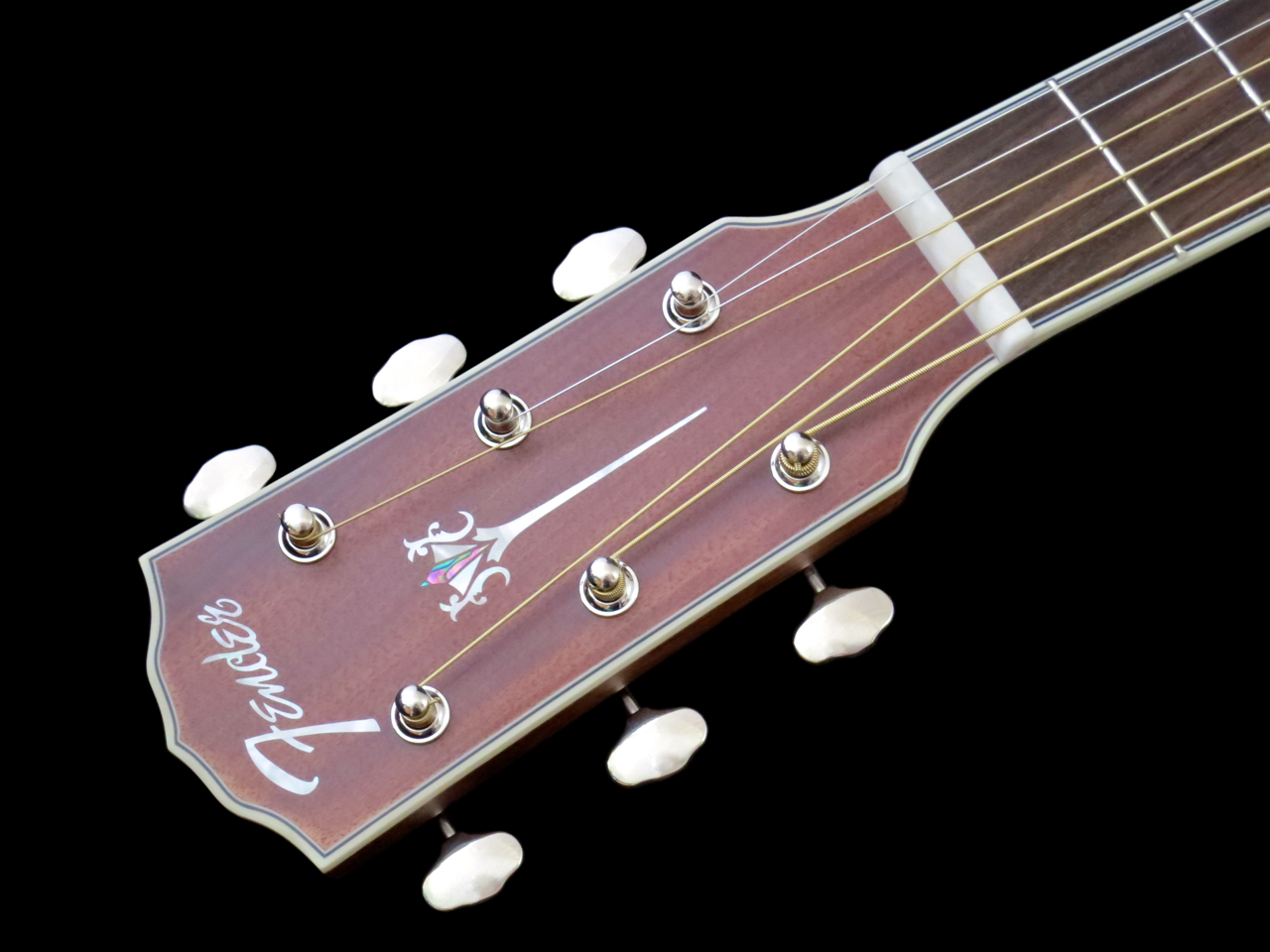
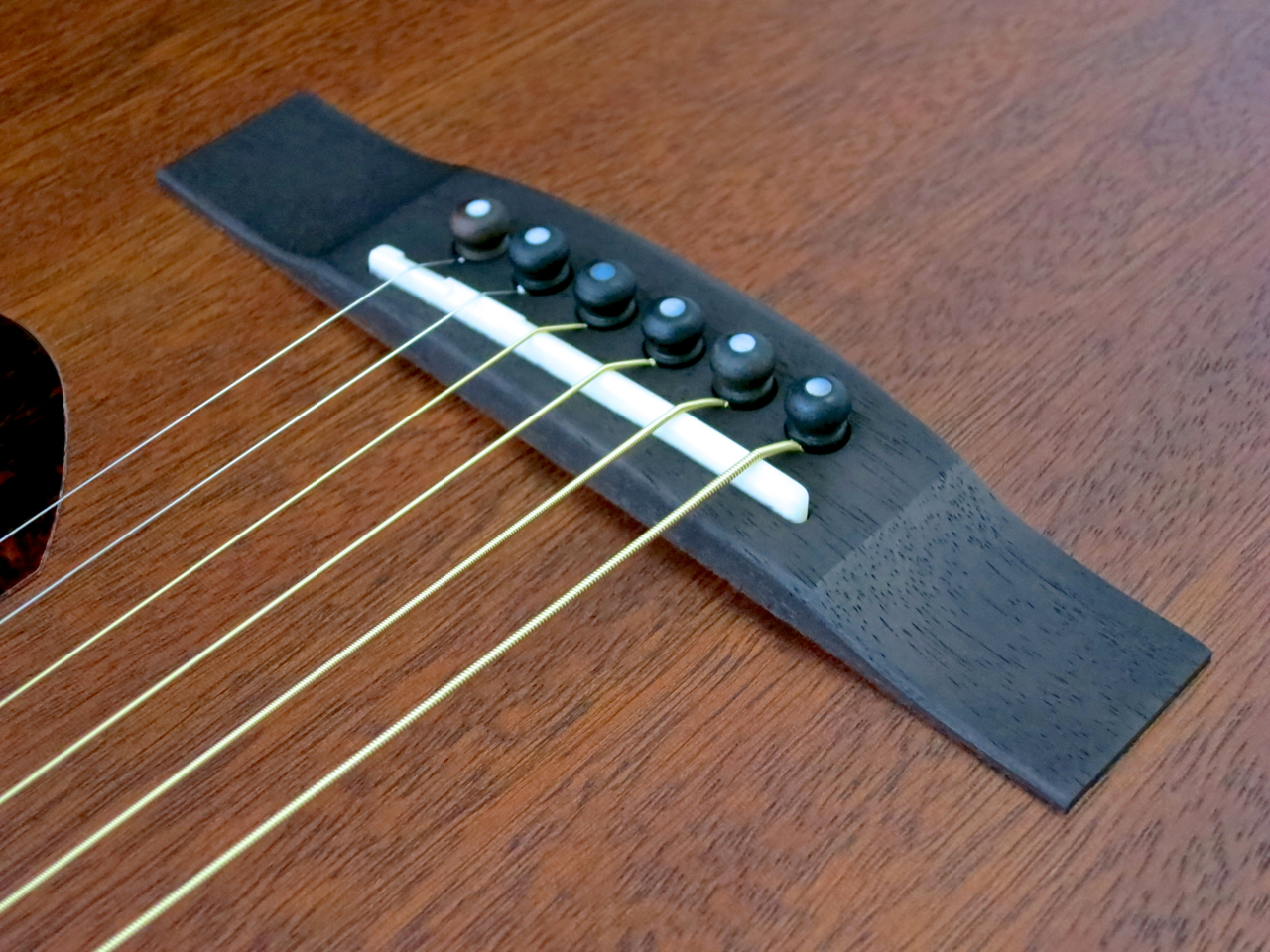
Genuine bone is used for the PM-2 AM’s top nut and compensated bridge saddle.
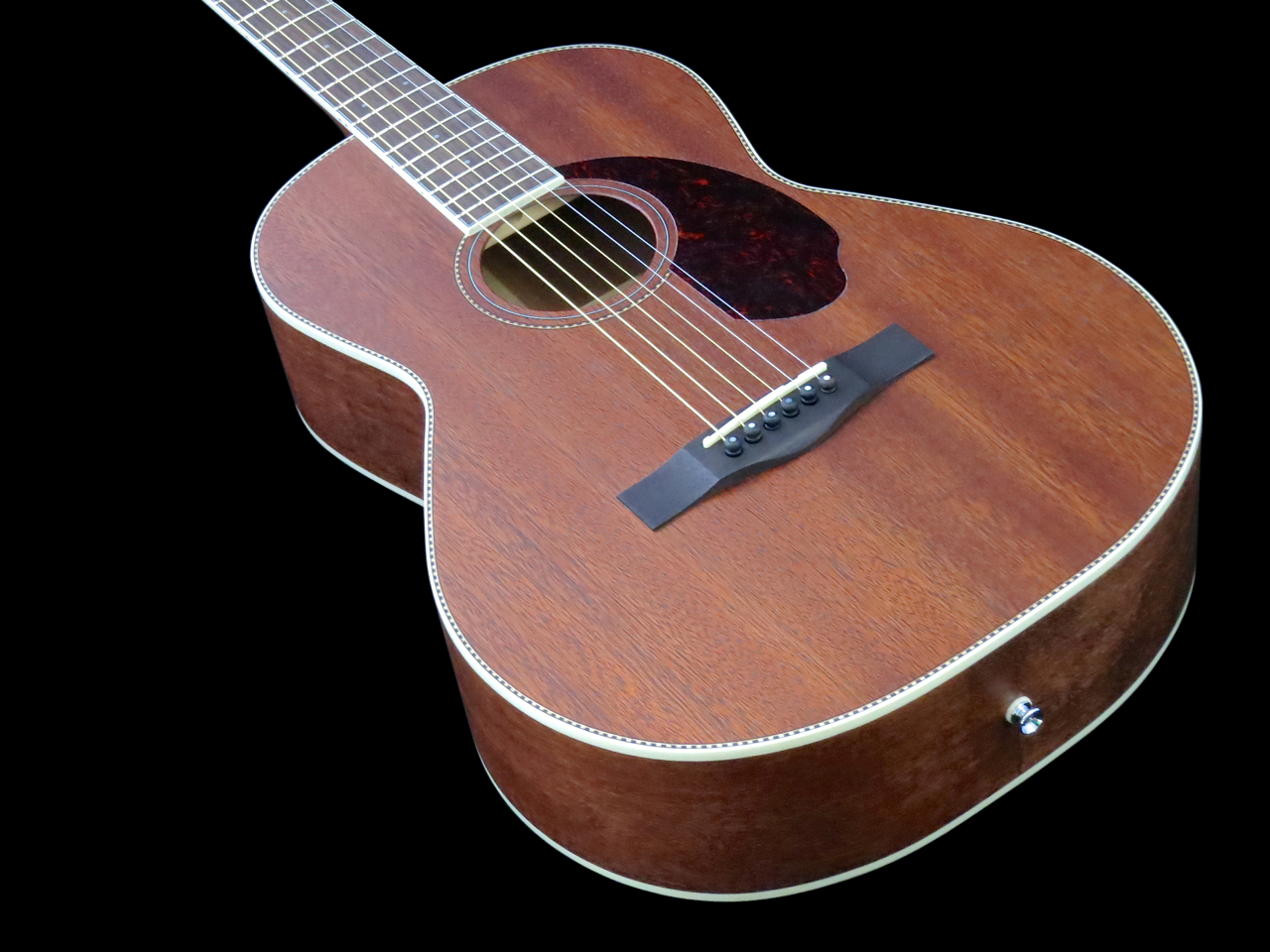
Fender’s new model comes with a very thin satin finish, which gives the whole instrument a sensuous, natural open pore feeling.
The Fender PM-2 AM is a very pretty little thing in a stylishly understated way:
There’s multiply binding around the headstock and fingerboard. The top’s binding – as well as the back centre line – uses a checkerboard motif made from different woods…

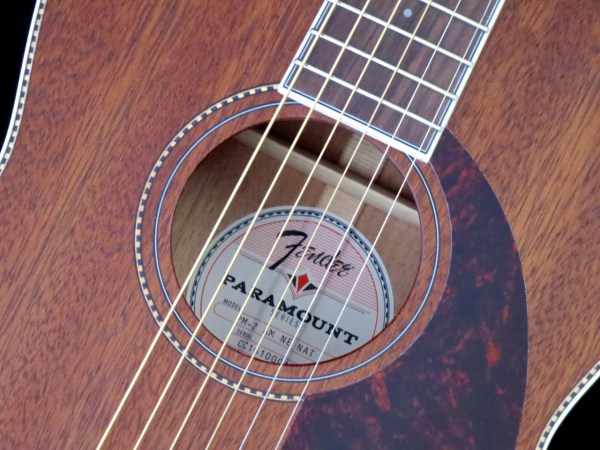
…and the checkerboard theme also continues in the guitar’s rosette.
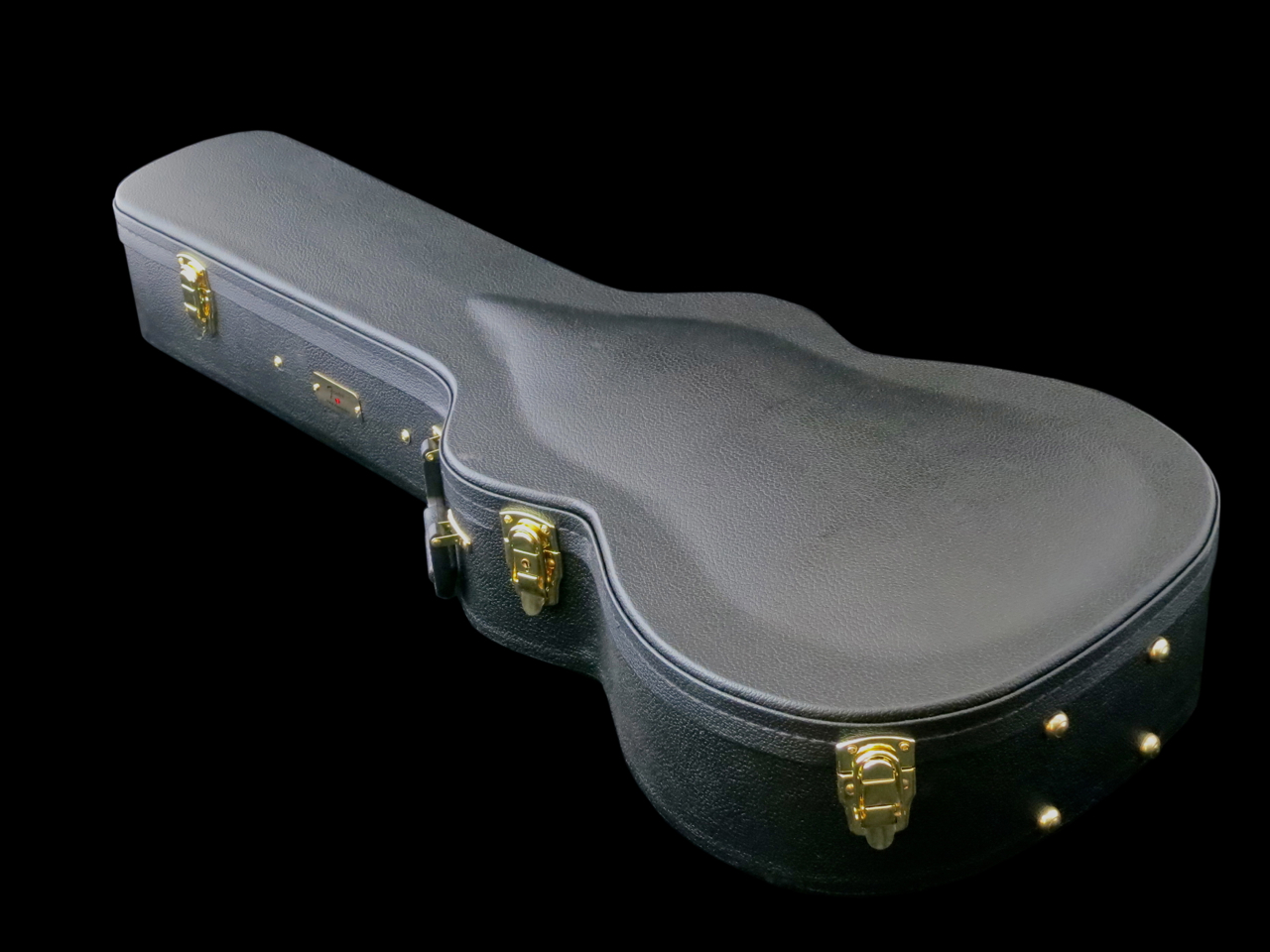
Fender’s Paramount PM-2 AM is sold with a high quality case.
****
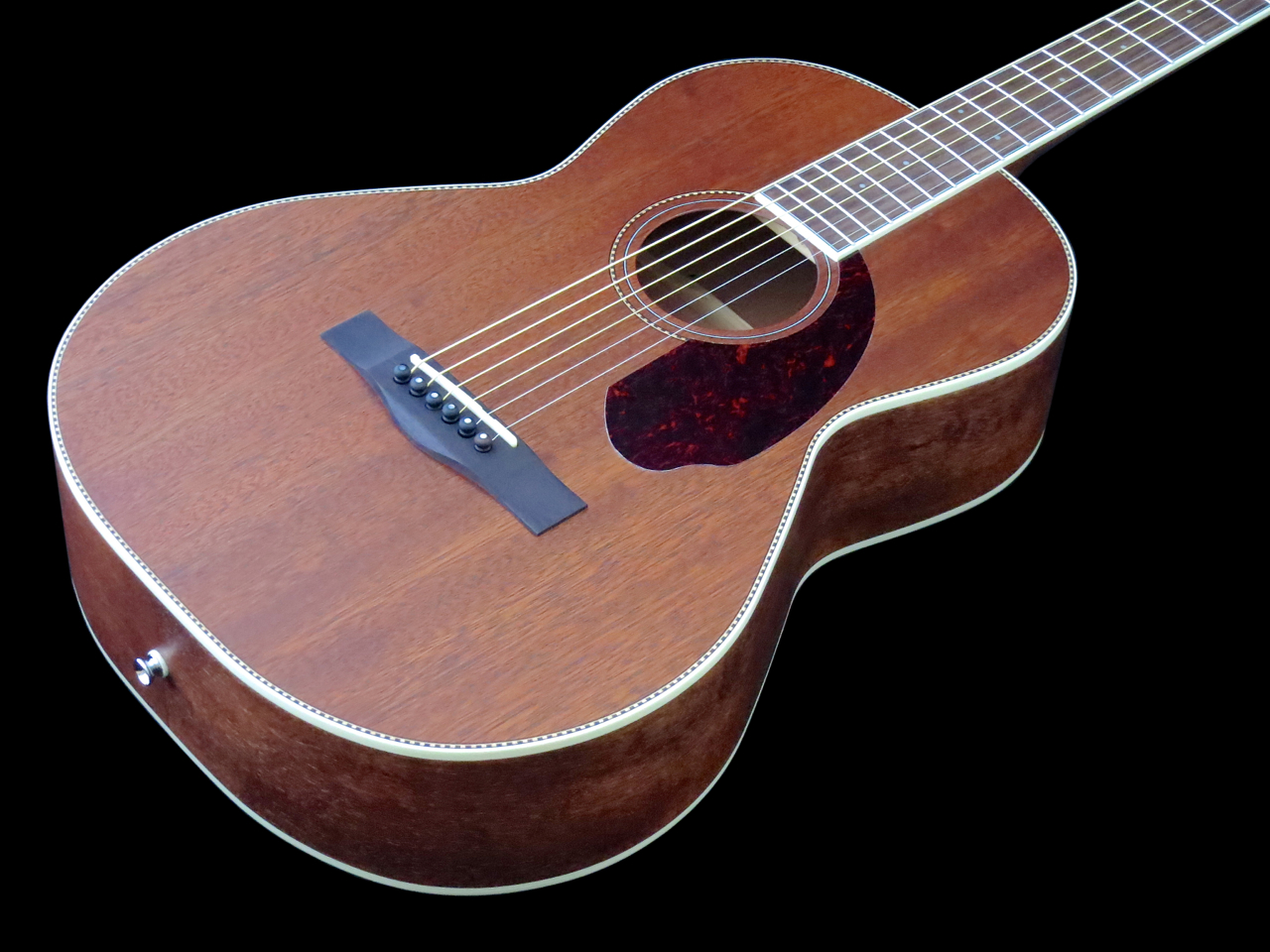
Even though this Paramount-parlour clearly draws a lot of inspiration from vintage guitars from the 1920s and 30s, Fender has luckily added modern playability into the mix.
The neck profile is modern – instead of a Thirties-style big V-neck the Paramount comes with a player-friendly, slightly flattened C-profile. The frets are narrow, and the fretwork is excellent.
Our review sample of the PM-2 All Mahogany came with a first rate set-up. The action at the 12th fret measured 2.1 mm (low-E) and 1.7 mm (treble-e). The guitar plays like a dream, without even the hint of annoying fret rattling.
Guitars with a smaller body than the ubiquitous Dreadnought have become increasingly popular over the last decade or so, and there’s a reason for this. The PM-2 AM’s tighter and cleaner bass response (compared to a Dreadnought) makes it the ideal instrument for fingerstyle players, because of its open and well-balanced sound. Parlours generally also record very well in the studio, because the lower bass content makes them much easier to place in a busy mix.
Don’t get me wrong, though: The Fender PM-2 All Mahogany doesn’t sound thin, or puny, or sharp – its voice is beautiful, well-balanced and warm. It’s just that the tidier bass response will keep the bass register from swamping everything else, unlike when using certain Dreadnought models.
****

In my opinion the Fender Paramount PM-2 All Mahogany is a cracking small-bodied acoustic guitar! The PM-2 AM is a fantastic player, and it offers you the warm, but open tones, you’d associated with a quality exponent of the 00-size guitar.
****
Fender Paramount PM-2 All Mahogany
Price approx. 580 € (case included)
Contact: Fender
A big thank you goes to DLX Music Helsinki for the loan of the review instrument!
Pros:
+ all-solid mahogany body
+ open pore satin finish
+ workmanship
+ sound
Vielä kaksikymmentä vuotta sitten kitaran alkuperä vaikutti hyvinkin selkeästi soittimen laatuun. USA:ssa, Euroopassa tai Japanissa tehdyt kitarat olivat silloinkin yleensä hyvin laadukkaita, kun taas kiinalaiset soittimet olivat selvää halpistavaraa.
Ajat ovat kuitenkin muuttuneet, ja nykyään valmistusmaata enemmän merkitystä on valmistajan (tai valmistuttajan) päätöksillä valmiin soittimen hintaluokasta ja ominaisuuksista, sekä kyseisen pajan laadunvalvonnalla ja valmistusmenetelmillä.
Upouusi, kokonaan mahongista veistetty Fender Paramount -sarjan parlor-kokoinen edustaja – Fender PM-2 All Mahogany (hintaluokka noin 580 €) – on Kiinassa valmistettu, mutta korkeaan laatuun tähtäävä teräskielinen kitara.
****
Fender Paramount PM-2 AM on pienikokoinen teräskielinen (verrattavissa C.F. Martinin 00-kokoon), jossa on kaulaliitos 12. nauhan kohdalla.
Monet akustisten kitaroiden ystävät väittävät, että vanhanaikaisempi liitoskohta (12. Nauhan kohdalla) tekee soittimen soundista lämpimämmän, koska lyhyempi osa kaulaa on irrallaan kopasta, modernimpaan 14. nauhan liitokseen verrattuna.
Koppa on tehty yksinomaan mahongista (kokopuusta).
PM-2 All Mahagony -mallissa kaula on liitetty runkoon perinteiseen tapaan liimaamalla (lohenpyrstöliitoksella). Mahonkikaula on yksiosainen kaulan korkoa lukuun ottamatta.
Fender käyttää tässä Paramount-kitarassa laadukkaita uusintapainoksia avoimista vintage-virittimistä.
Sekä PM-2 AM:n yläsatula, että kitaran kompensoitu tallaluu on tehty aidosta naudanluusta.
Uutuuskitaran mattaviimeistely on hyvin ohut, minkä ansiosta puun syyt on tunnettavissa (ns. open pore finish), antaen kitaralle mukavan luonnollisen tuntuman.
Fender PM-2 AM:ssä on tyylikäs, muttei yliampuva koristelu:
Viritinlavan ja ruusupuisen otelaudan reunoissa on käytetty monikerroksista reunalistoitusta. Kopan kannen reunalistoituksessa on valkoisen muovin lisäksi puusta tehty šakkilautakuvio, ja sama motiivi toistuu myös pohjan keskiviivassa…
…sekä kaikuaukon rosetissa.
Fender Paramount PM-2 AM myydään omassa laadukkaassa kotelossa.
****
Vaikka tämän Paramount-parlorin inspiraatio on selkeästi vanhoissa 1920/30-luvun kitaroissa, on kitaran soitettavuus onneksi silkkaa nykypäivää.
Kaulan profiili on nykyaikainen, hiukan madallettu D, eikä 30-luvulla yleensä käytetty – mutta nykyään mielipiteitä jakava – jyrkkä V. Nauhat ovat kapeaa sorttia ja nauhoituksen työnjälki erittäin siistiä.
Testissä käyneen PM-2 All Mahagony -mallin trimmi on ensiluokkainen – 12. nauhan kohdalla kielten korkeudet ovat 2,1 mm (matala-E) ja 1,7 mm (diskantti-e) – ja kitara soi kauttaaltaan puhtaasti ja rämisemättä.
Dreadnought-kokoa pienemmät kitarat ovat viime vuosina kasvattaneet selvästi suosiotaan, ja siihen on syynsä. PM-2 AM:n hieman vähemmän korostettu bassoalue (dreadnoughtiin verrattuna) sopii monille sormisoittajille kuin nakutettu, koska kitaran yleissointi on avoimempi ja tasapainoisempi. Tällaisesta soundista on myös studiossa paljon iloa, koska tiheässä bändisovituksessa häiritseviä ylimääräisiä bassotaajuuksia ei tarvitse vaimentaa, minkä ansiosta pienikoppainen teräskielinen istuu usein heti kättelyssä hyvin miksiin.
Väärinkäsitysten välttämiseksi: Fender PM-2 All Mahogany ei ole missään nimessä laihasti, ponnettomasti tai terävästi soiva kitara, vaan sen soundi on hyvin miellyttävä ja lämmin. Tällaisen parlor-kitaran soinnissa vain bassotaajuudet eivät kumise samalla tavoin kuin monissa dreadnoughteissa.
****
Minun mielestäni Fender Paramount PM-2 All Mahogany on todella laadukas pienikoppainen kitara. PM-2 AM on helpposoittoinen ja se tarjoaa 00-kokoiselle kitaralle tyypillisen lämpimän, mutta avoimen soundin.
****
Fender Paramount PM-2 All Mahogany
Hintaluokka noin 580 € (kova laukku kuuluu hintaan)
Lisätiedot: Fender
Kiitos DLX Musiikille testisoittimen lainaamisesta!
Plussat:
+ kokopuinen mahonkikoppa
+ mattaviimeistely
+ työnjälki
+ soundi