Review: Fender Blues Junior and Groove Pro harmonicas

****

Alkuperäinen juttu on ilmestynyt Rockway-blogissa.

****
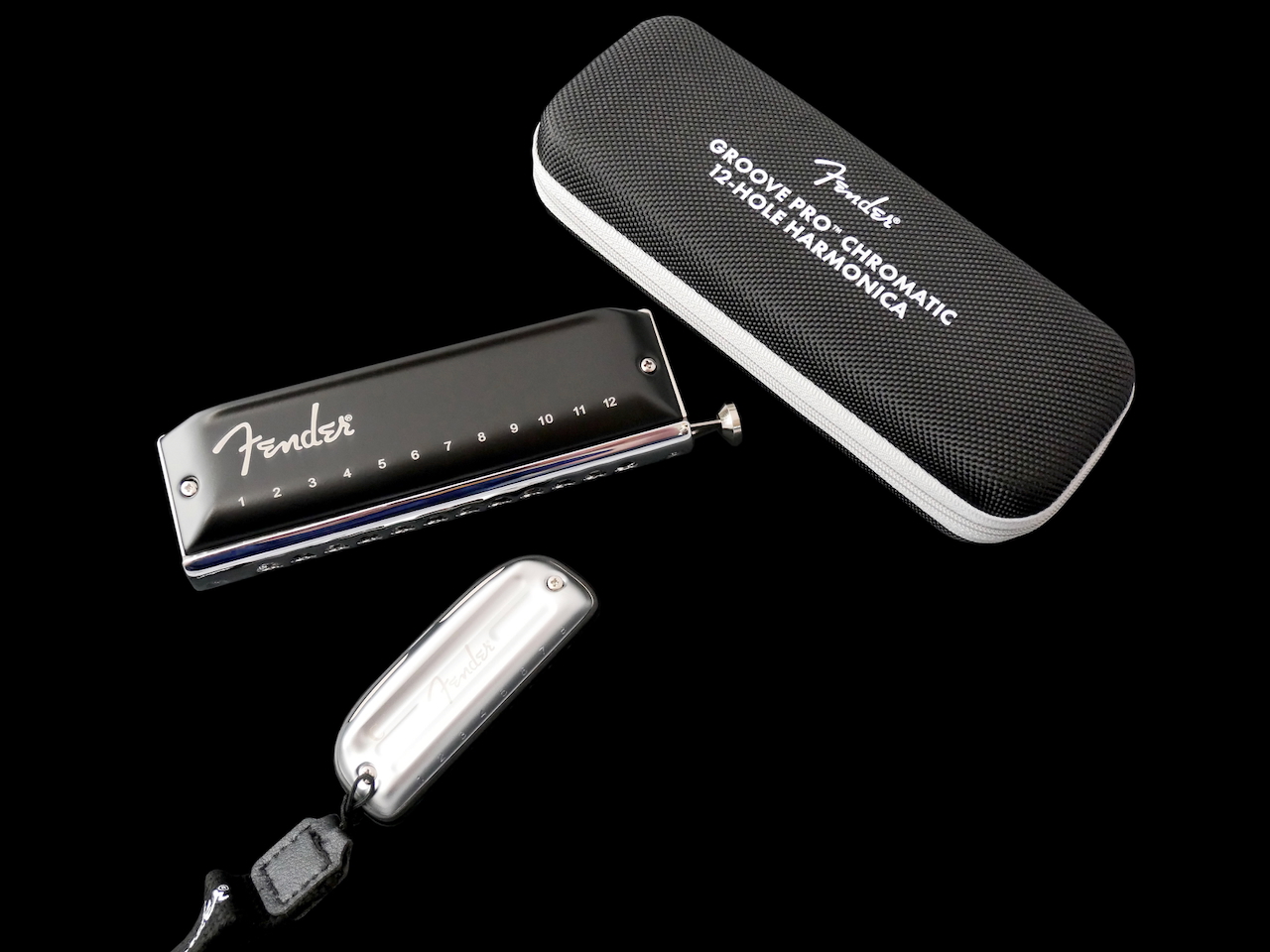
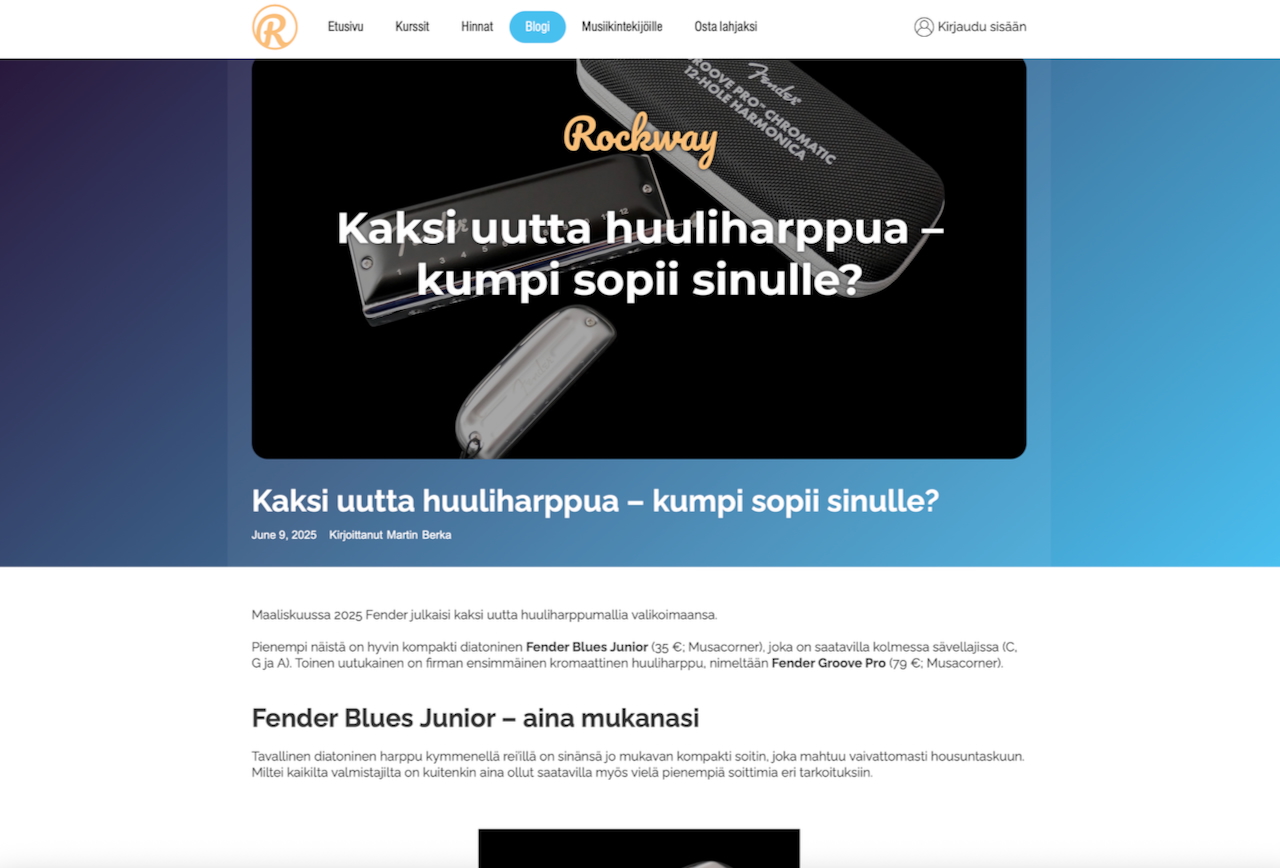
In March 2025, Fender released two new harmonica models.

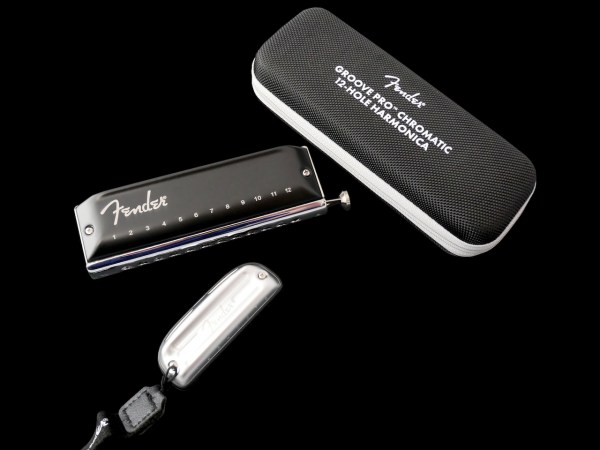
The smaller of these is the very compact diatonic Fender Blues Junior (€35), which is available in three keys (C, G, and A). The other new addition is the company’s first chromatic harmonica, called the Fender Groove Pro (€79).

****
A standard diatonic harp with ten holes is already a nice compact instrument that fits easily in a trouser pocket. However, almost all manufacturers have always had even smaller instruments available for different purposes.

About 15 years ago, the German traditional manufacturer C.A. Seydel found a new approach to the miniature diatonic harmonica when it invented its Big Six collection. In the Big Sixes, the distance between the holes remains the same as in a full-size harmonica, but instead of ten channels, only the first six were offered. According to Seydel, most blues players usually only use these holes, because the bends are best done in these, and therefore the missing high notes are not a problem at all.

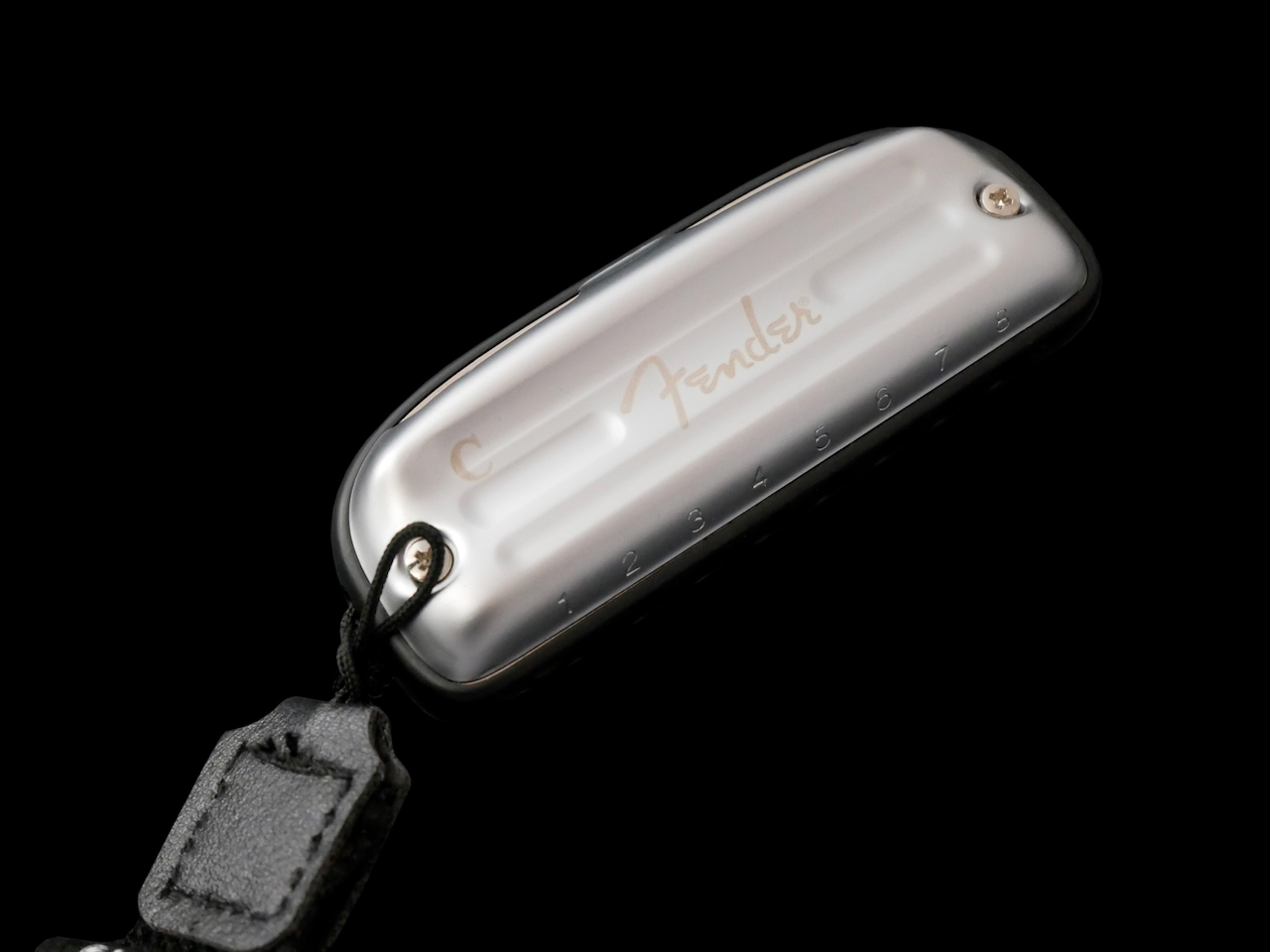
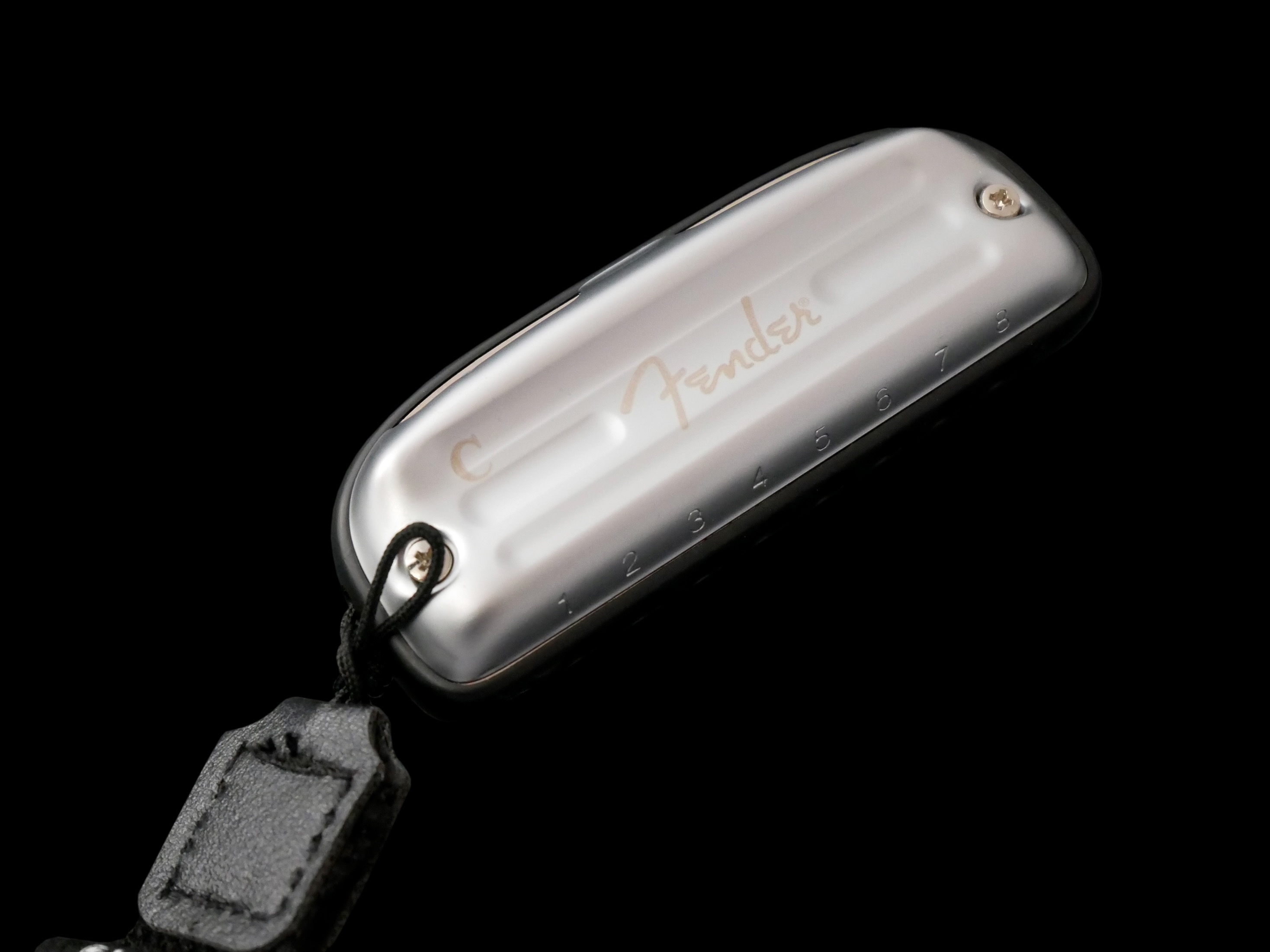
Fender’s brand new Blues Junior 8-Hole Diatonic model is based on the same idea, but offers two channels more tonal range than the Seydel Big Six. The harmonica is sold with a lanyard and a cleaning cloth.

The Fender Blues Junior’s design is very sleek and beautiful. The steel covers have a matte finish, while the harp’s comb is made of black ABS plastic. The appearance of the Blues Junior resembles a slightly smaller version of the Hohner Golden Melody model.

Because the channels on the front of the body have round holes, at first glance it may seem that they are closer together in the new Fender than usual. However, the distance between the channels is the standard 7.5 mm.

Fender’s contract manufacturer seems to have top-notch quality control, as the Blues Junior is suitably airtight, while the sensitivity of the phosphor bronze reeds has been adjusted appropriately.

The Fender Blues Junior harmonica is precisely tuned and very comfortable to play. The Blues Junior is a pleasantly loud harp with a deliciously crunchy sound.

In the demo above, I have used a model of a distorted tweed amplifier.

****
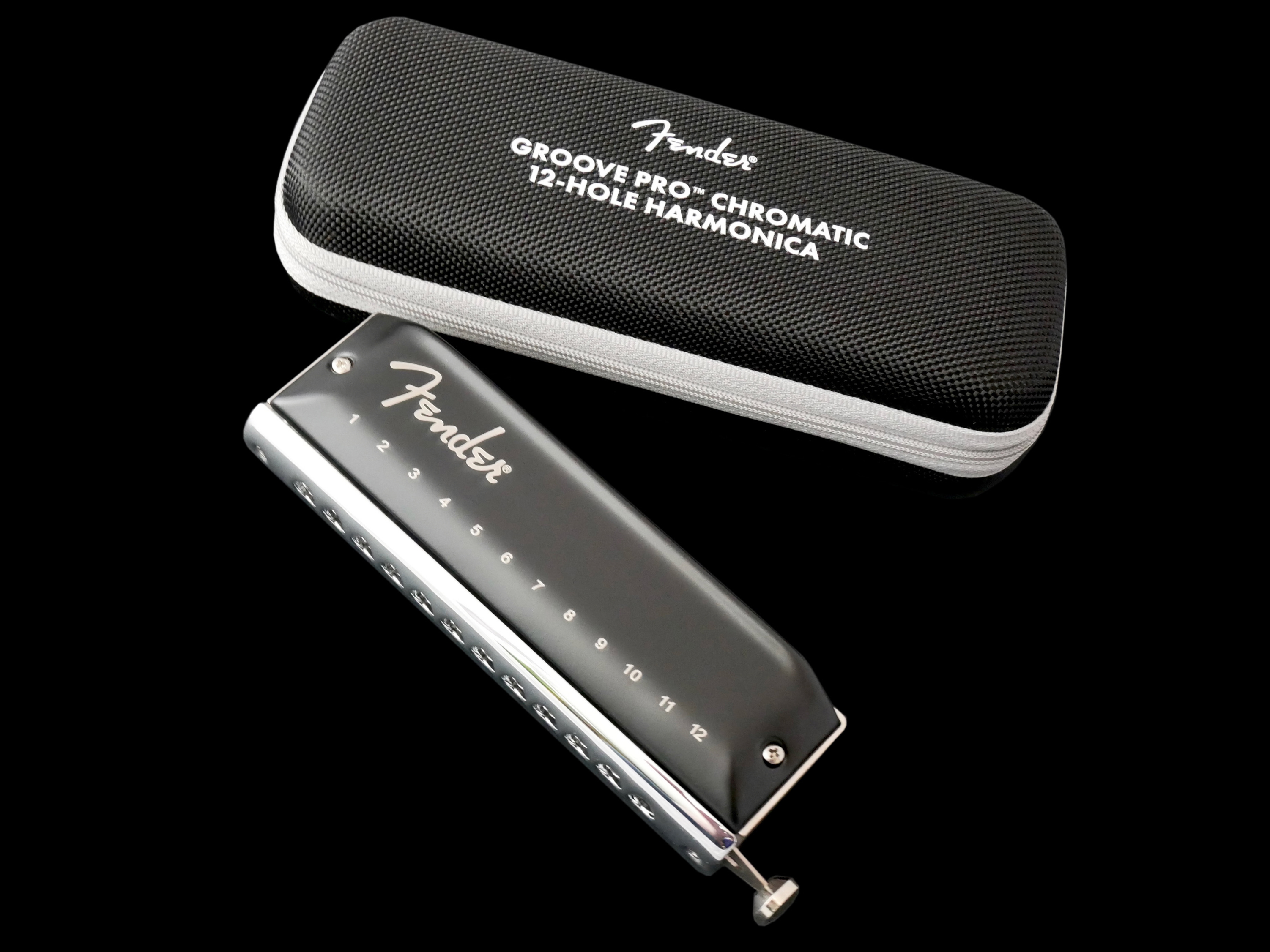
Since each air channel in a chromatic harmonica is connected to no fewer than four reeds, so-called valves have been found in chromatic models almost from their inception.

In modern instruments, the valves are made of lightweight plastic. They are narrow flaps that are glued to the reed plate at the opposite end of each reed. Thanks to the valves, when you blow into the harp, the air only goes through the blowing reed of the channel, while during drawing, the air only flows through the reed that is played during the draw.

The advantages of valves are – in addition to airtightness – the more precise attack of the chromatic harmonica and a louder sound. On the other hand, valves make bends practically impossible, because bends are based on the modulation caused by the opposite reed of the same channel. In addition, the valves can sometimes stick to the reed plates due to the humidity of the exhaled air, which makes it difficult to sound the reed and can give the attack a slight duck whistle-like roughness.

Because valves add to the price of chromatic harps – but also because of the drawbacks of valves – a new wave of cheaper, valveless chromatic harmonicas has emerged in recent years. According to bloggers and YouTube testers, the Chinese manufacturer Easttop seems to be a fairly high-quality manufacturer of affordable chromatic harps.

Why do I mention the Easttop brand here? Well, because Fender’s brand new Groove Pro Chromatic is clearly manufactured by Easttop – it’s a so-called OEM version – of their own Forerunner 2.0 model. The abbreviation “OEM” comes stands for “original equipment manufacturer”, and it means that the manufacturer does not put their own brand logo on the product, but the logo of the brand in question – in this case Fender.

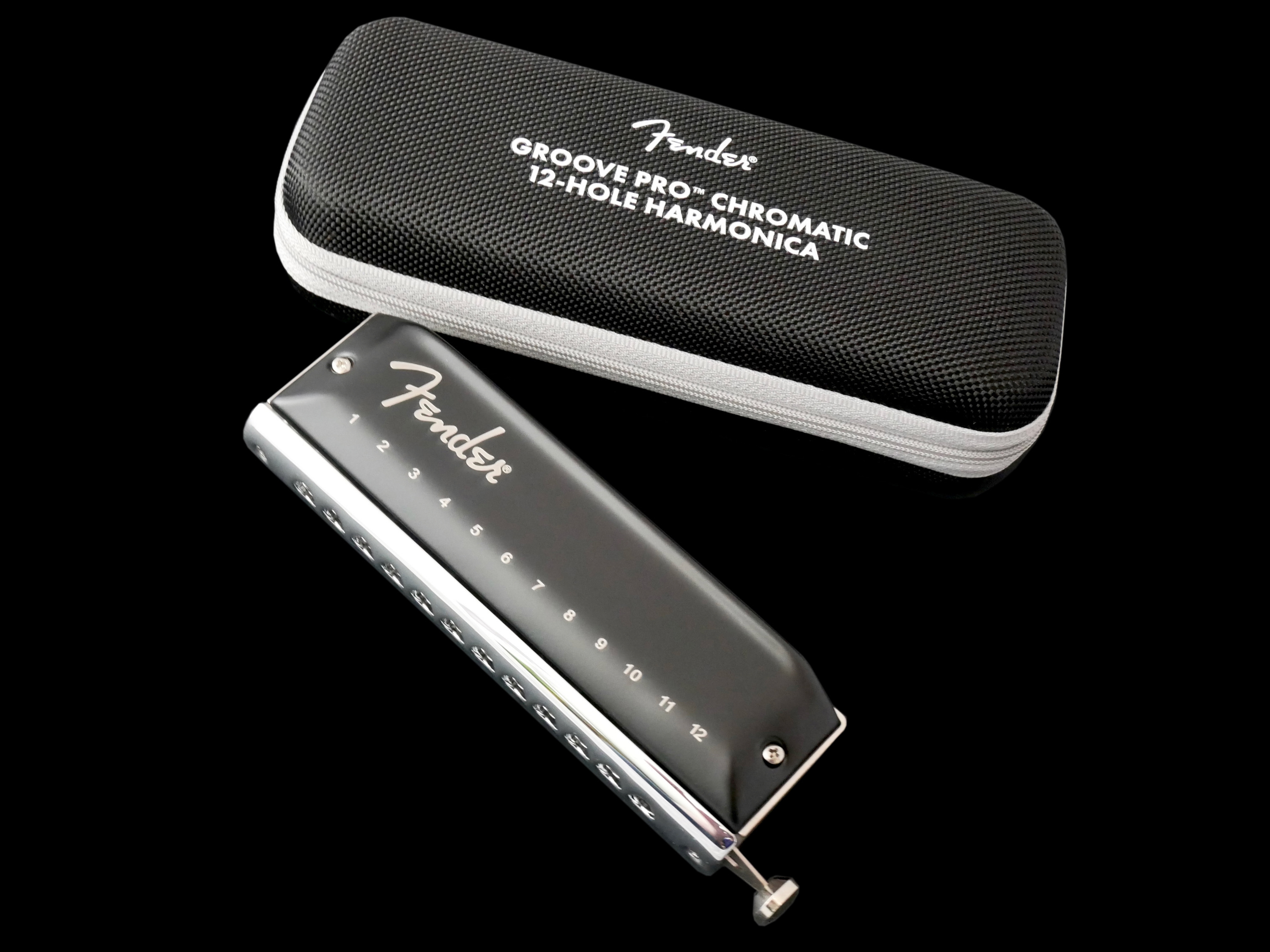
In any case, Fender’s new Groove Pro seems to be of very high quality and its transparent comb has a nice weight, which increases the volume and ”weight” of the sound in chromatic harmonicas. The Fender Groove Pro has 12 channels, which means that the harp has a three-octave range (c1-c4). In addition to the harmonica, the package includes a very high-quality, pencil-case style soft case and a cleaning cloth.

The Groove Pro has a very nice rounded cast metal mouthpiece with round holes. The switching mechanism feels fast and it is also pleasantly quiet. The harmonica’s reeds are made of phosphor bronze. The mouthpiece and matte black steel covers are shaped in such a way as not to cause problems with a player’s beard or moustache.

I think the Fender Groove Pro’s tuning and sound are really good. The new harp’s airtightness is also a positive surprise – although it does require a little more air to play than a harmonica with valves, the difference is not striking. Although the volume of the Fender’s sound is – naturally – a bit lower than my Hohner Chrometta or Hohner Discovery, it is easier to play the lowest notes on the Groove Pro (read: in tune) even with poor playing technique, because the valves do not have the braking effect on the reeds’ attack.

Even ten years ago, wiser people than me said that buying a chromatic harp for under a hundred euros was throwing money in the trash, because the cheap harps of the time let a lot of excess air through, and because they were very poorly tuned.

In recent years, the quality of inexpensive chromatic harmonicas has increased significantly, of which the brand new Fender Groove Pro is a very good example. I can only recommend this model – and not only to beginners.

****
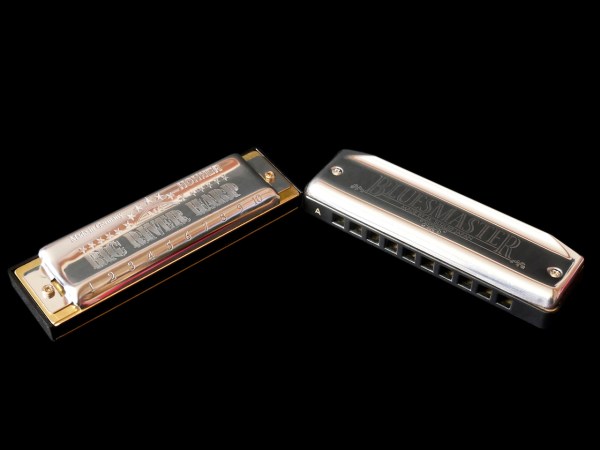
Hohner Big River Harp & Suzuki Bluesmaster – minun lemppiharppuni

****

Olen soittanut huuliharppua nyt noin kymmenen vuotta ja kokeillut monia eri merkkejä ja malleja. Olen tutustunut Caschan, Fenderin, C.A. Seydelin, Hohnerin ja Suzukin suosituimpiin malleihin.

Jos kysyisit minulta mielipidettäni ”parhaista” diatonisista huuliharpuista – ne soittimet, joilla soitetaan folki- ja blues-musiikkia – vastaus olisi helppo.

Minun valintani osuisi Hohner Big River Harp– ja Suzuki Bluesmaster -soittimiin.

Molemmat ovat hyvin tehtyjä huuliharppuja, jotka ovat erittäin helppoja soittaa (lue: ilmatiiviitä) ja tasalaatuisia (minulla kummastakin mallista useampi yksilö). Yhtä tärkeää on, että molemmat mallit kuulostavat mielestäni myös upeilta.

Muovikampojensa ansiosta kumpikaan malli ei ole altis turpoamiselle, mikä voi tapahtua kosteissa olosuhteissa vintage-tyylisen puisen kamman kanssa. Ja koska molemmat harput on koottu ruuveilla, ne on helppo huoltaa tarvittaessa.

Hohner Big River Harp & Suzuki Bluesmaster – my favourite diatonic harmonicas

****

I have played harmonica for a decade now, trying lots of different brands and models. I’ve checked out the most popular models by Cascha, Fender, C.A. Seydel, Hohner, and Suzuki – you name it.

If you’d ask me for my opinion on the ”best” overall diatonic harmonicas – the type of instrument you’d use for playing Folk and Blues – my answer would be easy.

I’d pick my favourite diatonic harps, the Hohner Big River Harp and the Suzuki Bluesmaster.

Both are well-made, very easy to play (read: airtight and well-gapped), and consistent (I own several of both models) harmonicas. What’s as important is that both models also sound great, in my opinion.

Thanks to their plastic combs neither model is susceptible to swelling, something that can happen in humid conditions with a vintage-style wooden comb. And because both harps are assembled with screws, they’re easy to service should the need ever arise.

Play-along – ”Spanish Eyes”

The tab I use is read as follows:
• plain numbers are ”channel blown”; 2 = second channel blow
• minus numbers are ”channel drawn”; -4 = fourth channel draw
• brackets mean ”slider pressed in”; (-7) = seventh channel draw with the slider pushed in

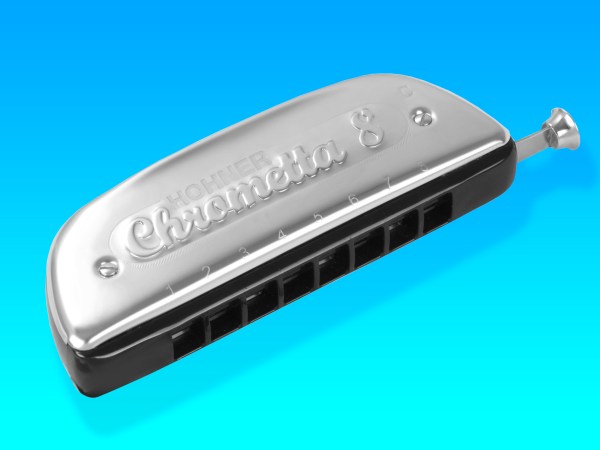
Hohner Chrometta 8 – testi tulossa Rockway-blogiin

Hohner Chrometta 8 on firman edullisin kromaattinen huuliharppu.
Demobiisin akustiset kitarat ja huuliharppuraidat on äänitetty Shure 545SD -mikrofonilla, sekä Cranborne Audion EC2 -etuvahvistimella.

****

Chrometta 8 on äänitetty Shure SM7B -mikrofonilla, sekä Thoman FetAmp -etuvahvistimella.

****

Tässä biisissä Hohner Chrometta 8 on äänitetty Shure 565SD:llä. Miksauksessa on lisätty hieman säröä.

****

Mikrofoni on AKG C3000.

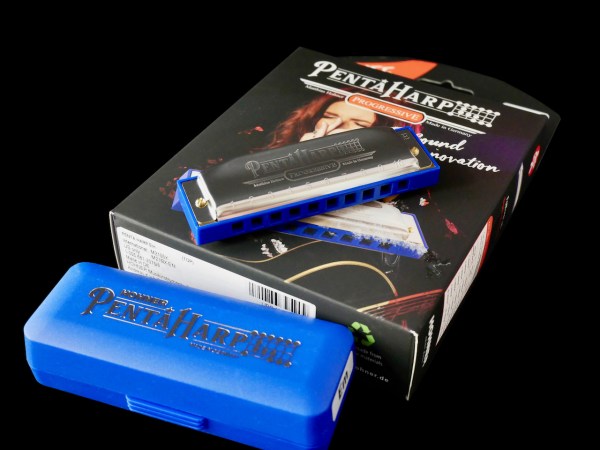
Testipenkissä: Hohner PentaHarp

Vanhan koulukunnan bluesiin kuuluu luonnollisesti huuliharppu, joko puhtaana PA:n kautta tai sitten murealla säröllä höystettynä pienen tweed-vahvistimen läpi soitettuna.

Ihme kyllä perinteisesti bluesia on soitettu tahallaan väärinkäyttämällä iloisia kansanlauluja varten keksittyä duuri-pohjaista soitinta. Perushuuliharppu on kymmenreikäinen soitin ns. Richter-vireessä. Böömiläinen Joseph Richter keksi tätä viritystä noin 200 vuotta sitten juuri sitä varten, että sillä pystyi soittamaan sekä melodian, että perussoinnut vaivattomasti.

Joskus 1880-90 luvulla muusikot Yhdysvalloissa keksivät, että aloittamalla huuliharpun skaalaa toisesta reiästä vetämällä – ns cross harp -soitto – ja bendaamalla muutama soittimen äänistä, duuri-soittimesta tuli suhteellisen helposti bluesille sopiva soitin. ”Suhteellinen” on tässä yhteydessä se ratkaiseva sana, koska bendaamiselle tarvittavat tekniikat – oikea hengitys, oikea suun muoto, oikea kielen käyttö – vaativat jonkin verran opettelua ja harjoittelua.

Huuliharppujen valmistajat ovat jo pitkään tarjonneet eri genreille sopivia hieman muunneltuja virityksia, niin kuin esimerkiksi Seydelin rock-musiikille optimoitu Wilde-viritys, mitkä kaikki kuitenkin ovat Richter-virityksen johdannaisia, joissa kaikissa bendaukset ovat yhä tärkeässä osassa.

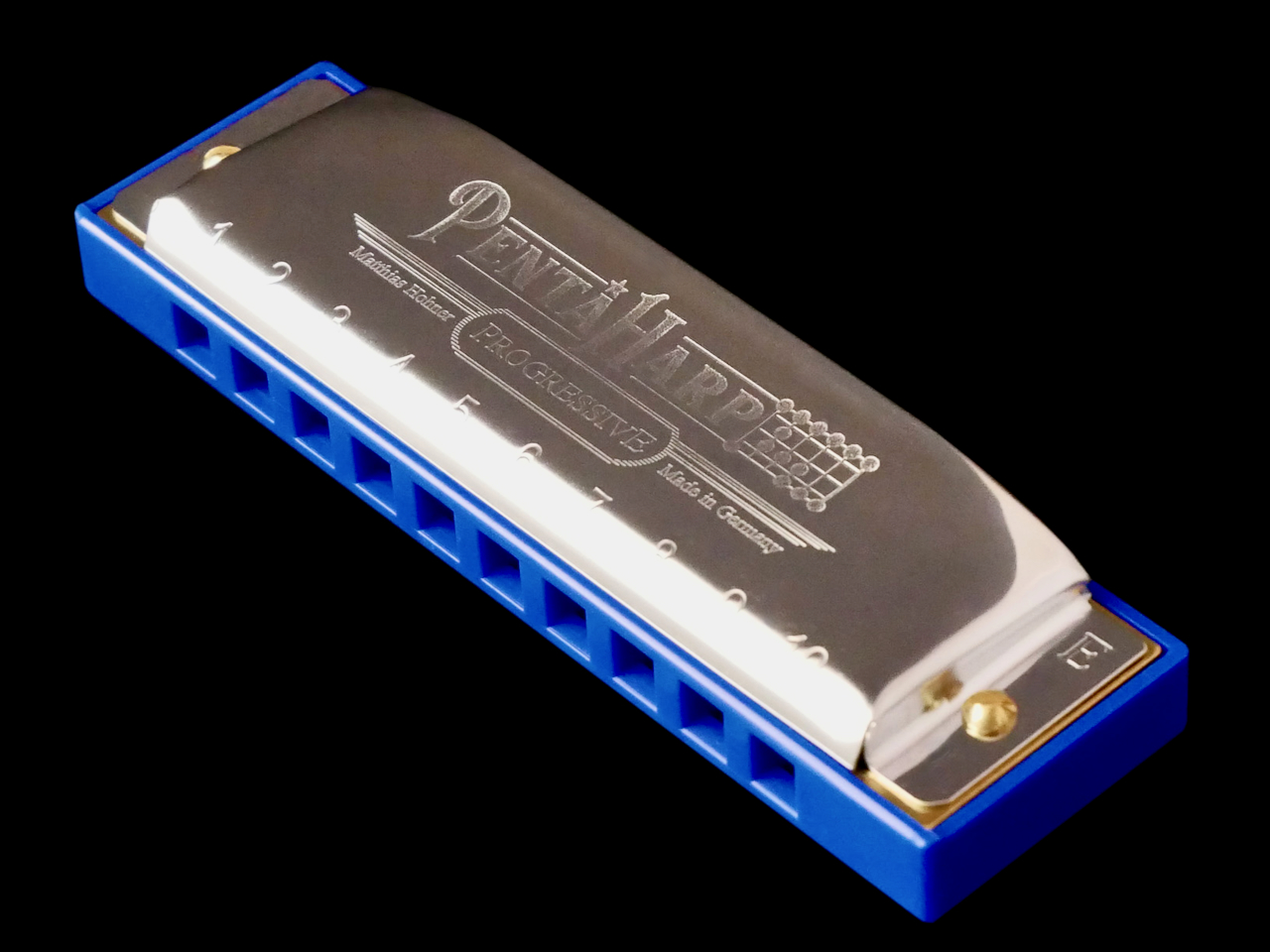
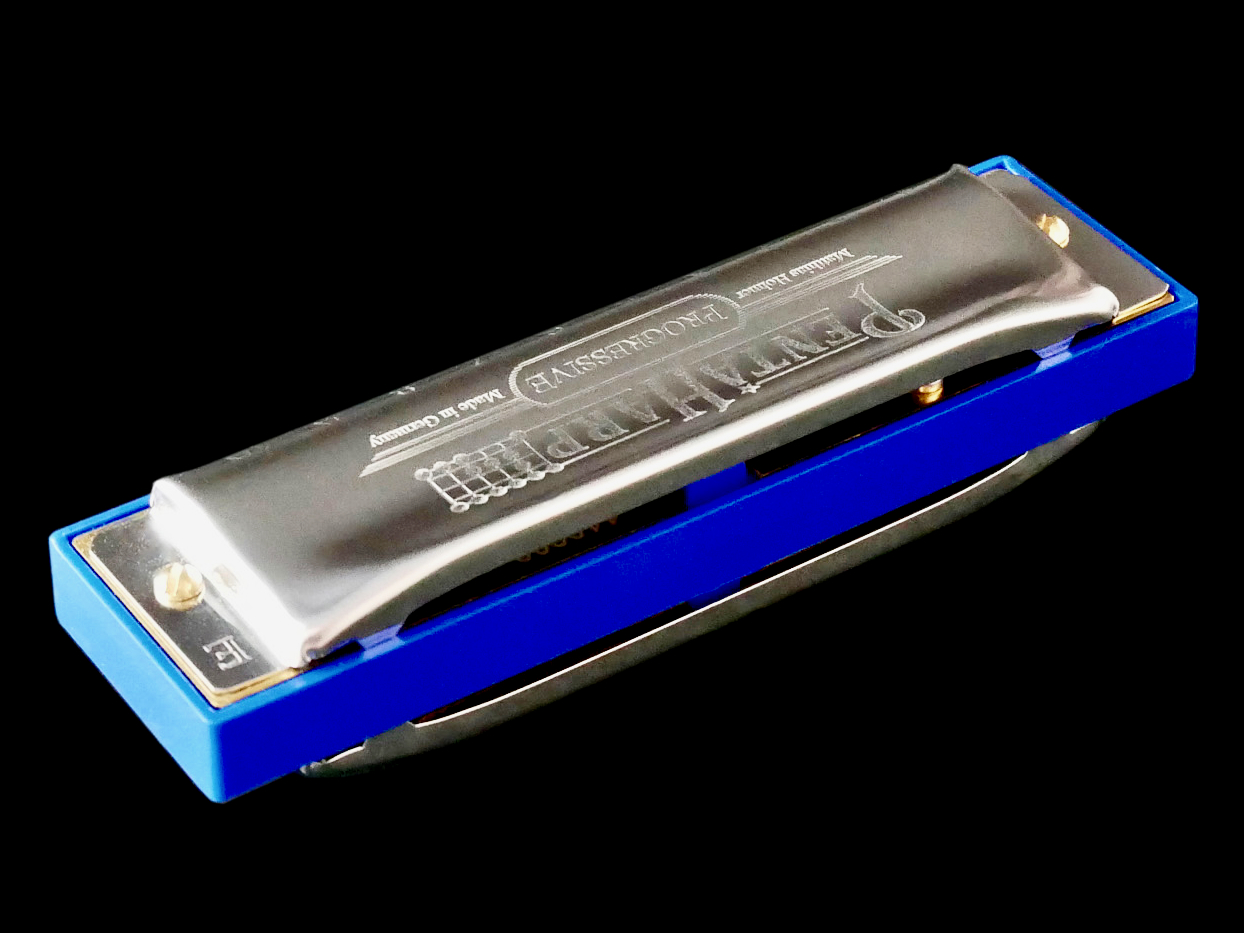
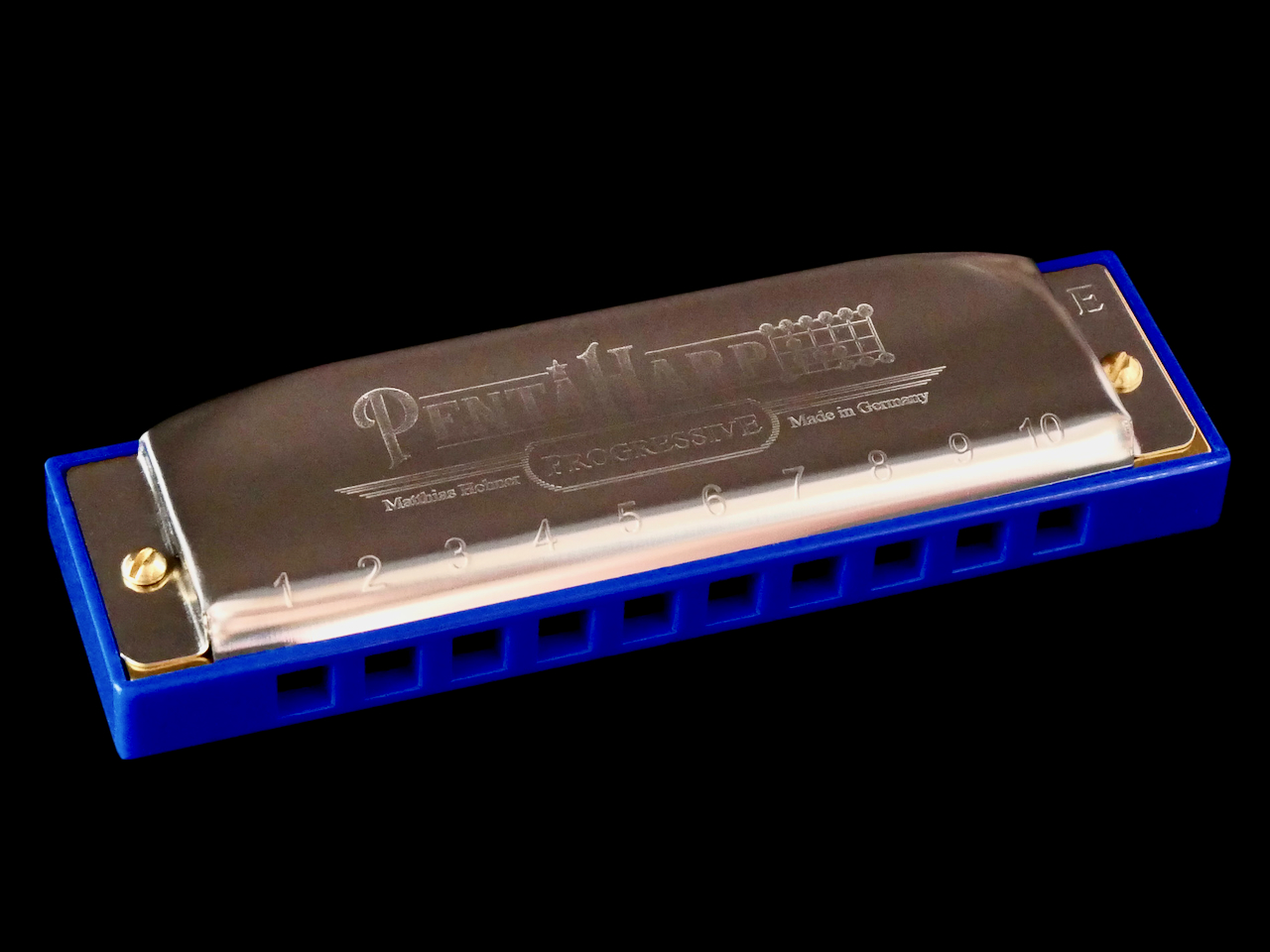
Hohnerin PentaHarp (hinta noin 55 €) menee tässä selvästi pidemmälle. Tässä on huuliharppu, joka on tarkoitettu vaivattomaan blues- ja rock-soittoon, ilman tarvetta bendaamiselle tai muille erikoistekniikoille. PentaHarpin kanssa riittää, että pystyy puhaltamaan ilmaa tasaisesti ulos (ja vetämään sisään).

Hohner PentaHarp perustuu firman erittäin suosittuun Special 20 -malliin. Soittimen sininen runko viittaa siihen, että kyseessä on erikoisesta huuliharpusta.

PentaHarpin viritys tarjoaa hieman kolmen oktaavin verran pentatonista molli-skaalaa, johon on lisätty alennettu kvartti (ns. blue note). Kitaristien keskuudessa niin suositussa E-bluesissa äänet ovat siis: e-g-a-ais/b- h-d, minkä jälkeen sama toistuu seuraavassa oktaavissa.

PentaHarpilla pystyy siis soittamaan ongelmitta kitaristille tutulla ”in the box” -ajatelulla, ilman mitään kommervenkkejä soittotekniikan osalta. Hohner on perustanut PentaHarpille oman nettisivuston, jossa voi tutustua laajemmin mallin tuomien mahdollisuuksiin.

Hohnerin PentaHarp on laadukas soitin, joka tarjoaa perusharppua helpomman tavan tutustua bluesharpun soittamiseen. Jos haluat esimerkiksi lisätä silloin tällöin huuliharppua omaan soittoosi, ilman bendauksien opettelua, PentaHarpilla kyllä onnistuu.

PentaHarpin viritys tekee tästä huuliharpusta kuitenkin myös hieman rajoitetun, koska soittimella ei voi vaihtaa bluesista tai rockista suoraan folkille tai kantrille. PentaHarpissa ei oikeastaan onnistu vaivaton sointujen tai terssistemmojen soittaminen, koska vierekkäiden kanavien soittaminen ei aina soi harmonisella tavalla, toisin kuin Richter-harpuissa.

Hohnerin PentaHarp on hyvä soitin aloittelijoille, koska oikeiden nuottien etsimisen sijaan uusi bluesharpisti voi/täyttyy keskittyä hyvän perustekniikkaan, nimittäin oikean kanavan löytämiseen ja tasaiseen sisään- ja uloshengittämiseen. Etenkin liian voimakas ilman sisään vetäminen voi aiheuttaa tahattomia bendauksia tai ongelmia äänen syttymisen kanssa – huuliharpun virityksestä riipumatta.

****

Pidä blogia WordPress.comissa.

Ylös ↑