Review: Bluetone Black King Reverb

Finnish boutique amplifier company Bluetone Custom Amplifiers offers a wide range of different all-valve guitar amplifiers, from gnarly tweed-style combos to the full-on assault of modern high-gain Metal machines.

Over the last few years Bluetone’s dynamic duo of Harry Kneckt and Lauri Vuojolahti seem to have hit on a winning concept with their range of amplifiers with the word ”Black” as the first word in their name.

It all started in 2021, when Bluetone introduced a thoroughly updated version of the Black Prince Reverb. That particular model – which is basically a handmade cross between a Fender Blackface Princeton and a Deluxe, coupled with a very versatile power amp section – has very quickly become the company’s top selling model. This success has spawned several smaller Black Prince models, which have also become very popular. I own a Black Prince Reverb myself, and it has become my go-to guitar amplifier.

When Harry told me that Bluetone was about to introduce a new model – called the Black King Reverb – that would combine a Fender Vibro-King’s preamp section with Bluetone’s Black Prince-power amp, I was very eager to test drive one.

Embed from Getty Images
I’m a huge admirer of Pete Townshend’s (The Who) oeuvre, and he has been using Fender Vibro-Kings as his live amps, ever since they were introduced in the mid-1990s.

The first couple of Bluetone Black King combos were sold as quickly as the guys could make them, but now I’ve finally managed to grab one for a couple of days.

****
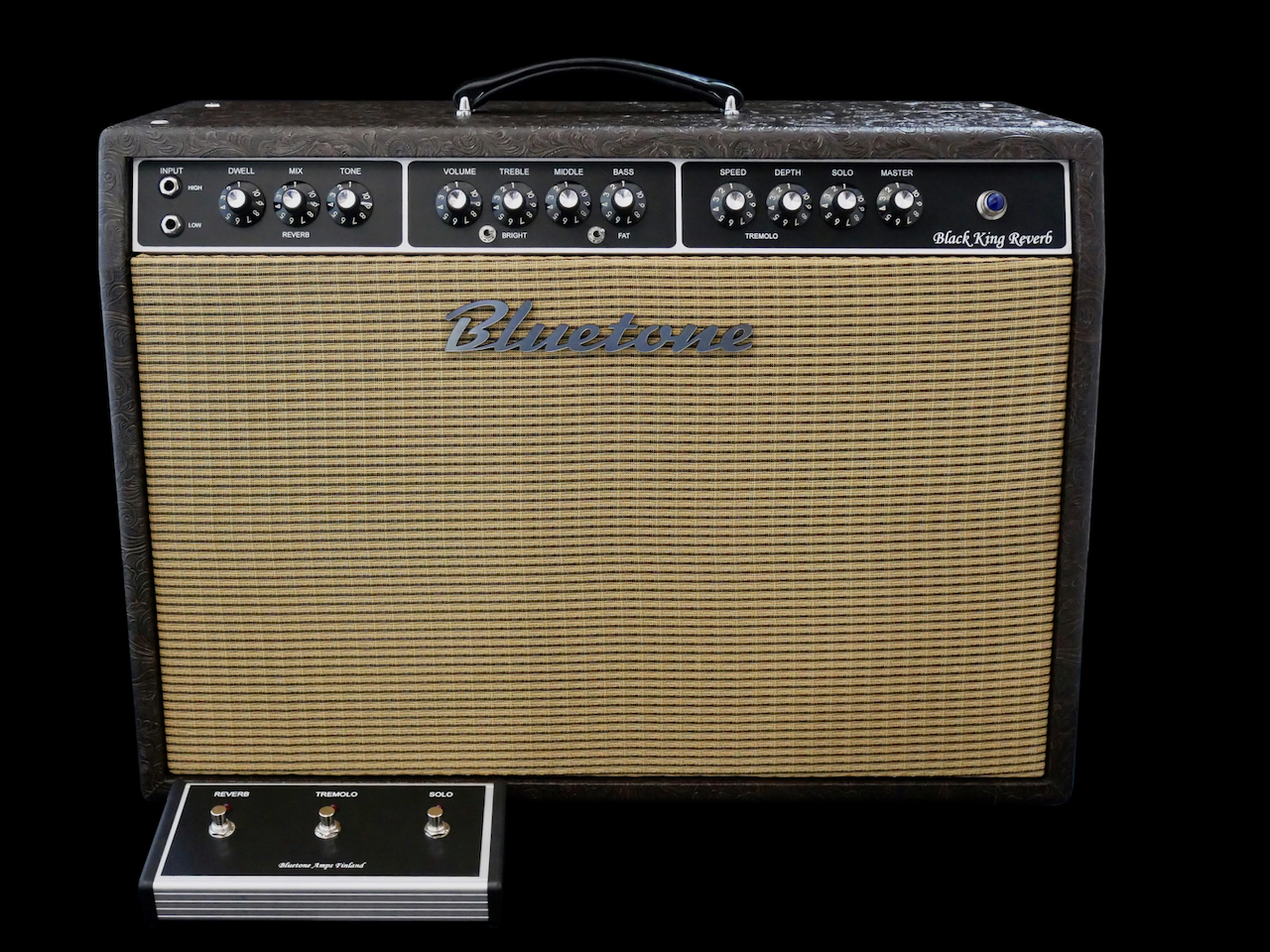
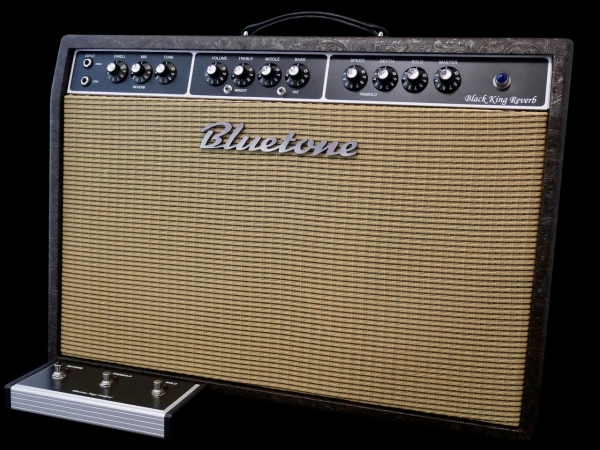
The Bluetone Black King Reverb (current price: 1,900 €) is twin-speaker all-tube combo, loaded with a pair of 10-inch speakers, but it still weighs in at less than 14 kilos. Most of the musician-friendly weight reduction is down to Bluetone using solid paulownia wood for its cabinets. Paulownia is an ecologically viable species that offers a superior strength-to-weight ratio for amplifier and speaker cabinets.

As mentioned before, the Black King lifts its extremely flexible power amp section from Bluetone’s Black Prince combo. The power amp runs off a pair of valves – virtually all available octal power tubes can be dropped in without the need for rebiasing. A pair of 6L6GCs or EL34s will give you approximately 28 to 30 watts of output power, while a pair of 6V6GTs will drop the output down to about 14 watts. Refer to the manual for details.

The Black King’s preamp is built around three 12AX7, but will also take other valves from the 12A_7-range, if you want to experiment with different gain structures (again, refer to the manual).

The toroidal power transformer (the black doughnut in the far left) is another long-standing hallmark of Bluetone amplifiers, which cuts down on the amp’s weight, as well as reducing hum interference noticeably.

The Black King Reverb normally leaves Bluetone’s workshop with a pair of 10-inch Warehouse Guitar Speakers Veterans, but – Bluetone being a custom builder – you can also request different speakers, should you so desire.

The long reverb tank is installed to the bottom of the combo’s cabinet.

Despite making all-valve amplifiers, Harry and Lauri are all about hard technical facts, leaving all the snake oil and tube voodoo for others. In the Black King’s case this means – among other things – that the reverb’s signal path is using their unique op-amp-powered circuit, for a cleaner, more dynamic and hiss-free tone.
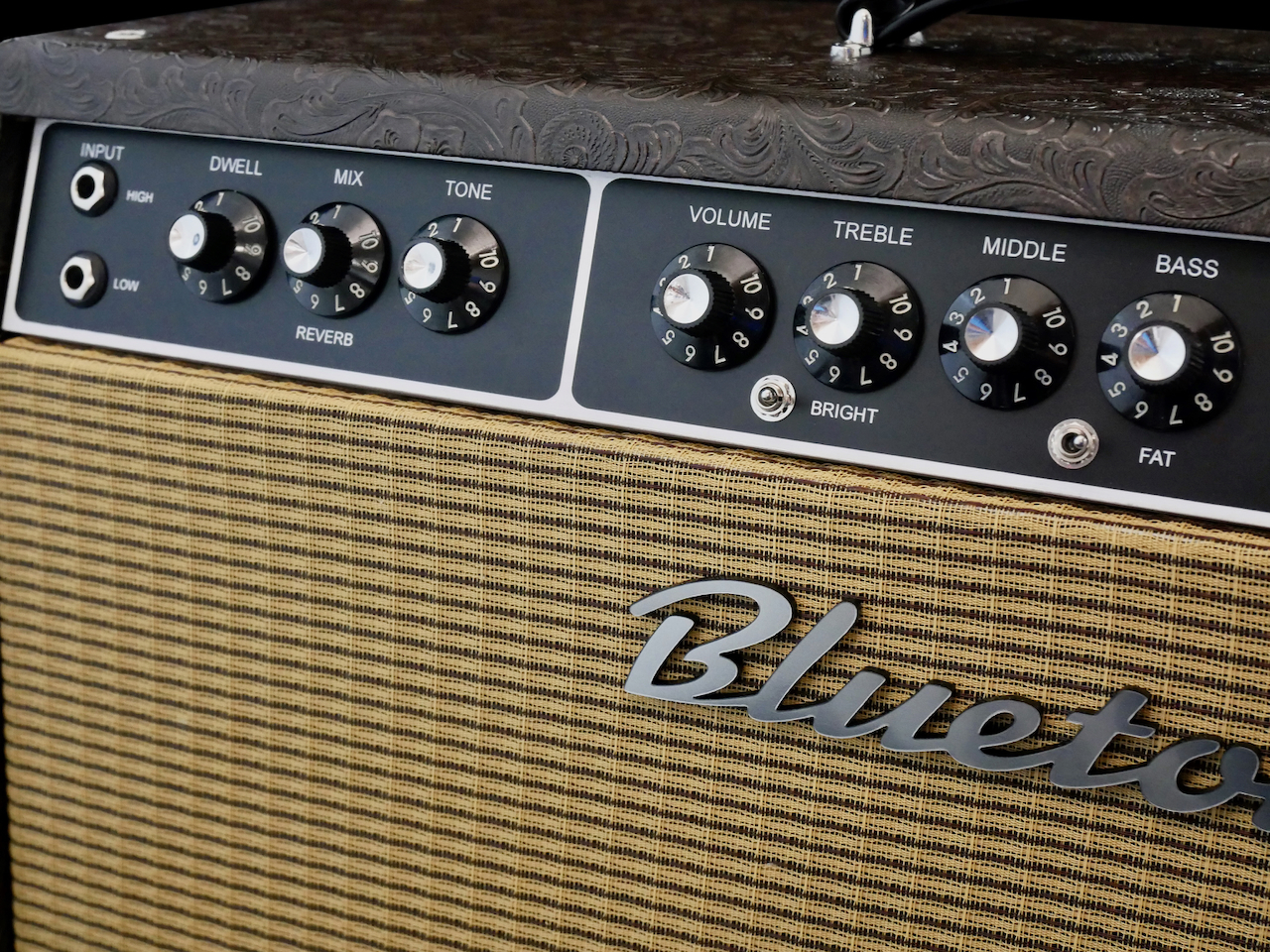
For a single-channel combo Bluetone’s Black King Reverb offers plenty of scope for adjustment:

The preamp section sports controls for volume and 3-band EQ with an additional two mini-switches for Bright- and Fat-boosts. Everything does what it says on the tin, offering a wide variety of fantastic guitar tones that keep the core character of each guitar intact.

The Black King is a reverb connoisseur’s nirvana, not only offering a top-quality full-length spring tank, but also a full set of three controls for maximum tonal range. Dwell adjusts how hard you drive the spring reverb’s input – higher Dwell-settings will result in longer reverb times, as well as more saturation. Tone controls the tone of the reverb’s output, from dark to bright, while Mix lets you choose how much of the Black King’s super lush reverb will be used to bolster your guitar signal.

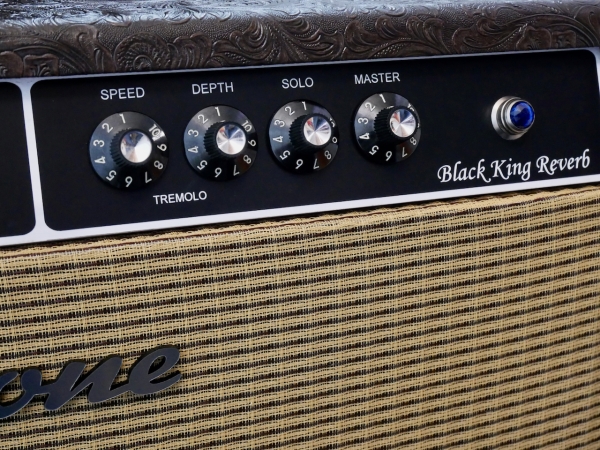
The output section offers you controls for the Band King’s scrumptious bias-modulated tremolo, the level of the solo-boost, and the master volume control. As the master volume is placed after the phase inverter stage, setting the master control to full will remove it completely from the power amp’s circuit.

All three amp effects – tremolo, soolo-boost, and reverb – are switched on or off with the supplied three-switch foot-switching unit.

There’s a lot going on on the Bluetone Black King Reverb’s back panel:

There’s an unbalanced line level output with its dedicated signal level control, so you can plug the combo straight into a speaker modeller. If you need to go completely silent, for example in the studio, the Black King includes a built-in switchable dummy load.

Next to the three speaker outputs we can find a mini-switch labelled ”NFB On/Off”. This allows you to choose whether or not you want to run so-called negative feedback in the combo’s power amp section.

A negative feedback loop will normally ”clean up” the power amp’s sonic footprint, giving you less power amp distortion and more clarity and articulation, while turning it off will give you a gnarlier and more distorted character. A wide generalisation would be that negative feedback takes the amp closer to Blackface territory, while no negative feedback gives it more of a Tweed- or Vox-style accent. Of course, your choice of power amp valves also has an important bearing on the overall character of the Black King.
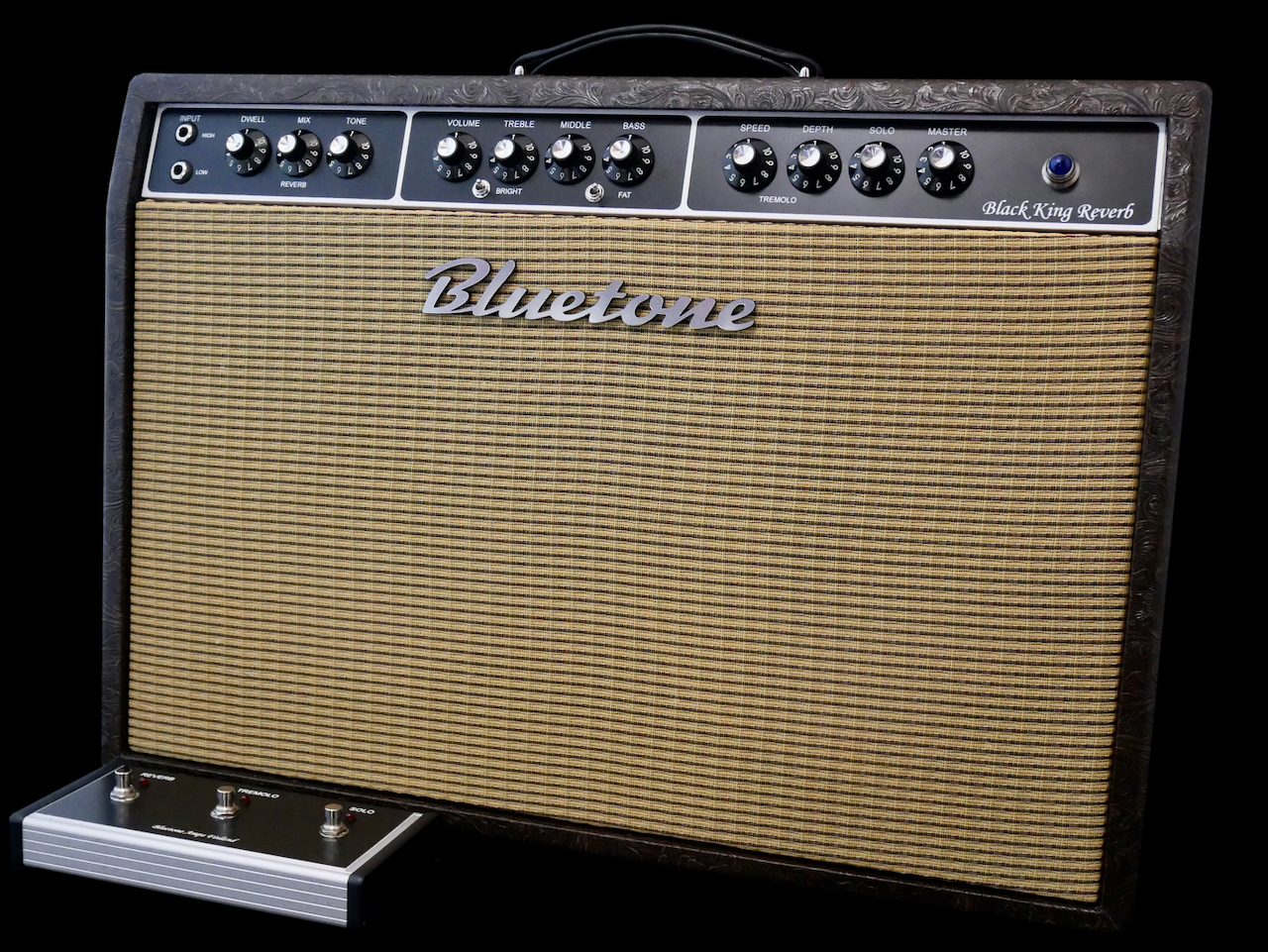
The Bluetone Black King Reverb ticks all the right boxes in my book.

The Black King offers some of the best clean sounds you are likely to experience, regardless of the type of guitar or pickup you throw at it. The genuine spring reverb is simply fantastic, and may even prove to be a dealbreaker in comparison to many other combos. The tremolo effect is luscious, with plenty of scope for adjustment of both speed and depth.

The overdriven/distorted tones you can glean from the Bluetone Black King Reverb are pleasantly gritty, but if you don’t like them, no problem – the Black King also loves pedal effects.

In my view, the Black King Reverb’s clean tones are this combo’s biggest forte. There’s plenty of headroom on offer, and the character is definitely in the Blackface-vein. There’s plenty of dynamic range on offer and the amp’s basic voice is big and open, seasoned with a crystal-clear top end. The three-band EQ offers more than enough scope for tone-shaping, and the Bright- and Fat-boosts work like a dream. What’s not to like?

For less than two grand you can get yourself a hand-made boutique valve combo that’s very versatile and great sounding. This is hands down one of the best amps you will find in its class, and it’s offered at a very fair price.

Here’s a demo song featuring the brand-new Bluetone Black King Reverb combo. The track is a short cover of the Who’s classic medley ”See Me, Feel Me/Listening To You”.
All guitar tracks recorded with the Bluetone Black King Reverb, without any additional pedals. The amp was miked with a Shure SM7B running into a Cranborne Audio Camden EC2.
****
”See Me, Feel Me” – Guitars
• rhythm guitar (stereo left): Fender Japan 50s Stratocaster Reissue
• rhythm guitar (stereo right): Epiphone G-400 (SG Standard)
• lead guitar: Fender Japan 50s Stratocaster Reissue
”Listening To You” – Guitars
• rhythm guitar (stereo left): Fender Japan 50s Stratocaster Reissue
• rhythm guitar (stereo right): Epiphone G-400 (SG Standard)
• lead and harmony guitars: Gibson Melody Maker SG
****
• bass guitar: Rickenbacker 4003 plugged straight into the Cranborne preamp
Bluetone Black King Reverb ++ Testi tulossa ++ Working on a review

Here’s a demo song featuring the brand-new Bluetone Black King Reverb combo. The track is a short cover of the Who’s classic medley ”See Me, Feel Me/Listening To You”.
All guitar tracks recorded with the Bluetone Black King Reverb, without any additional pedals. The amp was miked with a Shure SM7B running into a Cranborne Audio Camden EC2.
****
”See Me, Feel Me” – Guitars
• rhythm guitar (stereo left): Fender Japan 50s Stratocaster Reissue
• rhythm guitar (stereo right): Epiphone G-400 (SG Standard)
• lead guitar: Fender Japan 50s Stratocaster Reissue
”Listening To You” – Guitars
• rhythm guitar (stereo left): Fender Japan 50s Stratocaster Reissue
• rhythm guitar (stereo right): Epiphone G-400 (SG Standard)
• lead and harmony guitars: Gibson Melody Maker SG
****
• bass guitar: Rickenbacker 4003 plugged straight into the Cranborne preamp

Testipenkissä: Edwards EX-125D ja SA-160LTS

Japanilainen ESP Guitars on yksi maailman isoimmista kitaravalmistajista, ja etenkin Rock- ja Metalkitaristien keskuudessa arvostetaan firman luomuksia kovasti. ESP on kuitenkin paljon monipuolisempi yritys, kun mitä eurooppalaisesta näkökulmasta ehkä luullaan, sillä jotkut yrityksen alamerkeistä ovat saatavilla ainoastaan Japanissa – tunnetuimmat niistä ovat varmasti Grass Roots ja Edwards.

Edwards Guitars on ESP:n vintage-tietoinen laatubrändi ja sen mallisto tehdään Japanissa.

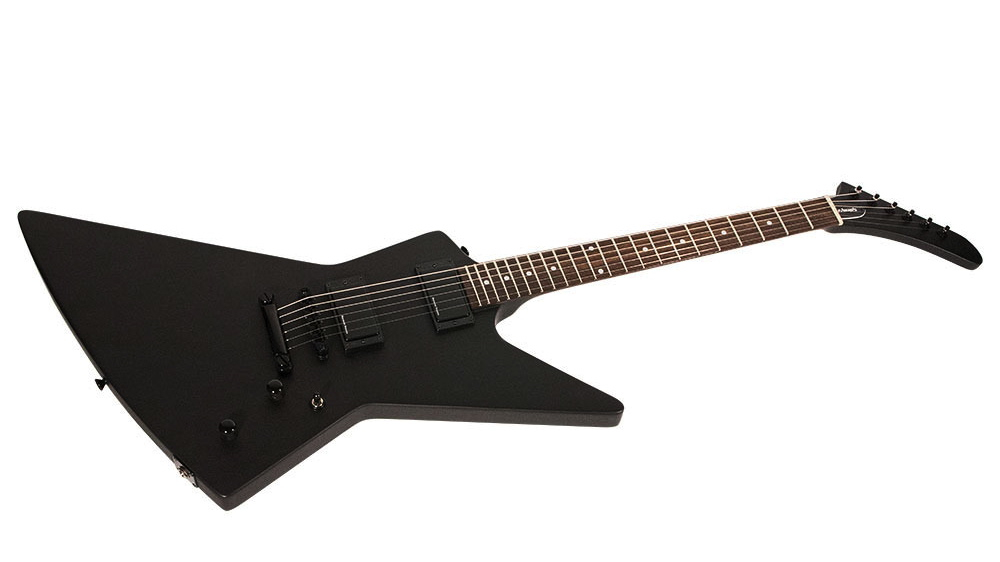
Edwards EX-125D (1.139 €; gigbägi kuuluu hintaan) on Edwardsin näkemys päivitetystä Gibson Explorerista, jolla on virtaviivaistettu säädinosasto ja aktiiviset mikit.

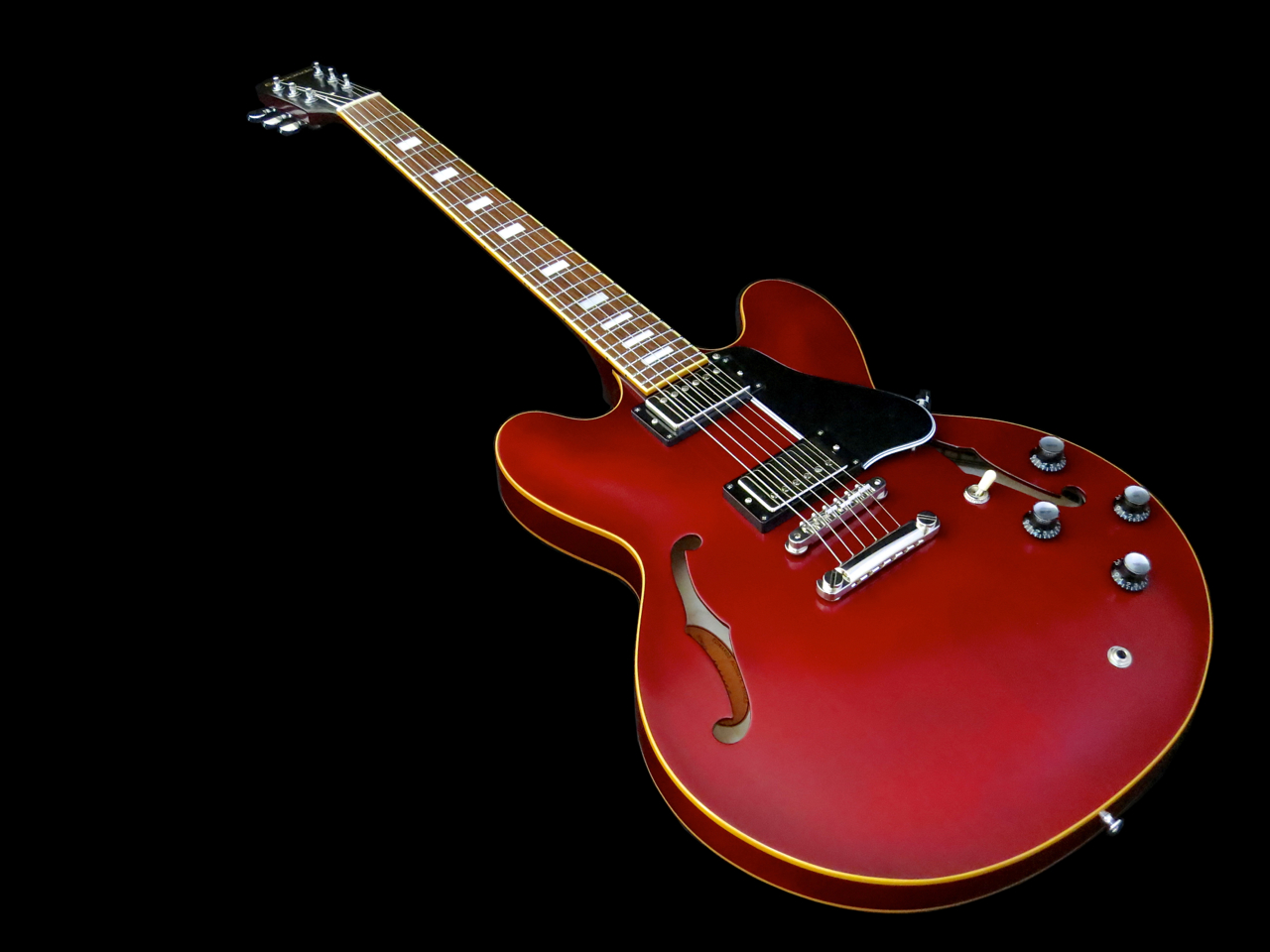
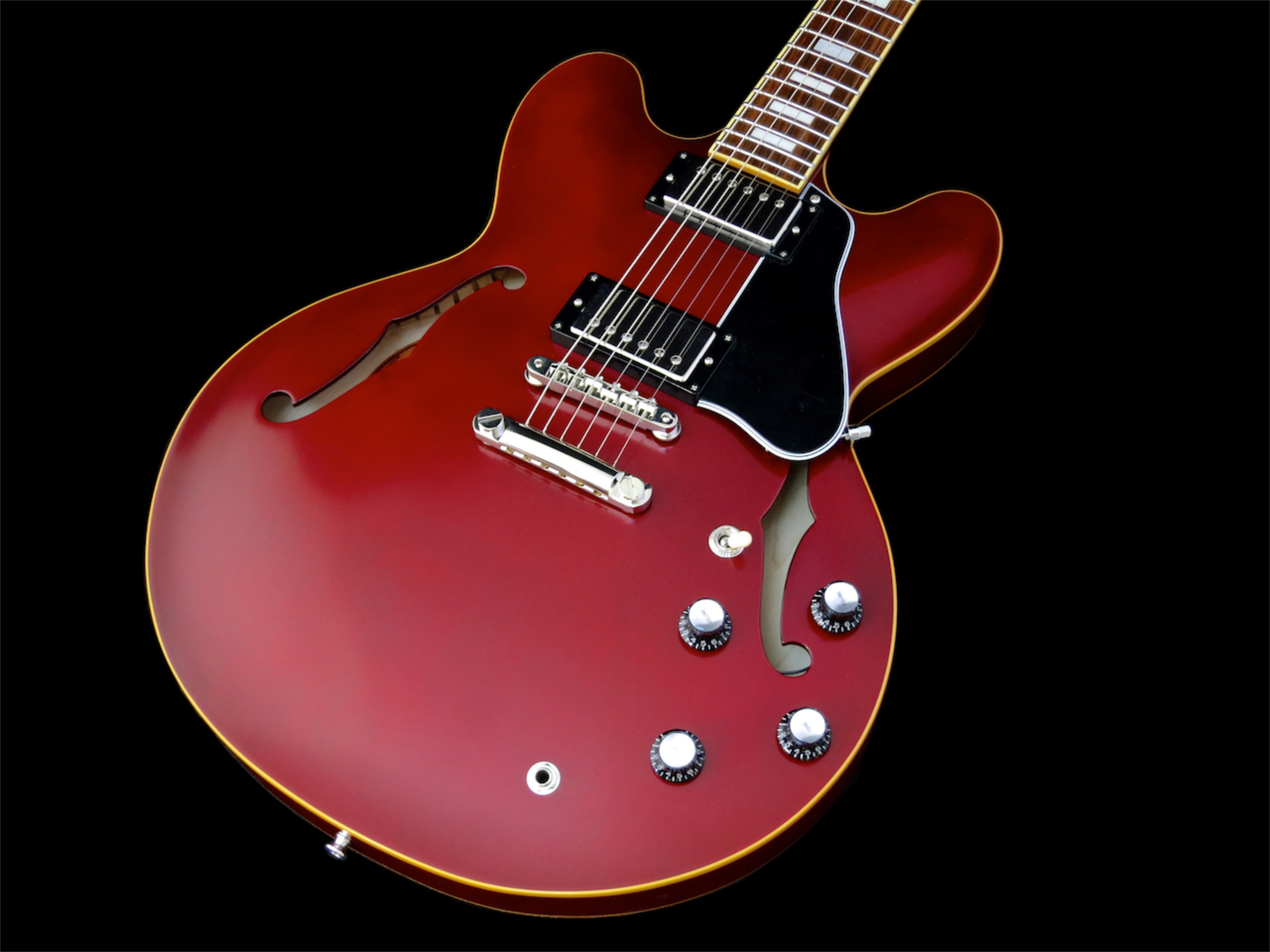
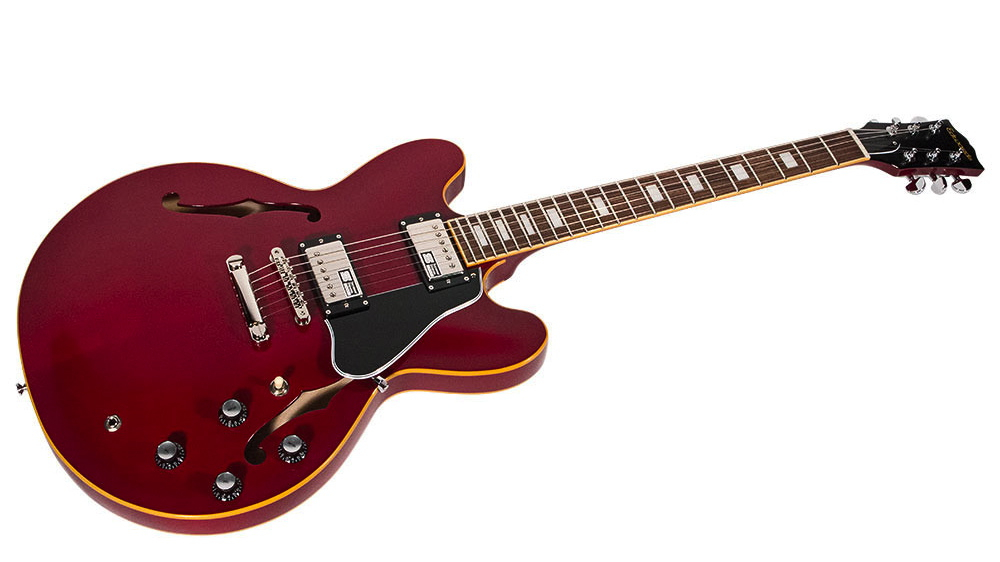
Edwards SA-160TLS (1.460 €; laukku kuuluu hintaan) näyttää vuoden 1964 Gibson ES-335:n (Clapton!) suoralta kopiolta, mutta todellisuudessa mallista löytyy yksi ratkaiseva ero esikuvaansa nähden.

****

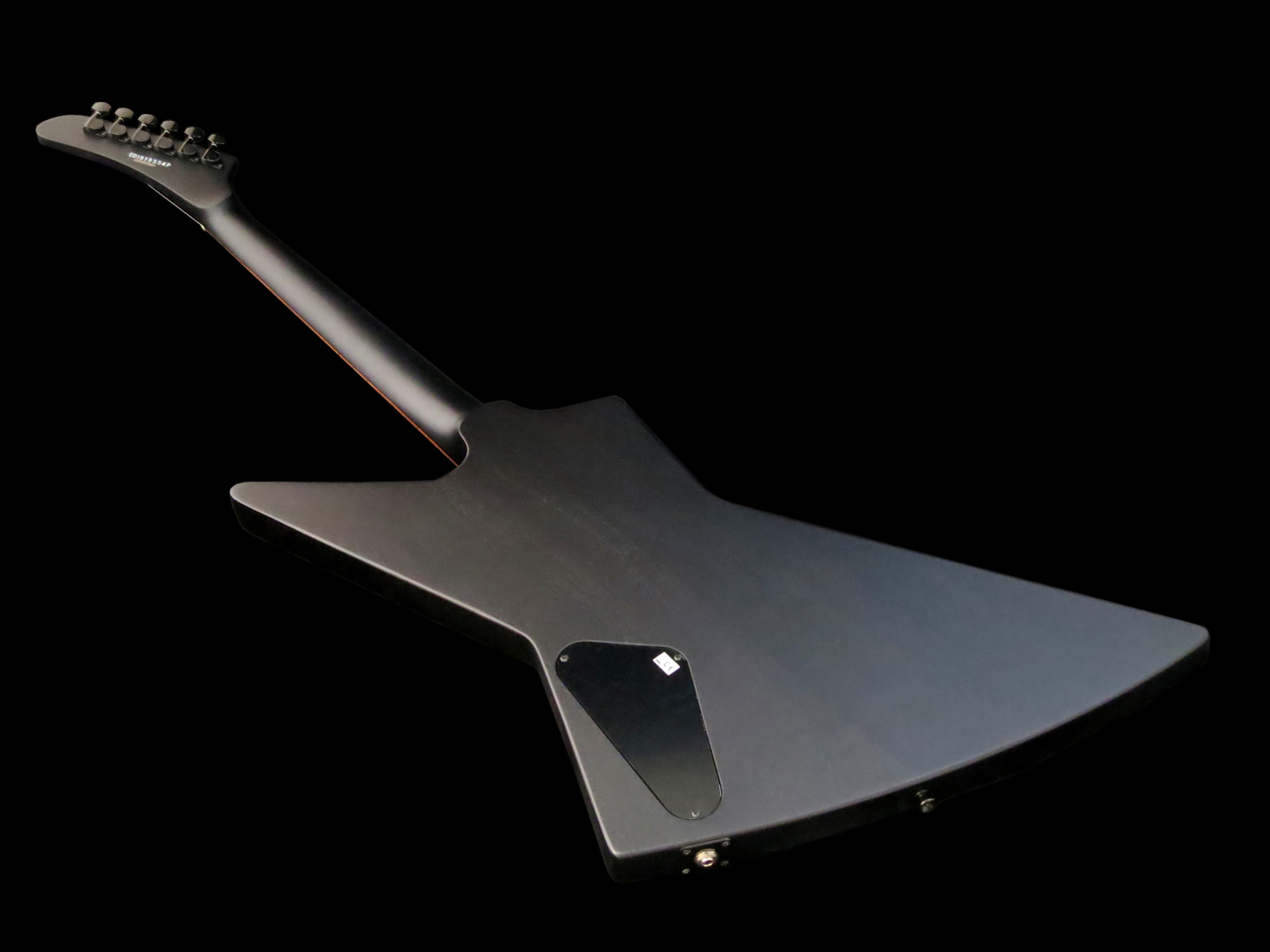
Kun kävin noutamassa testikitarat Musamaailman päämajasta, piti oikein tarkistaa oliko EX-125D:n topatussa pussissa varmasti kitara. Edwardsin versio aiheesta on selvästi kevyin Explorer-tyylinen kitara, joka minulla on ollut käsissäni tähän mennessä!

EX-125D tehdään miltei kokonaan mahongista – vain soittimen otelauta on pau ferro -nimisestä jalopuusta.

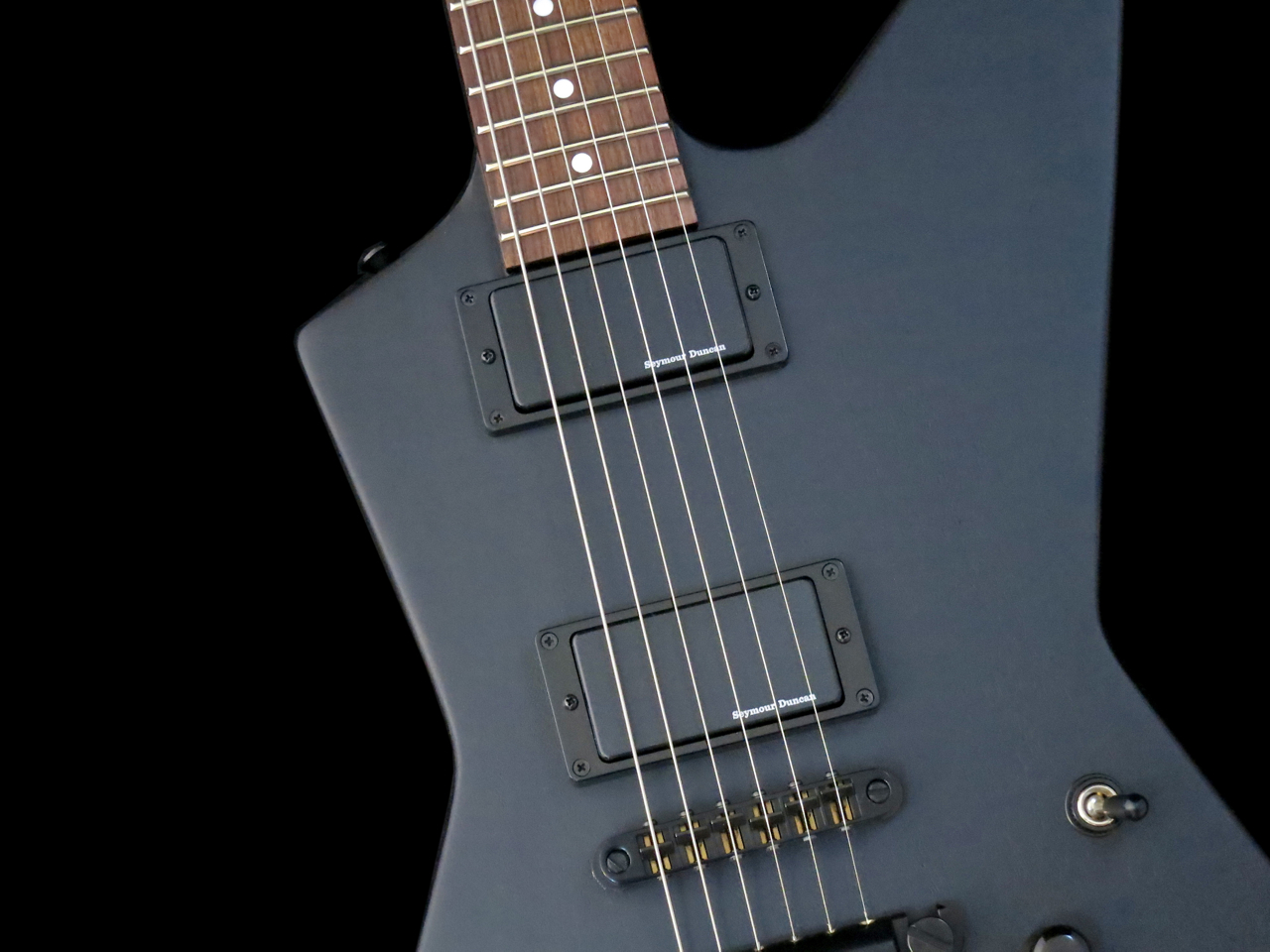
Kaulaliitos ja muut rakenteelliset seikat ovat hyvin uskollisia Gibsonin klassikolle. Edwards on kuitenkin päättänyt jättää alkuperäismallin isokokoiset pleksit käyttämättä, minkä vuoksi EX-125D:ssä myös kolmiasentoinen mikkikytkin on siirretty diskanttisarvesta tallan läheisyyteen.

Testikitaran ohut mattamusta viimeistely (Stain Cloudy Black) jättää mahongin syykuviot kauniisti esille.

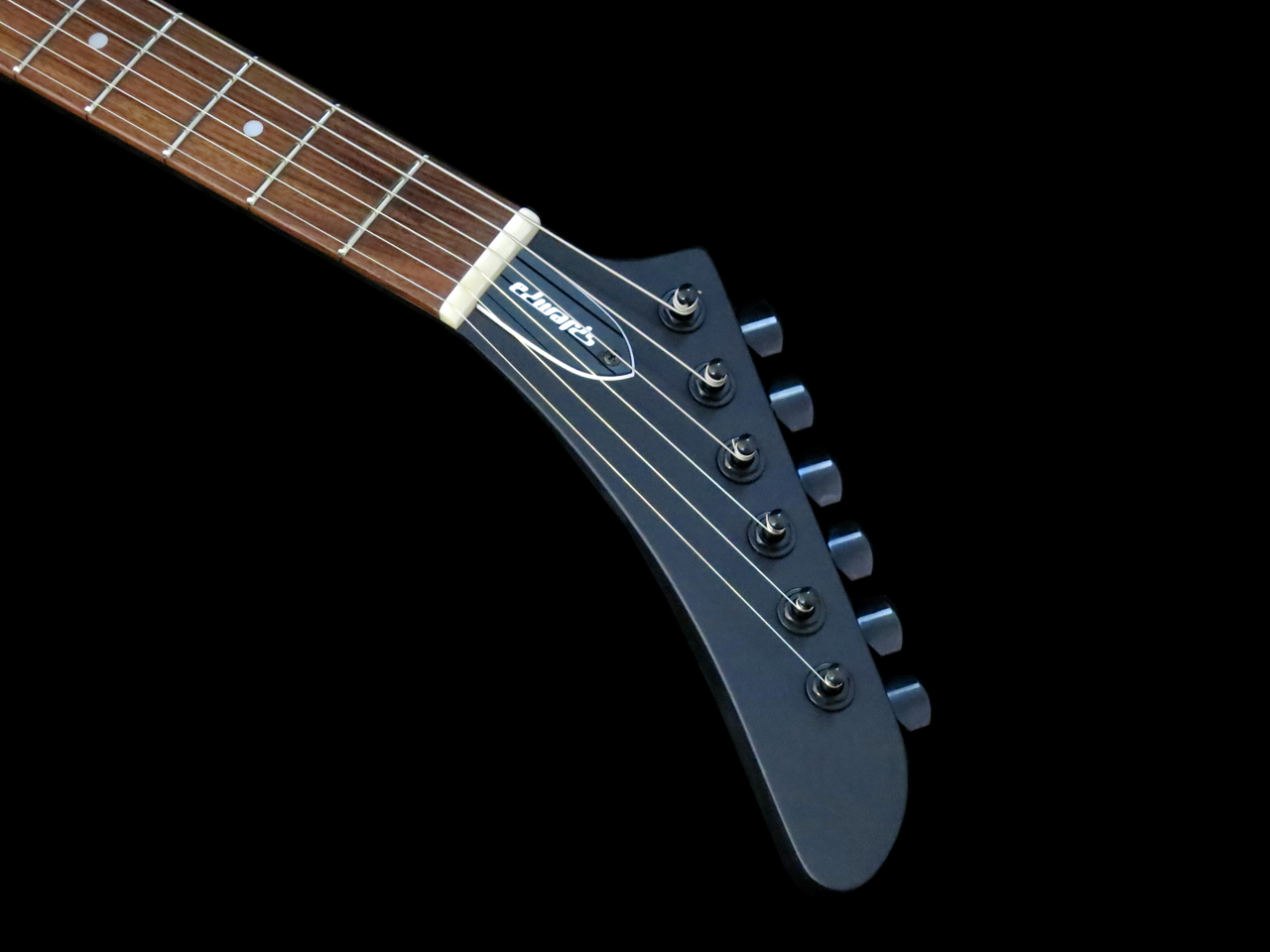
Klassiseen lätkämailalapaan on asennettu laadukkaat, mustat Gotoh-virittimet, sekä luusta veistetty satula.

Myös soittimen talla ja kieltenpidin tulevat Gotoh:n tuotannosta.

Mikrofoneiksi on valittu kaksi aktiivista Seymour Duncan Blackouts -humbuckeria, jotka on kehitetty nimenomaan nykyaikaista Metallia soittavan kitaristin tarpeisiin.

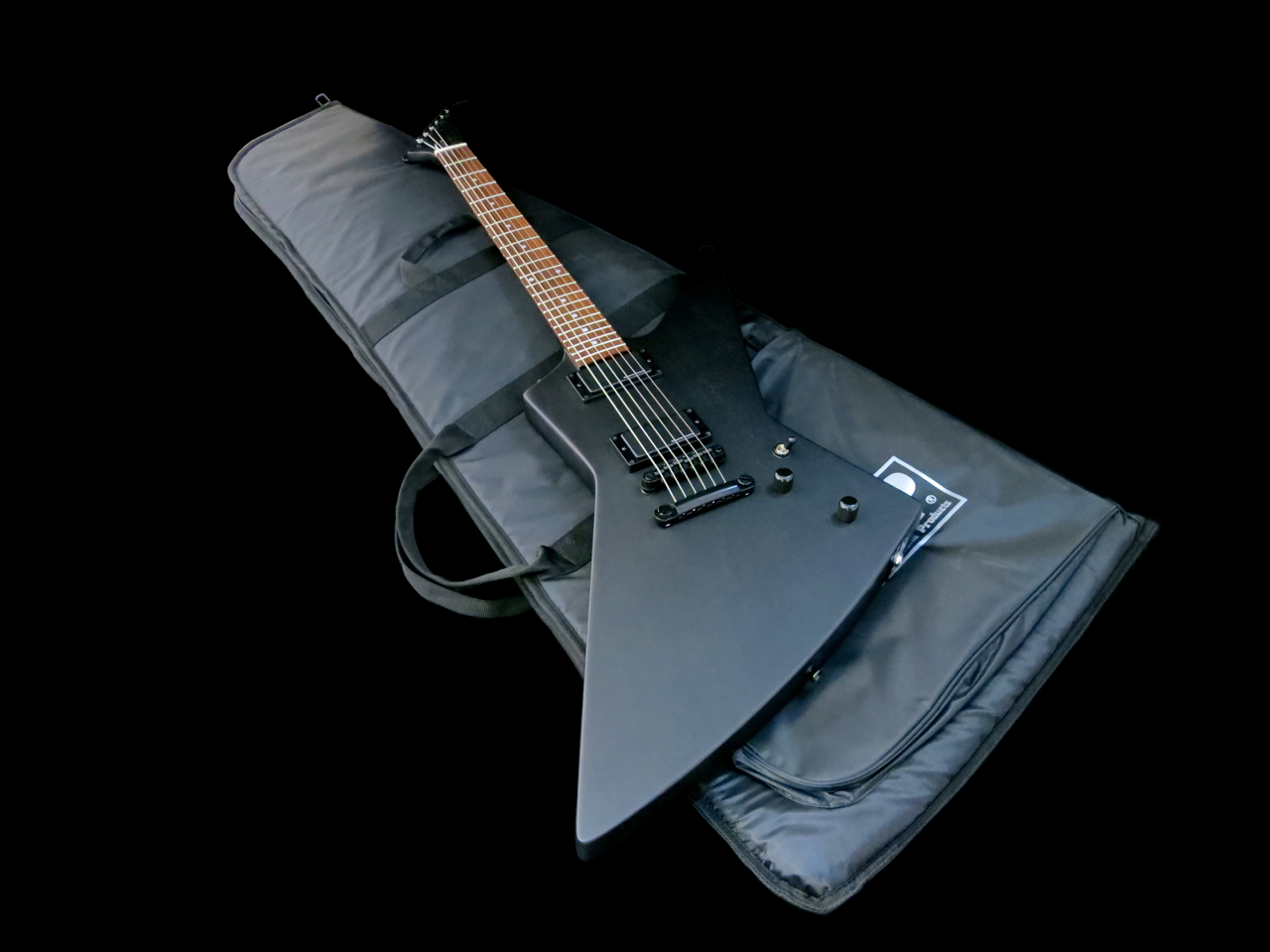
Edwards EX-125D:n hintaan kuuluu myös laadukas topattu kantopussi.

****

Edwards SA-160TLS näyttää vanhalta ES-335-kitaralta, mutta sen ominaisuuksissa on yksi hyvin ratkaiseva ero – kitaran kaikukoppaan on käytetty kaiverrettua kokopuista vaahteraa kannessa ja pohjassa, perinteisen vanerikopan sijaan.

Perinteisesti Gibsonin ES-335 – ja sen sukulaiset, kuten ES-330, ES-345 ja ES-355 – käyttävät muotoon prässättyä vaneria, tavallisesti kolme tai neljä kerrosta vaahteraa (joskus löytyy myös poppelia keskikerroksissa, riippuen mallista ja vuosimallista). Edwards SA-160TLS taas on tehty kalliin orkesterikitaran tapaan kaivertamalla kitaran kanta ja pohja kokopuisista vaahtera-aihioista. Vaan kaikukopan reunat on tässäkin edelleen muotoiltu höyryprässätystä vanerista.

Vastapainoksi kokopuisen vaahteran soundilliseen tuoreuteen, Edwards käyttää tässä soittimessa mahonkista keskipalkkia. Kanteen ja pohjaan on jätetty keskipalkkia varten sisäpuoleen pienet ”askelmat”, niin ei tarvita tässä mallissa perinteisiä kuusikaistaleita kopan ja palkin väliin.

Erittäin kaunis puolihimmeä kirsikanpunainen viimeistely on Edwardsin versio Gibsonin VOS-viimeistelystä, minkä ansiosta SA-160TLS näyttää vanhahtavalta myös täysin ilman naarmuja.

Reunalistoitettu otelauta on pau ferroa, yläsatula aitoa naudanluuta ja soittimen virittimet ovat Gotoh:n valmistamia.

SA-160TLS varustukseen kuuluu vintage-tyylinen Gotoh-talla, jossa rautalangasta tehty jousi pitää tallapalojen ruuvit paikoillaan.

Tähän Edwardsiin on asennettu aavistuksen vintagea tehokkaammat humbuckerit – kaulamikiksi on valittu Seymour Duncanin Jazz-malli, kun taas tallamikrofonina toimii Custom 5 -humbuckeri.

SA-160TLS:n hintaan kuuluu laadukas kova kotelo.

****

Koska Explorer-tyylisissä kitaroissa, niin kuin Edwards EX-125D:ssä, on iso ja kulmikas runko, ne eivät ehkä ole luontevin valinta sohvakitaraksi, mutta seisten tämän kitaran kevyt olemus on selvä plussa.

Työnjälki on ensiluokkainen ja säädöt olivat testikitarassa kohdillaan. Kaulaprofiiliksi on valittu pyöreä, mutta maltillisen paksu C – Gibson-fanit kutsuisivat tätä 60-luvun profiiliksi. Edwards EX-125D:n kaula tuntuu hyvin nopealta, ilman 1990-luvun vauhtikaulojen ylimääräistä leveyttä tai ohuutta.

Vaikka tämän kitaran ulkomuoto on 60 vuotta vanha, vaikuttavat mallin aktiiviset mikrofonit siihen, että Edwardsin soundi on nykyaikainen. Duncanin Blackouts-humbuckerit tarjoavat runsaasti lähtötehoa ja selkeyttä, eikä ne ulise runsaalla gainella, mikä tekee niistä hyvän valinnan nyky-Metallille.

****

Kitaraklassikoista ES-335 on – Fender Stratocasterin ohella – yksi monipuolisimmista sähkökitaroista, joka kelpaa lähes kaikille genreille Jazzista Bluesiin tai Countrysta Rockiin.

Edwardsin SA-160TLS on erittäin tyylikäs versio ES-335:stä, jossa yhdistyy 1960-luvun kosmetiikka ja 1950-luvun soittotuntuma. Kaulaprofiiliksi on nimittäin valittu vuoden 1959:n Gibson profiili, joka on melko paksu ja pyöreä.

Työnjälki on loistava ja säädöt olivat kohdillaan. Tämäkin Edwards on kevyt kitara.

Akustisesti SA-160TLS soi hivenen verran kirkkaammalla äänellä kuin mitä odottaisi hyvältä puoliakustiselta. Vahvistimen läpi tämä pieni ero kuitenkin häviää, ja Edwardsin ja referessikitaran väliset pienet soundilliset erot johtuvat varmaan enemmän soittimien eri mikrofoneista kuin niiden perusäänistä.

****

Sääli, että Edwardsit ovat – ainakin tähän mennessä – olleet Suomessa hyvin harvinaista herkkua. Tämän testin perusteella Edwards-kitarat nimittäin vaikuttavat hyvin laadukkailta soittimilta, ja myös niiden hinta on varsin kohtuullinen.

****

Edwards EX-125D & SA-160TLS

EX-125D – 1.139 €; topattu pussi kuuluu hintaan

SA-160TLS – 1.460 €; kova laukku kuuluu hintaan

Maahantuoja: Musamaailma

****

Plussat (molemmat mallit):

+ työnjälki

+ ominaisuudet

+ soundi

+ hinta-laatu-suhdeSave

Save

Save

Save

Save

Save

Save

Save

Save

Save

Save

Save

Save

Save

Save

Save

Review: Edwards EX-125D and SA-160LTS

Japanese company ESP is one of the largest guitar brands on the planet, not least thanks to the popularity of their designs for the Hard and Heavy-crowd. But there’s more to ESP than some of us might realise, because – unlike the ESP and LTD model ranges, available worldwide – some brands, like Grass Roots or Edwards, are only available in specific markets.

Edwards, which is usually available only in Japan, is ESP’s upmarket brands for vintage-style and vintage-inspired guitar models.

The Edwards EX-125D (1,139 €; incl. gig bag) is the brand’s modern take on the classic Gibson Explorer design, complete with active pickups and streamlined controls.

The Edwards SA-160TLS (1,460 €; incl. case) looks like a straight copy of a ’64 Gibson ES-335, but in reality it comes with a very important twist. Read on…

****

When I went to pick up the review instruments at (Finnish distributor’s) Musamaailma’s HQ, I had to take a look in the gig bag to make sure the EX-125D was really in there. The Edwards model must be the most lightweight Explorer (-style guitar) I have come across in my life so far!

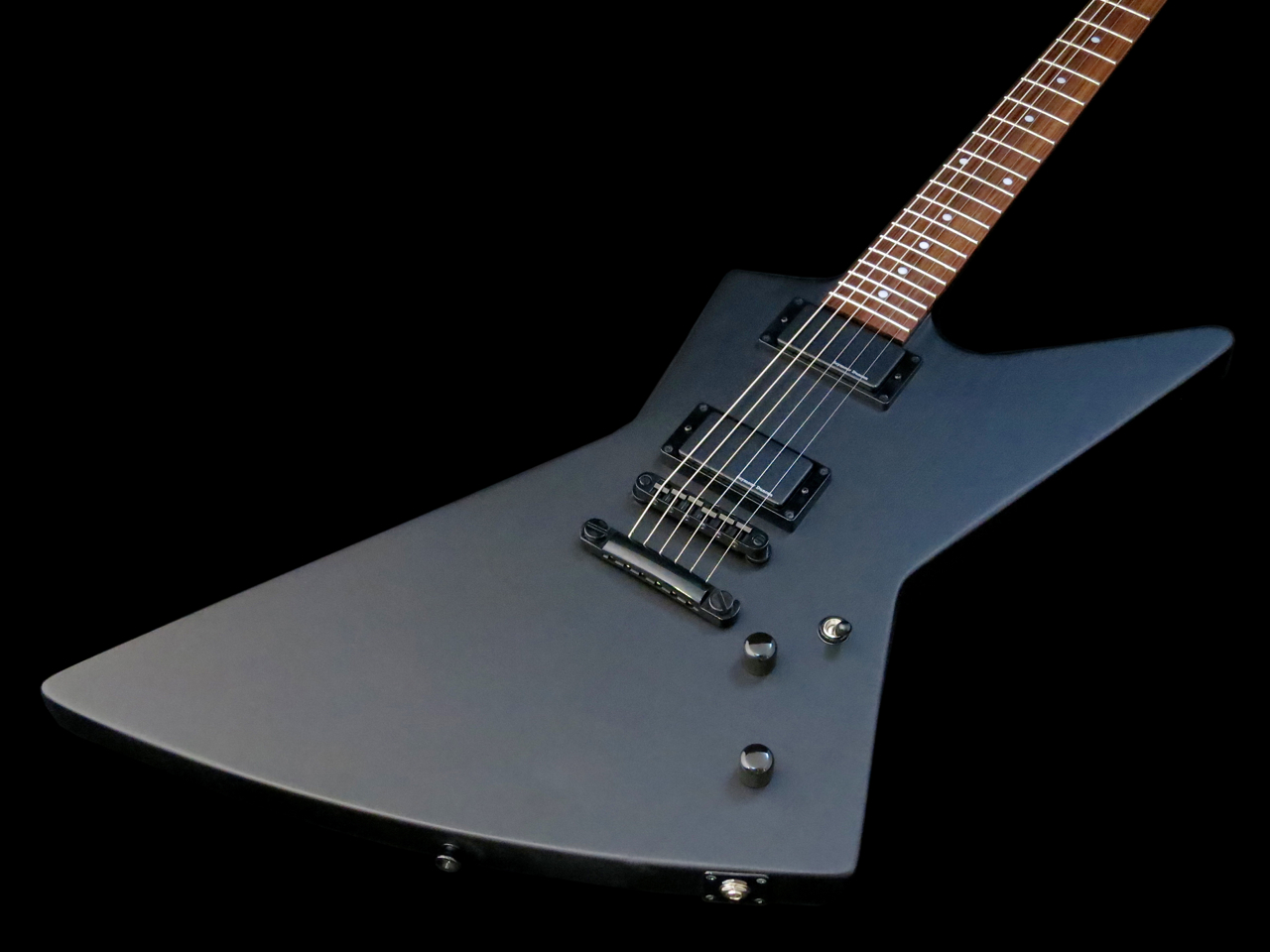
The EX-125D is an all-mahogany affair, save for the beautiful slab of pau ferro that serves as its fretboard.

The set neck construction mirrors Gibson original closely, but Edwards has done away with the large pickguard, while also moving the toggle switch, away from the top horn down to the bridge.

The reviewed guitar comes in a very nice matte finish (Stain Cloudy Black) that leaves the mahogany’s grain partially open.

The classic hockey stick headstock sports a set of black Gotoh tuners, as well as a bone nut.

The bridge and stopbar are also high-quality units made by Gotoh.

The pickups are a pair of Seymour Duncan’s active Blackouts, which have been geared especially towards the needs of Metal players.

The Edwards EX-125D comes in its own quality gig bag.

****

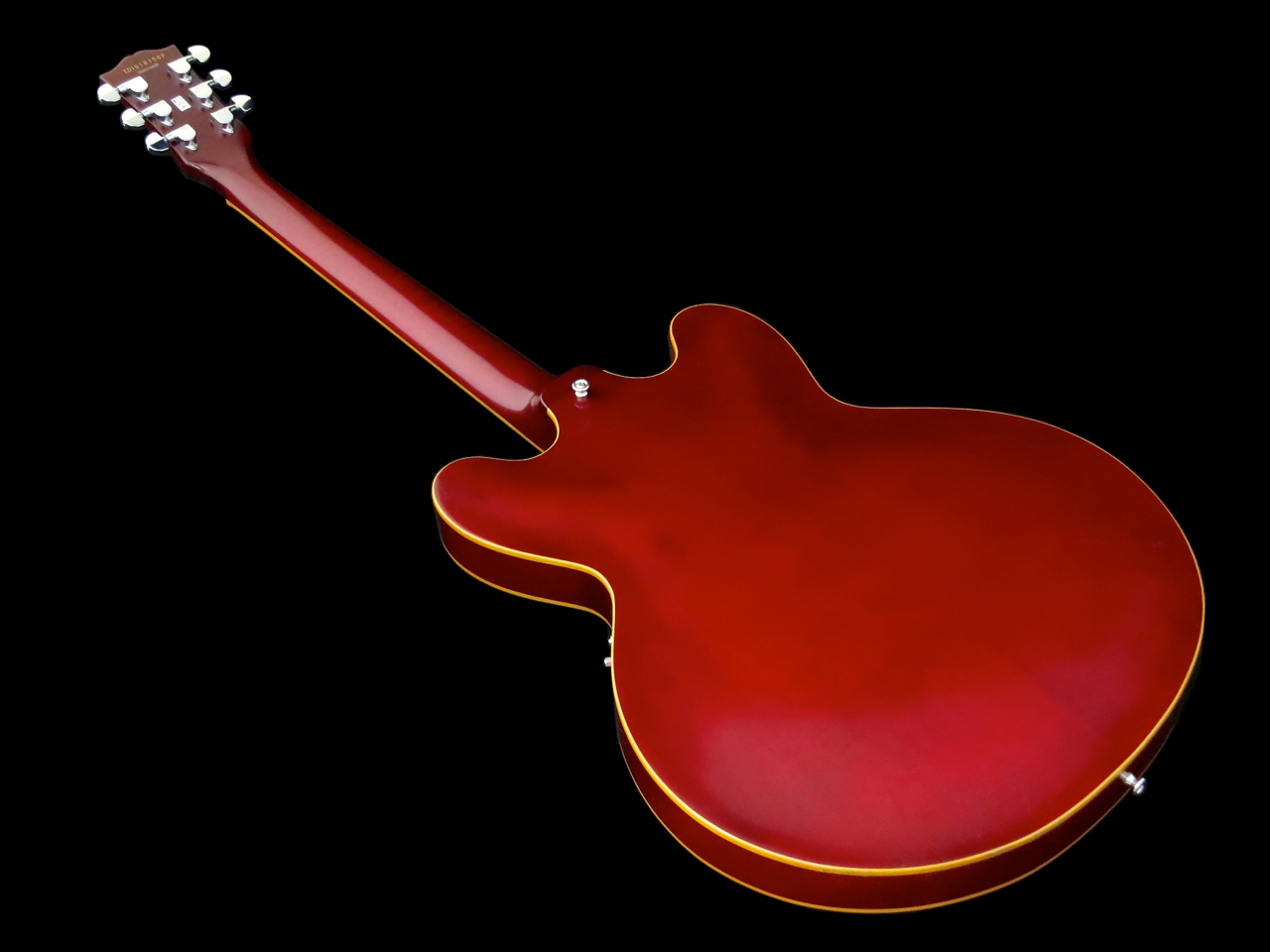
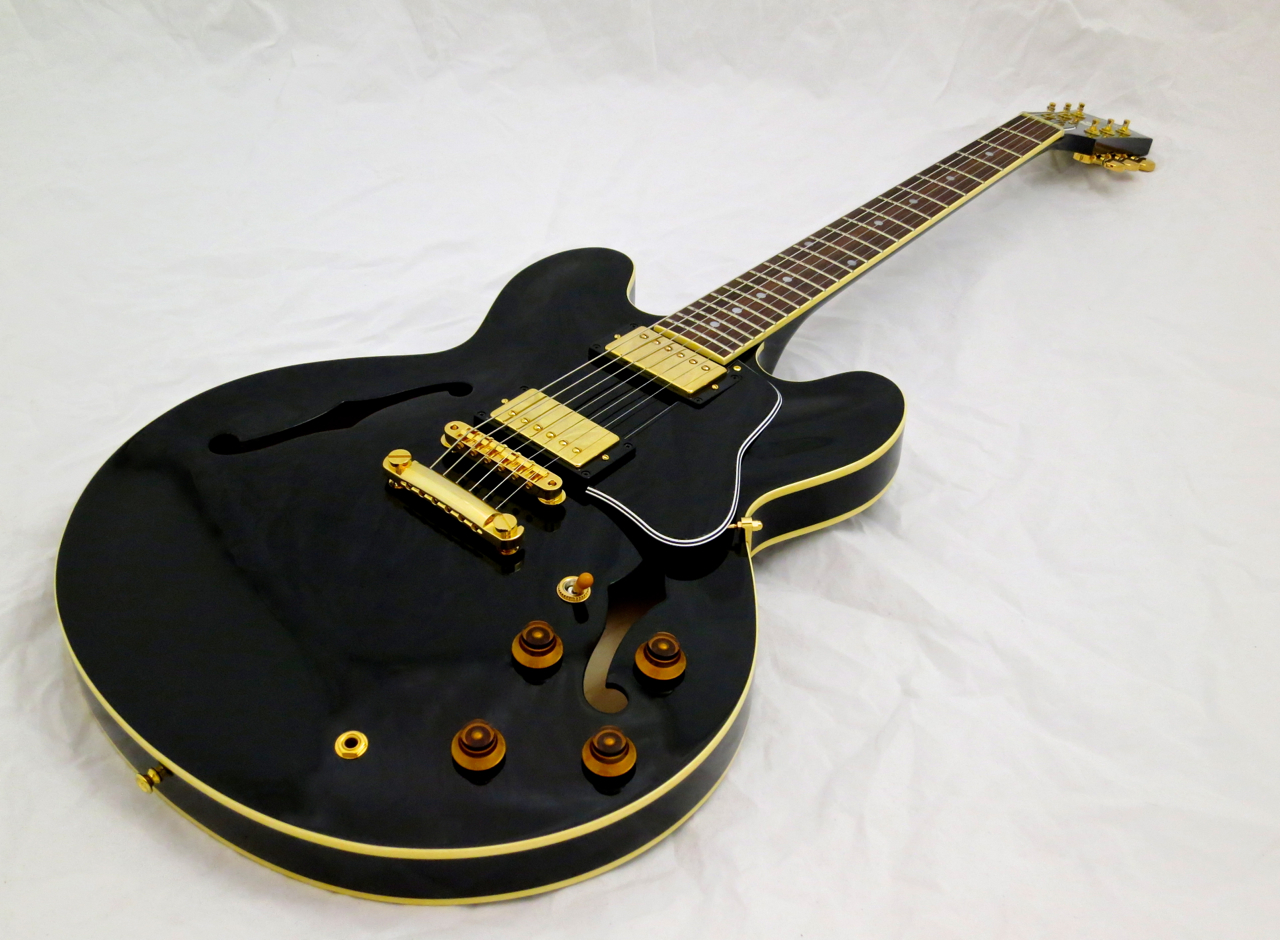
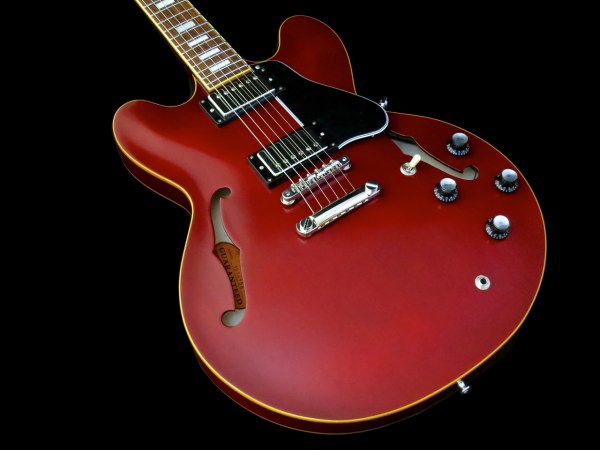
The Edwards SA-160TLS might look like a mint 1964 ES-335, but actually offers one distinct change in specifications – a semi-acoustic body made from carved solid maple.

Traditionally the ES-335 – and its cousins, the ES-330, ES-345 and ES-355 – are made from steam pressed plywood, usually three or four plies of either all maple or maple and poplar (depending on model and year of production). In contrast, the Edwards SA-160TLS is built like an upmarket Jazz guitar (or Gibson’s mandolins), by taking two centre-joined maple blanks and carving them into the gracefully shaped curves of the guitar. Having to be bent into shape, the rims are still plywood.

Edwards offsets the spankier basic tonality of the solid maple body by using a centre block made from mahogany, which is glued to steps left on the inside of both top and back (no spruce fillets here).

The superb cherry red finish on the SA-160TLS is Edwards’ take on what a ”closet guitar” might look like. The slightly matte look isn’t too far removed from Gibson’s VOS finish.

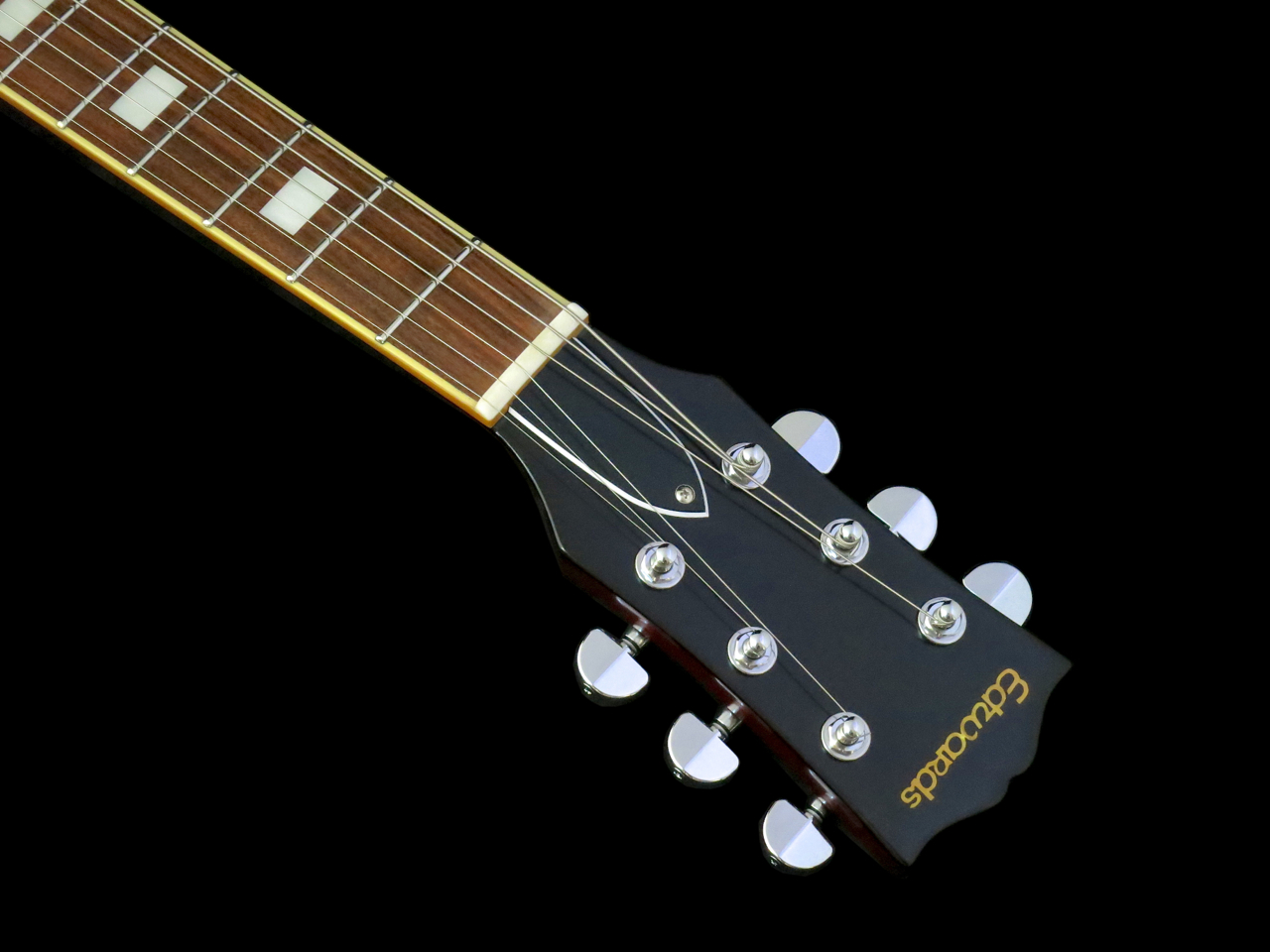
We find a bound pau ferro fingerboard, a well cut bone nut, and a set of classy Gotoh tuners.

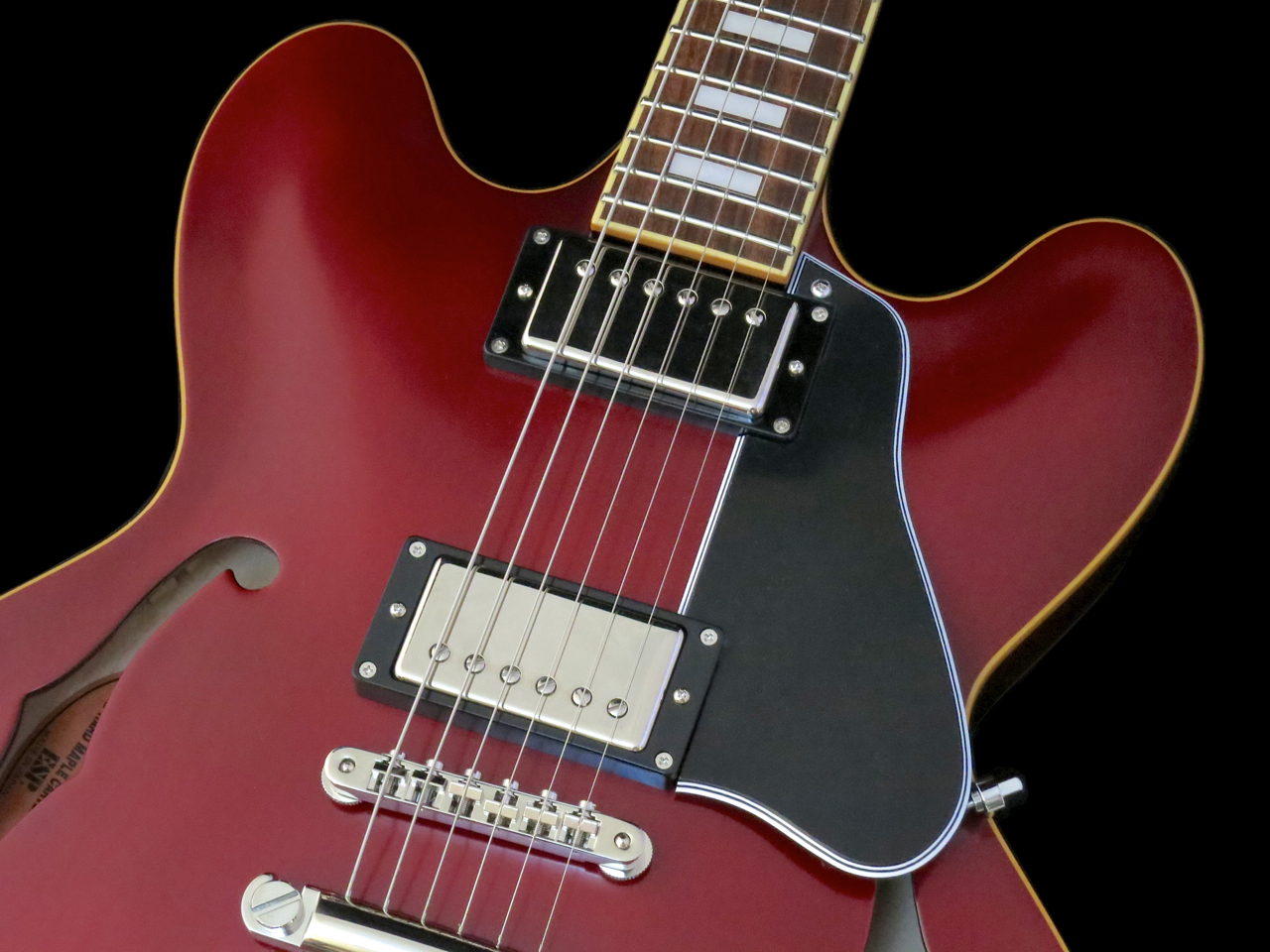
The SA-160TLS features a vintage-style Tune-o-matic bridge made by Gotoh, complete with the saddle-retaining wire.

This Edwards sports a slightly hotter-than-vintage humbucker pair of a Seymour Duncan Jazz in the neck position and a Custom 5 in the bridge position.

The SA-160TLS comes with its own high quality case.

****

Due to its angular body shape an Explorer-type guitar, such as the Edwards EX-125D, probably isn’t the best choice for sofa noodling, but strapped on this light guitar is a dream to play.

The workmanship is excellent and the set-up superb. The neck profile is what guitar anoraks call a Gibson 60s neck, meaning it is very rounded with moderate thickness. The Edwards EX-125D is a very ”fast” guitar, without resorting to a too flat or too wide neck profile.

While the guitar type is already 60 years old, the active pickups used on the Edwards put it firmly in modern territory. The Duncan Blackouts offer a high output level coupled with a lot of clarity and high feedback resistance, making them just the ticket for modern styles of Metal.

****

Along with the Fender Stratocaster, the ES-335 is known as one of the most versatile classic guitars you’ll find, doing everything from Jazz and Country to Blues and Rock.

The Edwards SA-160TLS is a very classy reproduction that combines Sixties looks with late-Fifties playability. The neck profile is a dead ringer for a vintage 1959 Gibson neck. It’s round and chunky, while still steering clear of the clubby baseball bat feel of, say, a 1957/58 Les Paul.

The workmanship is superb, as is the review guitar’s set-up. The Edwards is also a lightweight instrument.

The SA-160TLS’ acoustic tone is a tiny bit brighter, and maybe even a little louder, than what you’d normally expect from a good ES-335-style semi, but played through an amp I found the differences between this solid maple Edwards and my reference semi to be largely negligible and mostly down to the different pickups. This is a fine version of a ’64 ES-335, and it also sounds like one.

****

It’s a shame that we don’t usually see more of Edwards Guitars’ output here in Finland. Judging by this review there’s a lot to be liked. These are well-made, professional grade instruments offered at fair price.

****

Edwards EX-125D & SA-160TLS

EX-125D – 1,139 €; including gig bag

SA-160TLS – 1,460 €; including case

Finnish distributor: Musamaailma

****

Pros (both models):

+ workmanship

+ features

+ sound

+ value for money

Save

Save

Save

Save

Save

Save

Save

Save

Pidä blogia WordPress.comissa.

Ylös ↑