Lisätiedot: Musamaailma
Blackstar ID:Core >>>> The Kitarablogi-video
Kitarablogi.com – Finland's premier Guitar and Bass blog
Juttuja kitaroista ja bassoista


****

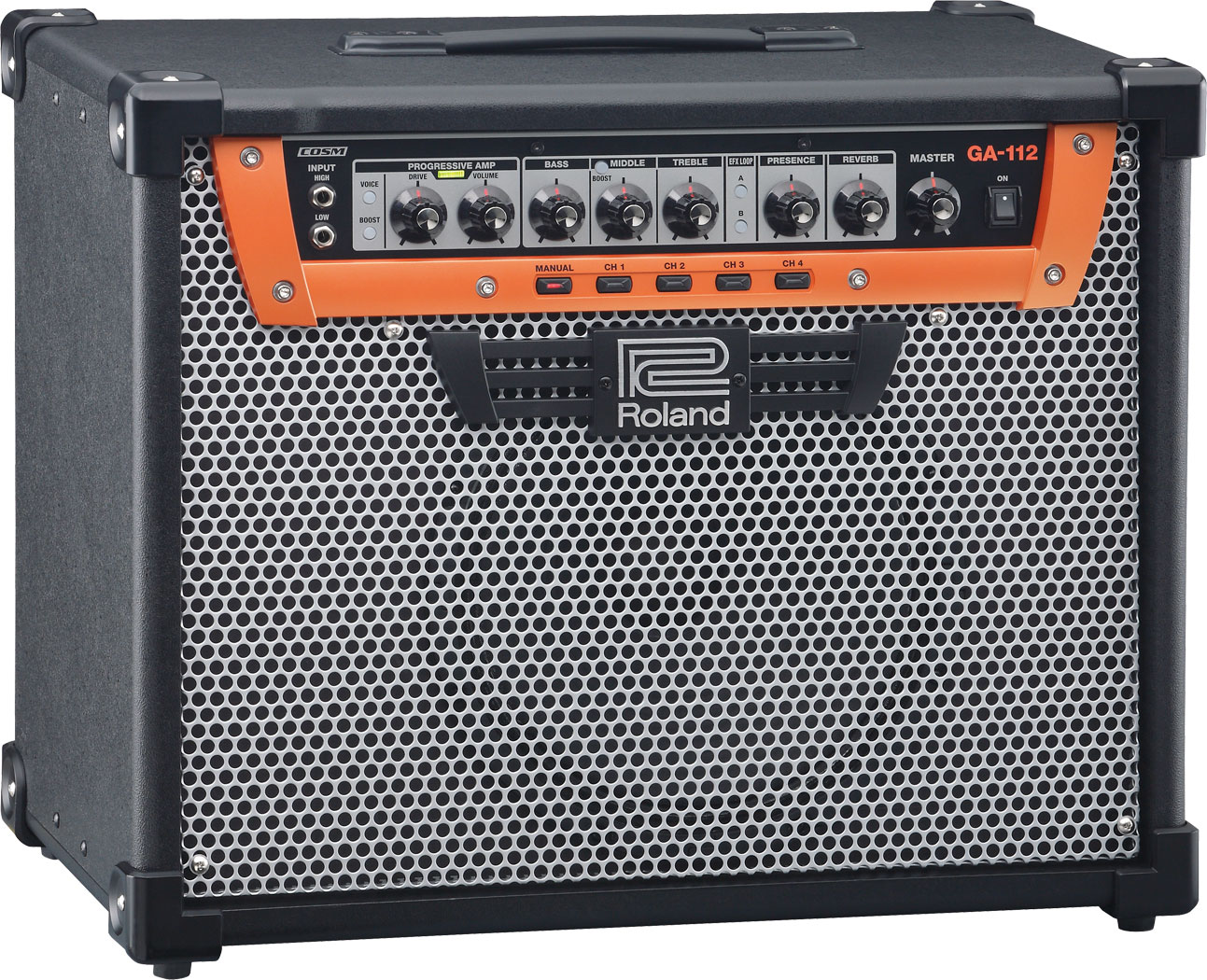
One of Roland’s many new products for 2012 is the GA-112 – a COSM-based guitar combo using the company’s modelling technology to come up with a sound all of its own.
The GA-112 – as well as its larger 2 x 12″ brother, the GA-212 – utilises a specially designed COSM-model called Progressive Amp. Progressive Amp promises to give you the full scale of possible amp tones – from ultra-clean all the way to bone-crushingly dirty – from a single digital amp model, using only the gain-control and the combo’s EQ.
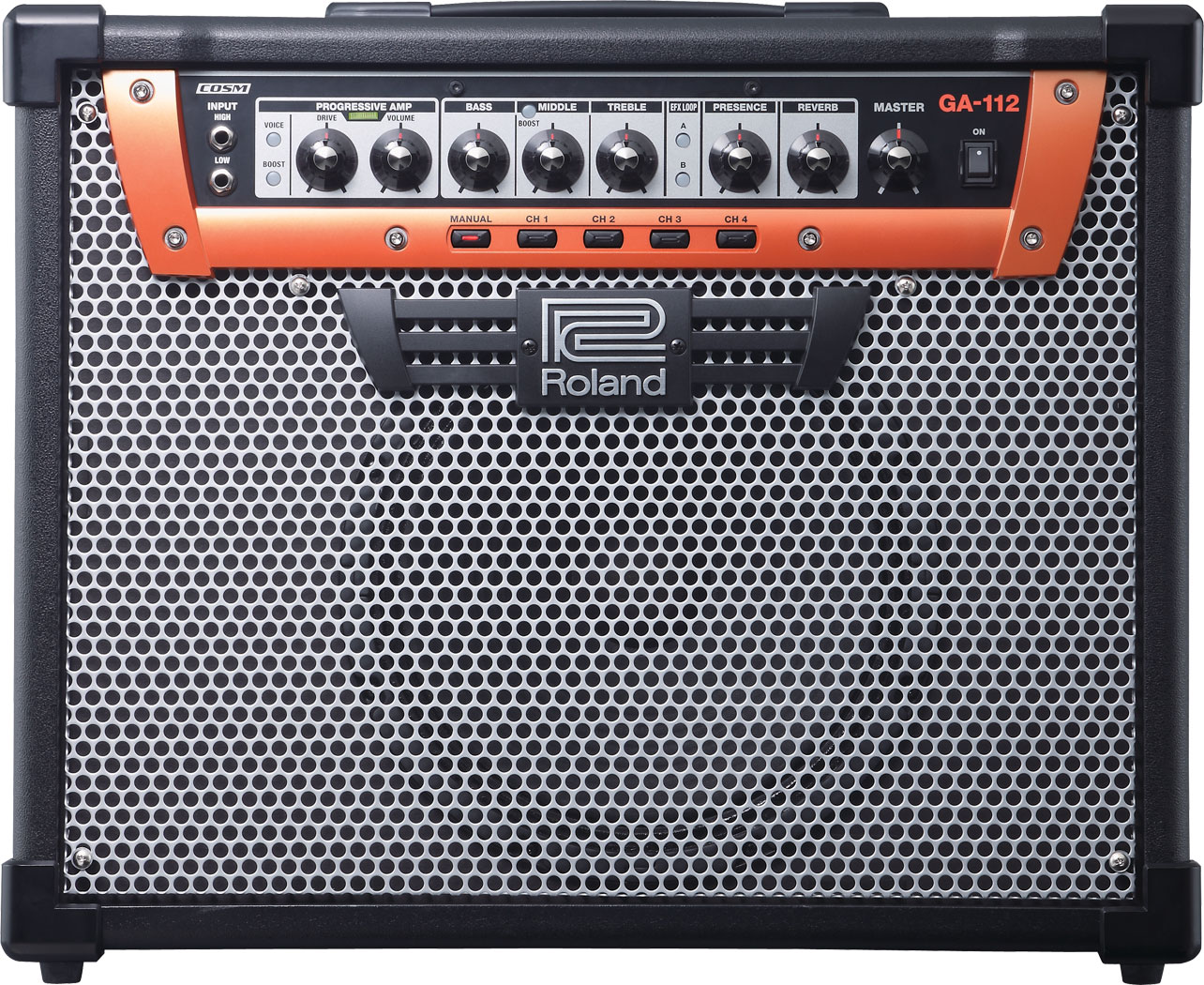
The 100-Watt Roland GA-112’s (current price in Finland: 844 €) looks combine many features from older Roland guitar amps.
The front panel is somewhat reminiscent of the legendary Jazz Chorus combo, while the cabinet’s black vinyl cover, as well as the extremely sturdy metal speaker grille have been borrowed from the company’s long-running Cube-range.
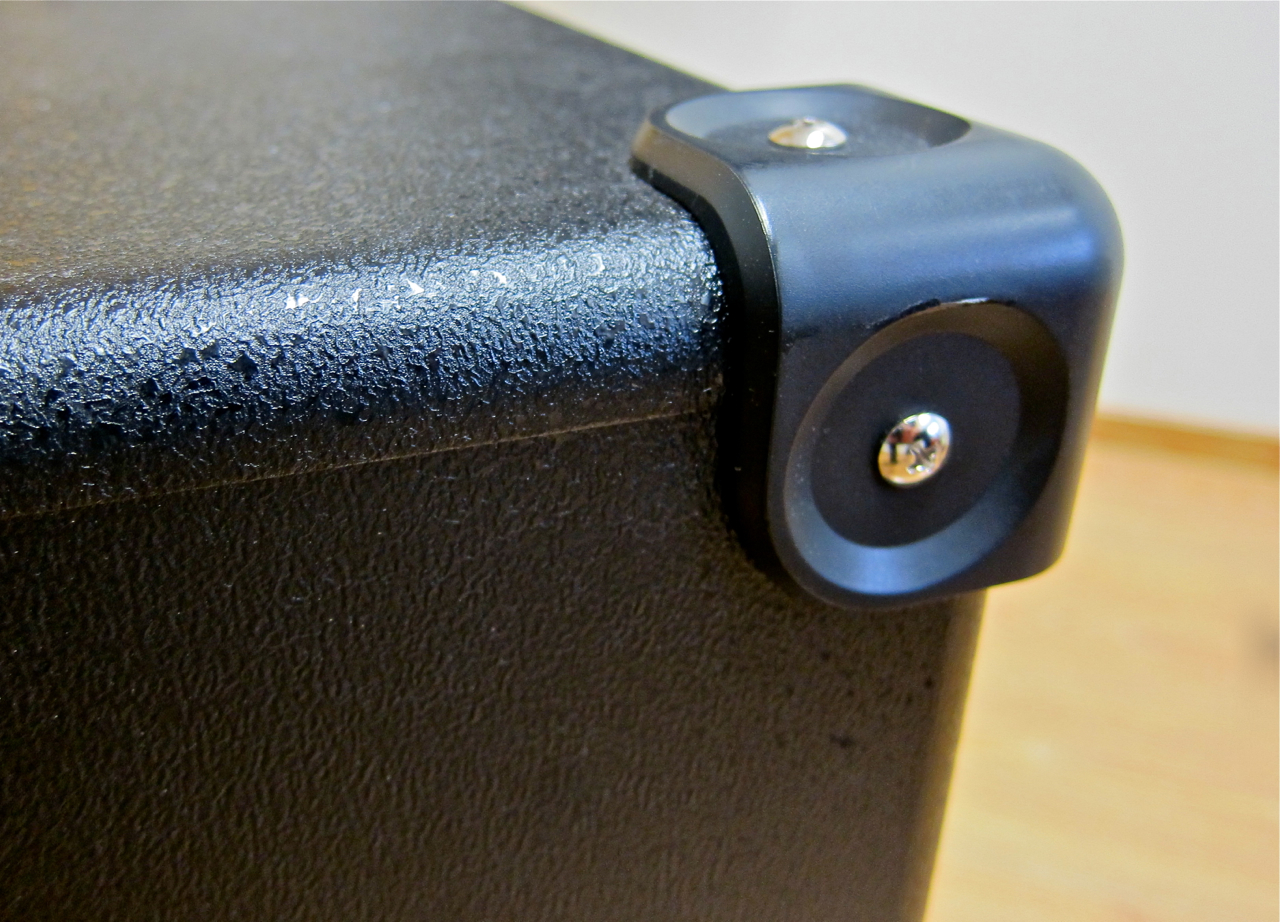
The GA-112’s chunky plastic corner protectors are designed to withstand the rough life of a gigging amplifier.
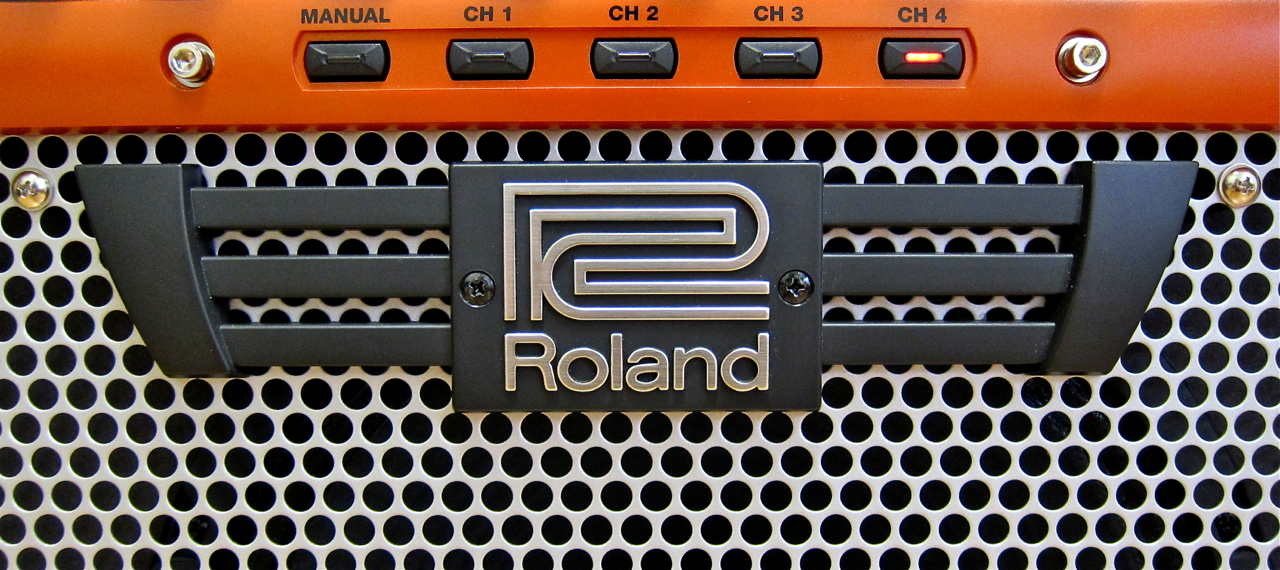
This Roland is equipped with a fully-digital preamp section offering a whopping five channels – four user-storable selections, plus the current control knob settings in Manual-mode.

Regardless of all the digital circuitry inside, the GA-112’s front panel is very clean and easy to understand. All push-buttons are backlit, and all the knobs for storable parameters (meaning all, but the Master Volume) have been equipped with red position LEDs. This combo’s settings are easy to read even on a completely darkened stage.
Apart from its two input jacks, the front section offers two buttons – Boost and Voice, which adds a slight loudness EQ-curve to the signal.
The Progressive Amp -section’s oblong LED-indicator is a great way to keep you in the picture in regard to the character of the current amp channel/settings, by changing its colour according to the gain setting. A green light, for example, tells you that you are paddling safely in totally clean waters, while purple or white means you are sailing close to distortion meltdown.
The EQ-section is a three-band affair with an added mid-boost for fattening up your tone.
Before travelling onward to the Presence- and reverb-controls your signal can be send to either or both of the GA-112’s effect loops. Both loops’ on/off-status is stored channel-specifically along with all the other channel data, which means that changing channels also automatically switches the loops on or off.
The GA-combo’s only internal effect is its lushly-voiced digital reverb.
Roland’s GA-112 stores all changes to one channel’s settings automatically each time you switch to another channel, which makes the combo quite intuitive to work with.

The effect loops have been placed alongside all the other connectors on the back panel.

You can choose between a parallel and a series signal path for each loop, and set the correct nominal signal level (-10 dB or +4 dB) for your chosen outboard effects.
The back panel also gives you a tuner output and a line level output for connection to a mixer. You can also daisy-chain two GA-112s for large venues.

For full switching control on-stage you have to buy Roland’s own GA-FC-footcontroller, which allows you to switch channels, turn the boost on or off, as well as switch on/off the effect loops and the reverb.
It would have been a nice move, though, if Roland had included a simple up/down-footswitch for channel-switching with the amp.
****
Roland’s GA-112 isn’t your traditional modelling amp, as it doesn’t feature heaps of different models of famous amps, vintage and new, or loads of different internal effects. The approach has been radically different here.
The GA-112’s main advantages are its healthy basic sound, as well as the Progressive Amp’s huge versatility and tweakability, giving you everything from totally clean to full-on metal.
The Roland isn’t about the authenticity of vintage amp models when compared to the physical originals from yesteryear. This is a modelling amp that isn’t modelling any specific amps, but uses it digital power to offer the guitarist a blank canvas with a large palette of colours.
The Roland GA-112 makes a great job of offering most guitarists their sound with the minimal amount of fuss and a practically flat learning curve.
Warm Jazz-cleans or biting Country-picking can be dialled in in no time. Organic and dynamically rich Trad Blues and Seventies Rock can also be had. And the GA-112’s merciless Metal-riffing will have you headbanging until the janitor takes the main fuse hostage.
Roland’s two switching effect loops open up many interesting possiblilities for seasoning your tones.
I suggest you make a beeline for your nearest Roland-dealer, if you are interested in making the GA-112 your personal command centre on-stage or in the studio.
****
Here are a couple of examples using the Roland GA-112 without any external effects:

****
Roland GA-112
844 €
Finnish distribution: Roland Scandinavia
****
Pros:
+ basic sound
+ extremely wide scale of gain
+ programmable
+ two effect loops
+ power
+ sturdy build
Cons:
– footcontroller optional
****
****
Yksi tämänvuotisista Roland-uutuuksista on GA-112 – firman COSM-teknologiaa hyödyntävä kitarakombo, joka on ihan omaa itsensä, täysin ilman tiettyjen vahvistimien mallinnusta.
Koko komeuden ytimessä toimii GA-112 – ja isompaa, kahta 12-tuumaisia kaiutinta sisältävä sisarmalliaan GA-212 – varta vasten kehitelty Progressive Amp -niminen COSM-malli. Progressive Amp lupaa erinomaisia clean-, crunch- ja lead-soundeja yhdestä, samasta vahvistimesta, pelkästään gain-säädintä ja EQ:tä käyttämällä.
Satawattisessa Roland GA-112:ssa (844 €) yhdistyy monia piirteitä, joita ovat tuttuja entisestään firman kitaravahvistimista.
Etupaneelin värimaailma muistuttaa legendaarista Jazz Chorus -komboa, kun taas kestävä musta päällinen ja erittäin tukeva metalliritilä tulevat suoraan firman Cube-sarjasta.
Myös paksut muoviset kulmasuojat on tehty kestämään keikkailevan kitarakombon ajoittain rankkaa elämää.
GA-112:n etuvahvistin on täysdigitaalinen, ja se tarjoaa peräti viisi kanavaa – neljä tallennettua kanavaa, sekä manuaalisen tilan, jossa käytetään säätimien tämänhetkiset asetukset soundin pohjana.
Etupaneelin rakenne on erittäin selkeä, kombon uumenissa piiloutetusta huipputeknologiasta huolimatta. Kaikki painonapit ovat taustavalaistetut, ja kaikki tallennettavissa olevat säätimet (siis kaikki, paitsi Master Volume) ilmaisevat asentonsa punaisilla ledeillä. Tämän kombon asetukset näkee selvästi myös täysin pimeällä lavalla.
Vahvistimen tulopuolella tarjotaan kahden jakkien lisäksi Boost-napin lisäpotkua varten, sekä Voice-kytkimen, jolla saa signaaliin lisättyä mietoa loudness-käyrää.
Progressive Amp -osaston pitkänomainen ledi auttaa suuresti gain-määrän visuaalisessa hahmottamisessa, muuttamalla väriään porttaattomasti loogisella tavalla Drive-asetuksen mukaan. Jos näkee vihreän valon tietää heti, että soundi on säädetty puhtaaksi, kun taas tumman punainen tai hohtavan valkoinen tarkoittaa rankkaa säröä.
EQ-osasto koostuu basso-, keskialue- ja diskanttisäätimistä, ja se tarjoaa tämän lisäksi myös keskialueen lisäboostin todella paksuja sointeja varten.
Ennen kuin signaali kulkee preesenssäätimen ja digikaiun läpi masterille, sitä voi vielä lähettää kummallekin tai jopa molemmille GA-112:n ulkoiselle efektilenkille. Efektilenkien päälle/pois-tilaa tallennetaan kaikien muiden vahvistimen parametrien mukaan kanavamuistipaikkaan, mikä tarkoittaa että kanavavaihdon yhteydessä myös oikeat ulkoiset efektit menevät automaattisesti päälle.
GA-kombon ainoa sisäinen efekti on sen kaunisääninen digitaalinen kaiku.
Roland GA-112 tallentaa muuten kaikki muutokset säätöihin automaatisesti muistiin, mikä selvästi nopeuttaa työskentelyä vahvarin kanssa.
Efektilenkkien liittimet on sijoitettu puoleksi avoimen kotelon takapaneeliin.
Kummankin efektilenkin kohdalla voi erikseen valita, onko kyseessä rinnakainen tai sarjakytkennässä oleva signaalitie, ja onko käytössä –10dB:n tai +4 dB:n signaalitasolla pyörivä efektilaite.
Takapaneelistä löytyy myös lähtö viritysmittarille ja mikserillä. Lisäksi pystyy myös ketjuttaa kaksi GA-112-komboa todella isoja lavoja varten.
Jos haluaa täyttä kontrollia lavalla täytyy lisätä laskuun vielä reilu satanen ja hankkia Rolandin oma GA-FC-jalkakytkinlauta. Sillä pystyy lennossa paitsi vaihtamaan kanavia myös kytkemään kombon boosteja, efektilenkkejä ja kaiun päälle tai pois.
Mielestäni se olisi ollut kuitenkin käyttäjän kannalta ystävällinen veto, jos Roland GA-112:n paketista olisi löytynyt valmiiksi yksinkertainen, kahdella kytkimellä varustettu pedaali, jolla voisi vaihtaa kombon kanavia ylös- ja alaspäin.
****
Roland ei lähtenyt GA-112:n suunnitteluun sellaisella päämäärällä, että nyt rakennetaan sellainen kombo, jossa on valtavasti erilaisia mallinnoksia vanhoista vahvistimistä ja iso kasa sisäisiä efektejä, vaan idea oli päinvastainen.
GA-112:n valtti ovat sen erittäin terve perussoundi, ja oman Progressive Amp -mallin uskomattoman laaja gain-skaala, joka ulottuu putipuhtaasta hyvin rankkaan metalliin.
En lähde tässä myöskään spekuloimaan Roland-kombon erilaisten soundien mahdollisista esikuvista tai GA-112:n tarjoamasta ”autenttisuudesta” tai sen puutteesta. Tämä ei ole mallintava vahvistin perinteisessä tarkoituksessa, tässä ei haetakaan uskollisuutta johonkin esikuvaan.
Roland GA-112 on ihan oma itsensä, ja pärjää vallan mainiosti tarjoamalla kitaristeille mahdollisuuden löytää omat soundinsa minimaalisella vaivalla.
Lämmin puhdas jazz tai helisevän pureva country – Roland-kombolla onnistuu kädenkäänteessä ja lopputulos kuulostaa erittäin hyvältä. Soittodynamiikaan ja kitaran volume-säätimeen herkästi reagoiva perinne-blues tai 1970-luvun rock luonnistuvat nekin mainiosti. Ja armoton metal-riffaaminenkin voi GA-112:llä jatkua, kunnes talkkari tulee ja takavarikoi treenikämpän pääsulakkeen.
Hyödyntämällä vielä styrkkarin kahta efektilenkkiä saa Rolandista esiin todella massiivisen määrän erilaisia laatusoundeja.
Voin vain suositella Roland GA-112 -kombon koeajelua, jos etsii uuden vahvistimen oman kitarasoundin komentokeskukseksi.
****
Tässä muutama esimerkki GA-112:n soundista ilman ulkoisia efektilaiteita:
Kasuga puoliakustinen – puhdas
Kasuga puoliakustinen – säröllä
Kasuga puoliakustinen – soolosoundi
****
Roland GA-112
844 €
Maahantuoja: Roland Scandinavia
****
Plussat:
+ perussoundi
+ erittäin laaja gain-skaala
+ ohjelmoitavuus
+ kaksi efektilenkkiä
+ teho
+ kestävä rakenne
Miinukset:
– jalkakytkin ei kuuluu hintaan
****
****
Äänitin talon humbuckereilla varustetut kitarat peräkkäin. Tässä sama audiona: Tallahumbuckerit
****
I recorded all humbucker-equipped guitars I could muster back to back.
Here’s the audio: Bridge Humbuckers
****
Järjestys – Running order
****

Everybody has heard of Tokai, and there’s plenty of knowledge about Greco’s and Ibanez’ copycat instruments around.
The Kasuga-brand is a much rarer beast, even though the company produced many decent instruments (many of those were copies) between the mid-Sixties and the Eighties.
I own a Kasuga-version of Gibson’s classic ES-335, which was most likely produced in the late 1970s, judging by its main specs.


I found my Kasuga by chance in a flea-market in the early Nineties. The price asked was so low and the guitar so red, it was a no-brainer. 😉
The classic curves of a Gibson ES-335/345/355 are one of the prettiest guitar shapes, in my opinion.
In some respects this copy is a funny hodgepodge of different attributes lifted from different periods of the original’s lifespan. Additionally there are also some of Kasuga’s own details added.

Take the headstock, for example, which is the larger version, generally used for the bound headstock of the Gibson ES-355 model.
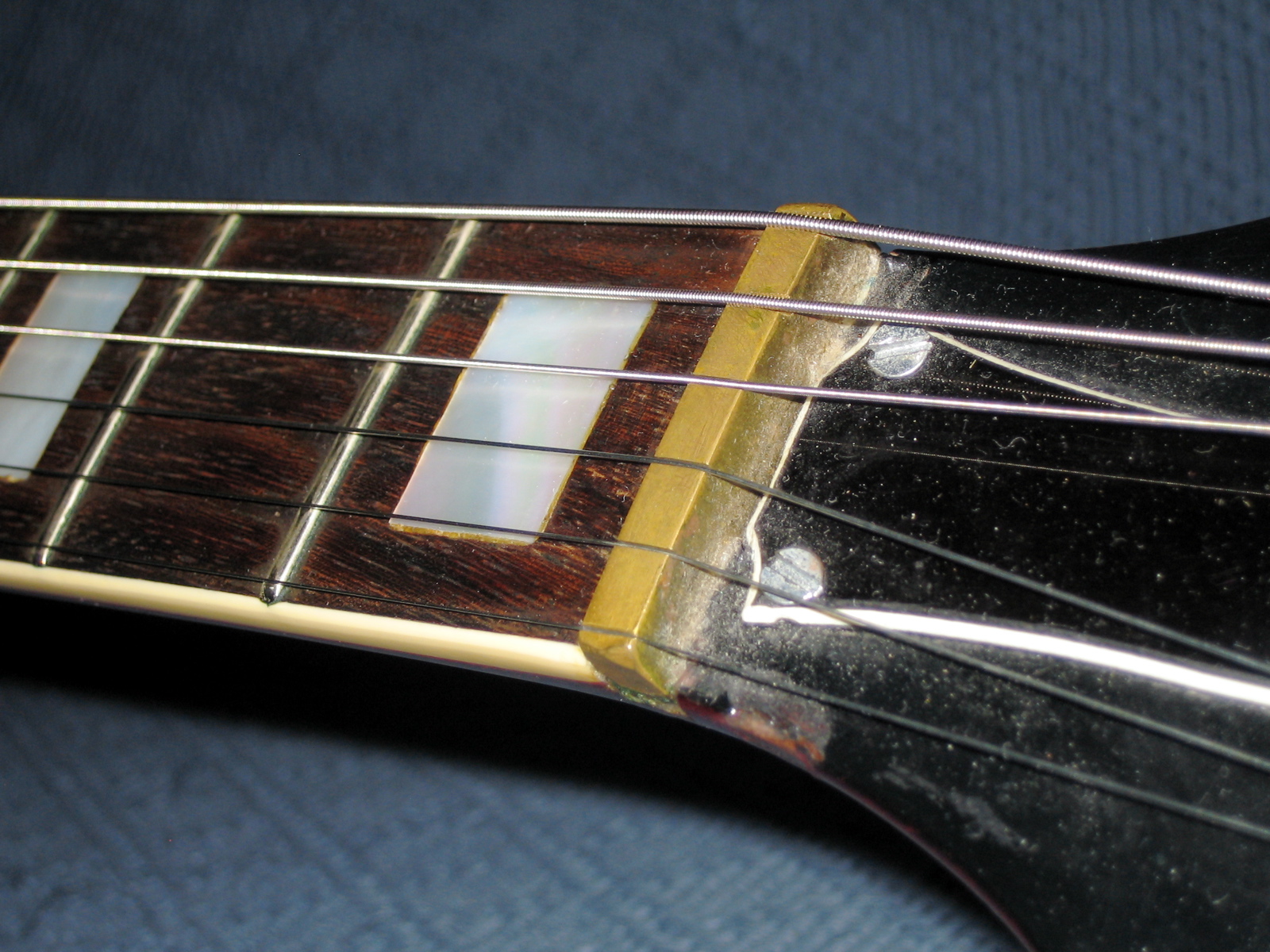
A previous owner had installed a brass nut – very much in fashion in the early Eighties. The extremely low frets are original, as are the large pearl inlays. The neck profile is a copy of Gibson’s 1970’s slim type.

The sealed tuners are of a make that I’ve never seen before or since. There’s the typical 1970s volute, meant to strengthen the neck’s wrist and the headstock.
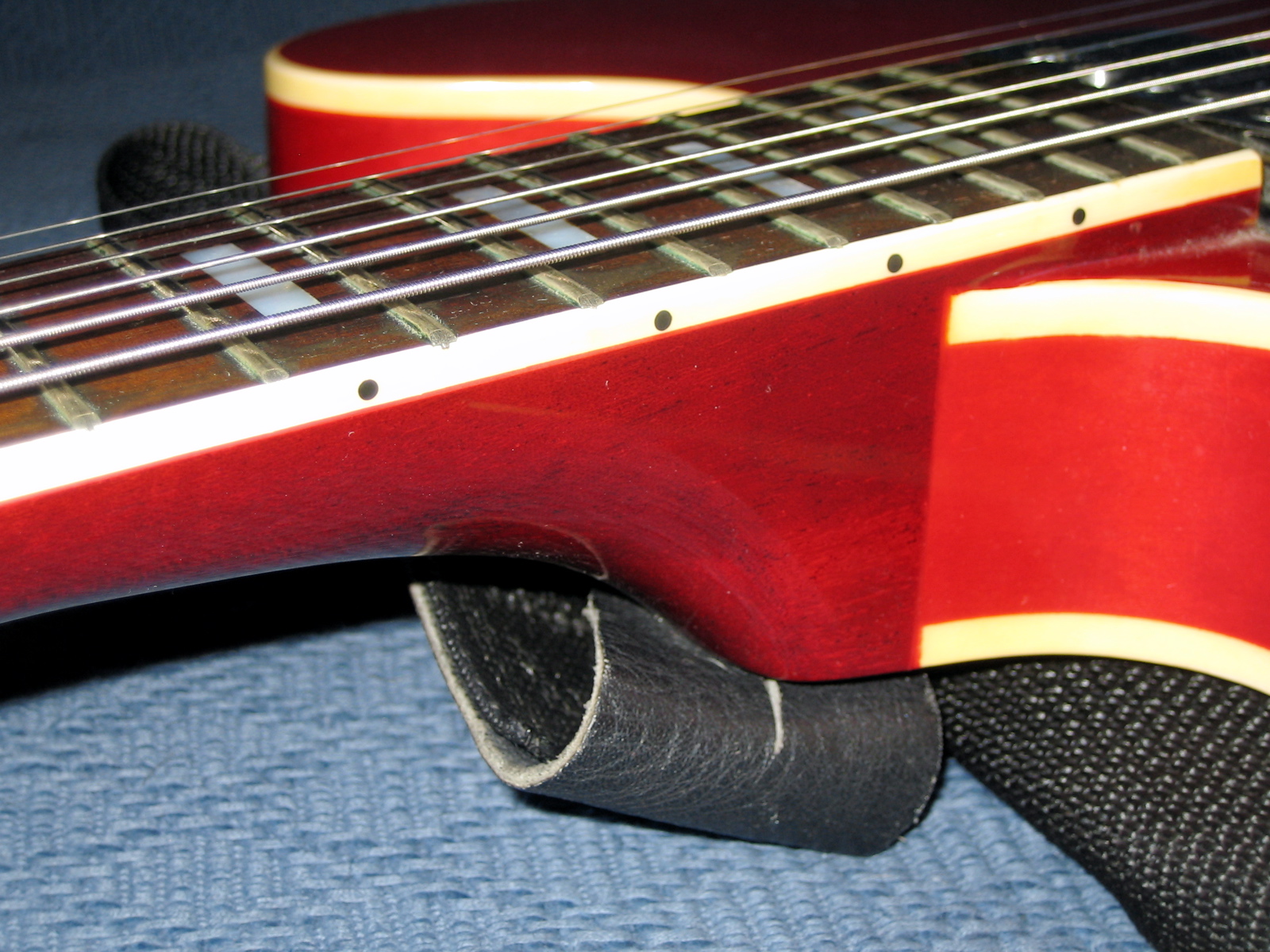
Genuine mahogany has been used for the set neck.

One of the f-holes reveals the body’s five-ply laminate, which seems to be maple/mahogany/maple/mahogany/maple.

The Kasuga even mimics Gibson’s Seventies short centre block, that only starts at the bridge. The neck has its own little block. In this case the centre block has been fashioned from mahogany.

The electronics are high quality – the original pots all still work fine, as does the switch. I only had to replace the output jack some ten years ago.

Strangely enough the arch of the body is not as pronounced and graceful, as on the originals. The humbuckers are standard sized, but the bezels are wider than normal.

The body ears have been left completely flat on the Kasuga, while the original sports very attractive arching both on the top as well as the back. The ears are slightly pointed, as was usual in post-1964 Gibsons as well.
Here are some Kasuga soundbites:
Kaikki tuntevat Tokain, ja myös Ibanezin ja Grecon kopiosoittimista löytyy tietoa laajasti.
Harvinaisempi tapaus on japanilainen merkki Kasuga, joka oli rakentanut soittimia – monet niistä kopiosoittimia – 1960-luvulta lähtien.
Minulla on (luultavasti 1970-luvun loppupuolelta peräisin oleva) Kasugan kopio Gibson ES-335 -puoliakustisesta.
Löysin Kasugani sattumoisin yhdeltä kirpputorilta 1990-luvun alussa. Kitaran hinta oli niin alhainen, että ostos kannatti jo kaunottaren punaisen värin takia 😉
Gibsonin klassinen ES-335/345/355-muoto on mielestäni yksi kauniimmista kitaratyypeistä.
Tämän kopion yksityiskohdat sekoittavat hauskasti (eikä mitenkään vintage-tietoisesti) eri aikakausien ominaisuudet, ja valmistajakin on lisännyt soppaan muutaman oman ratkaisun.
Viritinlapa on kopio Gibson ES-355:n isommasta mallista, vaikka tässä tapauksessa koristus on selvästi ES-335:n mukainen (ei reunalistoitus, pieni kukka-upotus).
Edellinen omistaja oli asentanut 1980-luvun alussa niin suosittua messinkisatulaa. Alkuperäiset nauhat ovat erittäin matalat ja helmiäisupotukset isot – niin kuin tavallisesti ES-355-kitarassa. Kaula on siro kuin 1970-luvun Gibsoneissa.
Suljetut virittimet ovat minulle tuntemattomasta brändistä. Satulan vastapuolella on kaulassa 1970-luvulle tyyppillinen paksunnos (engl. volute), joka on tarkoitettu suojaamaan lapaa murtumisestä.
Kaula on veistetty oikeasta mahongista, ja se on liimattu vanerirunkoon perinteisellä tavalla.
F-aukon reunalla näkyy, että vaneri on viisikerroksinen – ilmeisesti vaahtera/mahonki/vaahtera/mahonki/vaahtera.
Kasugalla on 1970-luvulle tavanomaista lyhyttä keskipalkkia, joka menee tallasta runkoon loppuun. Kaula istuu omassa pienessä blokissa. Kitarani tapauksessa blokki on tehty mahongista.
Elektroniikka on toteutettu laadukkaasti – Kasugassa on yhä alkuperäinen kytkin ja potikat, ainoastaan jakin joutuin vaihtamaan jonkin aikaa sitten.
Rungon muotoilussa valmistaja on ollut yllättävän suurpiirteinen, eikä kansi kaareutuu ihan niin kauniisti kuin alkuperäisessä Gibsonissa. Humbuckerit ovat standardikokoa, mutta niiden kehykset ovat hieman perinteisiä isompia.
Rungon korvat ovat sitä hieman terävämpi sorttia, joka on tavallinen 1964-1981 välillä rakennetuissa oikeissa Gibsoneissa. Mutta myös tässä sekä kansi että pohja ovat tasaisia, eivät ne kaartu holvimaisesti niin kuin oikeassa Gibsonissa.
Tältä Kasugan ES-335-kopio kuulostaa:


Gibson’s ES-335, which was introduced in 1958, is one of the all-time bestselling models in the company’s history, and has been in production ever since, making it the Gibson model with the second longest uninterrupted production run (only the ES-175 has been in production longer, since 1949).
Ted McCarty, Gibson’s president from 1948 to 1966, has always stated that, looking back, he thought the ES-335 was his finest achievement.

The ES-335 has a thinline body made from steam-pressed maple plywood. Although the guitar does remind you of a classic Gibson hollow-body Jazz-box, this model is actually halfway solidbody in terms of its build.
This is because a semiacoustic electric guitar has a solid wood centre block running the length of the body from the neck joint all the way down to the back strap button. The centre block gives a semi a longer sustain, while keeping howling feedback at bay.

The block also allows the use of Gibson’s typical solidbody hardware – namely the Tune-o-matic-bridge and the stop bar – which add some clarity to the mix.
For their part, the ES-335’s hollow wings bring a bit of air to the mid-range, making the guitar sound more open and airy than a Les Paul for example.
Due to its relatively large body, a semi isn’t probably the best model for a small beginner (of less than 160 cm height), but as long as size isn’t an issue this lightweight and well-balanced ergonomic style of guitar is a fine choice.

Gibson’s subsidiary Epiphone has produced many of its own variants in the 335-style since the 1960s – from the glitzy Sheraton (the natural-coloured guitar in this post) to the minihumbucker-equipped Riviera, with its own, slightly brighter tone.
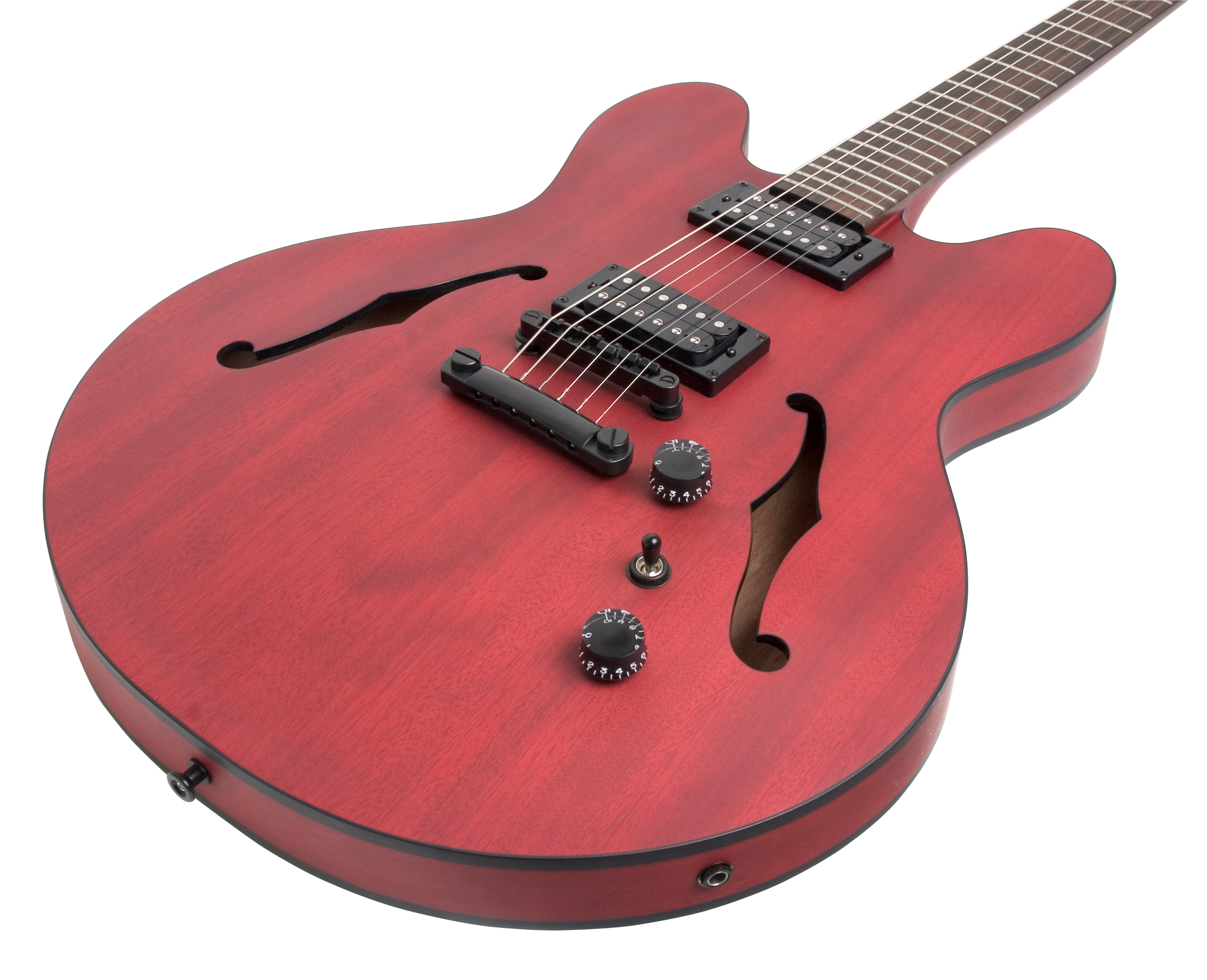
The relatively new Epiphone Dot Studio gives you superb bang-for-the-buck, with its pared down, no-nonsense looks. Here the body is made from mahogany plywood, with the controls streamlined to one master volume and one master tone.
____________________________________________________________
I’m an avid fan of the semi-style body.
Here’s a snapshot of my Epiphone Casino and a late-70s/early-80s ES-335-copy made in Japan by Kasuga:

Listen to both guitars here


 Kitarablogi.com – Finland's premier Guitar and Bass blog