****
Esteve 4ST S.48 -testi on nyt luettavissa TÄÄLTÄ.
****
Kitarablogi.com – Finland's premier Guitar and Bass blog
Juttuja kitaroista ja bassoista

****
In the 1970s, a cooperative called Brooklyn Woodworkers operated in Brooklyn, New York, where several smaller carpenters, artisans, and instrument makers shared the premises of a former factory. The advantages of the cooperative include that larger and more expensive machines can be purchased and used together, and that different people can also develop new ideas together.
In 1977, young instrument maker Stuart Spector and industrial designer Ned Steinberger began to design an electric bass that was as ergonomic as possible. Ned Steinberger asked the crucial question: “Why does the body of a solid-body bass have to be straight when the player’s body is curved?”
The pair began to design a body in which the front of the body is convex in cross-section and the back concave. However, the thickness of the body remains more or less the same throughout. The new body was smaller in outline than, for example, Fender basses, but a longer upper horn was added to improve the balance of the instrument.
The fruits of this collaboration were already presented at the end of 1977 – the Spector NS-1 with one pickup, and the Spector NS-2 with two pickups. These first NS series instruments were neck-through-body basses, but a couple of years later versions with a bolt-on neck were also made.
Spector’s NS series instruments were very widely used boutique class basses in the 1980s, thanks to their excellent playability and flexible active bass sound. The most famous user is certainly the British bassist Guy Pratt, who has played a see-through red NS-2 in the late period of Pink Floyd, and as a studio bassist on albums by Madonna (e.g. on the song “Like a Prayer”) and Michael Jackson (“Earth Song”). In the United States, studio legend Chuck Rainey has used Spector basses regularly.
Today, Spector basses are manufactured in different countries and in different price ranges. The new Icon series comes from Indonesia and is the brand’s most affordable collection, which nevertheless remains very faithful to Spector and Steinberger’s original design.
****
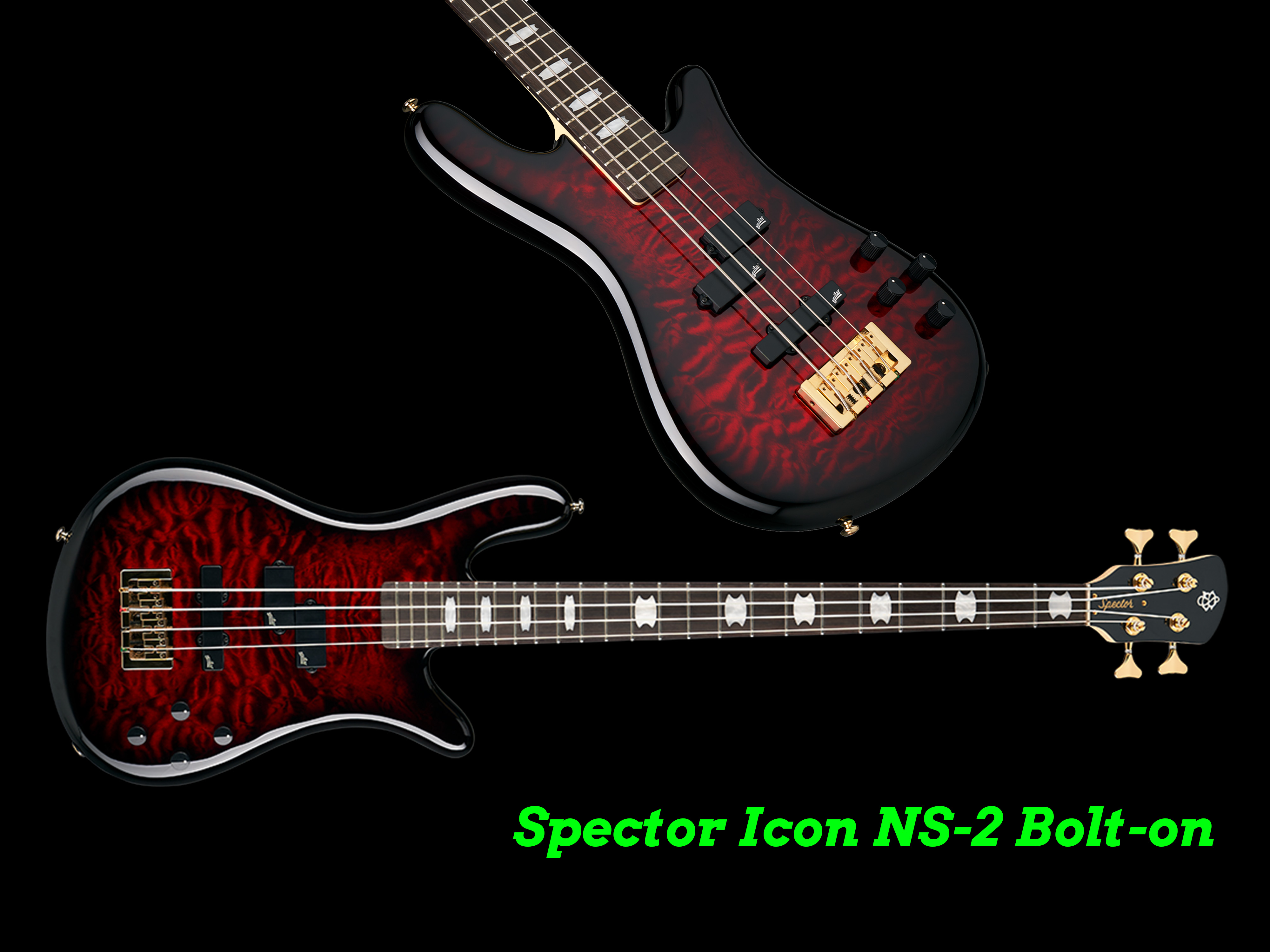
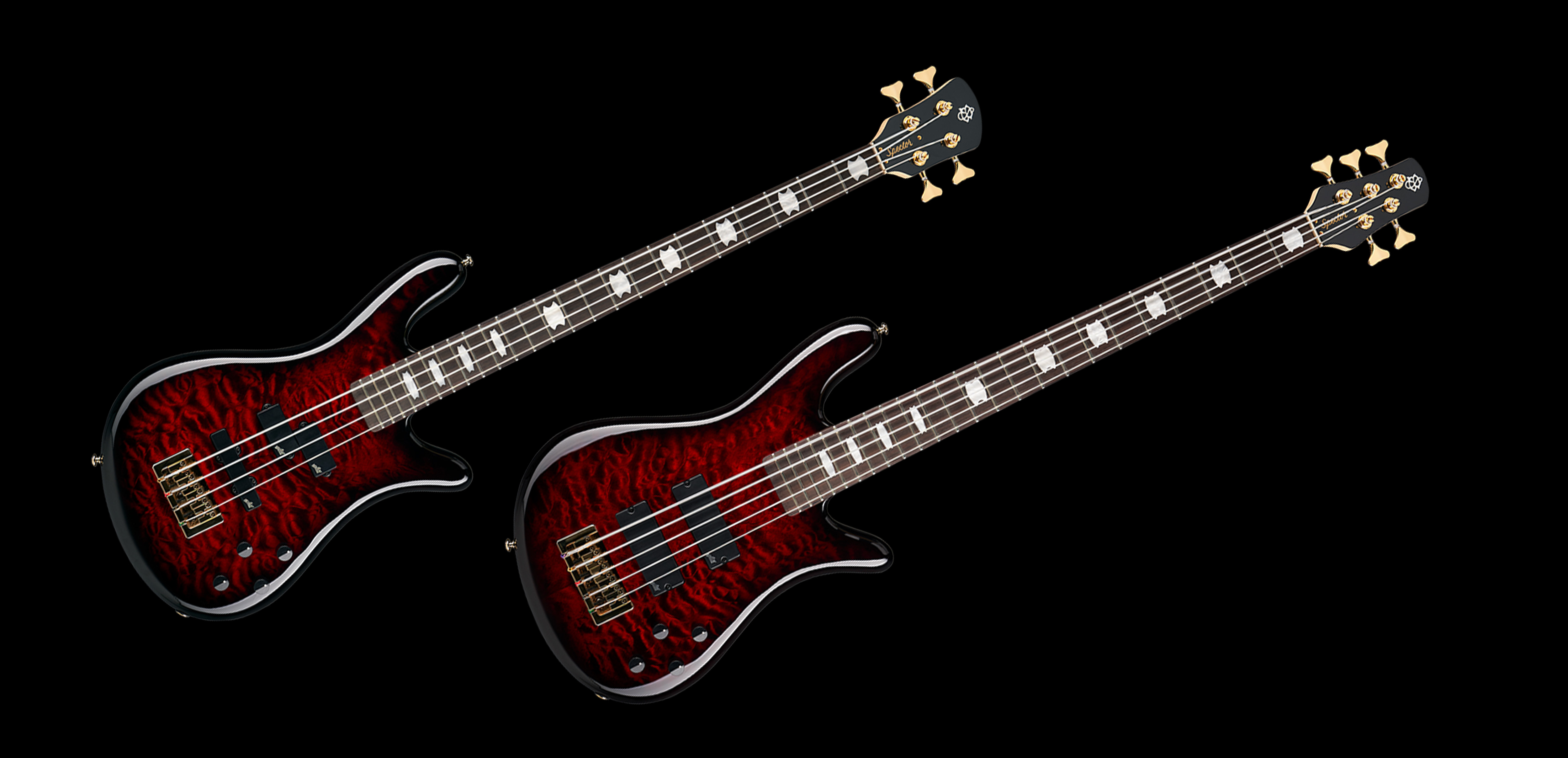
The NS-2 from the Icon series is a four-string active electric bass with a bolt-on neck.
The Icon NS-2’s curved body is carved from alder and has a flamed maple veneer glued to the front. The neck is made of three adjacent pieces of maple, while the fingerboard is made of rosewood. The neck joint is very smooth, and is implemented with four screws with their own washers.
The scale length of the Spector Icon NS-2 bass is 34 inches (i.e.: 86.4 cm). The fingerboard has the company’s large position markers embedded in it. The bass’s 24 jumbo-sized frets have been carefully installed and finished. The instrument has a brass saddle, as well as gold-colored tuners and a bridge. The bridge is Spector’s famous locking design with massive bridge saddles, with the strings anchored to the back wall of the bridge.
The new Icon series features pickups and an active preamp from Aguilar’s high-quality range. In the case of the NS-2, the pickups are the P-sized DCB P (center) and the J-shaped DCB J. The Aguilar OBP-2 preamp offers, in addition to master volume, controls for pickup balance, as well as bass and treble EQs (boost and cut).
The electronics compartment is shielded with graphite paint to prevent external interference, and the plastic cover is lined with aluminum foil. There is a special metal clip in the compartment for the nine-volt battery. The cover is screwed into place with machine screws, for which threaded sleeves are recessed in the body.
****
****
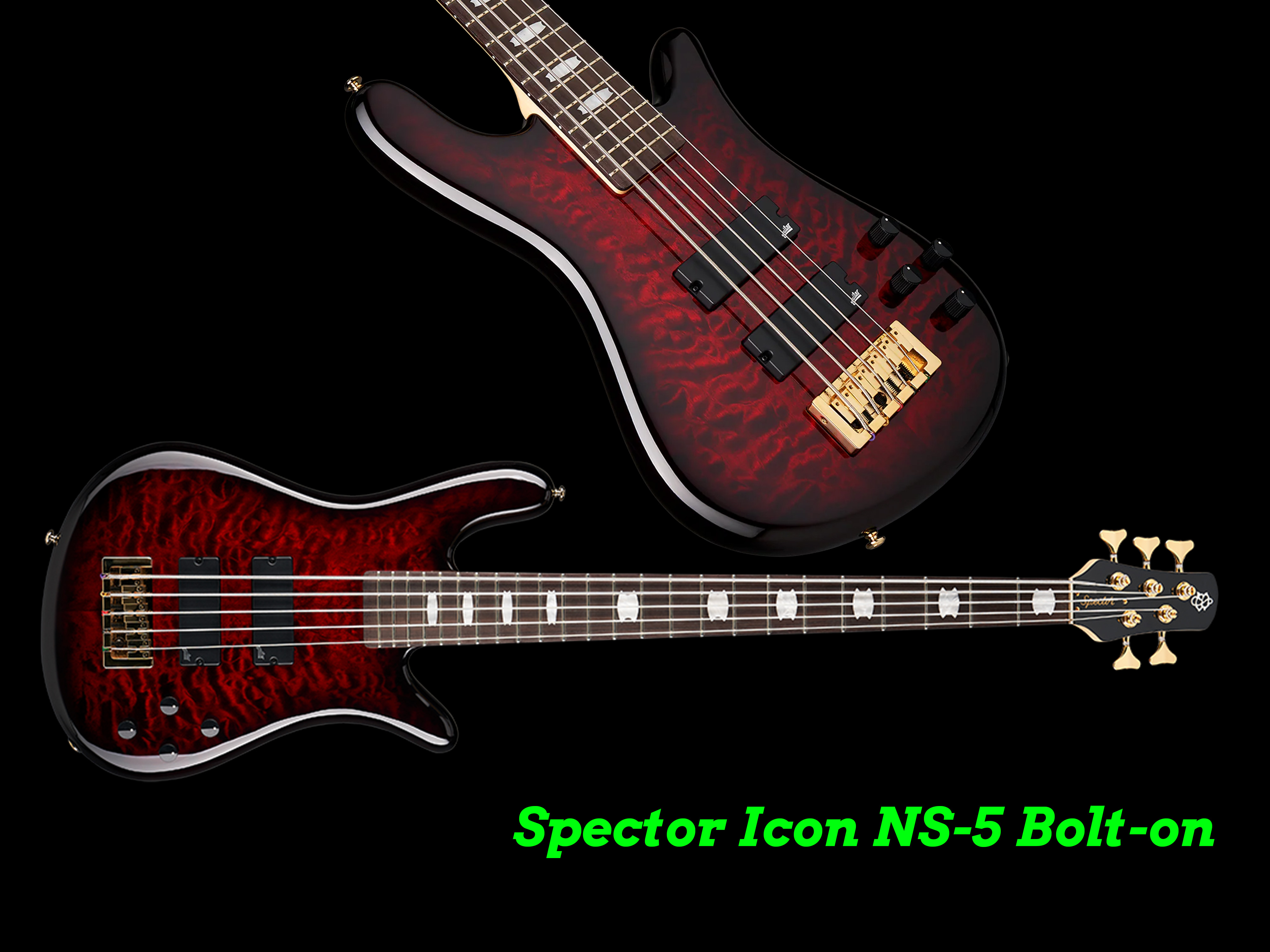
The Spector Icon NS-5 Bolt-on is a five-string version of the NS-2 model. Its main features are the same as those of the four-string bass – an alder body with flame maple veneer, a three-piece bolt-on neck, a smooth neck joint, a rosewood fingerboard with 24 frets, a brass saddle, gold tuners and a very sturdy bridge.
However, there is one crucial difference compared to the NS-2 – the Spector Icon NS-5 has a longer scale length (35 inches/88.9 cm). Thanks to the longer scale length, the low B-string has a more precise response and sound than on a regular 34-inch bass.
In addition to the scale, another difference is found in the pickup selection:
Instead of the NS-2’s PJ combination, the NS-5 has Aguilar DCB Soapbar pickups installed, which have a slightly bigger and more solid basic sound. The pickups are connected to the same Aguilar OBP-2 preamp, and here too the controls are master volume, microphone balance, bass cut/boost and treble cut/boost.
****
I don’t know who Stuart Spector has chosen as his Indonesian subcontractor, but the choice is a bill’s eye. The workmanship on both Icon series NS basses is excellent and super clean, and both feel like genuine Spectors in your hands.
The satin-finished neck of the Spector Icon NS-2 Bolt-on model has a very nice full C-profile, which feels like a slightly thicker Fender Jazz Bass neck. The test unit came with a fantastic setup – low without any extra string rattling.
The neck profile of the five-string Icon NS-5 model is naturally slightly wider and shallower than the four-string instrument. The one-inch difference in scale is only really noticeable when playing larger intervals near the nut. The playing feel of this bass is also very fast and light.
To my ears, the Spector Icon NS-4 Bolt-on sounds a bit fresher and more flexible, while the wider pickups on the NS-5 model produce a slightly darker, fatter sound. Both options are very tasty, and the basic tones can be easily modified with Aguilar’s high-quality preamp.
Based on the review samples, I can only say that Spector’s new Icon series offers genuine Spector ergonomics and sounds at a player-friendly mid-range price.
****
Guitarras Esteve is a traditional Spanish guitar shop near Valencia, offering a wide range of classical and flamenco guitars, as well as more unusual instruments from the guitar family, such as the Requinto or the Cuban Tres.
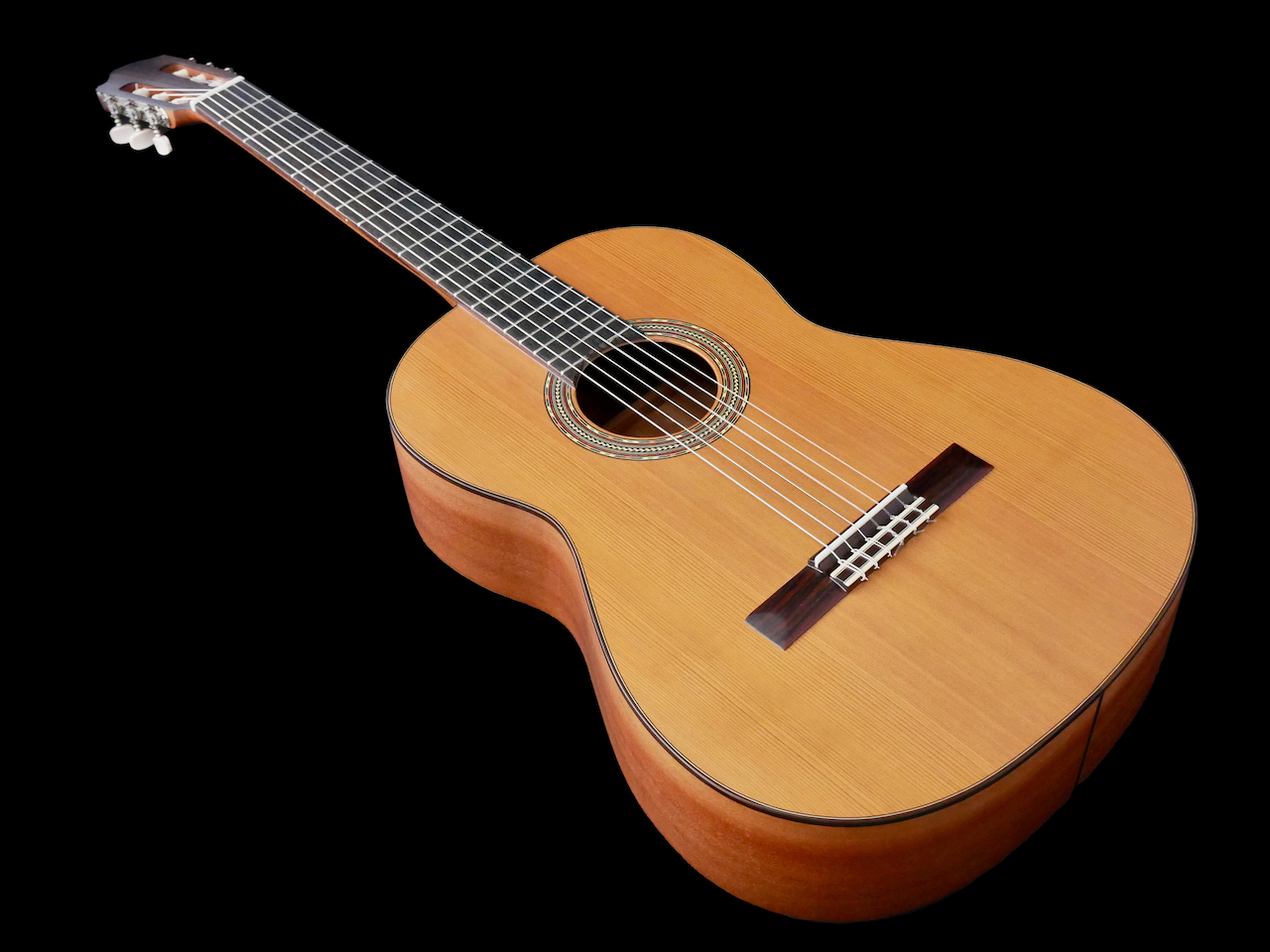
This time, we received a parallel version of the classic Esteve 4ST model with a narrower neck from Esteve’s importer, Vantaan Musiikki. The model is called the Esteve 4ST S48, and its list price is 569 euros.
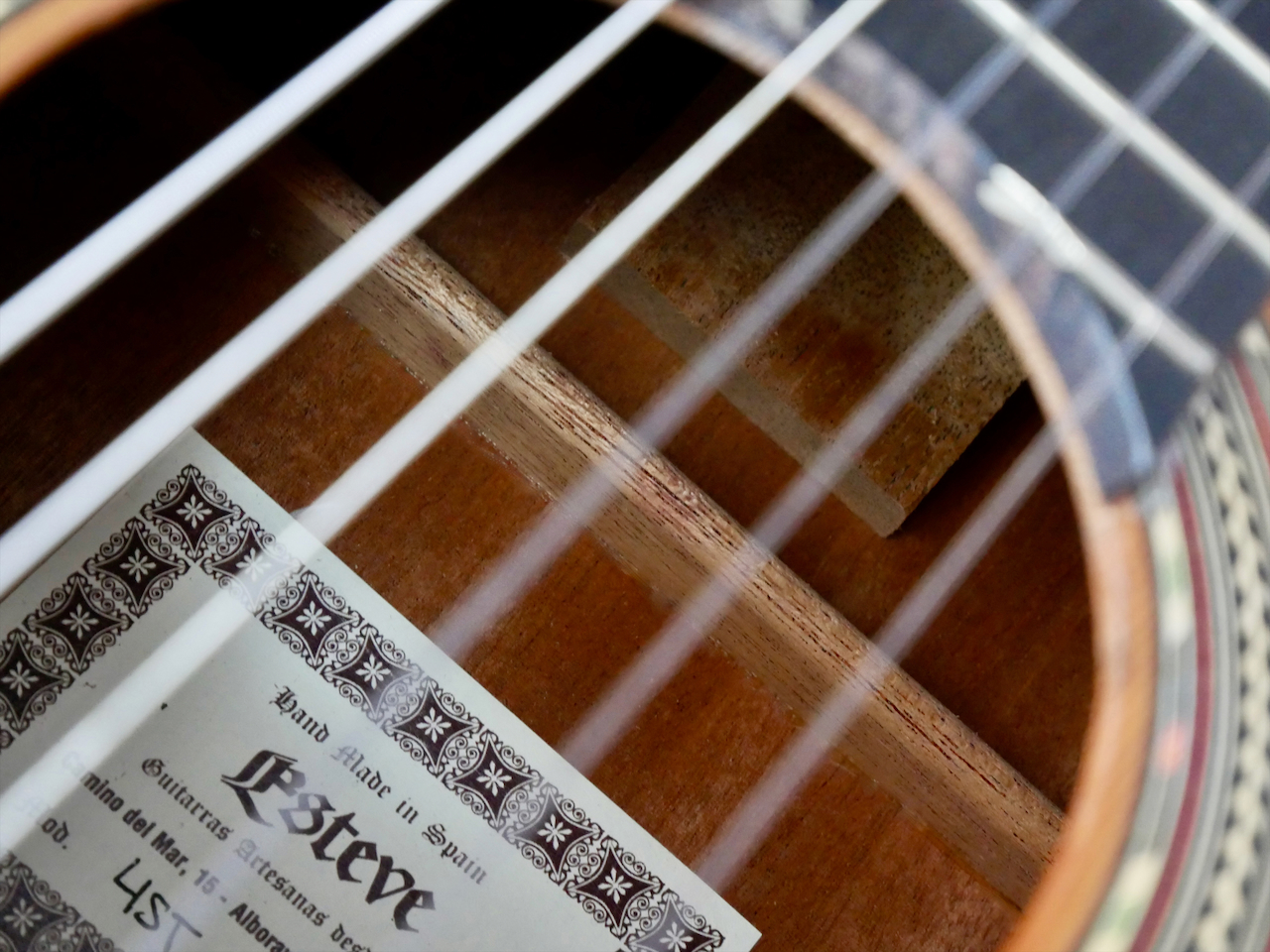
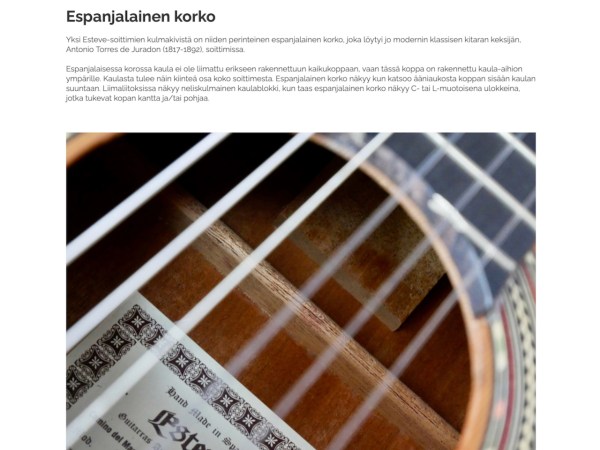
One of the cornerstones of Esteve instruments is their traditional Spanish heel, which was already found in the instruments of the inventor of the modern classical guitar, Antonio Torres de Jurado (1817-1892).
In the Spanish heel, the neck is not glued to a separately built soundbox, but here the body is built around the neck blank. The neck thus becomes an integral part of the entire instrument. The Spanish heel is visible when looking from the soundhole into the shell towards the neck. ”Normal” glued joints show a square neck block, while the Spanish heel is visible as C- or L-shaped protrusions that support the top and/or bottom of the soundbox.
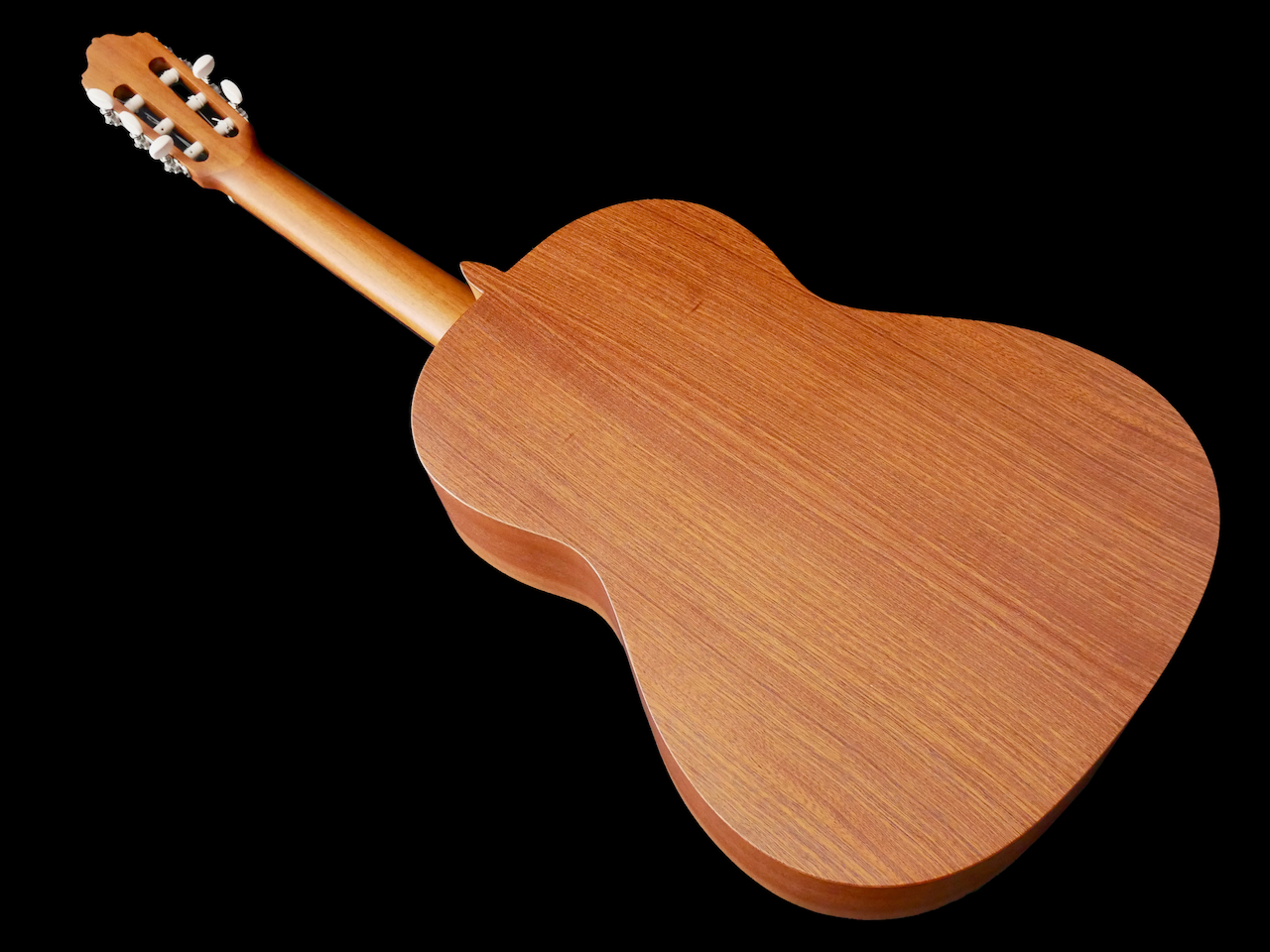
The Esteve 4ST S48 is a beautiful and skillfully built classical guitar. The neck is carved from Gabon mahogany (okoume) and the fingerboard is made of rosewood. The bottom and rims of the soundboard are made of high-quality sapele mahogany plywood. The solid top of the test instrument is carved from very beautiful American red cedar (thuja plicata), but the 4ST S48 is also available with a solid spruce top.
Both the neck and the body have been given a thin layer of beautiful satin varnish, which makes the guitar feel very pleasant in your hands.
The well-functioning machine heads are of the traditional variety. The bridge is made of rosewood, and both the bridge and saddle are made of genuine bovine bone.
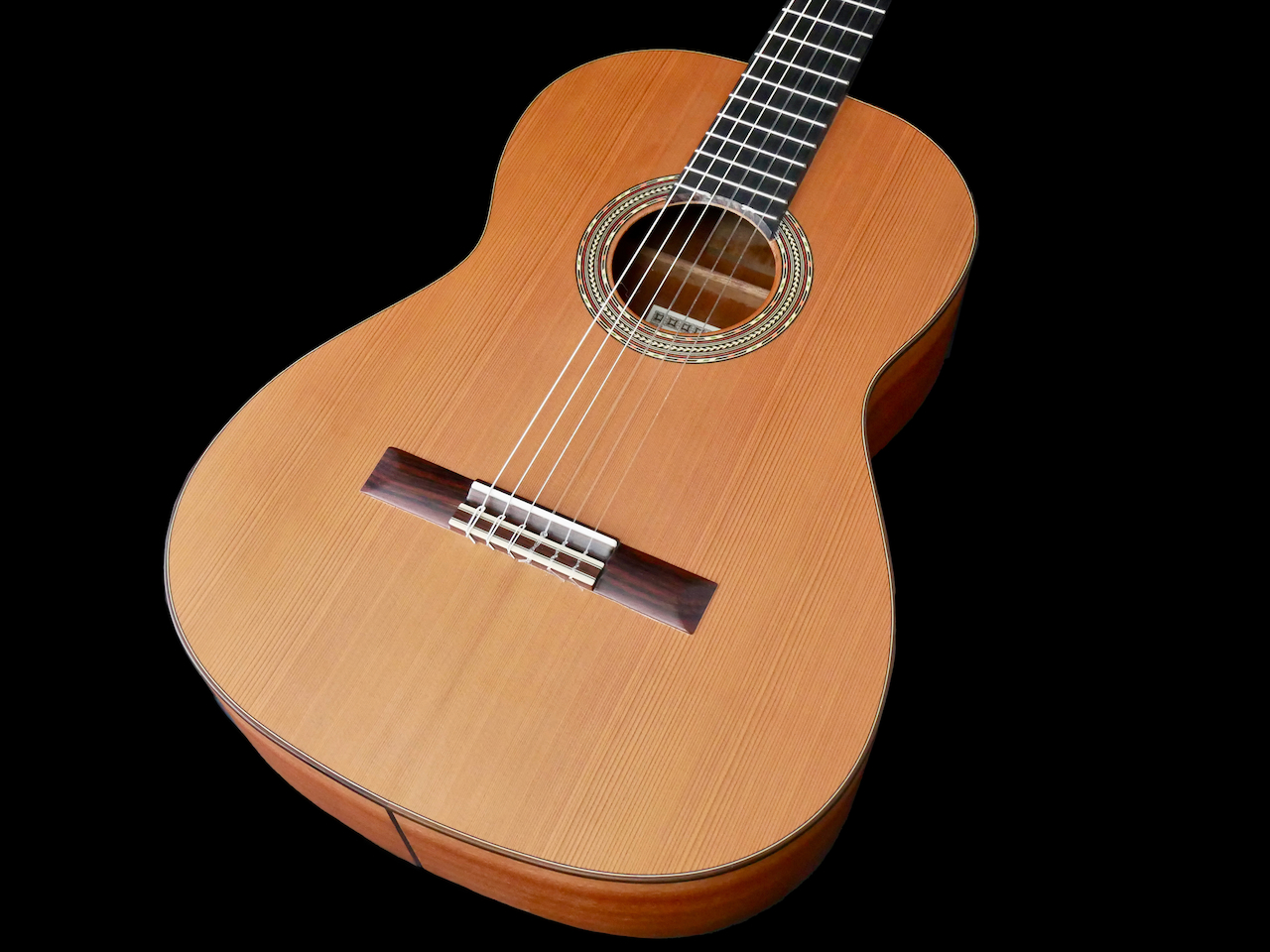
The width of a standard steel-string guitar neck at the top nut is around 43-44 mm, while the same point on a classical guitar can be up to 52 mm. In addition, the traditional neck profile of a classical guitar is quite flat and relatively angular.
For a classical guitarist, such a neck is a great playing surface, because the wide fingerboard gives plenty of room even for difficult fingerings. But if you are a beginner guitarist who would like to add a nylon-string guitar to your instrument collection, the angular and wide neck might seem inconvenient.
The Esteve 4ST S48 offers a functional solution to this dilemma. The 48 mm wide neck at the nut gives the instrument enough of a classical guitar feel, while it – and also the more rounded profile of the neck than traditional – increases comfort for the average guitarist. The Esteve 4ST S48 model’s neck profile is also suitable for a young guitarist who can already play a full-size classical guitar, but whose fingers are not quite long enough for a standard-width fretboard.
In terms of playability and sound, this Esteve is – once again – a bull’s eye. High-quality ingredients and careful craftsmanship have created an instrument with a warm, open and – in a nice way – straight-laced sound. The Esteve 4ST S48 is a high-quality Spanish guitar that will surely only improve with time and playing.
****
****
****
****
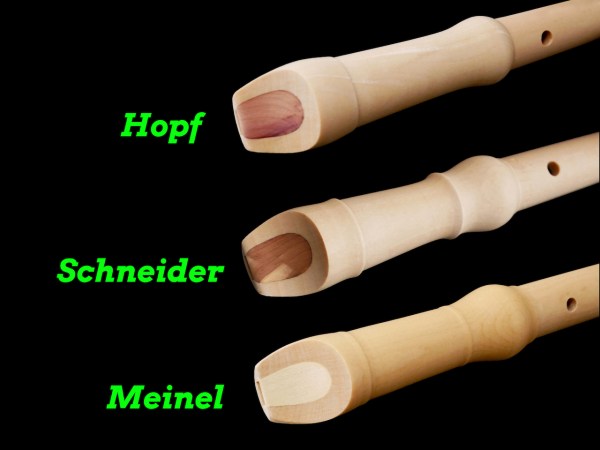
****
Miksi tyytyä muoviin, kun Saksasta saa edelleen hyvin edullisia nokkahuiluja puusta?
Why settle for plastic when you can still get very affordable wooden recorders from Germany?
• Hopf 46
****
Tämän jutun alkuperäinen suomenkielinen versio löytyy TÄÄLTÄ.
****
In 1970 it looked very much like the band Free would become the ”next big thing”. The band was talked about in the music press as the ”new Rolling Stones” and the ”next Led Zeppelin”.
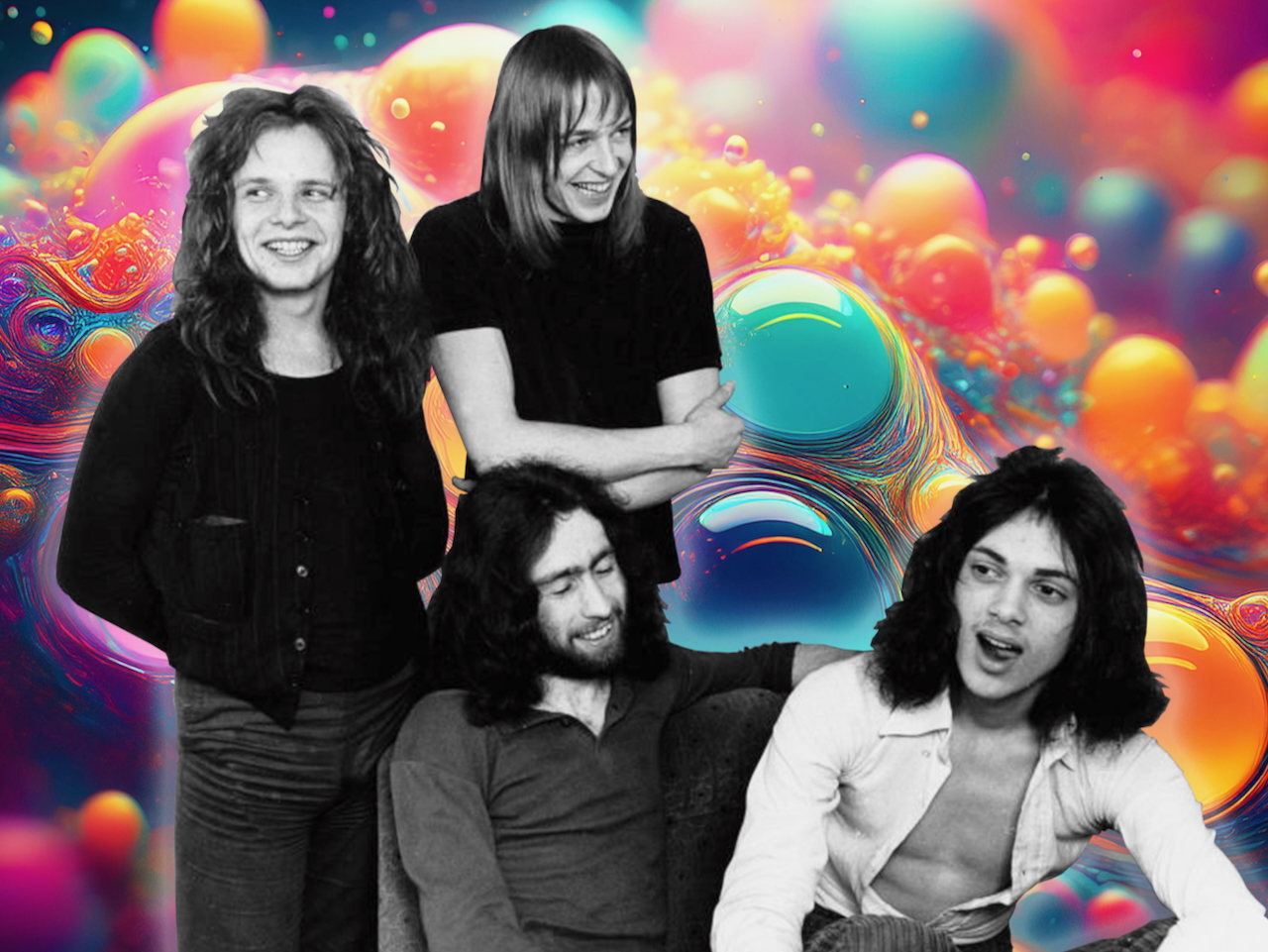
Free’s third LP ”Fire and Water”, and especially their single ”All Right Now, were smash hits, and the band played the Isle of Wight Festival to great success. Their musical mix was very enticing:
Singer Paul Rodgers had (and still has) a magnificently soulful voice that’s just made for Blues Rock. Drummer Simon Kirke followed a strict ”less is more” approach, which was very rare among his peers in the late Sixties and early Seventies. Paul ”Koss” Kossoff’s ability to wring every last drop of raw emotion from his guitar quickly turned him into a bona fide Gibson Les Paul-hero. Despite his tender age of only 18 years, bassist Andy Fraser was the man behind the majority of Free’s songs; his tasteful playing and fat tone glued the band’s arrangements together.
Sadly, Free’s story came to a premature end. Their follow-up records didn’t measure up to the success of ”All Right Now”, and the band started looking increasingly rudderless and without a clear musical outlook. Adding to this, Paul Kossoff descended further and further into alcohol and drug dependency, making the situation ever harder to bear for his bandmates. After a few starts and stops Free finally broke up in 1973.
Rodgers and Kirke started the band Bad Company, which found greater success and had a much longer run. Kossoff, too, started his own band, called Back Street Crawler. Sadly, Koss Kossoff died from a lung embolism at only 26 years old in 1976 during a flight from Los Angeles to New York City.
Andy Fraser tried to continue his success in a number of different line-ups, but finally moved to the USA in 1976, and started concentrating on songwriting. Robert Palmer’s hit single ”Every Kinda People” is a fine example of Fraser’s post-Free output. Fraser died in 2015 from a heart attack; he was only 62.
In a way, it seems that many people have forgotten to include Andy Fraser in the list of all-time great bassists, despite the fact that most of his basslines were vitally important to Free’s songs and arrangements.
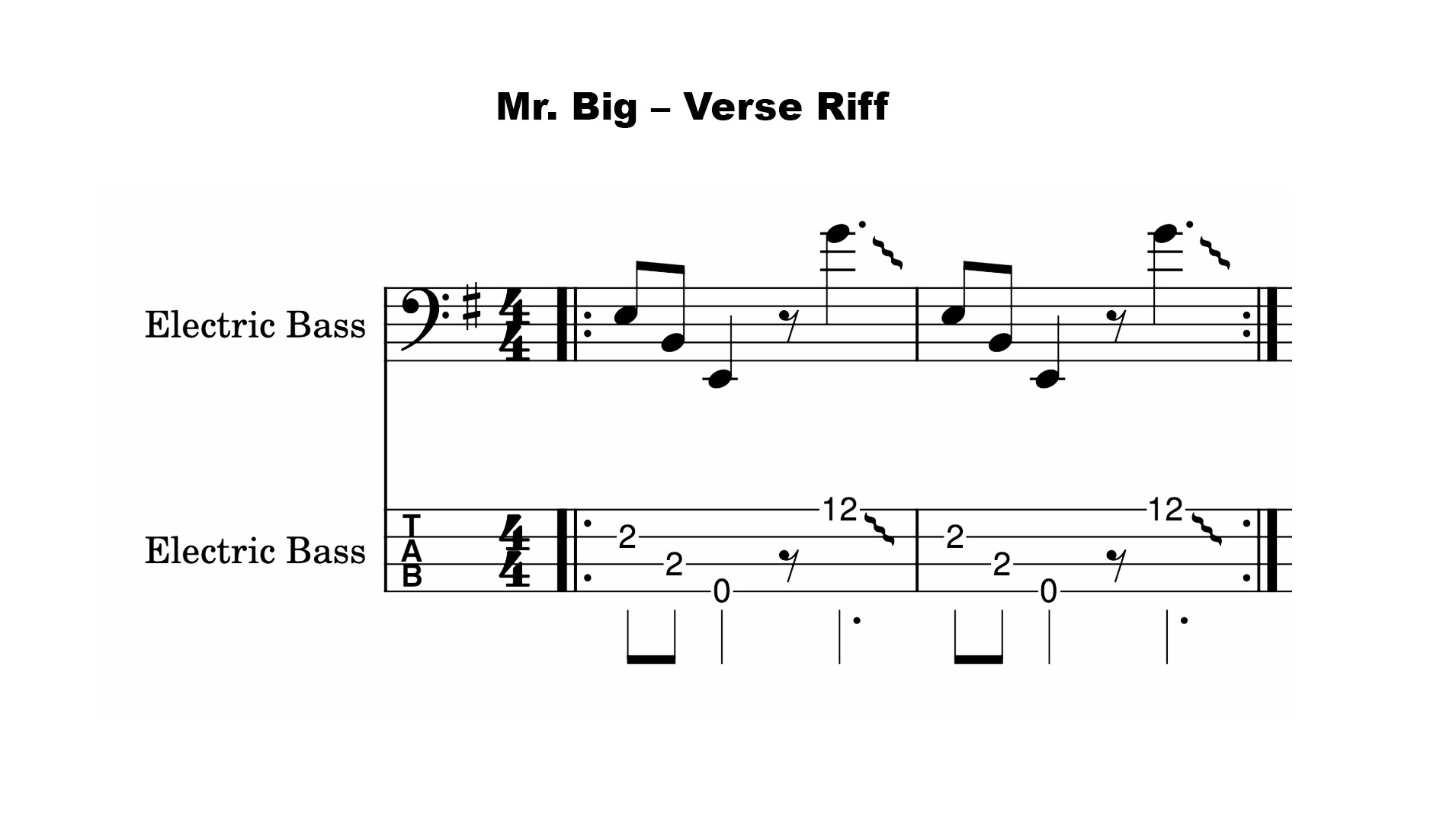
Despite his youth, Fraser never overplayed. He could be very fast and flashy, when required – listen to the bass solo in the song ”Mr. Big”, for example – but most of the time he deliberately held back to make Paul Rodgers’ voice and Koss Kossoff’s guitar playing shine. Andy Fraser thought more like an arranger than like a bassist, always looking for the best way to serve the song.
One of the best examples of Fraser’s approach is the main riff/vamp on the song ”Mr. Big”. The sparse drum pattern is interlocked with Fraser’s bassline and Kossoff’s guitar stabs. Although this song is relatively slow (82 BPM) the musical backing approaches you like a relentless mechanical beast.
****
****
In Free’s all-time classic ”All Right Now” Andy Fraser doesn’t even play in the verses, joining the band only for the choruses and (the end of) the guitar solo.
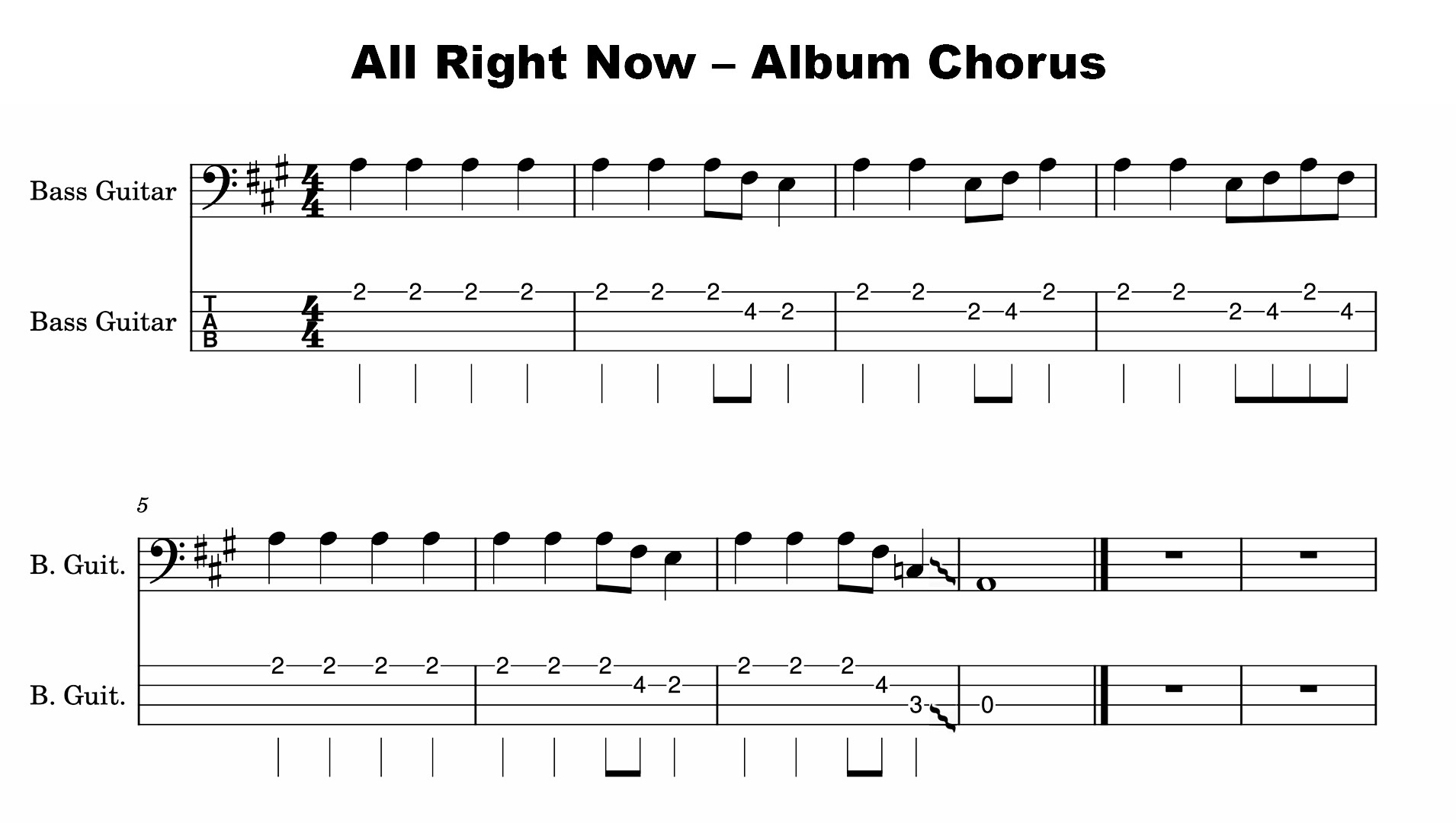
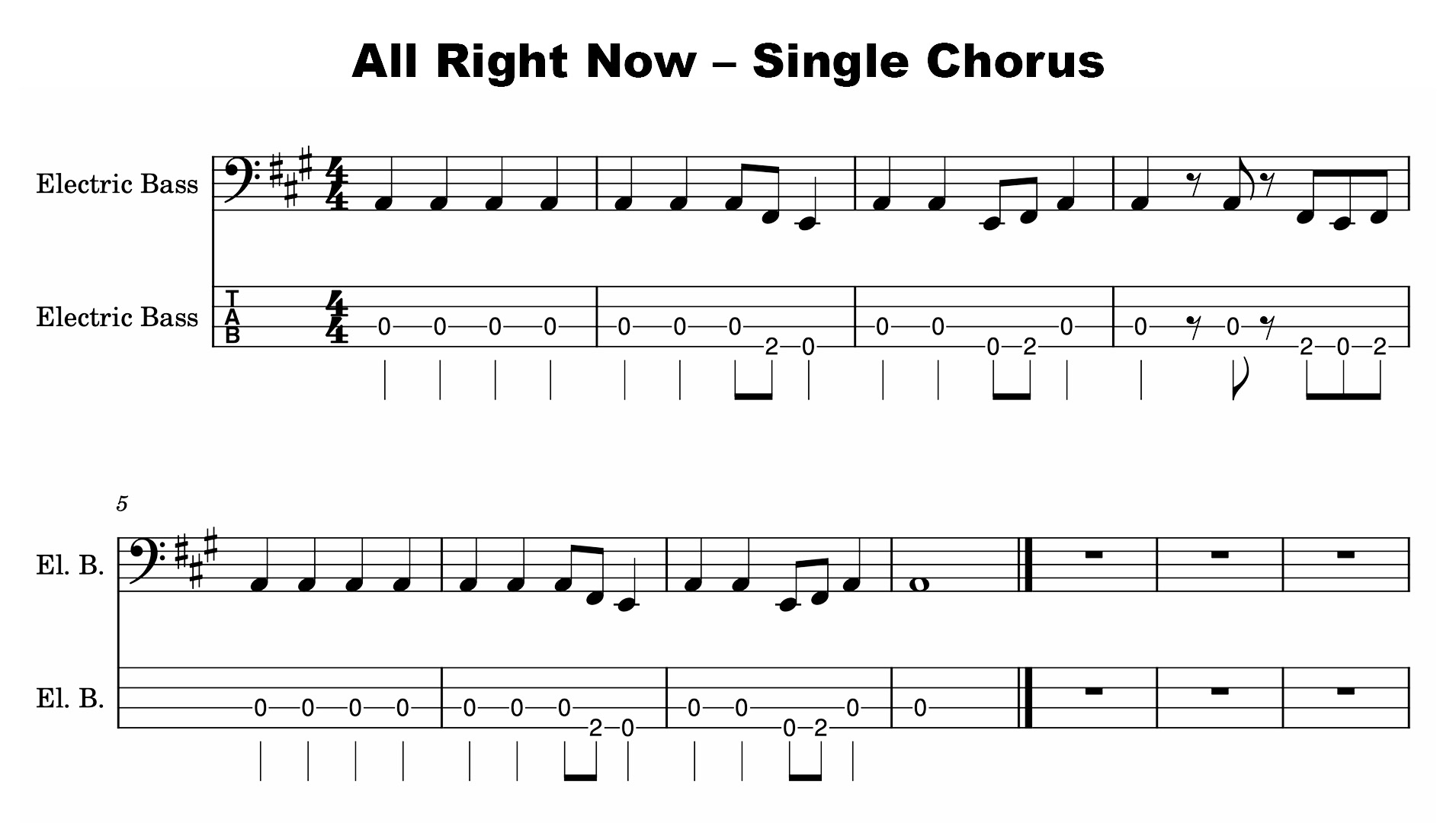
When the ”Fire and Water” LP was released, Island Records chose ”All Right Now” as the obvious single. Island felt, though, that the song was too long in its album form, and they also wanted a deeper, more radio-friendly bassline. This is why the single version edits out the first part of the original guitar solo, and also why the bass parts in the choruses differ from the LP version. Andy Fraser recorded a new bass part, one octave down from the original recording, and the record company was satisfied.
Here are both versions of the first chorus:
****
****
****
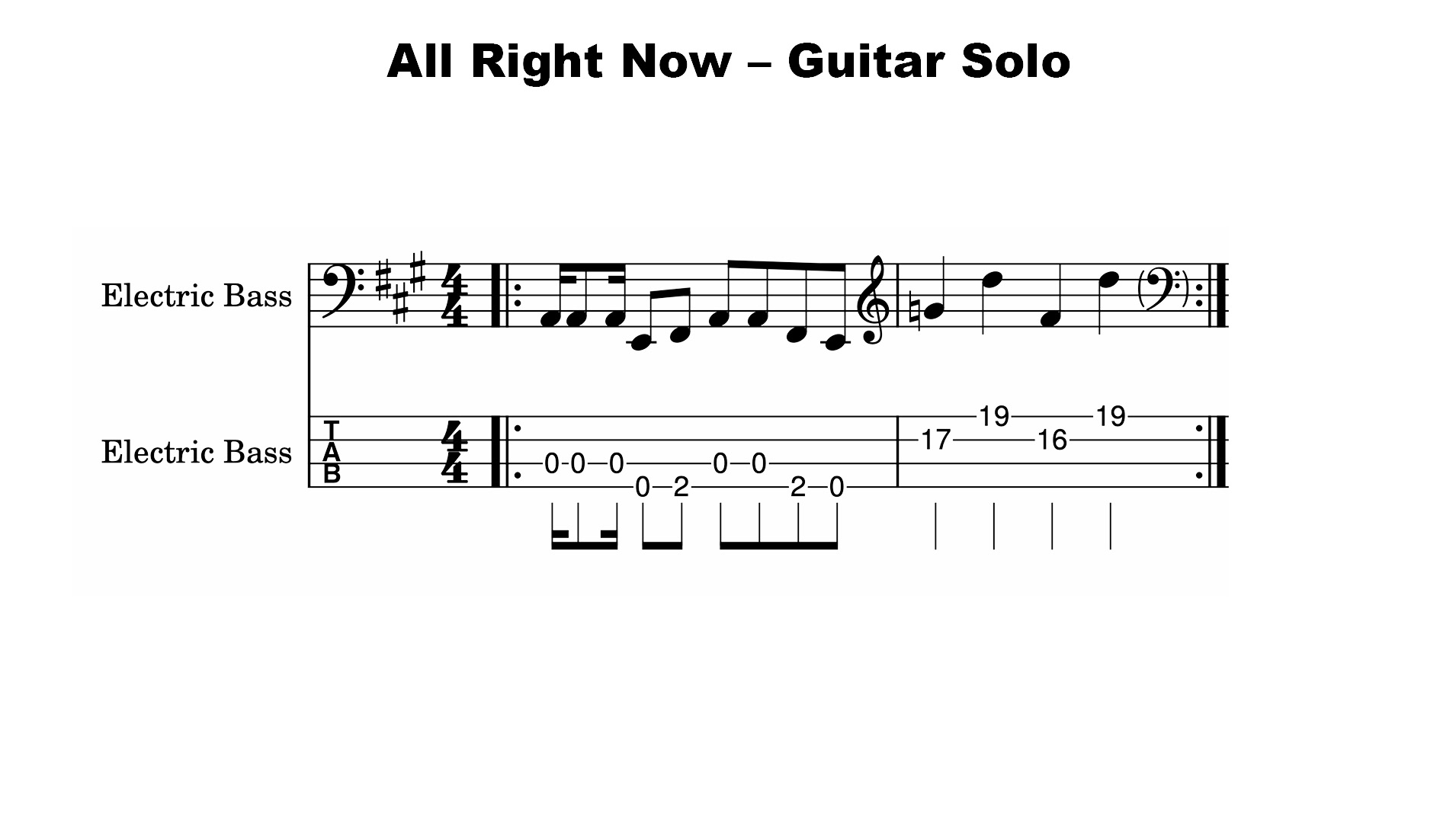
Andy Fraser plays an interesting vamp over the latter part of the guitar solo, which is included in both the album and single versions. The vamp starts off with a low motif over an A-major chord, before jumping way up high over the G- and D-chords. He actually plays the high notes together with the open A-string on his bass, but I’ve simplified this for the notation.
****
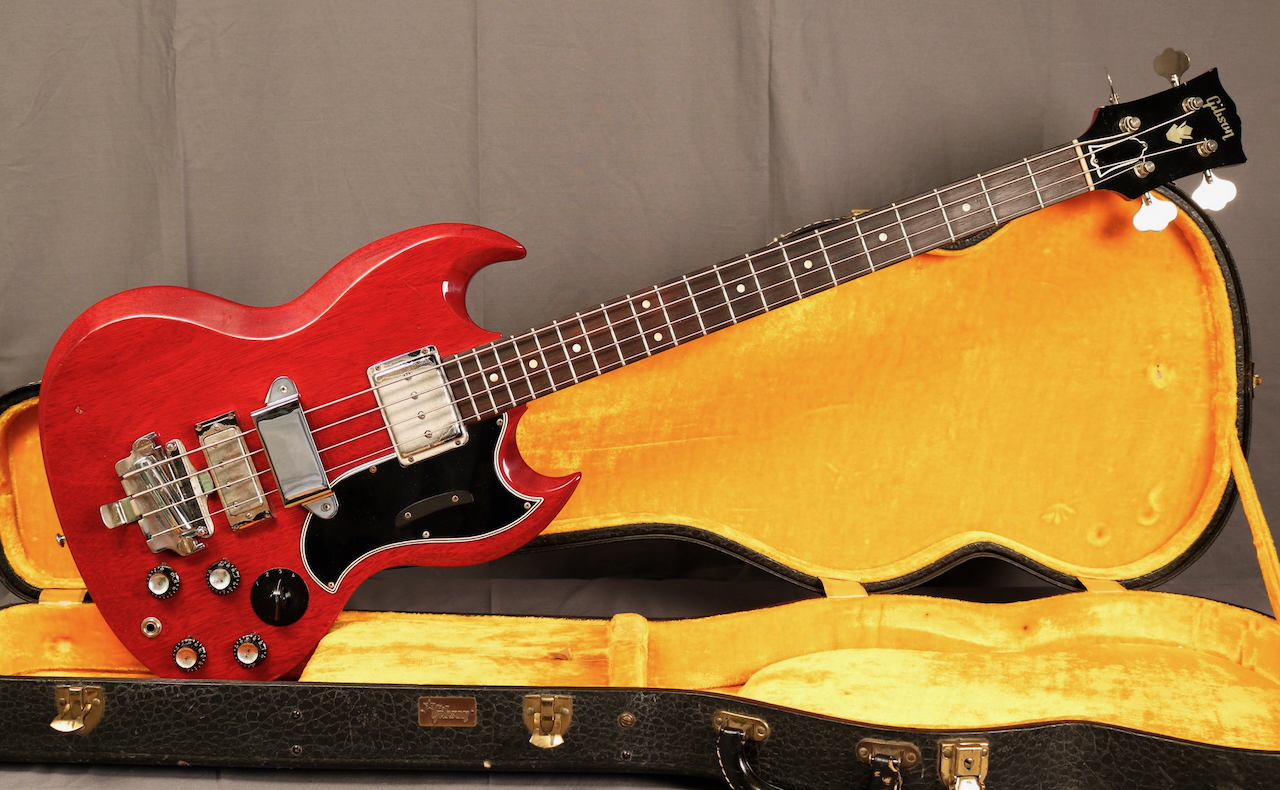
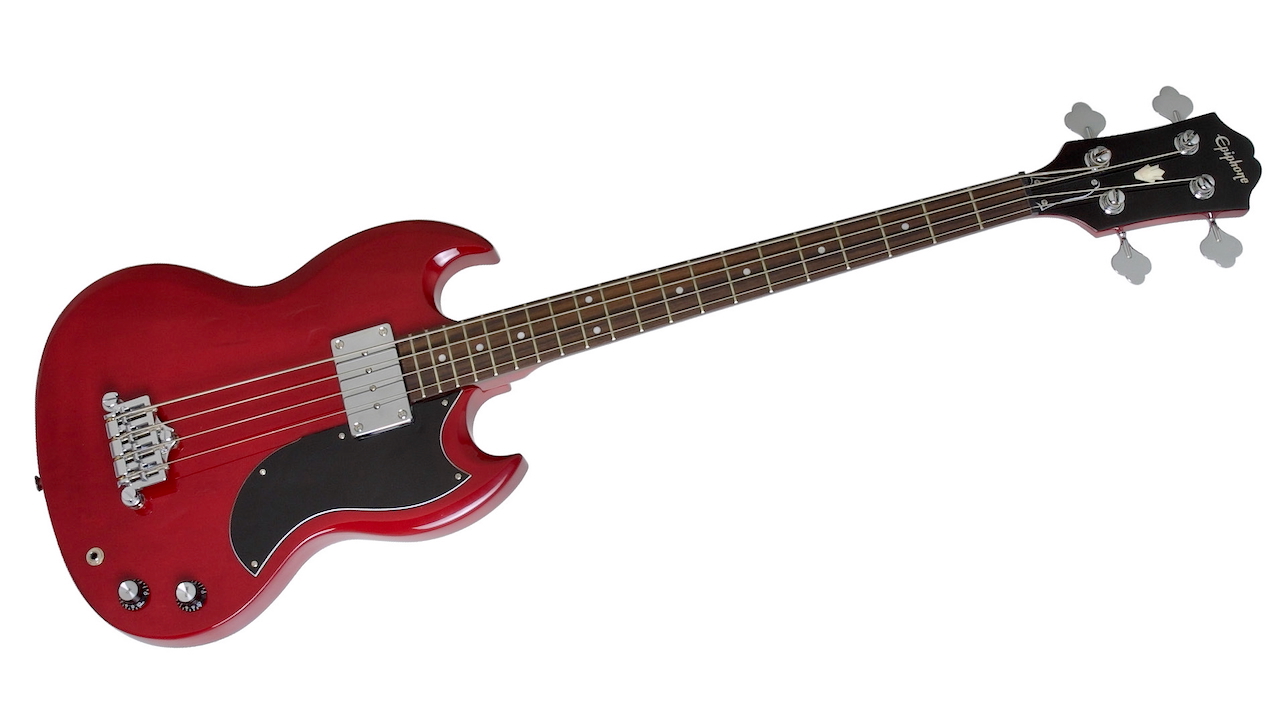
Andy Fraser achieved his fat mid-range-centred sound by playing a short-scale Gibson EB-3 bass, that sports a huge humbucker next to the fretboard and a mini-humbucker by the bridge. Some call this model the ”SG Bass”. I’ve used my inexpensive Epiphone EB-0 for the audio clips.
****
****
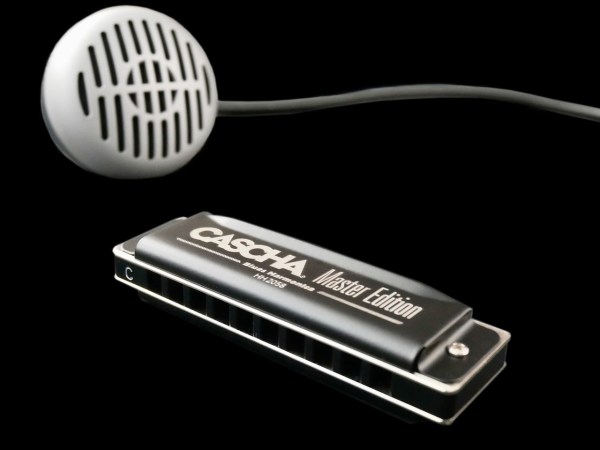
Blues-demo:
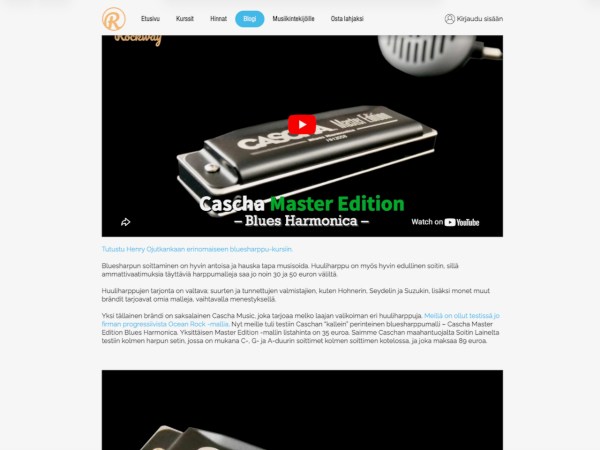
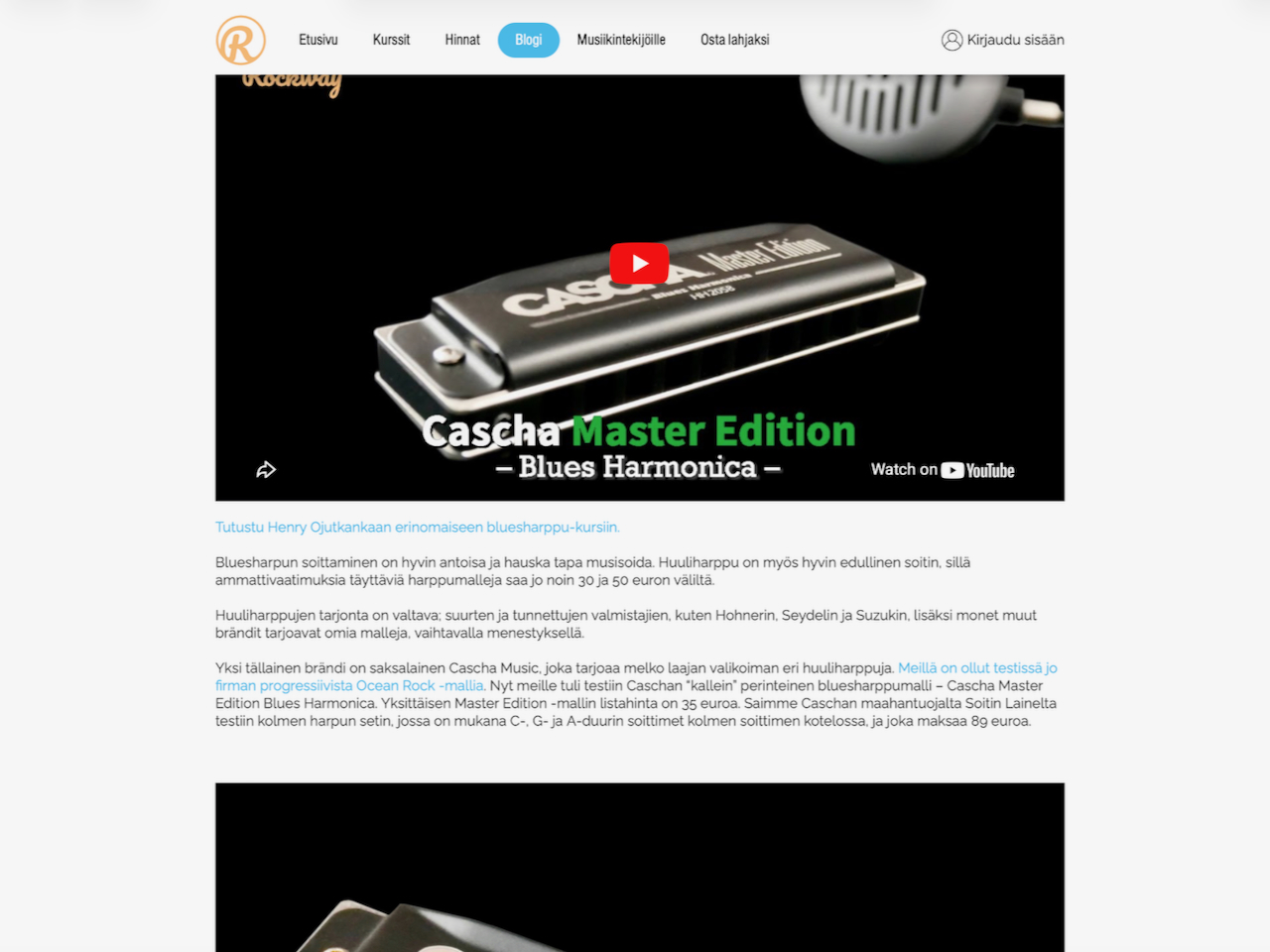
• Cascha Master Edition (C-duuri)
****
****
Pop-demo:
****
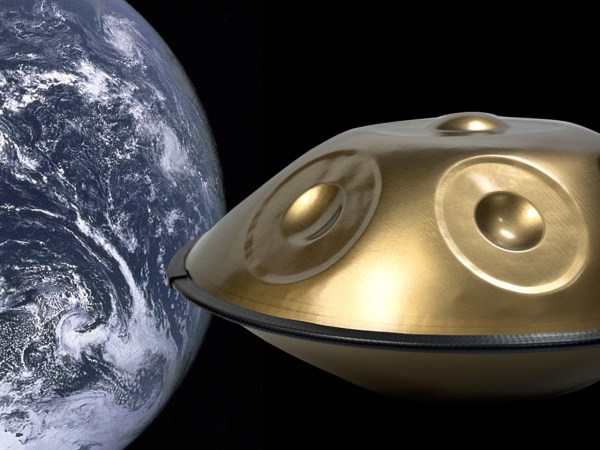
Handpan on melko uusi tulokas viritetyn perkussion soitinryhmässä, joka ilmestyi noin 15 vuotta sitten, samoihin aikoihin kuin tongue drum -serkkunsa.
Handpan koostuu kahdesta kellomaisesta puolesta, joita on liimattu yhteen niin että soitin muistuttaa hieman ufoa. Yläpuoliskolla on keskellä suurin soittoalue – ns. Ding – josta saadaan handpanin perusäveltä. Alapuoliskon keskellä taas sijaitsee handpanin ääniaukko, nimeltään Gu.
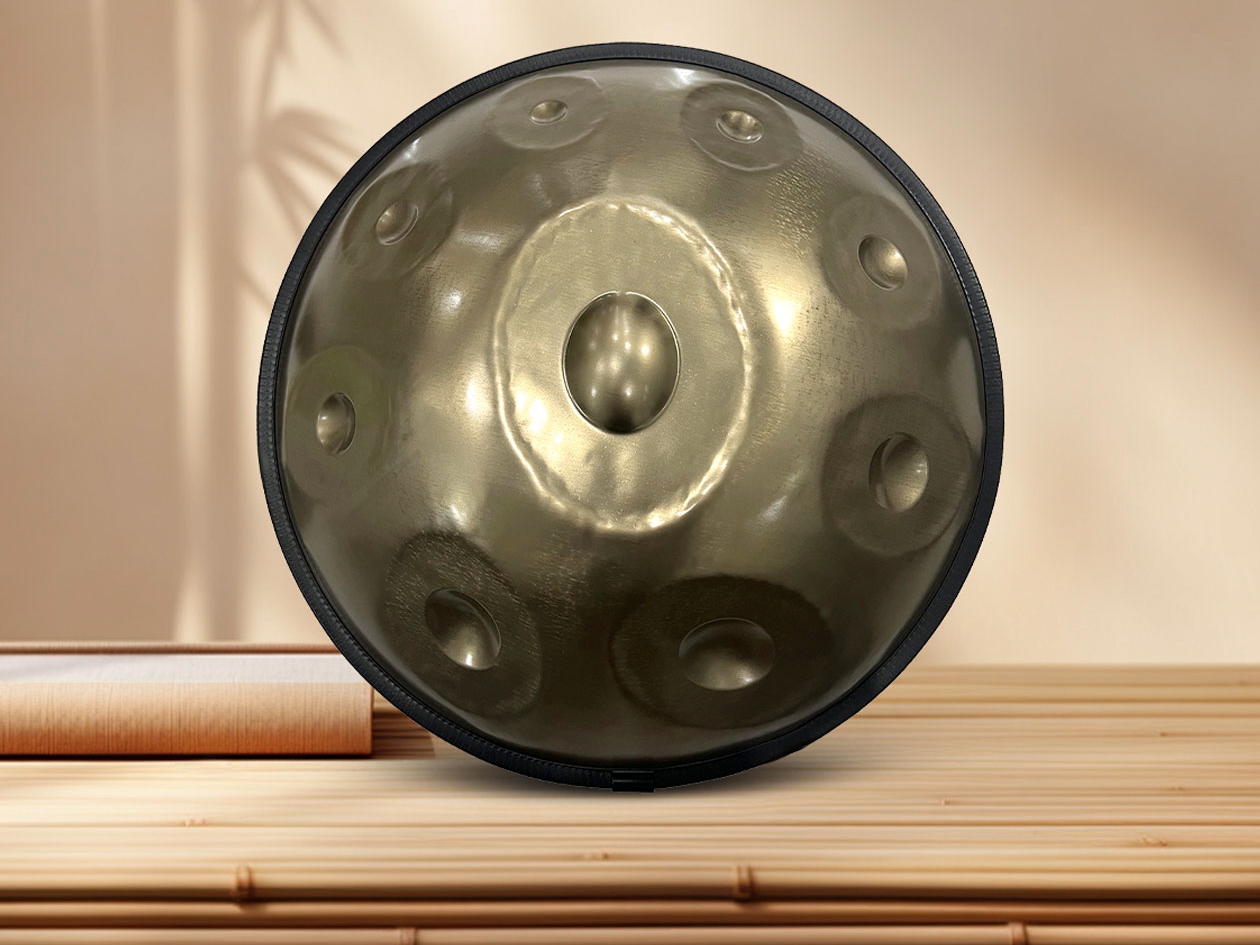
Kaikissa handpaneissa on soittimen yläpuolen sivussa yksi rivi erikokoisia soittoalueita; mitä suurempi alueen läpimitta on, sitä matalampi sen tuottama ääni. Perus-handpaneista saadaan yhdeksän eri säveltä – Dingin tuottama perusävel plus kahdeksan äänistä koostuva sävelasteikko.
Jotkut mallit tarjoavat laajemman sävelkirjon lisäämällä handpanin yläpuoliskolle toisen rivin soittoalueita. Välillä lisätään jopa soittoalueita handpanin alapuoliskolla.
Handpanit soitetaan joko sylissä tai puutelineen päällä makaavana. Handpania soitetaan yleensä käsillä tai sormilla – Ding-perussäveltä lyödään tavallisesti soittoalueen kuvun keskeltä, kun taas muita säveliä saadaan kuulumaan soittoalueiden reunoihin lyömällä.
Vantaan Musiikki tuo maahan varsin laajan valikoiman kiinalaisia Raysen-handpaneja. Saimme testiin yhdeksänäänisen mallin arabilaisella hijaz-sälvelasteikolla.
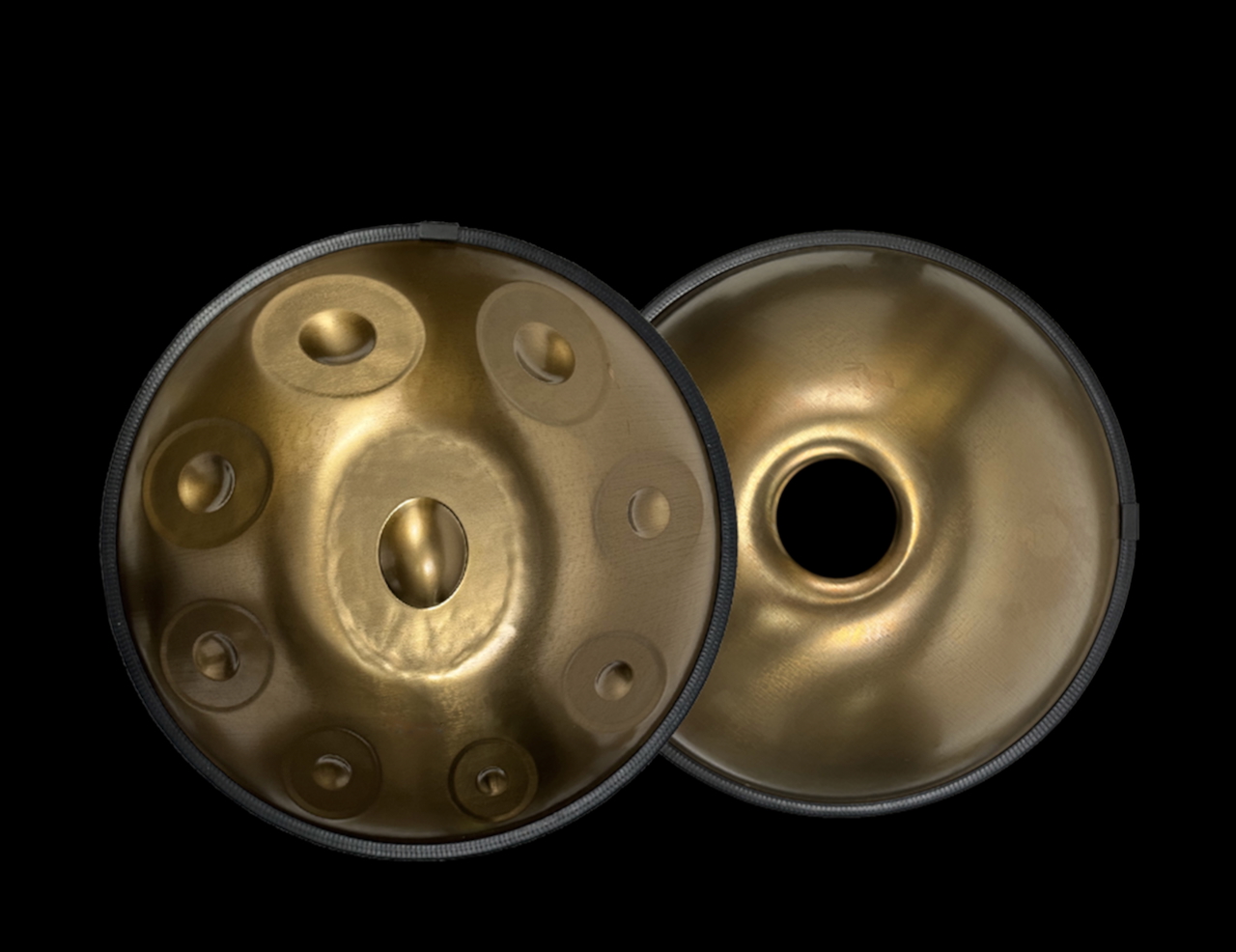
Raysen HP-M9 C# Hijaz (1.100 euroa; laadukas bägi kuuluu hintaan) on täysikokoinen handpan (läpimitta 53 cm) ruostumattomasta teräksestä.
Laadukkaan handpanin valmistukseen kuuluu runsaasti käsityötä, mikä näkyy luonnollisesti myös soittimen hinnassa. Etenkin soittoalueiden tarkka virittäminen vie paljon aikaa.
Lähes kaikki Raysen-handpanit ovat saatavilla joko standardivireessä (a’ = 440 Hz) tai aasialaisessa virityksessä (a’ = 432 Hz). Testissä käynyt Raysen HP-M9 C# Hijaz oli standardiviritteinen malli.
Handpanin perustekniikka saadaan nopeasti haltuun, minkä jälkeen voi tutustua panin sävelasteikon tarjoamiin mahdollisuuksiin.
Koska handpanin rakenne on hyvin kellomainen, yhden soittoalueen lyöminen tuo esiin myös harmonisia lisä-ääniä soittimen muista sävelistä. Myös handpanin perussävel soi usein hiljaa muiden äänten taustalla.
Handpan sopii loistavasti world music -genreen, mutta on myös oiva taustasoitin meditaatio- tai joogaistuntoon.