Testipenkissä: Blackstar HT Club 40

Brittiläinen Blackstar Amplification on saavuttanut verrattaen nopeasti maineen monipuolisten, nykyaikaisten ja luotettavien putkivahvistimien valmistajana. Yhä laajentuva endorserikatras – josta löytyy niin erityylisiä nimiä kuin Manic Street Preachers ja Dimmu Borgir – kertoo sekin jotain merkin arvostuksesta.

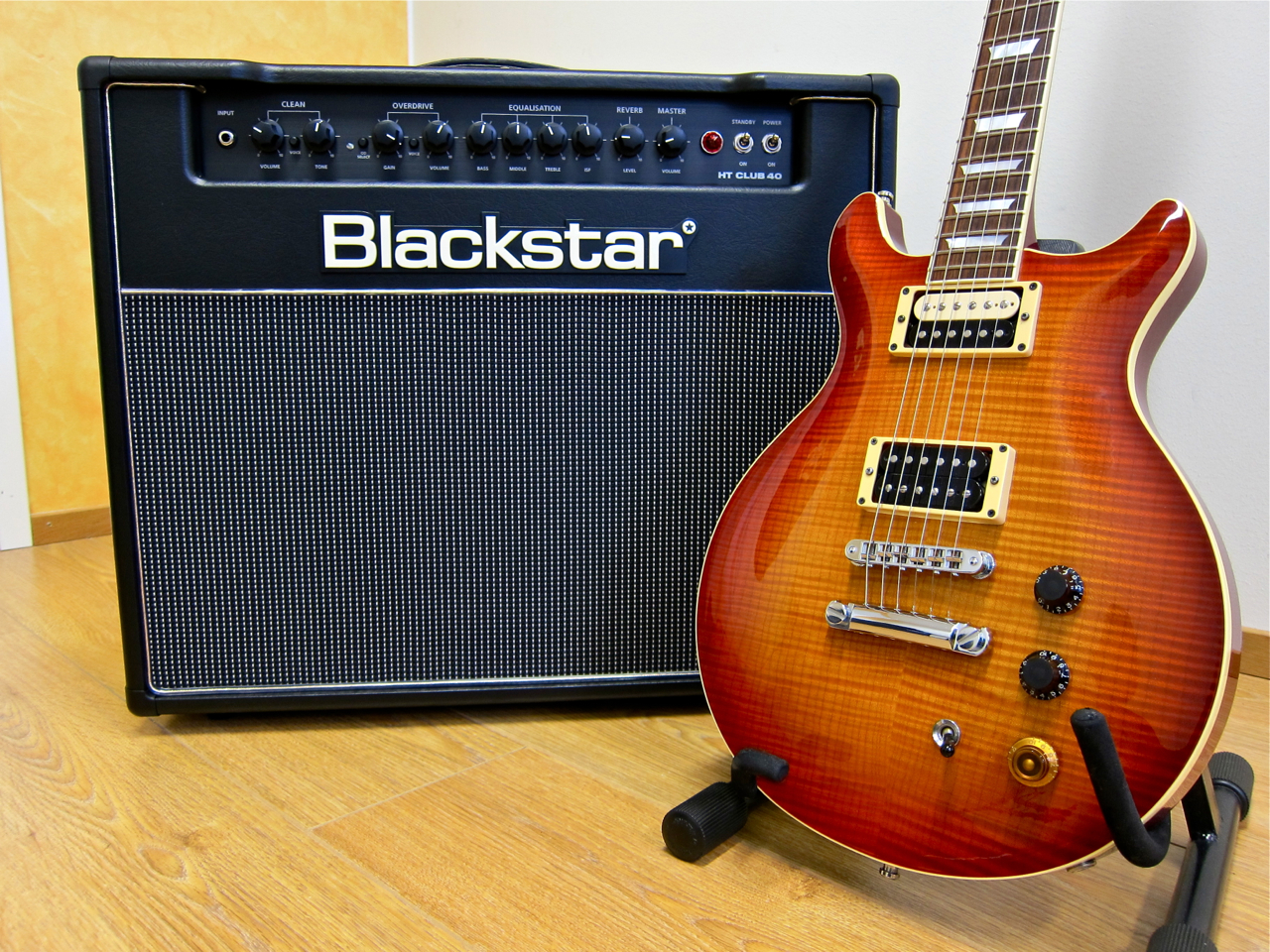
Tällä kertaa katsomme hieman tarkemmin Blackstarin HT Club 40 -komboa (694 €), joka on tarkoitettu keikkailevan kitaristin uskolliseksi työjuhdaksi.

****

Nimensä mukaisesti Blackstar HT Club 40 on 40-wattinen kitarakombo, joka on toteutettu täysputkikytkennällä. Etuvahvistimessa toimivat kaksi ECC83-putkia, kun taas päätevahvistin saa voimansa kahdelta EL34-tyypiltä.

Kiinassa valmistettu kombo on kaksikanavainen, ja se on varustettu yhdellä 12-tuumaisella kaiuttimella.

Blackstar-kombojen selkeä, siisti ja kaunis olemus on sekin noussut jo yhdeksi firman tavaramerkiksi, ja HT Club 40 jatkaa tätä linjaa.

Blackstarin keskikokoinen kombo painaa hieman yli 24 kiloa, mikä on vielä hyvin roudausystävällinen putkikomboksi.

Lähes kokonaan suljetun kotelon ansiosta, kombosta saa tyypillisten kombosoundien lisäksi myös hyvin uskottavia stäkkisoundeja.

Pienen aukon – ja nykyaikaisten turvallisuusmääräyksien – takia putkien vaihtaminen on hieman työlästä, koska koko takapaneeli on ensin irrotettava, ennen kuin putkiin pääsee käsiksi.
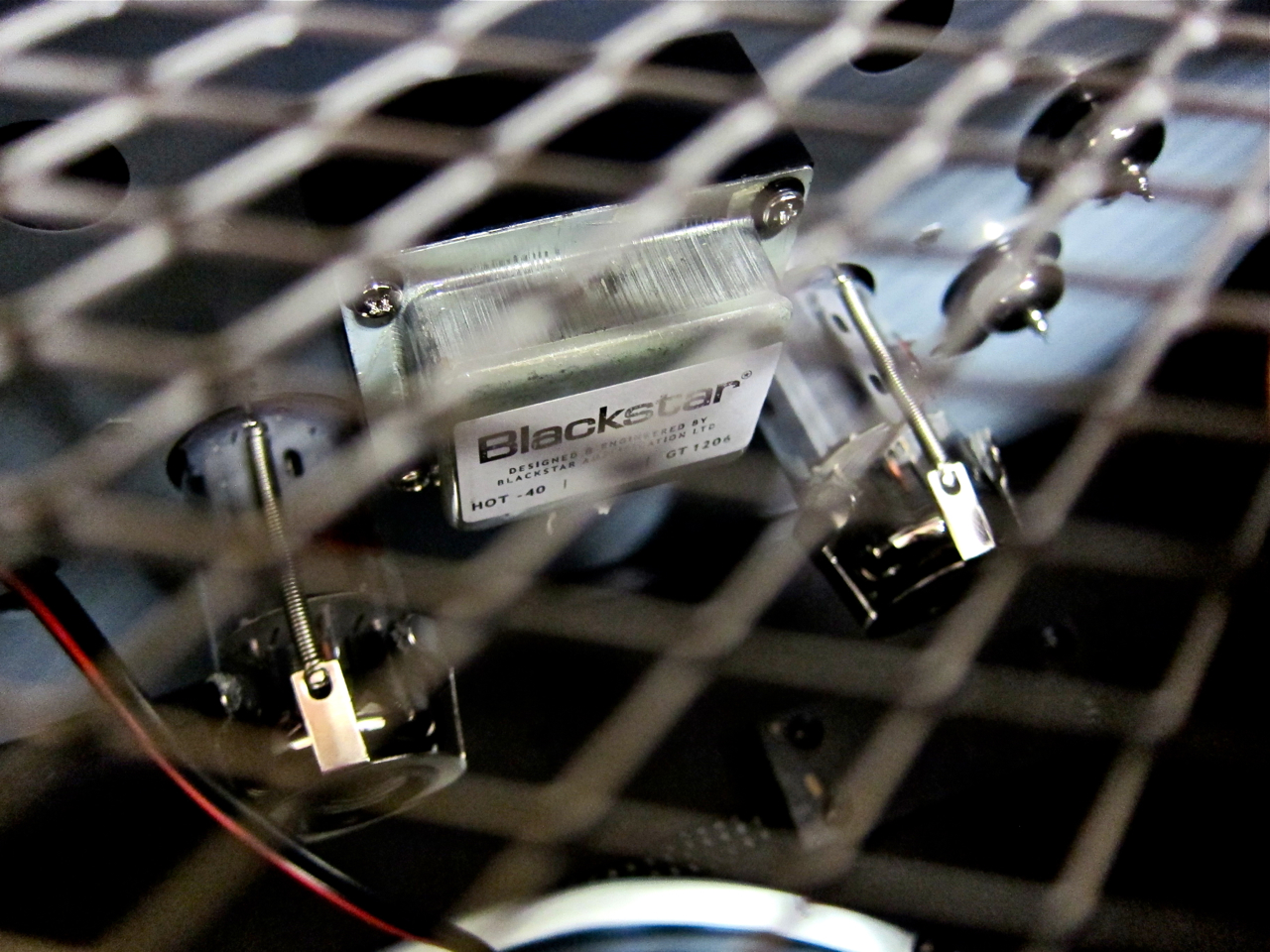
Metalliritilän läpi näkyy kombon putket…

…sekä sen laadukkaat muuntimet.
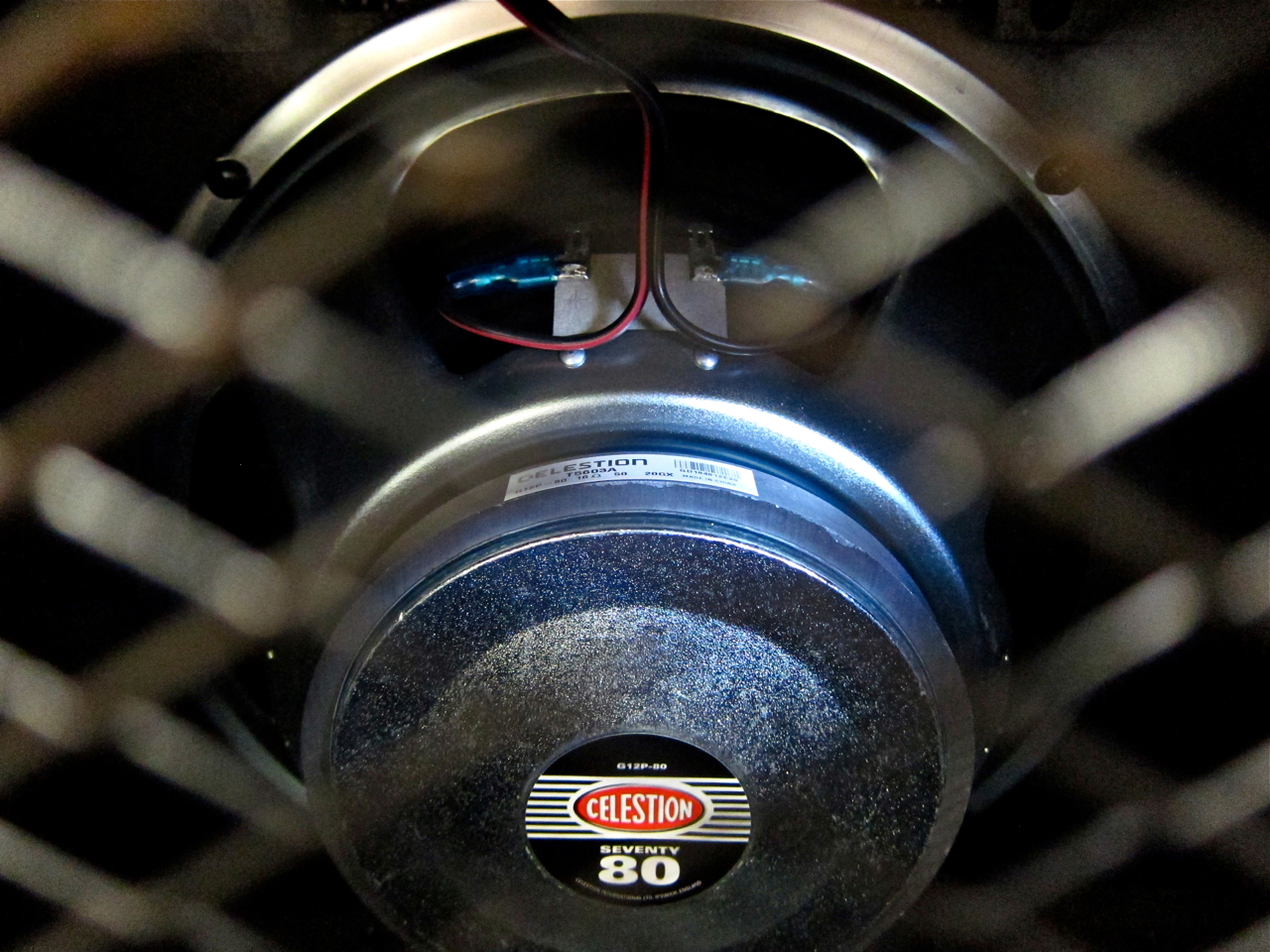
Kombon kaiuttimeksi on valittu Celestionin Seventy 80 -malli, joka on tunnettu sen dynaamisesta ja avoimesta perusluonteestaan.
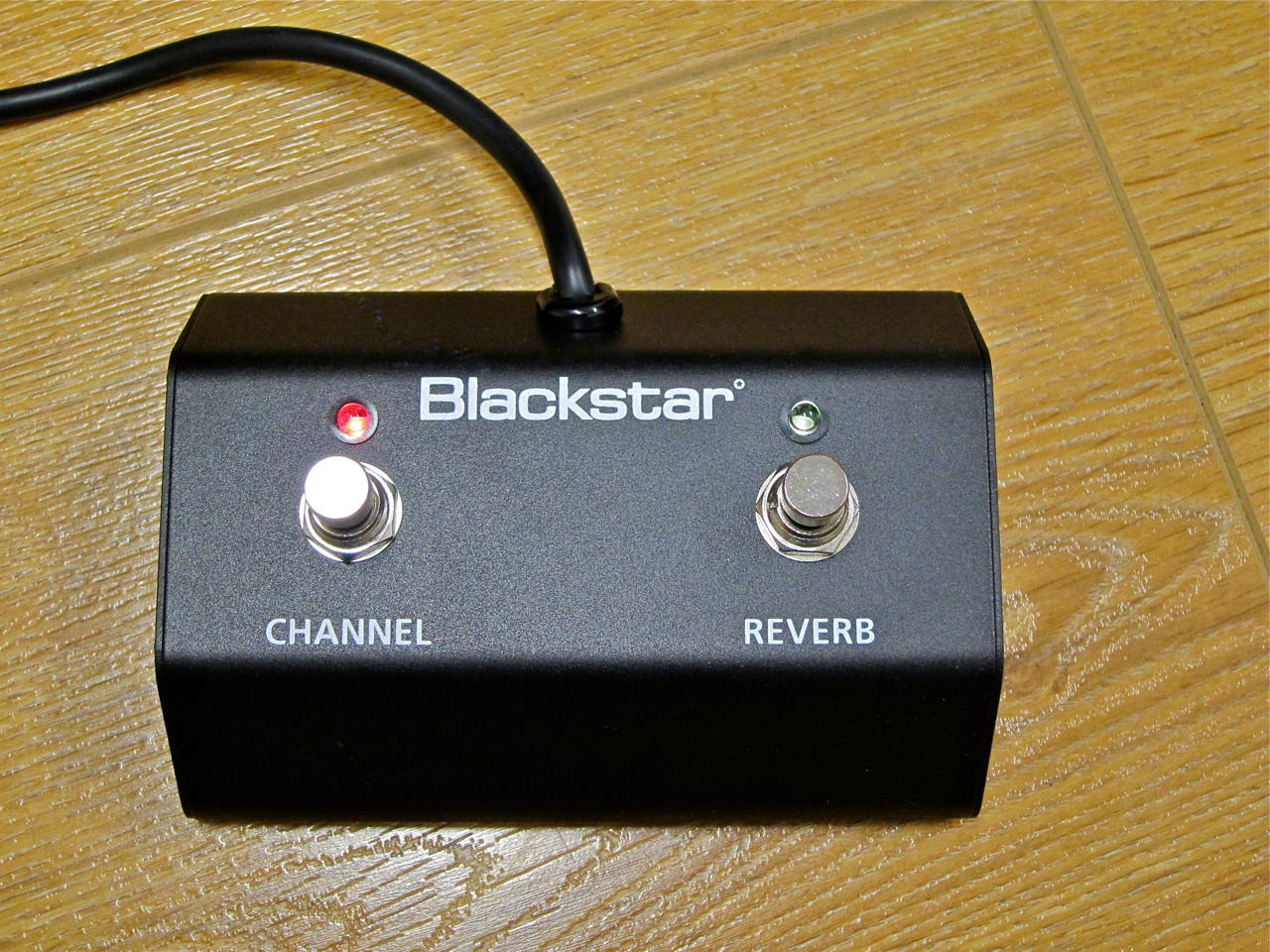
Suoraviivainen ja kestävänoloinen Blackstar FS-5 -jalkakytkin kuuluu hintaan.

****
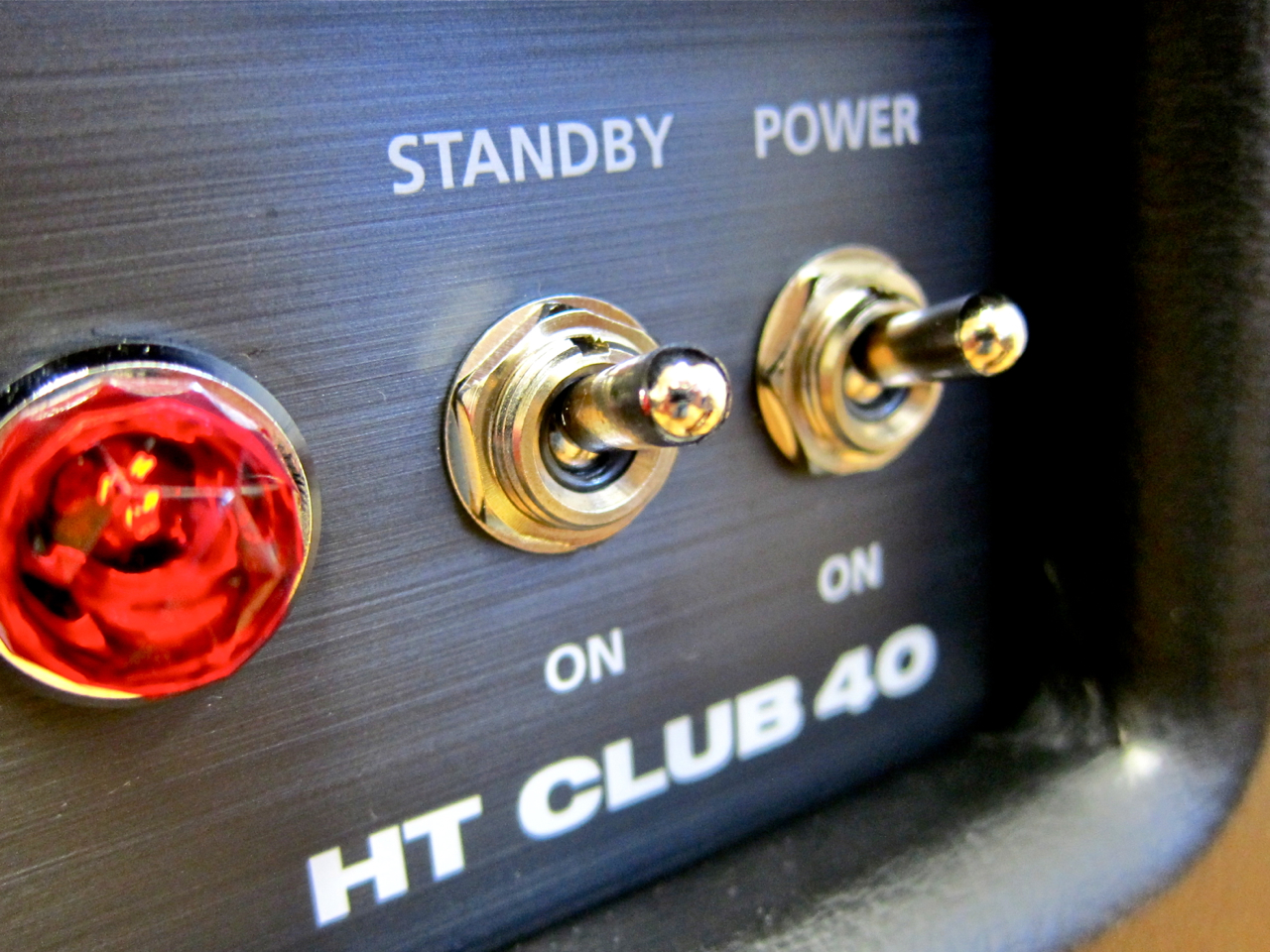
Vaikka Blackstar HT Club 40 kutsutaankin kaksikanavaiseksi komboksi, on vahvistin – runsaiden ominaisuuksiensa ansiosta – huomattavasti monipuolisempi kuin luulisi.

Puhdas kanava tarjoaa vain kaksi säädintä – Volume (gain) ja helppokäyttöinen Tone. Voice-kytkimellä saa kuitenkin muutettua puhtaan kanavan luonetta perusteellisesti.

Boutique Clean -nimisessä tilassa HT Club 40 toimii tyypillisen A-luokan kitaravahvistimen tavoin, jossa Volume-säätimen avaaminen lisää ensin vain hieman kompressiota ja rosoisuutta, mutta säätimen loppumetreillä soundi muuttuu selvästi säröiseksi.

Modern Cleanissä kombo toimii AB-luokan periaatteella, jolloin bassorekisteri on muhkeampi, ja signaali pysyy siistinä miltein koko Volume-säätimen skaalalla.

****

Särökanava tarjoaa erilliset Gain- ja Volume-säätimet, minkä ansiosta rankkoihin särösoundeihin pääsee käsiksi myös hyvin maltillisellä volyymitasolla. Myös tässä kanavassa on oma Voice-kytkin.

Classic Overdrive vie Blackstarin soundia klassiseen 1970- ja 80-luvun Marshall-alueeseen – soundi on rouhea ja kiinteä.

Modern Overdrive lisää menoon sekä hieman gainia että aimon annoksen potkua ja laulavaa keskirekisteriä.

Särökanavan EQ-osasto on huomattavasti runsaammin varusteltu kuin Clean-kanavan yksittäinen Tone-säädin.

Säröpuolelta löytyy kunnon kolmialueinen taajuuskorjain, sekä Blackstarin patentoitu ISF-kytkentä. ISF-säätimellä (ISF = Infinite Shape Feature) pystyy vaikuttamaan portaattomasti EQ-osaston luonteeseen ja soundiin. Nolla-asento (Blackstar kutsuu sitä USA:ksi) tarjoaa tiukempaa bassorekisteriä ja purevampaa diskanttia kuin täyteläisempi UK-vaihtoehto ISF-säätimen toisessa ääripäässä.
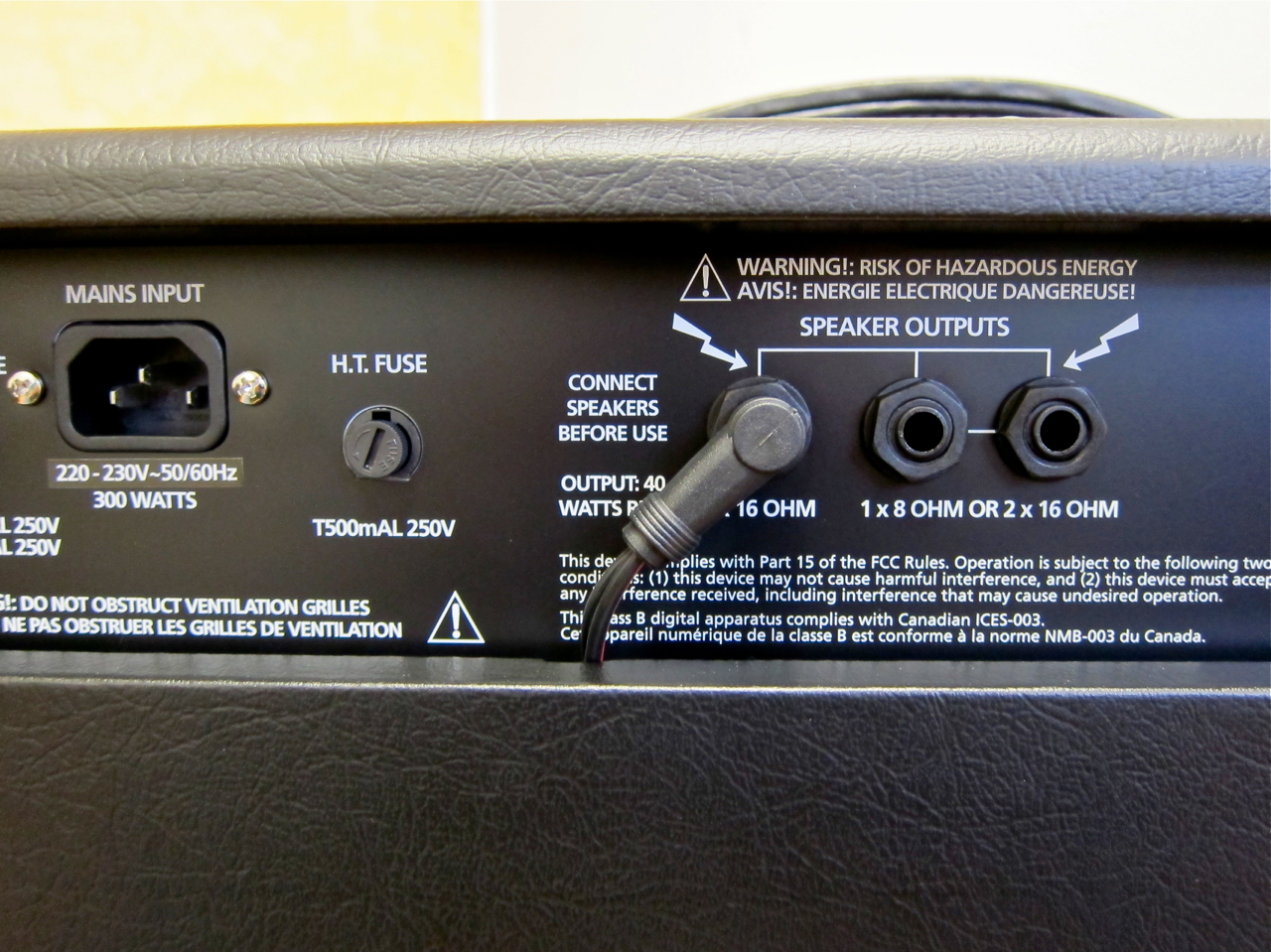
Takapaneelista löytyy kaiutinlähtöjen lisäksi vielä…

…linjalähtö kaiutinsimulaatiolla, efektilenkki, sekä Reverb-kytkin, jolla voi valita yhden kahdesta laadukkaasta digikaiun luonteesta.

****

Tällaisia soundeja irtosi Blackstar HT Club 40 -kombosta, kun soitin sen läpi Hamer USA Studio Custom ja Gibson Les Paul Junior kitarani:

Gibson Les Paul Junior – Modern Clean

Hamer Studio Custom – Modern Clean

Gibson Les Paul Junior – Boutique Clean (Volume täysillä)

Hamer Studio Custom – Boutique Clean (Volume täysillä)

Gibson Les Paul Junior – Classic Overdrive

Hamer Studio Custom – Classic Overdrive

Hamer Studio Custom – Modern Overdrive

****

Blackstar HT Club 40 -komboa on ilo soittaa!  Vahvistin tarjoaa yllin kyllin erilaisia laatusoundeja, ja käyttökokemus on hyvin intuitiivinen ja helppo.

HT Club 40:ssä on ikäänkuin neljä erilaista vahvistinta samassa kuoressa:

Modern Clean on Fender- (tai Mesa/Boogie-tyylinen) putipuhdas valinta isolla headroomilla. Boutique Clean taas tarjoaa kaikki interaktiivisen A-luokan vahvistimen ilot – puhdas headroom ei ole tarjolla niin paljon, mutta vahvistin reagoi hyvin mukavasti soittodymaniikkalle ja kitaran volume-säätimelle. Classic Overdrivesta saa irti kaikki klassisen Bluesrockin, Hard Rockin ja Metallin soundeja, kun taas Modern Overdrive tyydyttää varmasti nykyaikaiset kitarasankarit.

Mielestäni Blackstar HT Club 40 on loistava valinta ravintola- ja klubikeikoille, sekä studiossa, jossa vuotoäänien minimoimiseksi keskikokoinen kombo voikin olla parempi valinta kuin iso stäkki.

****

Blackstar HT Club 40

694 €

Maahantuoja: Musamaailma

****

Plussat:

+ hinta-laatu-suhde

+ soundi

+ monipuolisuus

+ linjalähtö kaiutinmallinnuksella

+ työnjälki

Review: Roland GA-112

****

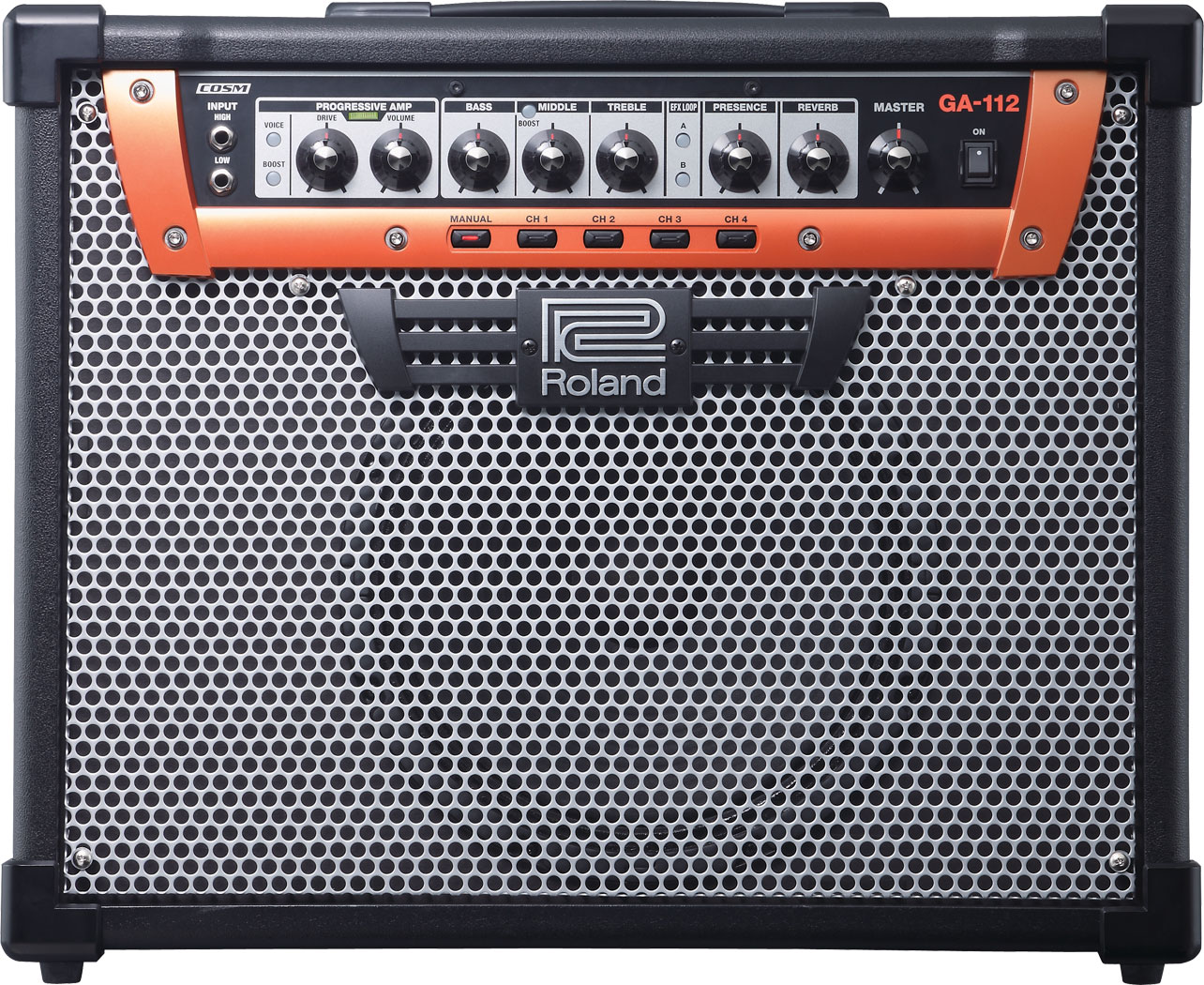
One of Roland’s many new products for 2012 is the GA-112 – a COSM-based guitar combo using the company’s modelling technology to come up with a sound all of its own.

The GA-112 – as well as its larger 2 x 12″ brother, the GA-212 – utilises a specially designed COSM-model called Progressive Amp. Progressive Amp promises to give you the full scale of possible amp tones – from ultra-clean all the way to bone-crushingly dirty – from a single digital amp model, using only the gain-control and the combo’s EQ.

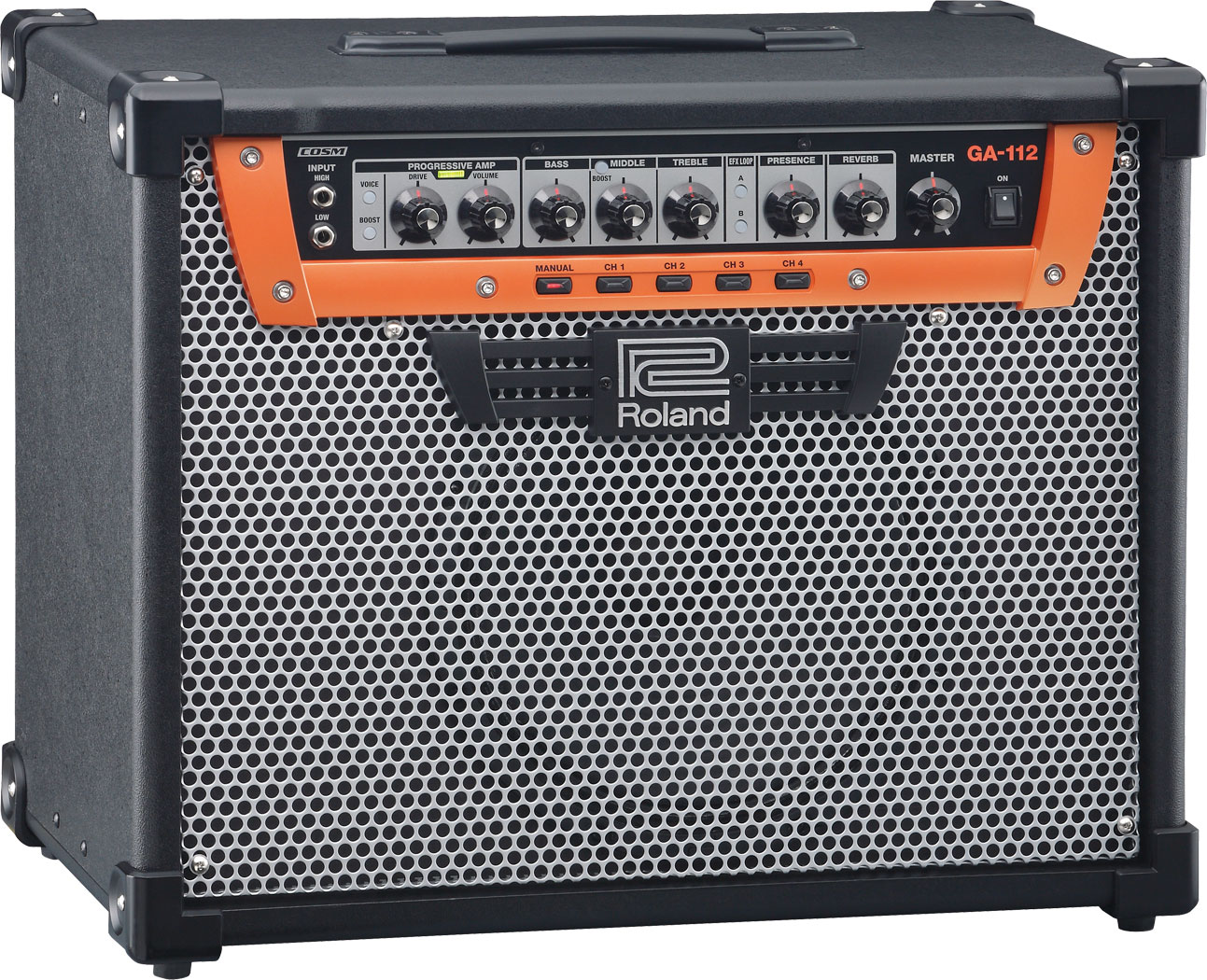
The 100-Watt Roland GA-112’s (current price in Finland: 844 €) looks combine many features from older Roland guitar amps.

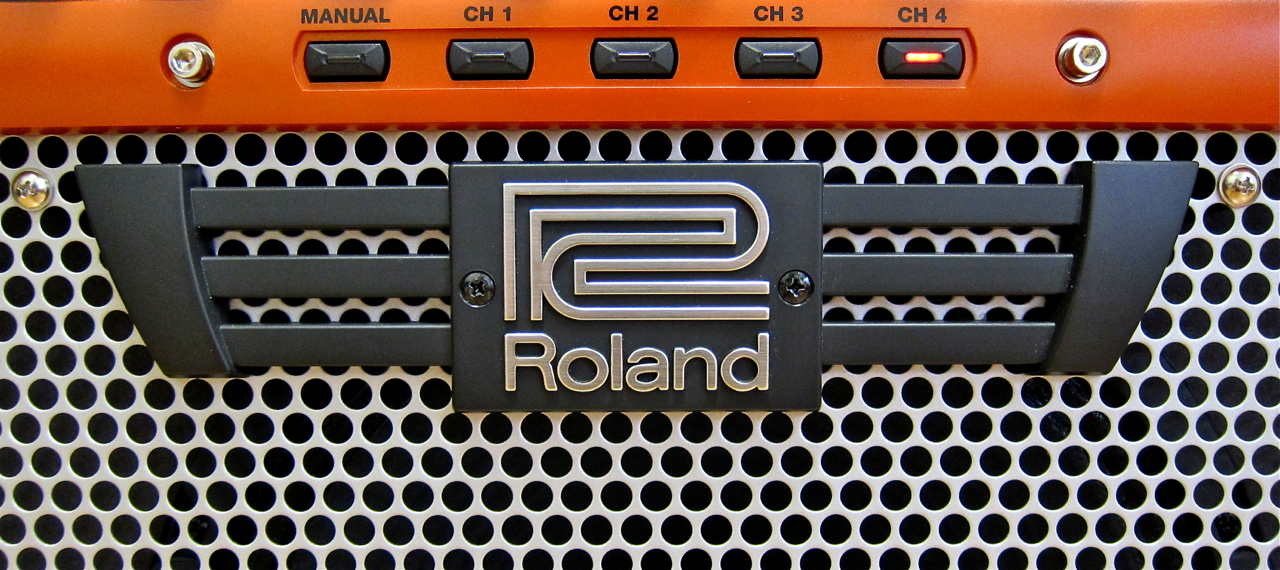
The front panel is somewhat reminiscent of the legendary Jazz Chorus combo, while the cabinet’s black vinyl cover, as well as the extremely sturdy metal speaker grille have been borrowed from the company’s long-running Cube-range.

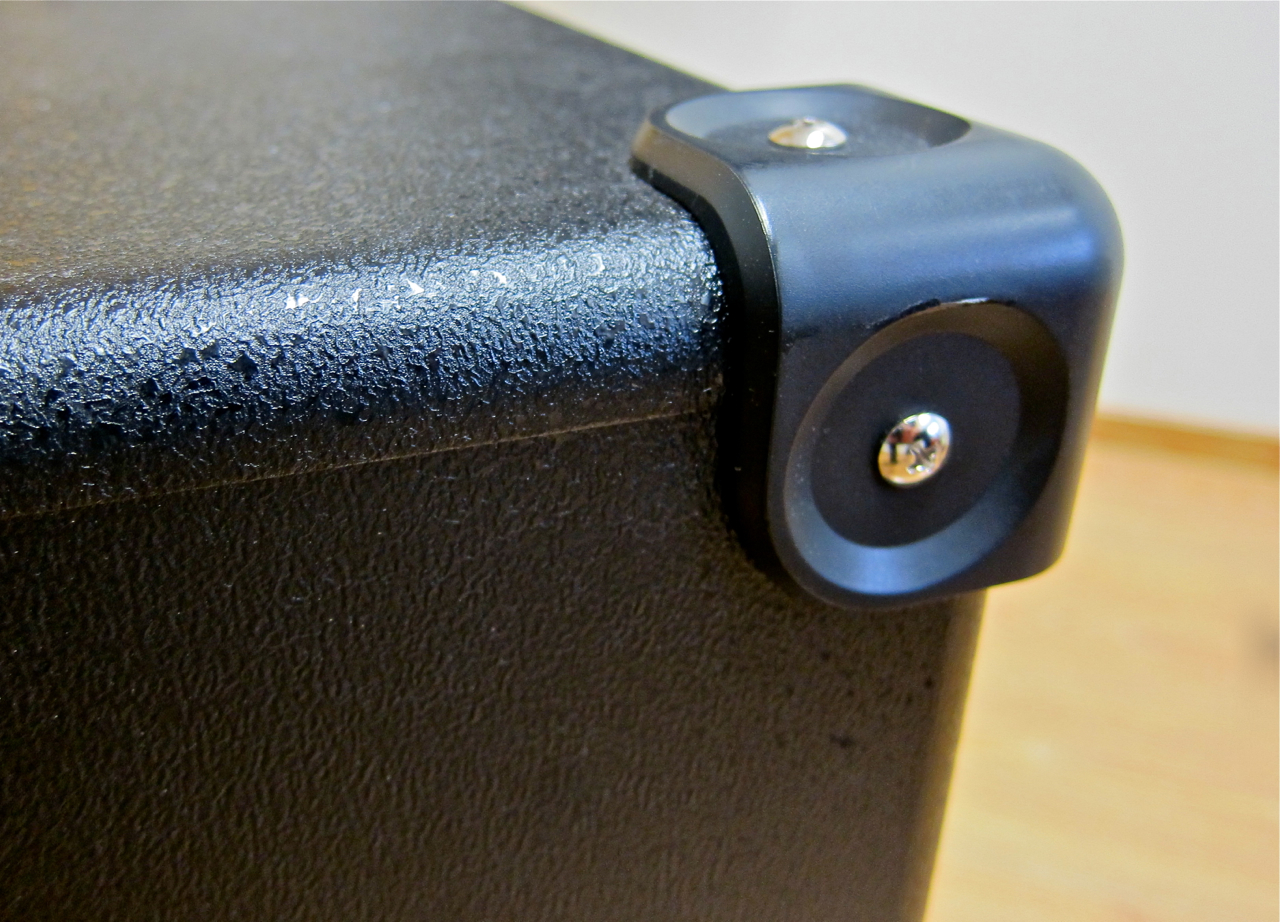
The GA-112’s chunky plastic corner protectors are designed to withstand the rough life of a gigging amplifier.

This Roland is equipped with a fully-digital preamp section offering a whopping five channels – four user-storable selections, plus the current control knob settings in Manual-mode.

Regardless of all the digital circuitry inside, the GA-112’s front panel is very clean and easy to understand. All push-buttons are backlit, and all the knobs for storable parameters (meaning all, but the Master Volume) have been equipped with red position LEDs. This combo’s settings are easy to read even on a completely darkened stage.

Apart from its two input jacks, the front section offers two buttons – Boost and Voice, which adds a slight loudness EQ-curve to the signal.

The Progressive Amp -section’s oblong LED-indicator is a great way to keep you in the picture in regard to the character of the current amp channel/settings, by changing its colour according to the gain setting. A green light, for example, tells you that you are paddling safely in totally clean waters, while purple or white means you are sailing close to distortion meltdown.

The EQ-section is a three-band affair with an added mid-boost for fattening up your tone.

Before travelling onward to the Presence- and reverb-controls your signal can be send to either or both of the GA-112’s effect loops. Both loops’ on/off-status is stored channel-specifically along with all the other channel data, which means that changing channels also automatically switches the loops on or off.

The GA-combo’s only internal effect is its lushly-voiced digital reverb.

Roland’s GA-112 stores all changes to one channel’s settings automatically each time you switch to another channel, which makes the combo quite intuitive to work with.

The effect loops have been placed alongside all the other connectors on the back panel.

You can choose between a parallel and a series signal path for each loop, and set the correct nominal signal level (-10 dB or +4 dB) for your chosen outboard effects.

The back panel also gives you a tuner output and a line level output for connection to a mixer. You can also daisy-chain two GA-112s for large venues.

For full switching control on-stage you have to buy Roland’s own GA-FC-footcontroller, which allows you to switch channels, turn the boost on or off, as well as switch on/off the effect loops and the reverb.

It would have been a nice move, though, if Roland had included a simple up/down-footswitch for channel-switching with the amp.

****

Roland’s GA-112 isn’t your traditional modelling amp, as it doesn’t feature heaps of different models of famous amps, vintage and new, or loads of different internal effects. The approach has been radically different here.

The GA-112’s main advantages are its healthy basic sound, as well as the Progressive Amp’s huge versatility and tweakability, giving you everything from totally clean to full-on metal.

The Roland isn’t about the authenticity of vintage amp models when compared to the physical originals from yesteryear. This is a modelling amp that isn’t modelling any specific amps, but uses it digital power to offer the guitarist a blank canvas with a large palette of colours.

The Roland GA-112 makes a great job of offering most guitarists their sound with the minimal amount of fuss and a practically flat learning curve.

Warm Jazz-cleans or biting Country-picking can be dialled in in no time. Organic and dynamically rich Trad Blues and Seventies Rock can also be had. And the GA-112’s merciless Metal-riffing will have you headbanging until the janitor takes the main fuse hostage.

Roland’s two switching effect loops open up many interesting possiblilities for seasoning your tones.

I suggest you make a beeline for your nearest Roland-dealer, if you are interested in making the GA-112 your personal command centre on-stage or in the studio.

****

Here are a couple of examples using the Roland GA-112 without any external effects:

Stratocaster – clean

Kasuga semi – clean
Stratocaster – overdriven

Kasuga semi – overdriven

Stratocaster – full gain

Kasuga semi – lead sound

****

Roland GA-112

844 €

Finnish distribution: Roland Scandinavia

****

Pros:

+ basic sound

+ extremely wide scale of gain

+ programmable

+ two effect loops

+ power

+ sturdy build

Cons:

– footcontroller optional

****

Review: ESP Eclipse II FM FT Distressed

****

A pre-aged guitar – to some people it’s the daftest idea ever, while others think relicing imbues the instrument with its own type of charm.

But one thing is clear: artificial ageing is here to stay!

This time we will take a new-old ESP for a spin – the Eclipse II FM FT Distressed.

****

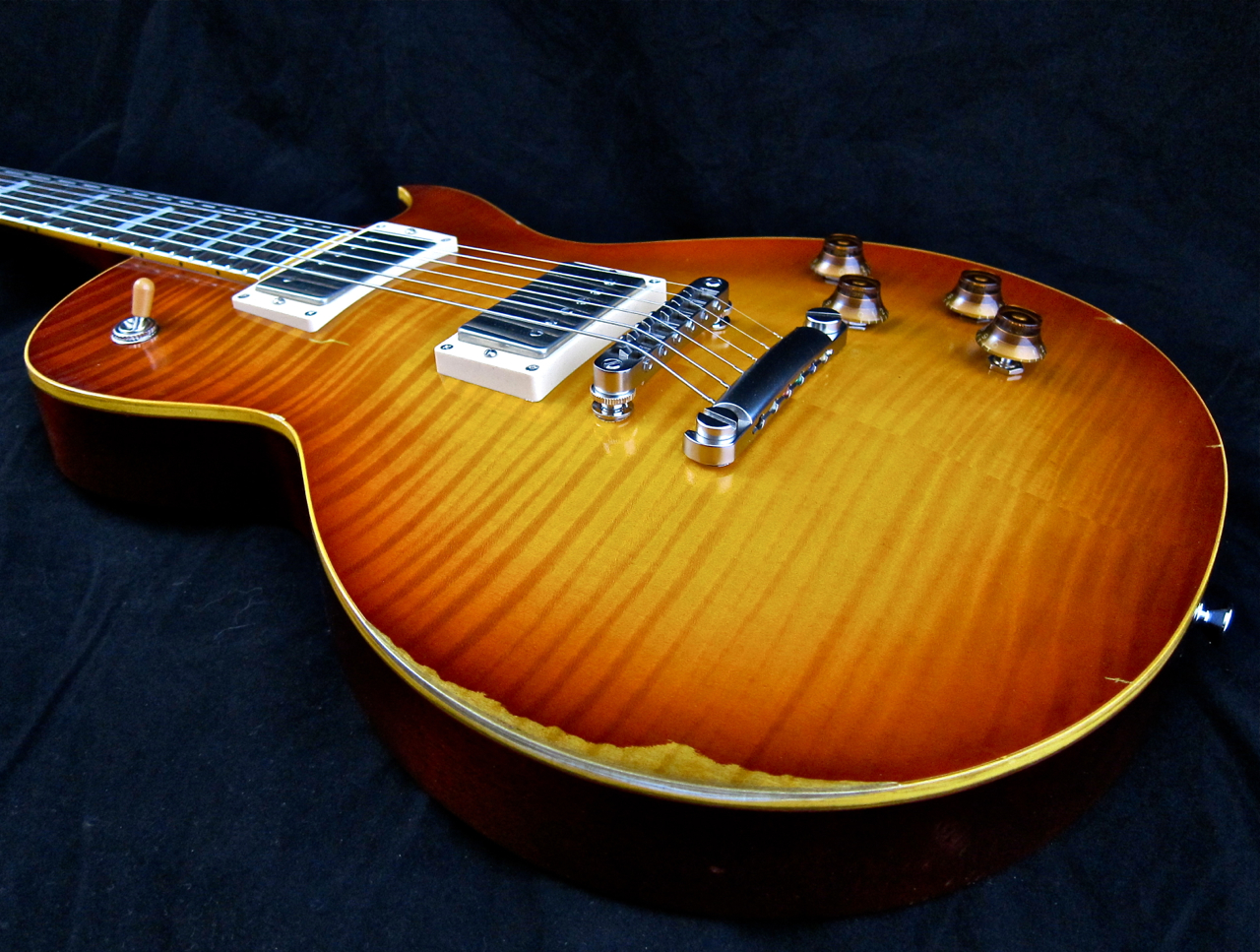
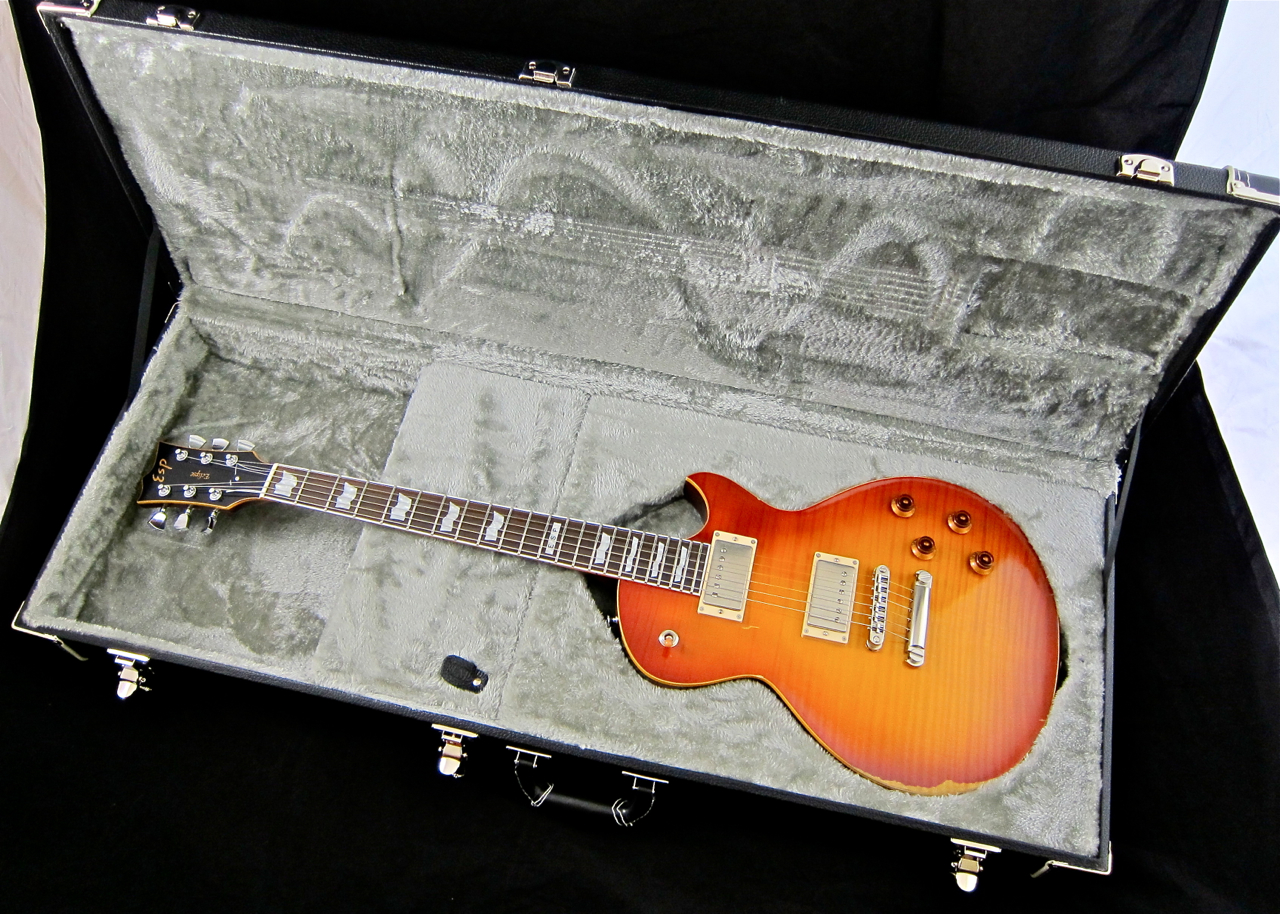
The ESP Eclipse II Distressed (current price in Finland: 1.889 €) is a Japanese quality instrument treated to look and feel like a 50-year-plus veteran of the stage and studio.

The rather realistic impression is achieved not only by dings, dents and scratches, but also by using a laqcuer that looks old and sunken in.

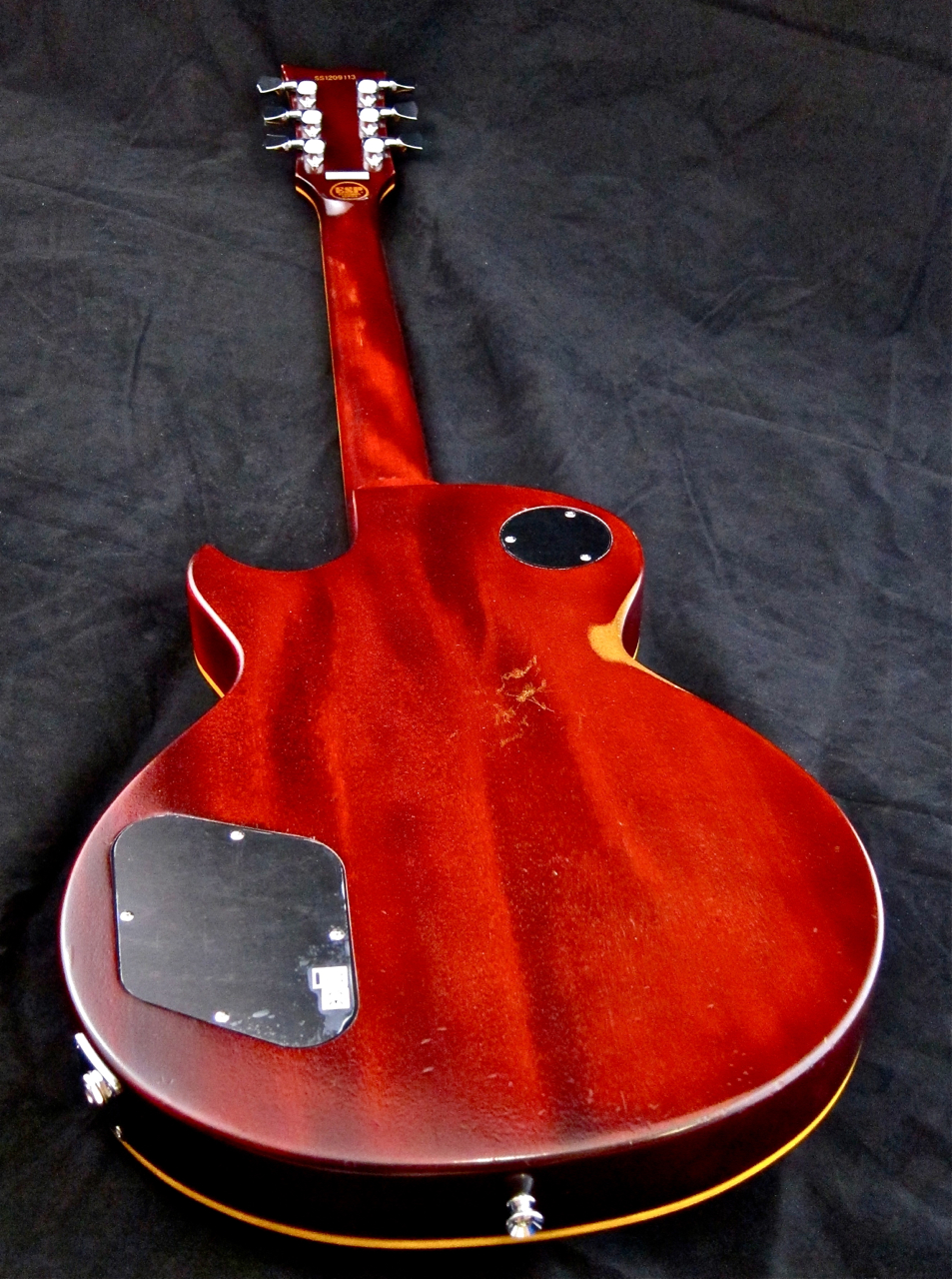
The flip side of the Eclipse II Distressed’s body has also received lots of scratches and a bout of artificial belt buckle rash. The neck, though, has been left fairly clean.

The mahogany looks scrumptious, and the finish does its bit to underscore the lively wood grain.

ESP have restrained themselves from adding over-the-top finish cracks, which is a good decision, in my opinion.

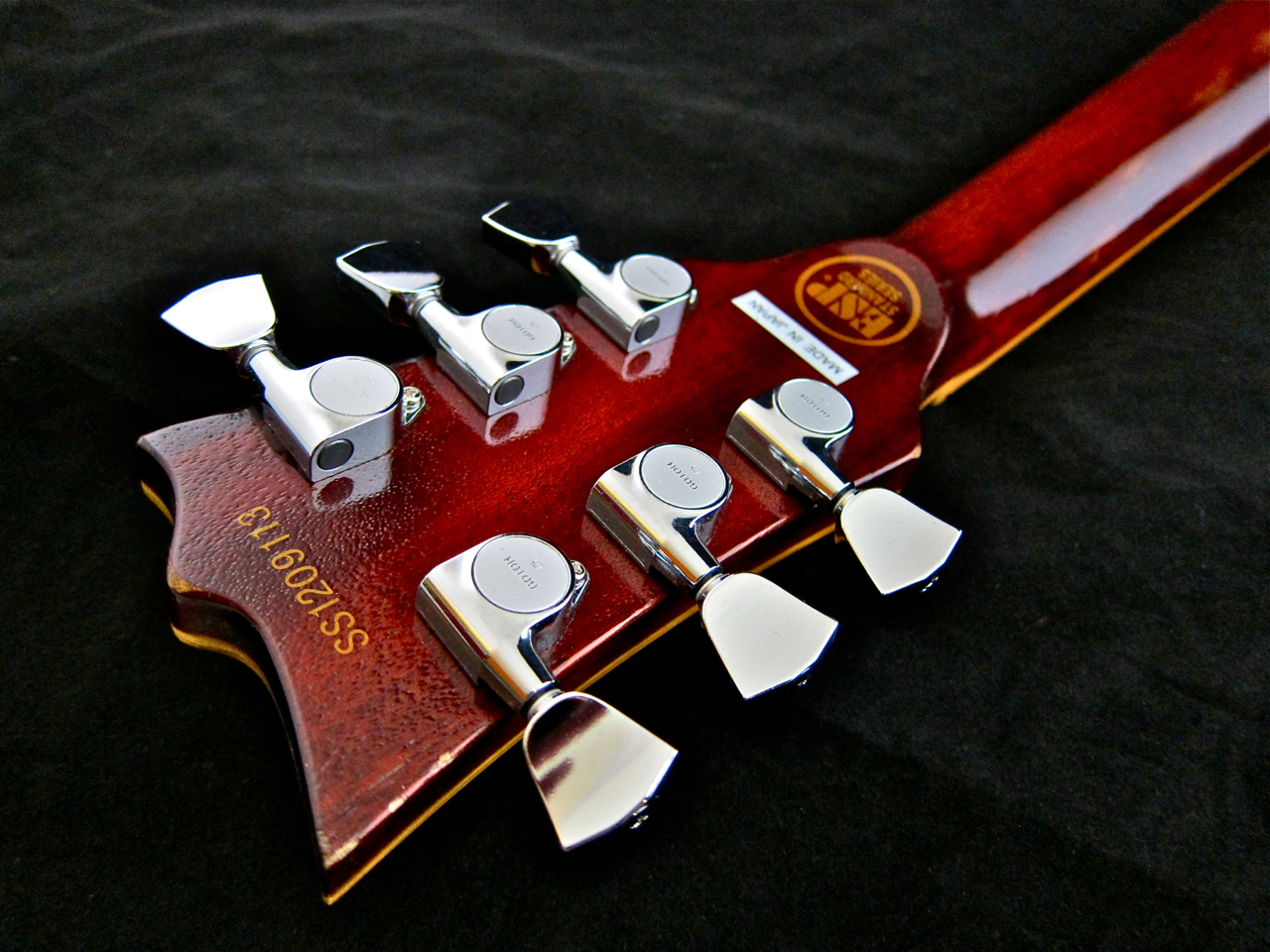
The Gotoh-machines look traditional, but are in fact up-to-date locking tuners.

The Eclipse’s beautiful rosewood ’board and jumbo-sized frets have been left untouched by relicing – this is a brand-new guitar with a pristine playing feel, great!

The neck joint is a traditional set-in job.

This viewing angle makes it easy to spot all the dents in the sunken in finish (click the picture for a larger view).

The Distressed-model comes fitted with Seymour Duncans: The neck unit is a ’59-model, while a Duncan JB -humbucker has been installed near the bridge.

The brushed metal covers fit the ESP’s lightly-aged look to a tee.

The neck pickup’s tone control is equipped with a push/push-switch that splits the humbuckers in the up-position.

Everything’s hunky-dory in the control cavity – quality parts, clean workmanship and thorough shielding wherever you look.

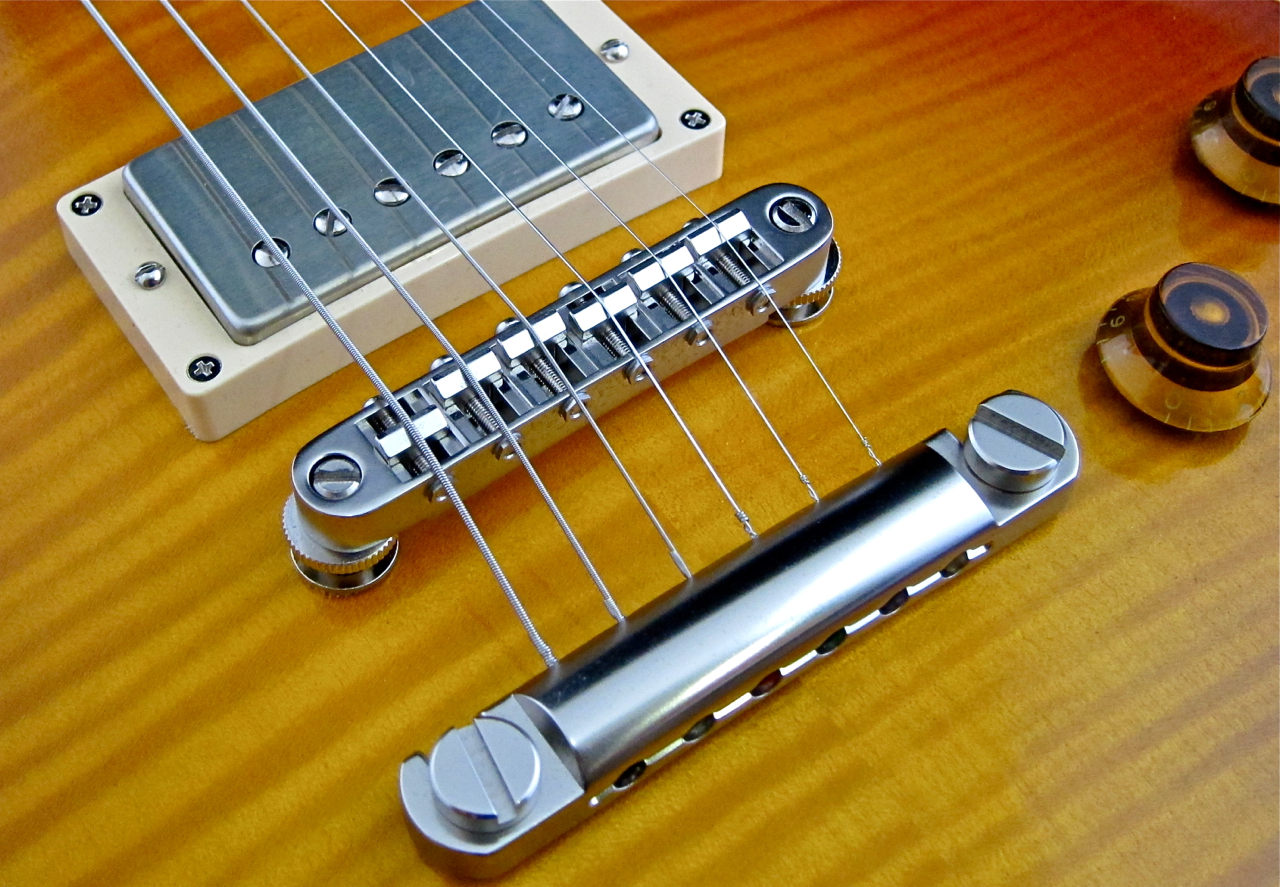
The tune-o-matic-type bridge and the guitars tailpiece are quality parts made by Gotoh.

The ESP Eclipse II Distressed is sold in its own, beautiful case.

****

Many players complain about the weight of a good deal of LP-type electrics, which can give you a sore shoulder or a hurting back. I can only suggest that these guitarists take a stoll to their friendly ESP-dealer, if this test sample is anything to go by!

I don’t know whether it’s in the wood selection or whether ESP employ an Emmental-method (like Gibson) for weight-relief – by drilling large-diameter holes into the mahogany before gluing the maple top on – but this ESP is the most lightweight LP-style guitar I have ever played!

The neck profile is a very friendly medium-depth ”D”, not far removed from Gibson’s 60s-neck. The sunken-in finish feels smooth and fast, and the fine fretwork and large fretboard radius make for an easy playability.

It’s hard to gauge whether this is due to the relicing or not, but the ESP Eclipse II Distressed feels really live. The guitar breathes and resonates freely, and its fine acoustic tone has a nice warmth and a sinewy midrange.

Seymour Duncan’s ’59/JB-pairing is an excellent choice for the ESP Eclipse II. The pickups have a good balance between themselves, and manage to convey this instrument’s tonefulness onwards to the amp with fine detail. The ability to split the ’buckers adds three fresh and springy selections to your arsenal.

Both sound examples start with the split neck pickup, followed by the full neck pickup, and so on:

ESP Eclipse II Distressed – clean

ESP Eclipse II Distressed – distorted

Regardless of your stance towards pre-aged guitars, there’s no denying that ESP’s Eclipse II Distressed is a fine, high-quality instrument, with its own hefty dose of charm. Shame we had to give it back…

****

ESP Eclipse II FM FT Distressed 

Current price in Finland: 1.889 €

Finnish distributor: Musamaailma

Pros:

+ looks

+ sound

+ weight

+ playability

+ coil-split 

+ workmanship

****

Pidä blogia WordPress.comissa.

Ylös ↑