Review: Roland Micro Cube GX + Cube-80 GX

cube_gx_family_2_gal

Roland’s popular Cube-series of COSM-combos has recently been updated.

The new Cube GX-amps boast some new features, like the iCube Link (first seen in the Cube Lite), which allows you to use the guitar combo as a soundcard with Apple iOS devices.

****

micro_cube_gx_r_angle_2_gal

The Roland Micro Cube GX (current price in Finland 134 €) is the newest version of one of the most successful battery-powered practice amps ever.

At first glance the GX-version looks very similar to the Micro Cube’s previous incarnation, with only the large Cube logo on the metal grille hinting at the combo’s updated status.
micro_cube_gx_b_back_gal

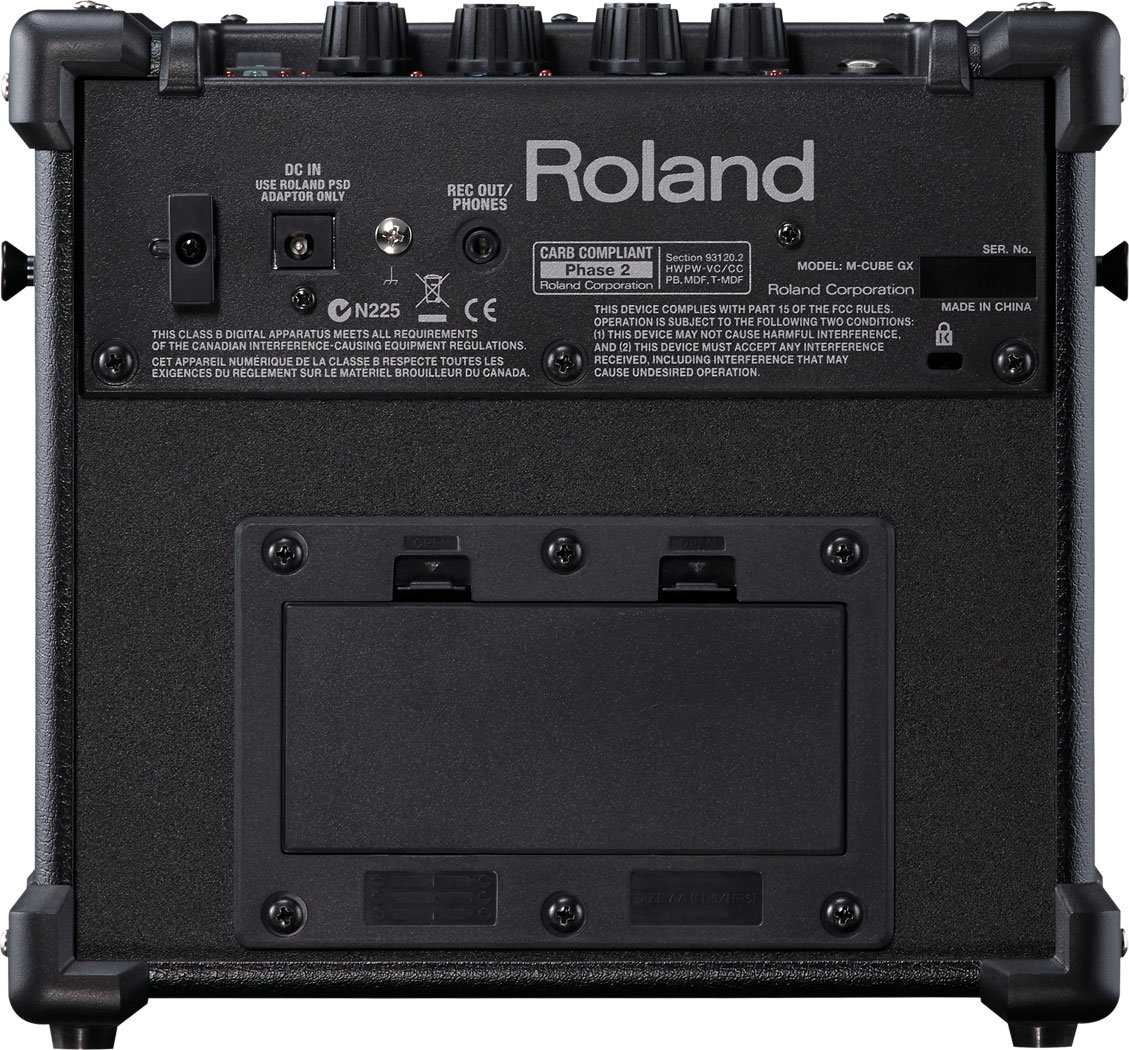
The Micro Cube GX’ back panel is a good deal smaller than on the last version.

The new combo sports mini-sized headphone and line-level outputs.

micro_cube_gx_batteries_gal

The GX still runs on six AA-batteries, but the new battery compartment is much easier to use.

A power supply can be found in the box.

micro_cube_gx_r_top_gal

The front panel has gotten a serious overhaul:

Above the guitar input you can find the i-Cube Link connector, which allows you to hook up you iPad or iPhone to the combo using the supplied cable. Thanks to the i-Cube Link you can use the GX-amp as the iDevice’s sound-card, as well as record and practice using Roland’s free Cube Jam-app. You can get more info on the Cube Jam-app in Kitarablogi’s Cube Lite review.

Another important new feature of the Micro Cube GX is the Memory-function, which offers you one memory slot per COSM Amp Type. Memory stores all settings of the chosen Amp Type, namely the settings of the Gain-, Volume-, EFX- and Delay-controls.

The tuner section has also received an overhaul. The old Micro Cube came with an electronic tuning fork on-board, giving you an ”a” (or Ab or Abb) to tune to. The brand-new Micro Cube GX comes equipped with a genuine digital tuner. The default setting for the tuner is chromatic, but it can also be set to A-only, which comes in handy when changing strings.

****
cube-80gx_angle_2_gal

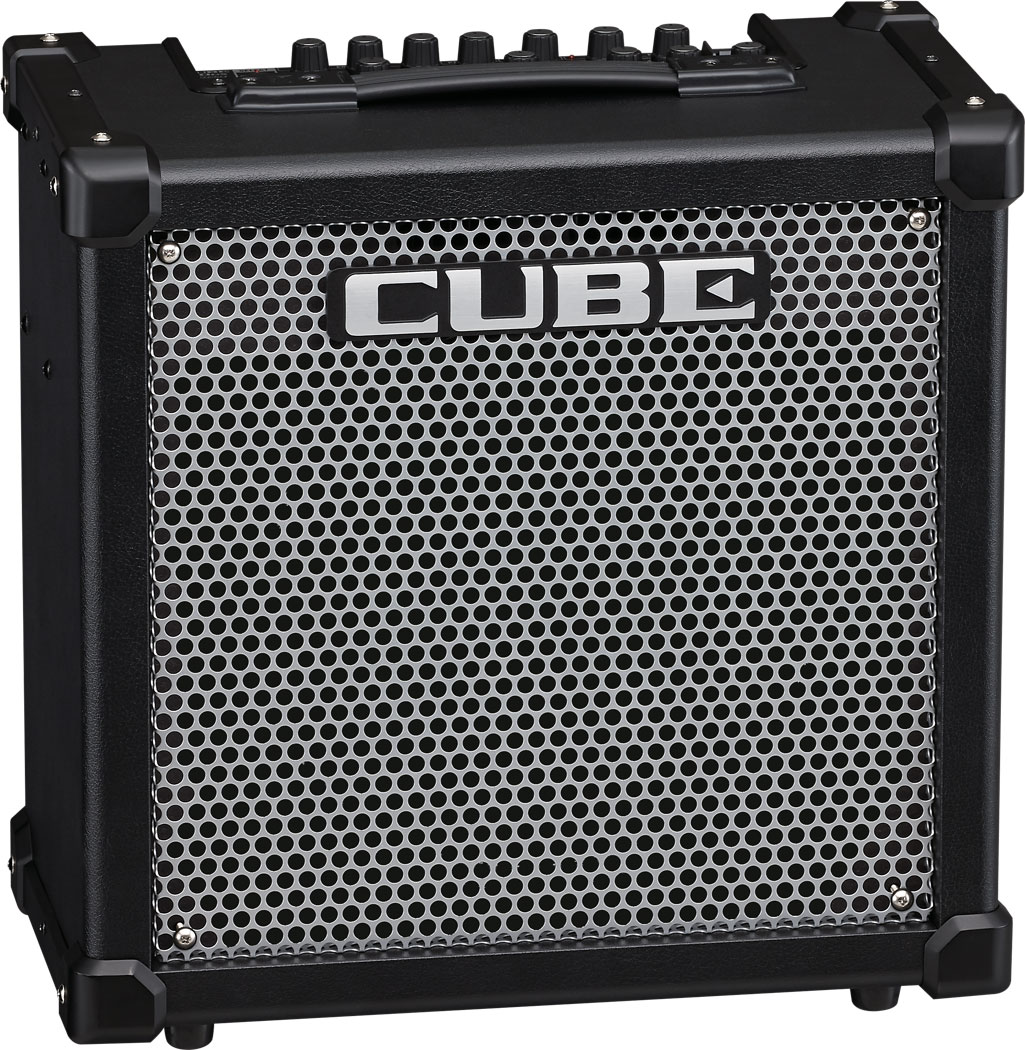
The Roland Cube-80 GX (current price in Finland 384 €) is the current top model in the GX-series, offering you 80 Watts of output power through a single 12-inch speaker.

The clearest difference between the predecessor – the Cube-80 XL – and the GX-version is the addition of the i-Cube Link in favour of the old model’s built-in looper.

cube-80gx_back_gal

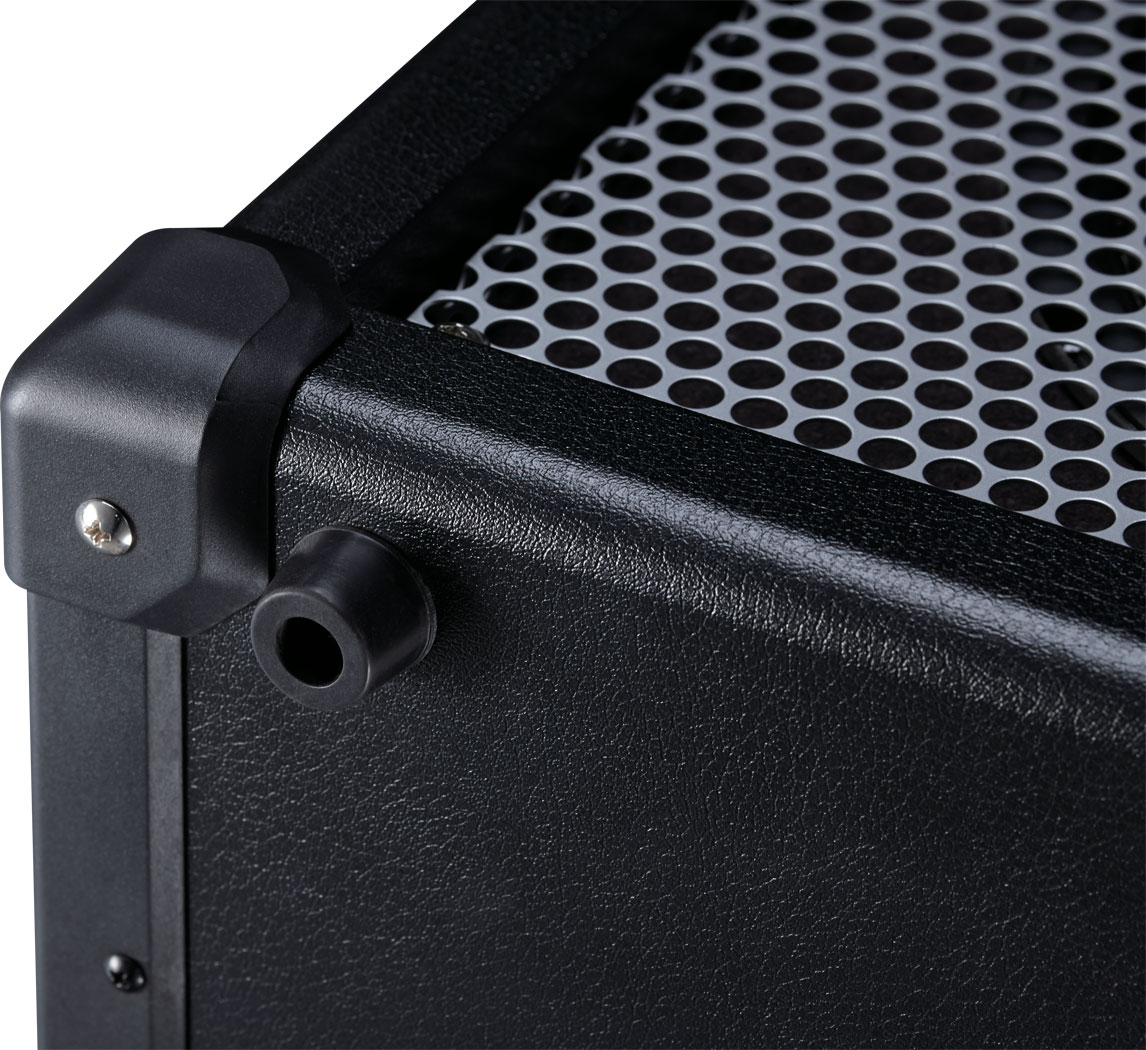
Also new is the GA-FC-connector on the amp’s back panel, which allows you to use Roland’s guitar amp foot-controller the GA-FC (optional) with the Cube-80 GX.

top_L

This is what the foot-controller looks like. When used with the GX, you can switch amp channels and turn the combo’s EFX-, Delay- and Reverb-sections on/off separately. You can also connect two expression pedals to the GA-FC, if you want to adjust input and output levels on the fly. The Cube-80 GX comes supplied with a special overlay for the foot-controller, so you can change the GA-FC’s labelling to match the correct functions.
cube-80gx_foot_gal

Some things have stayed the same, though, like the rugged design of the Cube-series.

cube-80gx_top_gal

The Cube-80 GX is a three-channel guitar amplifier:

The JC Clean-channel is reserved for ultra-clean tones in the style of Roland’s legendary Jazz Chorus-combo. The Lead-channel, on the other hand, offers you nine different COSM-models, as well as an acoustic simulator for your occasional steel-string needs.

The third channel is the so-called Solo-channel. I say ”so-called”, because actually the Solo-channel is the Cube-80 GX’ memory slot, which you can fill with any amp setting you wish, regardless of whether it is a setting for soloing or not. The crucial difference between the Solo-channel and the other two channels is the fact that the Solo-channel uses its own (stored) settings for the EQ-, EFX-, Delay- and Reverb-sections, while JC Clean- and Lead-channels have to share the current control settings.

Apart from the i-Cube Link, the Cube-80 GX’ features list is very similar to the Cube-80 XL-version. You can get more info on the i-Cube Link and Roland’s free Cube Jam-app in Kitarablogi’s Cube Lite review.

****

micro_cube_gx_r_front_gal

Roland’s brand-new Micro Cube GX offers you even more than its already legendary predecessor. The built-in tuner makes life much easier, and the new i-Cube Link/Cube Jam functionality genuinely adds value to this diminutive powerhouse. If you own an iDevice you will have your own practice set-up up and running in no time.

The little GX-combo also gives you three new sounds – the fantastically über-Metal amp type called Extreme, a fine polyphonic octaver effect, as well as a spring reverb model. The Micro Cube GX’ spring reverb simulation sounds good, but very small area designated for it on the Reverb-control doesn’t allow for much in terms of tailoring the spring reverb. It’s more of an on/off affair.

Overall the GX sounds better than the original Micro Cube, with more realistic amp simulations and clearly less hiss in the effect section.

These four clips have been recorded using a dynamic mic in front of the combo, and playing a Fender Stratocaster:

****

cube-80gx_front_gal

Roland’s new Cube-80 GX is a compact, yet powerful guitar combo for the gigging guitarist.

The sounds on offer cover all bases, and the amp types and effects all sound great. Depending on your guitar of choice there can be a very slight tendency toward a crowded lower-midrange – especially with clean sounds – but this can be easily kept in check with the amp’s nice EQ-section.

I feel that if you want to use the Cube-80 GX live, buying the GA-FC-controller is almost compulsory, as it is the only way you can fully control all the combo’s functions on the fly. 100 euros seems a bit steep in relation to the Cube’s own price tag, but from a practical standpoint the additional outlay makes a whole lot of sense.

Be that as it may, Roland’s Cube-80 GX is a cool amp for both gigging and studio use.

These four examples have been recorded with the same set-up are the Micro Cube GX-clips:

****

cube_gx_family_1_gal

Roland’s Cube GX-series is a good choice if you want a wide variety of different amp tones and effect sounds to choose from. For teaching and/or practising purposes the iOS-compatibility and Roland’s own Cube Jam-app add a lot of value to an already very enticing package.

****

Roland Cube GX-series

Micro Cube GX – 134 €

Cube-80 GX – 384 €

Finnish distributor: Roland Scandinavia

****

Pros:

+ value for money

+ i-Cube Link

+ Micro Cube GX: new Memory-feature 

+ Cube-80 GX: GA-FC-compatibility

+ sound

+ rugged build

Cons:

– Micro Cube GX: spring reverb effect hard to adjust

– Cube-80 GX: price of GA-FC-controller

Testipenkissä: Roland Micro Cube GX + Cube-80 GX

cube_gx_family_2_gal

Rolandin suosittu Cube -kitaravahvistinsarja on päivitetty.

Uusiin Cube GX -komboihin on lisätty useita uusia ominaisuuksia, kuten esimerkiksi Cube Lite -mallissa ensiesittelynsä saanut i-Cube Link, jonka ansiosta uusia Roland-vahvareita voi käyttää saumattomasti yhdessä Applen iOS-laitteiden kanssa.

****

micro_cube_gx_r_angle_2_gal

Rolandin Micro Cube GX (134 €) on maailman suosituimman paristokäyttöisen harjoitusvahvistimen uusin versio.

Edestä katsottuna GX-versio on pysynyt lähes muuttumattomana – eturitilään kiinnitetty uusi Cube-logo on käytännössä ainoa visuaalinen vihje uudistuksesta.

micro_cube_gx_b_back_gal

Micro Cube GX:n metallinen takapaneeli on edeltäjään verrattuna pienempi.

Uudessa mallissa yhdistetty kuuloke-/linjalähtö on minikokoinen jakkiliitin.

micro_cube_gx_batteries_gal

Pikku-GX käyttää edelleen kuutta AA-paristoa, mutta uutukaisen paristolokero on isompi ja kätevämpi.

Verkkovirralla toimiva virtalähde kuuluu pakettiin.

micro_cube_gx_r_top_gal

Etupaneeli on uudistettu perusteellisesti:

Kitaratulon yltä löytyy Rolandin uusi i-Cube Link -liitin, johon liitetään iPhone tai iPad vahvistimen mukana tulevalla johdolla. i-Cube Linkin ansiosta kaikkia Cube GX -perheen vahvistimia voi käyttää iOS-laitteen äänikorttina sekä tehokkaina treenivälineinä Rolandin ilmaista Cube Jam -ohjelmaa hyödyntäen. Lisätietoa Cube Jam -ohjelmasta saat Kitarablogin Cube Lite -testistä.

Toinen tärkeä uudistus on Micro Cube GX:n Memory-muisti. Muistiin voi tallentaa jokaiselle Amp Type -vahvistimelle omat säädöt – siis Gain-, Volume-, Tone-, EFX- ja Delay/Reverb-säätimien asetukset.

Myös viritysosasto on uudistettu. Vanhassa Micro Cubessa oli elektroninen äänirauta, josta sai A:n sävelkorkeuden (vaihtoehtoisesti tarjolla oli myös Ab ja Abb=G). Uudessa Micro Cube GX:ssä on kunnon viritysmittari, joka toimii oletuksena kromaattisesti. Viritysmittaria voi kuitenkin myös käyttää pelkästään A-viritysmittarina, mikä on kätevä ominaisuus esimerkiksi kieltenvaihdon yhteydessä.

****

cube-80gx_angle_2_gal

Rolandin Cube-80 GX (384 €) on Cube GX -perheen suuritehoisin malli, joka tarjoaa peräti 80 wattia tehoa 12-tuumaisen kaiuttimen kautta.

Tärkein ero sen edeltäjään – Cube-80 XL – nähden on, että GX-versiosta on jäänyt loopperi pois, joka on nyt puolestaan korvattu i-Cube Link -ominaisuudella.

cube-80gx_back_gal

Uusi on myös takapaneelin GA-FC-liitin, johon voi kytkeä Rolandin, varta vasten firman kitaravahvistimia kehitetyn GA-FC-kytkinlaudan (ostettava erikseen).

top_L

Tältä kytkinlauta näyttää. Cube-80 GX:n tapauksessa laudalla voi vaihtaa kombon kanavia, sekä kytkeä EFX-, Delay- ja Reverb-osastojen efektit yksitellen päälle tai pois. GA-FC:hen voi myös liittää tarvittaessa kaksi ekspressiopedaalia (lisävaruste), joilla voi säätää tulon äänenvoimakkuutta ja vahvistimen masterin tasoa. Cube-80 GF:n paketista löytyy suurikokoinen tarra, jolla kytkinlaudan merkinnät muutetaan kombolle sopiviksi.

cube-80gx_foot_gal

Cube-kombojen tuttu, vankka perusluonne on säilynyt myös GX-sarjassa entisellään.

cube-80gx_top_gal

Cube-80 GX on kolmikanavainen vahvistin:

JC Clean -kanava tarjoaa vanhasta Roland Jazz Chorus -kombosta tuttuja putipuhtaita soundeja. Lead-kanavan vahvistinmallinustarjonta taas on huomattavasti isompi – se tarjoaa yhdeksän eri COSM-vahvistinta sekä teräskielisen akustisen kitaran mallinuksen.

Kolmas kanava on niin sanottu Solo-kanava. Käytän sanoja ”niin sanottu”, koska todellisuudessa Solo-kanava on Cube-80 GX:n muistipaikka, johon voi tallentaa yhden omavalintaisen soundin (JC Clean- tai Lead-kanavan) vahvistin- ja efektiasetukset, eikä sen tarvitse välttämättä olla soolokitaralle sopiva soundi. Ero Solo-kanavan ja kombon kahden muun kanavan välillä piilee siinä, että Solo-kanavalla on (tallennuksen ansiosta) täysin omat EQ-, EFX-, Delay- ja Reverb-asetukset, kun taas JC Clean- ja Lead-kanavat käyttävät EQ:ta ja efektejä niillä asetuksilla, joihin ne on käyttöhetkellä säädetty.

Uuden kombon vahvistin- ja efektivalikoima on pysynyt käytännössä samana kuin XL-versiossa, mutta lisänä löytyy jo alussa mainittu i-Cube Link -liitin, jolla Cube-80 GX:n saa kytkettyä esimerkiksi iPadiin. Lisätietoa uudesta i-Cube Link -liittimestä ja Rolandin Cube Jam -ohjelmasta saat TÄSTÄ.

****

micro_cube_gx_r_front_gal

Uusi Micro Cube GX tarjoaa selvästi enemmän kuin sen kuuluisa edeltäjä. Oikean viritysmittarin lisäys helpottaa kitaristin elämää entisestään, ja uusi i-Cube Link/Cube Jam -ominaisuus istuu tällaiseen kannettavaan harjoituskomboon kuin nakutettu. Tämän ansiosta Micro Cube GX:stä kuoriutuu iOS-laitteiden omistajalle oikea liikkuva harjoituspartneri ja sutjakka ideoiden tallennin.

Uuden pikku-GX:n valikoimaan kuuluu myös kolme uutta soundia – vallan mainio über-metal-vahvistin Extreme, loistava polyfoninen oktaaveri, sekä jousikaiun mallinnus. Micro Cube GX:n jousikaiku kuulostaa toki hyvältä, mutta minua häiritsee efektin varsin rajallinen säätövara, joka johtuu tälle efektille säätimessä varatusta lyhyestä liikeradasta. Jousikaiku on käytännössä täysillä tai pois päältä.

Käytössä uutukainen kuulostaa jopa paremmalta kuin vanha versio, ja GX:n kohinatasoa on parannettu entisestään – etenkin efektien kohdalla.

Tässä on neljä esimerkkiä, jotka on äänitetty dynaamisella mikrofonilla Fender Stratocasteria käyttäen:

****

cube-80gx_front_gal

Rolandin uusi Cube-80 GX on erittäin kompakti voimanpesä, jonka teho riittää ongelmitta myös useimmalle klubikeikalle.

Kombon soundivalikoima on hyvin laaja, ja sen vahvistinmallinnukset ja efektit kuulostavat erittäin terveeltä. Kitarasta riippuen tällä Rolandilla voi olla lievä taipumus kumiseville ala-keskitaajuuksille – etenkin puhtaissa soundeissa – mutta ei niin vahvasti, ettei sitä saisi kombon EQ:lla helposti aisoihin.

Mielestäni GA-FC-kytkinlauta on Cube-80 GX:n live-käyttöä varten käytännössä pakollinen hankita, koska se on ainoa järkevä tapa vaihtaa kanavia lennossa, samalla kun kytkee efektit päälle tai pois. Noin satasen maksava lauta on vahvistimen hintaan suhtautettuna melko kallis, mutta käytettävyyden kannalta mielestäni kuitenkin järkevä lisähankinta.

Niin tai näin – Roland Cube-80 GX on varsin mehukkaalta kuulostava tapaus, joka sopii sekä keikalle että studioon.

Myös nämä esimerkit on soitettu Fender Stratocasterilla ja äänitetty dynaamisella mikrofonilla:

****

cube_gx_family_1_gal

Rolandin Cube-sarjan GX-kombot sopivat mainosti tilanteisiin, joissa tarvitaan hyvin monipuolista soundi- ja efektivalikoimaa sähkökitaralle. Opetus- tai harjoituskäytössä uuden sarjan i-Cube Link -tulo ja Rolandin Cube Jam -ohjelma antavat Cube-vahvistimelle mielestäni rutkasti lisäarvoa.

****

Roland Cube GX -sarja

Micro Cube GX – 134 €

Cube-80 GX – 384 €

Maahantuoja: Roland Scandinavia

****

Plussat:

+ hinta-laatu-suhde

+ i-Cube Link

+ Micro Cube GX: omia soundeja voi nyt tallentaa 

+ Cube-80 GX: yhteensopiva GA-FC-kytkinlautaan

+ soundi

+ tukeva rakenne

Miinukset:

– Micro Cube GX: jousikaiun vähäinen säätövara

– Cube-80 GX: GA-FC-kytkinlaudan hinta

Review: Yamaha THR5A, THR10C and THR10X

****

Yamaha – New THR-amps

Yamaha’s popular series of THR practice amps has recently got three new members:

The brass-metallic coloured THR5A is a 5 Watts combo aimed specifically at electroacoustic guitars, and features digital microphone modelling, amongst other things.

The regular Yamaha THR10 has now gotten two sister models. The black THR10C concentrates on ”classic” and ”boutique” tones to satisfy the friends of classic Sixties and Seventies Rock and Blues. The army-green THR10X is aimed squarely at the connoisseurs of all things hard and heavy, concentrating on Hard Rock-, Metal- and Thrash-tones.

****

The main design concept is uniform across the THR-range:

Yamaha THR10X – side view

All combos have a sturdy metal chassis with plastic sides. The overall design clearly takes a lot of cues from today’s high-end tube Hi-Fi gear.

All THRs come equipped with a digital tuner.

Yamaha THR5A – back view

All of the small amps feature a built-in USB-soundcard, which can be utilised for recording purposes (Steinberg’s Cubase AI comes with each amp), as well as for using the amp as your personal stereo system.

With the help of Yamaha’s THR Editor software you can also programme your own amp settings via the USB-port. As an added bonus, the THR Editor gives you access to some hidden functions (like the noise gate, or in the THR5A’s case also additional effects) that cannot be accessed from the front panel.

Yamaha THR5A – battery compartment

The Yamahas can be run on AA-batteries, if necessary. The THR5A’s battery compartment has been placed on the combo’s back…

Yamaha THR10X – battery compartment

…while on all THR10-models it has been sunk into the amp’s base plate.

Naturally, a quality, laptop-type PSU is supplied with all models.

****

Yamaha THR5A – full front

Regardless of the fact that the Yamaha THR5A (current price in Finland: 199,99 €) is one of the world’s smallest acoustic amps, it is still packed chock-full with tasty features.

Yamaha THR5A – controls

The THR5A offers you four different virtual microphones to turn your piezo’s tone into the sound of a mic’ed up acoustic. Three settings are meant for steel-string acoustics, with the fourth being reserved for nylon-string electroacoustic guitars.

The last Mic Type selection reads ”EG Clean”, being a clean electric guitar amp model for your occasional Jazz Box meanderings.

The Blend-control lets you change the balance between the dry piezo signal and the modelled virtual mic.

Offering only a single master tone the THR5A’s EQ-section is rather spartan, but the effect section is far better endowed: The Effect knob gives you compression, chorus or a combination of both. Delay/Reverb delivers delay, reverb and a combination effect.

You can adjust delay times using the Tap Tempo button on the far left.

****

Yamaha THR10C – front

The vintage-inclined Yamaha THR10C (current price in Finland: 299,99 €) is larger than the THR5A, and it also offers more features.

Yamaha THR10C – controls

The THR10C comes loaded with five guitar amp models, whose names already give you a very good idea of their soundscape:.

In addition, there’s one bass amp model, as well as a setting for acoustic guitar. The neutral sounding Flat-selection is a good choice if you want to amplify a synth or digital piano.

The THR10C’s EQ-section is a three-band affair, while the effect department offers eight different effects. Turning the Effect-knob gives you access to a chorus, a flanger, a phaser and a tremolo effect. Delay/Reverb offers you tape echo, spring reverb, hall reverb, as well as a echo/reverb-combination setting.

All THR10-models sport five memory slots to store your favourite amp settings.

The Output-section offers you two volume controls, with one being the guitar section’s master volume and the other dealing with the signal coming in via USB (or the auxiliary input).

****

Yamaha THR10X – full front

It may be small, but it still is fierce – the Yamaha THR10X (current price in Finland: 299,99 €) is tailoured to all Rock and Metal.

Yamaha THR10X – controls

The THR10X’s Amp-department holds in store five high gain amp models, each with its own tonal footprint, with differences in areas such as bass punch and overall compression.

A Clean model is also supplied for the occasional ballad or two, along with a Bass amp and the Flat setting.

The THR10X features the same type of three-band EQ as it’s sister model.

The effect department is also nearly identical, save for the THR10X’s brighter Delay-effect.

****

Yamaha THR10C – running

I think it’s great that Yamaha have designed their entire THR-range as stereophonic combos, because this way the amps also have a clear appeal as ”lifestyle accessories”. As pure guitar amps, stereo brings out the depth in some effects, especially reverbs, but when used as a personal micro-Hi-Fi stereo is the only way to go.

Yamaha’s decades-long experience in the Hi-Fi-field really shows in the sound of these small combos. The sound is full, clear, punchy and dynamic. The tiny THR5A already sounds better than most built-in computer sound systems, even if the breadth of the stereo picture isn’t as wide, and the bass response as deep as in the larger combos. The THR10s really hit the sonic jackpot, and will blow many micro-Hi-Fis off the table, hands down. For a guitarist the THR-series is a stylish way to combine an mp3-boombox with a practice amp.

****

THR5A

I must admit that the THR5A’s raison d’être is not quite clear to me. At home you normally wouldn’t need to use and amp with an acoustic guitar, but on the other hand this tiny combo really doesn’t cut it at, say, a pub gig. Maybe the THR5A is meant mainly for busking.

On the other hand I can’t deny that this dwarf’s virtual microphones sound surprisingly realistic, so maybe this combo’s main function is to serve as a specialised soundcard in your home or project studio. The amp’s cool mic modelling really manages to turn those dry and upfront piezo tones into something organic and beautiful.

The effects also sound very good.

I have recorded these examples with a Zoom H1 recorder. I played a Taylor 110CE:

Yamaha THR5A – Condenser + Compressor + Hall

Yamaha THR5A – Dynamic + Compressor + Hall

Yamaha THR5A – Tube + Compressor + Hall

****

THR10C

Ooh, man, I really dig this combo! I wouldn’t change a single amp model on the Yamaha THR10C – each sounds great and has plenty of depth and character.

The effects also sound great, with the spring reverb coming over especially realistically.

These three examples have been recorded using a Les Paul -style guitar:

Yamaha THR10C – British Blues + Hall

Yamaha THR10C – Class A + Chorus + Tape Echo

Yamaha THR10C – Deluxe + Tremolo + Spring Reverb

****

THR10X

Some jokers occasionally quip that all Heavy and Metal guitar tones sound alike.

The truth is nevertheless that there are all sorts of different types of overdriven and distorted guitar tones to be found in Hard Rock, Metal and Thrash. The most distinct differences are usually found in the mid-range character and the bass response of saturated distortion tones.

To my knowledge, Yamaha’s THR10X is the world’s first and only practice amp devoted specifically to full-on Hard Rock and Metal. And what a great job it does!

These three examples have been recorded using a Les Paul -style guitar:

Yamaha THR10X – Brown II + Hall

Yamaha THR10X – Power II + Flanger + Delay

Yamaha THR10X – Southern Hi + Phaser + Delay

****

Yamaha THR10C – close-up

In my opinion these new THR-models are a great move by Yamaha. These specialised combos will satisfy those guitarists who have wished for more of their own genre in the same combo, while leaving the successful basic models – the THR5 and THR10 – untouched, and the overall concept of the THR-series intact.

****

Three new Yamaha THR -models

• THR5A – 199,99 €

• THR10C and THR10X – 299,99 €

Finnish distributor: F-Musiikki

****

Pros (all models):

+ sturdy chassis

+ USB-soundcard

+ quality of amp/mic models

+ quality of effects

+ great sound as micro-Hi-Fis

+ value-for-money

Testipenkissä: Yamaha THR5A, THR10C ja THR10X

****

Yamaha – New THR-amps

Yamahan suosittu THR-harjoitusvahvistimien perhe on hiljattain saanut kolme uutta jäsentä:

Messinginhohtoinen THR5A on viisiwattinen pikkukombo akustiselle kitaralle, joka on varustettu mm. mikrofonimallinnuksilla.

Yamaha THR10 on saanut kaksi rinnakaismallia, joista musta THR10C on tarkoitettu 1960- ja 70-luvun Rock- ja Blues-klasikkosoundien ystäville, kun taas armeijanvihreän THR10X:n erikoisalaa ovat Hard Rock-, Metal- ja Thrash-genrejä.

****

Koko THR-malliston pääpiirteet ovat yhteisiä:

Yamaha THR10X – side view

Komboilla on kestävä kotelo taitetusta metallista, sekä muovista. Vahvarien tyylitelty ulkonäkö on saanut selviä vaikutteita high end -audiolaitteista.

Kaikissa THR-komboissa on sisäinen viritysmittari.

Yamaha THR5A – back view

Kaikissa THR:eissä on sisäänrakennettu usb-äänikortti. Komboja voi käyttää sekä kitararaitojen tietokonepohjaiseen äänittämiseen (Steinberg Cubase AI kuuluu hintaan) että muusiikin kuunteluun.

Yamahan THR Editor -softalla pystyy usb:n kautta myös ohjelmoimaan oman THR-kombonsa. Softalla pääsee käsiksi myös muutamaan ”piilotettuun”, sisäiseen parametriin (esimerkiksi kohinaportin asetuksiin), sekä THR5A:n tapauksessa myös lisäefekteihin.

Yamaha THR5A – battery compartment

Yamaha-komboja voi käyttää myös AA-paristoilla. THR5A:ssa paristolokero sijaitsee laitteen takaseinässä…

Yamaha THR10X – battery compartment

…kun taas THR10-malleissa se on upotettu vahvistimen pohjaan.

Laadukas virtalähde kuuluu luonnollisesti kaikissa malleissa pakettiin.

****

Yamaha THR5A – full front

Vaikka Yamaha THR5A (199,99 €) on yksi maailman pienimmistä vahvistimista akustisille kitaroille, on kärpässarjalaiseen kuitenkin mahdutettu pitkä lista ominaisuuksia.

Yamaha THR5A – controls

THR5A tarjoaa neljä virtuaalimikrofonia pietsomikrofonilla varustetuille akustisille. Näistä kolme on tarkoitettu käytettäviksi teräskielisten kanssa, ja viimeinen on erikoistunut nailonkielisiin.

Mic Type -valitsimen viimeinen pykälä – EG Clean – on puhtaan kitarakombon vahvistinmallinnus, jonka voi valita silloin, kun haluaa soittaa THR5A:n kautta sähkökitaraa.

Blend-säätimellä voi asettaa pietsosignaalin ja mikkimallinnuksen keskenäistä suhdetta.

Pikku-Yamahan EQ-osasto on yhdellä Tone-säätimellä hyvin pelkistetty, sen sijaan kombo tarjoaa peräti kuutta efektiä. Effect-lohkosta saa joko kompressorin tai choruksen tai sitten yhdistelmän näistä kahdesta. Delay/Reverb-osasto tarjoaa nimensä mukaisesti viivettä, kaikua tai viiveen ja kaiun komboefektiä.

Viiveajan voi säätää kätevästi Tap Tempo -napilla.

****

Yamaha THR10C – front

Vintage-puoleen kallistuva Yamaha THR10C (299,99 €) on hieman THR5A:ta isompi värkki, ja isoveljellä on myös enemmän ominaisuuksia tarjottavana.

Yamaha THR10C – controls

THR10C:ssä on viisi vahvistinmallinnusta, joiden nimistä saa jo hyvän vihjeen, millaisia soundeja on odotettavissa.

Niiden lisäksi löytyy basistille myös kelpo bassovahvistinmalli, sekä yksi akustiselle kitaralle tarkoitettu asetus. Neutraali Flat-pykälä taas sopii hyvin esimerkiksi synan vahvistamiseen.

THR10C:n EQ-osasto on kolmialueinen, kun taas efektejä on tarjolla kahdeksan kappaletta. Effect-puolelta löytyy chorus, flanger, phaser ja tremolo, kun taas Delay/Reverb-lohkosta irtoavat nauhakaiun, jousikaiun ja hallikaiun vaihtoehtoja, kuten myös yksi viiveen ja kaiun yhdistelmä.

Kaikissa THR10-malleissa on viisi muistipaikkaa soittajan omia luomuksia varten.

Output-osasto tarjoaa peräti kaksi volume-säädintä – yksi kitarapuolelle ja toinen usb-väylältä (tai Aux-tulolta) tulevalle ulkoiselle signaalille.

****

Yamaha THR10X – full front

Pieni, mutta pippurinen Yamaha THR10X (299,99 €) on optimoitu metallimiehille (ja tietysti -naisillekin) sopivaksi.

Yamaha THR10X – controls

THR10X:n Amp-lohkosta löytyy peräti viisi erilaista high gain -särökanavaa, joista jokaisella on oma soundinsa, sekä erilaisia luonteita esimerkiksi basson tiukkuudessa tai kompressoinnissa.

Satunnaista heavy-balladihetkiä varten mukaan on mahdutettu myös yksi puhdas virtuaalivahvistin, sekä Bass- ja Flat-asetukset.

Myös THR10X:ssä on kolmialueinen taajuskorjain.

Efektiosastot ovat lähes samat kuin THR10C-kombossa, THR10X:n kirkkaampaa Delay-efektiä lukuunotamatta.

****

Yamaha THR10C – running

Mielestäni on erittäin hienoa, että Yamaha on suunnittellut koko THR-mallistonsa stereofoniseksi, koska nämä kombot toimivat tällä tavoin loistavasti myös lifestyle-lisälaitteina. Stereofonia tarjoaa kitarakäytössä etenkin laajempia kaikuja, mutta erittäin tärkeää se onkin musiikin toistossa.

Yamaha-konsernin pitkä kokemus laadukkaiden hifi-laitteiden valmistajana kuuluu selvästi. Soundi on mehevä, puhdas ja dynaaminen. Pieneltä THR5A-kombolta saa jo huomattavasti paremman musiikkinautinnon kuin tavallisista tietokonekaiuttimista, vaikka stereokuva ei ole niin leveä, eikä bassotoisto niin muhkea kuin THR10-sarjalaisilla. Isojen kombojen soundi taas on todella ällystättävä ja pyyhkii monet pikkustereot pöydältä. Kitaristille Yamahan THR-sarjalaiset korvaavat tyylikkästi mp3-soittimen vahvistinjärjestelmää, samalla kun toimivat laadukkaina kotivahvistimina.

****

THR5A

Pienen, elektroakustiselle tarkoitetun vahvistimen järkevyydestä voi toki olla montaa mieltä, kun kotona soitettaessa vahvistinta yleensä ei tarvita eikä haluta. Keikoissa taas Yamaha THR5A:n kokoinen laite on yleensä tehojensa vuoksi melko alakynnessä. Kombon olemassaolon tarkoitus on kenties katusoitossa.

Toisaalta täytyy myöntää, että pikku-Yamahan mikrofonimallinnukset toimivat yllättävän hienosti ja uskottavasti, joten on ehkä luontevinta käyttää THR5A-komboa elektroakustiselle erkoistuneena äänikorttina kotiäänityksissä tai projektistudiossa. Vahvarin mikrofonimallinnukset nimittäin onnistuvat kiitettävästi pietsosysteemin kuivuuden ja suorasukkaisuuden poistamisessa.

Myös pikkukombon efektiosasto toimii hyvin, ja tarjoaa akustiselle sopivimmat efektit.

Ääniesimerkit on äänitetty Zoom H1 -tallentimilla. Käytin Taylor Guitarsin 110CE-mallia:

Yamaha THR5A – Condenser + Compressor + Hall

Yamaha THR5A – Dynamic + Compressor + Hall

Yamaha THR5A – Tube + Compressor + Hall

****

THR10C

Mahtavaa meininkiä! En vaihtaisi Yamaha THR10C:n vahvistinmallinnuksista yhtäkään pois – jokainen vahvistintyyppi kuulostaa hyvältä ja vastaa ainakin omat odotukseni siihen.

Myös efektien laatu on hieno sekä modulaatioefektien kannalta että kaikujen ja viiveiden osilta. Jousikaiun mallinnuksessa on onnistettu mielestäni erittäin hyvin.

Kaikki kolme ääniesimerkkiä on soitettu Les Paul -tyylisellä kitaralla:

Yamaha THR10C – British Blues + Hall

Yamaha THR10C – Class A + Chorus + Tape Echo

Yamaha THR10C – Deluxe + Tremolo + Spring Reverb

****

THR10X

Pintapuoliset kriitikot väittävät, että kaikki Heavy- ja Metal-soundit kuulostavat samalta moottorisahalta.

Totuus on kuitenkin, että myös Hard Rockissa, Metal-genressä ja Thrashissa käytetään monia eri särösoundeja ja vivahteita. Etenkin keskialueen soinnissa ja basson tiukkuudessa on olemassa monta eri vaihtoehtoa.

Yamahan THR10X on tietääkseni maailman ainoa harjoitusvahvistin, joka on kokonaan omistettu raskaalle musiikille, ja se lunastaa kaikki lupauksensa avokätisesti!

Myös THR10X:n tapauksessa käytin LP-tyylistä kitaraa:

Yamaha THR10X – Brown II + Hall

Yamaha THR10X – Power II + Flanger + Delay

Yamaha THR10X – Southern Hi + Phaser + Delay

****

Yamaha THR10C – close-up

Uudet THR-mallit ovat mielestäni todella hyvä veto Yamahalta. Erikoismalleilla tyydytetään sellaisten kitaristien toiveita, jotka toivoivat tietyille genreille enemmän vaihtoehtoisia soundeja, kuin mihin yleishyödylliset perusmallit – THR5 ja THR10 – pystyvät, mutta ilman että THR-sarjan hyvin toimiva yleiskonsepti muuttuu.

****

Uudet Yamaha THR-mallit

• THR5A – 199,99 €

• THR10C ja THR10X – 299,99 €

Maahantuoja: F-Musiikki

****

Plussat (kaikki mallit):

+ vankka kotelo

+ usb-äänikortti

+ mallinnuksien laatu

+ efektien laatu

+ äänenlaatu musiikin toistossa

+ hinta-laatu-suhde

Review: Ampeg GVT15-112

****

Digital amp-modelling has come to stay, no doubt about it. But while some form of amp-modelling is used almost daily by many guitarists, the good old valve amp isn’t really fading away. On the contrary – it seems that these days especially low-powered valve amps are experiencing something of a renaissance.

A good example of this type of all-valve amp is Ampeg’s new GVT15-112.

****

The Ampeg GVT15-112 (current street price in Finland: 620 €) is a relatively compact 15-Watt valve amp, which can also be used at home, thanks to its half-power power amp mode.

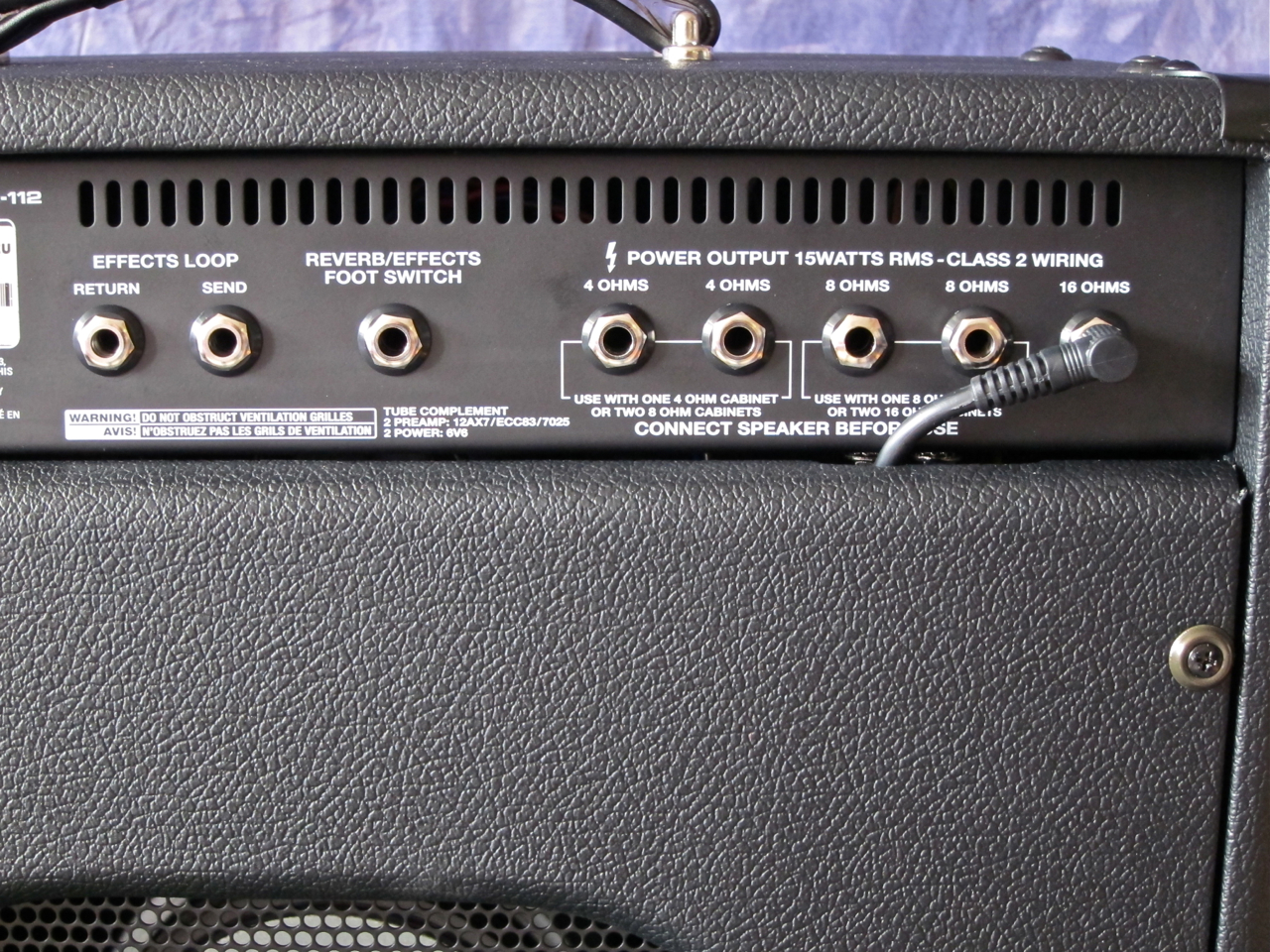
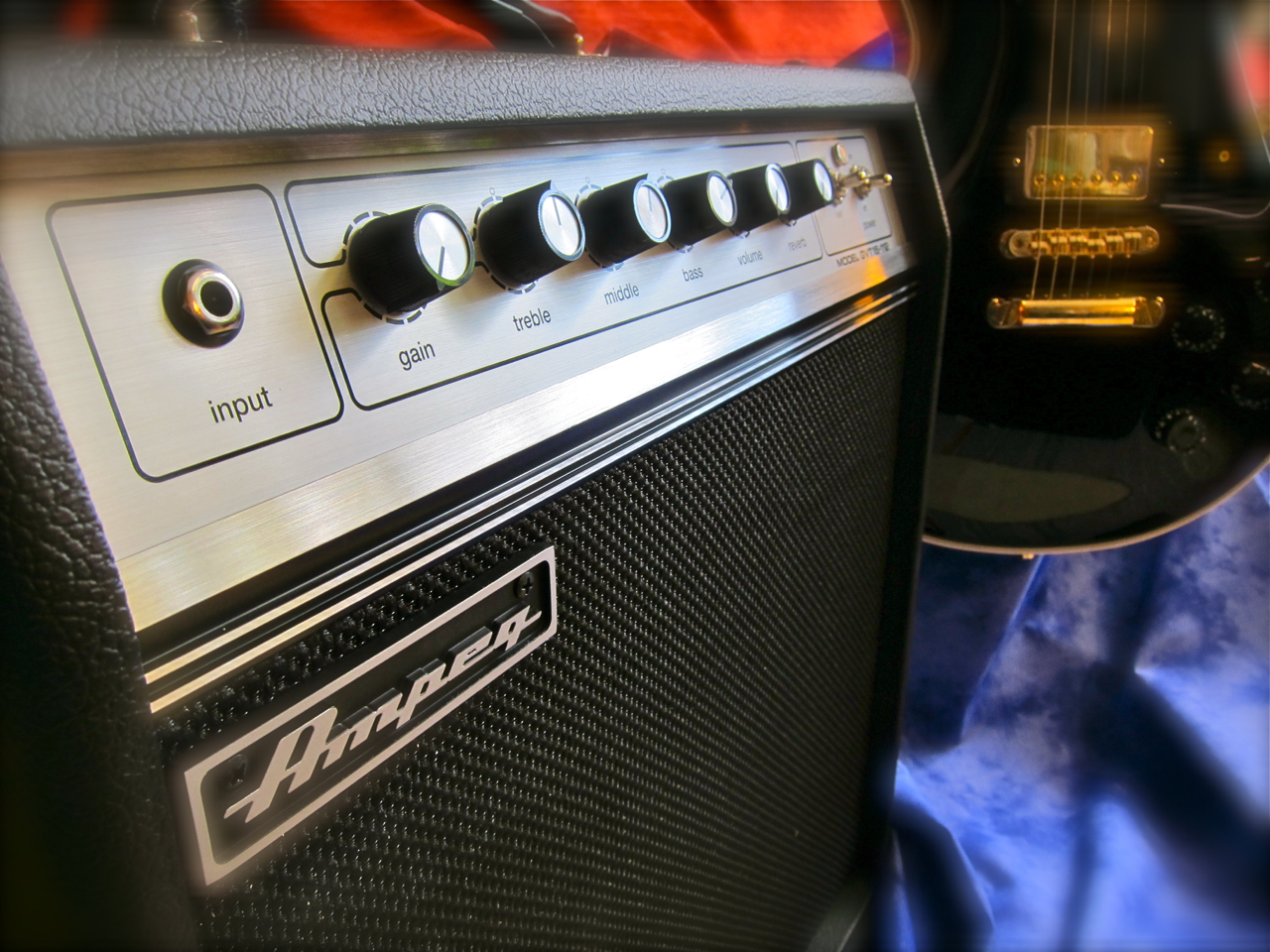
Made in South Korea, the combo’s cabinet seems very well made, and the amp’s looks have a stylish retro touch. Our test sample receives a small cosmetic mark-down, because the decorative metal rail below the control panel sits slightly askew.

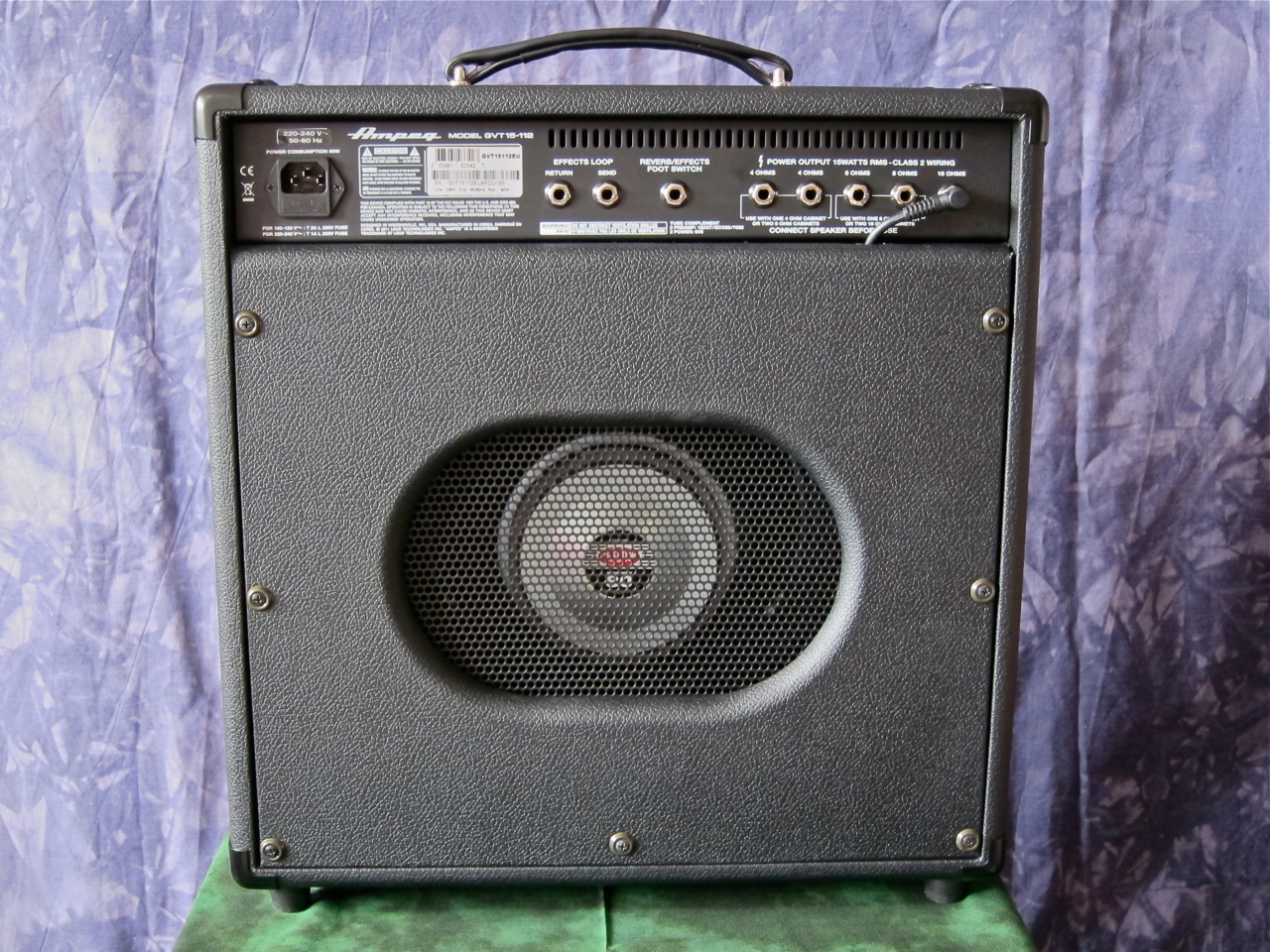
The clean and understated look carries over onto the Ampeg’s back as well. The cabinet is half-closed, with the Celestion Seventy 80 -speaker visible behind a metal grille.

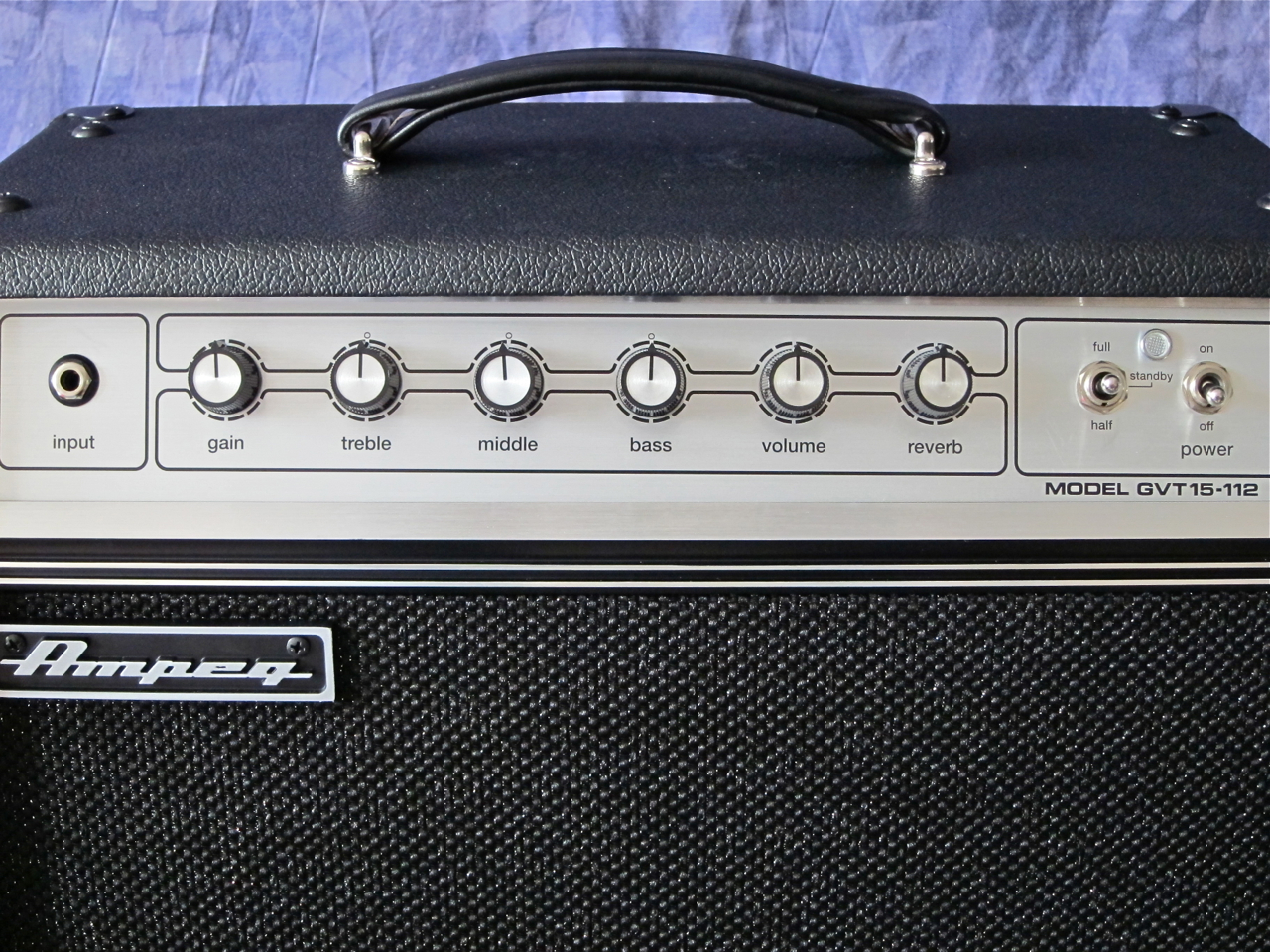
The Ampeg GVT15-112 is a single-channel design. The controls comprise gain, treble, middle, bass, master volume and reverb level. The standby switch is a three-way toggle giving you the full 15 Watts in the ”up” position, as well as half-power when switched downward.

The preamp section is powered by two 12AX7/ECC83-valves (or ”toobs” as the Americans say), while two 6V6-valves take care of business on the power amp side of things – this means we can expect an American-type tone and response.

The spring reverb has been placed at the bottom of the cabinet, neatly tucked away in its own padded bag.

The back panel is home to the speaker outputs, as well as the connectors for the effects loop. You can also connect a footswitch (not included) to the combo to mute the reverb and the effects loop on the fly.

****

The Ampeg GVT15-112 has been designed as a classic 1960s clean amp with loads of headroom. Using a guitar with traditional singlecoil pickups, you’d be hard pressed to get the combo to distort even at the highest gain levels.

The sound is warm, big and organic, with a nice ring and sheen in the top end. The Ampeg’s reverb-circuit is one of the best spring reverbs I have heard on a new amp for quite some while.

Stratocaster – clean

To coax dirty sounds out of this combo with a Strat or Tele you will have to resort to either a booster or an overdrive/distortion pedal:

Stratocaster + overdrive pedal (Boss SD-1)

****

The Ampeg also loves humbuckers:

SG – clean

At full gain a humbucker will drive the GVT15-112 into gritty and dynamic break-up overdrive, which some Blues- and slide-enthusiasts may like.

SG – at full gain

For fat overdrive and singing lead tones you will still need to use a pedal:

SG + overdrive pedal (Boss SD-1)

If you’re into classy clean tones this Ampeg is just the amp for you. The GVT15-112 has a great clean tone and a gorgeous spring reverb. Just pack one or two overdrive pedals, and maybe a chorus or delay – and you’re ready to gig!

****

Ampeg GVT15-112

Street price: 620 €

Finnish distributor: Soundtools

****

Pros:

+ price

+ sound

+ lush spring reverb

+ workmanship

Cons:

– one minor cosmetic wobble (see text)

****

Testipenkissä: Ampeg GVT15-112

****

Vaikka monelle kitaristille digitaalinen vahvistinmallinnus on hyvinkin tuttua ja päivittäisessä käytössä, se ei kuitenkaan ole tarkoittanut putkivahvistimien kuolemaa. Päinvastoin – tuntuu siitä, että tällä hetkellä etenkin pienitehoiset putkivahvistimet kokevat uuden tulemisen.

Hyvä esimerkki tästä ilmiöstä on Ampegin uusi GVT15-112.

****

Ampeg GVT15-112 (katuhinta: 620 €) on suhteellisen kompakti, 15-wattinen putkikombo, joka soveltuu tehonpuolituskytkimensä ansiosta sekä koti-, keikka- että studiokäyttöön.

Etelä-Koreassa valmistetun kombon vanerikotelo vaikuttaa hyvin kestävältä, ja vahvistimen ulkonäkö on tyylikkään retrohenkinen. Ainoastaan testiyksilön hieman vinosti asennetusta koristelistasta annetaan pieni kosmeettinen miinuspiste.

Erittäin siisti ja asiallisen tyylikäs linja jatkuu myös Ampegin takapuolella. Kotelon rakenne on puolisuljettu, ja metalliritilän läpi näkyy laadukas 12-tuumainen Celestion Seventy 80 -kaiutin.

Ampeg GVT15-112 on yksikanavainen. Etupaneelissa on säätimet gainille, diskantille, keskialueelle, bassolle, master volumelle ja jousikaiulle. Päälle/pois-kytkimen vieressä sijaitsee kolmiasentoinen vipukytkin, jolla voi valita standby-tilan sekä täyden ja puolen päätetehon väliltä.

Etuaste pyörii kahden 12AX7/ECC83-putken voimalla, kun taas päätteessä toimii kaksi 6V6-putkea – perinteinen amerikalainen soundi on siis odotettavissa.

Jousikaiun kotelo on sijoitettu perinteisellä tavalla kotelon pohjaan omassa suojapussissaan.

Takapaneelista löytyy liitännät efektilenkille ja kaiuttimille. Jalkakytkimellä (ei kuulu hintaan) voi tarvittaessa mykistää jousikaiun sekä efektilenkin signaalin.

****

Ampeg GVT15-112 on suunniteltu varhaisen 1960-luvun hengessä hyvin puhtaaksi komboksi. Tavallisilla yksikelaisilla mikrofoneilla Ampeg pysyy puhtaana koko sen gain-skaalalla.

Soundi on lämmin, muhkea ja täyteläinen, ja diskantissa on kaunis, samettisen kimmeltävä sävy. GVT15-112:n jousikaiku on selvästi kauneimpia, joita olen viime aikoina kuulut.

Stratocaster – puhdas

Säröä saa Stratolla aikaiseksi ainoastaan boosterilla tai säröpedaalilla:

Stratocaster + säröpedaali (Boss SD-1)

****

Myös PAF-tyylinen humbucker soi kauniisti Ampegin kautta:

SG – puhdas

Humbuckereita käyttämällä ja täydellä gainilla GVT15-112:n saa juurevaan Blues-säröön. Kompressointi on silloin melko lievää, mikä edesauttaa dynaamista soittamista.

SG – gain täysillä

Tiheämpiä särösoundeja varten tarvitsee kuitenkin myös SG:n kanssa säröpedaalia:

SG + säröpedaali (Boss SD-1)

Ampegin uutukainen on mainio putkikombo perinteiselle kitaristille. GVT15-112:n soundi on kaunis ja sen jousikaiku on erittäin maukas. Ampeg-kombo, kaksi säröpedaalia, yksi chorus ja ehkä yksi viive-pedaali – ja eikun keikalle vaan!

****

Ampeg GVT15-112

katuhinta: 620 €

Maahantuoja: Soundtools

****

Plussat:

+ hinta

+ soundi

+ erinomainen jousikaiku

+ vankka rakenne

Miinukset:

– testiyksilössä vino koristelista

****

Fender-uutuus: Vahvistinmallisto Eric Claptonin maun mukaan!

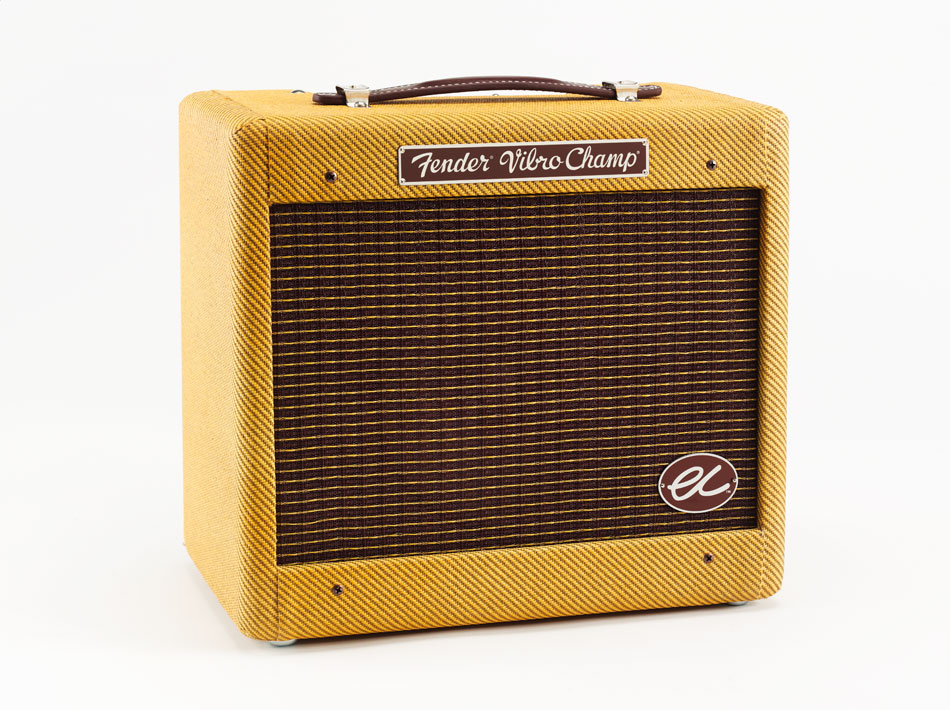
Fender esittelee uutta EC-mallistoaan, joka koostuu kolmesta käsinjuotetuista Tweed-komboista.

Joukon pienin on 5-wattinen EC Vibro-Champ, jolla on 8-tuumainen Weber Alnico -kaiutin. Keskikokoinen EC Tremolux perustuu ’50-luvun Deluxe-komboon, ja 12-wattinen vahvistin on varustettu Celestion Heritage G12-65 -kaiuttimilla. EC Twinolux taas tarjoaa 40 wattia teho kahden 12-tuumaisten Weber (by Eminence) -kaiuttimensa kautta. Kaikissa malleissa on tremolo-efekti.

Lisätiedot löytyvät TÄSTÄ.

Pidä blogia WordPress.comissa.

Ylös ↑