Hagströmin uusi Fantomen on tavallaan nimikkomalli, sillä kitaraa on kehitelty yhteistyössä ruotsalaisen metallibändi Ghost:in kanssa.
Ulkonäöltään Fantomen tuo mieleen vanhan Gibson-klassikon 1970-luvulta, RD:n, jonka suosion rajoitteena silloin toimi Moogin kehittämä aktiivielektroniikka. Hagströmin Fantomen taas on suunniteltu suoraviivaiseksi ja käytännönläheiseksi, mutta monipuoliseksi rock- ja metal-kitaraksi. Tutustutaan siis tarkemmin…
****
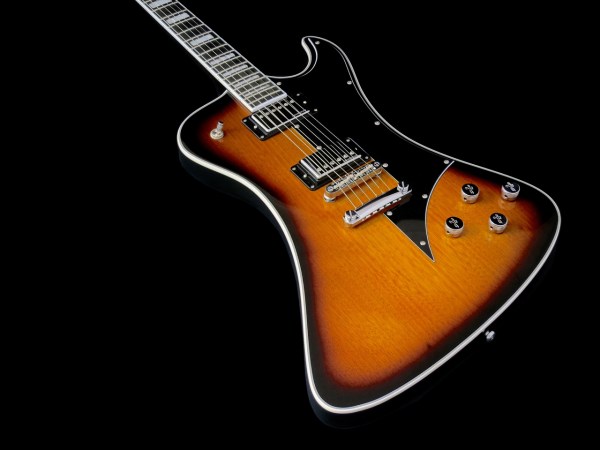
Hagström Fantomen -mallilla (katuhinta noin 850 €) on mahonkikaula ja suhteellisen ohut mahonkirunko (paksuus: 3,5 cm).
Vaikka Fantomen on saatavilla myös valkoisena tai mustana, minun täytyy sanoa, että testiyksilön sunburst-viimeistely on erittäin näyttävä.
Runko on tehty kahdesta isosta mahonkipalasta, ja sen etupuolta on reunalistoitettu useammalla mustalla ja valkoisella kerroksella. Rungon takapuoleen on veistetty mukavuusviiste.
Hagströmin viritinlapa on jo itse saavuttanut klassikon aseman, samoin kuin virittimien art deco -tyyliset nupit.
Kaikissa Hagström-kauloissa löytyy kaksi erikoispiirrettä:
Firman itse kehittämä Hagström H-Expander -kaularauta on oiva keksintö. Systeemin säädettävä kaularauta on rakennettu metallikiskoon, jolla on H-muotoinen poikkileikkaus. Koko rakennelma istuu kaulapuuhun tehtyyn samanmuotoisen aukon sisällä. H-Expander-järjestelmää varten ei tarvitse poistaa kaulasta niin paljon puuta kuin perinteisille kaularaudoille, mikä parantaa kaulan kestävyyttä, ja samalla myös kitaran soundia ja sustainia.
Hagström on myös jo pitkään käyttänyt ruusupuun ja eebenpuun sijaan firman omaa Resinator-materiaalia otelaudoissaan. Kauan ennen kuin ruusupuun käyttöä rajoitettiin oli Hagström löytänyt tavan yhdistää ohuet puukerrokset hartsin kanssa keinotekoiseksi eebenpuuksi, joka ei rasita maailman sademetsiä.
Fantomenilla on Fender-tyylinen pitkä mensuuri (64,8 cm/25,5″), ja se tarjoaa 22 medium-jumbo nauhaa, sekä loivan 15 tuuman otelautaradiuksen.
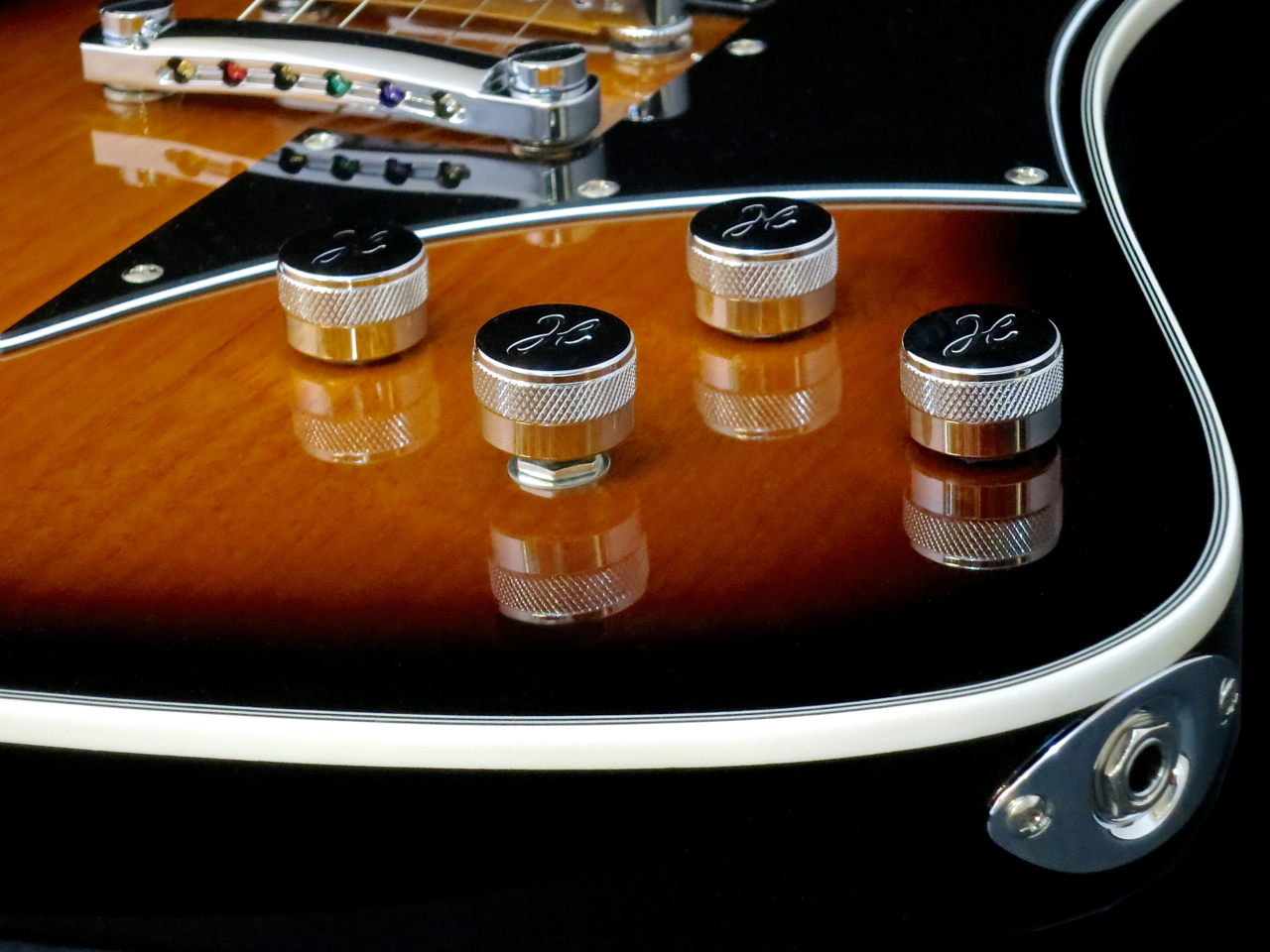
Kitaran kromattuun metallitavaraan kuuluu tune-o-matic-tyylinen talla, palkkimainen kieltenpidin, sekä ”Hagström H:lla” koristetut säädinnupit.
Hagström Fantomen -kitarassa käytetään ruotsalaisen mikrofonigurun, Johan Lundgrenin, suunnittelemia Lundgren Designed -humbuckereita.
Kaulamikissä on alnico II -magneetti, kun taas tallamikrofonissa on vahvempi alnico V -vastine.
Gibson-tyylistä säädinjärjestelmää (kaksi volumea, kaksi tonea) on laajennettu tone-säätimiin upotetuilla nostokytkimillä, joilla humbuckerit saa puolitettua.
****
Vaikka tämän mallin runko on melko isokokoinen, tuntuu Hagström Fantomen kuitenkin hyvin mukavalta. Testiyksilön paino on vähän keskivertoa kevyempi.
Kaulaprofiiliksi on valittu hoikka D, ja testisoittimen erinomaisen setupin ansiosta Fantomen on erittäin vaivaton soittaa. Nauhatyö on tärkeimmissä kohdissa laadukas, vain viimeiseen kiillottamiseen olisi voitu käyttää hieman enemmän vaivaa ja aikaa. Suoraan kuljetuslaatikosta vedettynä nauhat tuntuvat kielten venytyksissä hieman karhealta, mutta karheus katoaa nopeasti soittamisen kautta.
Minusta päätös käyttää Fantomenissa maltillisen voimakkaita humbuckereita on ehdottomasti hyvä, koska se tekee kitarasta monipuolisemman, dynaamisemman ja kolmiulotteisemman. Fantomen reagoi mallikkaasti soittodynamiikkaan, ja se voi soida sekä pehmeän lempeästi että purevan hyökkäävästi. Mikrofonien puolitus toimii hyvin, kun tarvitsee välillä Fender-tyylisiä soundeja.
Tässä esitetään kitaran pääsoundeja puhtailla vahvistinasetuksilla (käsintehty Bluetone Shadows Jr. -kombo). Täydet humbuckerit tulevat ensimmäisinä:
Demobiisissä käytin sekä Juketone True Blood -vahvistinta (Tweed Champ -klooni) että Bluetone Shadows Jr. -komboa. Biisi on äänitetty ilmain efektipedaaleja:
****
Vaikka Fantomen-kitaran takana on yhteistyö metallibändin kanssa, Hagström ei tehnyt sellaista virhettä, että malli olisi kehitetty vain ja ainoastaan metallikitaristeja varten. Fantomen ei ole tylsä huutaja, vaan sen sävyissä löytyy myös pehmeyttä ja syvyyttä. Hagströmin Fantomen on ulkonäöltään selvä rocksoitin, mutta kitara tarjoaa todellisuudessa selvästi laajemman soundimaailman.
Finnish boutique amp company Bluetone has released a Swiss Army Knife-style lifesaver for valve amp users on stage and in the studio.
The Bluetone Load Box (370 €; incl. 1.5 metre speaker cable) is a professional quality dummy load (100 W/8 Ω) in a very compact format (only slightly larger than a big paperback) that doubles as a DI-box for guitar amps.
As any valve amp user should know, using an amplifier with a valve-driven power amp without a speaker (cabinet) connected – unless expressly allowed by the manufacturer – is a surefire path to disaster. The results of driving an amp without a speaker load can range from the output transformer catching fire to larger-scale component meltdown inside the amp, depending on the volume levels the amplifier is played at, and how quickly the fuses react.
This is where load boxes – also called dummy loads – come in. A load box allows you to run a valve amp safely without any speaker connected, while usually also offering signal attenuation and/or line level outputs. As a result, you are able to direct inject any amp into a PA system or recording equipment, as well as running the amp at full tilt without blasting everybody off the stage.
Doing away with the speaker (cabinet) isn’t as straightforward as you might think, because the impedance stated on a speaker is only nominal. The speaker, being an electromechanical transducer, behaves in a frequency- and signal level-dependent way, which results in dynamically shifting impedance values.
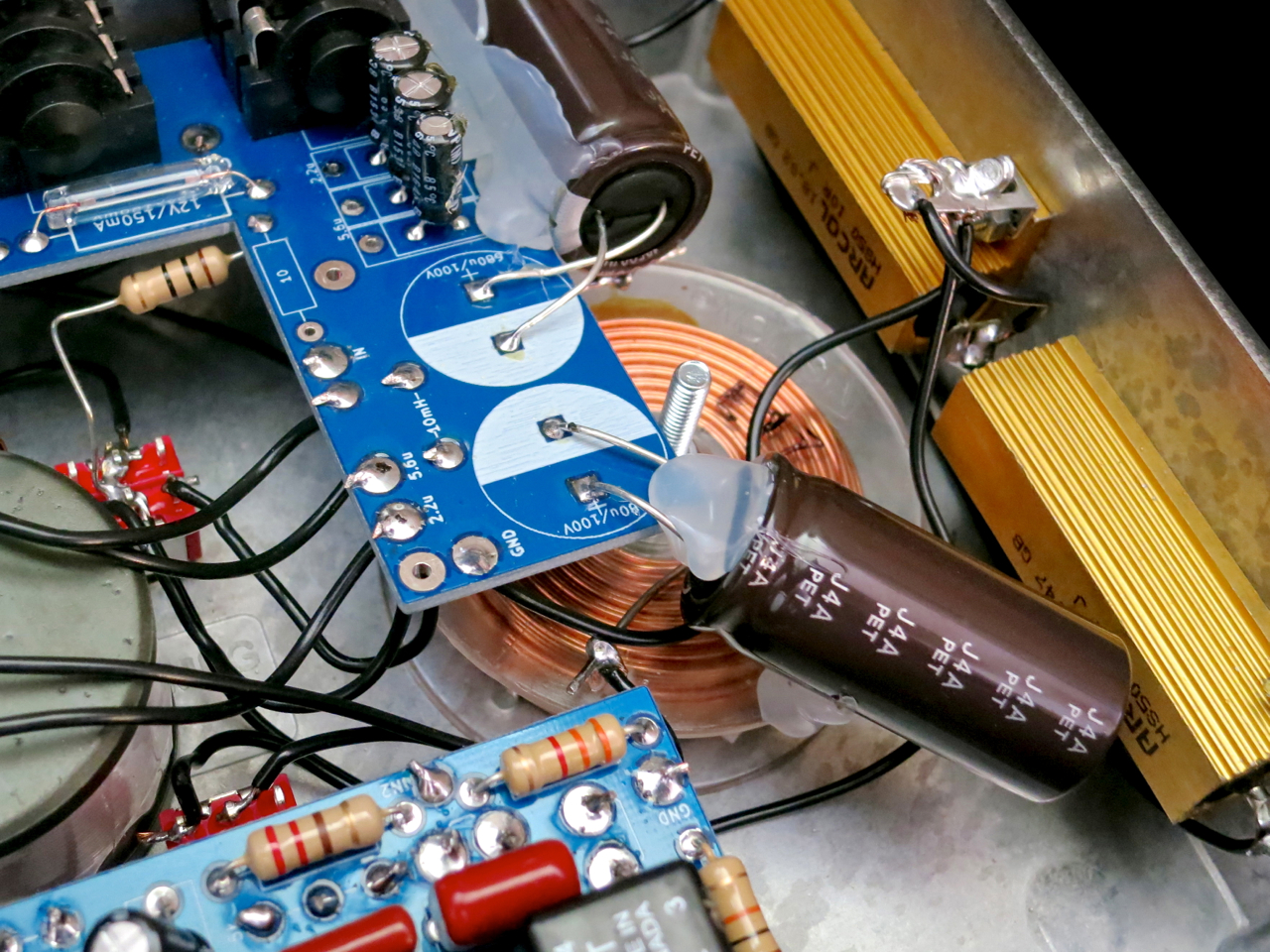
This means that a dummy load is a much more involved design than just a few resistors thrown together. Dummy coils, and a heap of capacitors and resistors are needed to simulate realistically the behaviour of a speaker, to attenuate the speaker signal (by dissipating part of it as heat), and to produce a quality DI-signal.
****
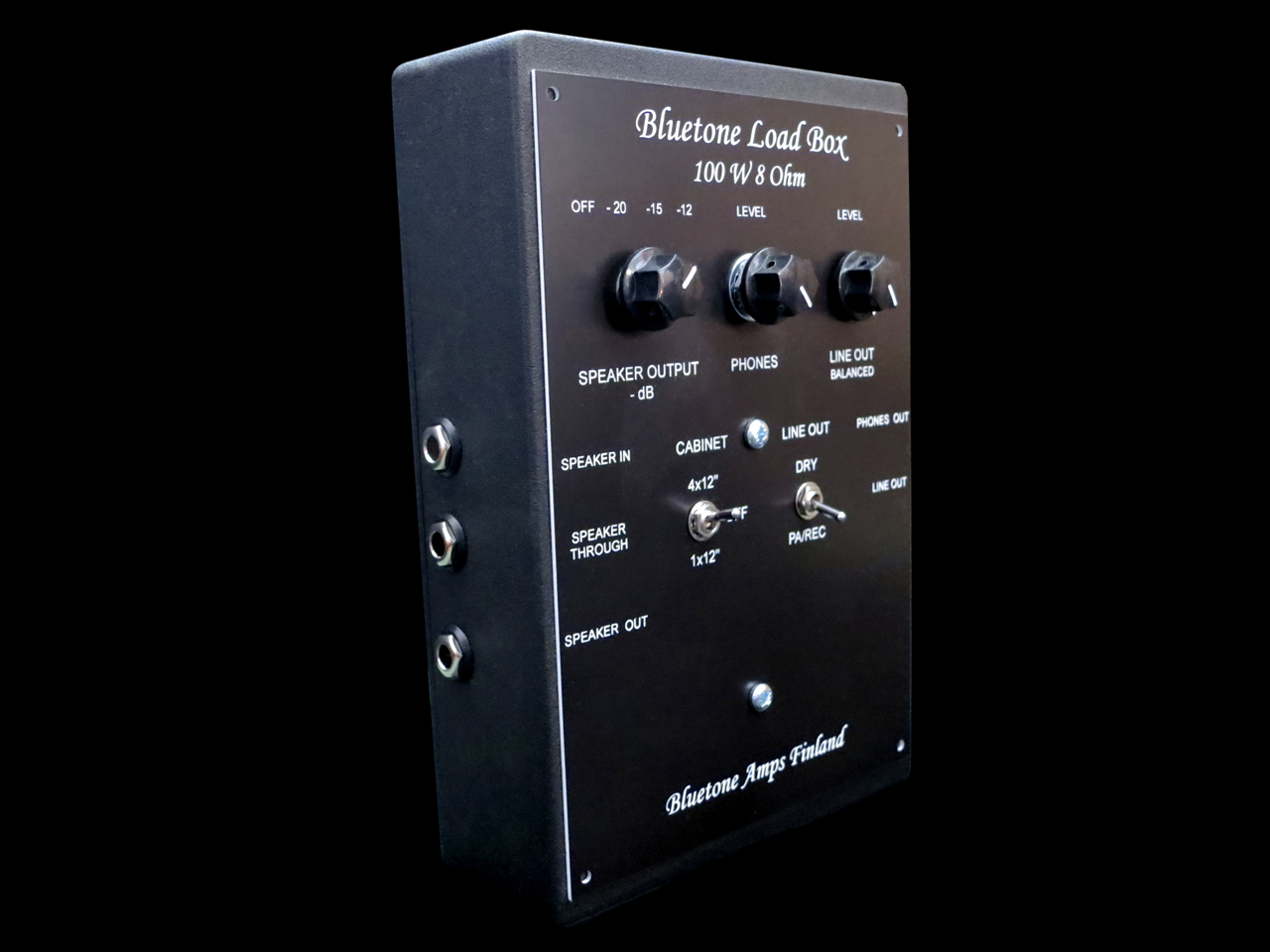
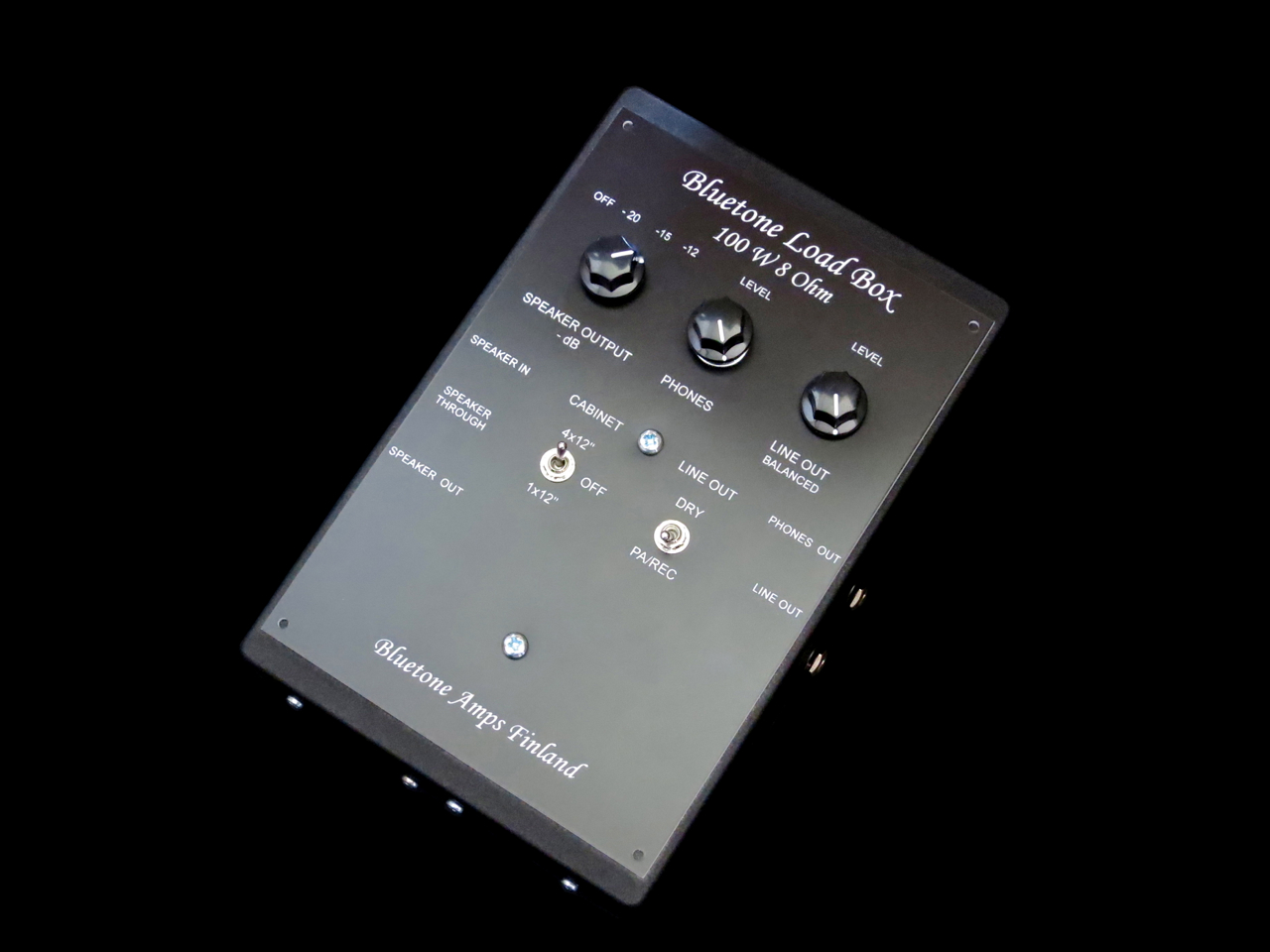
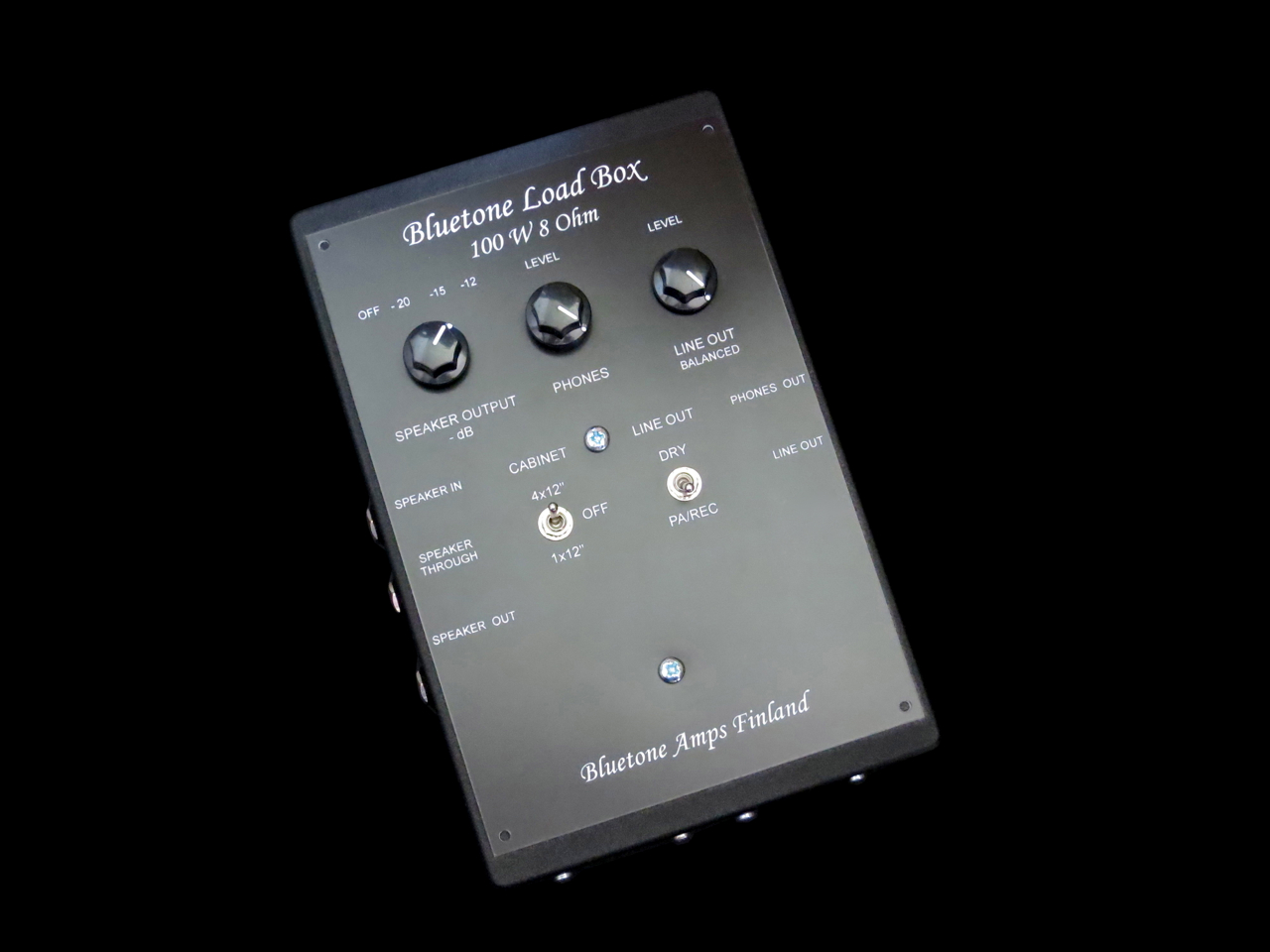
Bluetone’s Load Box has a very clear and logical layout:
The left side carries all speaker-related connectors, offering an input, as well as both an attenuated output (Speaker Out) and a straight speaker output (Speaker Through). Why would anyone need two speaker outputs? The answer is simple: If you want to run an isolated cabinet backstage at full speaker output for the FOH engineer, and an attenuated speaker signal for the backline to keep onstage volume levels manageable.
The right side sports two output jacks – one is carrying a headphone signal, while the other one is the balanced output for connection to a mixing console or a soundcard.
The controls and switches are self-explanatory:
Top left is a four-way rotary switch for speaker attenuation, with ”Off” muting the Speaker Out signal completely. I should also mention that you can use the Bluetone Load Box without any speakers connected, regardless of the selector setting.
The middle knob is the headphone level control. Because the Load Box is a completely passive design – meaning there’s no need for any sort of power supply – the output level of the headphone output is directly dependent on the signal level (and wattage) of the connected amplifier. On the early production model used for this review the headphone signal can be a tiny bit on the quiet side, when using a low-wattage amp and power hungry headphones. This is a known issue, and Bluetone will increase the signal level in future.
The line level output offers a healthy output levels. If you need an XLR connector for the Load Box’ balanced output, Bluetone offers a handy adapter for 20 €.
A three-way mini toggle gives you two different types of cabinet simulation – 1 x 12″ and 4 x 12″ – while its two-way counterpart makes it possible to bypass speaker simulation for the Line Out signal.
The Bluetone Load Box’ dummy load and attenuator work really well in dropping volume levels while keeping virtually all of your amp’s tone intact. Now you can run your non-master volume valve amp at pub-friendly levels, without sacrificing your sound.
Bluetone’s DI-output captures your amp’s tone without the need for a speaker cabinet and microphones, which is great news for home recordists and small project studios. The Load Box’ analogue speaker modelling offers a fine solution for capturing your sound with the least amount of fuss.
Here’s what my Fender Strat sounds like played through a Bluetone Shadows Jr. combo on clean settings, and recorded with a Shure SM57:
Here’s the same clean example direct recorded with the Load Box set to 1 x 12″:
Here’s a distorted clip with the sound of the Shadows Jr. recorded with the SM57:
And the same clip recorded through the Load Box:
****
In my opinion the Bluetone Load Box offers great value for money. Bluetone’s compact Load Box is a product every owner of a valve amp that doesn’t come with output attenuation built in should at least consider adding to his/her equipment.
The clever bit is how Bluetone has managed to fit the different functions into a lightweight, easy-to-carry, handcrafted piece of equipment. The Load Box is a sturdy device that will get the job done with the minimum amount of fuss, and it comes at a fair price.
Some of the coolest inventions tend to make you go ”Geez, this is so obvious! Why didn’t I think of this?”
The truth is, though, that the basic idea usually is only the first impetus for going on an exploratory journey. You have to have the inventor’s drive and perseverance to grab the idea by its throat, and hold it there for as long as it takes to hew and mould it into its final shape.
Finnish guitarist/inventor Markku Pietinen had become increasingly frustrated by the weight and size of traditional speaker cabinets for guitar. Modern technology – like Class D power amps – has lead to ever smaller amplifier sizes, yet cabinets were still cumbersome and angular.
Then one day, a few years ago, Markku passed by a building site, where he spotted a leftover piece of corrugated plastic pipe (normally used for drainage) on the ground. The proverbial lightbulb went ”ping”, and Markku started pursuing his quest for a lighter speaker cabinet.
****
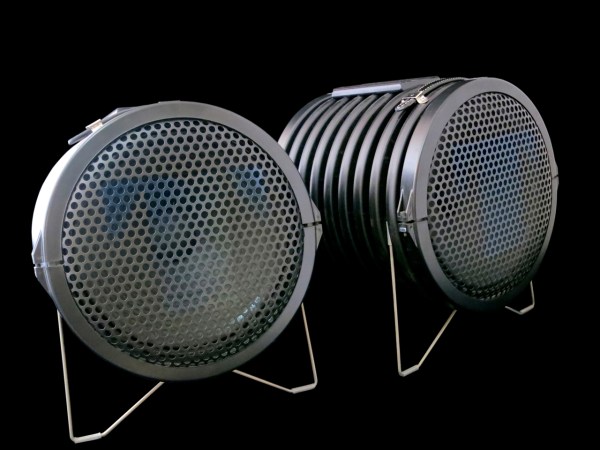
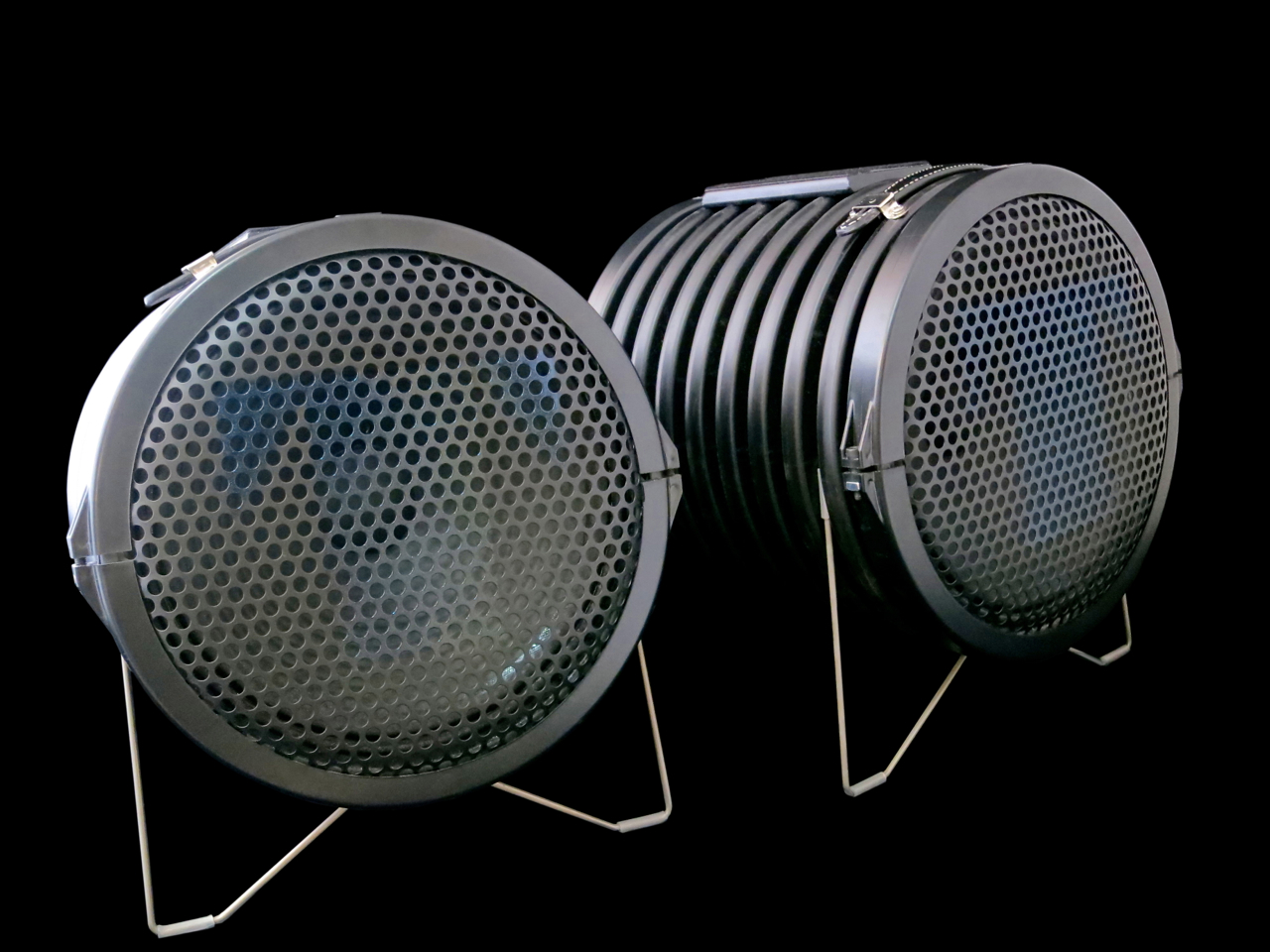
Here is the finished product, called the TOOB™ (current price in Finland: 369 €), which stands for ”Thinking Out Of the Box”.
The TOOB is available in two guitar versions, the 12J and 12R (as reviewed), which come loaded with a 12-inch Jensen speaker. A bass version – the TOOB 12B – is also available, and it sports a Celestion unit.
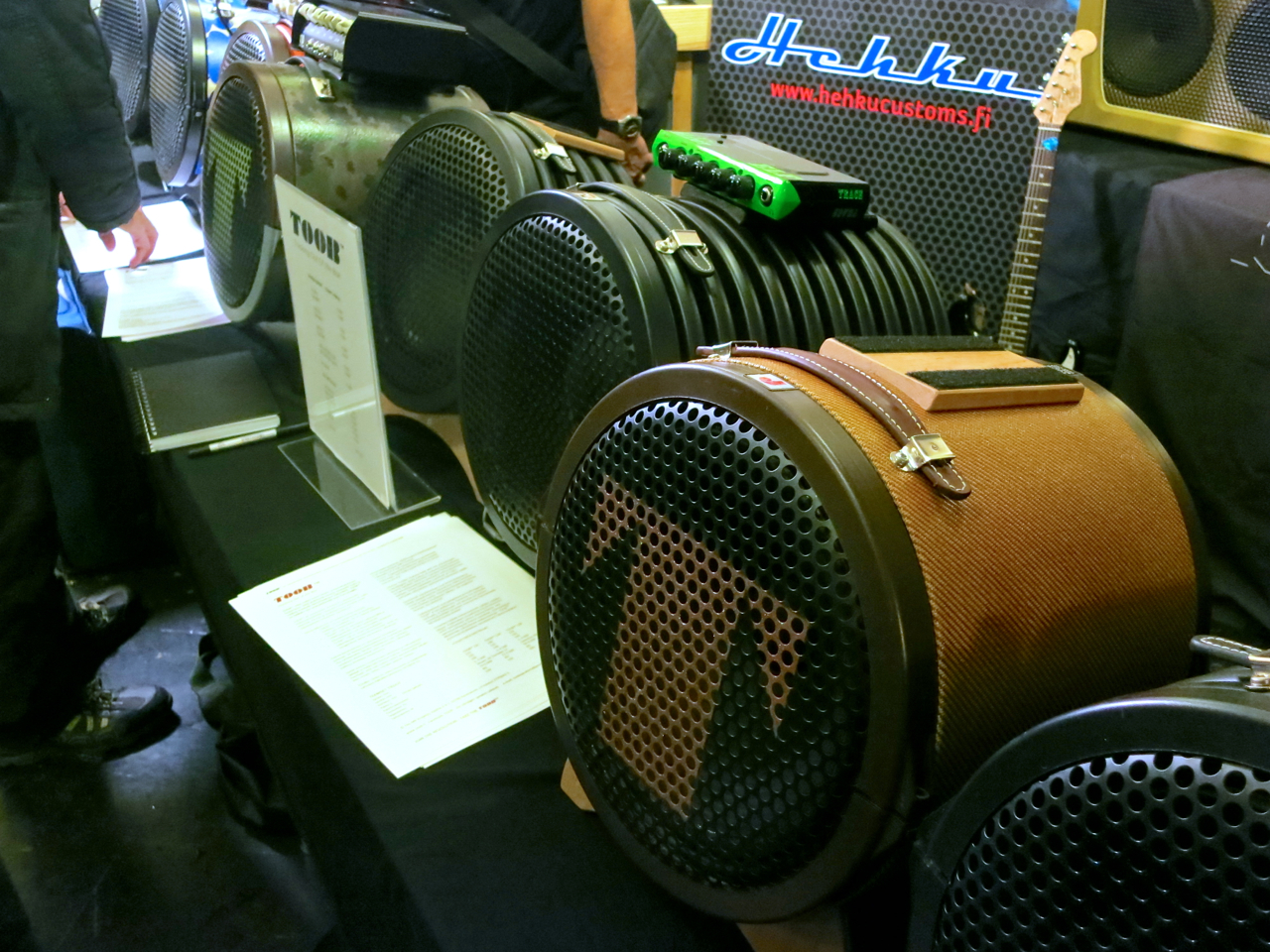
Standard colours for all TOOBs are black and cinnamon, but you can also order custom options with a painted or covered veneer overlay (you can see a few examples in the opening picture).
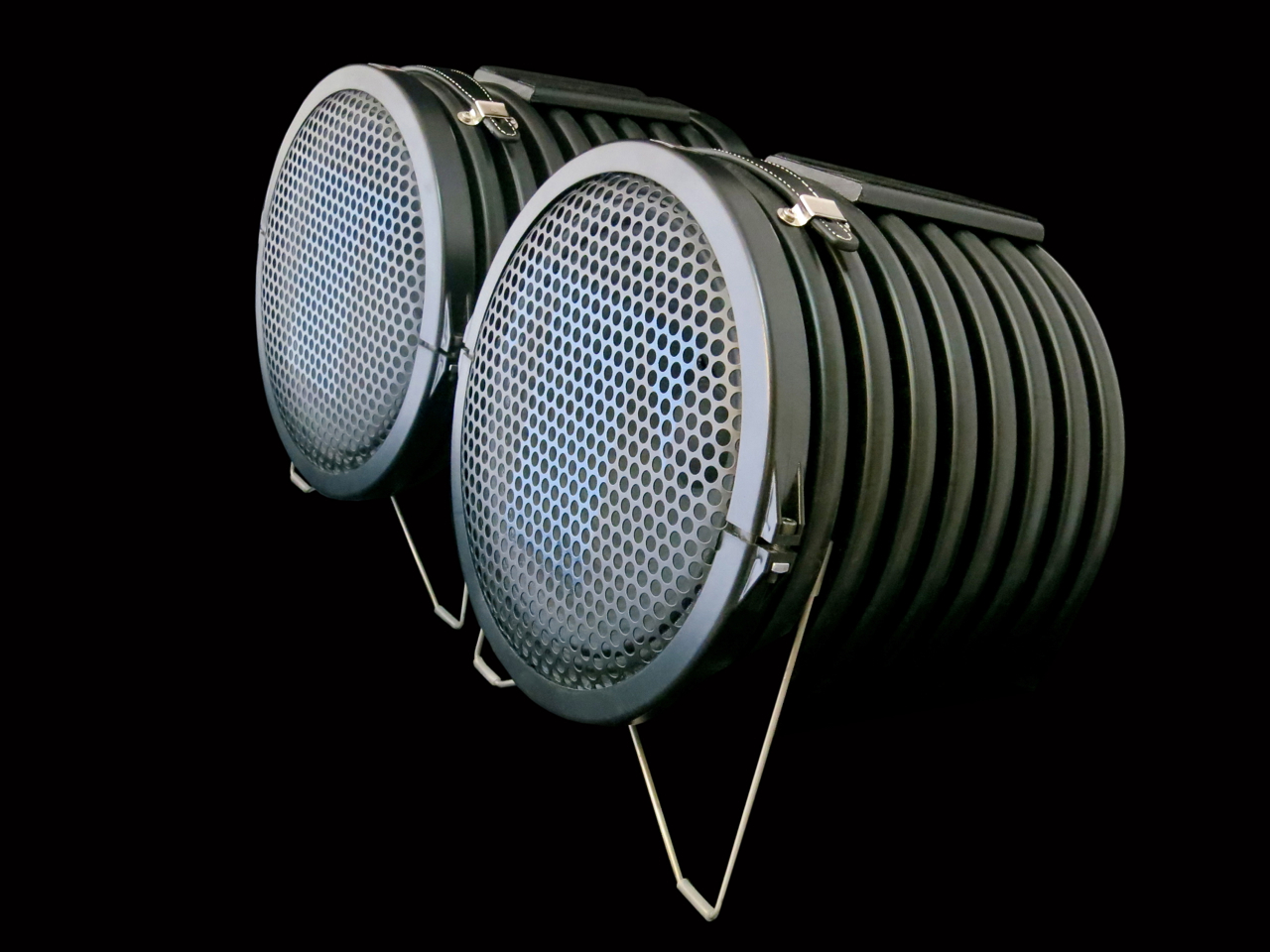
The TOOB’s cabinet consists of a length of Uponor IQ drainage pipe. This is an extremely lightweight and strong corrugated tube made from double-walled polypropylene. The mounting rims are a proprietary design, injection moulded from ABS plastic specifically for use in the TOOB cabinets.
Clip-on stainless steel feet come as standard, but if this looks too spartan for your taste, you can always order your TOOB with a magnetically-attached wooden stand.
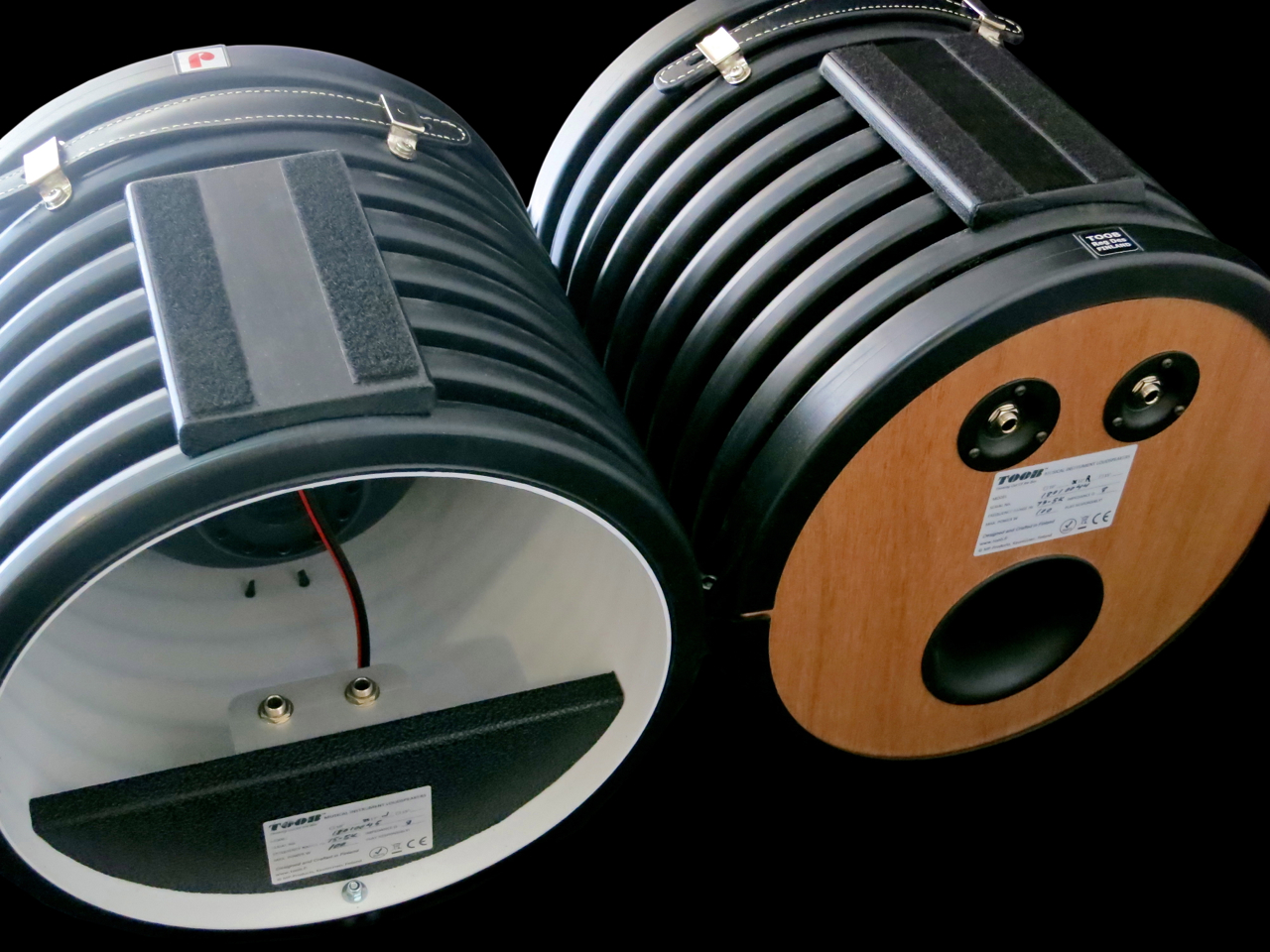
The main difference between the TOOB 12J (left) and the 12R (right) is easy to spot:
The 12J (stands for Jazz) is an open back cabinet, while the 12R (= Rock) uses a ported back wall. The 12J is also a few centimetres shorter than its brother.
Both guitar versions sport two parallel jack connectors, allowing you to daisy-chain two (or more) TOOBs.
The cabinets are equipped with painted wooden mounts for use with a micro-amp of your choice (professional velcro-type adhesive strips are provided). A top notch angled plug speaker cable is also part of the package.
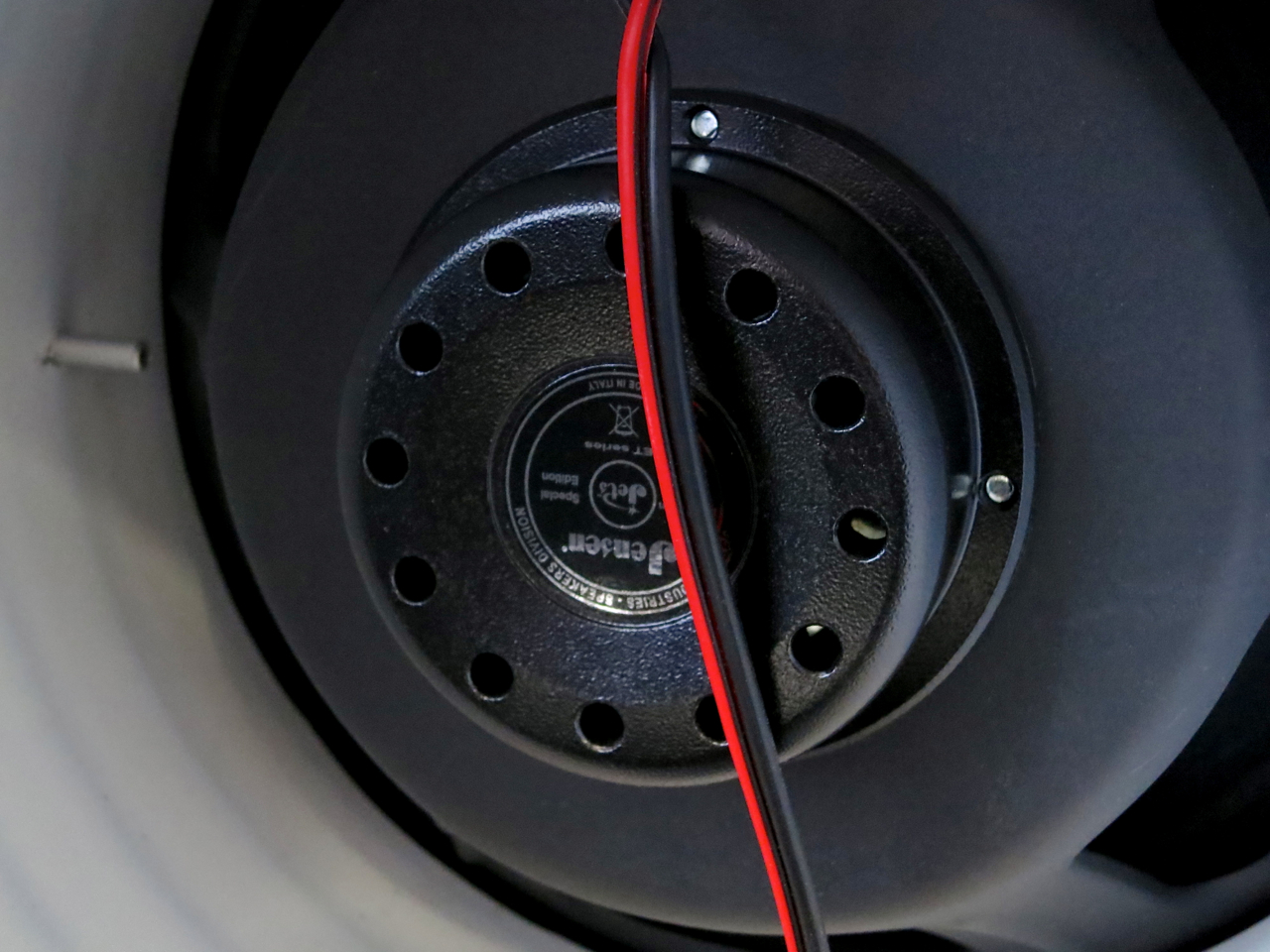
Both guitar TOOBs come loaded with a lightweight 12″/8 Ω Jensen Jet Tornado neodymium speaker.
****
Testing the TOOBs with two different valve amplifiers – a Blackstar HT-1R and a Bluetone Shadows Jr. – it became clear very quickly that both cabinets are focused on delivering tonal clarity and getting the job done with a minimal amount of fuss.
A TOOB isn’t meant to be an esoteric boutique-style speaker cabinet, full of voodoo-like mystical timbres. These are straightforward musical tools, made to withstand the occasional knock or two, and meant to lighten your load (both physically and psychologically).
Both TOOBs offer a very focused tone that is clear and bright, but not nasty or brittle. The mid-range also stays rather well-defined and uncoloured.
I think one shouldn’t get too hung up on the supposed Jazz- and Rock-connotations of the 12J and 12R models, especially as the 12J also performs well with acoustic-electric guitars, but the differences in sound are easy to hear. The TOOB 12J is the airier and more ”acoustic” of the pair, while the TOOB 12R offers much more low-end punch and overall focus.
CLEAN STRAT
Reference speaker (Bluetone Shadows Jr. combo with a 10″ WGS Green Beret; Shure SM57):
TOOB 12J:
TOOB 12R:
OVERDRIVEN LES PAUL
Reference speaker (Bluetone Shadows Jr. combo with a 10″ WGS Green Beret; Shure SM57):
TOOB 12J:
TOOB 12R:
****
Any way you look at the TOOB™, you will have to concede that this new type of speaker cabinet is an ingenious solution to an age-old problem. The TOOB is just as rugged and roadworthy as it is lightweight and compact.
These unique cabinets sound great, with more than enough power on tap for most of us working stiffs, who play small to medium-sized indoor venues.
Combine a TOOB with one of the current micro-amps, like Vox’ MV50-series for example, and what you get is a powerful rig that’s hard to beat for ease of use and transportability.










 Kitarablogi.com – Finland's premier Guitar and Bass blog