Review: Maono PD400X ja PM500 microphones

****

Even though I follow the musical instrument and musical equipment industry quite closely, it can always happen that some new piece of gear, or a new manufacturer, goes unnoticed by me. For this reason, I was very happy when Joni from Vantaan Musiikki recently introduced me to the products of the Maono brand.

Maono is a Chinese company that specializes in podcasting, vlogging and livestreaming products. The brand offers studio microphones, wireless camera mics, podcast/streaming mixers, headphones, and audio interfaces.

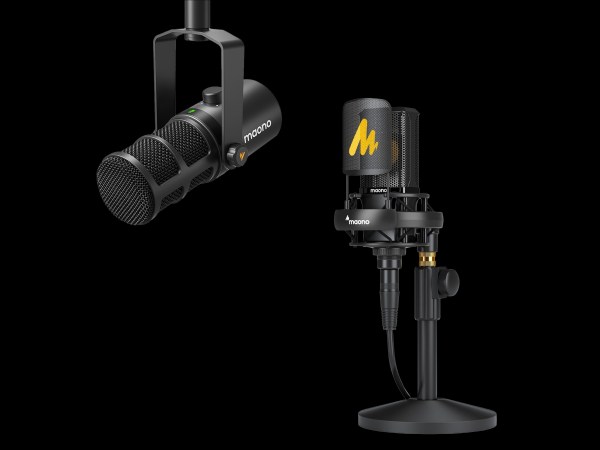
I received two Maono microphones for testing:

The Maono PD400X (145 €) is a dynamic microphone that works both as a stand-alone microphone (via its XLR output) and as a USB microphone (using USB-C) with a richly specced, internal audio interface.

The Maono PM500 (159 €), for its part, is a large-diaphragm condenser mic (34 mm läpimitta).

****
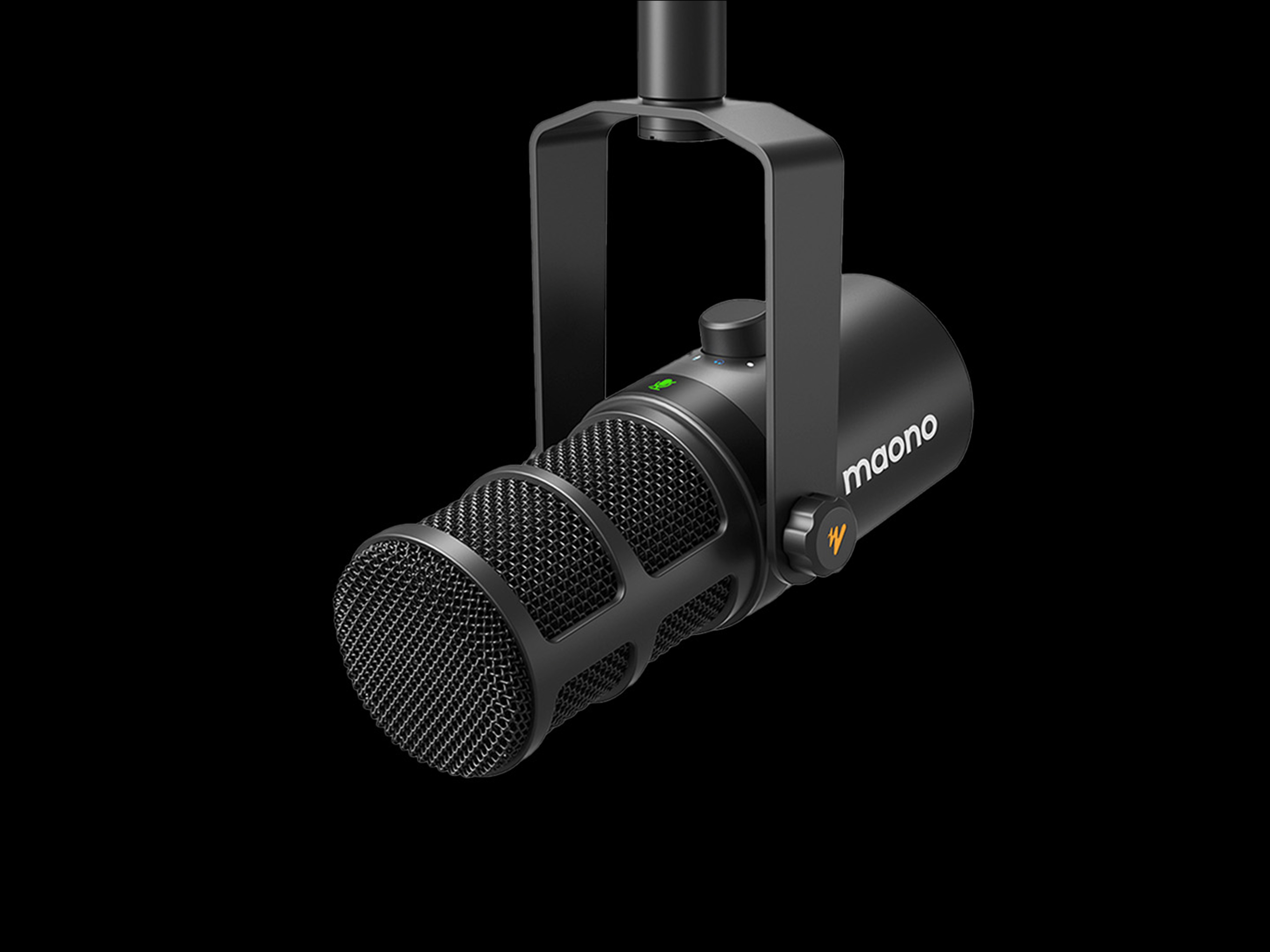
The Maono PD400X microphone’s appearance suggests its intended use as a podcast studio speech microphone. The PD400X is equally suitable for hanging from a suspension stand…
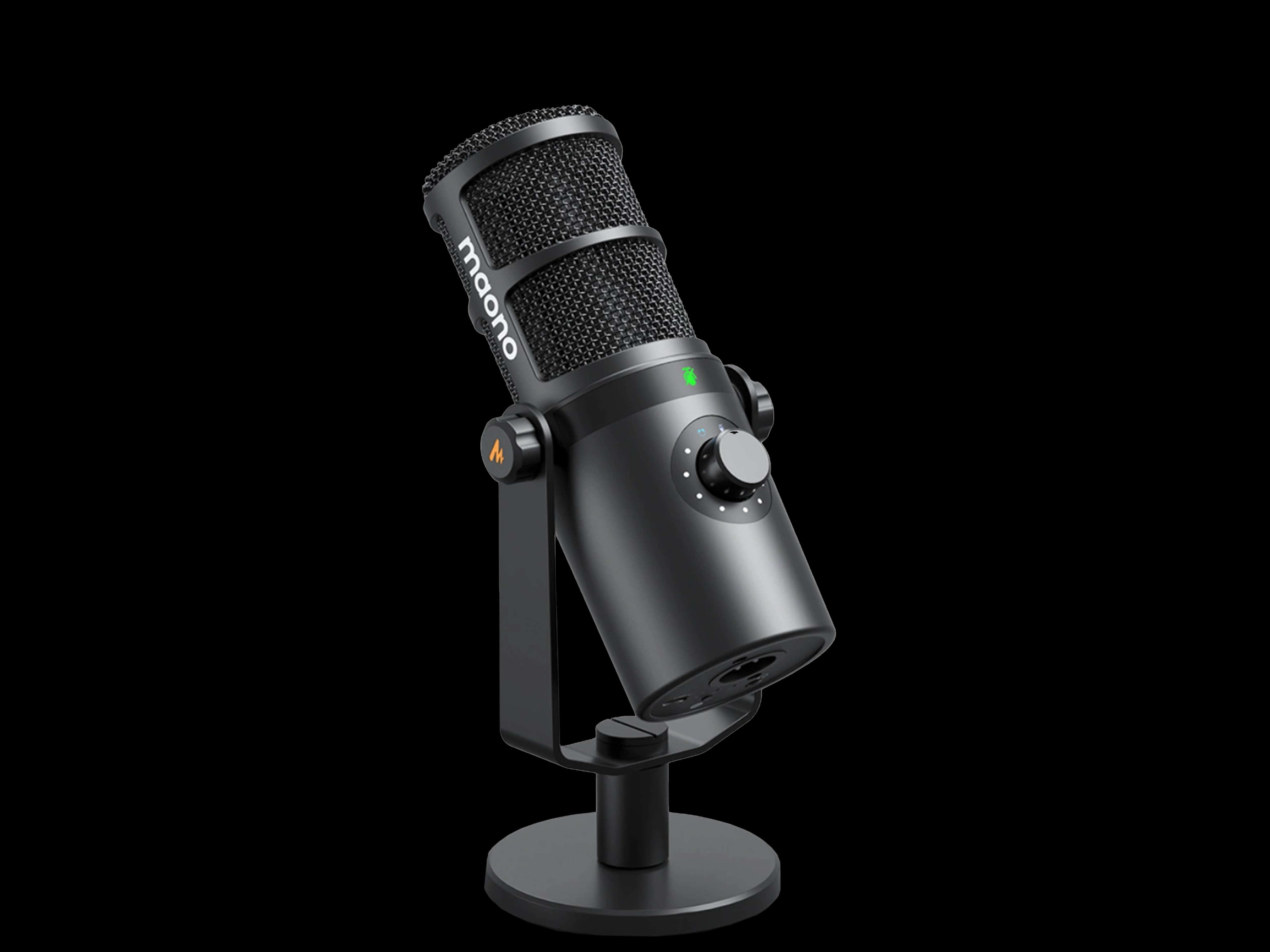
…as it is for use with a table stand.

The package includes the desk stand shown in the picture and a thick foam windscreen, as well as XLR and USB-C cables. The PD400X seems to be solidly made, and the weight of the microphone indicates that it is definitely not some nasty Temu-trash.

With the XLR cable, this Maono is a very straightforward dynamic microphone with an effective cardioid pattern and a very big sound.
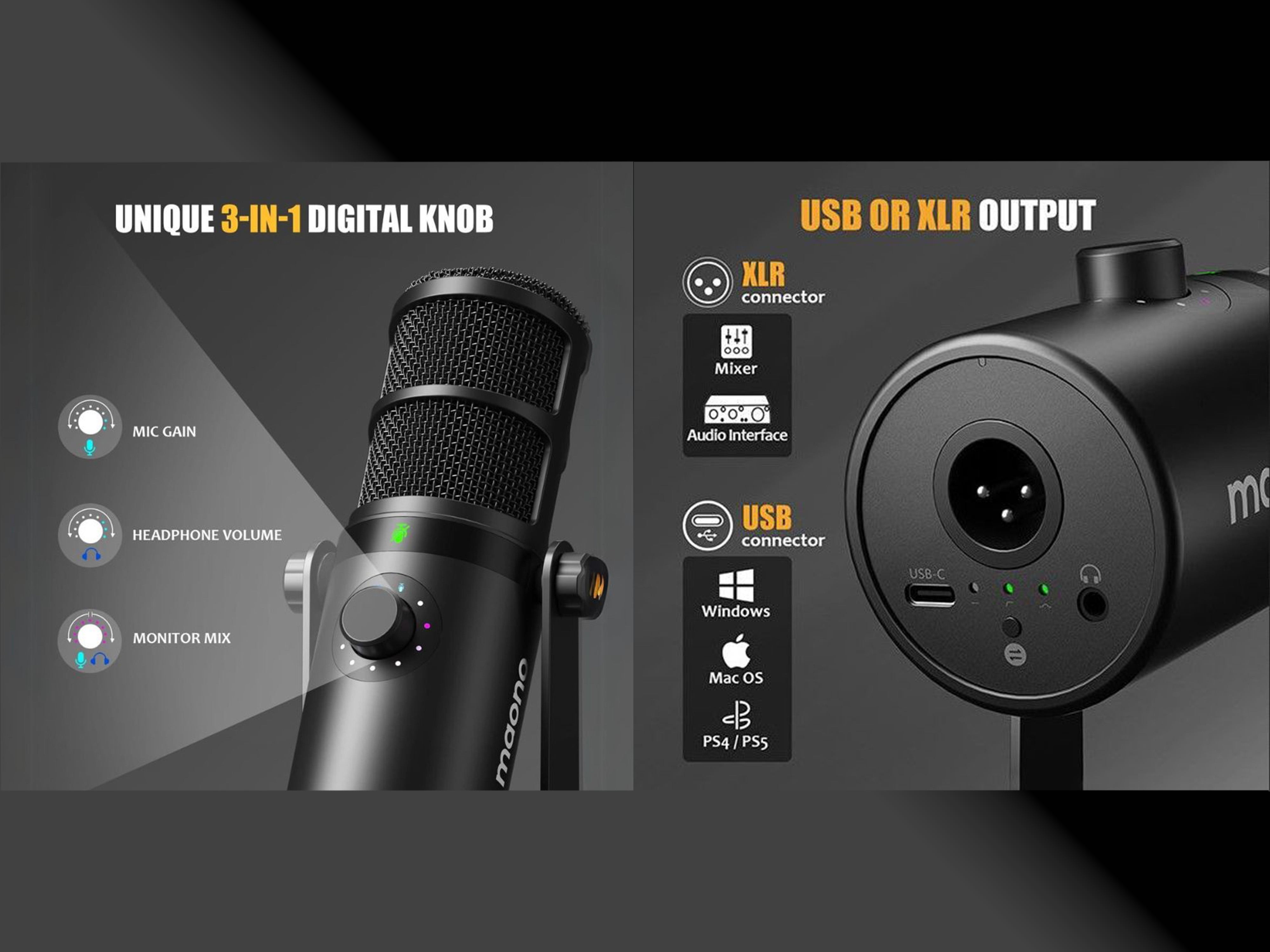
The Maono PD400X’s internal digital sound card (48 kHz/24 bit) is activated via the USB port. At the base of the mic, you’ll find a headphone output and a three-position pre-EQ (bass cut, presence boost, as well as both simultaneously). The microphone’s large control knob works in four different ways – a short press mutes – and unmutes – the PD400X, while a longer push selects one of three control modes (microphone gain, headphone volume, and monitor balance).

The PD400X is directly compatible with Windows and Mac computers via USB, as well as Sony PS4 and PS5 consoles.

If you want to access all the microphone’s cool additional functions, you should definitely download the company’s Maono Link app. With Maono Link, you can, among other things, optimise the sound of the PD400X mic for different distances of the sound source to the microphone, use the internal audio interface’s own compressor and limiter, and adjust the equalisation more precisely.

****

****
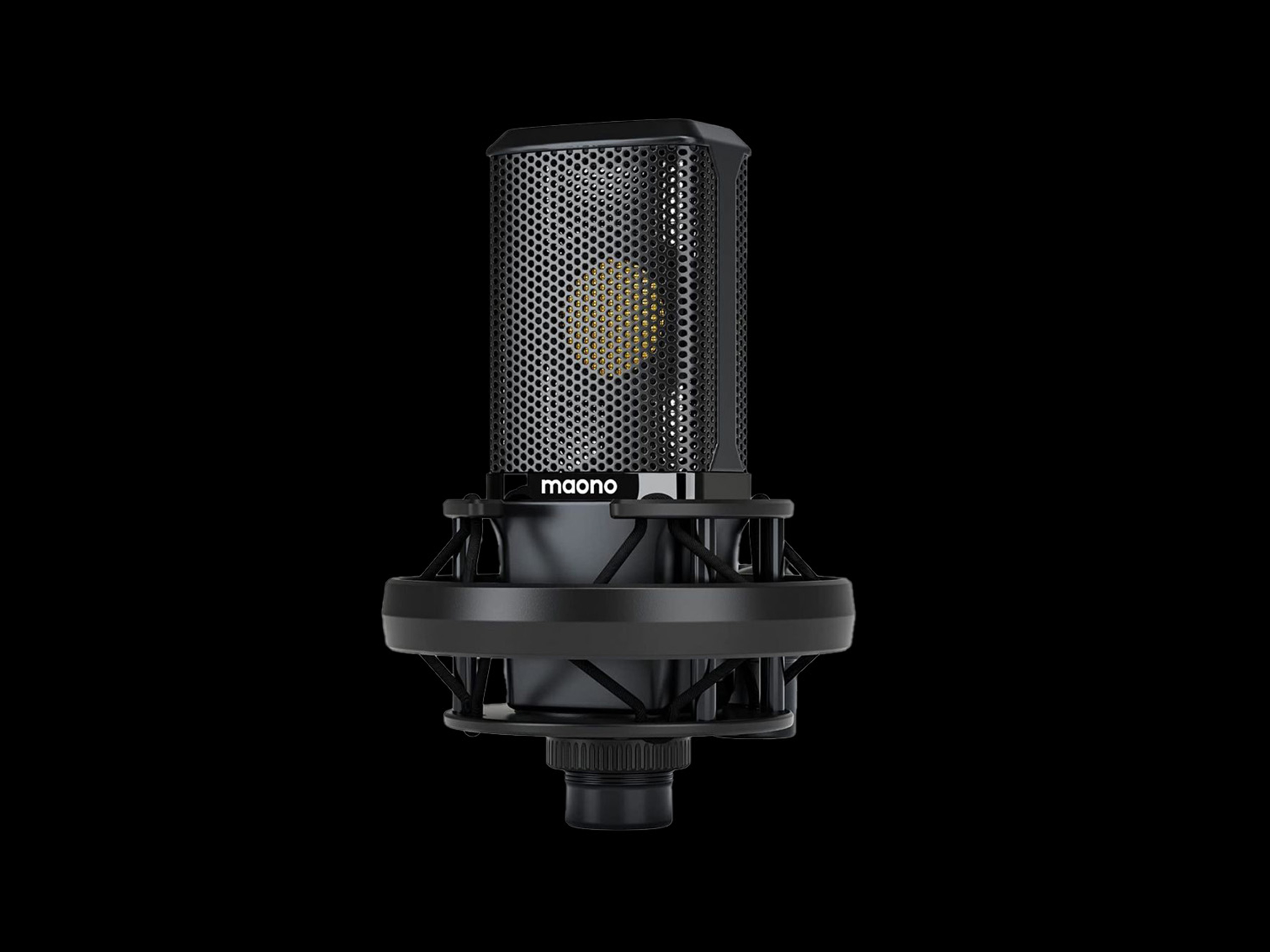
The Maono PM500 is the company’s straightforward, cardioid studio microphone with a large capsule (34 mm). It operates on 48 volts of phantom power.

The PM500’s solid build makes it look and feel much more expensive than it actually is.
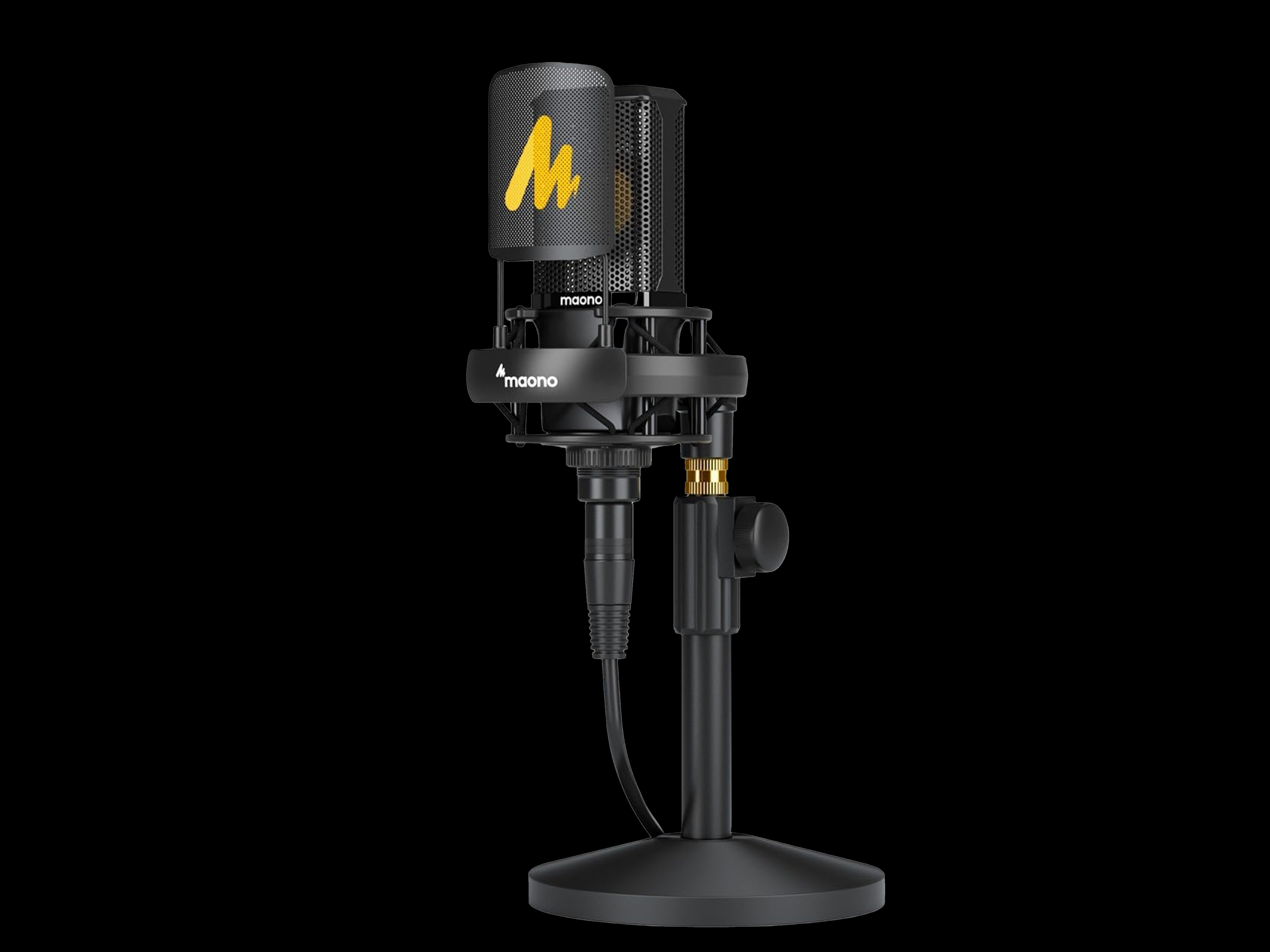
The package includes a high-quality cradle mount, a metal pop filter that easily attaches to the cradle, an XLR cable, and a height-adjustable desk stand.

As you would expect in this price range, the Maono PM500 doesn’t offer any additional on-board features, such as a bass filter. This mic is simply placed in front of the sound source, and that’s it.

****
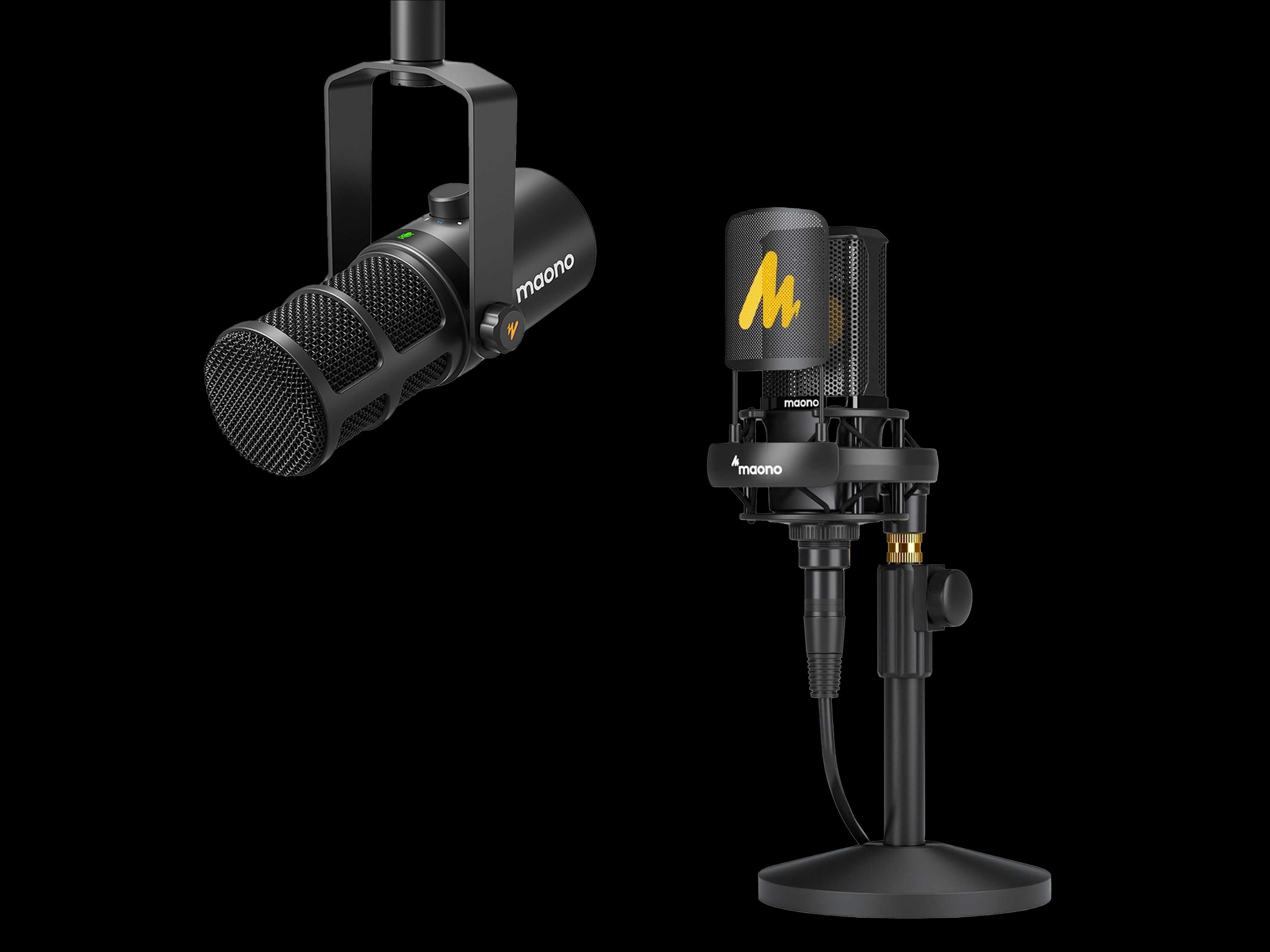
I have to take my proverbial hat off to these Maono microphones. Despite being relative newcomers, they have managed to jump straight into the ranks of well-known quality microphones.

In terms of sound and features, the Maono PD400X is very comparable to, for example, Shure’s MV7 or MV6 microphones. The PD400X already has a big ”radio sound” from the start, to which the mic’s excellent internal audio interface (and Maono Link app) gives a professional touch.

In my opinion, the Maono PM500 plays in the same league as the recently released AKG C104. As with the PD400X, the basic sound of the PM500 is also very healthy. In studio work, the sound of the leakage picked up from the sides and back of the mic is also important, and in this area the quality of the Maono PM500 becomes very obvious.

With these specs at these affordable prices, I think it’s definitely worth checking out Maono microphones in person.

Testipenkissä: Maono PD400X ja PM500 -mikrofonit

****

Vaikka seuraan soitin- ja soitinlaitealaa melko tiiviisti, aina voi tapahtua että jokin uusi laite tai valmistaja jää minulta huomaamatta. Tästä syystä olin hyvin iloinen, kun Vantaan Musiikin Joni esitteli minulle hiljattain Maono-brändin tuotteita.

Maono on kiinalainen yritys, joka on erikoistunut podcast-, vloggaus- ja livestream-tuotteisiin. Brändiltä saa studiomikrofoneja, langattomia kameramikkejä, podcast-/striimausmiksereitä, kuulokkeita, sekä audio interfaceja.

Sain testattavaksi mukaan kaksi Maono-mikrofonia:

Maono PD400X (145 €) on dynaaminen mikrofoni, joka toimii sekä pelkkänä mikrofonina (XLR-lähdön kautta) että USB-mikrofonina (USB-C) runsaasti speksatulla, sisäisellä audio interfacella.

Maono PM500 (159 €) taas on isolla kapselilla (34 mm läpimitta) varustettu konkkamikki.

****

Maono PD400X -mikin ulkonäkö viittaa sen käyttötarkoitukseen podcast-studion puhemikrofonina. PD400X sopii yhtälailla roikkutettavaksi jousitetulta telineeltä…

…kuin seisovaksi vaikkapa omalla pöytäständillä.

Paketista löytyy kuvassa näkyvä pöytäteline ja paksu vaahtomuovinen tuulisuoja, sekä XLR- ja USB-C-johdot. PD400X vaikuttaa olevan vankkaa tekoa, ja mikrofonin paino kertoo että kyse ei todellakaan ole mistään Temu-krääsästä.

XLR-johdolla tämä Maono on hyvin suoraviivainen dynaaminen mikrofoni tehokkaalla herttakuviolla ja erittäin isolla soundilla.

USB-portin kautta aktivoituu Maono PD400X:n sisäinen digitaalinen äänikortti (48 kHz/24 bit). Mikin tyvessä löytyy silloin kuulokelähtö ja kolmiasentoinen esi-EQ (bassoleikkuri, preesensiboosti, sekä molemmat samanaikaisesti). Mikrofonin isokokoinen säädin toimii neljällä eri tavalla – lyhyt painallus laittaa PD400X:n mutelle, kun taas napin pidempi painaminen valitsee yhden kolmesta säädintilasta (mikrofonin gain, kuulokkeiden volyymi, sekä monitorin balanssi).

USB:n kautta PD400X on suoraan yhteensopiva Windows- ja Mac-tietokoneiden kanssa, sekä Sony PS4- ja PS5 -koneiden kanssa.

Jos haluaa päästä kiinni mikrofonin kaikkiin hienoihin lisätoimintoihin, kannattaa ehdottomasti ladata firman Maono Link -appia. Maono Linkillä pystyy mm. optimoida PD400X-mikin soundia äänilähteen eri etäisyyteen mikrofonista, käyttää sisäisen audio interfacen oman kompressorin ja limitterin, sekä säätää ekvalisoinnin tarkemmin.

****

****

Maono PM500 on firman suoraviivainen, herttakuvioinen studiomikrofoni isolla kapselilla (34 mm). Se toimii 48 voltin phantomisyöttöllä.

PM500 vaikuttaa vankalta olemukseltaan selvästi kalliimmalta kuin mitä se todellisuudessa on.

Paketissa tulee mikin mukana laadukas kehtoripustus, helposti kehtoon kiinnittävä metallinen pop-filtteri, XLR-johto, sekä korkeussäädettävä pöytäständi.

Niin kuin tässä hintaluokassa sopii odottaa, Maono PM500 ei tarjoa lainkaan lisäominaisuuksia, kuten vaikkapa bassofiltterin. Tätä mikkiä yksinkertaisesti pystytetään äänilähteen eteen, ja sillä siisti.

****

Täytyy nostaa kuvitteellista hattuani näiden Maono-mikrofonien edestä. Uusina tulokkaina ne ovat onnistuneet hyppimään heti mukaan laadukkaiden mikrofonien joukkoon.

Soundiltaan ja ominaisuuksiltaan Maono PD400X on hyvinkin verrattavissa esimerkiksi Shure MV7- tai MV6-mikrofoneihin. PD400X:llä on jo lähtökohtaisesti iso ”radiosoundi”, johon mikin erinomainen sisäinen audio interface (ja Maono Link -appi) antaa vielä ammattimaisen silauksen.

Minun mielestäni taas Maono PM500 pelaa samassa liigassa kuin vähän aikaa sitten julkaistu AKG C104. Niin kuin PD400X:n kohdalla, myös PM500:n tapauksessa mikin perussoundi on erittäin terve. Studiotyöskentelyssä tärkeää on myös mikin sivusta ja takana poimittujen vuotoäänien soundi, ja myös tällä alueella Maono PM500:n laatu on hyvin selkeä.

Näillä spekseillä ja näillä edullisilla hinnoilla kannattaa mielestäni ehdottomasti tutustua henkilökohtaisesti Maono-mikrofoneihin.

Review: Sennheiser MD421 Kompakt

Alkuperäinen juttu on ilmestynyt Rockway-blogissa.

****

****

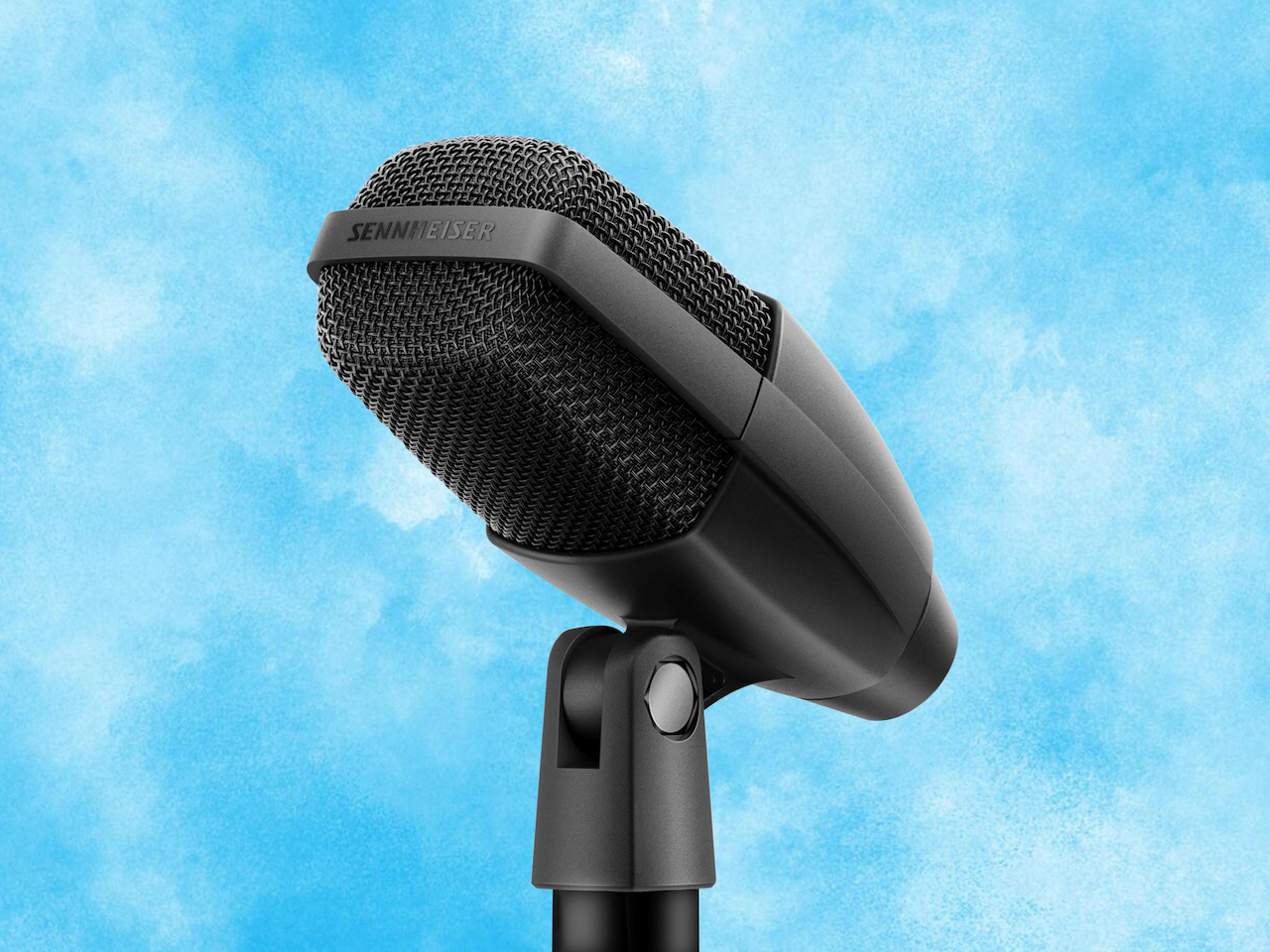
In 1960, Sennheiser’s perhaps best-known microphone, the Sennheiser MD421, was released. The MD421 is a rather large and heavy microphone, and it is designed in quite a unique way.

This microphone uses a rather massive capsule with a large (27 mm/1.1 inch) diaphragm, which is carefully protected from handling and wind noise. In addition, the capsule has its own humbucker coil, which filters out electromagnetic hum and buzz out of the microphone signal.

A short “bass pipe” extends from the bottom of the capsule into the center of the microphone housing, which acts as a “bass chamber.” Depending on the year of manufacture of the MD421, this chamber may be either simply the plastic housing of the mic, or there may even be an injection-molded metal chamber inside the microphone.

A five-position rotary switch for the bass cut is embedded in the end of the housing – one extreme position “M” (Musik; music) lets the MD421 pass through the entire frequency range, while the second extreme position “S” (Sprache; speech) effectively removes most of the bass frequencies from the signal.

The new Sennheiser MD421 was available in versions with the German Klein-Tuchel connector (a larger and sturdier cousin of the DIN connector), as well as with an XLR connector.

The new model’s stand adapter was quite unique; the adapter had a long swivel leg on the stand side, while on the side that went into the microphone there was a rail with a spring mechanism. This rail is pushed into a groove in the belly of the microphone until the mechanism clicks into place.

The Sennheiser MD421 model became a huge sales success upon its release. Although the new microphone was relatively expensive, the quality of the MD421 was so convincing that the microphone was seen in almost every TV studio, concert stage, podium, and recording studio in the 1960s and 1970s – especially in Europe. When I was six years old, I had two things I wanted desperately to own – a Fender Jazz bass and “that creamy white Sennheiser”.

Although the MD421 was originally intended to be “everywhere”, over time the special strengths of the microphone led to it being seen most often in front of brass instruments, drums, and guitar and bass amplifiers.

The Sennheiser’s light-colored housing was permanently changed to black sometime in the late 1970s, and parallel versions of the MD421 were also introduced, for example some without an internal bass filter.

The Sennheiser MD421 has maintained its position, especially in the recording studio, to this day. The only criticisms are the model’s large size and weight, which can make it difficult to position the mic, and the reliability of the mic adapter, especially in heavy use. A microphone bouncing from a tom onto the drummer’s lap is not likely to inspire much confidence.

****

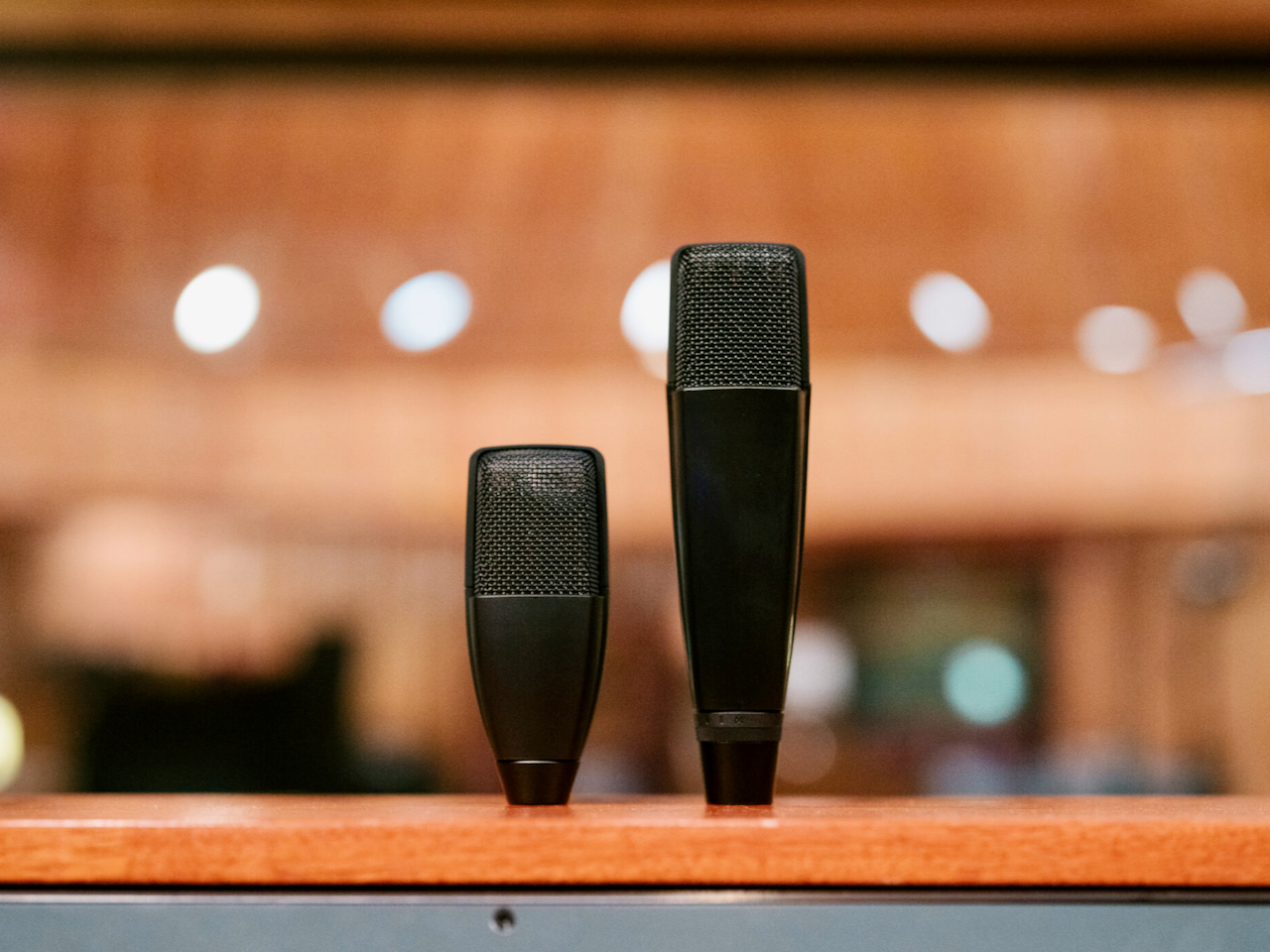
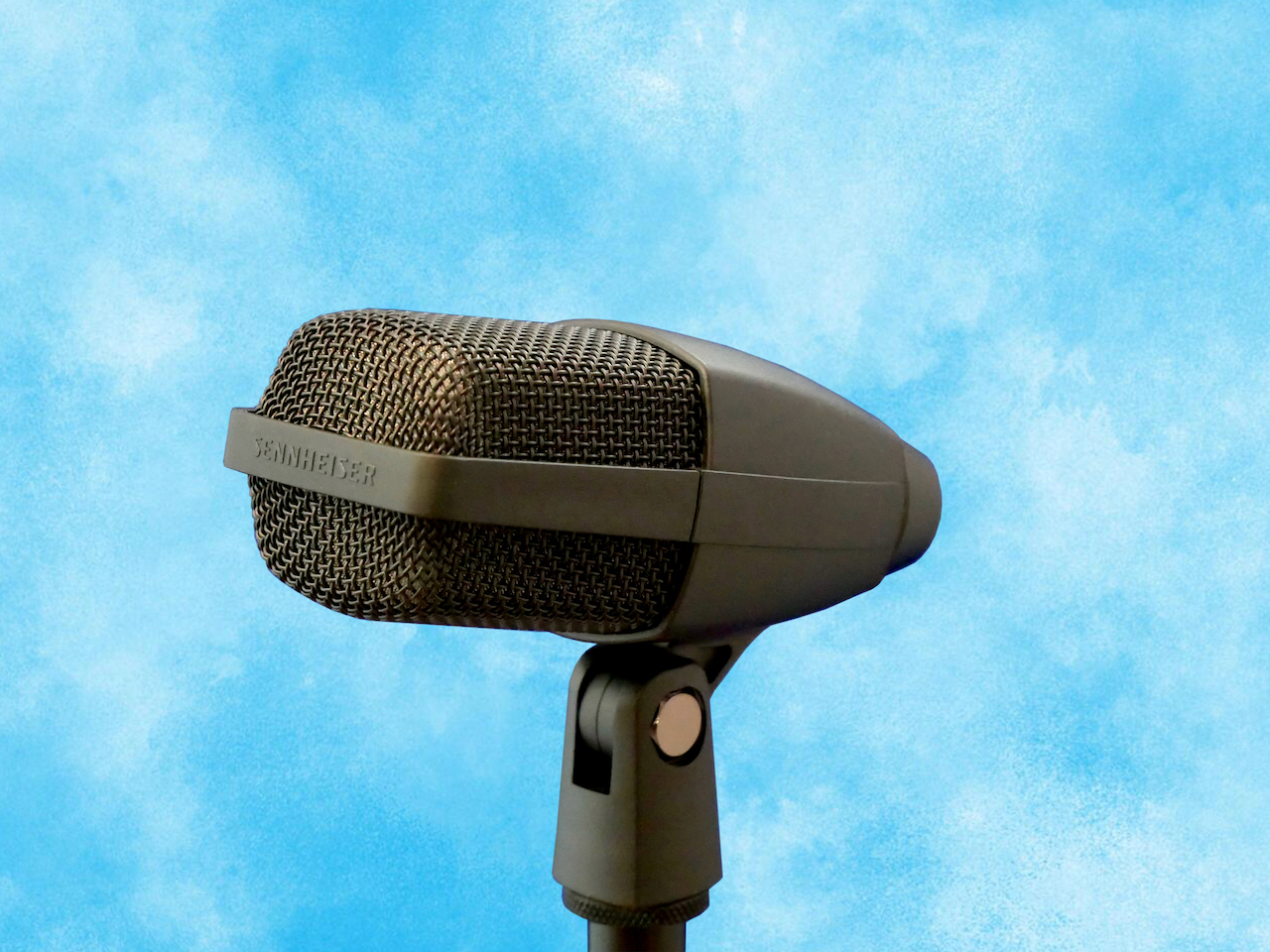
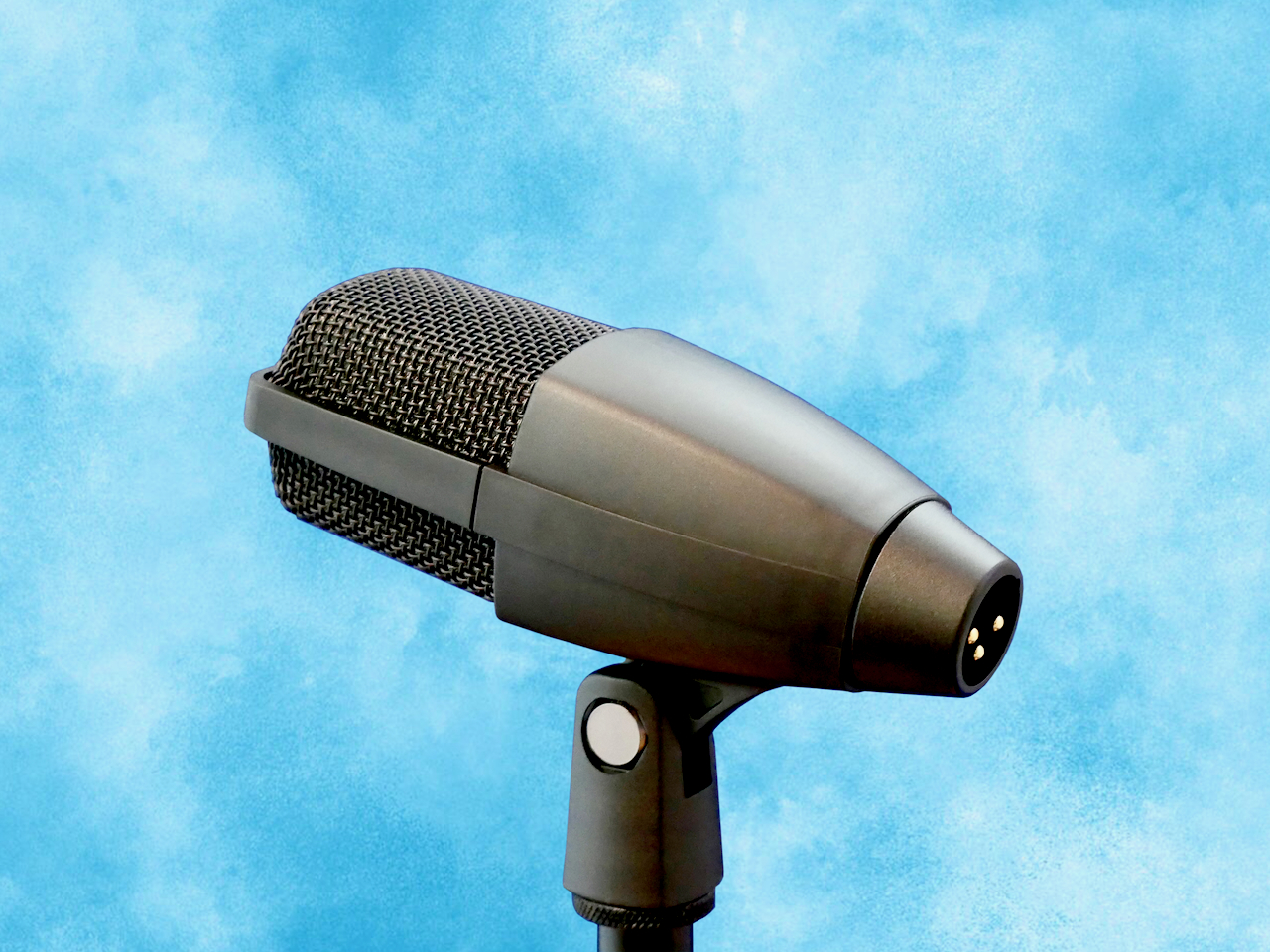
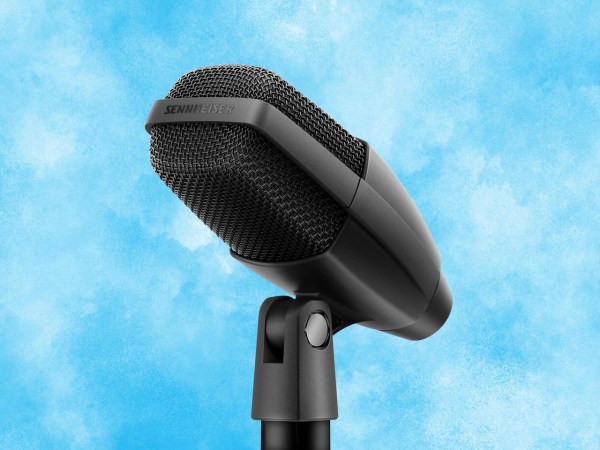
Sennheiser has finally listened to everyone who has been asking for a scaled-down version of the MD421 model. A few weeks ago, the Sennheiser MD421 Kompakt, a compact parallel version of the old classic, was released.

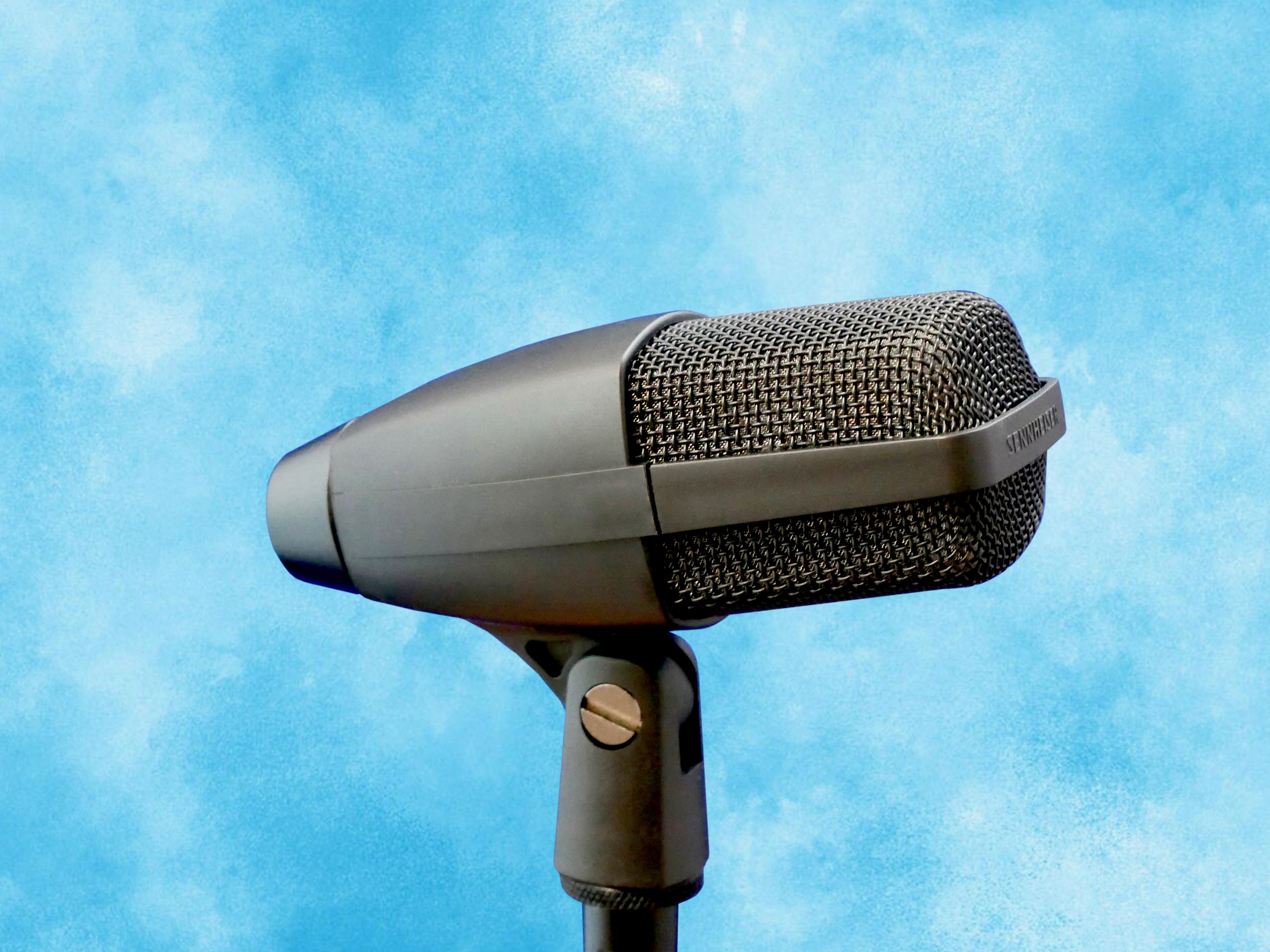
The Kompakt version (street price around 290 euros) is almost half the length of the original MD421 (12 cm versus 21.5 cm) and more than half the weight (159 g versus 385 g).

The microphone capsule in the new Kompakt version is exactly the same as in the classic version, and the volume of the bass chamber in the shorter body has been kept the same size. Thanks to this, it is no surprise that the frequency response (30 Hz – 17 kHz) and other technical values ​​​​of the MD421 Kompakt are also identical. The microphone’s shrinkage has been achieved by removing the bass filter unit of its big brother from the Kompakt.

The Sennheiser MD421 Kompakt does not have a separate stand adapter, but here it is implemented as part of the microphone body. For drum recordings, the new mic is also available in a set version (street price approximately 315 euros), which already includes the MZH drum adapter suitable for the Kompakt. A storage bag is included in both sales packages.

The convenient size and low weight of the MD421 Kompakt make it very easy to place the new mic. The more compact body does not feel toy-like at all, but the mic has the same solid construction as its big cousin. I think the MD421 Kompakt would also be an excellent choice for a vocal mic on stage, as you don’t have to worry about your teeth, as you would with the full-size version, if someone hits the mic stand while you’re singing.

****

At least to my ears, the Sennheiser MD421 Kompakt sounds a little warmer than a Shure SM57, and the new mic’s presence emphasis is also at a higher frequency than the Shure. Whether this is a “good” or “bad” feature depends entirely on the source signal and your own preference.

****

For this review I recorded two demo songs with the Sennheiser. The first demo is a completely acoustic song, where every instrument and sound has been recorded with the MD421 Kompakt and a Cranborne Camden EC2 mic preamp. Song number two is a rock song, where the drums sounds are samples, but the bass and guitars have been captured with the MD421 Kompakt and the built-in microphone preamp of Universal Audio’s Volt 2 interface.

****

Pidä blogia WordPress.comissa.

Ylös ↑