

Kitarablogi.com – Finland's premier Guitar and Bass blog
Juttuja kitaroista ja bassoista

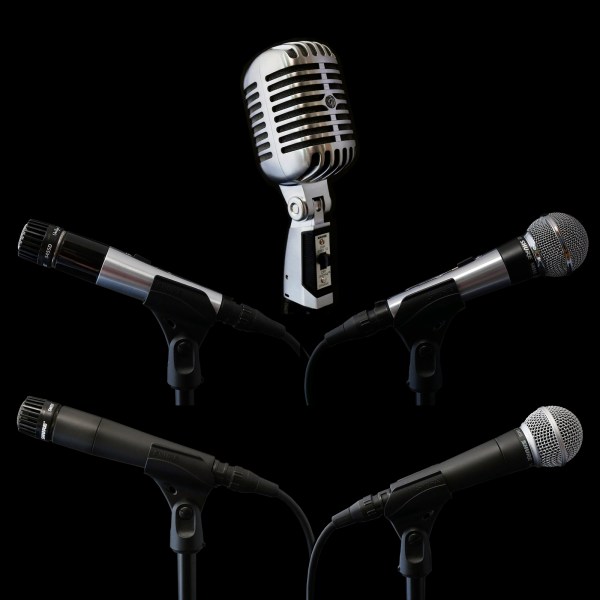

Meidän superlatiivisessa nykymaailmassa on vaikea yliarvioida Shuren klassikkomikkien todellista vaikutusta, silloin kun ne ilmestyivät audiomiesten työkalupakkeihin 1930-60-luvuilla. Shuren SM57 ja SM58 näkyvät edelleen laajassa käytössä maailman lavoilla ja studioissa.
Shure-tuotteiden alkuperäinen myyntivaltti oli, että firman hyvänsoundiset mikrofonit kestivät mukisematta kovaakin käyttöä. Vuodesta 1939 Shuren mikkeillä on vahvistettu lukemattomia keikkoja, luentoja ja lähetyksiä. Ja matka jatkuu edelleen…
Katsotaan tässä jutussa hieman Shure-klassikoiden historiaa – mukana ovat mallit 55SH Series II, 545SD Unidyne III, 565SD Unisphere I, SM57, sekä SM58.
****
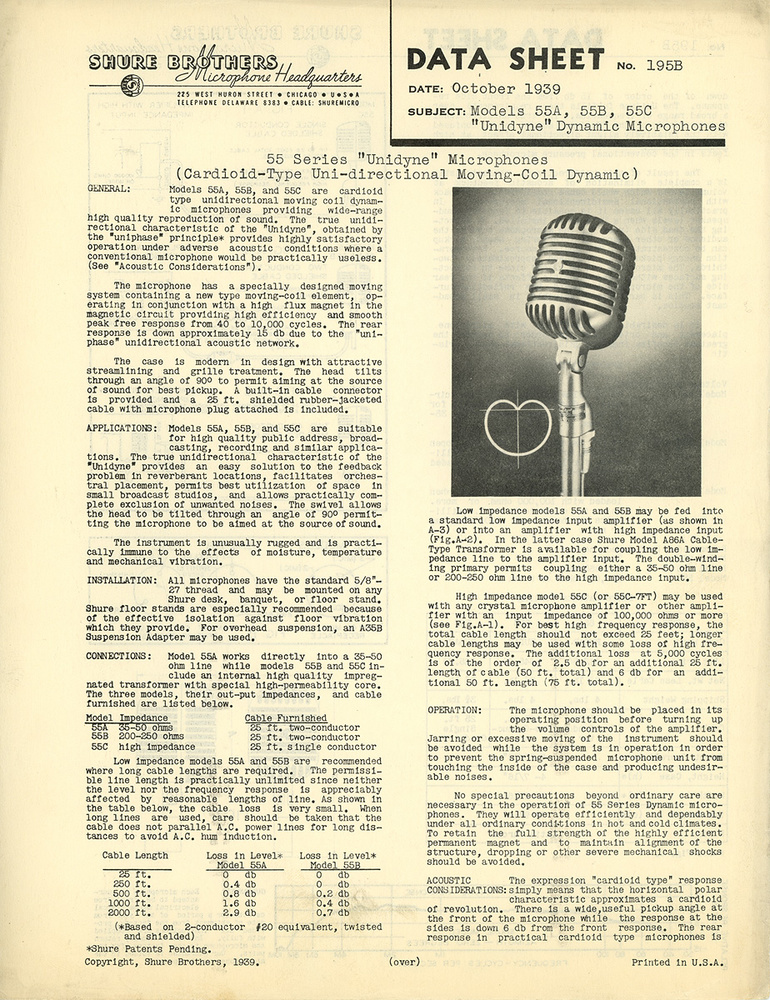
1930-luvun puolivälissä ääniteknikot olivat jo tulleet siihen johtopäätökseen, että pallokuvioiset mikrofonit eivät olleet parhaita työkaluja live-äänen vahvistamiseen, niiden suuren feedback-riskin takia. Ratkaisukin tähän ongelmaan oli jo löydetty – se oli suunnattu mikrofoni (engl. unidirectional microphone) eli se, mitä nykyään tunnemme herttakuvioisena mikrofonina (engl. cardioid mic).
Suunnattu mikrofoni poimii äänen edestä ja hylkää suurimman osan sivuilta ja takaa tulevasta äänestä. Herttakuvio saavutetaan kontrolloidulla vaihevirheellä. 1930-luvun puolivälissä ainoat mikrofonit, jotka tarjosivat herttakuvion, olivat joko herkät ja kalliit kondensaattorimikrofonit (kahden membraanin kapselilla) tai isot ja kömpelöt kahdella kapselilla varustetut dynaamiset mallit (joissa usein yhdistetiin pallokuvioinen tavallinen dynaaminen kapseli, sekä nauhamikkiosio jolla oli suuntakuviona kahdeksikko).
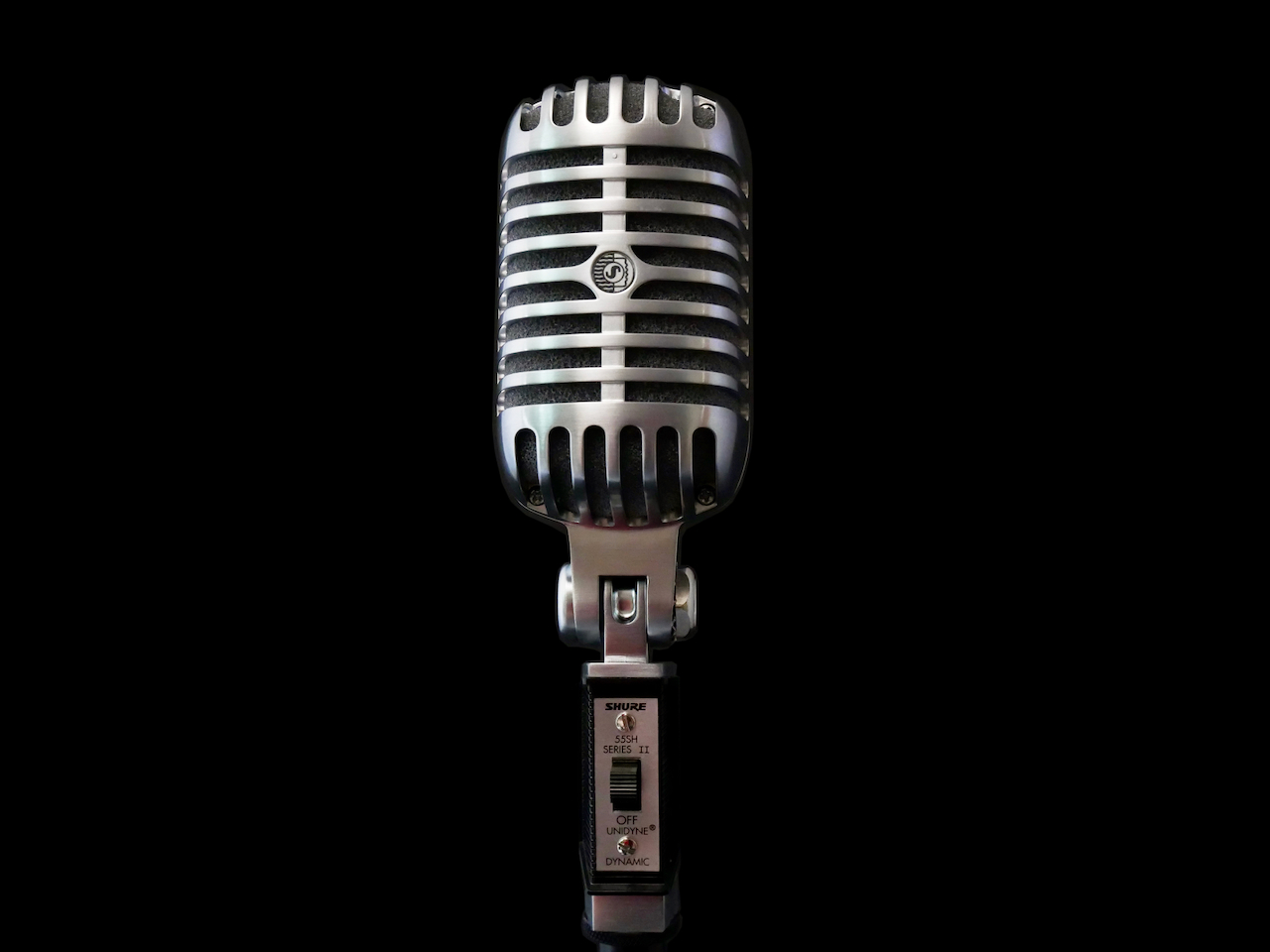
Kaikkein tärkein läpimurto, joka teki Shuren ikonista Model 55 -mikkiä mahdolliseksi, oli Ben Bauerin Unidyne-kapseli. Liikkuvalla kelalla toimiva Unidyne-kapseli onnistuu hylkäämään takaa tulevat äänet kapselin monimutkaisen äänikanava-järjestelmän avulla, joka johtaa takaa tulevat äänet useiden eri reittien kautta membraanille, mikä puolestaan johtaa kontrolloituun vaihevirheen. Vaihevirheen ansiosta mikrofonin takaa tulvat signaalit putoavat mikrofonin vahvistetusta signaalista pois.
Shuren suunnitteluryhmä myös onnistui keksimään 55-mallille hyvin tukevan ja (siihen aikaan) kompaktin metallirungon, valmiiksi sisäänrakennetulla kääntevällä adapterilla.
Alkuperäinen Shure Model 55 (tunnetaan nykyään nimellä ”Fat Boy” sen suuremman, pyöreän kotelon vuoksi) oli se, mitä äänimiehet olivat odottaneet. Tässä oli kompakti mikrofoni, joka mahdollisti signaalin voimakasta vahvistusta vain pienellä feedback-vaaralla. Lisäksi 55:n soundi oli laadukas, ja mikrofoni itse hyvin tukevasti toteutettu.
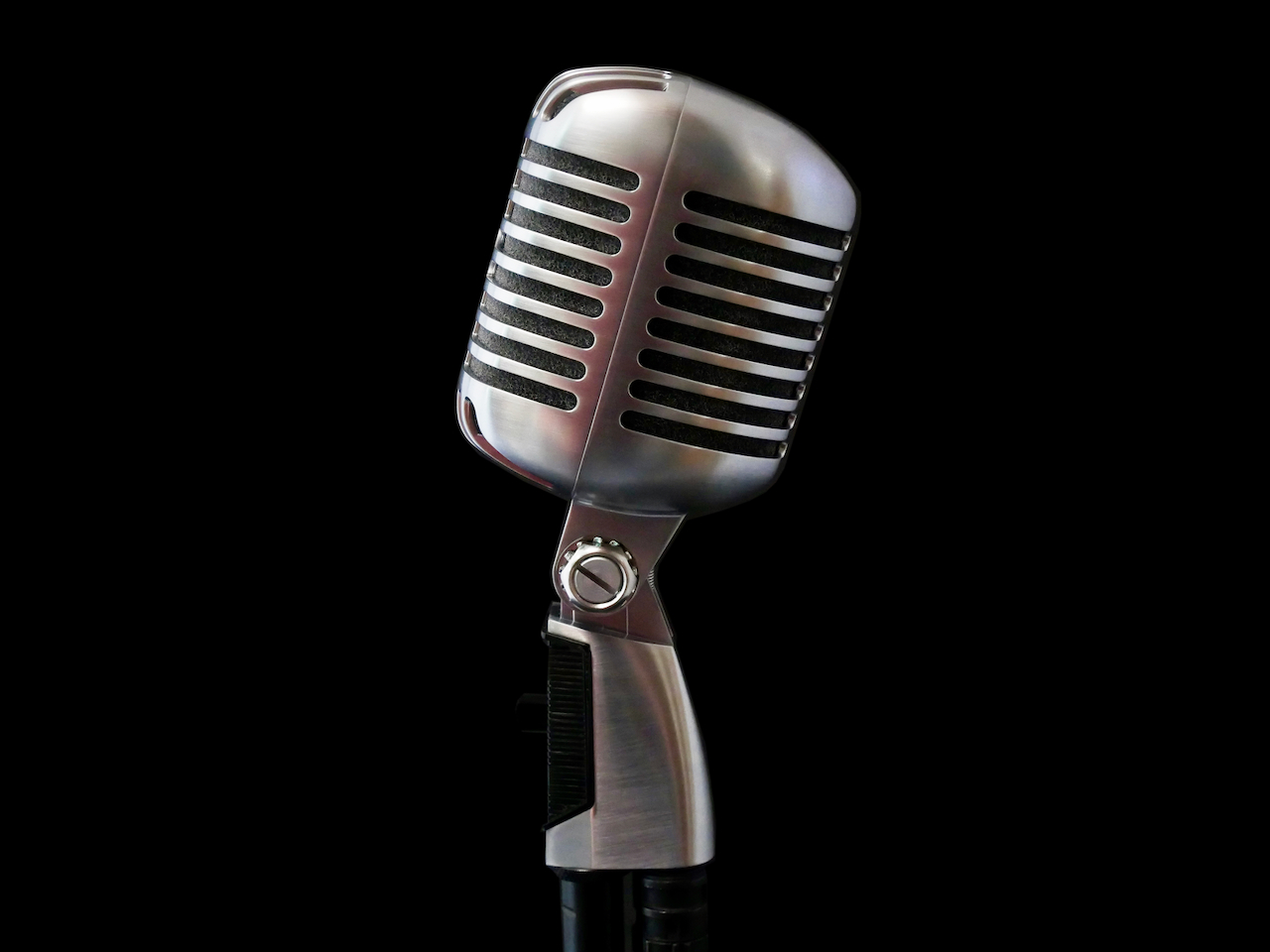
Vuonna 1951 Shure 55 sai päivitetyn kapselin (Unidyne II), sekä vielä kompaktimman rungon (Shure 55SH; SH = small housing).
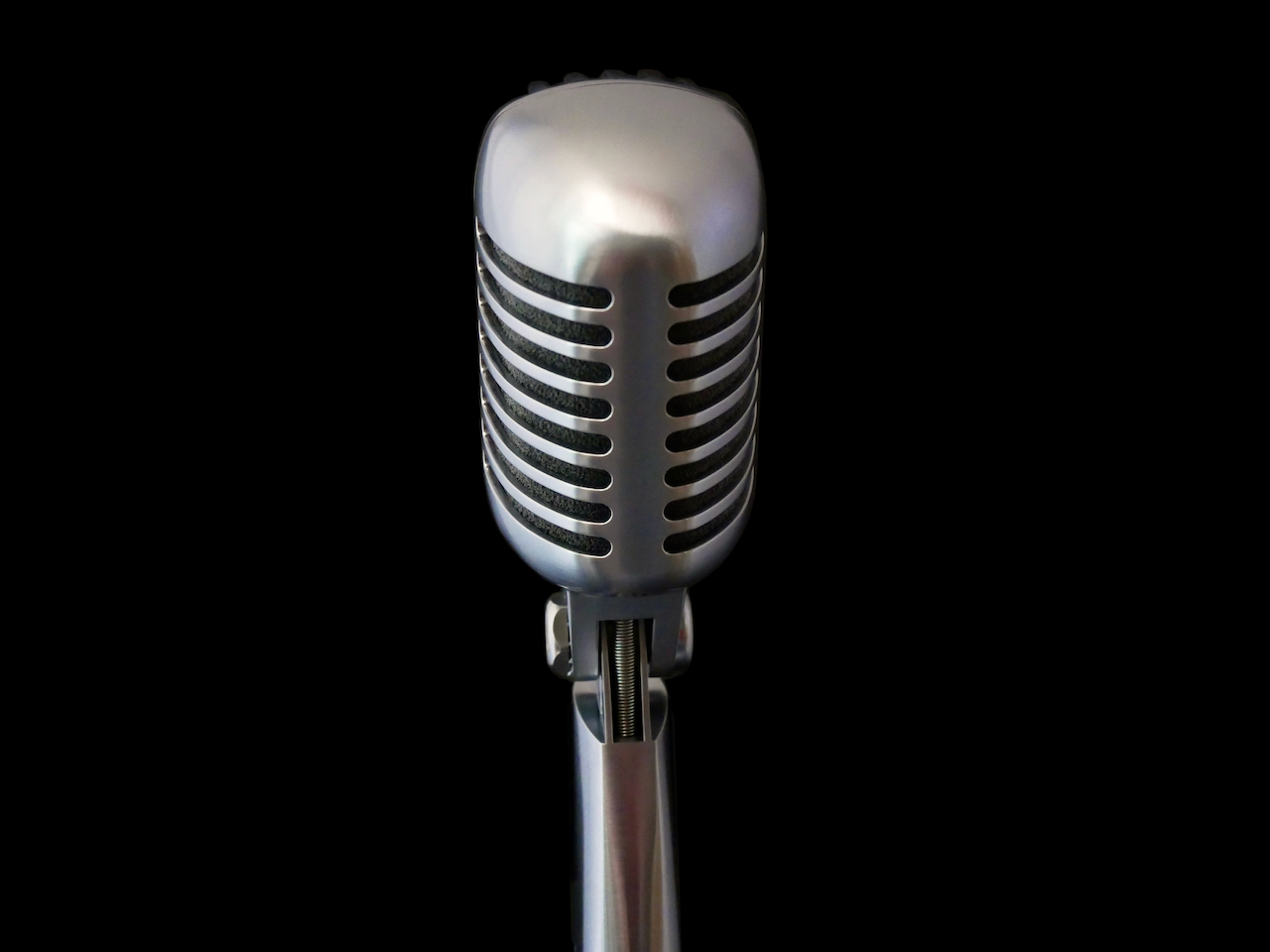
Mikin nykyinen versio – Shure 55SH Series II – ilmestyi 1980-luvun lopussa. Kapseli oli jälleen päivitetty (Unidyne III) ja samalla kapselin ripustusta on parannettu. Mikronissa on nytkin edellisen version päälle/pois-kytkin.
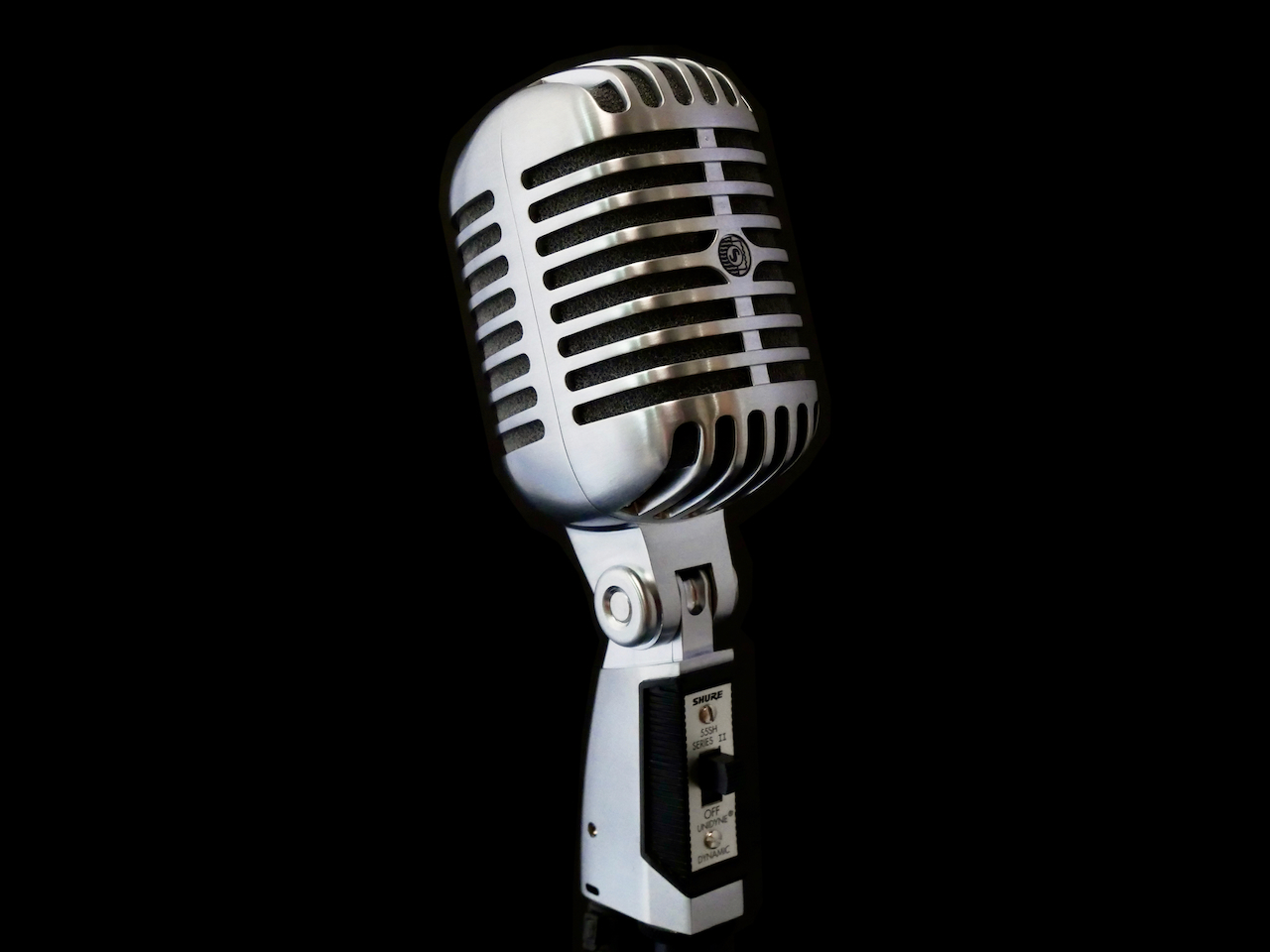
Koska 55SH oli se mikrofoni, jolla nuori Elvis nähtiin usein, tätä ikonista Shure-mallia kutsutaan edelleen laajalti ”Elvis-mikrofoniksi”.
Vaikka Shure 55SH Series II nähdään nykyään usein pelkkänä rekvisiittana filmeissä, musiikkivideoissa ja mainoksissa – etenkin jos halutaan välittää tiettyä vanhan ajan hohtoa – on tämä malli edelleen validi valinta livekäyttöön.
Kapselin sijoituksesta suuren metallikotelon sisällä johtuu 55SH:n hieman keskivoittoinen klangi (jos vertaa nykymikkeihin). Malli on myös hieman herkempi puhallusäänille ja koville konsonanteille (p, t, k), mikä on otettavaa huomioon laulajan mikrofonitekniikassa.
****
1950-luvun lopulla tyylit, musiikin genret ja tekniikka olivat kaikki edenneet, ja ääniteknikot alkoivat pyytää entistä pienempiä mikrofoneja.
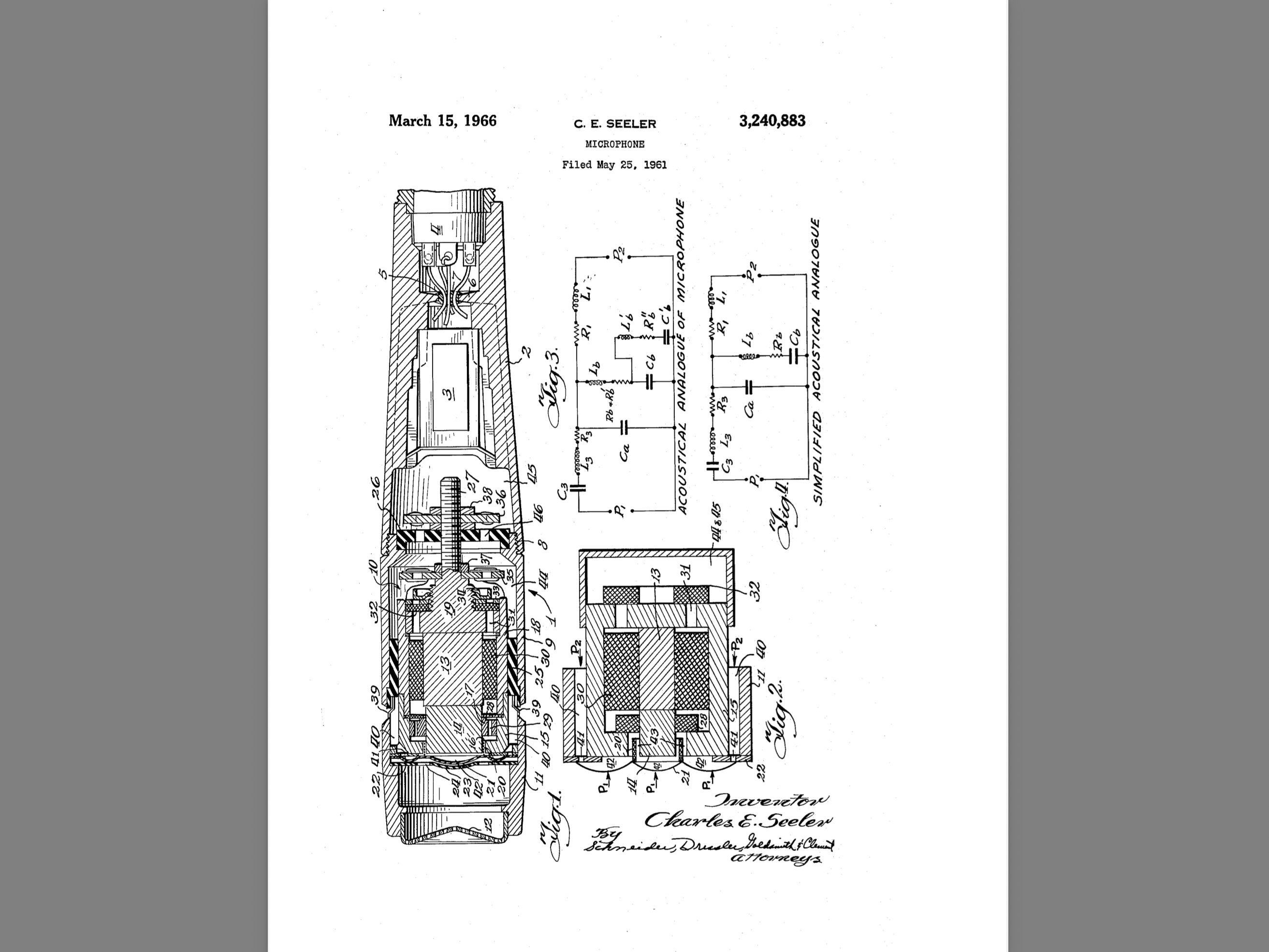
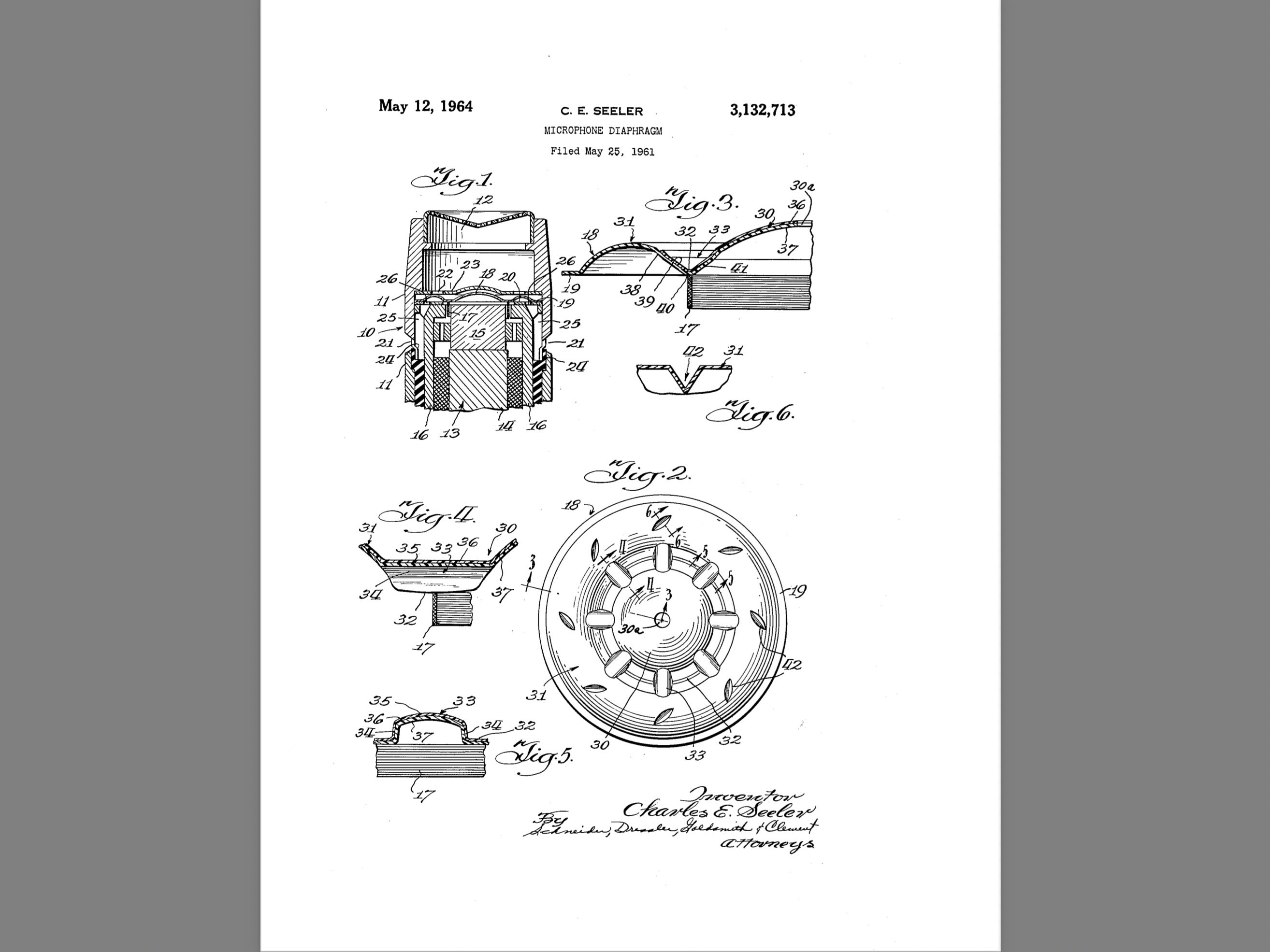
Ernie Seeler -niminen Shuren insinööri sai aikaansa aikamoisen jättipotin kehittämällä kaikkien aikojen ensimmäisen kädellä pidettävän dynaamisen mikin, johon laulettiin (tai puhuttiin) sen edestä (engl. end-firing).
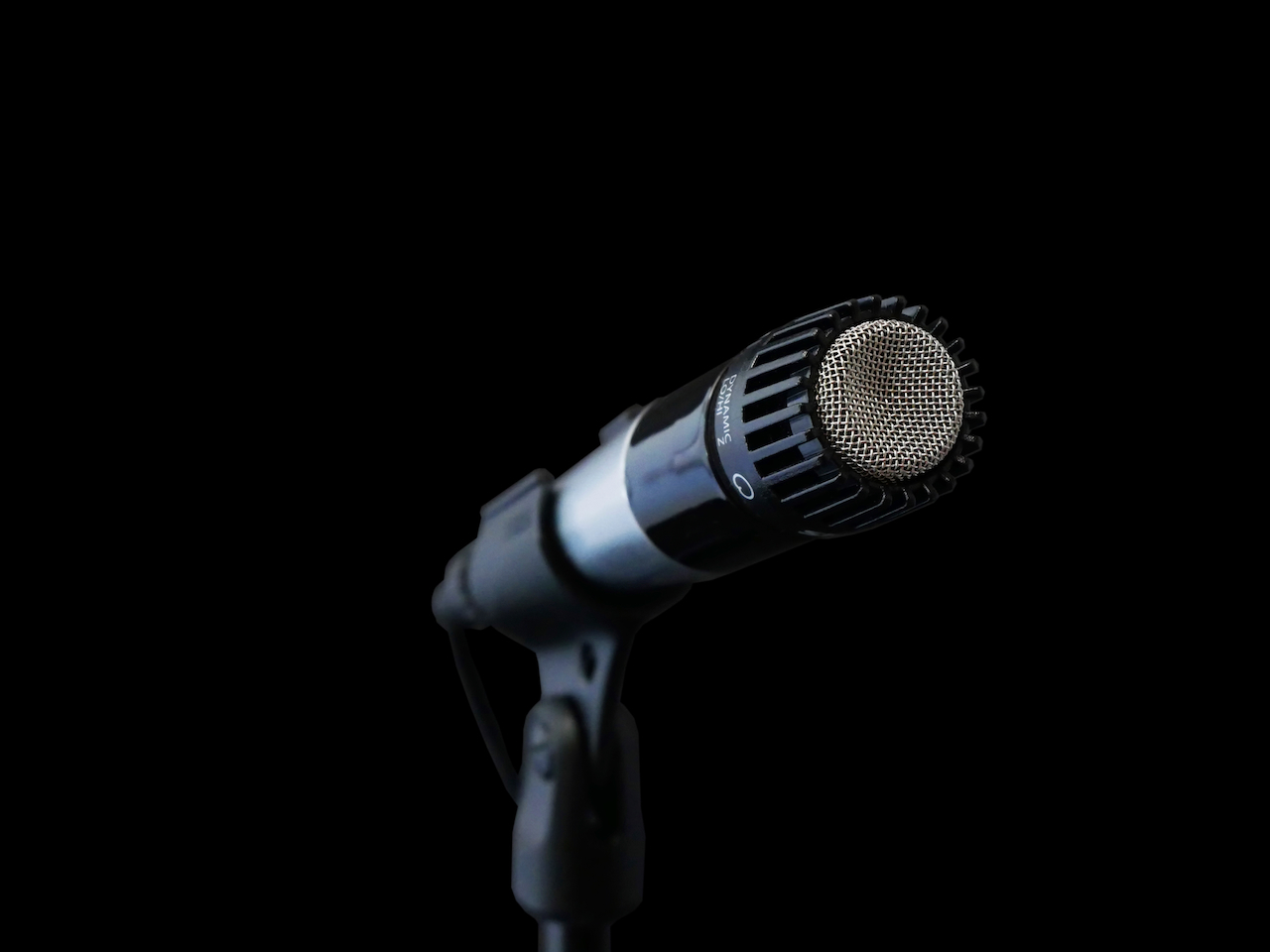
Tätä vuonna 1959 esiteltyä uutta mallia kutsuttiin nimellä Shure 545SD. 545SD sisälsi useita parannuksia, joista tärkein oli pneumaattisesti asennettu Unidyne III -kapseli.
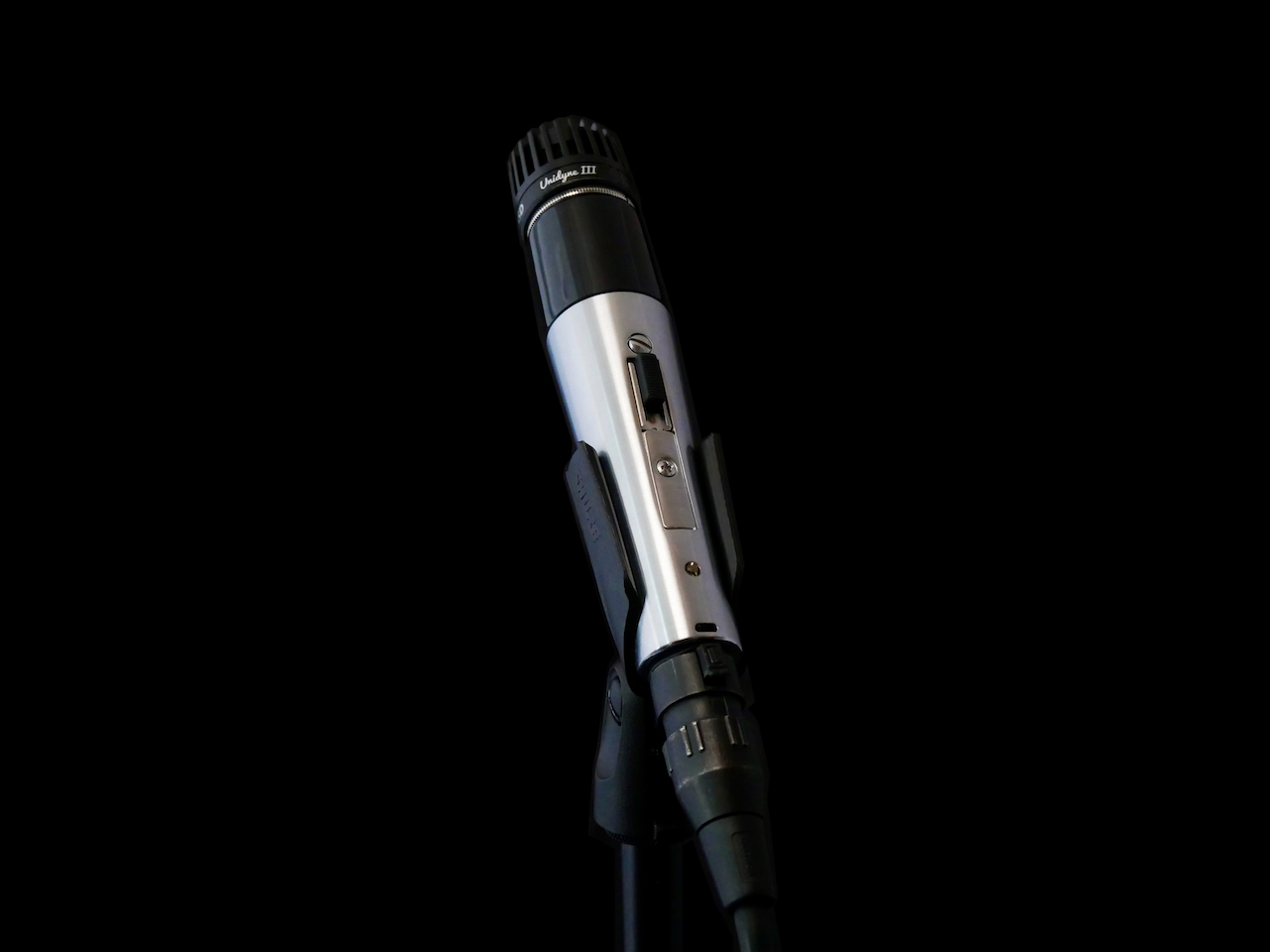
Kapselin pneumaattinen iskunvaimennus vähensi käsittelyääniä huomattavasti ja teki mikrofonin pitämisestä kädessä realistisen vaihtoehdon ensimmäistä kertaa mikrofonien historiassa.

Shuren 545SD:ssä voi vaihtaa matalasta impedanssista korkeaan, koska 50-luvun lopussa (ja 60-luvun alussa) oli vielä runsaasti korkeaimpedanssisia äänilaitteita. Nykyään enimmäkseen Blues-harpun soittajat käyttävät high-Z-asetusta mikrofonin liittämiseen suoraan kitaravahvistimeen.
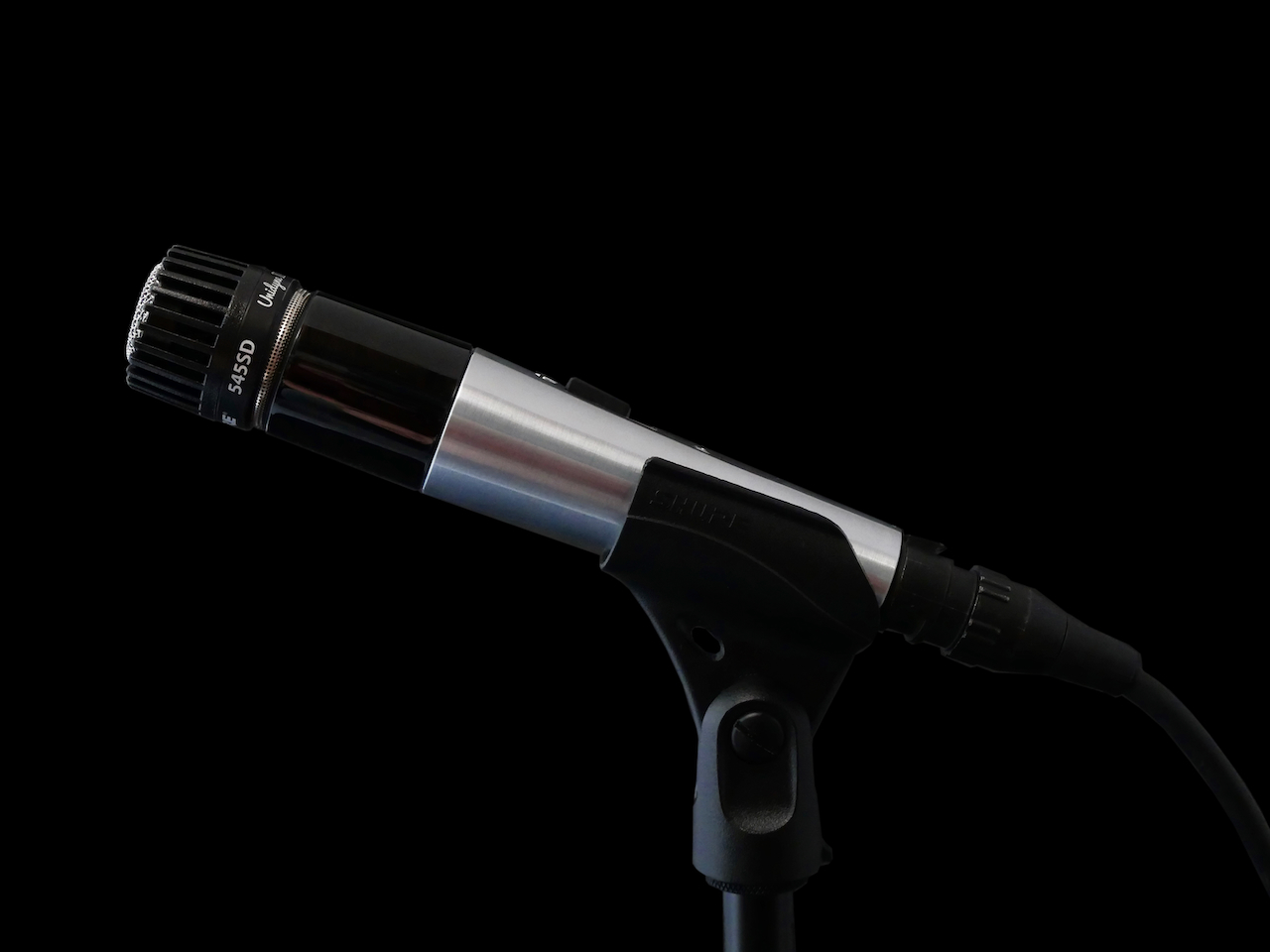
Ernie Seeler kehitti myös nerokkaan magneettisen päälle/pois-kytkimen, joka ei poksahda tai rätisee käytössä, ja joka voidaan myös haluttaessa lukita ”päällä”-asentoon.
Vaikka Shure 545SD nähdään nykyään enemmän instrumenttimikrofonina, se oli aikoinaan myös erittäin suosittu valinta laulajien keskuudessa. Esimerkiksi Beach Boys -yhtiön Brian Wilson valitsi usein studiossa 545SD:n laulumikrofoniksi ”Pet Sounds-” ja ”Smiley Smile” -sessioiden aikana.
****
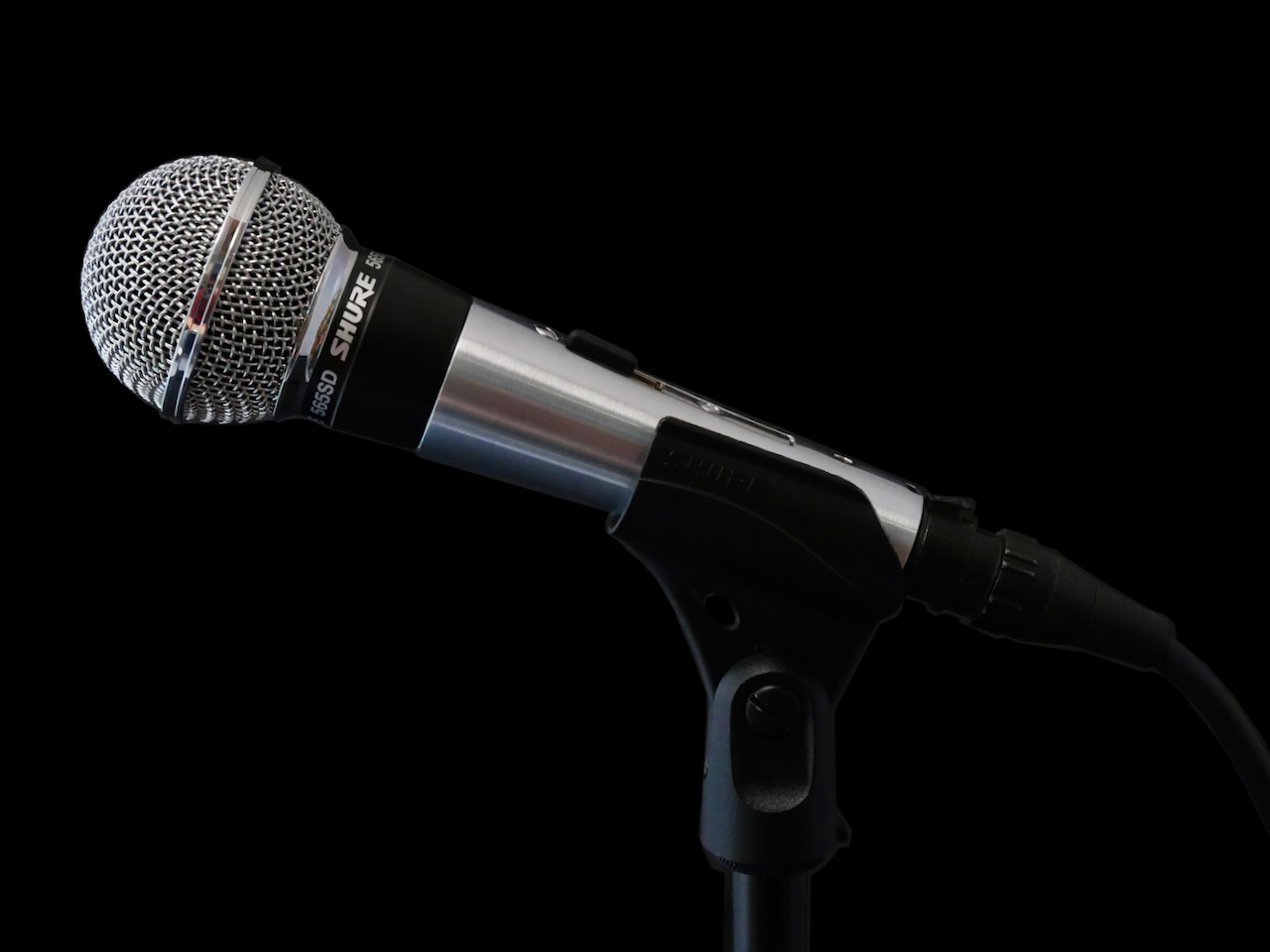
Ernie Seeler vei asioita vielä hieman pidemmälle seuraavalla luomuksellaan – Shure 565SD Unisphere I.
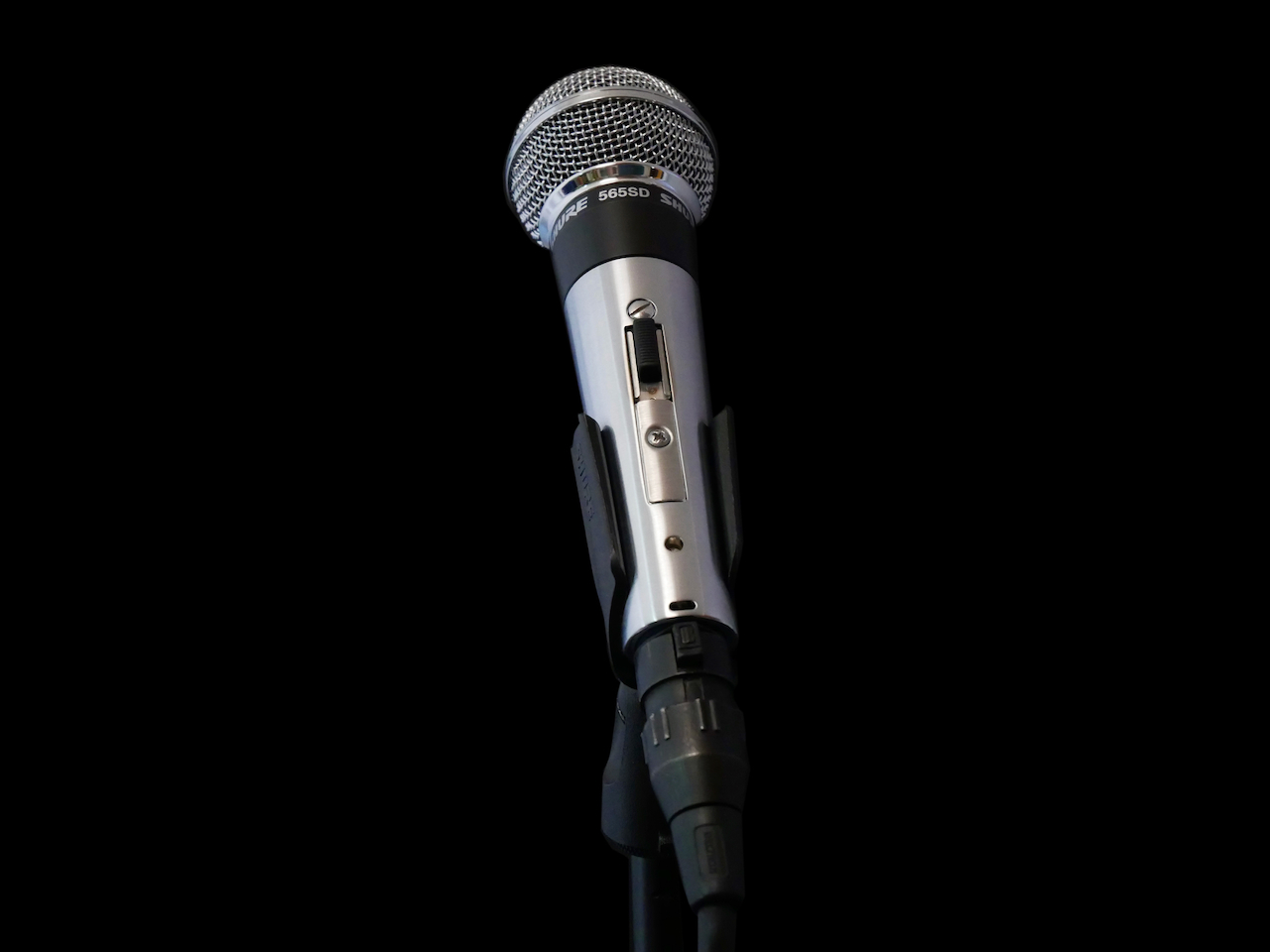
Shure 565SD perustuu 545SD:hen, mutta se lisää malliin tukevan pallomaisen tuulisuojan. Sisäänrakennettua pop-filtteriä on erittäin helppo vaihtaa, jos se vaurioituu vakavasti.

Sen lisäksi, että pallofiltteri suodattaa onnistuneesti puhallusäänet ja konsonantit 565SD:n signaalista, se johtaa myös hieman erilaiseen taajuusvasteeseen verrattuna 545SD:hen.

565SD:n suuri suosio on tehty mallin ulkomuodosta jonkinlaista kultastandardia laulumikrofoniksi. Sen legendaarinen asema johtuu osittain myös siitä, että se valittiin ainoaksi mikrofonimalliksi alkuperäisessä Woodstock-festarissa. Shure 565SD oli myös Freddie Mercuryn suosikki live-mikrofoni (”Eeeeeeeee-jo!”).
****
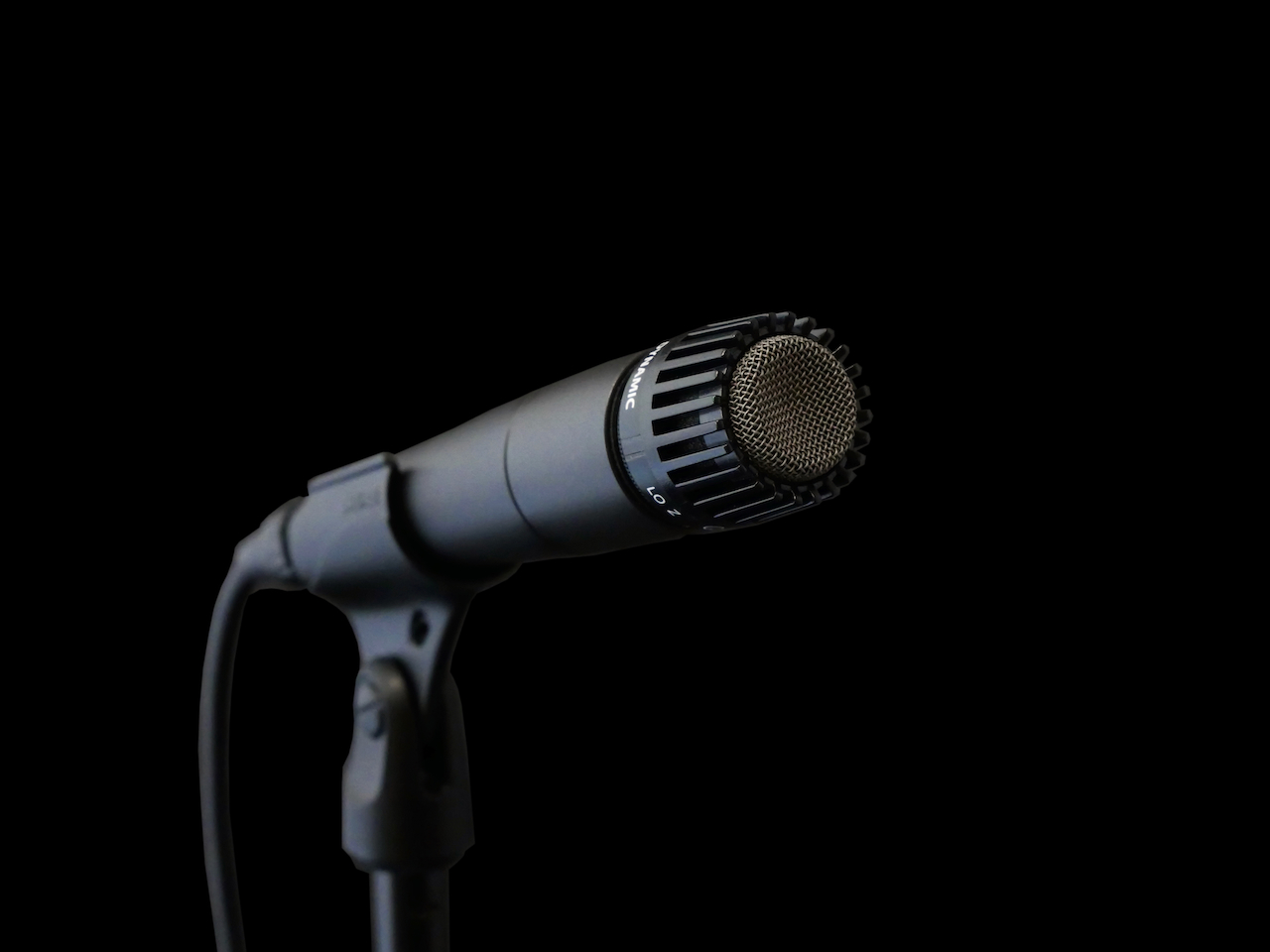
Syy siihen, miksi Shuren SM57 esiteltiin niin pian 545SD:n jälkeen, löytyy television suosiosta 1960-luvulla.
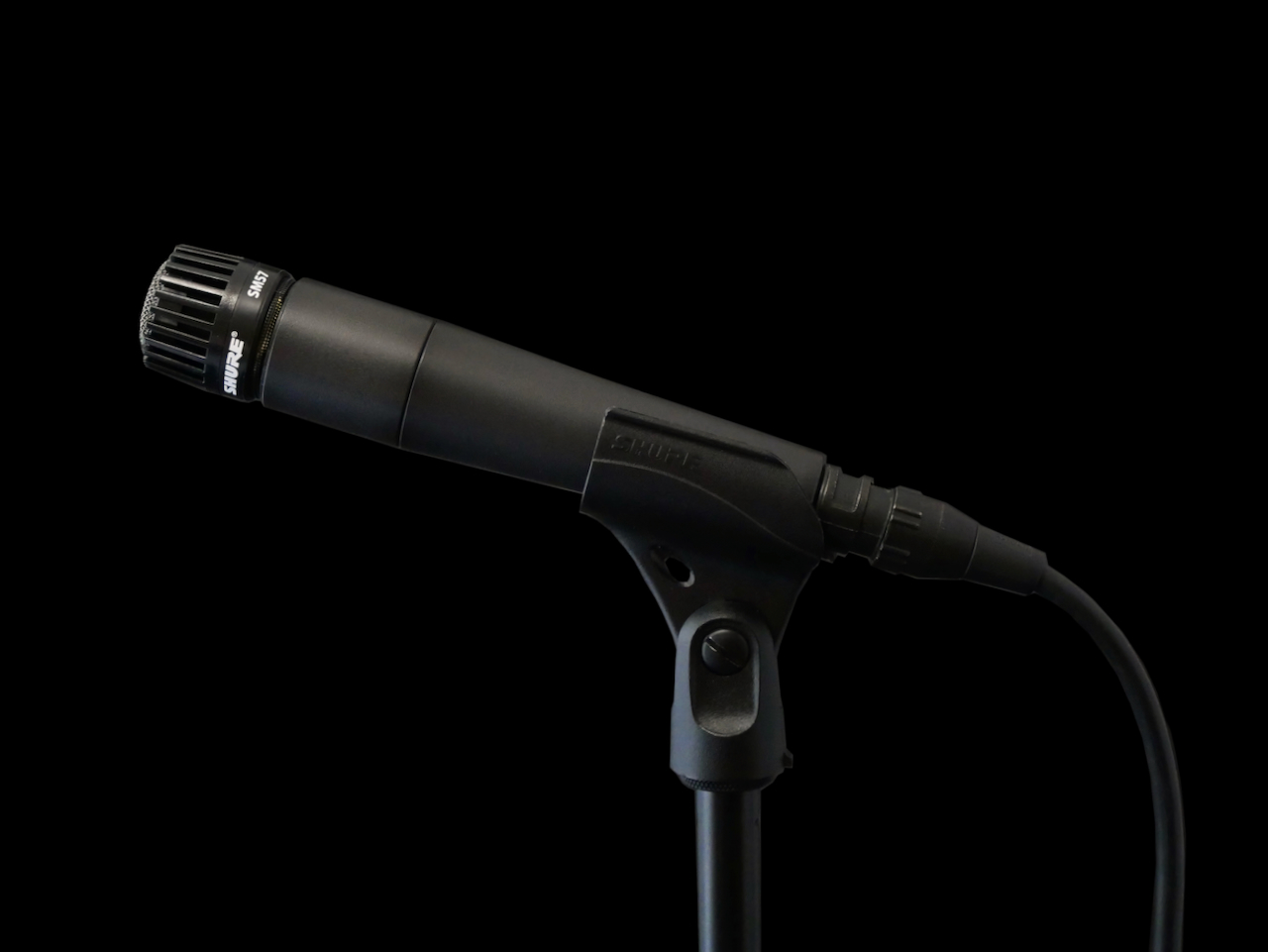
TV-studiot rakastivat 545SD:n ääntä ja kompaktia kokoa, mutta he eivät pitäneet Shure-mallin kiiltävistä, heijastavista pinnoista, jotka tekivät valaisemisesta vaikeaa.
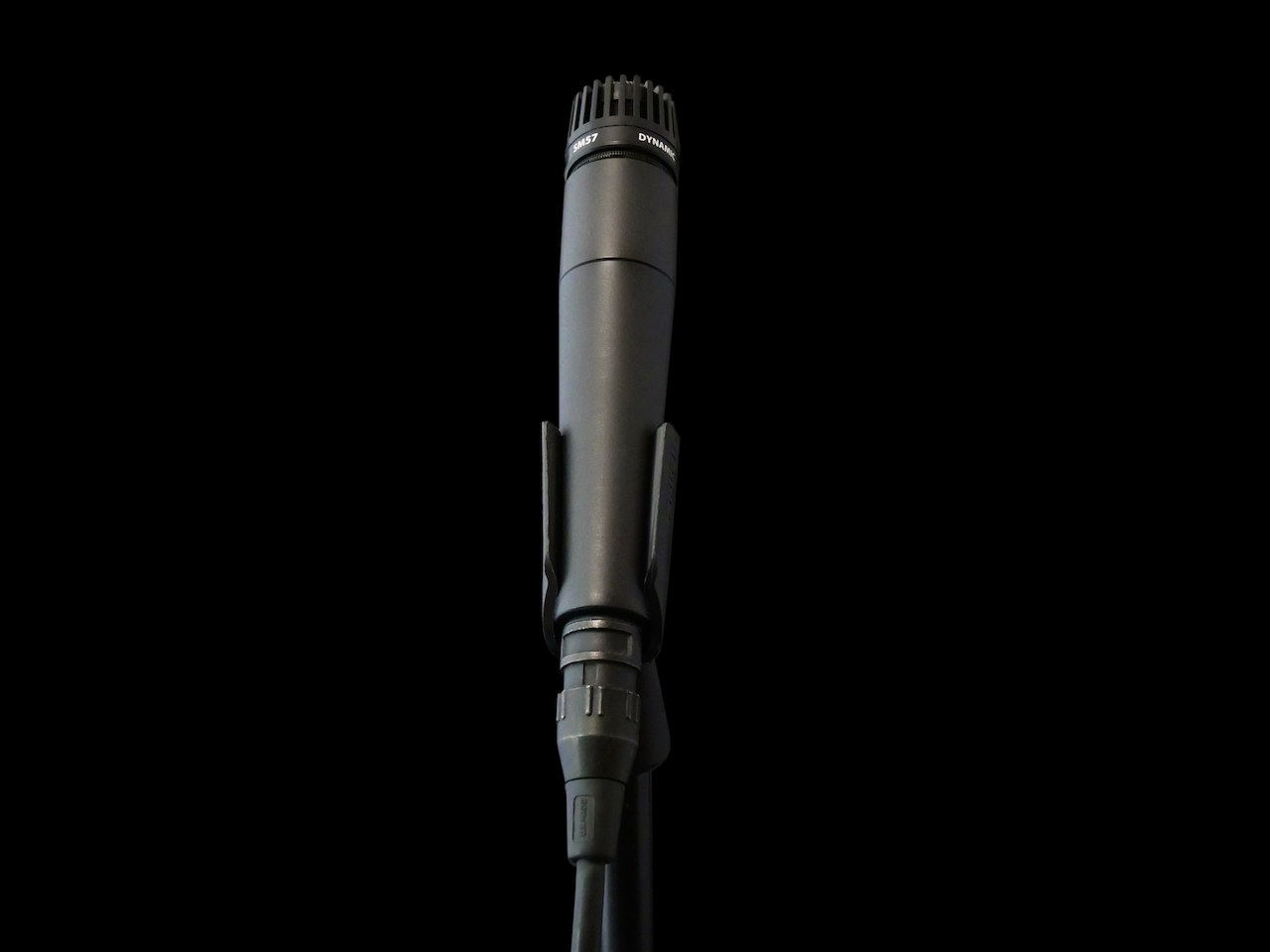
Shure SM57 -malli (”SM” tarkoittaa ”studiomikrofonia”) ratkaisi nämä ongelmat tarjoamalla mikrofonin, jonka muoto on sama kuin 545SD:ssä, mutta joka on nyt päällystetty heijastamattomalla, mattapintaisella ja tummanharmaalla viimeistelyllä. Samaan aikaan Seeler ja hänen tiiminsä poistivat myös kaksoisimpedanssiominaisuuden – joka oli tarpeeton ammattimaisessa TV-studiossa – ja on/off-kytkimen, jota ei haluttu TV-studiossa. He myös hienosäätivät osan kapselin teknisistä yksityiskohdista.

Vaikka Shure SM57:ää mainostetaan instrumenttimikrofonina, se toimii myös erittäin hyvin laulumikrofonina. Hyviä esimerkkejä ovat lukemattomat Status Quon ja Motörheadin live-esitykset, sekä SM57:n käyttö laulumikrofonina Peter Gabrielin klassikkoalbuminsa ”So” äänityksissä.
****
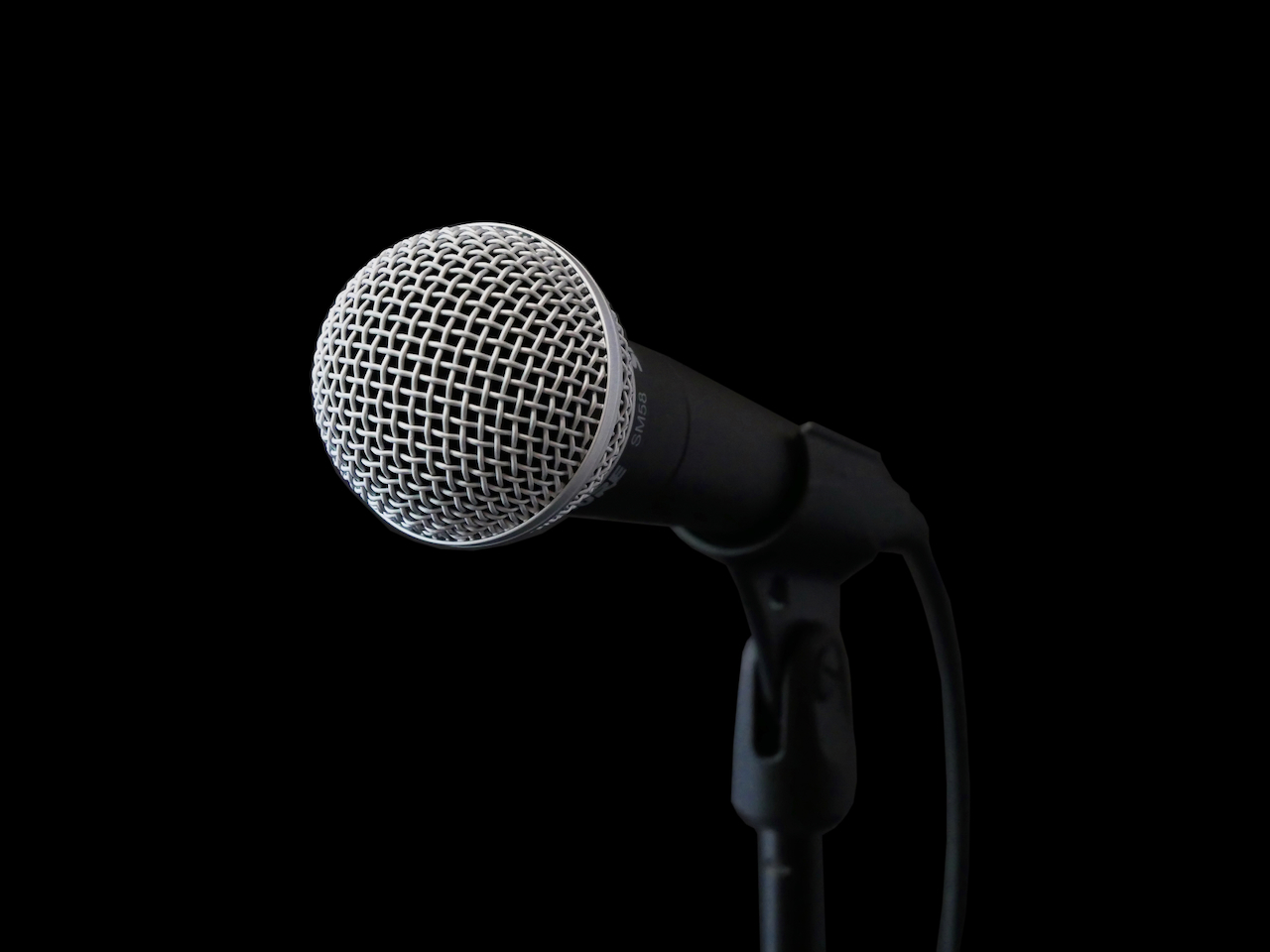
Shure SM58 on 565SD-mallille sama kuin SM57 on 545SD:lle – hieman parannettu, uudempi versio, joka on tehty erityisesti TV-studion valaistukseen.

SM58:n rungossa on sama tummanharmaa mattapinta, joka löytyy myös SM57:stä.
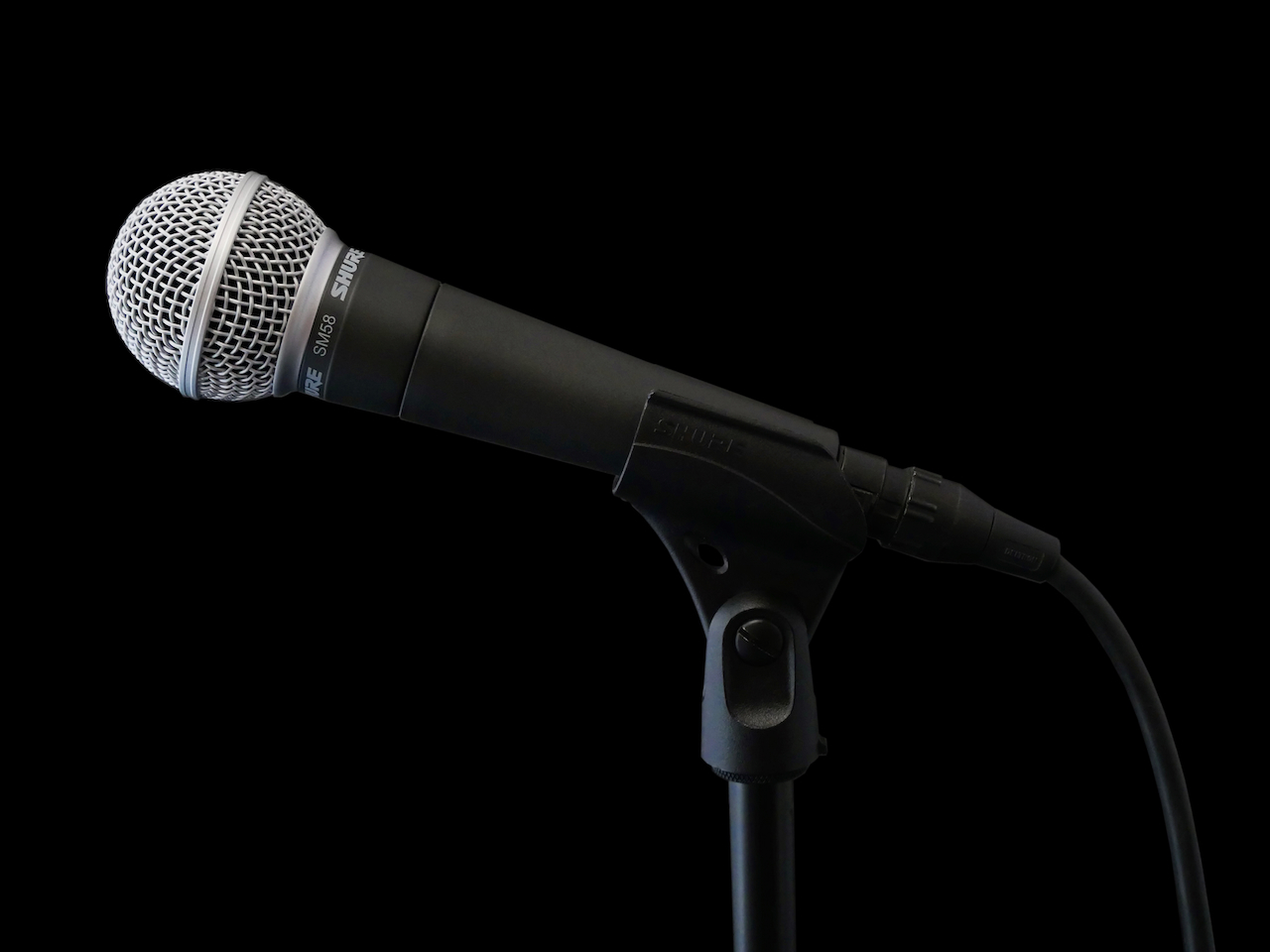
Pallomuotoista pop-filtteriäkin on uudistettu entistäkin tukevammaksi, ja sen pinnoite on heijastamaton.
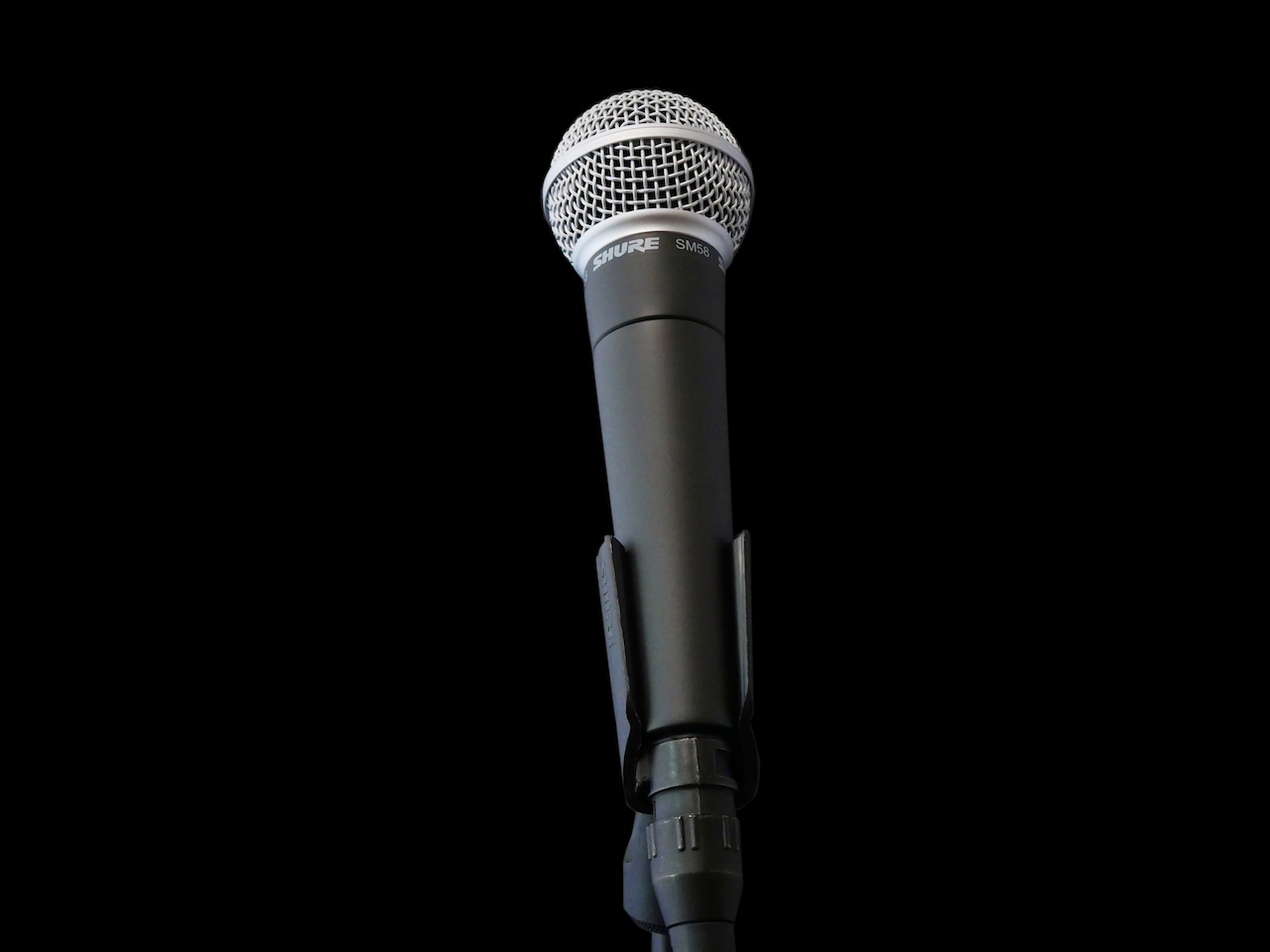
Shuren SM58 on kenties maailman tunnetuin laulumikki ikinä, joka löytyy lähes kaikista konserttipaikoista.
****
Olen tehnyt muutaman videon, josta saa käsityksen siitä, miltä nämä klassikkomikrofonit kuulostavat.
In this world of ever-heightening hyperbole, it is hard to overstate the impact Shure’s classic dynamic microphone models had when they first came out in the Thirties, Forties, Fifties and Sixties of the last century. This impact can still be felt today – the Shure SM57 and SM58 models are continuing to be ubiquitous on stages and in studios all over the globe.
What Shure managed to do then – and continues to do to this day – was to come up with sturdy, yet good sounding mics that put the proverbial show on the road in 1939. And the show still goes on…
Let’s take a look at the history and the features of Shure’s bonafide classics – the 55SH Series II, the 545SD Unidyne III, the 565SD Unisphere I, the SM57, and the SM58.
****
By the mid-1930s sound engineers had already come to the conclusion that omnidirectional microphones weren’t really the best tools for live sound applications, due to the high risk of feedback from the PA system. The solution to this problem had also been found already – the unidirectional microphone, or what we now know as the cardioid mic.
The cardioid mic picks up sound from its front, while rejecting most of the sound coming in from the sides and the back. The cardioid pattern is achieved by controlled phase cancellation. In the mid-1930s the only microphones offering a cardioid pickup pattern were either delicate and expensive condenser microphones (with two wafer-thin diaphragms) or cumbersome twin-capsule dynamic models (often combining an omnidirectional moving-coil dynamic with a figure-8 ribbon capsule).
The all-important breakthrough that made Shure’s iconic Model 55 possible was Ben Bauer’s development of the Unidyne-capsule. The moving-coil Unidyne-capsule manages to reject sound from the back by an elaborate system of air vents in the cartridge that lead to the sound from the back travelling to the diaphragm in several different ways, which in turn results in controlled phase cancellation.
Shure’s R & D team also managed to come up with a – for that time – extremely compact and very sturdy cast metal housing with a built-in swivel adapter.
The original Shure Model 55 (today known as the ”Fat Boy” for its larger, rounded housing) was what sound engineers had waited for. Here was a compact mic that gave you superior gain-before-feedback coupled with a very decent sound quality in a sturdy, roadworthy package.
In 1951 the Shure 55 was overhauled with an improved Unidyne II capsule and a smaller housing (55SH).
The current model – the Shure 55SH Series II – was introduced in the late 1980s, and features an updated cartridge (the Unidyne III) and an improved shock-mount for the capsule. It kept the on/off-switch from its predecessor.
Due to the fact that the 55SH was the mic that the young Elvis was often seen with, this iconic Shure is still widely called the ”Elvis mic”.
The Shure 55SH Series II still does have a place as a ”working mic”, besides being used in movies, commercials and music videos, whenever the makers try to delve into vintage chic and panache.
Due to the placement of the cartridge inside the large metal housing the 55SH’s sound is a little bit more mid-centred than more modern dynamic vocal mics. It can also be a tad more sensitive to wind noise and plosives, which has to be taken into account during the placement and use of the microphone.
****
By the late 1950s times, styles, musical genres and technology had all moved on, and sound technicians started to ask for even smaller microphones.
A Shure engineer by the name of Ernie Seeler hit the proverbial jackpot by developing the first-ever handheld, end-firing, unidirectional moving-coil microphone.
This new model – introduced in 1959 – was called the Shure 545SD. The 545SD encompassed a whole number of improvements, the most important one being the pneumatically mounted Unidyne III capsule.
The pneumatic shock-mount reduces handling noise drastically, and it made holding the microphone in your hand a realistic option for the first time.
The Shure 545SD is a dual-impedance mic, because back in the late-50s/early-60s there was still plenty of high-impedance audio equipment around. These days it’s mostly Blues harp players, who use the high-Z setting to connect the mic to a guitar amplifier.
Ernie Seeler also came up with an ingenious magnetic on/off-switch that doesn’t pop or crackle in use, and that can also be locked in the ”on” position if desired.
Although the Shure 545SD is seen more as an instrument microphone these days, it was also a very popular choice for singers back in the day. The Beach Boys’ Brian Wilson often chose a 545SD in the studio for his lead vocals during the ”Pet Sounds” and ”Smiley Smile” era.
****
Ernie Seeler took things a little bit further with his next design – the Shure 565SD Unisphere I.
The Shure 565SD is based on the 545SD, but adds a sturdy spheric windshield to the design. The built-in pop filter is very easy to replace, should it become seriously damaged.
In addition to improving the 565SD’s resistance to plosives and wind noise, the ball grille also leads to a slightly different frequency response, when compared to the 545SD.
The success of the 565SD has meant that its look has become the gold standard for handheld vocal microphones. Its legendary status is due to the fact that it was chosen as the only microphone model at the original Woodstock Festival. The Shure 565SD was also Freddie Mercury’s preferred live mic (”Aaayeee-oh!”).
****
The reason Shure followed up the 545SD with the SM57 so quickly can be found in the popularity of TV in the 1960s.
TV studios loved the sound and compact size of the 545SD, but they disliked the shiny, reflective surfaces of the Shure model, that made lighting a chore.
The Shure SM57 (the ”SM” stands for ”studio mic”) addressed these issues, by providing a mic with the same slim shape as the 545SD, but now clad in a non-reflective, matte dark gray finish. While they were at it, Seeler and his team also did away with the dual-impedance feature – that was unnecessary in the professional TV studio – and with the on/off-switch – that was unwanted in the TV studio. They also fine-tuned the capsule’s detailed specifications.
Again, although the Shure SM57 is touted as an instrument microphone, it also performs very well as a vocal mic. Good examples are many live shows of Status Quo and Motörhead, as well as Peter Gabriel’s use of the SM57 for vocals during the recording of his classic album ”So”.
****
The Shure SM58 is to the 565SD what the SM57 is to the 545SD – a slightly redesigned, newer version, made especially for use under TV studio lighting.
The SM58’s body sports the same dark gray matte finish also found on the SM57.
The ball grille has been redesigned to be even sturdier. Its finish is a non-reflective light gray.
The Shure SM58 is a true million-seller that has stood the test of time. This model can be found in most venues all over the globe.
****
I’ve prepared a few videos to give you an idea of how these five classics perform.
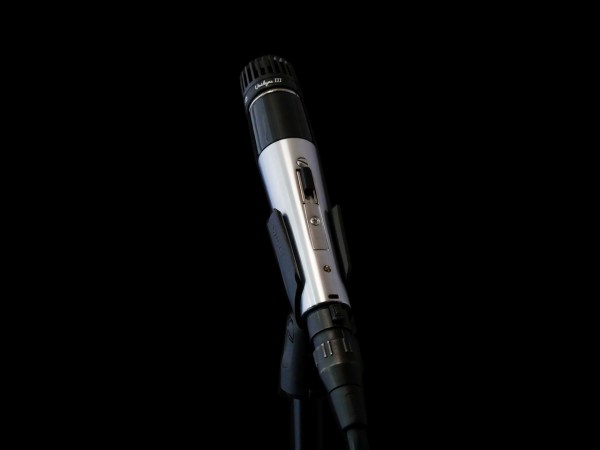
I used five dynamic Shure microphones to record an all-valve guitar combo:
• Shure SM58
• Shure 565SD
• Shure SM57
• Shure 545SD
• Shure 55SH Series II
****
• Amp used – Bluetone Black Prince Reverb
• Guitar used – Fender (Japan) Stratocaster
• Mic preamp – Cranborne Audio Camden EC2
• Audio interface – Universal Audio Volt 2
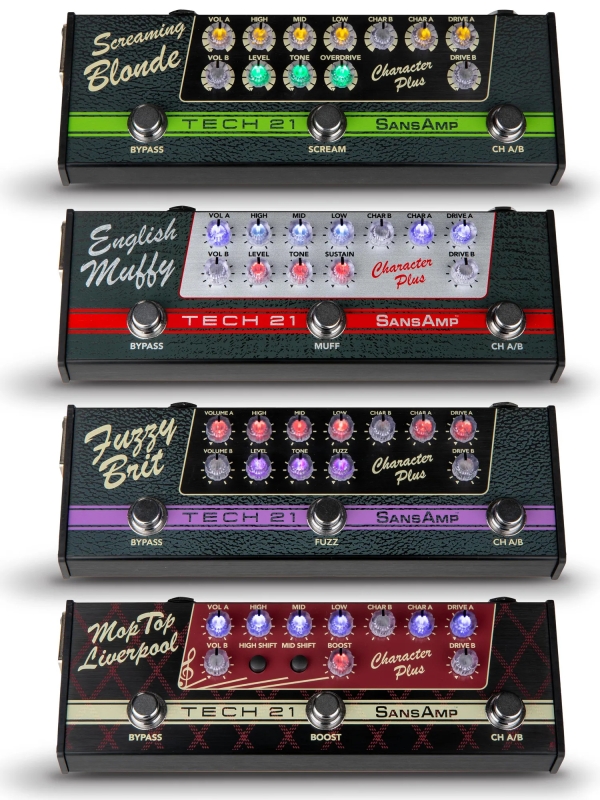
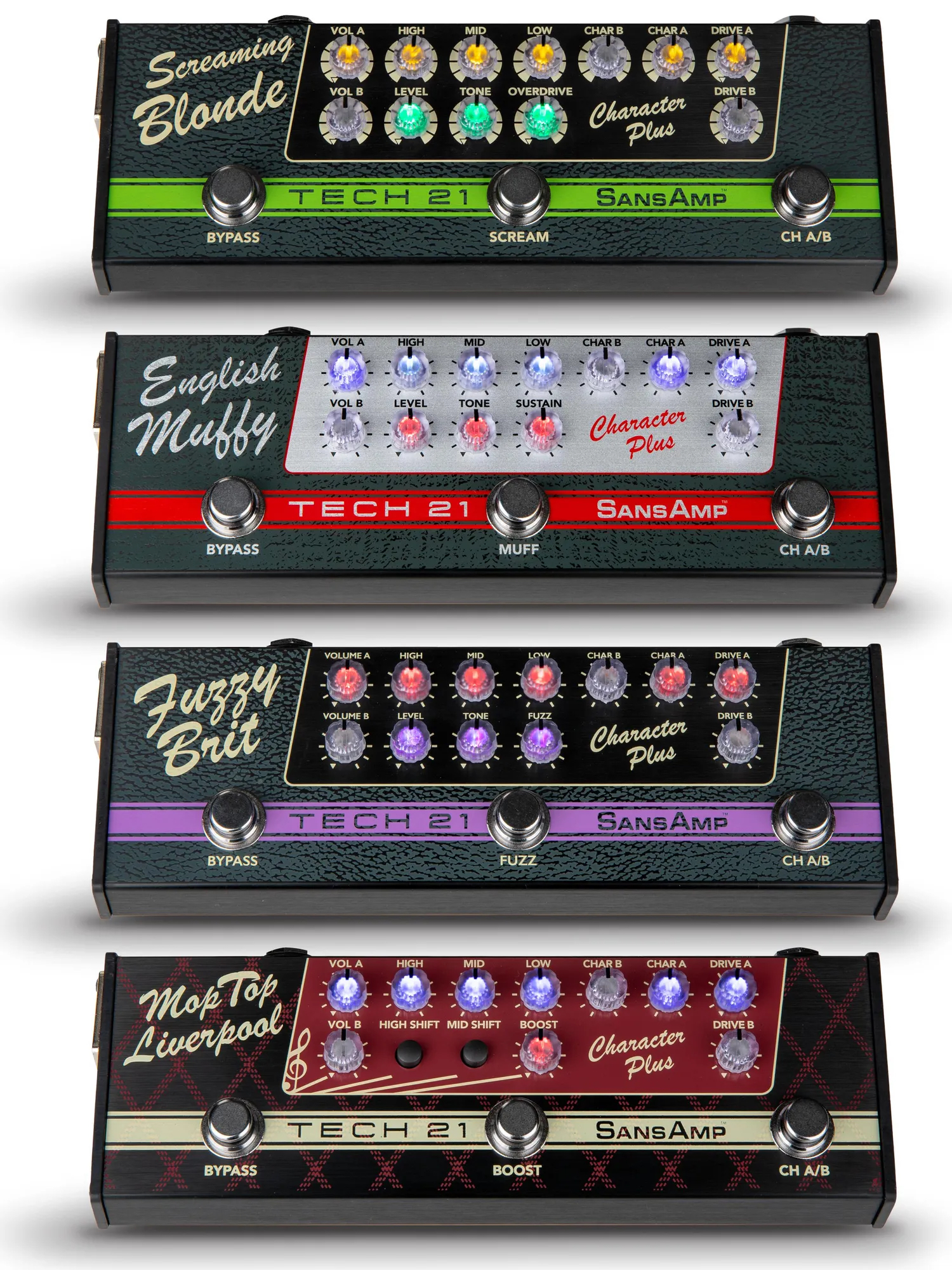
Tech 21 NYC tunnetaan erinomaisista analogisista SansAmp-vahvistin- ja kaiutinsimulaatioistaan, jotka ovat tehneet kitaran (tai basson) soittamisen ilman fyysistä vahvistinta mahdolliseksi kauan ennen digitaalisten mallintajien tai impulssivastetekniikan tuloa. Tech 21:n huippukompaktien Fly Rig -multiefektien valikoima perustuu yhtiön SansAmp-teknologiaan, ja ne tarjoaa keikkailevalle muusikolle koko signaaliketjun, joka mahtuu kätevästi gigbägin sivutaskuun.
Tech 21:n uusi Character Plus -sarja lähestyy hyvin samanlaista teemaa hieman eri näkökulmasta. Jokainen neljästä Character Plus -pedaalista (369 €, kpl) tarjoaa kitaristille ajattoman, klassisen vahvistimen ja lattiaefektin yhdistelmän. Character-nuppi, josta nämä pedaalit ovat saaneet nimensä, antaa sinun mennä portaattomasti valitun vahvistimen useiden eri versioiden läpi, ja uutuuspedaalien kaksikanavainen olemus helpottaa esimerkiksi komppi- ja soolosoundin säätämistä etukäteen.
EQ-osio on jaettu kunkin pedaalin molempien kanavien kesken, mikä saattaa näyttää paperilla hieman rajoittavalta, mutta osoittautui melko ongelmattomaksi tosielämässä.
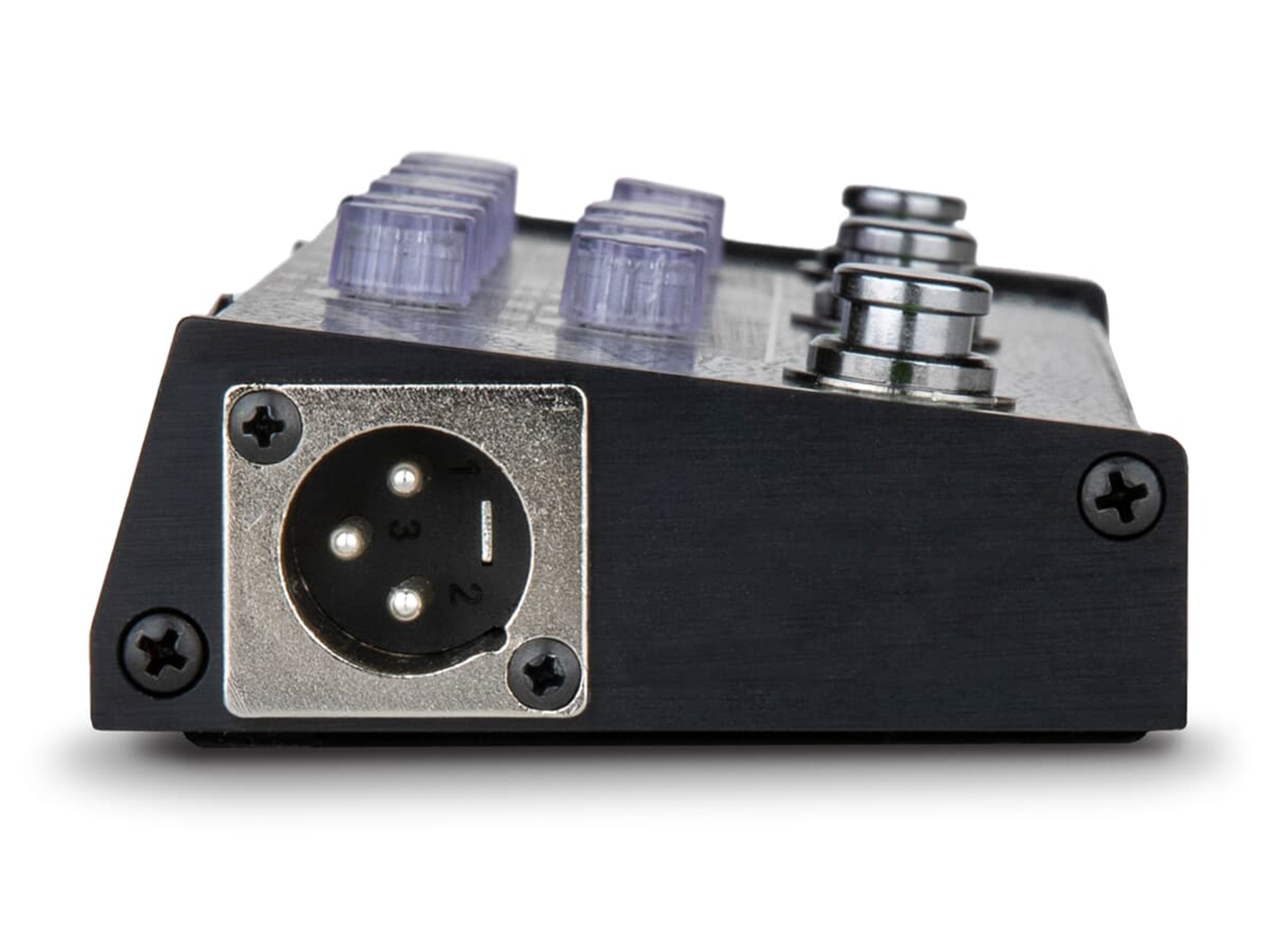
Character Plus -sarjassa on perinteiset jakit signaalin tuloa ja lähtöä varten, jos haluat käyttää efektin fyysisen vahvistimen edessä. Balansoidulla XLR-ulostulolla taas voi lähettää SansAmp-signaalin eteenpäin audiointerfacelle tai mikserille.
****
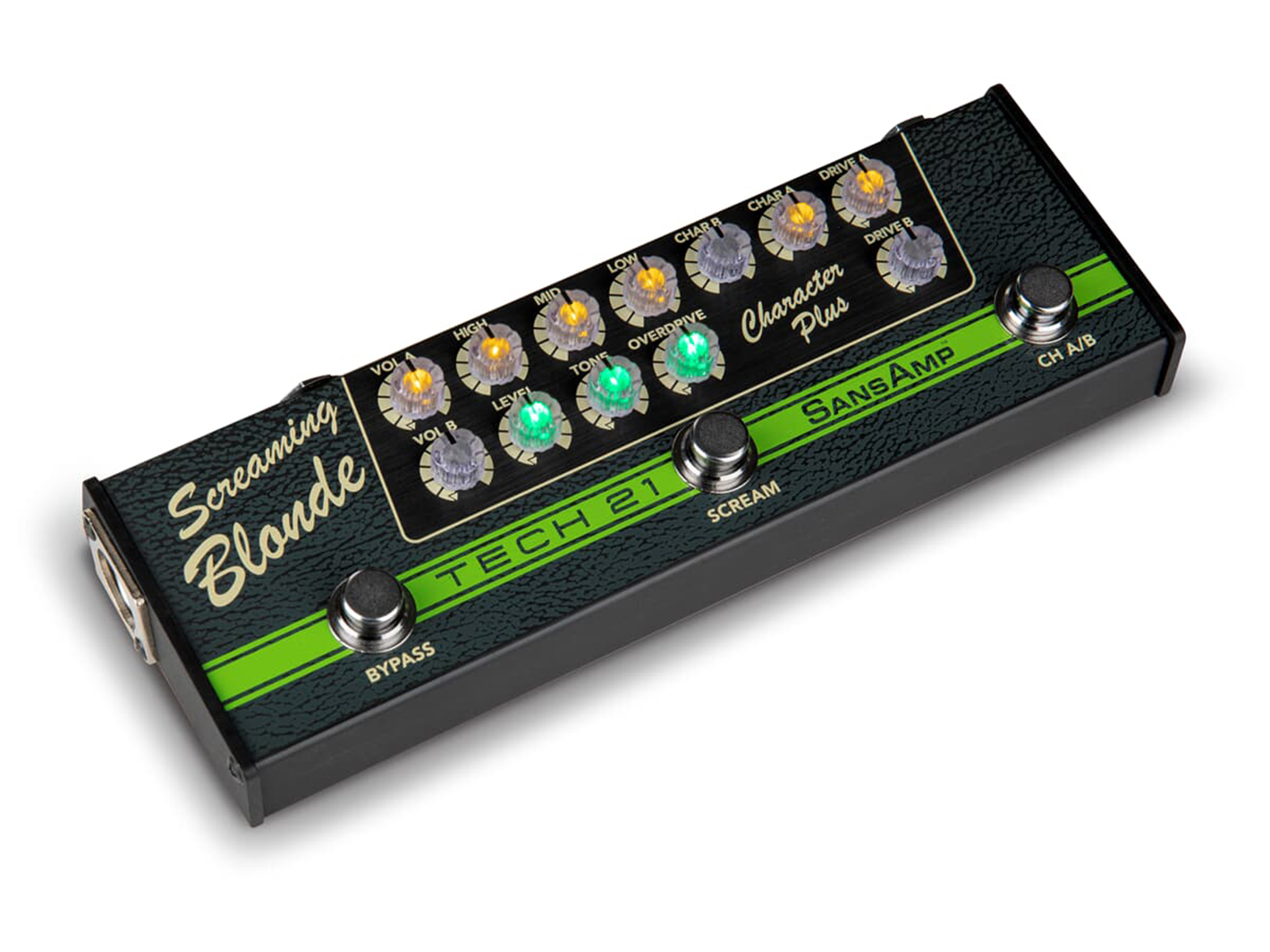
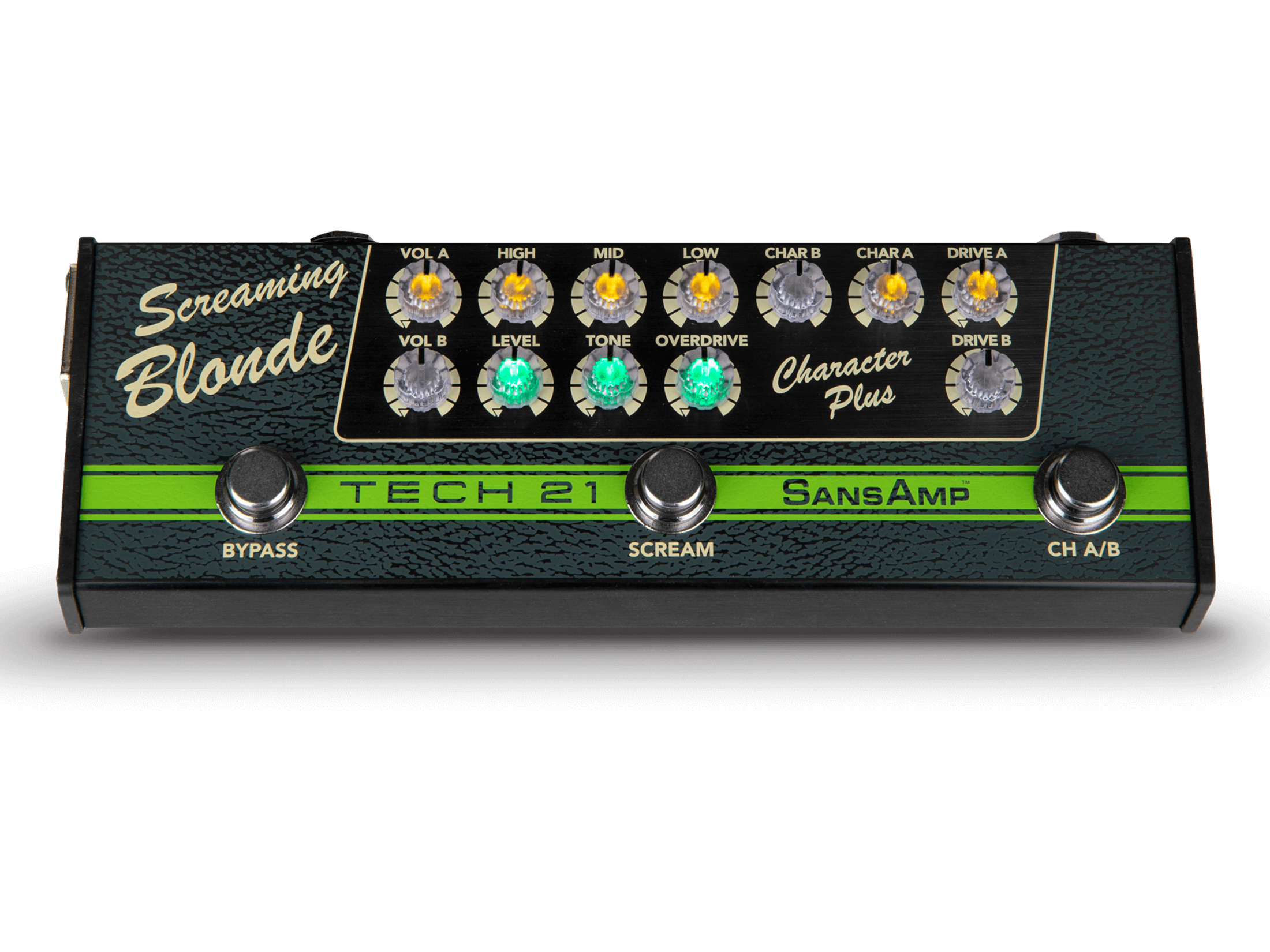
Tech 21 Screaming Blonde on sarjan Fender-vaikutteinen tapaus. Kummankin kanavan Character-säädin pyyhkäisee läpi erilaisia Fender-tyylisiä soundeja – Tweedistä Blackfaceen – ja säätimellä on myös vaikutusta kanavan gain-rakenteeseen.
Scream-kytkin aktivoi Tube Screamer -tyylisen overdrive-särön, joka on optimoitu toimimaan saumattomasti Screaming Blonden vahvistinkanavien kanssa, minkä ansiosta tämä poljin on loistava valinta kaikkeen tanssibändistä Texas- tai Chicago-bluesiin.
****

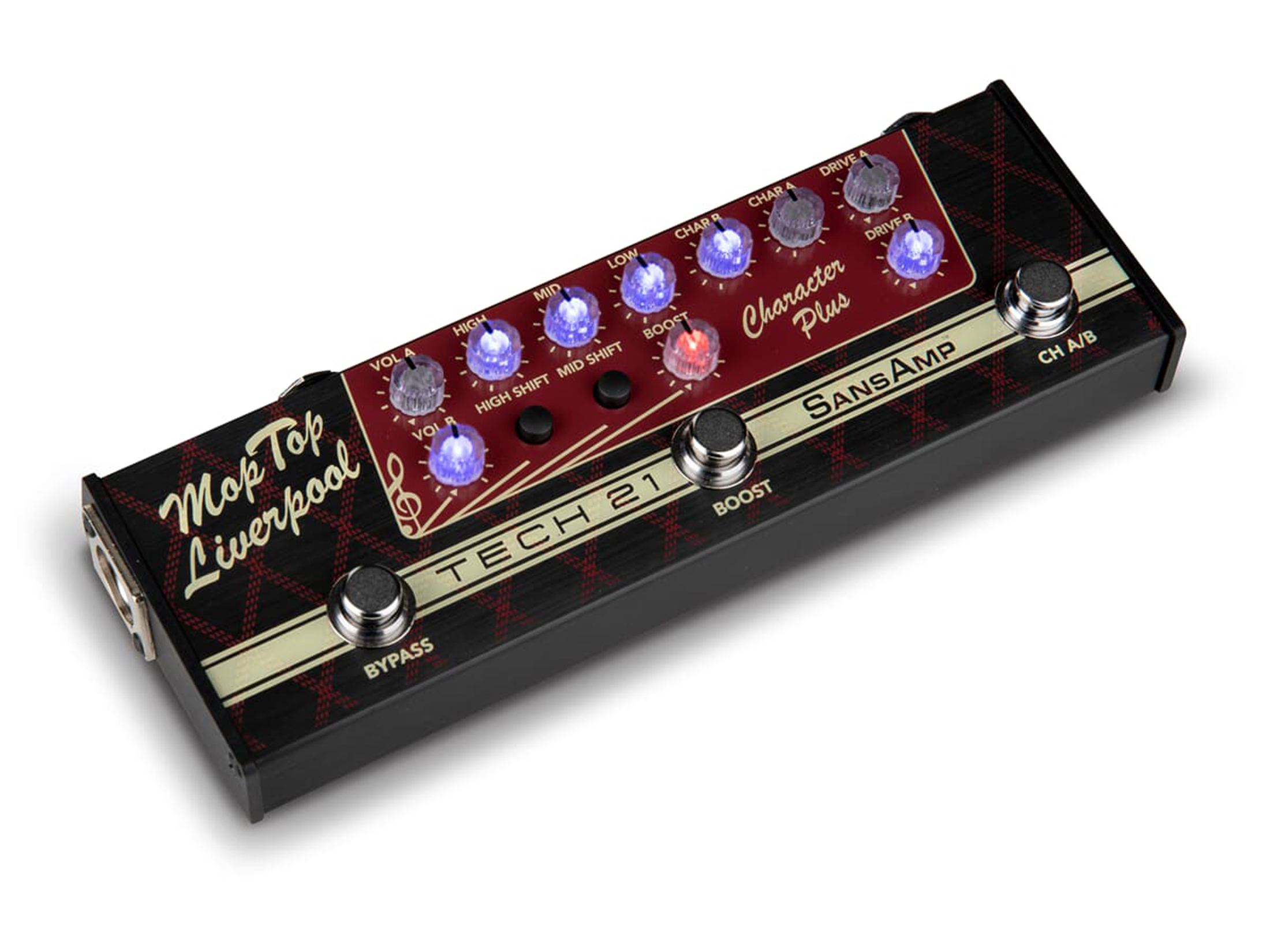
Tech 21 Mop Top Liverpool viittaa nimessään Beatlesiin, ja sekä nimi että timanttikangaskuvioinen grafiikka taas viittaavat Vox-tyyliseen SansAmp-piiriin. Toisin kuin muissa Character Plus -pedaaleissa, Mop Top Liverpoolista löytyy kaksi hieman erisoundista kanavaa. Tämä tarkoittaa, että pedaali mahdollistaa minkä tahansa tyypillisen AC30-äänen – Shadowsista aina Rory Gallagheriin tai Queeniin – varsinkin kun ylimääräinen Boost-osio on itse asiassa myös kaksi boosteria yhdessä pakkauksessa.
Vastapäivään kello 12 alkaen Boost-säädin lisää soundin runsaasti keskialuetta, kun taas myötäpäivään se lisää diskanttia signaaliin. Pari taajuudenvaihtopainiketta tekee Liverpool Mop Topista vielä entistäkin monipuolisemman.
****
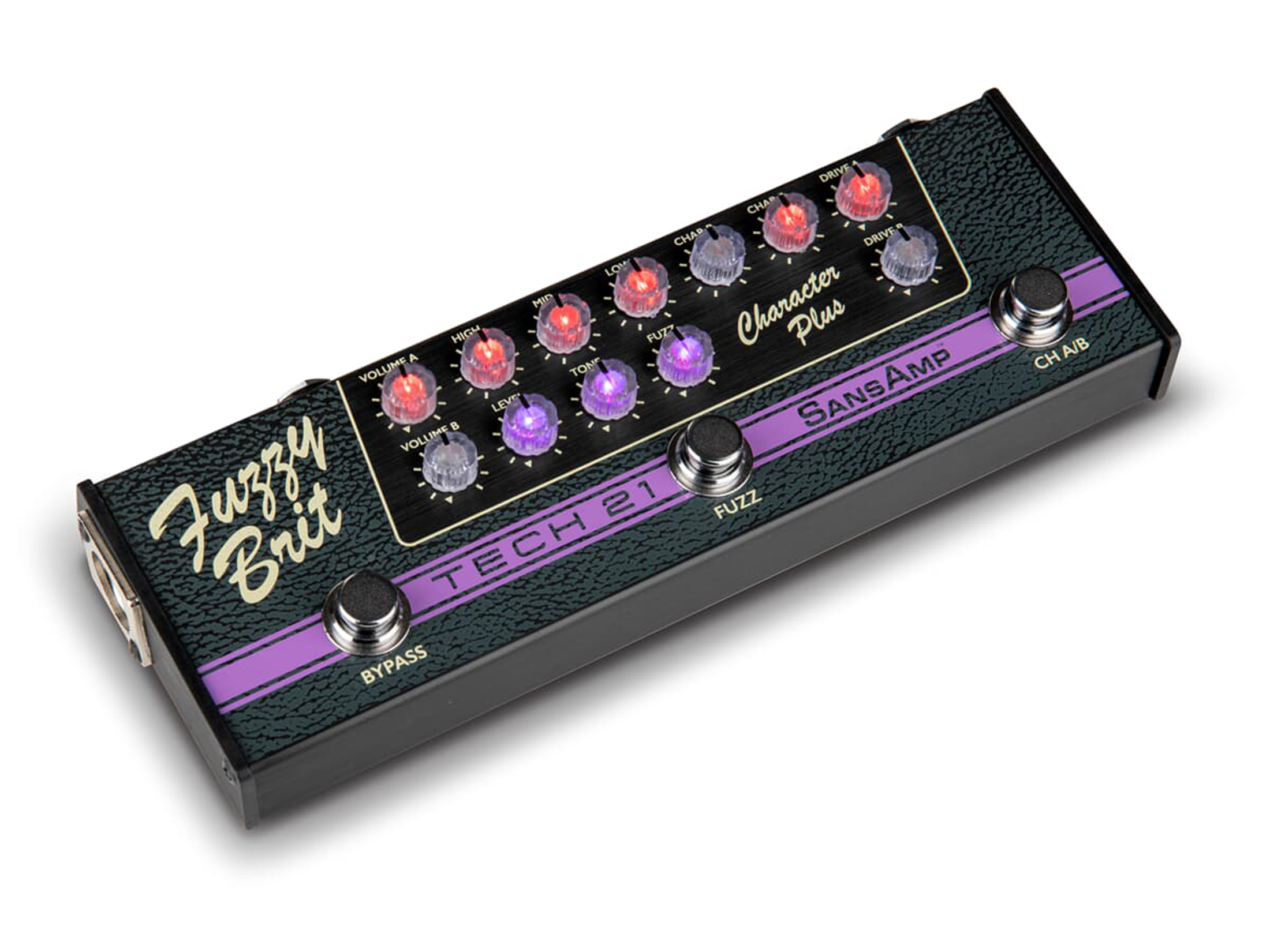
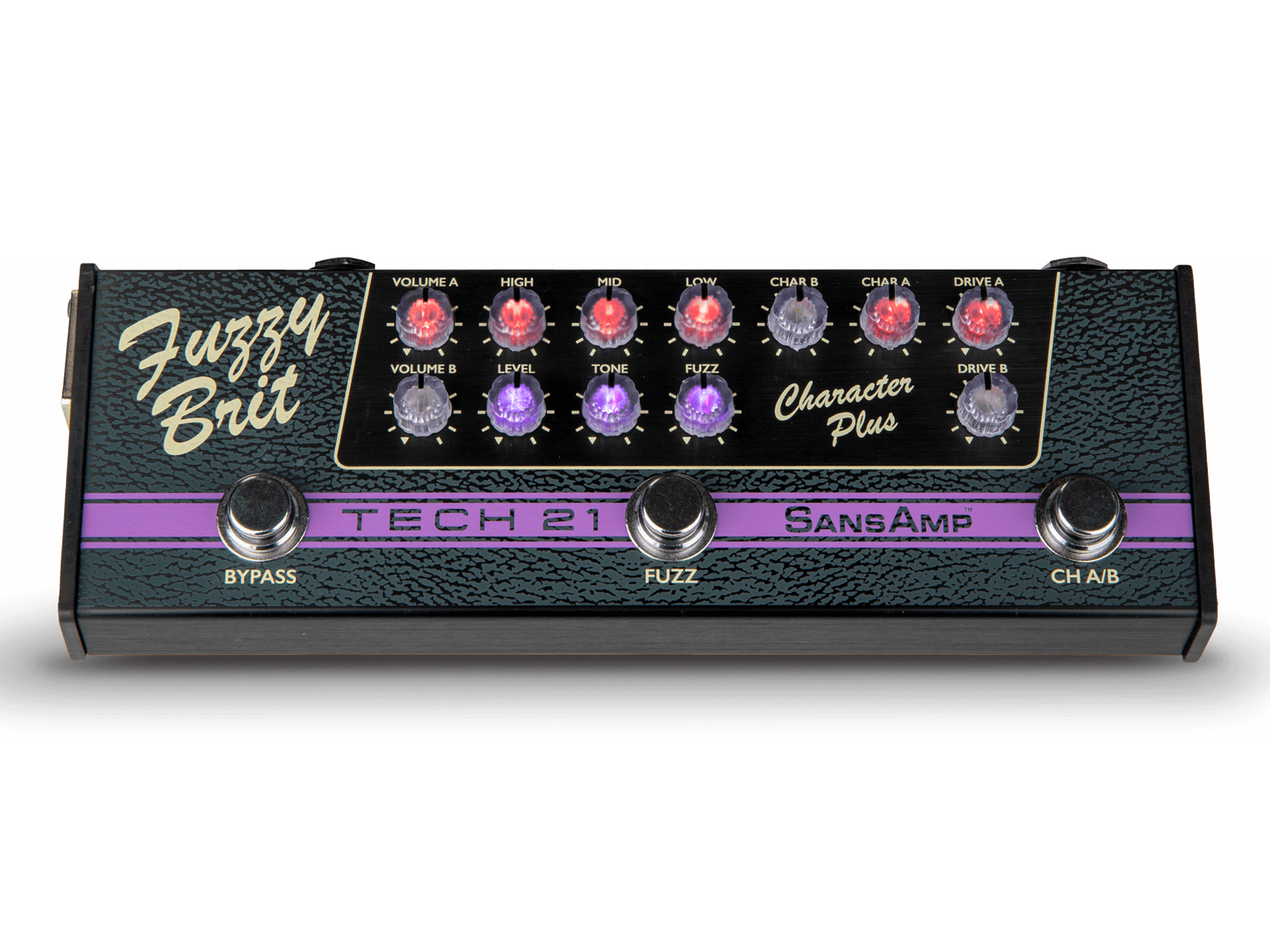
Tech 21 Fuzzy Brit vie asiat selvästi klassiseen Hendrix-soundin suuntaan, koska se sisältää kaksi Marshall-tyylistä kanavaa ja niiden lisäksi Fuzzface-tyylisen särön.
Character-säädin tarjoaa myös tässä joukon erilaisia, mutta yhtä klassisia versioita Marshall-murinasta ”Beanosta” aina ”Ladylandiin” ja 1970-luvun Metaliin.
Fuzz-piiri perustuu silikoni-Fuzzfaceen, mutta lisämausteena toimii tässä Tone-säätö, jonka avulla voit kesyttää liian terävää diskanttia.
****
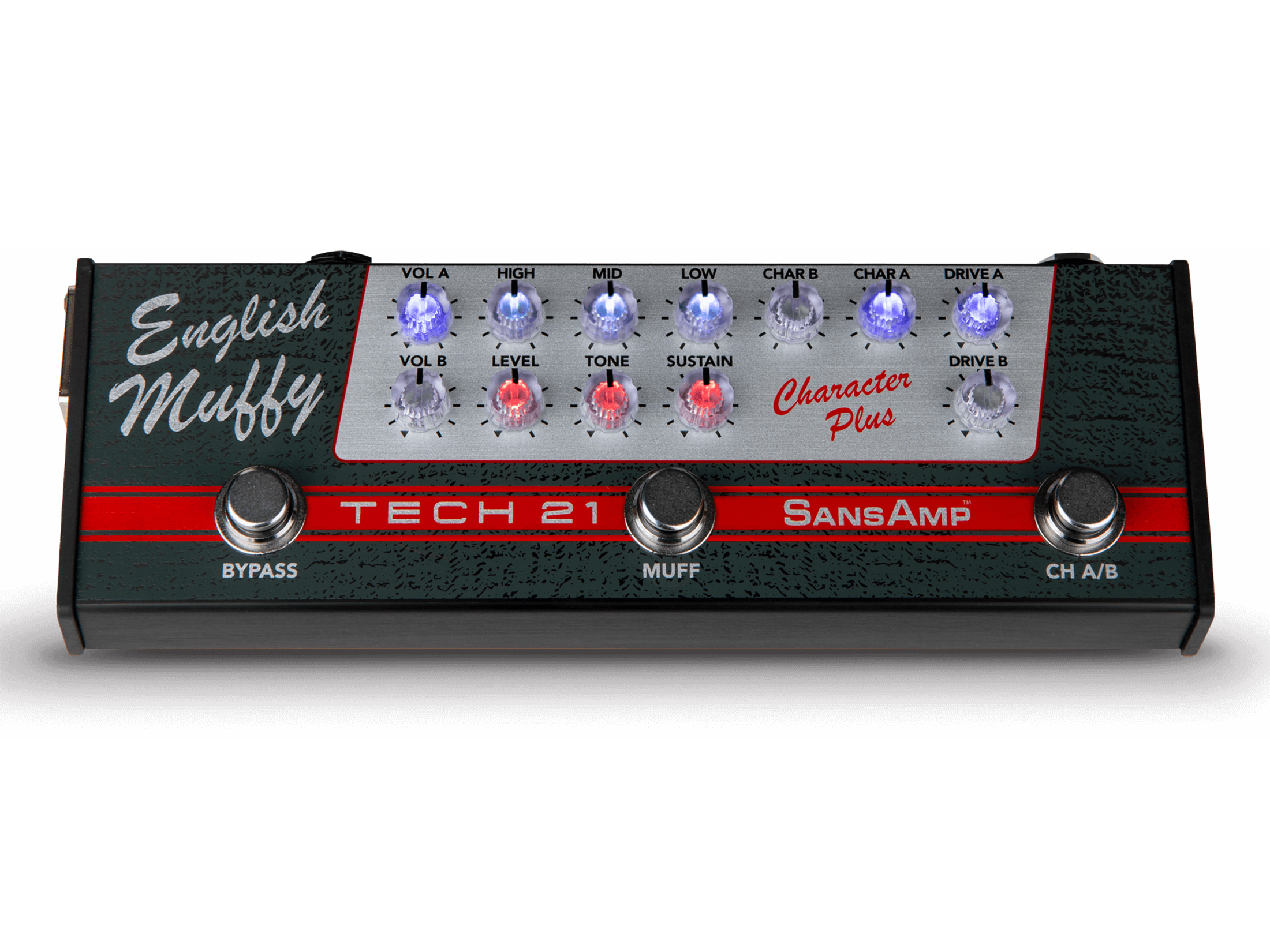
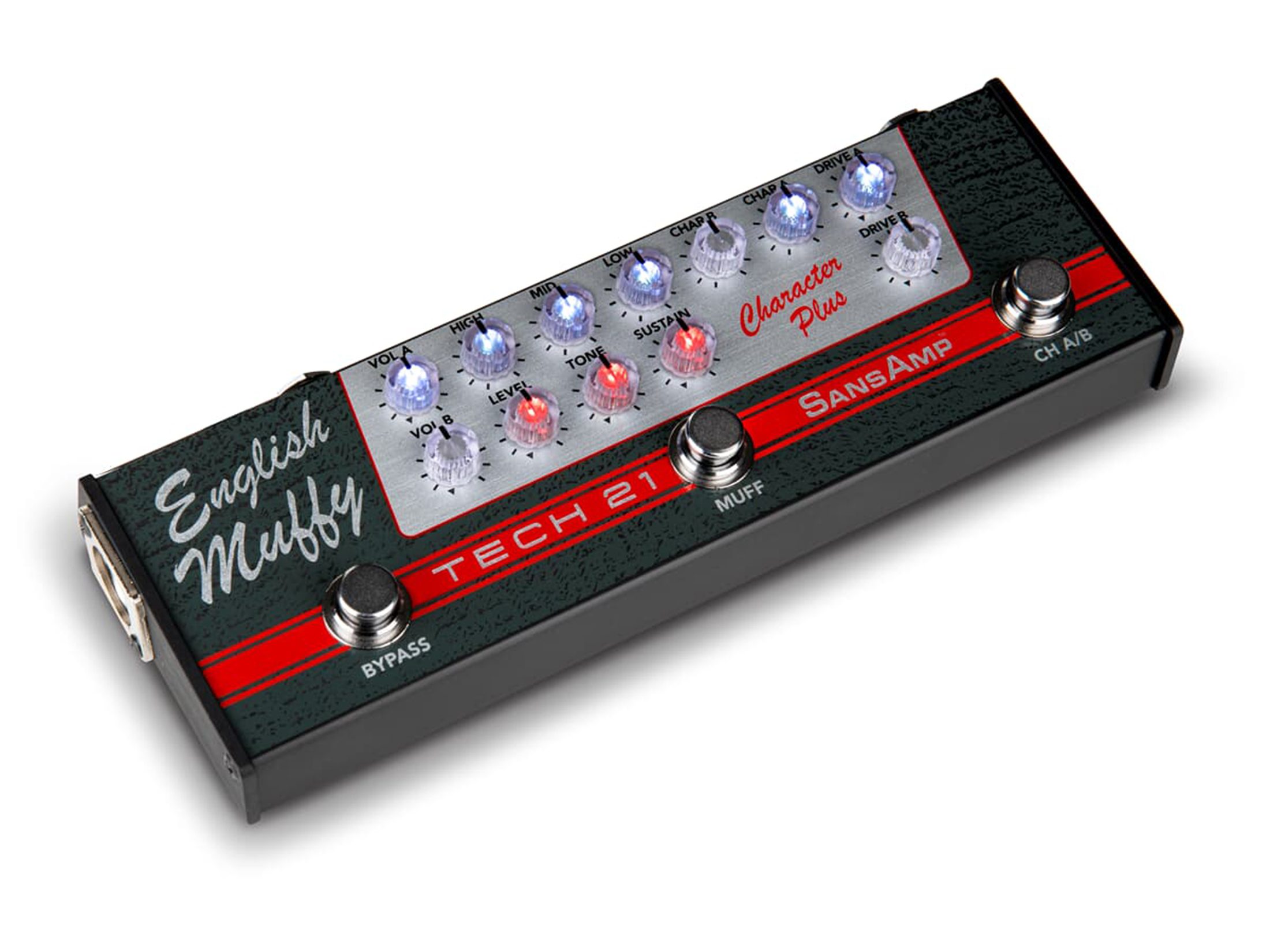
Tech 21 English Muffy vie asiat tiukasti 1970-luvun rock-alueelle, sillä pedaali tarjoaa klassinen Hiwatt-stäkin ja Big Muff Pi -särön yhdistelmä. Vaikka tämä pedaali on selkeästi suunnattu David Gilmour -faneille, se sopii erittäin hyvin mm. Who-tyylisen menoon.
Character-control vie sinut puhtaista soundeista (kello 7–10) rapeisiin rock-sävyihin (kello 11:stä ylöspäin). Korkeimmissa Character-asetuksissa mukaan kuvaan astuu vielä keskialueen boosteri.
Eri Big Muff -vuosikerrat voivat erota soundissa melkoisesti toisistaan, mutta Tech 21:n versio kuulostaa ainakin hyvin muhkealta ja kermaiselta.
****
Demokappaleena Tech 21 English Muffylle soitin lyhyen instrumentaaliversion Whon klassikkokappaleesta ”Won’t Get Fooled Again”:
****
Tässä on minun versioni Paul McCartneyn raga-vaikutteisesta kitarasoolosta Beatlesin kappaleessa ”Taxman”:
****
Valitsin shuffle-bluesin Screaming Blonden soundin demokappaleeseen:
****
Tässä on lyhyt instrumentaaliversio kappaleesta ”All Along The Watchtower” Jimi Hendrixin tyyliin:
****
Vietettyään jonkin aikaa tämän Tech 21:n SansAmp Character Plus -sarjan kvartetin kanssa, minusta tuntuu, että näiden polkimien pääjuttu on, kuinka hämmästyttävän hyvin ne toimivat. Saat erittäin käyttökelpoiset soundit käytännössä suoraan kädenkäänteessä. Character Plus -pedaalit eivät aseta käytännössä mitään esteitä soundin kuulemisen pään sisällä ja tämän soundin ”nauhalle” vangitsemisen välillä. Muutama pieni nuppien säätö ja olet valmis äänittämään.
Toki, jos haluat kokeilla erilaisia mikrofonityyppejä ja niiden sijoittelua, voit tehdä sen fyysisen vahvistimen tai digitaalisen mallinnusplugarin avulla, mutta aina on olemassa vaara, että saatat menettää ”luovan kipinän” ennen kuin kaikki on laitettu valmiiksi.
Tech 21 SansAmp Character Plus -sarjassa on kyse sujuvuudesta ja helppoudesta, erinomaisesta soundista tinkimättä.
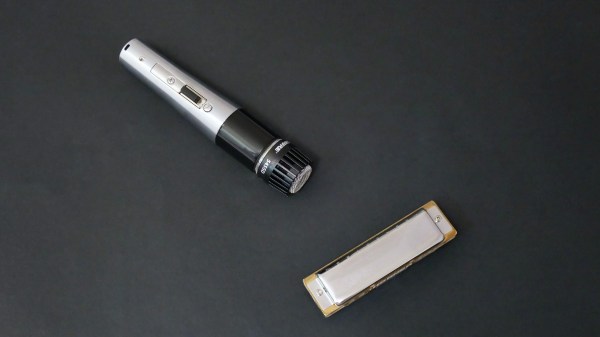
Äänitin demobiisin viidellä legendaarisilla Shure-mikrofoneilla:
• 565SD
• SM58
• 545SD
• SM57
• 55SH
Huuliharppu on Hohnerin juhlamalli 360.
Mikit äänitettiin Cranborne Audio Camden EC2 -etuvahvistimella (jossa Mojo Creamia oli lisätty noin 40 prosenttia) ja Universal Audion Volt 2 -audiointerfacella. Efektit ovat samoja kaikille huuliharppuraidoille.
I used five legendary Shure microphones to record a Blues harp demo:
• the 565SD
• the SM58
• the 545SD
• the SM57
• the 55SH
The microphones appear in the above order – one mic per 12-bar turn.
The harmonica I used is a Hohner Limited Edition 360.
All mics were recorded with a Cranborne Audio Camden EC2 preamplifier (with Mojo Cream turned up to 40%) and a Universal Audio Volt 2 audio interface. All Blues harp tracks were processed in the same way.

