Review: Tokai Love Rock LS-100F Pearly Gates + LS-200F-5A
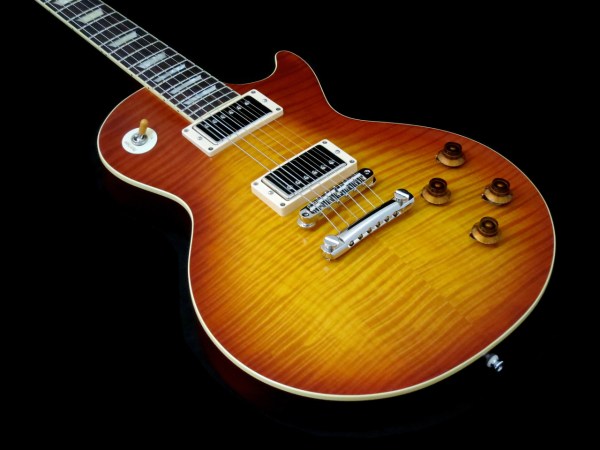
Tokai Guitars’ workshop in Japan will do the occasional special run of Limited Edition models that come with some features that differ from the regular models on offer. To our delight, we at Kitarablogi managed to get hold of two such special Love Rock guitars for this review.

The Tokai LS-100F Pearly Gates (price in Finland: 1,550 €; hard case incl.) is a factory-modded instrument for Billy Gibbons fans …

… while Tokai’s LS-200F-5A (2,995 €; hard case and pickguard incl.) represents the maker’s take on the ”ultimate Love Rock guitar”. This Premium Series instrument shows off an AAAAA figured maple top, and a set of Seymour Duncan Custom Shop pickups.
****

Even though this isn’t an official signature model by any stretch of the imagination, Tokai’s LS-100F Pearly Gates is clearly modelled after Billy F. Gibbons’ main squeeze.
The solid figured maple top looks fantastic in its gloss brown Ice Tea Burst. The guitar comes with a set of Seymour Duncan Pearly Gates humbuckers.

The Tokai LS-200F-5A has been built in an extremely limited edition (less than 20 guitars worldwide), with a whopping three instruments finding their way to Finland.
The LS-200F-5A isn’t ”just” a top-of-the-line instrument, it’s a thrilling experience. The flame on this guitar’s top is so deep you can lose yourself in it, and the instrument’s semimatte finish only accentuates its sensual qualities.
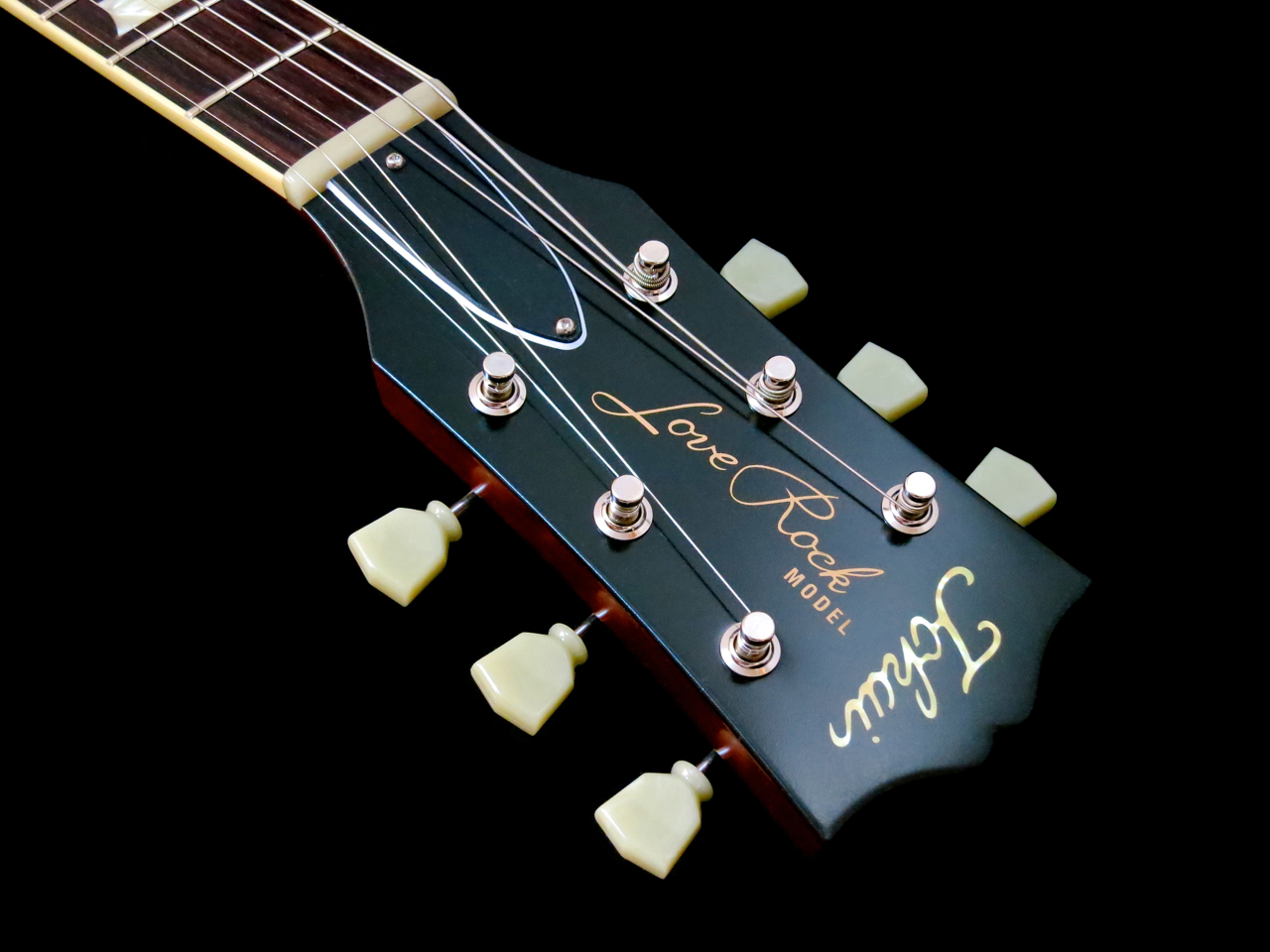
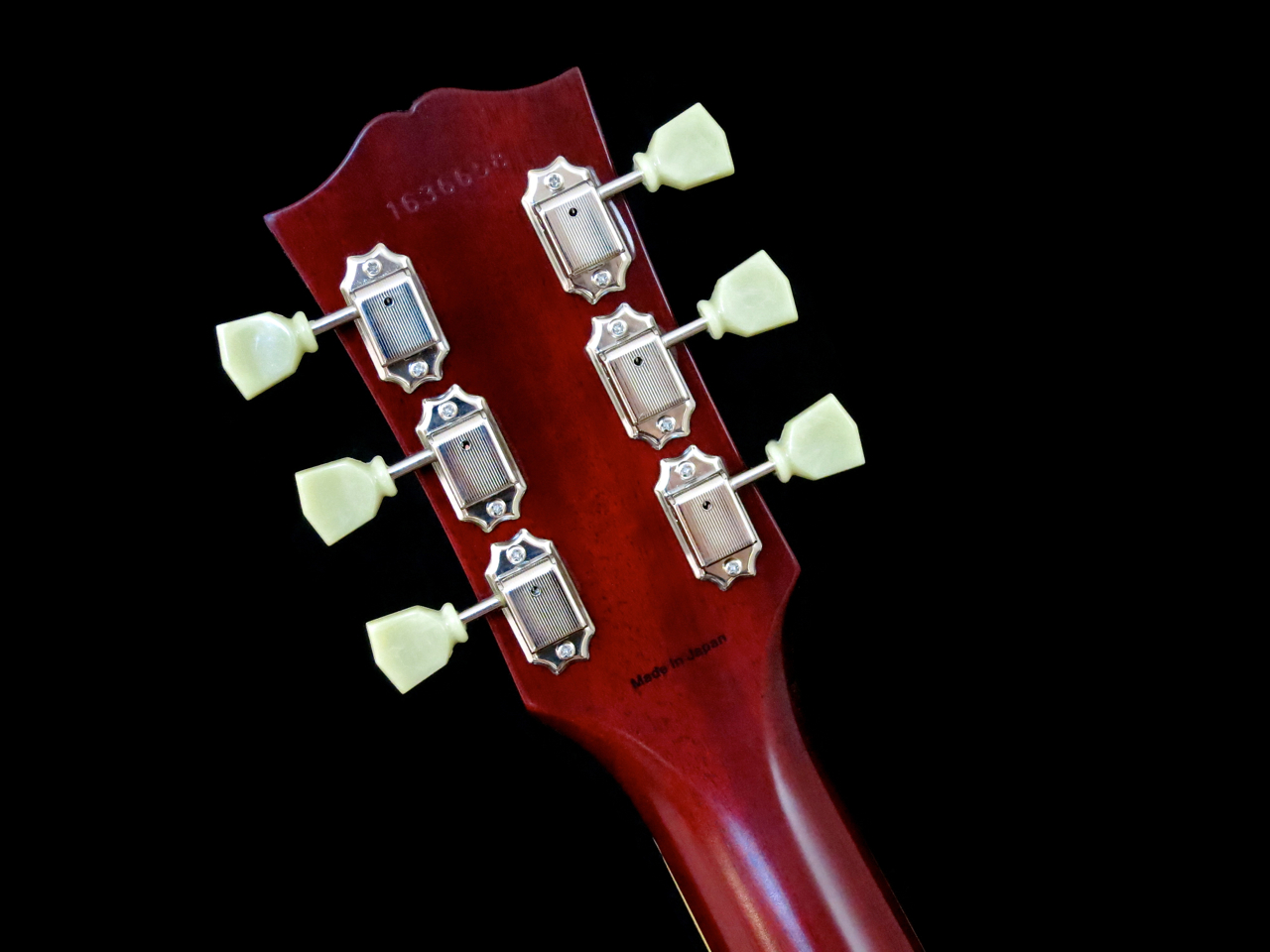
Both models are equipped with top quality Gotoh machine heads.

The fretwork is second to none. Both instruments sport a fret size that’s slightly larger-than-vintage.

The bridges and tailpieces are also supplied by Gotoh.
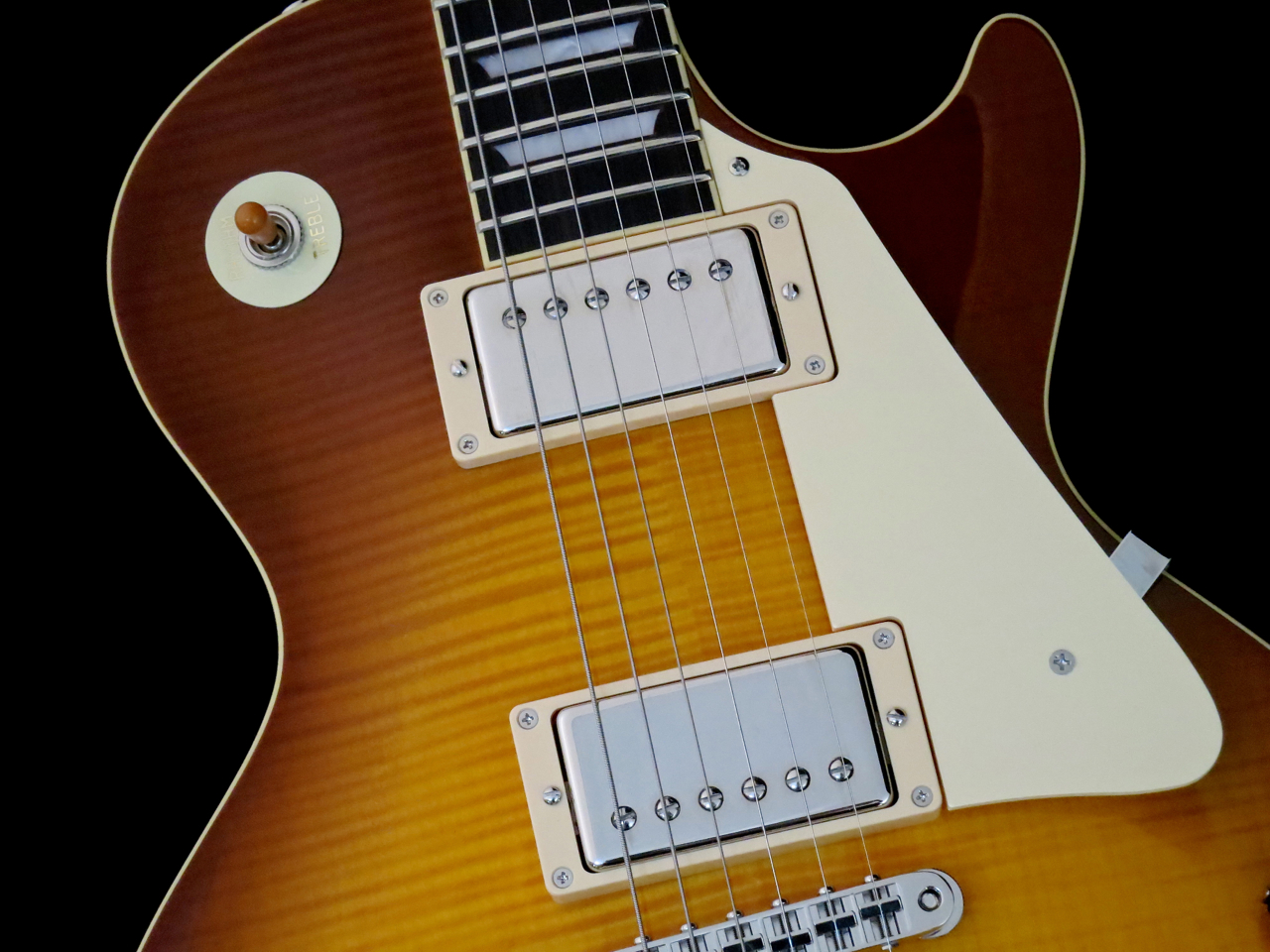
Seymour Duncan’s Pearly Gates set is a recreation of the slightly unusual PAFs found in Billy Gibbons’ legendary guitar.
For some reason Pearly Gates – a 1959 Les Paul Standard – comes with a set of humbuckers that offers a strong mid-range peak, while the bridge humbucker is clearly much louder than the neck unit.

Tokai has ordered a batch of custom-made Seymour Duncan Antiquity-humbuckers for the LS-200F-5A.
The Antiquity is Duncan’s most faithful recreation of Gibson’s original PAF. The custom-version used here differs from the regular issue in two points – these humbuckers have not been aged, but look brand new, and both pickups come with four conductors to facilitate pickup splitting.
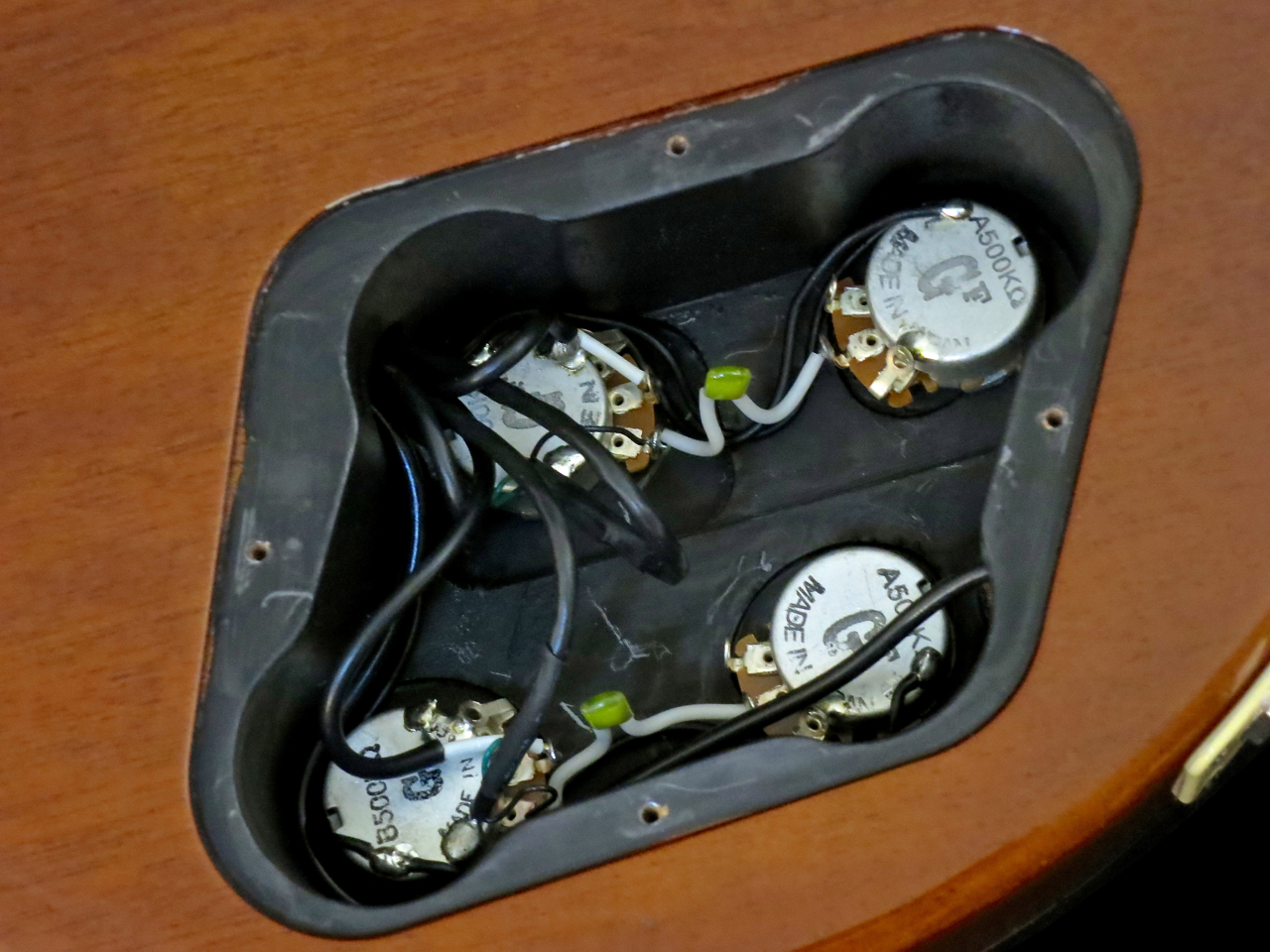
The Japanese electronics inside the LS-100F Pearly Gates are of a very high standard.

For the LS-200F-5A Tokai uses Orange Drop capacitors, US-made volume pots, and two ESP push/push tone pots for coil-splitting.
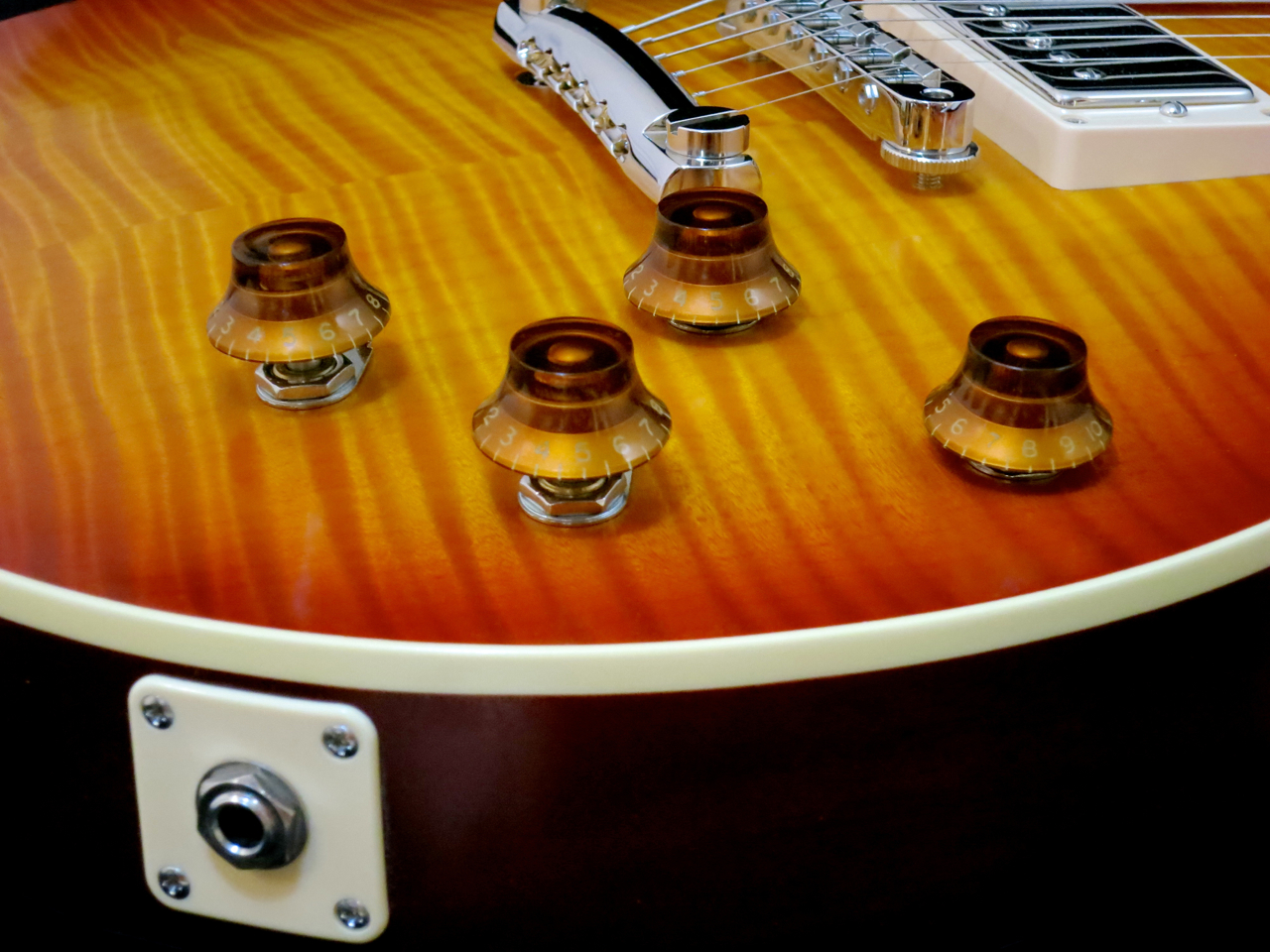

Both models are sold with a top-drawer hard case.
****

Our review sample of the Tokai LS-100F Pearly Gates is a fine-playing instrument, with a nice, moderate weight, and a great neck profile, that’s rounded, but not too big (somewhere between a ’59 and a ’60 profile).
The Pearly Gates humbuckers deliver a good deal more output than a traditional PAF (or its copy), coupled with a very strong mid-range. Yet, despite this signature sound, the Pearly Gates set never feels one-dimensional, clunky, or hard-to-control. There’s ample top end and a great dynamic range.
This is what the LS-100F Pearly Gates sounds like played through a handwired Tweed Champ-clone set clean:
Overdriven and distorted tones clearly show off the signature pickup set’s Texan accent:
It’s fairly easy to coax artificial harmonics from this Tokai, if you’re into Billy Gibbons’ playing style:

****

Tokai’s LS-200F-5A is too good an instrument to be locked away in a display case!
The LS-200F-5A is a surprisingly lightweight solid-body guitar. It plays at least as good as the LS-100F, but thanks to its semimatte finish one seems to make a more intimate connection with this fantastic guitar.
Seymour Duncan’s Antiquity-humbuckers really let the woody aspects of your guitar’s inherent tone shine through. These humbuckers have a clear, precise and dry (in a good sense) sound:
The coil-split option opens up a whole bag of additional tonal choices, whenever you look for more single-coil-type tones from this Love Rock:
Overdriven and distorted tones, too, will benefit from the possibility to drop the output level with the simple pressing of a button (or two):
The demo track features two rhythm guitar tracks, which were both recorded with split humbuckers. The first half of the lead part starts off with the split neck pickup, switching to the full unit for the second half of the song:

****
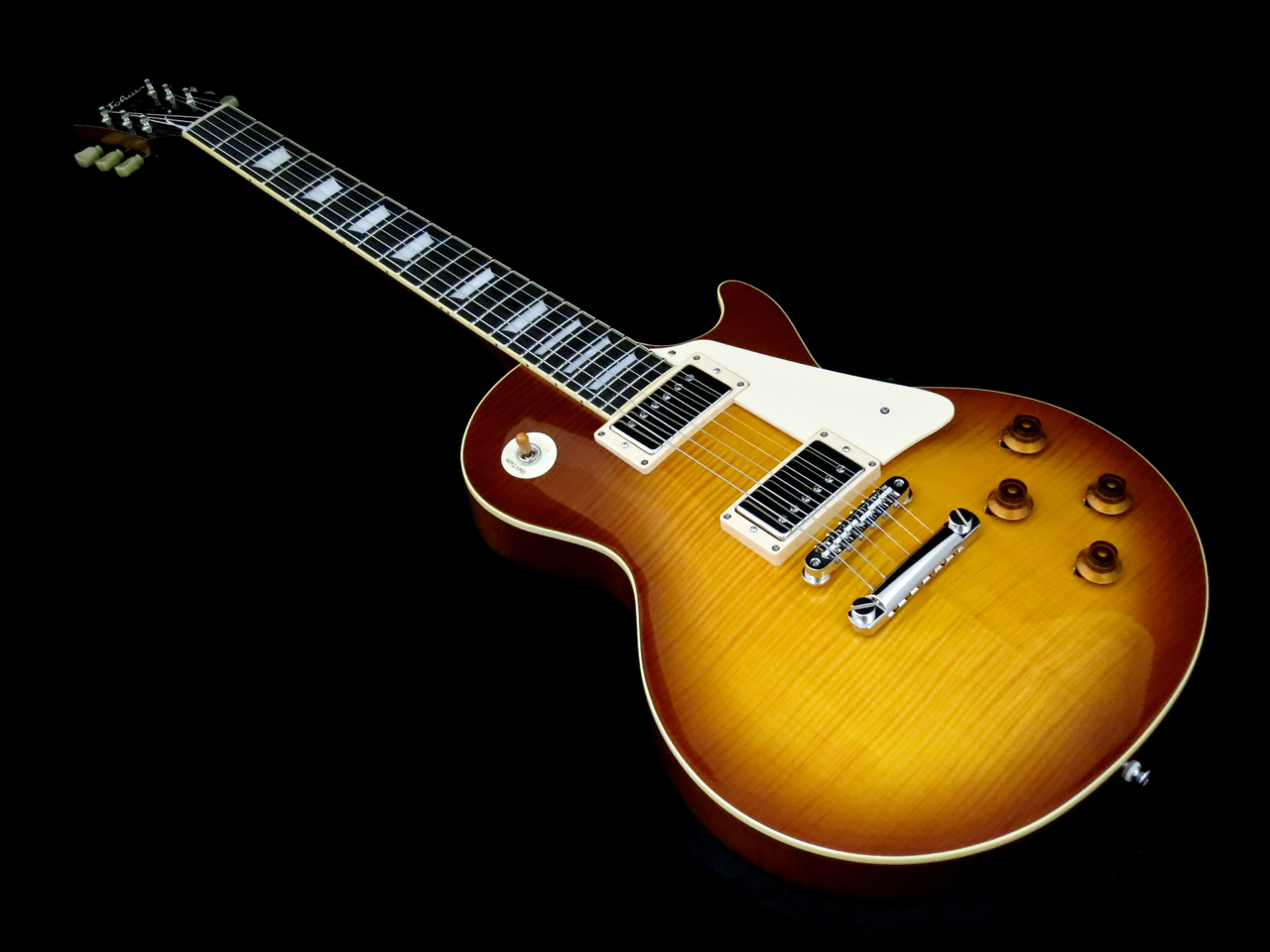
Both the LS-100F Pearly Gates as well as the LS-200F-5A are prime examples of the kind of top grade workmanship that has made Japanese Tokais legendary.
The LS-100F Pearly Gates is a great choice for Blues- and Rock-inclined players, who thrive on chunky mid-range power and bags of sustain.
For an investment grade instrument Tokai’s LS-200F-5A is still rather affordable. This guitar will give you Japanese Custom Shop quality at a very fair price, but the edition is, indeed, very limited…

****
Two Tokai Love Rock models
LS-100F Pearly Gates – 1,550 € (case included)
LS-200F-5A – 2,995 € (case included)
Pros (both guitars):
+ workmanship
+ playability
+ sound
+ (LS-100F Pearly Gates only) Billy Gibbons signature humbuckers
+ (LS-200F-5A only) collectible
+ (LS-200F-5A only) coil-split
Testipenkissä: Tokai Love Rock LS-100F Pearly Gates + LS-200F-5A

Tokai Guitarsin paja Japanissa valmistaa aika ajoin pieniä eriä erikoismalleja, joilla on tavalliseen mallistoon nähden poikkeavia ominaisuuksia. Kitarablogin iloksi saimme tällä kertaa testiin jopa kaksi tällaista Love Rock -kitaraa.
Tokai LS-100F Pearly Gates (1.550 €; laukku kuuluu hintaan) on ns. valmiiksi modattu soitin Billy Gibbons -faneille.
Tokai LS-200F-5A (2.995 €; laukku kuuluu hintaan) taas on firman näkemys ultimaattisesta Love Rock -mallista. Se on Premium-sarjan soitin AAAAA-luokan loimuvaahterakannella ja Seymour Duncan Custom Shop -mikrofoneilla.
****
Vaikka se ei olekaan virallinen nimikkomalli, on Tokain LS-100F Pearly Gates silti kovin Billy Gibbons -henkinen soitin.
Upeassa, kiiltäväksi lakattussa kitarassa on ruskehtava Ice Tea Burst -liukuväritys, sekä Seymour Duncanin valmistama Pearly Gates -mikrofonisetti.
Tokai LS-200F-5A –mallia on valmistettu erittäin rajoitettu erä (noin 20 kappaletta yhteensä), joista peräti kolme kitaraa löysivät tiensä Suomeen.
LS-200F-5A ei ole ”vain” laatukitara, se on elämys. Sen loimuvaahterakannen kuviointi on niin syvän kolmiulotteista, että melkein alkaa huimata, ja sen puolihimmeä viimeistely tukee sopivasti tätä kokonaisuutta.
Molemmissa kitaroissa on käytetty Gotoh:n laadukkaita Kluson-kopioita.
Soittimien nauhat on työstetty erinomaisella tarkkuudella. Molemmissa kitaroissa on käytetty samaa, hieman vintagea isompaa nauhakokoa.
Myös tallan ja kieltenpitimen suhteen Tokai luottaa Gotoh:n vankkaan laatuun.
Seymour Duncanin Pearly Gates -setti mukailee Billy Gibbonsin vintage-kitaran erikoisia humbuckereita.
Jostakin syystä mestarin omasta 1959 Les Paul -kitarasta löytyy epätavallinen setti PAF-mikrofoneja, joissa on vahva keskialueen korostus, sekä selvästi kaulamikrofonia voimakkaampi tallamikki.
LS-200F-5A:ta varten Tokai on tilannut Seymour Duncan Custom Shopilta erikoiserän firman Antiquity-settiä.
Antiquity on Duncanin tarkin jäljitelmä legendaarisista PAF-mikrofoneista. Tässä erikoiserässä on kaksi eroa tavallisiin Antiquity-mikrofoneihin nähden – niiden ulkonäköä ei ole vanhennettu lainkaan, ja kummankin mikrofonin voi halutessaan puolittaa.
LS-100F Pearly Gates -mallin elektroniikka edustaa selvästi japanilaista pro-tasoa.
LS-200F-5A:ssa on sen sijaan käytetty Orange Drop -kondensaattoreita, amerikkalaisia volume-potikoita, sekä ESP:n valmistamia push/push-potikoita tonea ja mikkien puolitusta varten.
Molemmat soittimet myydään oman laadukkaan kovan laukun kera.
****
Testattu Tokai LS-100F Pearly Gates on erittäin mukavan tuntuinen soitin. Painoa löytyy vain maltillisesti ja mallin pyöreä, muttei liian paksu kaulaprofiili tuntuu erittäin mukavalta.
Pearly Gates –mikrofoneissa on huomattavan paljon enemmän tehoa kuin tavallisissa PAF (-kopioissa), ja myös keskialueesta löytyy rutkasti vääntöä. Silti Pearly Gates -setti ei kuulosta millään lailla yksitoikkoiselta, kömpelöltä tai kovaotteiselta, vaan soinnista löytyy silti dynamiikkaa ja selkeyttä.
Tällaiselta LS-100F Pearly Gates kuulostaa puhtaan Tweed Champ -kloonin kautta soitettuna:
Särösoundeista löytyy sopivasti rosoista Teksas-asennetta:
Billy Gibbons -tyylinen huiluäänikikkailukin on helppoa, kun käytössä on oikeanlainen kitara soittotyyliä tukevilla mikrofoneilla:
****
Tokai LS-200F-5A ei ole pelkästään kuvankaunis esine, vaan myös erittäin monipuolinen ja laadukas soitin.
LS-200F-5A on todella kevyt kitara. Sen soitettavuus on yhtä vaivatonta kuin LS-100F-mallissa, mutta soittotuntuma on puolihimmeän viimeistelyn ansiosta jotenkin intiimimpi, suorempi.
Seymour Duncanin Antiquity-mikrofonit antavat todellakin puiden soida, ja näiden humbuckereiden tarkkavainen, dynaaminen ja avoin ääni on positiivisella tavalla kuiva:
Mikrofonien puolitus lisää rutkasti tämän kitaran monipuolisuuta, kun 5A:sta lähtee melko autenttisia yksikelamikkien soundejakin:
Myös särösoundeissa mikrofonien puolitus suo soittajalle mahdollisuuden nostaa välillä kaasujalkaa polkimelta:
Demobiisissä molemmilla komppiraidoilla käytetään mikkien puolitusta. Soolokitara aloittaa ensin puolitetulla kaulahumbuckerilla, minkä jälkeen molemmat kaulamikin keloista aktivoidaan:
****
Sekä LS-100F Pearly Gates että LS-200F-5A ovat loistavia esimerkkejä laadusta, jota japanilaiset Tokai-kitarat tarjoavat, ja joka on tehnyt niistä legendaarisia.
LS-100F Pearly Gates on todella hyvä valinta Blues- ja Rock-kitaristeille, jotka kaipaavat soundiinsa aimon annoksen keskialueen voimaa.
LS-200F-5A on keräilyluokan kitaraksi vielä melko edullinen. Se tarjoaa aitoa japanilaista Custom Shop -laatua reiluun hintaan. Tässäkin tapauksessa nopeat syövät hitaat…
****
Tokai Love Rock -kitarat
LS-100F Pearly Gates – 1.550 € (kova laukku kuuluu hintaan)
LS-200F-5A – 2.995 € (kova laukku kuuluu hintaan)
Plussat (molemmat mallit):
+ työnjälki
+ soitettavuus
+ soundi
+ (vain LS-100F Pearly Gates) Billy Gibbons -nimikkomikrofonit
+ (vain LS-200F-5A) keräilyluokan soitin
+ (vain LS-200F-5A) mikkien puolitus


Testi tulossa +++ Working on a review +++ Tokai LS-200F-5A


TOKAI LS-200F-5A
• Very limited edition
• Handcrafted in Japan
• AAAAA flame maple top
• Seymour Duncan Antiquity Humbucker set
• Push/push switches in tone controls for coil-splitting
****
Demo Track
• Rhythm guitar – both pickups in split mode
• Lead guitar – starts with split neck pickup; second pass with full neck pickup
• Amp used – Juketone True Blood (handwired 5F1 Champ-clone)
• Recorded with a Shure SM57
****
Contact: Tokai Guitars Nordic
Testi tulossa –– Review coming soon –– Tokai LS-100F Pearly Gates


Tokai LS-100F Pearly Gates
• Handcrafted in Japan
• Les Paul Standard replica
• Seymour Duncan Pearly Gates pickup set
• Case included
****
Demo Track
• All guitar tracks recorded with the Tokai LS-100F Pearly Gates
• Amps used: Blackstar HT-1R & Juketone True Blood
• Effects used: Boss SD-1, Joyo Analog Chorus, Morley M2 Wah/Volume
Contact/Lisätiedot: Musamaailma
Testipenkissä: Fender Bassbreaker 18/30 Combo
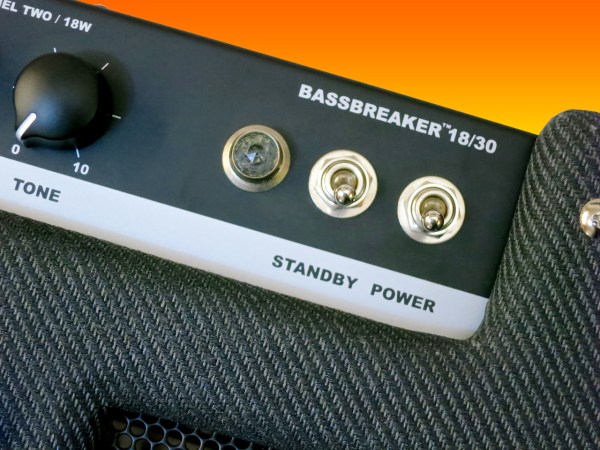
Kuvitellaan, että olemme läsnä Fender vahvistinosaston aivoriihessä lämpimässä Kaliforniassa, syksyllä 1966. Sessiossa on tarkoitus ideoida uutta vahvistinsarjaa.
Yksi osallistujista sanoo: ”Hei, tyypit. Jotenkin alkaa tympiä se, että teemme koko ajan vain vahvistimia country-kitaristeille ja tylsille viihdyttäjille. Miten olisi, jos tekisimme sarjan kitaravahvistimia, joissa olisi vähän enemmän ’munaa’ Blues- ja Rock-väelle? Kuulin pienestä englantilaisesta firmasta, joka rakentaa tuunattuja Bassman-kopioita, ja jengi tykkää. Meilläkin pitäisi olla tällaisia hot-rod-vahvistimia!”
Tällaista kokousta ei koskaan pidetty…
****
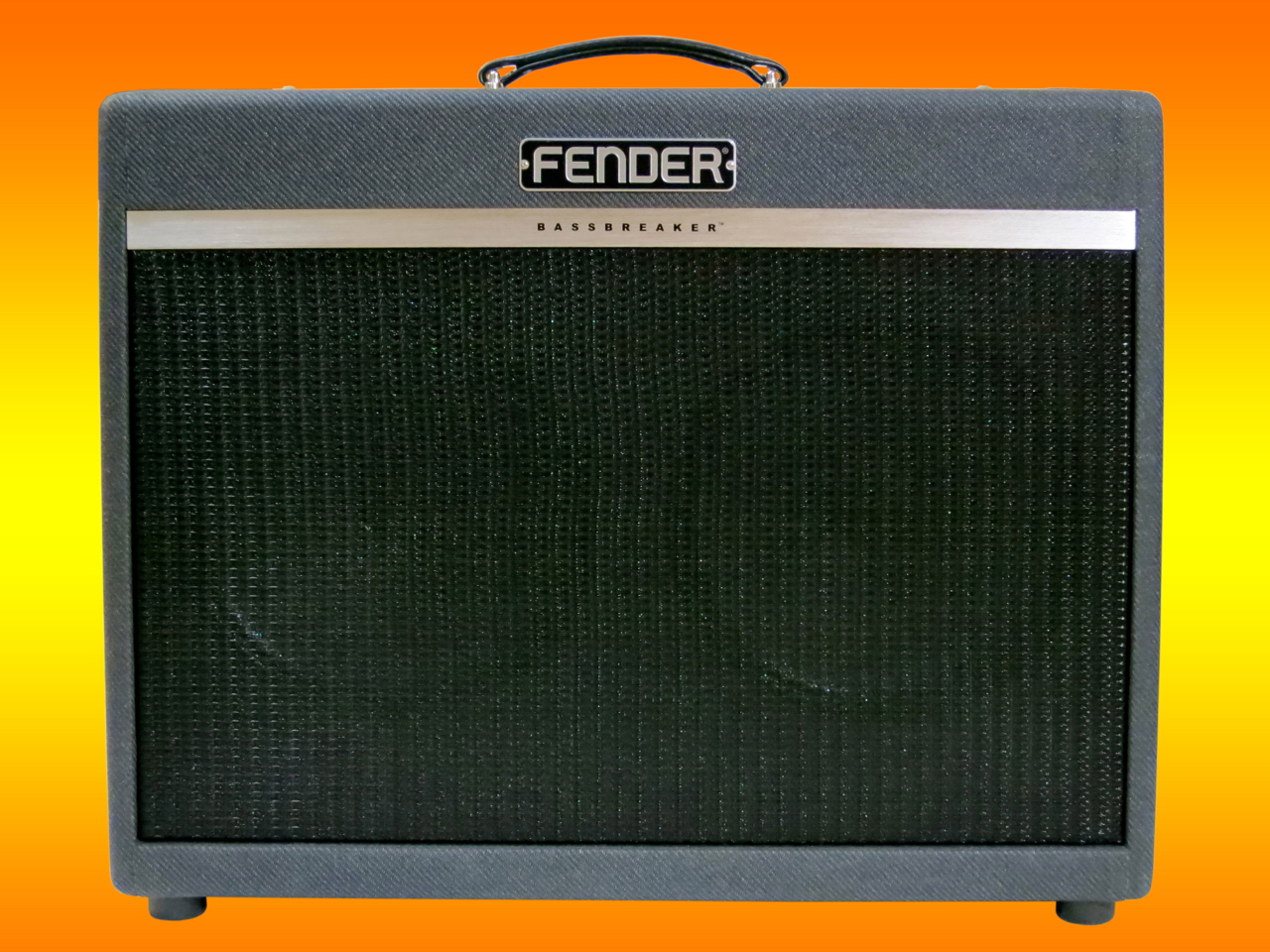
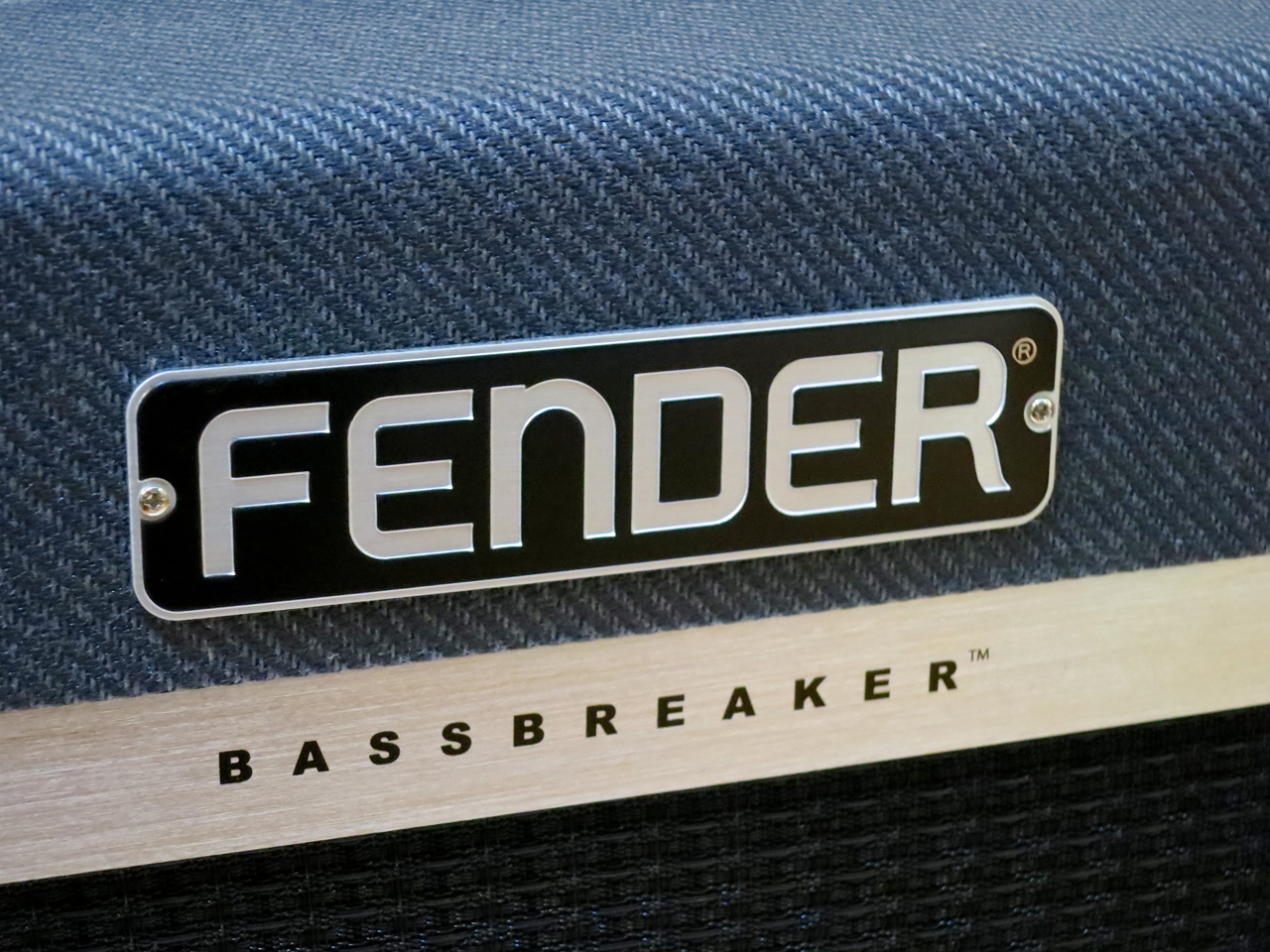
Uusi Fender Bassbreaker 18/30 -kombo (suositushinta: 799 €) olisi voinut olla tämän kuvitteellisen aivoriihen tulos.
Fenderin Bassbreaker 18/30 on kuin se olisi ilmestynyt jostain rinnakkaistodellisuudesta, jossa firma olisi 60-luvun lopulla päättänyt valmistaa amerikkalaisia putkivahvistimia selvällä ”brittikorostuksella”.
Uutuus on kahdella 12-tuumaisella elementillä varustettu Fender-kombo uudella, tyylikkäällä Gray Tweed -päällysteellä. Kaiutinkotelo on rakennettu laadukkaasta koivuvanerista, minkä ansiosta isokokoisen kombon paino jää alle 23 kilon.
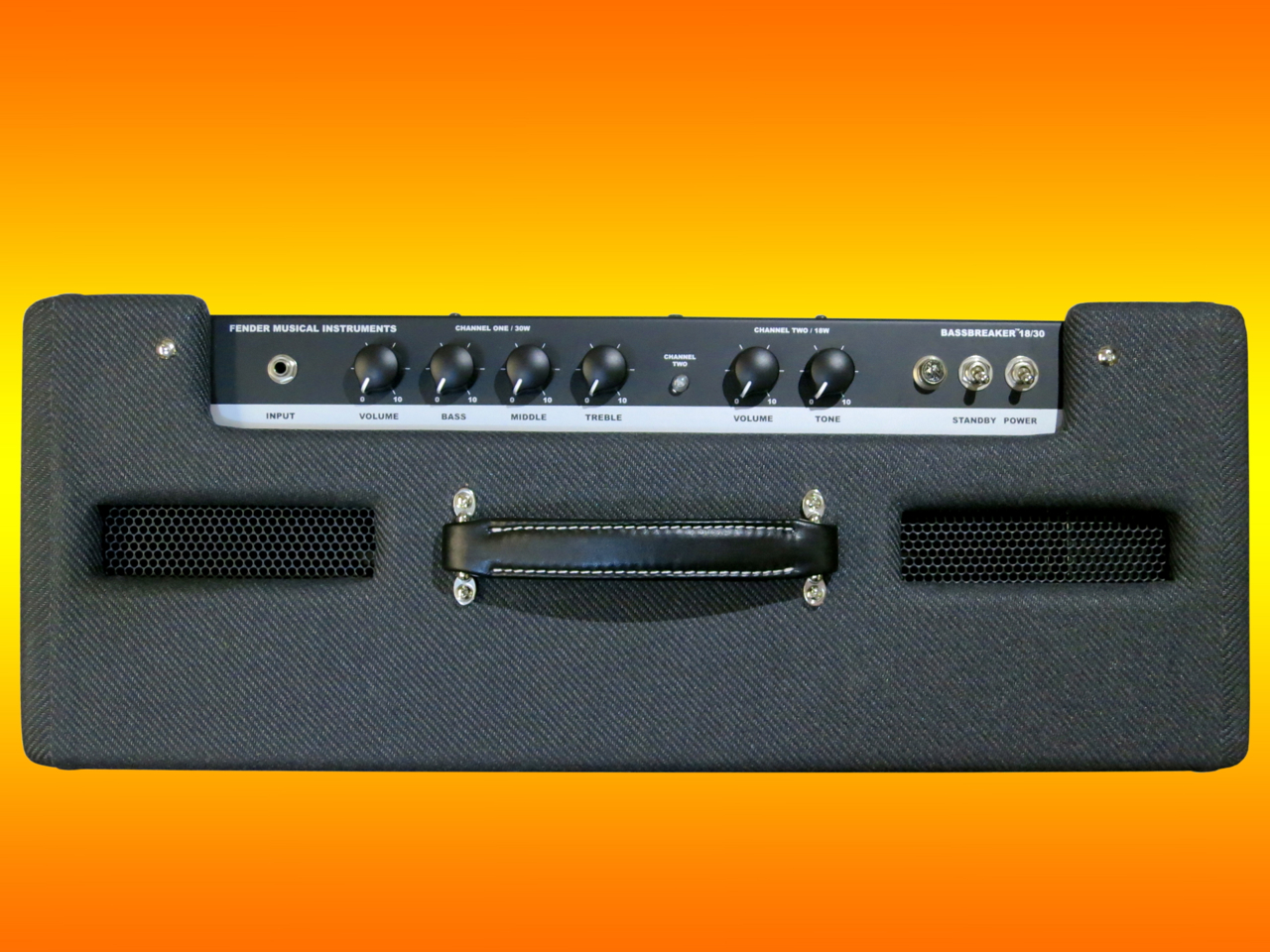
Bassbreakerin mallitunnus ”18/30” viittaa siihen, että kombon kaksi kanavaa ovat käytännössä kaksi erillistä vahvistinta:
Ykköskanava (Channel One) perustuu Fender Blackface Deluxe -vahvistimeen, ja sen pääteteho on 30 wattia. Kakkoskanava (Channel Two) sen sijaan on kevyesti modattu versio hieman aikaisemmasta, ruskeasta Deluxesta. Kakkoskanavan pääteteho on 18 wattia.
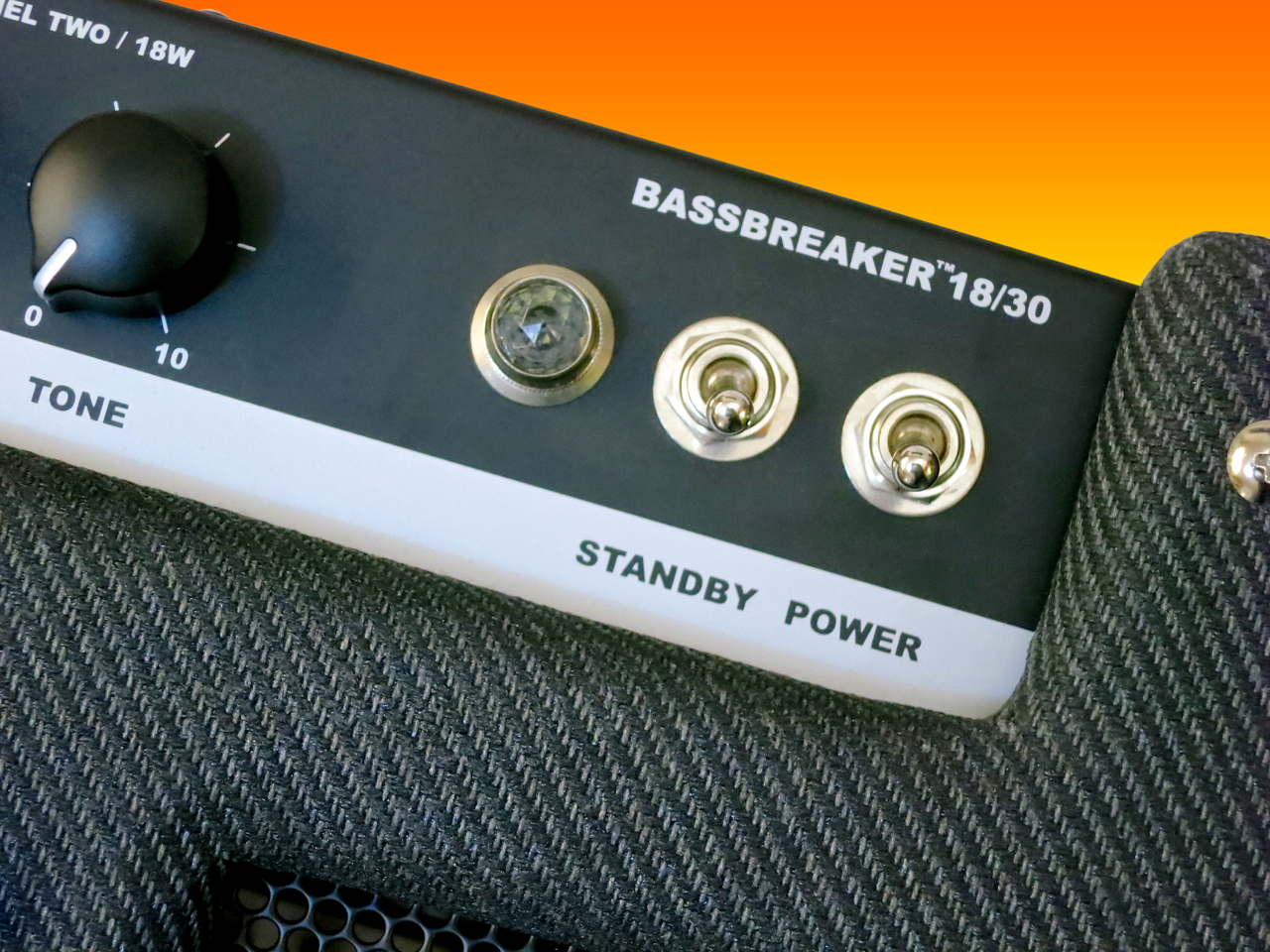
Uusi Bassbreaker on A/B-luokan täysputkivahvistin puolijohdetasasuuntajalla.
Etuaste on rakennettu kahden 12AX7-putken ympärille, kun taas pääte saa tehonsa neljästä EL84-putkesta. EL84 mielletään yleisesti brittivahvistimiin – perinteisesti Fenkuissa, kuten muissakin jenkkivahvistimissa, käytetään 6V6- tai 6L6-pääteputkia.
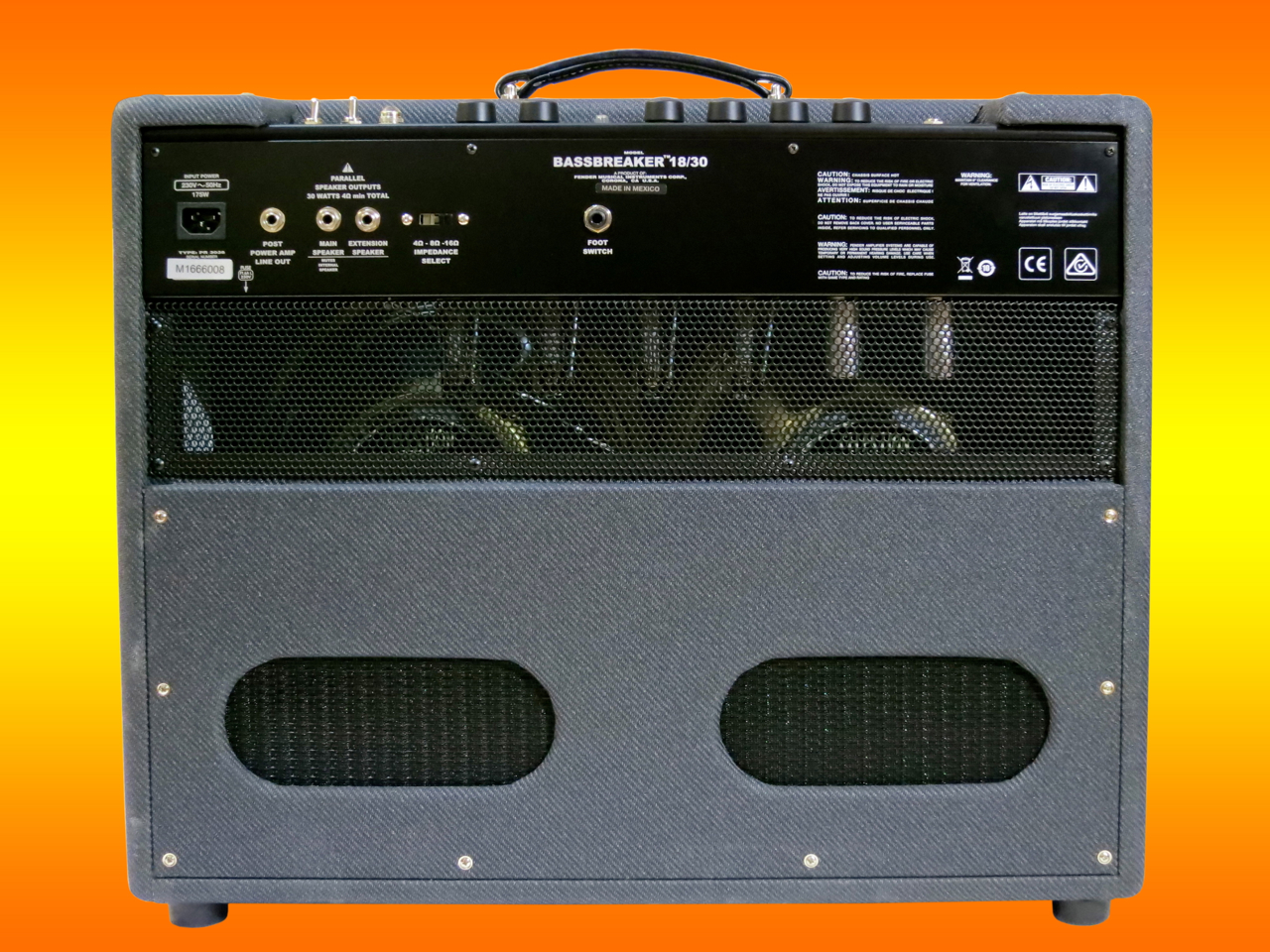
Takapaneelista löytyy lisäkaappilähdön ja linjalähdön (päätevahvistimen jälkeen) lisäksi myös jakki pakettiin kuuluvalle jalkakytkimelle.
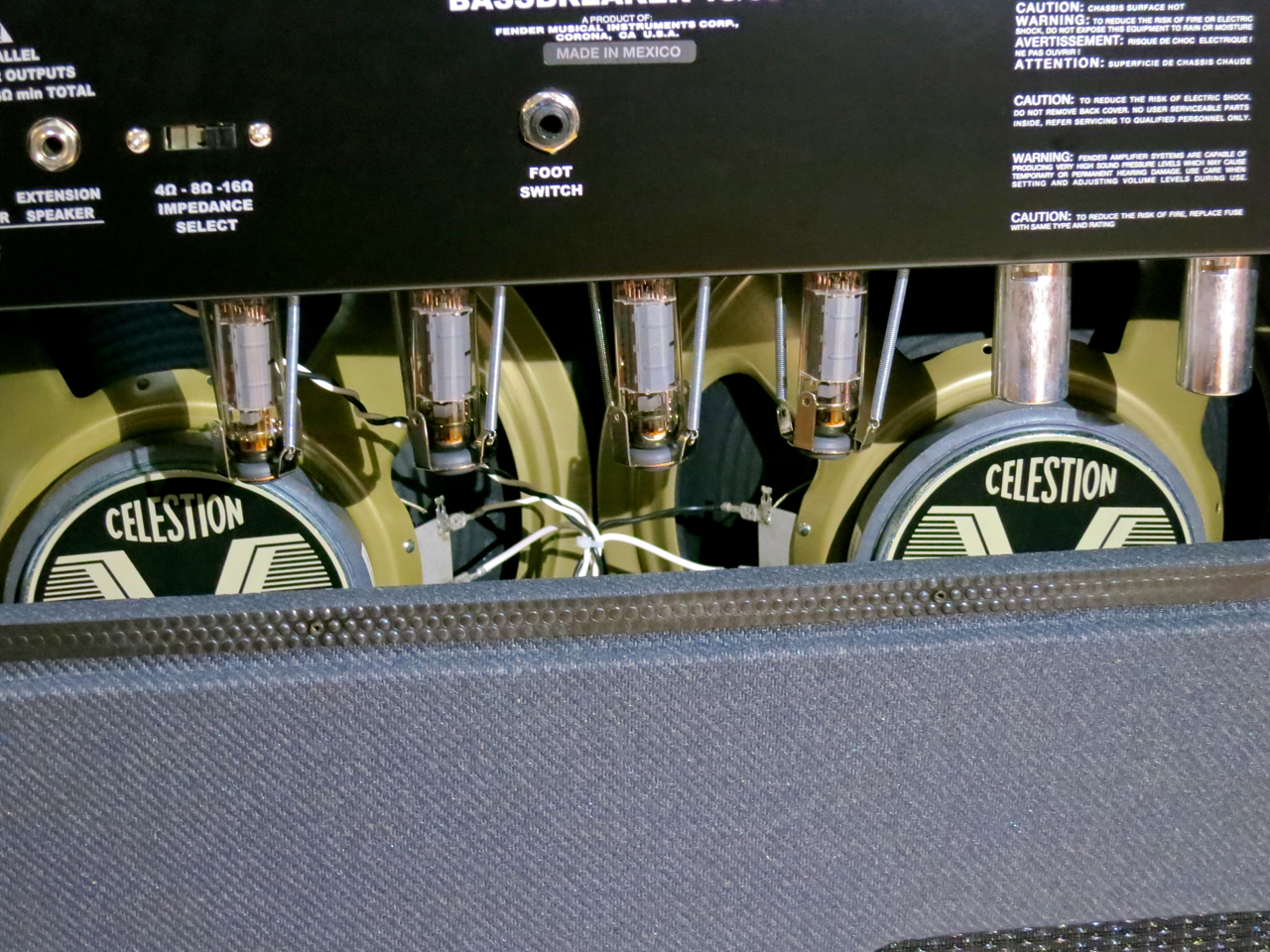
”Brittipäätteen” lisäksi Bassbreaker 18/30 -kombossa myös kaiutinvalinta on ei-perinteinen. 60-luvun Fendereistä tuttujen Jensen- tai JBL-kaiuttimien sijaan uutuusvahvistimeen on asennettu pari 12-tuumaista Celestion V-Type -kaiutinta.
****
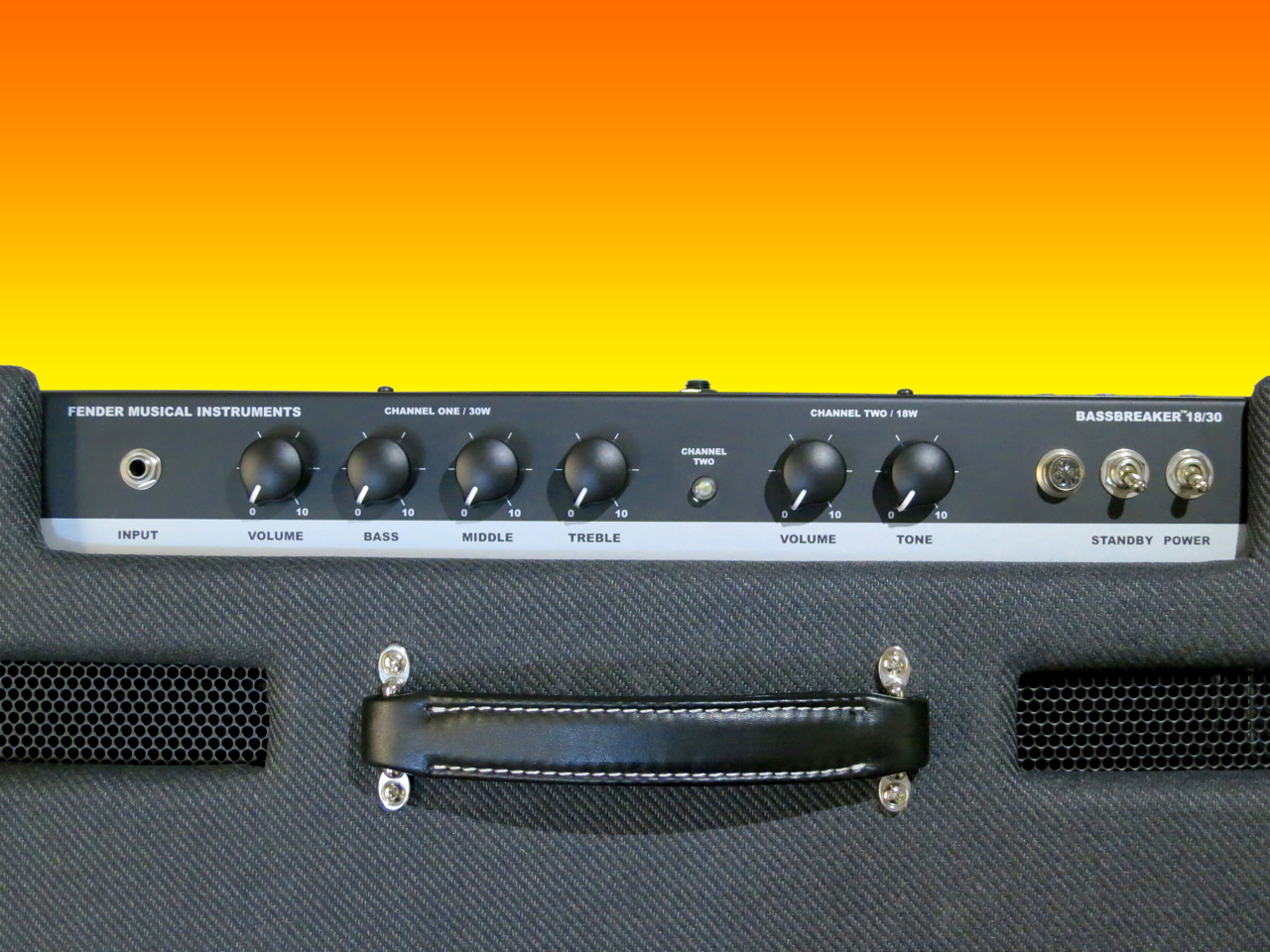
Ykköskanavan (”Blackface”) enimmäkseen puhtaita soundeja varten on varattu kolmialueinen taajuuskorjainosasto, kun taas kakkoskanavasta (”Brownface”) löytyy ainoastaan yksi Tone-säädin.
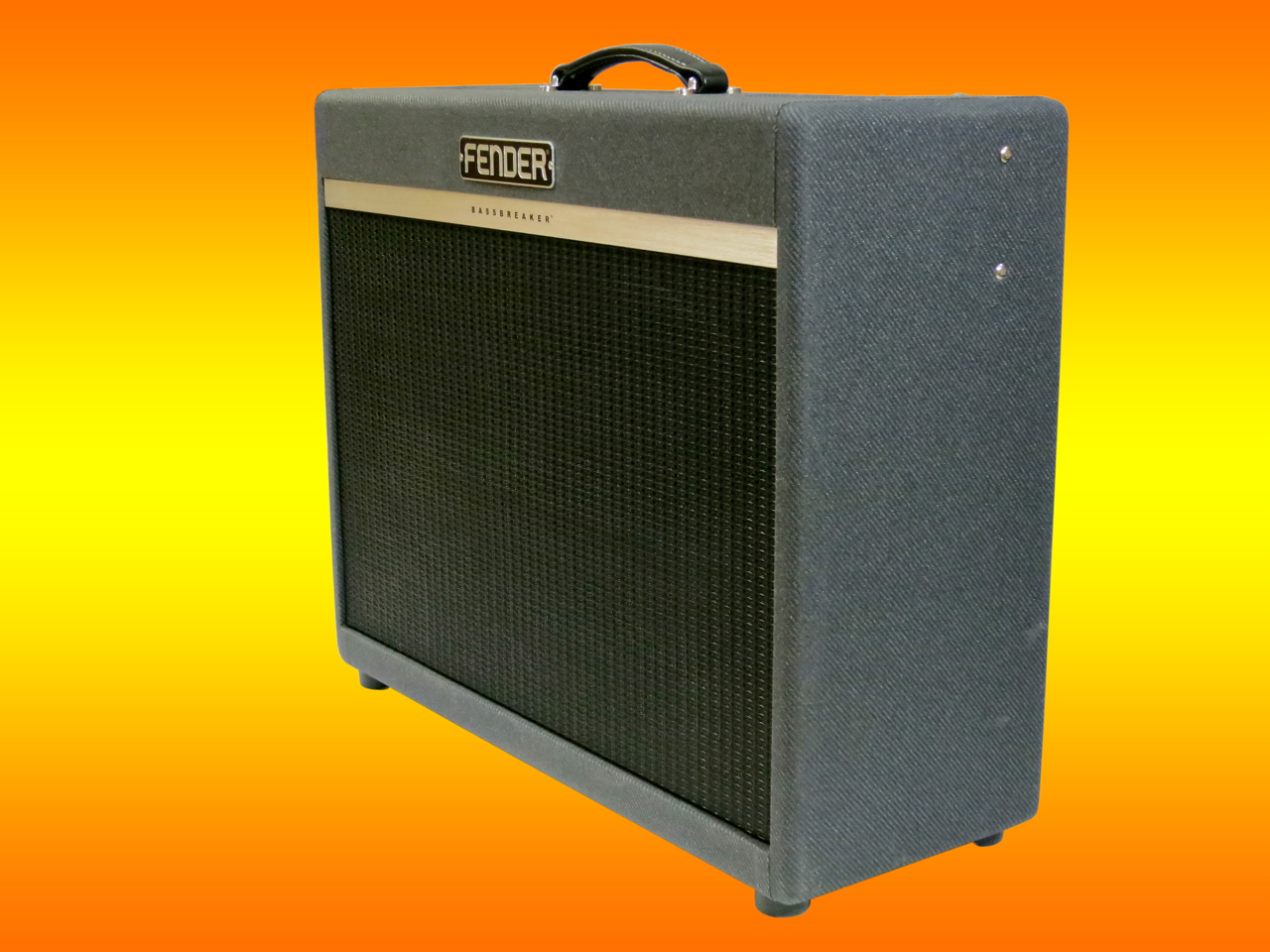
Tärkein asia ensin – Fender Bassbreaker 18/30 on uskomattoman kovaääninen! Kyseessä on aito non-master-volume-putkikone, joka liikkuu samassa teholuokassa esimerkiksi Marshall 1962 Bluesbreakerin tai Vox AC30:n kanssa.
Kerrostaloasuntoon 18/30 ei todellakaan sovi, koska kakkoskanavan herkulliset särösoundit heräävät henkiin vain kovalla volyymillä. Ja tämä vaikka kombo toimiikin silloin ainoastaan kahdella pääteputkella, minkä vuoksi teho laskee 18 wattiin ja päätevahvistimen puhdas headroom on hyvinkin rajallinen.
Jos Bassbreaker-mallisto kiinnostaa, mutta tämän kombon äänekkyys ei tunnu sopivan käyttötarkoitukseen, kannattaa kokeilla saman sarjan Bassbreaker 15 -komboa, jossa on mm. master volume -säädin.
Pienillä Volume-asetuksilla molemmista Bassbreaker 18/30 –kanavista saa puhtaita soundeja. Channel One on kaksikosta se helisevämpi ja kirkkaampi, kun taas Channel Two on hieman pyöreämpi ja rouheampi. EL84-pääteputkien ja Celestion-kaiuttimien ansiosta uutuuskombon perussoundi ei ole pikkutarkka kopio firman vanhoista klassikkomalleista, vaan todella herkullinen sekoitus 1960-luvun Fender-soundeista ja perinteisten brittikombojen keskialueen murinasta ja potkusta.
Tässä lyhyt pätkä puhtailla asetuksilla (molemmat volume-säätimet kello yhdeksän ja kymmenen välillä), vaahterakaulaisella Fender Stratocasterilla soitettuna:
Demobiisissä soi kaksi komppikitaraa – Gibson Les Paul Junior (Channel One, oikea stereokanava) ja Fender Telecaster (Channel Two, vasemmalta) – sekä Epiphone Les Paul Standard -kitaralla (vintage-tyylisillä EMG HZ -mikrofoneilla) soitettu soolokitara (Channel Two, volume-säädin kello kolme):
****
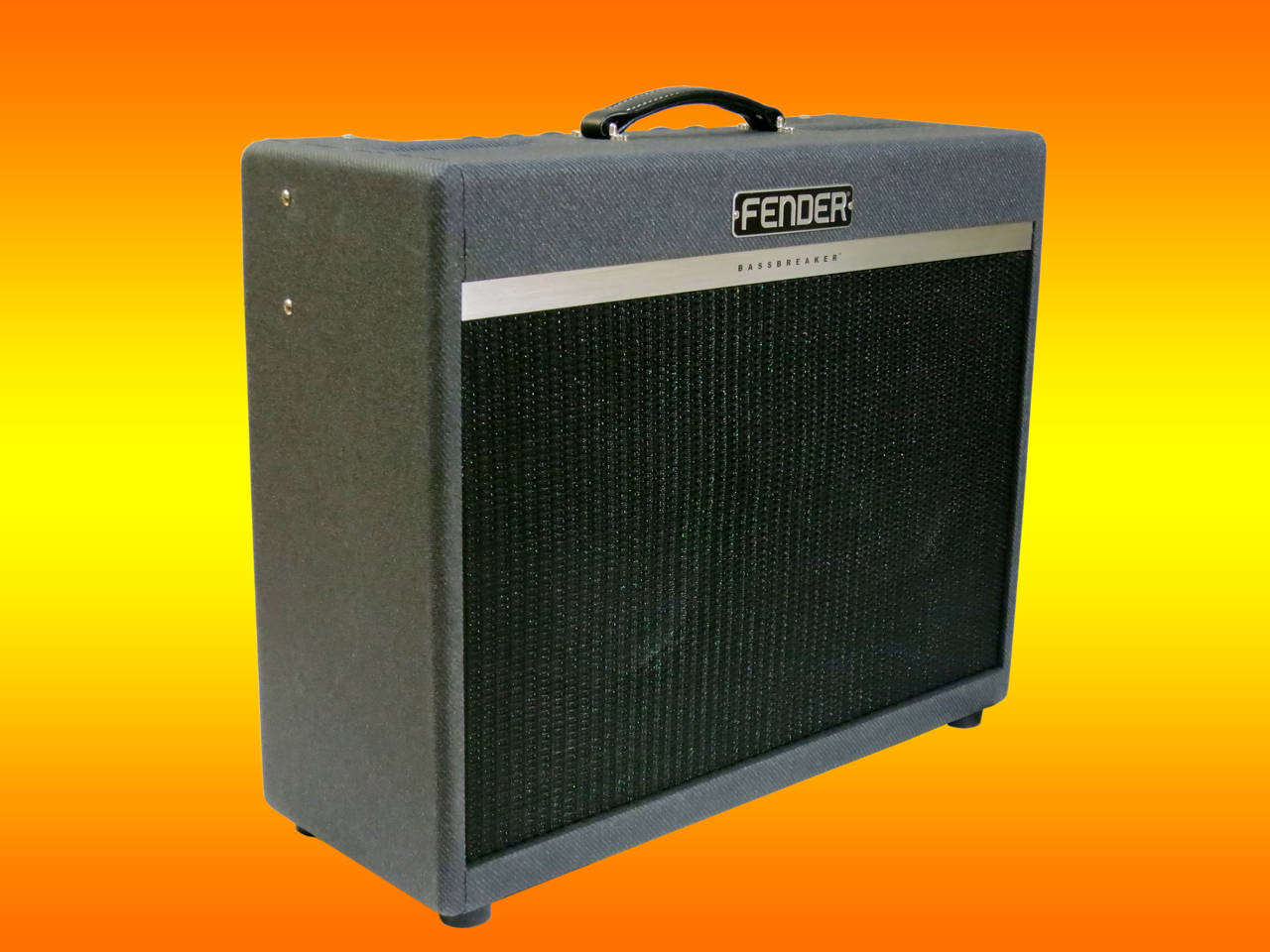
Fenderin Bassbreaker 18/30 on oikein mainio ja kovaääninen putkivahvistin sellaisille Blues- ja Rock-kitaristeille, jotka tietävät miten non-master-volume-vahvistimien kanssa tullaan toimeen. Uudessa 18/30:ssa yhdistyvät 60-luvun Fender-kombojen parhaat ominaisuudet ja saman aikakauden brittiklassikkojen lihaksikkaan rouhea asenne.
Bassbreaker 18/30 -kombo ei sovi olohuoneen harjoittelukumppaniksi, ja myös kotistudioon se voi osoitauttua liian kovaääniseksi. Tämä on pro-luokan putkivahvistin, joka on tarkoitettu livekäyttöön sellaisissa paikoissa (ja bändeissä), joissa kitaristia ei alituiseen kehoteta soittamaan hiljempaa.
*****
Fender Bassbreaker 18/30 Combo
suositushinta: 799 €
Lisätiedot: Fender
Paljon kiitoksia DLX Musiikille testivahvistimen lainaamisesta!
Plussat:
+ työnjälki
+ tyylikäs ulkonäkö
+ kotelo koivuvanerista
+ soundi
+ isotehoinen
Miinukset:
– isotehoinen
Review: Fender Bassbreaker 18/30 Combo
Imagine a brainstorming session at Fender R&D in sunny California, sometime in late 1966. The brief of the day is to come up with a new guitar amplifier.
One of the guys speaks up: ”I’m kinda bored of sparkling TV cowboys and clean-cut entertainers. How about we design an amp for the Blues and Rock players? I’ve heard some little company in England has been doing a sort of Bassman-on-steroids thing, and it seems to catch on. We should try to come up with something that really rocks, too!”
In reality that meeting never took place, but what if it had?
****
The new Fender Bassbreaker 18/30 Combo (list price in Finland: 799 €) could well have been the result of our imaginary R&D session.
The Bassbreaker 18/30 is like a visitor from a parallel universe, in which Fender has taken a turn in the mid-Sixties to design guitar amplifiers with a distinctly British accent.
This is a 2 x 12 Fender combo with a cool new trim, called Gray Tweed. The cabinet is built from birch ply, resulting in a combo with a still-manageable weight of just below 23 kg.
The Bassbreaker 18/30’s model name hints at the fact that this amp features two different Fender designs in one package:
Channel One of this two-channel amplifier is based on a Blackface Fender Deluxe and gives you 30 watts of output power. Channel Two on the other hand has been lifted from the earlier brown version of the Deluxe combo, and puts out 18 watts.
The Bassbreaker is an all-valve guitar amp with solid-state rectification, and it runs in Class A/B.
The preamp section is designed around a pair of 12AX7s, while the power amp uses a quartet of EL84s, instead of Fender’s more traditional 6V6 or 6L6 power tubes.
The back panel sports jack sockets for the channel-switching footswitch (included, as is an amp cover), external speaker cabinets, and a post power amp line level output.
In addition to the more ”British accent” of the Bassbreaker 18/30’s power amp valves, Fender has also opted for a pair of chunky 12-inch Celestion V-Type speakers, instead of the Jensen and JBL models the company favoured in the 1960s.
****
The 18/30’s Channel One – the Blackface channel – offers you a full three-band EQ-section for your clean tones, while Channel Two (”Brownface”) is more spartan with its single tone control.
First, let me stress that the Fender Bassbreaker 18/30 is really very loud! This is a non-master volume tube combo, which lies in the same ballpark as similar amps, such as the Marshall 1962 Bluesbreaker or Vox AC30 combos, when it comes to sheer sound pressure levels.
The 18/30 really isn’t meant for living room use, because you need to raise Channel Two’s volume substantially, if you want to enjoy the combo’s tasty dirt. And this is despite the fact that this Bassbreaker combo shuts off two of its power tubes, whenever you engage Channel Two, in order to drop the amp’s headroom so it will distort earlier.
If high volume is an issue, but you still want a piece of that Bassbreaker action, I’d suggest you check out the Bassbreaker 15 combo, which comes with a master volume control.
At low volume settings both Bassbreaker 18/30 channels will give you clean tones, with Channel One having a brighter and more chimey voice, and Channel Two sounding a bit earthier. Thanks to the EL84 power amp, this isn’t your traditional Fender combo, but rather a mix of Fender character and UK-style mid-range growl and attitude.
Here’s a short clip of both channels set to clean (volumes between 9 and 10 o’clock) and played with a maple neck Stratocaster:
The demo song features two rhythm guitars – a Gibson Les Paul Junior (Channel One, stereo right) and a Fender Telecaster (Channel Two, stereo left) – and a lead guitar part, that has been played on an Epiphone Les Paul Standard with vintage-type EMG HZ-pickups through Channel Two (volume at 3 o’clock):
****
Fender’s Bassbreaker 18/30 is a great-sounding guitar combo for the Blues and Rock guitarist, who knows how to coax great tones from an in-your-face non-master valve amp. The 18/30 manages to combine the best aspects of 1960s Fender amps with the chunk and grit usually associated with British designs.
The Bassbreaker 18/30 is too loud to be used as a bedroom or home studio amp. This combo has been designed as a professional tool for the gigging guitarist, who doesn’t have to ”turn it down” all the time.
*****
Fender Bassbreaker 18/30 Combo
MSRP: 799 €
Contact: Fender
A big thank you to DLX Music Helsinki for the loan of the review combo!
Pros:
+ workmanship
+ design
+ birch-ply cabinet
+ sound
+ high volume levels
Cons:
– high volume levels
 Kitarablogi.com – Finland's premier Guitar and Bass blog