Review: Spin X guitar cable (aka Mad Professor RED Cable)

N.B.:

When I wrote the original (Finnish) version of this review, the company behind this guitar lead, Spindeco Oy, had been making tentative noises about marketing the cable using the Spin X brand name. Since then I have been informed that Spindeco won’t start marketing this lead, after all. The cable will continue to be sold as the Mad Professor RED Cable – same specifications, different colour.

For the sake of clarity, the English version the review will refer to the product as the Spin X cable, too.

Spin X 2

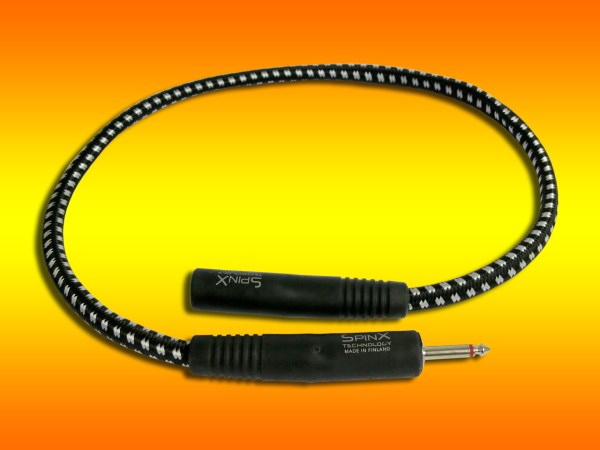
Seldom has there been this amount of Internet chatter and general hysteria about any guitar accessory, as there has been about the Finnish Spin X cable, which is only a guitar lead of approximately 75 cm length, with two giant 1/4-inch connectors (a female input; a male output).

The Spin X cable (sold for 129 € as the RED Cable by Mad Professor) is manufactured by a Finnish company called Spindeco Oy. The cable promises to improve the efficiency of its conductors by means of a nano-electrical phenomenon, known as the electron spin. Special graphite-coated conductors are meant to rearrange the signal-carrying electrons in such a way, that the signal flow is improved. Spindeco claim that the main benefit of this technology in a guitar lead is an improved phase correlation between the different frequency bands of the signal. Apparently, traditional leads tend to pass high frequencies quicker than low frequencies, which tend to arrive at the amplifier with a very tiny time lag.

Using the benefits of the noble search engine, I quickly ascertained that the electron spin is, in fact, no voodoo, but rather generally acknowledged quantum physics. Still, we guitarists are interested in audible results; we ask questions like:

Does the Spin X cable do what it says on the tin? Is there truly a discernible difference in sound? Do I have to own one if I want to be a Tone God?

****

I was given a Spin X cable for reviewing purposes.

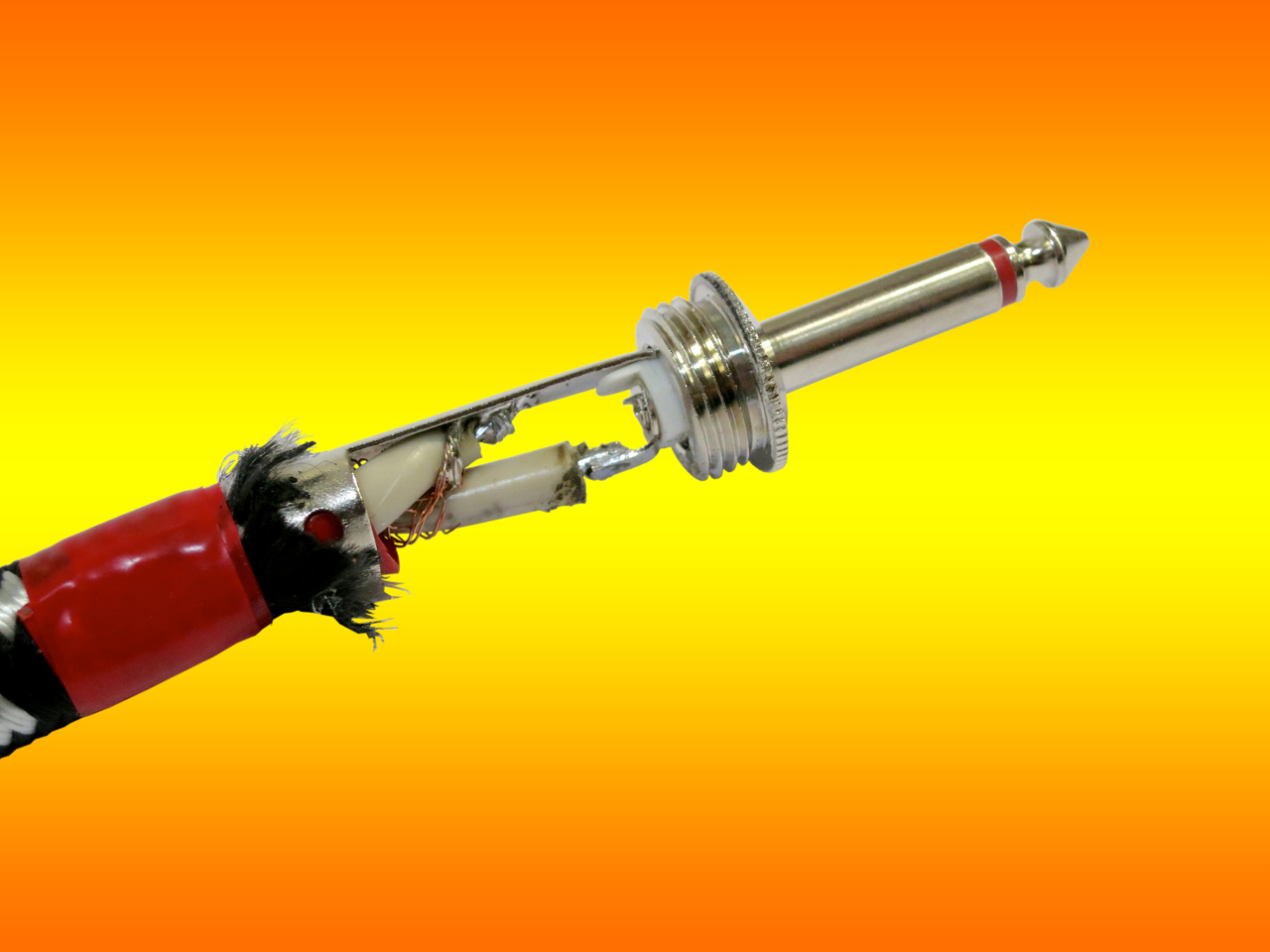
There’s been some rumours about miniature transformers, or buffers, inside the lead’s giant connectors, which is why I had to take a closer look inside. Nope, it’s just a bunch of different conductors – some left unused – attached with traditional soldering tin!

The short length of the Spin X cable has also been the centre of some speculation. Guitarists have been asking: ”Why is it just a short extension cord, instead of a full-length guitar lead?”

Take a closer look at these pictures (click on them for a larger view), and the answer becomes rather obvious:
Spin X cable – plug 2

Spin X Cable – jack 2

It seems that Spin X relies on two identical conductors to function in the desired way. One is the hot (signal) conductor, while the other goes to earth (ground). But using this type of cable results in a less-than-ideal setup, when it comes to mains hum and electromagnetic interference.

guitar cable

coaxcable

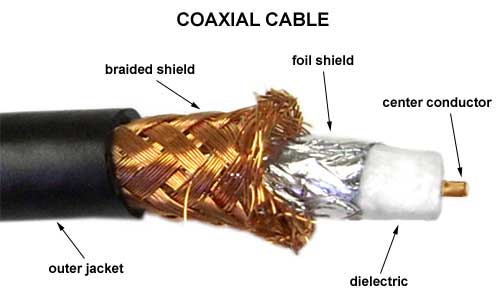
Traditional guitar cables are built as coaxial leads, where a centre conductor carries the guitar signal. The centre conductor runs inside a layer of insulation, which in turn is covered by one (or several) shields. The shield is connected to ground and serves two purposes – one: its the audio signal’s earth; two: it’s a Faraday cage that shields the signal conductor from extraneous interference, like mains hum.

If you connect only the Spin X cable to an amp, and turn up the volume, you will be greeted by an unacceptable amount of hum and microphonics, but as soon as you plug your regular lead into the Spin X, all the noises disappear. This means that the Spin X needs the traditional, coaxial guitar lead to do away with all the interference.

****

The Spin X cable seemed reasonably rugged and well made.

The only thing that bothered me in the road-worthiness department were the badly secured strain relief cuffs in both connectors of our review sample.

****

I wanted to find out, whether you could ”measure” any real speeding up of the guitar signal in the confines of a home studio. I came up with the following setup:

I recorded the acoustic sound of a Fender Stratocaster using an AKG C3000 condenser microphone onto the left channel of a stereo signal, while direct-injecting the high-impedance guitar signal going through a Whirlwind Leader cable into my sound card.

Whirlwind Wave

As you can see above, the DI’ed guitar signal (waveform on the bottom) is a tiny bit behind the miked up acoustic sound.

Spin X Wave

This picture shows clearly that the Spin X doesn’t ”speed up” the guitar signal in any way noticeable in a standard audio sequencer.

The listening test also doesn’t reveal any noticeable differences between using only the traditional lead or adding the Spin X cable. If anything, adding the Spin X might even add a minuscule amount of time lag to proceedings, at least to my ears:

****

I then recorded a series of sound clips, using my trusty Blackstar HT-1R valve combo. In each clip the first half is played through just the traditional Whirlwind lead, while the second half has the Spin X cable added into the signal chain.

For comparison purposes here’s a clip of a Fender Stratocaster DI’ed into the sequencer (first half Whirlwind only; second half Whirlwind plus Spin X):

A Strat through the Blackstar:

Gibson LP Junior:

Hamer USA Studio Custom:

Gibson Melody Maker SG:

****

Next I took the Spin X to the guitarist of Rock-Ola & The Freewheelers. Sami Saarinen went through several different vintage and custom shop guitars and amps at band rehearsal volumes – both straight into the amp, as well as using a pedalboard.

The differences in sound between using only a traditional guitar lead and adding the Spin X cable seemed a little bit more pronounced using Sami’s setup at higher volume levels, compared to what I could make out in my home studio.

****

Spin X 1

For the last bit I wanted to make sure that the Spin X cable’s function was not dependent on valve technology:

I borrowed my son’s Marshall MG30CFX combo for a short test run. All sound clips start with only the Whirlwind cable connected; the Spin X comes in at the halfway point.

Fender Telecaster (neck pickup):

Both pickups:

Bridge pickup:

****

Based on my tests I have to state that the Spin X cable really does add a little ”something” to the sound. The Spin X’ effect is more easily spotted with a quality guitar and a quality amp at slightly higher volume levels. It also seems that the tonal effects are more pronounced in singlecoil-equipped guitars – like a Stratocaster, a Telecaster, a Les Paul Junior, or a non-reverse Firebird – than when using humbucker-carrying guitar models.

The Spin X’ ”sound” is similar to the effect a buffer amp has on a long signal chain. You will get a slightly more refined top end, a whiff of added presence and openness, as well as a tighter and more pronounced bass. Strats and Teles will sound a tiny bit more HiFi, while a P-90 pickup will lose a little of its lower-mid congestion.

The Spin X seems to make the signal louder by an inkling, but this could also be a mere psychoacoustic effect, caused by the added presence.

****

Spin X 5

There’s no simple and straight answer to the question, whether the Spin X cable genuinely ”improves” your tone. Many Rockabilly, Punk or Metal guitarists wouldn’t want to make their guitars sound ”more polite”. Some styles and genres simply demand a gritty, unruly top end, and some chunky mid-range grind.

For some tone hounds and sound aesthetes, however – players following the in the footsteps of guitarists, such as David Gilmour, Michael Landau or Eric Johnson – the Spin X cable’s tiny tonal changes might make all the difference.

In any case, it is up to you to decide how much this minuscule fine-tuning of your guitar signal is worth to you.

****

Spin X Cable

For more info on the Mad Professor RED Cable go HERE.

Testipenkissä: Spin X -johto (Mad Professor RED Cable)

Update 24.11.2015:

Spindecosta tuli viesti, että firma ei tulekaan markkinoimaan Spin X -johtoa omalla nimellään, vaan että myynti jatkuu Mad Professor RED Cable nimellä!

Spin X 2

Harva vempain on viime aikoina synnyttänyt kitaristien keskuudessa samankaltaista kuhinaa kuin suomalainen Spin X -johto, ja kyse on sentään ”vain” noin 75 cm pitkästä ja kahdella valtavalla liittimellä varustetusta kaapelista.

Spin X -johdon (hinta ei vielä vahvistettu) takana on suomalainen yritys Spindeco Oy. Spin X -johdossa johtimien hyötysuhdetta parannetaan hyödyntämällä elektronin spin -nimistä nanoteknologista ilmiötä. Johdossa olevilla hiilellä päällystetyillä erikoisjohtimilla järjestetään signaalia kuljettavat elektronit ikään kuin siistimpään järjestykseen, mikä ilmeisesti nopeuttaa signaalin kulkua johtimen läpi. Kitarajohdossa spin-ilmiön päähyöty on – valmistajan myyntivastaavan mukaan – että kaikki taajuuskaistat saapuvat samanaikaisesti vahvistimen tulojakkiin, kun perinteisessä johdossa bassot saapuvat hieman muita taajuuksia jäljessä.

Googlaamalla selviää hyvin nopeasti, että elektronien spin ei ole mitään huuhaata, vaan aitoa kvanttifysiikkaa. Meitä kitaristeja kuitenkin kiinnostavat eniten seuraavat kysymykset:

Toimiiko Spin X -johto toivotulla tavalla? Onko ero selvästi havaittavissa? Onko pakko hankkia tällainen johto?

****

Sain Spindecon Jerry Ala-Leppilammelta yhden Spin X -johdon testattavaksi.

Johdon isoja liittimiä auki ruuvaamalla selvisi heti, että johdossa käytetään todellakin ainoastaan johtimia, eikä esimerkiksi plugiin upotettuja muuntajia tai vastaavaa.

Monet kitaristit kysyvät myös miksi Spin X -johto on niin lyhyt, ja miksi se on saatavilla pelkästään ”jatkojohtona”, eikä tavallisena kitarajohtona. Näissä kuvissa näkyy vastaus:

Spin X cable – plug 2

Spin X Cable – jack 2

Spin X:n toimiminen ilmeisesti edellyttää sitä, että johdon kaksi johdinta (signaali ja maa) ovat rakenteeltaan täysin identtisiä, mutta tästä seuraa samalla, että erikoisjohto on selvästi häiriöherkempi kuin perinteinen koaksiaalinen kitarajohto.

guitar cable

coaxcable

Tavallisessa kitarajohdossa signaali kulkee johdon keskijohtimessa, sen ympärille on laitettu eristys (ja usein myös johdon staattisia käsittelyääniä vähentävää alumiini- tai grafiittifoliota). Tiivis kuparilangasta tehty verkko (vaippa) toimii maajohtimena, ja suojaa Faraday-häkkinä kitarasignaalia tehokkaasti ulkoisia elektromagneettisia häiriöitä vastaan.

Kun liittää vahvistimen tuloon pelkästään Spin X -johdon kuuluu (isoilla gain- ja/tai volume-asetuksilla) selkeästi vahvistimelta tulevan muuntajahuminan, sekä johdon hiplaamisessa syntyviä käsittelyääniä. Heti kun tavallinen kitarajohto on liitetty Spin X -johtoon, sekä brummi että mikrofoninen rähinä loppuu kuin seinään.

****

Spin X -johdon erikoisjohto vaikuttaa laadukkaalta ja mekaanisesti kestävältä. Myös juotokset olivat siistejä.

Testijohdossa vain hyvin löysästi ja huolimattomasti laitettu vedonpoisto (molemmissa liittimissä!) aiheutti hieman hämmennystä.

****

Halusin selvittää, onko elektronien nopeusero mitattavissa kotistudio-olosuhteissa, ja tein seuraavanlaisen kokeilun:

Äänitin Fender Stratocasterin akustista ääntä AKG C3000 -kondensaattorimikrofonilla vasempaan kanavaan, samalla kun korkea impendanssinen kitarasignaali meni tavallista kitarajohtoa (Whirlwind Leader) pitkin suoraan äänikortille.

Whirlwind Wave

Kitarasignaali (oikea kanava) oli aavistuksen verran mikkisignaalia jäljessä, kuten tässä kuvassa näkyy.

Spin X Wave

Spin X -johdon käyttö ei ainakaan nopeuttanut signaalin kulkua sen verran, että se olisi audiosekvensserillä näkyvissä.

Myös kuulohavainnolla viive kuulostaa hyvin samanlaiselta, ehkä jopa hiuksen verran pidemmältä Spin X -johtoa käytettäessä:

****

Äänitin koesarjan eri kitaroilla Blackstar HT-1R -putkikombolla niin, että jokaisessa klipissä ensimmäinen puolisko on äänitetty pelkästään Whirlwind-johdolla ja sitten toisessa on lisätty Spin X -johto signaalitiehen.

Ensin Fender Stratocaster ilman vahvistinta:

Strato Blackstarin kautta:

Gibson LP Junior:

Hamer USA Studio Custom:

Gibson Melody Maker SG:

****

Seuraavaksi menin Spin X -johdon kanssa Rock-Ola & The Freewheelers -yhtyen kitaristille. Sami Saarisen kanssa kokeiltiin Spin X -johdon vaikutuksia hieman suuremmalla volyymillä eri vintage- ja custom shop -kitaroiden ja -vahvistimien kanssa, pedaalilaudalla ja ilman.

Valitettavasti tästä sessiosta ei ole äänityksiä, mutta soundillisesti erot Spin X -johdolla ja ilman olivat jopa selvemmät kuin kotistudio-oloissa.

****

Spin X 1

Viimeisenä halusin saada selvillä, onko Spin X:n toiminta kytköksissä putkitekniikkaan vai toimiiko johto myös edullisen transistorivahvistimen kanssa.

Äänitin siis muutaman pätkän poikani Marshall MG30CFX -kombon kautta. Kaikki pätkät alkavat ilman erikoisjohtoa, joka tulee toisessa puoliskossa mukaan kuvaan.

Fender Telecasterin kaulamikrofoni:

Molemmat mikit yhdessä:

Telecasterin tallamikrofoni:

****

Testien perusteella minun täytyy todeta, että ”jotain” todella tapahtuu, silloin kun Spin X -johtoa käytetään. Johdon vaikutus tulee selkeämmin esiin laadukkailla vahvistimilla ja hieman isommalla volyymillä kuin kotisohvalla kerrostalossa. Jotenkin tuntuu myös siitä, että yksikelaisilla mikrofoneilla varustetut kitarat – esimerkiksi Stratot, Telet, LP Junior, non-reverse Firebird – hyötyvät erikoisjohdon tuomista muutoksista enemmän kuin humbucker-kitarat.

Spin X -johdon ”soundi” tavalliseen kitarajohtoon verrattuna on lähellä laadukkaan bufferin tuomia lisäyksiä pitkässä signaaliketjussa. Spin X:n kanssa soundissa on vähemmän raapivaa terävyyttä diskantissa, enemmän avoimuutta ja kiiltoa ylä-middlen preesensalueella, sekä tiukempi ja tarkempi bassotoisto. Fender Stratocasterit ja Telecasterit saavat aavistuksen verran lisää hifimäisyyttä ja P-90-mikrofoneista katoaa pieni annos tukkoisuutta etenkin clean-soundeissa.

Spin X:n kautta signaalitaso tuntuu myös aavistuksen verran korkeammalta, mikä toki voi olla pelkästään psykoakustinen ilmiö.

****

Spin X 5

Kysymykseen onko soundi ”parempi” Spin X -johdolla ei kuitenkaan pysty vastaamaan yksiselitteisesti. Rockabilly- tai Punk-kitaristeille kovan ja kirskuvan diskantin lievä vaimennus voi olla myös huono asia, myös keskialueen siistiminen ei ole välttämättä jokaisessa tapauksessa (perinne-Blues, Swamp Rock) toivottu lisäys.

Todelliselle soundiesteetikolle – siis David Gilmourin, Michael Landaun tai Eric Johnsonin kaltaiselle soittajalle – Spin X -johdon tuomat lievät, mutta tyylikkäät, muutokset voivat muodostaa sen paljon kaivatun pisteen iin päällä.

Siihen, kuinka paljon on valmis maksamaan Spin X:n tuomasta lisäsilauksesta, jokaisen itse on vastattava.

****

Spin X Cable

Lisätiedot: Spindeco

Spin X Cable – now on SoundCloud

In all clips the first half is recorded without the Spin X Cable, while the second half uses the Spin X in front of the sound card or amp.
++++
Mic + DI track (to check the delay between mic and DI):
• left channel – AKG C3000 close miking a Stratocaster
• right channel – Stratocaster DI’d via Focusrite Saffire 6 USB
++++
The signal chain used was:
Guitar –> 6 m Whirlwind Leader –> (Spin X Cable) –> Blackstar HT-1R –> 5 m Planet Waves Classic –> Focusrite Saffire 6 USB

Spin X 1

Press Release: Ruokangas Guitars release two new models

Ruokangas Guitars celebrate their 20th Anniversary by releasing two new models:

Unicorn Supersonic™

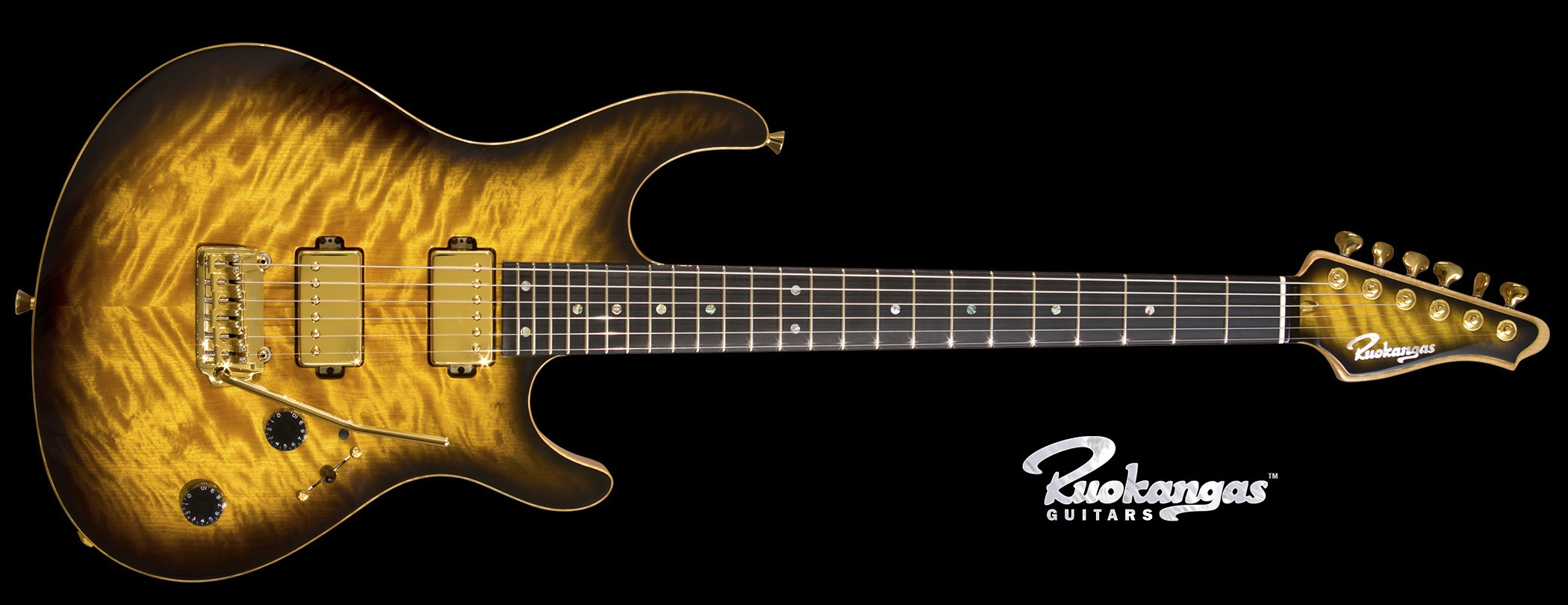
The Supersonic features a new unique Bare Bone™ finish by Ruokangas. Another new original feature are the Lock-Thru-Body™ bridge bushings, that make the guitar stronger (the wraparound bridge will not bend forward over time), and guarantee unparalleled energy transfer from the bridge into the body of the guitar.
Selling Price starting from: 3 700 €
Supersonic as pictured: 3 950 € (varies depending on options)

Ruokangas Unicorn Supersonic – Press lrg

****

Aeon™ Classic/Deluxe/Artist

The Aeon comes in three versions – the Classic with a thermo-treated alder body and bolt-on neck – the Deluxe with a spanish cedar body, an arctic birch top and a bolt-on neck – and the Artist with a spanish cedar body, an arctic birch top and neck-thru-construction. As always with Ruokangas, you have a truckload of options for customizing the guitar to fit your style. The word ‘Aeon’ is latin, and means ‘infinity’.
Selling Price starting from: 3 200 €
Aeon Artist as pictured: 8 000 € (varies depending on options)

Ruokangas Aeon Artist – Press lrg

****

Contact: Ruokangas Guitars

Review: Boss DD-500

dd_500_angle_3_gal

The brand-new Boss DD-500 will quite likely prove to be a definite milestone in the effect company’s history. Boss’ newest creation isn’t just another run-of-the-mill delay pedal; instead, the company’s R&D-department has set out to create a genuine ”mother of all delay pedals”, aiming to take the user all the way, from the illustrious past of echoes and delays right into the here-and-now of top notch audio processing.

****

dd_500_top_gal

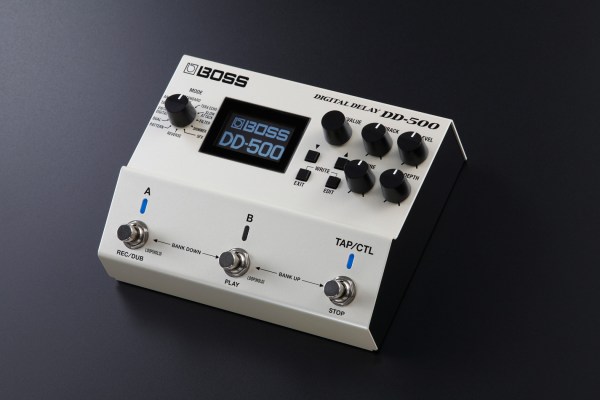
The Boss DD-500 (current street price in Finland approx. 370 €) comes over as a very matter-of-fact, businesslike pedal with a very clean and uncluttered look.

Despite the fact that each effect patch contains quite a number of different adjustable parameters, Boss have provided the user with physical knobs and buttons to access the most important features directly. In addition to the all-important Delay Mode selector, you’ll find controls for Time, Feedback, Effect Level, Tone, and Modulation Depth. This makes tweaking any patch very fast and easy.

The Model-selector goes right to the heart of what the DD-500 does, offering you access to the different delay types on offer. The DD-500’s twelve Modes really run the whole gamut of all delay types known to mankind, starting with a state-of-the-art, contemporary delay (Standard) and leading you all the way to some of the best digital models of tape- and bucket brigade-delays you’re likely to hear. Let’s not forget about the more special delay types on offer here, such as Boss’ own Tera Echo Mode, Shimmer, Slow Attack, or Reverse. The outlandishly bit-crunching SFX setting, as well as the fat and chewy Filter Mode will take your playing closer to the realms of synthesizers and Electronica. Depending on the chosen mode, the maximum delay time on offer stretches to a whopping ten seconds!

Naturally, the DD-500 also comes with a phrase looper, which can loop up to two minutes of audio.

dd_500_back_gal

The Boss DD-500 will work equally well in mono or stereo setups.

The Control/Expression-jack lets you hook up an additional (double) footswitch unit or an expression pedal (not included) to the delay unit, allowing for real-time control of almost any parameter(s) you choose.

You can use MIDI to synchronise your delays to an outside source (such as an audio sequencer), as well as for remote effect patch switching.

The DD-500’s USB-port can handle both MIDI data, as well as digital audio, making it easy to record your effected guitar signal straight into your sequencer.

The Boss DD-500 offers plenty of memory space for effect patches:

Set to factory specifications, the delay unit will give you access to 99 banks of two patches each (A & B), that you can turn on and off using the switches of the same name. In this configuration the third switch is set aside for tap tempo and parameter control duties. You can change the factory configuration, though, which makes it possible to use 99 banks of three patches each (A, B & C). And if you’re really adventurous, you can also choose a setting that lets you use two delay patches simultaneously.

The Boss DD-500 can be run as a true bypass-effect, meaning that the input signal goes straight to the unit’s output, whenever the delay is turned off. If you have a long effect chain, or if you’re forced to run long cables to your backline, you will appreciate the delay’s buffered output option, too, which will keep all your precious trebles and dynamic content intact.

****

dd_500_angle_1_gal

Boss’ internal digital signal processing, with a sample rate of 98 kHz and a 32-bit resolution, lays the perfect groundwork for the DD-500’s excellent audio quality and amazing versatility. This isn’t your daddy’s delay box, where you can only set the delay time, feedback, and effect level; the DD-500 allows you to delve very deep to hone your tone in exactly the way you want. For example, all Delay Modes come with their dedicated semiparametric EQ, a comprehensive modulation section, and a ducking compressor.

Adding the possibilities offered by the CTL-switch – or additional switches, or an expression pedal – into the mix, further multiplies the tonal options on tap in the DD-500. If you don’t need the tap tempo function, you can use the built-in CTL-switch for special effects, such as – among others – Hold (the repeats don’t fade away, while the footswitch is pressed), Warp (basically a modern version of tape-spin; your delay running wild) or different types of Roll (changing the note value of your delay).

Yes, there is a long list of different parameters that you can tweak, but the DD-500 is still surprisingly easy to use. Despite the fact that this unit is much more versatile than a simple analogue delay, making your own delay patches is still relatively simple.

In my opinion, the new Boss DD-500 is the best and most versatile delay pedal available today.

Even used ”straight” – that is without further modulation or filtering – the basic Delay Modes sound great, offering you the widest possible scope to take you on a sonic journey par excellence. Here’s a short clip introducing all twelve Modes, using the same knob settings (with Modulation Depth set to zero). I start with Standard and work my way forward in a clockwise direction:

The factory patches in the DD-500 offer so many different types of delays that a review, such as this, can’t cover them all. The demo track features 12 different factory patches on the lead guitar, plus an additional patch, used to simulate a violin sound.

Here’s a mix of just the lead guitar parts:

And here’s the full track:

****

dd_500_angle_4_gal

I’m pretty sure that the Boss DD-500 will put an end to many a guitarist’s epic search for the ”perfect delay pedal”.

This delay unit offers you such a wealth of different sounds, delay types, and tonal options, that I probably could have spent weeks on end with the DD-500, without bumping into the outer walls of this universe of inspiration. The Boss DD-500 is an equally excellent choice for the traditional guitarist, looking for authentic versions of legendary delay sounds, as it is for the fearless sound traveller, who will draw a sheer never-ending wealth of inspiration from this device.

dd_500_angle_5_gal

****

Boss DD-500

street price ca. 370 €

Contact: Roland

****

Pros:

+ value-for-money

+ 12 delay types

+ broad scope for adjustment

+ large patch memory

+ sound

Testipenkissä: Boss DD-500

dd_500_angle_3_gal

Upouusi Boss DD-500 on melkoinen merkkipaalu firman kitaraefektien keskellä. DD-500 ei ole nimittäin ”vain” Bossin tuorein delay-pedaali, vaan idea on ollut kehittää ”kaikkien viive-efektien äiti”. Sellainen pedaali, joka tarjoaa soittajalle koko delay-efektin historian yhdessä rasiassa.

****

dd_500_top_gal

Boss DD-500 (katuhinta noin 370 €) ulkoinen olemus on hyvin selkeä ja asiallinen, mikä helpottaa työskentelyä laitteen kanssa.

Vaikka jokainen efektipatchi sisältää runsaan määrän eri ohjelmoitavia parametrejä, pääsee käyttäjä kuitenkin käsiksi kaikkiin tärkeisiin kohtiin suoraan etupaneelin säätimillä. Tarjolla on viivemoodin lisäksi viiveaika, feedback, efektin volyymitaso, efektin master tone, sekä modulaation syvyys. Kevyt presetin editointi lennossa sujuu säätimien ansiosta erittäin helposti.

Mode-kytkin on DD-500:n toiminnan kannalta keskeisessä asemassa – sillä valitaan efektipatchille se delaytyyppi, joka halutaan käyttää. Tarjolla on peräti 12 vaihtoehtoa, jotka ulottuvat nykyaikaisesta ”state of the art -viiveestä” (Standard) nauhakaiku- ja analogidelay-mallinnukseen (Tape ja Analog), unohtamatta erikoisempia viiveitä kuin Tera Echo, Shimmer, Slow Attack tai Reverse. Erikoisefektien ystävät voivat kehitellä hyvin mielenkiintoisia delay-vaihtoehtoja käyttämällä Filter-moodia tai bittisyvyytä rajoittavaa SFX-viivettä. Pisin mahdollinen viive (moodista riippuen) on peräti kymmenen sekuntia!

Luonnollisesti DD-500 voi käyttää myös audioloopperina, ja pisin looppi voi olla jopa kahden minuuttin pituinen.

dd_500_back_gal

Boss DD-500 toimii sekä monofonisessa että stereofonisessa efektiketjussa yhtä hyvin.

Control/Expression-jakkiin voi liittää (tupla-) jalkakytkimen tai ekspressiopedaalin (eivät kuulu hintaan), jolla voi vaikuttaa soiton aikana (itse valittuun) parametriin (tai parametreihin).

MIDIn kautta voi esimerkiksi kauko-ohjata DD-500:n ohjelmavaihtoja ja tahdistaa viiveaikoja.

Myös USB-portti pystyy lähettämään ja vastaanottamaan MIDI-käskyjä, mutta sen lisäksi Bossissa on myös sisäinen äänikortti, jolla efektipedaalin signaalin voi lähettää digitaalisessa muodossa esimerkiksi sekvensserille.

Boss DD-500 tarjoaa myös erittäin runsaasti tilaa omille efektipatcheille:

Tehdasasetuksilla laite on konfiguroitu näin, että muistissa on 99 pankkia, joissa on kaksi patchia (A ja B), jotka laitetaan päälle ja pois pedaalin samannimisillä jalkakytkimillä. Kolmas kytkin on silloin varattu Tap Tempo- (tai Control) -toiminnolle. DD-500 voi kuitenkin käyttää myös niin, että TAP/CTL-jalkakytkin muutetaan kolmanneksi patchikytkimeksi, jolloin muistiin mahtuu 99 pankkia, joissa on kolme patchia (A, B ja C) per pankki. Tosi monisävyisien delay-soundien ystäville Boss tarjoaa myös sellaisen konfiguraation, jossa voi ketjuttaa kaksi patchia samanaikaisesti.

Boss DD-500 voi toimia true bypass -pedaalina, mikä tarkoittaa että signaali menee suoraan tulosta lähtöön, silloin kun pedaali on pois päältä. Jos oma efektiketju on kuitenkin hieman pidempi, voi laittaa tässä pedaalissa myös bufferin päälle, jotta signaalin diskantti ja dynamiikka pysyisivät ehjinä.

****

dd_500_angle_1_gal

Bossin digitaalinen prosessointi 98 kilohertsisenä ja 32-bittisenä luo vankan perustan DD-500:n huikean äänenlaatuun, sekä sen erittäin vaikuttavaan vääntöön signaalin muokkauksessa. Tämä ei nimittäin ole mikään tavallinen viiverasia, jossa asetetaan vain aika, toistojen määrä, toistojen kirkautta ja efektin volyymiä kohdallaan, vaan DD-500:ssa on paljon enemmän mahdollisuuksia signaalin muokkaukseen. Jokaisessa delay-tyypissä on mukana myös esimerkiksi puoliparametrinen EQ (jolla saadaan viivesoundin just sellaiseksi kuin mitä haluaa), modulaatio-osasto (esimerkiksi huojunta- tai chorusefektejä varten), ja ducking-kompressori (joka nostaa viiveet esiin soittotauoissa).

CTL-kytkimen – tai lisäpedaalien – käyttö laajentaa DD-500:n tarjoamia ominaisuuksia vielä entisestään. Jos Tap Tempoa ei tarvita CTL-kytkimellä voi ohjata sellaisia toimintoja kuin esimerkiksi Hold (viivet jäävät ikäänkuin seisomaan), Warp (viive ”villiintyy” ja kasvaa) tai erilaiset Roll-tyypit (jossa aikajako muutetaan painalluksen ajaksi).

Vaikka parametrimäärä on DD-500:ssa hyvin runsas, on onnistettu kuitenkin tehdä käyttökokemuksesta helppo ja suoraviivainen. Vaikka tässä on kyse perus-delaytä paljon monipuolisemmasta lattiaefektistä, efektipatchien ohjelmointi on tehty suhteellisen simppeliksi.

Mielestäni Boss DD-500 on paras delay-efekti, johon olen tähän mennessä törmännyt.

Perus delay-moodit kuulostavat jo erittäin terveiltä, ja ne tarjoavat erittäin monipuolisen lähtökohdan erilaisille perinteisille, sekä ei-niin-perinteisille ja hyvin erikoisille viiveille. Tässä kaikki 12 viivemoodia, soitettu samoilla asetuksilla (ja ilman lisämodulaatiota). Aloitetaan Standardista ja mennään sitten kytkimen asentoja läpi myötäpäivässä:

DD-500 tarjoaa jo tehdaspatcheissa niin monta eri soundivaihtoehtoa, että niiden läpikäymiseen menee jo melkoinen tovi. Käytin demobiisissä 12 eri patchia soolokitaran kanssa, sekä yhtä patchia, jolla matkin viulusoundia.

Ensin vain ne soolo-osuudet:

Ja tässä koko biisi:

****

dd_500_angle_4_gal

Mielestäni näyttää hyvin paljon siltä, että monien kitaristin ”ultimatiivisen delay-pedaalin” etsintä voisi päätyä Boss DD-500:n hankinnalla.

Olen melko varma, että olisin itse voinut tutustua tähän pedaaliin vielä paljon pitempään ja perusteellisemmin, ilman että olisin törmännyt DD-500:n tarjoaman luovuuden rajaan. Bossin DD-500 sopii yhtä hyvin sellaiselle kitaristille, joka tarvitsee suuren määrän erilaisia ”autenttisia” viive-efektejä, kuin myös kokeilunhaluiselle soittajalle, jolle tämä pedaali tarjoaa lähes ehtymättömän lähteen inspiraatiolle.

dd_500_angle_5_gal

****

Boss DD-500

katuhinta noin 370 €

Lisätiedot: Roland

****

Plussat:

+ hinta-laatu-suhde

+ 12 delay-tyyppiä

+ erittäin laajat muokkausmahdollisuudet

+ iso patch-muisti

+ soundi

Pidä blogia WordPress.comissa.

Ylös ↑