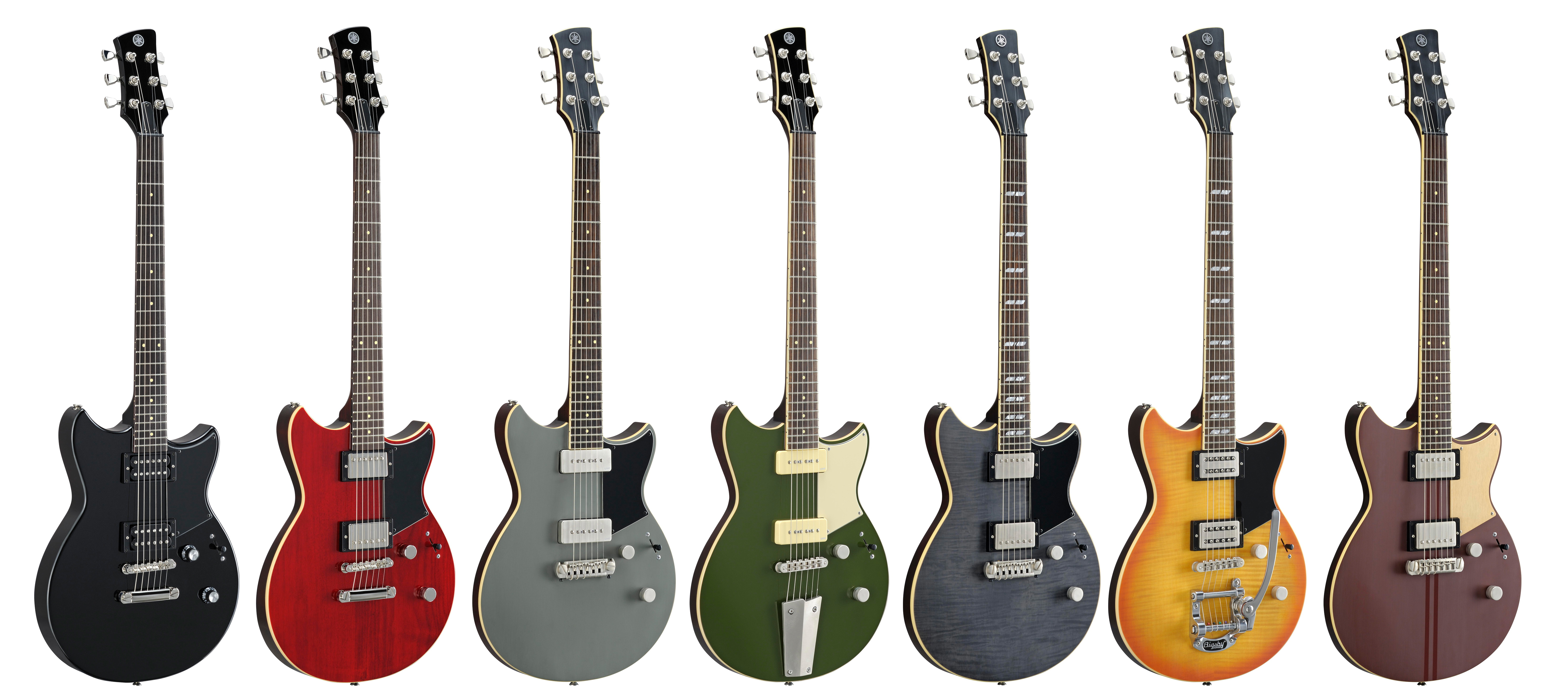
Yamaha on eilen esitellyt uuden sähkökitara-mallistonsa – Yamaha Revstar.
Tässä otteita F-Musiikin (Yamahan maahantuoja Suomessa) lehdistötiedotteesta:
Löydä uusi puoli itsestäsi!
Yamaha Revstar -mallistoa suunniteltaessa haettiin inspiraatiota Lontoon ja Tokion katupyöristä.
Toteutuksessa hyödynnettiin Japanilaista insinööri- ja käsityötaitoa yhdistettynä Yamahan 50-vuotiseen perinteeseen kitaranrakentamisessa. Jokainen yksityiskohta kaikissa Revstar-malleissa on tarkkaan harkittu antamaan kullekin kitaramallille oman persoonallisen luonteensa.
Tämä on Revstar – uusi kumppanisi!
Mallisto:
RS320 in Black Steel, Red Copper or Stock Yellow high gloss finish (katuhinta noin 450 €)
RS420 in Black Steel, Fired Red or Factory Blue high gloss finish (katuhinta noin 550 €)
RS502 in Shop Black or Billet Green steel wool finish (katuhinta noin 670 €)
RS502T in Bowden Green high gloss finish (katuhinta noin 775 €)
RS620 in Brick Burst or Burnt Charcoal steel wool finish (katuhinta noin 890 €)
RS720B in Ash Grey or Wall Fade steel wool finish with licensed Bigsby (katuhinta noin 1.100 €)
RS820CR in Rusty Rat or Steel Rust steel wool finish (katuhinta noin 1.100 €)
RSP20CR in Brushed Black or Rusty Rat steel wool finish – Made in Japan (katuhinta noin 1.700 €)
Revstar: Tärkeät ominaisuudet
* Ensimmäinen täysin uusi Yamaha sähkökitaramallisto 20:een vuoteen
* 8 persoonallista mallia yksilöllisillä ominaisuuksilla
* Rouhea teollinen viimeistely
* Livenä testattu tekniikka
* Yksilölliset mikrofonit
* Huippumiellyttävä soitettavuus
Yahama Guitars have introduced their brand-new Revstar Series of solidbody electric guitars yesterday.
The Revstar Series, which was over three years in the making, encompasses eight different models – from the affordable RS320 (street price in Finland approx. 450 €) to the pukka Made-in-Japan RSP20CR (1,700 €).
As Christmas is just around the corner, we at Kitarablogi felt it was a good idea to review one of the starter packs offered by a local music dealer:
DLX Music’s own affordable starter pack (299 €) combines a Sterling S.U.B. Silo3 guitar with a Vox AmPlug 2 Classic Rock headphone amplifier. The only things you need to add are a plectrum and a set of headphones – and off you go. And what’s best: Thanks to the headphone amp you won’t be disturbing any neighbours with your playing!
****
The Sterling (by Music Man) S.U.B Silo3 is an affordable licensed copy of the legendary Music Man Silhouette HSS-model. To my knowledge, the S.U.B. Silo3 is currently offered in Finland only as part of three DLX Music guitar packs. In other countries of the EU this guitar model is sold for around 300 €.
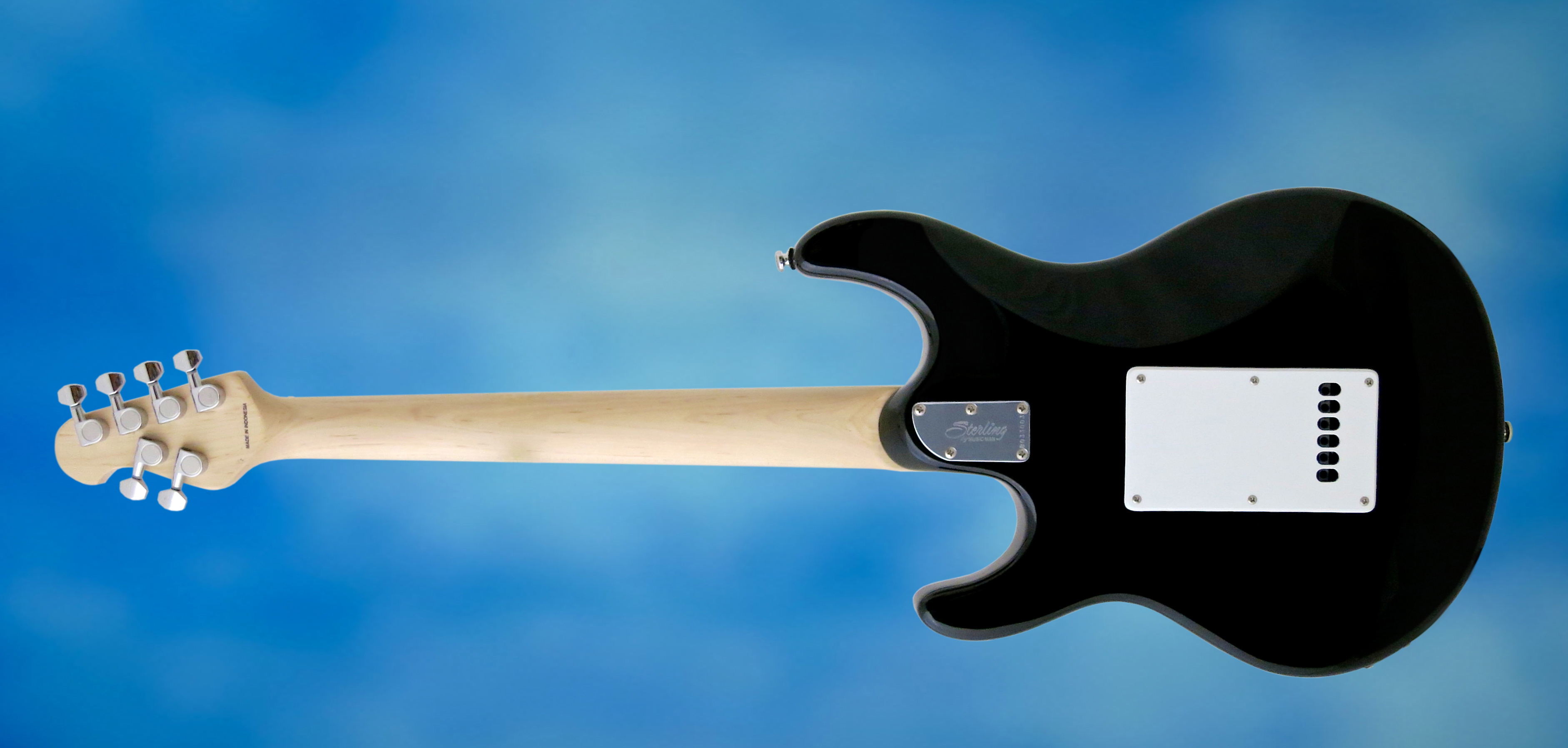
This Made-in-Indonesia Sterling uses different local hardwoods (all of which are said to resemble alder in terms of their sound) for the body.
The Silo3’s neck has been crafted from maple, same goes for the separate fretboard.
The whole neck comes with a thin satin finish, while the body is finished gloss black.
The fingerboard sports 22 medium-sized frets.
The Sterling’s very comfortable neck joint is a straight copy of the bolt-on joint used in Music Man’s US-manufactured guitars.
Thanks to the four-plus-two machine head arrangement on this guitar’s headstock, the Sterling Silo3 offers a straight string path from the nut to the tuner posts, without the need for any string retainers, which might impede on the vibrato’s return to pitch.
The tuners themselves are of decent quality.
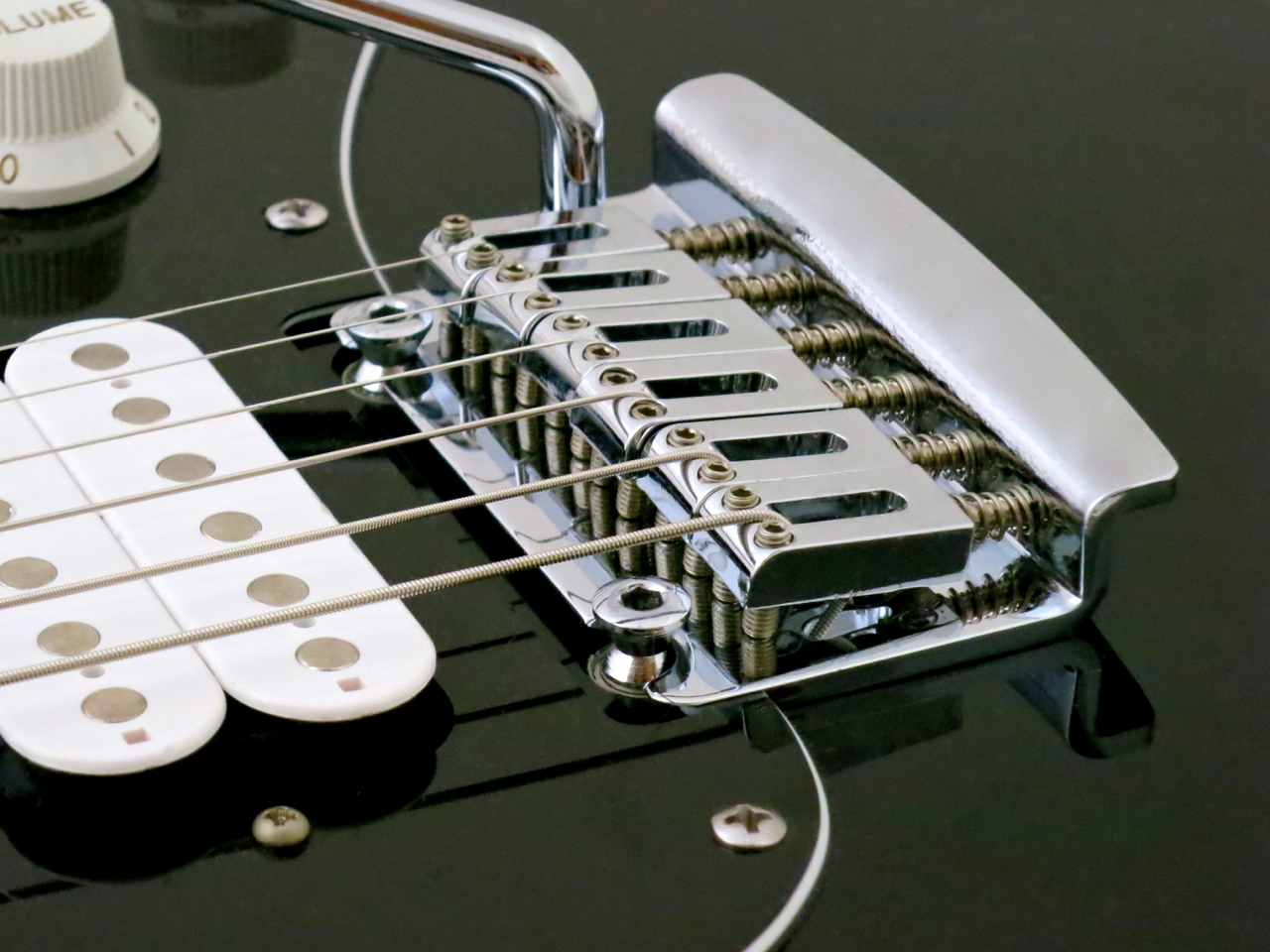
The vibrato bridge on the S.U.B. Silo3 is a modern take on the venerable vintage vibrato, featuring a knife-edge bearing with two height-adjustable posts.
Between the neck pickup and the end of the fingerboard you can see the truss rod adjustment wheel, typical of Music Man-instruments. Thanks to the wheel you can use an object that’s sturdy enough for the job – like a small screwdriver or a metal rod – to adjust the truss rod, without having to detach the neck or loosen the strings.
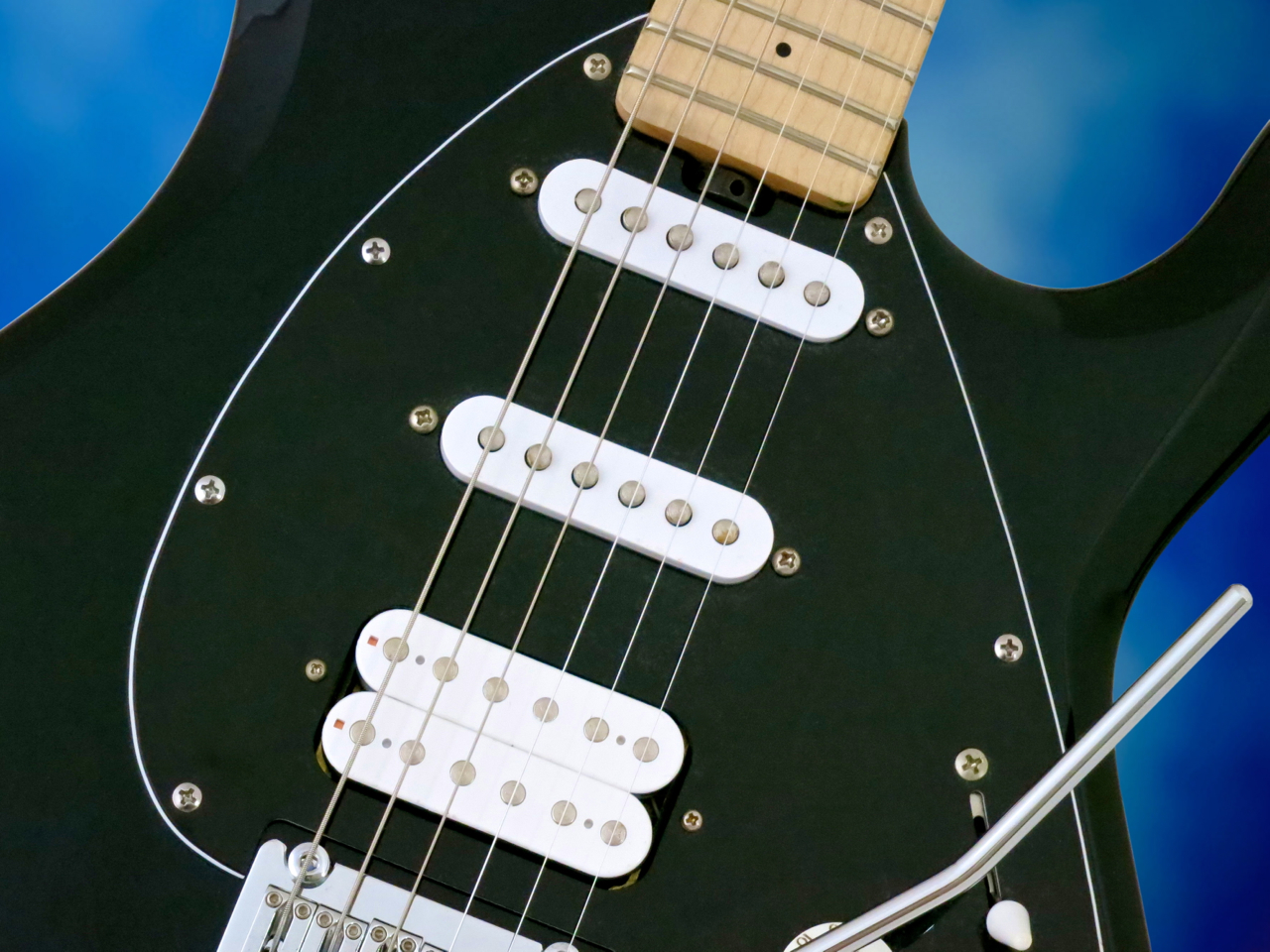
The Silo3 comes equipped with a set of ceramic pickups, which features slightly hotter singlecoils in the neck and middle positions for an overall balanced output level.
The controls comprise a master volume, a master tone, and a five-way blade switch.
****
The new, second-generation Vox AmPlug 2 headphone amps come with an updated set of features, both in terms of their sound and their practicality.
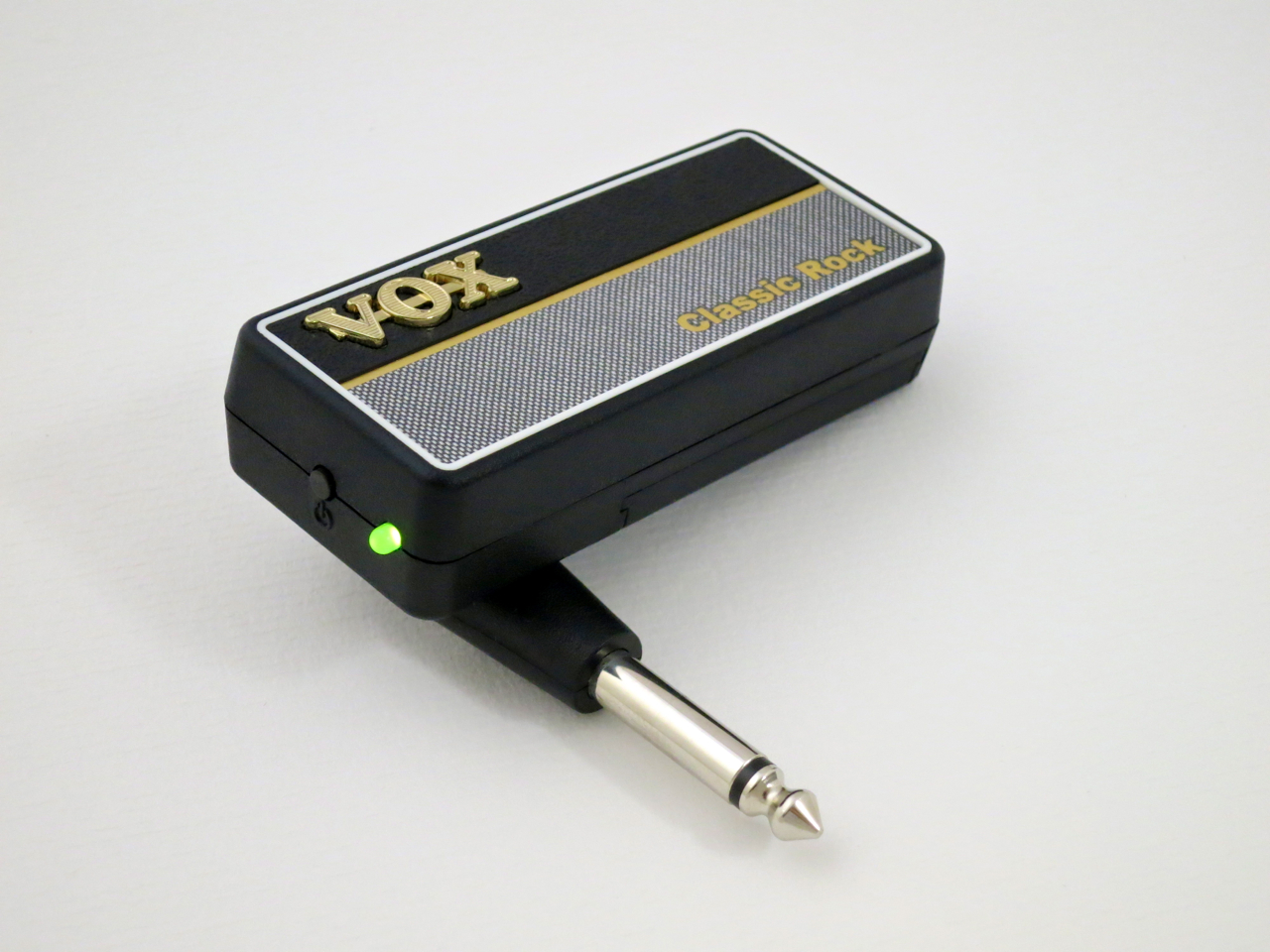
The new AmPlug 2 models now come with a rotating jack plug, which makes it easier to use the device with any electric guitar shape known to mankind.
The AmPlugs runs on two AAA-sized batteries.
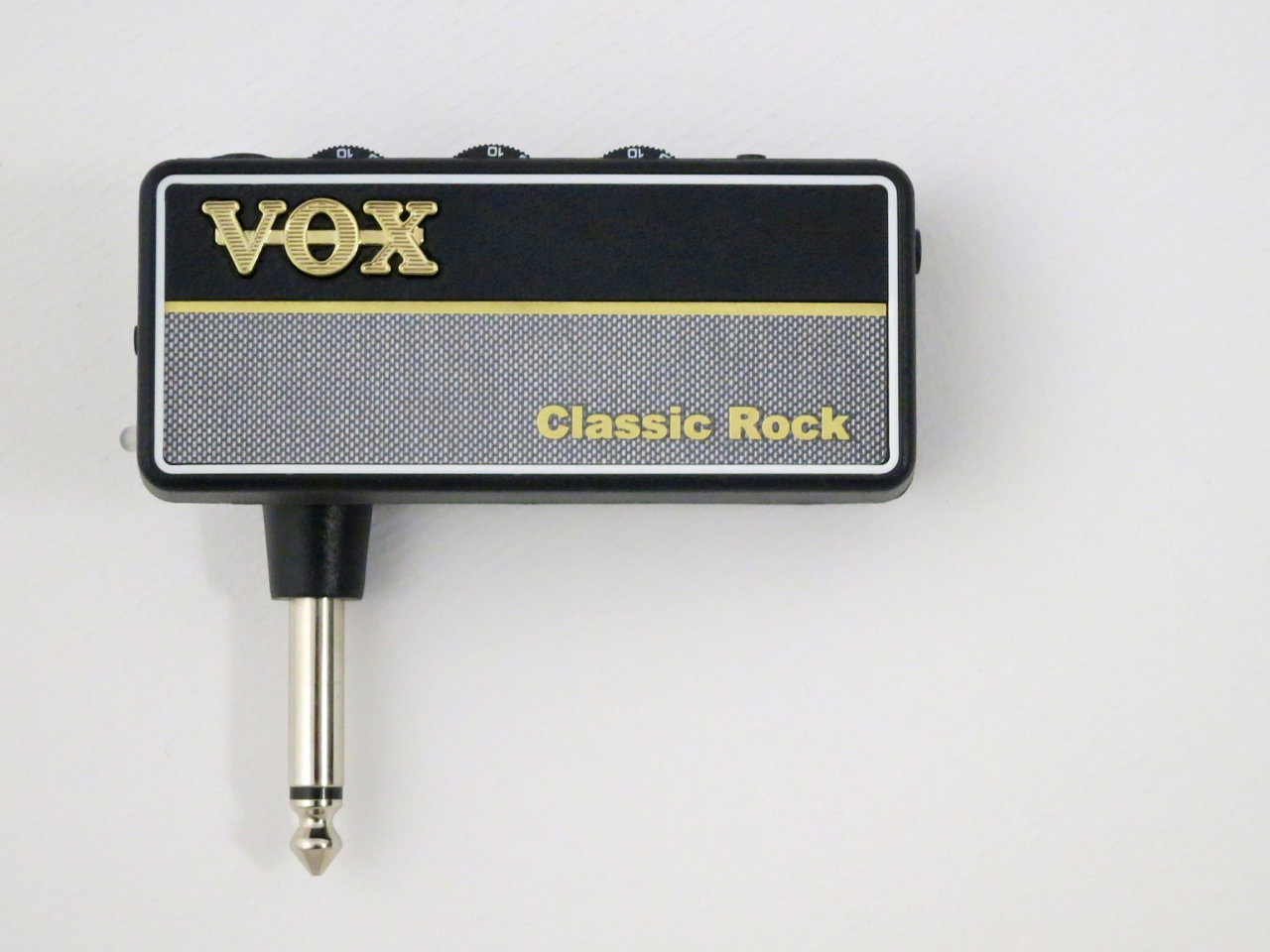
The AmPlug 2 Classic Rock sports three controls:
Gain adjusts the preamp levels from clean all the way to distorted. Tone lets you control the amount of treble in your output signal, while Volume is your master volume control, which adjusts the volume level in your headphones.
The Classic Rock’s effects department (labelled FX) lets you choose between three different guitar effects (chorus, delay, reverb), with each effect type offering you three different variations. You can only use one effect at any given time.
The Vox also comes with an Aux-input for connecting an mp3-player (or your mobile phone) for play-along sessions.
This Vox headphone amp also comes with a built-in mid-range booster. The current boost setting is indicated by the colour of the on/off-LED (green: boost off; orange: mild boost; red: full boost).
****
Sterling’s S.U.B. Silo3 offers you a lot of guitar for very little money.
The neck’s oval, slightly flattish C-profile will feel comfortable to most players, while the nice fretwork on the Silo3, as well as its 12-inch fretboard radius, makes string bending easy. Our review sample came well-adjusted and with a player friendly action (low E: 2.2 mm; high e: 2.0 mm @ 12th fret). Sterling uses a quality set of Ernie Ball Super Slinkies (a 009 set) as factory strings.
Used moderately, the Silo3’s vibrato bridge returns well to pitch, but if you want to dive bomb, you’ll probably need a locking nut.
I must admit to have been positively surprised by the quality of the Sterling Silo3-model’s pickups. Don’t forget, we’re talking about a 300 € guitar!
The clean sounds are nicely rounded and fresh, and even the singlecoil pickups retain a healthy dose of bottom-end warmth. Because of their overwound nature, the singlecoil pickups also manage to hold their own – output-wise – against the bridge humbucker.
This sound clip (recorded straight off the AmPlug) starts with the neck pickup:
The Sterling S.U.B. Silo3 is such a versatile instrument that it manages to cover the whole range of overdriven and distorted guitar tones – from slightly crunchy old-school Blues to full-frontal Metal. For my part, I wouldn’t have any qualms about dragging this guitar on stage with me right now…
****
As you could already witness from the two above Silo3-clips, Vox has managed to improve further on the already great sound of its range of headphone amplifiers. There are, for example, definite improvements in the hiss levels of the AmPlug 2 Classic Rock.
The range of sounds on offer will cater for all you Marshall-spirited needs from the 1960s all the way to the 80s – Classic Rock, indeed. If you’re after contemporary High Gain-sounds, I’d steer your attention towards the AmPlug 2 Metal instead.
The Classic Rock’s effects section does its bit to spruce up your guitar tone, and the quality on offer is amazing (especially, when considering the tiny price tag). The audio clip starts with a completely dry guitar sound:
The AmPlug’s mid-boost function makes even fatter and more aggressive sounds possible, whenever you need them. This audio clip starts with the boost off, and continues with the mild boost, before giving you an idea of what the full mid-range boost will do for you:
****
In my opinion, this is a great starter pack, making learning to play the guitar, as well as practising, a lot of fun.
Sterling’s S.U.B. Silo3 isn’t the cheapest electric guitar that you can lay your hands on in Finland, but it most certainly is one of the best (and most versatile) instruments in its class. The Silo3 is a real electric guitar, and not a cheese grater with strings. This Sterling both plays and sounds great!
Vox’ updated AmPlug 2 Series wins you over with even more features and an even better sound. This inexpensive little device makes it possible for you to rock out in most places, and almost at any hour – whenever and wherever inspiration might strike.
You can really make music with this quality pack from DLX Music Helsinki, as you can hear from the demo track. All guitar tracks have been recorded straight off the Vox AmPlug 2 Classic Rock, without any additional effects (save for a tiny bit of compression added during mixdown):
****
Sterling by Music Man Silo3 and Vox AmPlug 2 Classic Rock (DLX Music starter pack)
Ensimmäiset kitarasynat (1970-luvun alussa) olivat täysin analogisia ja käyttivät kitaran omaa ääntä soundin perusteena. Kitarasignaali vietiin läpi pitkän muokkausketjun, jossa oli eri särö-, oktaaveri-, filtteri- ja modulaatiovaiheita, joiden kautta kitaran ääni muuttui analogisynan kaltaiseksi.
Vanhoissa kitarasynoissa oli kyllä paljon hienoja soundeja, mutta ne vaativat soittajalta todella tarkkaa soittotekniikkaa, ja tämän lisäksi monet toimi vain monofonisella kitarasignaalilla (ei sointuja).
Rolandin kehittämä GK-mikrofoni muutti (MIDI-standardin lisäksi) nämä asetelmat sitten täydellisesti:
GK-mikin ansiosta oli (ja on edelleen) mahdollista käyttää myös sointuja, sekä sähkökitaran laajaa valikoimaa eri soittotekniikkoja. GK-järjestelmä mahdollistaa myös räkkisynojen, softasynojen ja samplerien soittamista kitaralla. Sähkökitarasta tuli kokonainen orkesteri.
Upouusi Boss SY-300 (katuhinta noin 720 €) tuo alkuperäisen idean kitarasynasta takaisin, mutta digitaalisen nykyteknologian saavutuksilla höystettynä. SY-300:lle luvataan erittäin tarkkaa ja nopeata triggausta, todella isoa soundia, laajoja mahdollisuuksia muokkaukseen – ja mitä parasta: syna toimii tavallisella kitarasignaalilla.
****
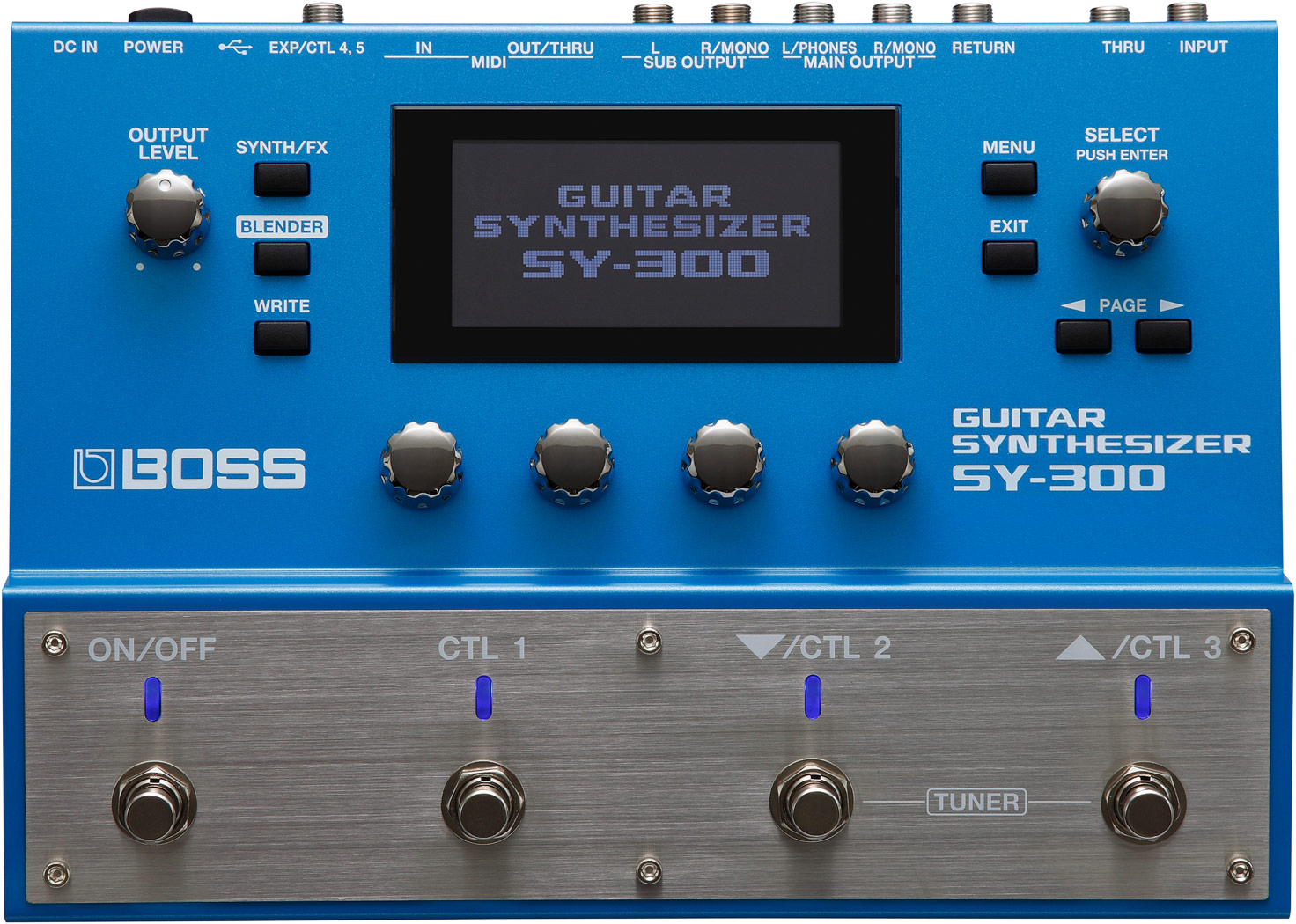
Kestävänoloinen Boss SY-300 näyttää kompaktilta multiefektiltä, ja se saa käyttövirtansa ulkoiselta virtalähteeltä (kuuluu hintaan).
Kitarasynan neljää jalkakytkintä voi käyttää erilaisien toimintojen ohjaamiseen, mutta peruskäytössä ne toimivat näin:
Vasen kytkin on On/Off-kytkin (tai oikeastaan bypass-kytkin). CTL 1 -jalkakytkimellä voi polkaista valitussa patchissa etukäteen määriteltyä parametrimuutosta päälle (esim. vibratoa tai filtteriä). Viimeisellä kahdella kytkimellä (CTL 2 ja CTL 3) vaihdetaan patchista toiseen, ja niillä saa myös SY-300:n viritysmittarin päälle.
Koska kyseessä on erittäin hyvin speksattu digitaalilaite, muokattavien parametrien määrä on aika iso. Onneksi Boss SY-300:n graafinen käyttöliittymä on erittäin onnistunut, ja synan ohjelmointi näytön alle sijoitetuilla säätimillä ja oikeanpuolisella navigointiosastolla sujuu vaivattomasti.
****
SY-300:n takapaneelin runsas liitinvalikoima ei todellakaan jätä toivomiseen varaa:
Kitaratulon vieressä näkyy kitarasynan efektilenkin Thru- ja Return-liittimet. Ground/Lift-kytkimellä pystyy katkaisemaan turvallisesti mahdollisen maalenkin aiheuttaen brummin. Bossin uutuuslaite tarjoaa peräti kaksi stereolähtöä. Päälähdön (Main Output) signaalia voi esimerkiksi kytkeä livekäytössä kitaravahvistimiin, samalla kun Sub-lähdön signaali menee livemikserille. SY-300:aan voi kytkeä myös kuulokkeita suoraan päälähdön vasempaan jakkiin.
MIDI-porttien ansiosta Boss-syna toimii myös saumattomasti MIDI-järjestelmässä. EXP/CTL 4,5 -niminen jakki on tarkoitettu lisäkytkimiä tai ekspressiopedaaleja (saatavilla erikseen) varten. SY-300:n kanssa voi käyttää EV-5- ja FS-7-pedaaleja, sekä FS-5U- ja FS-6-jalkakytkimiä, eri parametrien ohjaamiseen.
SY-300 toimii myös monikäyttöisenä ulkoisena äänikorttina, ja kitarasyna tarjoaa tätä varten peräti neljä erilaista USB audio -tilaa, mm. Re-Synth-moodin, joka toimii samalla tavalla kuin re-amping. Kitarasyna myös lähettää ja vastaanottaa MIDI-dataa USB-portin kautta. Myös patchien ohjelmointi, lataaminen ja jakaminen hoituu USB:n kautta Boss Tone Studio -ohjelmalla (Win/Mac OS).
****
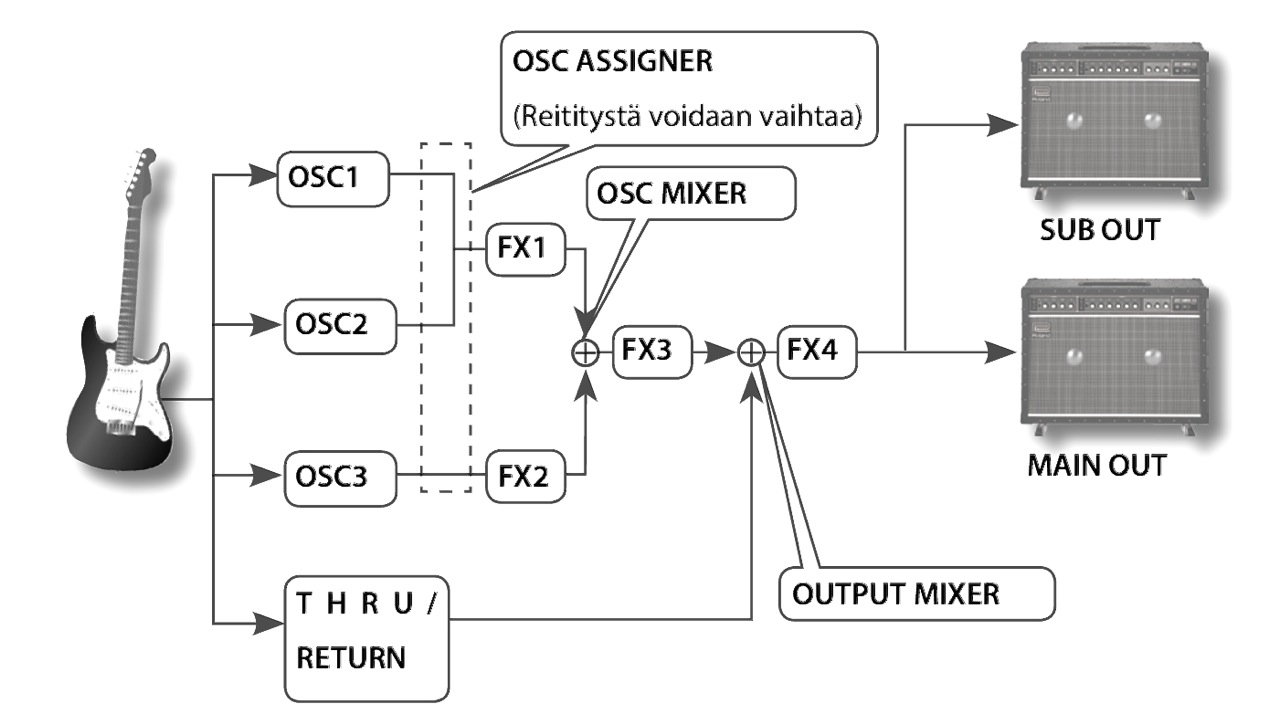
Yllä olevasta kuvasta näkyy Boss SY-300:n sisäinen arkkitehtuuri ja signaalitiet. Jokaisessa patchissa (Preset: 70; User: 99) voi käyttää maksimissaan kolmea oskillaattoria samanaikaisesti (OSC1-OSC3). Jokainen oskillaattori tarjoaa erittäin monipuolisen listan eri aaltomuotoja (sahalaidasta PWM:ään), sekä omat filtterit, LFO:t ja ADSR-moduulit. SY-300:n monipuolisuudesta kertoo myös, että oskillaattorien reititystä pystyy muuttamaan melko vapaasti, jolloin esimerkiksi osa signaalista voi kulkea rinnakaisten OSC-lohkojen sijasta myös sarjakytkennössä olevien oskillaattorien läpi. Sequencer-toiminnolla pystyy tämän lisäksi vielä muuttamaan tavallisen oskillaattorin 16-askeleen sekvensseriksi, joka tekee tulevasta signaalista tahdistettuja melodioita tai arpeggioita.
Mutta lysti ei vielä läheskään loppu tähän:
Bossin uudesta kitarasynasta löytyy nimittäin peräti neljä erillistä efektilohkoa, joiden efektivalikoima on hyvin kattava ja laadullisesti erinomainen. Myös efektilohkojen reititykseen pystyy vaikuttamaan tietyissä raameissa (OSC-lohkojen reitityksestä riippuen).
****
Boss SY-300 on todella käyttäjäystävällinen laite, mutta tämän kitarasynan monipuolisuuden – ja tarjottujen muokkausmahdollisuuksien määrän – takia kitarasyna-untuvikolla menee varmasti jokunen tovi käyttöoppaan kanssa, sekä kokeilemalla, ennen kun patchien ohjelmointi tyhjästä onnistuu toivotulla tavalla.
Itse opin synojen ohjelmoinnin onneksi vielä silloin, kun analogisynat ja Yamaha DX7 kohtasivat, minkä ansiosta tulin heti hyvin toimeen SY-300:n kanssa.
Kokeilin Bossin käyttöliittymä kirjoittamalla kitarasynalle hiukan itämaisen patchin, jossa sitar-tyylinen twang syntyy kahden sarjakytkentäisen oskillaattorin keskenäisestä moduloinnista, samalla kun kolmas OSC-lohko tuottaa soundin ylä-äänet.
Tältä lopputulos kuulostaa (yksi kitararaita, sekä kolme Roland HandSonic -perkussioraitaa):
Täma klippi taas on pieni läpileikkaus Boss SY-300:n soundeista:
Äänitin myös demokappaleen, jossa – rumpuraitoja lukuun ottamatta – kaikki soundit on äänitetty kitarasynalla:
****
Omasta mielestäni Bossin uutukainen on todella mahtava laite aitojen, analogihenkisien synasoundien ystäville.
SY-300 on erittäin varmatoiminen ja salamannopeasti trakkaava kitarasyna, joka seuraa esimerkillisesti kitarasignaalin tonaalista ja dynaamista sisältöä, ja toimii myös loistavasti polyfonisella tulosignaalilla.
SY-300:n ei ole tarkoitus korvata Rolandin GK-/GR-perheen tuotteita – jos etsit realistisia, multitimbraaleja soundeja GK-mikrofonia käyttävä soitin on yhä se helpoin tie onneen. Boss SY-300 on sen sijaan oiva rinnakaistuote – kitarasyna, jossa painopiste sijoittuu nimenomaan sen mahtaville synasoundeille ja laadukkaille efekteille, eikä perinteisten soittimien korvaamiseen.
Mallinnustekniikan edelläkävijäksi tunnetun Line 6:n maahantuonti on siirtänyt F-Musiikille.
Line 6 -tuotevalikoimaan kuuluvat niin mallintavat kitaravahvistimet, efektipedaalit ja POD-multiefektit, kuin myös – yhteistyössä Yamahan kanssa syntynyt – uusi mallintava Variax Standard -kitaramalli.
Joulu lähestyy jälleen vauhdilla, joten Kitarablogi tarttui tilaisuuteen testata yhtä joululahjaehdokasta:
DLX Musiikin oma edullinen sähkökitarapaketti (299 €) yhdistää Sterling S.U.B. Silo3 -kitaran ja Vox AmPlug 2 Classic Rock -kuulokevahvistimen. Rokkaamiseen tarvitaan paketin lisäksi vain plektra ja kuulokkeet. Ja mikä parasta – kuulokevahvistimen ansiosta ei tule edes kerrostalossa ongelmia naapureiden kanssa!
****
Sterling (by Music Man) S.U.B Silo3 on edullinen lisenssikopio Music Manin legendaarisesta Silhouette HSS -mallista. Tietääkseni S.U.B. Silo3 on tällä hetkellä saatavissa Suomessa ainoastaan osana kolmessa DLX Musiikin kitarapaketeissa. Kitaran hinta on muualla Euroopassa noin 300:n euron paikkeilla.
Indonesiassa valmistetussa Sterling-mallissa käytetään rungon valmistukseen erilaisia paikallisia, soundiltaan leppää muistuttavia puulajeja.
Silo3:n kaula on veistetty vaahterasta, samoin kuin kitaran otelauta.
Koko kaula on viimeistelty ohuella satiinilakalla, kun taas runko on saanut ylleen tyylikkään pianomustan viimeistelyn.
Otelautaan on asennettu siististi 22 medium-kokoista nauhaa.
Sterlingin erittäin sulava ruuviliitos on otettu suoraan Music Manin USA:ssa valmistetuista kitaroista.
Viritinlavan neljä-plus-kaksi koneistoasetelman ansiosta kitkaa aiheuttavia kielten alasvetimiä ei tarvita Sterling Silo3:ssa lainkaan, mikä parantaa vibrakäytössä soittimen vireen vakautta.
Sterlingin käyttämät virittimet toimivat ainakin testikitarassa sulavasti ja moitteettomasti.
S.U.B. Silo3:n vibratalla on vanhan Strato-vibraton toimiva päivitys nykyaikaisella laakeroinnilla.
Kaulan ja kaulamikrofonin välillä näkyy Music Man -soittimille tyypillinen – ja erittäin kätevä – kaularaudan säätöruuvi. Säätöruuvia voi kääntää ilman kielten (tai kaulan) irrottamista suoraan soittimen edestä sopivalla metalliesineellä (esimerkiksi pikkuruuvarilla).
Silo3:ssa käytetään lähtöteholtaan keskenään sovitettu keraaminen mikrofonisetti, vintagea selvästi tuhdimmilla yksikelaisilla kaula- ja keskimikrofonin asemissa.
Säädinosastolta löytyy viisiasentoinen mikrofonikytkin, sekä master volume- ja master tone -säätimet.
****
Uusien, toisen sukupolven Vox AmPlug -kuulokevahvistimien ominaisuudet on päivitetty, sekä käytettävyyden että soundin kannalta.
Uusissa AmPlug 2 -mallissa on nyt käännettävä plugi, mikä helpottaa laitteen käyttöä riippumatta jakin sijainnista.
AmPlugit toimivat kahdella AAA-kokoisella paristolla.
AmPlug 2 Classic Rockissa on kolme säädintä:
Gain-säätimellä muutetaan vahvistimen etuvahvistin puhtaasta soundista säröön. Tonella säädetään soinnin kirkkautta, kun taas Volume-säätimellä muutetaan kuulokkeille lähtevää volyymiä.
Classic Rockin efektiosasto (FX) tarjoaa kolme eri kitaraefektiä – jokainen kolmella variaatiolla – joista voi käyttää yhtä kerrallaan. Soittaja voi valita joko yhden kolmesta chorus-efektistä, delay-viiveestä tai kaikutilasta.
Voxin Aux-tuloon voi yhdistää esimerkiksi mp3-soittimen miniplugijohdolla.
Tästä Vox-kuulokevahvistimesta löytyy myös keskialueen lisäboosteri. Mid-boosterin tila näkyy päälle/pois-ledin väristä (vihreä: ei lisävahvistusta; oranssi: mieto boostaus; punainen: reilu boostaus).
****
Sterling S.U.B. Silo3 -malli tarjoaa roimasti vastinetta pieneen hintaansa nähden.
Kaulan hieman litteä, ovaali C-profiili istuu varmasti mukavasti monessa kädessä, ja Silo3:n pätevä nauhatyö ja loiva otelautaradius (12 tuumaa) tekevät kielten venytyksistä helppoa. Myös kielten korkeus on säädetty todella mukavalle tasolle – basso-E:n eteisyys 12. nauhalle on 2,2 mm, ja diskanttipuolen e-kielen kohdalla luku on 2,0 mm. Tehdaskielinä käytetään laadukkaita Ernie Ball Super Slinky -kieliä (009-satsi).
Maltillisesti käytettynä Silo3:n vibratalla pitää hyvin virettä, mutta se ei ole tarkoitettu todella rankkaa käyttöä varten.
Sterling Silo3 -mallin mikrofonit kuulostavat mielestäni todella hyviltä, vaikka kyseessä onkin ”vain” 300:n euron kitara.
Tämän kitaran puhtaat soundit ovat mukavalla tavalla kuulaita ja raikkaita, ja myös yksikelaisissa löytyy mukavasti substanssia ja tukevuutta. Yksikelaisissa on myös riittävästi tehoa, minä ansiosta ne eivät jää tallahumbuckerin jalkoihin.
Tämä (suoraan AmPlugista äänitetty) klippi alkaa kaulamikrofonista:
Sterling S.U.B. Silo3 -kitara on niin monipuolinen, että sillä pystyy kattamaan käytännössä koko särösoundien kirjon – miedosta perinne-Bluesista nykypäivän Metalliin. Ainakin itse olisin valmis nousemaan tällä kitaralla suoraan keikkalavalle…
****
Kuten Silo3-ääniesimerkeistä jo kuuluu, Vox on selvästi parantanut kuulokevahvistimensa perussoundia entisestään. AmPlug 2 Classic Rockin kohina on myös saatu mukavasti vähennettyä.
Soundien skaala ulottuu Marshall-henkisesti 1960-luvulta noin 80-luvulle – Classic Rock, siis. Nykypäivän High Gain -soundeja löytyy sen sijaan AmPlug 2 Metal -mallista (DLX-pakettiin saa vaihdettua myös toisen AmPlug-mallin).
Classic Rock -kuulokevahvistimen efektit ovat oiva lisä, ja niiden laatu on yllättävän hyvä, kun katsoo Vox AmPlug 2:n pientä hintalappua (klippi alkaa ilman efektiä):
AmPlugin keskialue-boosterilta saa lisää tukevuutta ja säröä, silloin kun sitä tarvitaan. Klippi alkaa ilman boostausta, sitten tulee mieto lisäys, ja viimeisenä täysi mid-boosteri:
****
Omasta mielestäni tämä paketti on loistava kokonaisuus. Se tarjoaa sähkökitaran soittoa aloittaville (ja miksei myös meille muille) erittäin mukavat puitteet harjoitteluun ja hauskanpitoon.
Sterling S.U.B. Silo3 ei ehkä ole halvin sähkökitaramalli Suomen markkinoilla, mutta se on yksi parhaimmista tässä hintaluokassa. Silo3 on oikea soitin, eikä turhauttava juuresraastin. Sterlingissä soundi ja soitettavuus ovat todella kohdillaan!
Vox AmPlug 2 -sarja tarjoaa entistäkin enemmän ominaisuuksia ja parempaa soundia. Pikkurahalla saa mahdollisuuden soittaa sähkökitaraa silloin, kun inspiraatio iskee, ja sellaisilla soundeilla, jotka innostavat soittamaan.
DLX Musiikin laadukkaalla paketilla voi todellakin tehdä musiikkia, kuten demobiisistä kuulee. Biisin kaikki kitararaidat on äänitetty suoraan Vox AmPlug 2 Classic Rockin kautta ilman lisäefektejä (paitsi hieman kompressori sekvensseristä):
****
Sterling by Music Man Silo3 ja Vox AmPlug 2 Classic Rock -kitarapaketti
When I wrote the original (Finnish) version of this review, the company behind this guitar lead, Spindeco Oy, had been making tentative noises about marketing the cable using the Spin X brand name. Since then I have been informed that Spindeco won’t start marketing this lead, after all. The cable will continue to be sold as the Mad Professor RED Cable – same specifications, different colour.
For the sake of clarity, the English version the review will refer to the product as the Spin X cable, too.
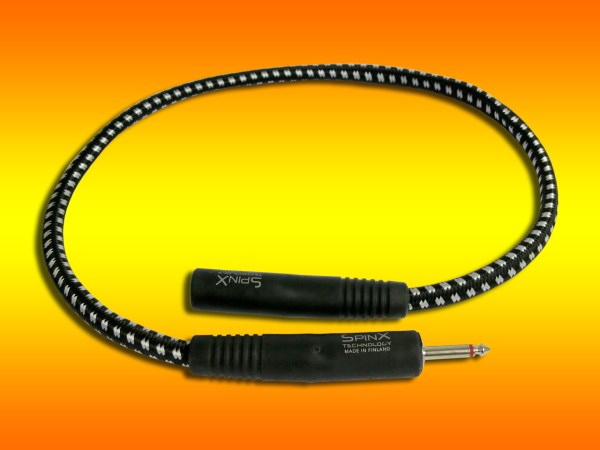
Seldom has there been this amount of Internet chatter and general hysteria about any guitar accessory, as there has been about the Finnish Spin X cable, which is only a guitar lead of approximately 75 cm length, with two giant 1/4-inch connectors (a female input; a male output).
The Spin X cable (sold for 129 € as the RED Cable by Mad Professor) is manufactured by a Finnish company called Spindeco Oy. The cable promises to improve the efficiency of its conductors by means of a nano-electrical phenomenon, known as the electron spin. Special graphite-coated conductors are meant to rearrange the signal-carrying electrons in such a way, that the signal flow is improved. Spindeco claim that the main benefit of this technology in a guitar lead is an improved phase correlation between the different frequency bands of the signal. Apparently, traditional leads tend to pass high frequencies quicker than low frequencies, which tend to arrive at the amplifier with a very tiny time lag.
Using the benefits of the noble search engine, I quickly ascertained that the electron spin is, in fact, no voodoo, but rather generally acknowledged quantum physics. Still, we guitarists are interested in audible results; we ask questions like:
Does the Spin X cable do what it says on the tin? Is there truly a discernible difference in sound? Do I have to own one if I want to be a Tone God?
****
I was given a Spin X cable for reviewing purposes.
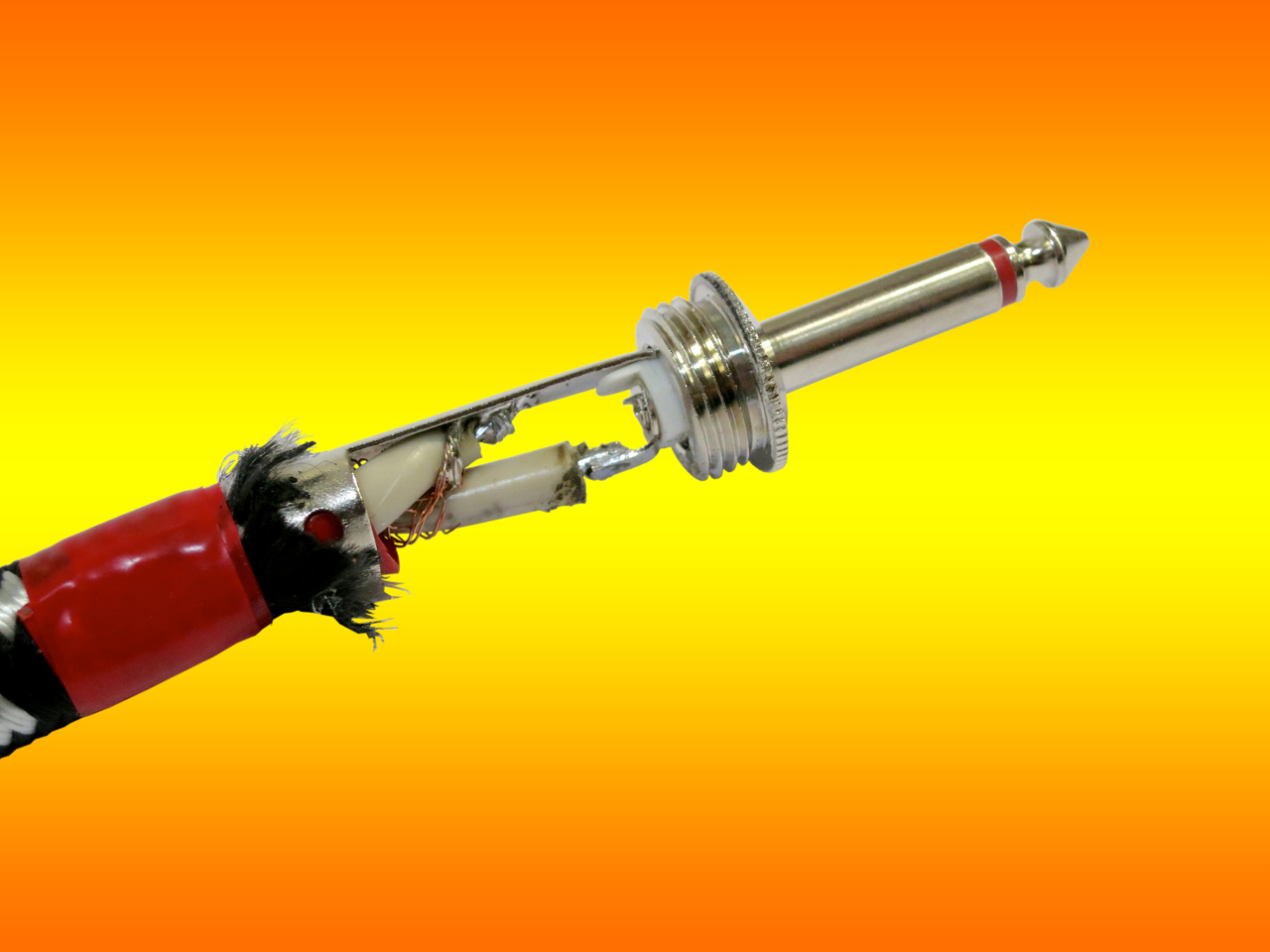
There’s been some rumours about miniature transformers, or buffers, inside the lead’s giant connectors, which is why I had to take a closer look inside. Nope, it’s just a bunch of different conductors – some left unused – attached with traditional soldering tin!
The short length of the Spin X cable has also been the centre of some speculation. Guitarists have been asking: ”Why is it just a short extension cord, instead of a full-length guitar lead?”
Take a closer look at these pictures (click on them for a larger view), and the answer becomes rather obvious:
It seems that Spin X relies on two identical conductors to function in the desired way. One is the hot (signal) conductor, while the other goes to earth (ground). But using this type of cable results in a less-than-ideal setup, when it comes to mains hum and electromagnetic interference.
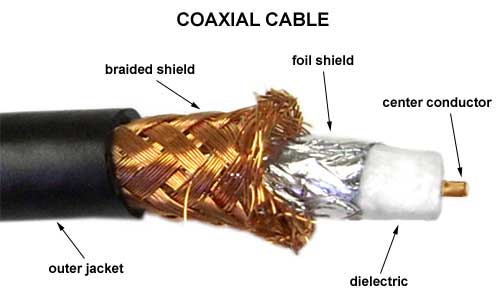
Traditional guitar cables are built as coaxial leads, where a centre conductor carries the guitar signal. The centre conductor runs inside a layer of insulation, which in turn is covered by one (or several) shields. The shield is connected to ground and serves two purposes – one: its the audio signal’s earth; two: it’s a Faraday cage that shields the signal conductor from extraneous interference, like mains hum.
If you connect only the Spin X cable to an amp, and turn up the volume, you will be greeted by an unacceptable amount of hum and microphonics, but as soon as you plug your regular lead into the Spin X, all the noises disappear. This means that the Spin X needs the traditional, coaxial guitar lead to do away with all the interference.
****
The Spin X cable seemed reasonably rugged and well made.
The only thing that bothered me in the road-worthiness department were the badly secured strain relief cuffs in both connectors of our review sample.
****
I wanted to find out, whether you could ”measure” any real speeding up of the guitar signal in the confines of a home studio. I came up with the following setup:
I recorded the acoustic sound of a Fender Stratocaster using an AKG C3000 condenser microphone onto the left channel of a stereo signal, while direct-injecting the high-impedance guitar signal going through a Whirlwind Leader cable into my sound card.
As you can see above, the DI’ed guitar signal (waveform on the bottom) is a tiny bit behind the miked up acoustic sound.
This picture shows clearly that the Spin X doesn’t ”speed up” the guitar signal in any way noticeable in a standard audio sequencer.
The listening test also doesn’t reveal any noticeable differences between using only the traditional lead or adding the Spin X cable. If anything, adding the Spin X might even add a minuscule amount of time lag to proceedings, at least to my ears:
****
I then recorded a series of sound clips, using my trusty Blackstar HT-1R valve combo. In each clip the first half is played through just the traditional Whirlwind lead, while the second half has the Spin X cable added into the signal chain.
For comparison purposes here’s a clip of a Fender Stratocaster DI’ed into the sequencer (first half Whirlwind only; second half Whirlwind plus Spin X):
A Strat through the Blackstar:
Gibson LP Junior:
Hamer USA Studio Custom:
Gibson Melody Maker SG:
****
Next I took the Spin X to the guitarist of Rock-Ola & The Freewheelers. Sami Saarinen went through several different vintage and custom shop guitars and amps at band rehearsal volumes – both straight into the amp, as well as using a pedalboard.
The differences in sound between using only a traditional guitar lead and adding the Spin X cable seemed a little bit more pronounced using Sami’s setup at higher volume levels, compared to what I could make out in my home studio.
****
For the last bit I wanted to make sure that the Spin X cable’s function was not dependent on valve technology:
I borrowed my son’s Marshall MG30CFX combo for a short test run. All sound clips start with only the Whirlwind cable connected; the Spin X comes in at the halfway point.
Fender Telecaster (neck pickup):
Both pickups:
Bridge pickup:
****
Based on my tests I have to state that the Spin X cable really does add a little ”something” to the sound. The Spin X’ effect is more easily spotted with a quality guitar and a quality amp at slightly higher volume levels. It also seems that the tonal effects are more pronounced in singlecoil-equipped guitars – like a Stratocaster, a Telecaster, a Les Paul Junior, or a non-reverse Firebird – than when using humbucker-carrying guitar models.
The Spin X’ ”sound” is similar to the effect a buffer amp has on a long signal chain. You will get a slightly more refined top end, a whiff of added presence and openness, as well as a tighter and more pronounced bass. Strats and Teles will sound a tiny bit more HiFi, while a P-90 pickup will lose a little of its lower-mid congestion.
The Spin X seems to make the signal louder by an inkling, but this could also be a mere psychoacoustic effect, caused by the added presence.
****
There’s no simple and straight answer to the question, whether the Spin X cable genuinely ”improves” your tone. Many Rockabilly, Punk or Metal guitarists wouldn’t want to make their guitars sound ”more polite”. Some styles and genres simply demand a gritty, unruly top end, and some chunky mid-range grind.
For some tone hounds and sound aesthetes, however – players following the in the footsteps of guitarists, such as David Gilmour, Michael Landau or Eric Johnson – the Spin X cable’s tiny tonal changes might make all the difference.
In any case, it is up to you to decide how much this minuscule fine-tuning of your guitar signal is worth to you.
****
Spin X Cable
For more info on the Mad Professor RED Cable go HERE.

























 Kitarablogi.com – Finland's premier Guitar and Bass blog