Review: Northstar Guitars NS-1 HSS, NS-1 HH, NS-2 & NS-3

****

This review was originally published in FINNISH.

****

How do you know that a new feature or phenomenon is here to stay? By finding this feature in instruments priced under 300 euros.

Northstar Guitars is a new brand of affordable electric guitars that focuses on heat-treated wood (also called “roasted”) in the necks of their Fender-style models. At first, heat treatment was only a feature found in custom shop instruments. Over time, roasted necks began to be available in mid-priced electric guitars as well. And now they can even be found in affordable instruments.

The whole idea behind heat treatment is to change the properties of recently felled wood into old and well-dried wood. When done correctly, heat treatment improves the sound of the entire guitar, and it also reduces the movement of the wood in response to the changing seasons.

Northstar Guitars is the brainchild of British company Tanglewood, known for its acoustic stringed instruments, which are manufactured in Asia. The company’s experience in both supplier selection and quality control has now been channelled into this new affordable electric guitar collection.

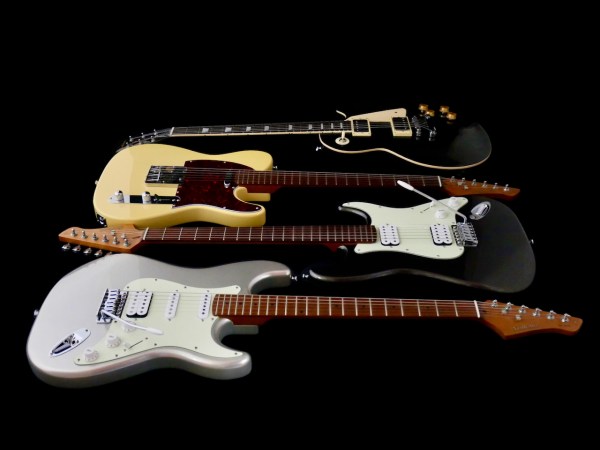
We received four electric guitars for this test from Northstar’s importer, Musamaailma – three Fender-style models, and one Les Paul copy.

****
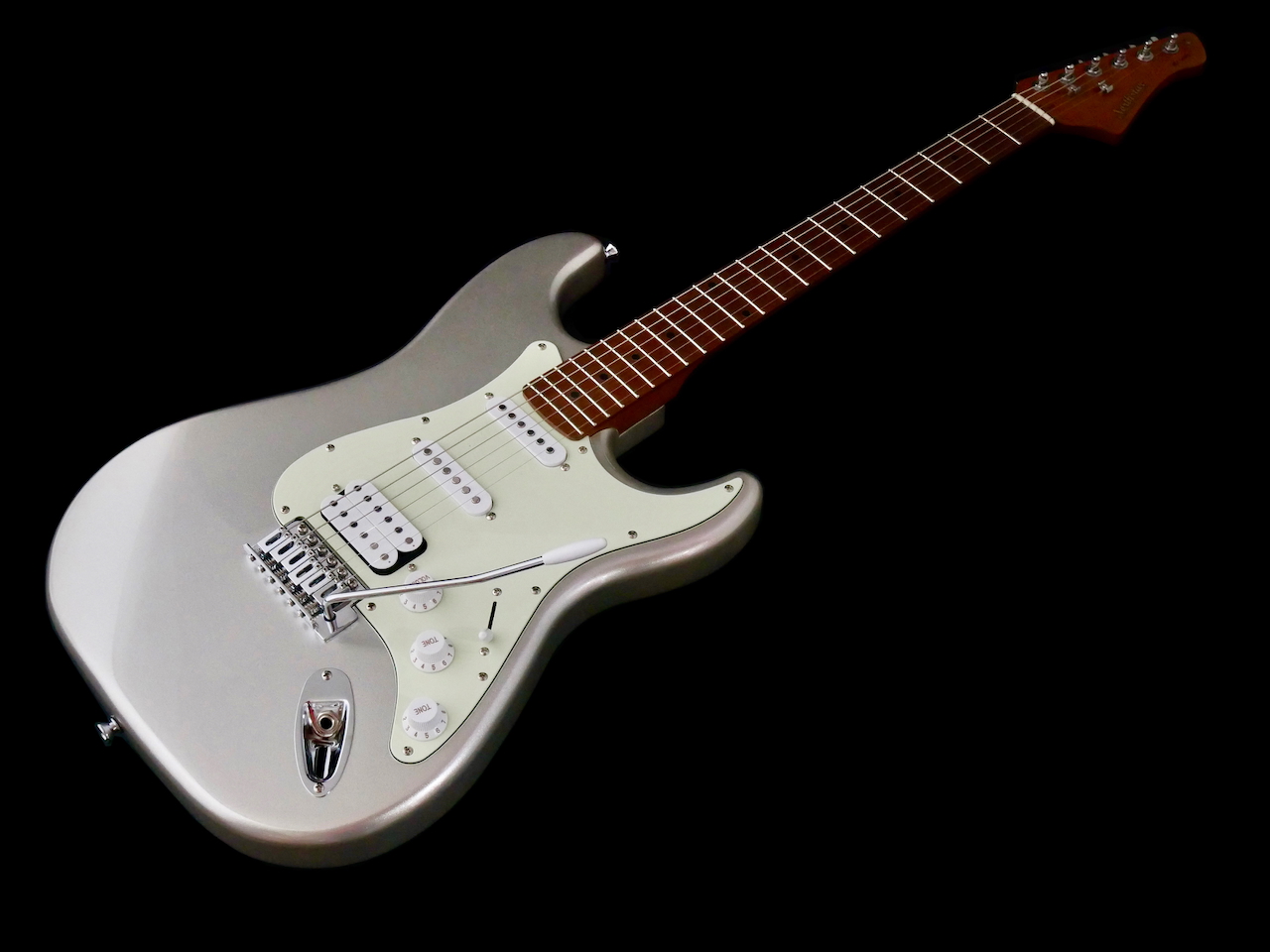
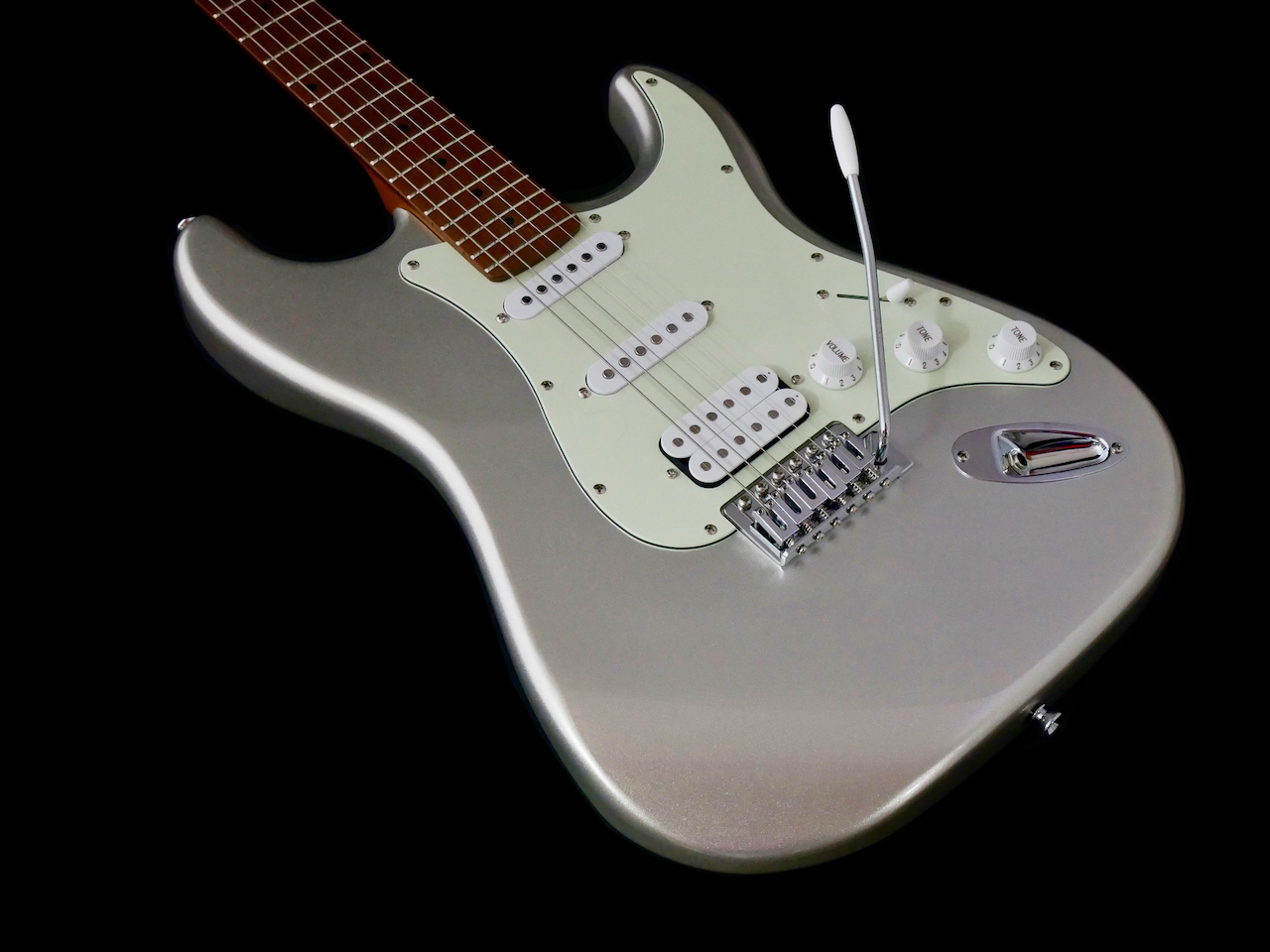
Northstar NS-1 HSS ja NS-1 HH (229,– € each)

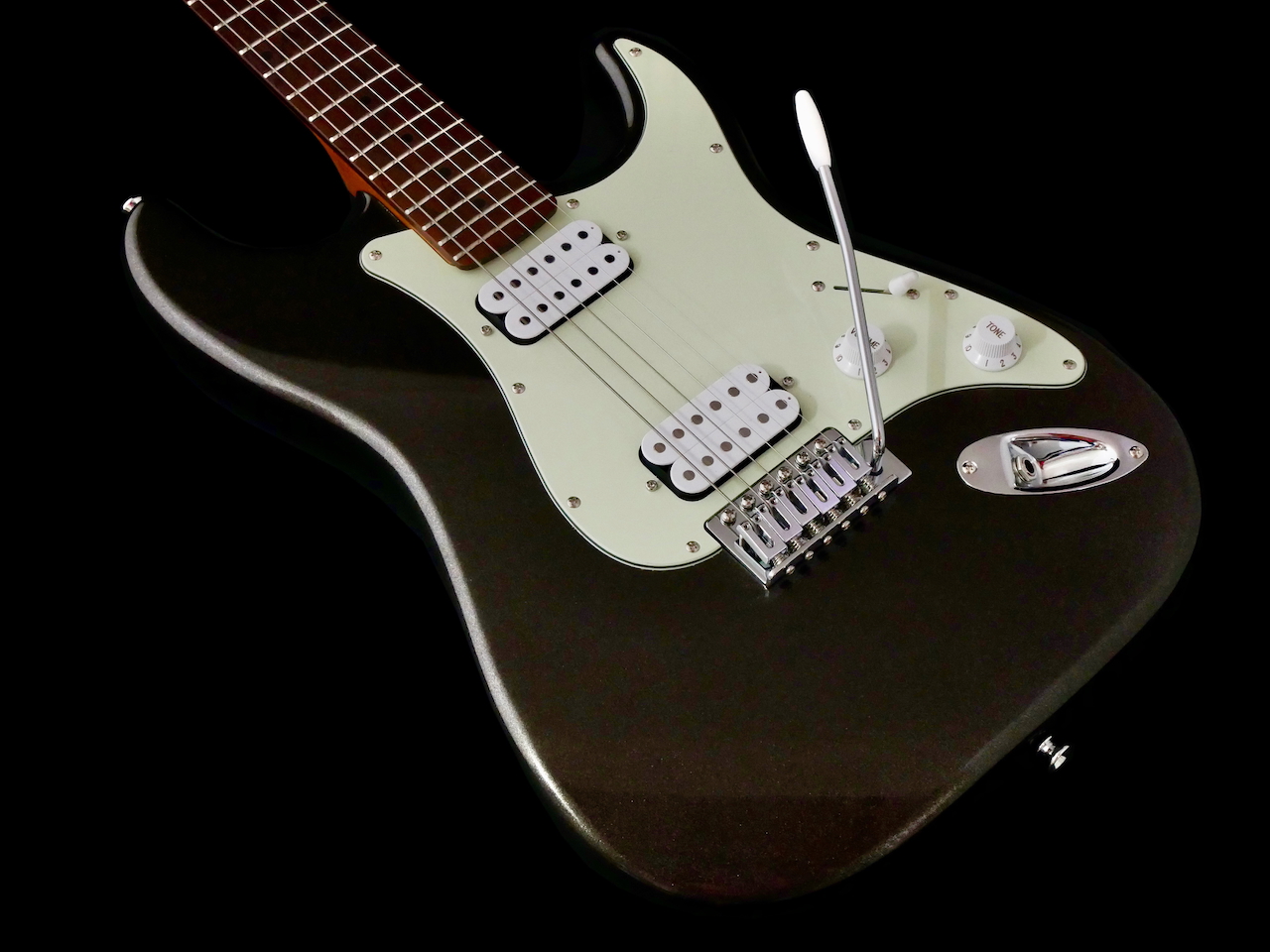
Northstar Guitars has chosen the NS-1 model number for its Strato-like models. The company only offers a limited number of colour options, which is a deliberate decision that keeps the price of the guitars down.

The NS-1 HSS guitar comes in a finish called Inca Silver, while the HH version comes in a finish called Charcoal Frost. Both are beautifully executed metallic colours.

Both instruments use roasted maple for the neck and fingerboard. The wood looks beautiful, and there is even a slight flame visible on them.

Interestingly, the degree of roasting of the necks and fingerboards is different on the HSS and HH guitars, which is why the position marks on the NS-1 HH are a bit difficult to see, especially in dim lighting.

The Northstar NS-1 instruments use solid poplar for the bodies. In this price range, the affordability of the wood outweighs weight concerns, which is why the HSS model is comfortably medium-weight, while the HH guitar is already a bit heavier.

The workmanship of the Northstar NS-1 models is very neat, for example the quality of the fretwork is clearly among the best in this price range.

Everything seems to be in order in terms of the quality of the metal parts in the Northstar NS-1 guitars. The tuners are of the modern, enclosed and permanently greased variety, while the vibrato bridges are vintage-style (but with a slightly thinner block).

The pickups of both models use ceramic magnets. The HSS option has two single-coils and an open humbucker, while – as its name suggests – the NS-1 HH is an option with two open humbuckers. In the HSS model, the electronics consist of a five-way switch, as well as a master volume and two tone controls. The HH guitar has a three-way selector, as well as master volume and tone controls.

The playability of the Northstar NS-1 HSS and NS-1 HH is first-class. The guitars have identical neck profiles – a nice medium D – and the playing feel is fast and effortless.

The single coils on the NS-1 HSS sound deliciously dynamic and have a good dose of “woodiness”. The guitar’s humbucker pickup is well balanced with the single coils in terms of its output level, and this pickup also has a certain vintage style to its sound.

The NS-1 HH is clearly aimed at rock-minded players, as the pickups have a little more power and a very deliciously rough attitude.

****

Northstar NS-2 (229,– €)

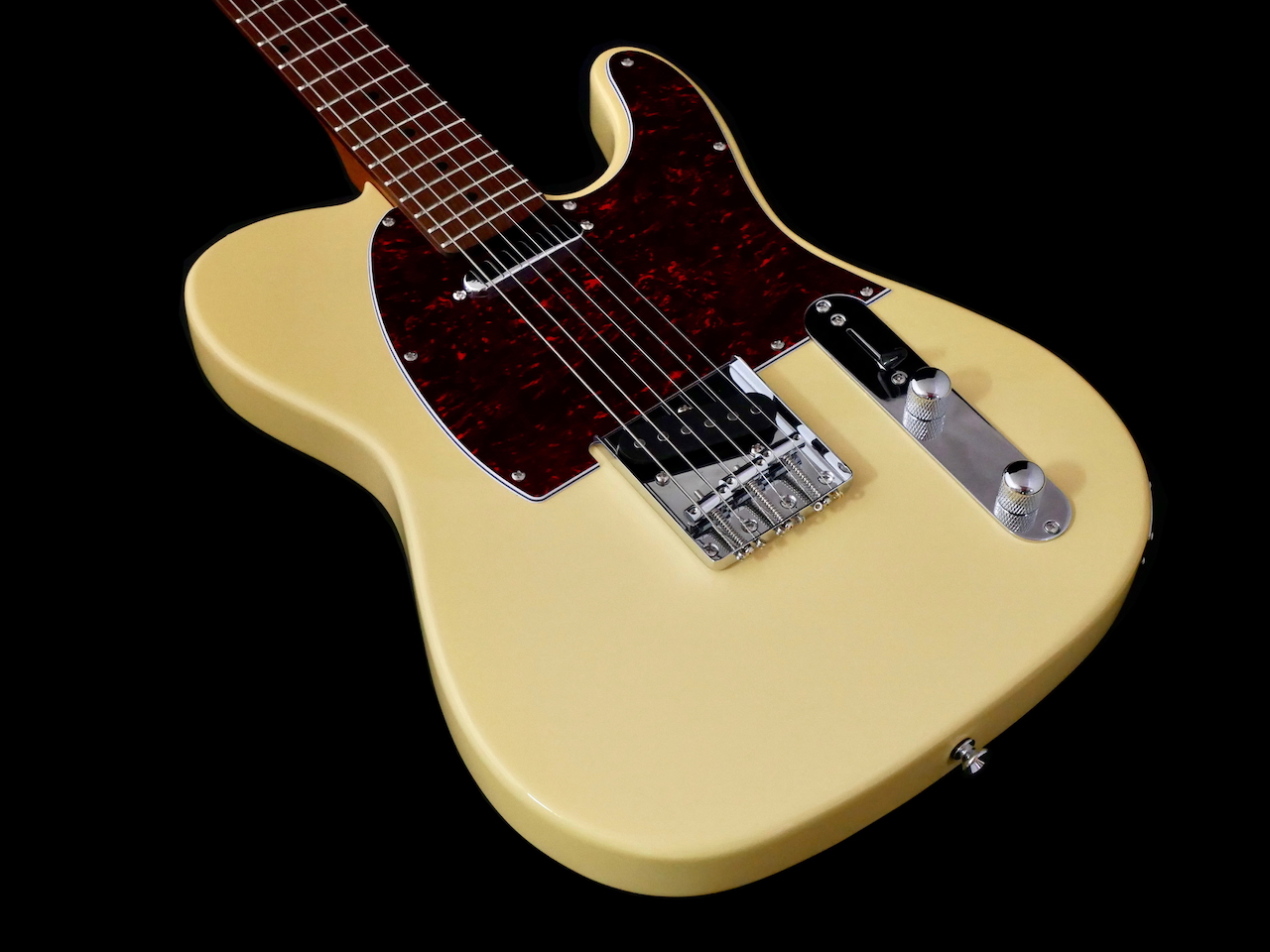
The model number of Northstar’s Tele guitars is NS-2. The test instrument is finished in a creamy Vintage White colour.

The basic materials of the NS-2 are the same as those of the NS-1 guitars – a roasted maple neck, roasted maple fretboard and poplar body. Here too, the bolt-on neck has been given a thin matte finish, while the body is gloss lacquered.

Here too, the fretboard’s roast is relatively dark, which can make it difficult to see the fret marks in low light.

Since the NS-2 is a Tele-style instrument, the guitar naturally has a vintage Tele-style bridge. In this case, it is a so-called top-loader bridge, where the strings are not passed through the body, but rather anchored to the back wall of the bridge. This solution was found in original Teles from 1958/59, and its idea then was to speed up and facilitate the construction of the guitar.

Some claim that a top-loader bridge is a bad solution that degrades the guitar’s sustain and sound, but I haven’t noticed anything untoward about this Northstar. Well-known top-loader fans include Jimmy Page (Led Zeppelin) and Jim Campilongo, and both guitarists’ signature models feature this supposedly inferior bridge solution. So much for online rumours…

The workmanship and playability of the Northstar NS-2 are also of a very high level, and this test specimen was the lightest guitar in the test.

The original Telecaster was designed to offer the widest possible range of sounds – the bridge pickup is a bright and rootsy country and rock pickup, while the neck pickup offers a very warm and round jazz option. The ”both-pickups-at-the-same-time” selection, which only officially entered the picture in 1967, has adds some great funk sounds to this recipe.

The Northstar NS-2 offers good versions of these sounds with a small early-1970s emphasis, which has a bit more bite than the early 1950s Teles. This guitar will give you some great James Burton-style sounds from Elvis Presley’s Las Vegas era.

****

Northstar NS-3 (359,– €)

“And now for something completely different…”

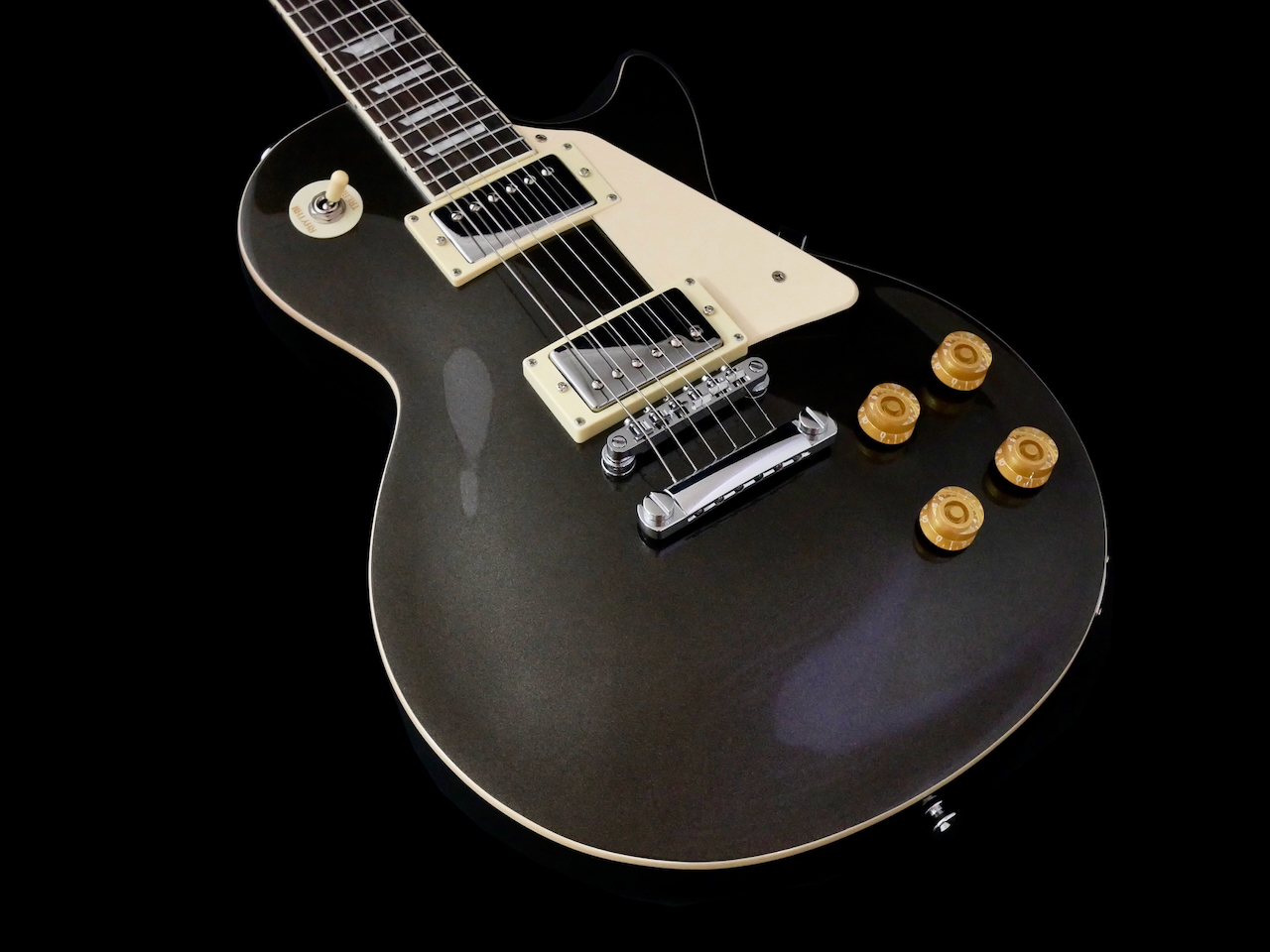
The Northstar NS-3 is a Les Paul Standard-style electric guitar from Northstar. The NS-3’s body is carved from poplar. The maple neck is glued to the body and the bound fingerboard is rosewood.

The body and back of the neck are finished in a glossy Charcoal Frost metallic color.

The NS-3’s hardware consists of a tune-o-matic bridge and a stopbar tailpiece, as well as enclosed tuners with metal Kluson-style knobs.

The Northstar NS-3’s pickups are covered humbuckers. In addition to a three-position toggle switch, the guitar has four controls – each pickup has its own volume and tone controls.

Again, the workmanship and playability leave nothing to be desired in this price range. Based on the test sample, the weight of the NS-3 is still within reasonable limits. The neck profile is – as befits this type of guitar – a slightly rounder D, and it fits my hand very comfortably.

The Northstar NS-3’s pickups are not spoiled by excessive power, and they sound deliciously creamy and very dynamic. Thanks to the surprisingly high-quality pickups, this model covers a wide range of sounds – from clean and warm Jazz to rough 1970s Rock and modern Metal.

Review: Spector Legend 4 Classic + Custom

****

The Legend 4 Classic and Legend 4 Custom basses are Spector Bass’ affordable, Korean versions of the company’s NS-2-bass, the famous model that Stuart Spector designed in co-operation with Ned Steinberger.

****

The Spector Legend 4 Classic (current RRP in Finland: 672 €) is a long-scale active bass.

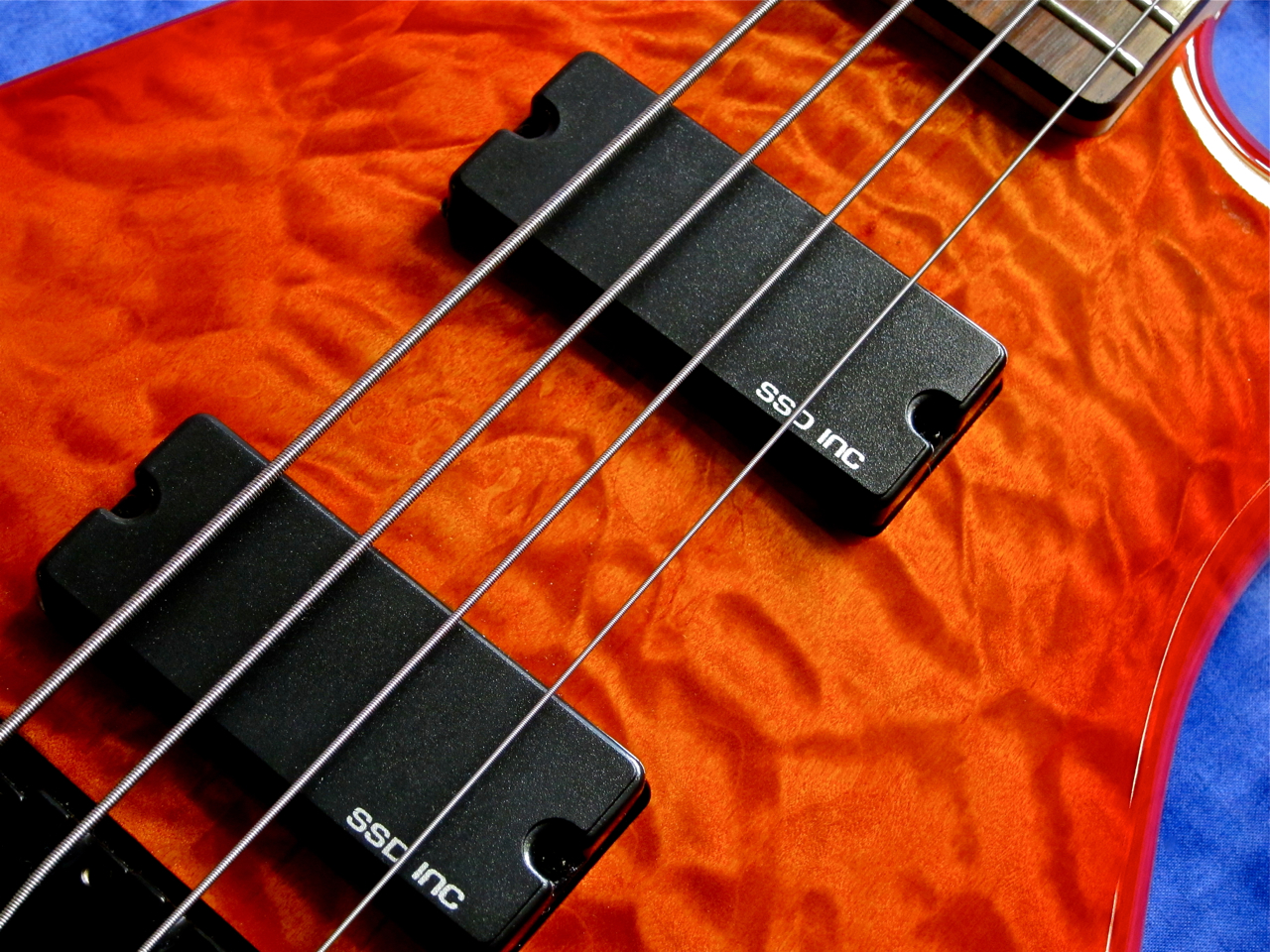
The body is crafted from three pieces of maple, with its frontside spruced up with a very pretty quilted maple veneer.

The bass’ bolt-on neck is put together using three long strips of hard rock maple.

The neck joint features rounded edges for added comfort, while five screws with separate, countersunk washers make for a very precise and sturdy fit.

The pearl SSD-logo has been cleanly inlaid into the back-angled headstock.

A self-lubricating top nut makes tuning a smooth experience. The nut’s corners have been rounded – a nice upmarket touch in this price bracket.

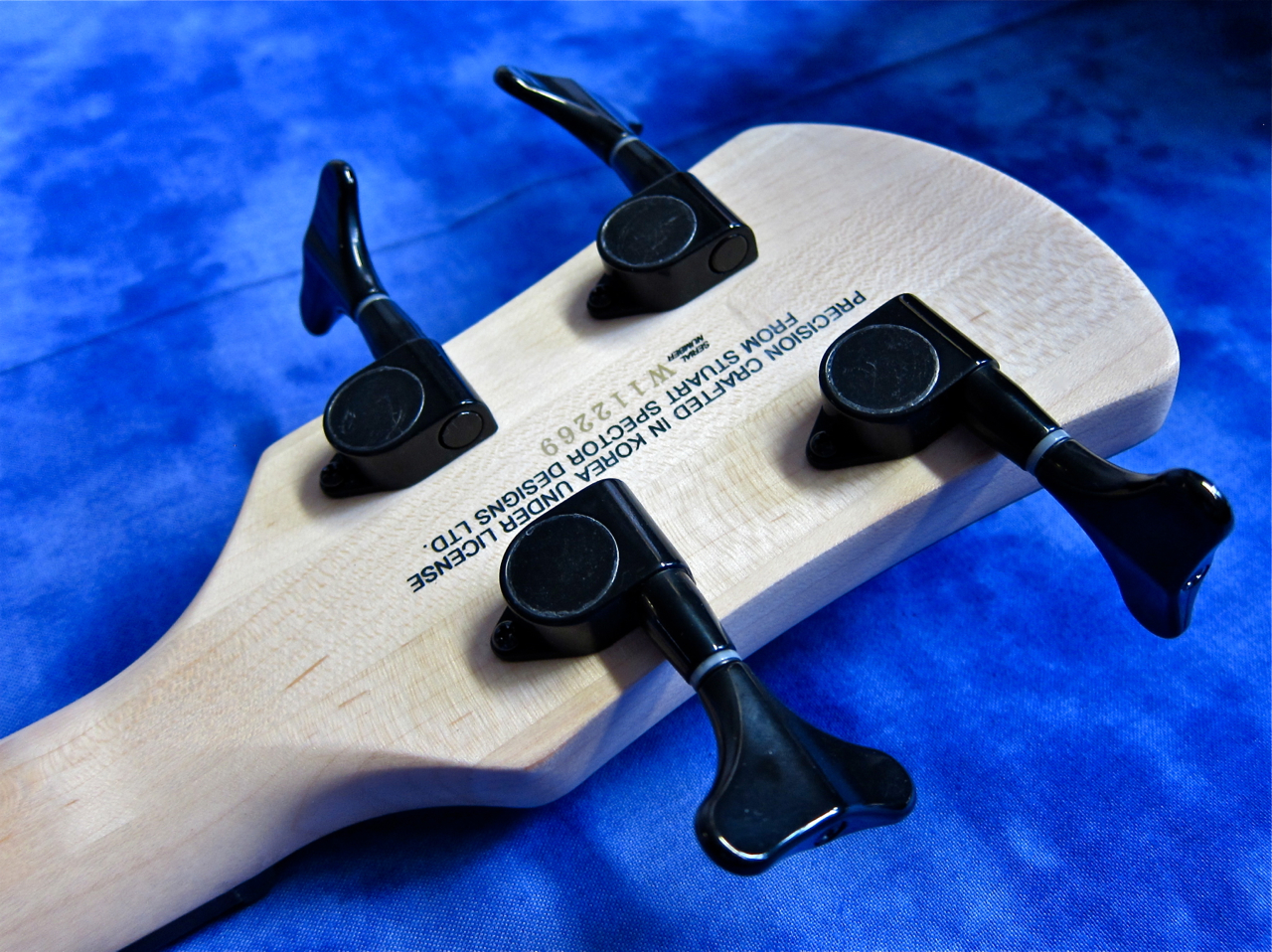
Black is the colour of choice for all of the Legend 4 Classic’s hardware. The modern, sealed tuners keep the tuning rock steady.

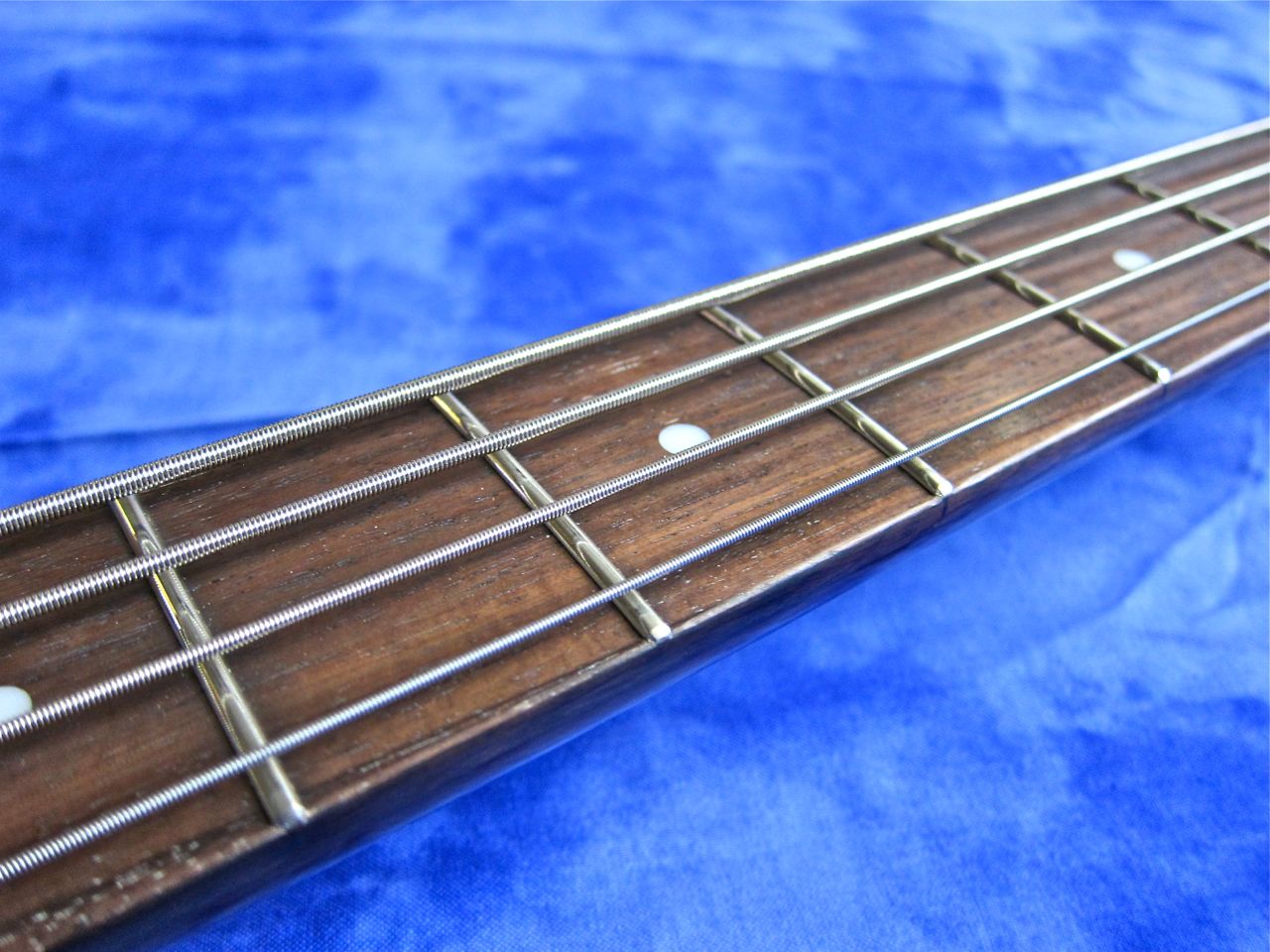
The rosewood fingerboard sports 24 jumbo frets, which are well seated and nicely polished, making for a smooth playing surface.

The Classic-model’s passive SSD-humbuckers are manufactured by EMG. These units – designed specifically for this bass – use the EMG-HZ-pickups as a starting point, but add a good helping of mid-range for a meatier tone.

This Spector’s controls comprise two separate volume knobs (one for each pickup), as well as active boost controls for bass and treble, respectively.

The preamp – which is boost-only – is Spector’s own Tone Pump Jr -circuit, which has been glued to the control cavity’s side wall.

To minimise interference buzz the whole cavity has been covered in conductive paint, and the lid lined with aluminium foil. The lid is fixed to the body using machine screws and threaded inlets – a much better choice on an active bass than plain wood screws.

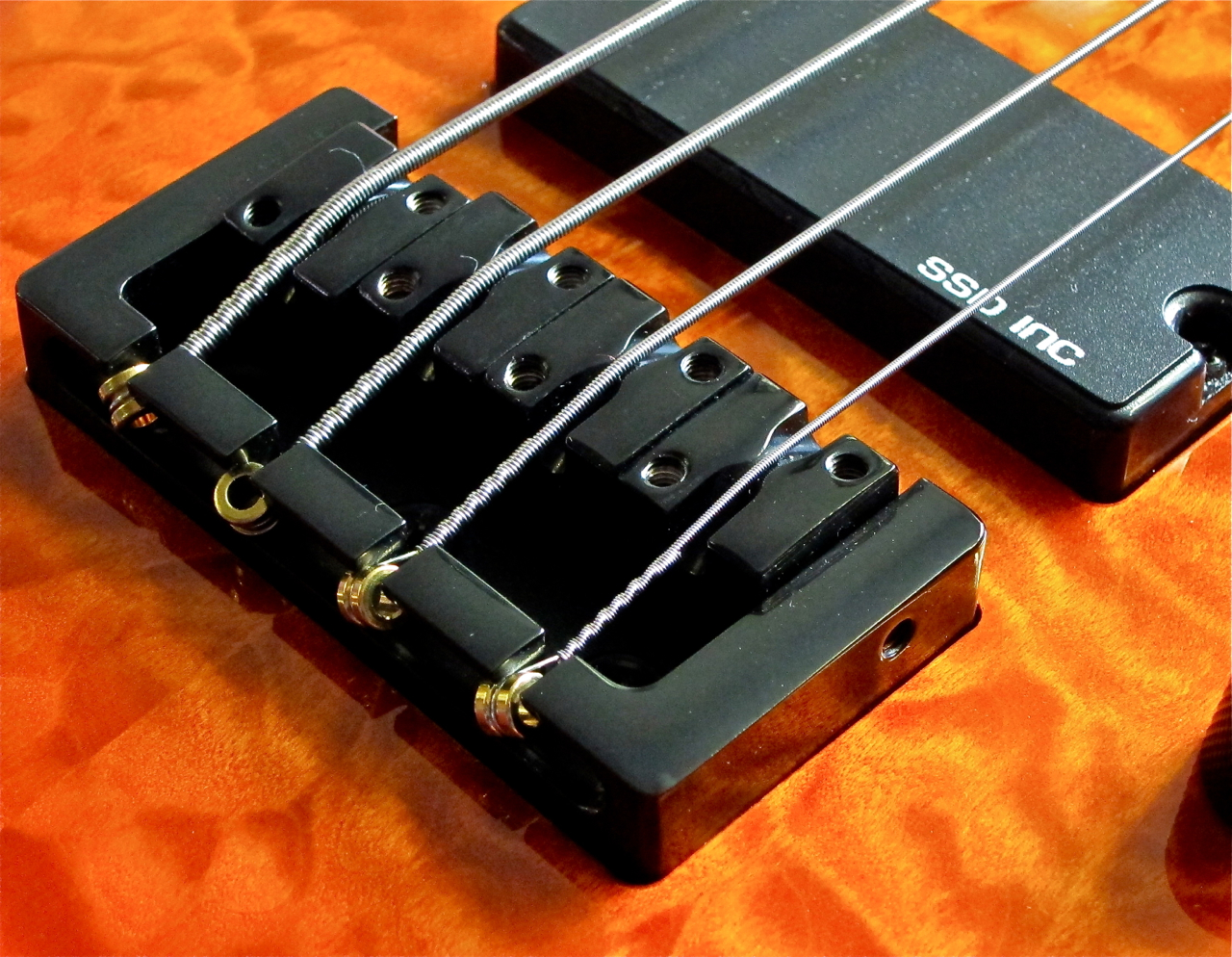
The Legend 4 Classic’s bridge is a hefty design. The saddles are locked in place with grub screws to prevent any rattling, thus enhancing the instrument’s sustain.

****

The Spector Legend 4 Custom (current RRP in Finland: 855 €) is the Classic’s higher-spec’d sibling.

Here the body uses two, centre-joined pieces of basswood with a quilted maple veneer on top.

The Custom’s neck is glued into the body, and features graphite rods reinforcing the neck.

Just like the NS-2, both basses reviewed here feature curved bodies, even though the arch is much less pronounced in these more affordable instruments.

The beer-belly chamfer adds to the bass’ strapped-on comfort.

The Custom features the same graceful headstock as the classic…

…but here the back of the neck is finished in gloss lacquer, and all the hardware is gold-coloured.

The fretwork on the Legend 4 Custom is of an even higher standard than on the Classic – you can clearly spot the well-rounded fret ends in the photo.

EMG’s HZ bass humbuckers are known for their excellent, wide-range tone.

The preamp is an EMG B30, which offers you a full three-band EQ-section in addition to the separate pickup volume knobs. The mid-range has it’s own full-sized control, while the stack knob deals with treble (tip) and bass (ring).

Here’s a peek into the Custom’s control cavity – everything’s clean, neat and tidy.

And here we have the excellent Spector-bridge in a golden finish.

****

The neck profile on the Spector Legend 4 Classic is a very comfortable D-shape. The neck is a close cousin to a Jazz Bass neck, but offers a slightly more contemporary, flatter slant on the theme.

The large fretboard radius combined with the jumbo frets lends this bass a slick and fast action and feel.

Our test sample’s considerable weight is really the only point that I can criticise – get yourselves a wide, comfortable strap, and everything will work out fine.

The Legend 4 Classic’s SSD-pickups have quite a high output, with the signal being rich in deliciously growling mids. I also enjoyed the Classic’s clear, yet warm high-mid presence, which keeps the sound nicely organic.

This bass’ basic tone is really good, so I didn’t particularly miss the ability to cut any frequencies – the Tone Pump Jr’s bass and treble boosts work fine in this context.

I recorded the audio clips via a Focusrite Saffirer 6 USB -soundcard straight into the audiosequencer, without any kind of amplifier modelling. Each clip starts with the neck pickup:

Spector Legend 4 Classic – fingerstyle

Spector Legend 4 Classic – Reggae

Spector Legend 4 Classic – slap

Spector Legend 4 Classic – pleck

****

The Spector Legend 4 Custom’s neck profile is a tiny bit meatier and rounder, when compared to the Classic. Together with the gloss finish this results in a slightly more grown-up and steadier feel. Somehow the Custom feels like a more expensive bass to this reviewer.

Due to the set neck and the stiffening graphite rods inside the neck the Custom’s acoustic tone is clearly punchier and fatter, with a nice bit of ”wire” in its attack.

The neutral-sounding – in the best sense of the word – EMG-HZs, combined with the bass’ nice preamp, lend the Custom an air that is distinctly ”active”, with a healthy dose of presence, clarity and a fresh top end.

The three-band EQ – offering boost as well as cut – naturally is a more versatile tone-shaping tool than the Classic’s more concise Tone Pump Jr.

Here are the same bass lines as above, this time played on the Legend 4 Custom:

Spector Legend 4 Custom – fingerstyle

Spector Legend 4 Custom – Reggae

Spector Legend 4 Custom – slap

Spector Legend 4 Custom – pleck

****

I think it is great that Spector is offering us bassists more affordable versions of its US- and Euro-models. Both the Legend 4 Classic as well as the Legend 4 Custom are quality instruments and a pleasure to play.

The Spector Legend 4 Classic is your key to Stuart Spector’s world, offering you a straightforward, streamlined and easy-to-use active bass for a very reasonable price.

The Legend 4 Custom, for its part, clearly is a large step towards the full-blown Spector-experience, in both playability and sound. This beautiful quality instrument could easily become a professional’s main squeeze.

****

Spector-basses

Finnish distributor: Musamaailma

****

Spector Legend 4 Classic

Current price in Finland: 672 €

Pros:

+ price

+ finish

+ workmanship

+ playability

+ high-output SSD-pickups

+ easy-to-use preamp

+ sound

Cons:

– review sample’s weight

****

Spector Legend 4 Custom

Current price in Finland: 855 €

Pros:

+ price

+ finish

+ workmanship

+ playability

+ graphite-reinforced neck

+ versatile preamp

+ sound

****

Testipenkissä: Spector Legend 4 Classic + Custom

****

Legend 4 Classic ja Legend 4 Custom ovat Spector Bassin edulliset, korealaiset versiot Spectorin kuuluisasta NS-2-bassosta, jonka Stuart Spector aikoinaan suunnitteli yhteistyössä Ned Steinbergerin kanssa.

****

Spector Legend 4 Classic (672 €) on pitkällä mensuurilla varustettu aktiivibasso.

Runko on veistetty kolmesta vaahterapalasta, ja etupuoleen on liimattu näyttävä loimuvaahteraviilu.

Ruuvikaula taas on koottu kolmesta vierekkäisistä vaahterapalasta.

Liitoskohta on veistetty hyvin sulavaksi, ja viidellä ruuvilla toteutettu kiinnitys on hyvin luja.

Taakse kalistuvassa viritinlavassa komeilee siististi upotettu helmiäisupotus.

Itsevoitelevan satulan reunat on muotoiltu mukavan sulavaksi.

Legend 4 Classic -mallissa käytetään mustia metalliosia. Nykyaikaiset virityskoneistot toimivat tarkasti ja pitävät basson hyvässä vireessä.

Palisanteriotelautaan on asennettu huolellisesti 24 jumbokokoista nauhaa.

Classic-basson passiiviset SSD-humbuckerit tulevat EMG:ltä, ja niitä on kehitelty EMG-HZ-mikrofonien pohjalta juuri tätä mallia varten.

Spectorin neljästä säätimestä kaksi ovat volume-säätimet kummallekin mikrofonille, kun taas toinen pari tarjoaa aktiivista korostusta basso- ja diskanttitaajuuksille.

Etuvahvistin – joka siis tarjoaa ainoastaan boostin – on Spector Bassin oma Tone Pump Jr -piiri, joka on liimattu elektroniikkalokeron reunaan.

Ulkoisten häiriöiden minimointia varten lokero on penslattu grafiittimaalilla ja muovikansi taas on vuorattu alumiinifoliolla. Kannen kiinnitys hoidetaan mallikkaasti koneruuveilla ja runkopuuhun upotetuilla vastakappaleilla.

Legend 4 Classic -mallin talla on varsin jämäkkää sorttia. Tallapalat voi lukita säätämisen jälkeen paikoilleen kuusiokoloruuveilla, mikä parantaa basson sustainea.

****

Spector Legend 4 Custom (855 €) on Classic-mallin isoveli.

Basson runko on tässä mallissa valmistettu kahdesta lehmuspalasta. Etupuoli on tässäkin tapauksessa loimuvaahteralla koristeltu.

Customissa on runkoon liimattu vaahterakaula, jota on vahvistettu kaulapuuhun upotetuilla grafiittitangoilla.

Molempien bassojen rungot ovat (NS-2:n tavoin) hieman kaarevat, vaikka niiden kaari on selvästi loivempi kuin amerikkalaisessa alkuperäisversiossa.

Yläreunan viisteen ansiosta molemmat mallit istuvat mukavasti soittajan kehoa vasten.

Customissa on sama tuttu lapa kuin Classic-bassossa…

…mutta sen kaula on viimeistelty kiiltävällä lakalla, ja sen metalliosat ovat kullanväriset.

Legend 4 Custom -basson nauhatyön laatu on vielä huolellisempi kuin Classicissa – kuvassa näkyy hyvin nauhojen sulavaksi pyöristetyt päät.

EMG-HZ-humbuckereille luvataan hieman neutraalimpaa sointia, kuin mikä Classic-basson SSD-mikeistä lähtee.

EMG B30 -etuvahvistin tarjoaa kahden erillisten volumesäätimien lisäksi sekä vaimennusta että vahvistusta keskialueelle, bassolle ja diskantille.

Tältä näyttää Legend 4 Customin siististi toteutettu elektroniikka.

Customissa vankalla Spector-tallalla on kullanvärinen viimeistely.

****

Spector Legend 4 Classicin kaulaprofiili on erittäin mukavantuntuinen D. Mitoiltaan kaula on läheistä sukua Jazz-bassolle, mutta nykyaikaistetulla, aavistuksen verran matalammalla läpileikkauksella.

Otelaudan loiva kaarevuus ja jumbokokoiset nauhat antavat bassolle hyvin nopean ja modernin tuntuman.

Testisoittimen ainoa miinuspiste menee basson painon tilille – hyvin vuorattu, leveä hihna on tässä käytännössä pakollinen lisävaruste.

Legend 4 Classic -basson SDD-humbuckereistä lähtee hyvin voimakas signaali, jolla on herkullisesti muriseva keskialue. Pidin myös Classicin selkeästä, mutta lämpimästä preesensalueesta, jonka ansiosta tämän basson soundi pysyy aina mukavan maanläheisenä.

Perusääni on mielestäni niin hyvä, etten kaivannut lainkaan vaimennusta aktiivielektroniikasta – tulin mainiosti toimeen pelkällä boostilla.

Ääniesimerkit on äänitetty suoraan Focusrite Saffire 6 USB -äänikortin kautta audiosekvensseriin, ilman mitään vahvistinmallinnusta. Jokainen pätkä lähtee liikkeelle kaulamikrofonista:

Spector Legend 4 Classic – sormisoitto

Spector Legend 4 Classic – Reggae

Spector Legend 4 Classic – slap

Spector Legend 4 Classic – plektralla

****

Spector Legend 4 Customin kaulaprofiili on hivenen verran paksumpi ja pyöreämpi kuin Classicin kaula. Sen kiiltävän lakkauksen seurauksena Customin soittotuntuma on jotenkin ”aikuisempi” ja tasaisempi. Ainakin minun mielestä tämä Spector tuntuu kalliimmalta, kuin mitä se on.

Liimaliitoksen ja kaulan grafiitivahvistuksien ansiosta Legend Customin akustisessa soinnissa on enemmän alakertaa ja potkua, sekä aavistuksen verran purevampi atakki.

Positiivisella tavalla värjäämättömät EMG-HZ-humbuckerit ja saman firman etuvahvistin antavat Custom-bassolle selkeästi ”aktiivisemman” soundin, jossa on aina läsnä tietty annos preesensalueen selkeys ja diskantin tuore pirteys.

Kolmialueinen EQ, jossa on sekä vaimennus että korostus, on luonnollisesti selvästi monipuolisempi työkalu kuin Classicin yksinkertaisempi Tone Pump Jr -etunen.

Tässä ovat samanlaiset esimerkkipätkät Spector Legend 4 Custom -bassolla soitettuna:

Spector Legend 4 Custom – sormisoitto

Spector Legend 4 Custom – Reggae

Spector Legend 4 Custom – slap

Spector Legend 4 Custom – plektralla

****

Mielestäni on loistava asia, että Spector tarjoaa basistille US- tai Euro-malliensa edullisempia vaihtoehtoja. Sekä Legend 4 Classic, että Legend 4 Custom ovat laadukkaita soittimia, joilla on ilo soittaa.

Spector Legend 4 Classic toimii avaimena Stuart Spectorin maailmaan, ja basso on mukavan suoraviiveinen aktiivibasso erittäin reilulla hinnalla.

Legend 4 Custom taas on soundiltaan ja soittotuntemukseltaan selvästi muutaman askeleen lähempänä Spectorin USA-soittimia. Tämän kauniin laatubasson rahkeet riittävät mielestäni mainiosti myös ammattikäyttöön.

****

Spector-bassoja

Maahantuoja: Musamaailma

****

Spector Legend 4 Classic

672 €

Plussat:

+ hinta

+ viimeistely

+ työnjälki

+ soittotuntuma

+ voimakkaat SDD-mikrofonit

+ helppokäyttöinen etuvahvistin

+ soundi

Miinukset:

– testiyksilön paino

****

Spector Legend 4 Custom

855 €

Plussat:

+ hinta

+ viimeistely

+ työnjälki

+ soittotuntuma

+ grafiittivahvisteinen kaula

+ monipuolinen etuvahvistin

+ soundi

****

Pidä blogia WordPress.comissa.

Ylös ↑