Handpan on melko uusi tulokas viritetyn perkussion soitinryhmässä, joka ilmestyi noin 15 vuotta sitten, samoihin aikoihin kuin tongue drum -serkkunsa.
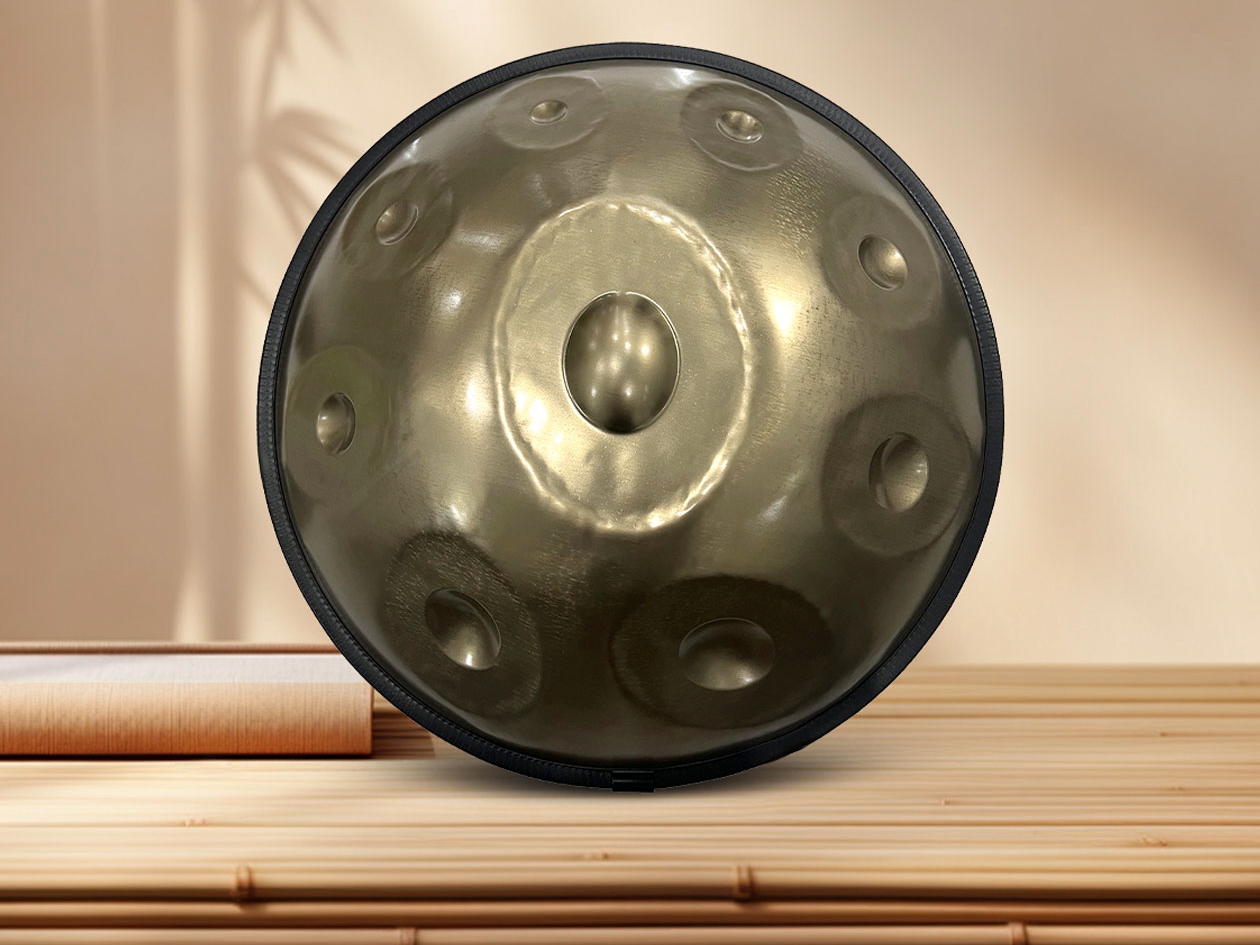
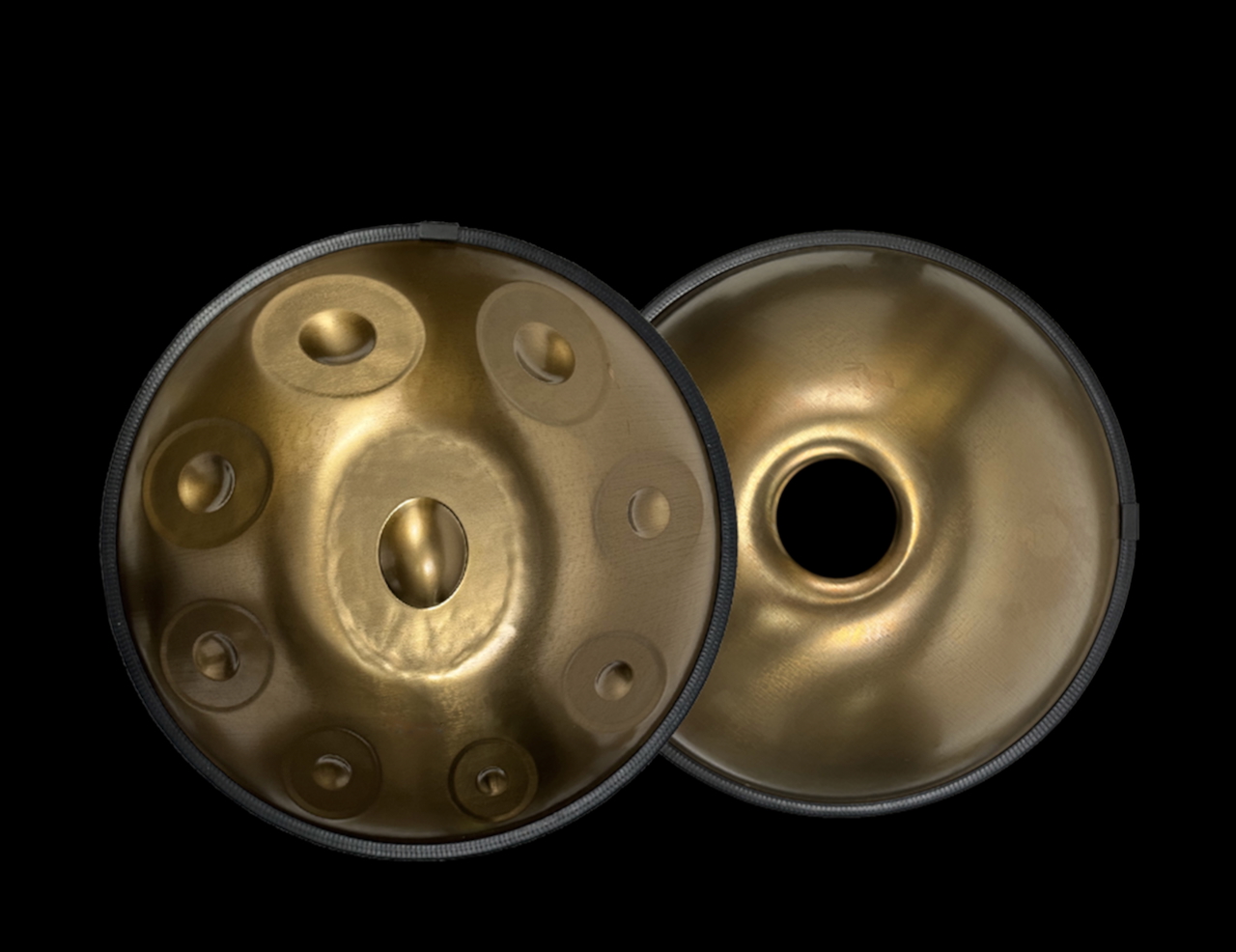
Handpan koostuu kahdesta kellomaisesta puolesta, joita on liimattu yhteen niin että soitin muistuttaa hieman ufoa. Yläpuoliskolla on keskellä suurin soittoalue – ns. Ding – josta saadaan handpanin perusäveltä. Alapuoliskon keskellä taas sijaitsee handpanin ääniaukko, nimeltään Gu.
Kaikissa handpaneissa on soittimen yläpuolen sivussa yksi rivi erikokoisia soittoalueita; mitä suurempi alueen läpimitta on, sitä matalampi sen tuottama ääni. Perus-handpaneista saadaan yhdeksän eri säveltä – Dingin tuottama perusävel plus kahdeksan äänistä koostuva sävelasteikko.
Jotkut mallit tarjoavat laajemman sävelkirjon lisäämällä handpanin yläpuoliskolle toisen rivin soittoalueita. Välillä lisätään jopa soittoalueita handpanin alapuoliskolla.
Handpanit soitetaan joko sylissä tai puutelineen päällä makaavana. Handpania soitetaan yleensä käsillä tai sormilla – Ding-perussäveltä lyödään tavallisesti soittoalueen kuvun keskeltä, kun taas muita säveliä saadaan kuulumaan soittoalueiden reunoihin lyömällä.
Vantaan Musiikki tuo maahan varsin laajan valikoiman kiinalaisia Raysen-handpaneja. Saimme testiin yhdeksänäänisen mallin arabilaisella hijaz-sälvelasteikolla.
Raysen HP-M9 C# Hijaz (1.100 euroa; laadukas bägi kuuluu hintaan) on täysikokoinen handpan (läpimitta 53 cm) ruostumattomasta teräksestä.
Laadukkaan handpanin valmistukseen kuuluu runsaasti käsityötä, mikä näkyy luonnollisesti myös soittimen hinnassa. Etenkin soittoalueiden tarkka virittäminen vie paljon aikaa.
Lähes kaikki Raysen-handpanit ovat saatavilla joko standardivireessä (a’ = 440 Hz) tai aasialaisessa virityksessä (a’ = 432 Hz). Testissä käynyt Raysen HP-M9 C# Hijaz oli standardiviritteinen malli.
Handpanin perustekniikka saadaan nopeasti haltuun, minkä jälkeen voi tutustua panin sävelasteikon tarjoamiin mahdollisuuksiin.
Koska handpanin rakenne on hyvin kellomainen, yhden soittoalueen lyöminen tuo esiin myös harmonisia lisä-ääniä soittimen muista sävelistä. Myös handpanin perussävel soi usein hiljaa muiden äänten taustalla.
Handpan sopii loistavasti world music -genreen, mutta on myös oiva taustasoitin meditaatio- tai joogaistuntoon.
How do you know that a new feature or phenomenon is here to stay? By finding this feature in instruments priced under 300 euros.
Northstar Guitars is a new brand of affordable electric guitars that focuses on heat-treated wood (also called “roasted”) in the necks of their Fender-style models. At first, heat treatment was only a feature found in custom shop instruments. Over time, roasted necks began to be available in mid-priced electric guitars as well. And now they can even be found in affordable instruments.
The whole idea behind heat treatment is to change the properties of recently felled wood into old and well-dried wood. When done correctly, heat treatment improves the sound of the entire guitar, and it also reduces the movement of the wood in response to the changing seasons.
Northstar Guitars is the brainchild of British company Tanglewood, known for its acoustic stringed instruments, which are manufactured in Asia. The company’s experience in both supplier selection and quality control has now been channelled into this new affordable electric guitar collection.
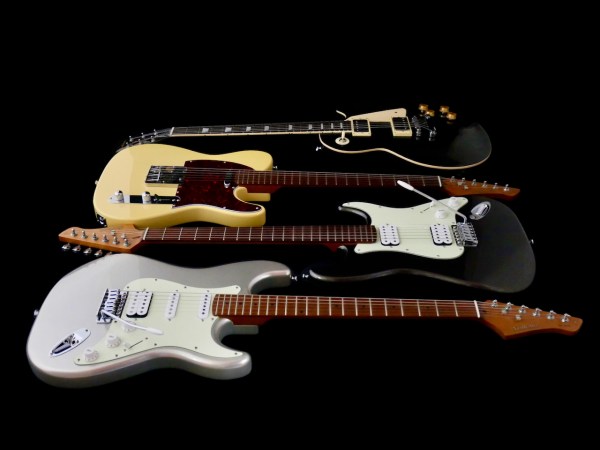
We received four electric guitars for this test from Northstar’s importer, Musamaailma – three Fender-style models, and one Les Paul copy.
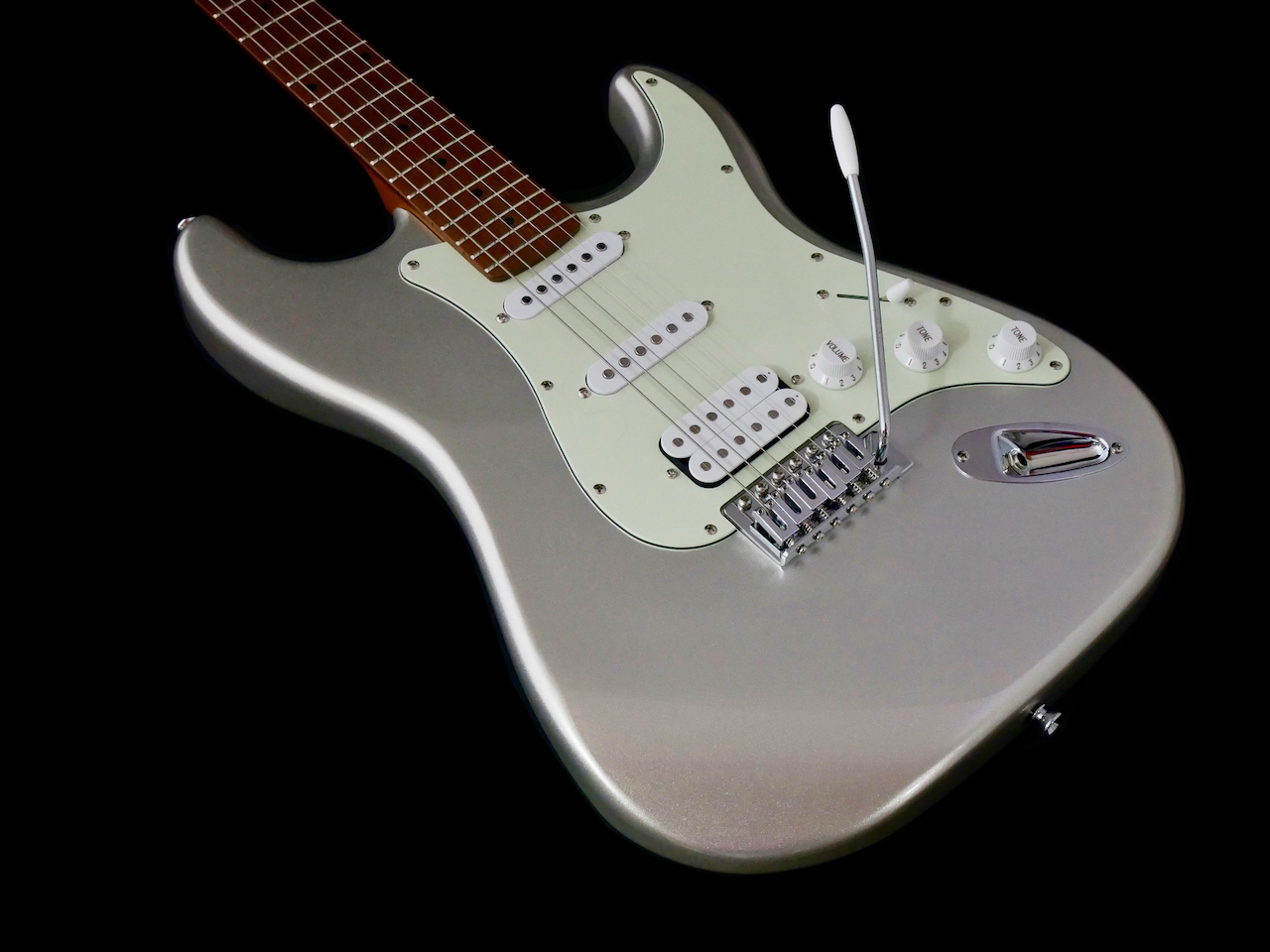
Northstar Guitars has chosen the NS-1 model number for its Strato-like models. The company only offers a limited number of colour options, which is a deliberate decision that keeps the price of the guitars down.
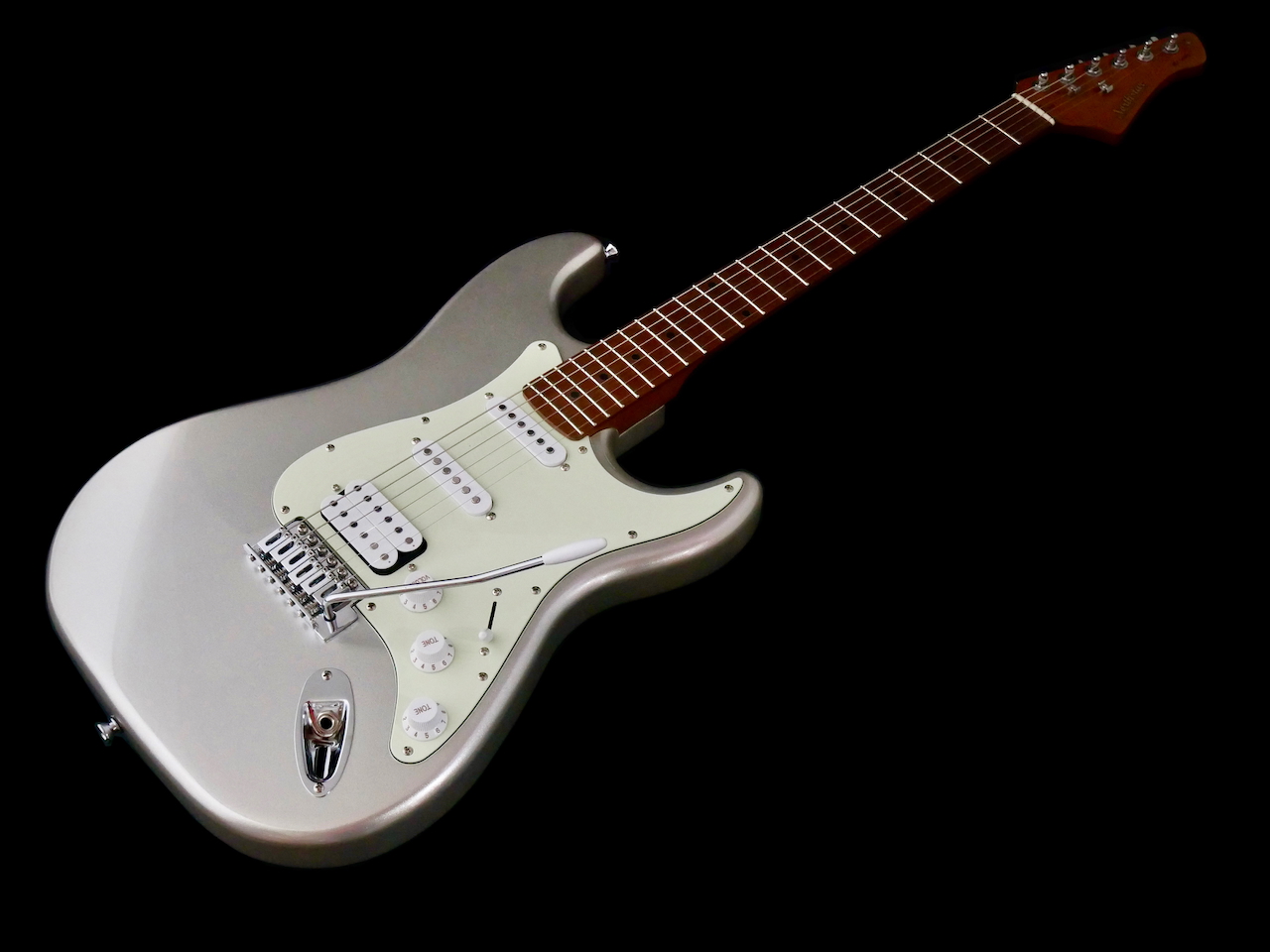
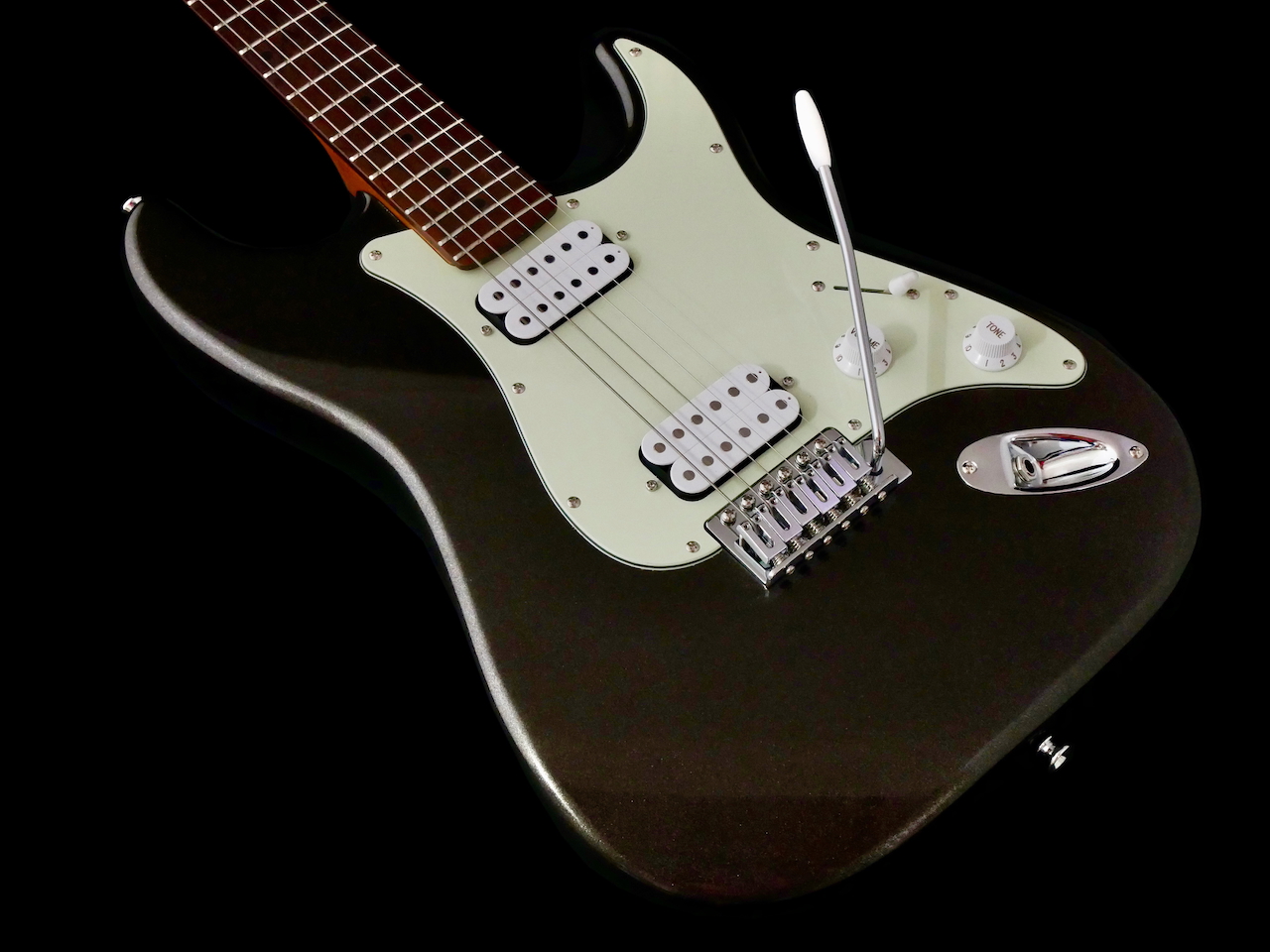
The NS-1 HSS guitar comes in a finish called Inca Silver, while the HH version comes in a finish called Charcoal Frost. Both are beautifully executed metallic colours.
Both instruments use roasted maple for the neck and fingerboard. The wood looks beautiful, and there is even a slight flame visible on them.
Interestingly, the degree of roasting of the necks and fingerboards is different on the HSS and HH guitars, which is why the position marks on the NS-1 HH are a bit difficult to see, especially in dim lighting.
The Northstar NS-1 instruments use solid poplar for the bodies. In this price range, the affordability of the wood outweighs weight concerns, which is why the HSS model is comfortably medium-weight, while the HH guitar is already a bit heavier.
The workmanship of the Northstar NS-1 models is very neat, for example the quality of the fretwork is clearly among the best in this price range.
Everything seems to be in order in terms of the quality of the metal parts in the Northstar NS-1 guitars. The tuners are of the modern, enclosed and permanently greased variety, while the vibrato bridges are vintage-style (but with a slightly thinner block).
The pickups of both models use ceramic magnets. The HSS option has two single-coils and an open humbucker, while – as its name suggests – the NS-1 HH is an option with two open humbuckers. In the HSS model, the electronics consist of a five-way switch, as well as a master volume and two tone controls. The HH guitar has a three-way selector, as well as master volume and tone controls.
The playability of the Northstar NS-1 HSS and NS-1 HH is first-class. The guitars have identical neck profiles – a nice medium D – and the playing feel is fast and effortless.
The single coils on the NS-1 HSS sound deliciously dynamic and have a good dose of “woodiness”. The guitar’s humbucker pickup is well balanced with the single coils in terms of its output level, and this pickup also has a certain vintage style to its sound.
The NS-1 HH is clearly aimed at rock-minded players, as the pickups have a little more power and a very deliciously rough attitude.
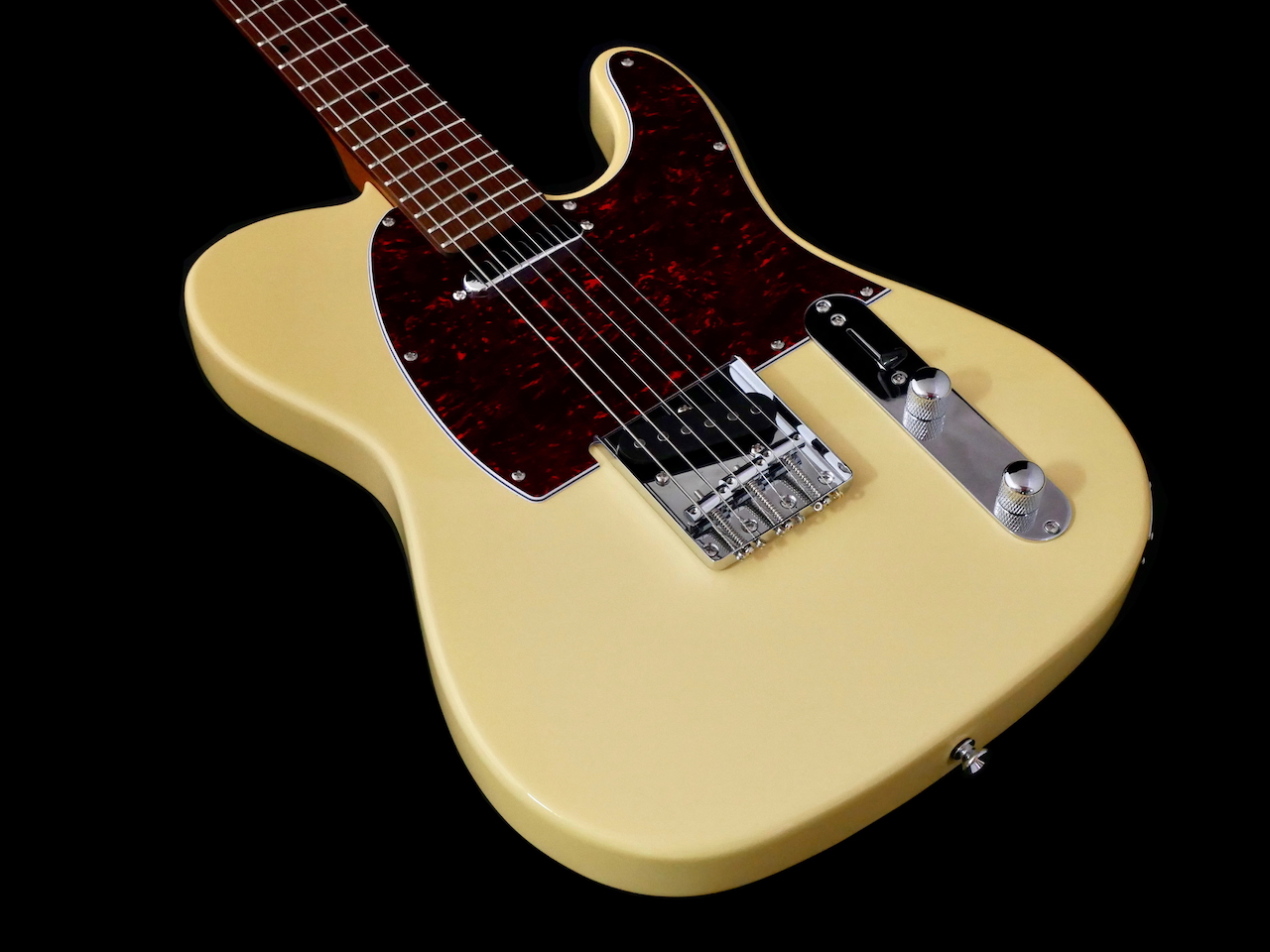
The model number of Northstar’s Tele guitars is NS-2. The test instrument is finished in a creamy Vintage White colour.
The basic materials of the NS-2 are the same as those of the NS-1 guitars – a roasted maple neck, roasted maple fretboard and poplar body. Here too, the bolt-on neck has been given a thin matte finish, while the body is gloss lacquered.
Here too, the fretboard’s roast is relatively dark, which can make it difficult to see the fret marks in low light.
Since the NS-2 is a Tele-style instrument, the guitar naturally has a vintage Tele-style bridge. In this case, it is a so-called top-loader bridge, where the strings are not passed through the body, but rather anchored to the back wall of the bridge. This solution was found in original Teles from 1958/59, and its idea then was to speed up and facilitate the construction of the guitar.
Some claim that a top-loader bridge is a bad solution that degrades the guitar’s sustain and sound, but I haven’t noticed anything untoward about this Northstar. Well-known top-loader fans include Jimmy Page (Led Zeppelin) and Jim Campilongo, and both guitarists’ signature models feature this supposedly inferior bridge solution. So much for online rumours…
The workmanship and playability of the Northstar NS-2 are also of a very high level, and this test specimen was the lightest guitar in the test.
The original Telecaster was designed to offer the widest possible range of sounds – the bridge pickup is a bright and rootsy country and rock pickup, while the neck pickup offers a very warm and round jazz option. The ”both-pickups-at-the-same-time” selection, which only officially entered the picture in 1967, has adds some great funk sounds to this recipe.
The Northstar NS-2 offers good versions of these sounds with a small early-1970s emphasis, which has a bit more bite than the early 1950s Teles. This guitar will give you some great James Burton-style sounds from Elvis Presley’s Las Vegas era.
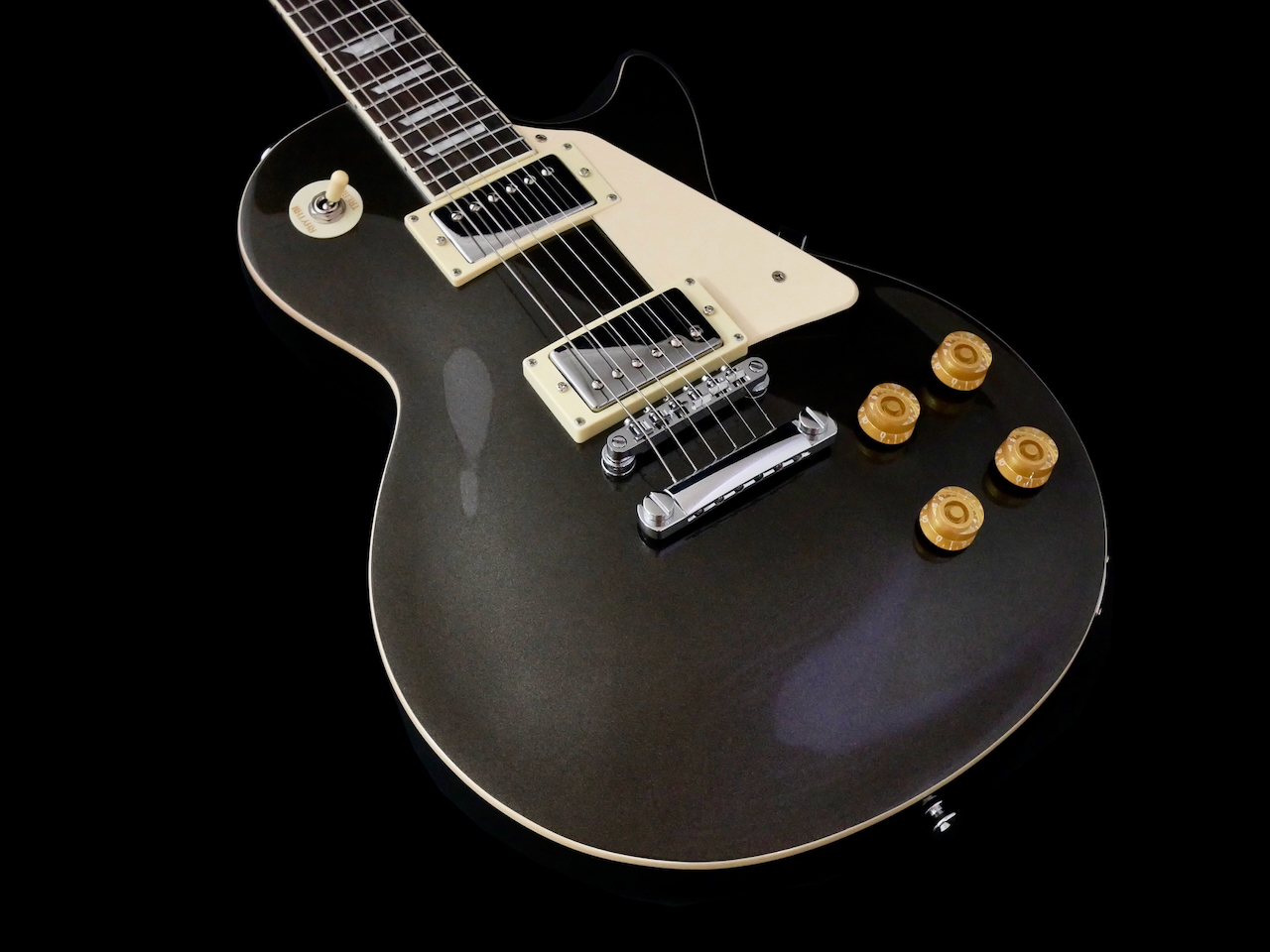
The Northstar NS-3 is a Les Paul Standard-style electric guitar from Northstar. The NS-3’s body is carved from poplar. The maple neck is glued to the body and the bound fingerboard is rosewood.
The body and back of the neck are finished in a glossy Charcoal Frost metallic color.
The NS-3’s hardware consists of a tune-o-matic bridge and a stopbar tailpiece, as well as enclosed tuners with metal Kluson-style knobs.
The Northstar NS-3’s pickups are covered humbuckers. In addition to a three-position toggle switch, the guitar has four controls – each pickup has its own volume and tone controls.
Again, the workmanship and playability leave nothing to be desired in this price range. Based on the test sample, the weight of the NS-3 is still within reasonable limits. The neck profile is – as befits this type of guitar – a slightly rounder D, and it fits my hand very comfortably.
The Northstar NS-3’s pickups are not spoiled by excessive power, and they sound deliciously creamy and very dynamic. Thanks to the surprisingly high-quality pickups, this model covers a wide range of sounds – from clean and warm Jazz to rough 1970s Rock and modern Metal.
Alkuperäinen suomenkielinen juttu on luettavissa TÄÄLLÄ.
****
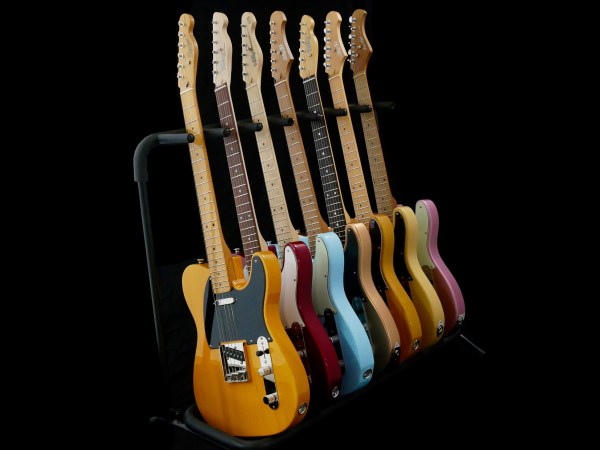
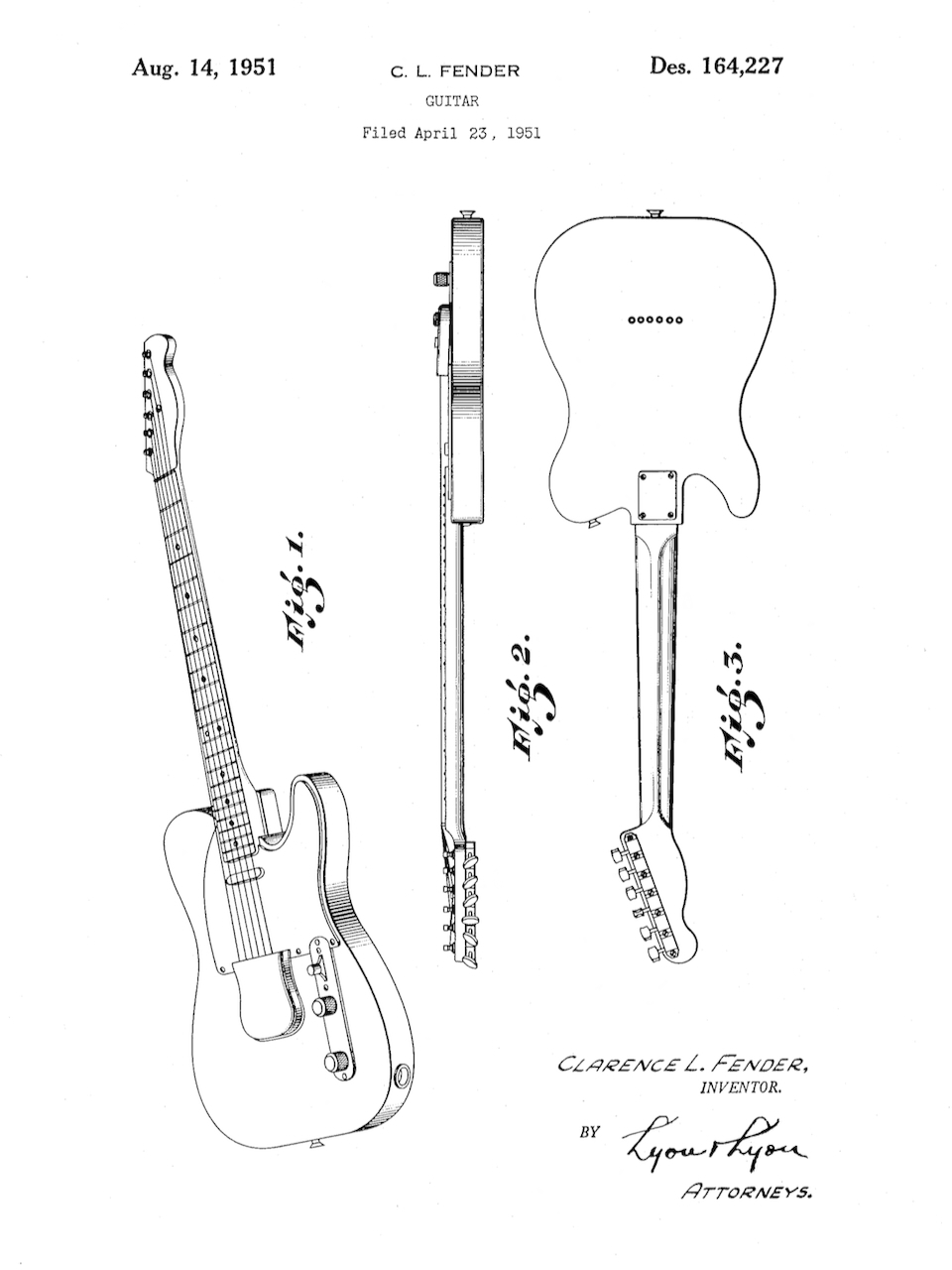
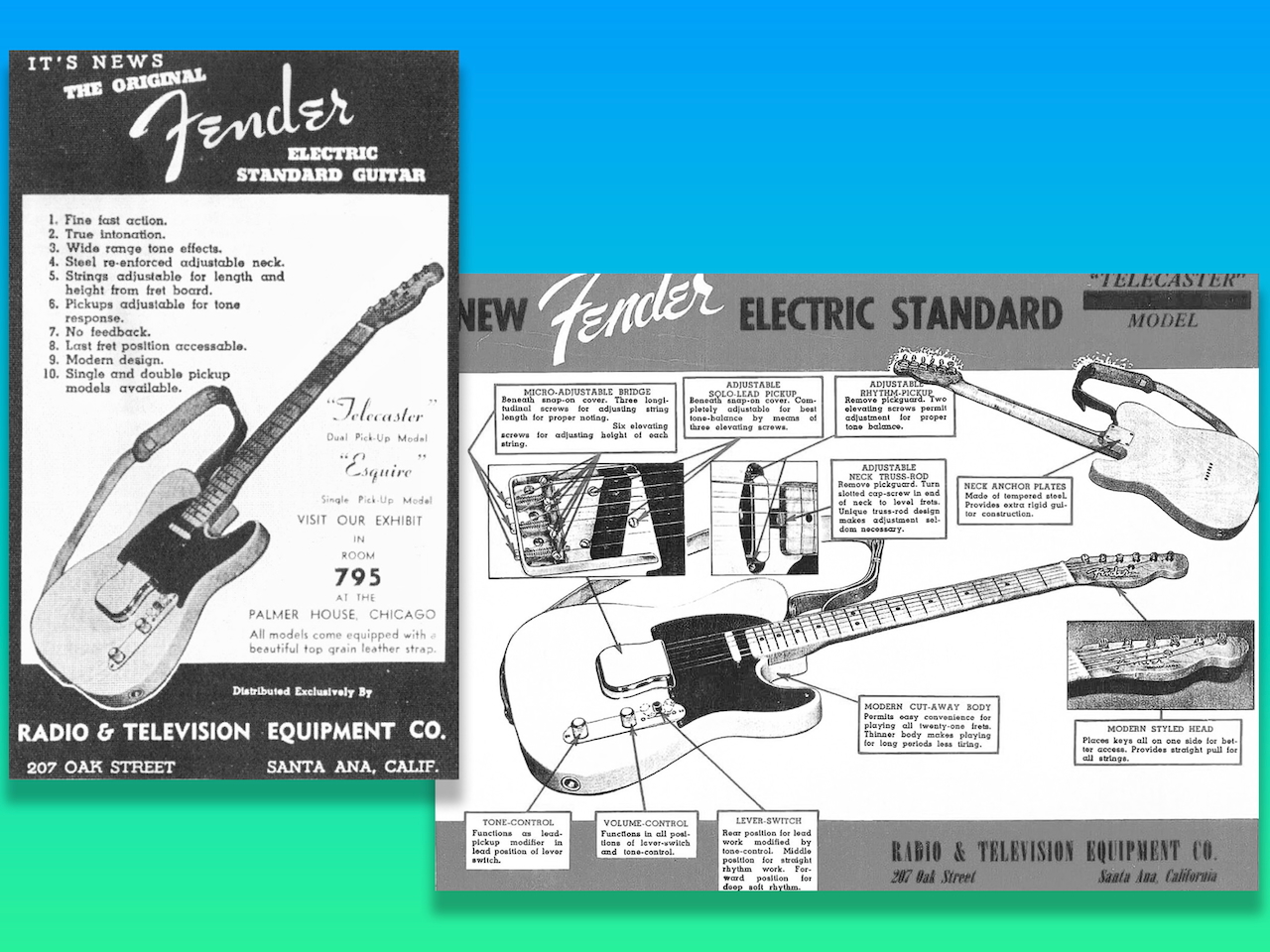
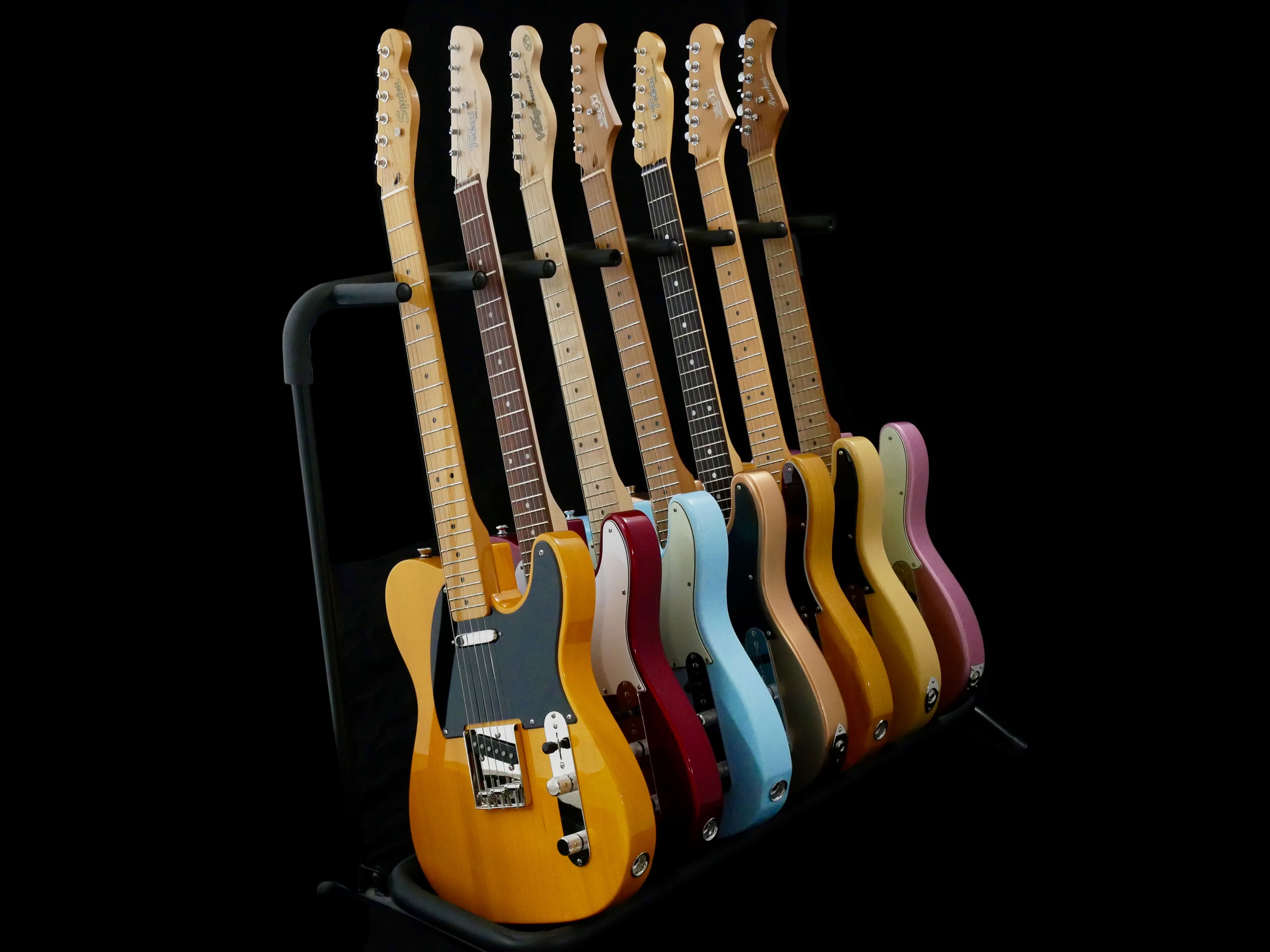
Leo Fender’s Telecaster – which started life as the Esquire and Broadcaster – turns 75 years this year. Reason enough for us to check out seven of its descendants in this review.
Because the Telecaster is such an old model, there is a huge range of different Tele-style instruments available today – from reissues to ultra-modern metal-style instruments. I chose six “traditional” Teles for this test, which in this context means they have a bolt-on neck, two single-coil pickups, and a traditional bridge. In addition to these, there is one instrument with the traditional neck pickup replaced with a P-90.
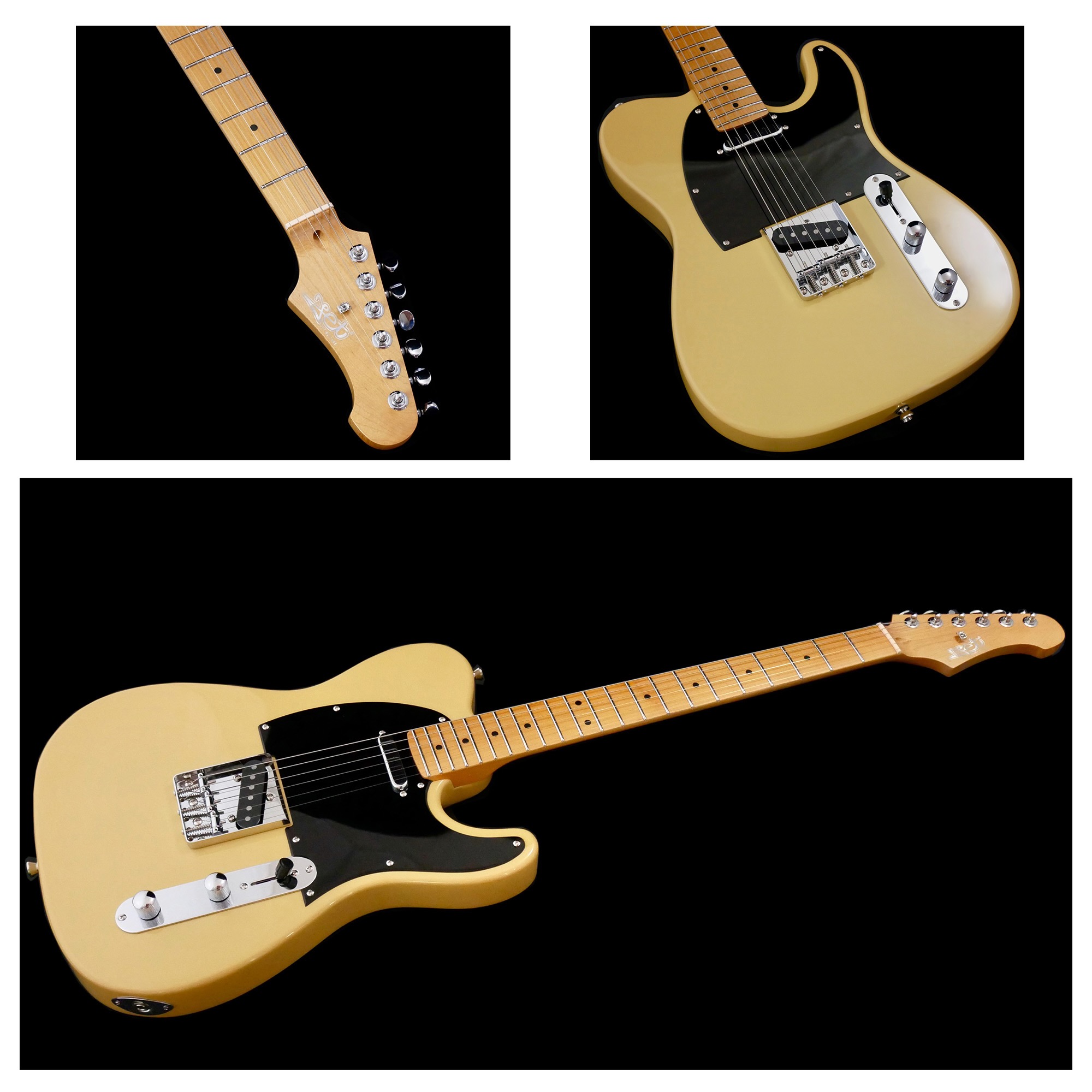
Jet Guitars is still a relatively young brand, where Slovenian design and Chinese production meet.
Jet was the first guitar brand sold in Finland to offer torrefied maple as a neck material in affordable guitars, and the Jet JT-350 Butterscotch is no exception in this regard. As its name suggests, the JT-350 Butterscotch is the company’s take on the early 1950s ”Blackguard Tele”, where the maple neck is attached to a creamy yellowish body, on which a single-layer black pickguard is installed.
However, the Jet JT-350 is not 100% traditional, with the guitar including several sensible updates. For example, the neck joint is implemented much more comfortably than the original with individual screws, as well as a rounded heel. The truss rod is two-way, which means that it can both straighten the neck and add relief to it, should this be required. The tuners are modern enclosed models.
The playing feel is positively affected by the larger-than-vintage frets, as well as the flatter fingerboard radius. In the 1950s, Messrs. Fender and Fullerton chose a relatively steep 7.25 inch curvature for the Fender fingerboards, which makes it very comfortable to pick chords, but at the same time makes it difficult to bend (especially on the high frets). Gibsons of the same era had a much gentler 12 inch radius – the neck feels slightly wider near the saddle, but string bending is much easier. Since the 1980s, Fender Instruments have often used a 9.5 inch radius, which is a very good compromise between the Fender and Gibson worlds; this is exactly the radius that can be found on the Jet JT-350 Butterscotch model.
The strings are anchored to the body in a vintage style. The Jet’s traditional bridge is a high-quality Wilkinson model with three steel bridge saddles, each with its own groove.
The Jet JT-350 offers two vintage-style alnico pickups. The height of the neck pickup can be easily changed without removing the plickguard.
The body of this Jet model is finished with a glossy varnish, while the neck has been given a very thin satin finish, which also gives the neck a modern feel.
The guitar is very comfortable to play – the neck has a medium D profile – and the review instrument is light (3.4 kg).
The JT-350’s pickups display excellent balance, a healthy vintage-style sound, and a moderate output level. This is a fairly inexpensive, but high-quality representative of its kind.
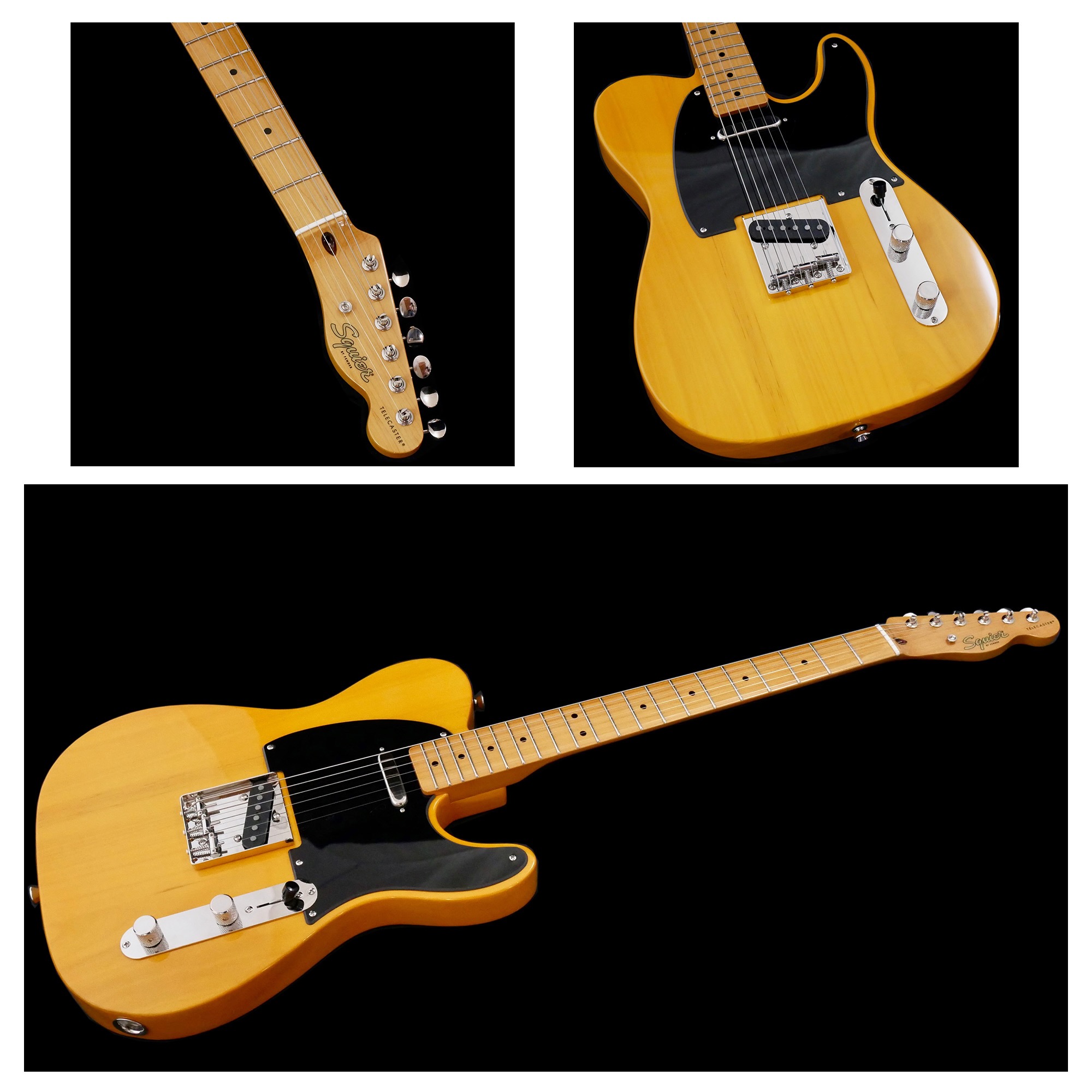
This Squier Classic Vibe 50s Telecaster is the only “genuine Telecaster” in this review. Made in Indonesia, the guitar is an official copy of the “Blackguard Telecaster” made by Fender’s own subsidiary brand – Squier.
Since swamp ash has become a sought-after and relatively expensive wood these days, but Squier wanted to keep the body’s vibrant grain patterns, the brand chose a type of Asian pine as the body wood. The appearance is very beautiful, but the weight of the test guitar is unfortunately already at the upper limit of a nice Tele (4 kg).
Since the Squier series is called Classic Vibe, the features of this Tele are kept as ”vintage” as is possible in this price range, but there are some modern improvements included this guitar as well.
The entire guitar, including the one-piece neck/fretboard, is gloss-lacquered – the body has a gorgeous butterscotch finish and the neck has a slightly yellowish clear lacquer. The single-layer pickguard is black, and the neck pickup adjustment is conveniently through the ’guard.
The tuners on the Squier CV 50s are vintage-style Kluson copies, and the bridge is also traditional. However, the truss rod is now bidirectional and the adjustment is located on the headstock side of the neck. In original vintage Teles, adjusting the neck almost always requires removing the neck. The “fingerboard” radius has also been updated to 9.5 inches. However, the fret size is narrow and medium-high in vintage style.
The Classic Vibe Tele’s pickups are made according to Leo Fender’s original recipe, using six short alnico magnets inside the coil in each pickup. Squier’s electronics, though, work according to the modern (post-1967) formula: master volume and master tone, and a three-position switch (neck pickup/both together/bridge pickup).
Squier’s Classic Vibe 50s Telecaster is a really good choice if you’re looking for a vintage-style Tele at a reasonable price. The playability of the test instrument is really good with its round and comfortable neck profile, and the guitar’s sound is truly 1950s-style – a dry overall voice, a warm but not wooly neck pickup, and a gnarly but not too biting bridge pickup.
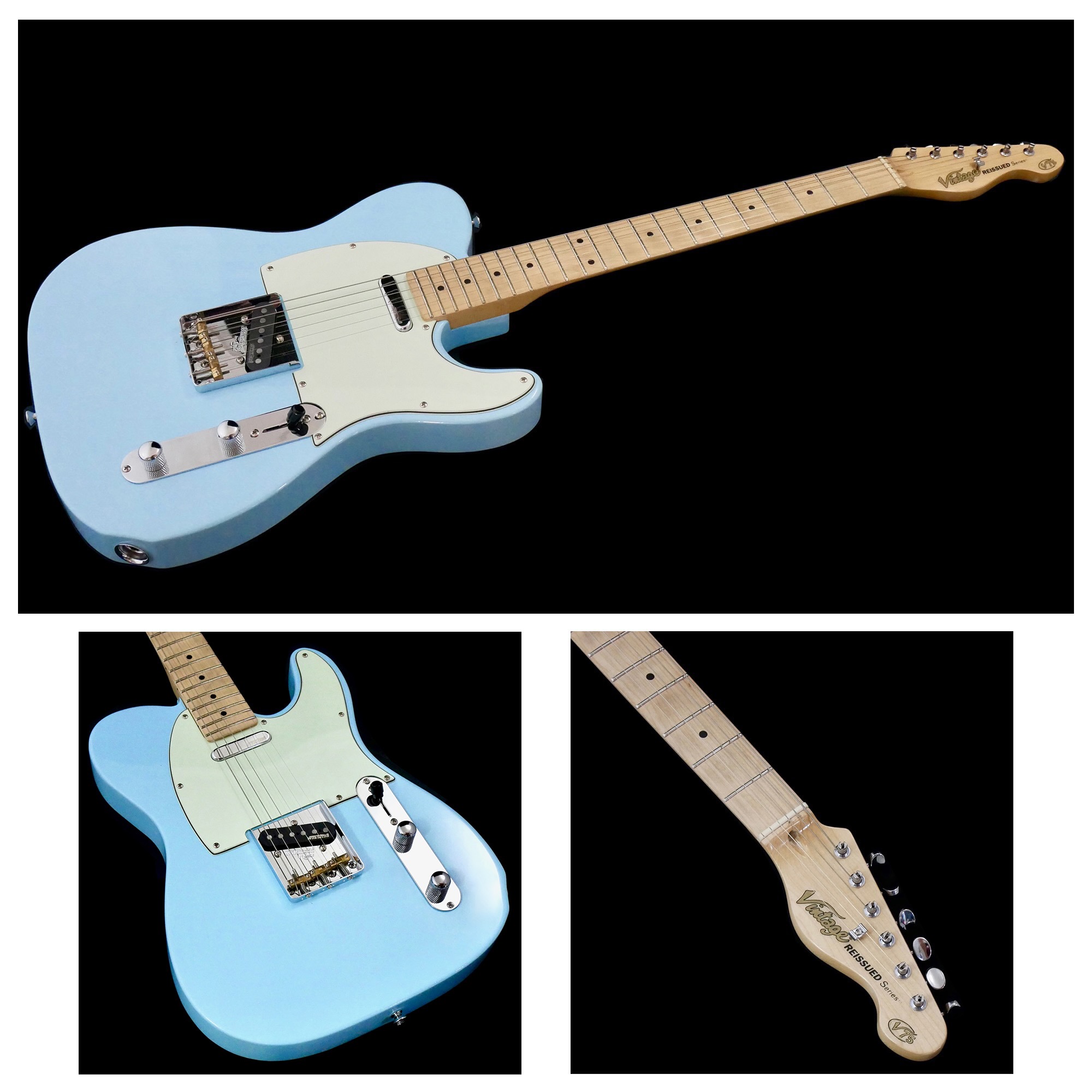
British guitar builder Trev Wilkinson is a living legend in his field, having invented, for example, the roller nut and the Wilkinson vibrato bridge. Wilkinson is also the man behind the guitar parts that bear his name – tuners, bridges and pickups. He has also designed electric guitars and basses for the Vintage brand and Fret King, among others.
Vintage’s V75 Sonic Blue is the brand’s take on a good 1970s Telecaster, and is made in Vietnam. The alder body is finished in a glossy light blue (sonic blue), while the one-piece neck/fingerboard has been given a nice matte finish.
The metal parts and pickups are – of course – all from the Wilkinson brand’s range:
The tuners are high-quality Kluson-style vintage models, while the bridge has pre-compensated brass bridge saddles, which significantly improve the guitar’s intonation. The V75’s pickups are traditional alnico single-coils. To adjust the height of the neck pickup, you have to remove the guitar’s three-layer white pickguard, just like on old Fenders.
The Vintage V75’s double-action truss rod is accessible from the headstock end. The fingerboard radius is 10 inches, and the frets are medium-sized.
This guitar also feels and plays really well. The weight of the test instrument is moderate (3.5 kg). The neck profile is a nice slim C, which does have a slight V-neck feel near the saddle. The pickups’ output level is a bit hotter than many vintage pickups, but they have an excellent balance. The bridge pickup snarls and bites very appealingly. The quality of some original 1970s Telecasters left a lot to be desired, but I feel the Vintage V75 is a great representation of the best features from that era.
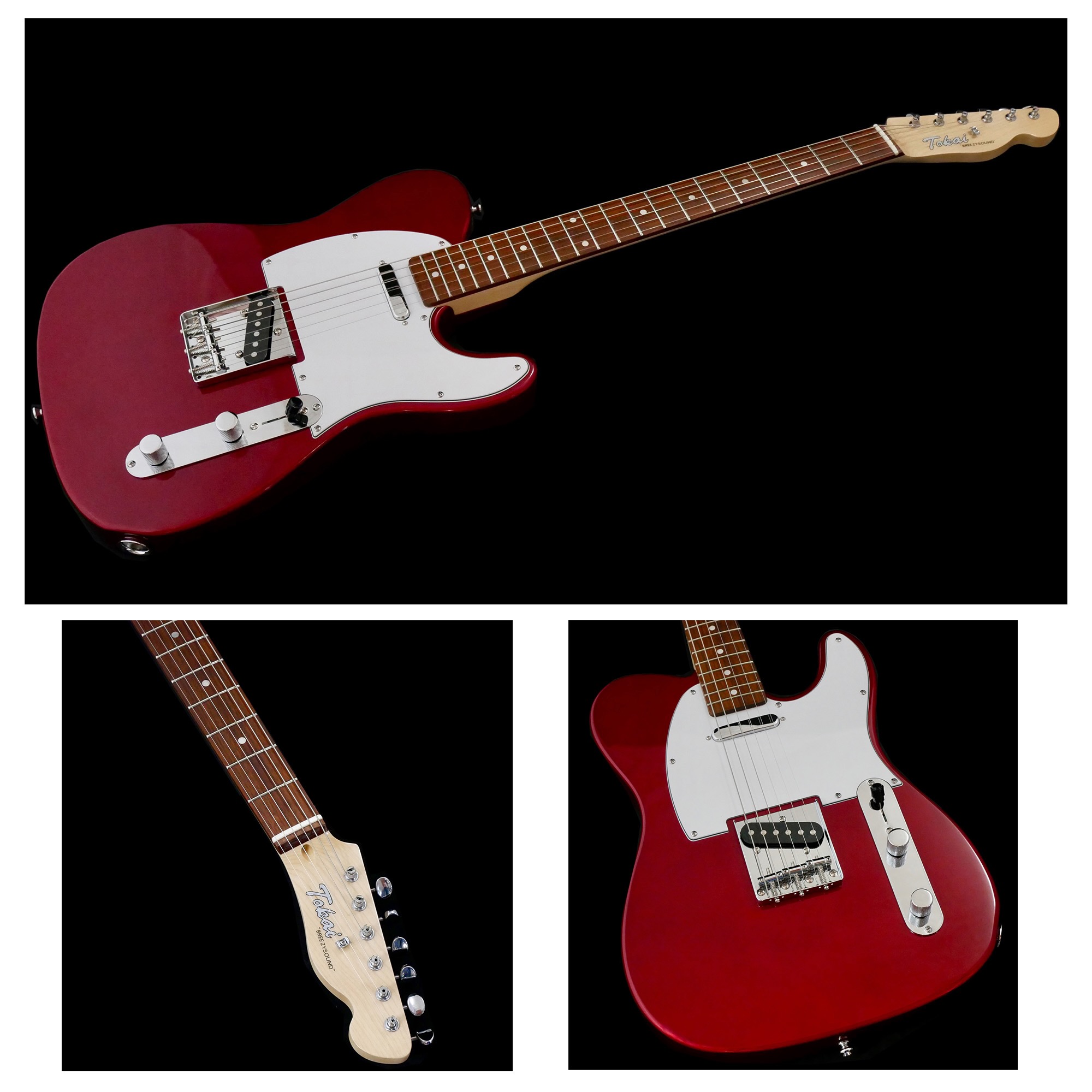
Tokai’s striking ATE-52 is a lightly updated version of a 1960s Tele. The body of the ATE-52 is alder and the bolt-on neck is carved from hard maple. The dark fingerboard is made of South American jatoba, an excellent alternative to rosewood. The body of the guitar has been given a shiny metal finish, while the neck sports a thin satin finish.
In keeping with the theme, the tuners are high-quality Kluson copies from Gotoh. The neck adjustment is conveniently done from the headstock. The high-quality Gotoh bridge offers two ways to attach the strings – they can be pulled through the body, or attached (like on Fender basses) to the back wall of the bridge (a so-called top-loader arrangement). In 1958, Fender tried to speed up the production of Telecasters with a top-loader bridge, which eliminated the need to drill the string channels and install the string ferrules. However, guitarists were very skeptical of the new solution, and Fender eventually canceled the redesign. The most legendary top-loader Tele is probably the guitar owned by Jimmy Page (Led Zeppelin), decorated with a dragon image, which he played on the entire Led Zeppelin I album, and later on the “Stairway to Heaven” guitar solo.
The Tokai ATE-52’s pickups are clearly more powerful than original vintage units and they also have a slightly more modern sound, which perhaps makes the instrument even more versatile.
The Tokai, made in China, has very good playability and ergonomics. The guitar sports a comfortable mid-range weight (3.6 kg). The neck profile is a full, but not too thick D, which sits nicely in the hand. Combined with the first-class set-up – and a 9.5-inch fingerboard radius – it makes the Tokai ATE-52 really easy to play.
Great sound and good playability – what more could you want?
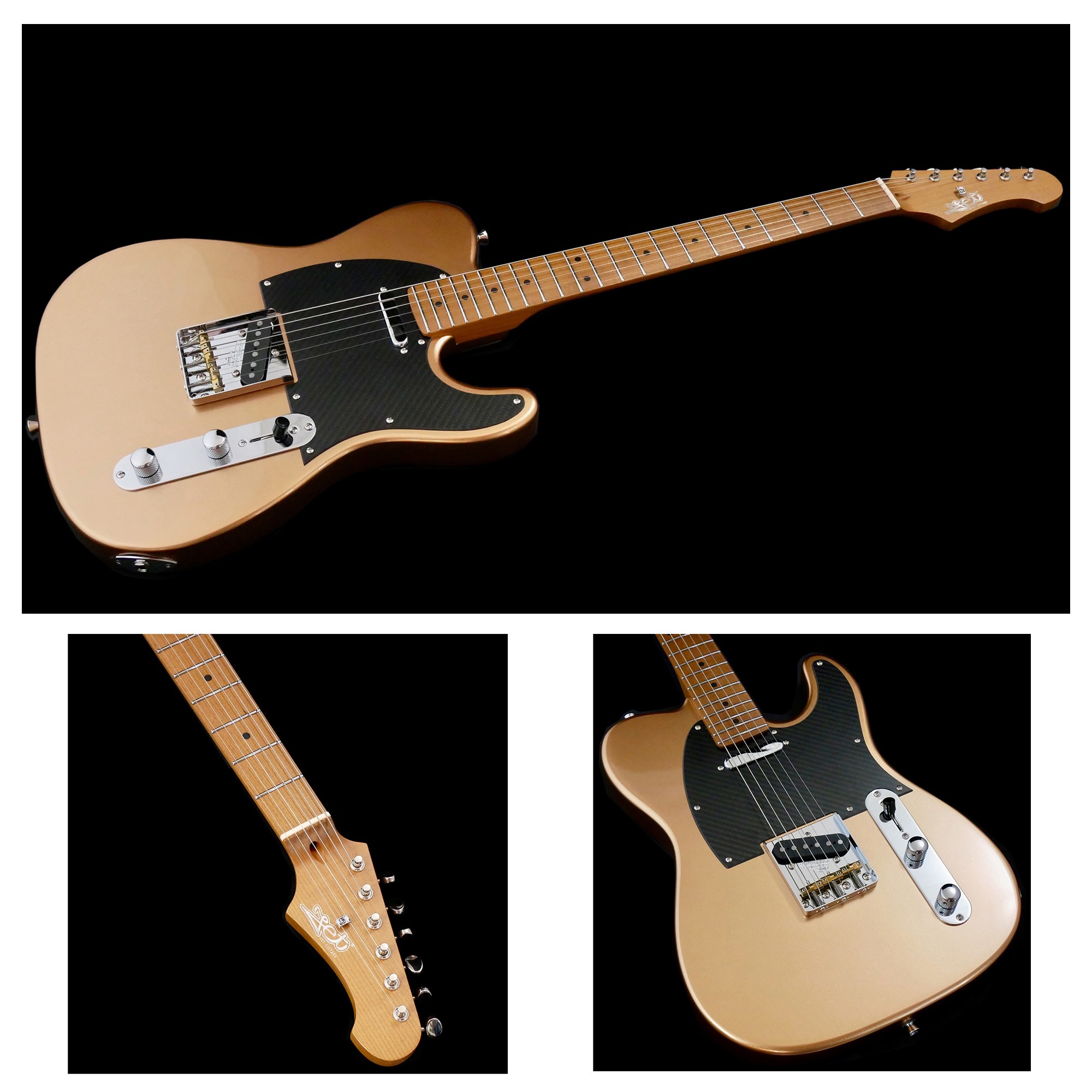
Jet Guitars Elite is the company’s new, higher-quality line. The Elite line is also made in China, but its features – such as hand-wound pickups and even higher-quality woods – aim to offer custom shop-style quality at a much more affordable price point.
The Elite JT-30’s maple neck is made of roasted quarter-sawn Canadian maple, and its fingerboard is made from the same wood. The Jet guitar’s body is carved from three adjacent pieces of alder, and it is finished in gold metallic. The neck is attached to the body traditionally with a steel plate and four wood screws, but the back of the body is noticeably thinner and more rounded around the joint and in the cutaway. The pickguard comes in a very fetching carbon fibre look.
The tuners and bridge are higher-grade Wilkinson parts – the tuners are smooth-running Kluson copies, while the bridge has pre-compensated brass bridge saddles. The guitar’s two-way truss rod is accessible from the headstock.
The Jet Elite JT-30’s hand-wound alnico pickups sound excellent. This is exactly the kind of depth and smoky midrange character that many Telecaster fans crave.
The Jet Elite is also top-notch in terms of ergonomics and playability. The test instrument is light (3.4 kg), the neck profile is comfortable (a medium D) and access to the upper frets is very easy. The fingerboard is slightly flatter than on a vintage Tele (9.5 inch radius), and the medium-sized frets make bending easy.
The Jet Guitars Elite JT-30 offers a lot of value for money, and I think you should definitely check it out.
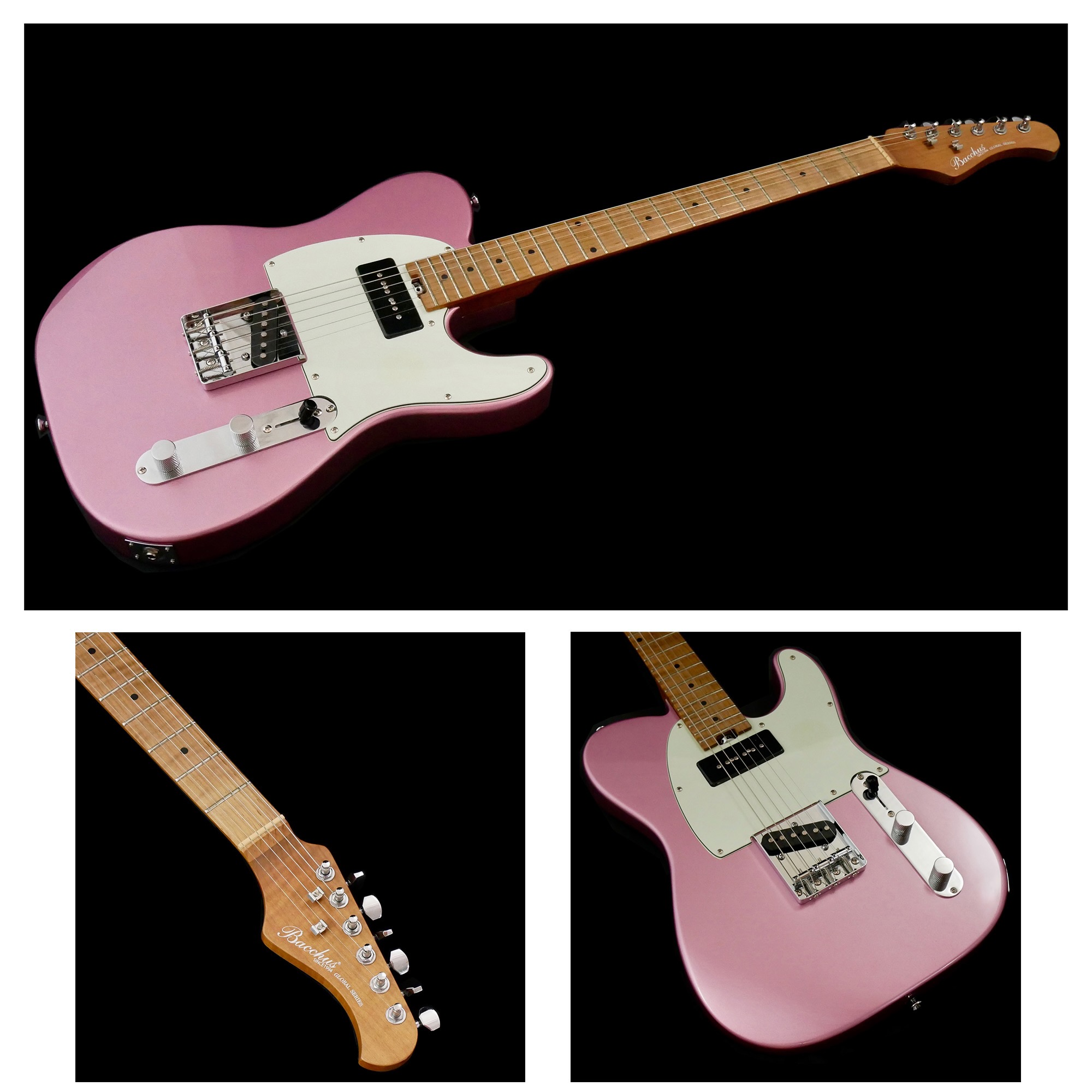
Bacchus Guitars is something of a new acquaintance for me, which is why I selected the company’s Global Tactics-STD/RSM model for this review, even though it has a P-90 single-coil pickup installed instead of a regular Tele neck pickup.
Made in Indonesia, the Global series Tactics-STD/RSM is also the only guitar in the review that has Stratocaster-style bevels on both the front and back of the body. The body of the test guitar has been given a beautiful raspberry-hued metallic colour. The neck and fingerboard of the Bacchus guitar are carved from roasted flame maple. The truss rod adjustment is done from the end of the body, with a Music Man-style adjustment wheel, without the need to remove the neck.
The tuners on the Bacchus Tactics-STD/RSM model are of the modern enclosed variety. The Bacchus also offers a traditional through-body, as well as a top-loader option for attaching strings at the bridge.
Bacchus uses its own alnico pickups on this guitar – a P-90-style single-coil is found near the neck, while a traditional Tele pickup is installed in the bridge.
The Global Tactics guitar is the lightest instrument in this review (3.3 kg), which is a very welcome feature. The neck’s nicely slim C profile, larger-than-vintage frets, and the flatter radius of the fingerboard – together with the nice set-up on the review instrument – make this Bacchus model very easy to play.
The guitar’s sound is also excellent, although it is not 100% typical of a Tele, due to the model’s modified neck pickup. The P-90 sounds bigger and “wider” than the Tele’s traditional neck pickup, which allows for deeper jazz sounds or more raucous blues distortion. The bridge pickup, on the other hand, gives you a very high-quality version of a Tele’s signature twang.
The Bacchus Global Tactics-STD/RSM is a beautiful, high-quality instrument.
I still remember the early 1980s, when Japanese instruments were considered very affordable – they weren’t cheap instruments, but they were definitely more affordable alternatives to US guitars. Those days are long gone; today, Japanese guitars and basses are known for their high quality, and the prices of the instruments reflect this fact.
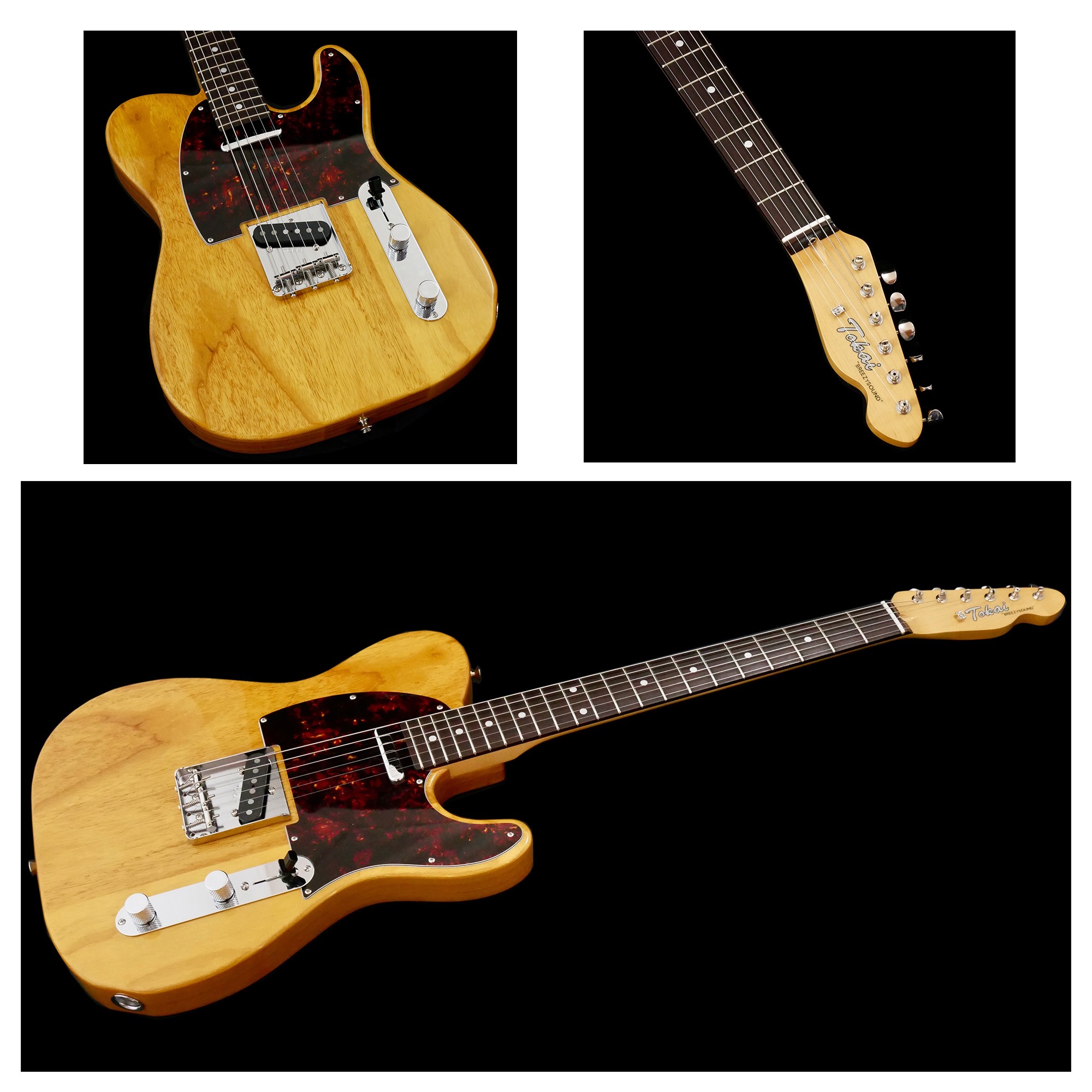
The ATE-102R Vintage Natural is Tokai Japan’s vision of a top-quality Tele with a 1970s look. Back then, it was the golden age of natural finishes, and in the case of the Telecaster, that meant vibrant-looking ash.
Even at that time, there were problems with the availability of lightweight “swamp ash,” which is why many Fender instruments from the Seventies are very heavy. Unfortunately, the availability problem is even worse today, which is why the prices of lightweight ash continue to rise.
Since Tokai definitely wants to keep the prices of its instruments player-friendlys, the ATE-102R model puts stunning looks first, which means, at least in the case of the review guitar, a relatively heavy instrument (4 kg).
The Tokai ATE-102R model has a maple neck attached to a beautiful ash body. The guitar’s fingerboard is carved from genuine rosewood, and 22 medium-jumbo sized frets are installed on it in exemplary neatness. The neck adjustment is conveniently done from the headstock side of the neck.
The metal parts come from Gotoh – the tuners are the company’s high-quality Kluson copies, while the vintage-style bridge bears the Tokai name. The ATE-102R’s pickguard is four-ply and has a tortoise-style pattern.
This Tokai uses Gotoh TL-Classic α Series alnico pickups, which are the company’s meticulous imitations of Fender’s 1950s Tele pickups – even the neck pickup’s originally thinner coil wire has been taken into account.
The neck profile of the Tokai ATE-102R model is very nice, slightly oval with a slim C, just like the one found on Teles from the early Sixties. The fretwork couldn’t be any cleaner, and the set-up on the test guitar is extremely ”fast”, but without any string rattle.
In my opinion, the ATE-102R’s sound is definitely among the best of Tele-style guitars. The guitar’s sound is almost three-dimensional, with depth in the lower register, twang in the midrange, and sparkle in the treble – all in just the right proportions.
Tämän testin alkuperäinen suomenkielinen versio löytyy Rockway-blogissa.
****
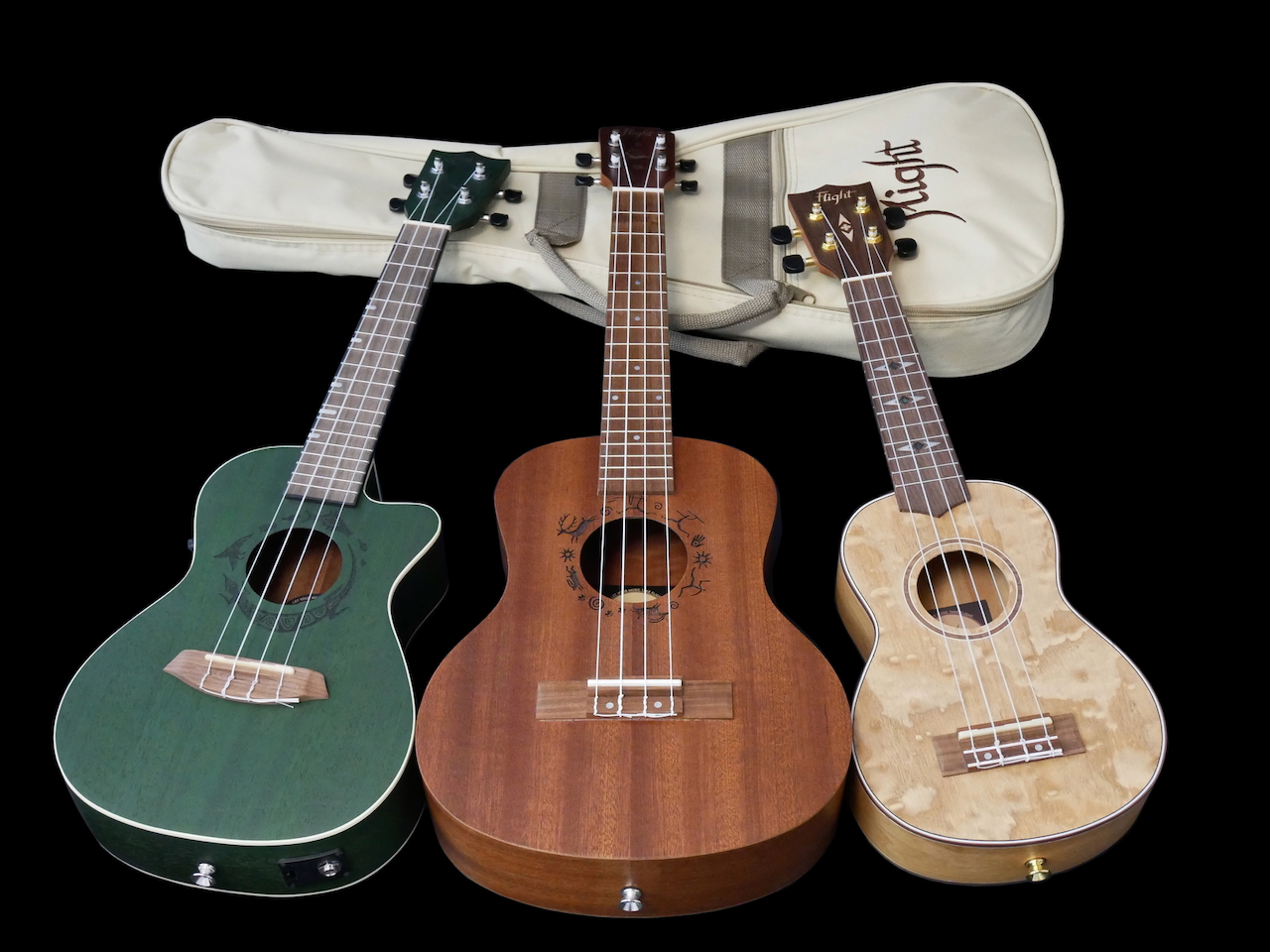
Slovenian company Flight focuses entirely on ukuleles and has been able to expand its range considerably in recent years. The design of the instruments is European, but the ukuleles are made in the company’s own factory in China.
Tampereen Musiiki has recently become the brand’s new importer in Finland, which I thought was a good opportunity to try out three different ukuleles from Flight’s range.
****
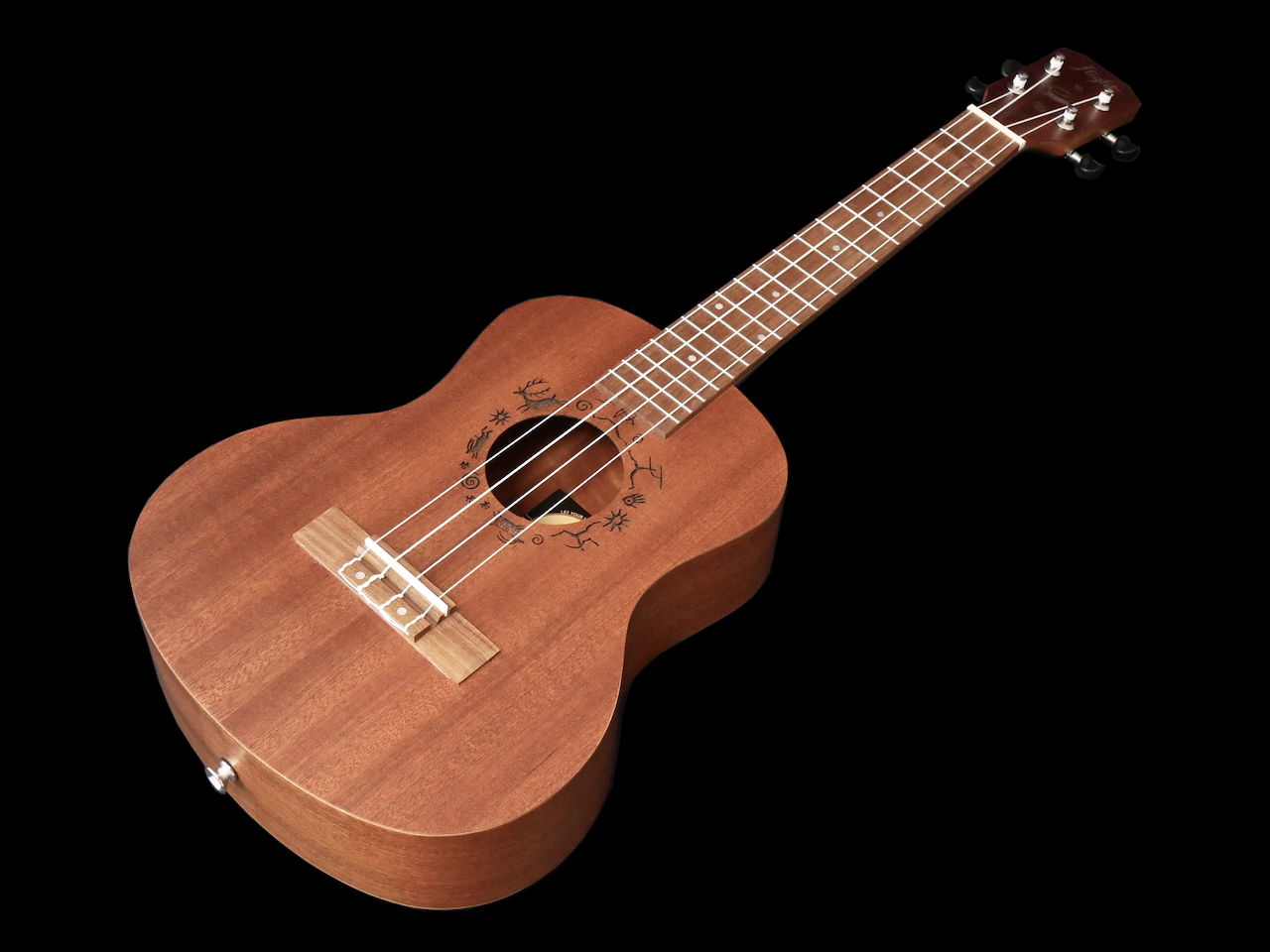
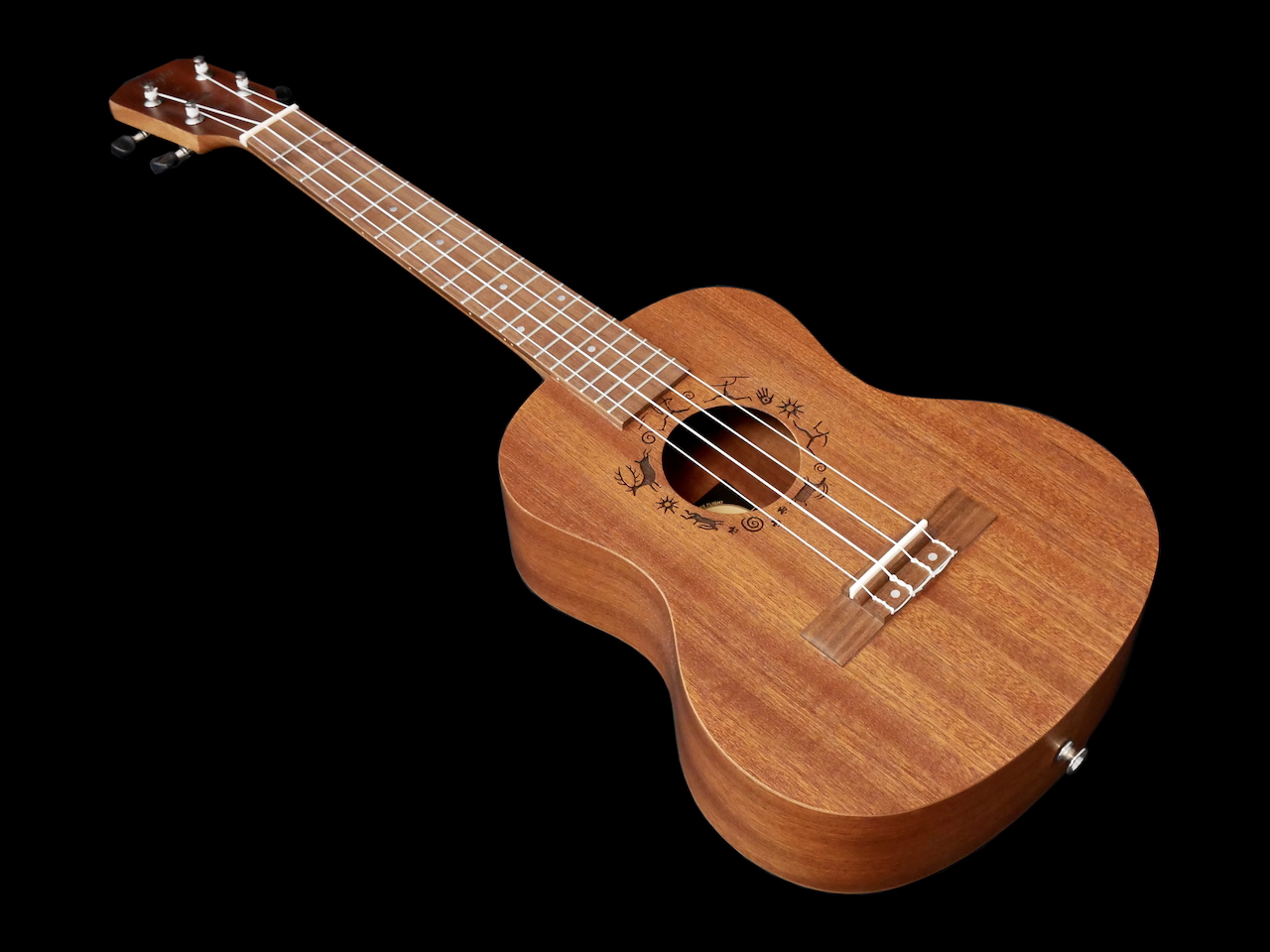
Flight’s NUT310(119 €; includes bag) is a basic tenor-sized ukulele with a rosette decorated with beautiful shamanic symbols, laser-etched into the wood.
The NUT310’s soundboard is made of sapele mahogany plywood, while the neck is carved from African okoume. The neck is made from one long piece, with one piece added for the neck heel and another for the peg head. The neck is glued to the body at the 14th fret.
The fingerboard and bridge of this tenor ukulele are made of walnut. The neck hold 18 well-installed frets. The position markers are round. Both the bridge saddle and nut are made of genuine bovine bone. The nut is 35 mm wide.
The Flight NUT310 has open, guitar-style tuners with black plastic knobs.
All Flight instruments have at least a strap pin at the soundbox’ butt end, allowing a standard guitar strap to fit without any problems.
The Flight NUT310 is comfortable to play and has a beautiful, round, and resonant sound.
****
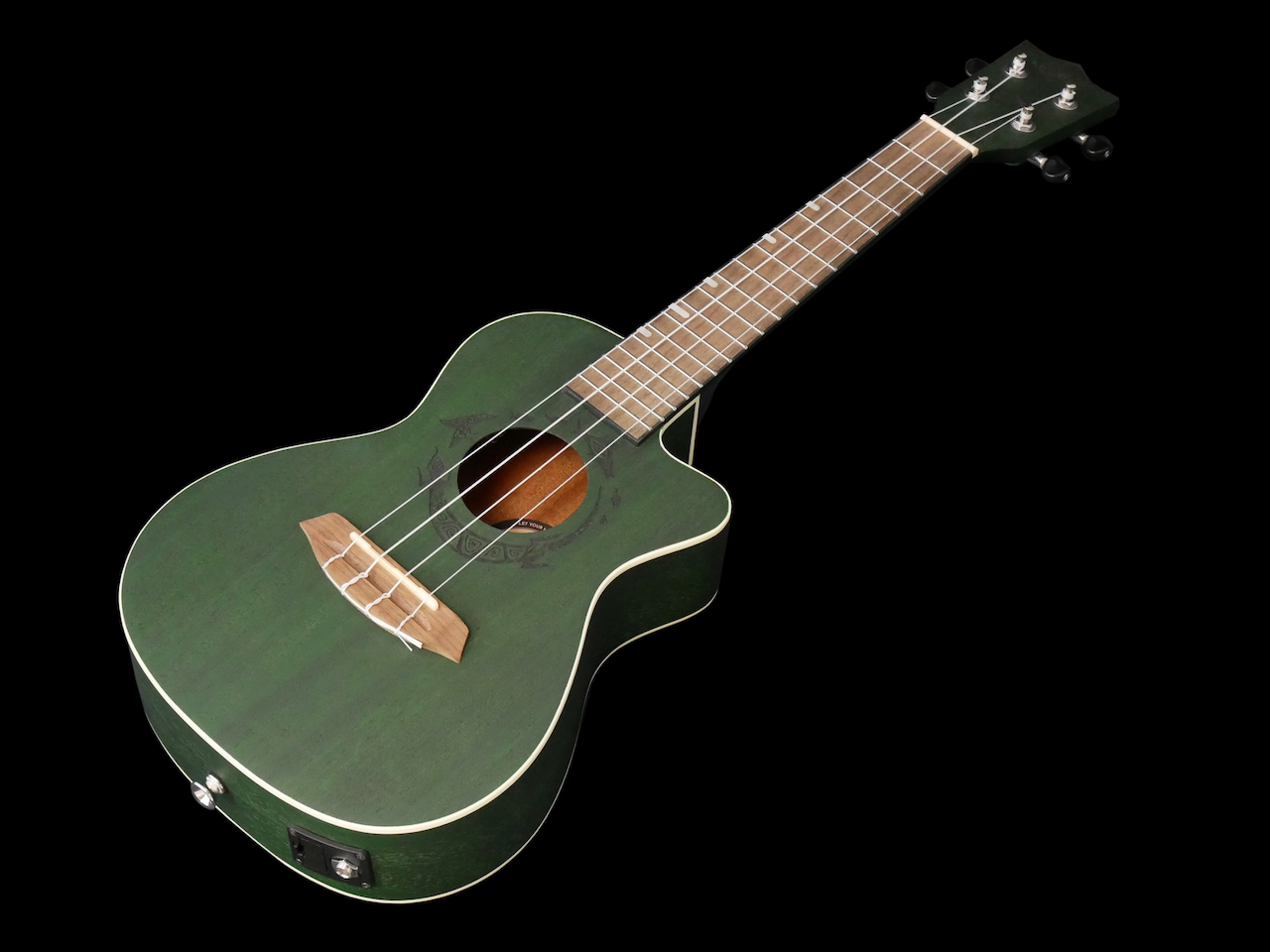
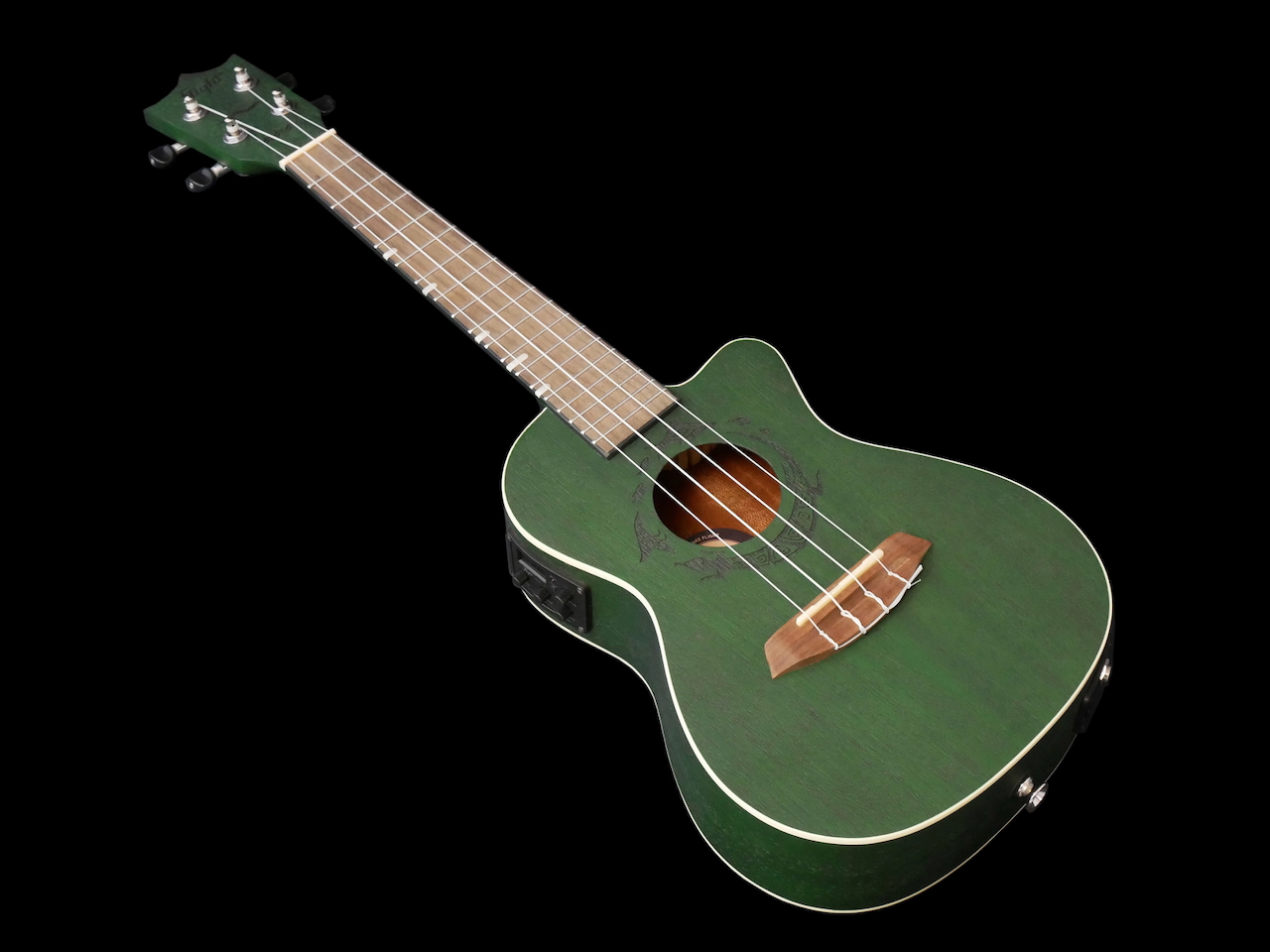
The Flight DUC380CEQ (149 €; incl. gig bag) is a concert-sized ukulele with a cutaway and an active preamp. The DUC380CEQ is available in four different colors – amber, coral, topaz and jade (like the test instrument). The laser-cut rosette consists of Inca-style animals.
The soundboard of the DUC380CEQ is made of mahogany plywood, too, while the neck is made of okoume. The uke’s body has a beautiful cream-colored binding on both the top and bottom.
The neck structure is similar to the other two instruments in the test. The neck is glued to the body at the 14th fret.
The concert ukulele’s fingerboard and bridge are made of walnut. The fingerboard is decorated with black binding. The fingerboard holds 17 neatly installed frets. The position markers are finger-shaped inlays placed on the bass side of the fretboard, like on some Gretsch guitars. Both the compensated bridge saddle and the top nut are made of genuine cow bone. The saddle width is 35 mm.
This model uses modern closed tuning machines with black plastic knobs.
Mounted on the side of the bass side rim is Flight’s own FU-T3 preamp, which is used to shape the signal of the piezo mic located under the bridge. The preamp is powered by two button batteries, their compartment can be found at the bottom of the soundbox next to the output jack. In addition to a volume control, the FU-T3 preamp offers a three-band EQ, as well as an internal chromatic tuner.
Successfully installing a piezo microphone on ukuleles is relatively difficult, because the piezo works best when the strings are pressed tightly against it. Due to the short scale, ukulele strings are quite loose, which often results in the C and E strings sounding louder than the G and A strings. The DUC380CEQ that we tested also suffers from the same problem – so using a compressor is recommended.
Acoustically, the Flight DUC380CEQ sounds very beautiful, with the slight midrange emphasis typical of a concert ukulele. The ukulele is very comfortable to play.
****
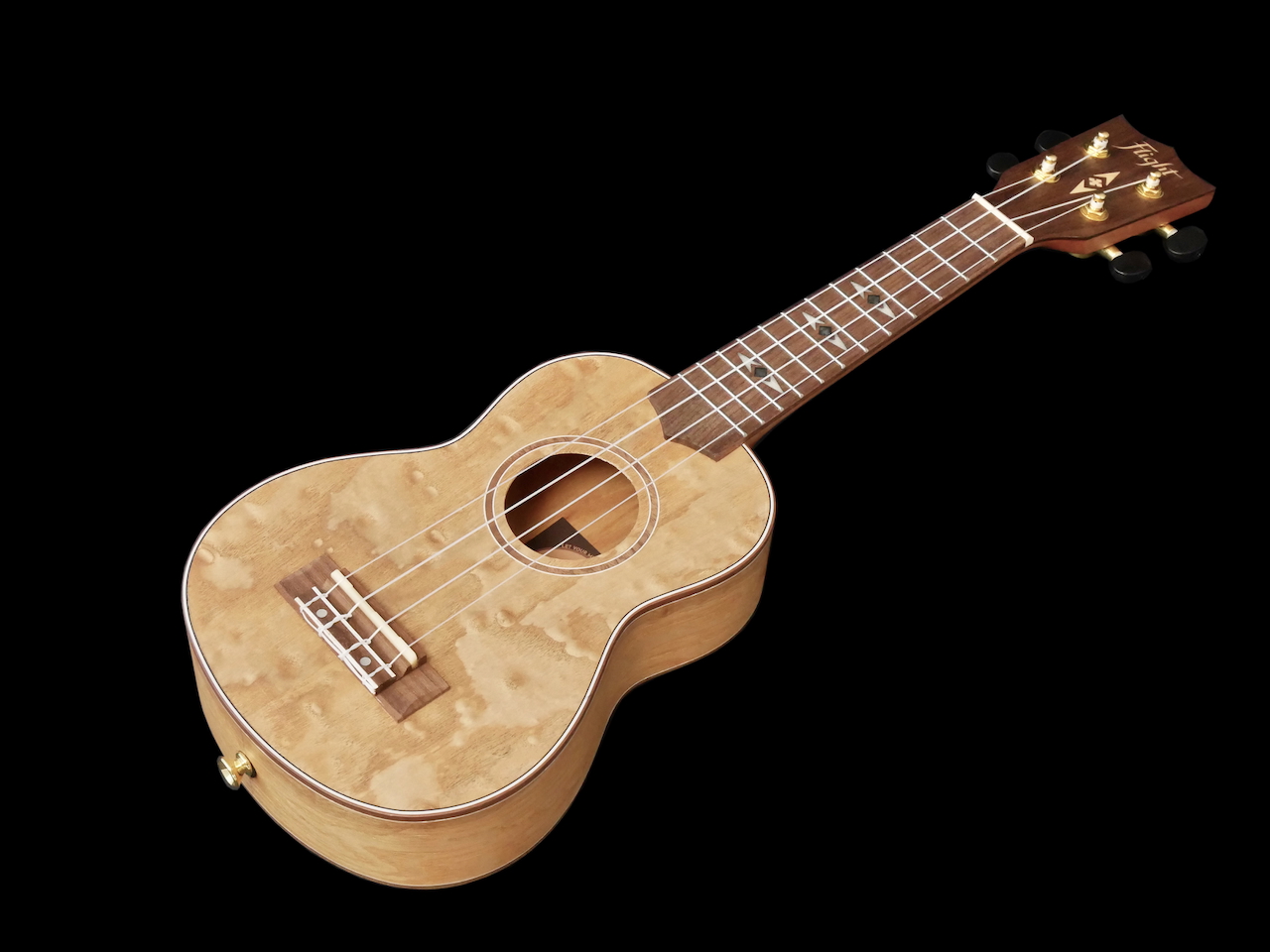
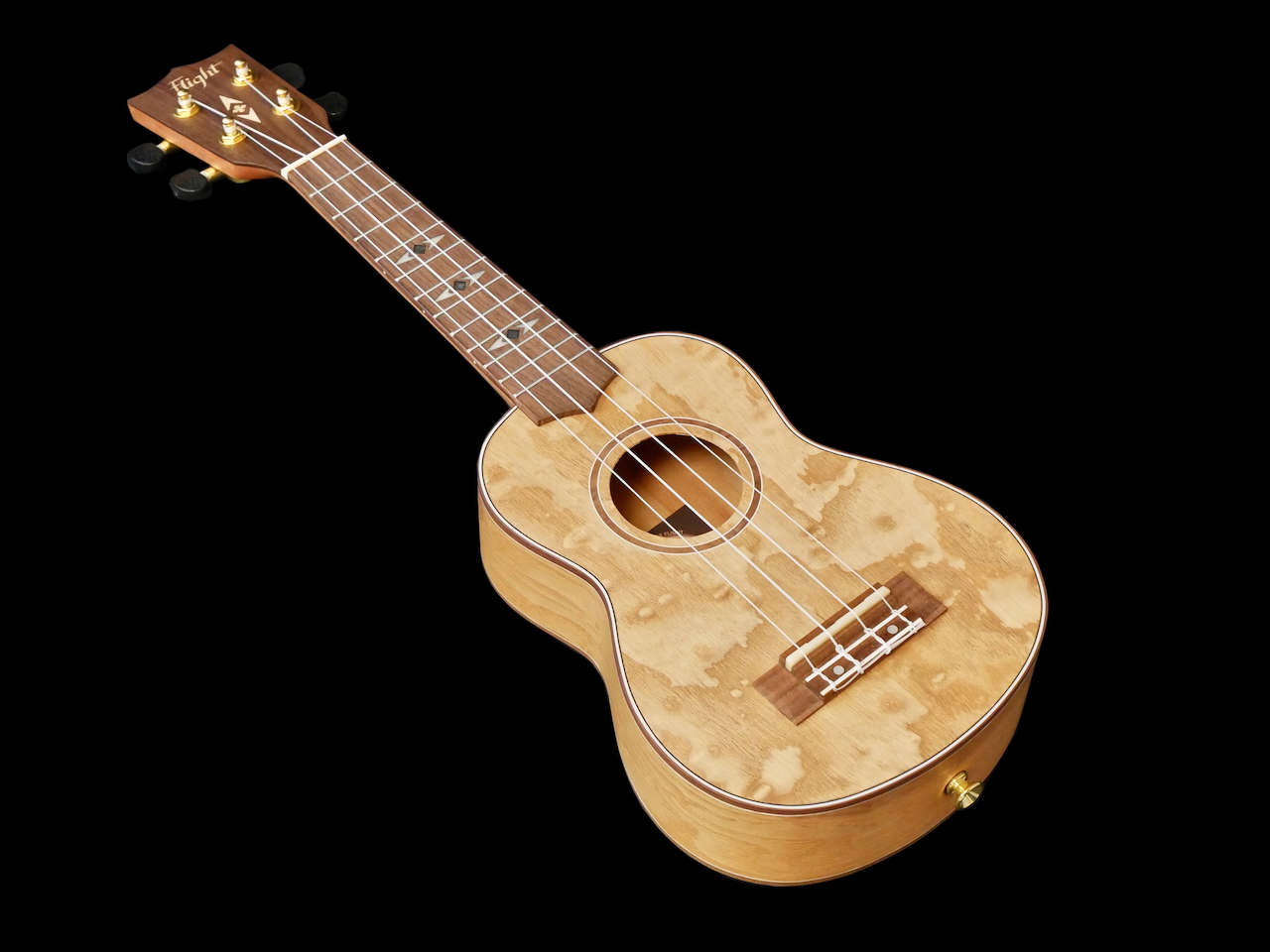
There probably aren’t many ukuleles with a quilted ash body, but Flight’s DUS410QA (159 €; incl. gig bag) is just that. The strong cloud-like pattern on the plywood of this Flight model is very impressive. The top of the soprano model has a multi-layered edge binding, while the bottom of the body has a single-layer decorative strip.
A very beautiful walnut fingerboard is glued to the front of the okoume neck, where 12 frets are very neatly seated. The DUS410QA model’s impressive multi-piece fingerboard inlays are reminiscent of inlays on a 1930s Gibson Advanced Jumbo model. Both the walnut bridge saddle (compensated) and the instrument’s nut are made of genuine bovine bone. The saddle width is 35 mm.
Such an impressive instrument is just the ticket for gold hardware – a strap pin, as well as modern tuners with black (wood patterned) plastic knobs.
The Flight DUS410QA soprano has a suitably bright, yet strong sound, and it projects its sound surprisingly well.
In March 2025, Fender released two new harmonica models.
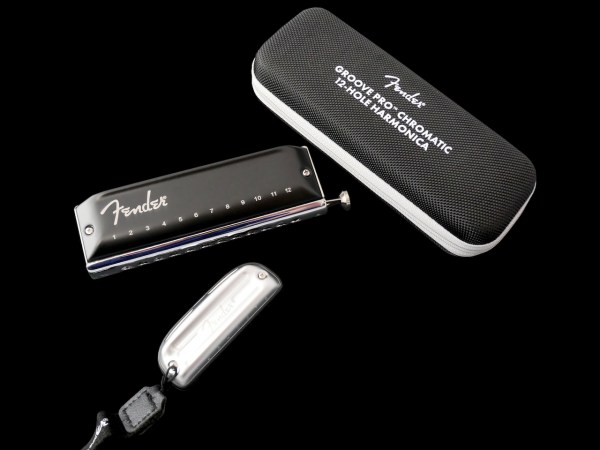
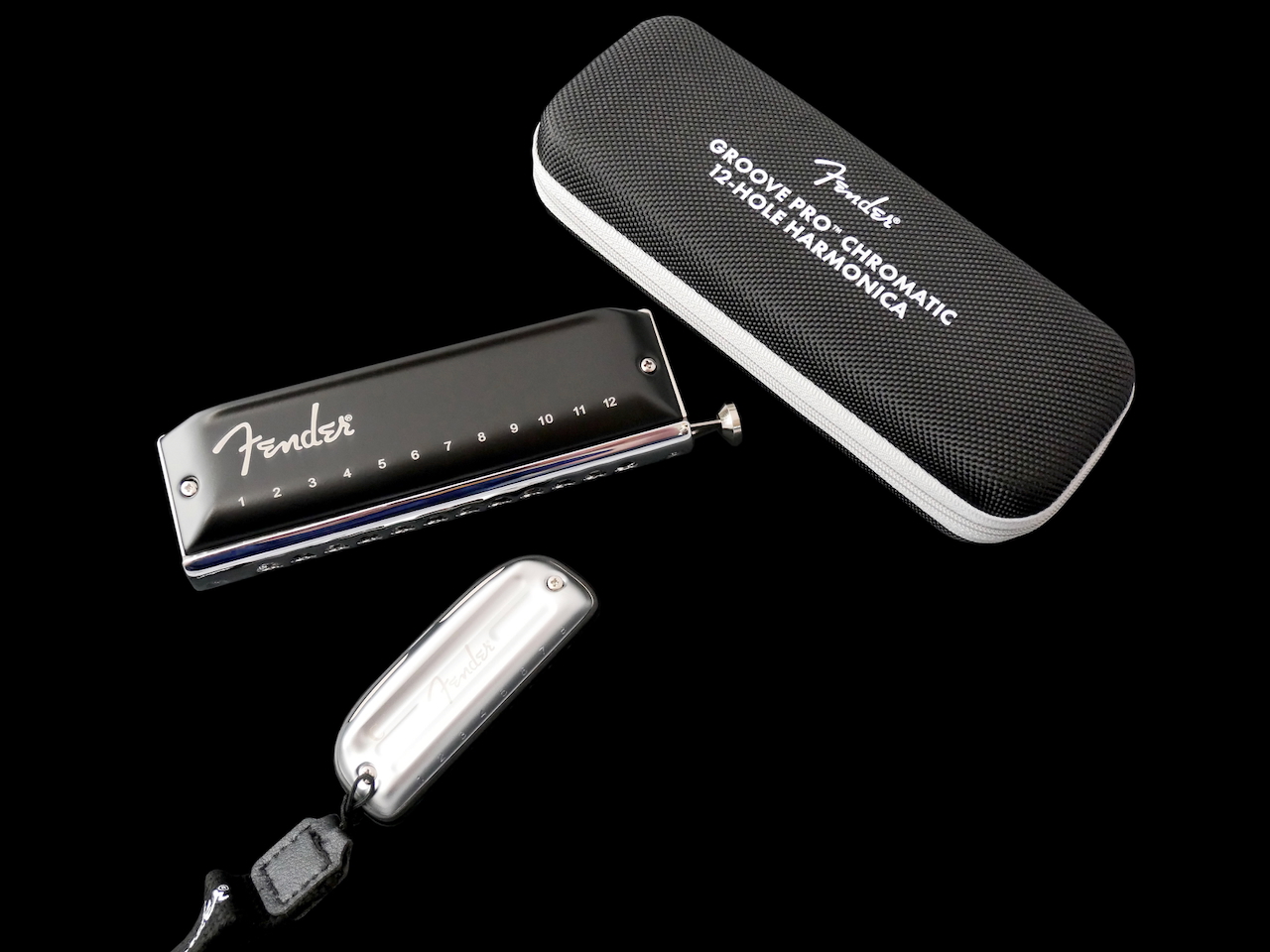
The smaller of these is the very compact diatonic Fender Blues Junior (€35), which is available in three keys (C, G, and A). The other new addition is the company’s first chromatic harmonica, called the Fender Groove Pro (€79).
****
A standard diatonic harp with ten holes is already a nice compact instrument that fits easily in a trouser pocket. However, almost all manufacturers have always had even smaller instruments available for different purposes.
About 15 years ago, the German traditional manufacturer C.A. Seydel found a new approach to the miniature diatonic harmonica when it invented its Big Six collection. In the Big Sixes, the distance between the holes remains the same as in a full-size harmonica, but instead of ten channels, only the first six were offered. According to Seydel, most blues players usually only use these holes, because the bends are best done in these, and therefore the missing high notes are not a problem at all.
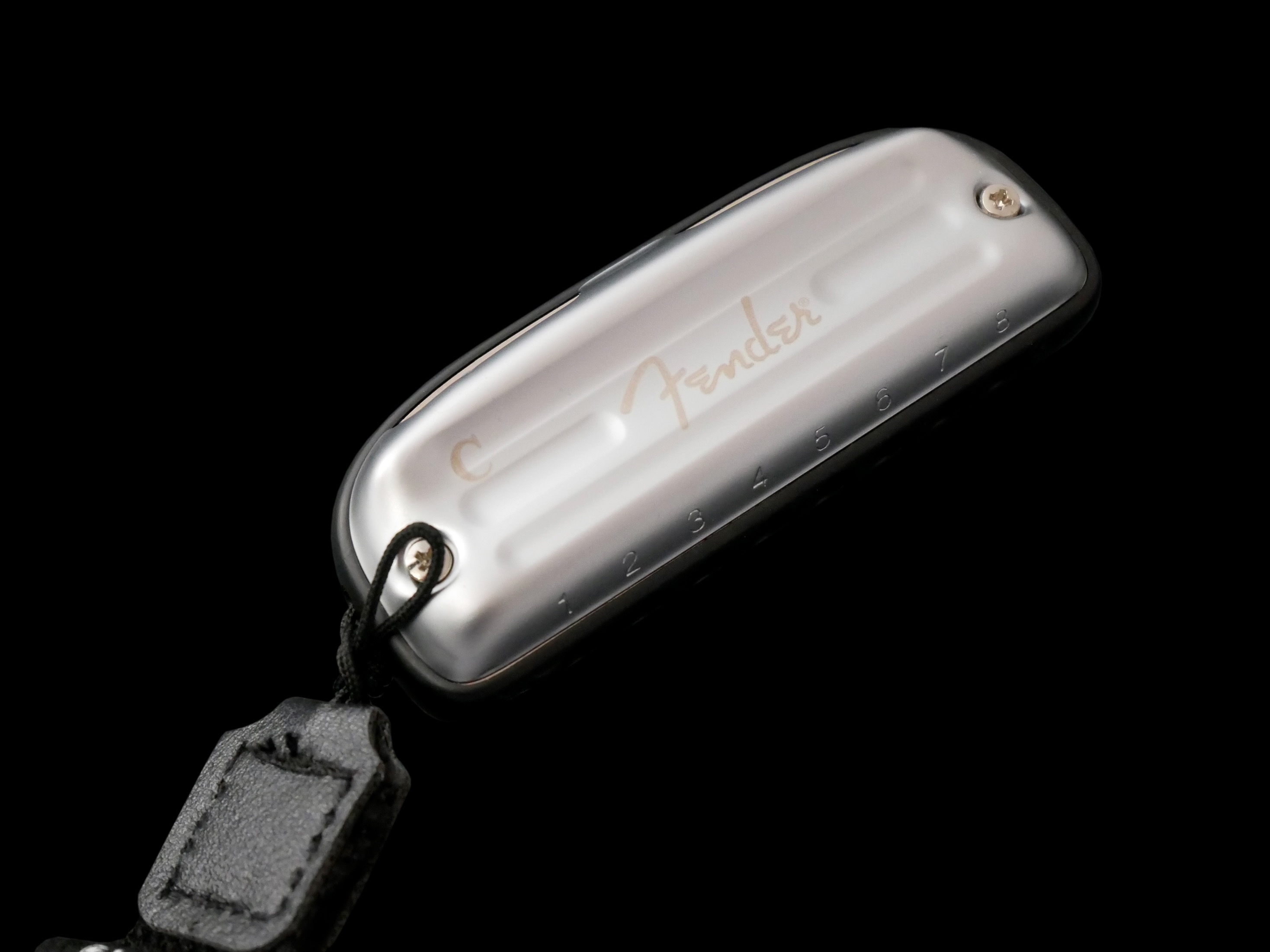
Fender’s brand new Blues Junior 8-Hole Diatonic model is based on the same idea, but offers two channels more tonal range than the Seydel Big Six. The harmonica is sold with a lanyard and a cleaning cloth.
The Fender Blues Junior’s design is very sleek and beautiful. The steel covers have a matte finish, while the harp’s comb is made of black ABS plastic. The appearance of the Blues Junior resembles a slightly smaller version of the Hohner Golden Melody model.
Because the channels on the front of the body have round holes, at first glance it may seem that they are closer together in the new Fender than usual. However, the distance between the channels is the standard 7.5 mm.
Fender’s contract manufacturer seems to have top-notch quality control, as the Blues Junior is suitably airtight, while the sensitivity of the phosphor bronze reeds has been adjusted appropriately.
The Fender Blues Junior harmonica is precisely tuned and very comfortable to play. The Blues Junior is a pleasantly loud harp with a deliciously crunchy sound.
In the demo above, I have used a model of a distorted tweed amplifier.
****
Since each air channel in a chromatic harmonica is connected to no fewer than four reeds, so-called valves have been found in chromatic models almost from their inception.
In modern instruments, the valves are made of lightweight plastic. They are narrow flaps that are glued to the reed plate at the opposite end of each reed. Thanks to the valves, when you blow into the harp, the air only goes through the blowing reed of the channel, while during drawing, the air only flows through the reed that is played during the draw.
The advantages of valves are – in addition to airtightness – the more precise attack of the chromatic harmonica and a louder sound. On the other hand, valves make bends practically impossible, because bends are based on the modulation caused by the opposite reed of the same channel. In addition, the valves can sometimes stick to the reed plates due to the humidity of the exhaled air, which makes it difficult to sound the reed and can give the attack a slight duck whistle-like roughness.
Because valves add to the price of chromatic harps – but also because of the drawbacks of valves – a new wave of cheaper, valveless chromatic harmonicas has emerged in recent years. According to bloggers and YouTube testers, the Chinese manufacturer Easttop seems to be a fairly high-quality manufacturer of affordable chromatic harps.
Why do I mention the Easttop brand here? Well, because Fender’s brand new Groove Pro Chromatic is clearly manufactured by Easttop – it’s a so-called OEM version – of their own Forerunner 2.0 model. The abbreviation “OEM” comes stands for “original equipment manufacturer”, and it means that the manufacturer does not put their own brand logo on the product, but the logo of the brand in question – in this case Fender.
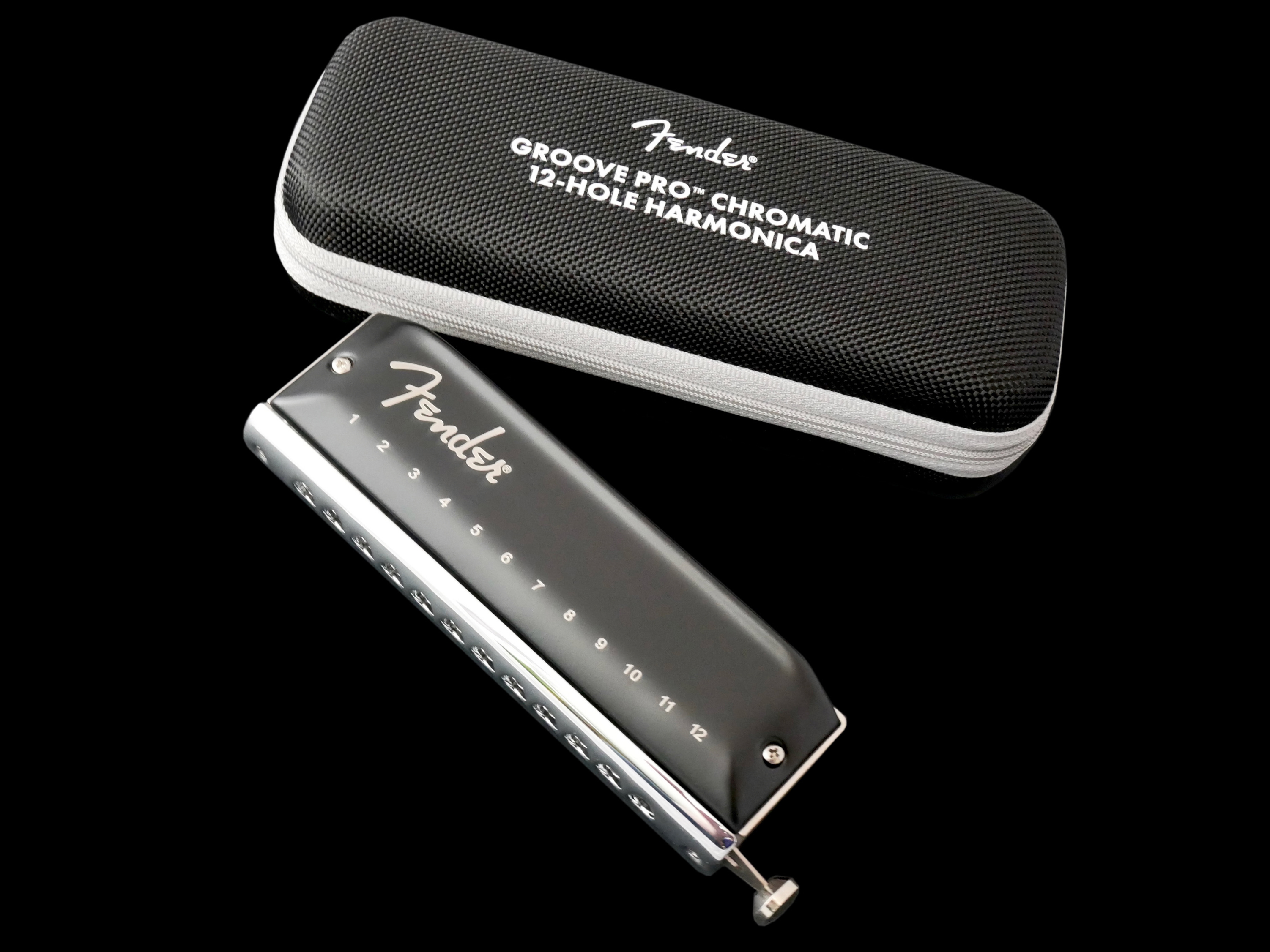
In any case, Fender’s new Groove Pro seems to be of very high quality and its transparent comb has a nice weight, which increases the volume and ”weight” of the sound in chromatic harmonicas. The Fender Groove Pro has 12 channels, which means that the harp has a three-octave range (c1-c4). In addition to the harmonica, the package includes a very high-quality, pencil-case style soft case and a cleaning cloth.
The Groove Pro has a very nice rounded cast metal mouthpiece with round holes. The switching mechanism feels fast and it is also pleasantly quiet. The harmonica’s reeds are made of phosphor bronze. The mouthpiece and matte black steel covers are shaped in such a way as not to cause problems with a player’s beard or moustache.
I think the Fender Groove Pro’s tuning and sound are really good. The new harp’s airtightness is also a positive surprise – although it does require a little more air to play than a harmonica with valves, the difference is not striking. Although the volume of the Fender’s sound is – naturally – a bit lower than my Hohner Chrometta or Hohner Discovery, it is easier to play the lowest notes on the Groove Pro (read: in tune) even with poor playing technique, because the valves do not have the braking effect on the reeds’ attack.
Even ten years ago, wiser people than me said that buying a chromatic harp for under a hundred euros was throwing money in the trash, because the cheap harps of the time let a lot of excess air through, and because they were very poorly tuned.
In recent years, the quality of inexpensive chromatic harmonicas has increased significantly, of which the brand new Fender Groove Pro is a very good example. I can only recommend this model – and not only to beginners.
Alkuperäinen suomenkielinen testi on ilmestynyt Rockway-blogissa.
****
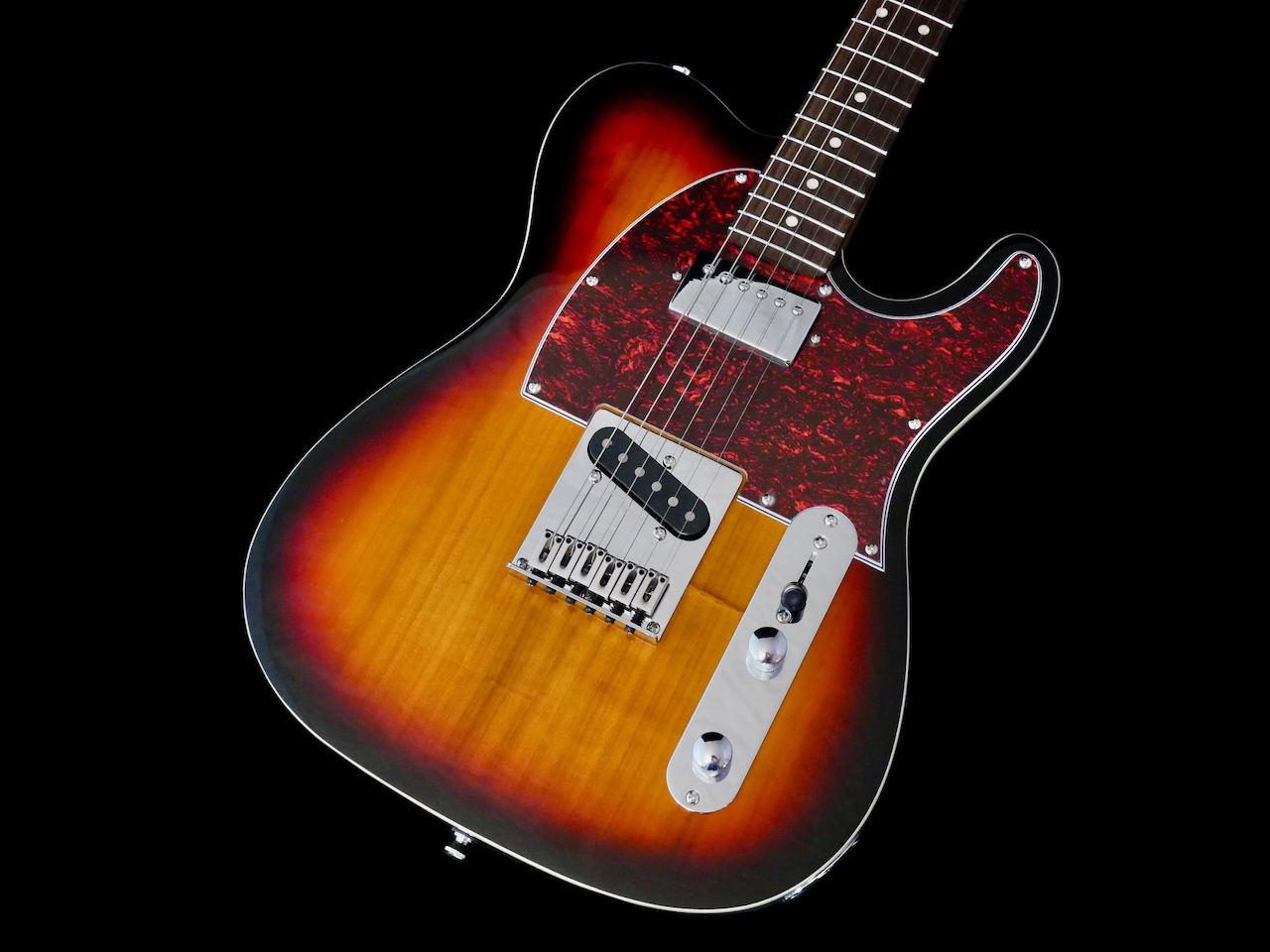
Telecaster-style electric guitars are the cornerstone of all solid-body guitars. Although the original Fender model was released in 1950, the basic Tele is still in everyday use around the world. A simple “breadboard” body, a bolt-on neck, and two very different single-coil pickups, and that’s it.
Tele-style instruments are excellent country, blues, rock, and soul guitars, with their twangy bridge pickup sound easily recognisable.
Sometimes, however, a player wants something extra, something more than that old-school Telecaster tone.
We received two affordable, yet ”factory-customised” Jet Guitars models for a review from the brand’s importer, Tampereen Musiikki.
****
There are three things that many people think deserve an upgrade on a basic Tele: The neck pickup can sound a bit weak, the rudimentary bridge has only three adjustable saddles, and the square body can be annoyingly hard on the ribs.
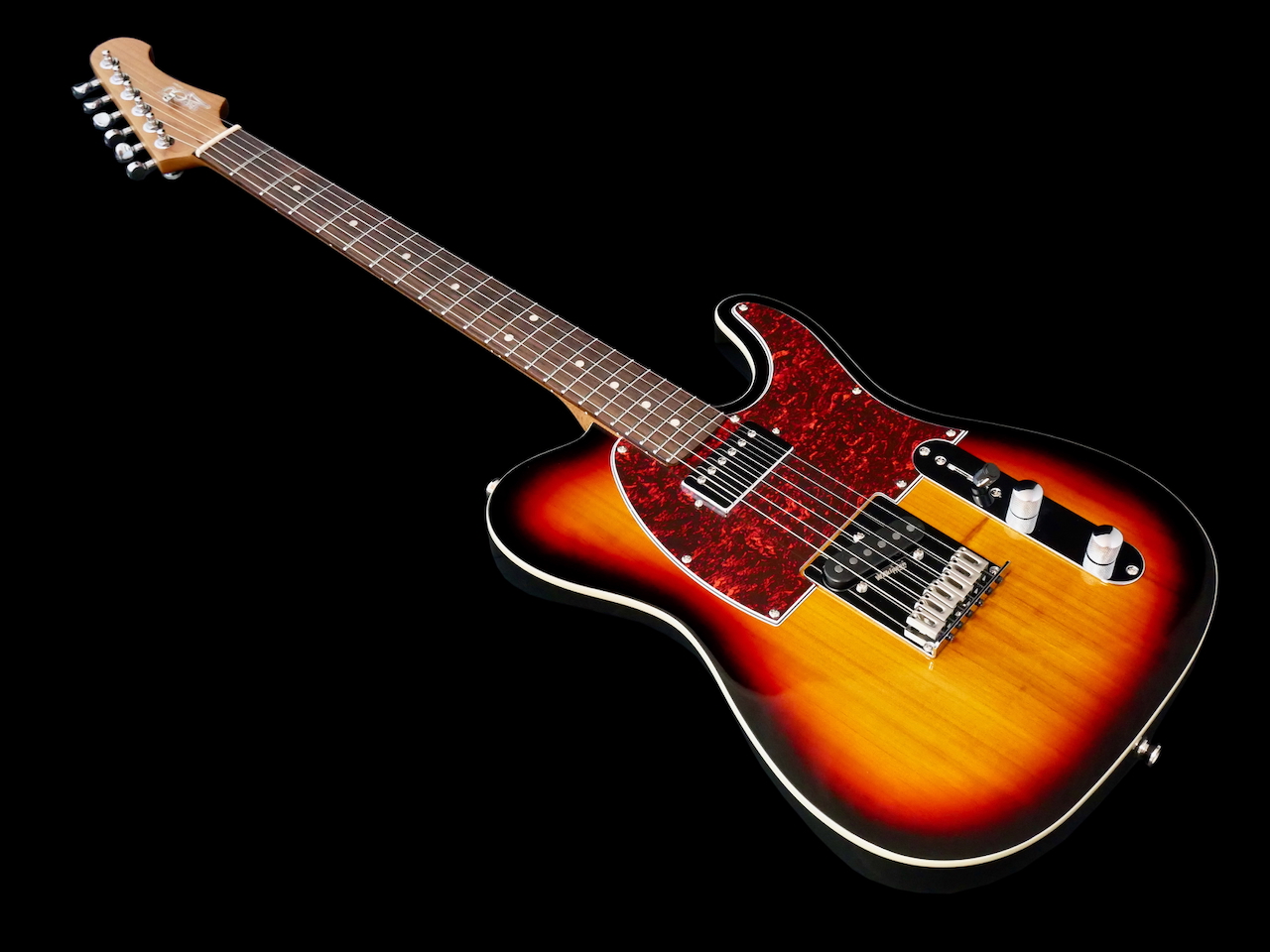
Despite its affordable price, the JT-350SH has added many pro-level features: The guitar’s neck is carved from heat-treated Canadian maple, while the fingerboard is made of Indian rosewood. The neck is equipped with a dual-action truss rod, and its adjustment is conveniently done at the headstock end. Thanks to the locking tuners, changing strings is a quick task, and the instrument stays in tune very well.
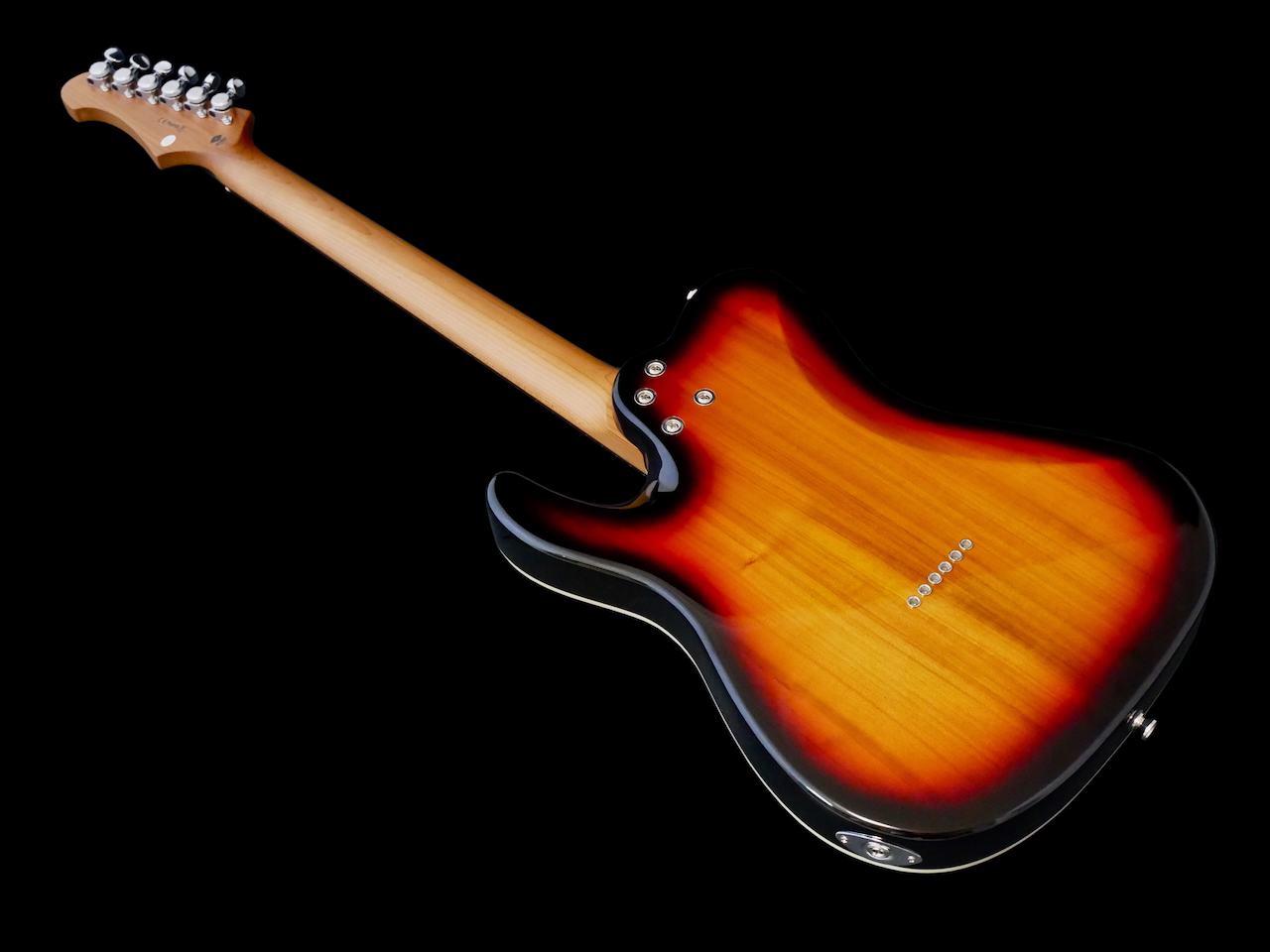
The basswood body, which is bound at the front, has two bevels at the back – one in the cutaway to make it easier for the playing hand to reach the upper frets, and the other has been added to the top edge to soften the fit of the body against the player’s body. The bolt-on neck joint on the Jet JT-350SH is also rounded.
Wilkinson’s high-quality, modern six-saddle bridge is home to a traditional (alnico) Tele bridge pickup, while a full-size alnico humbucker sits in the tortoiseshell-patterned pickguard.
This SH-pickup combination (a portmanteau of “single-coil” and “humbucker”) makes a single Tele sound like two different guitars, as it offers the classic Tele bridge sound, as well as the creamy Gibson sound. It’s not entirely clear who first invented the SH-combination on a Tele, but blues guitarist Albert Collins used a custom Tele like this back in the 1960s. Rolling Stones legend Keith (“Keef”) Richards uses both modified Telecasters and second-generation 1970s Tele Customs with a factory-installed neck humbucker. In the 1980s, Andy Summers of the Police became well-known for his JT-350SH-style Fender guitar.
The Jet JT-350SH adds a pull-switch embedded in the tone knob to the standard Tele front-both-rear connection, allowing you to split the humbucker for traditional single-coil Tele sounds.
The Jet Guitars JT-350SH model’s playability is first-class, thanks to a slim neck profile, a gentler fingerboard radius (9.5 inches) and really good fretwork. The guitar arrived for review with an excellent set-up.
****
In 1979, The Who’s Pete Townshend had had enough of his heavy Gibson Les Paul Deluxe guitars from the 70s, and he sent his guitar technician, Alan Rogan, to find something better for the next tour.
Townshend had also played Telecasters in the 1960s and he remembered that this guitar model was relatively light, but at the same time very durable. However, he wanted a guitar with two humbuckers, for a thicker distorted sound.
After a few twists and turns, Alan Rogan found a new company – Schecter Guitar Research – that made both guitar parts and complete electric guitars. Rogan ordered a pair of Schecters for his boss, Townshend liked them, and “the rest is history”, as they say.
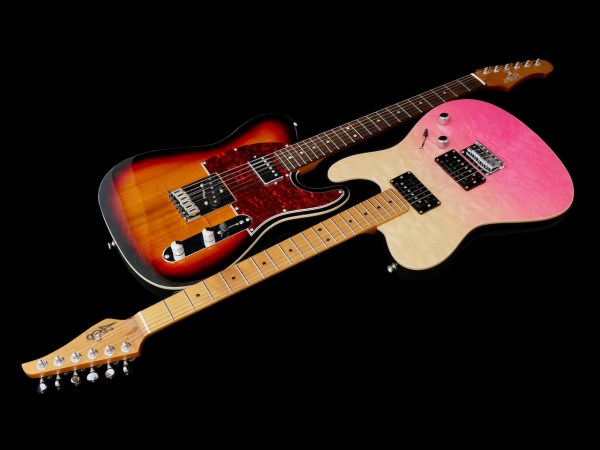
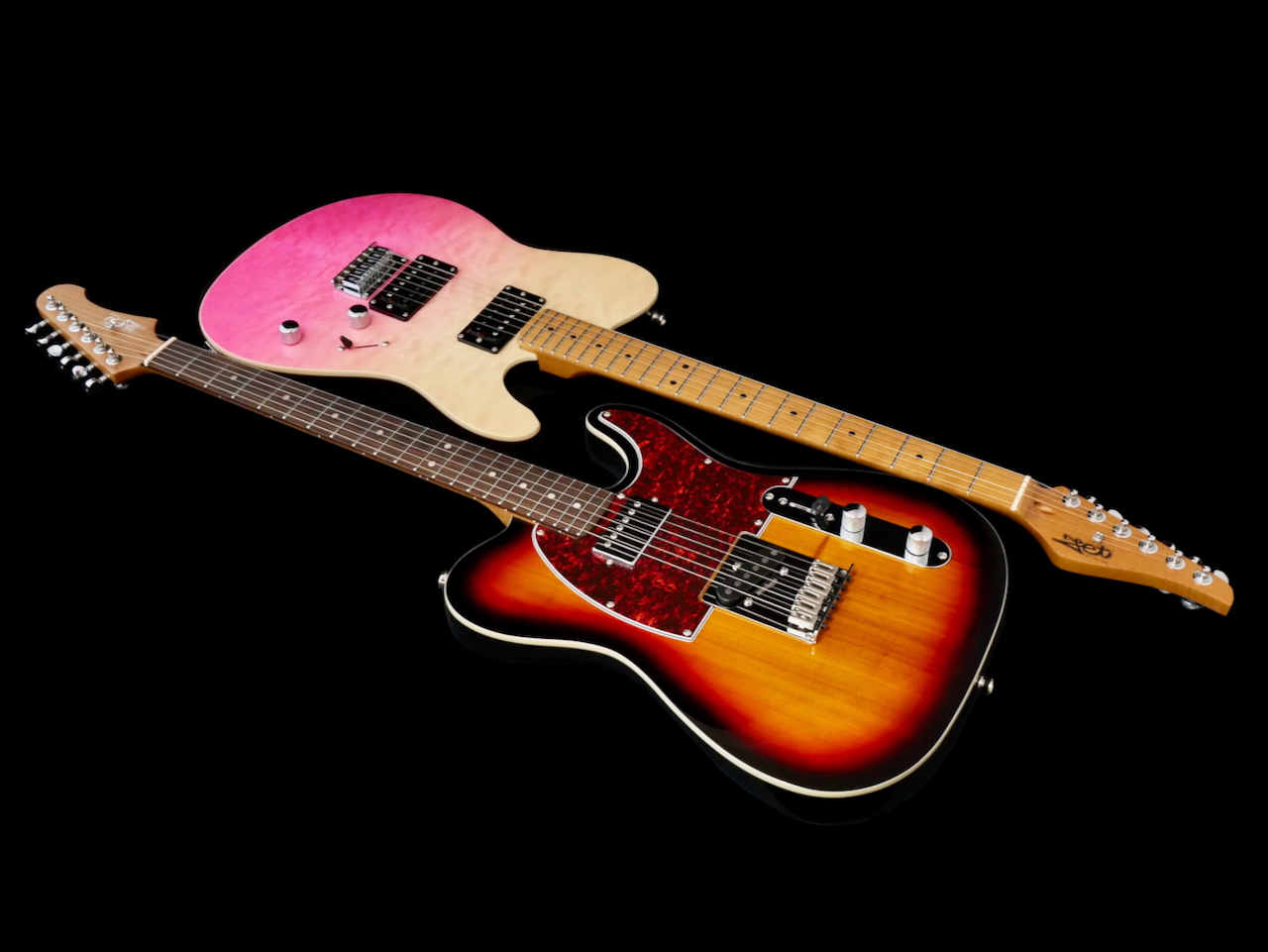
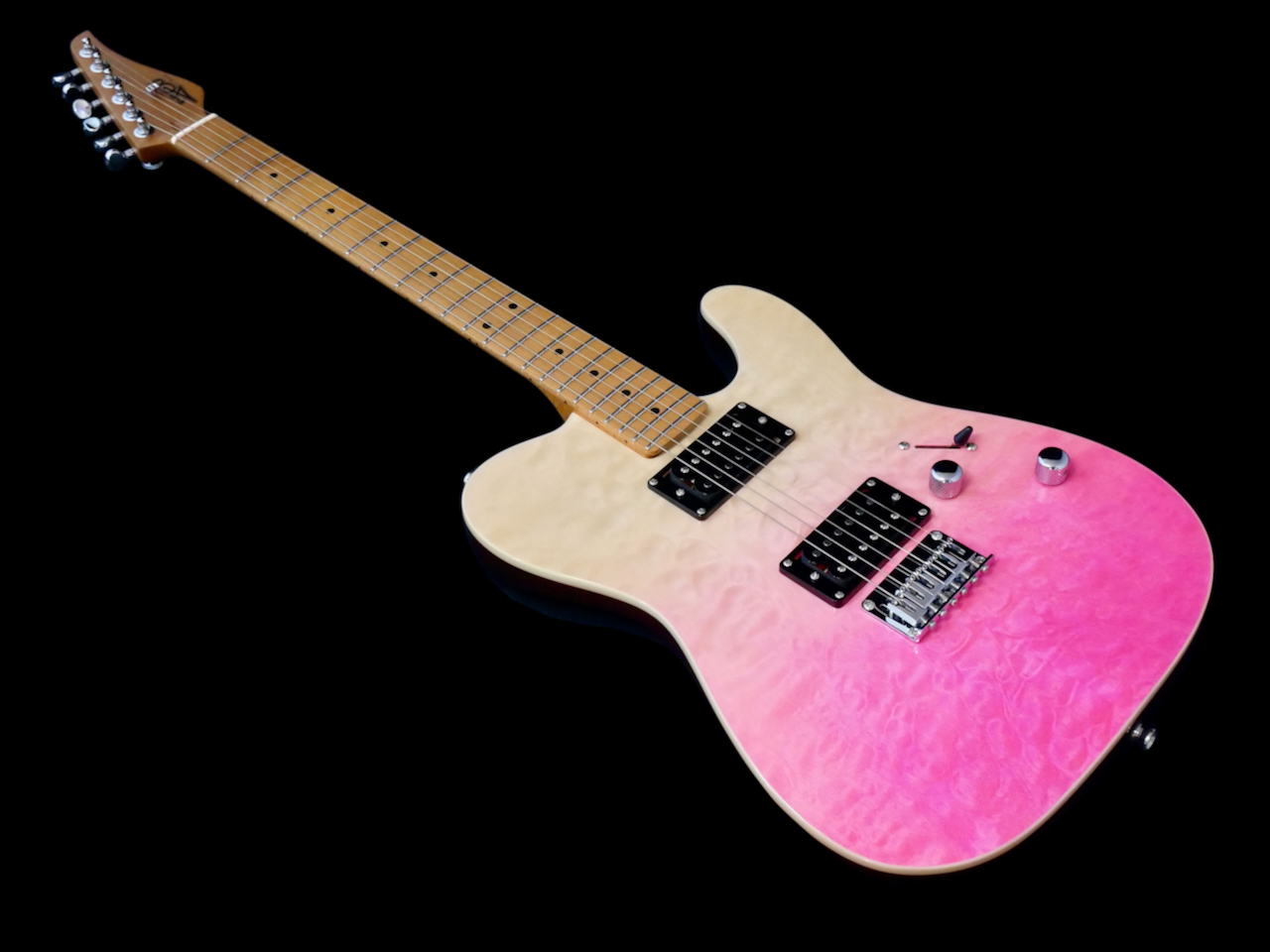
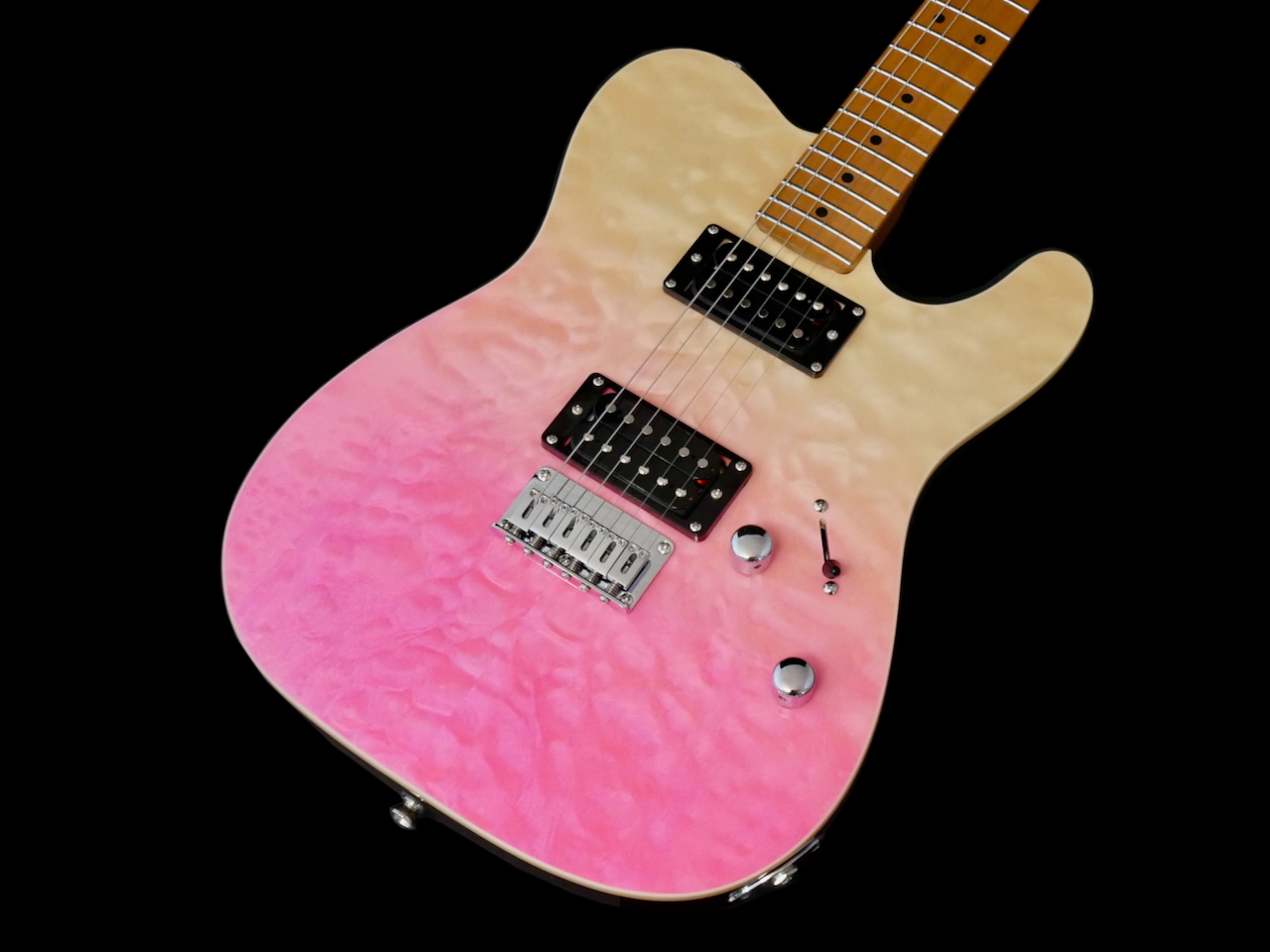
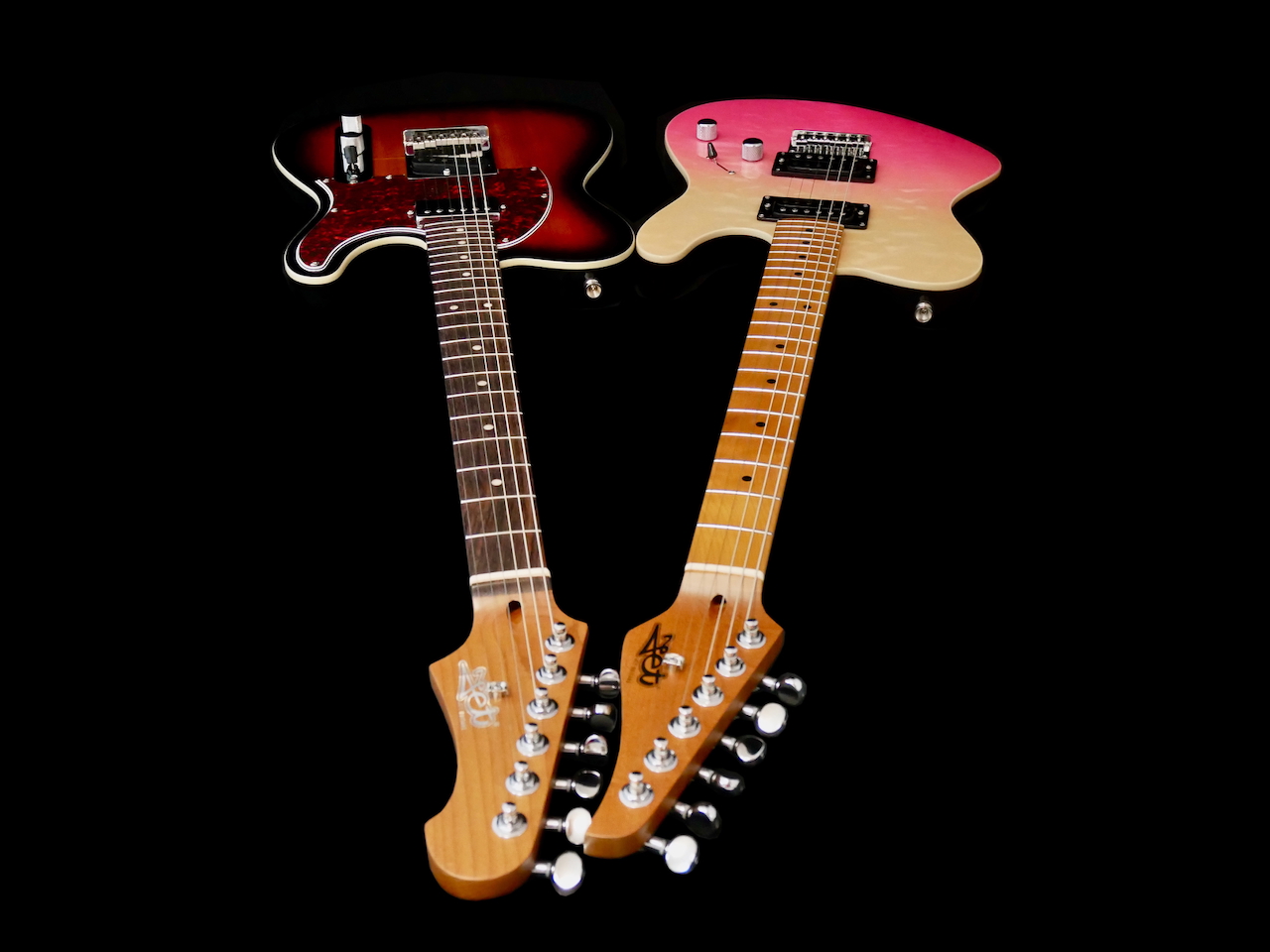
Jet Guitars’ JT-450Q (€399) is a fancy double humbucker Tele, with a few more piquant details added: A very impressive quilted maple top with a front elbow bevel, a pink burst finish, and a split pickup with a pull-switch (in the tone control).
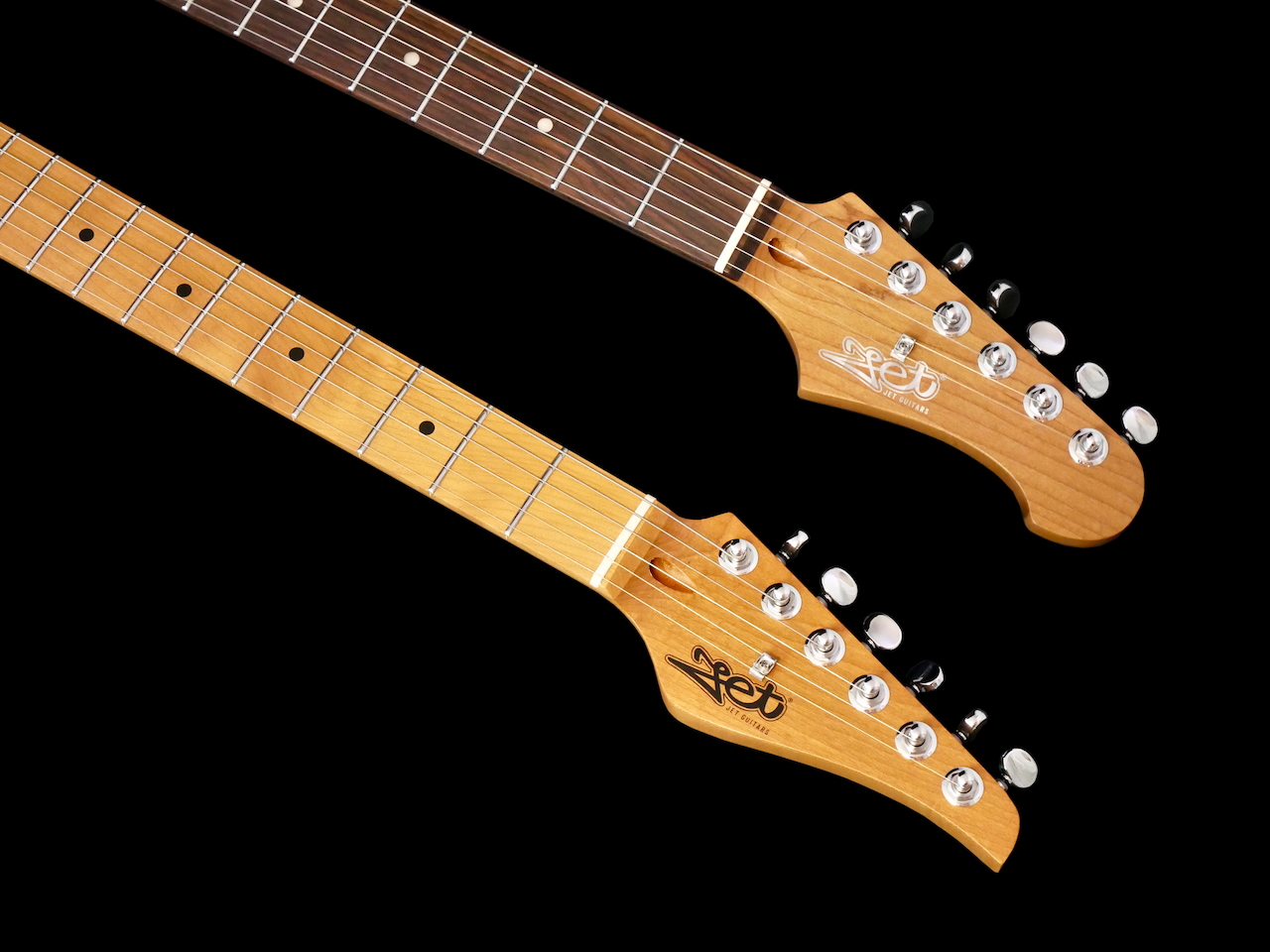
The basic components of the JT-450Q are largely the same as those of the JT-350SH model. The JT-450Q has a heat-treated maple neck with a fingerboard made of the same material. The shape of the headstock on this model is also different – it vaguely resembles the Pensa-Suhr headstock. The truss rod in this model is also dual-action and the tuners are of the locking variety. The top nut is made of genuine bovine bone on both instruments.
The body of the guitar is carved from basswood, and the JT-450Q also has a gloss finish, while the neck has a satin finish. The back of the body of the JT-450Q features the same soft bevels as seen on the JT-350SH.
Since the Jet JT-450Q uses two humbuckers in their own frames, the guitar’s bridge is a hardtail Strat-style version. However, the strings are still strung through the body in the regular Telecaster manner.
The Jet’s coverless alnico humbuckers are connected to a three-position switch, as well as master volume and tone. As I already mentioned, the tone pot has a push-pull switch that allows you to split the double-coil pickups in half for single-coil sounds. The switch and controls are mounted at an angle, Strat-style, so that you can easily create volume swell effects with your pinky. The JT-450Q’s humbuckers are not spoiled by excessive power, which imbues them with a beautiful and dynamic sound.
In the case of the Jet JT-450Q, you can also just marvel at how such an inexpensive guitar can feel so good in the hand. The neck profile here is also a nice oval C-profile, which – in addition to the very good fretwork – makes playing effortless and fast. The low trim of the test guitars can only be achieved with very strict quality control, which seems to be up to the task at Jet Guitars.
Alkuperäinen suomenkielinen versio tästä jutusta löytyy Rockway-blogissa.
****
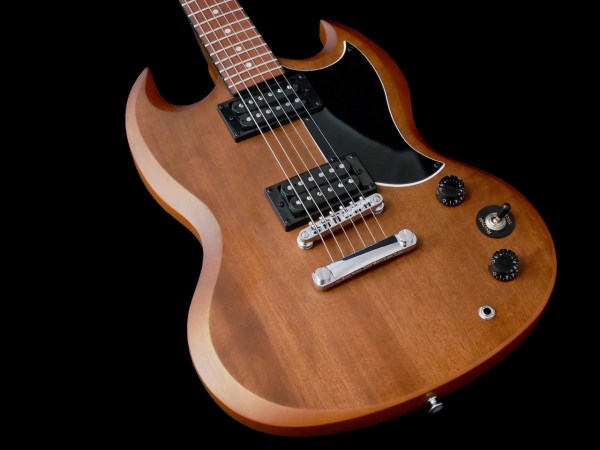
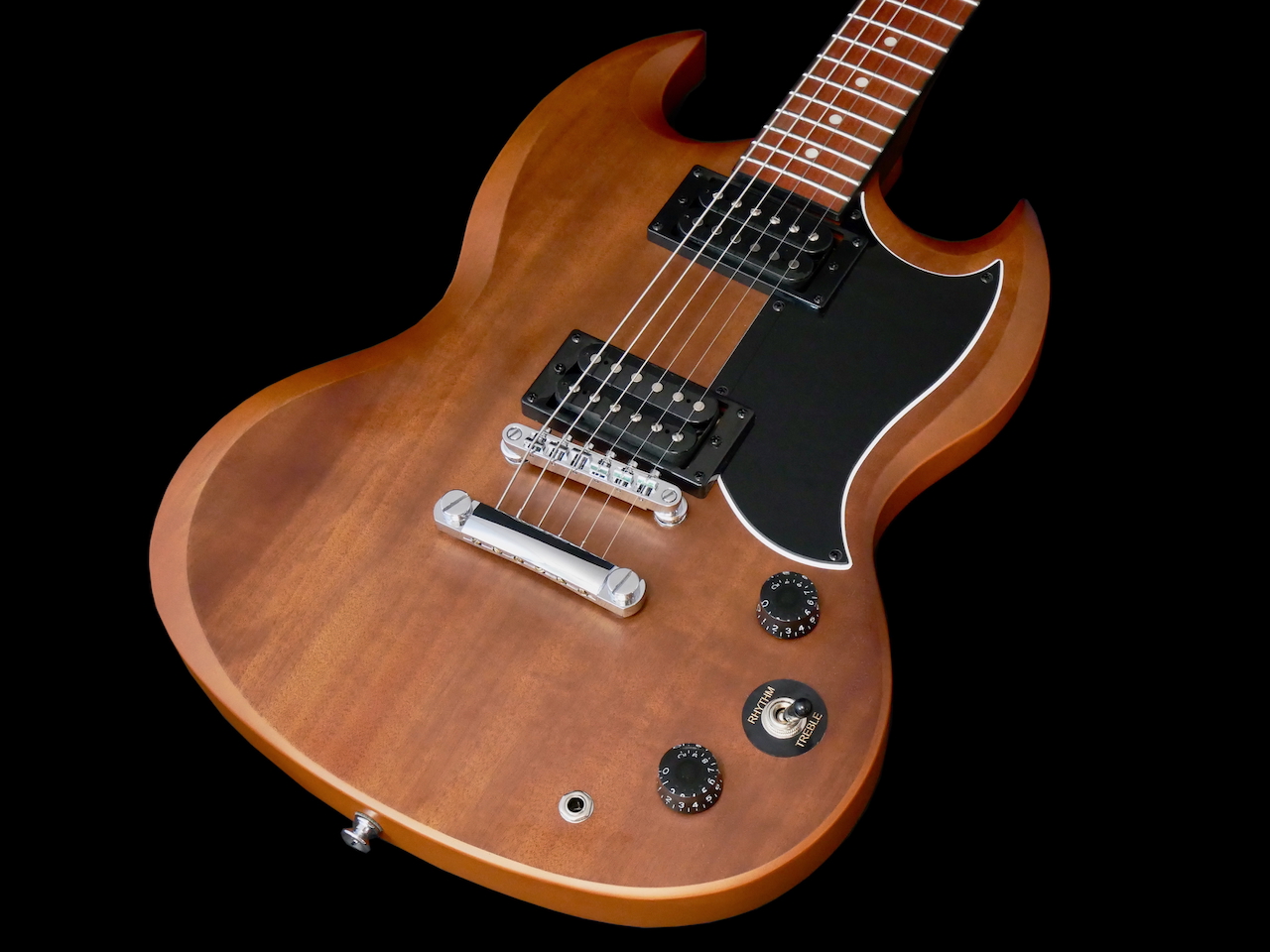
The Epiphone SG Special VE (”street price” around 240 euros in Finland) is currently the cheapest official SG replica. The letters VE stand for “Vintage Edition”, which refers to the model’s matte finish.
On the website of Epiphone’s importer – Algam Nordic – the SG Special VE is only available in matte black and matte brown (i. e. walnut), but on Epiphone’s own website the cherry red matte finish is still listed as an option. I would guess that all three options are still available at Finnish music stores.
The Epiphone SG Special VE looks a lot like the company’s own version of Gibson’s 1970s model “The SG”, especially in the walnut finish.
Should you fancy a gloss finish and chrome covered pickups, I can point you to the brand-new Epiphone SG Tribute model, which will probably replace the Special VE over time.
****
****
The Chinese SG Special VE is a very affordable instrument, which is why the guitar offers slightly unconventional detail solutions in some areas. However, the workmanship is of surprisingly high quality throughout – at least on the review instrument.
The Epiphone’s body is carved from poplar. Poplar is a basic, good instrument wood, its only ”flaw” being the wood’s dull grain pattern, which is why Music Man, for example, only uses it for solid-coloured instruments.
On the SG Special VE, this has been solved by gluing very nice looking veneers of African mahogany onto the flat middle sections of the body (front and back). This trick also preserves the traditional mahogany look of SG guitars in the VE model.
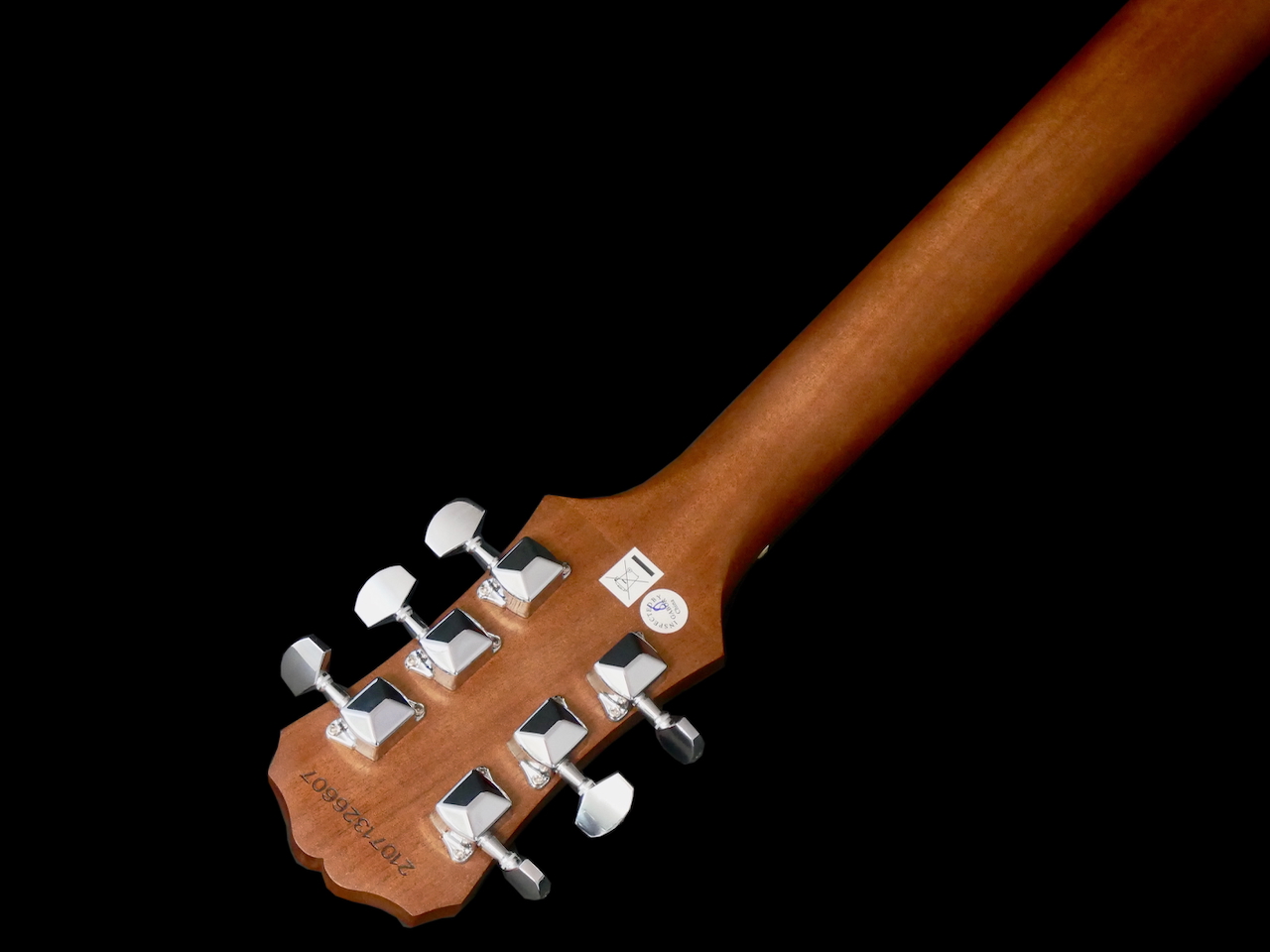
The Fender-style neck joint is a very rare solution in Gibson-style guitars these days, but it fits well on this affordable SG, especially since the joint is really tight and neat. The Epiphone SG Special VE’s neck is made of beautiful Gabon mahogany (another name for the wood is okoume). The neck is basically a one-piece affair, with a second piece added for the upper end of the headstock. The glue joint is visible below the e-string tuners.
Although this is not mentioned anywhere in the official specs, the SG Special’s reddish rosewood fingerboard has been given black plastic binding. The fingerboard is neatly fitted with 22 medium-sized frets, as well as round pearloid fingerboard inlays.
The hardware department consists of Epiphone’s Lock-Tone bridge and tailpiece, as well as inexpensive closed tuners. These machine heads are regularly criticised, for example in YouTube videos, for being ”bad at keeping the guitar in tune”.
In reality, this perceived problem is based on the fact that modern tuners usually have a tuning ratio of 18:1 or even 20:1. The pair of numbers tells us how often the tuner knob must be turned so that the tuner’s post (where the string is attached) turns one full turn. Special VE’s very affordable tuners, on the other hand, operate with a “coarse” ratio of 14:1 – the same ratio seen on many acoustic guitars from the 1970s. These old-fashioned tuners have a slightly jumpier character when it comes to tuning – it is very easy to turn past the correct pitch – and also have significantly more “play” than modern machine heads. As long as you remember to always tune each string up from flat to the correct pitch, these tuners work reasonably well, and there are no problems with tuning stability.
****
****
The Epiphone SG Special VE features the company’s own open 650R and 700T humbuckers, which are very powerful pickups with ceramic magnets. This pair of pickups represent Epiphone’s affordable take on Gibson’s 1970s Dirty Fingers humbuckers, and they have a very strong midrange and big bass.
Traditionally, two-pickup Gibson or Epiphone electric guitars often have a group of four controls in addition to a three-position toggle switch. For modern guitarists, a master volume control that affects the entire guitar is – especially in live situations – often a more functional solution than individual controls for each pickup. Also for beginners, a solution like the SG Special VE, which offers only master volume and master tone controls in addition to the switch, is clearly a better option.
The electronics compartment of the Epiphone test guitar is very clean, as are the solder joints. The parts themselves are – naturally – inexpensive, but I didn’t find anything to complain about in terms of functionality.
Can a guitar in this price range, with a bolt-on neck and a body made from ”the wrong type of wood”, be a real, proper SG? Comparing the Epiphone with three other SGs, I can say that the short answer is “yes!”
I find it very funny that both Gibson’s and Epiphone’s headquarters are apparently afraid to tell people about the real neck profiles of their guitars. Everywhere you look these days, it (almost) always says “slim taper D-neck”, regardless of the model. Do Epiphone’s decision-makers really think that players would be afraid of anything other than thin 90s profiles?
In reality, the neck profile of the Epiphone SG Special VE model is a nicely rounded, but not too thick D-profile, which I think suits an SG-style instrument very well.
There was nothing wrong with the review instrument’s set-up, and the guitar’s playability is more than okay, especially considering the Special VE’s low price.
The Epiphone’s balance on the strap is even slightly better than on many average SGs, because the neck sits about two centimeters deeper in the body than usual, due to the Special VE’s bolt-on neck.
The Epiphone SG body sits nicely in the lap and hangs comfortably against the player’s body when using a strap.
The review instrument’s acoustic voice is very healthy, and I didn’t find any disturbing dead spots.
If you use the Epiphone SG Special VE model with a vintage-style amplifier that doesn’t have a master volume control – like, for example, with a good Fender Champ copy – the instrument’s hot pickups get more distortion out of the amplifier, which I think is a good thing.
With effects pedals, it’s worth using the SG Special VE’s well-functioning master volume, because some effects – for example, some overdrives and many modulation effects – can easily ”clog up” with very hot pickups. But this is what controls on an electric guitar are for.
In my opinion, the Epiphone SG Special VE is a surprisingly nice guitar for the money. It offers a lot of mileage at a really budget-friendly price. If you like the look of the SG, the Special VE is definitely an instrument worth trying out.









 Kitarablogi.com – Finland's premier Guitar and Bass blog